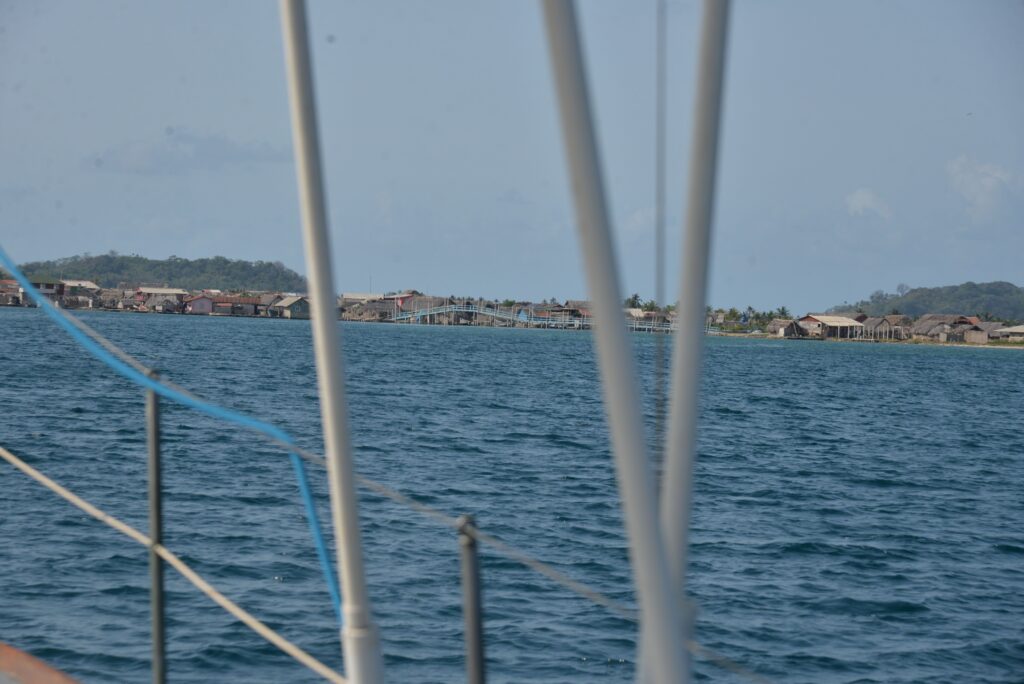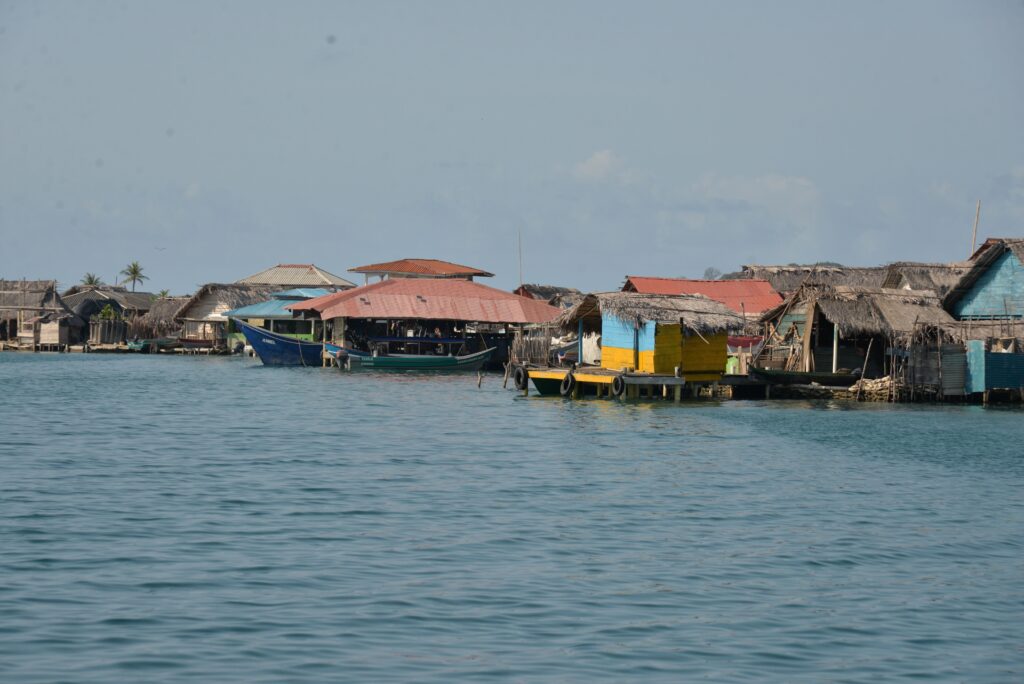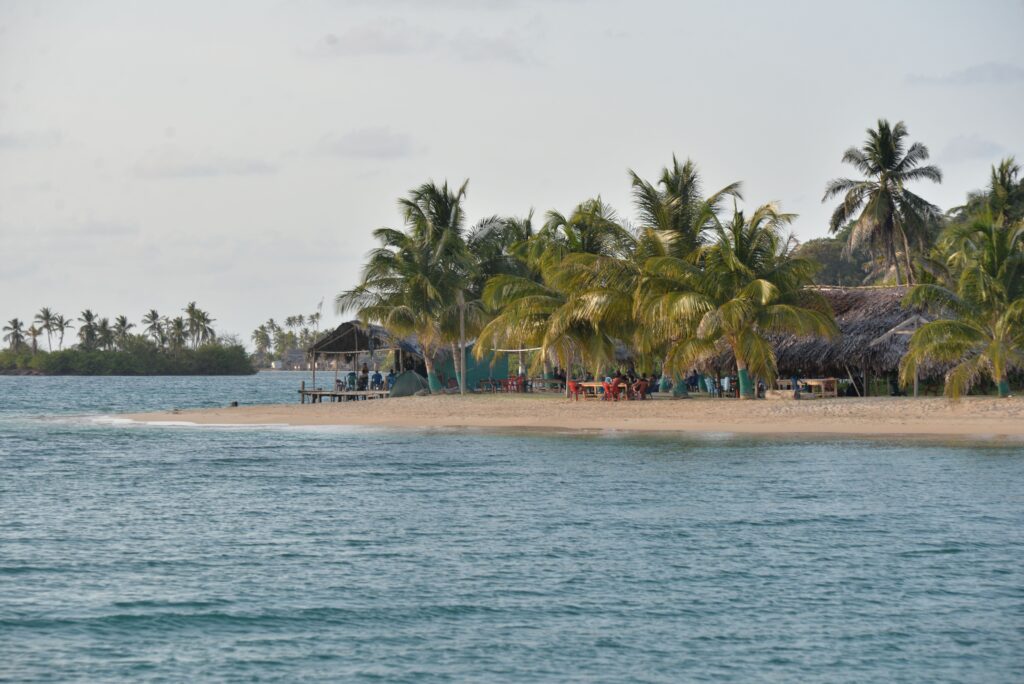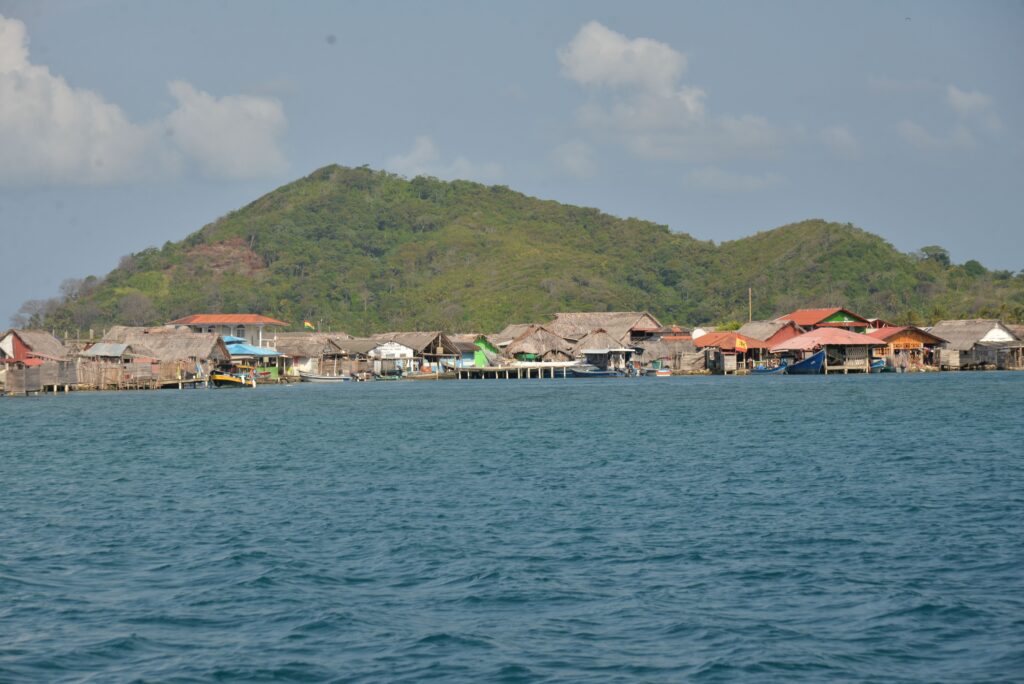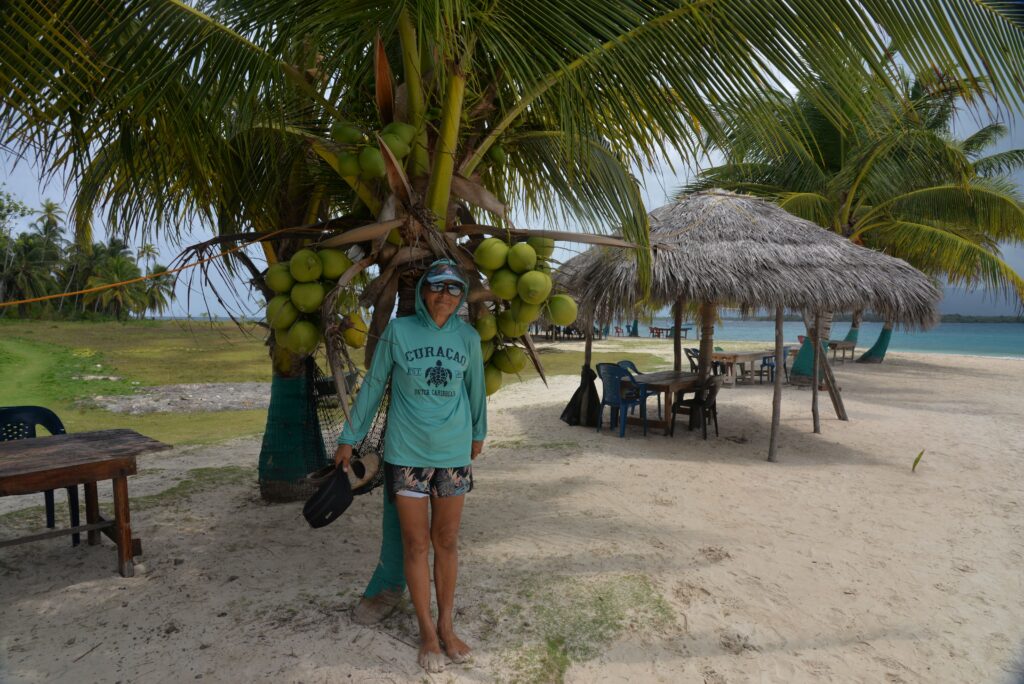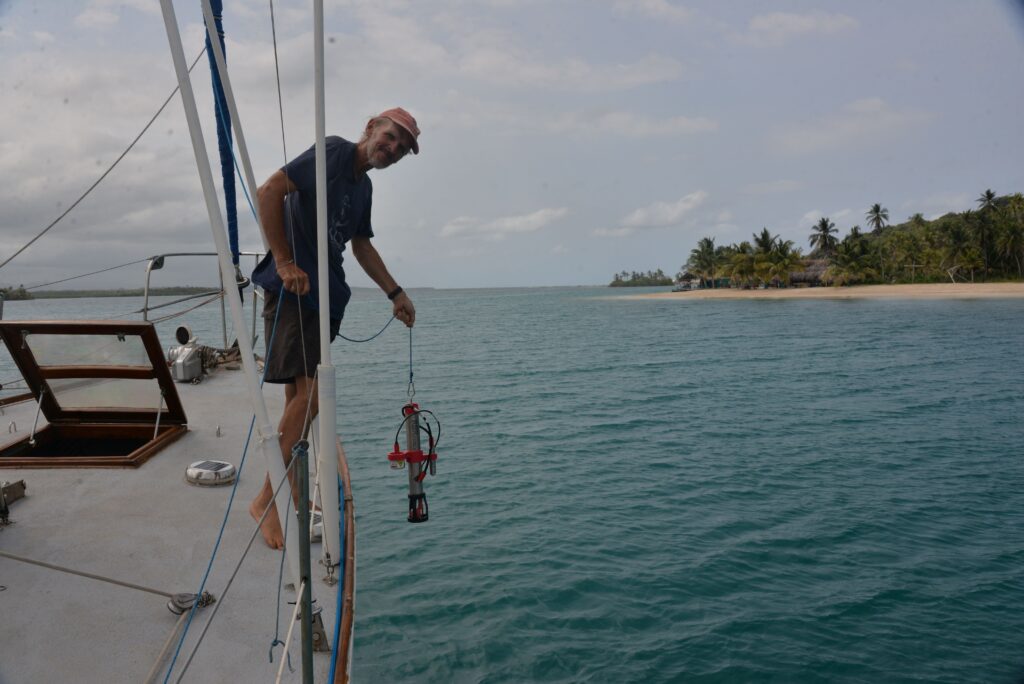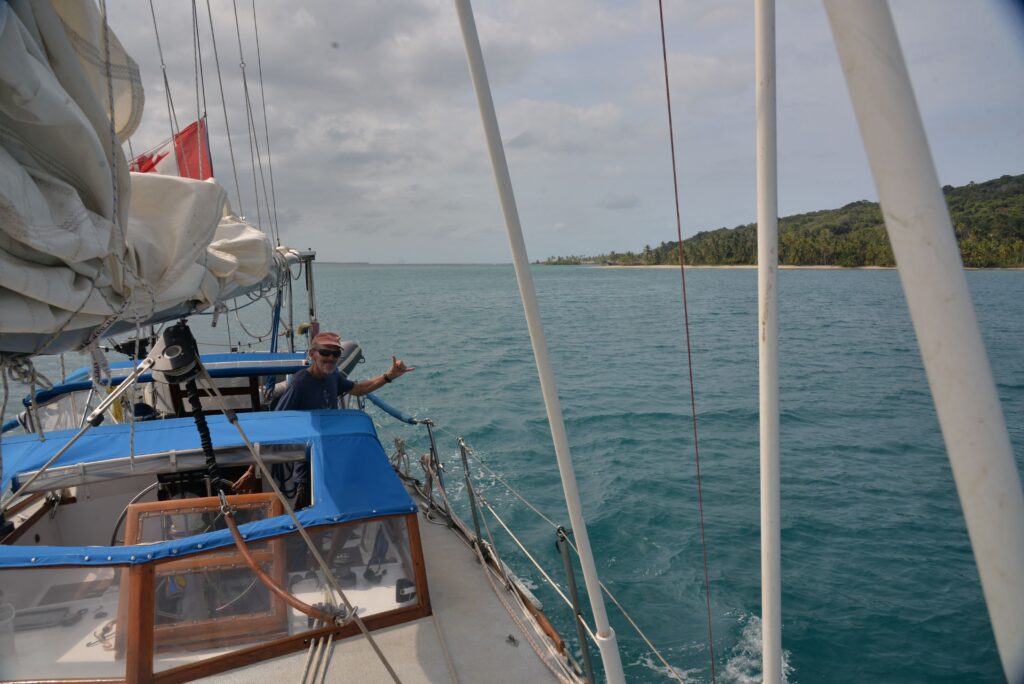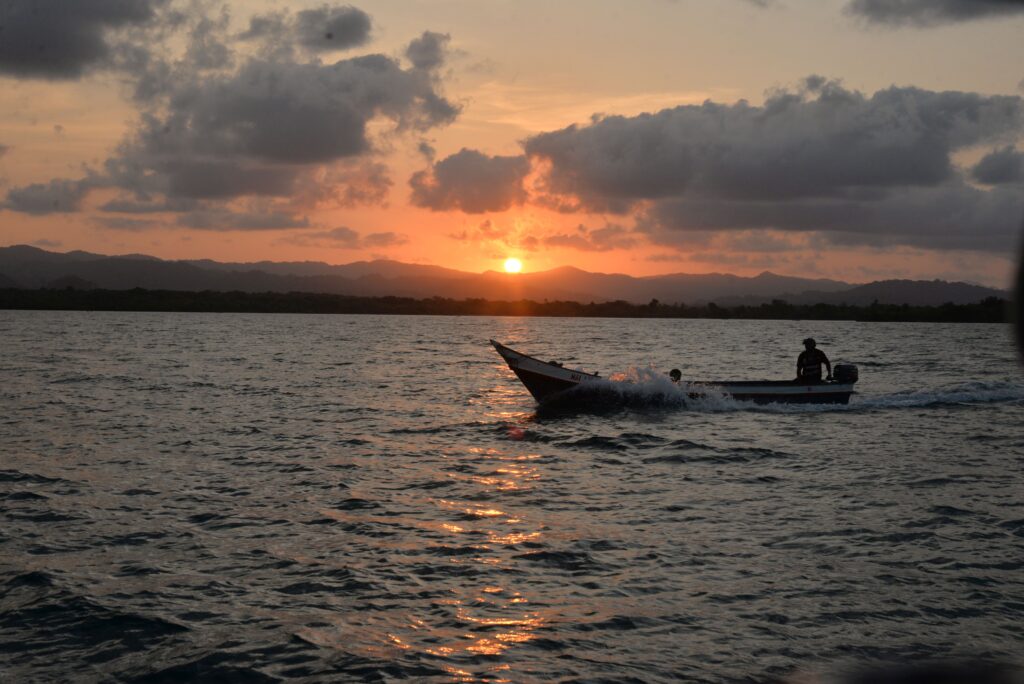

We continued our journey along the coast of Panama, sailing through the waters of the Guna Yala people. Our route took us between the mainland and the scattered islands of this autonomous region. We had no idea that places still existed on Earth where people live free from the grip of consumerism, content with simplicity and guided by tradition.
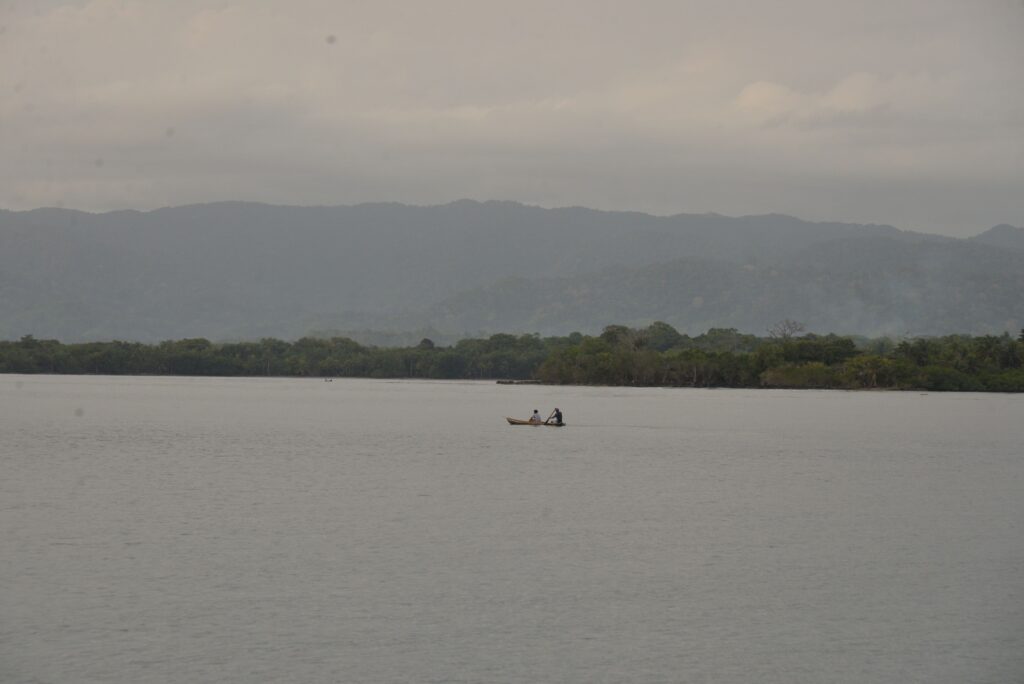
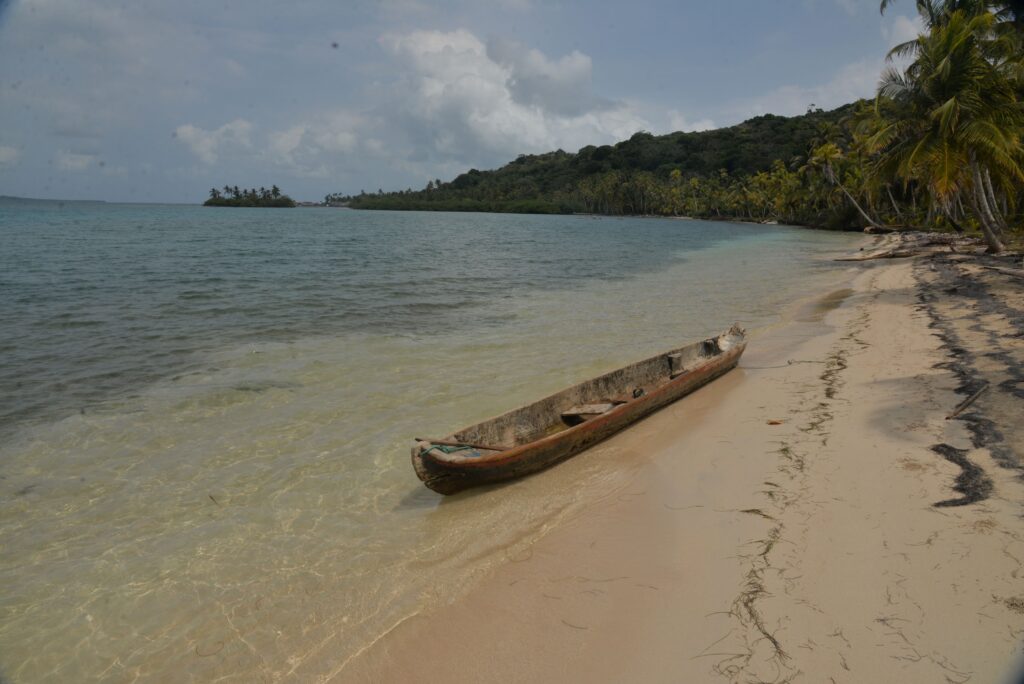
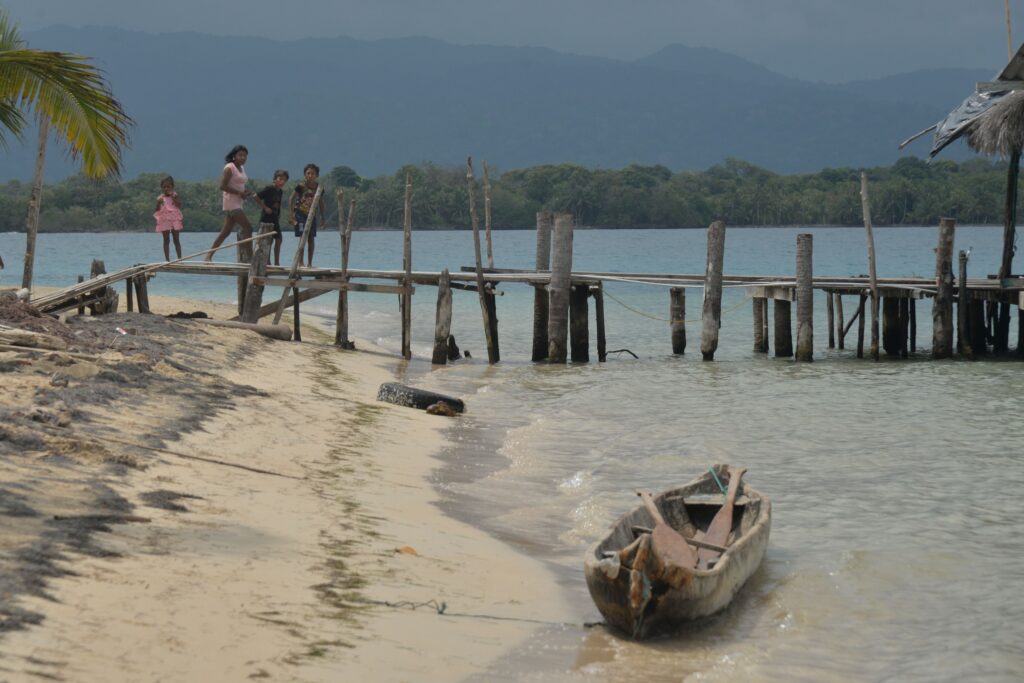
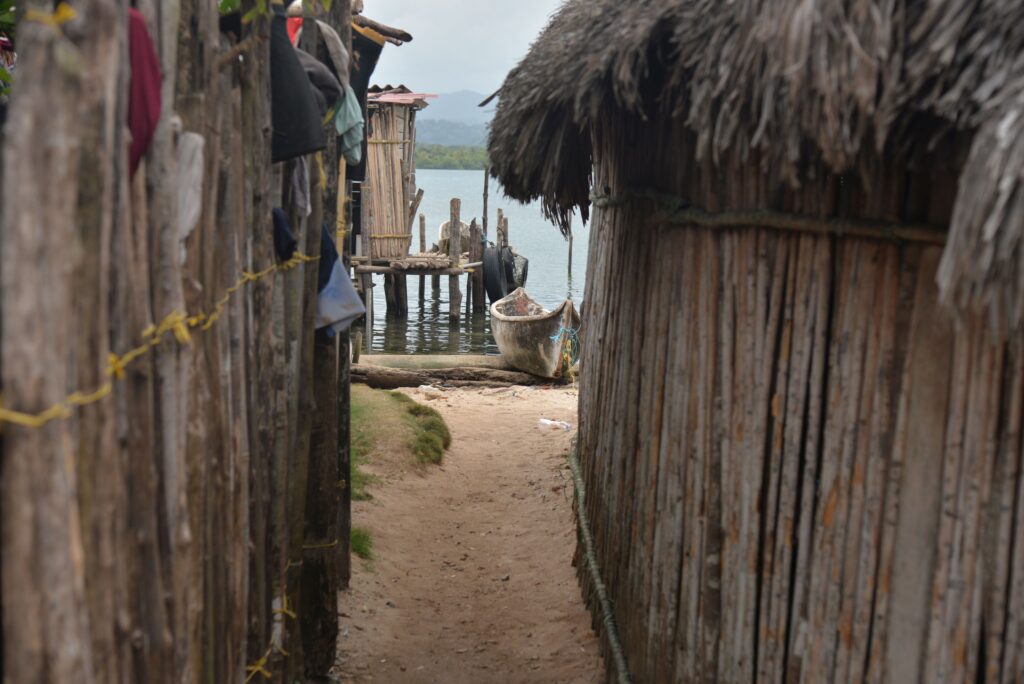
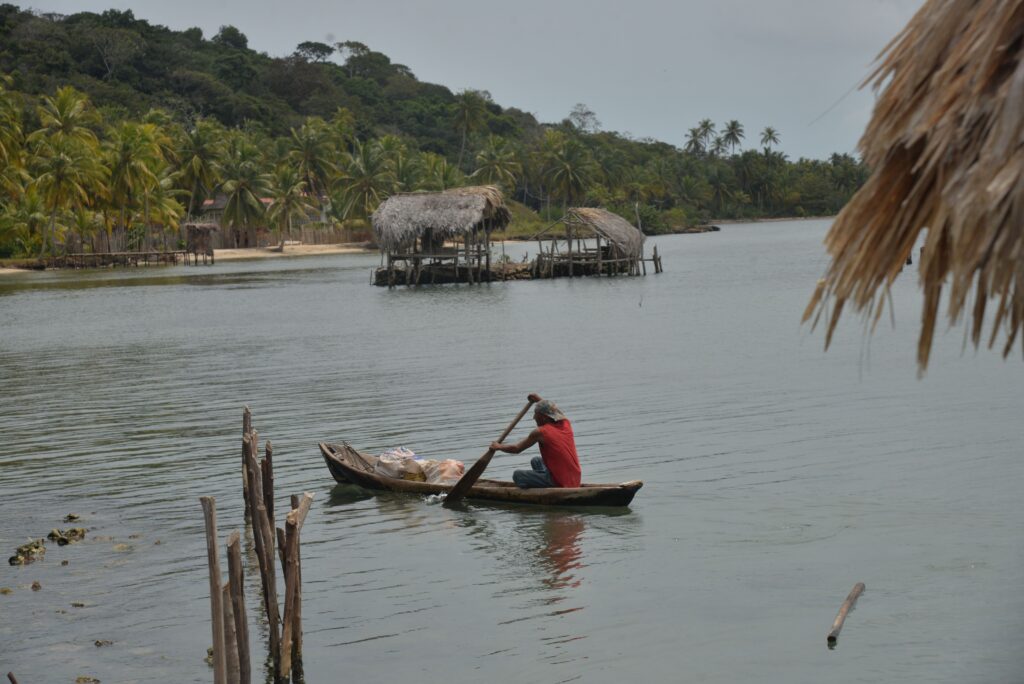
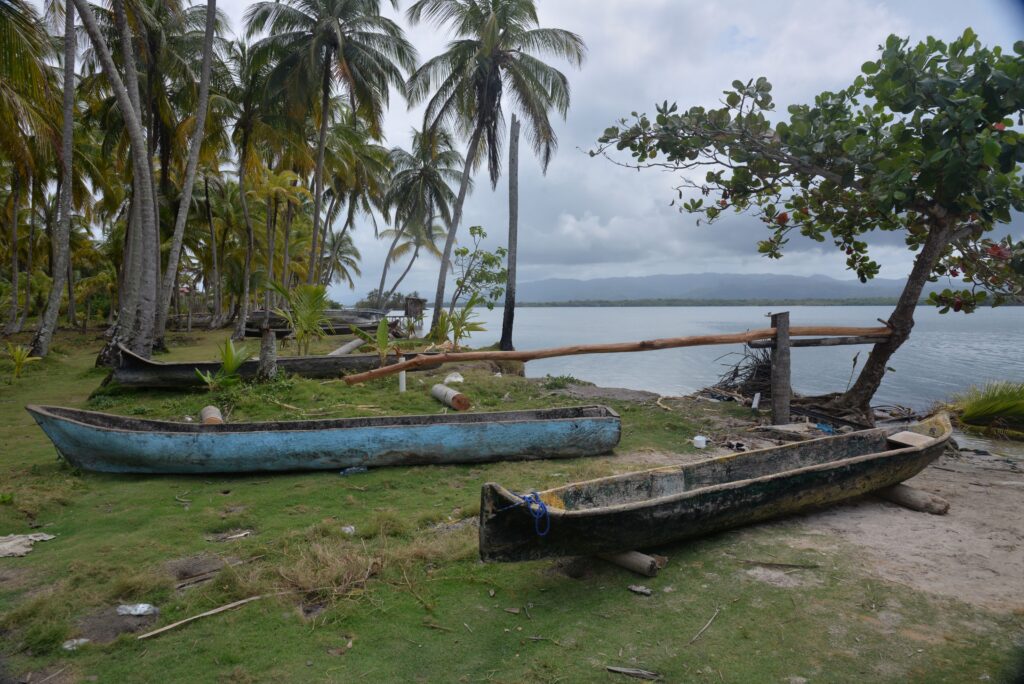
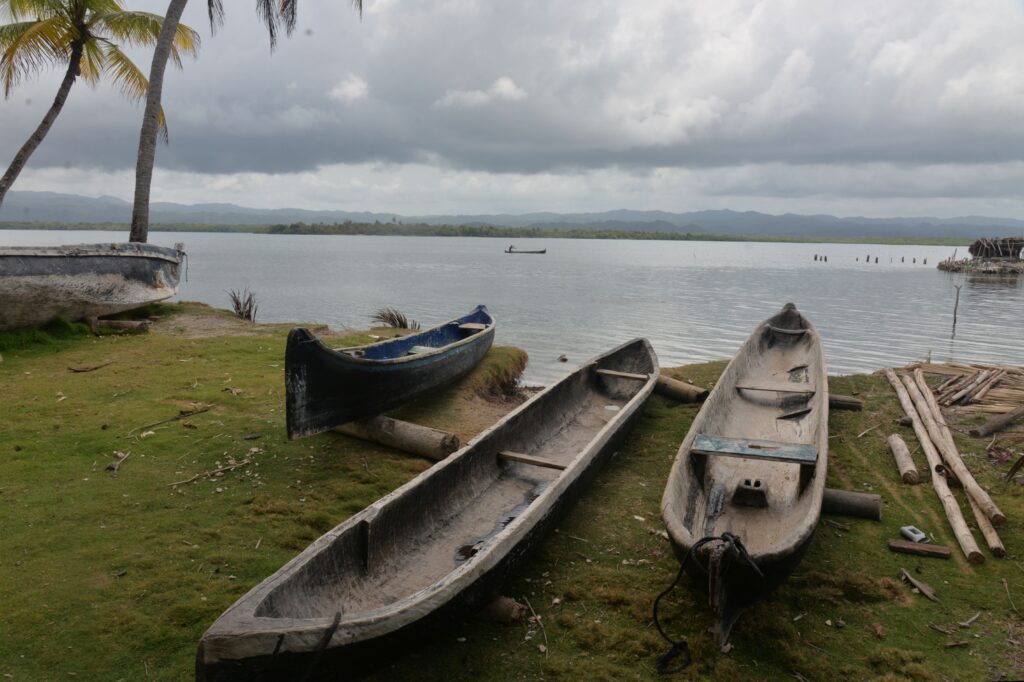
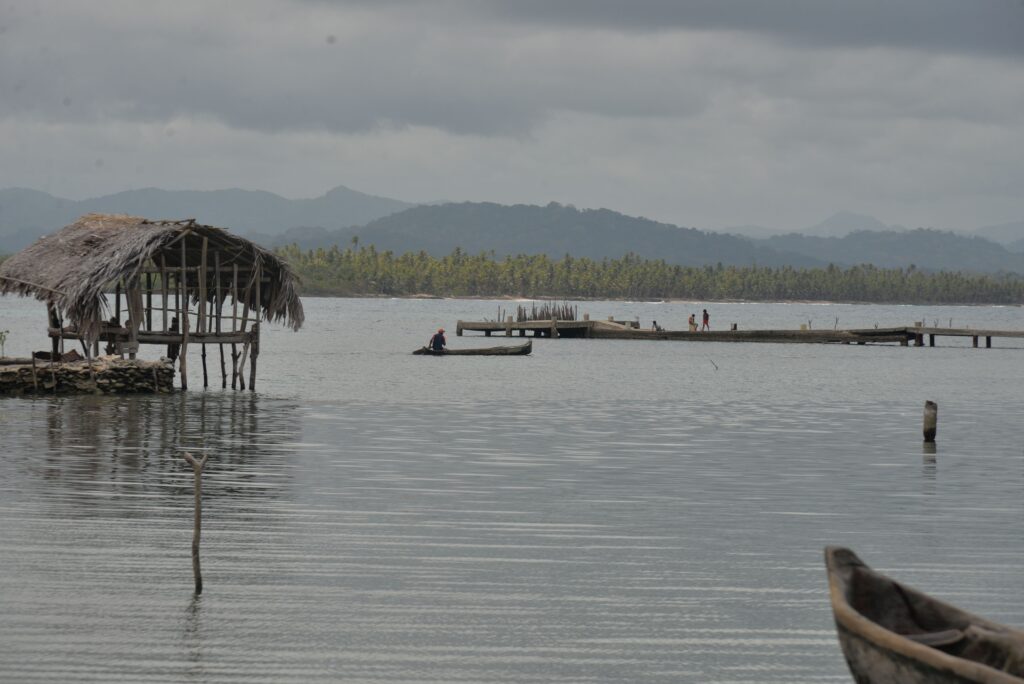
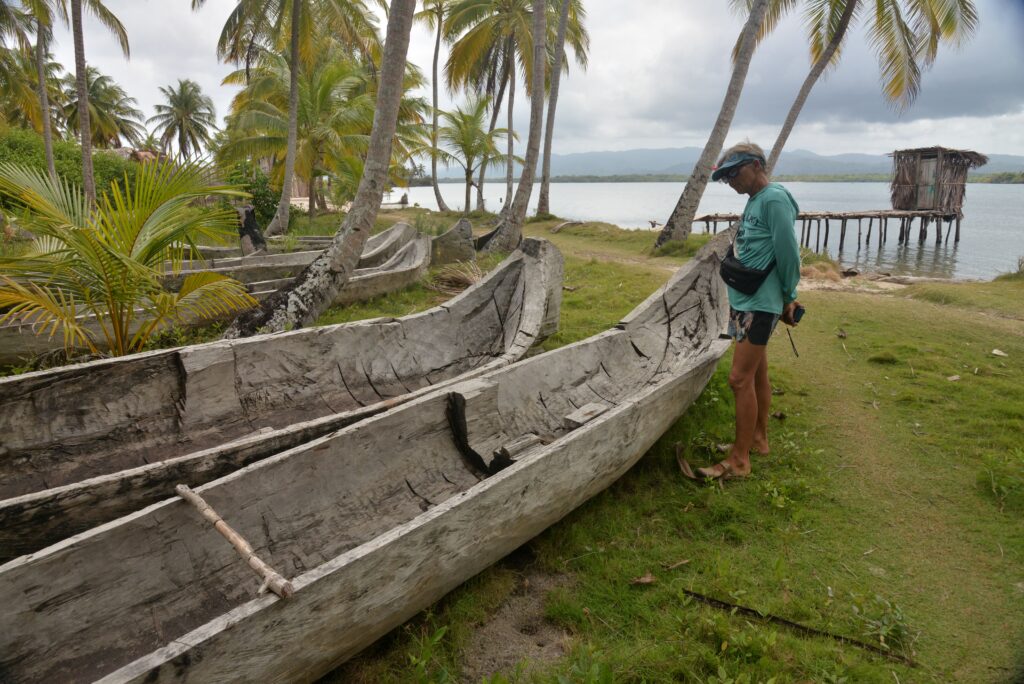
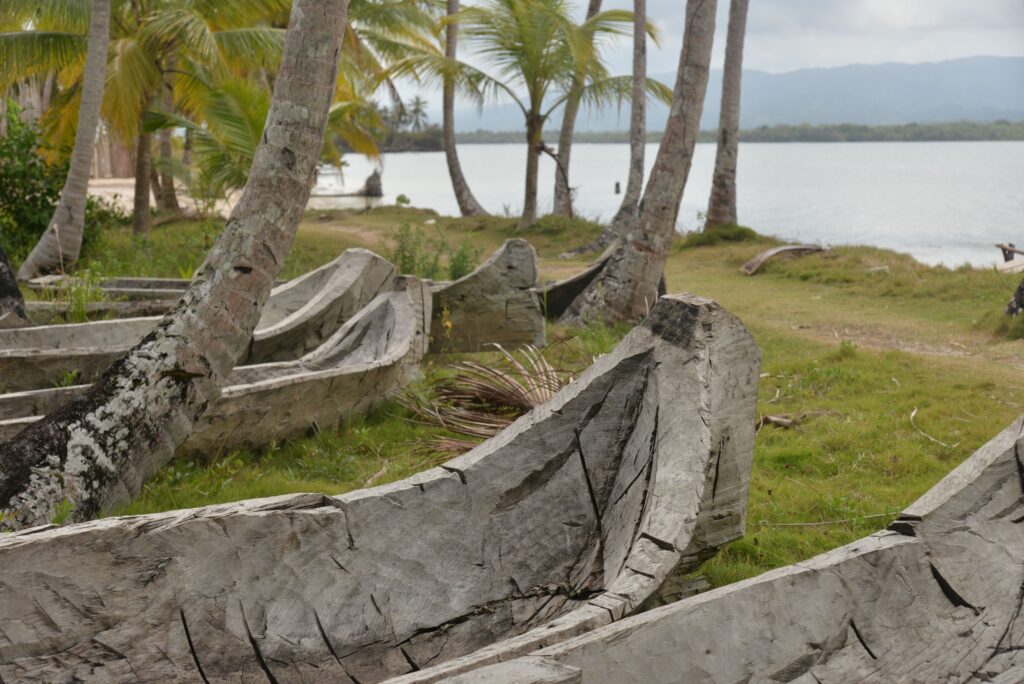
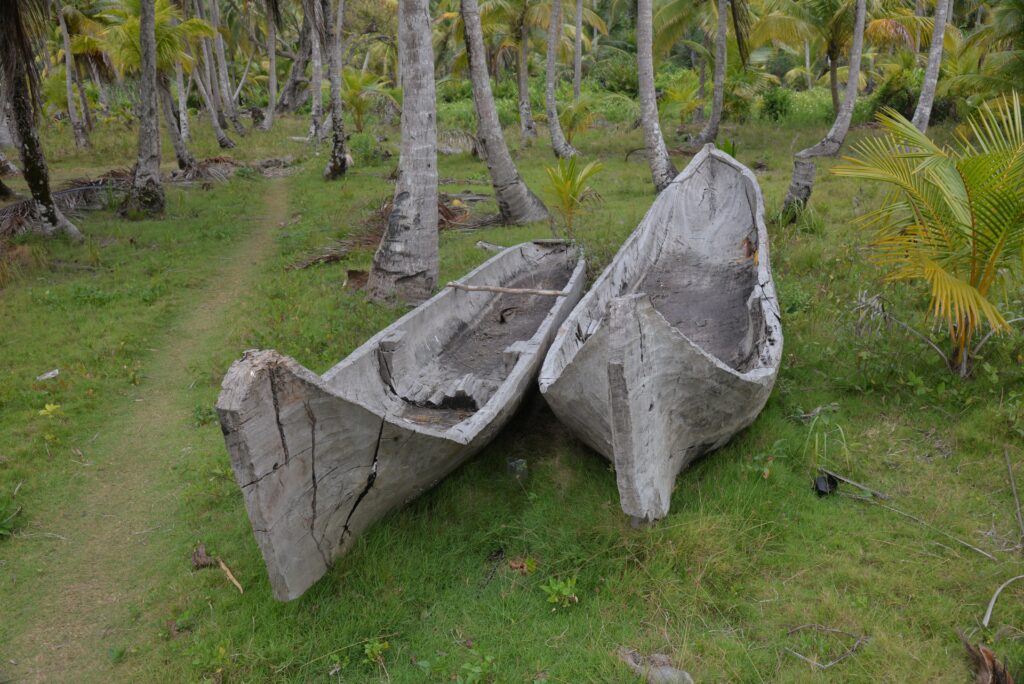
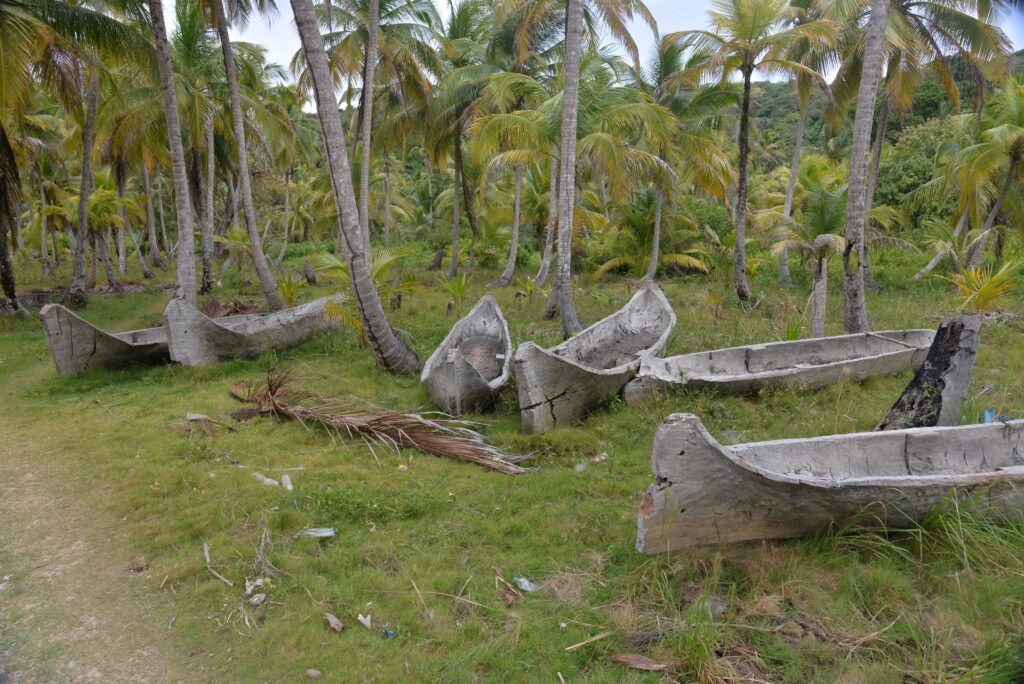
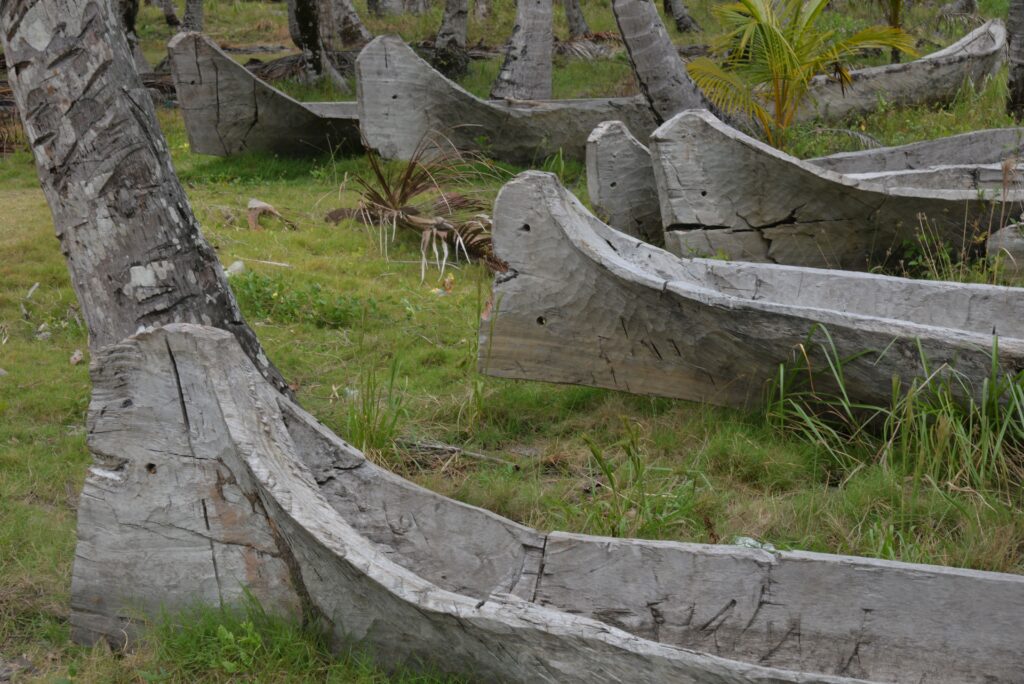
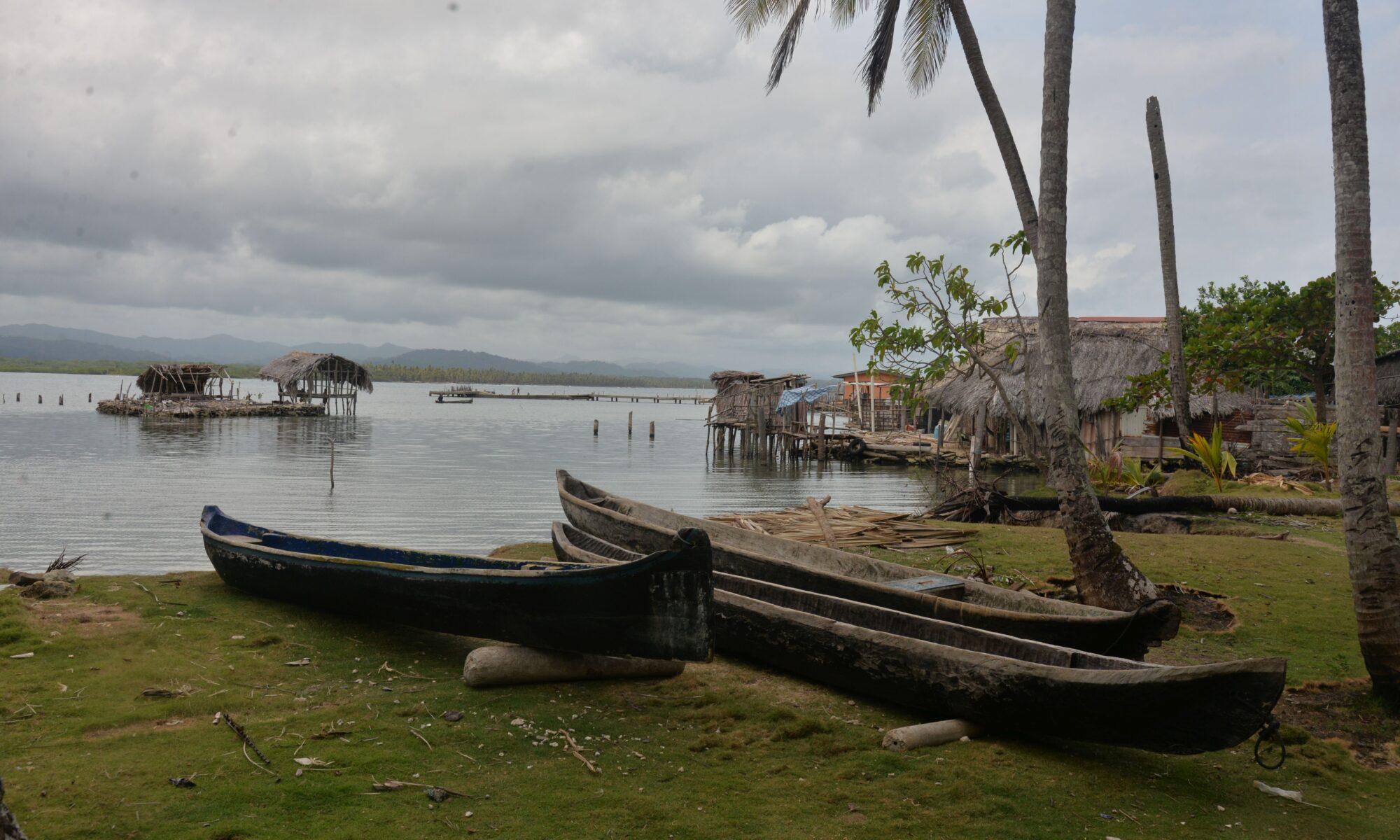
Here, everyone is equal—there’s no flaunting of wealth, no rush of traffic. In fact, there are no cars at all. Not even bicycles. The primary means of transportation are traditional ulu—dugout canoes carved from mahogany. These boats serve as the lifeline of the community, used for fishing, travel, and transporting goods.
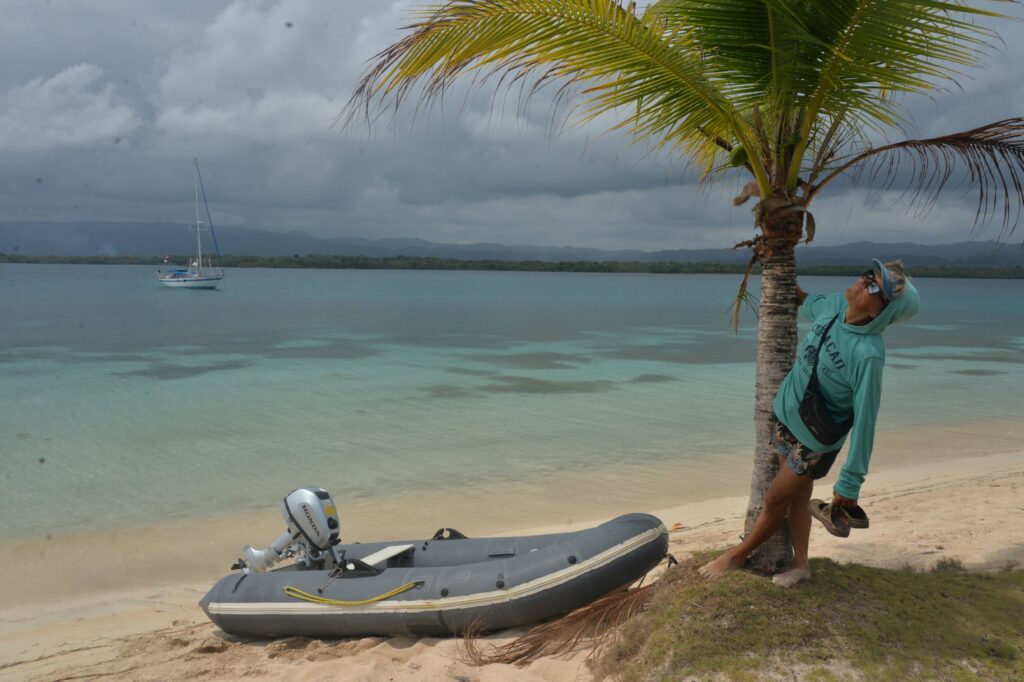
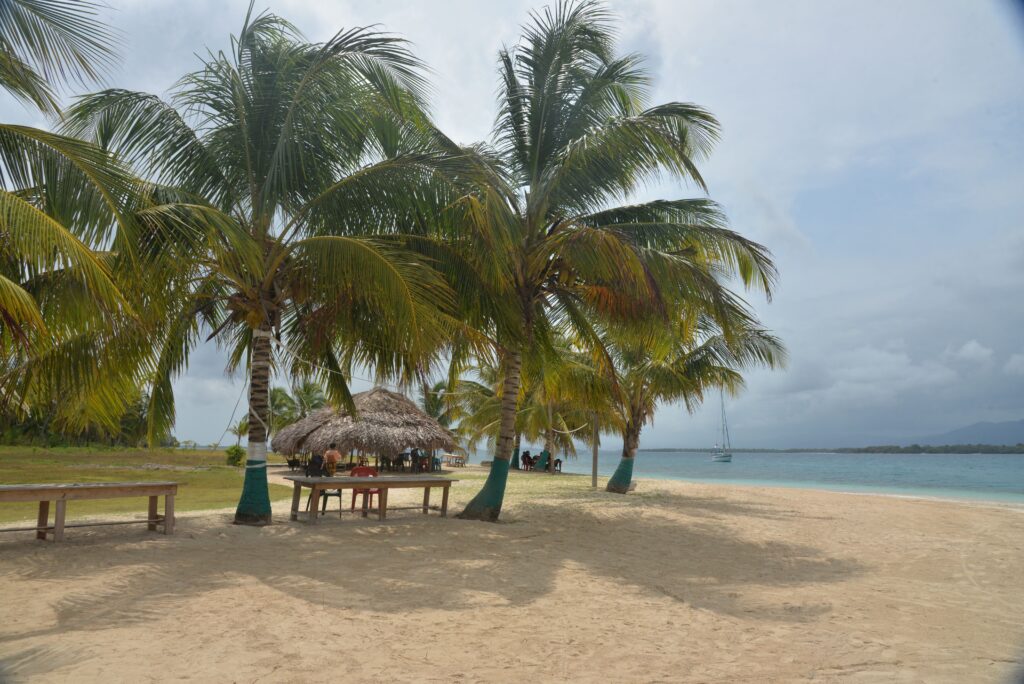
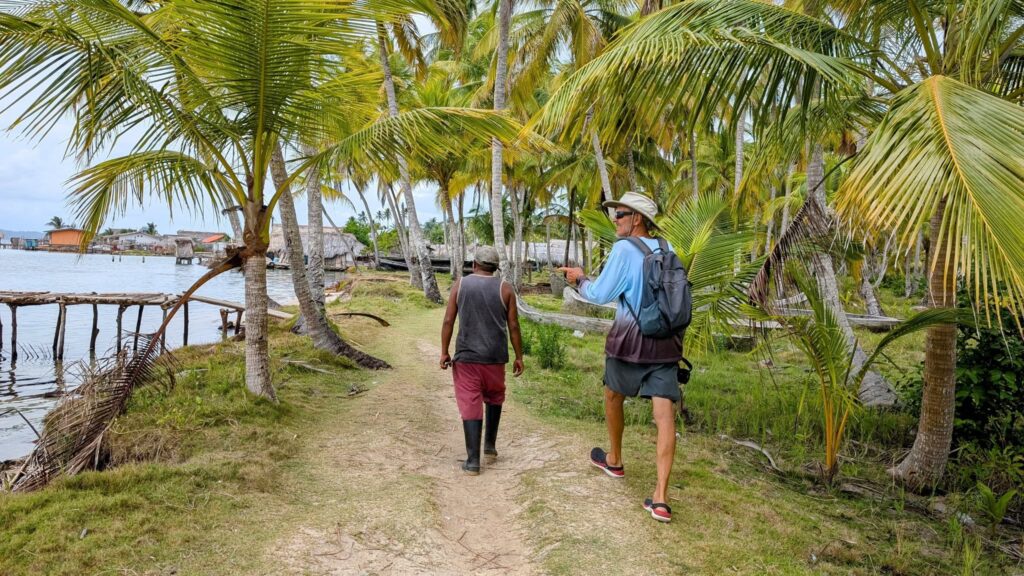
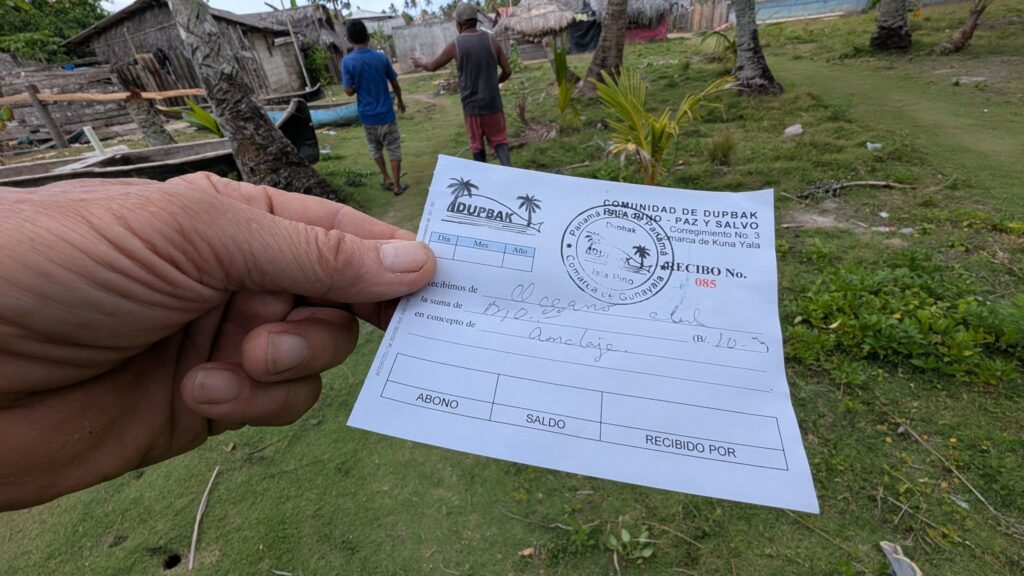
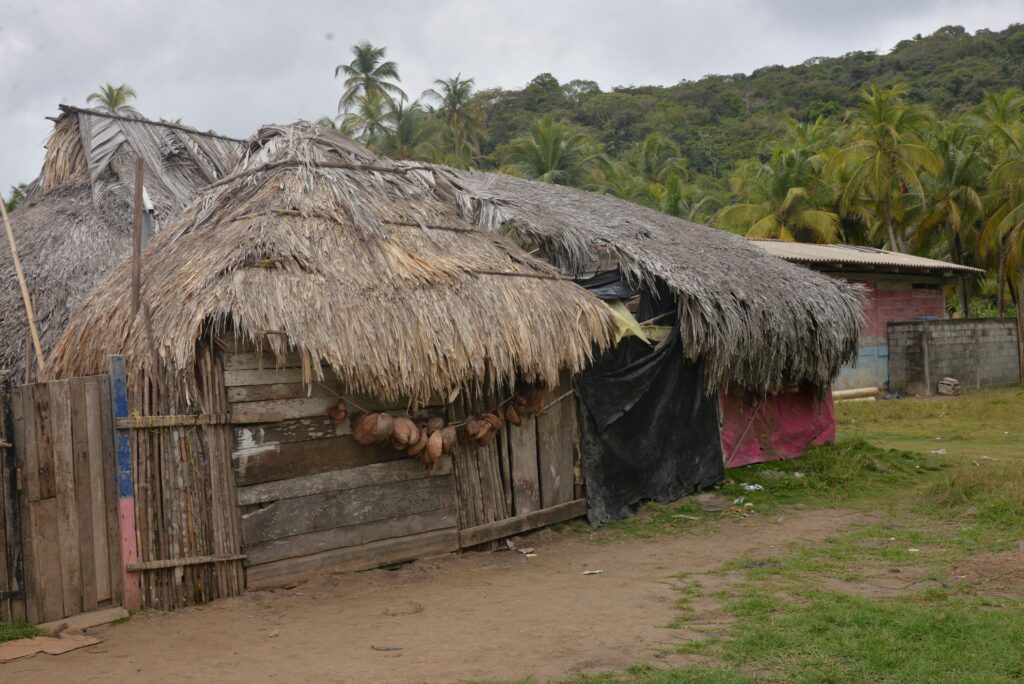
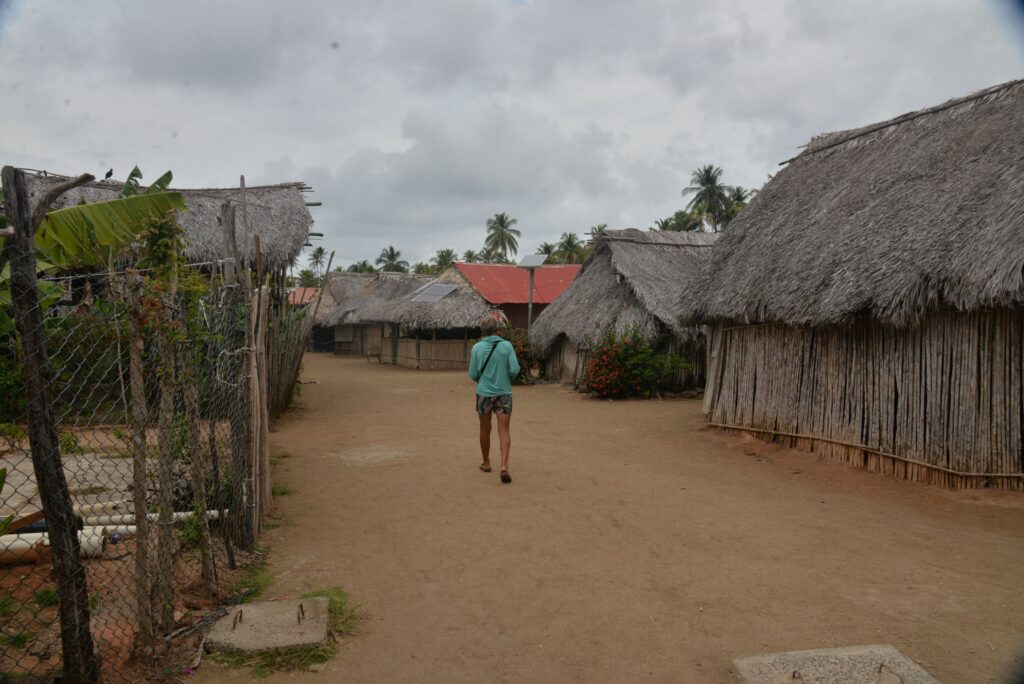
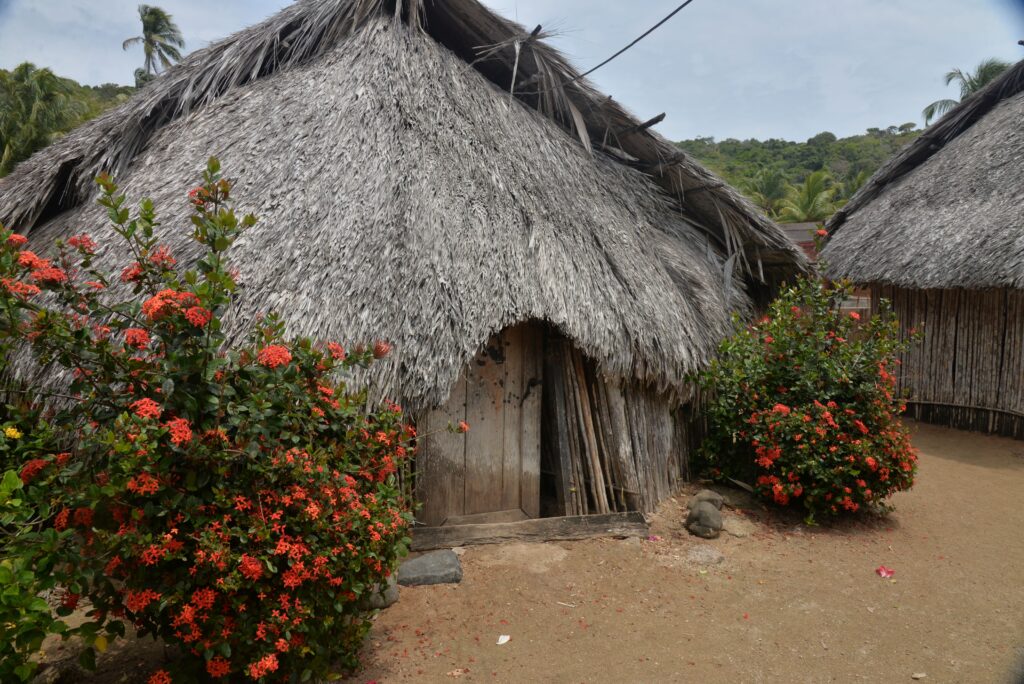
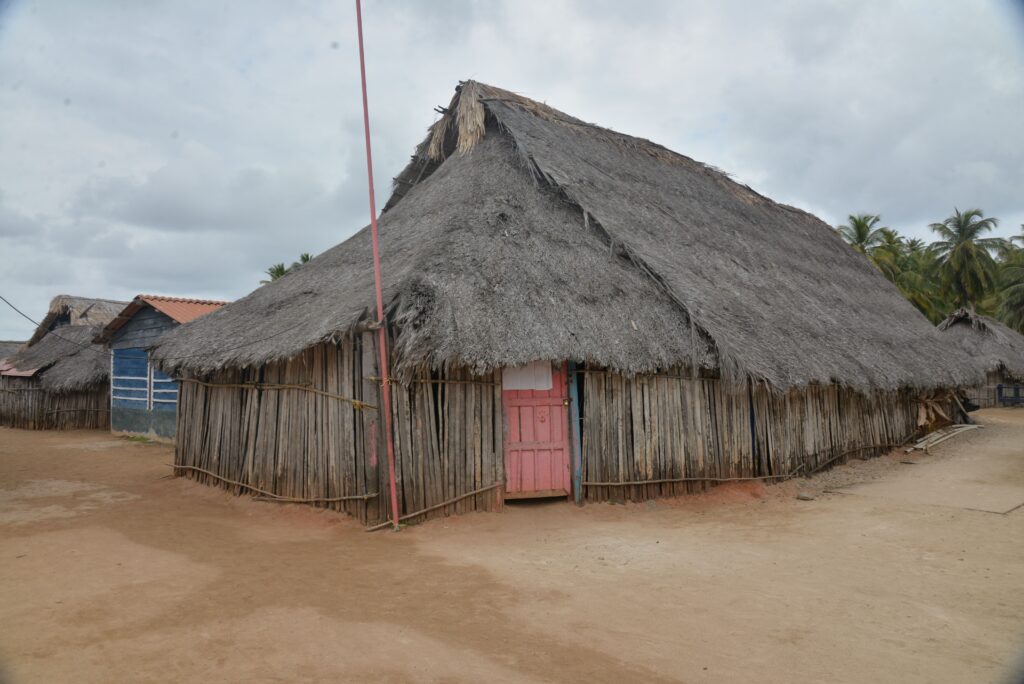
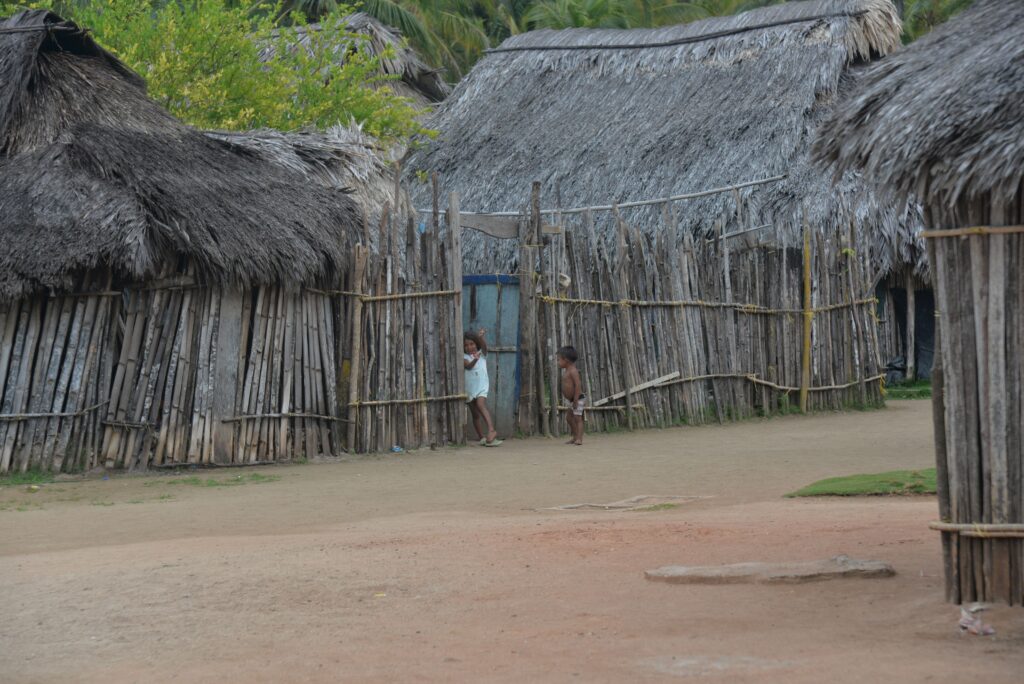
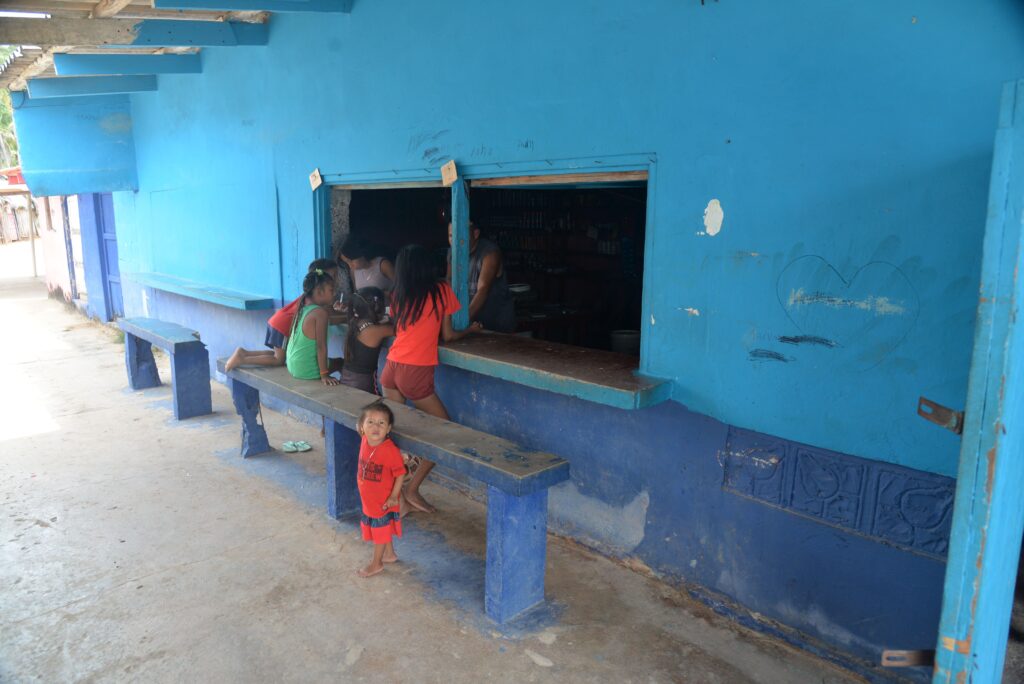
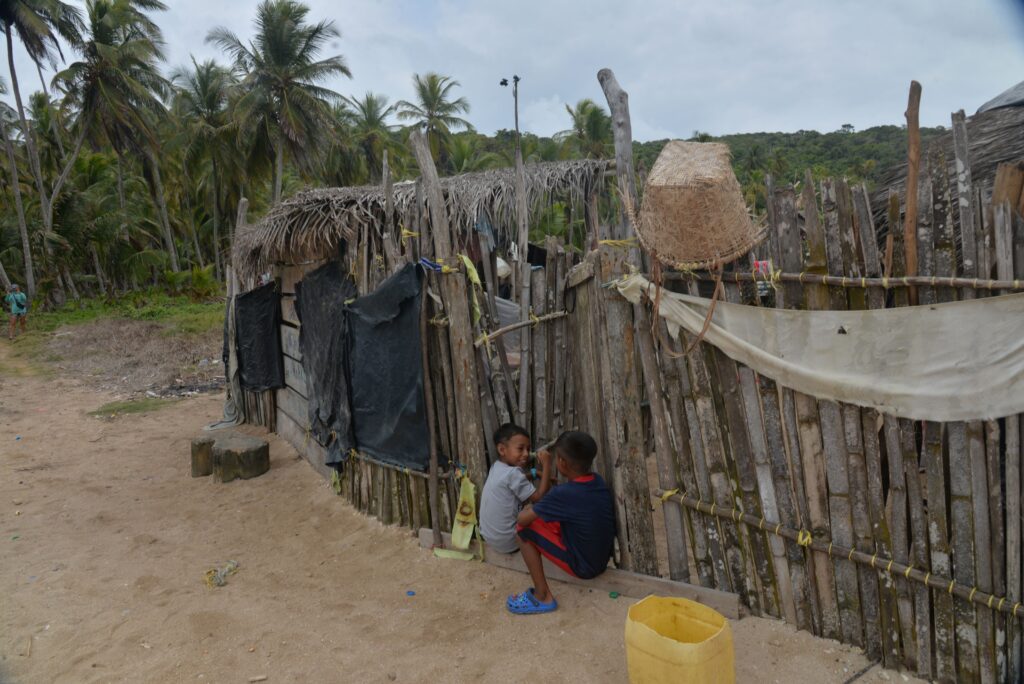
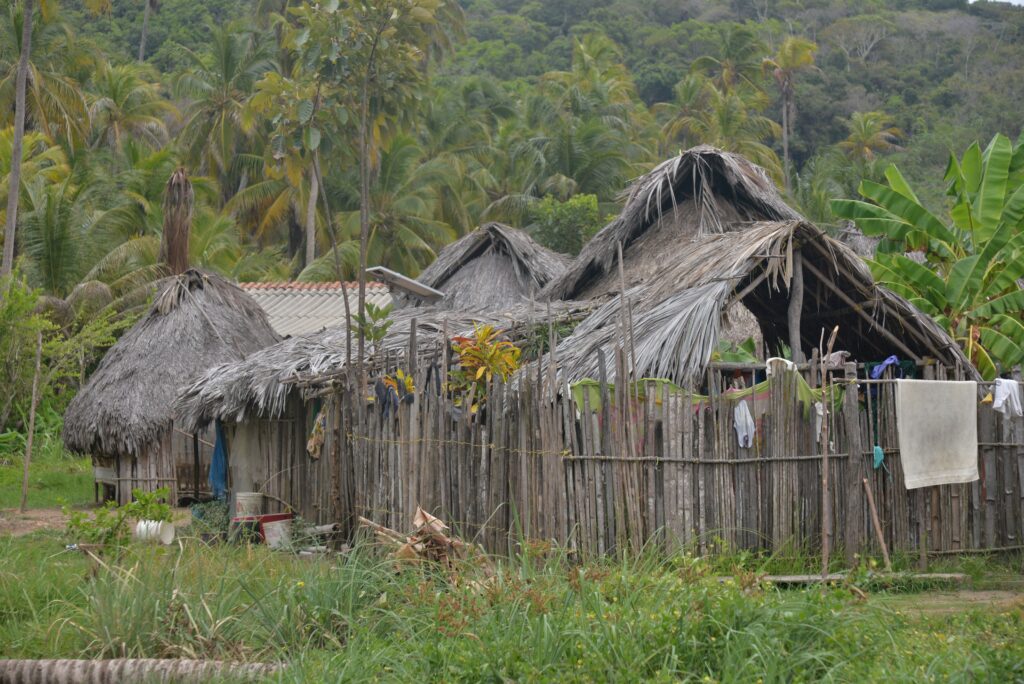
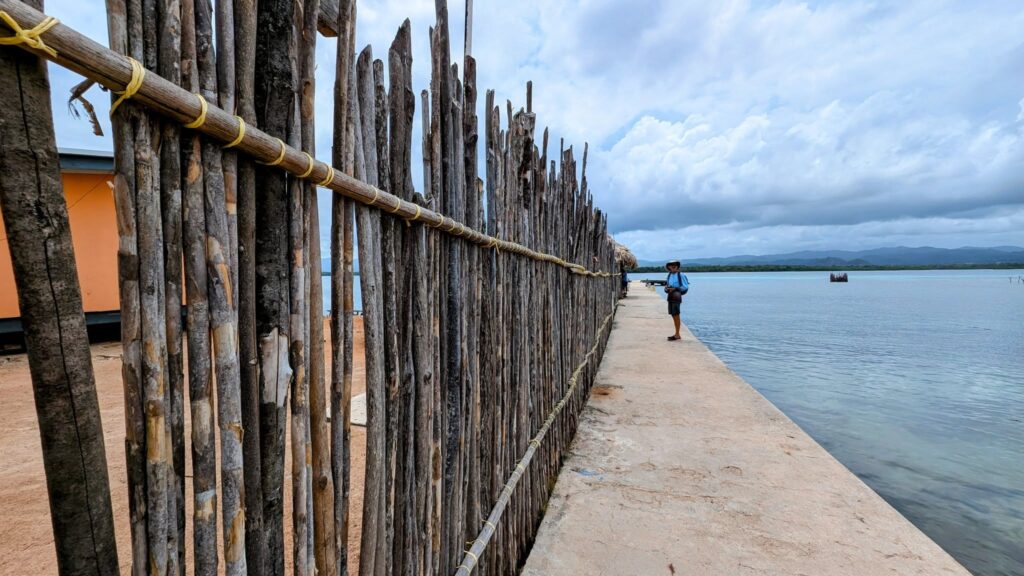
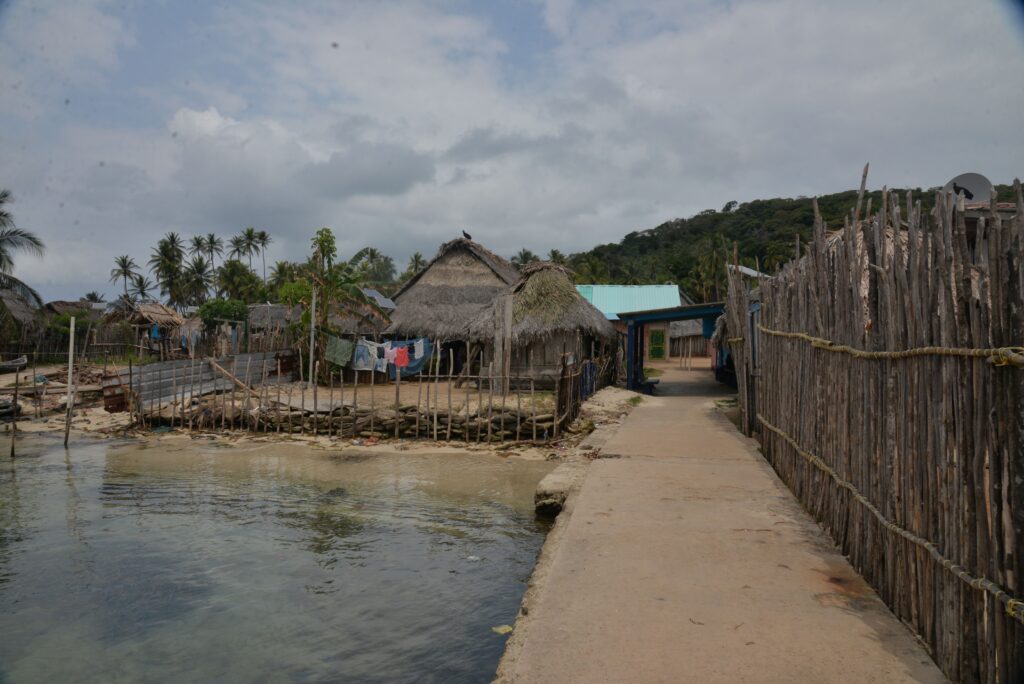
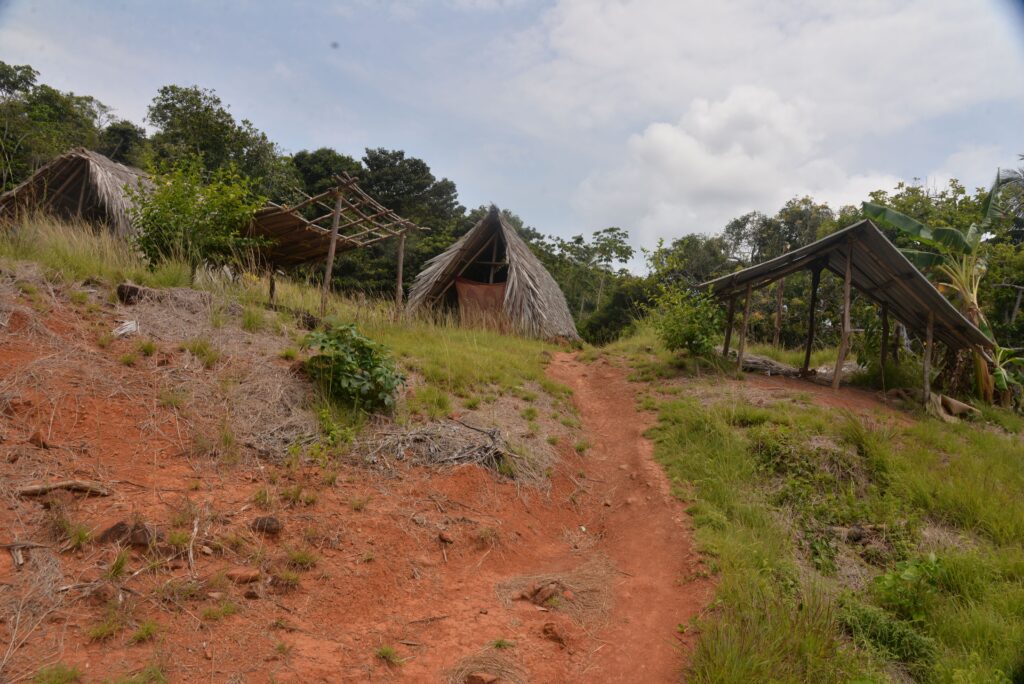
We anchored near one of these villages on the Isla Pina, eager to glimpse life from the inside. As we walked along the main path—barely wide enough for a car, had one existed—we were struck by the compactness of the settlement. Homes are built closely together, separated only by narrow alleyways, so neighbors live quite literally side by side, without barriers or soundproofing.
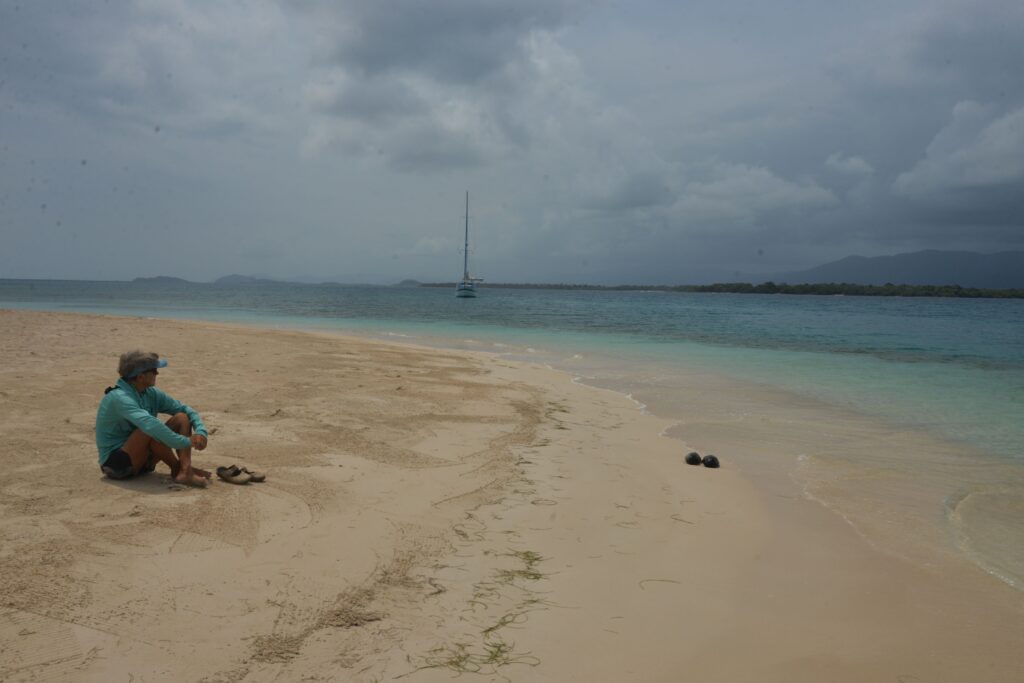
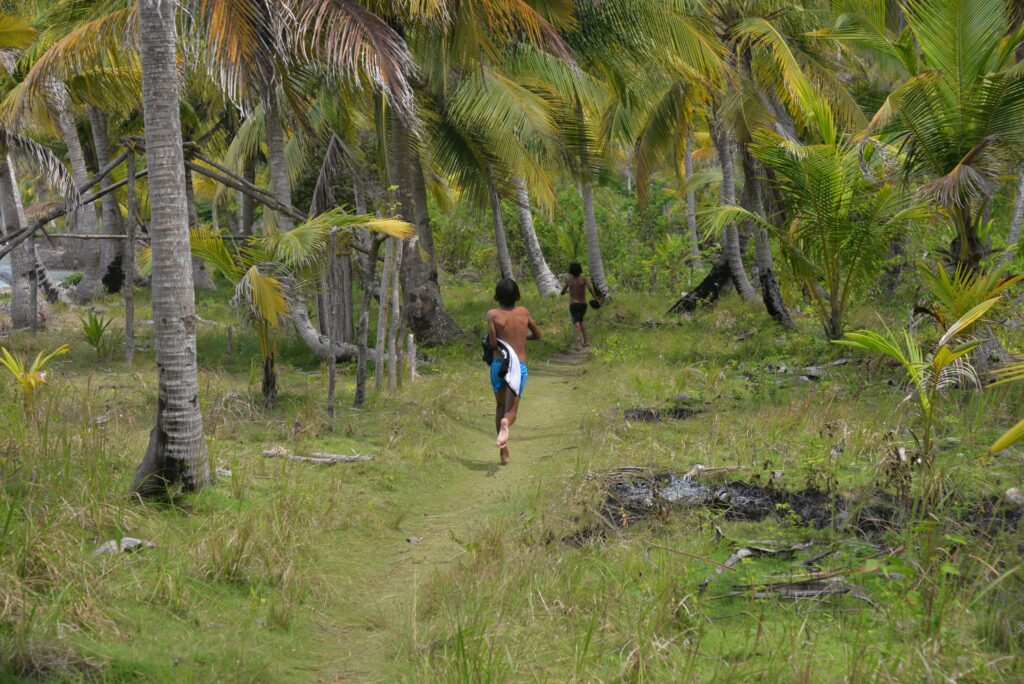
In many cases, an entire village fits on a small island, while gardens and farmland are located on a neighboring one, which is reached only by ulu. Despite their remoteness, the Guna people enjoy full political autonomy and, in my opinion, some of the most beautiful lands in the region. Though history tells us they were once pushed to the fringes by Spanish colonizers, today they’ve reclaimed a peaceful corner of the world.
Still, it’s bittersweet. The population is slowly declining—a sign that many are leaving for city life and gradually assimilating. I can’t help but wonder: how long will this paradise endure?