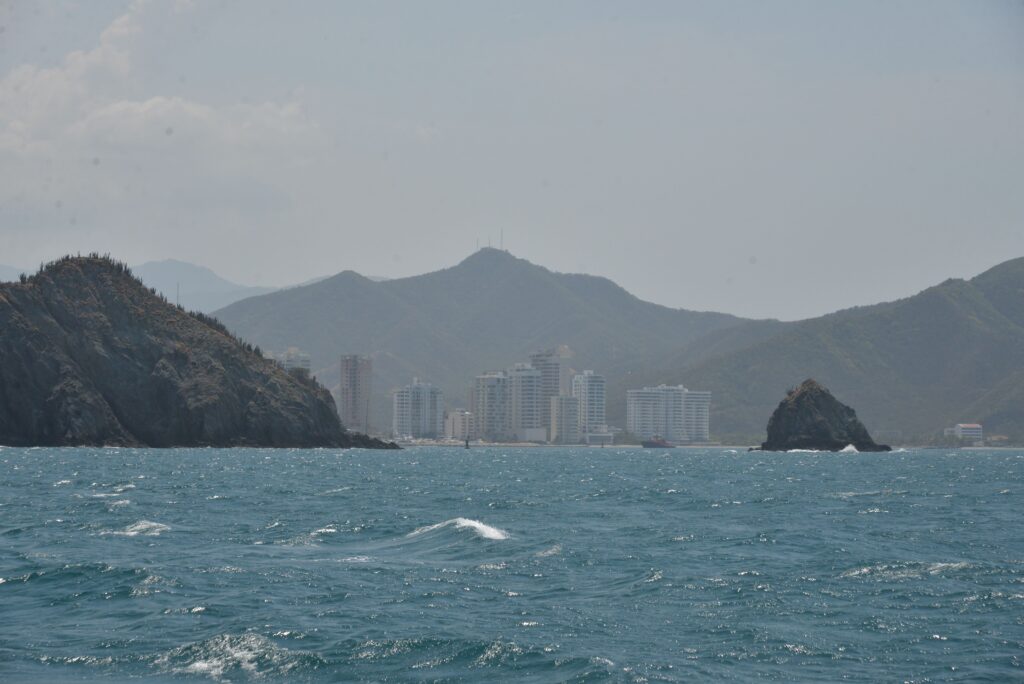
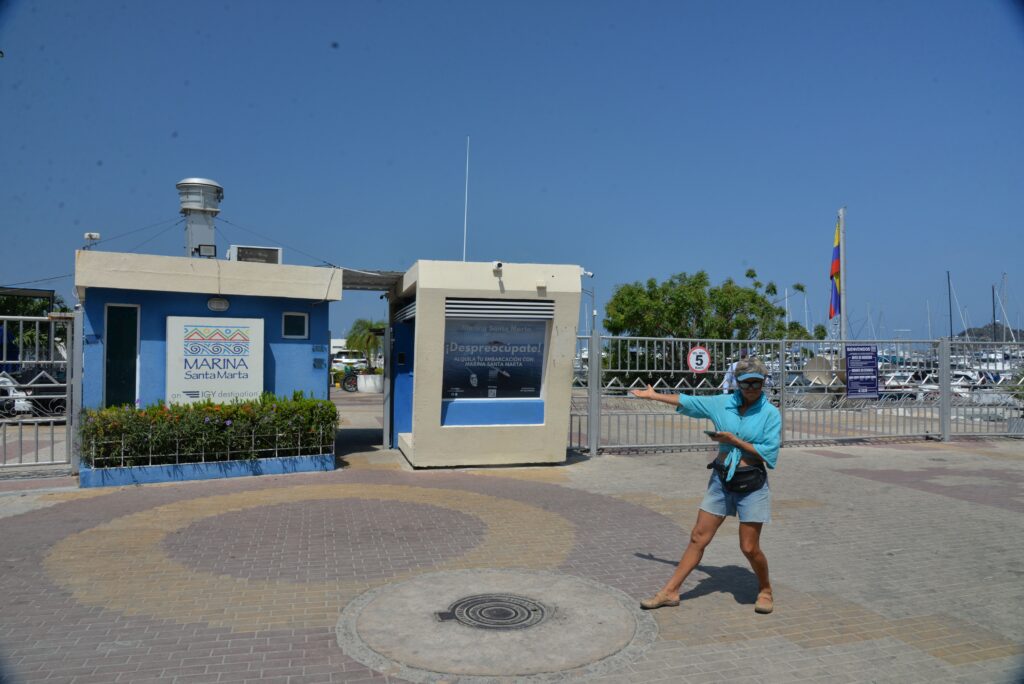
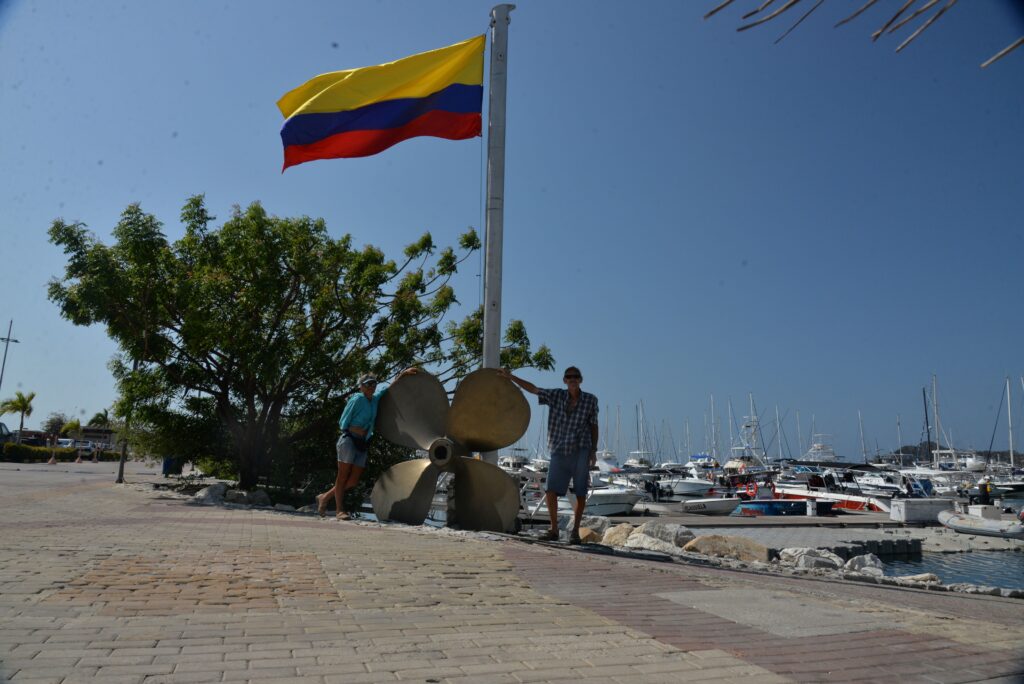
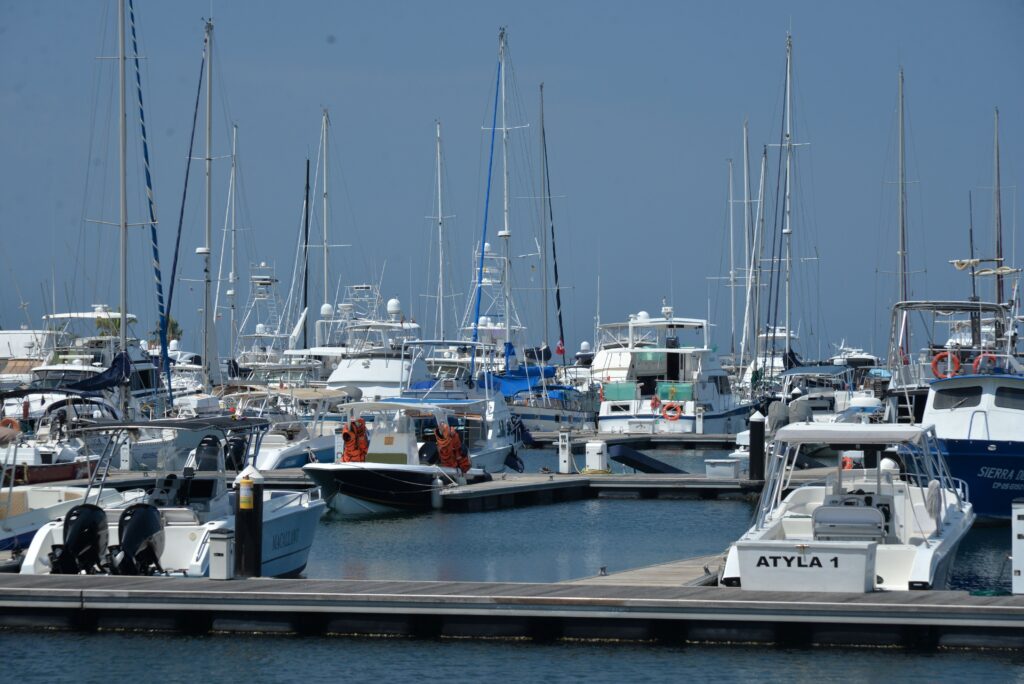
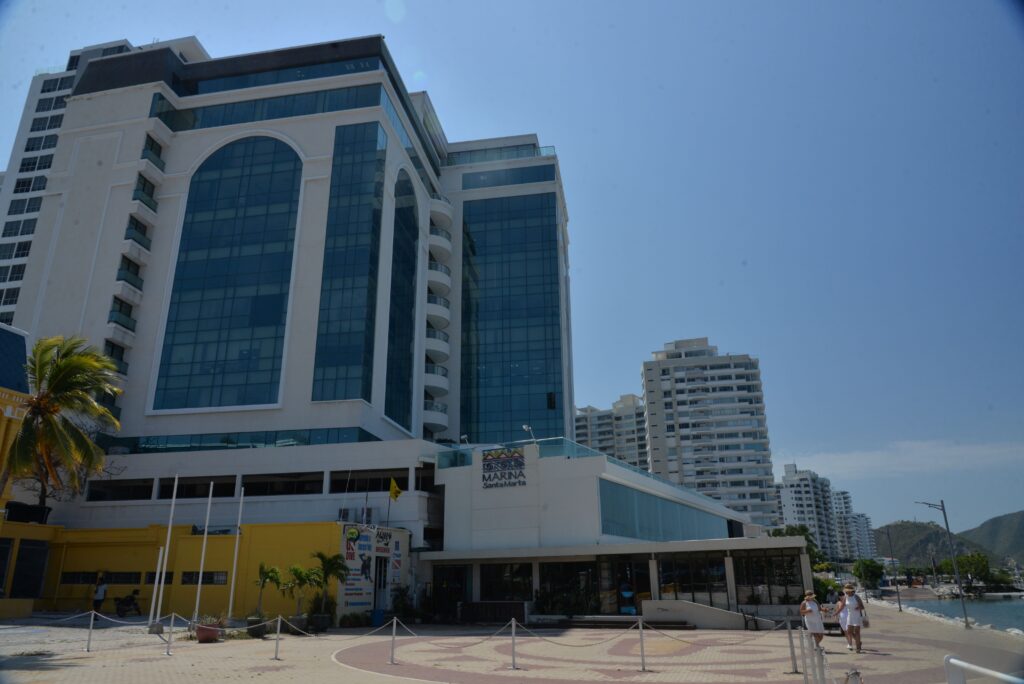
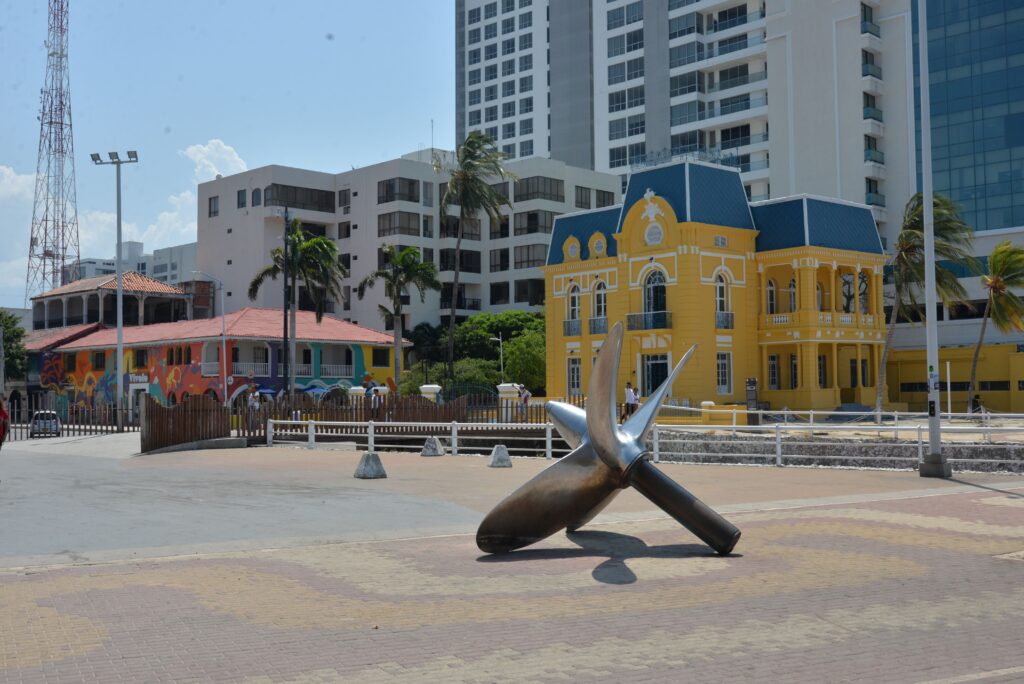
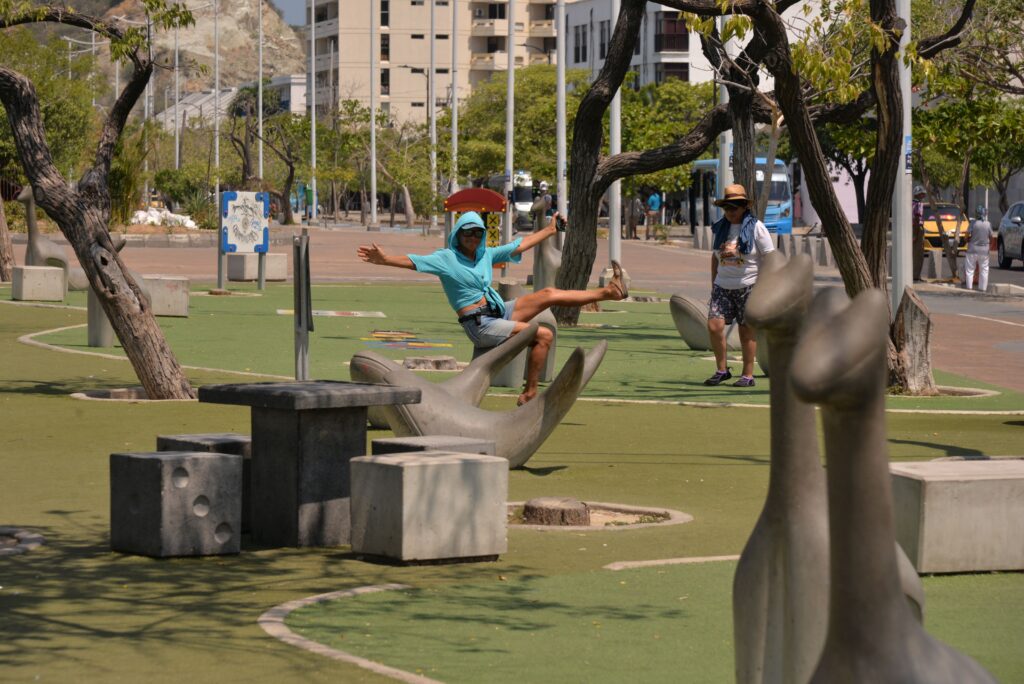
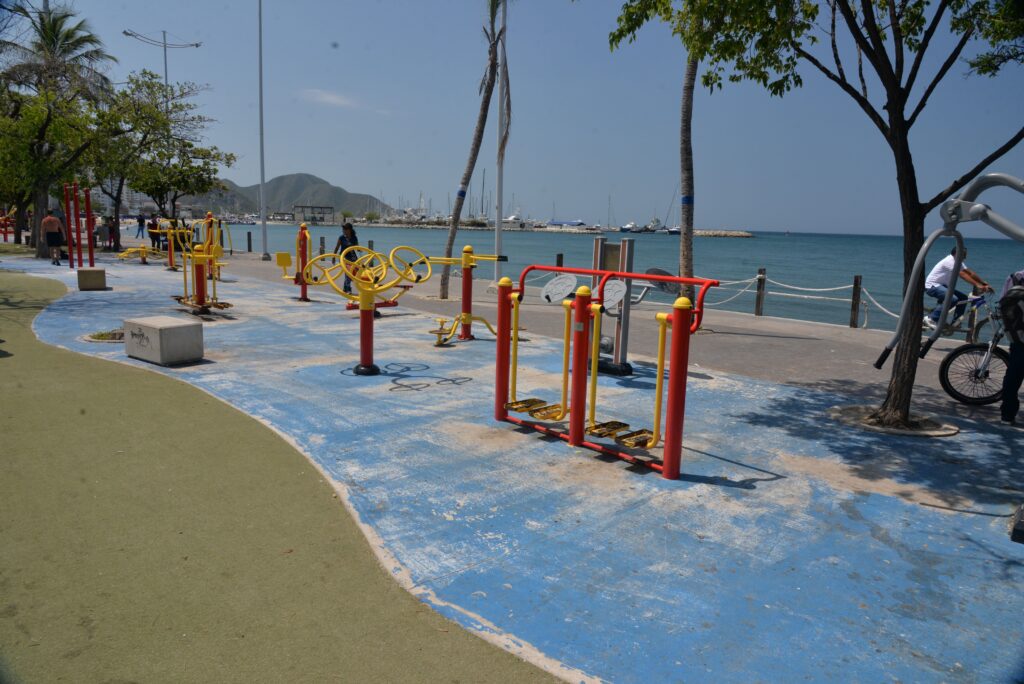
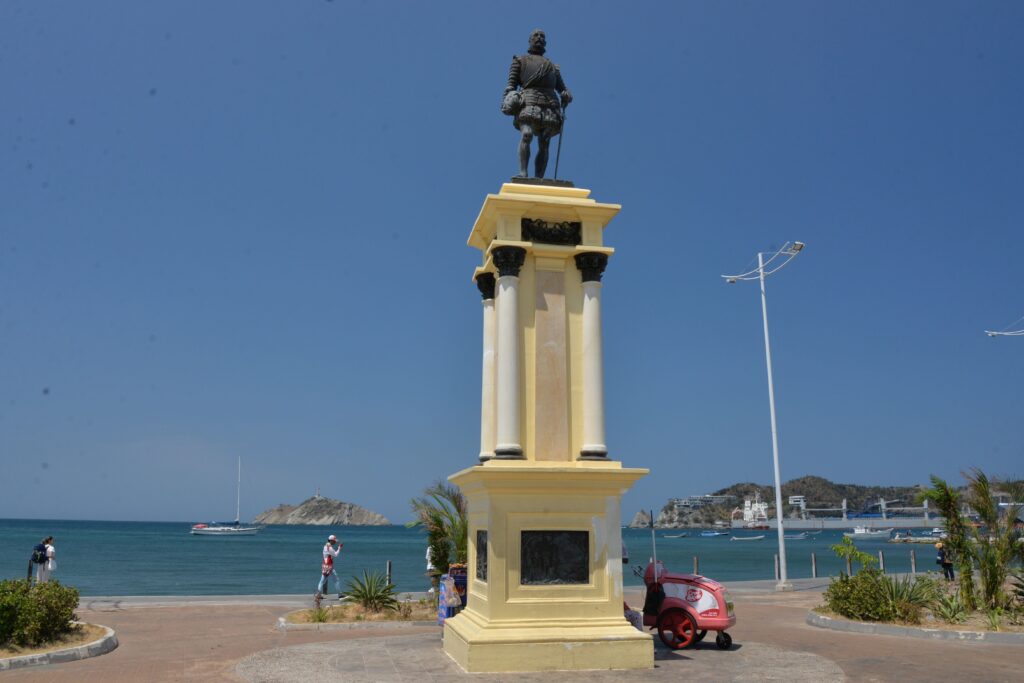
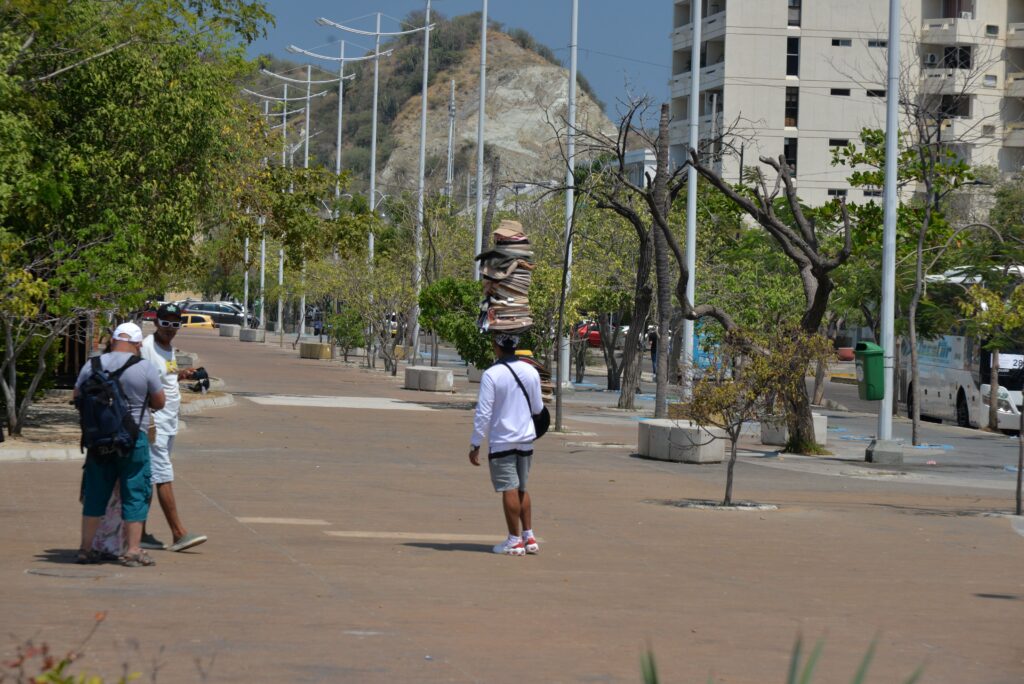
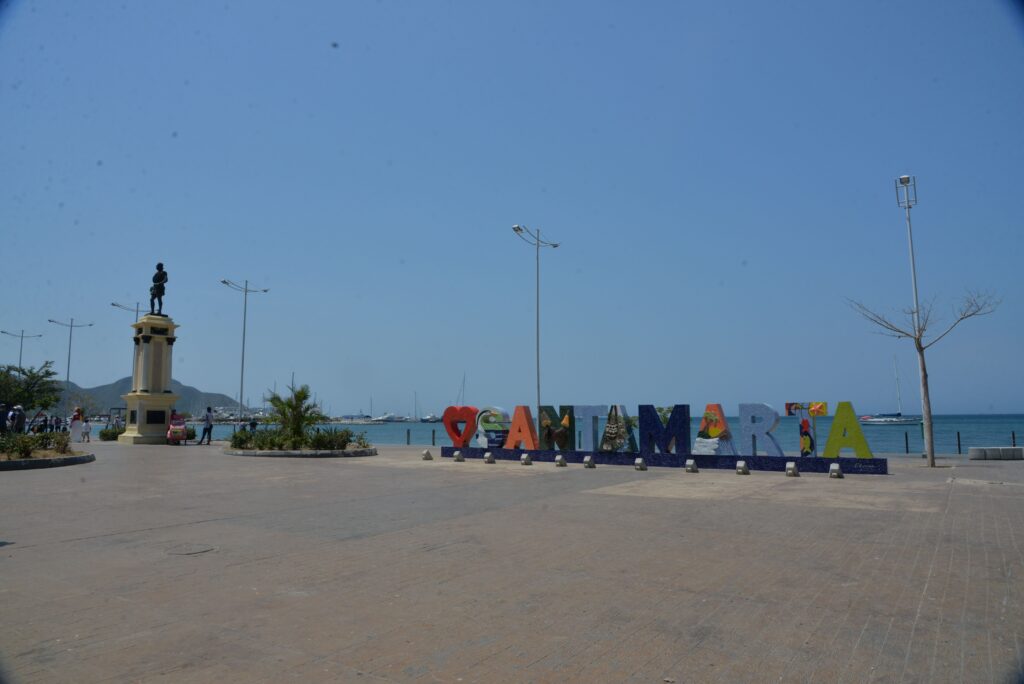
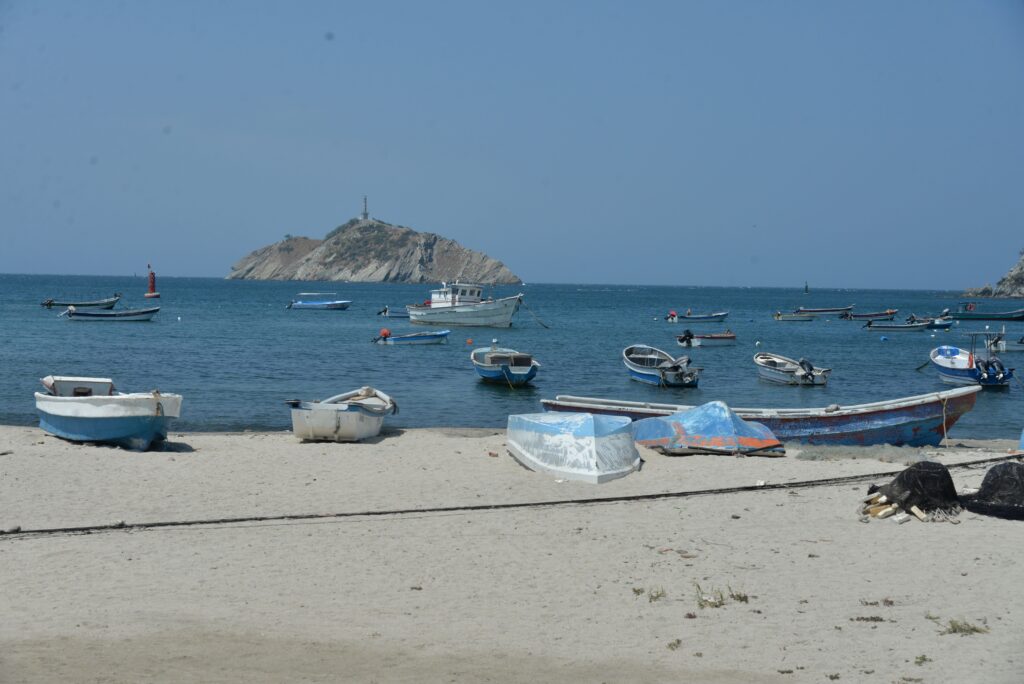
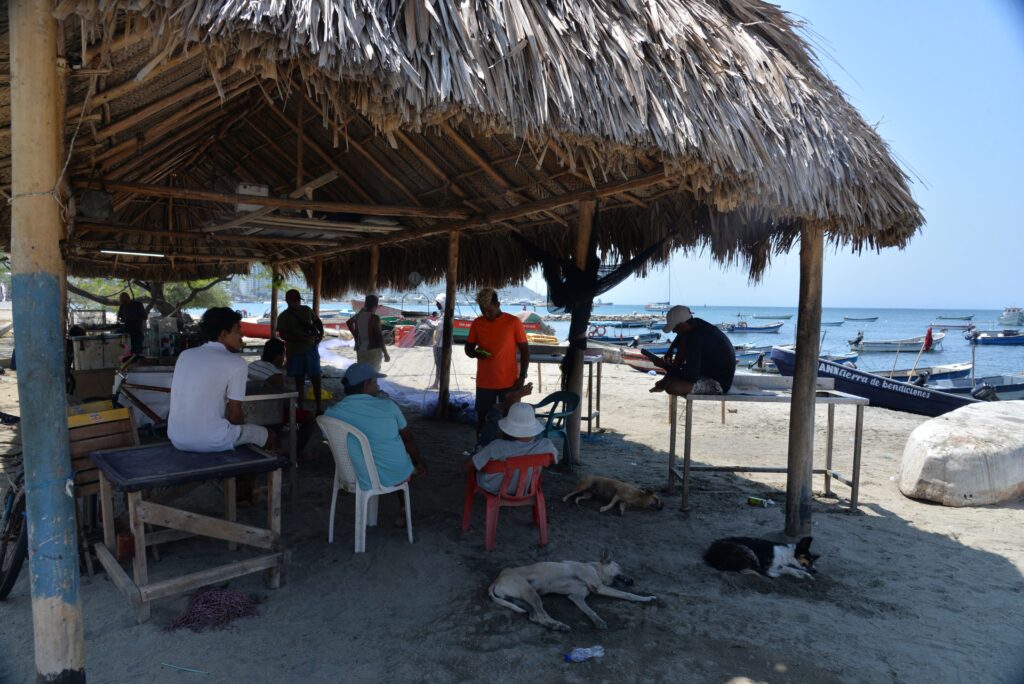
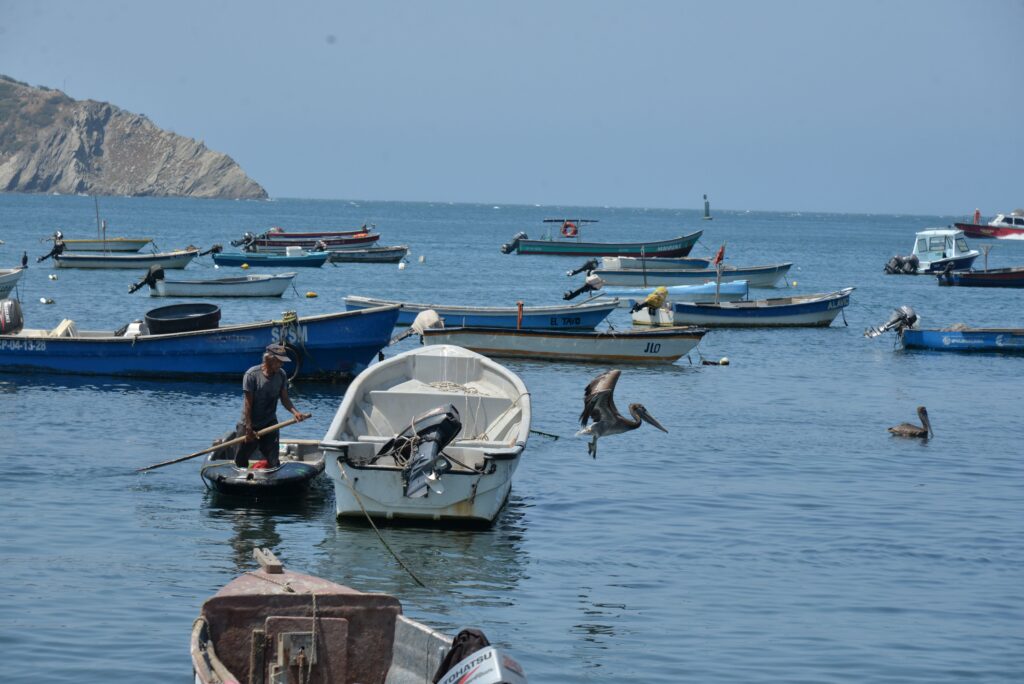
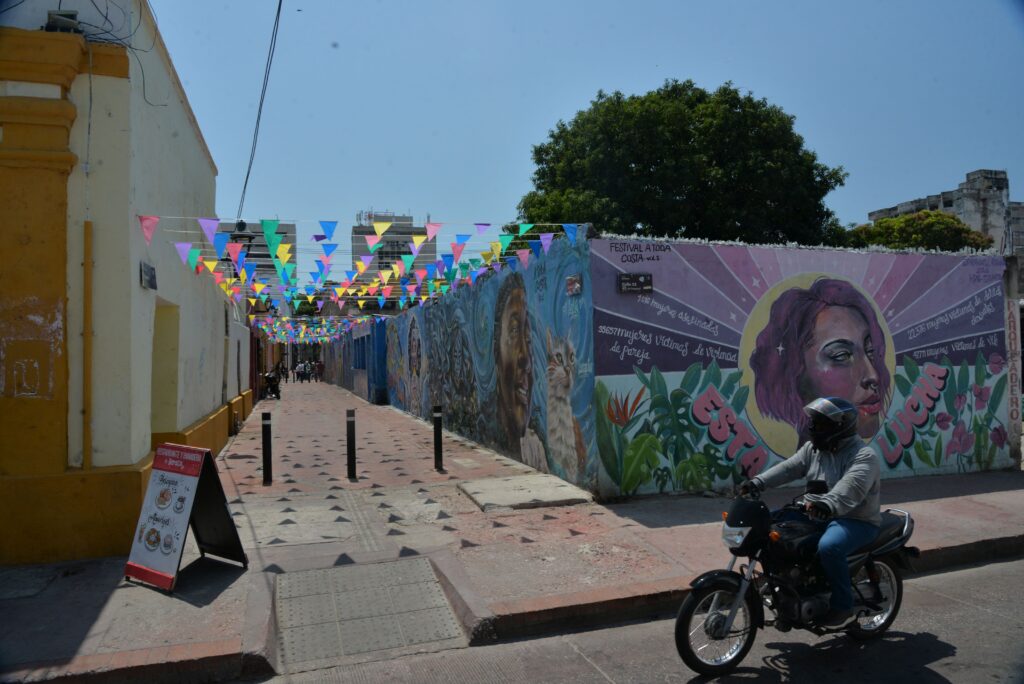
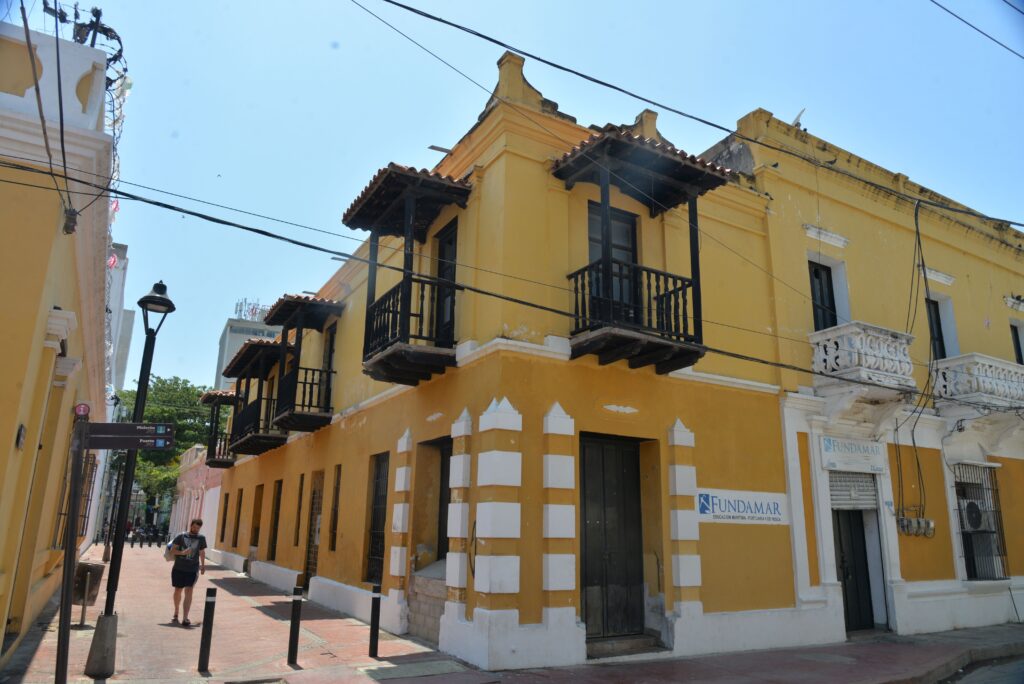
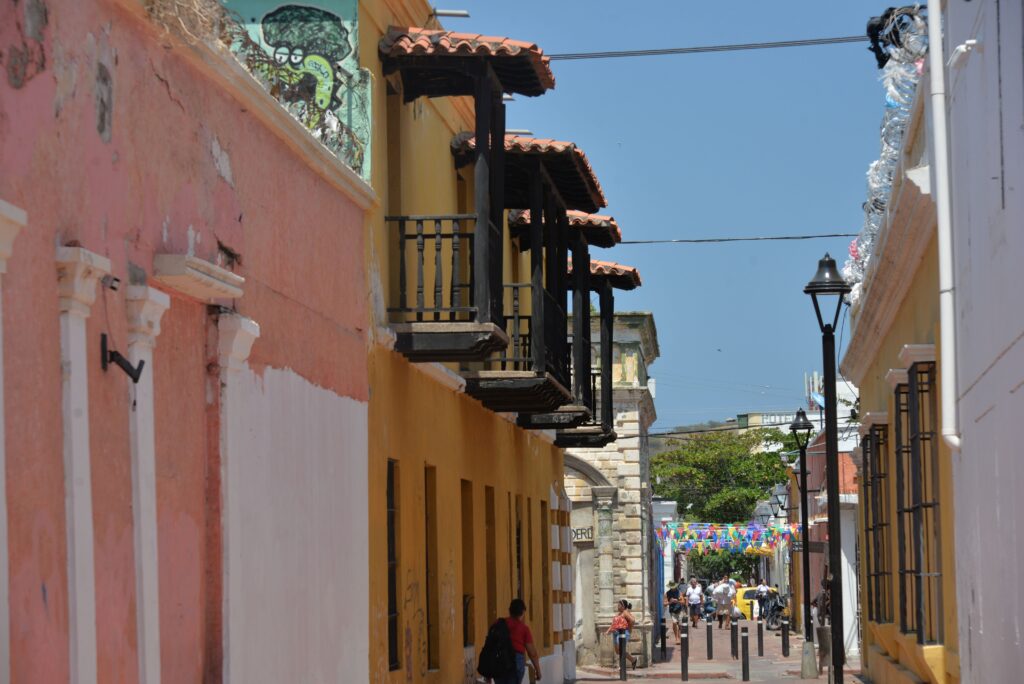
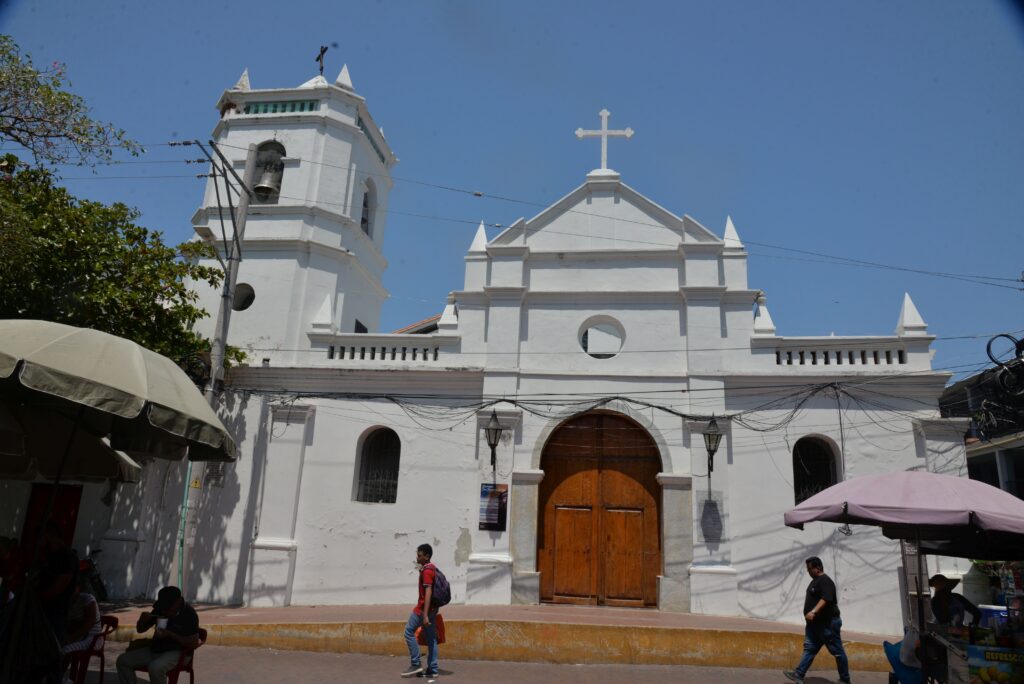
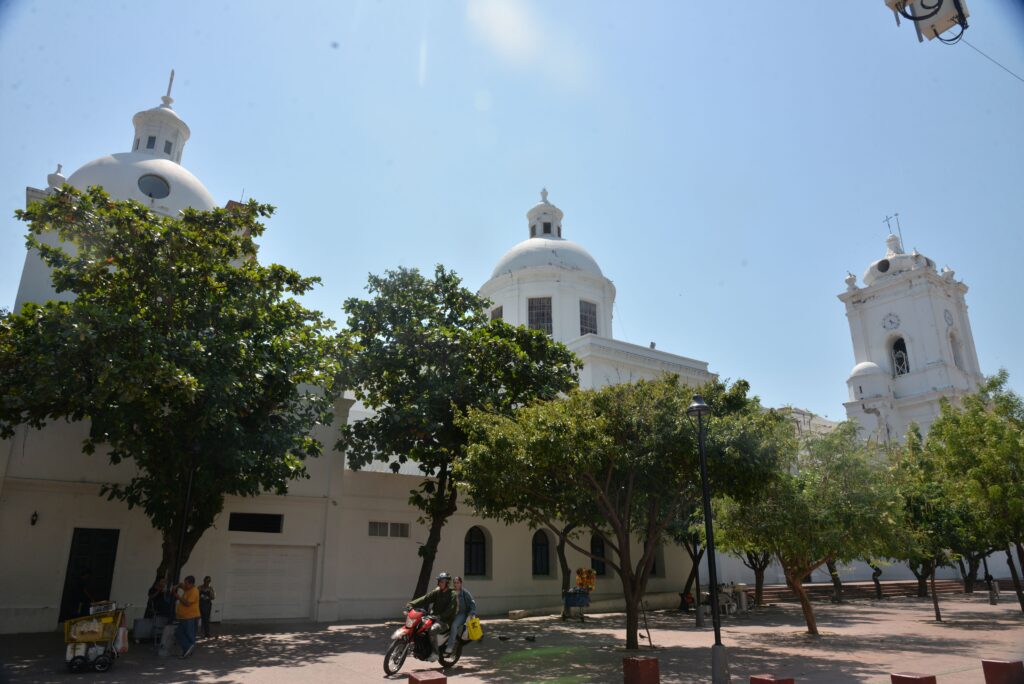
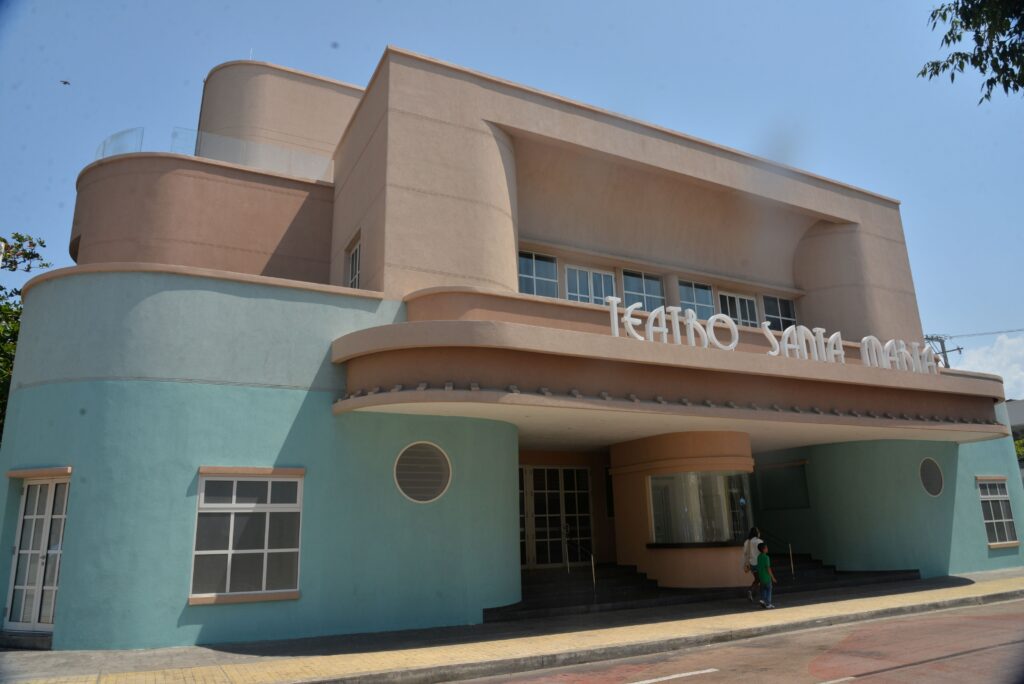
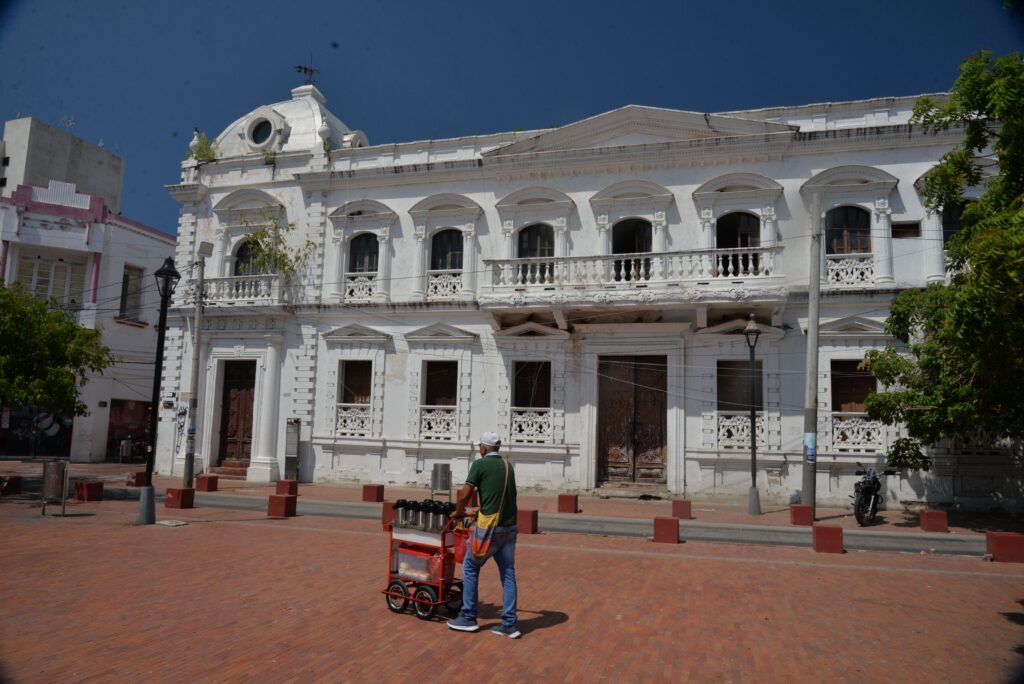
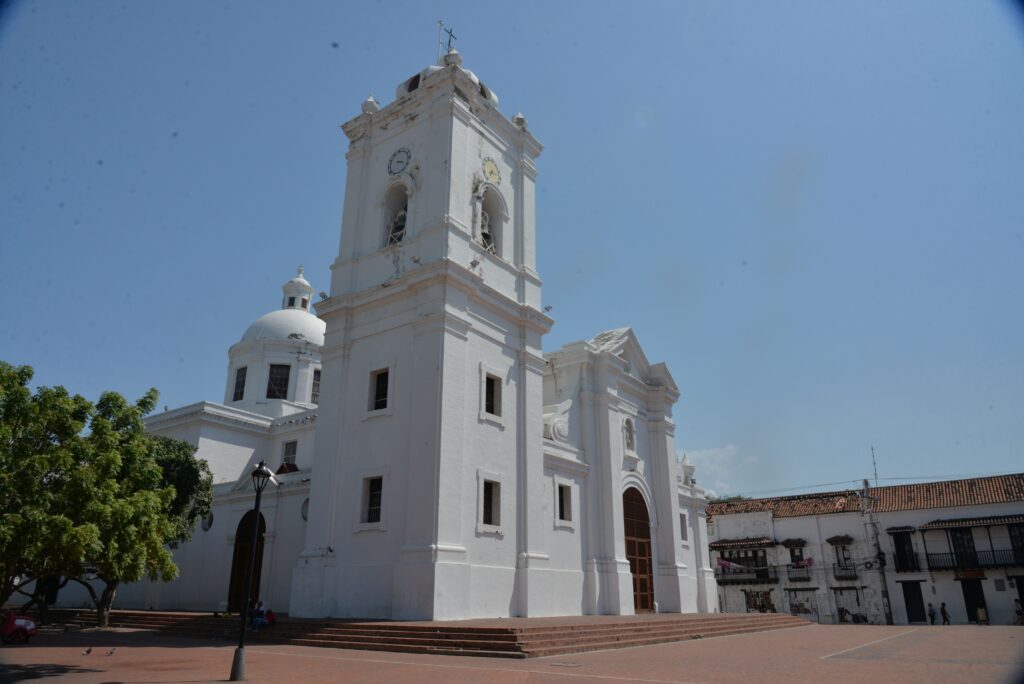
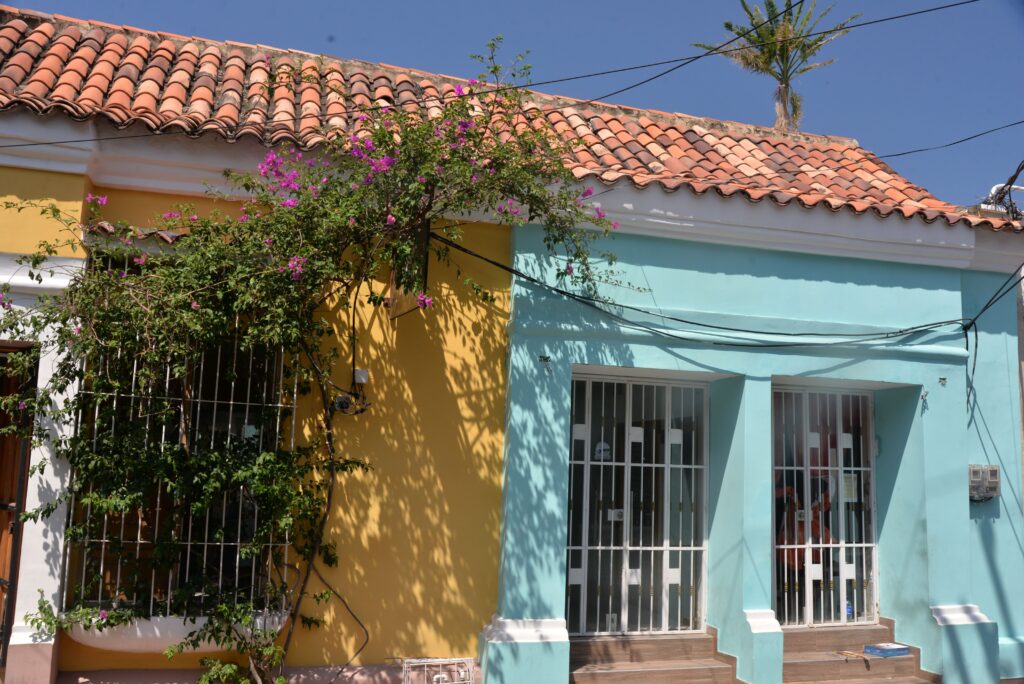
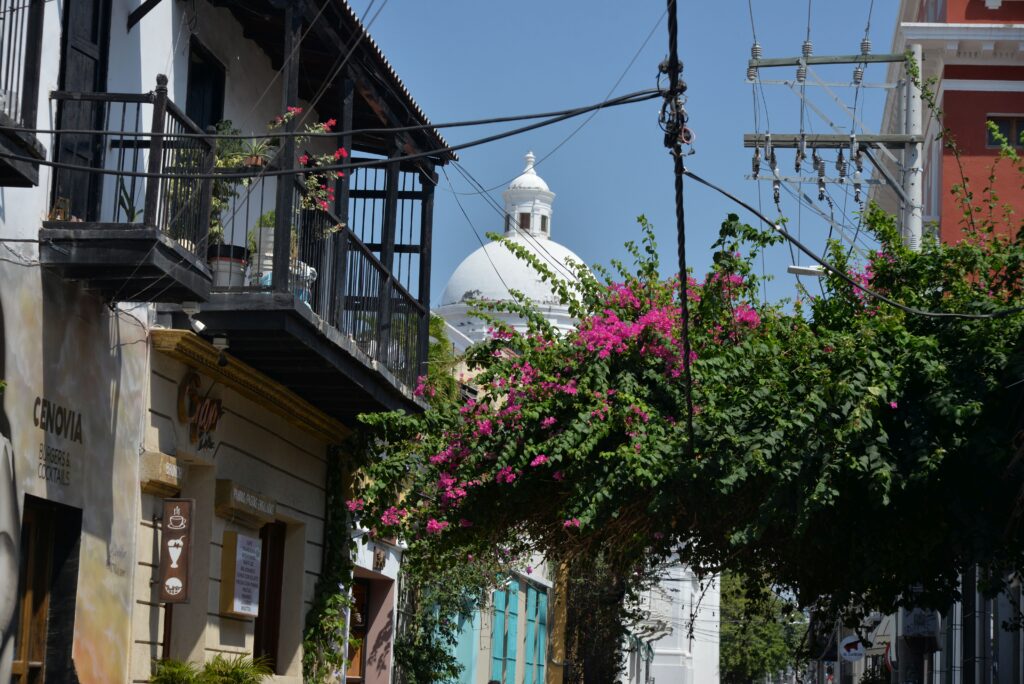
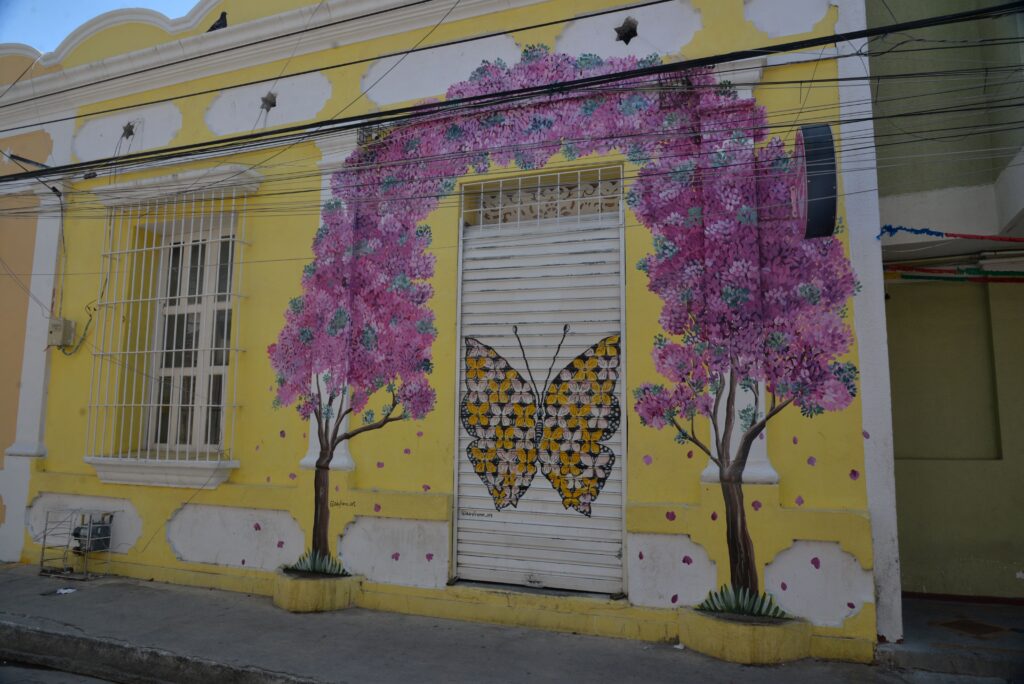
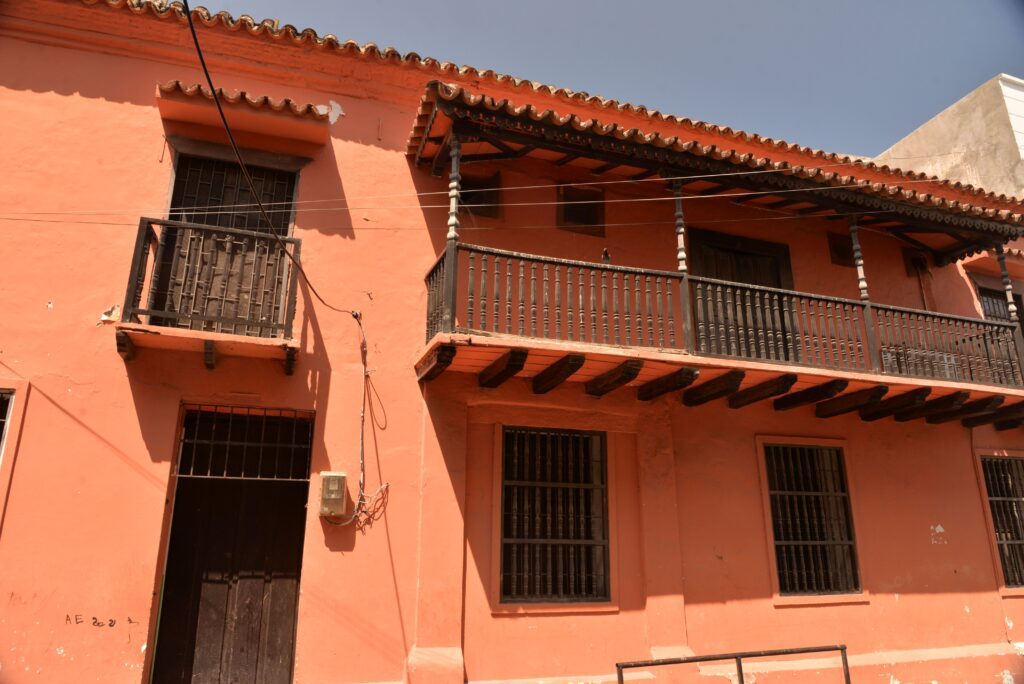
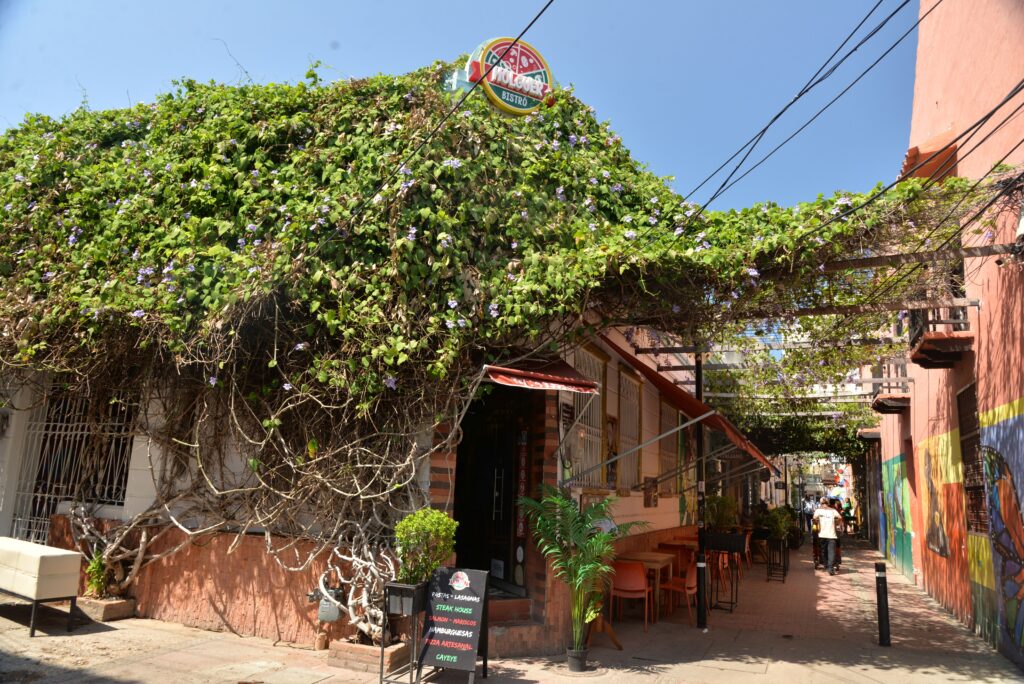
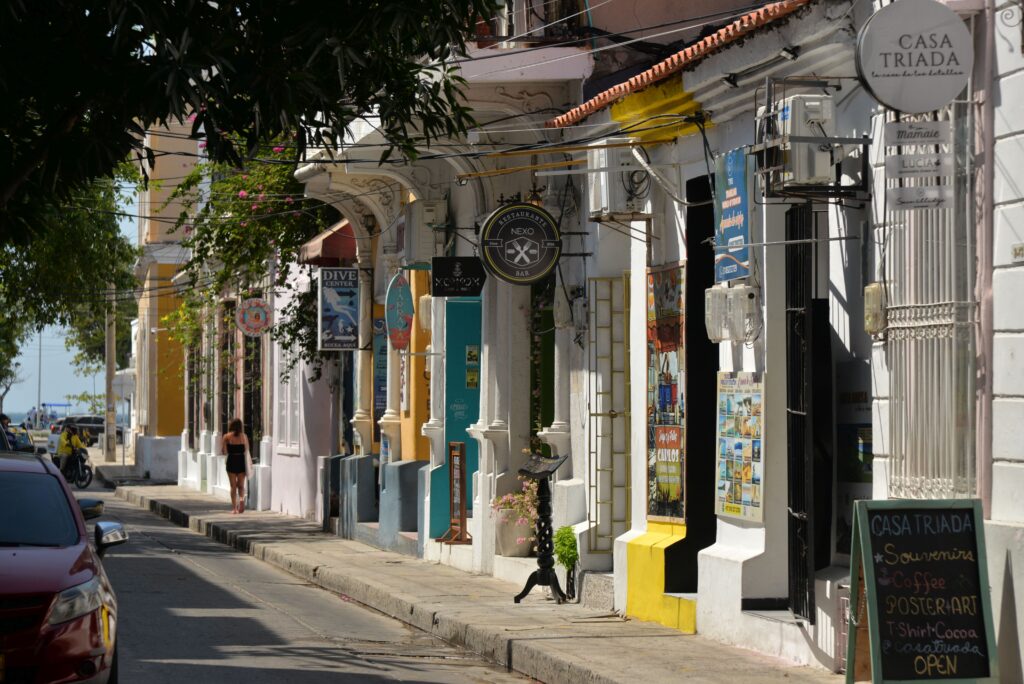
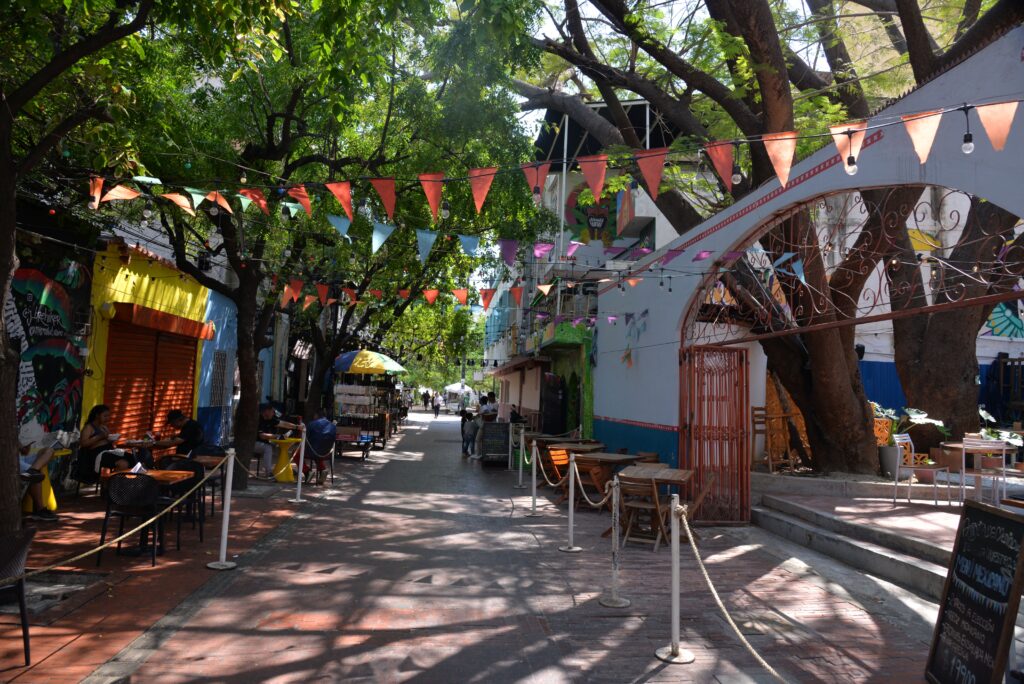
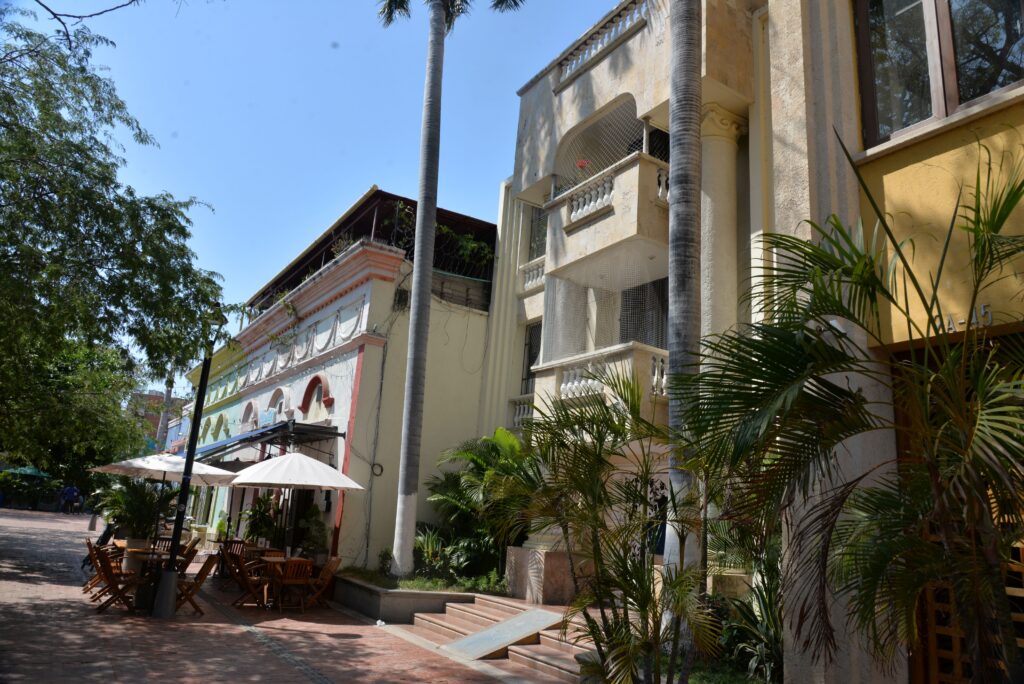
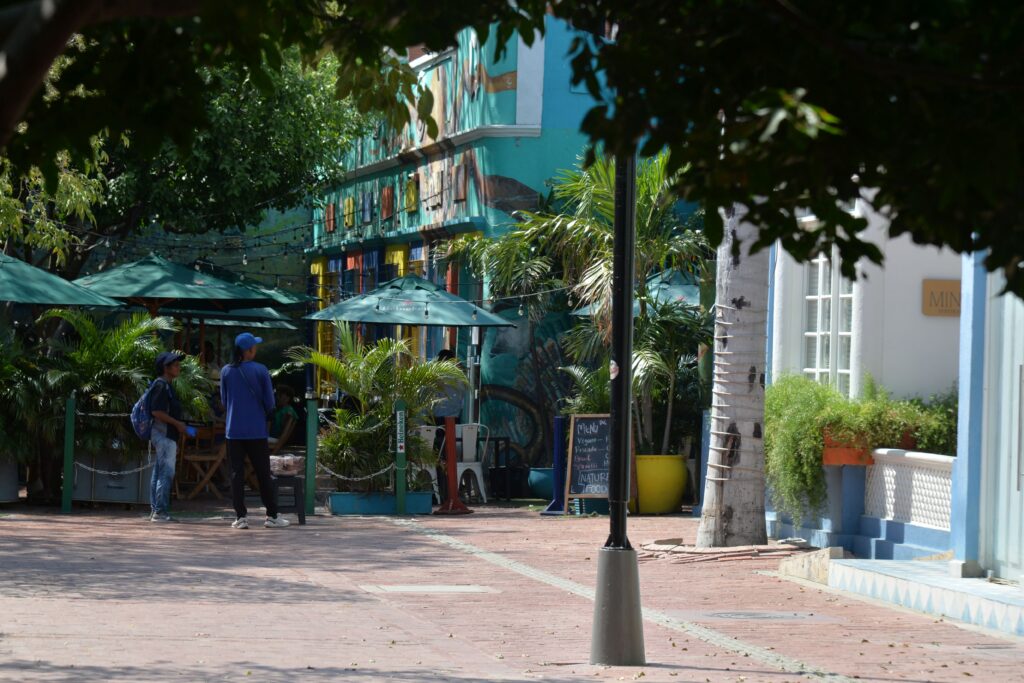
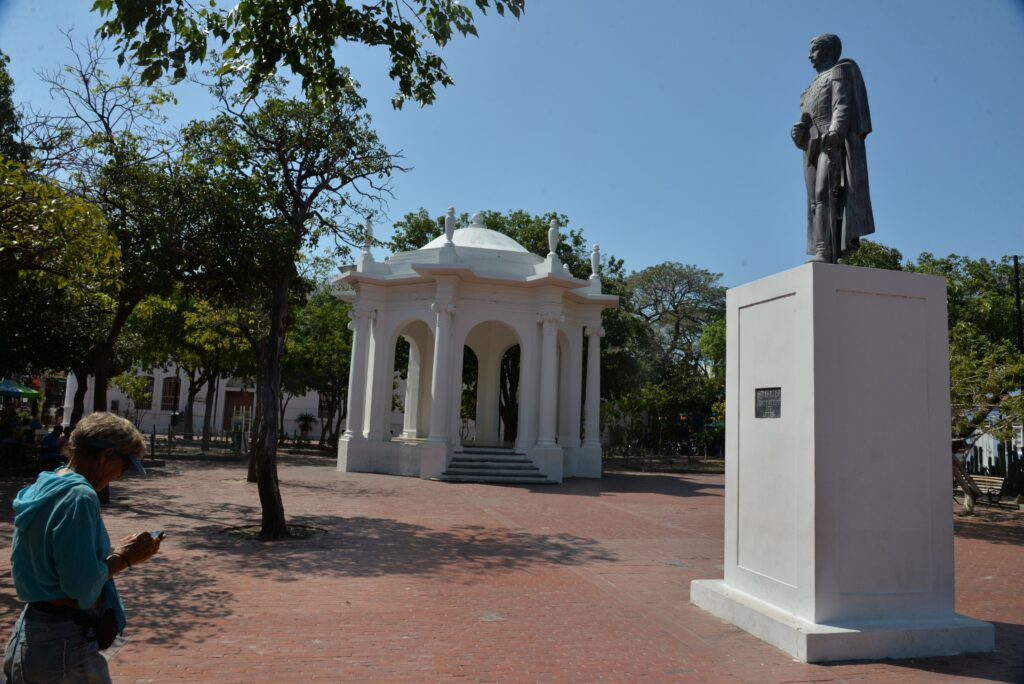
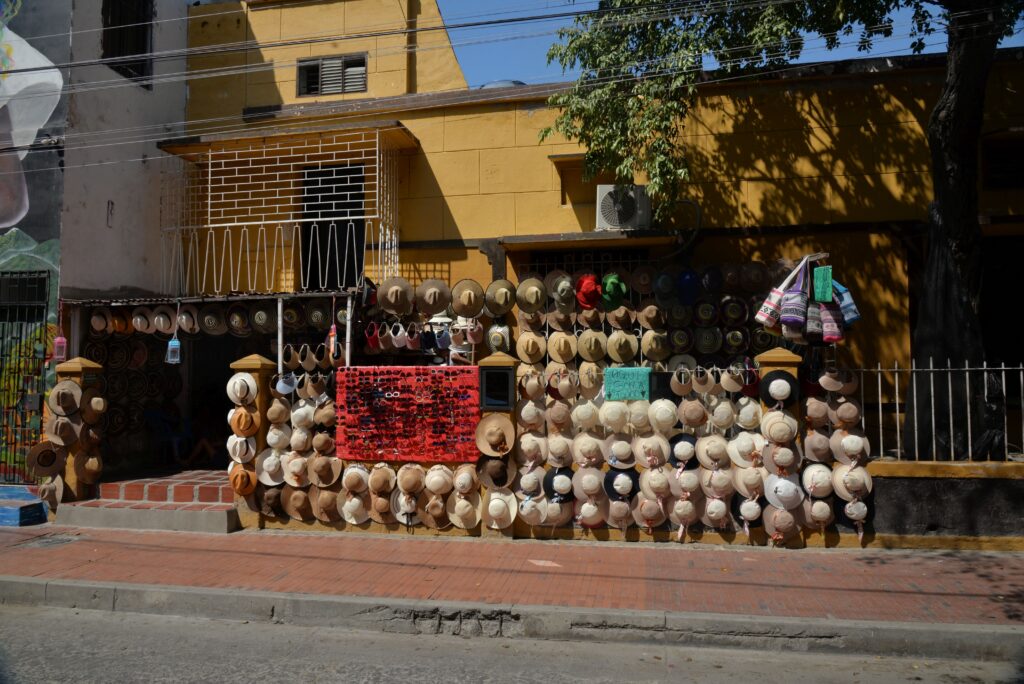
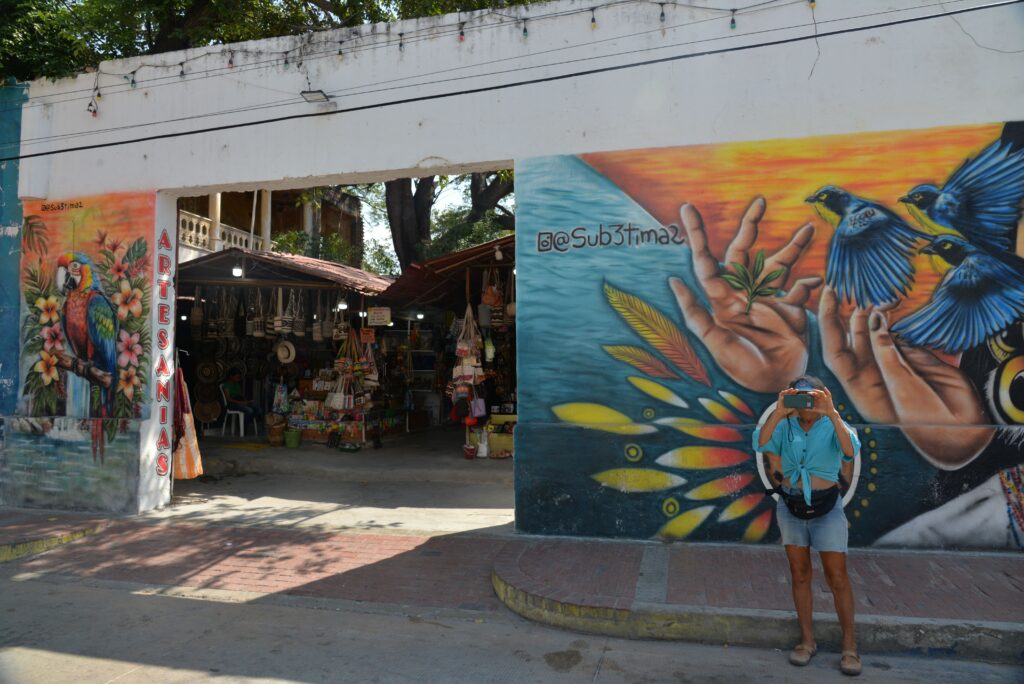
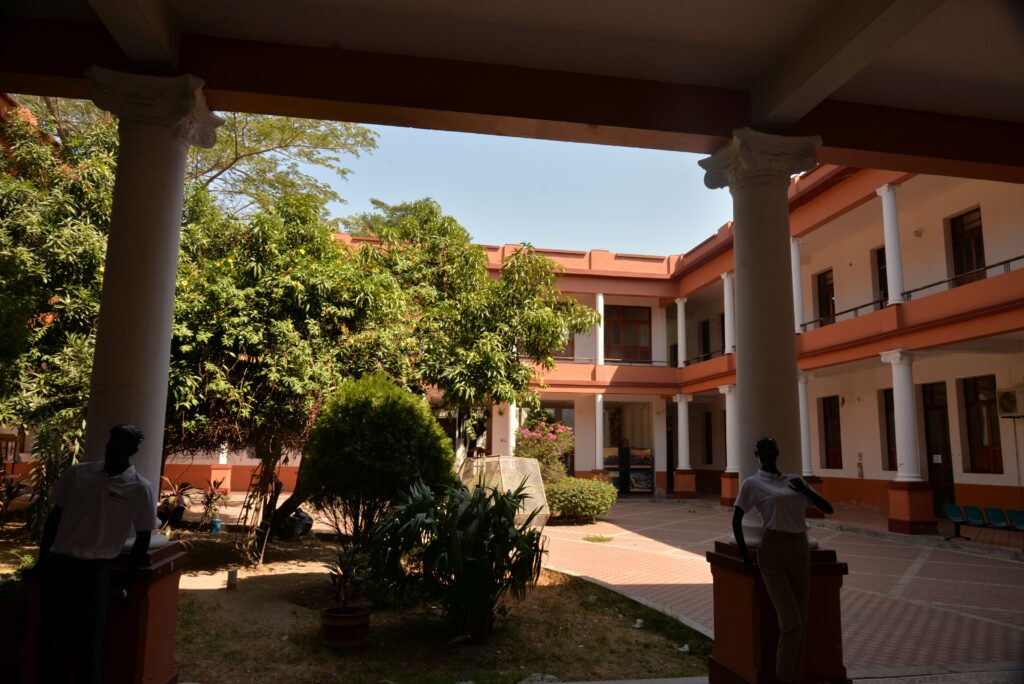
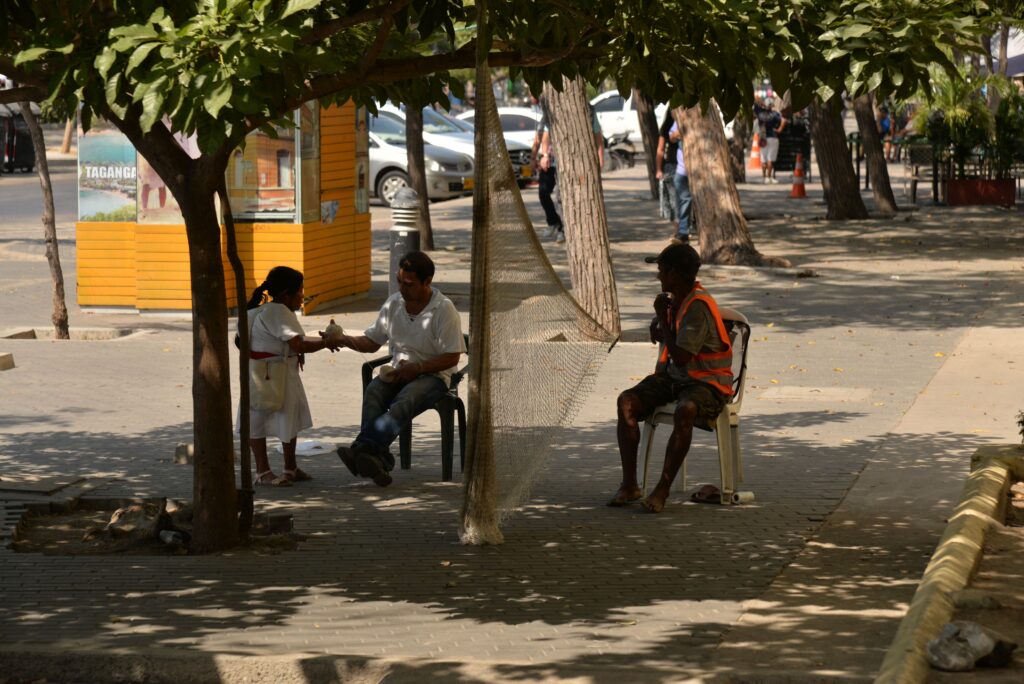
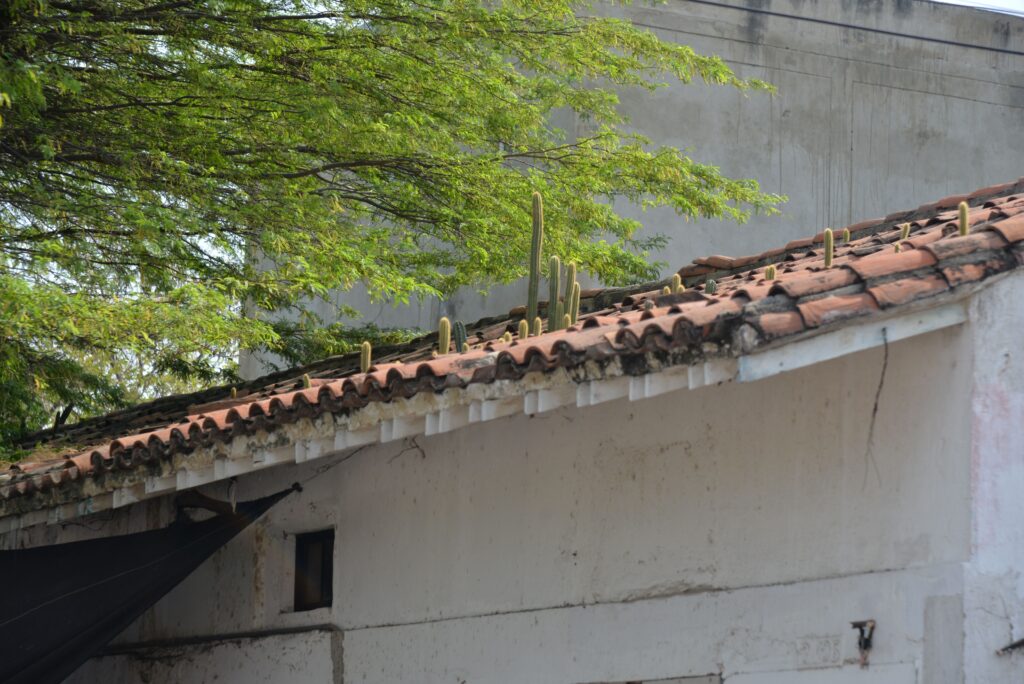
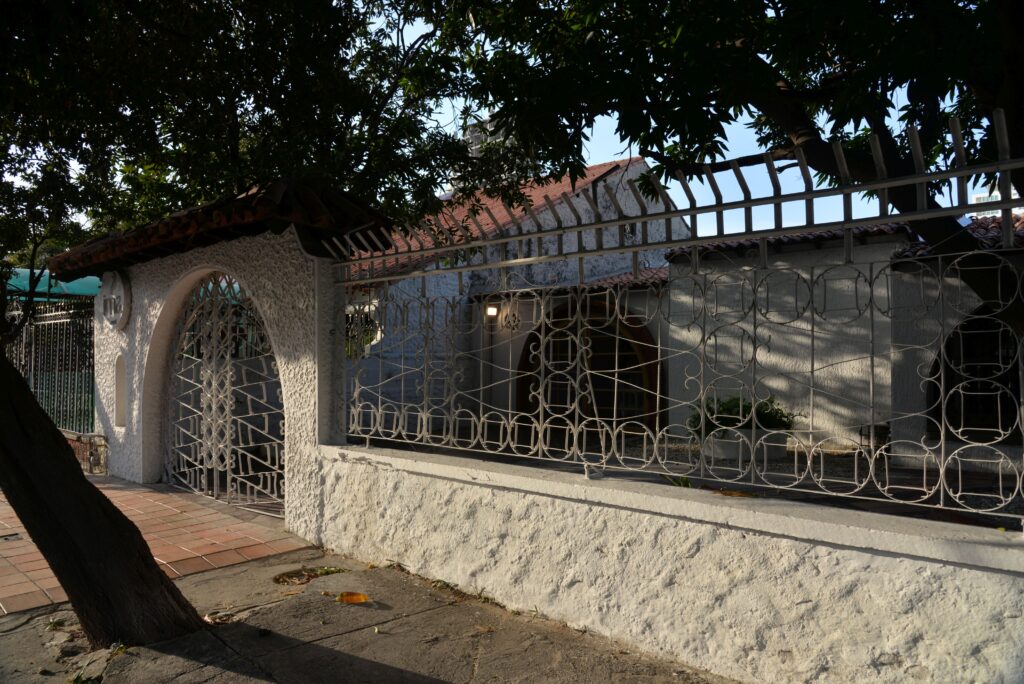
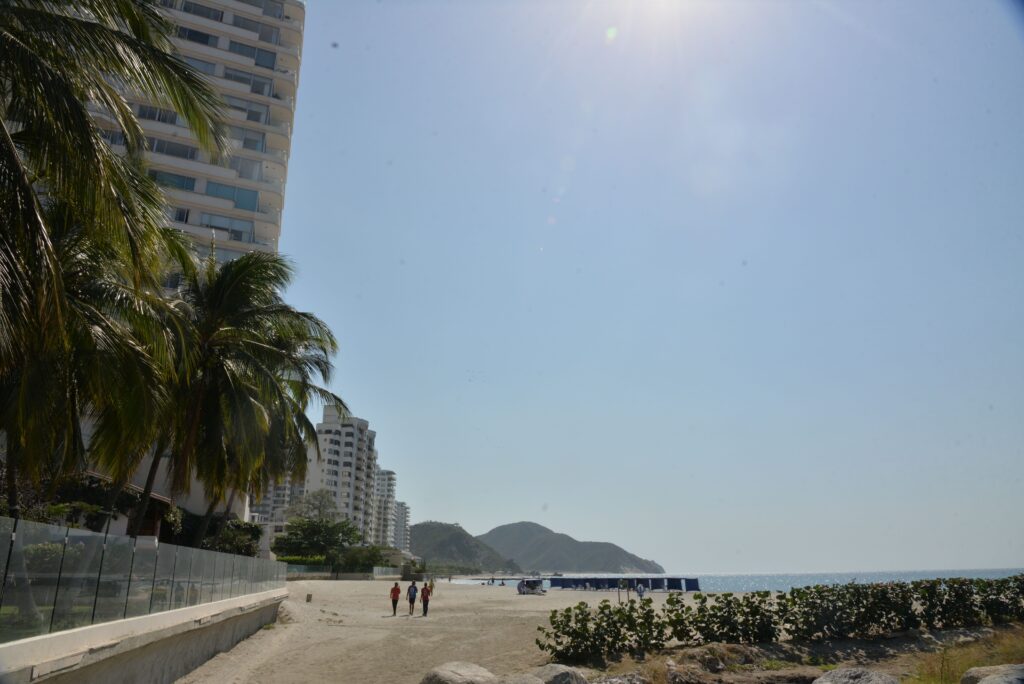
Arriving in Santa Marta, Colombia, aboard SV Oceanolog felt like stepping into a vibrant mix of history, culture, and natural beauty. As we docked in the bustling marina, we were greeted by the sight of colorful colonial and modern buildings lining the waterfront, the towering peaks of the Sierra Nevada de Santa Marta looming in the distance, and the rhythmic energy of a city that is both lively and steeped in history.
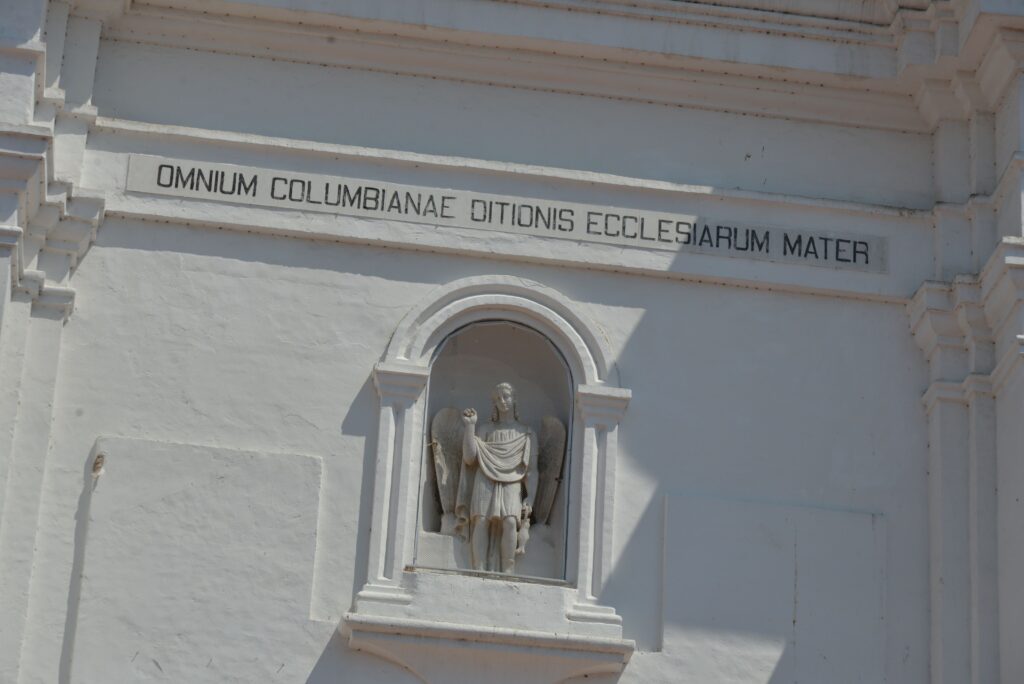
Santa Marta is the oldest surviving Spanish settlement in Colombia, founded in 1525, and its historical significance is woven into the very fabric of its streets. Walking through the lush gardens and old colonial buildings, we could feel the weight of its 500-year history. The city’s blend of indigenous, African, and Spanish influences was evident not only in its cuisine but in its art, music, and daily life.
As sailors, we often find ourselves drawn to places where land and sea meet in striking ways, and Santa Marta is one of those rare gems where history, culture, and nature converge.
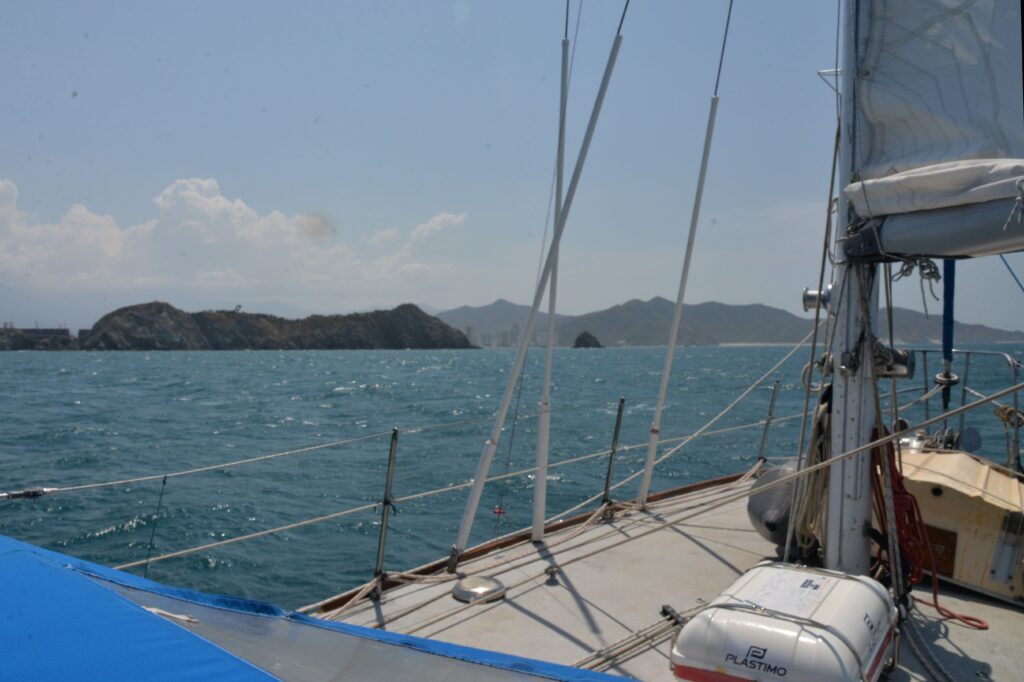
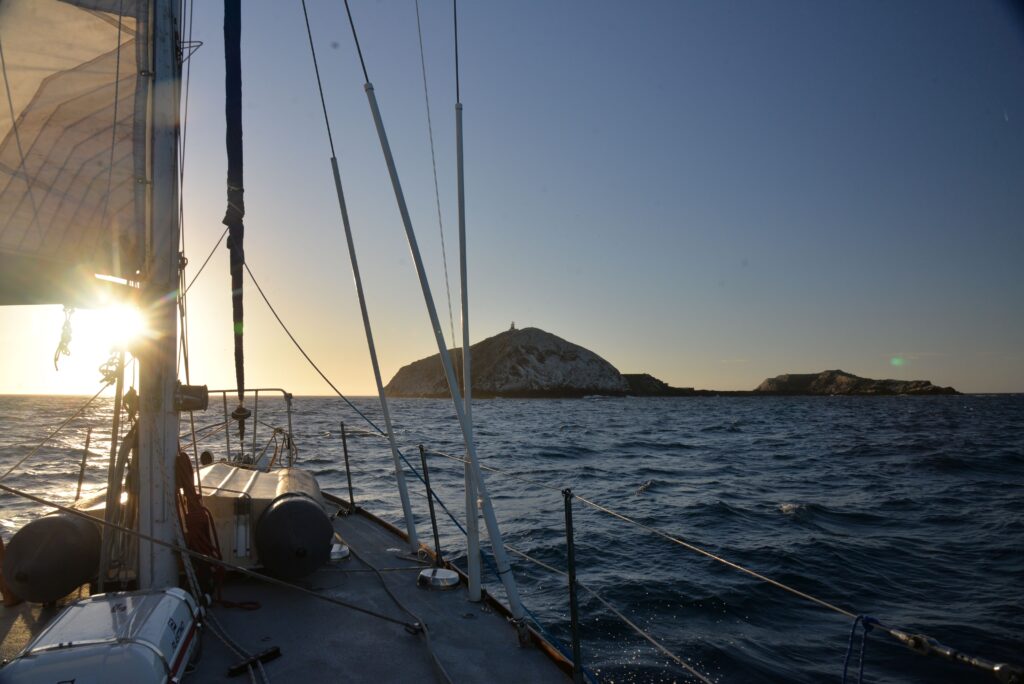
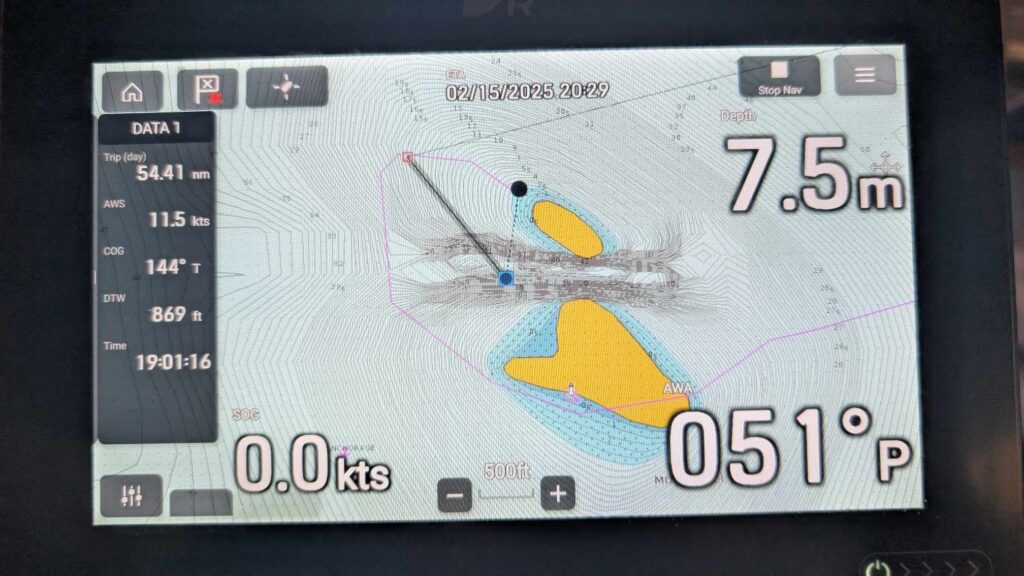
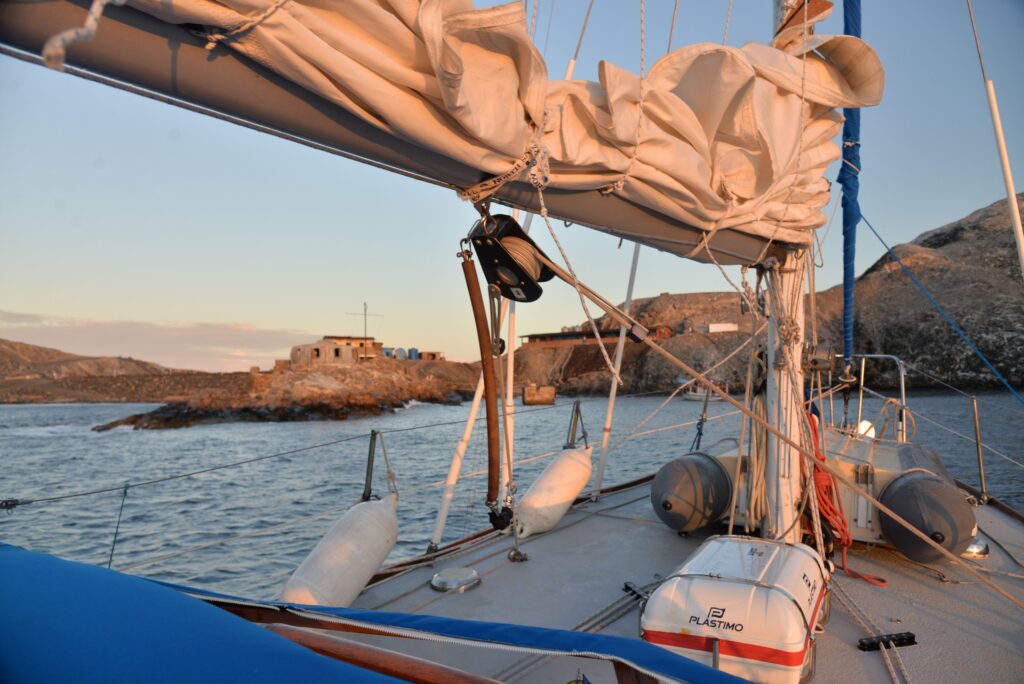
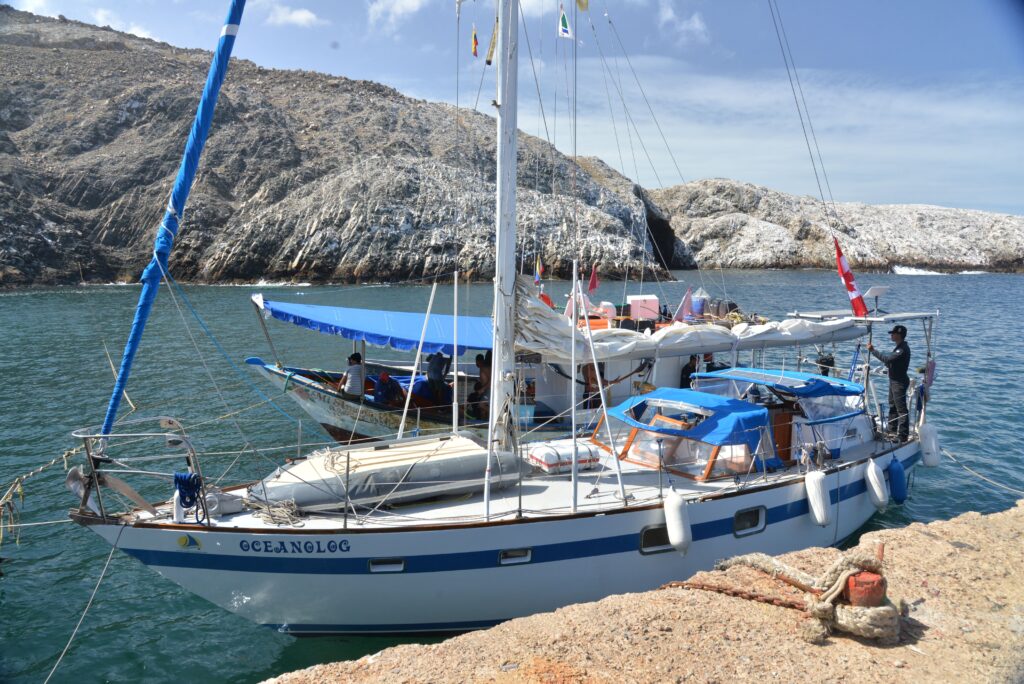
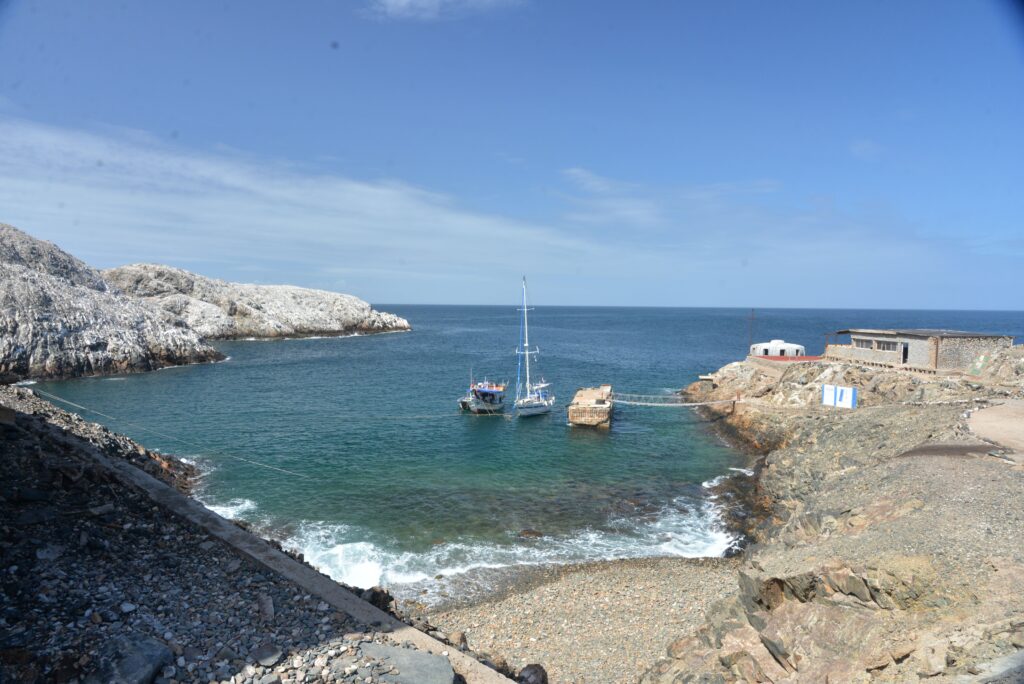
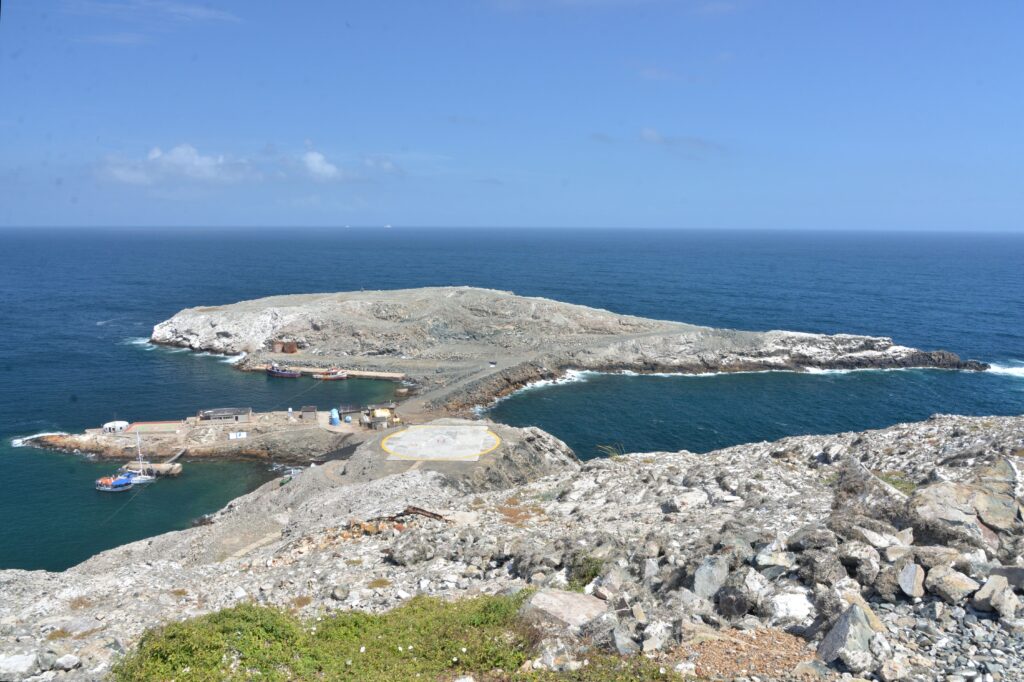
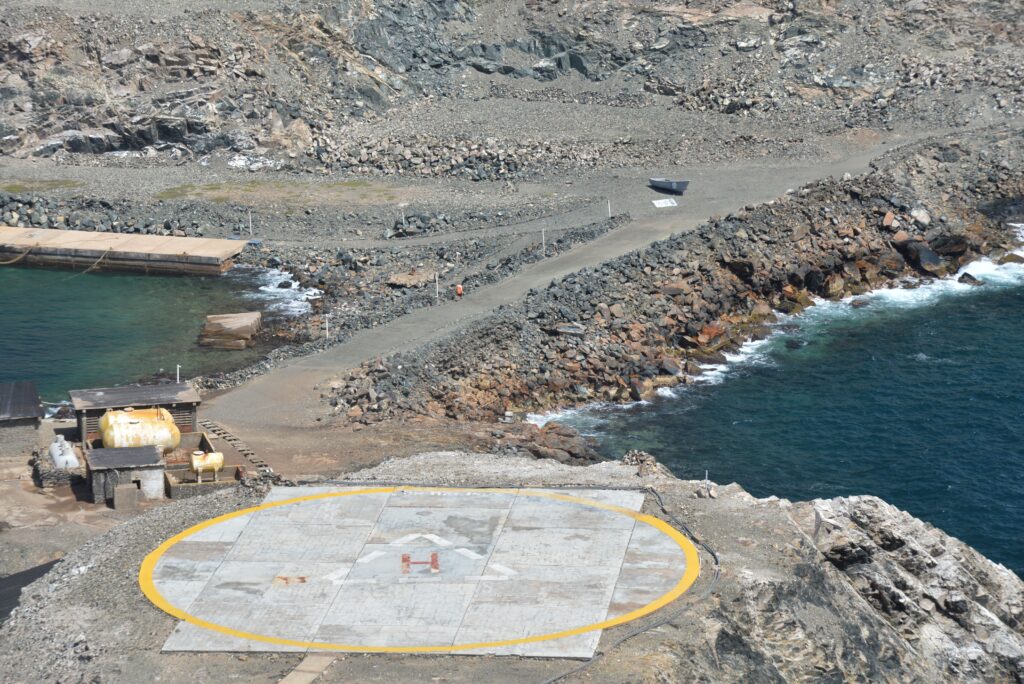
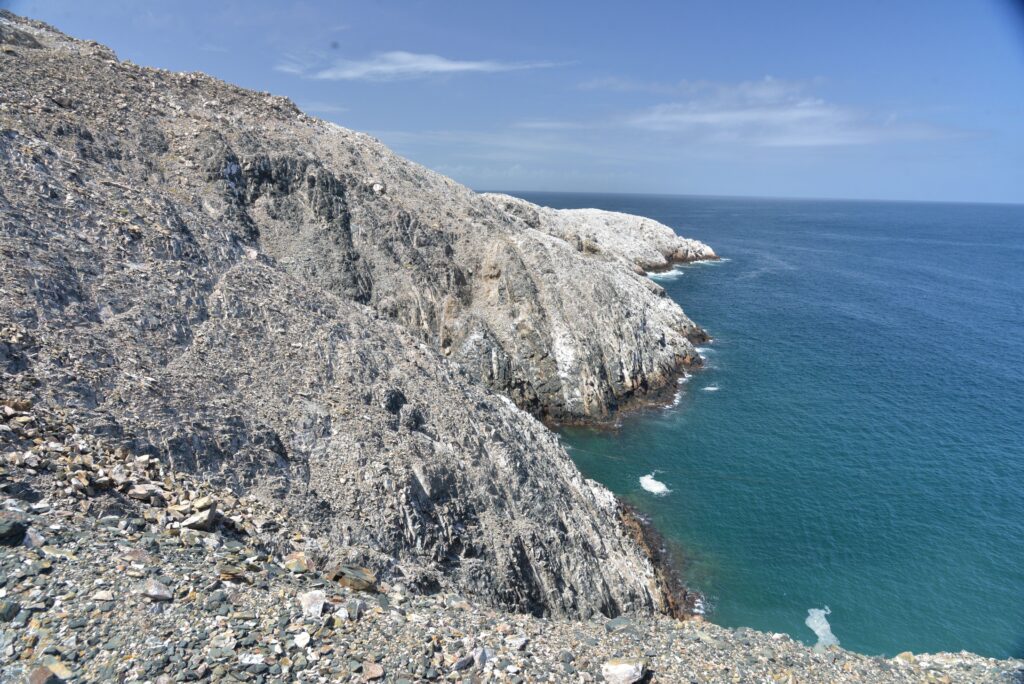
Our route from Aruba to Colombia took us past a small island, Minjes Del Sur, which appeared on the chartplotter as two separate islets. After sailing 52 miles through rough seas, we arrived—only to find that the Navionics chart was surprisingly inaccurate. Not only was the isthmus connecting the two islets missing from the map, but the actual positions of the islands didn’t match reality!
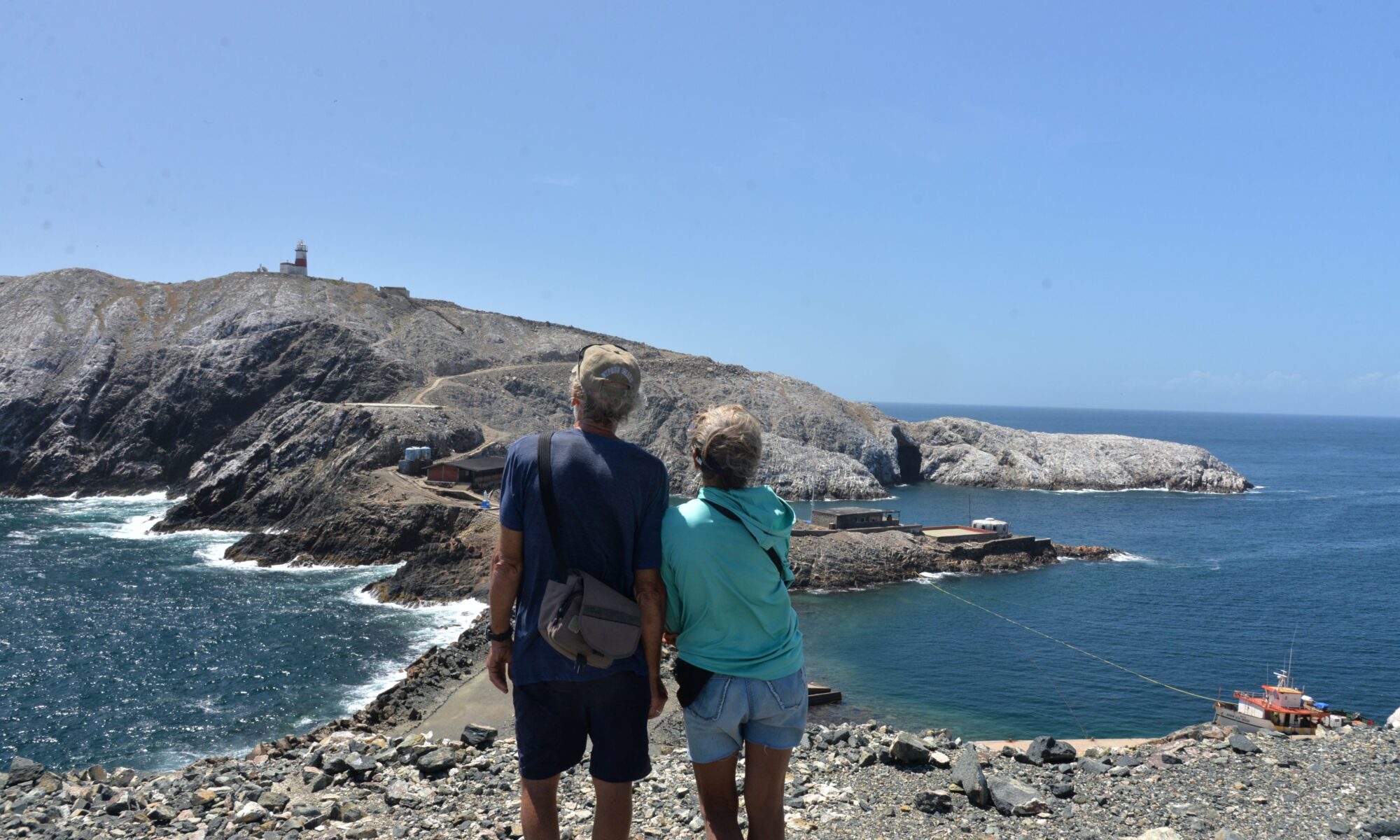
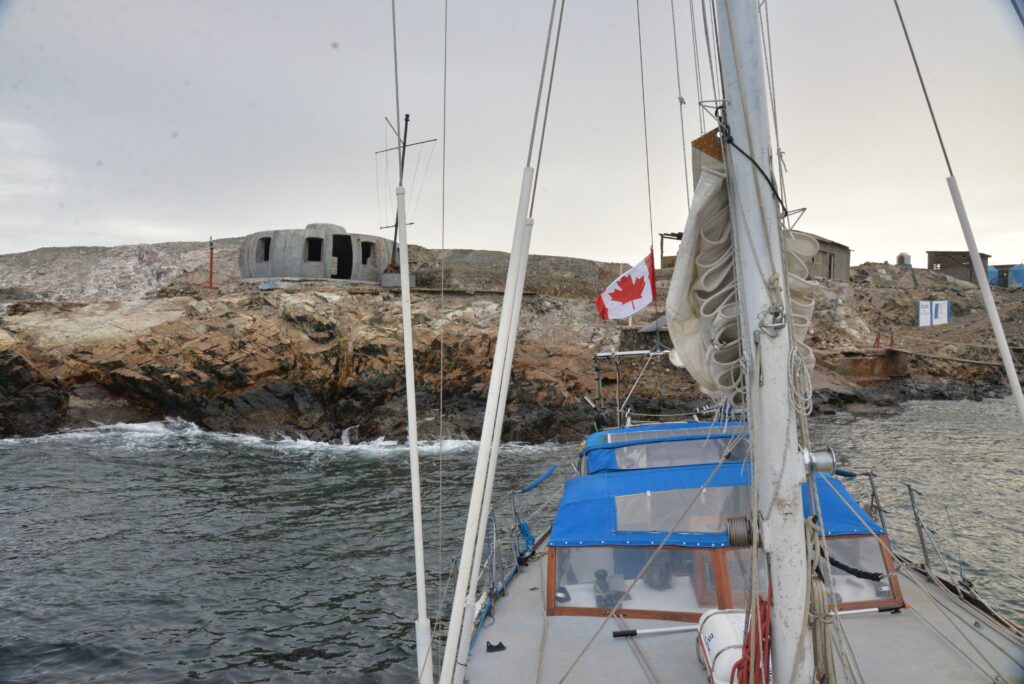
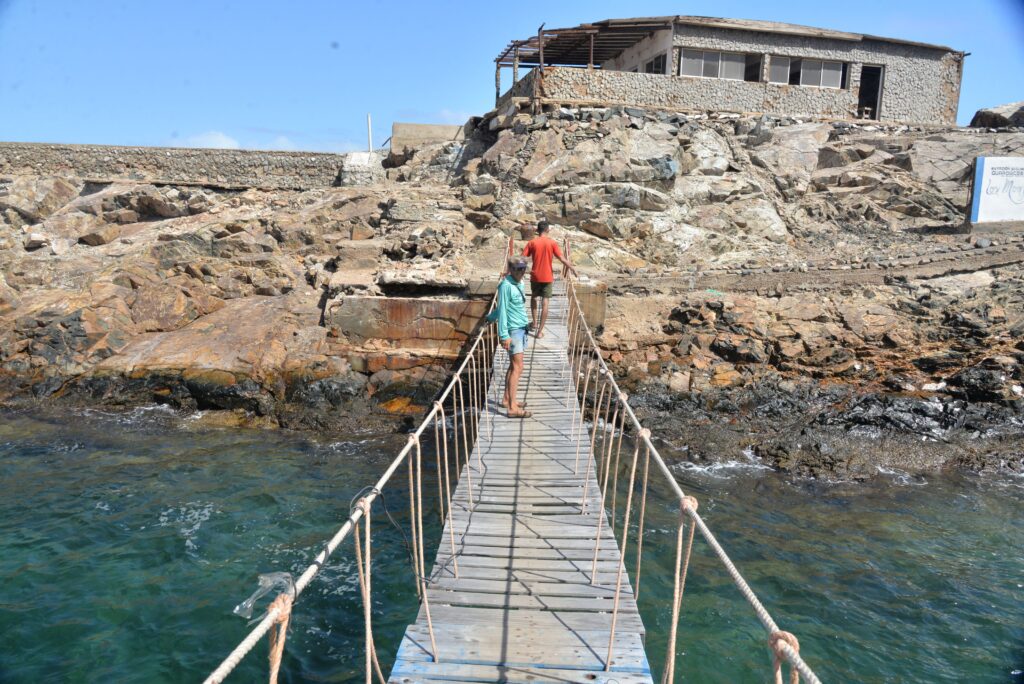
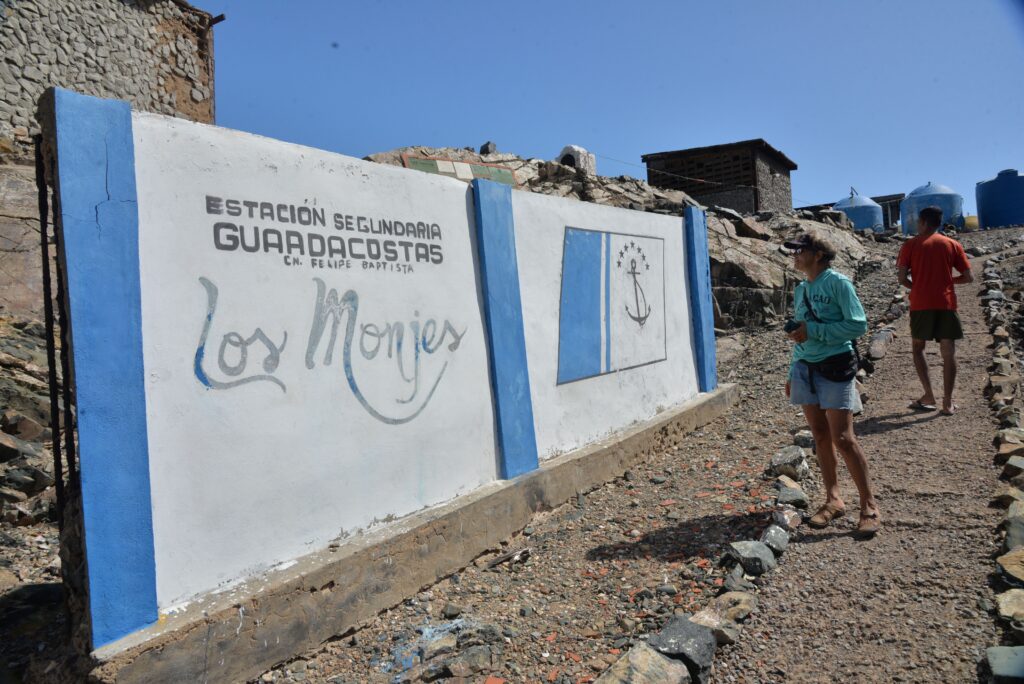
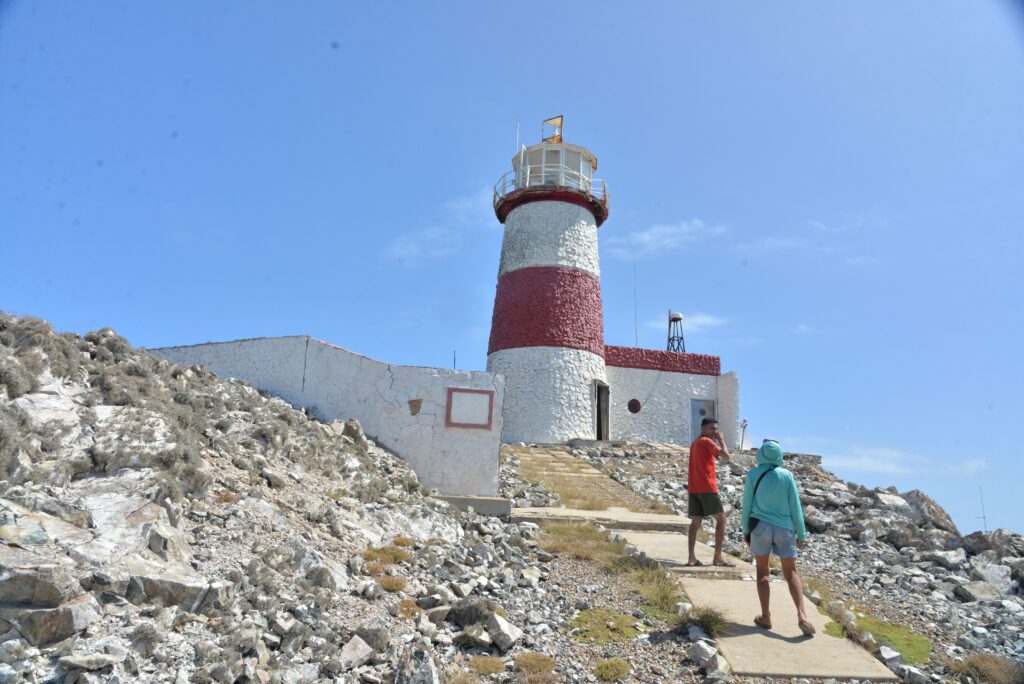
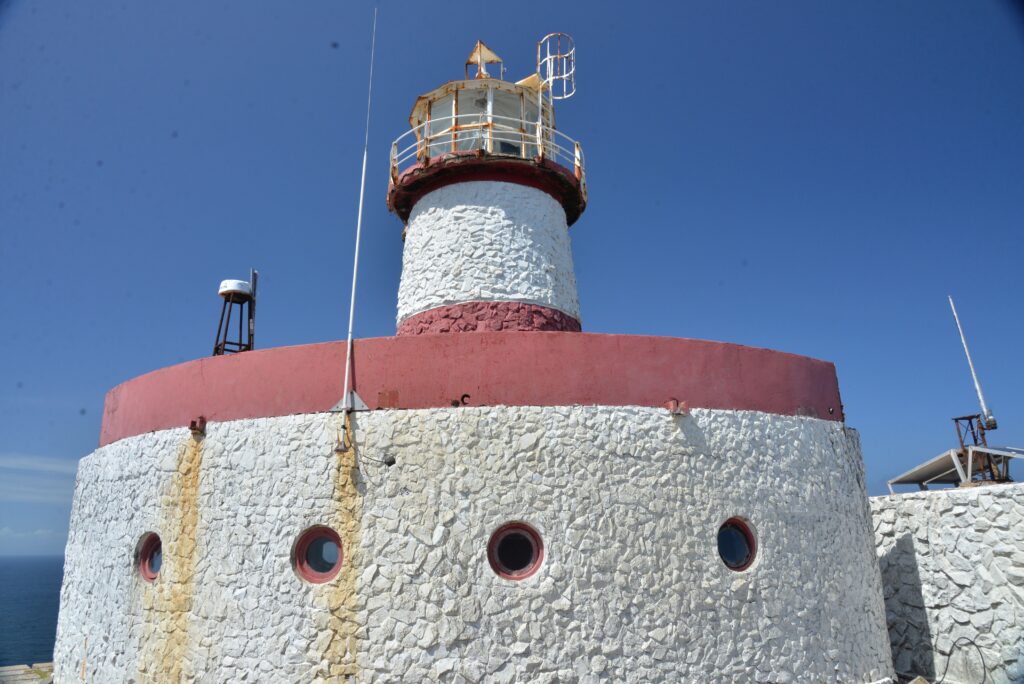
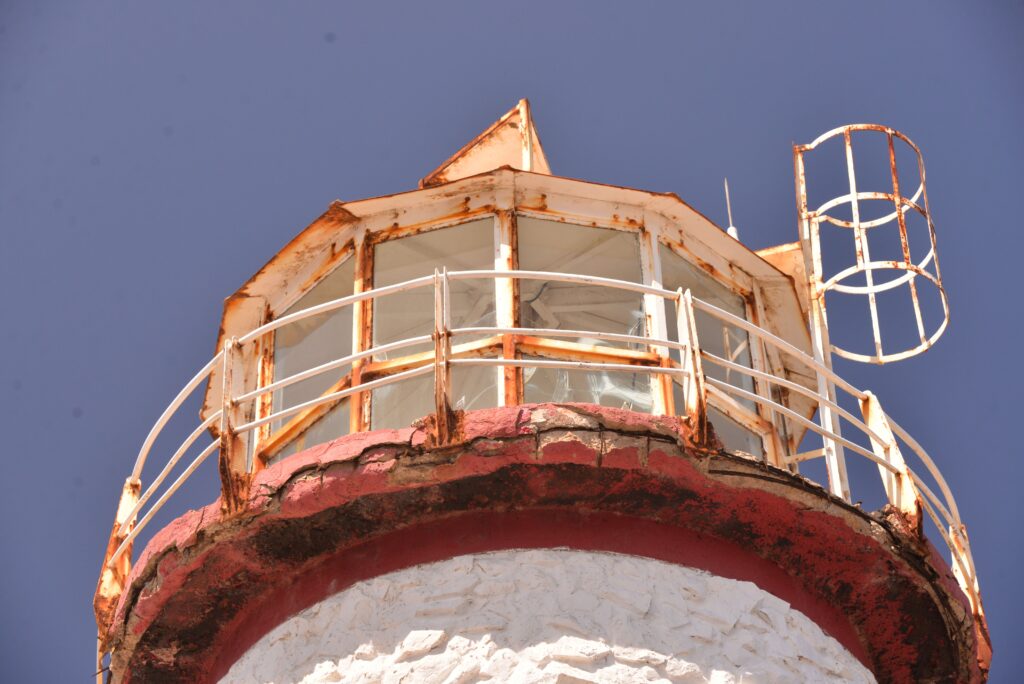
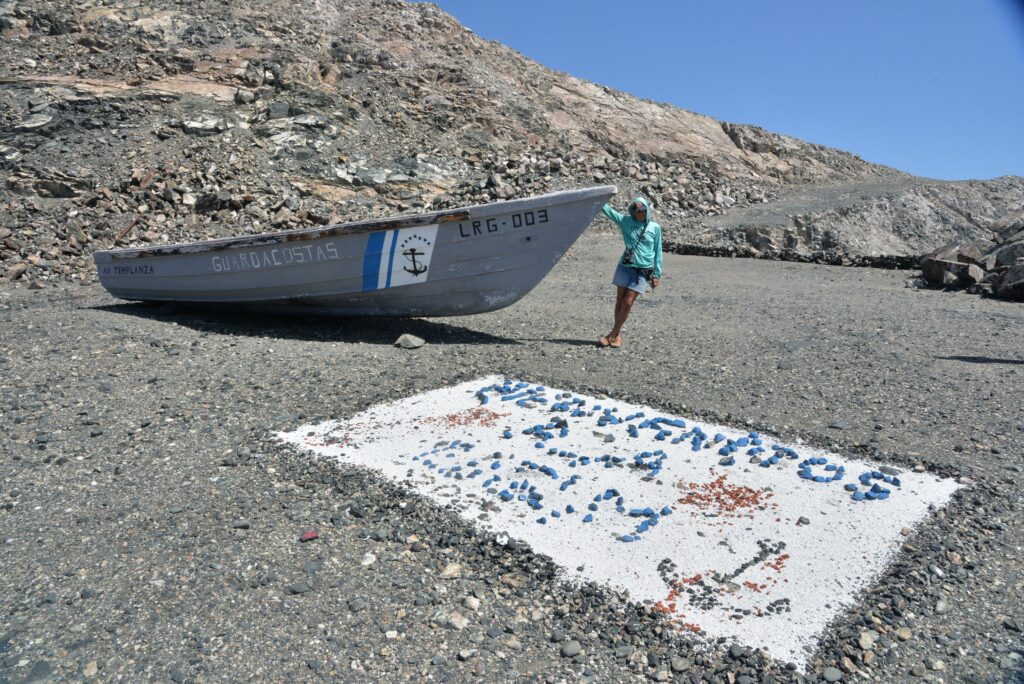
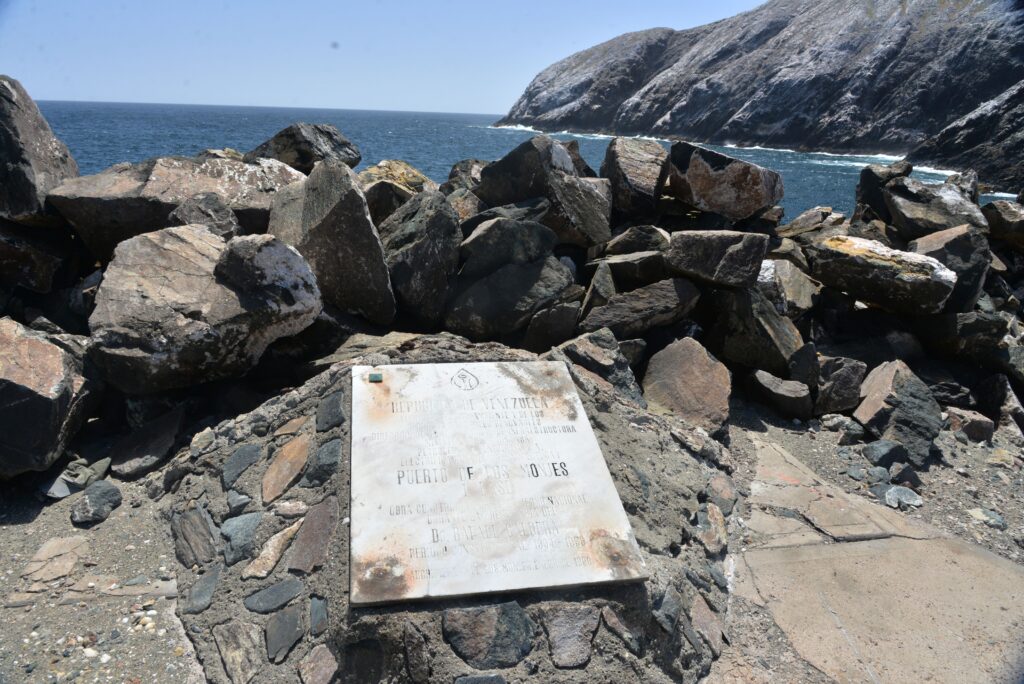
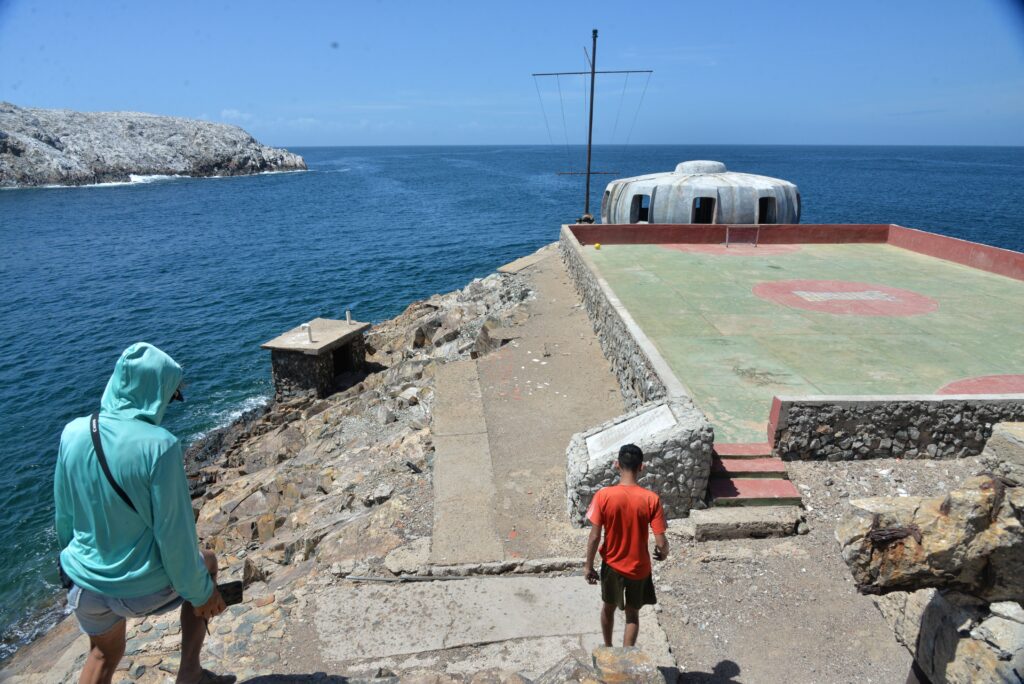
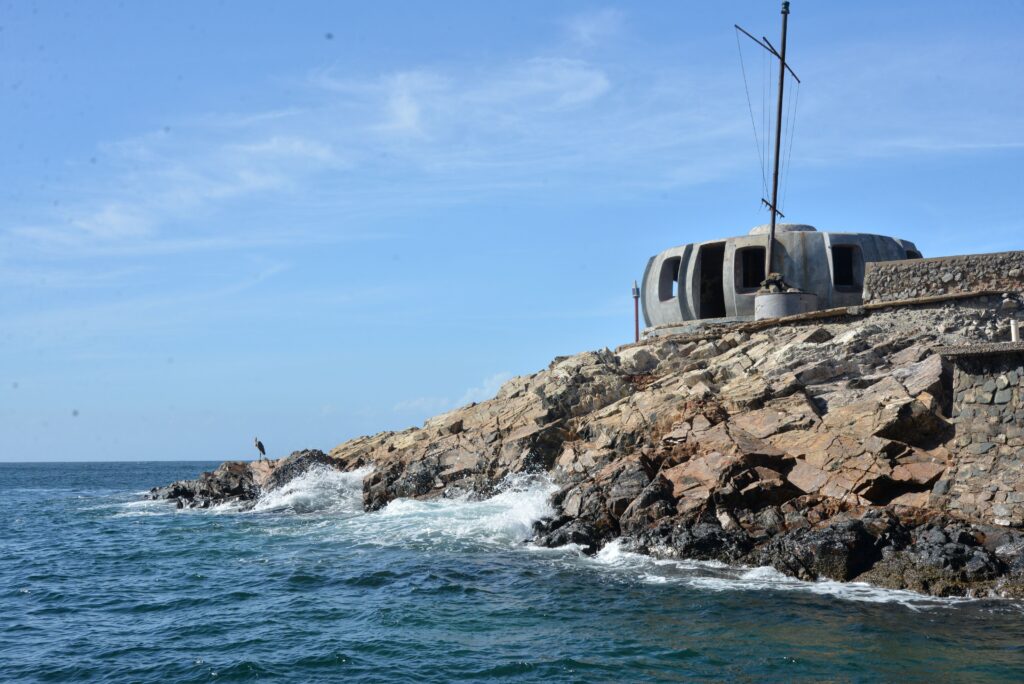
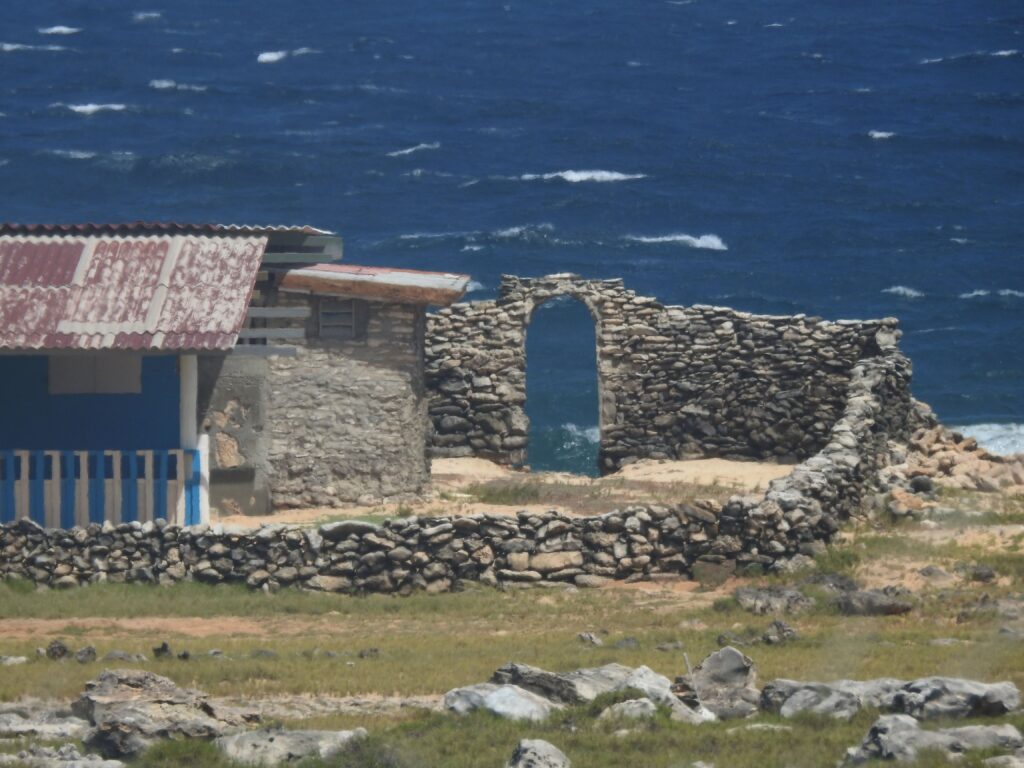
Minjes Del Sur is home to a Venezuelan Coast Guard base, built between 1994 and 1999 during the presidency of Rafael Caldera—the first (and last) democratic leader before the socialists took over. Since then, everything here has been steadily falling into disrepair.
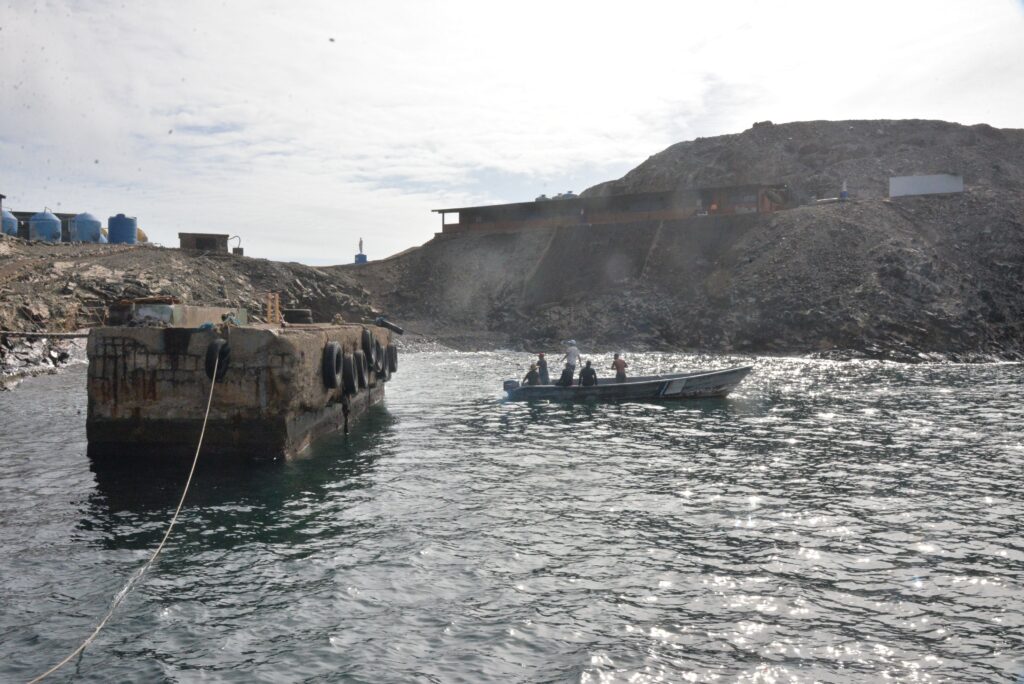
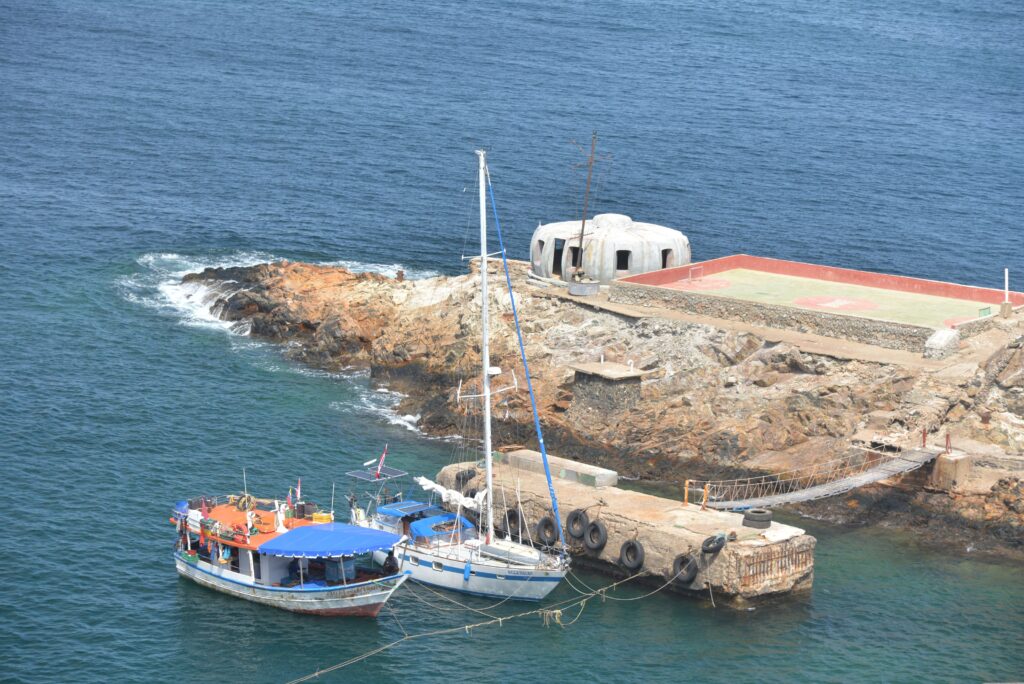
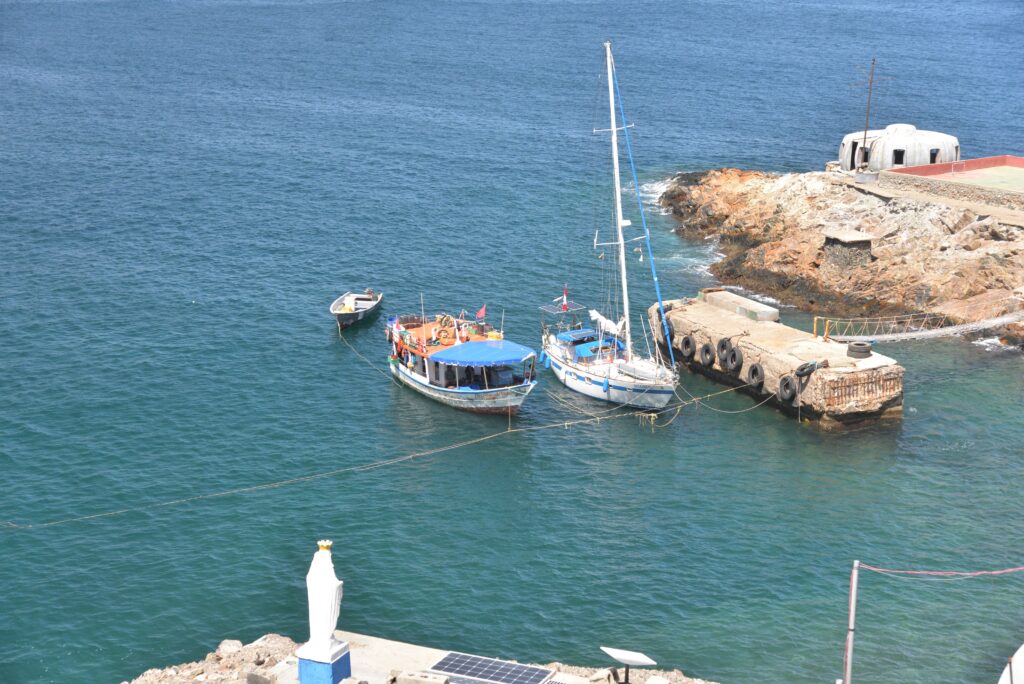
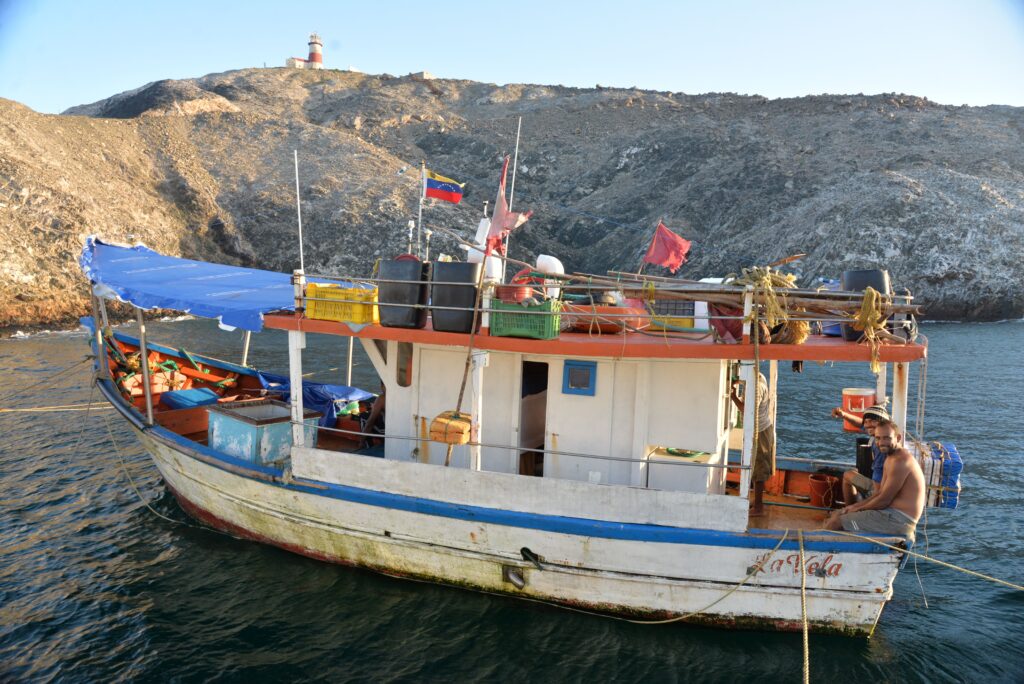
We moored by tying our bowline to a worn-out rope, which was stretched between a crumbling concrete pier and the rocky shore. An additional stern line secured us next to a fishing boat. Then came the routine hour-long yacht inspection by three sailors, led by the commandant.
The real challenge came at 4 AM. A sudden squall wind blew off the island, snapping the worn rope. Our yacht started colliding with the fishermen’s boat—until, without hesitation, they cut their own mooring line and moved out to sea to drop anchor. Meanwhile, we were still held by our stern line, but the wind had swung us dangerously close to the rocky shore. To stabilize the boat, we quickly dropped our own anchor.
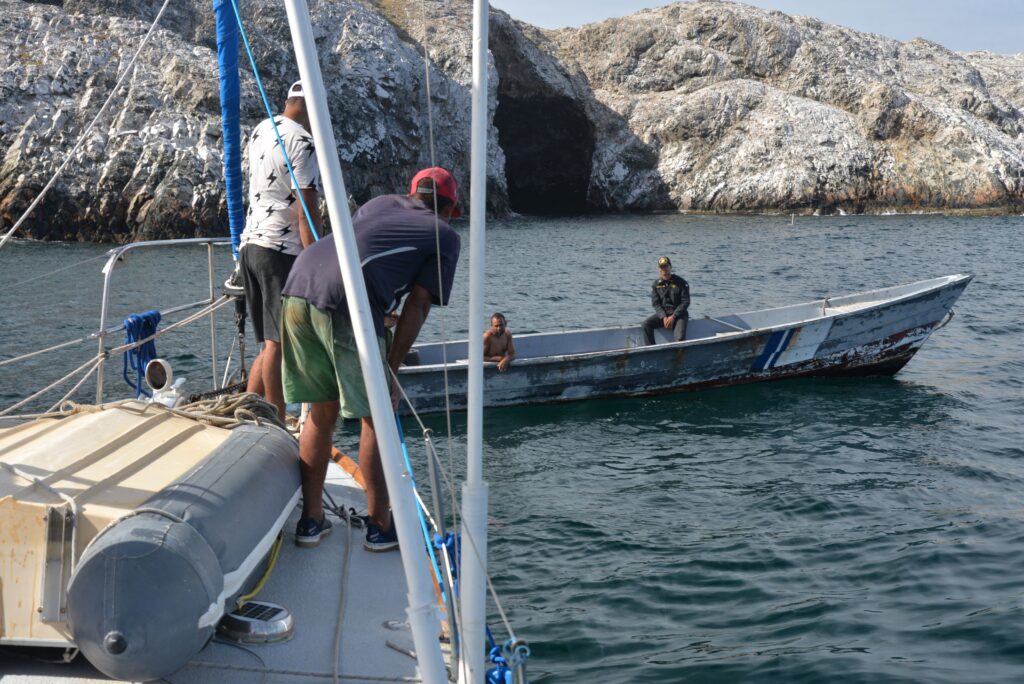
At dawn, the sailors and fishermen returned, repaired the mooring line, and helped us secure ourselves again. But our anchor had gotten stuck—likely wedged between rocks on the seabed. One of the sailors dived 10 meters down to free it, saving us a major headache.
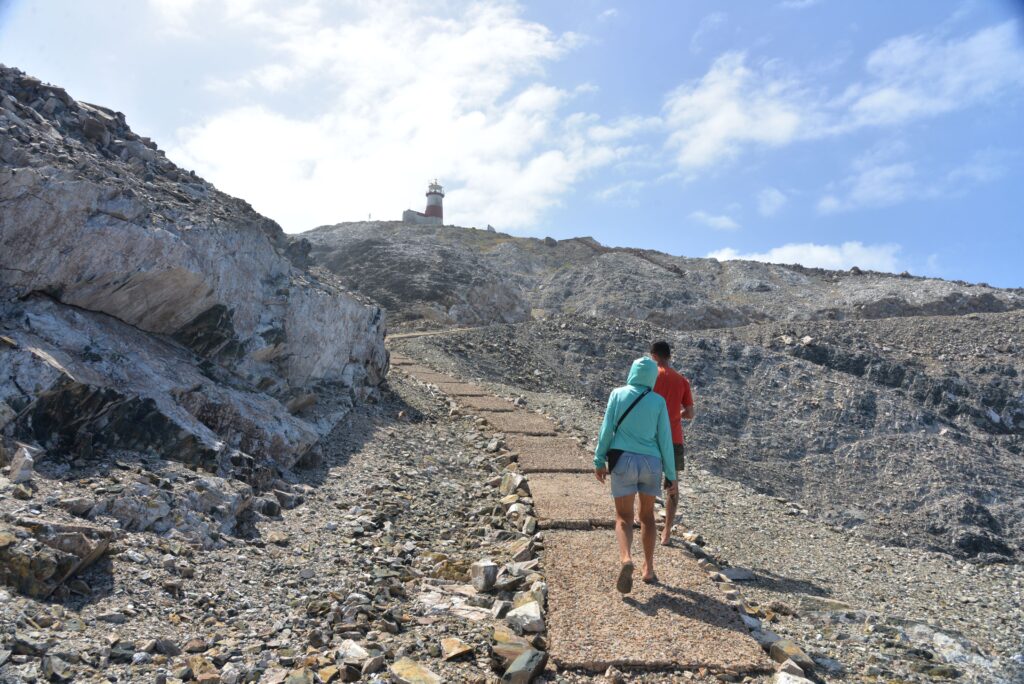
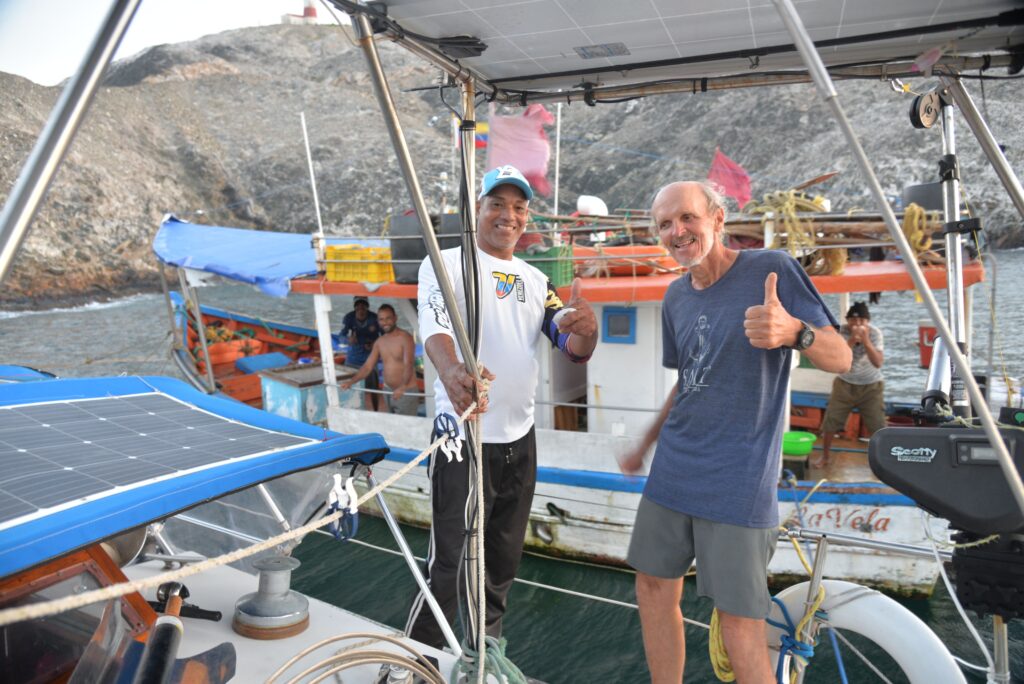
With the morning chaos behind us, the sailors invited us on a tour of the island, and we happily accepted. By then, it was too late to head back to sea, so we decided to stay another night. That evening, we shared a warm moment with the Venezuelan fishermen—they treated us to fresh fish, we offered them beer, and despite the language barrier (us not knowing Spanish, them not knowing English), we had a great time. It turns out, words aren’t the most important thing in communication—what truly matters is the willingness to connect. Salud!
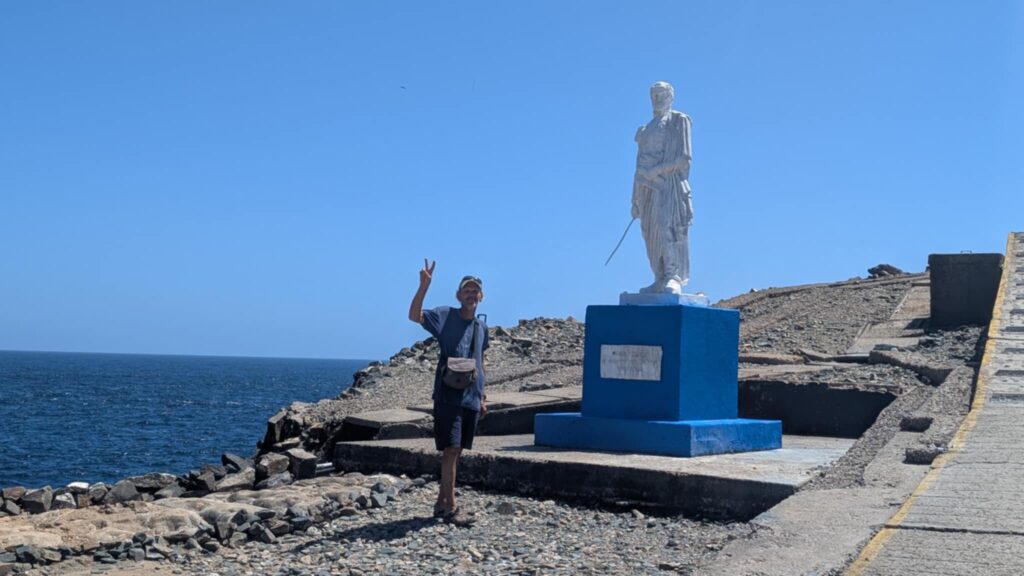
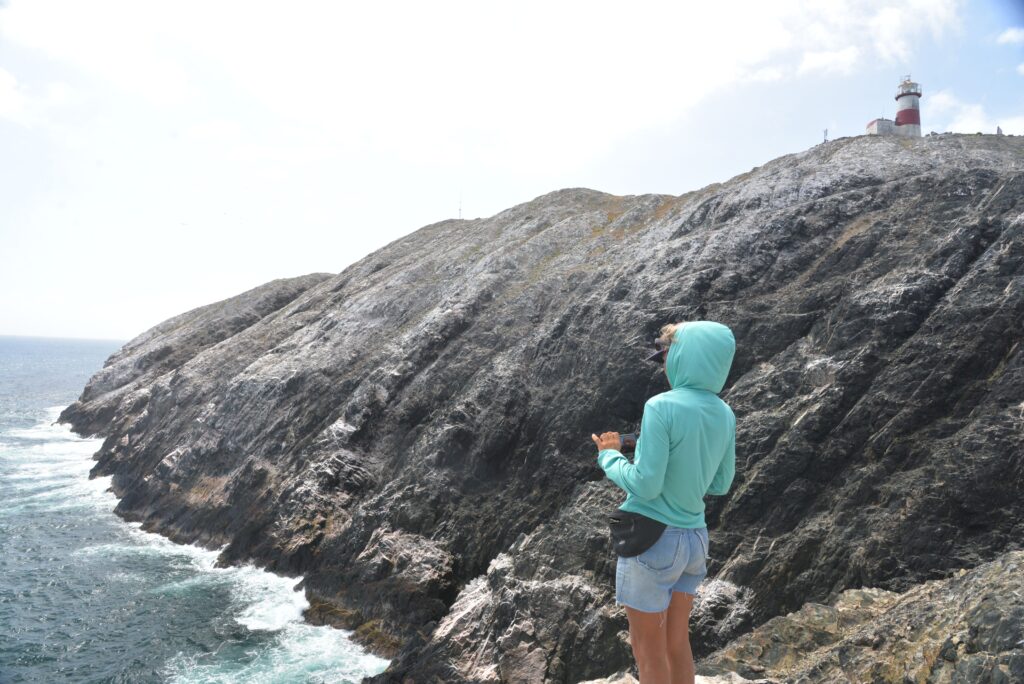
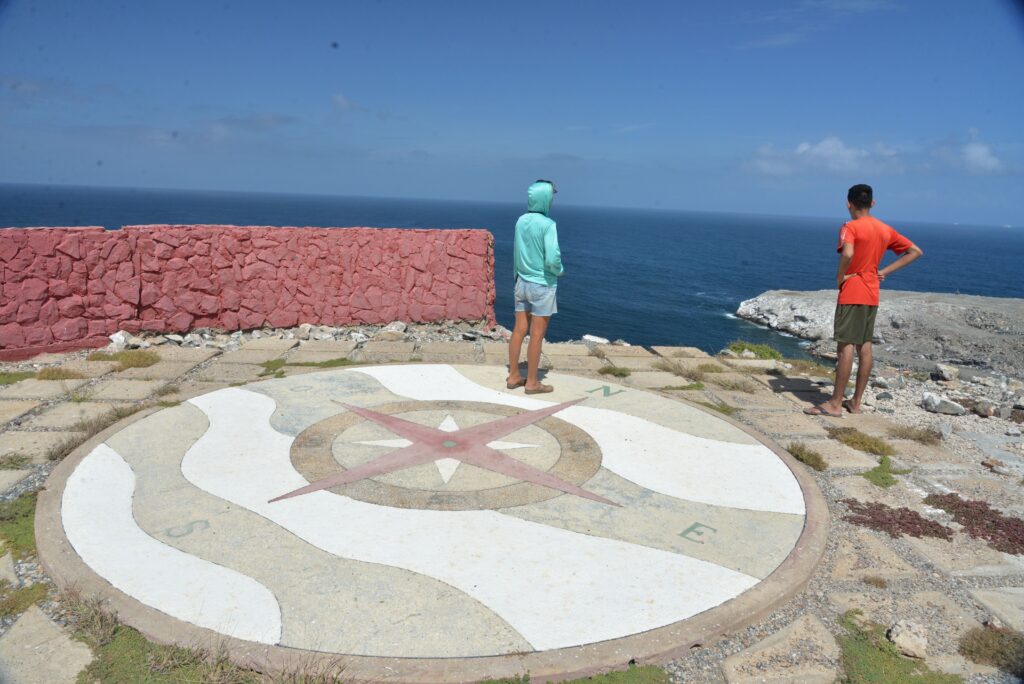
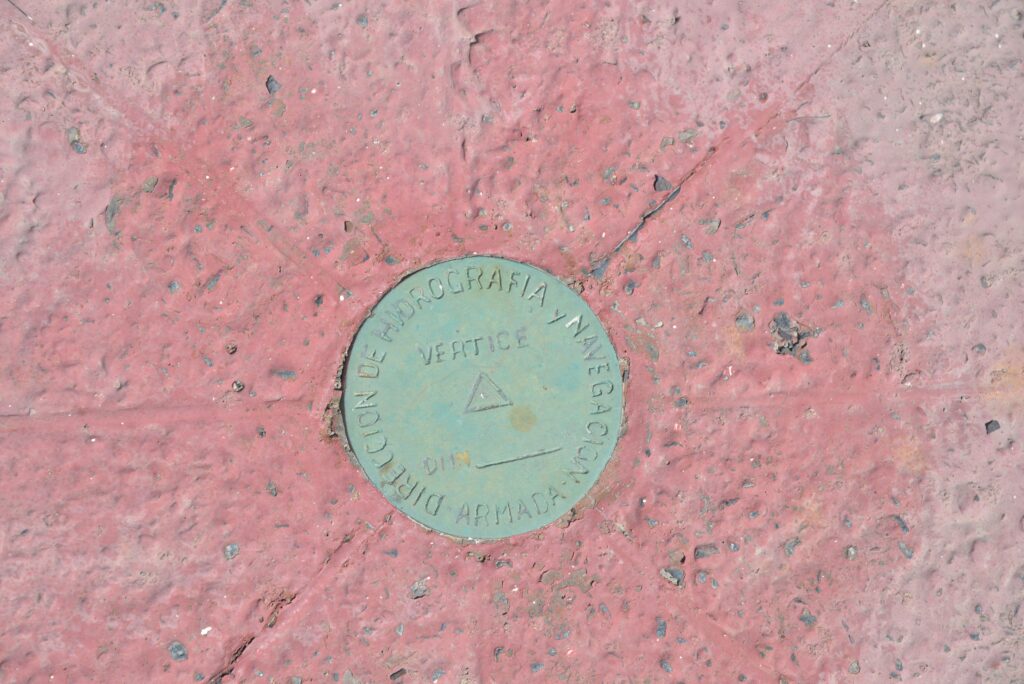
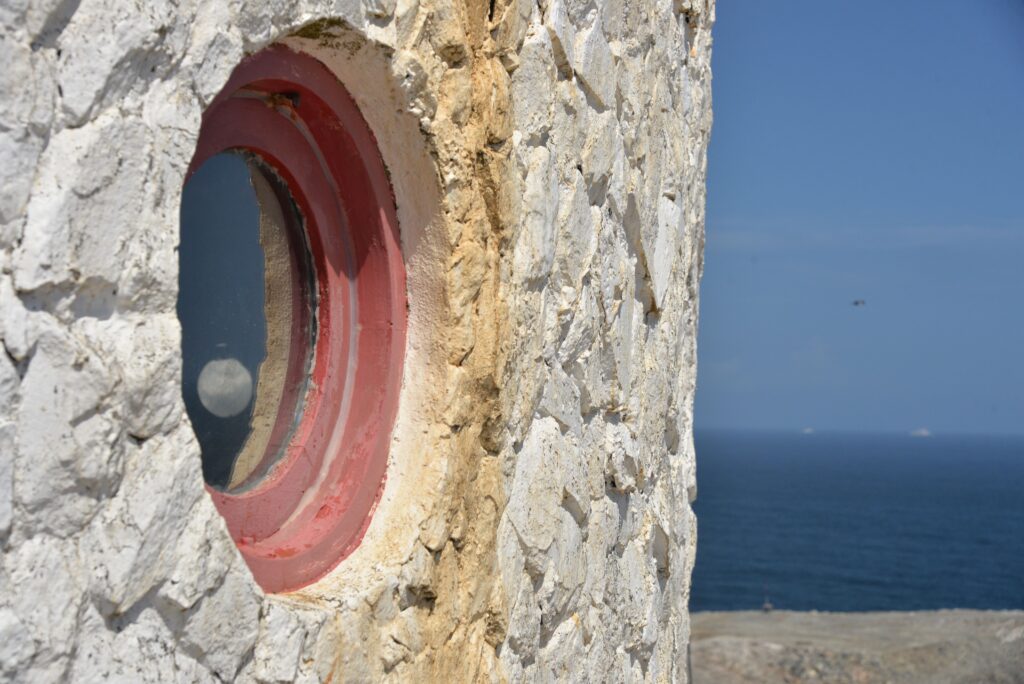
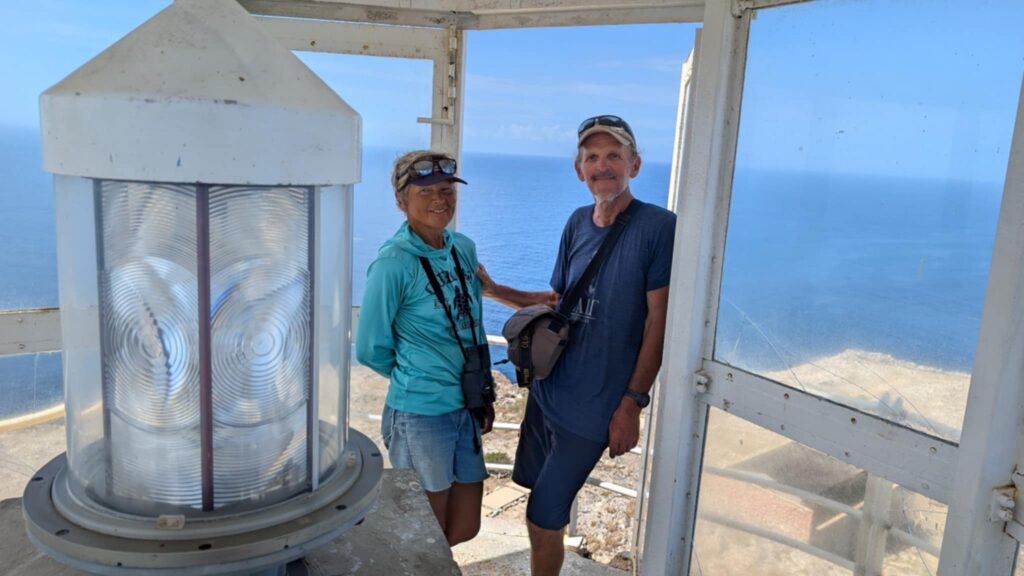
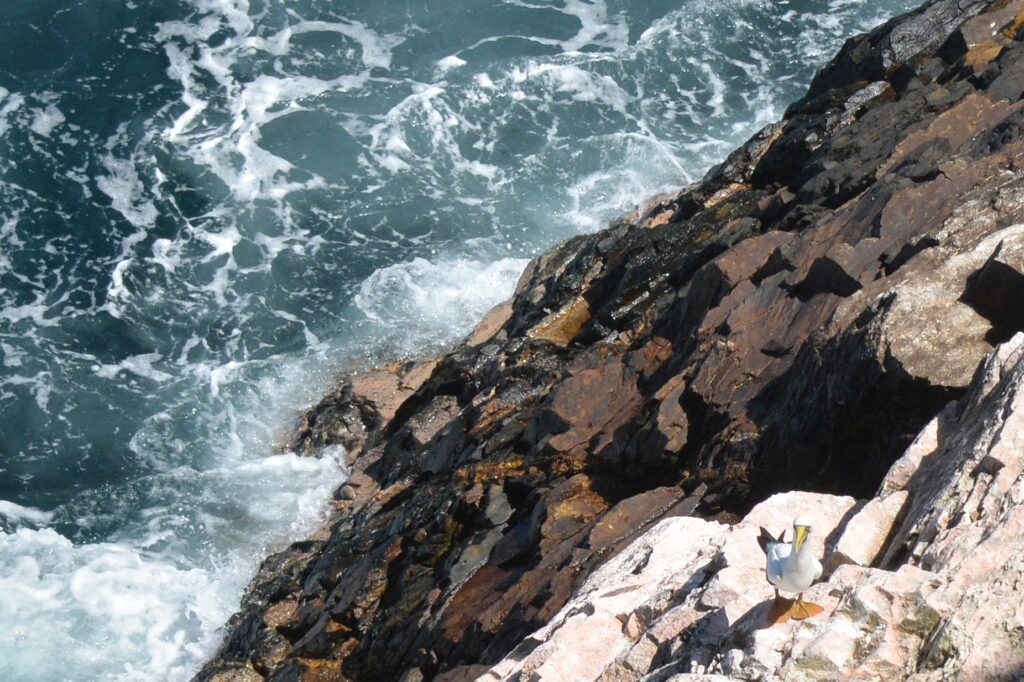
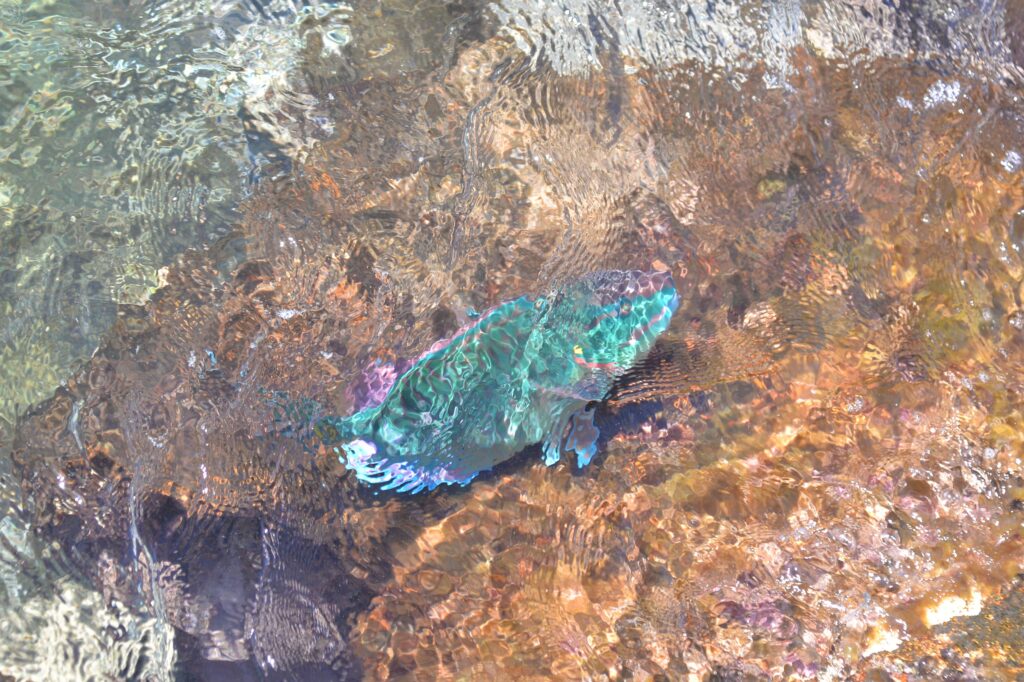
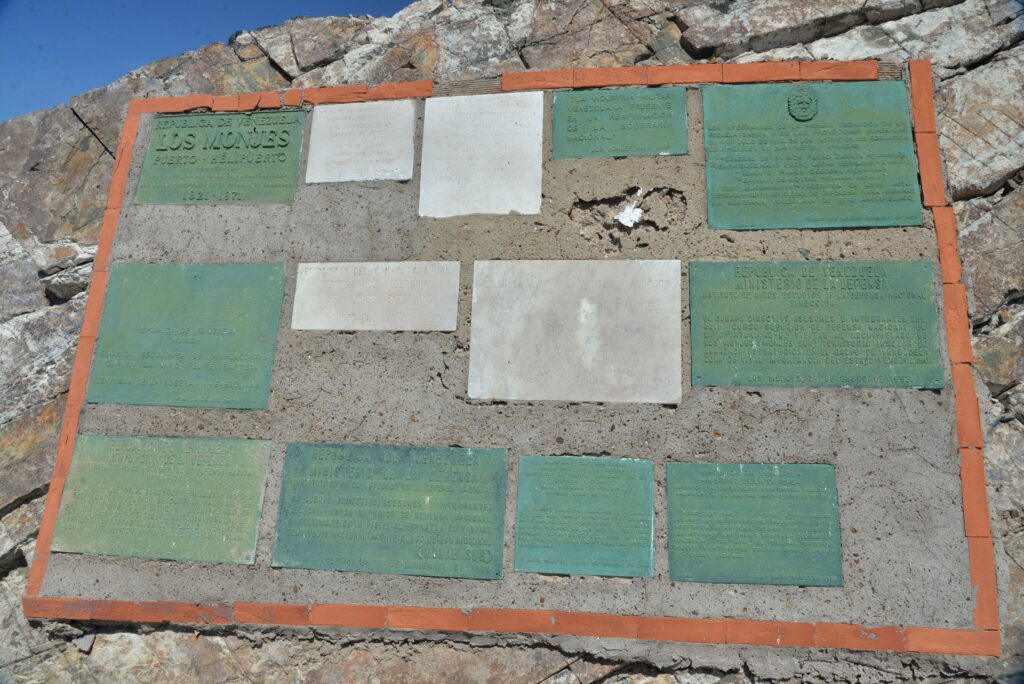
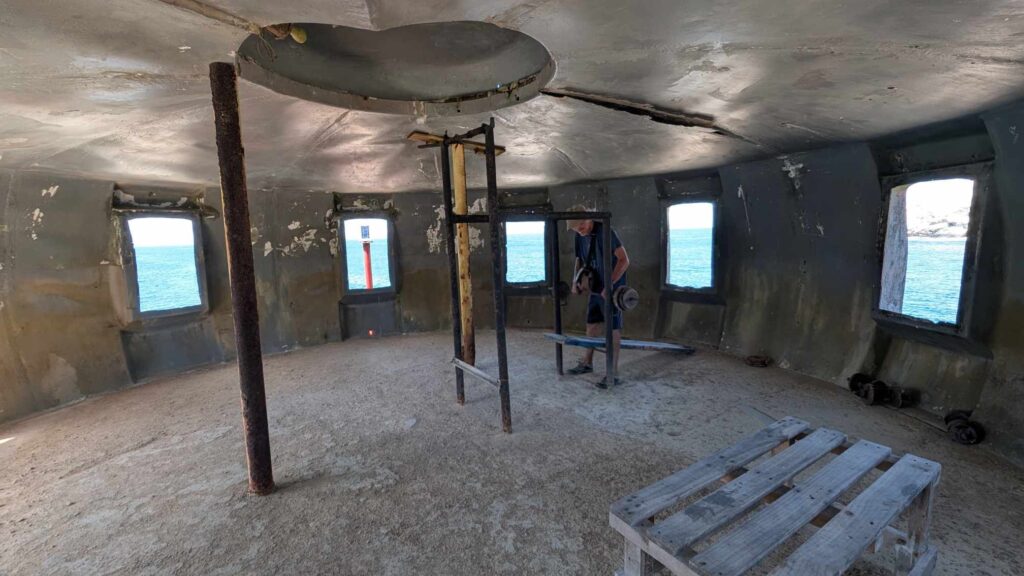
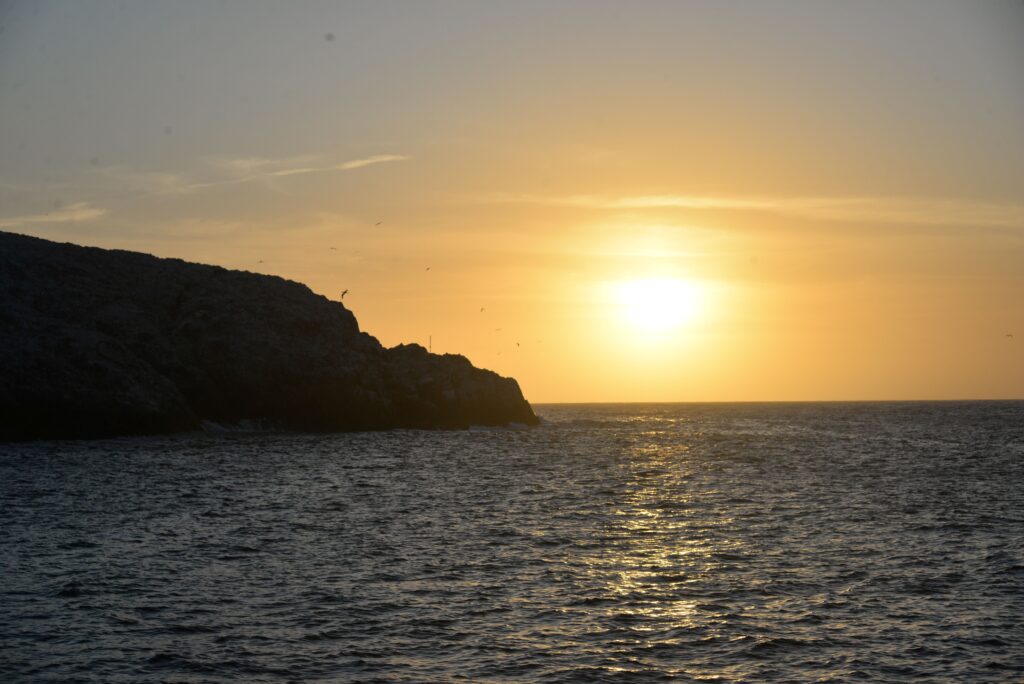
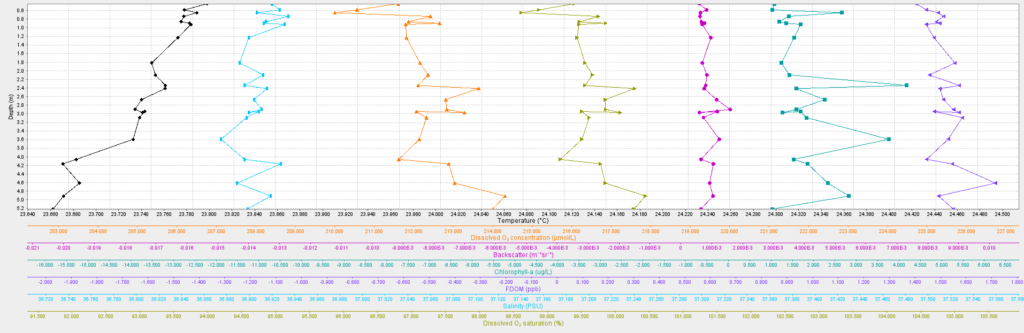
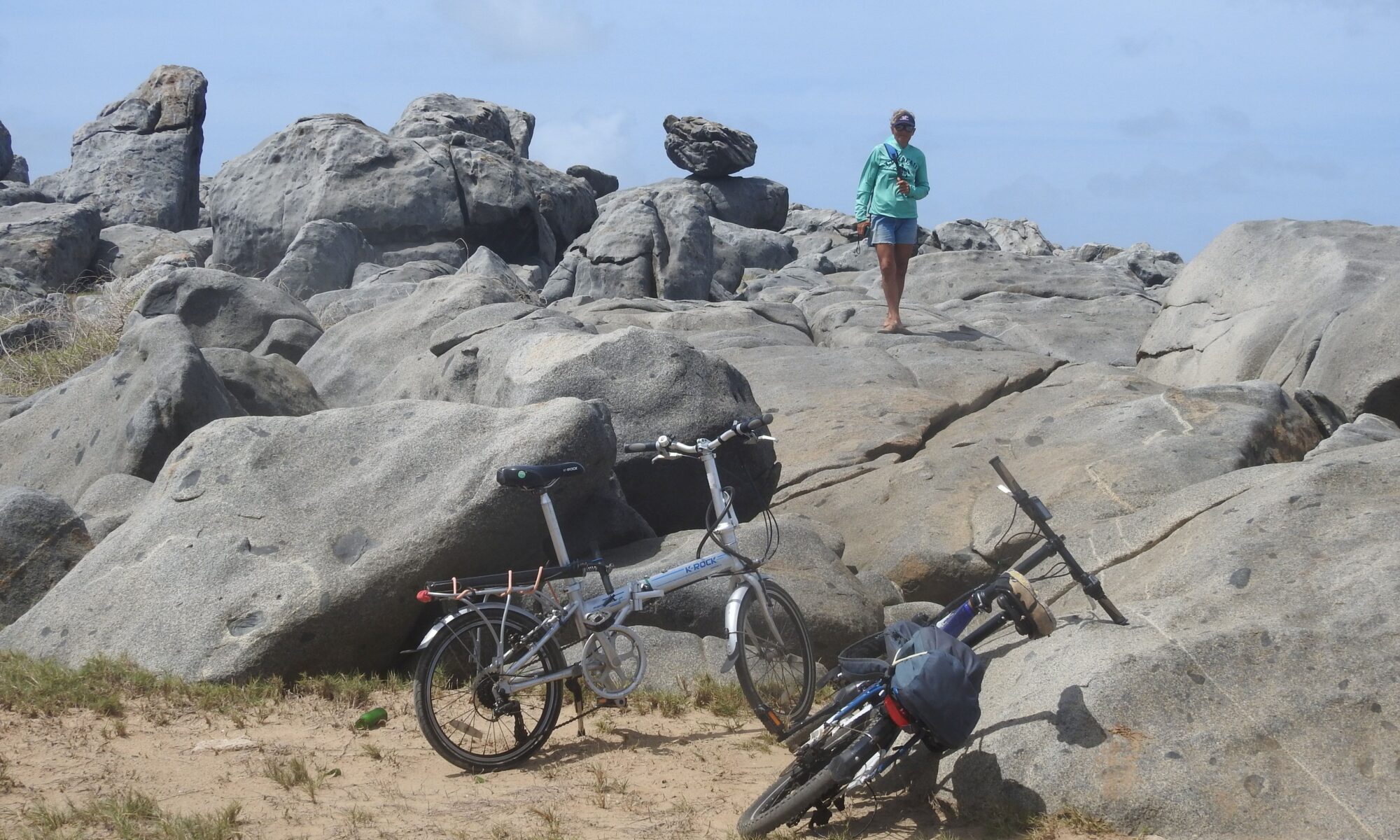
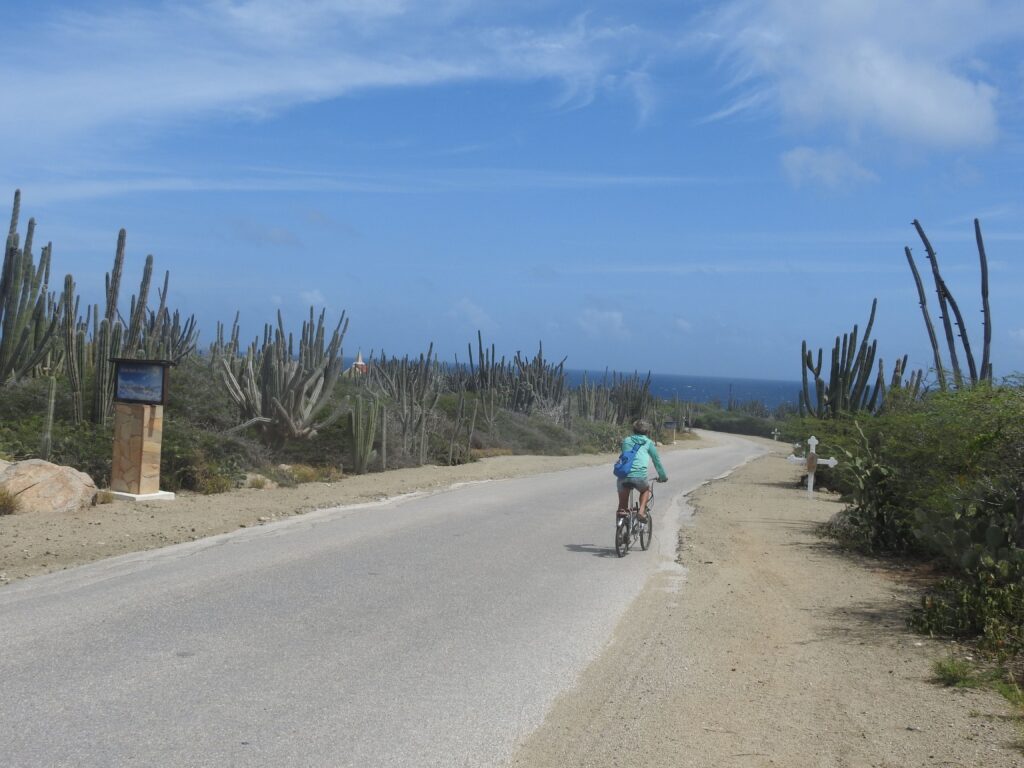
Approaching Monjes Del SurOur track on chartplotter with two separated islesComing to the mooringTethered to the pier with the stern line.Coastguard and fishermen restore mooring lineRecovering the stuck anchorMoored with the fishing boatSuspension bridge made from palletsMonument of Simon BolivarRoad to the FaroOfficial Venezuelan cardinal directionsGeodetic SignArtificially connected Islas missed on the Navionics chartHelipadLighthouseCommemorative plateA parrot fish near the shore – the water is so clear!Commemorative plates of visiting island Venezuelan Navy commandersA mini-football field The round building is deteriorating with time gymThe gym on the rocks with a Blue HeronVenezuelan fisher boatHaving a good time with the fishermenSunset Plot of CTD cast on the mooring in Monjes Del Sur