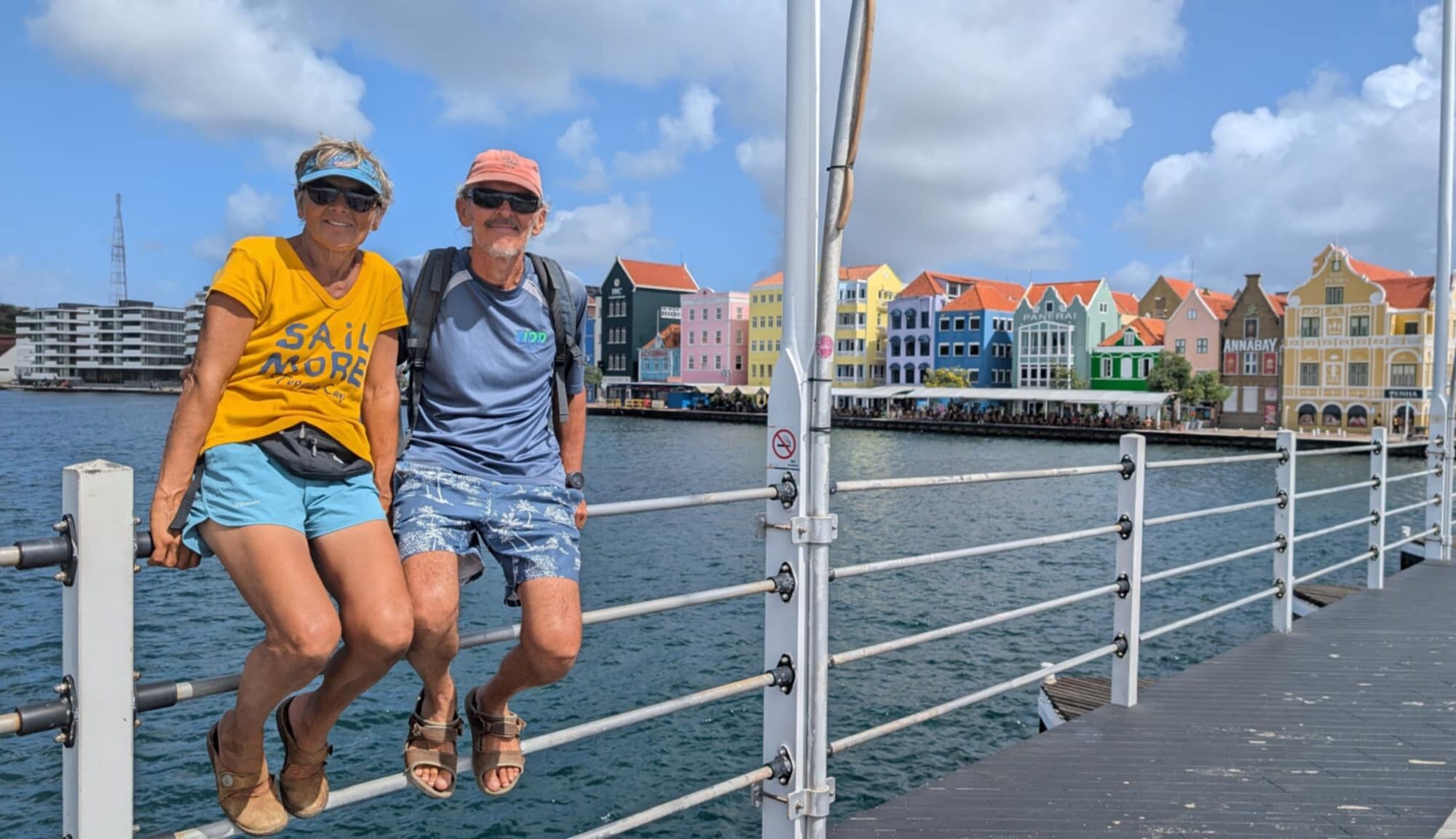
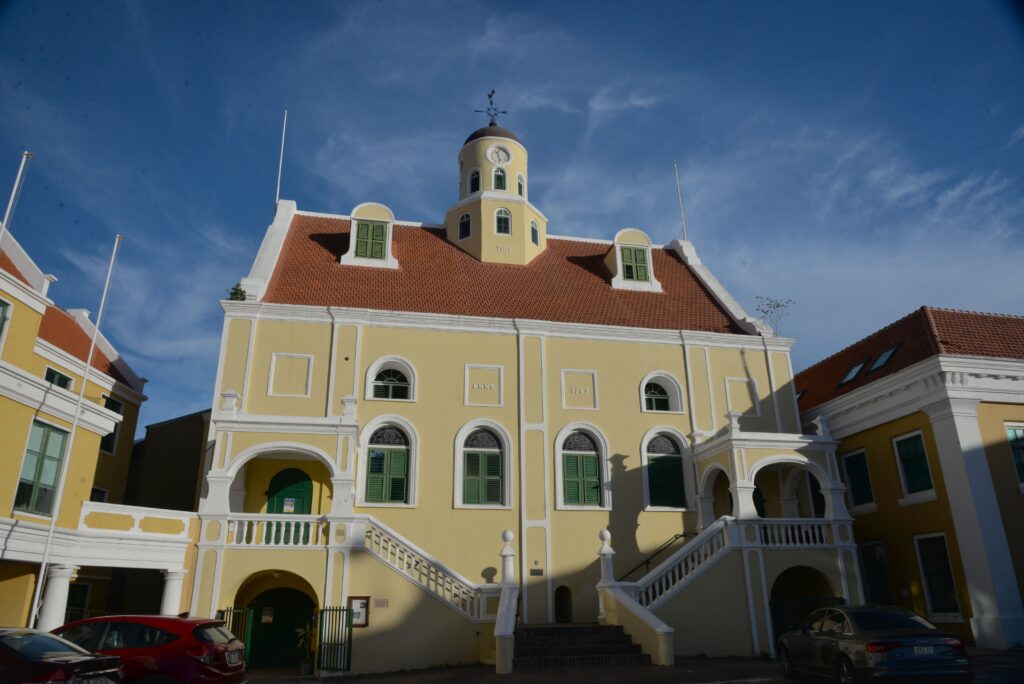
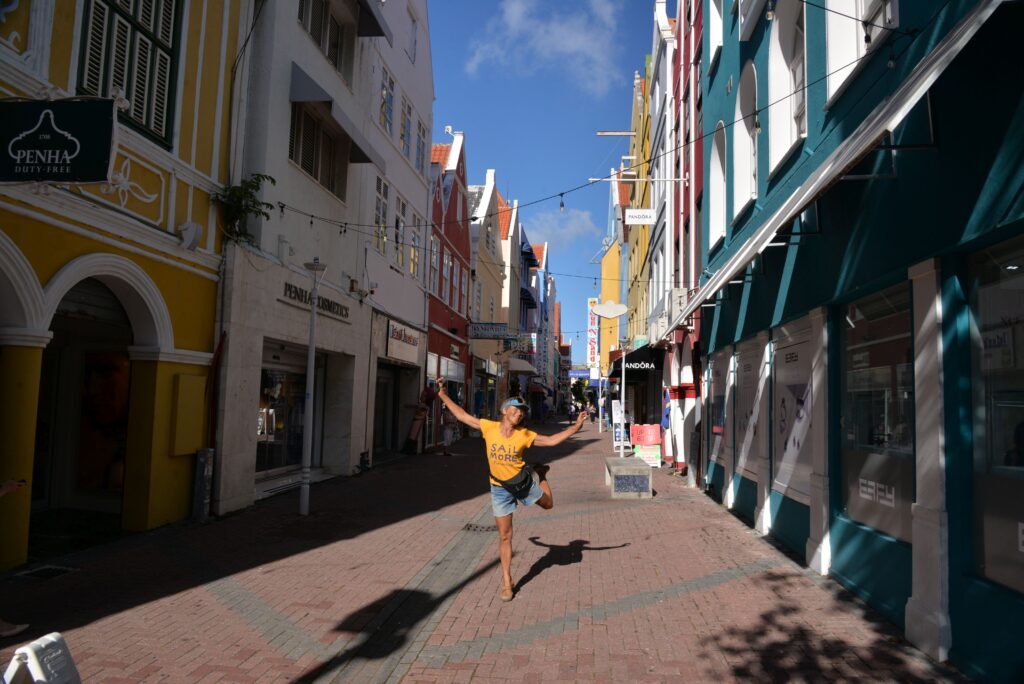
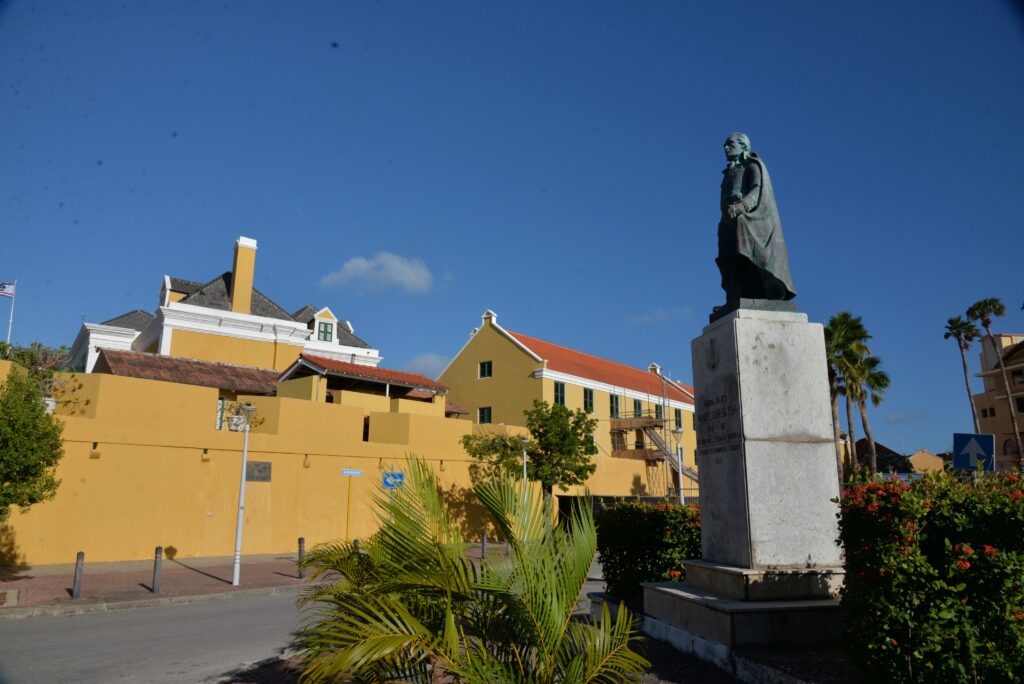
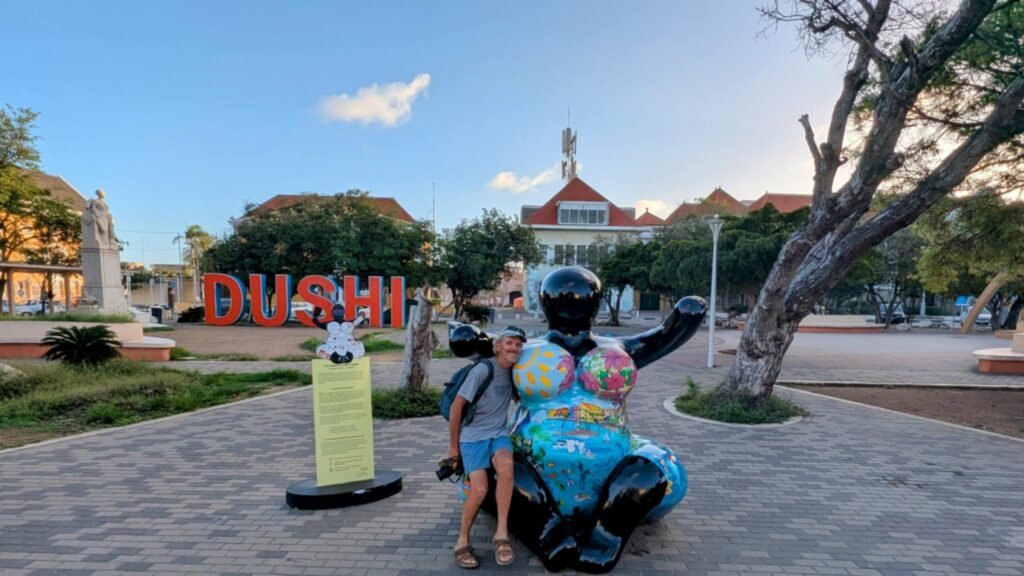
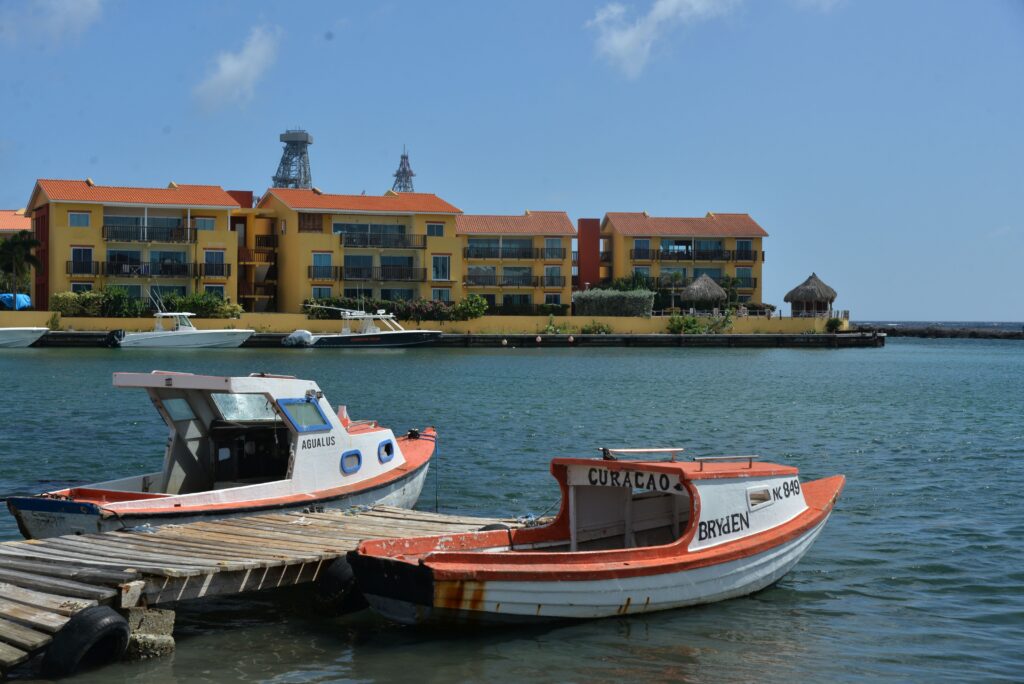
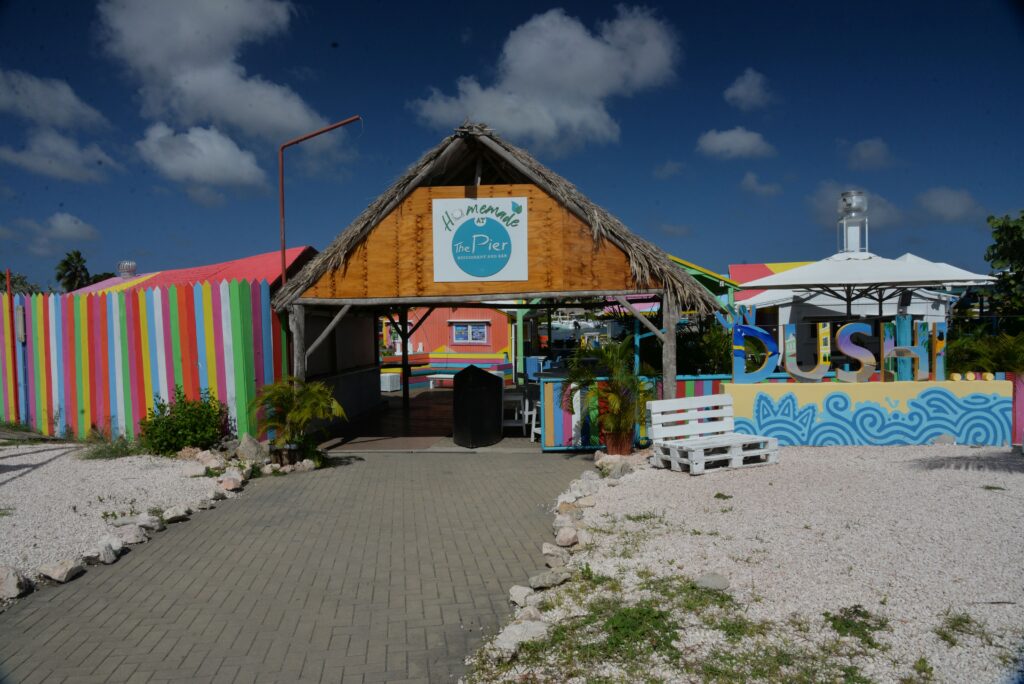
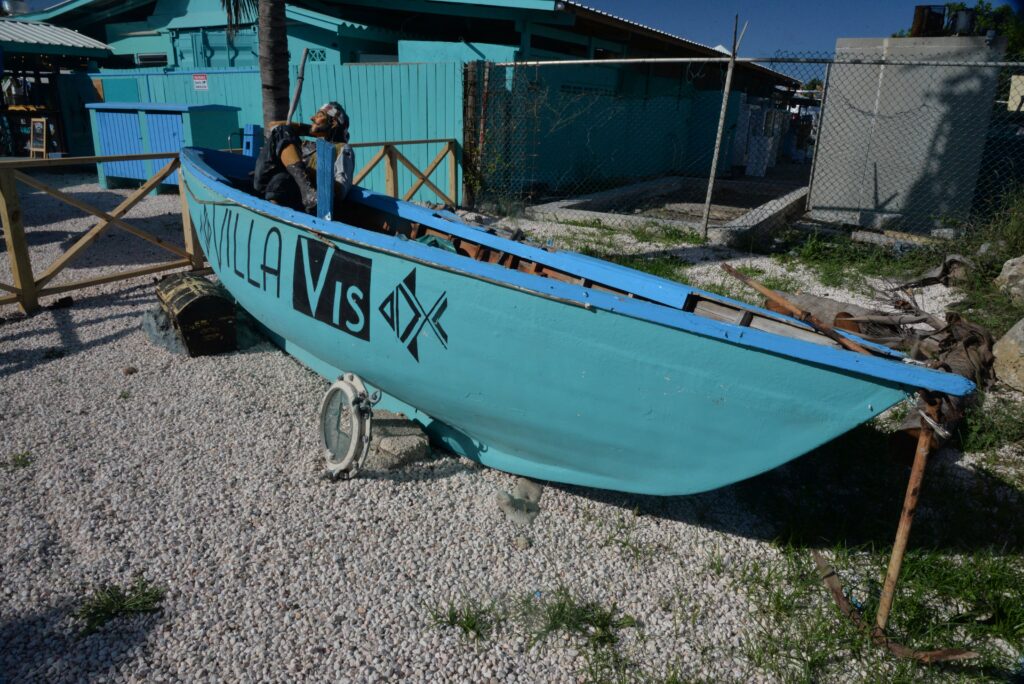
Sailing into Curaçao, we were eager to explore its vibrant capital, Willemstad—a city where Dutch colonial charm meets Caribbean soul. Anchored in Spanish Waters, we took the bus to the city, a journey that unfolded like a time warp from tranquil marinas to a bustling, pastel-hued port town.
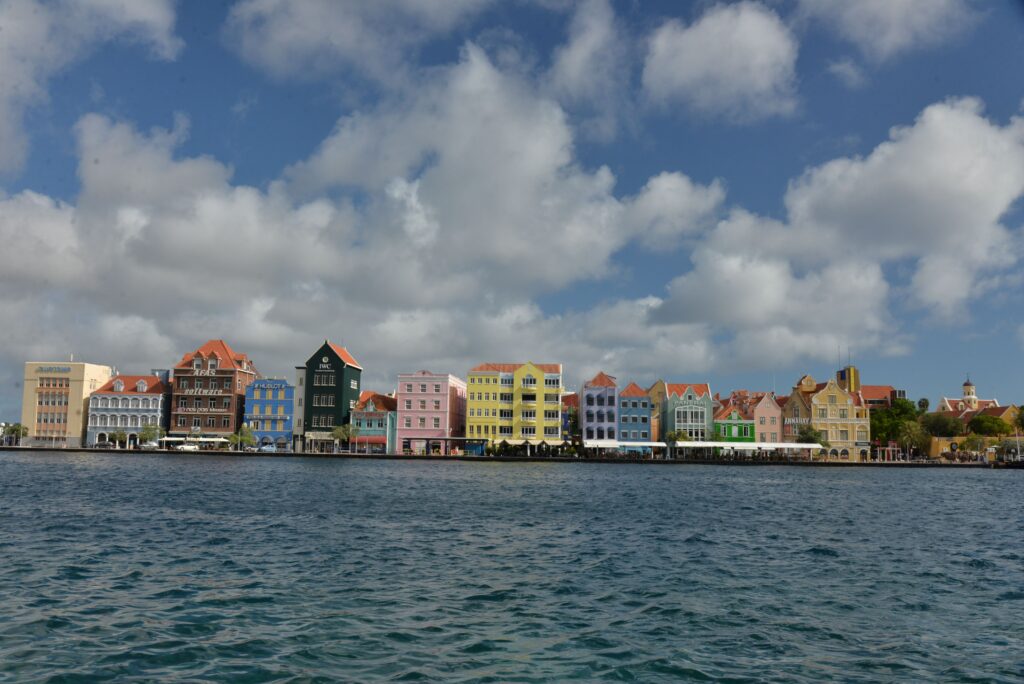
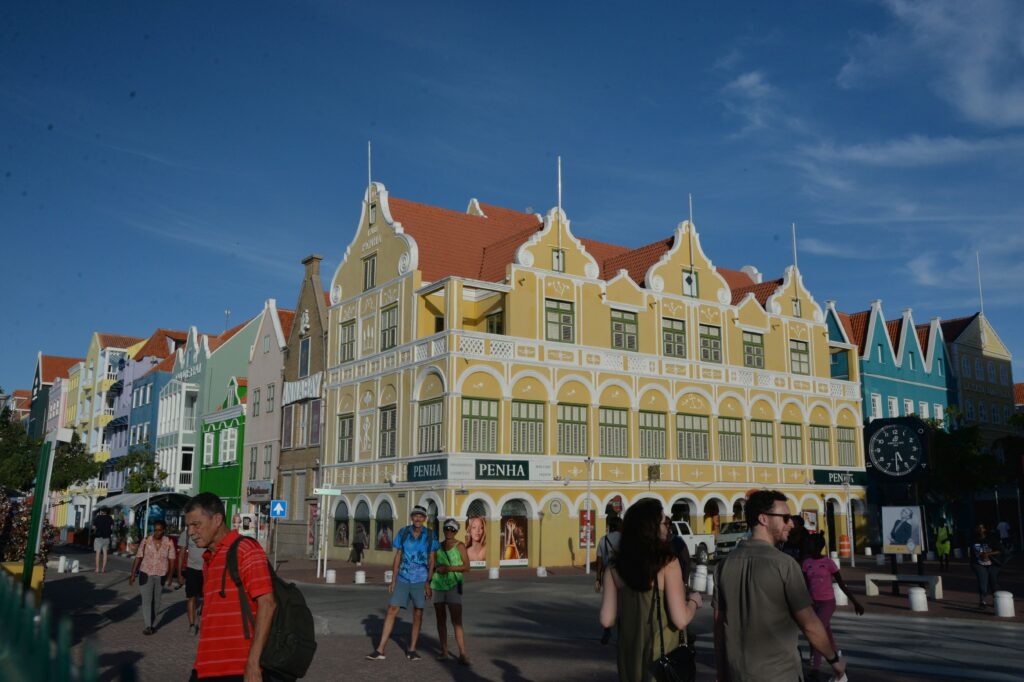
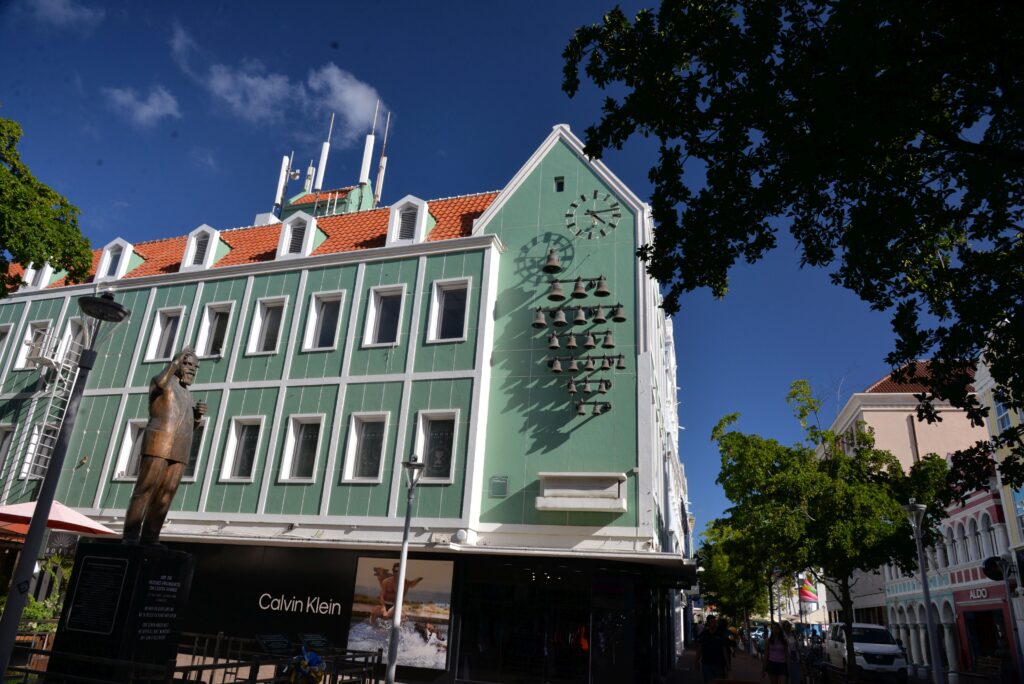
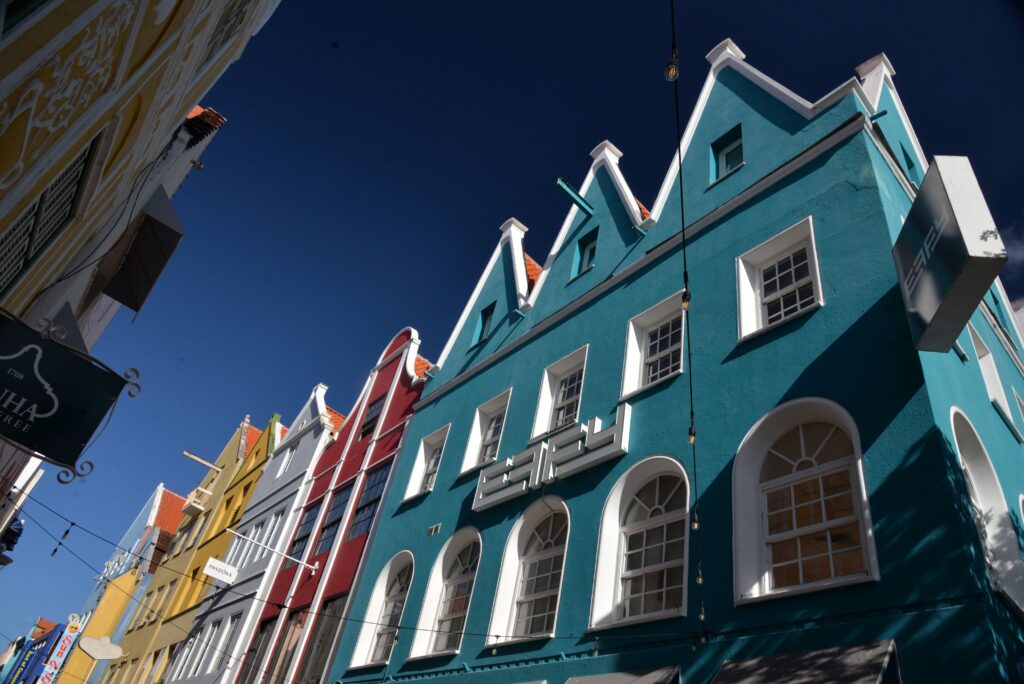
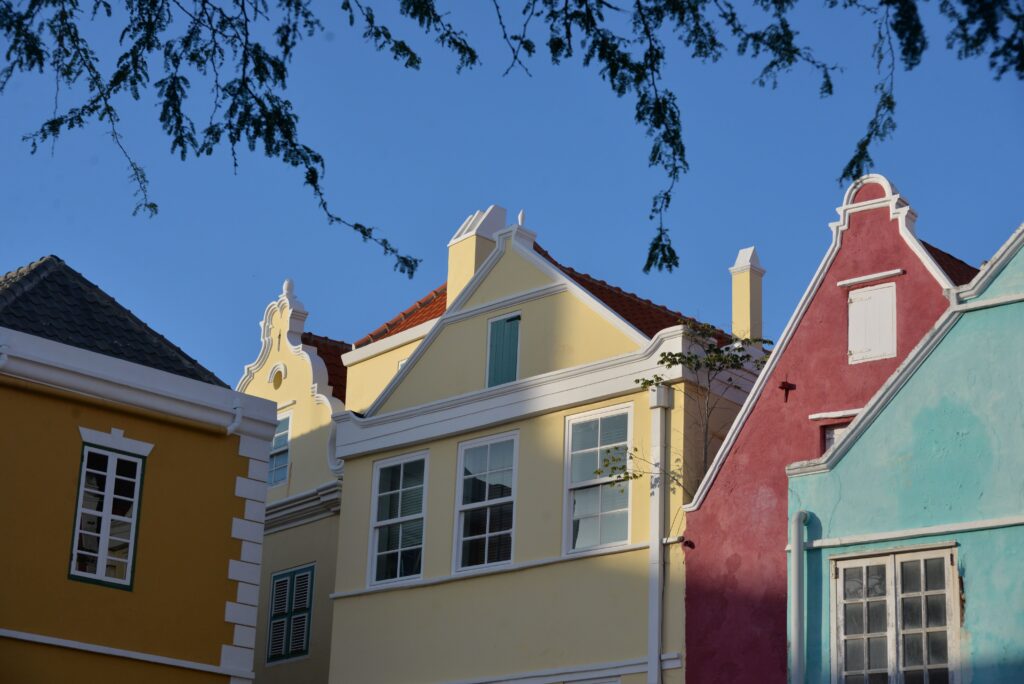
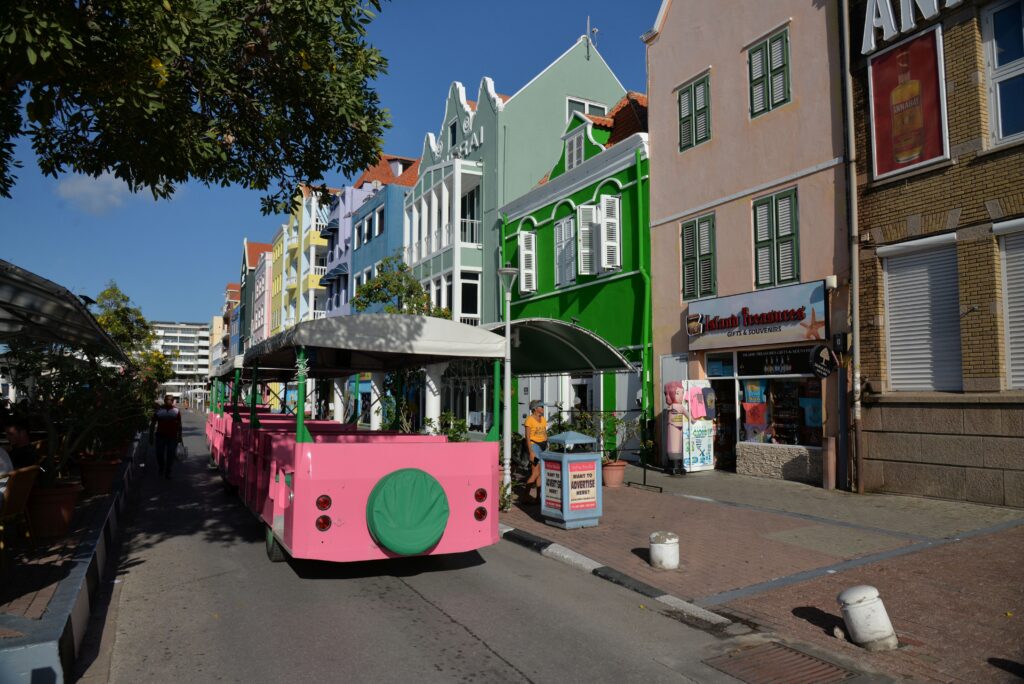
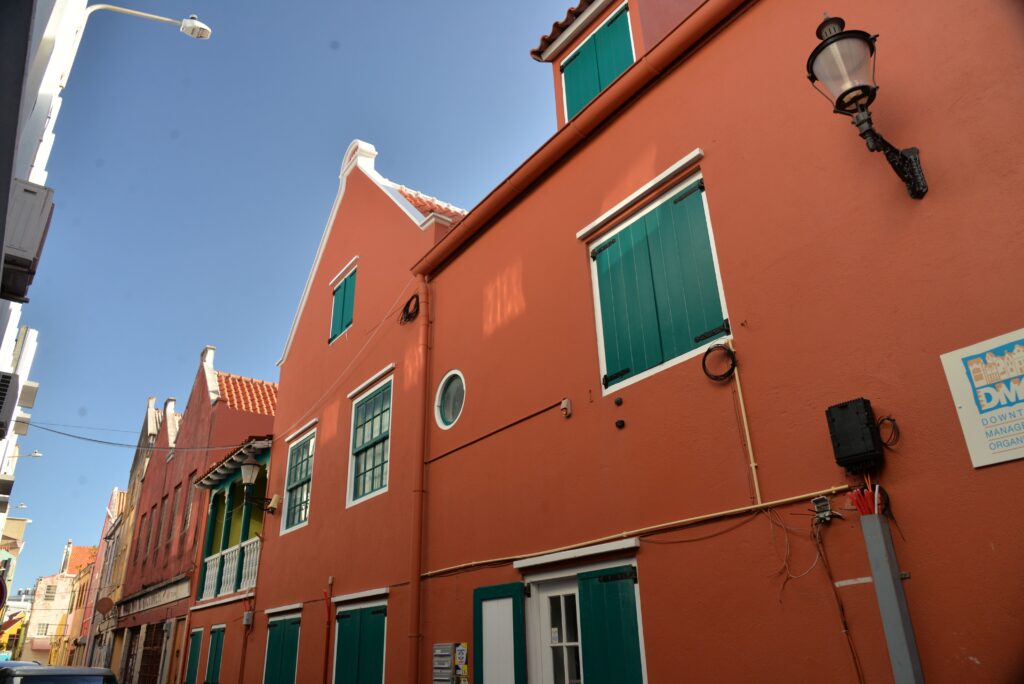
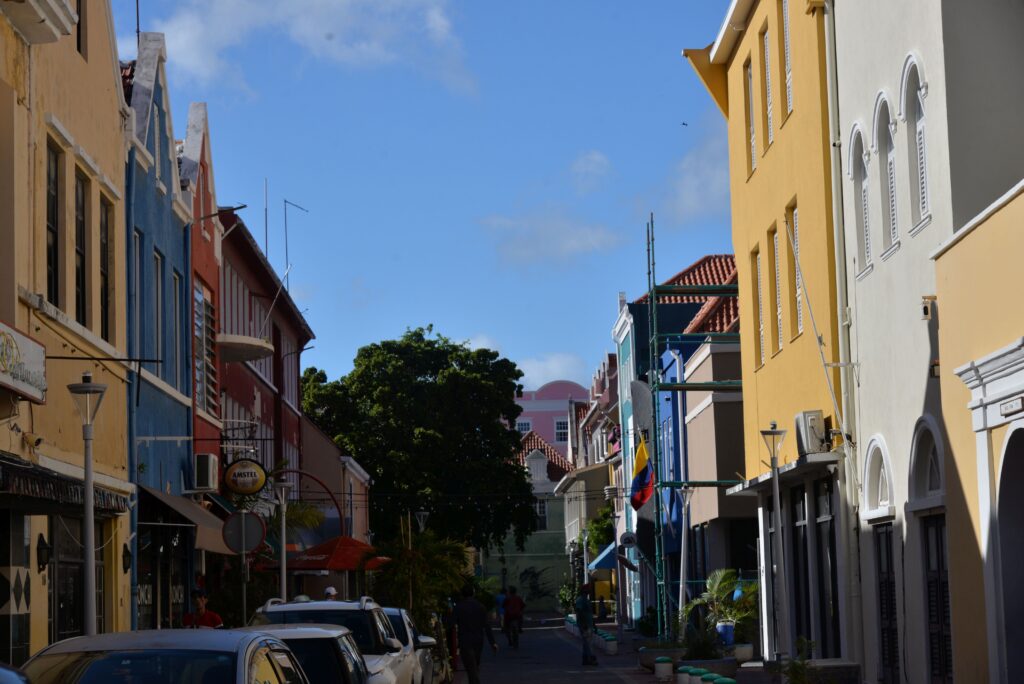
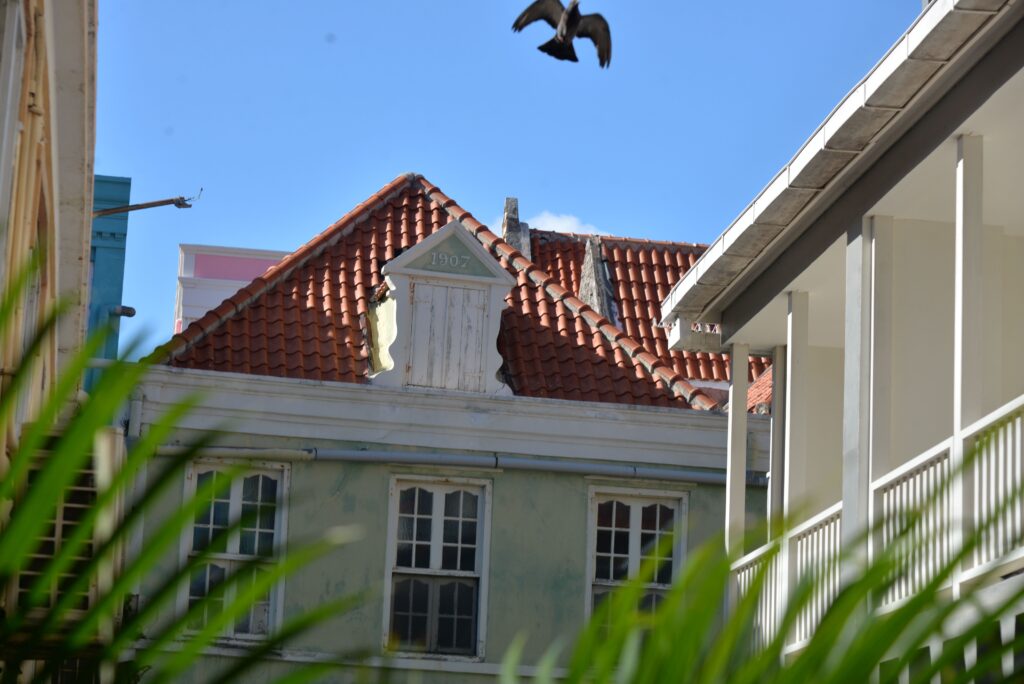
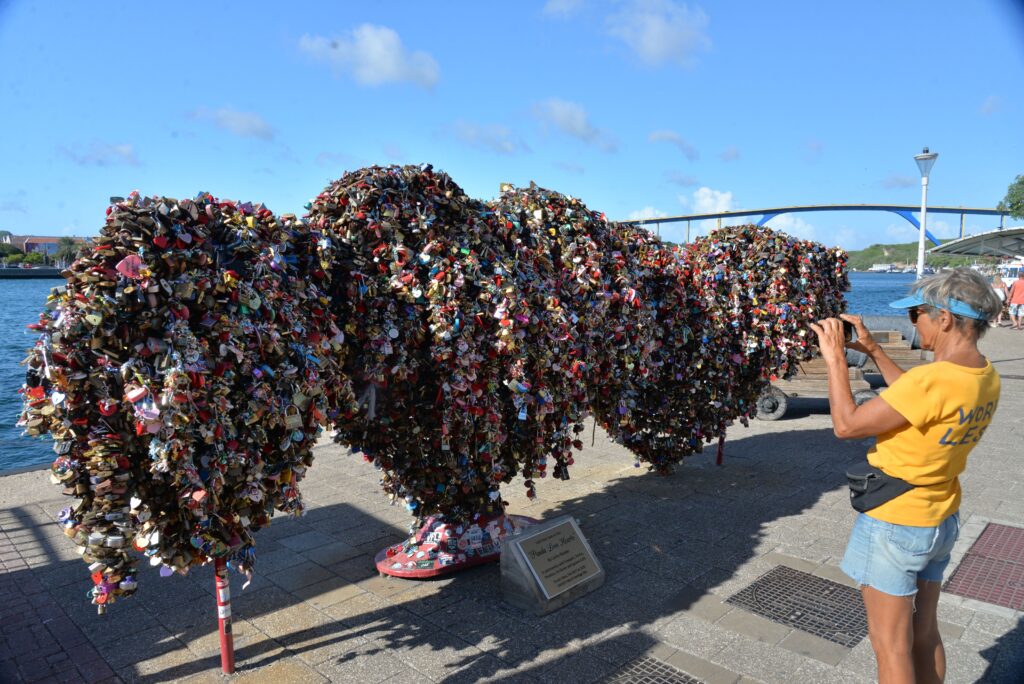
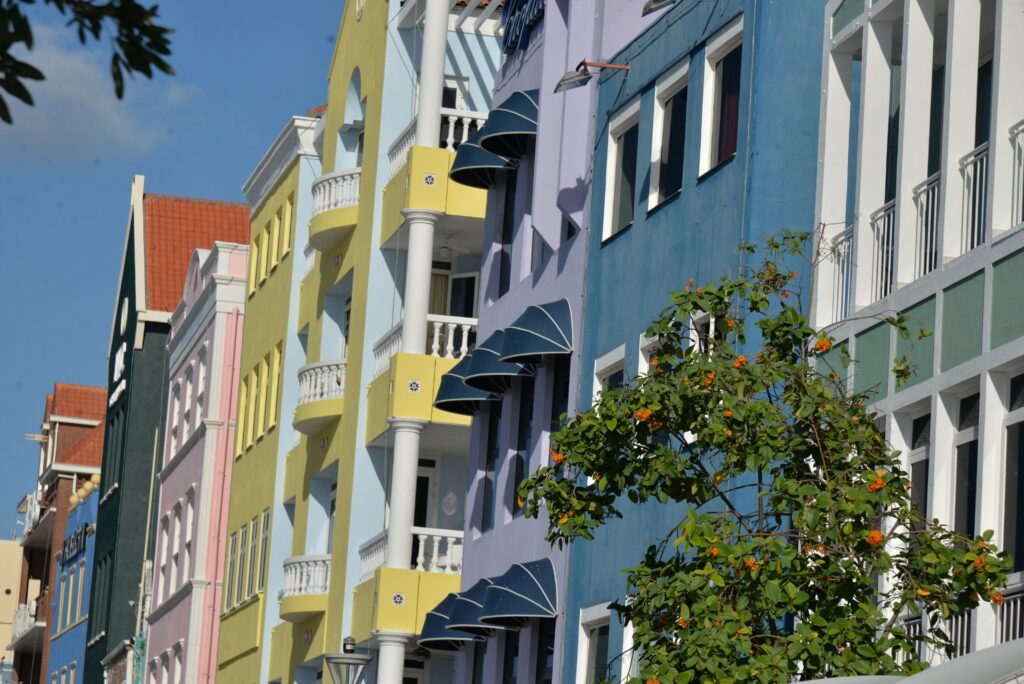
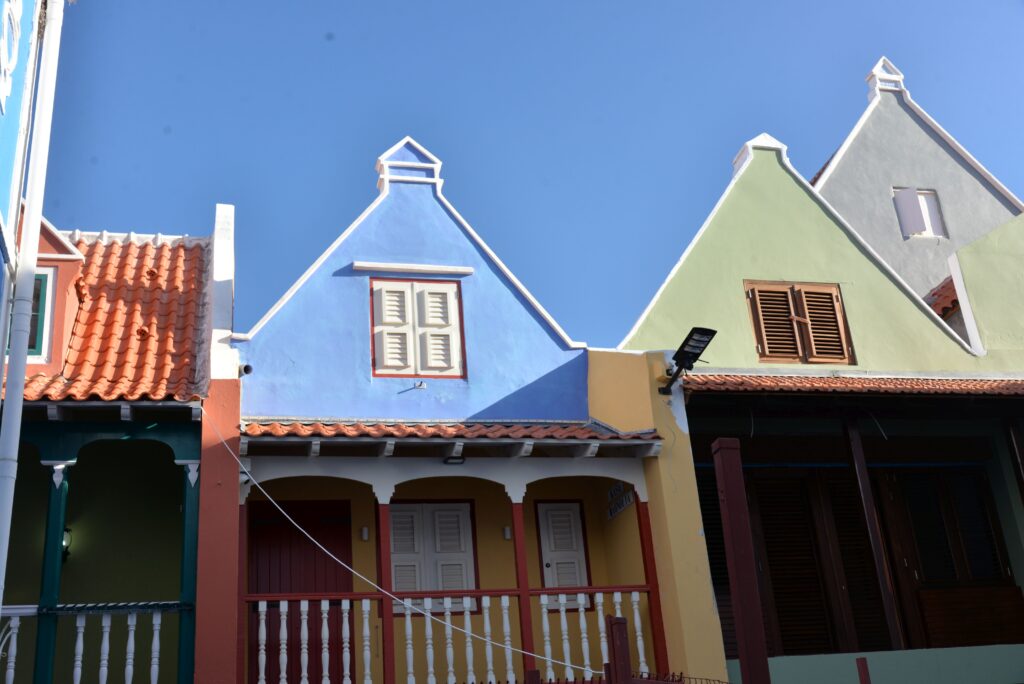
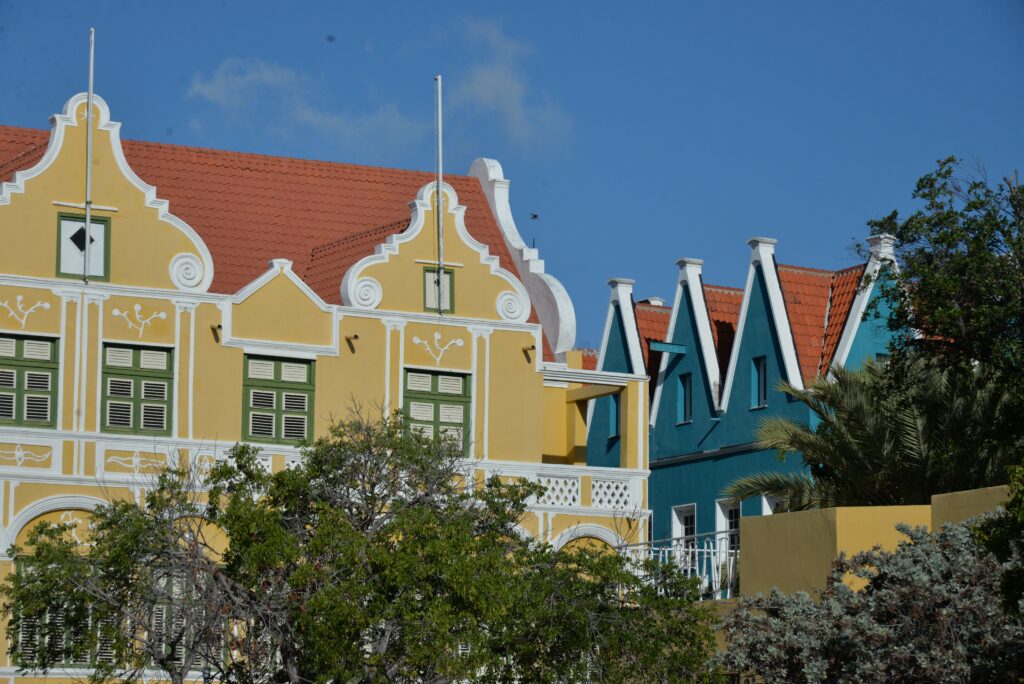
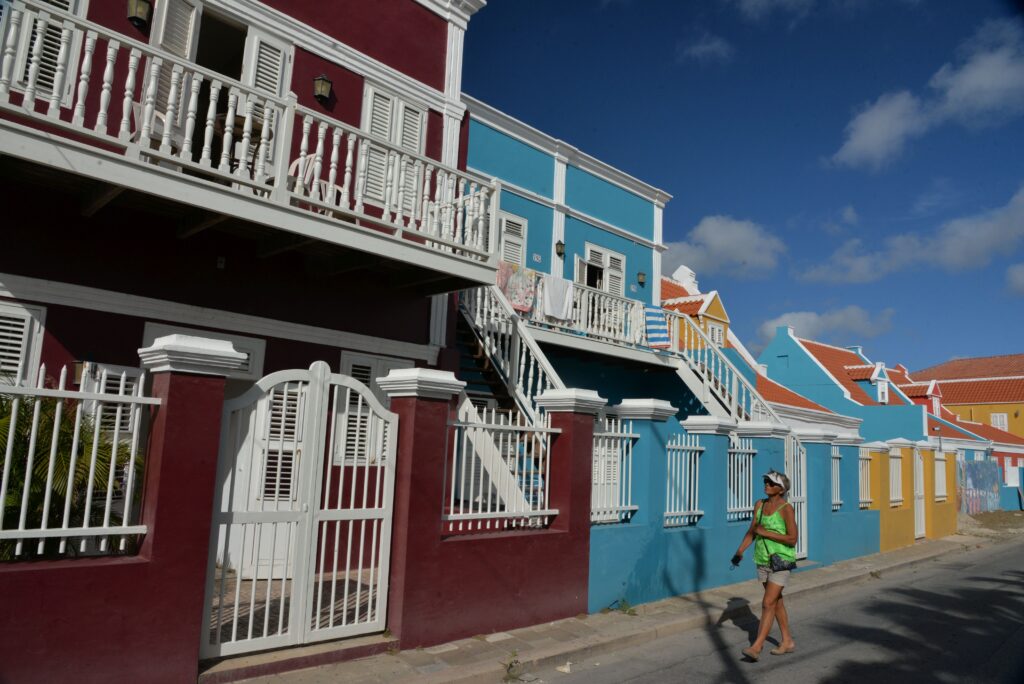
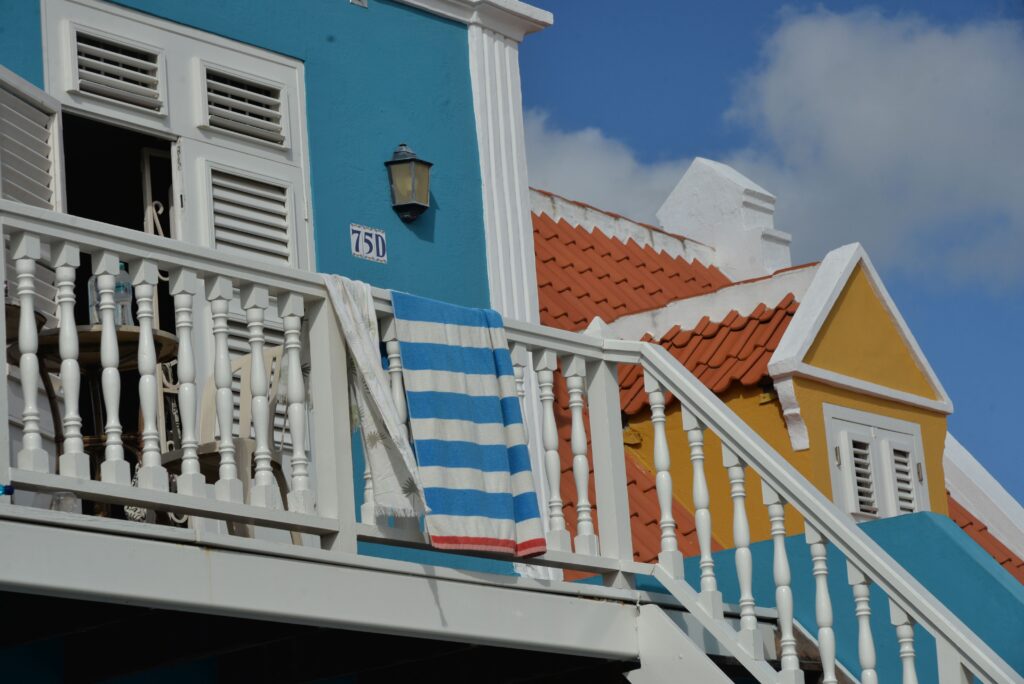
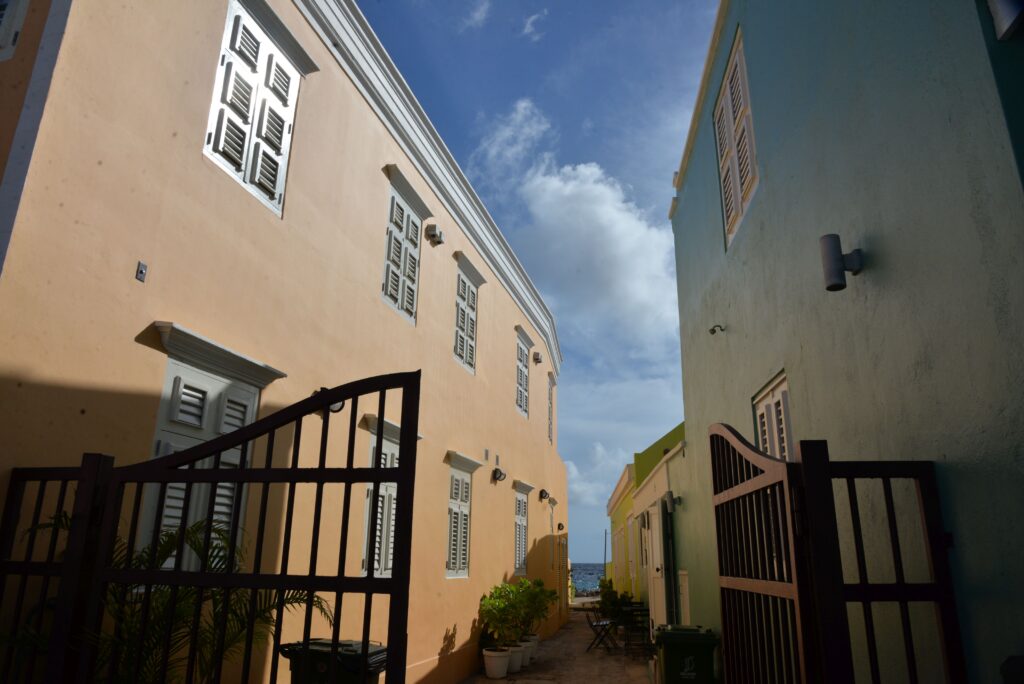
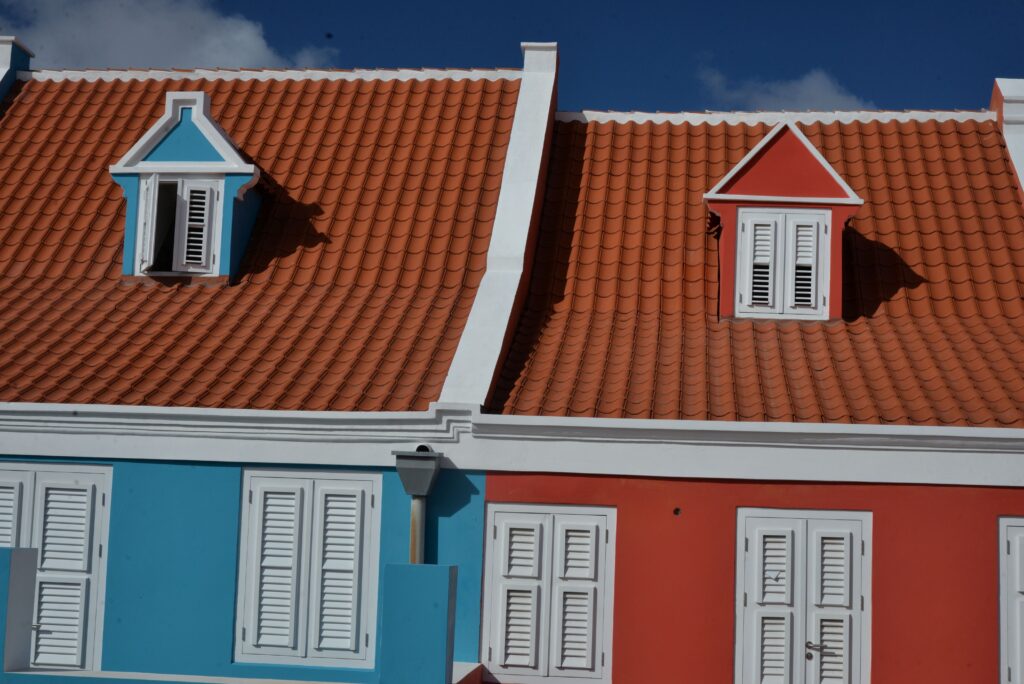
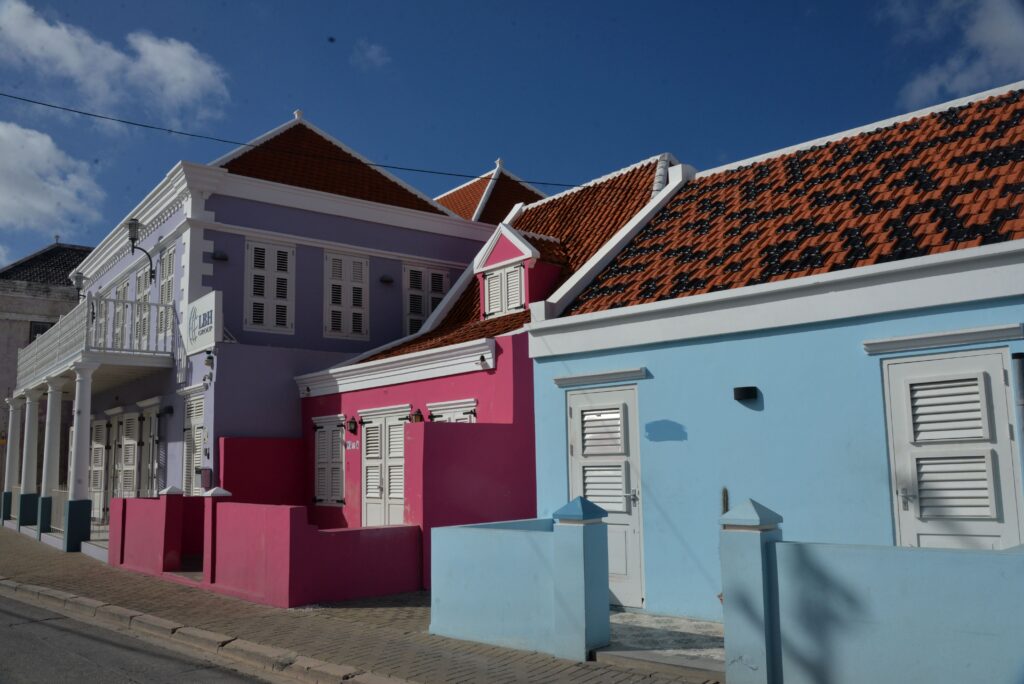
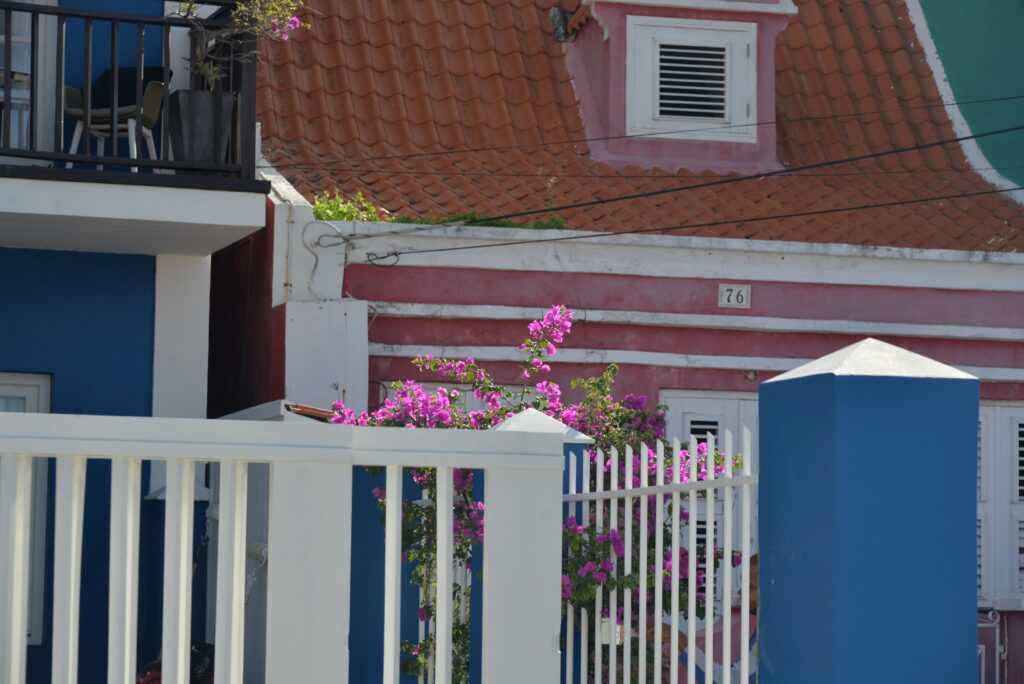
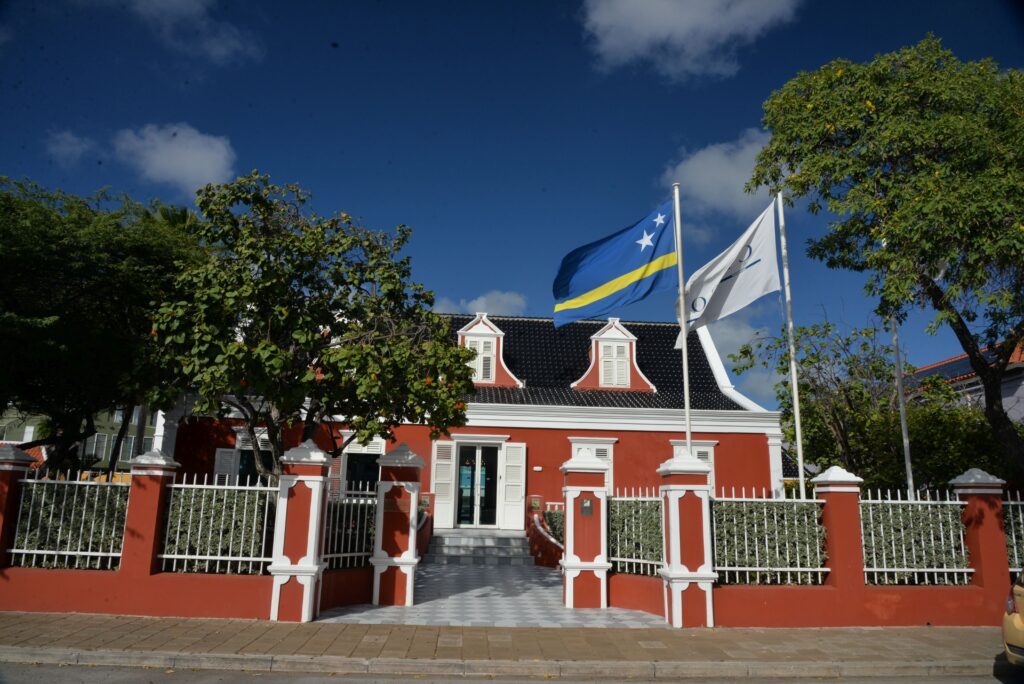
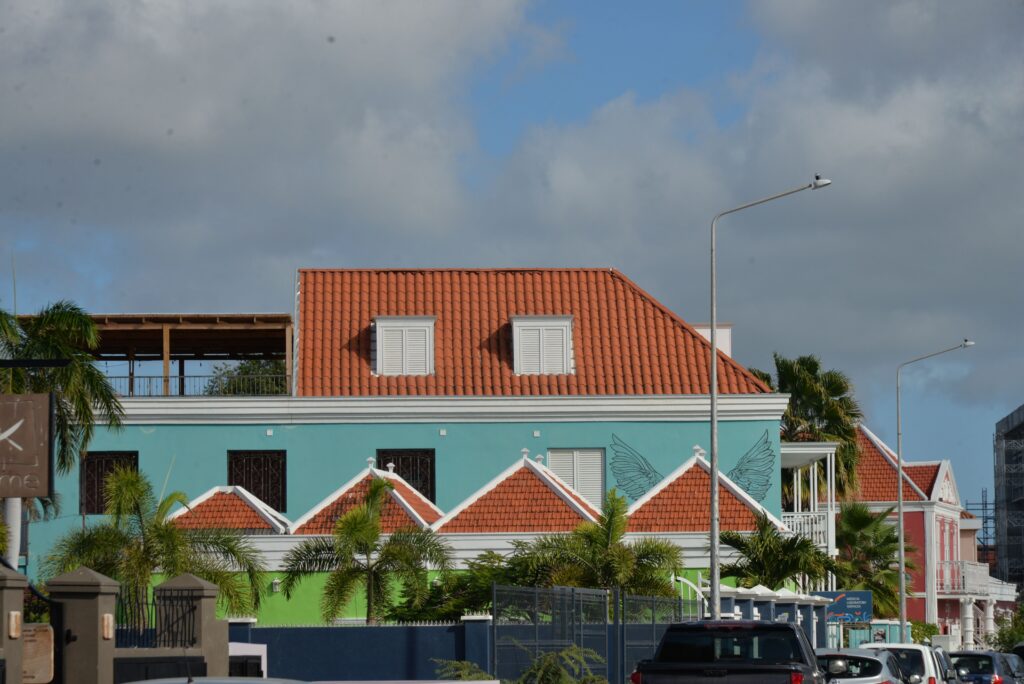
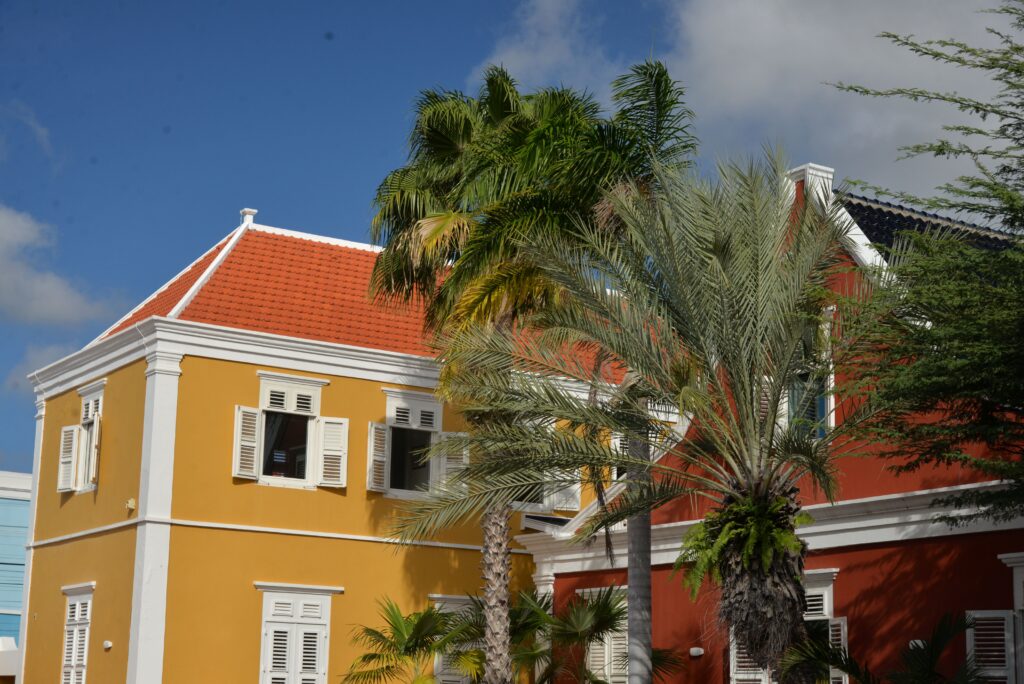
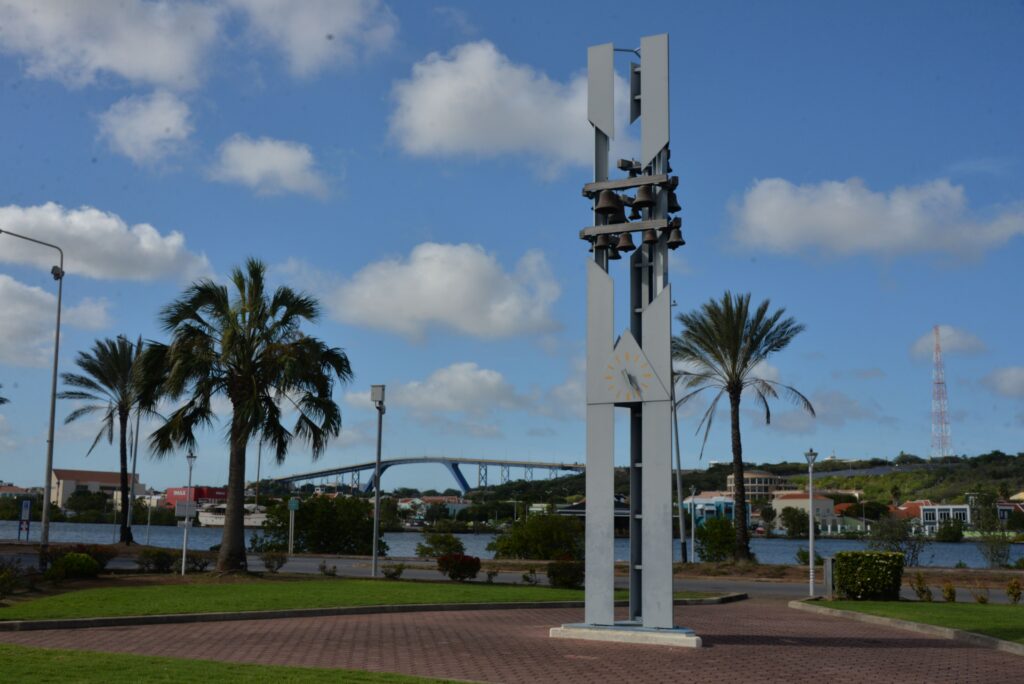
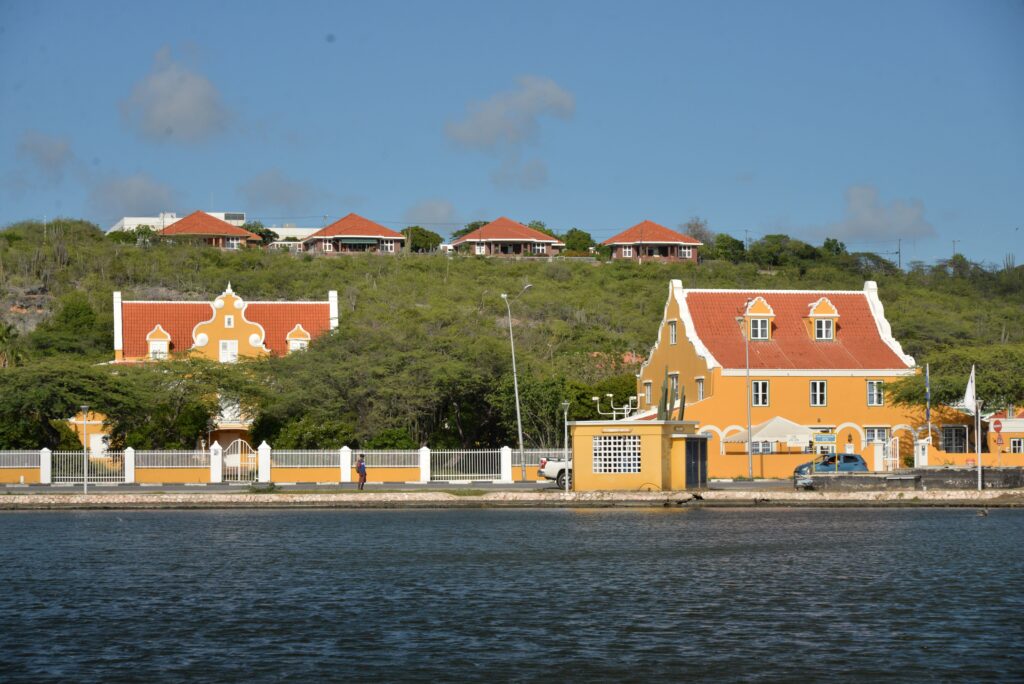
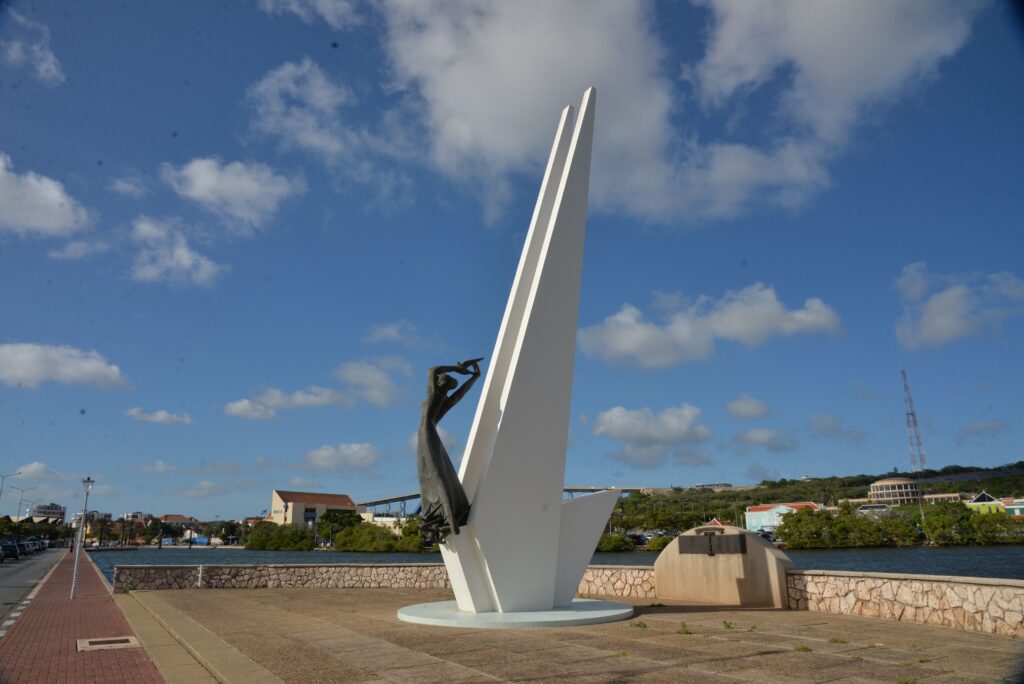
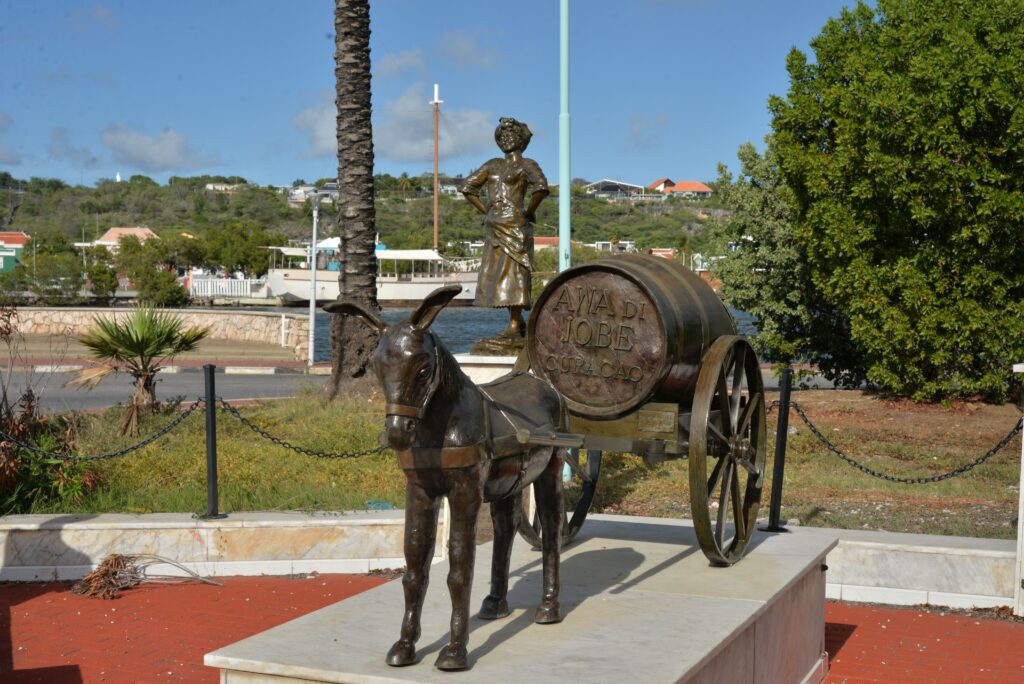
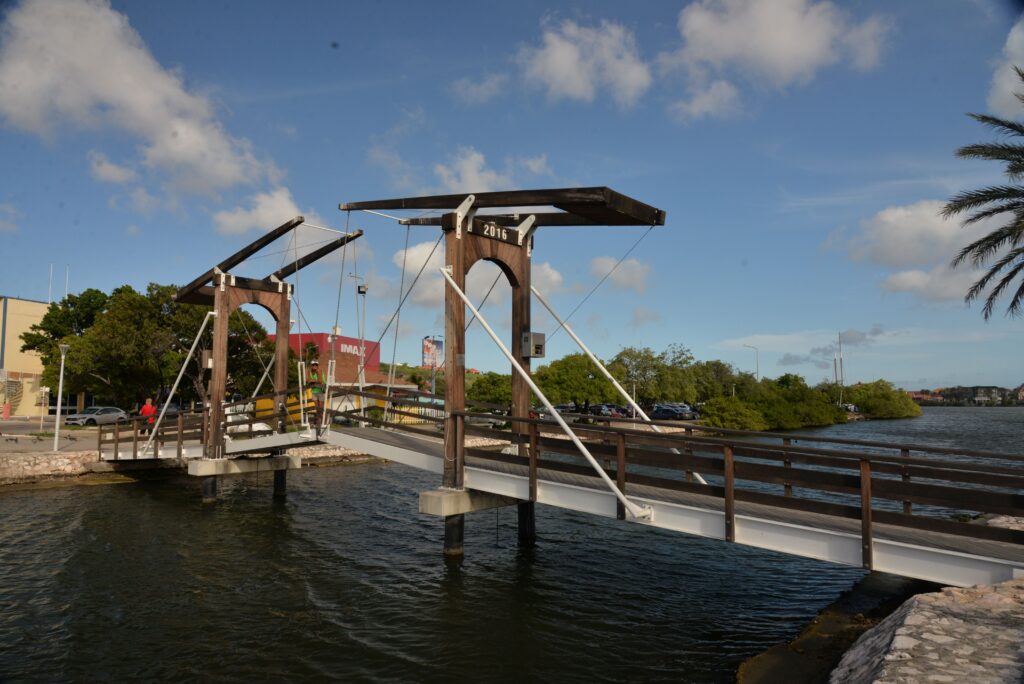
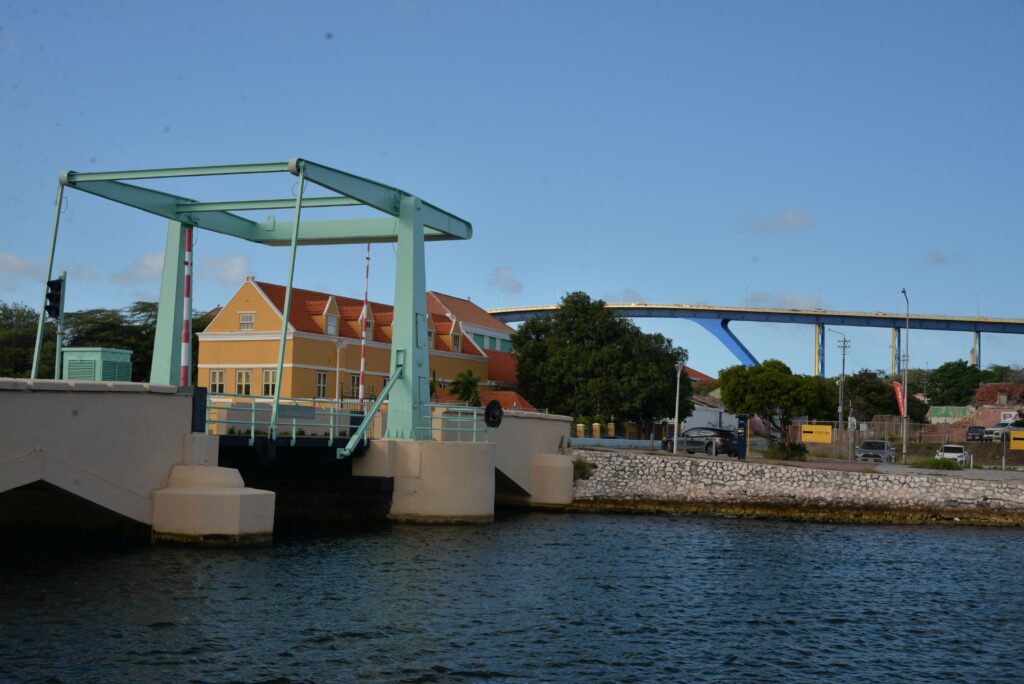
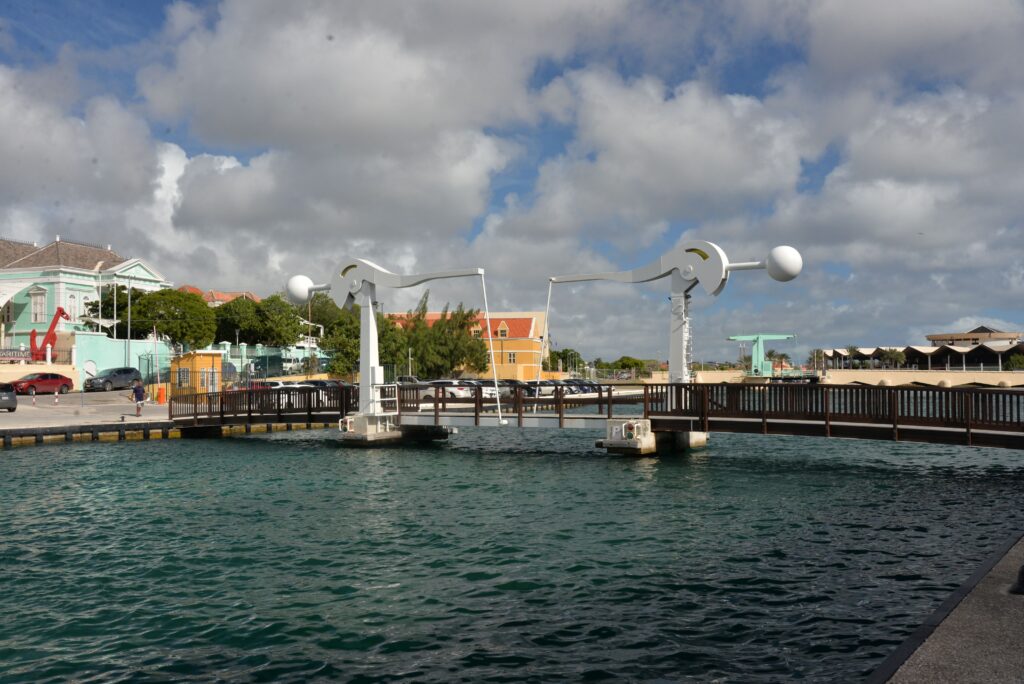
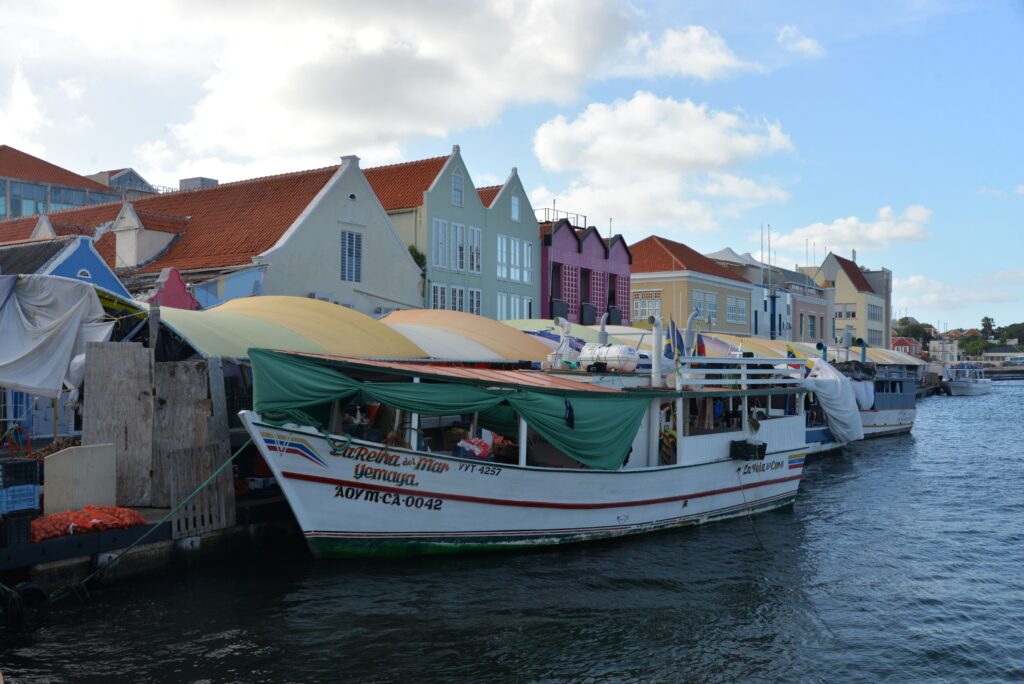
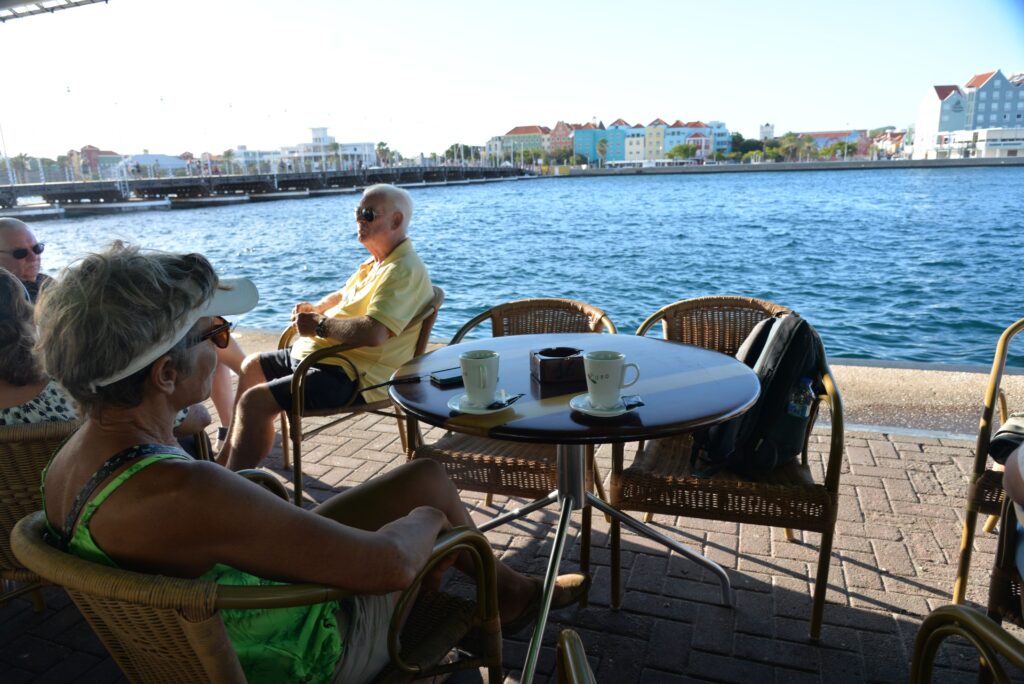
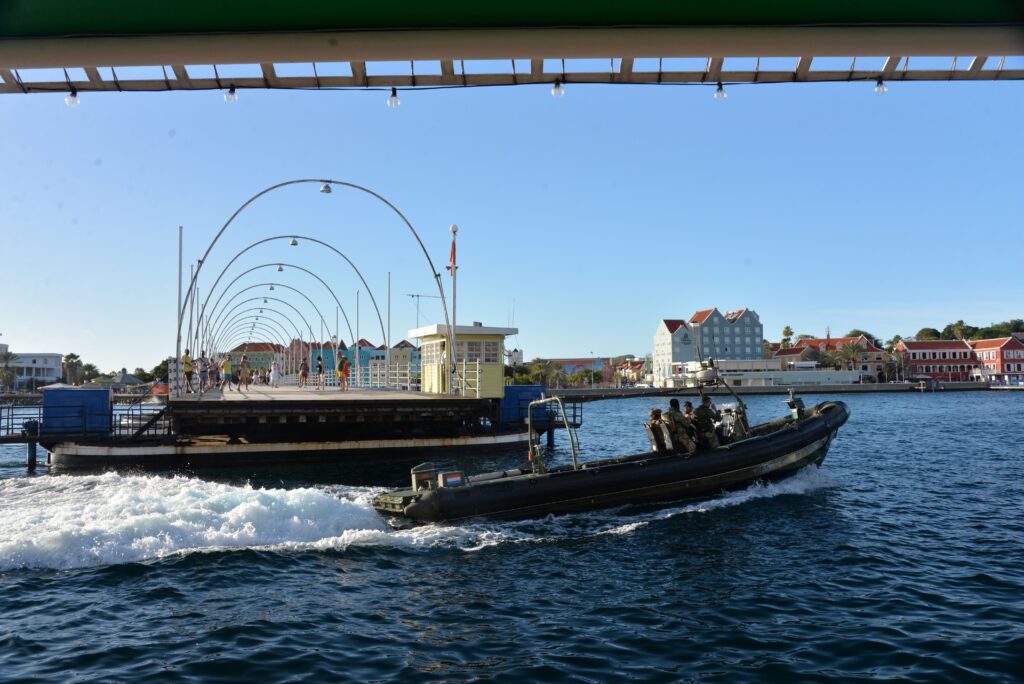
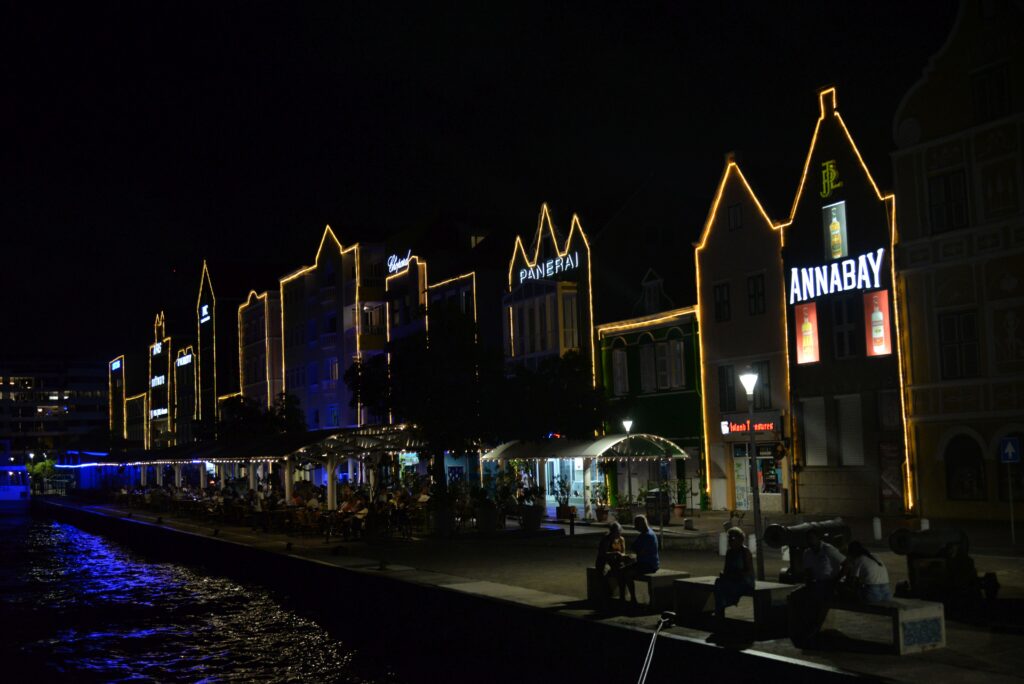
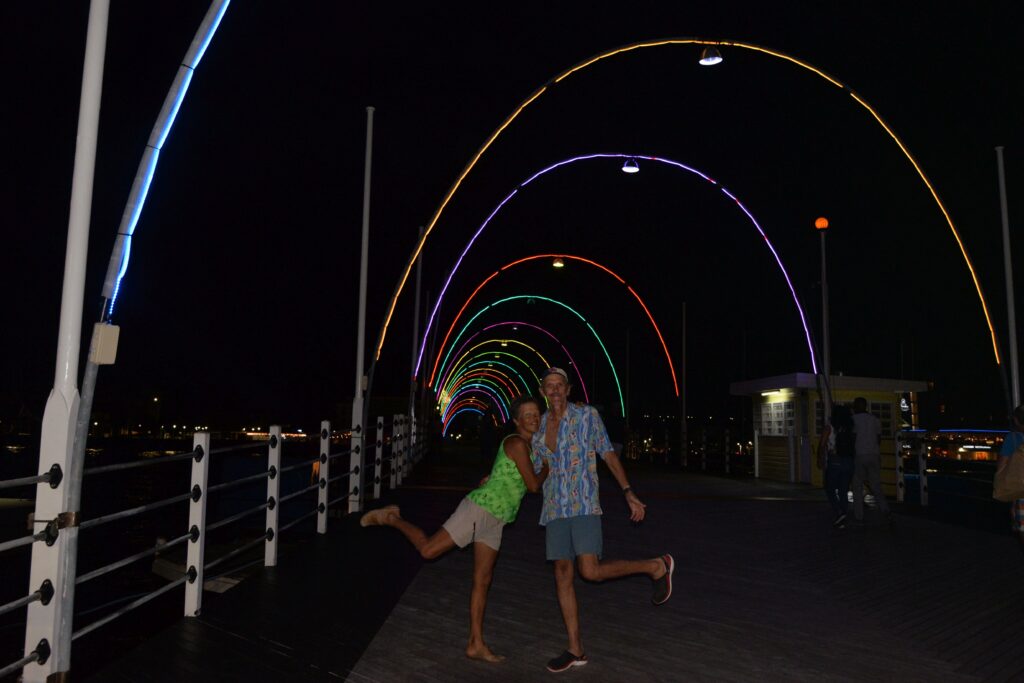
Crossing the Queen Emma Bridge, the famous floating pontoon bridge that gracefully swings open for passing ships, we were instantly captivated by the colorful waterfront of Handelskade. These centuries-old buildings, painted in bright shades of yellow, pink, and blue, are a living postcard of Curaçao’s history.
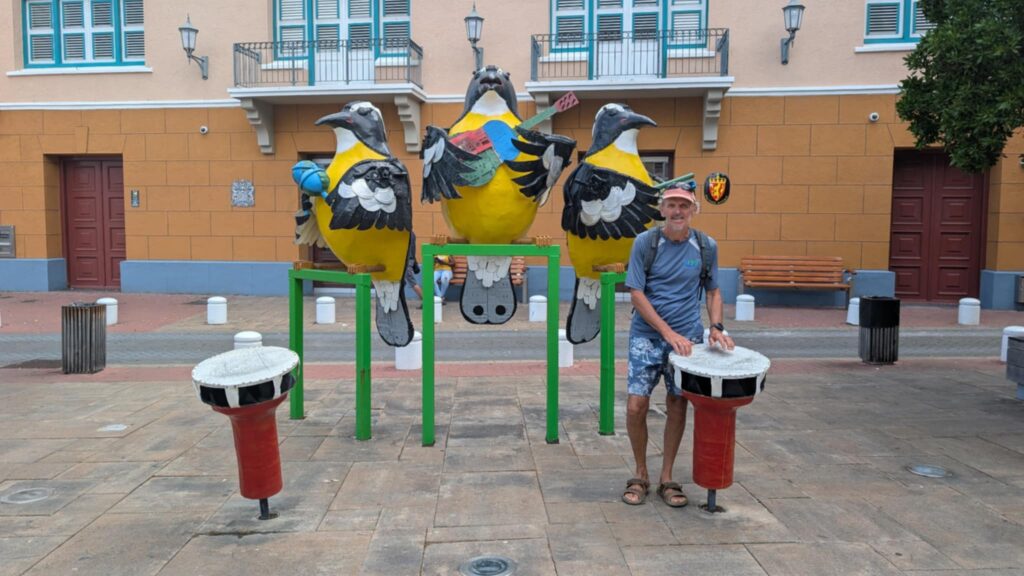
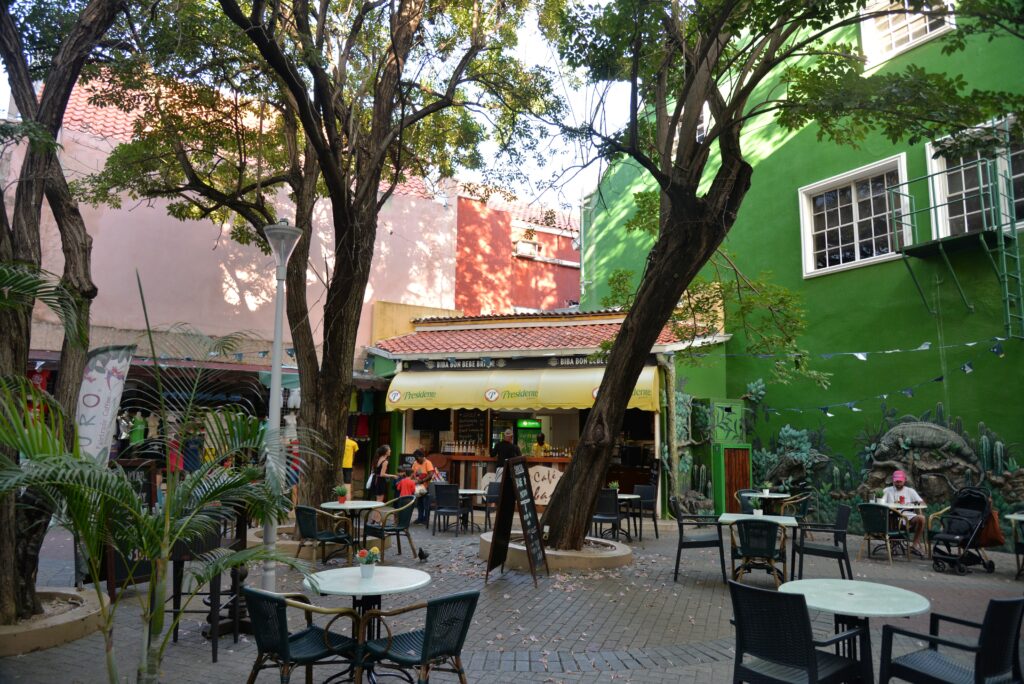
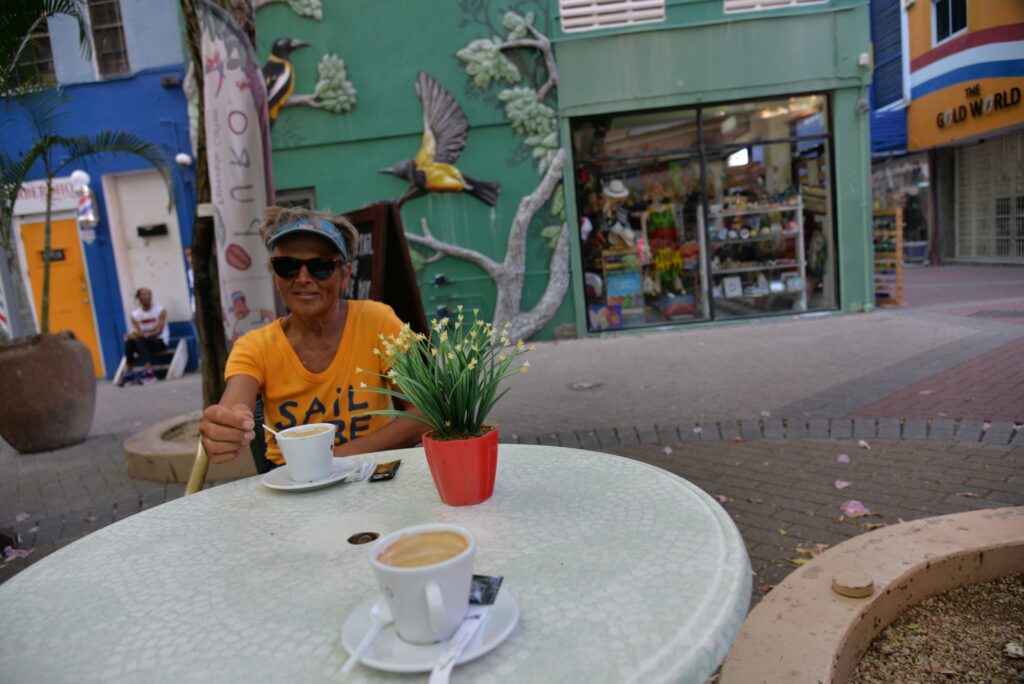
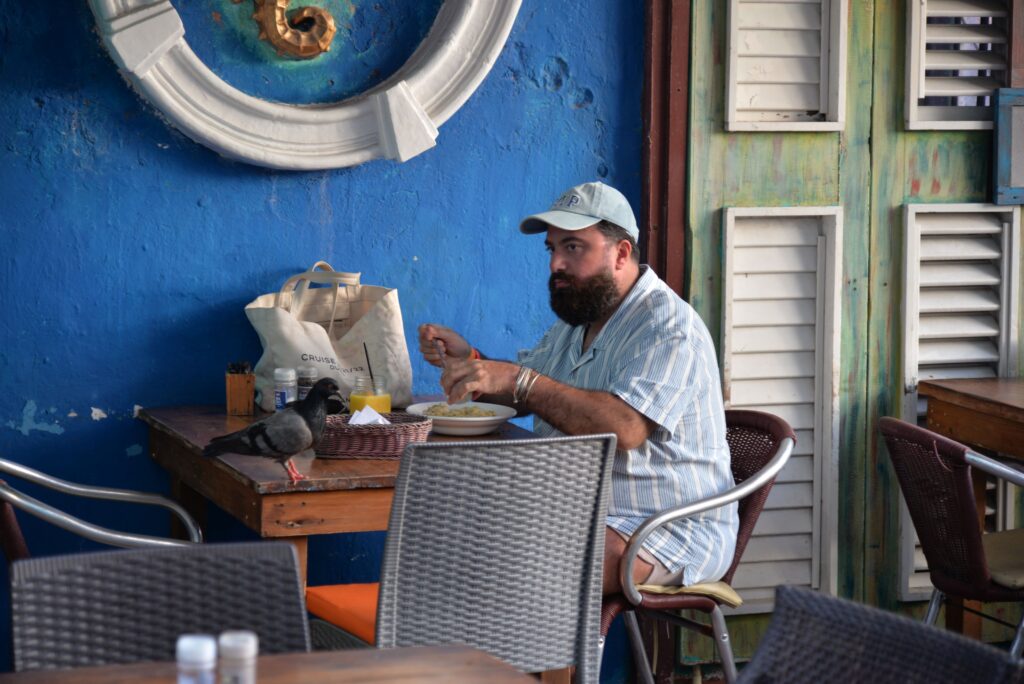
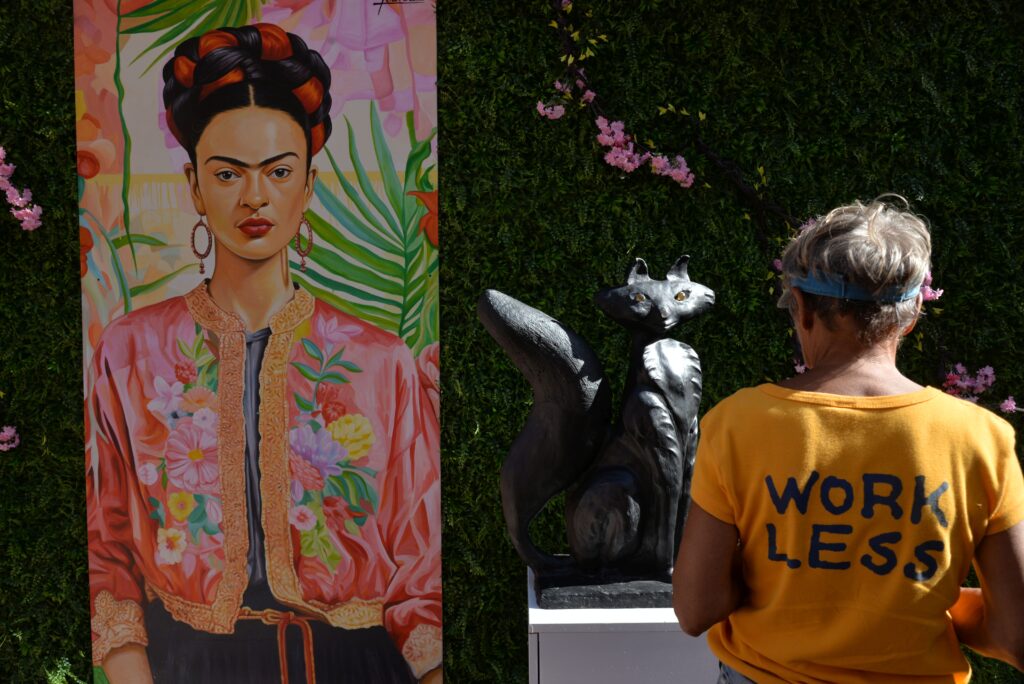
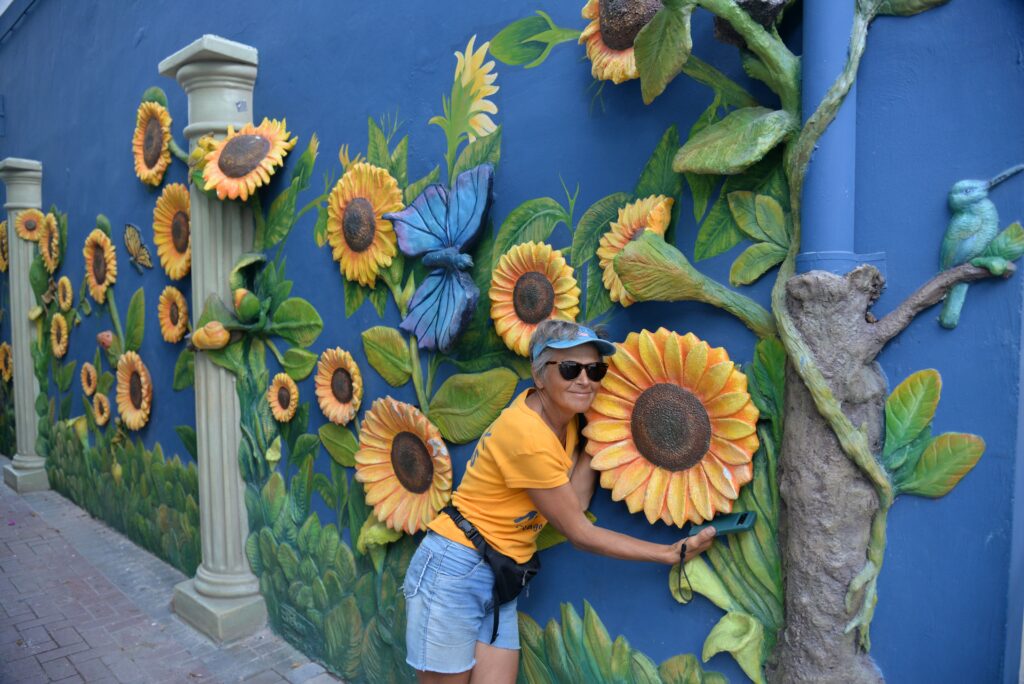
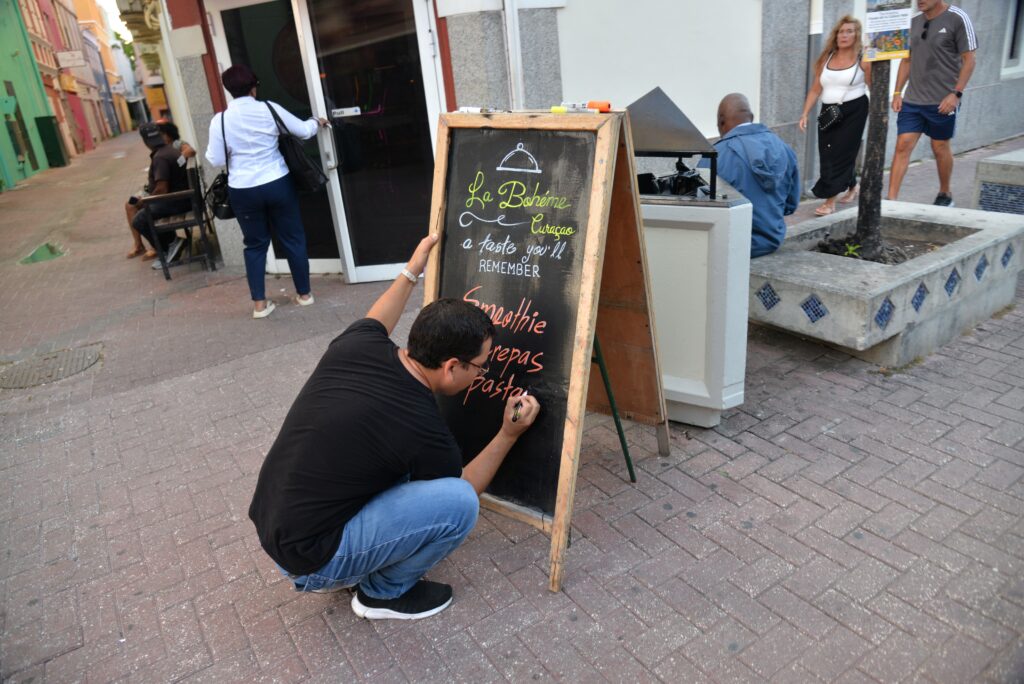
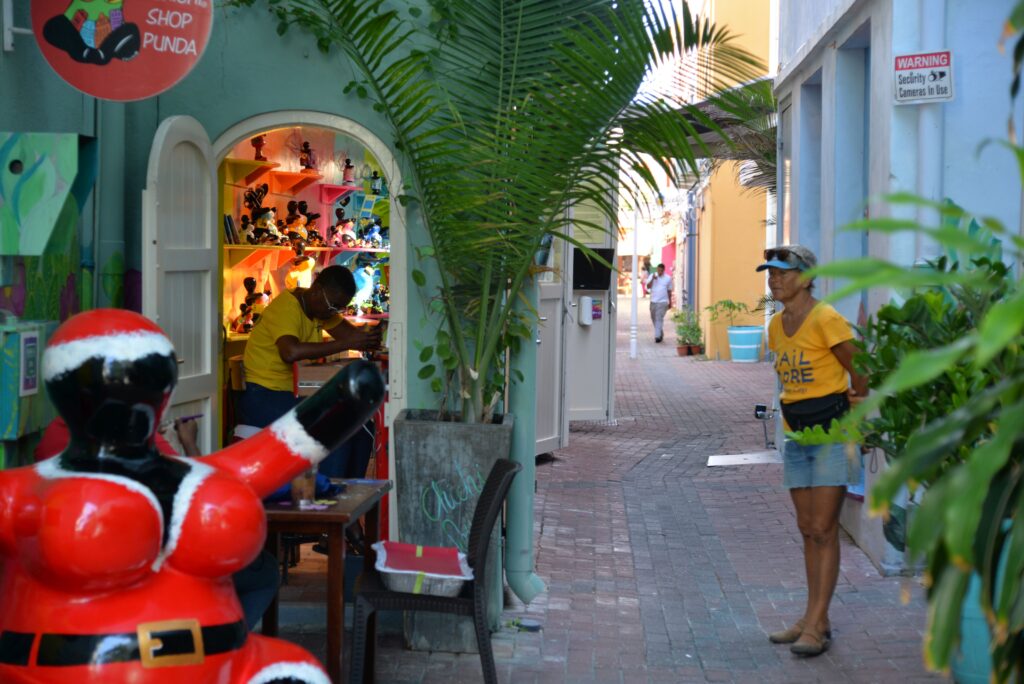
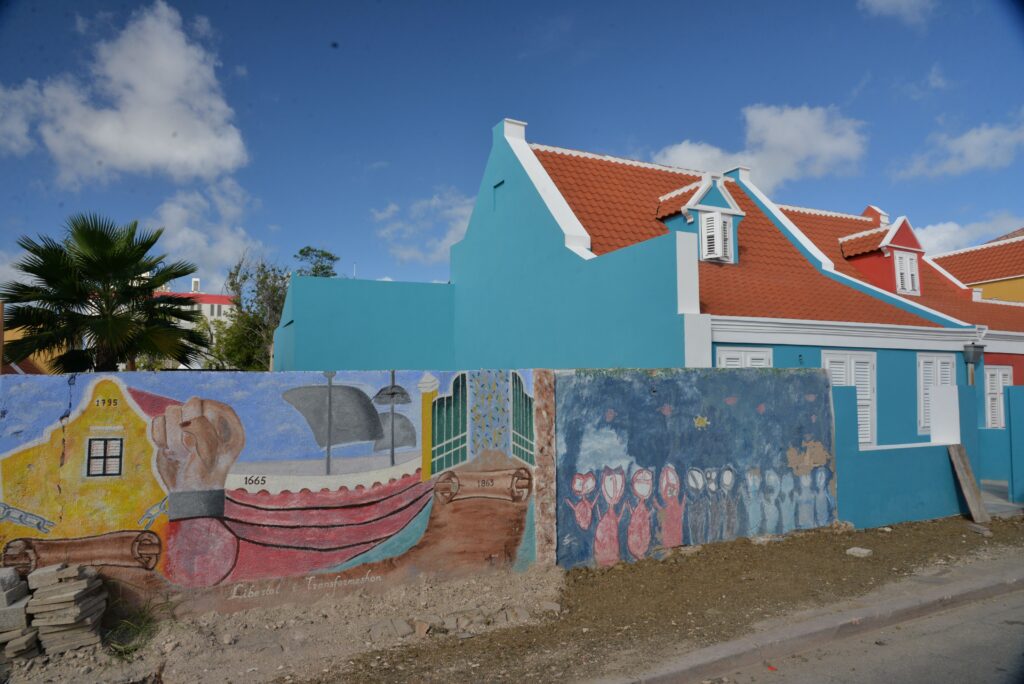
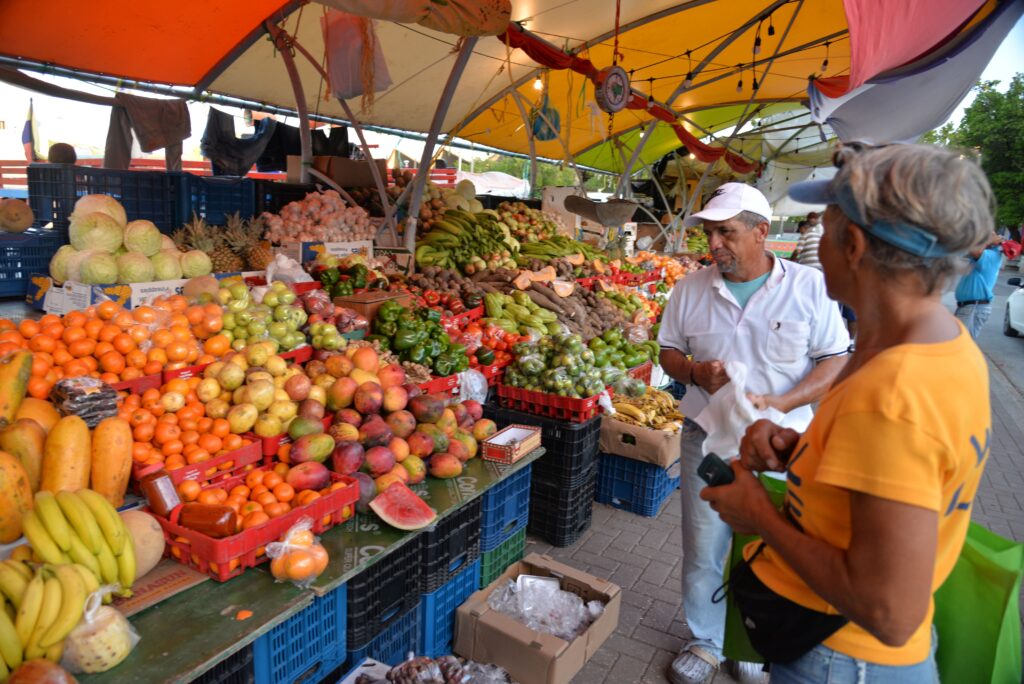
Willemstad’s streets were alive with the scent of fresh seafood, the chatter of merchants, and the rhythmic beats of island music. We wandered through the Punda and Otrobanda districts, each offering a unique mix of colonial architecture, street art, and cozy cafés. A visit to the lively floating market introduced us to Venezuelan traders selling fresh produce right from their boats, a reminder of the deep ties between the islands and the South American mainland.
With its blend of history, culture, and Caribbean charm, Willemstad left an unforgettable impression, making our Curaçao adventure even more meaningful.
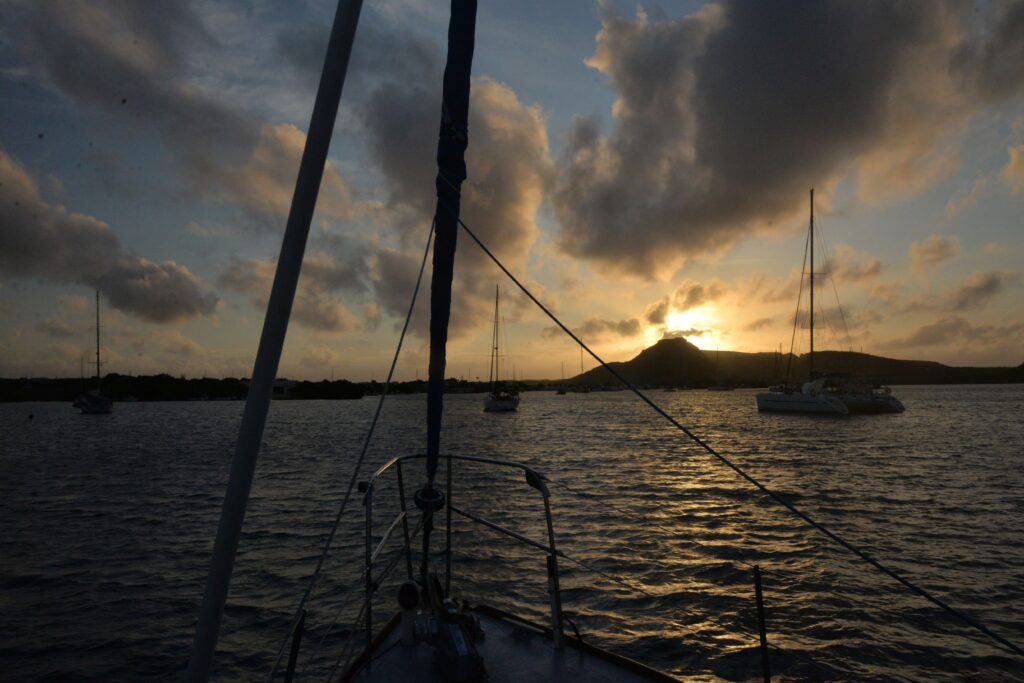
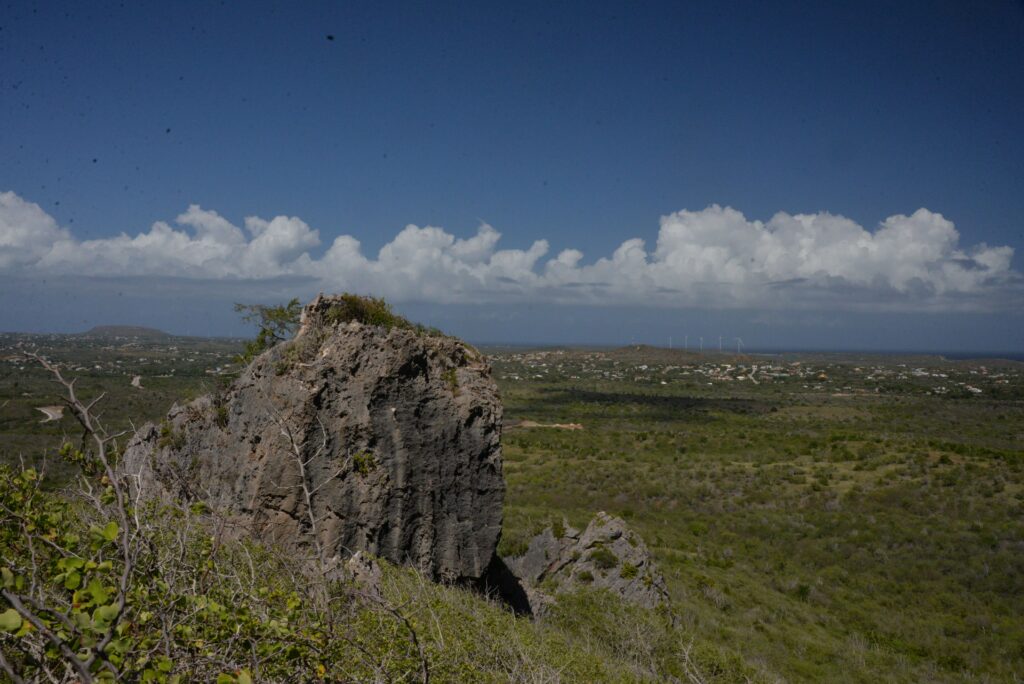
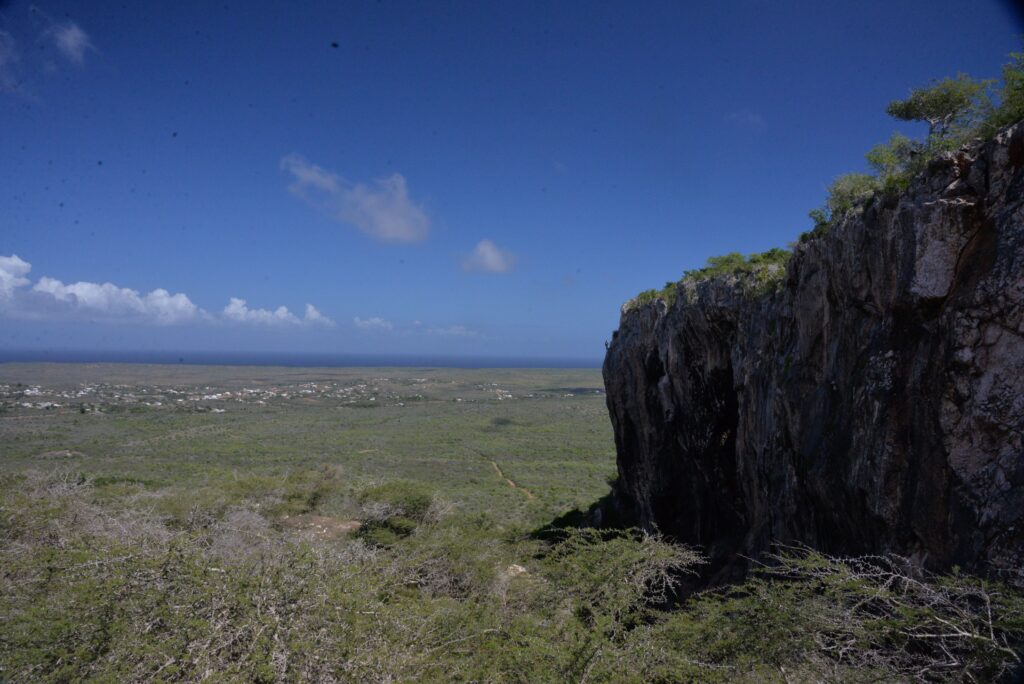
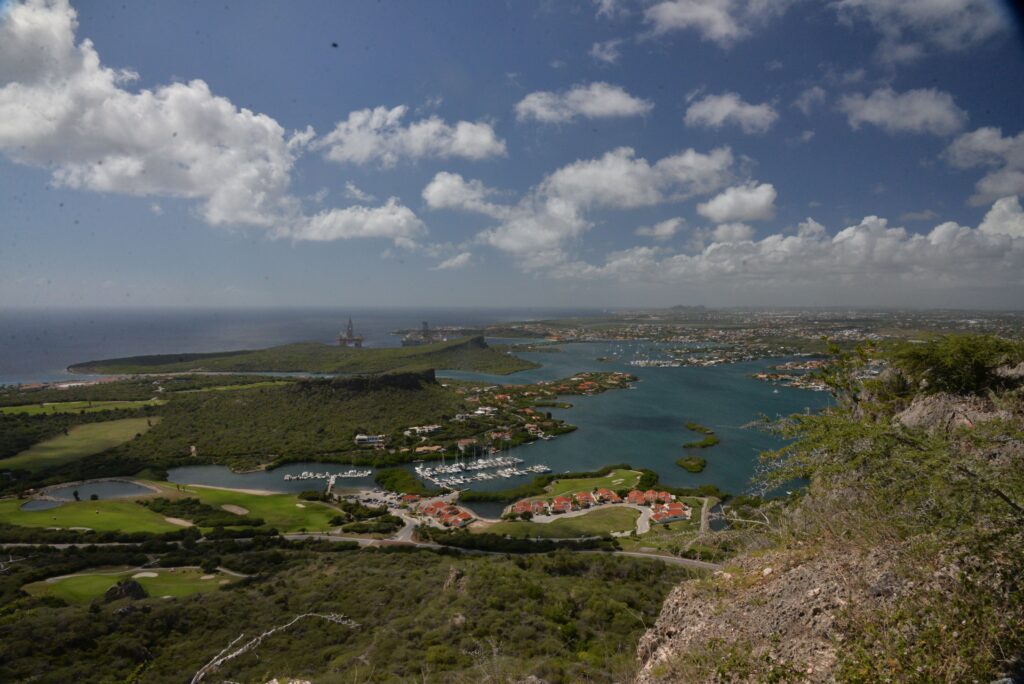
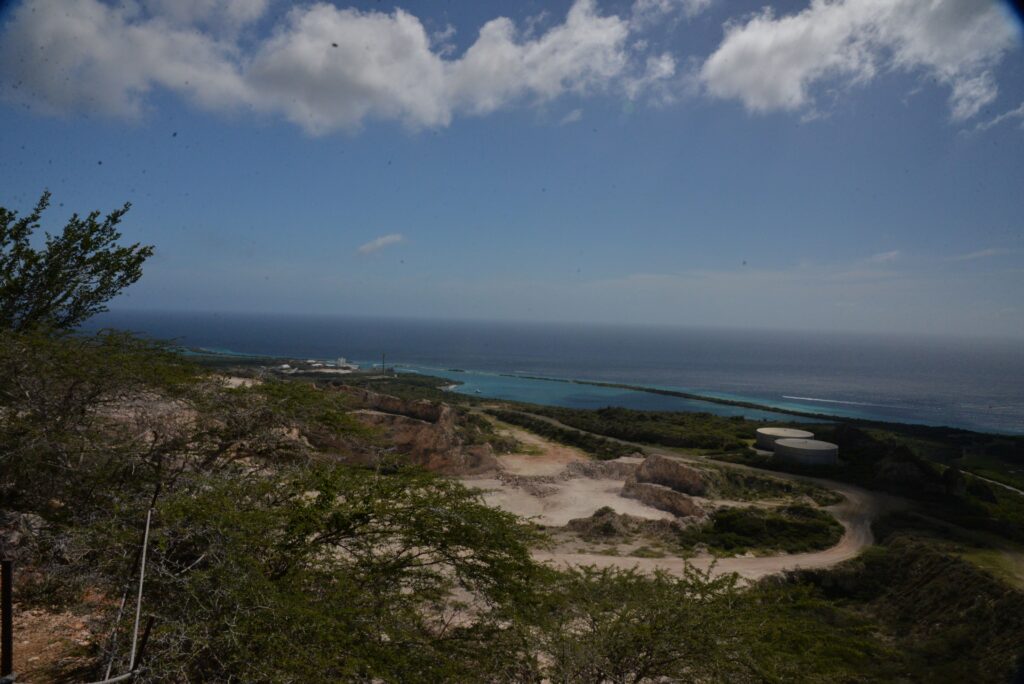
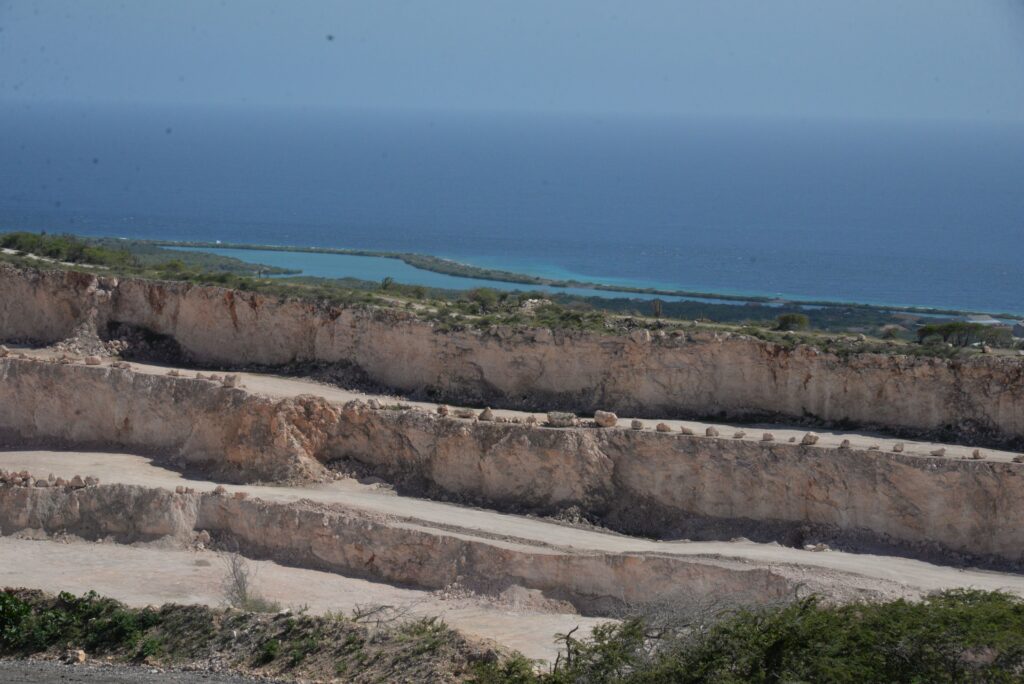
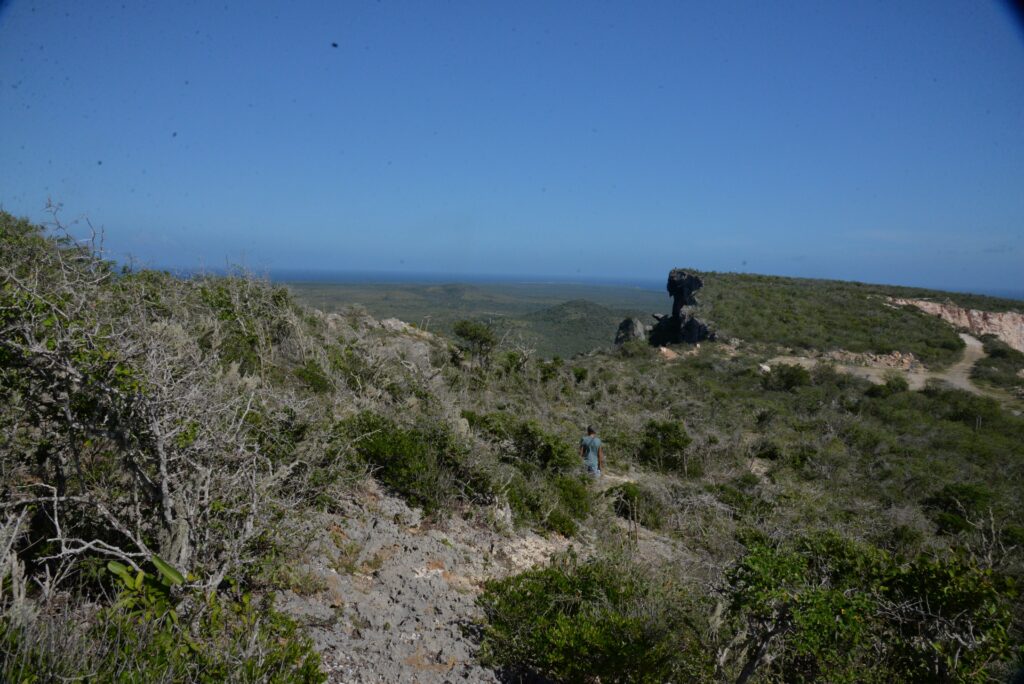
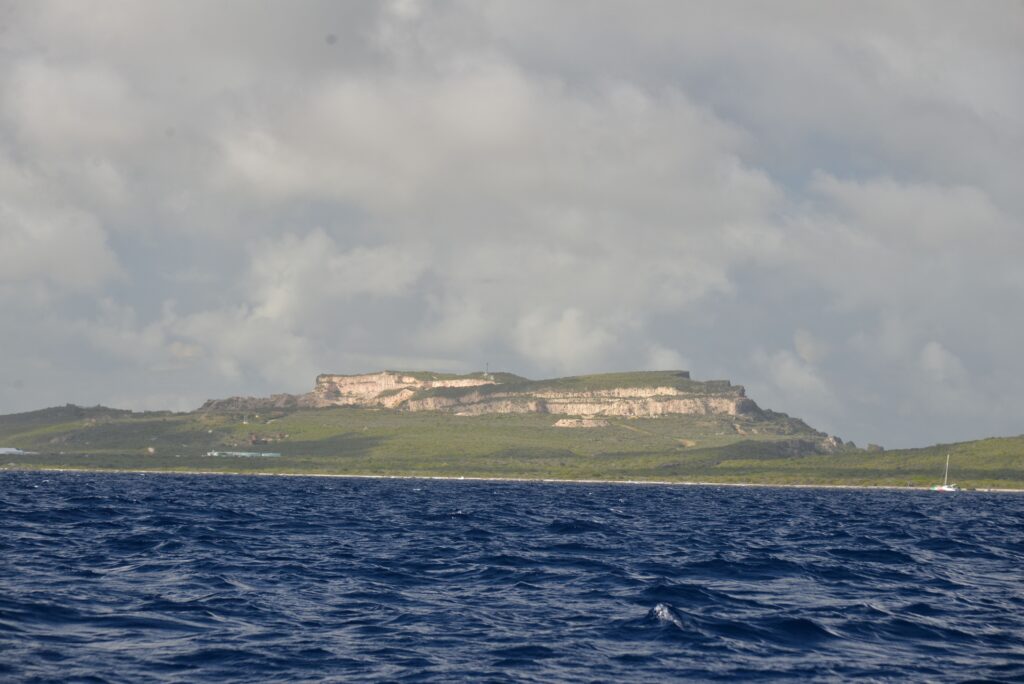
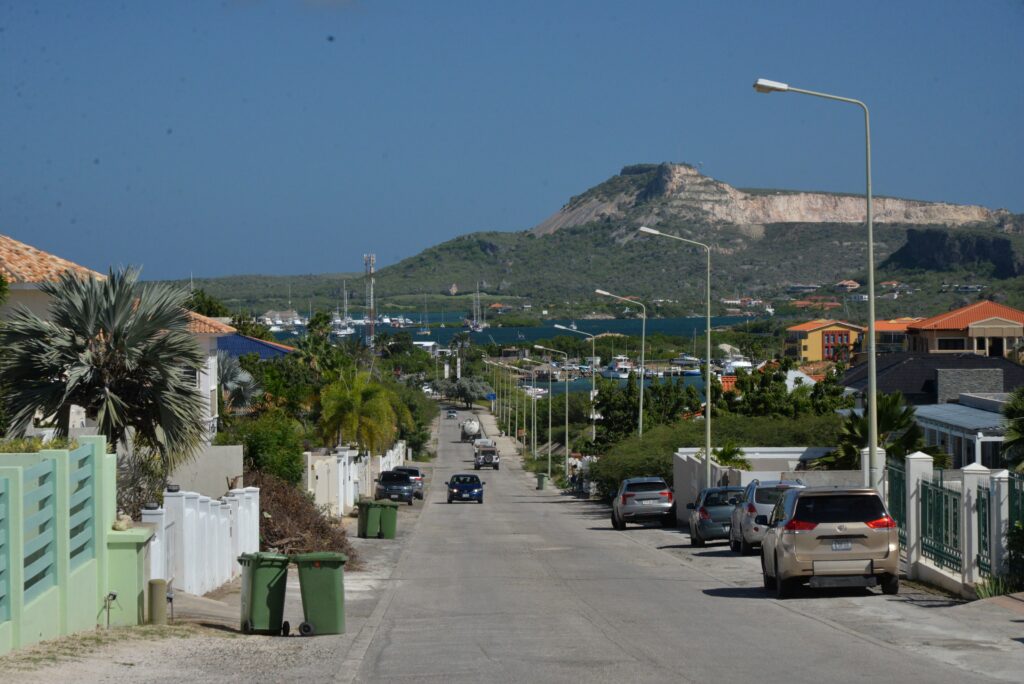
Our anchorage in Spanish Waters was always oriented towards Tafelberg (Table) Mountain. Every morning, the sun rose precisely from behind its flat summit, delaying the dawn and casting long shadows over the bay. At 192 meters, it is the fourth-highest peak on the island but arguably the most recognizable. Unfortunately, nature’s gift to the landscape also made it a target—Tafelberg was once a major source of phosphate mining, and for years, its very existence was at risk of being erased.
Luckily, either common sense or public protest (or both) prevailed, and by the 1960s, mining operations switched to a less destructive “hole-in-the-tooth” method—extracting phosphates from within while preserving the outer contour, so the mountain still appears intact from a distance.
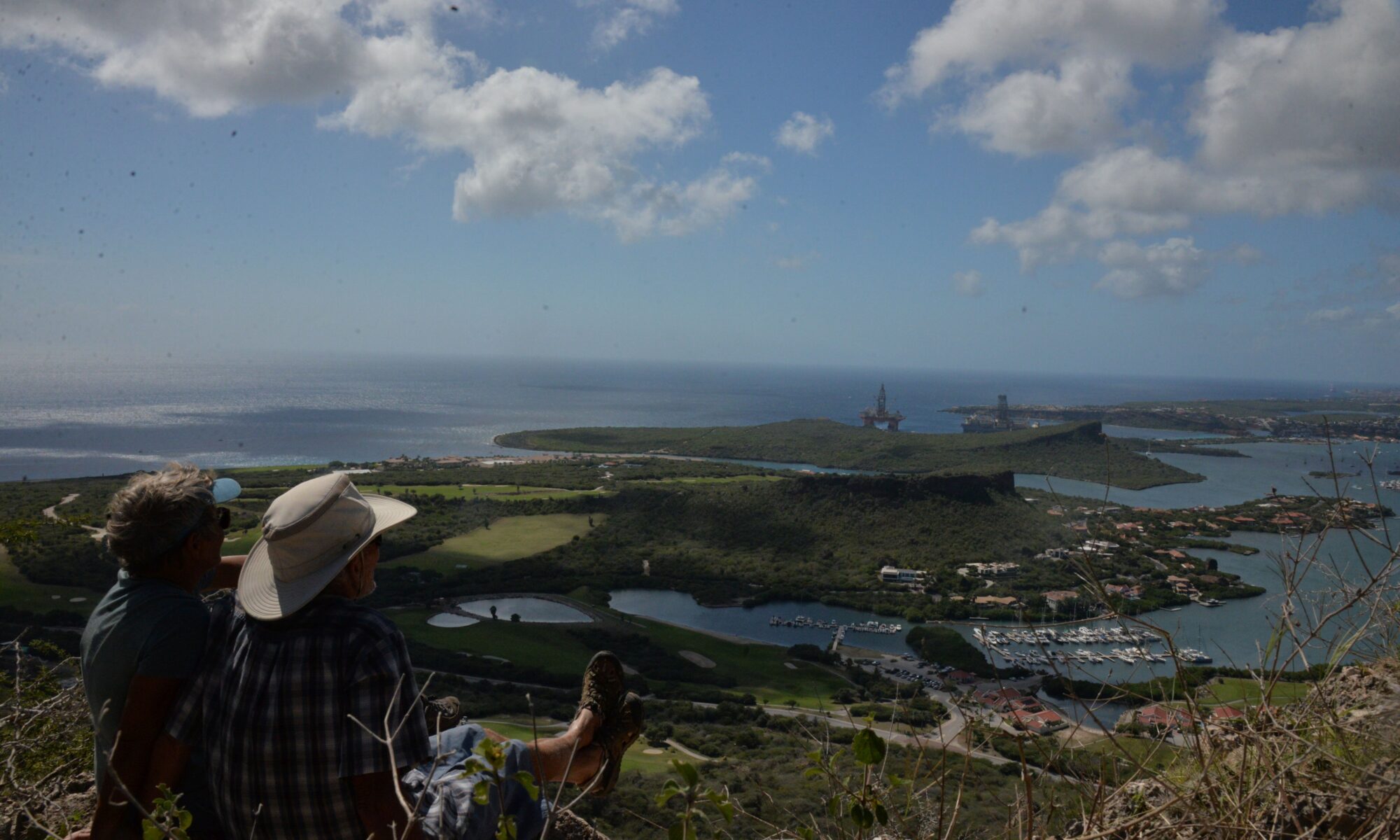
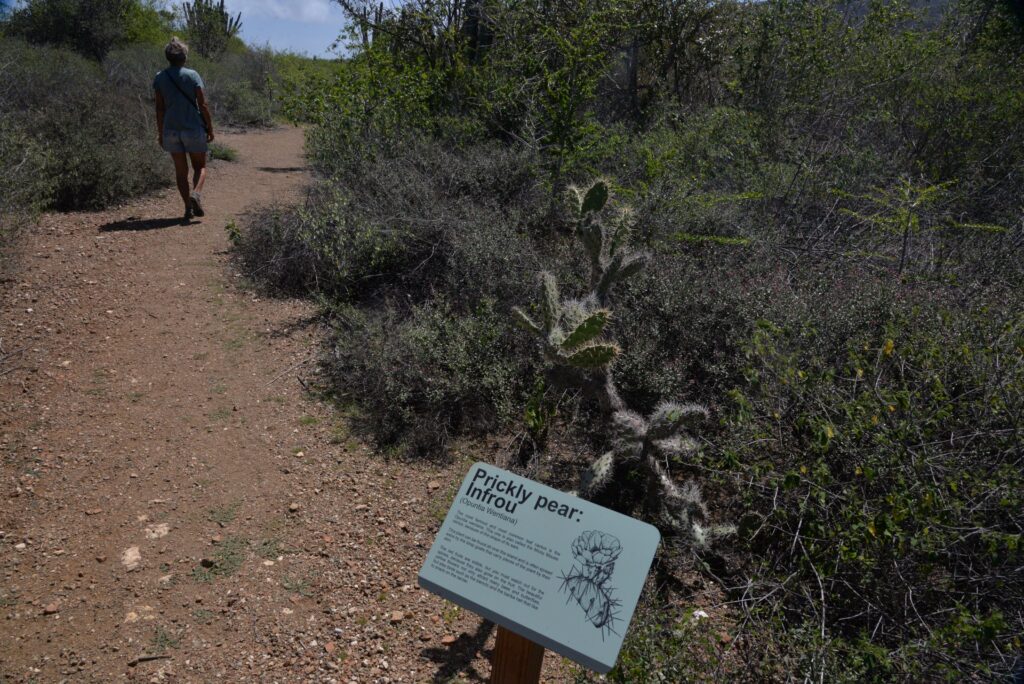
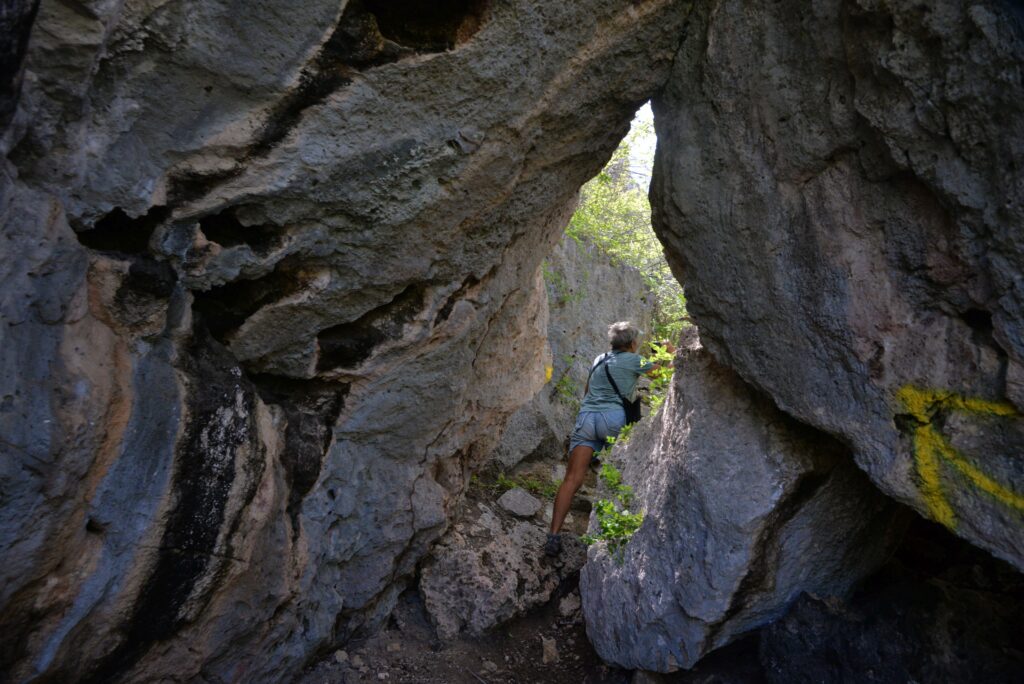
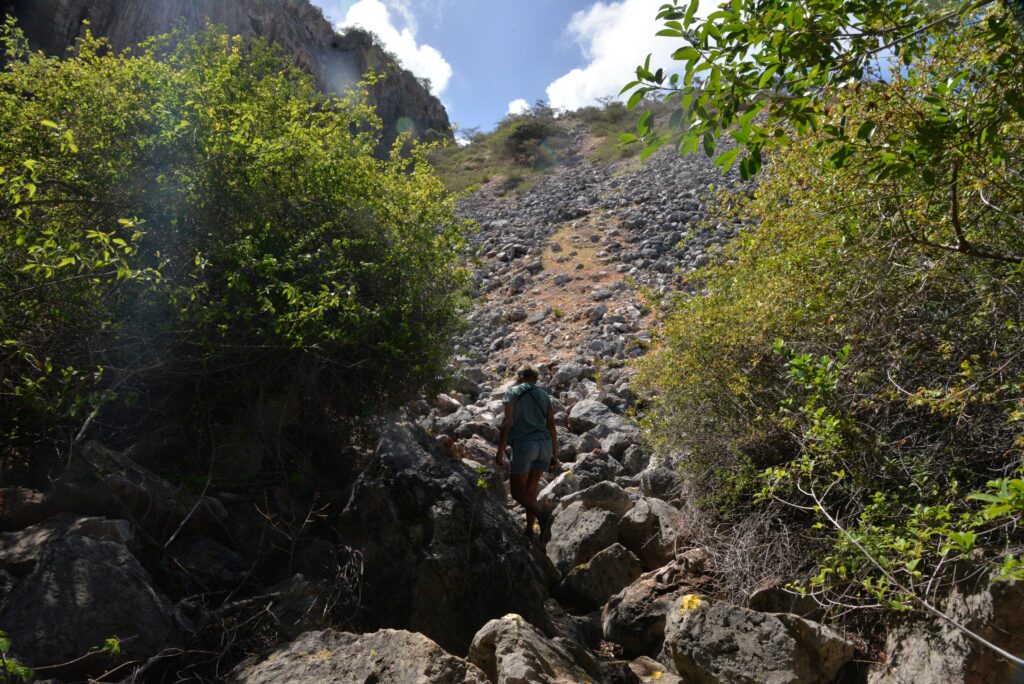
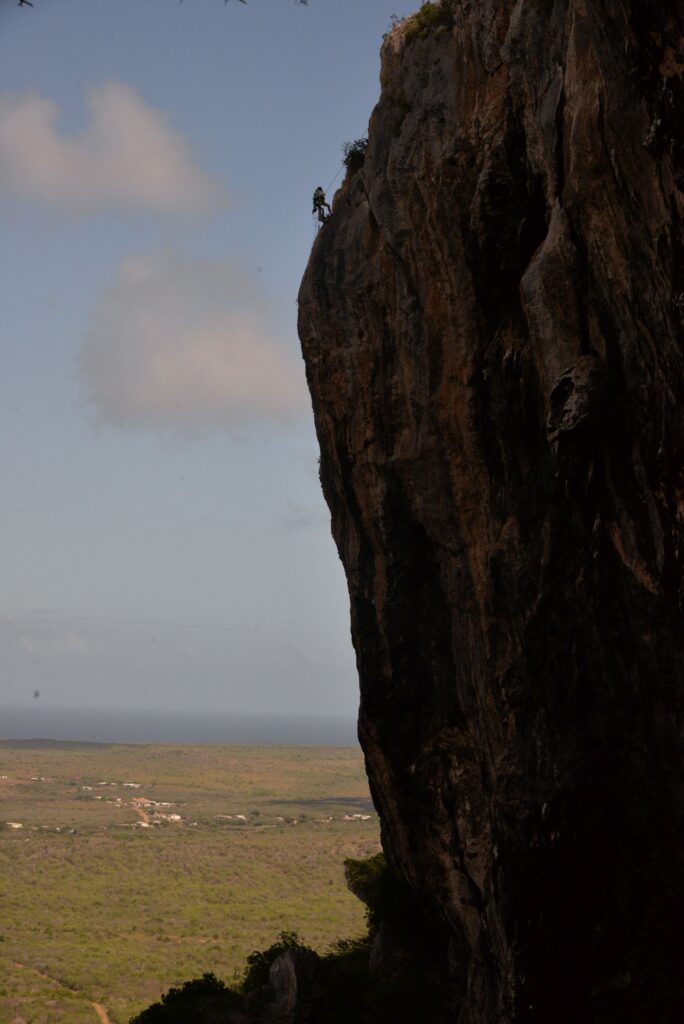
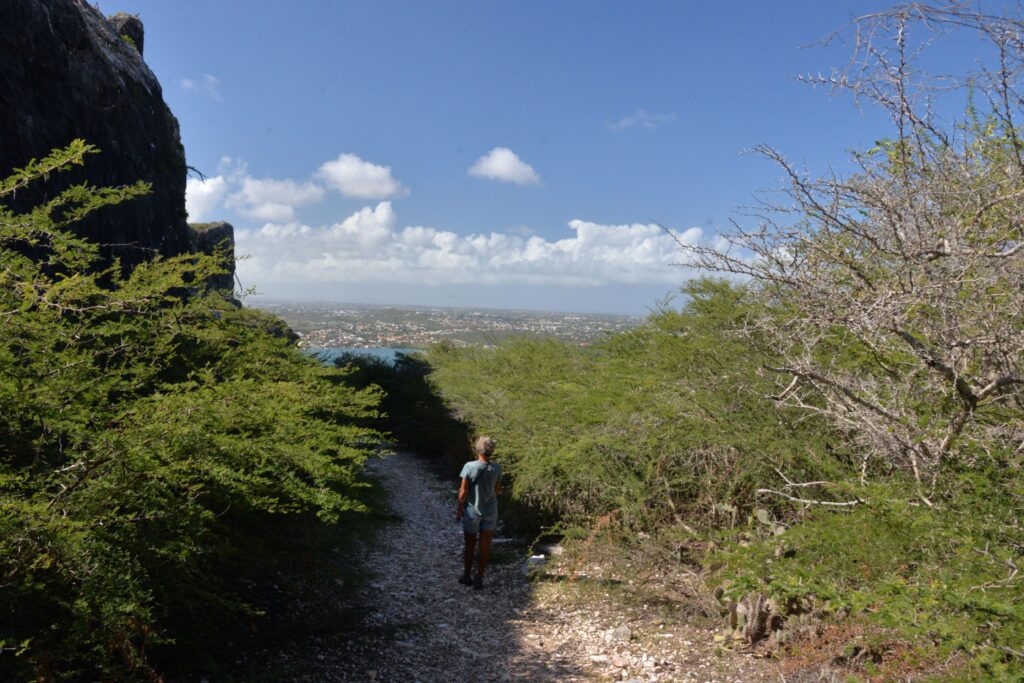
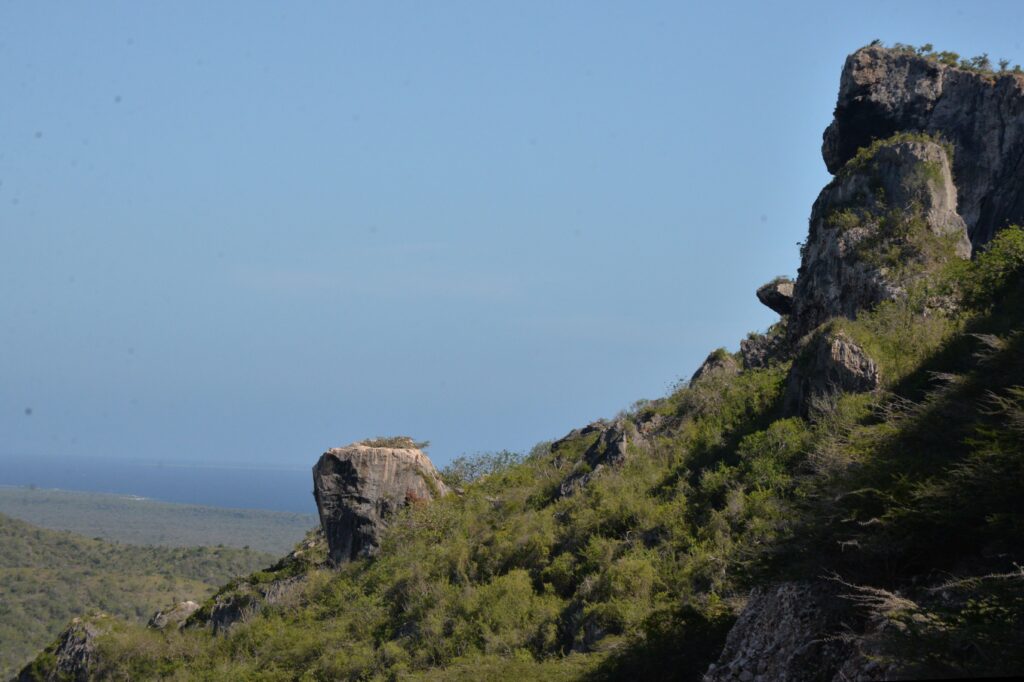
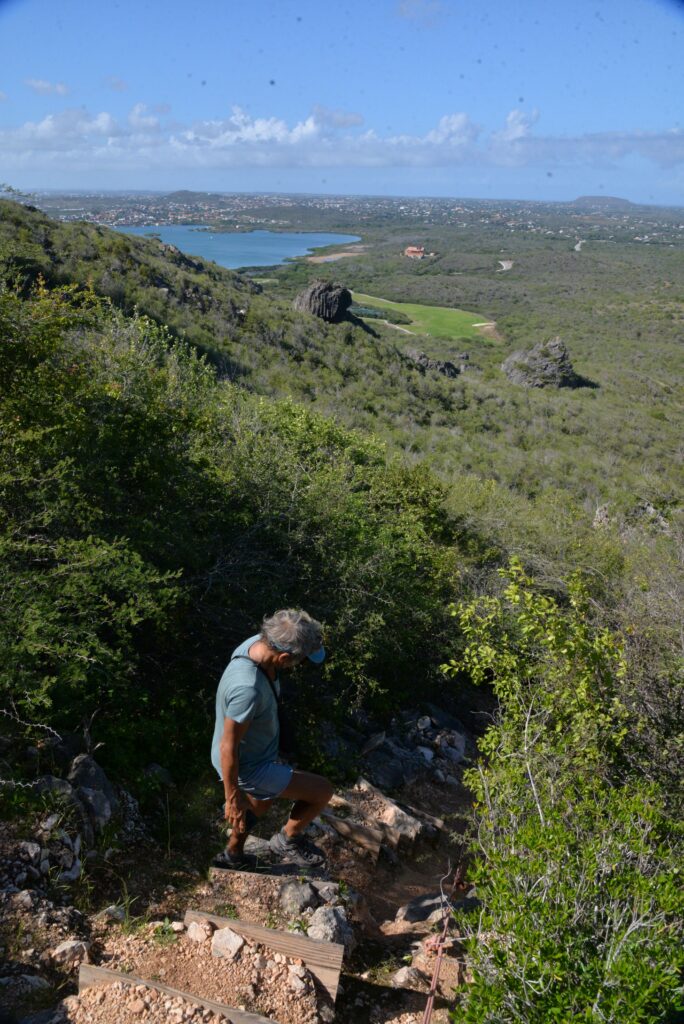
Curious to see it up close, we decided to climb to the summit. Fortunately, the local rock climbing club maintains a path leading up, making the ascent possible. Well, time to head for the heights!
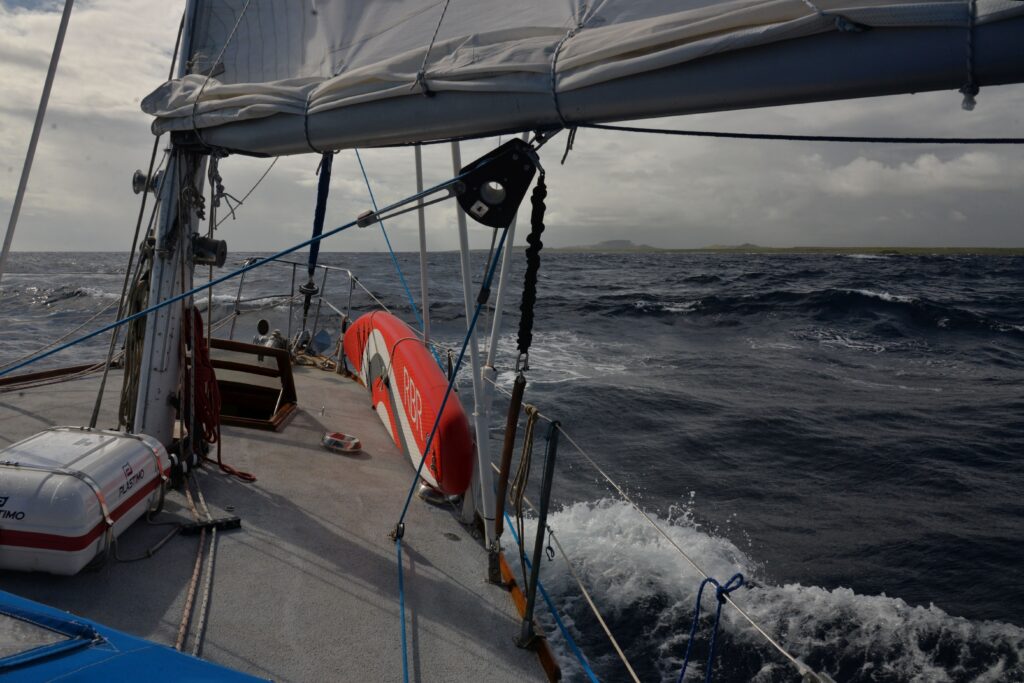
Our arrival in Curaçao came after a grueling 10-hour passage from Bonaire, battling high waves and unpredictable gusts of wind. The more we sail, the more we confirm a hard-earned truth: sailing with a tailwind and following seas isn’t always as pleasant as it sounds. We much prefer a beam reach—or at least a broad reach—where the boat feels more stable and controllable. But in the southern Caribbean, there’s no choice. The trade winds and waves consistently push east to west, the opposite of our experience in the northern Caribbean, where we had to fight against wind and waves. Now, having endured both upwind and downwind passages, we have a deeper appreciation for the unique challenges each brings.
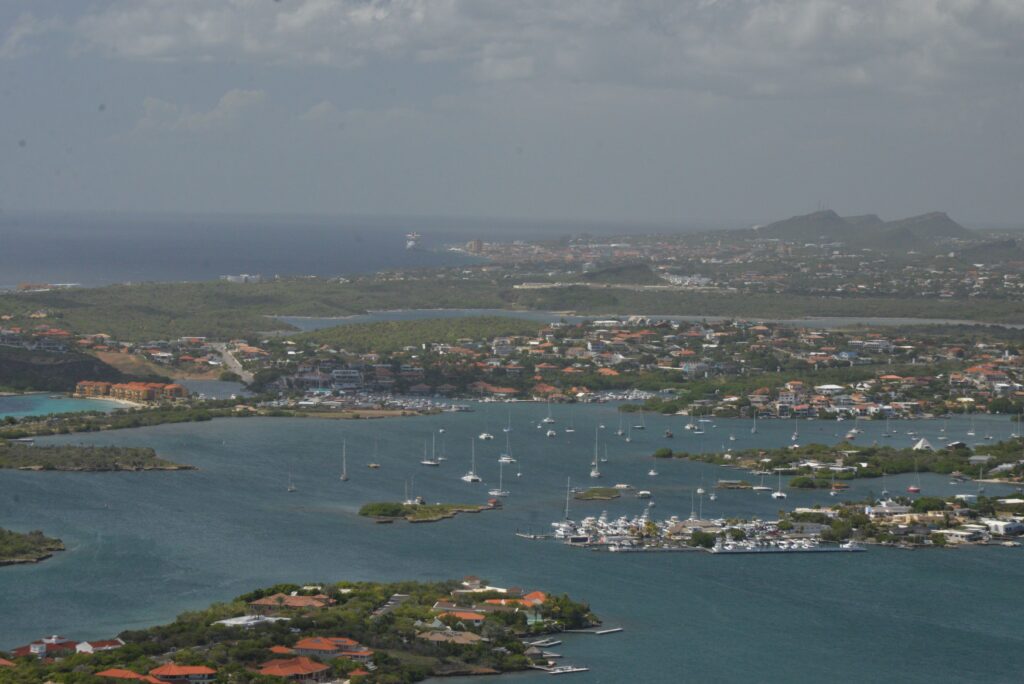
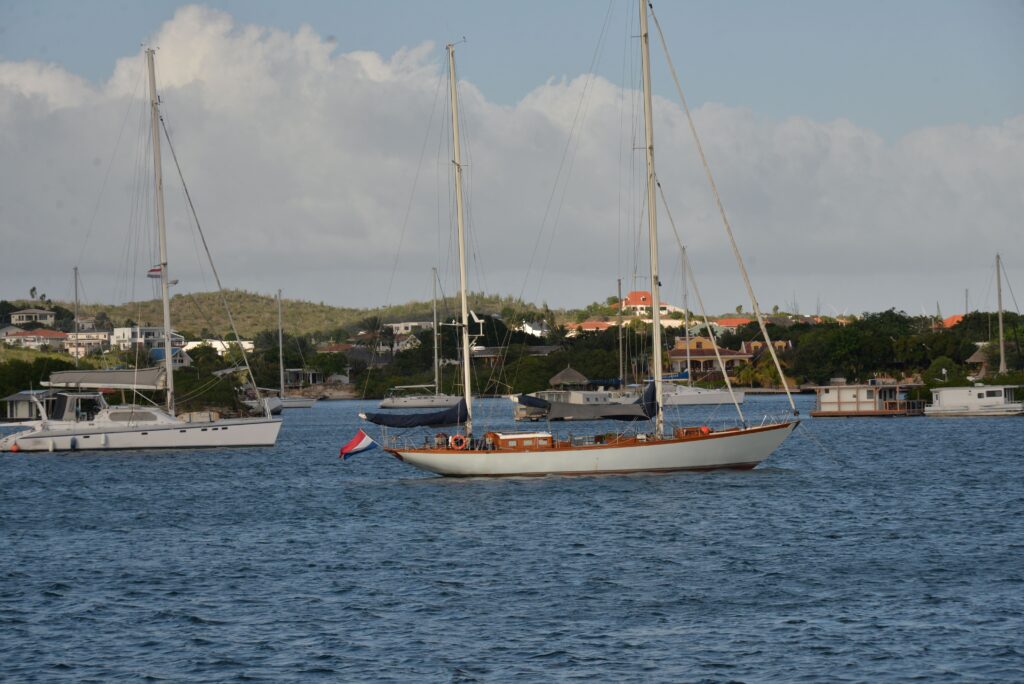
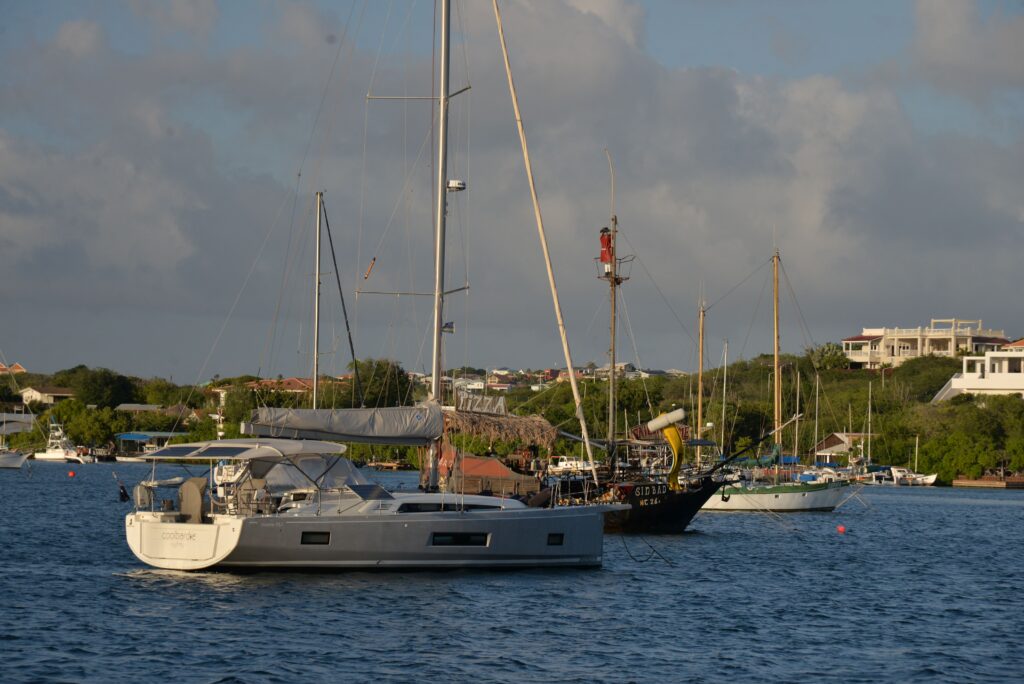
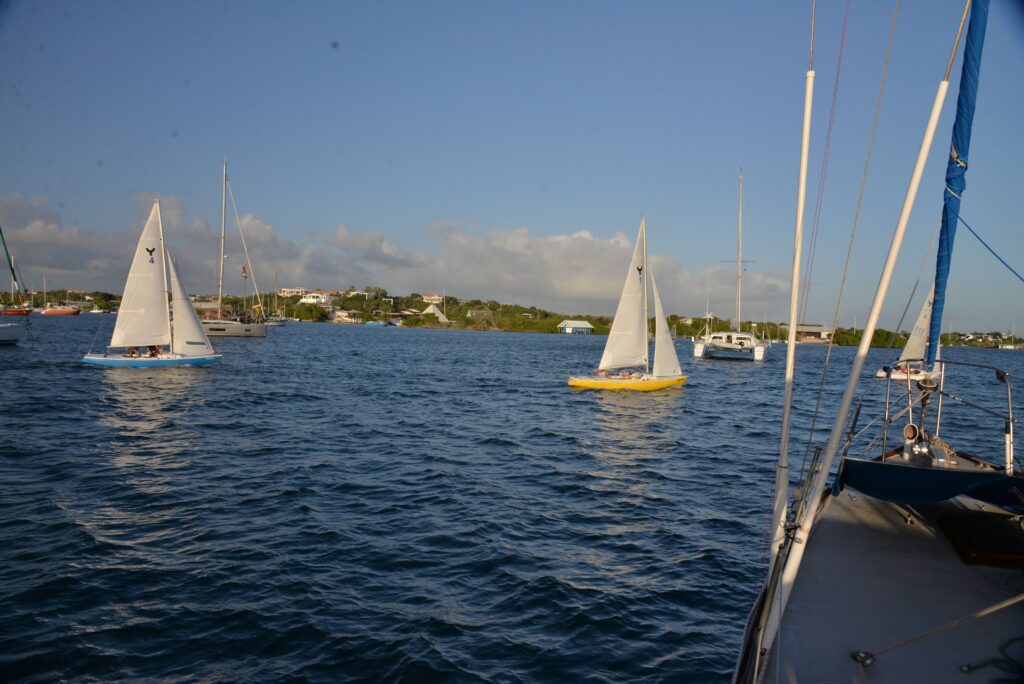
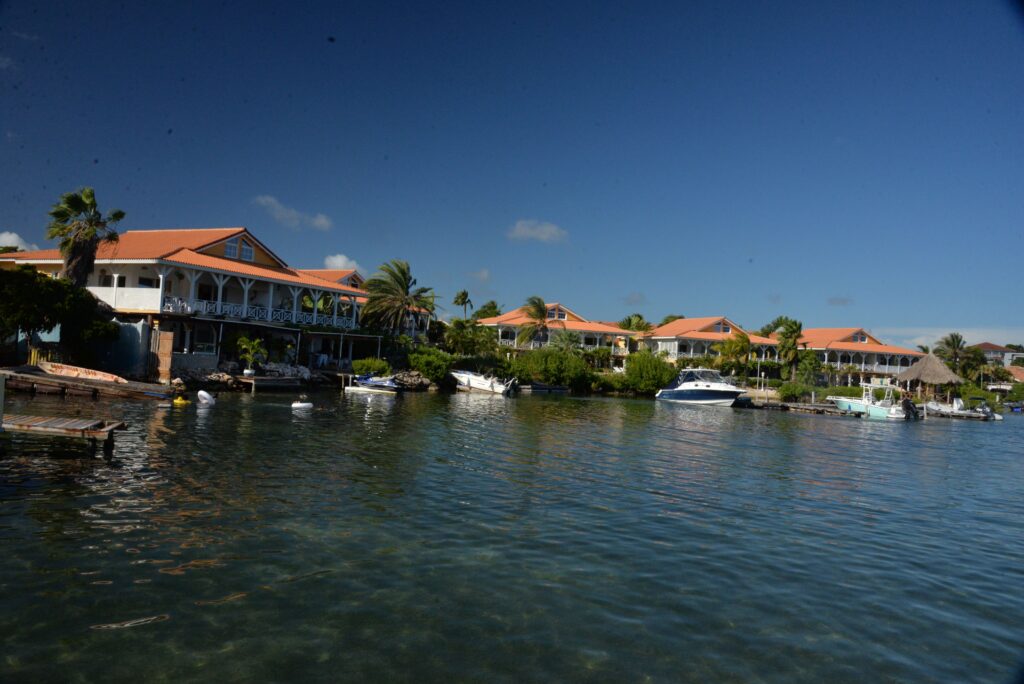
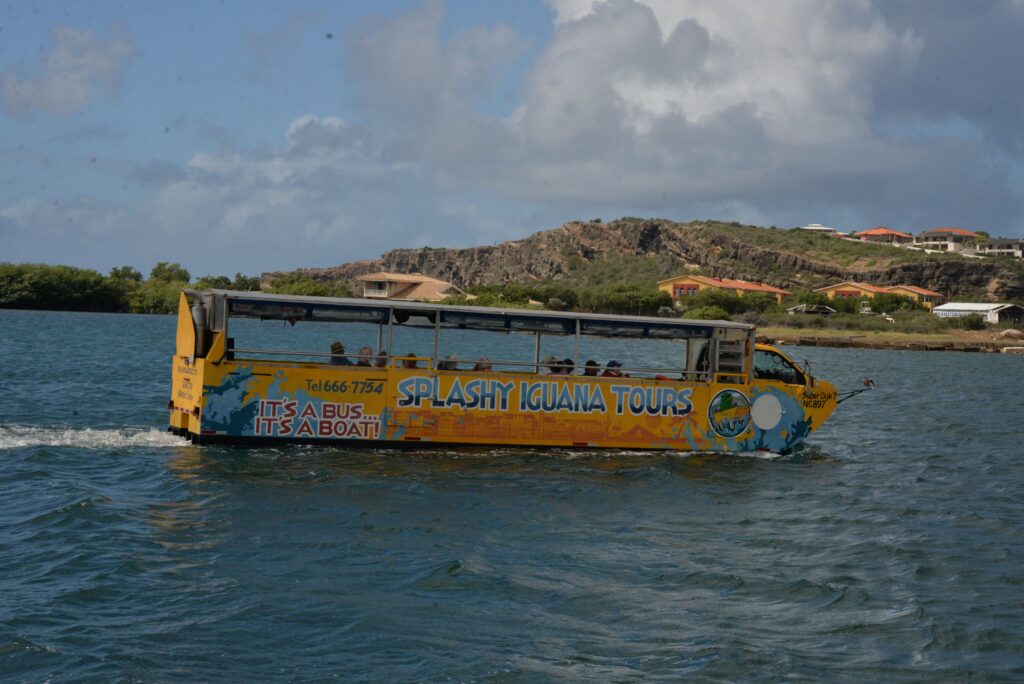
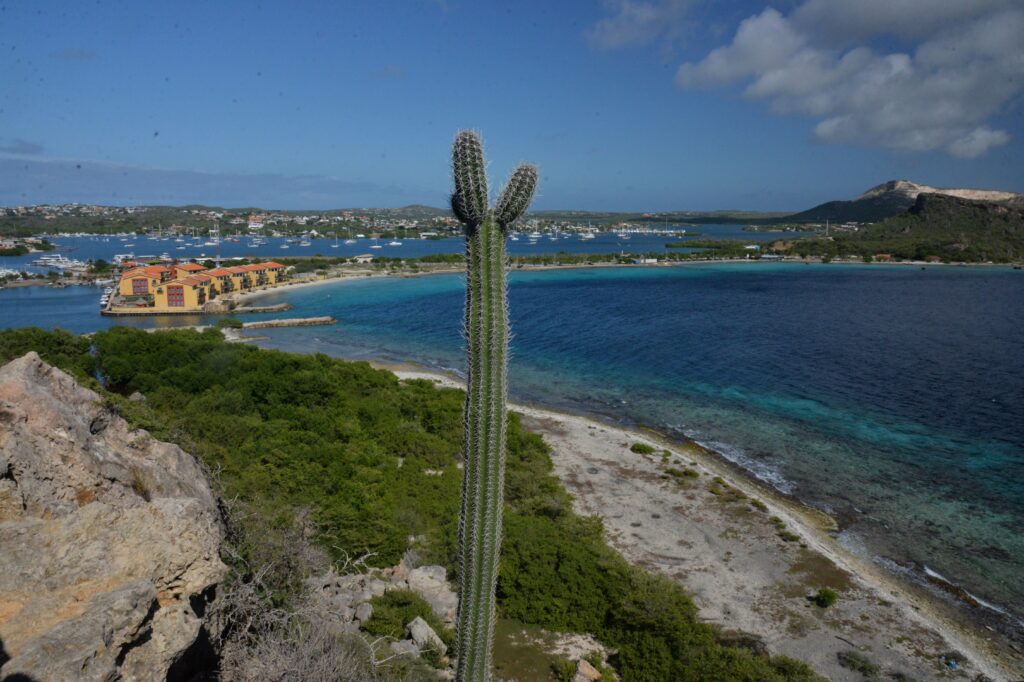
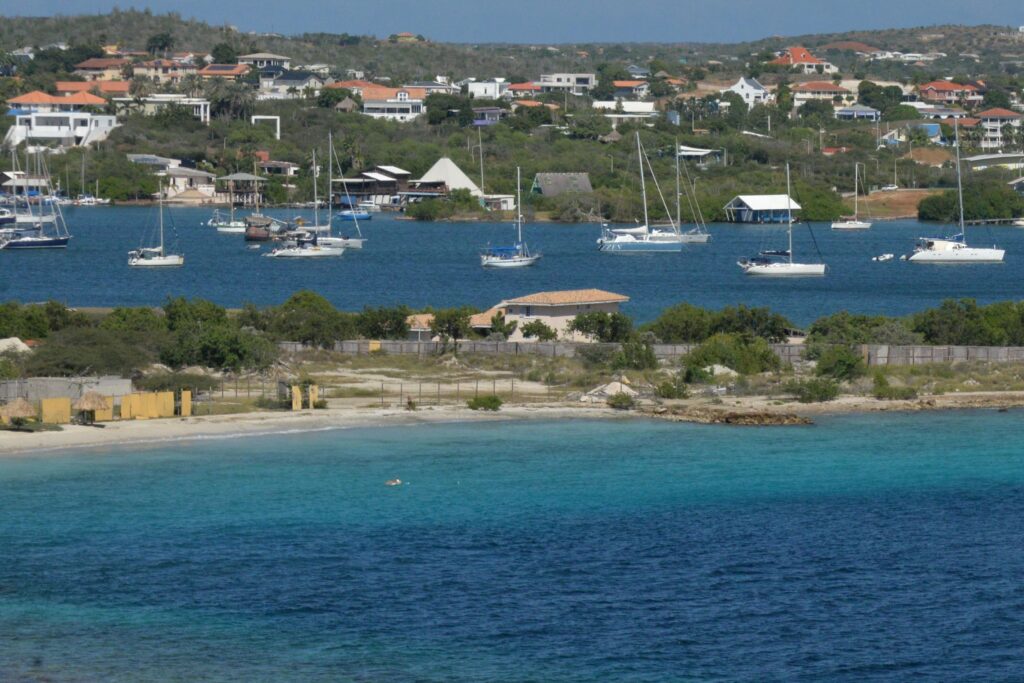
Curaçao greeted us with the striking, nearly flattened Tafelberg Mountain on the horizon and the challenge of navigating a narrow channel into Spanish (Spaanse) Waters—the large inland lagoon where nearly all visiting sailboats anchor. As soon as we found an open spot among the dozens of yachts already anchored, we dropped the hook and took in our surroundings: dinghies zipping between boats, ferrying sailors to and from shore, the hum of a vibrant cruising community in full swing.
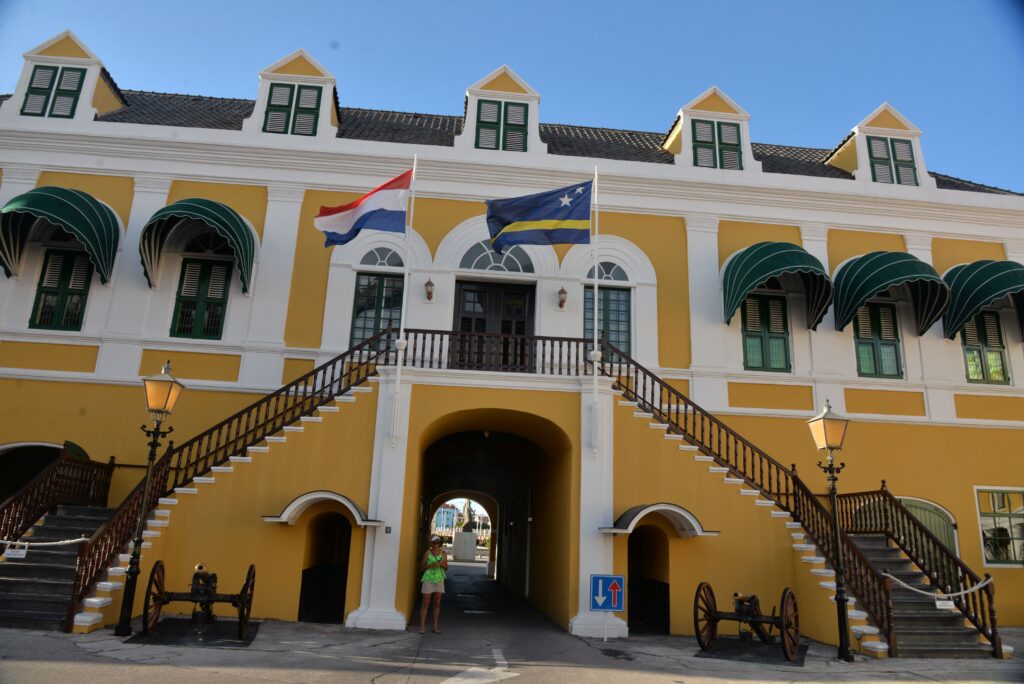
The next morning, we tackled the check-in process, which required a trip to Willemstad, the capital. Since yachts aren’t allowed to dock there, we were grateful for the local bus system, which made the journey manageable. Once formalities were complete, we finally had time to explore.
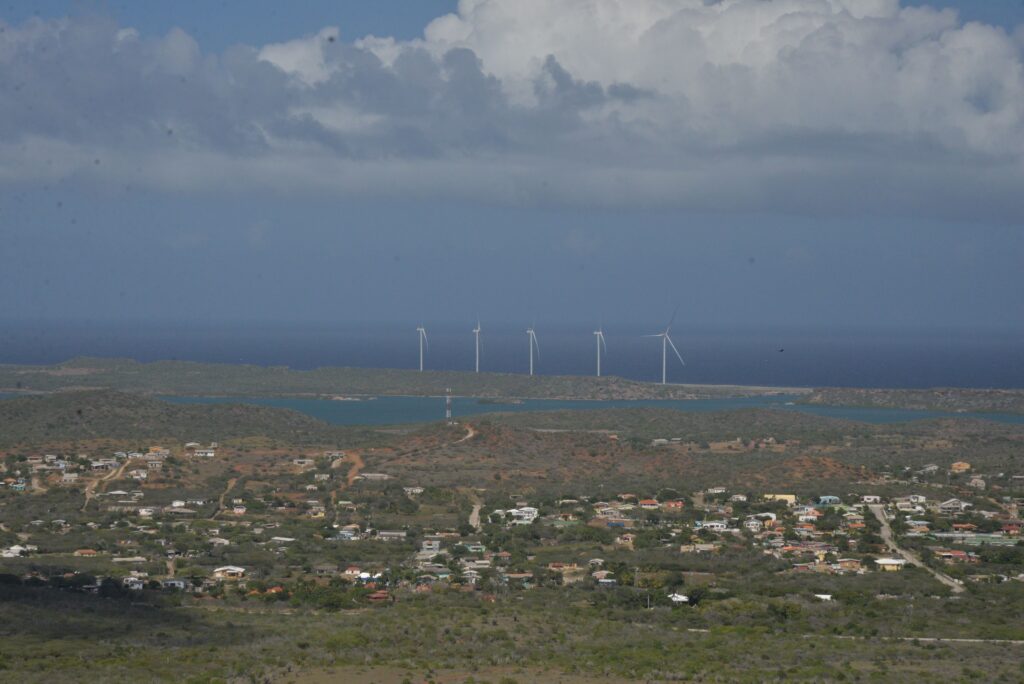
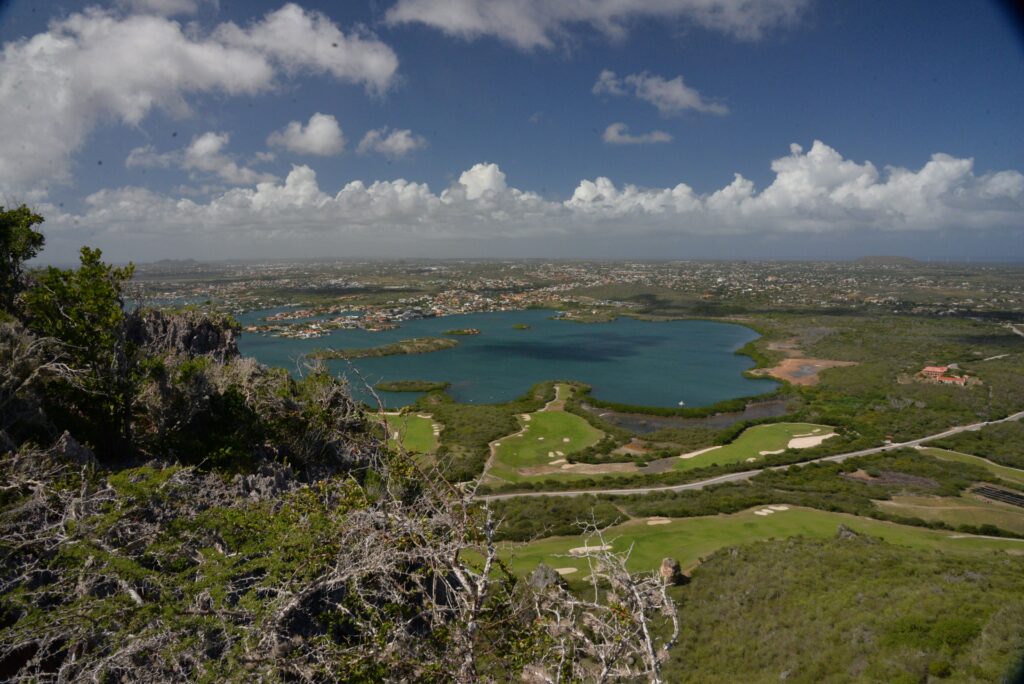
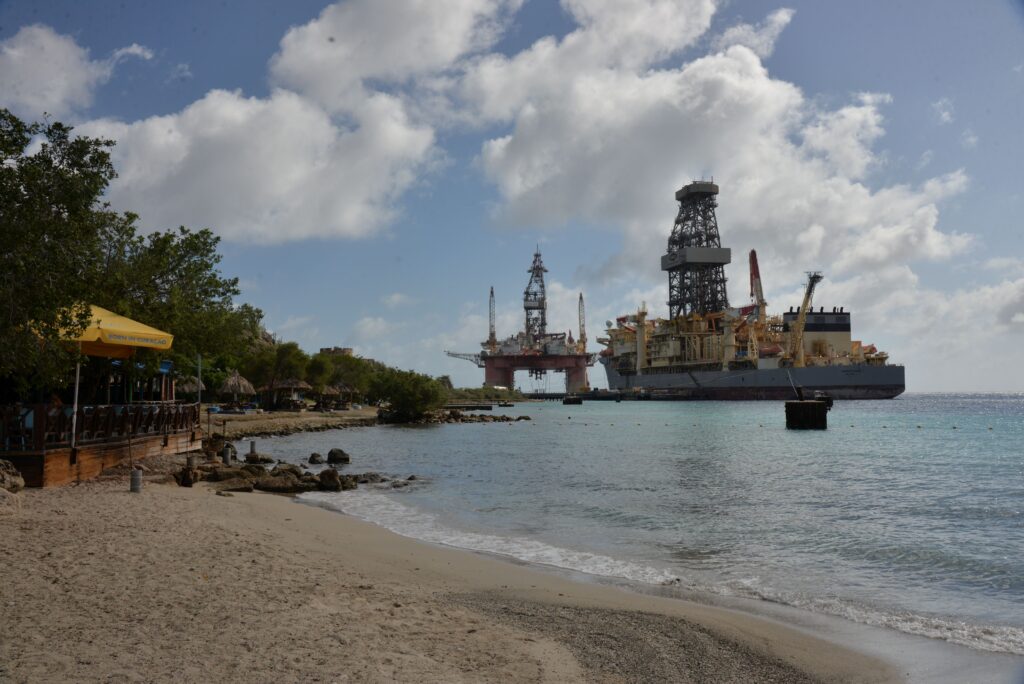
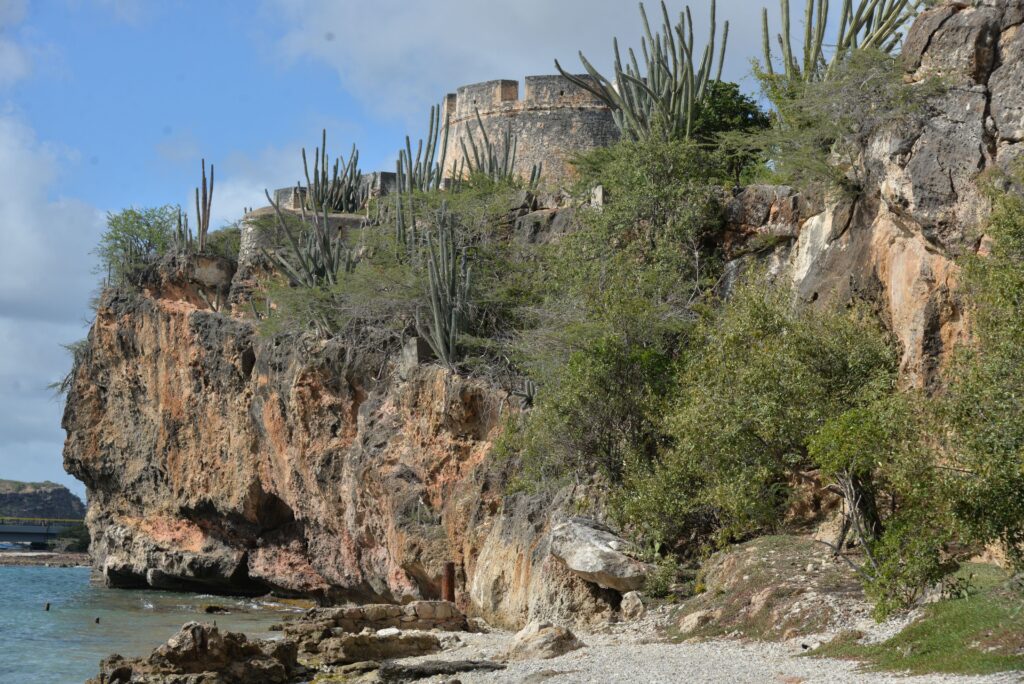
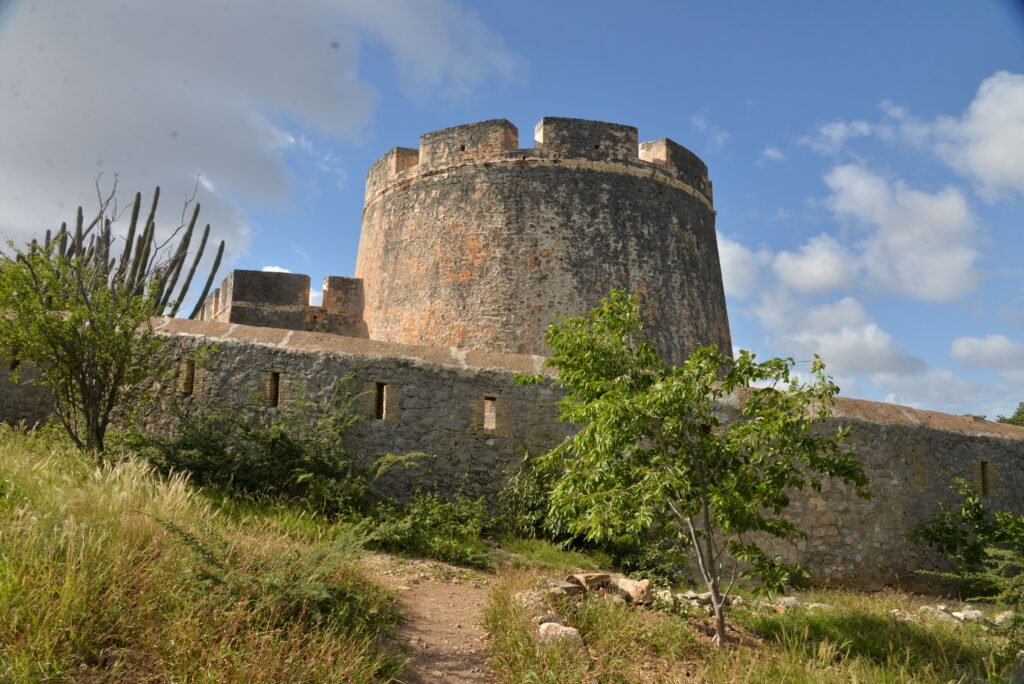
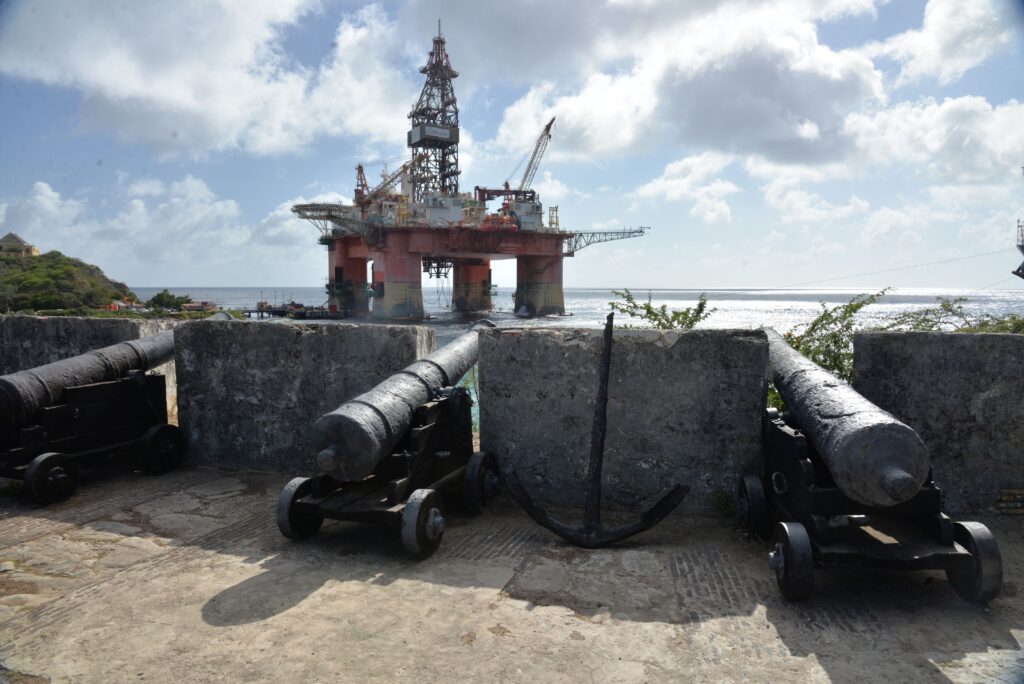
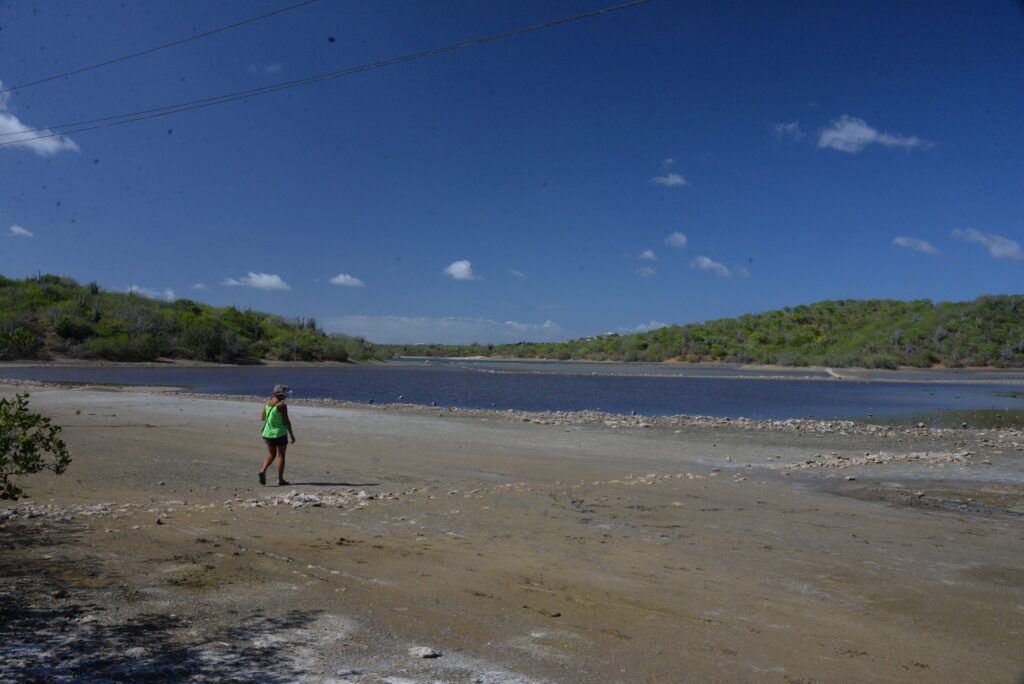
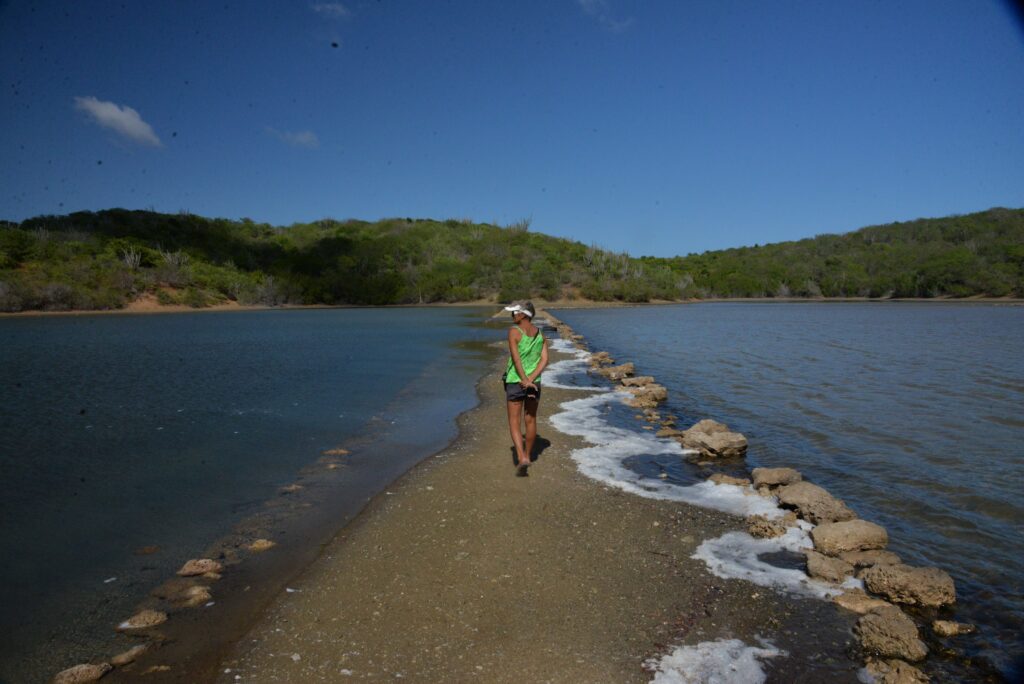
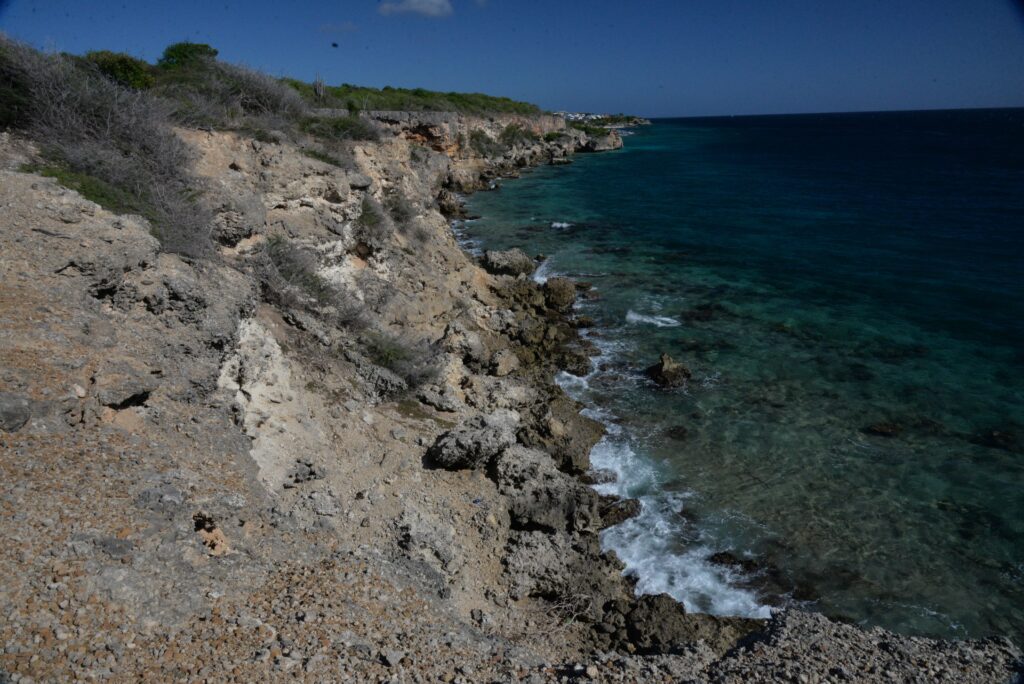
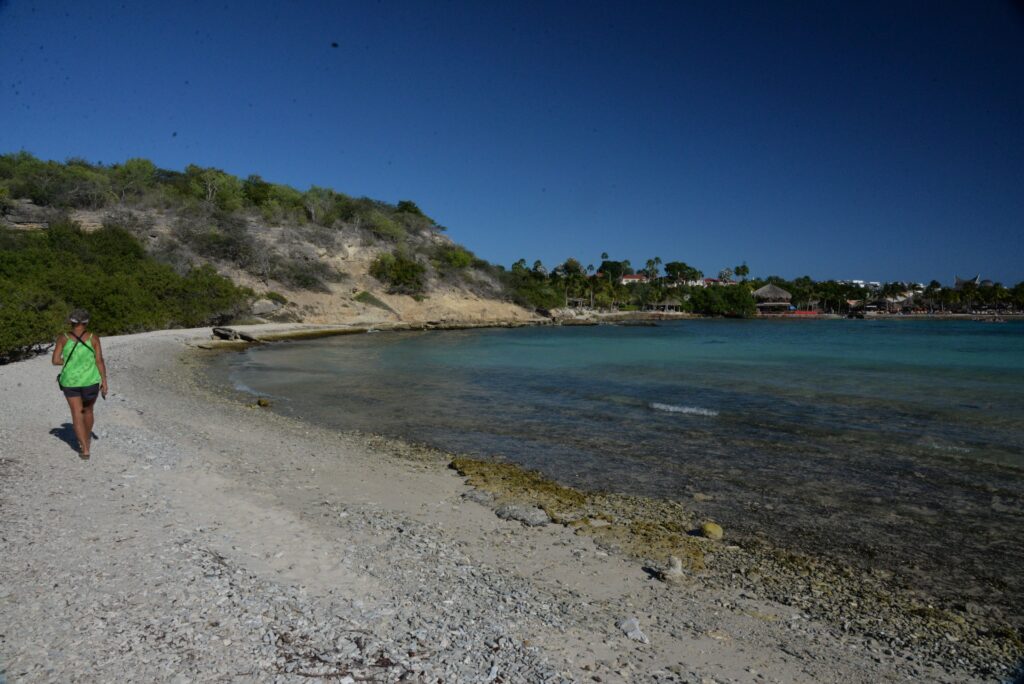
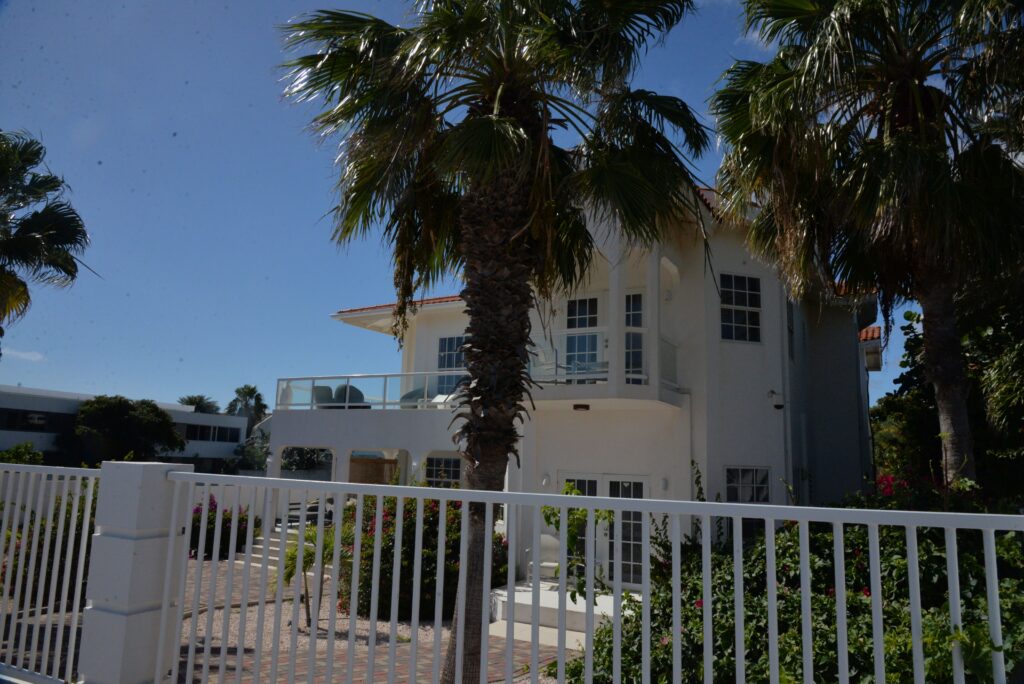
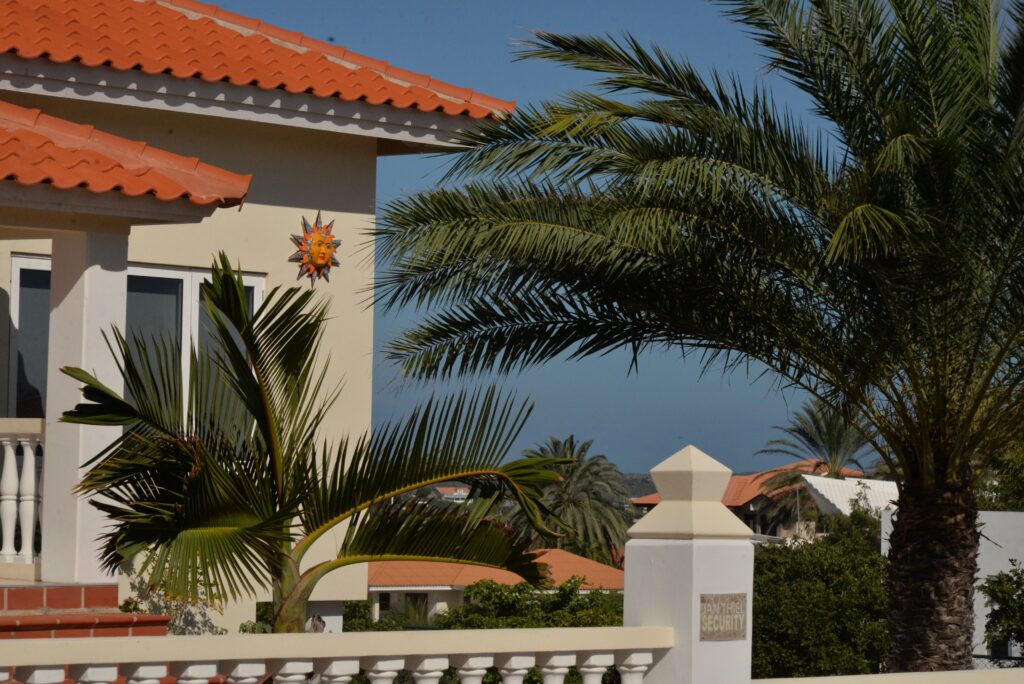
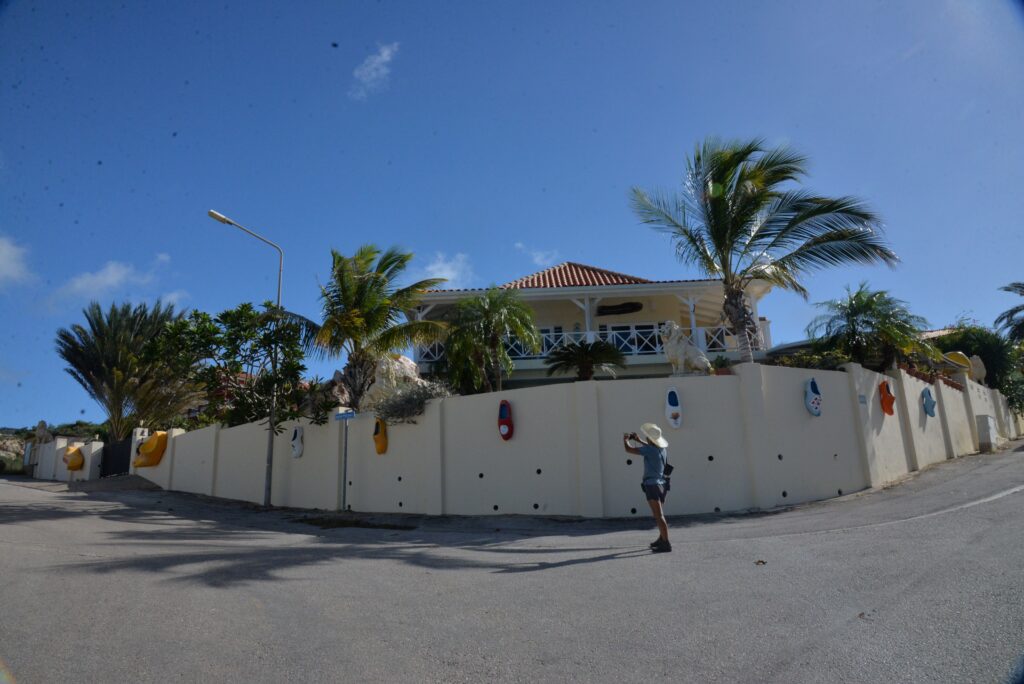
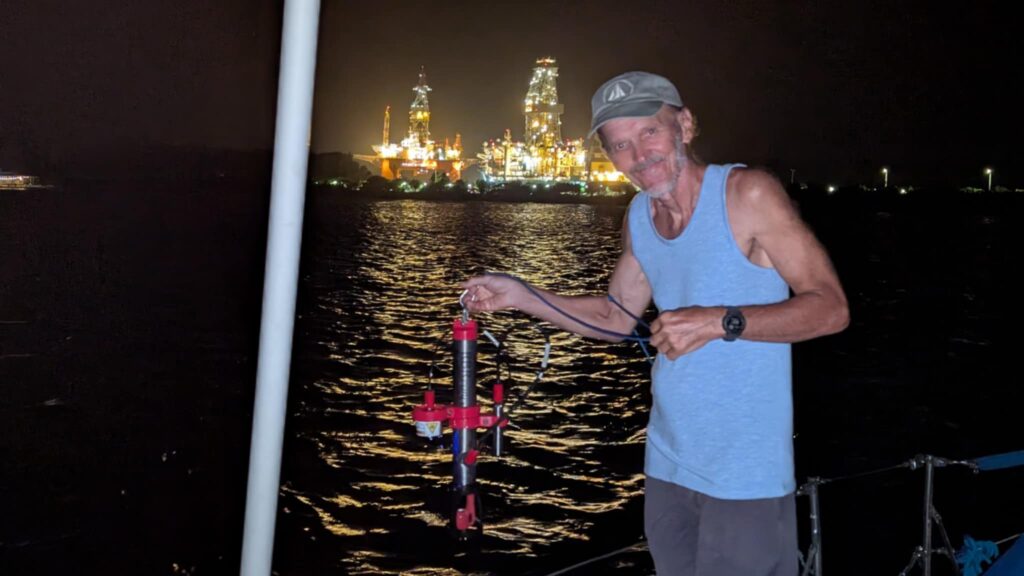
Our stay in Spaanse Waters gave us the chance to discover the island’s diverse landscapes and history. We wandered through the ruins of Fort Beekenburg, stood in awe before a massive drilling ship and offshore rig, and trekked through salt ponds teeming with wildlife. We climbed Mount Tafelberg for a breathtaking view, explored Curaçao’s rugged cliffs and hidden beaches, and meandered through upscale neighborhoods lined with villas and luxury resorts.
Anchoring in Spaanse Waters proved to be a fantastic experience—not just for its beauty and convenience, but also for its practical benefits. The ever-present trade winds meant we enjoyed cool, mosquito-free nights, with a refreshing breeze ensuring restful sleep.
Good day or night from Curaçao, where the wind never stops, but neither do the adventures! 🌊⛵
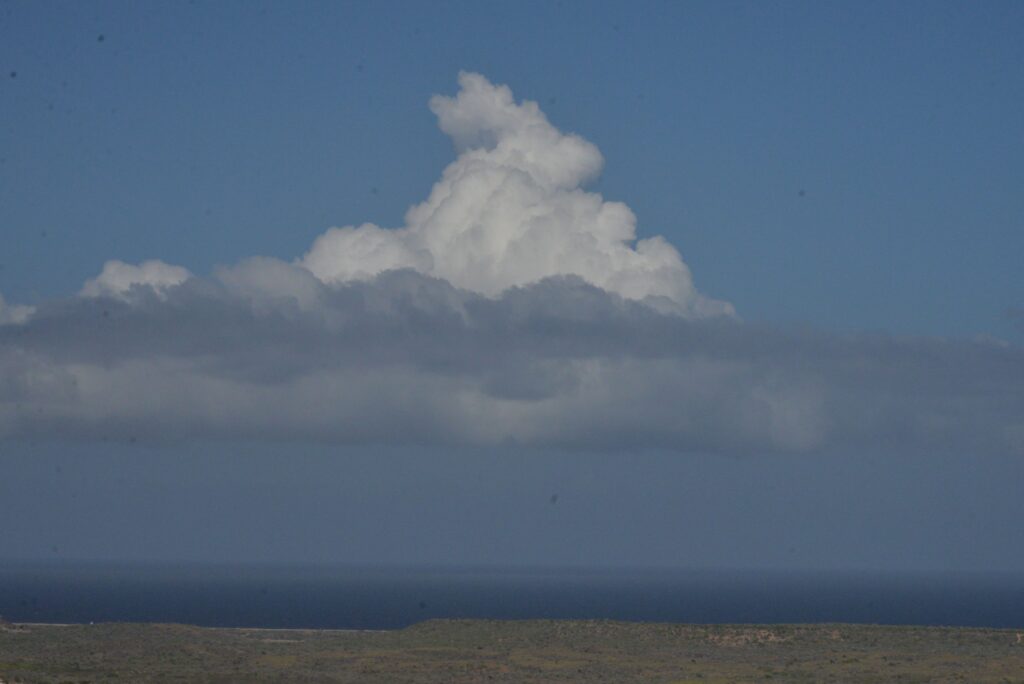
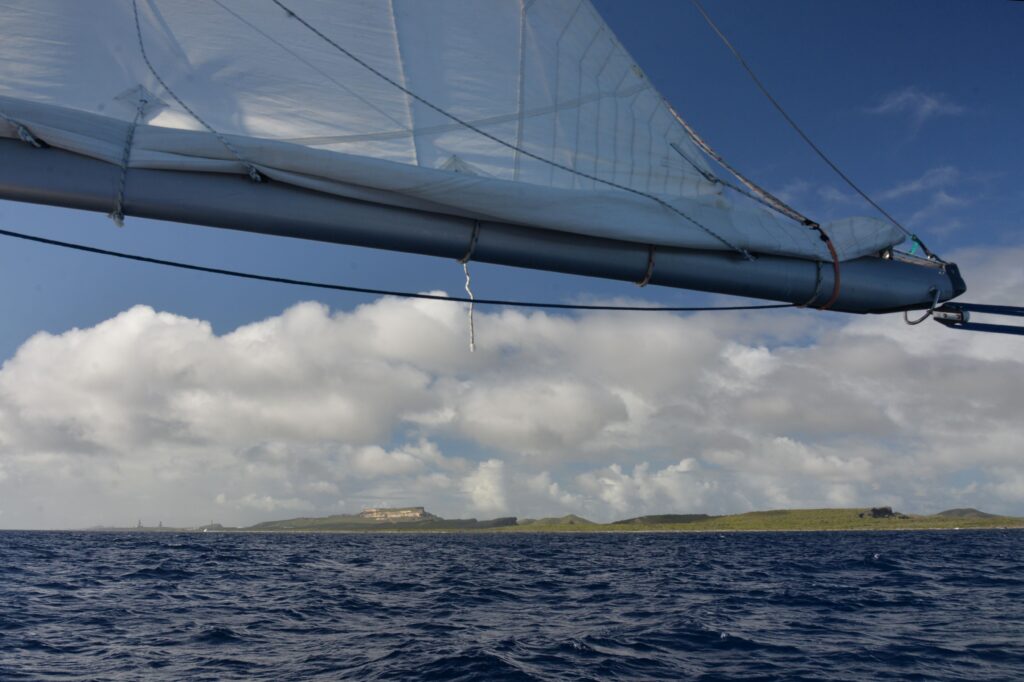
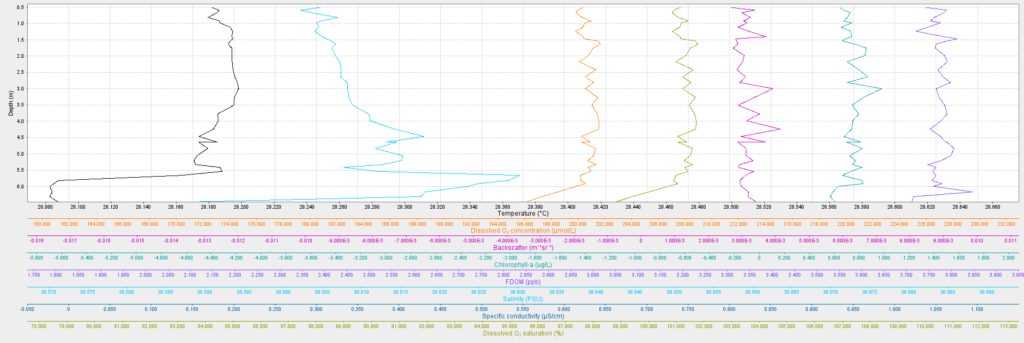
I see land!Mount Tafelberg greeted us when we approached the shores of CuracaoPlot of the CTD cast near the south shore of CuracaoCTD cast in the Spaanse Waters with an illuminated drilling ship and rigPlot of CTD cast with almost all depth (5.5m) uniformity of parameters due to well mixed by wind and tide waters. Average temperature 28.2degC, salinity 38.6g/kg (quite high due to intense evaporation), dissolved oxygen 101% (well saturated by mixing with air by wind/waves), a quite large backscatter’s attenuation coefficient 0.003 1/m (water is not so clear in the lagoon as in open sea), low concentration of Chlorophyll-a 0.8ug/L and a significant concentration of fDOM 3.5ppb are indications of anthropogenic factors affecting the health of this lagoon – too many boats anchored and docked in marinas, also many houses on the shore with very poor water exchange with the open waters.