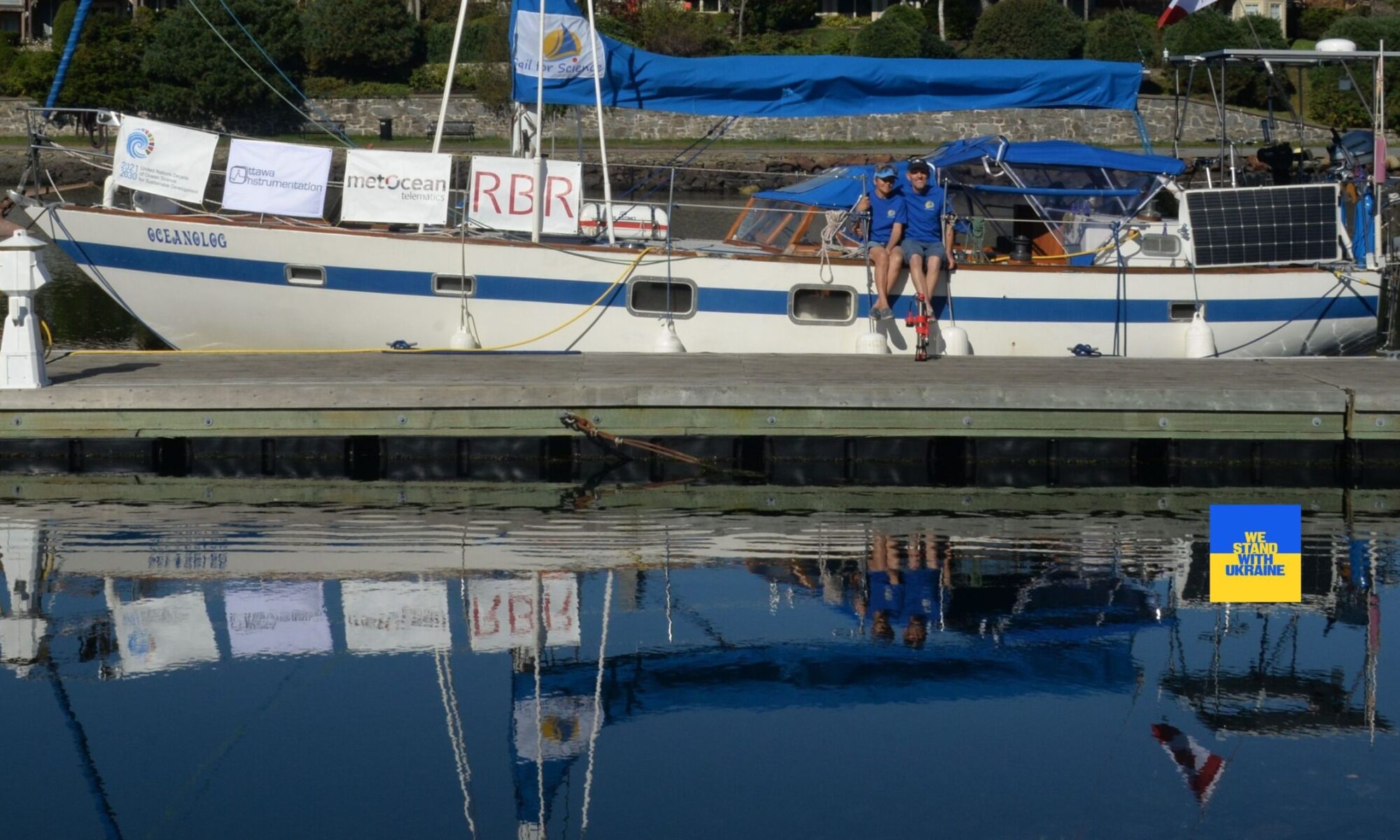
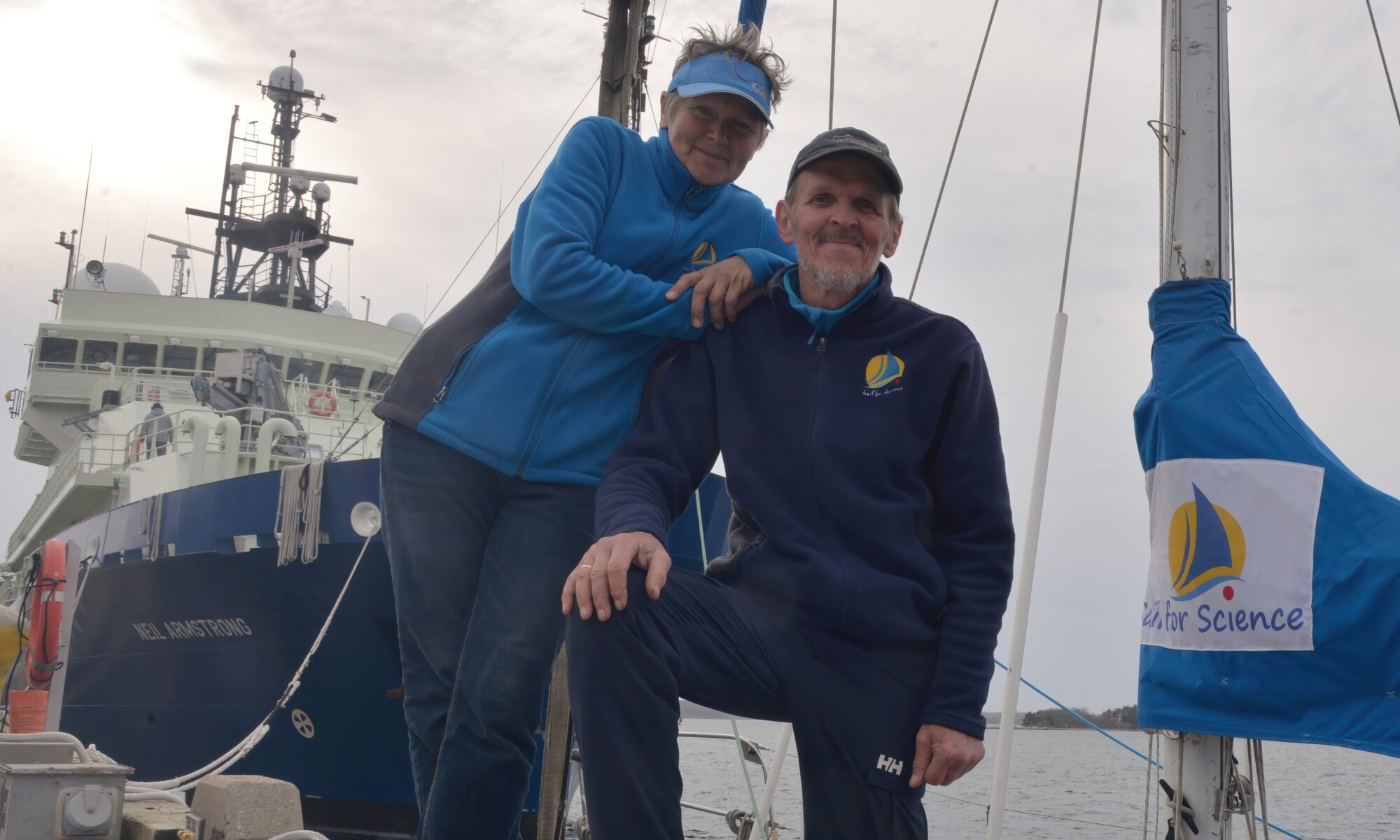
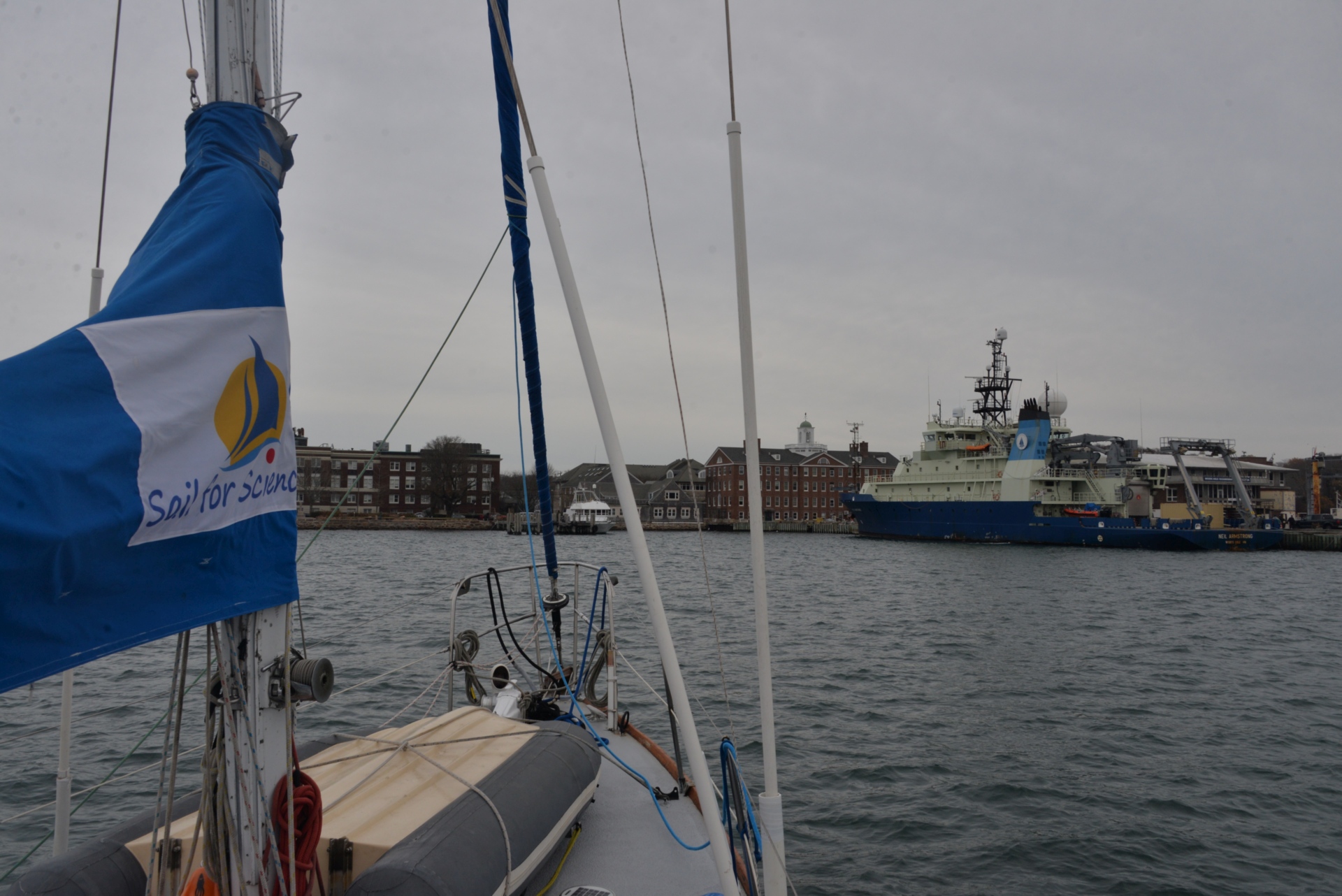
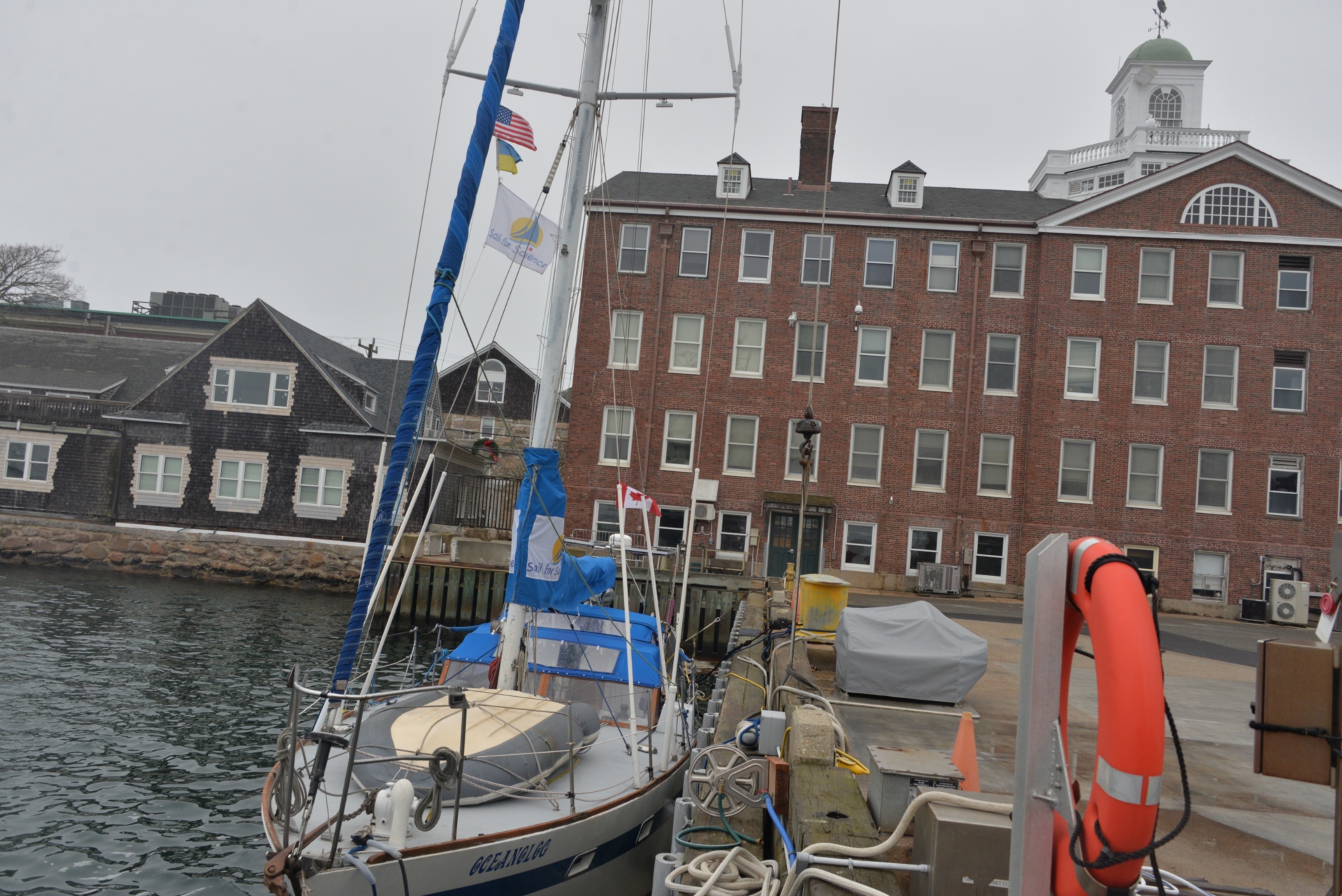
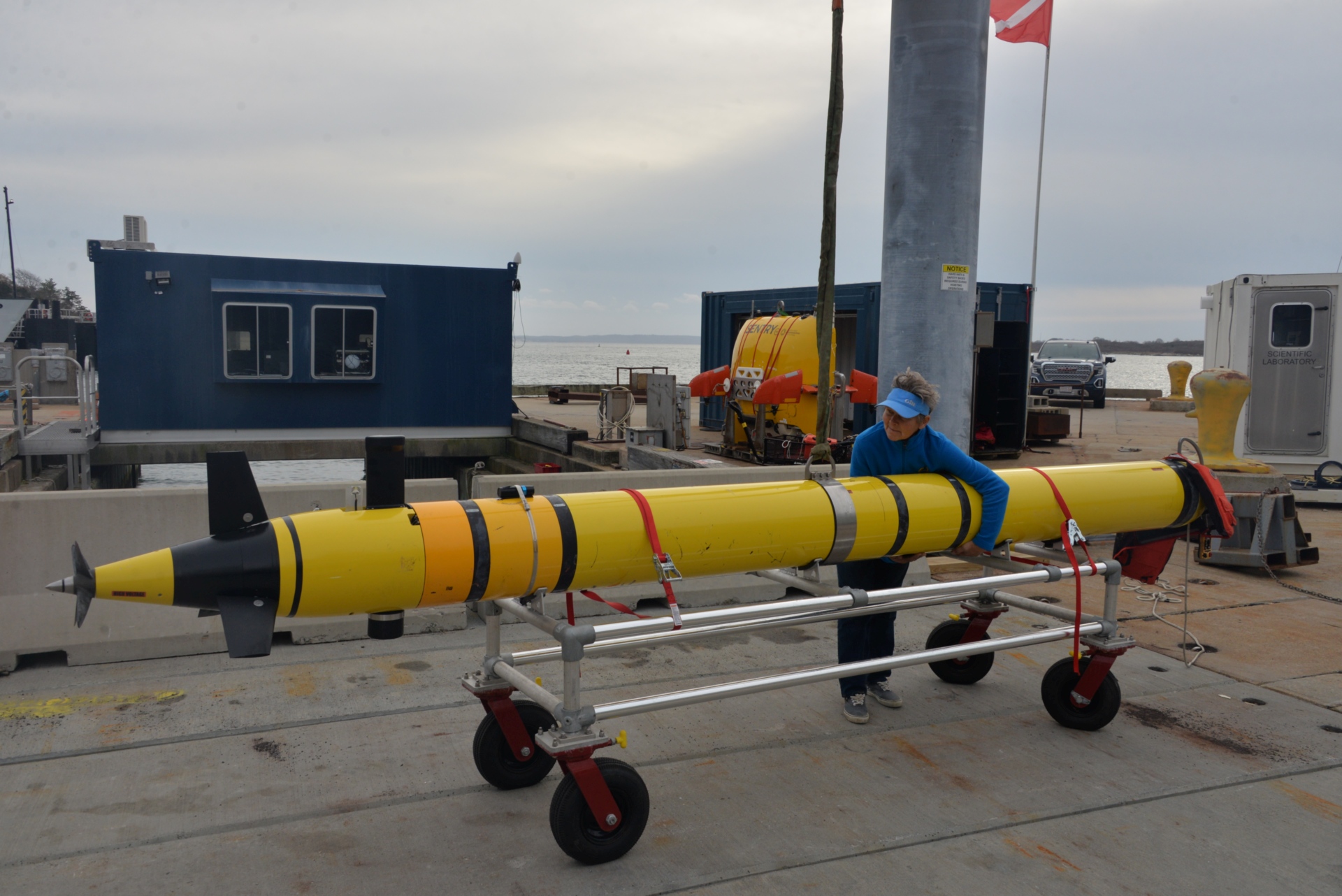
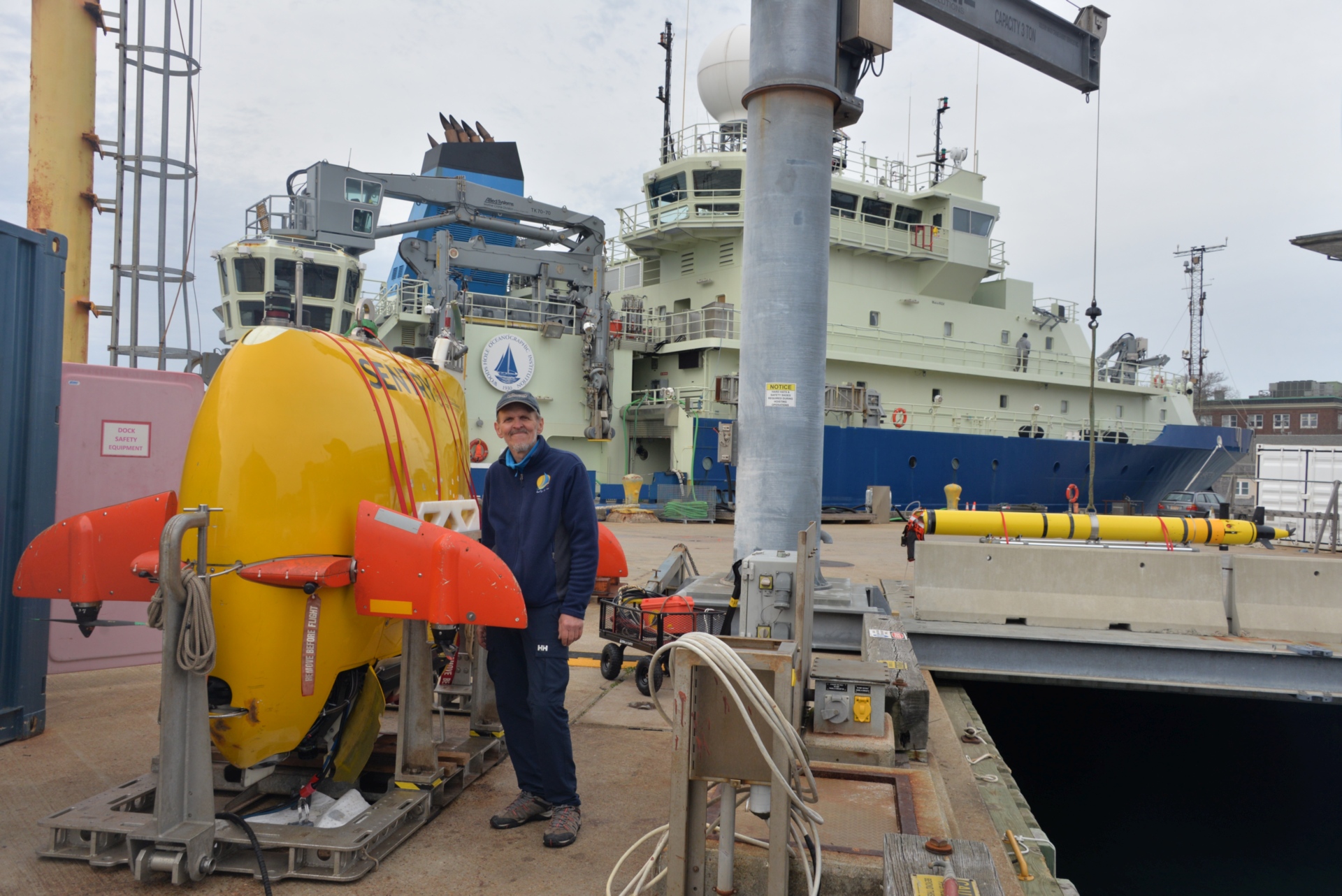
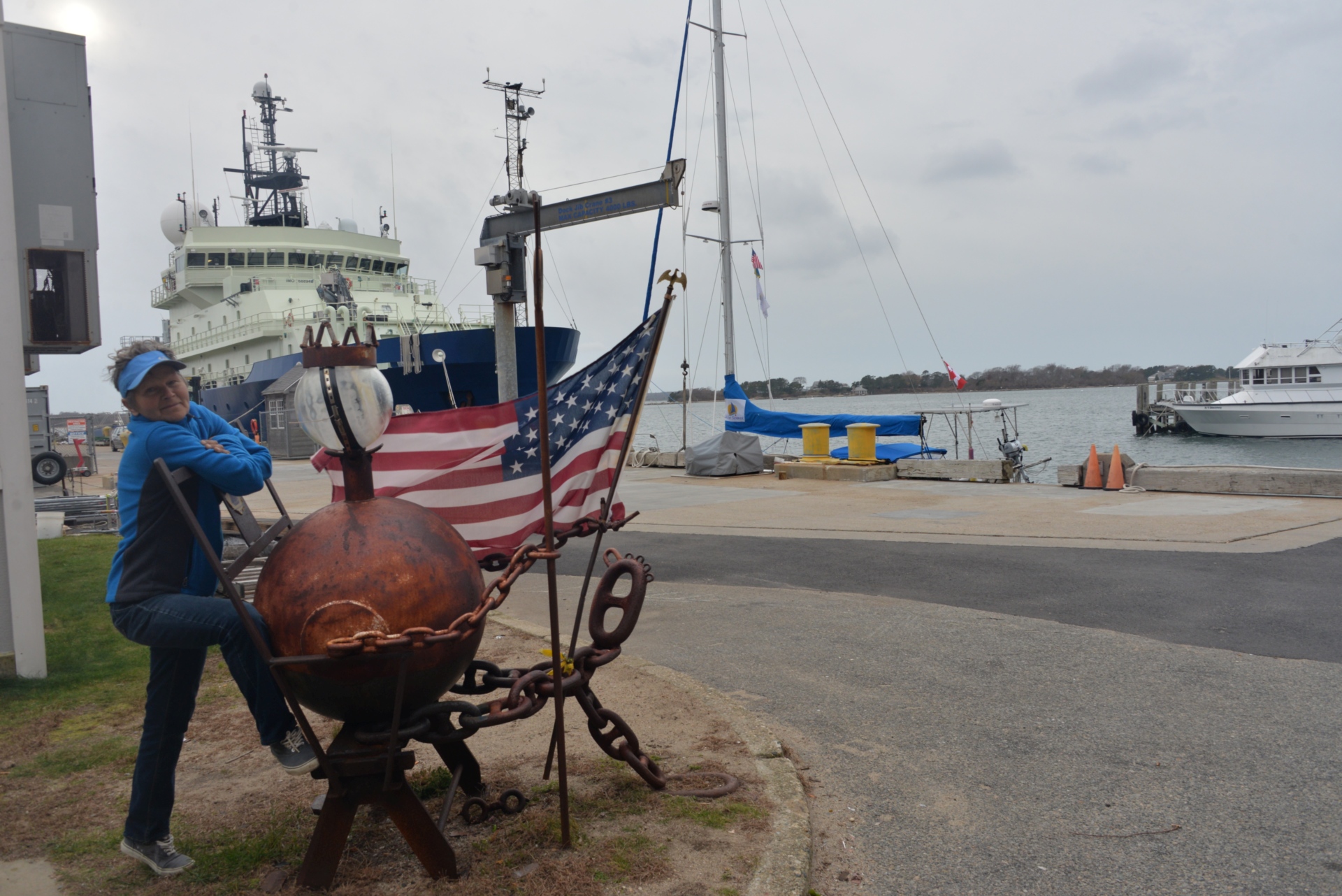
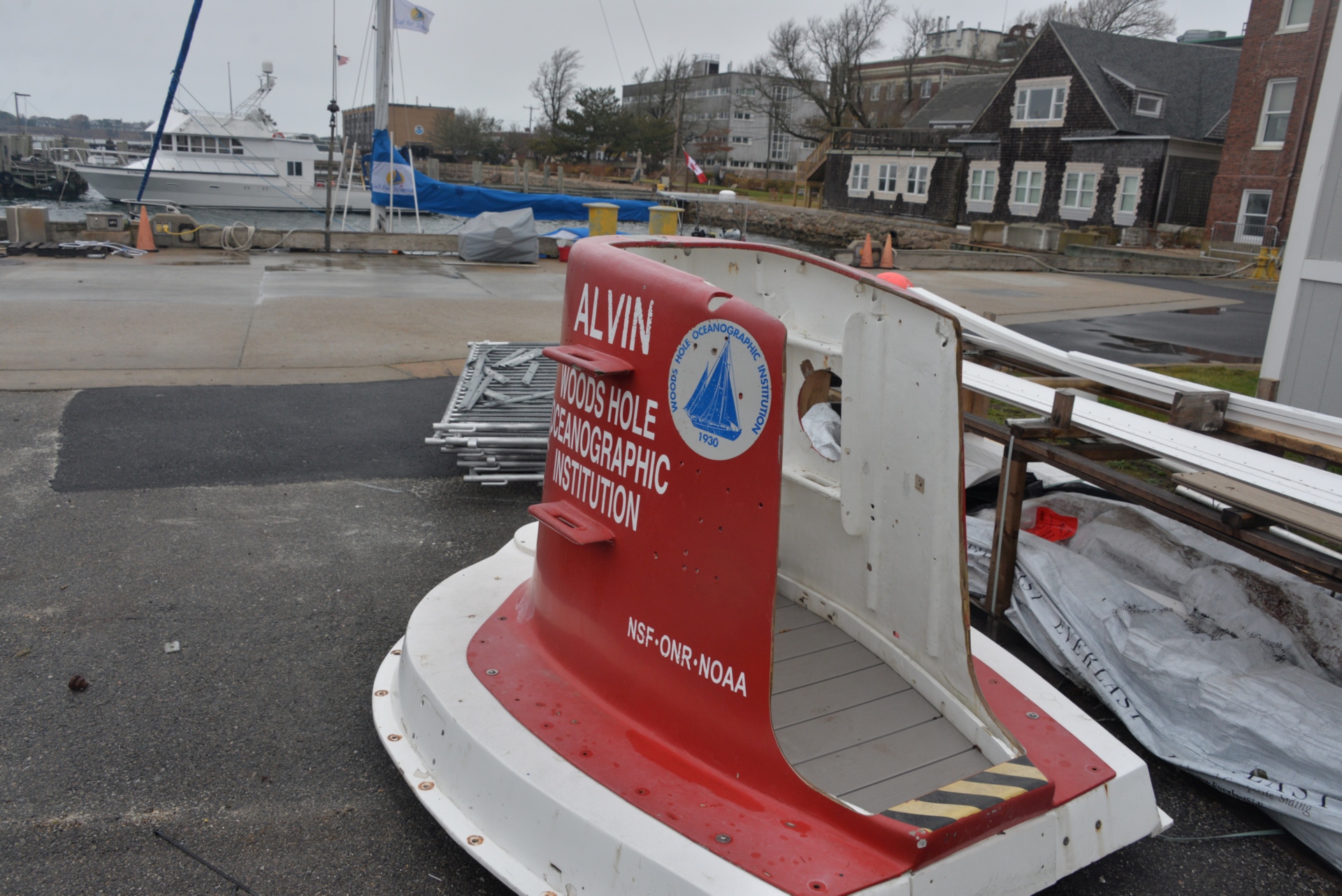
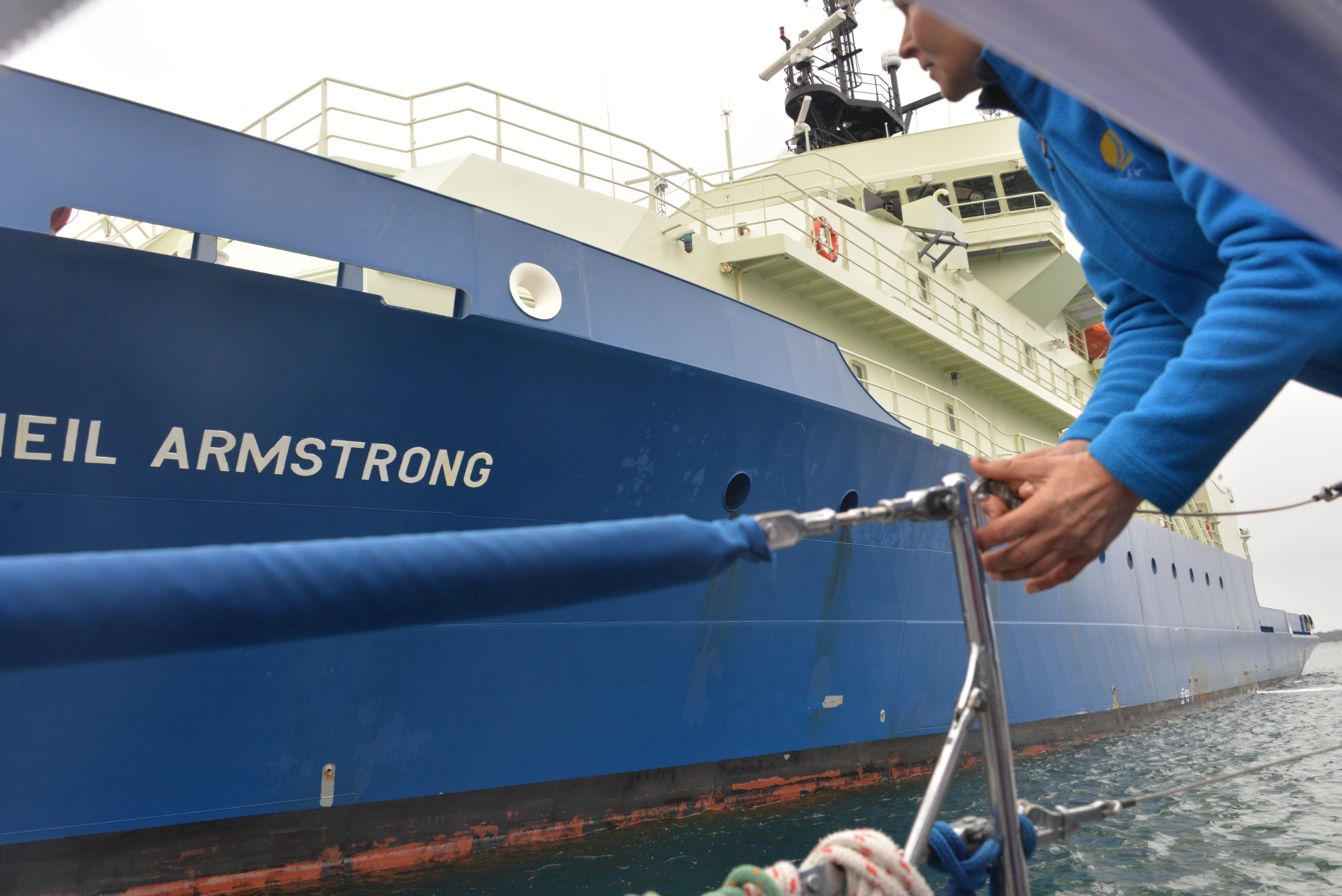
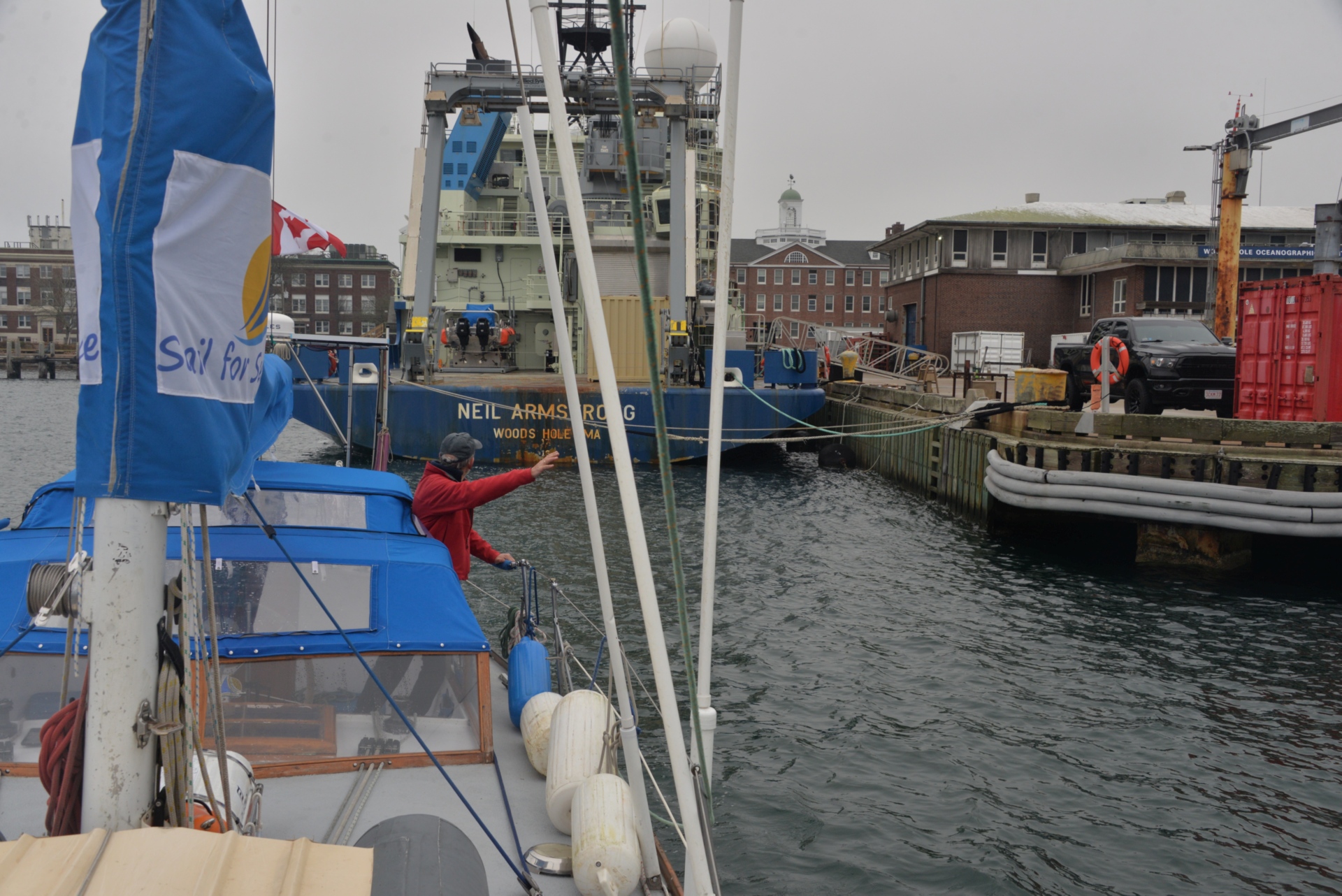
Setting out in the morning for Newport, we soon realized that our path lay not far from Woods Hole. It would be unforgivable not to stop by the center of oceanographic science on the East coast of the United States – Woods Hole Oceanographic Institute. It was at the end of the working day on Friday, when we docked to the WHOI pier, so not many colleagues were able to see, but with those who were at the pier we had good conversations both about our project and the RBR instruments.
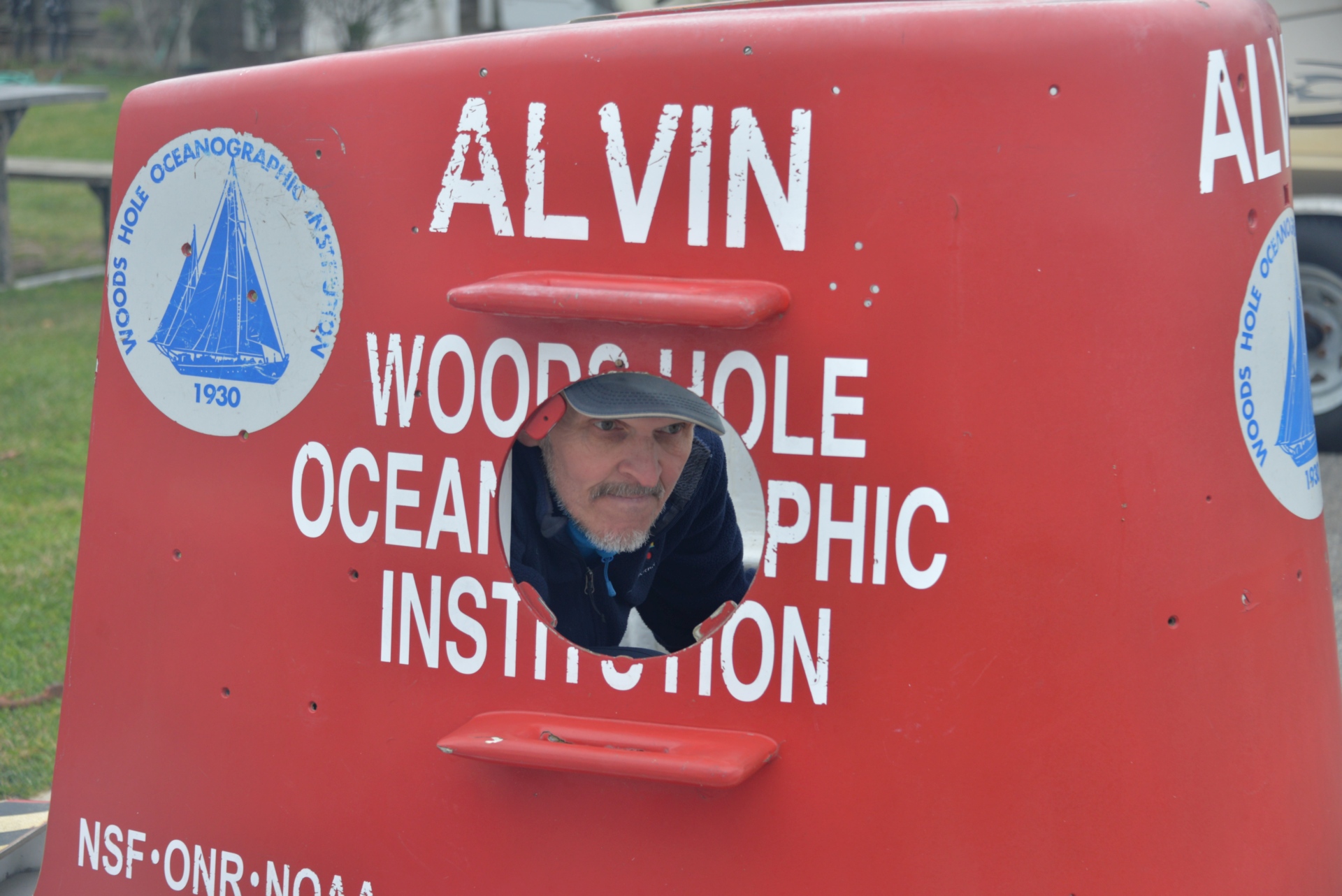
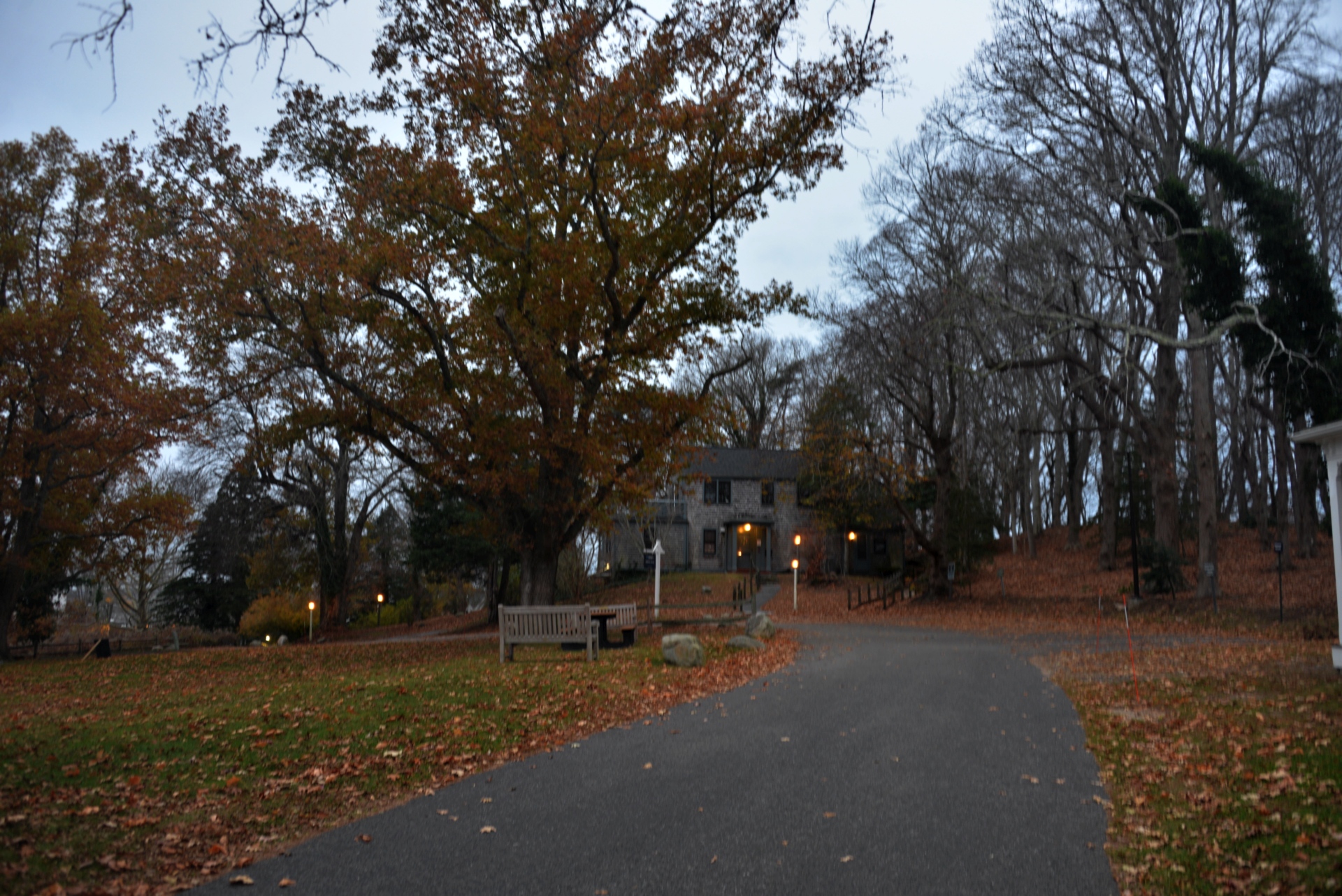
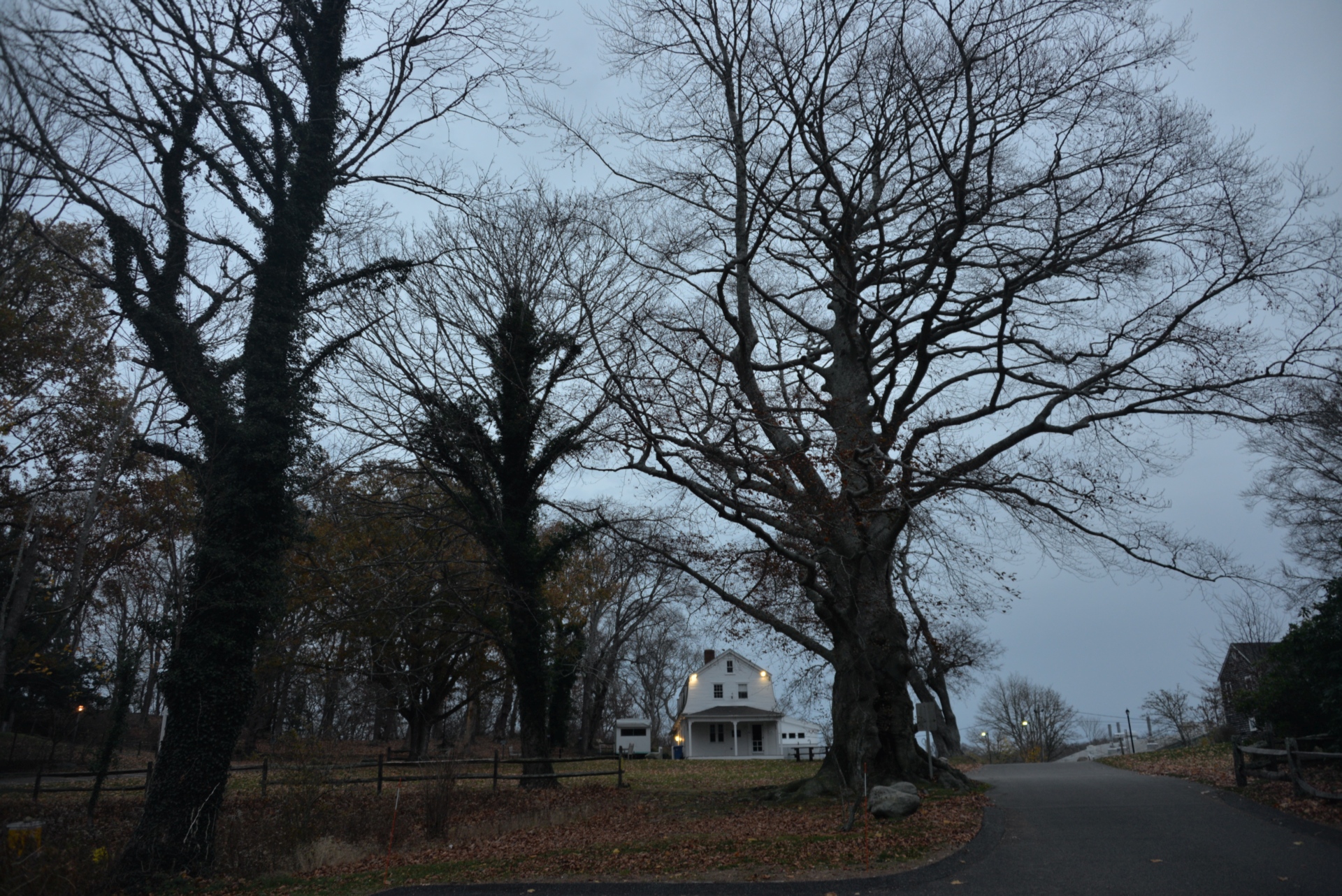
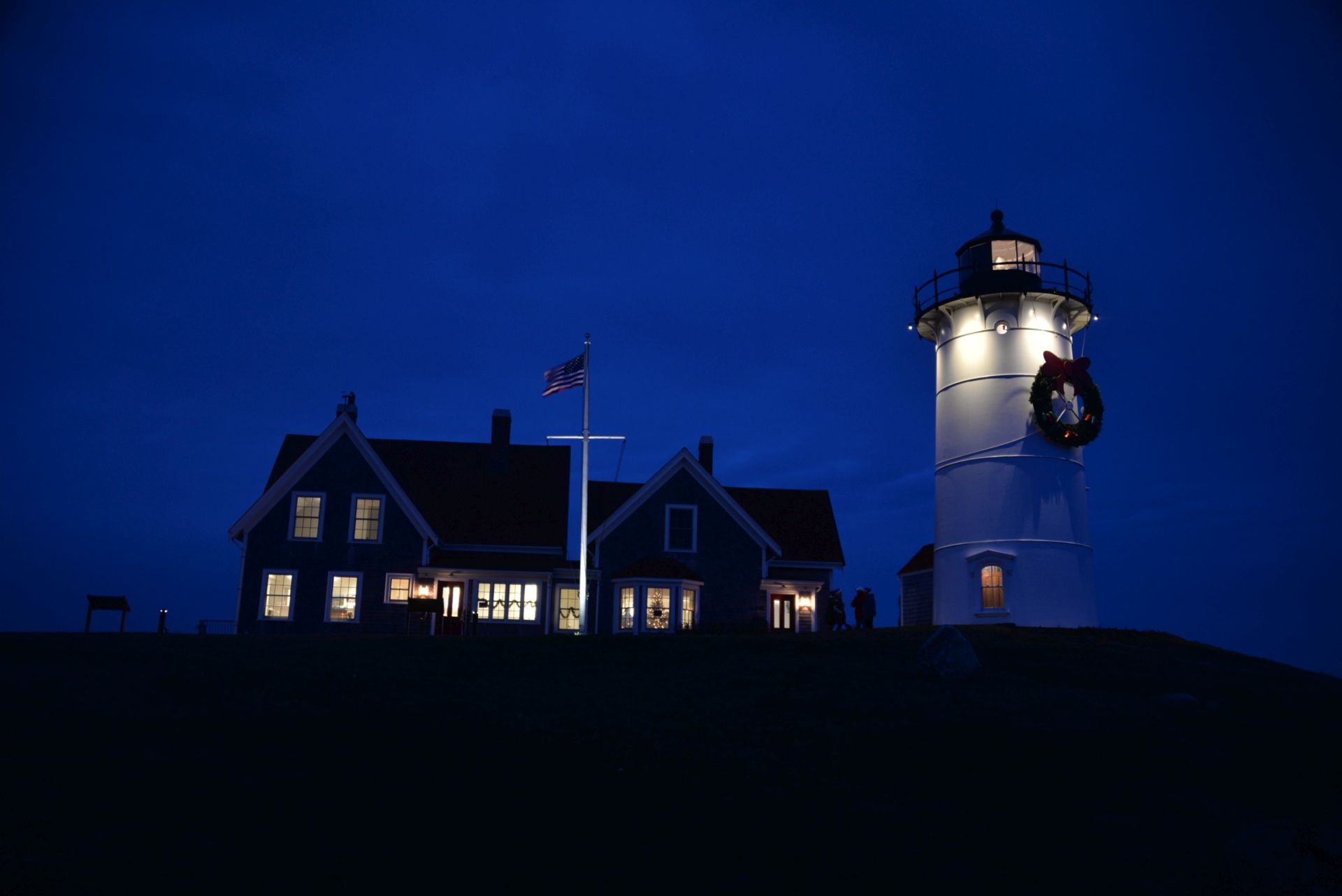
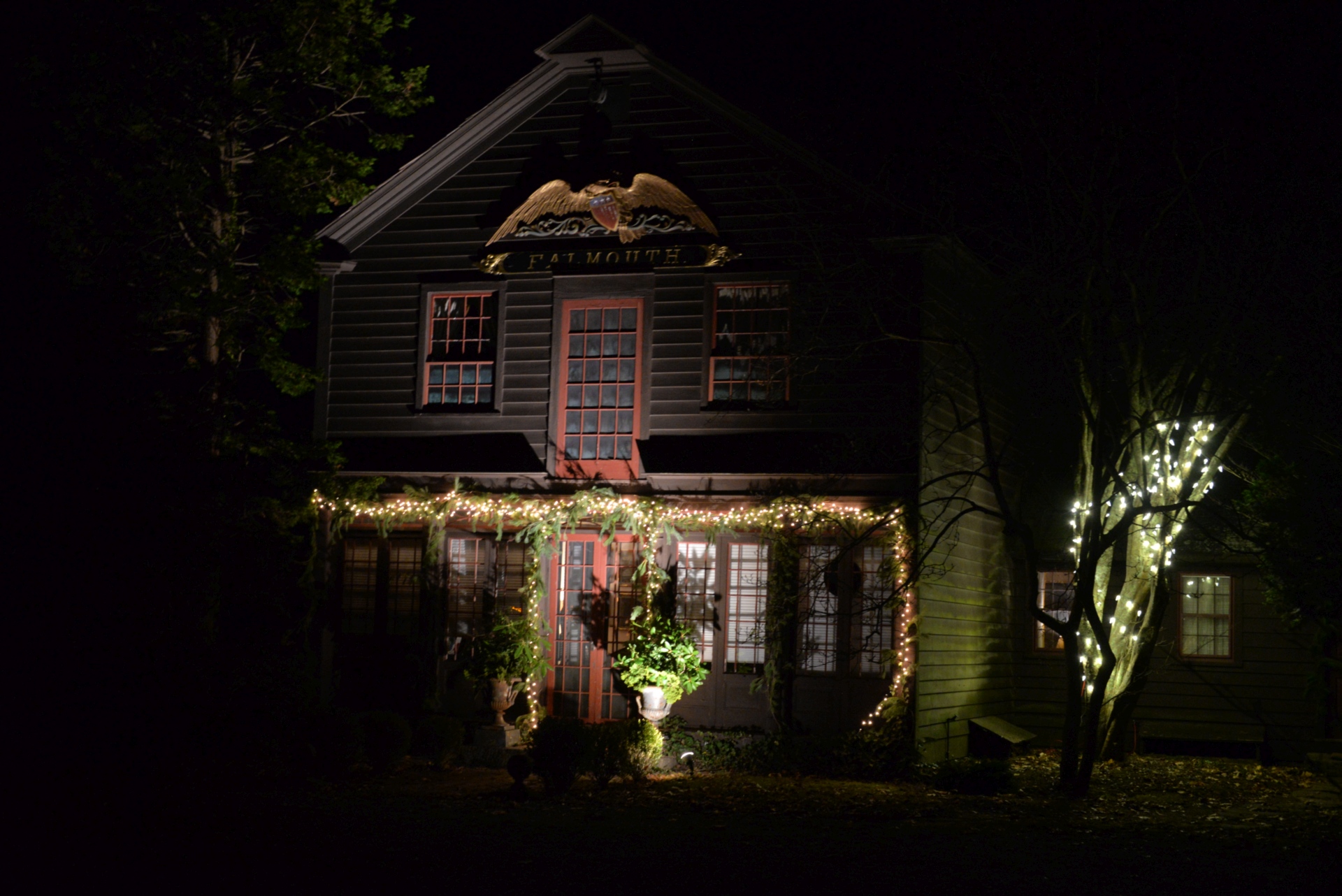
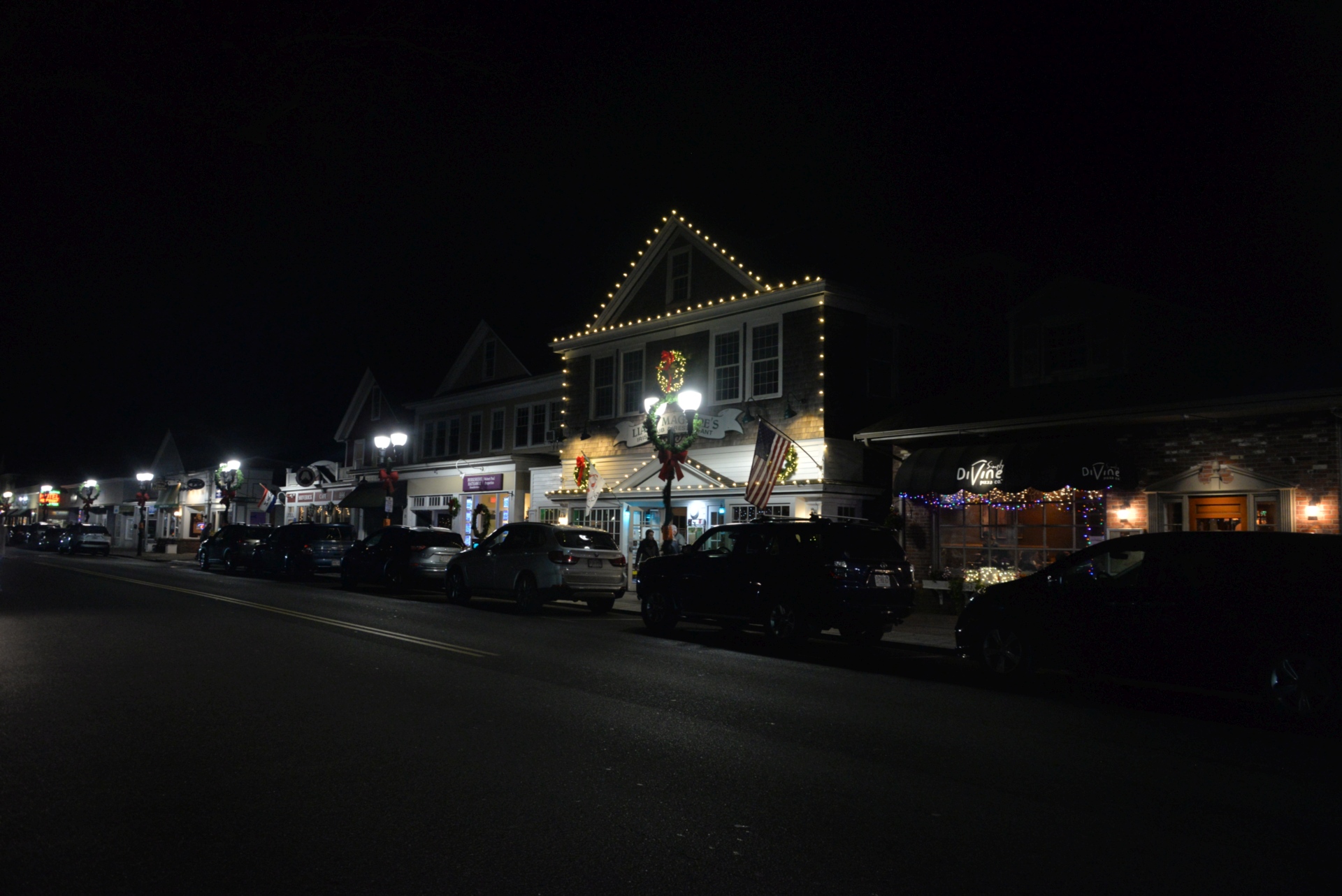
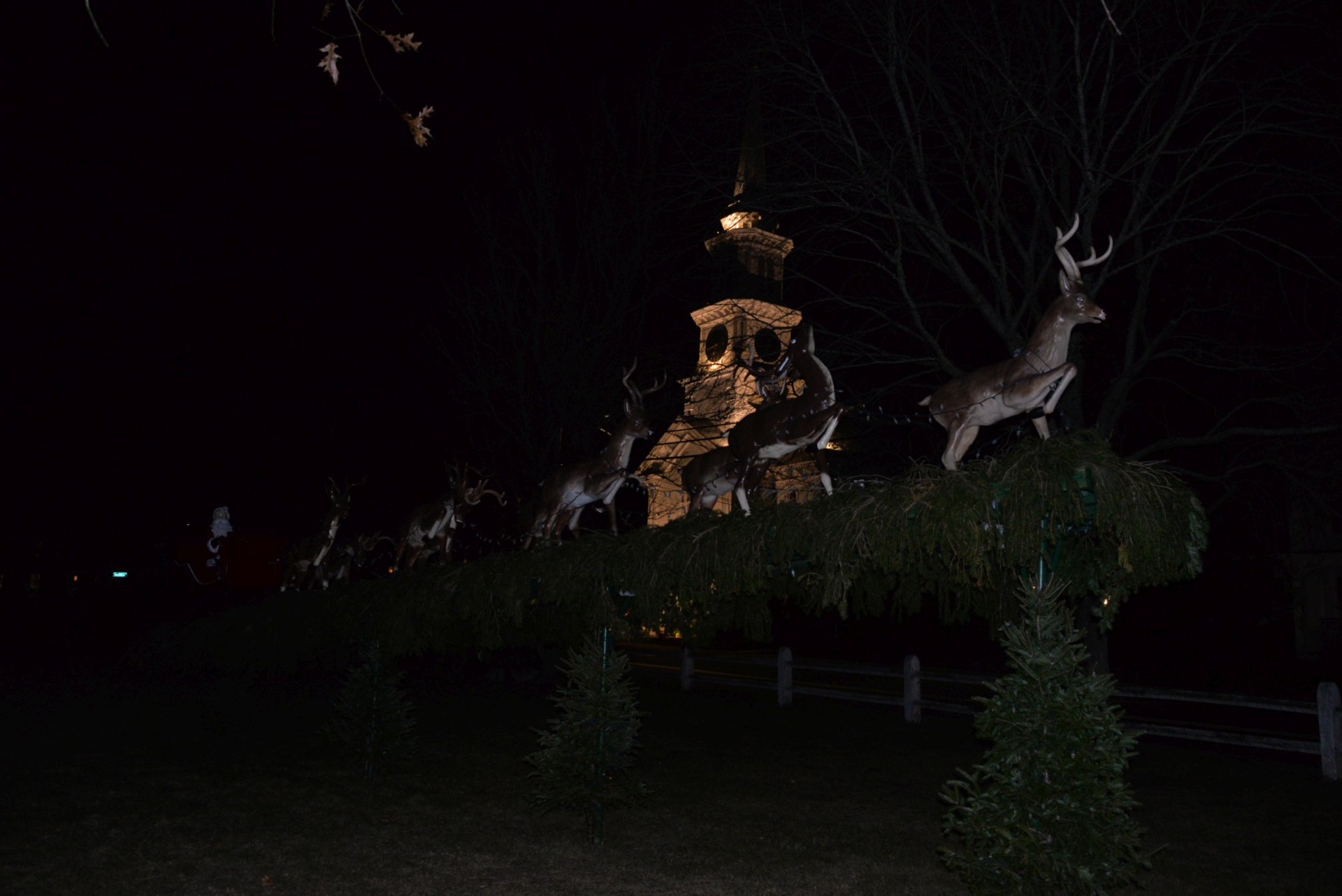
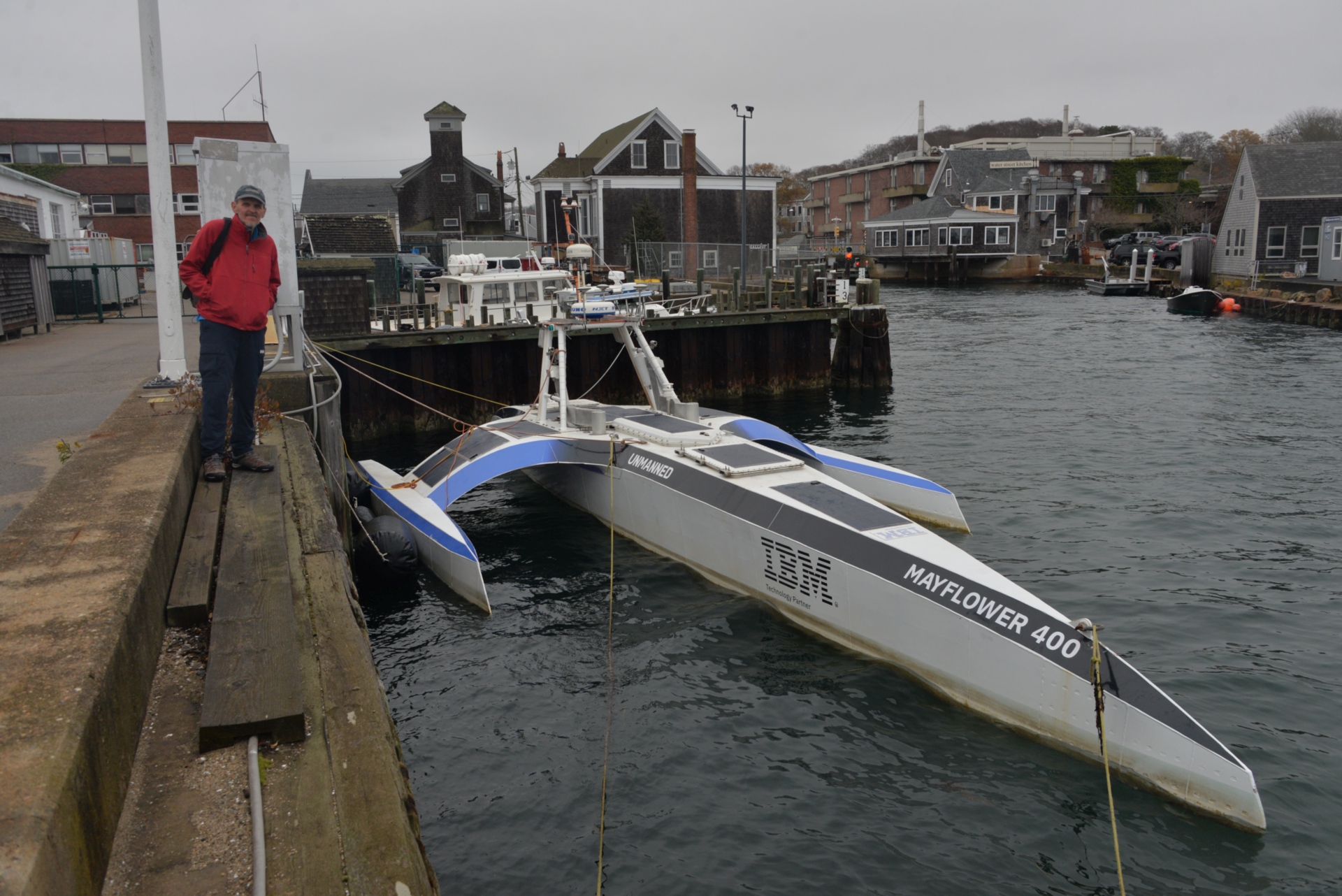
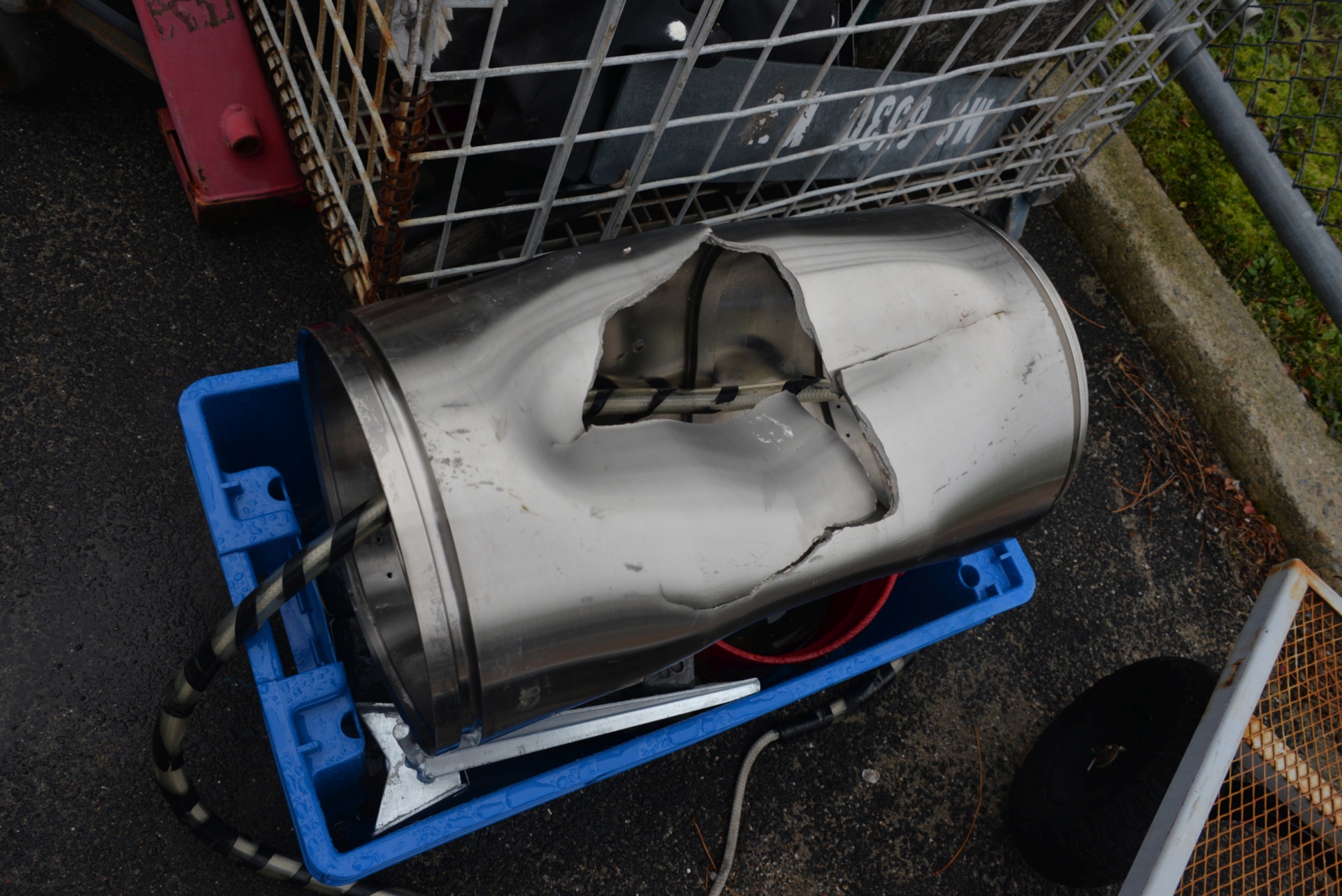
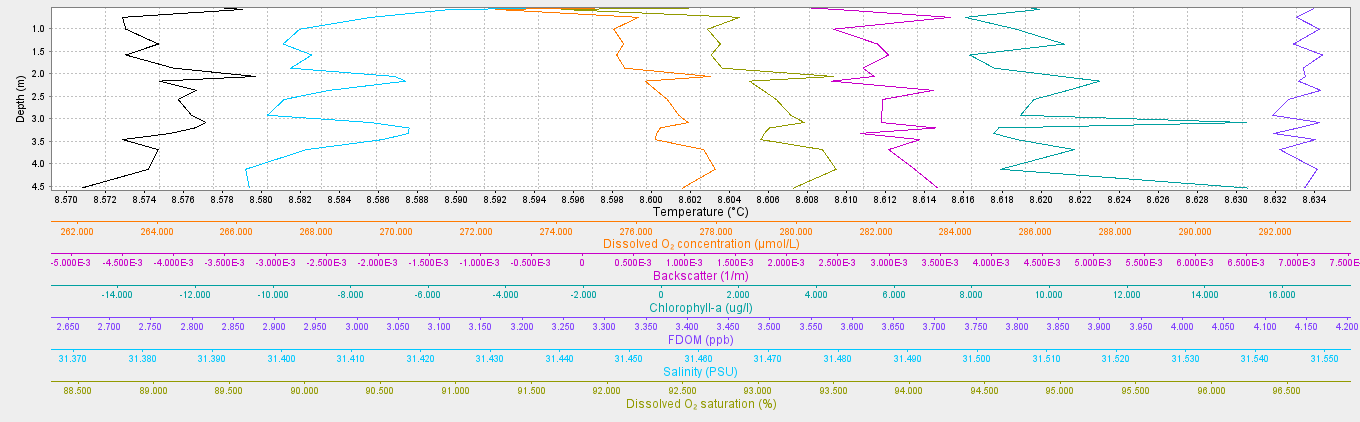
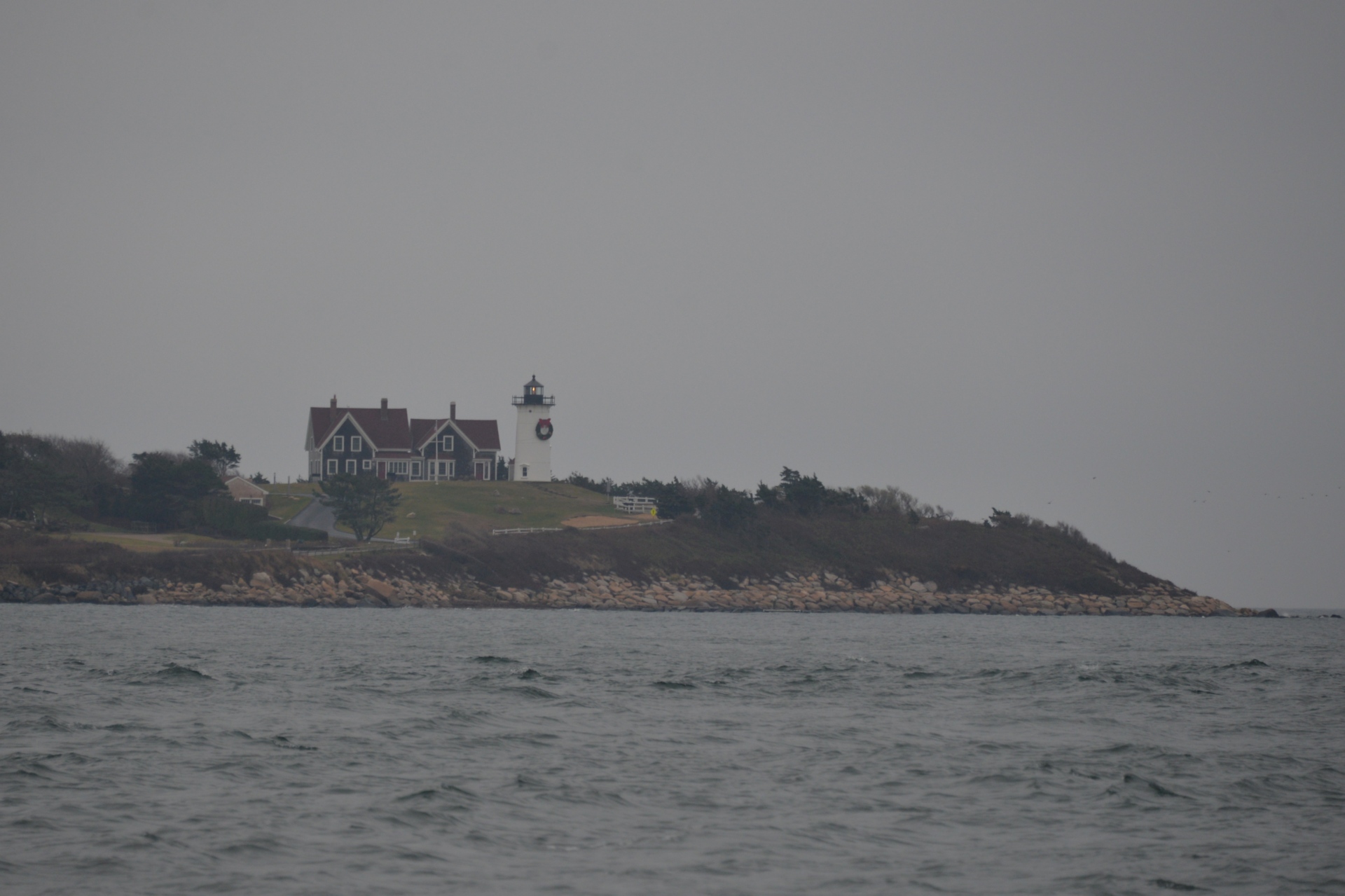
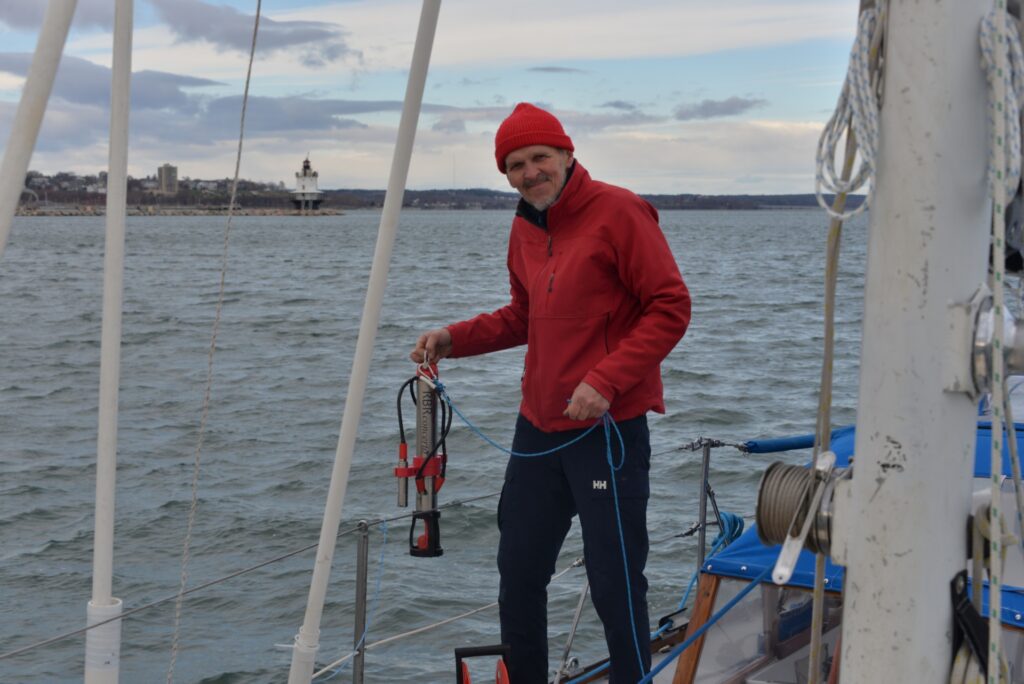
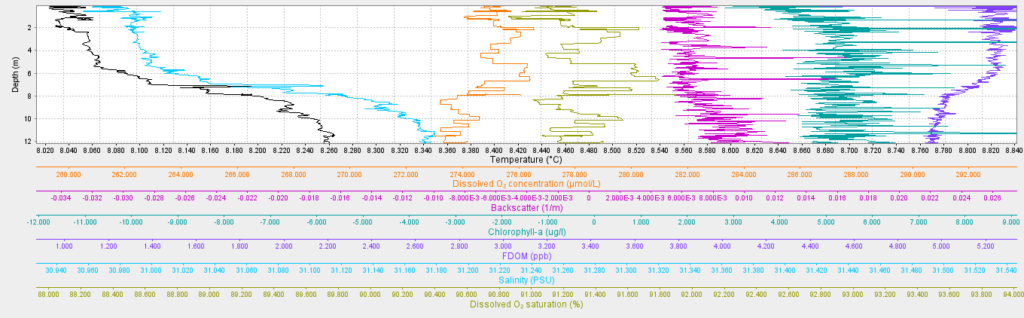
Arriving in Woods Hole – R/V Neil Armstrong docked in its home portDocked in the WHOI pierHolding REMUSWith ROV SentryWith NeptuneOld ALVIN’s cabinIn the old ALVIN’s cabinWHOI campusOld trees in the WHOI campus Nobska PointNobska Point Lighthouse in Christmas decorationFalmouth HouseFalmouth Main street in Christmas decorationsSanta arriving!Mayflower 400 Autonomous ShipCollapsed under pressure Ti-housingTank for testing floatsCTD cast at WHOI pierA plot of CTD cast dataCast offGoodbye, WHOI!Nobska Point Lighthouse from the sea
Our prolonged stay in Maine brought challenges with the progressively colder weather, with nighttime temperatures dropping to -8 degrees Celsius. This not only affected our living conditions on the yacht but also posed difficulties starting our engine. Navigating along the coast presented its own set of challenges, particularly in avoiding lobster traps. We found ourselves entangled with these traps a few times, struggling to free the keel from their clutches.
To tackle this, we decided to sail directly from Portland to Cape Cod—a 110-mile journey to the entrance of the Cape Cod Channel, feasible with a night passage. This marked our third night passage, and we felt seasoned in handling night watches. The weather was brisk, with winds reaching up to 20 knots. However, the waves posed a significant hurdle, with oncoming waves reaching up to 2 meters, turning our sailboat, laden with all its weight, into a mere toy on the waves.
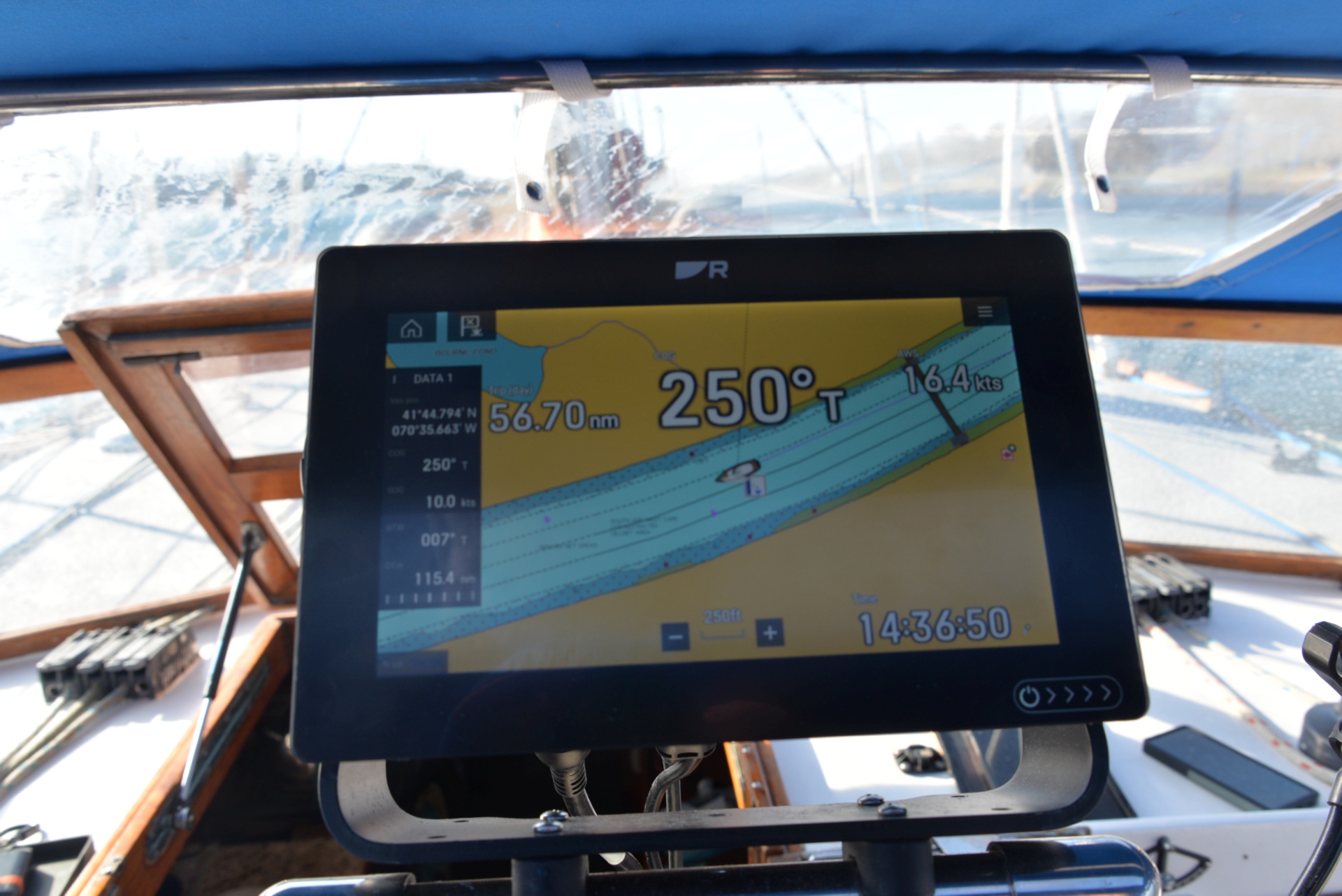
Dawn brought relief, and after a few more hours, we reached the eastern entrance to the Cape Cod Channel. Here, we had to wait for an hour for a favorable current. It’s noteworthy that the current in the channel, influenced by the tide, can reach speeds of up to 4 knots. Getting caught in a counter-current could drop the yacht’s speed to 2-3 knots, while a passing current could propel it to 10 knots.
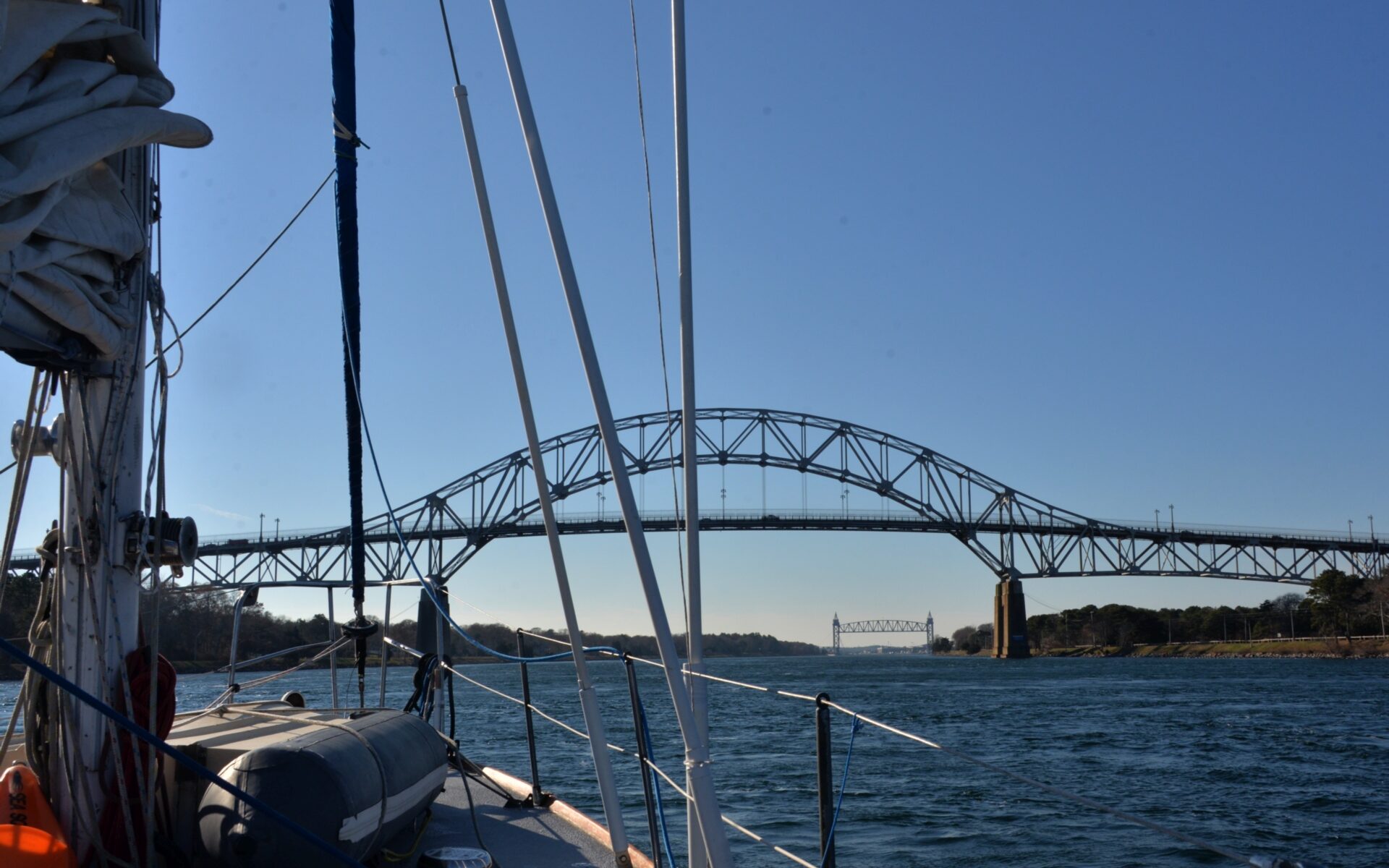
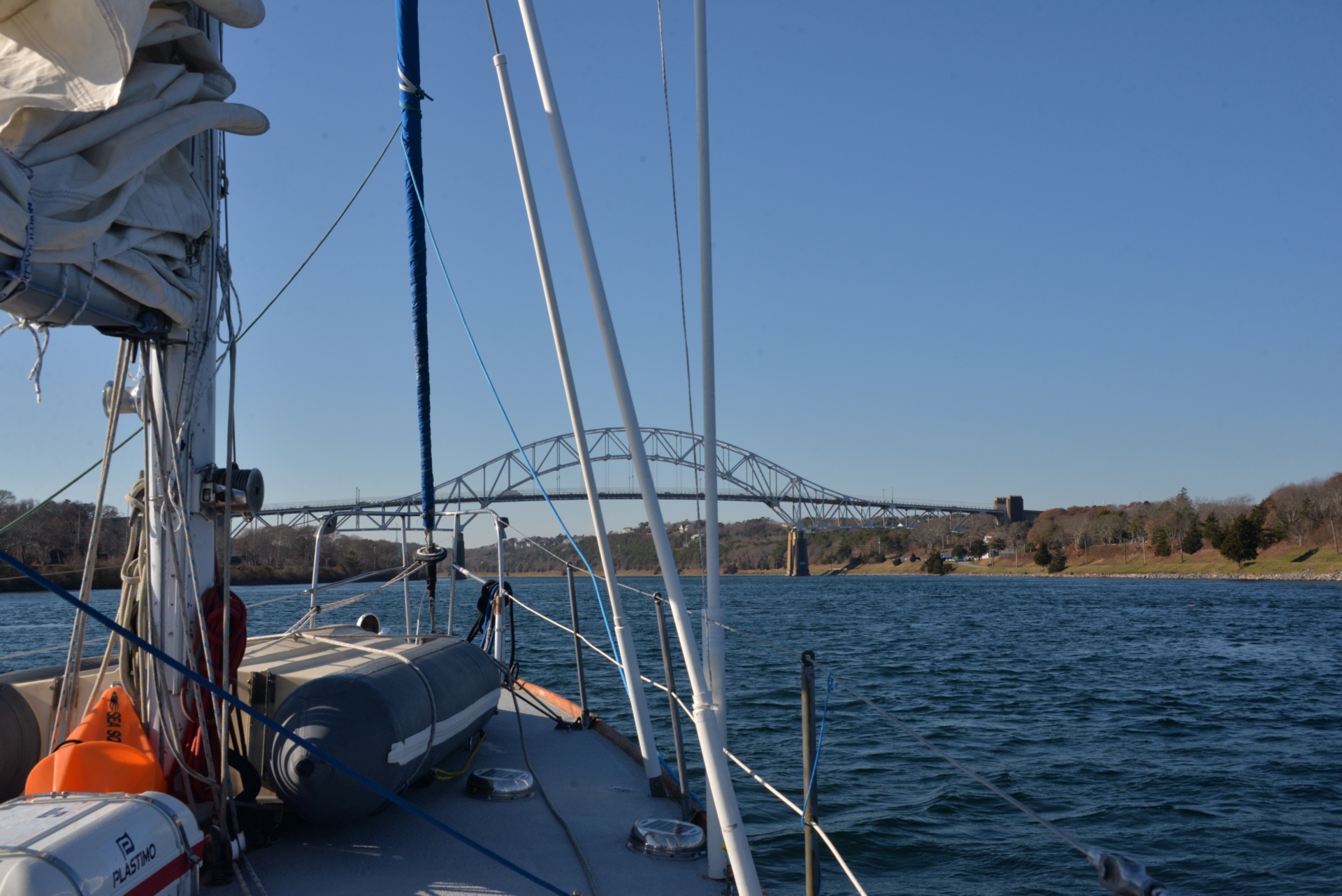
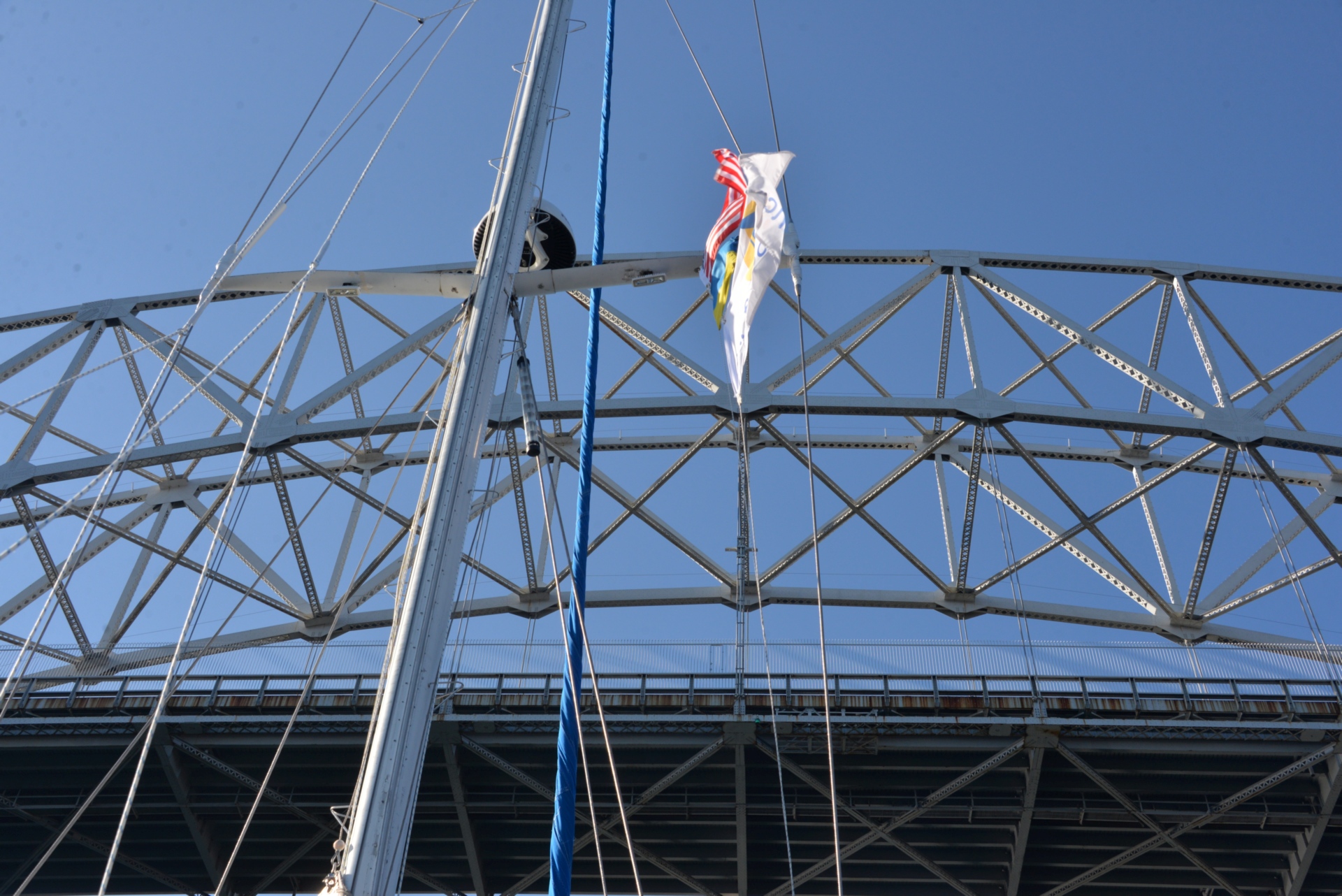
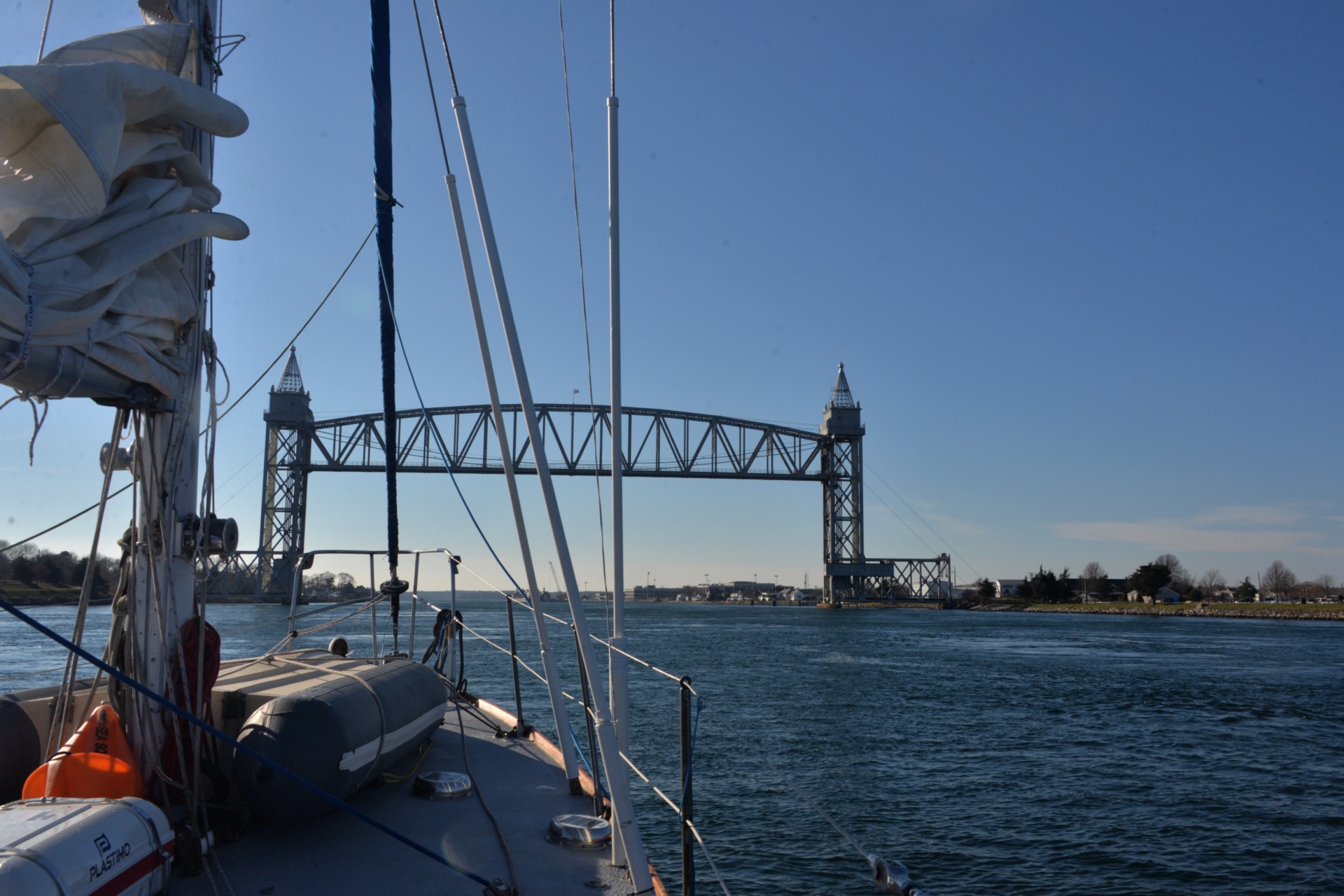
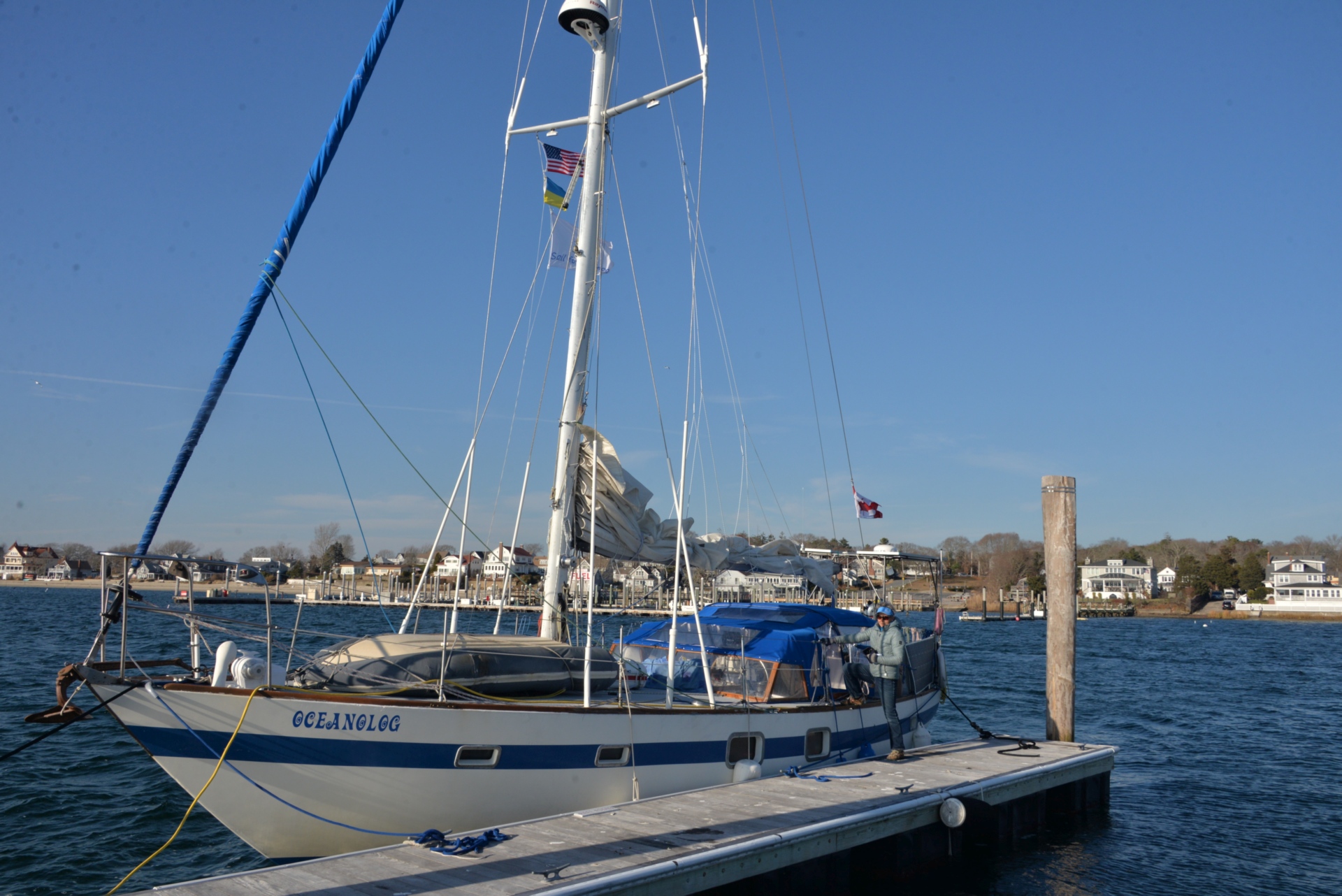
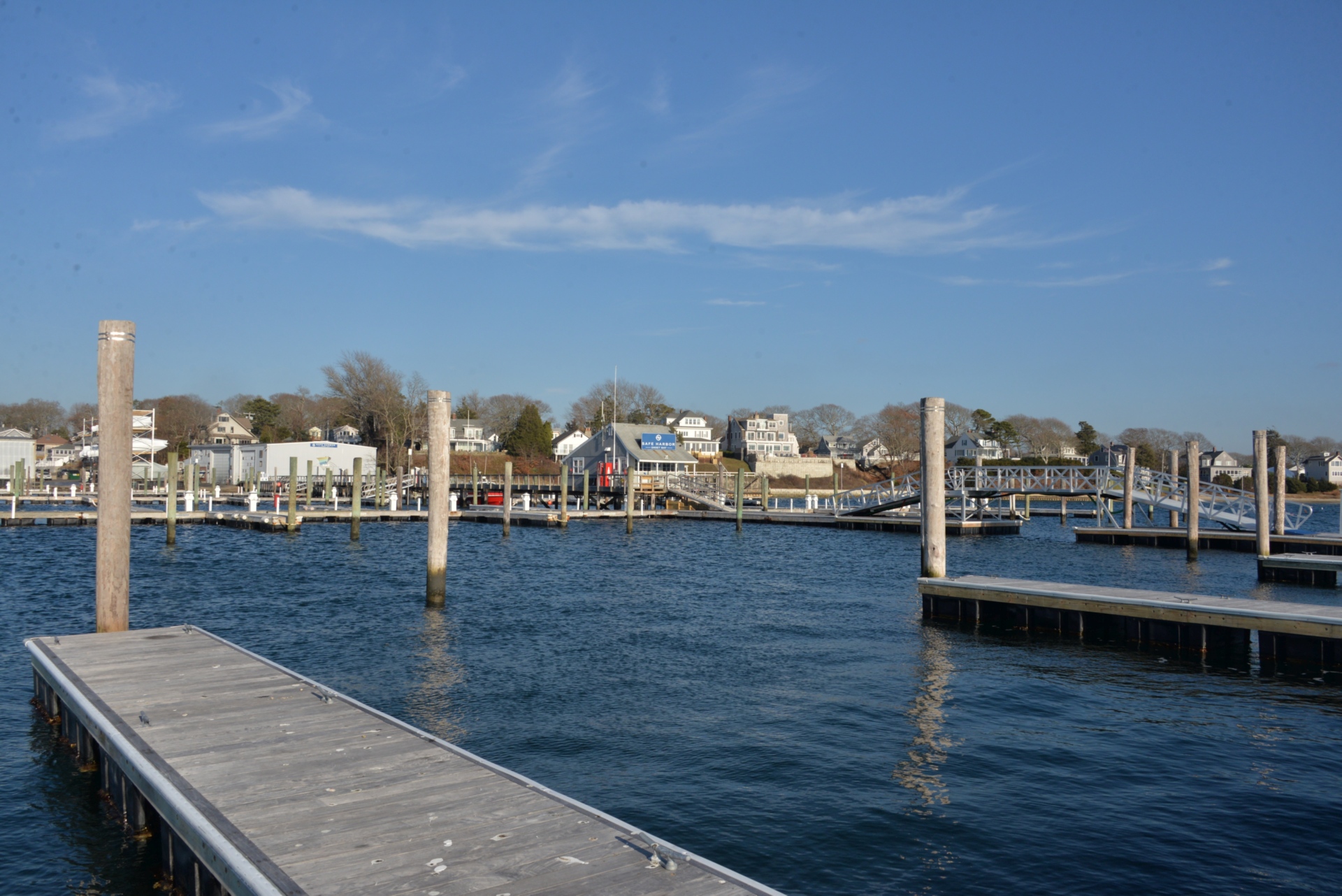
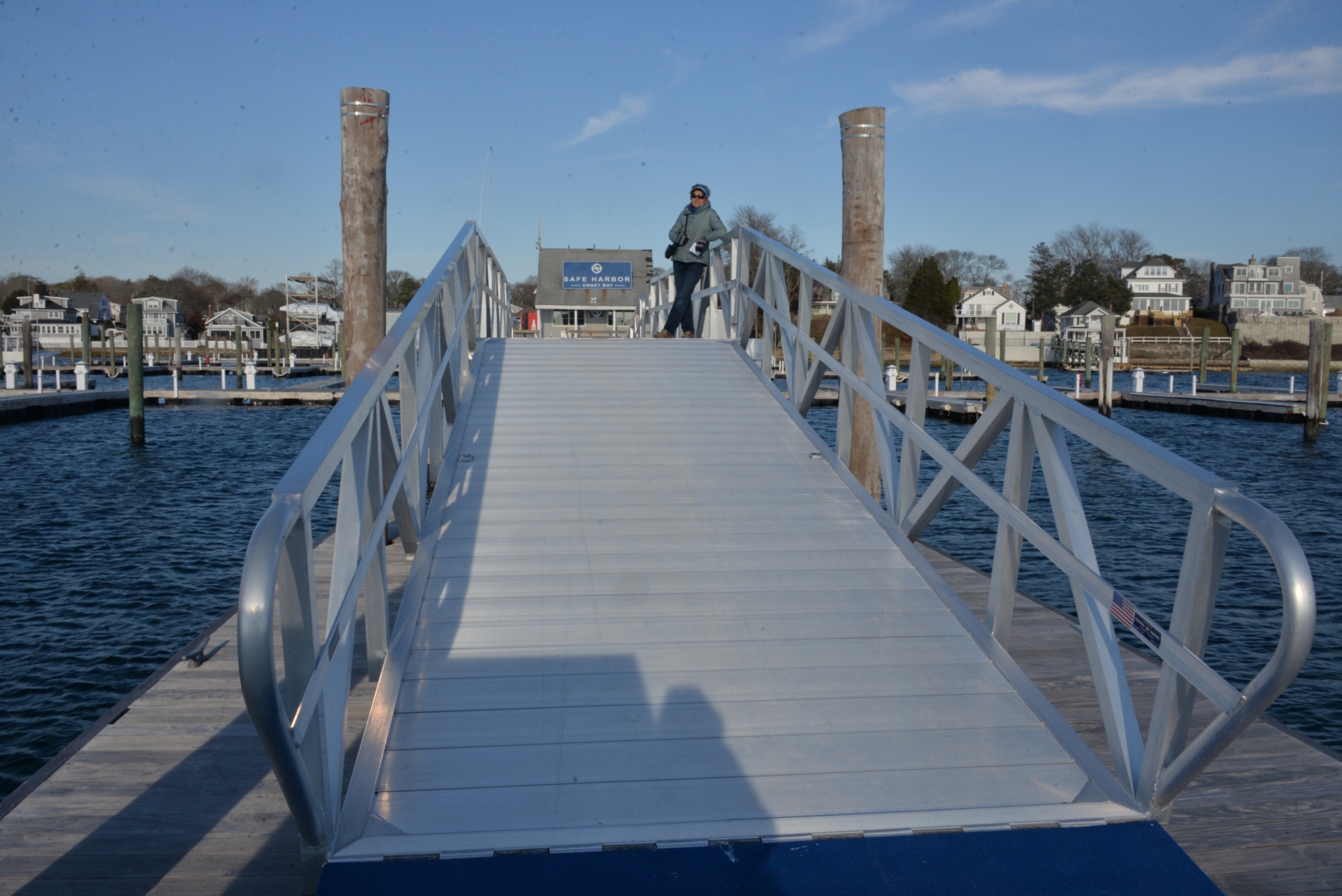
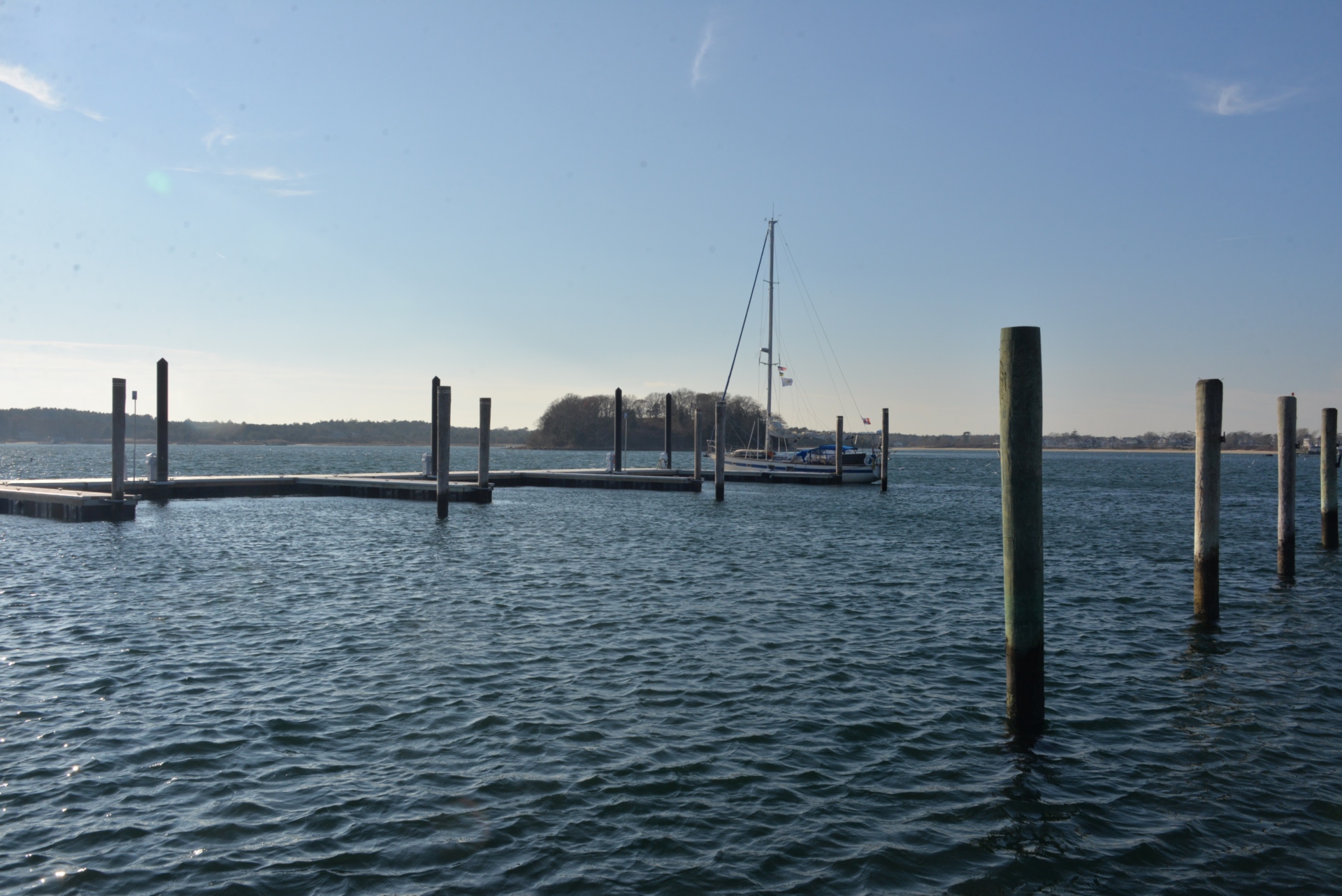
We navigated the canal at speeds of up to 10 knots, passing under two road bridges and one railway drawbridge. Exiting the canal, we reached Safe Harbor Onset Marina, where the staff warmly welcomed us to the deserted marina and even offered a free overnight stay on the dock! This marked a departure from our experiences in Maine marinas (we were in Massachusetts now!), perhaps because we didn’t encounter the fishing boats that filled the Maine marinas here.
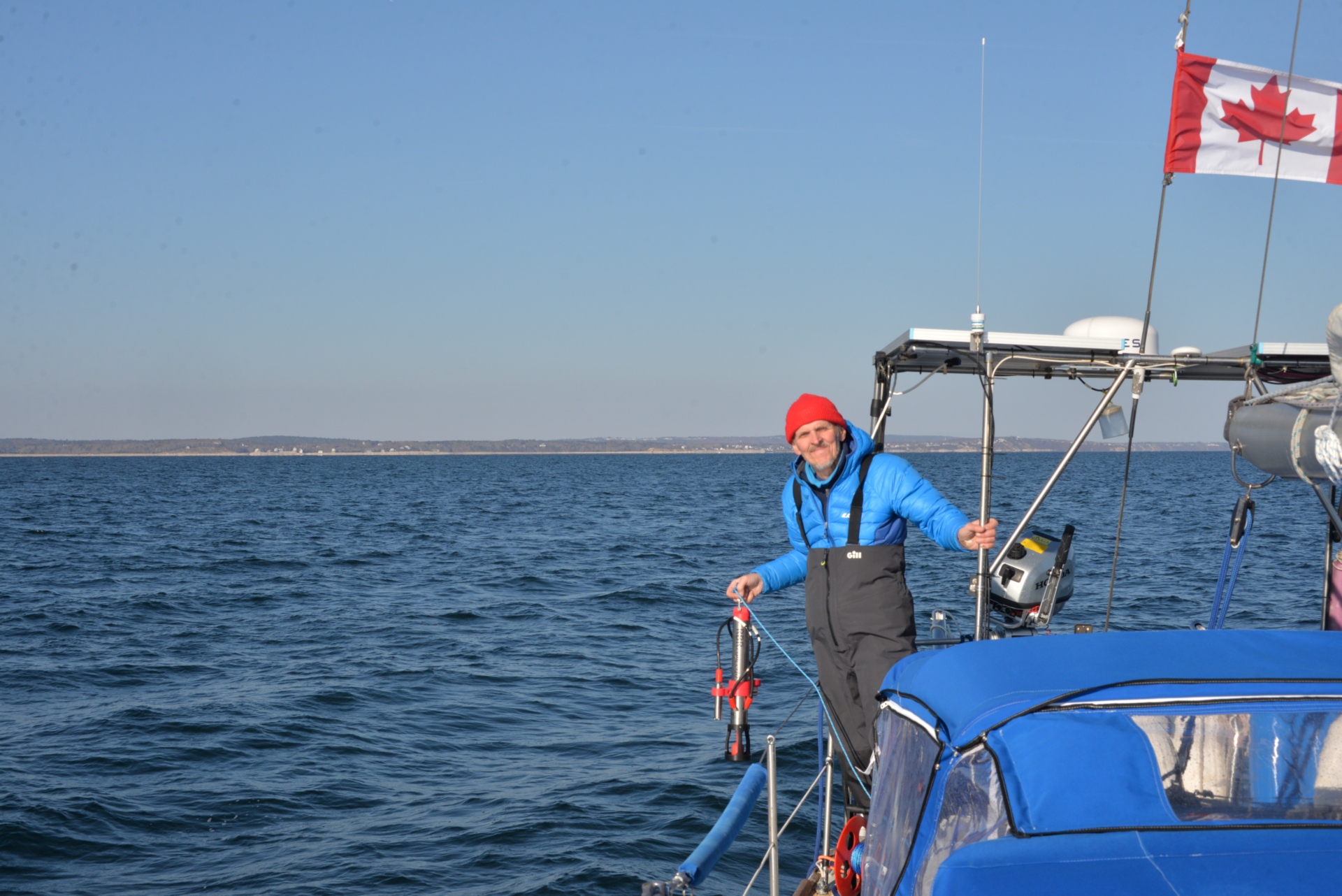
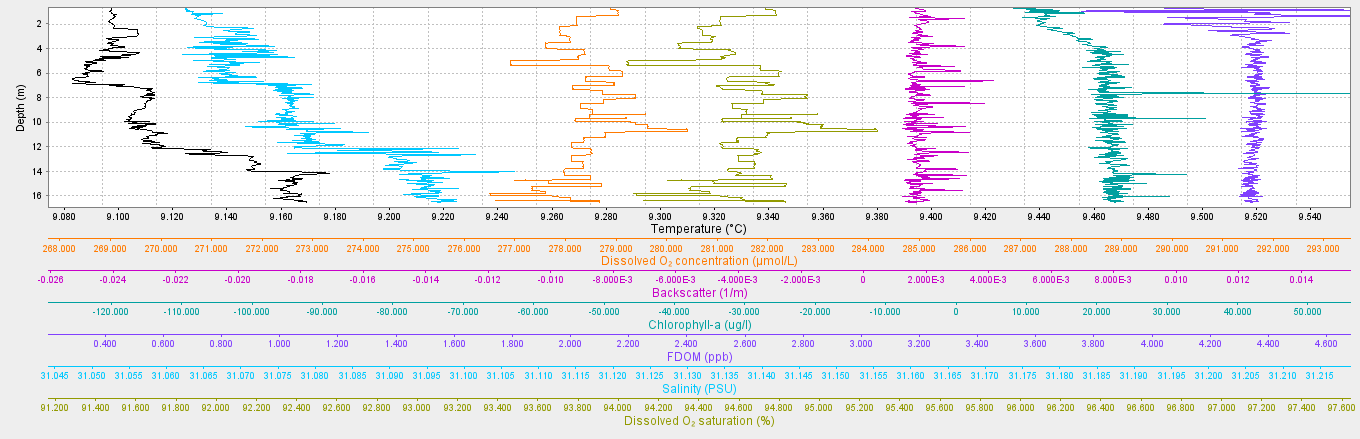
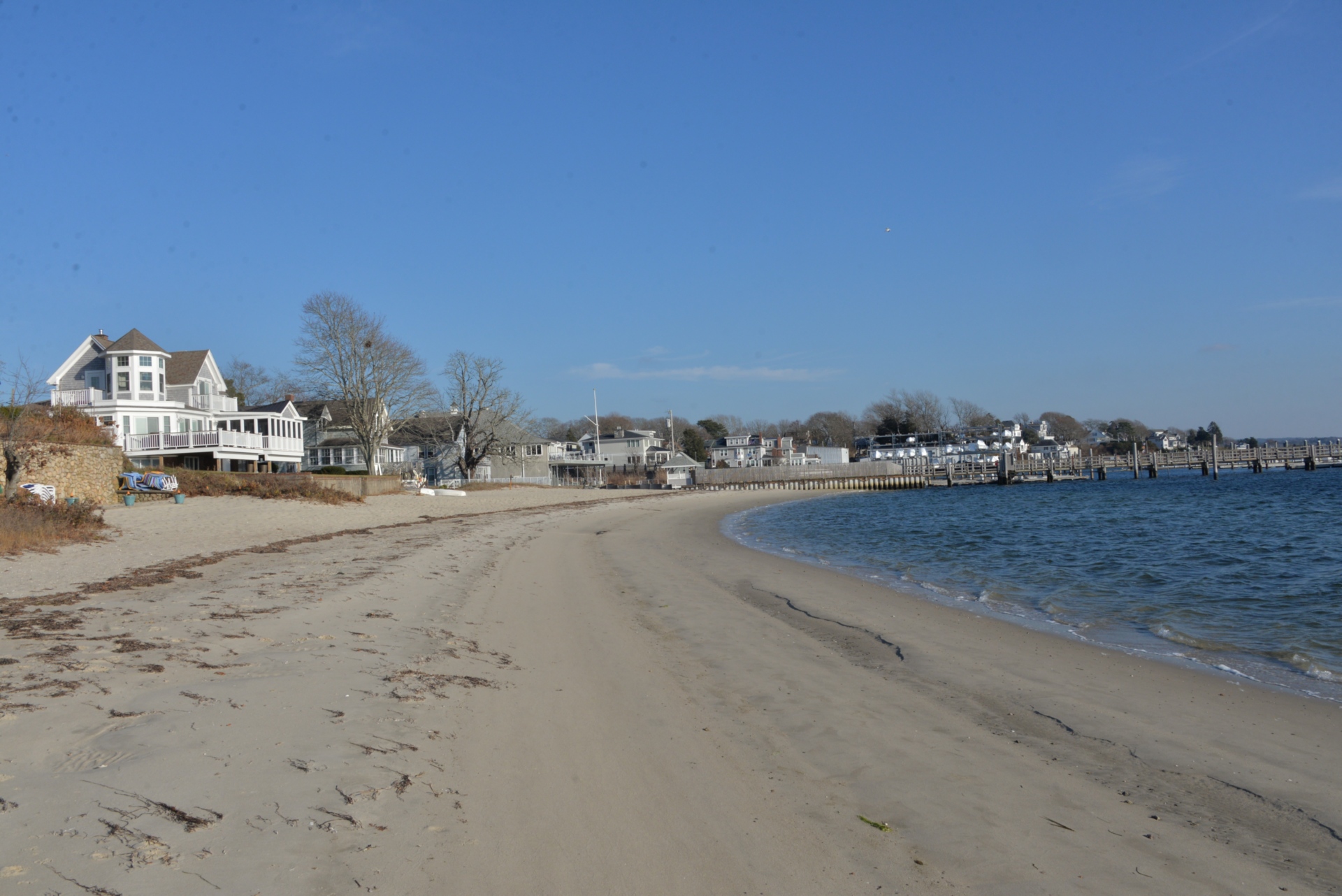
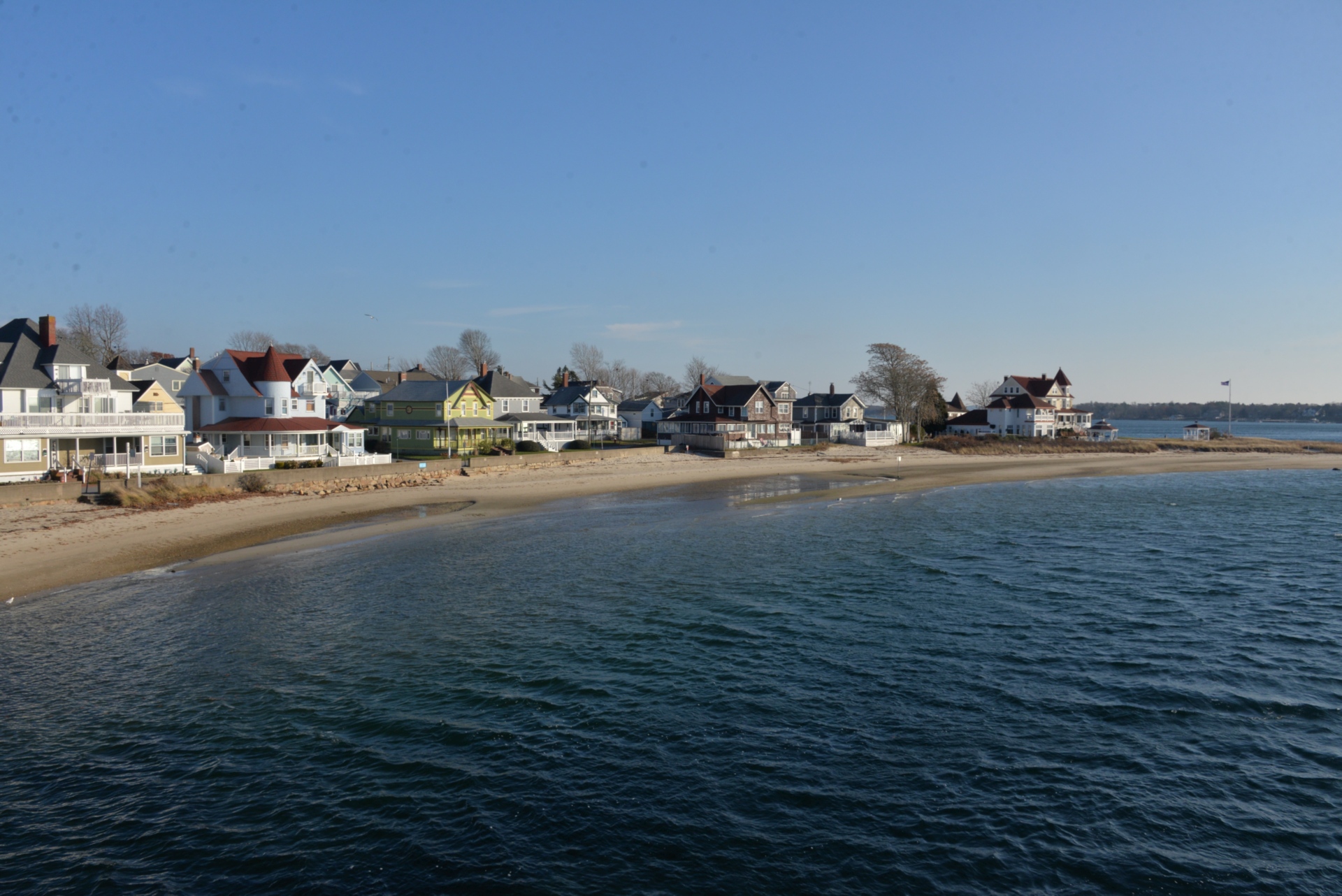
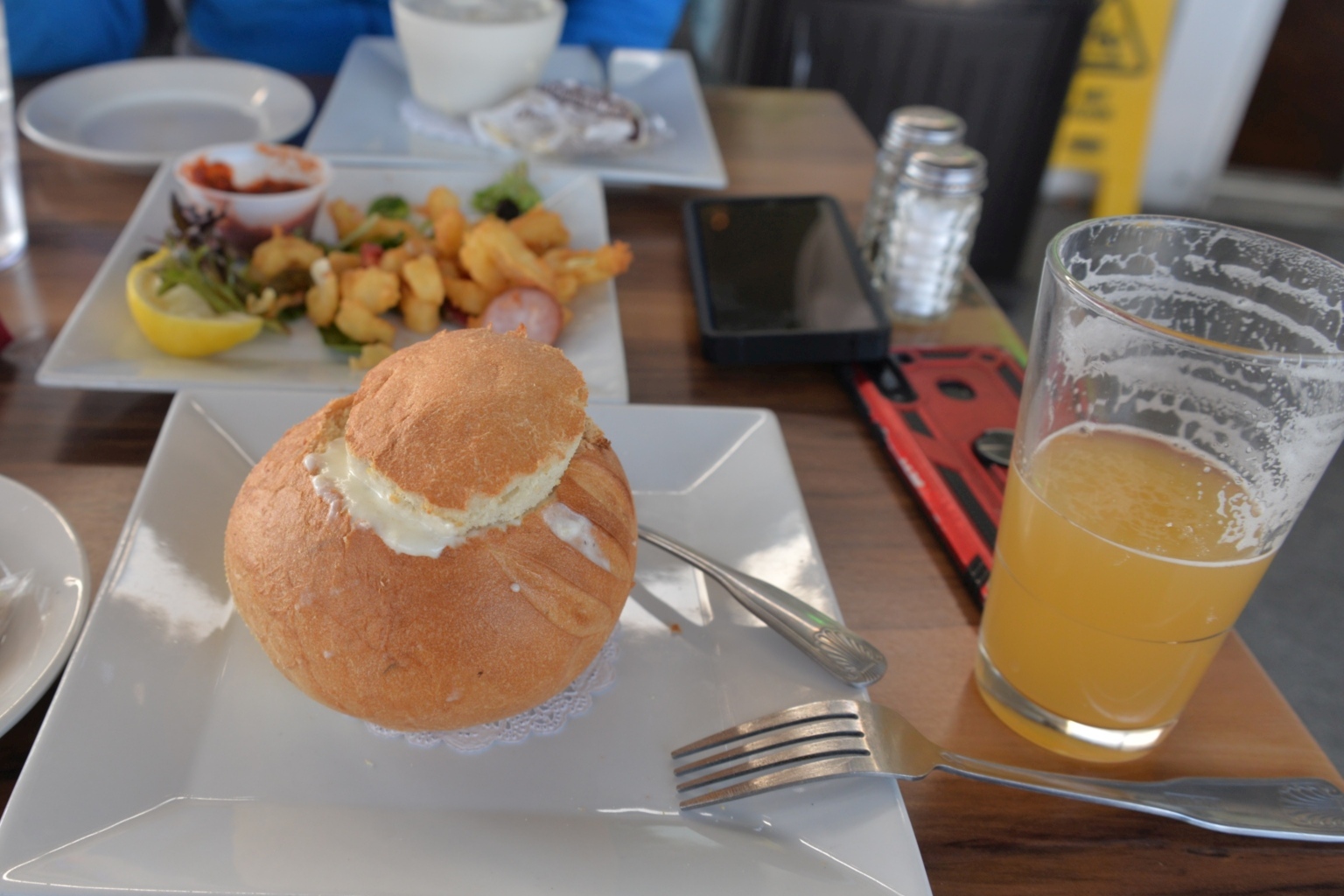
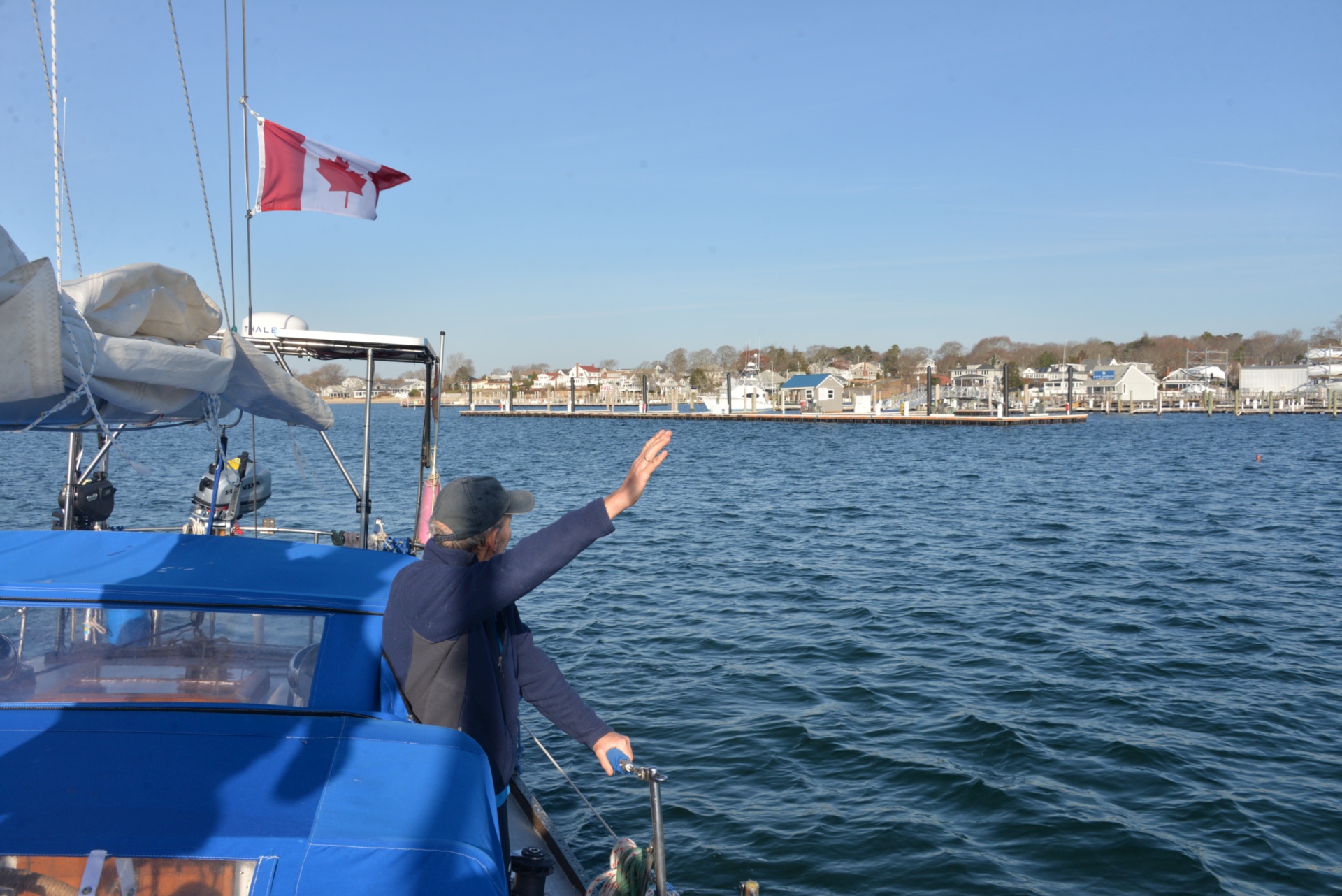
The village of Onset exemplifies a resort destination, boasting splendid new marinas, sandy beaches, waterfront parks, and seafood restaurants. We dined at Stonebridge, relishing clamp chowders for lunch while engaging in pleasant conversation with the friendly waitress and another boater who had just arrived on his motorboat – it looked like we were the only visitors in the village. The next morning, we bid farewell to the hospitable Onset, greeting the dawn and setting sail while conducting CTD cast in the bay.
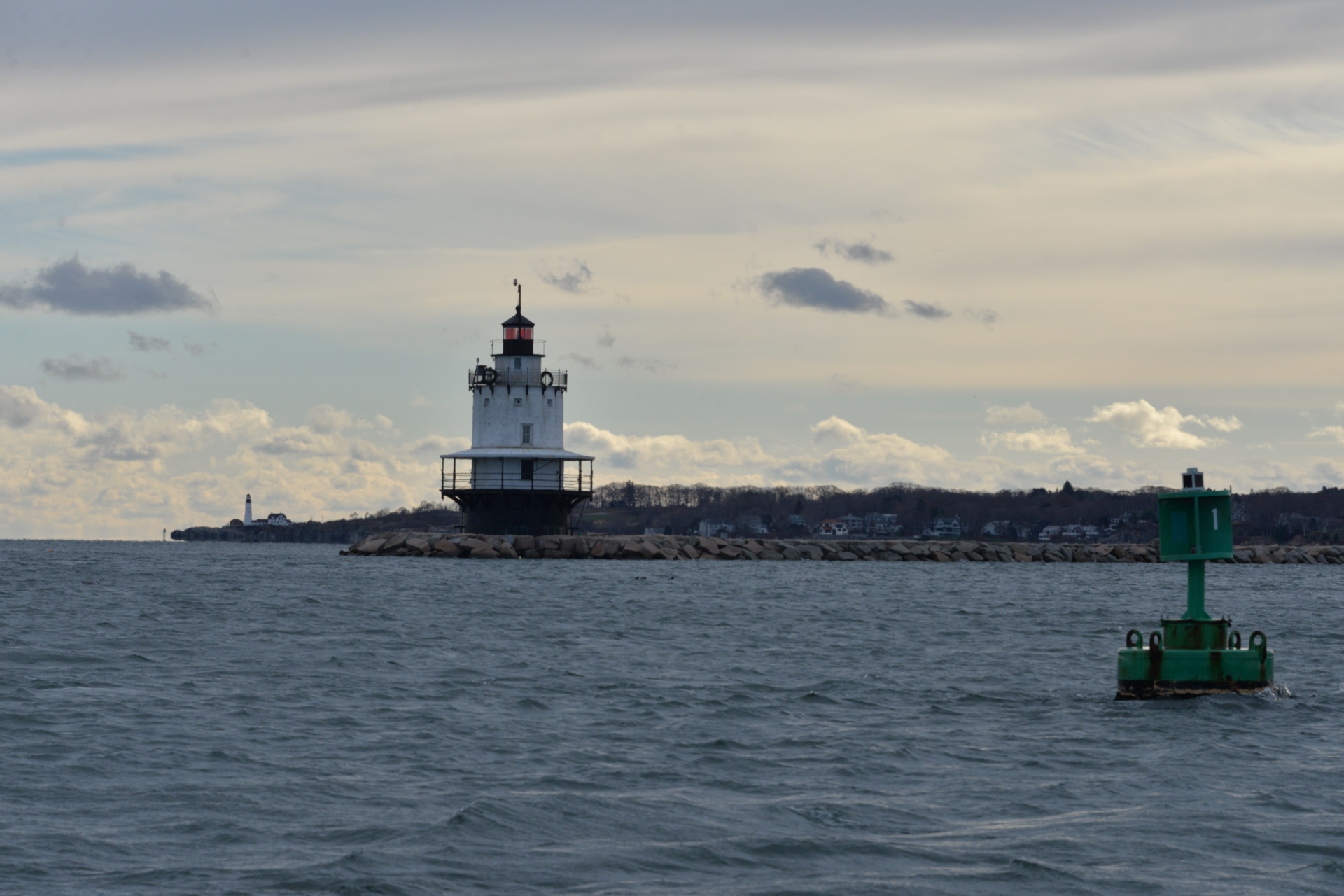
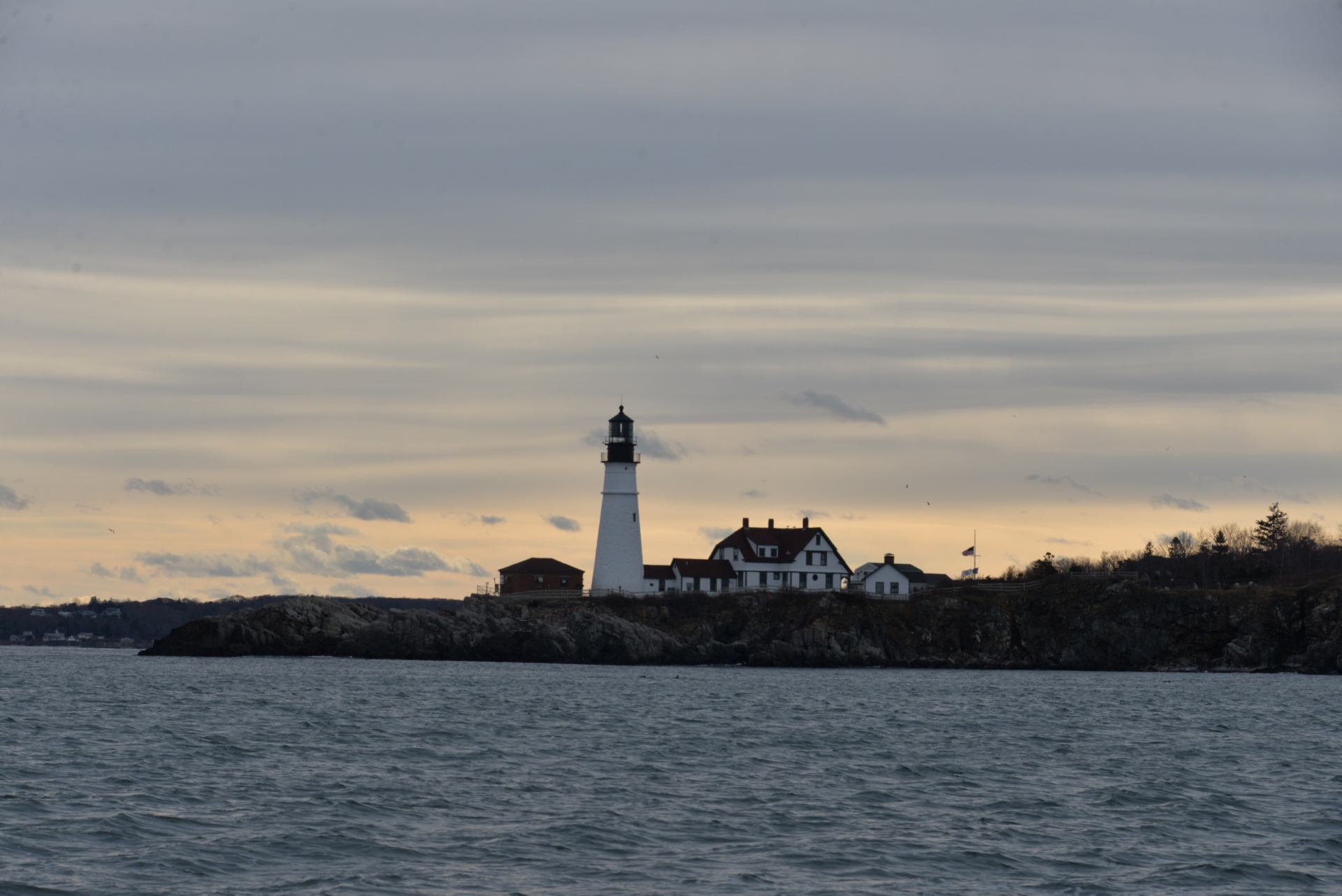
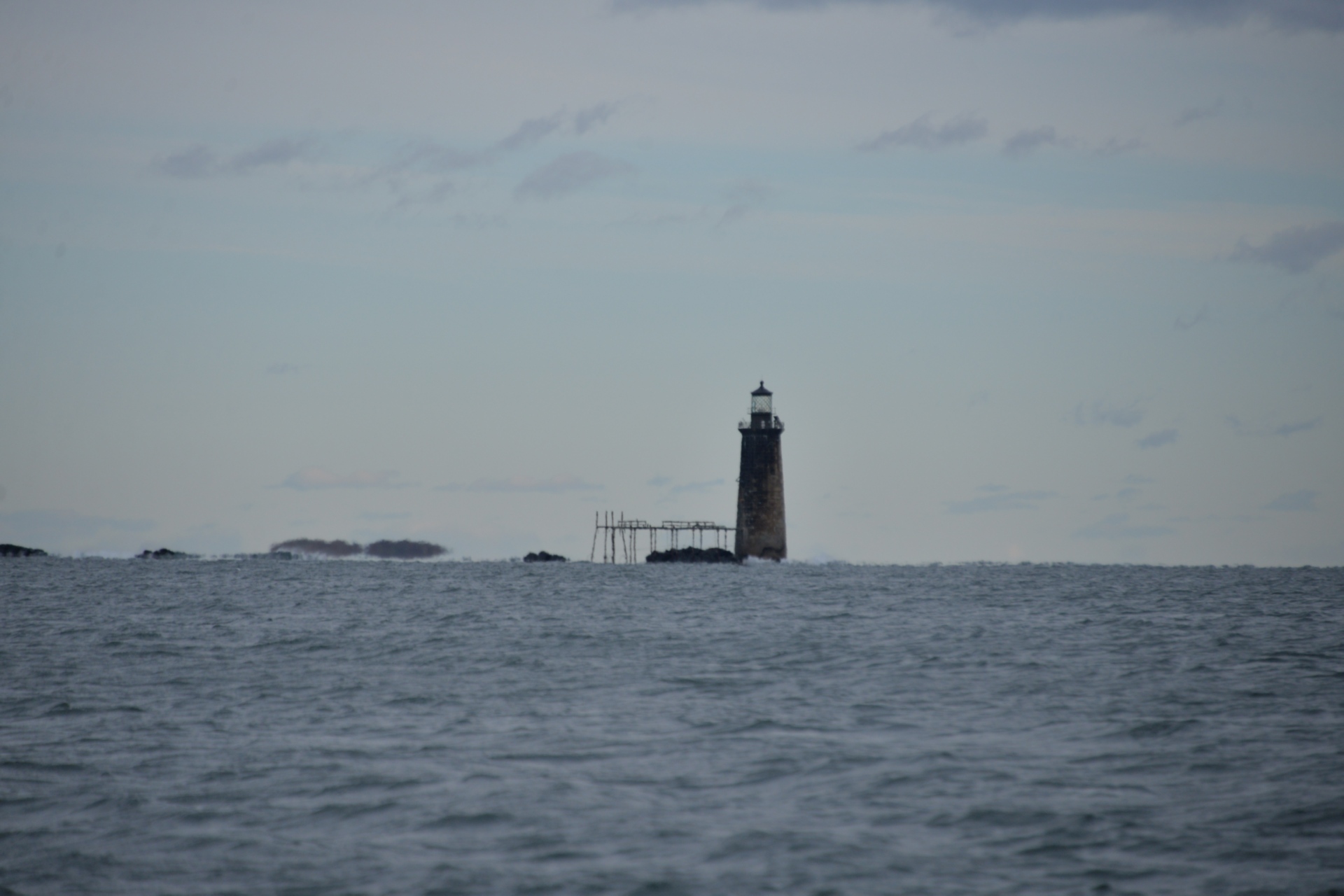
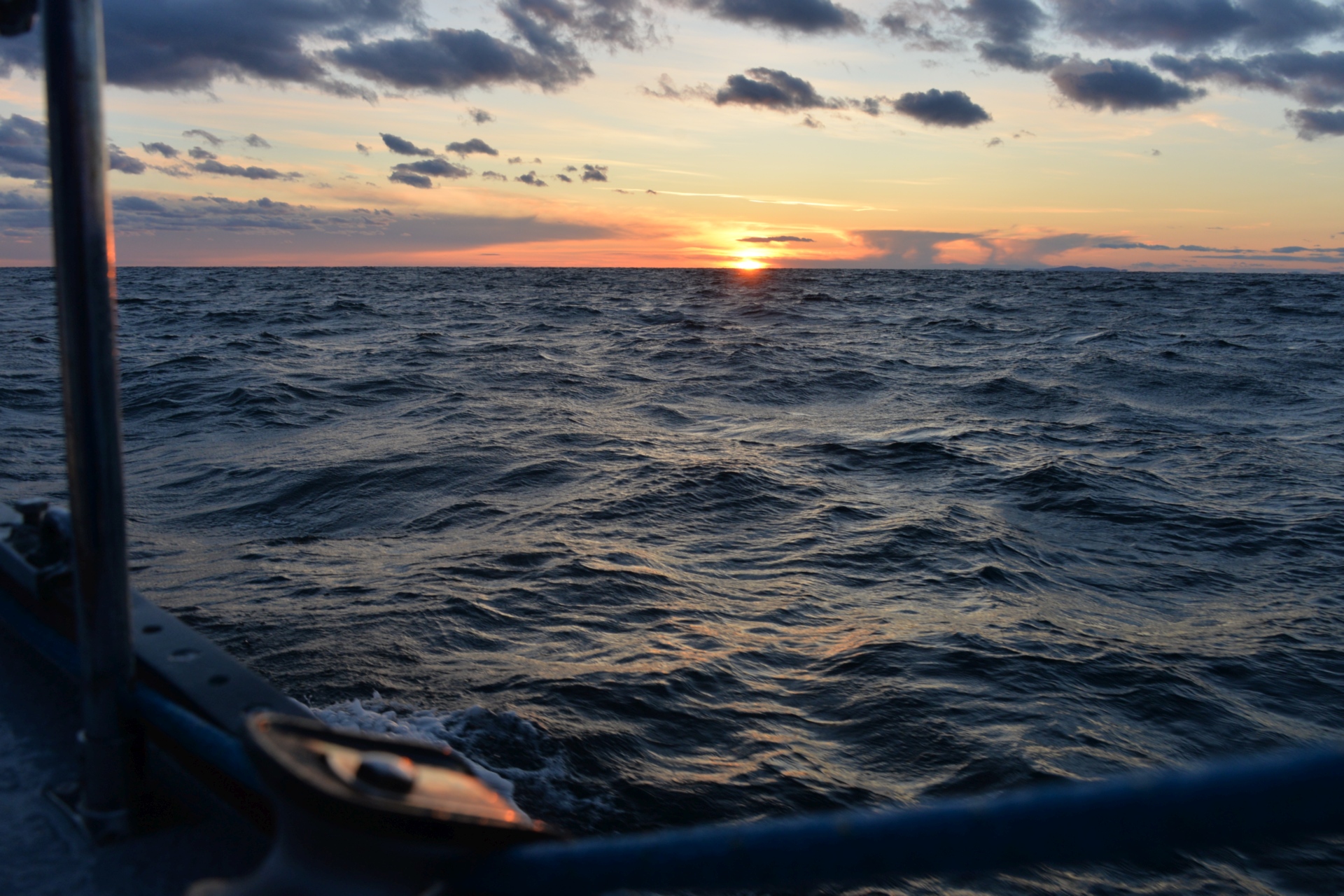
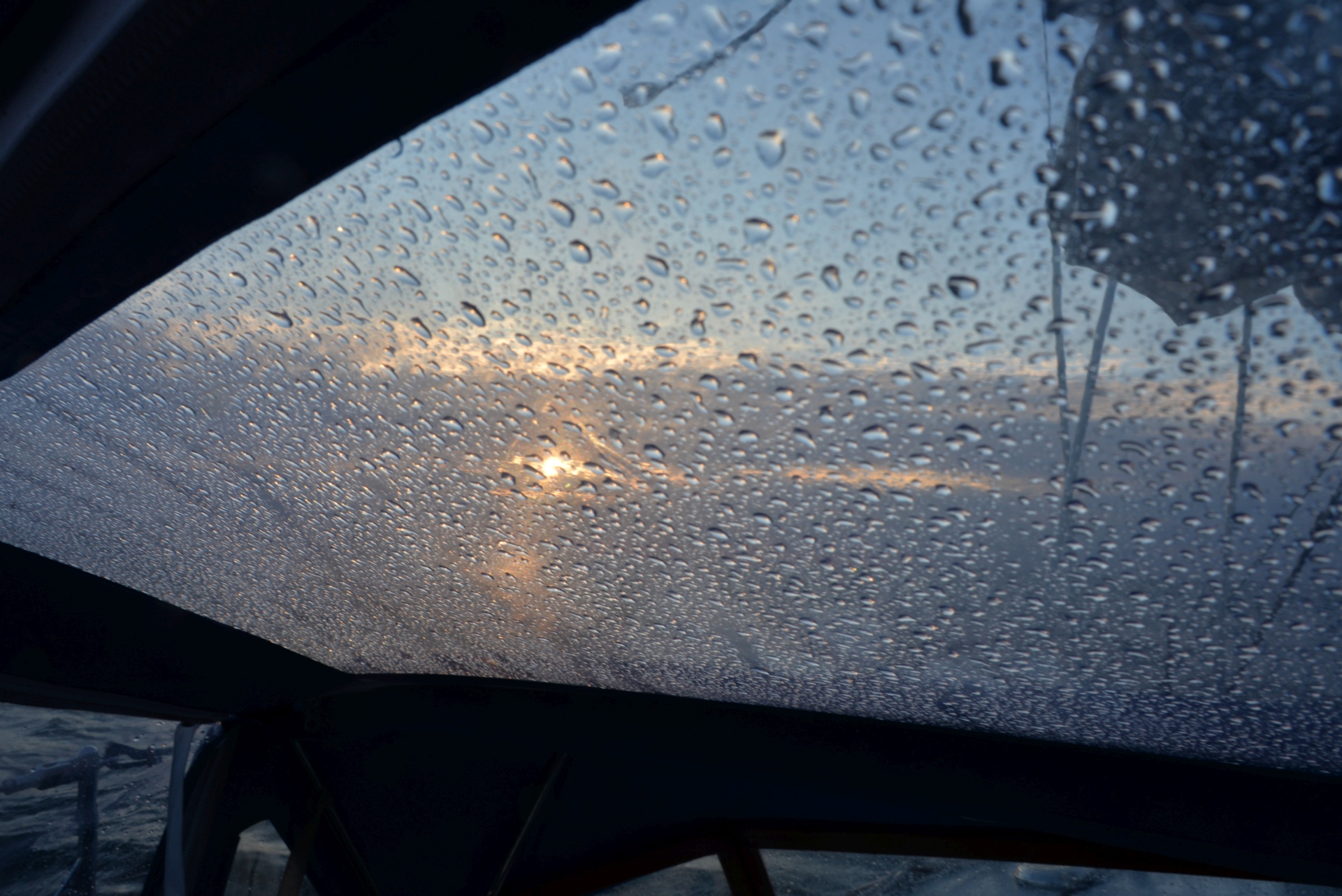
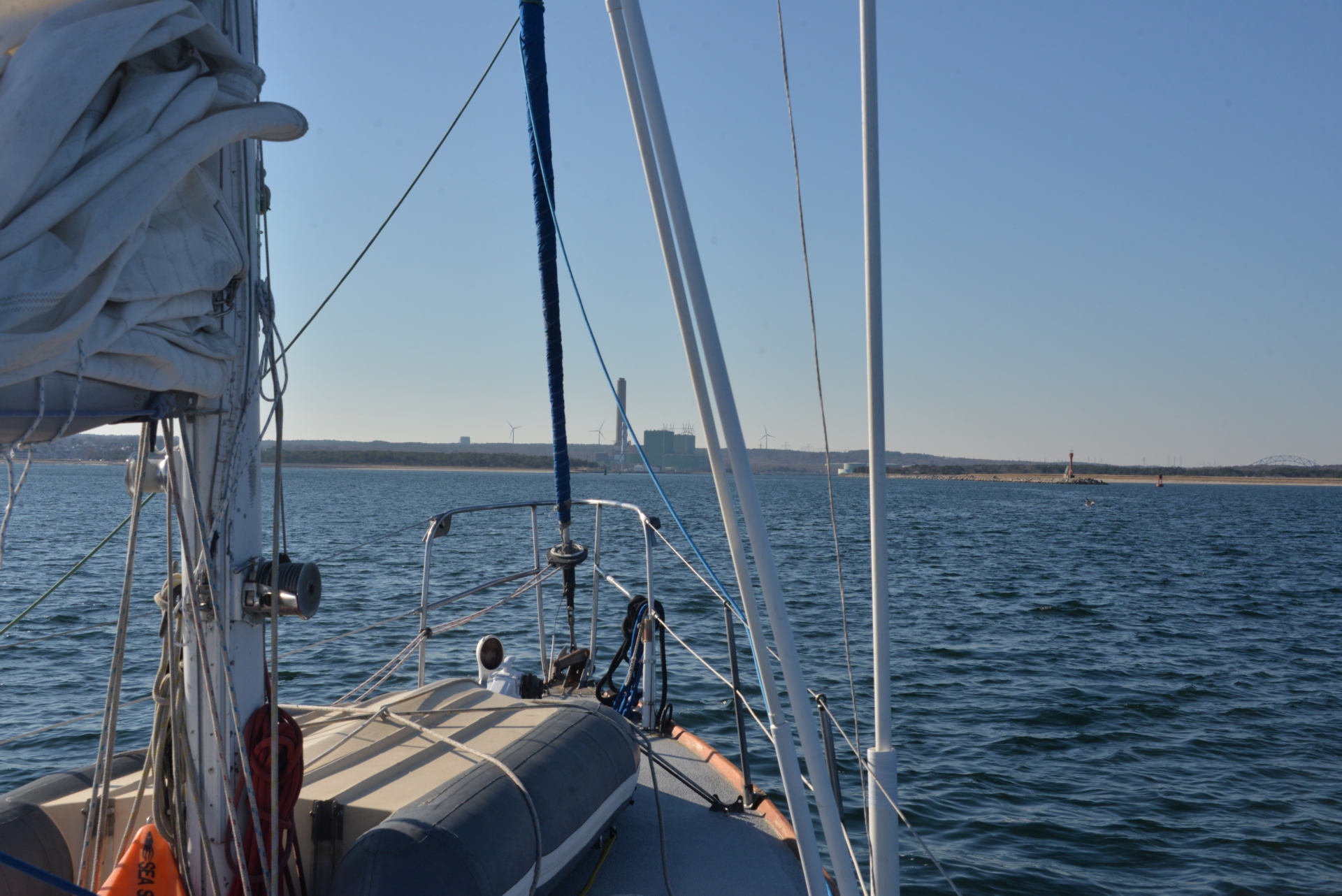
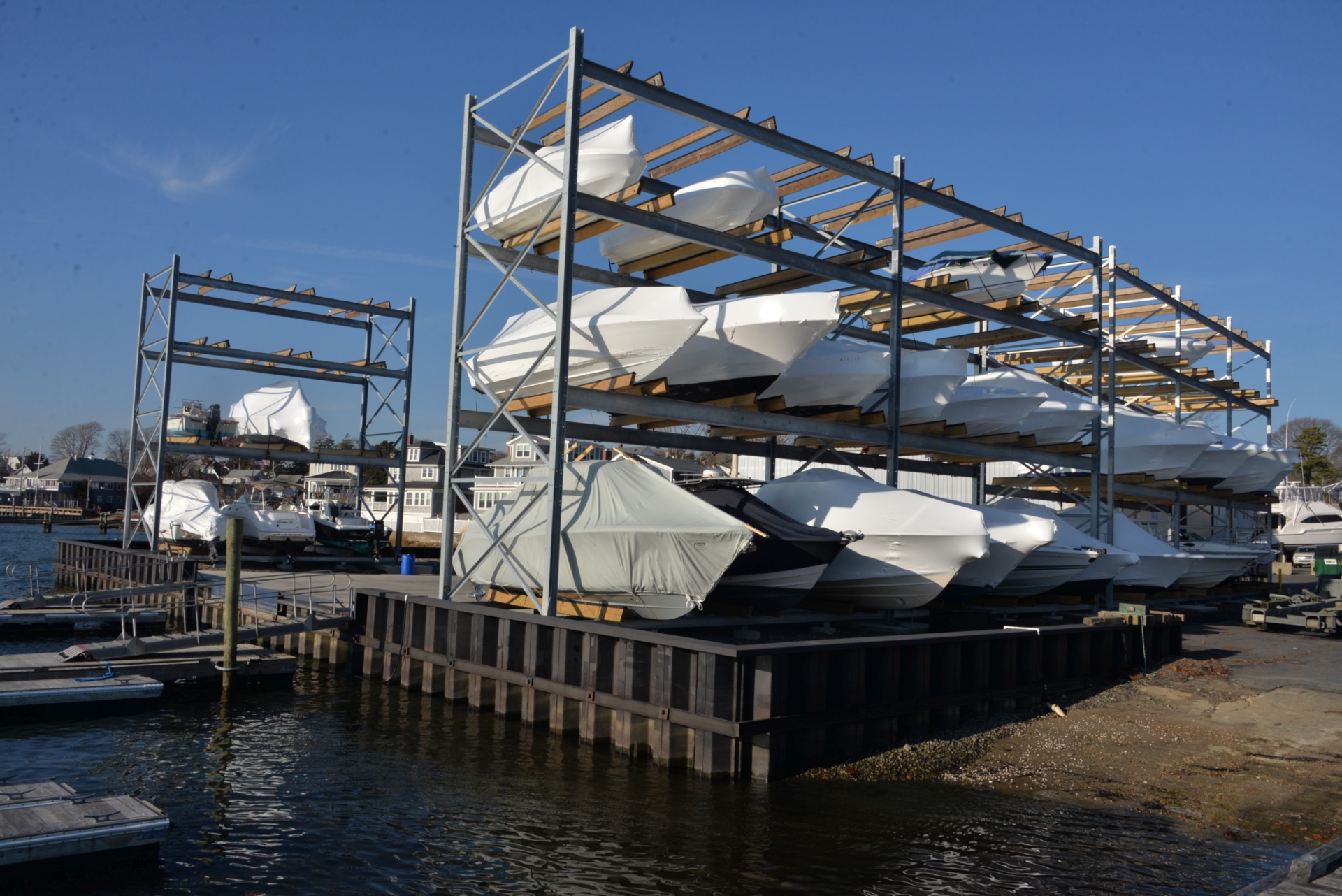
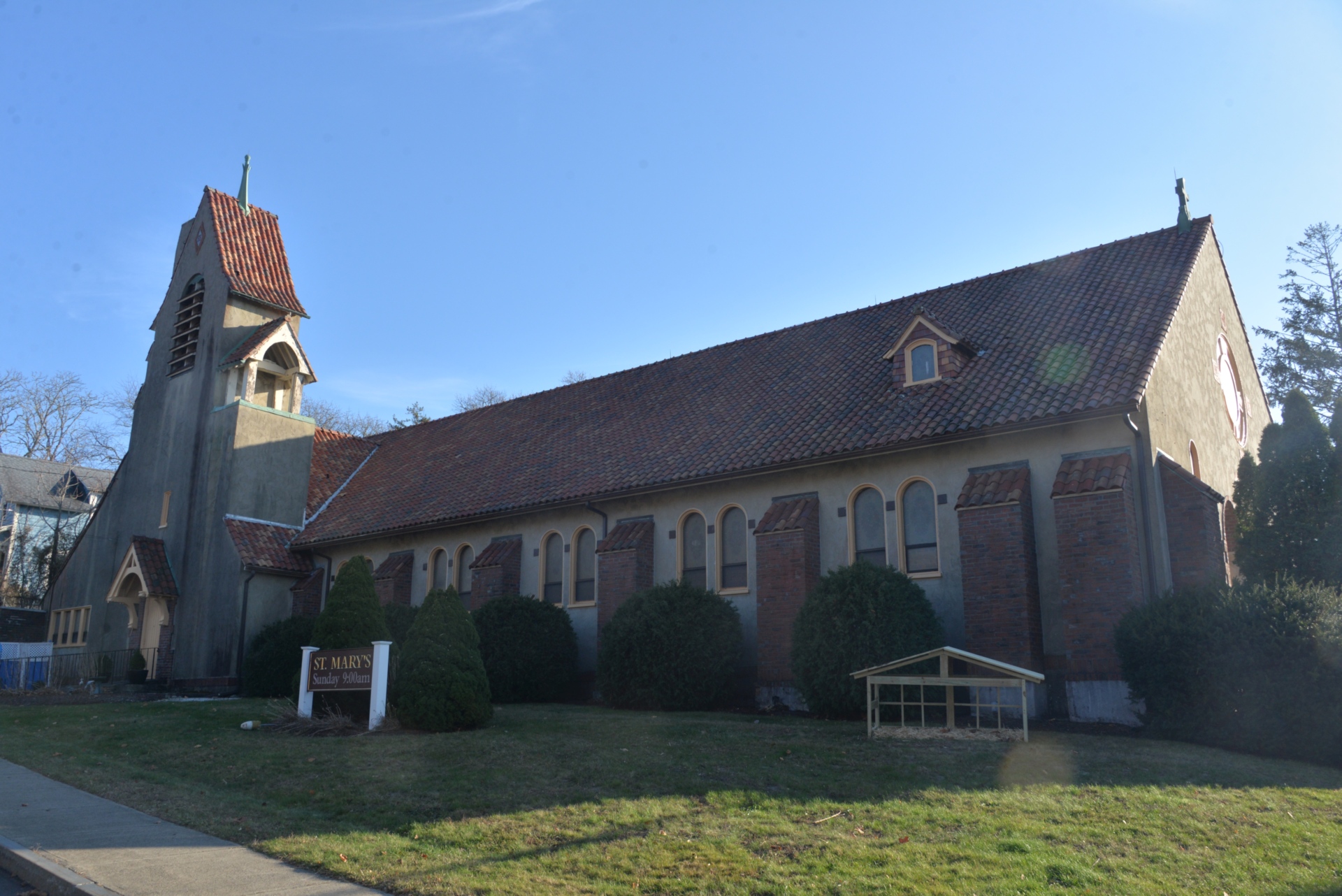
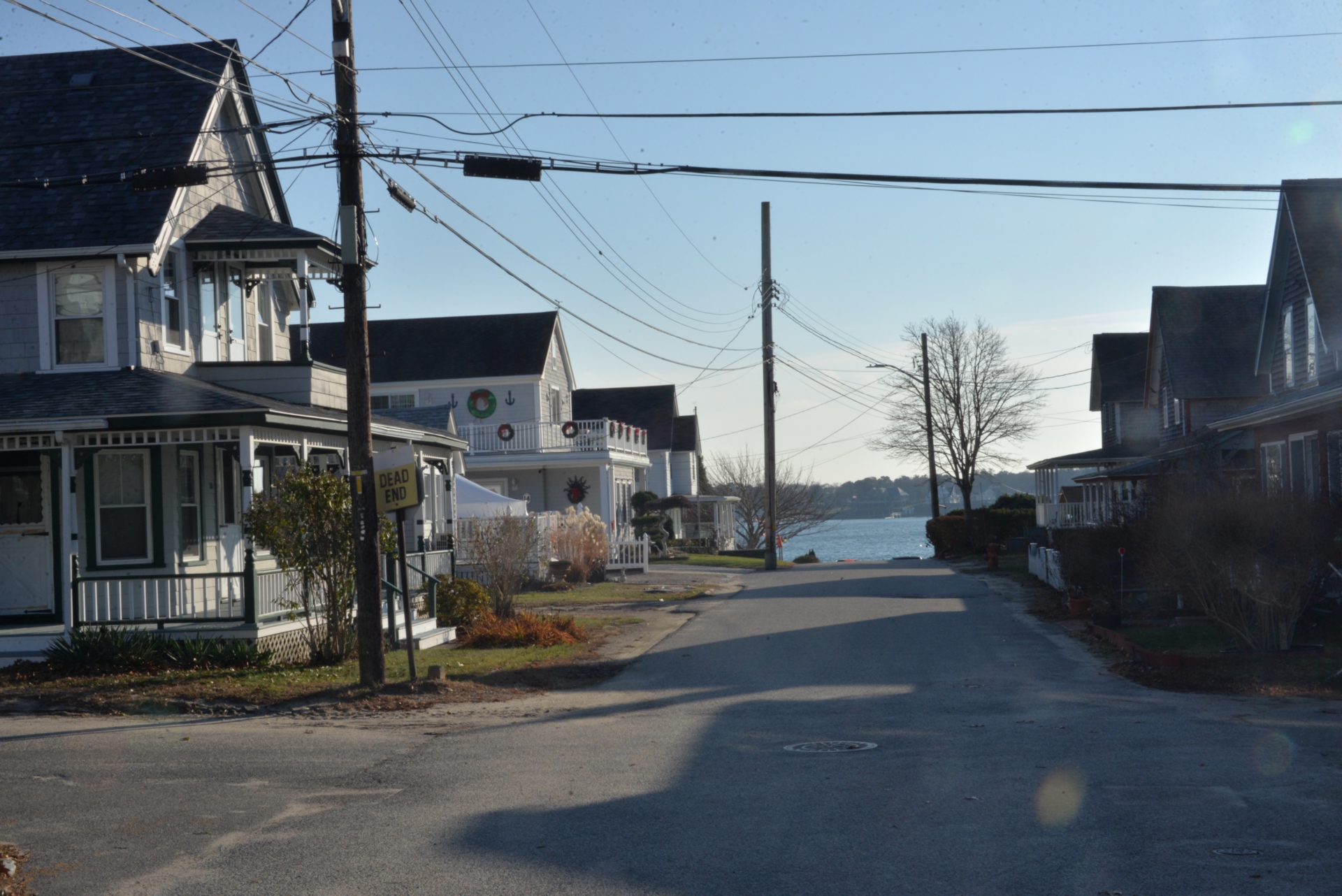
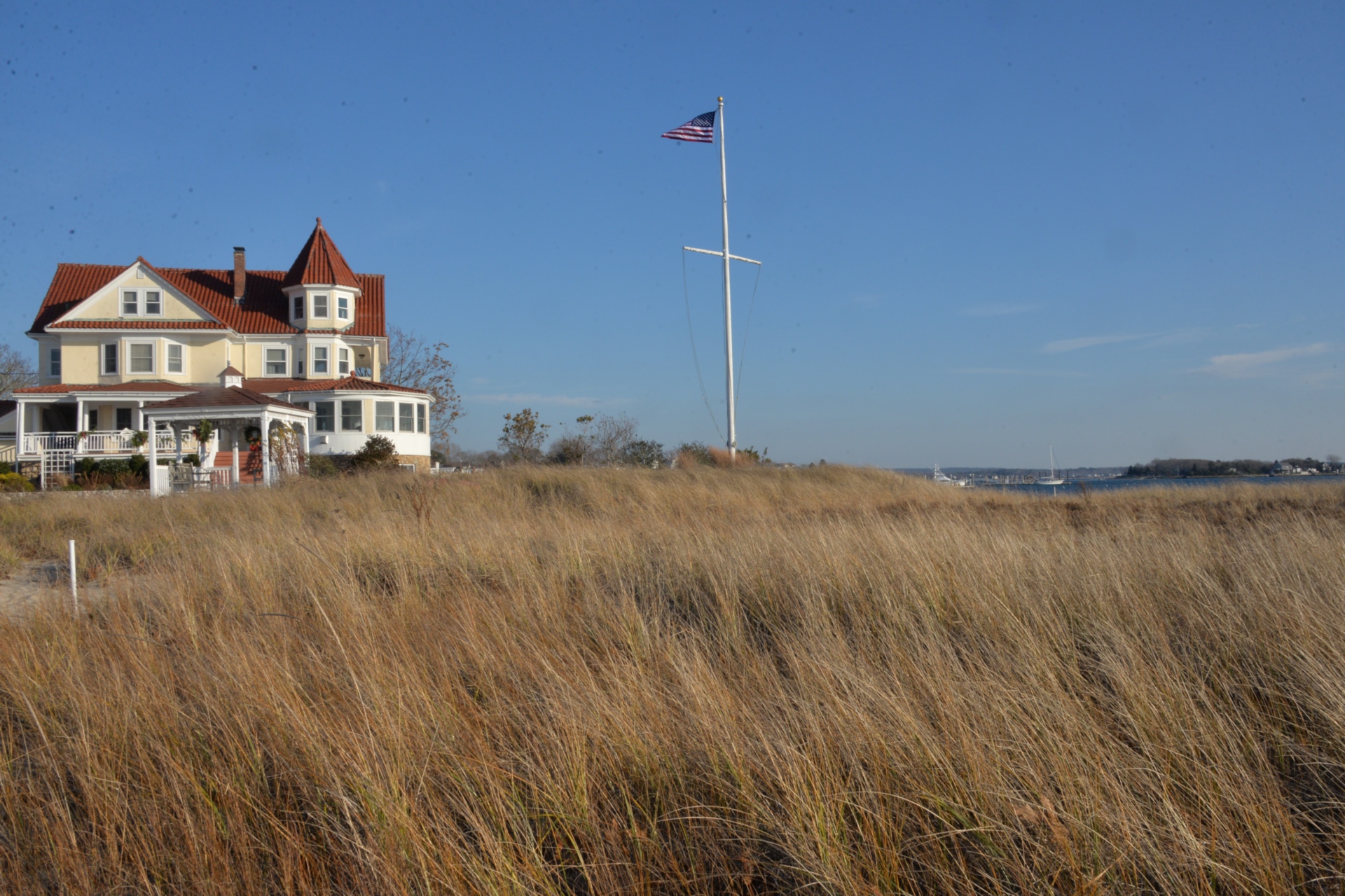
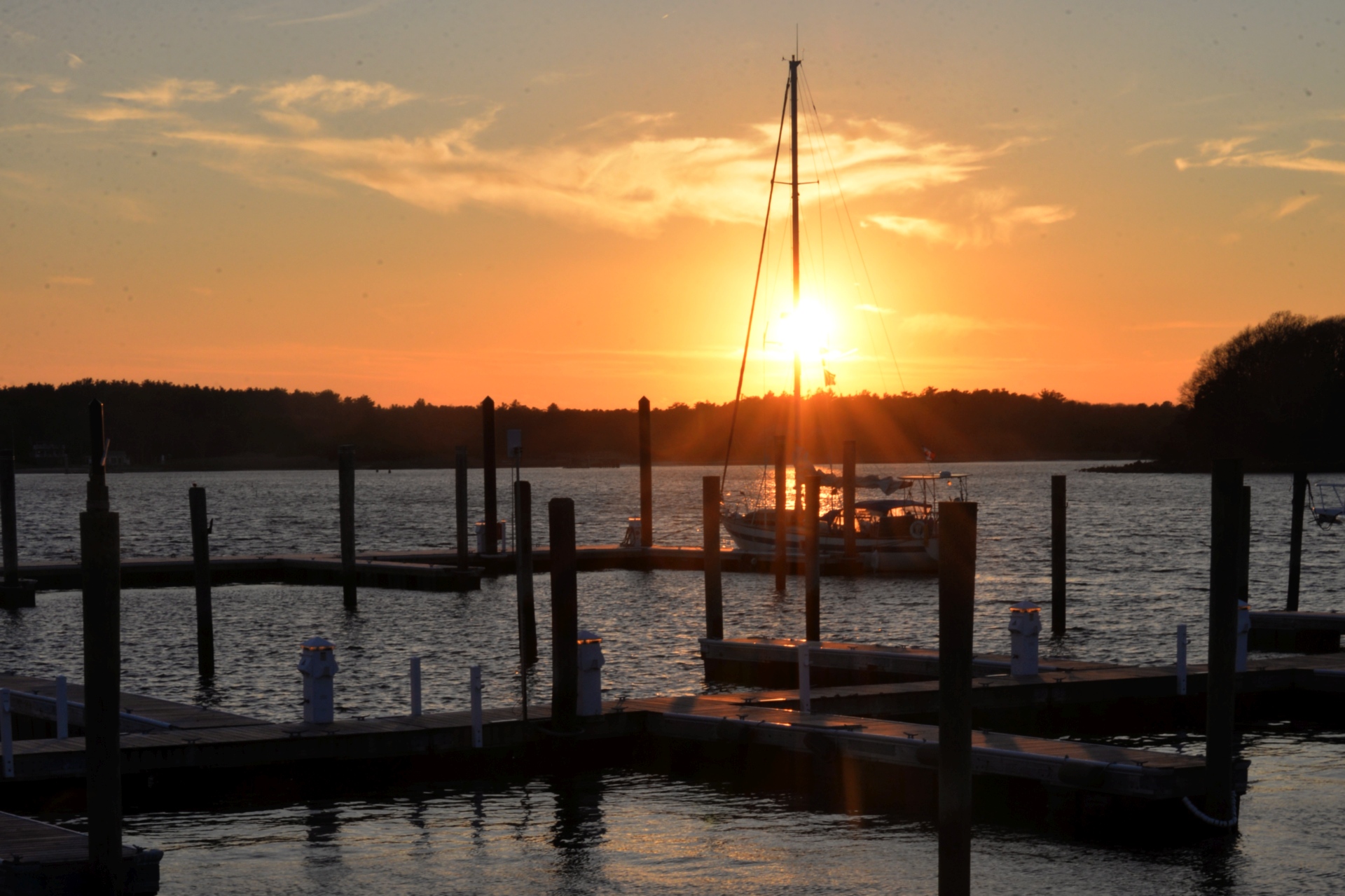
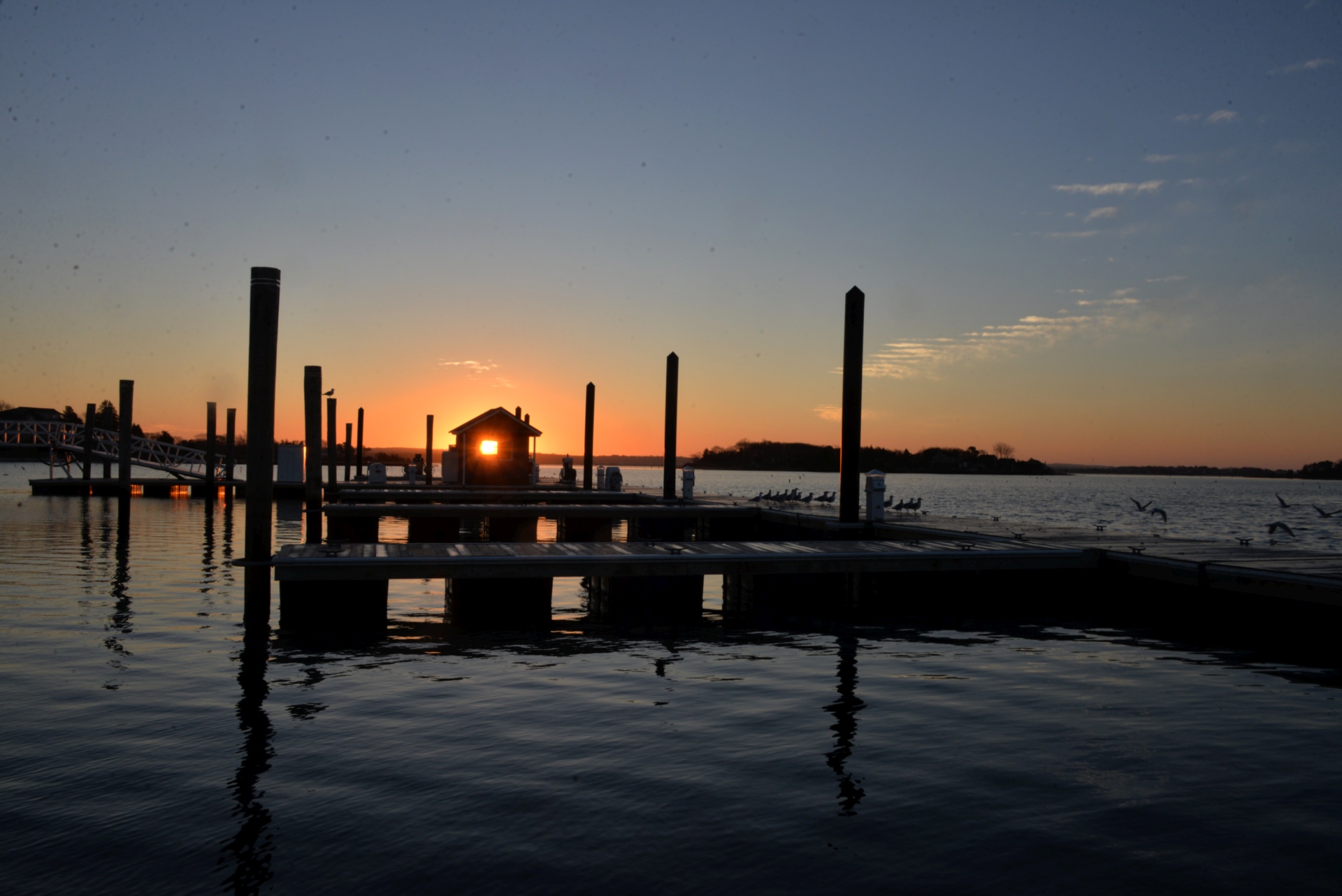
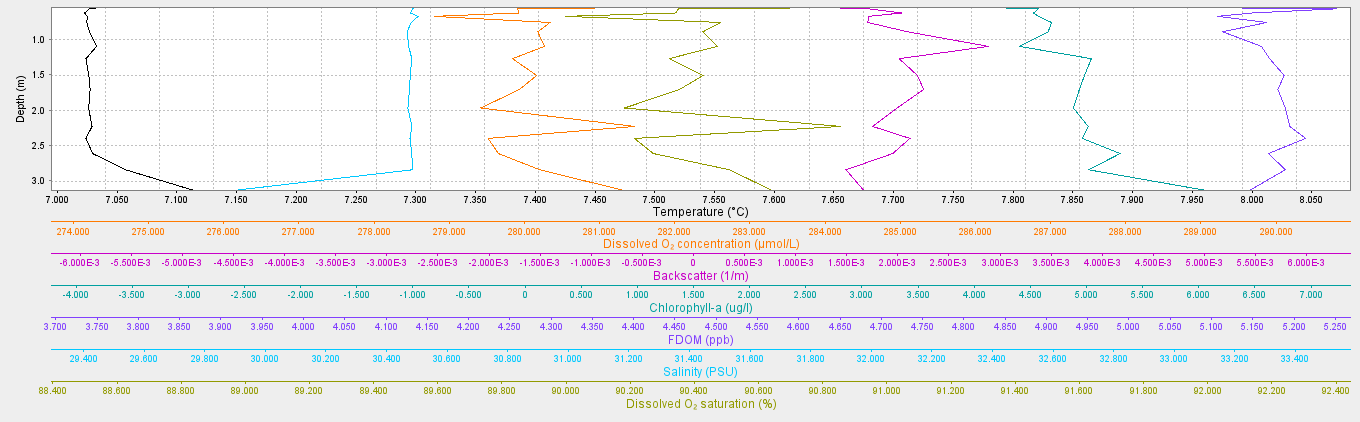
Leaving Portland Spring Point LighthousePortland Head Lighthouse Ram Island LighthouseSunrise at the seaSaltwater splashes on our well-protecting dodgeCTD cast in Cape Cod Bay when we were waiting for the following currentPlot of CTD cast dataApproaching North entry to the Cape Cod CanalSagamore BridgePassing the Sagamore BridgeEasy reaching 10 knots speed – the maximum limit allowed in the CanalRailroad BridgeDocking in the Safe Harbor Onset MarinaEmpty docks in the well-maintained Onset Marina Ready for walking around Onset villageOur lonely boatThree levels of boats winter storage!St.Mary’s ChurchWhere all the streets flow into the sea like rivers…Sandy Onset beachOnset village’s shoreNew England-style clam chowder in a sourdough bread bowlWaterfront park – can you still see our boat?Sunset in Onset MarinaHouse of the rising sunCTD cast in the Onset HarbourA plot of CTD cast data in Onset Harbour – good healthy waters (because no boats around?)Goodbye, friendly Onset!
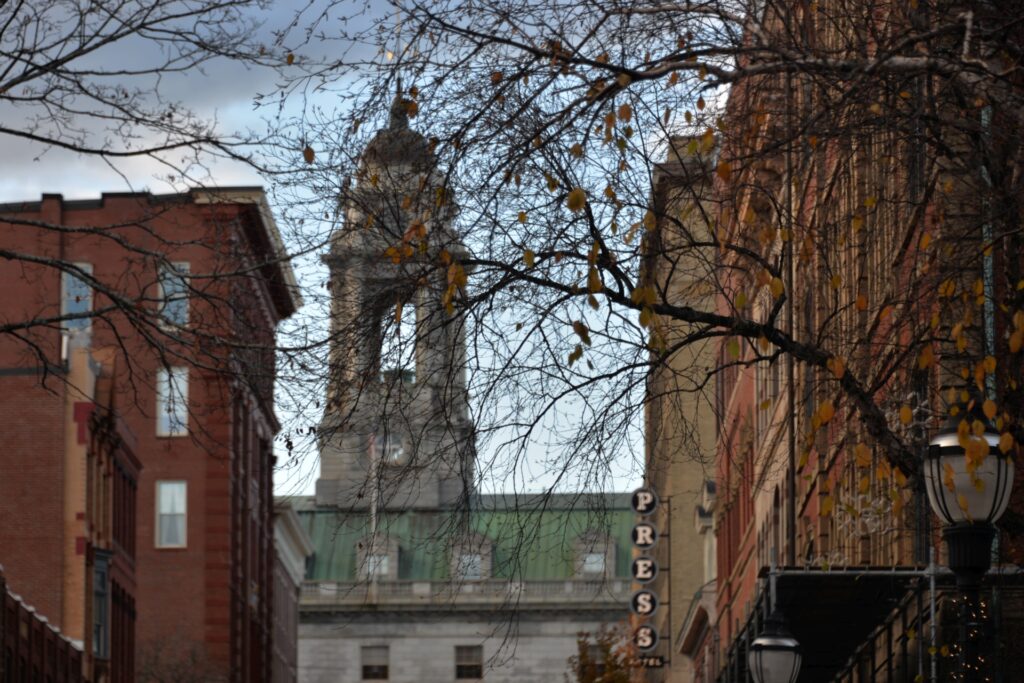
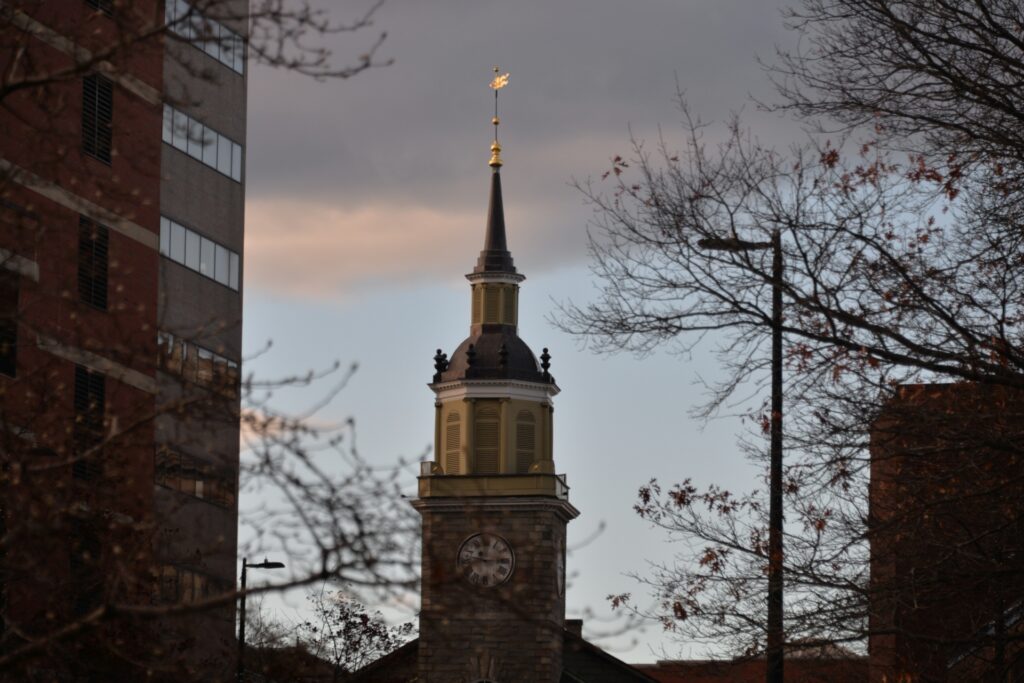
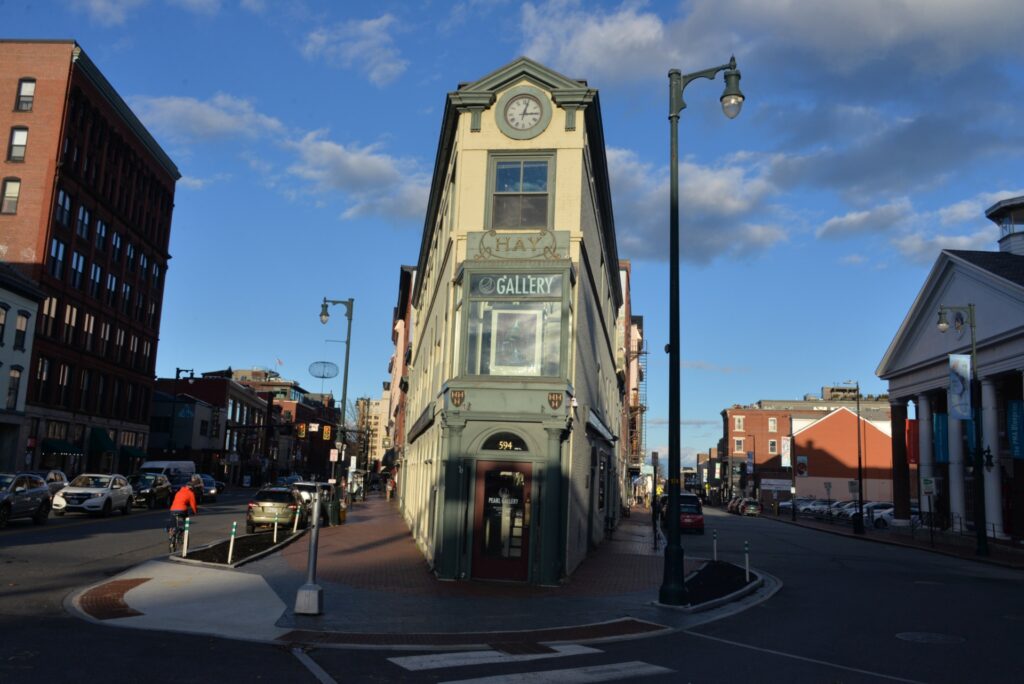
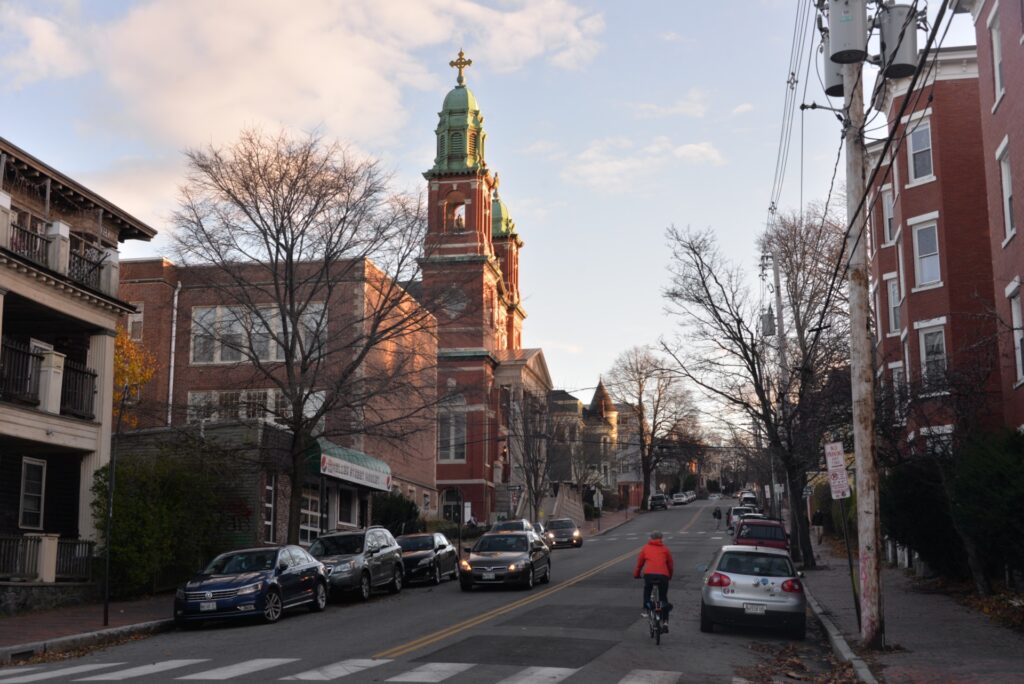
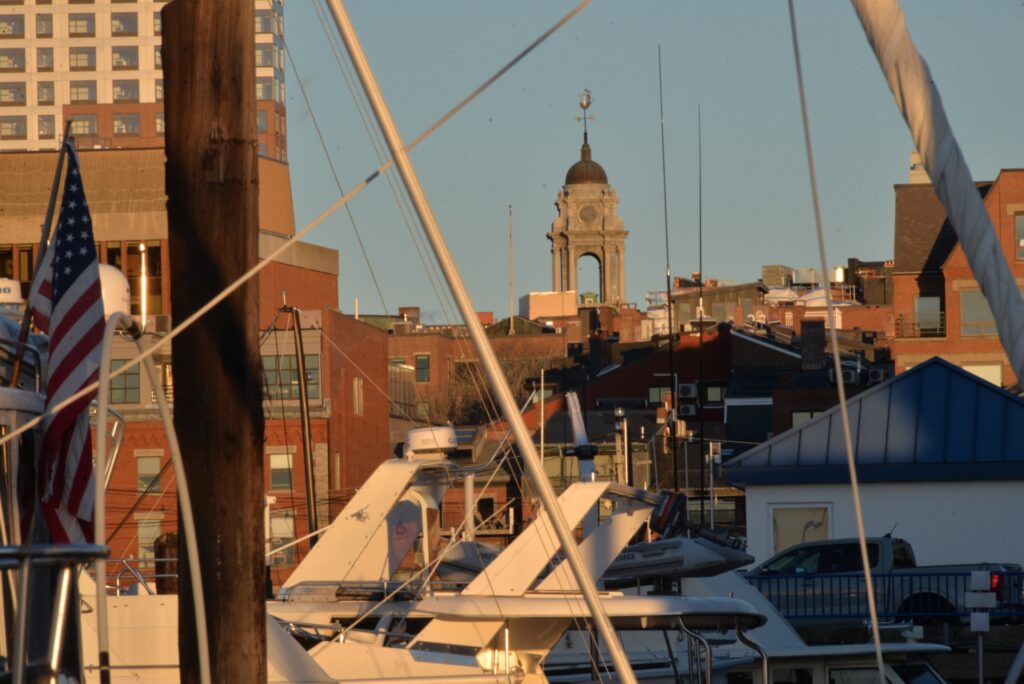
Ah, Portland, the port that we gracefully glided into, not by choice, but thanks to the dramatic emergence of a net playing screwy games near Monhegan Island. Known for its marine industry, love for the arts, and 19th-century architecture, our unexpected rendezvous with this city turned into a delightful chapter filled with pleasant encounters—both with charming locals and the city’s architectural charisma. The city seal depicts a phoenix rising from ashes, a reference to recovery from four devastating fires, and its motto: Resurgam (I will rise again!). And so do we!
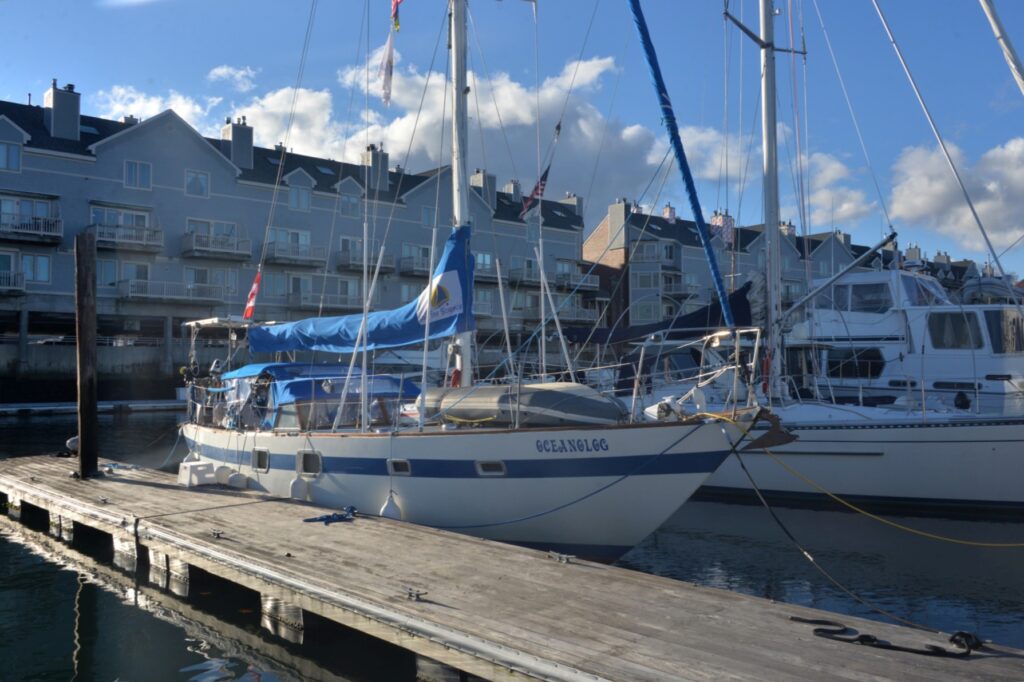
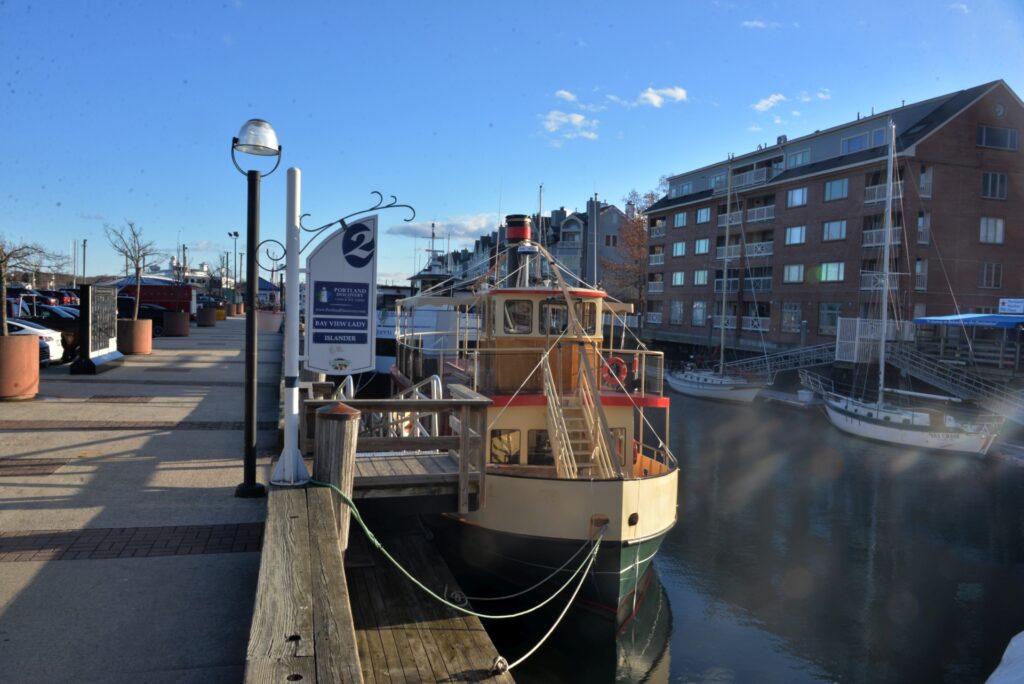
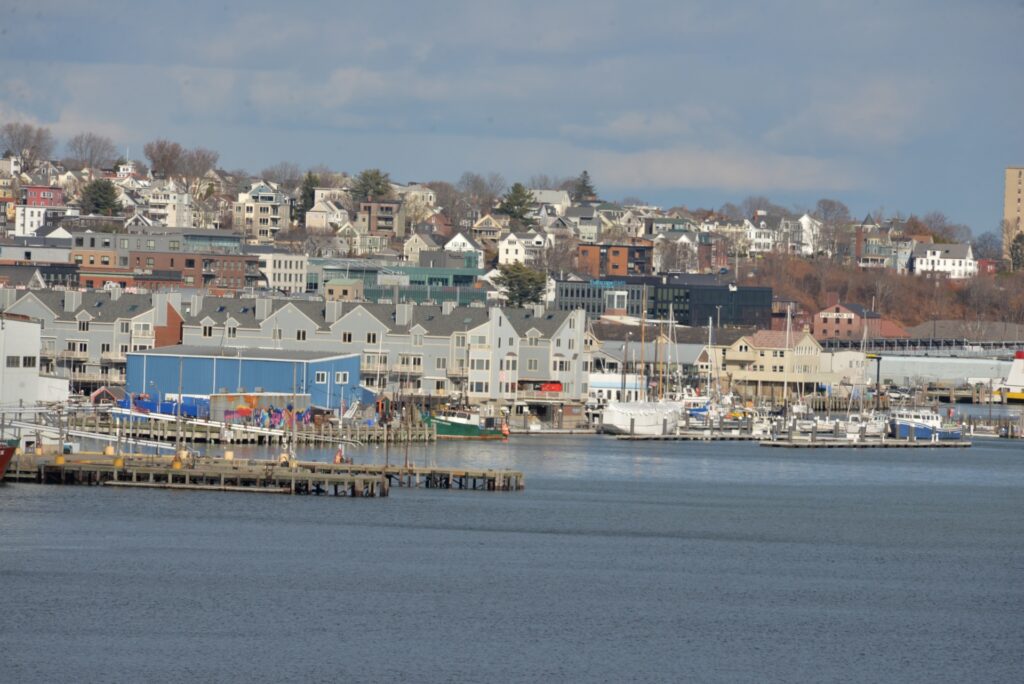
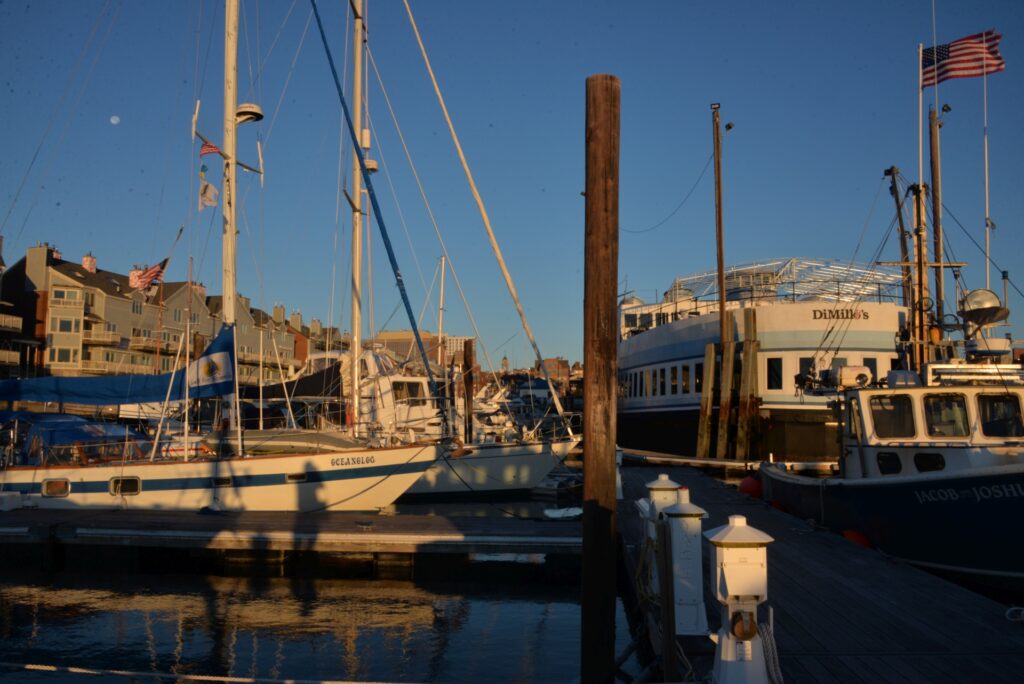
Our trusty anchor found its haven at DiMillo’s Marina, nestled in the beating heart of the city. Picture this: brick houses, inviting sidewalks, piers adorned with boats, and a symphony of portside restaurants and souvenir shops—all within arm’s reach. Yet, the true star of our stay wasn’t just the picturesque surroundings but the warm embrace of Bill Zelman, our dockside comrade preparing his yacht for winter hibernation. Throughout our time there, Bill showered us with attention and invaluable yachting wisdom. Kudos, Bill!
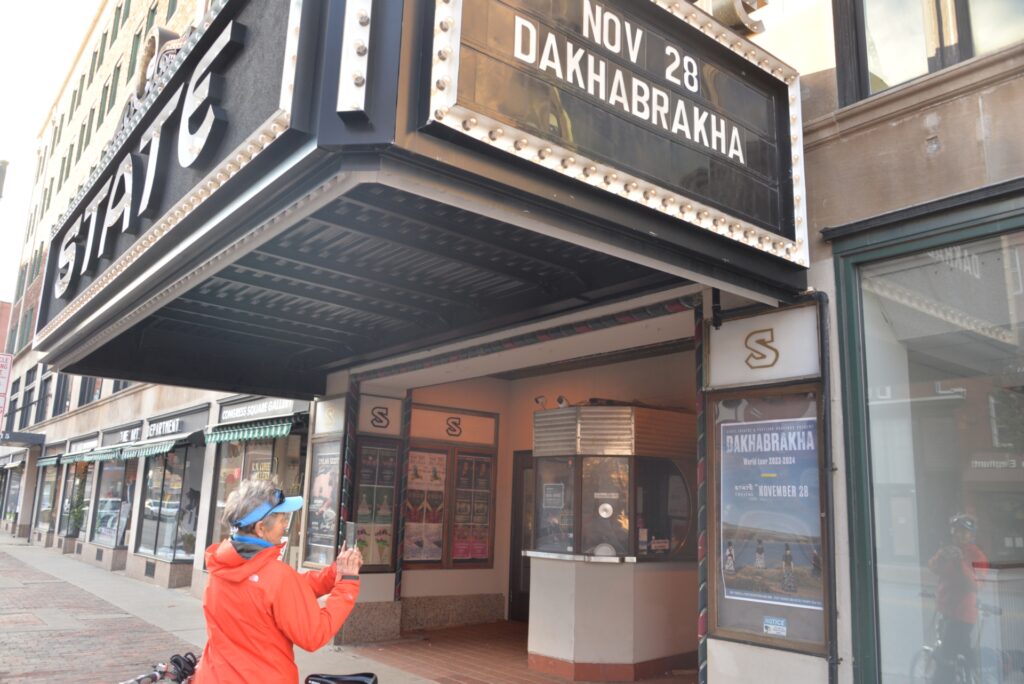
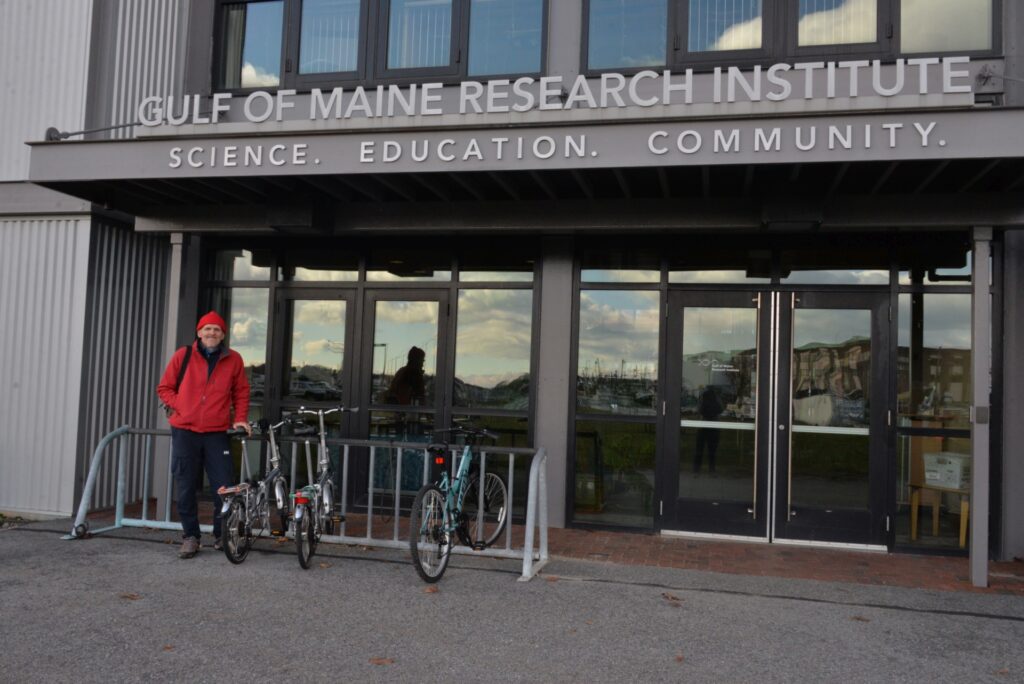
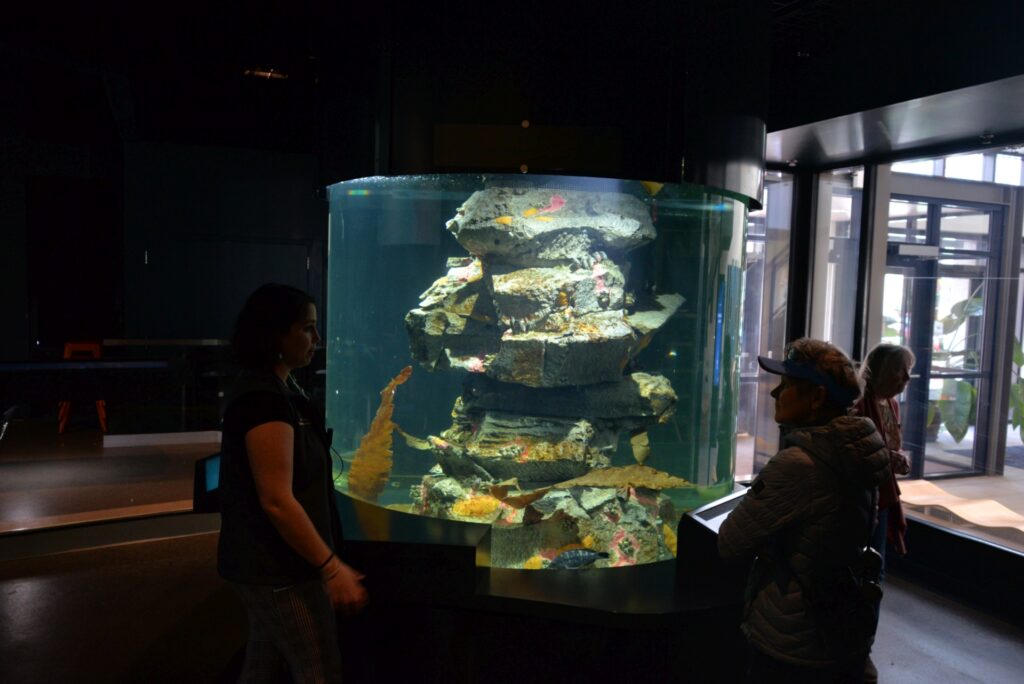
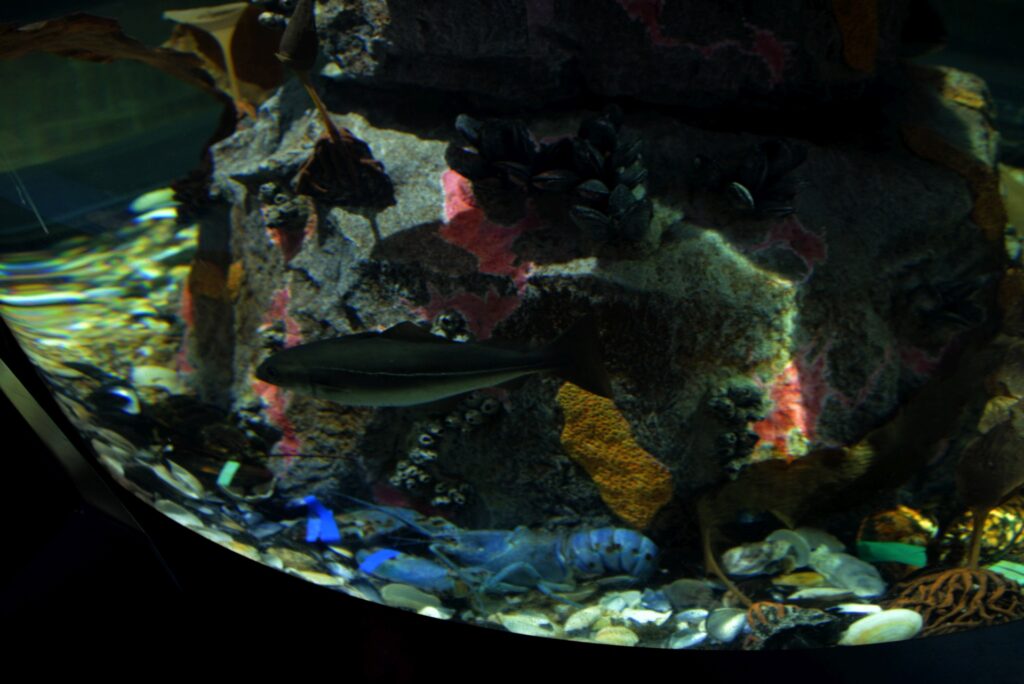
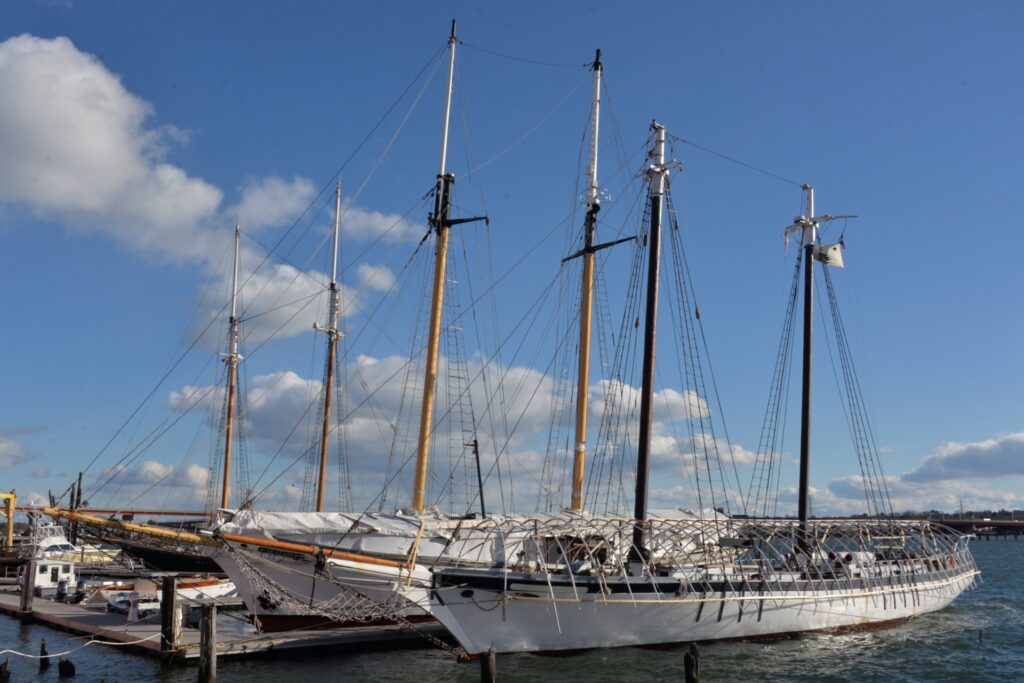
Our city explorations, whether on foot or two wheels, unfurled new treasures at every turn—a boatyard boasting majestic schooners, a marine research center where we nerded out and had a blast chatting with staff teaching ocean science to eager schoolchildren. Oh, and did I mention stumbling upon a city theatre hosting the Ukrainian sensation Dakhabrakha? Of course, we couldn’t resist the siren call of their performance. They are just Great!
Now, let’s talk DiMillo’s Marina. In my humble opinion, it’s a gem among marinas—friendly vibes, spotlessly clean, and equipped with all the bells and whistles. Leaving Portland felt like bidding adieu to a newfound love; we might have left, but a piece of our hearts decided to stay behind. Until next time, Portland!
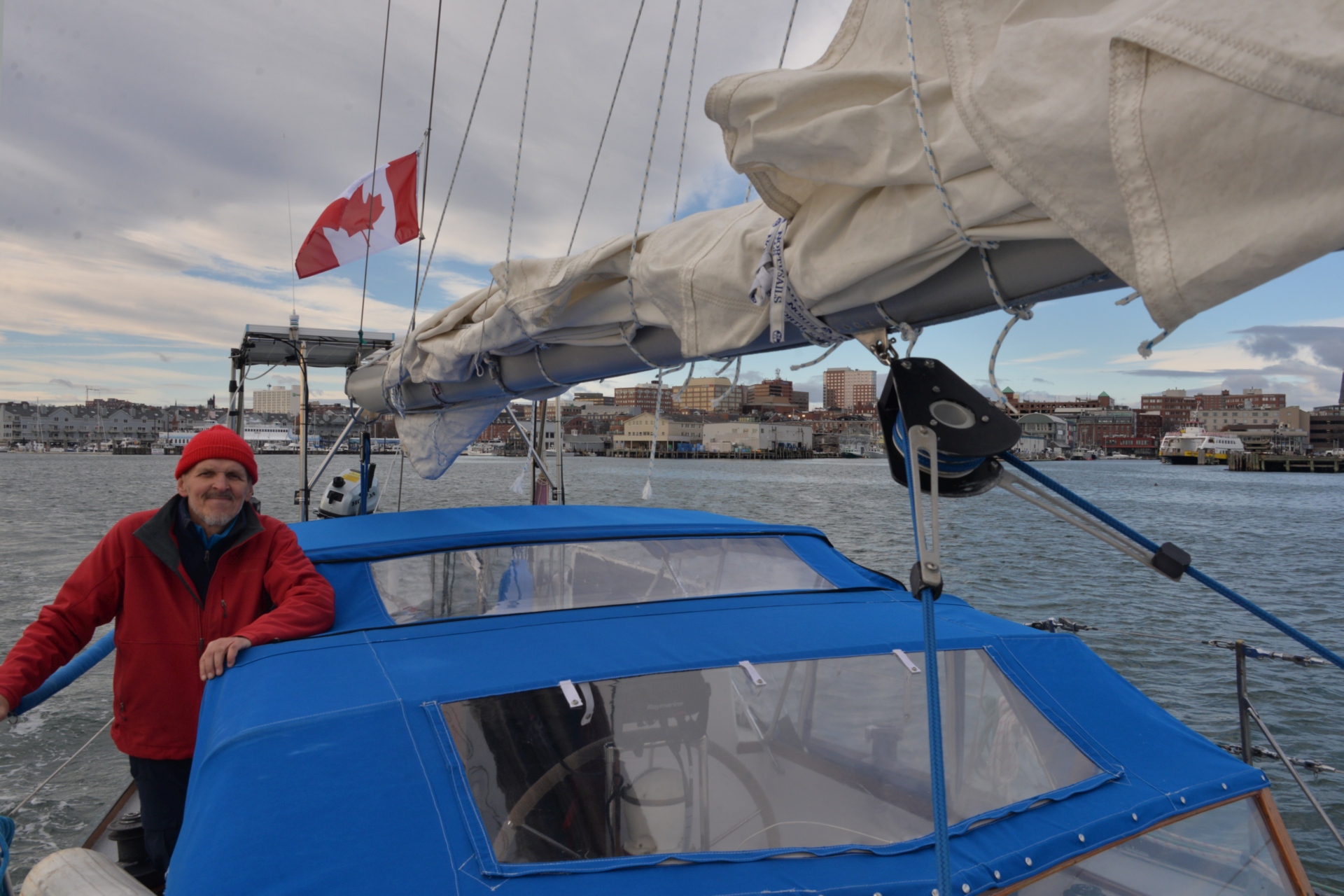
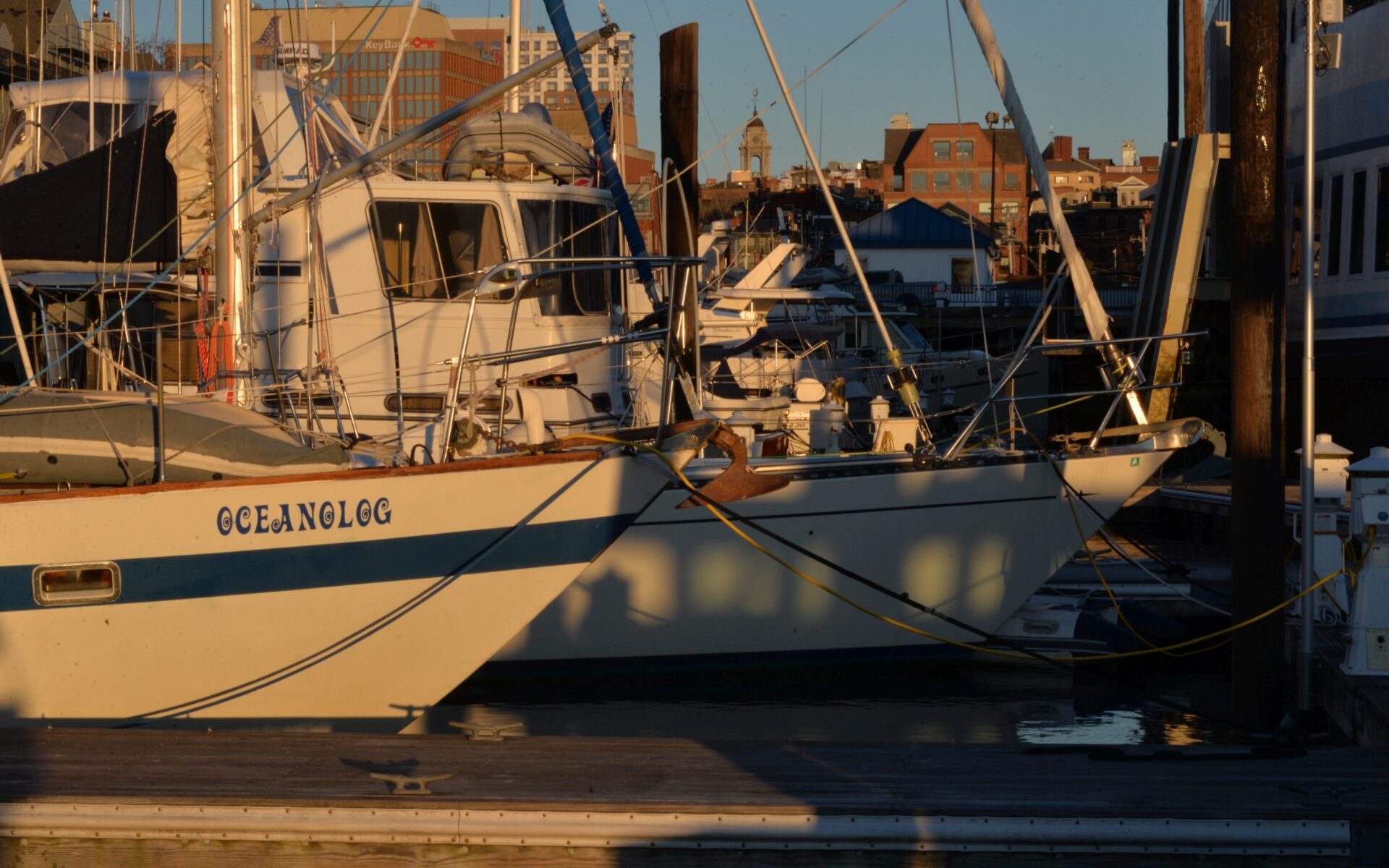
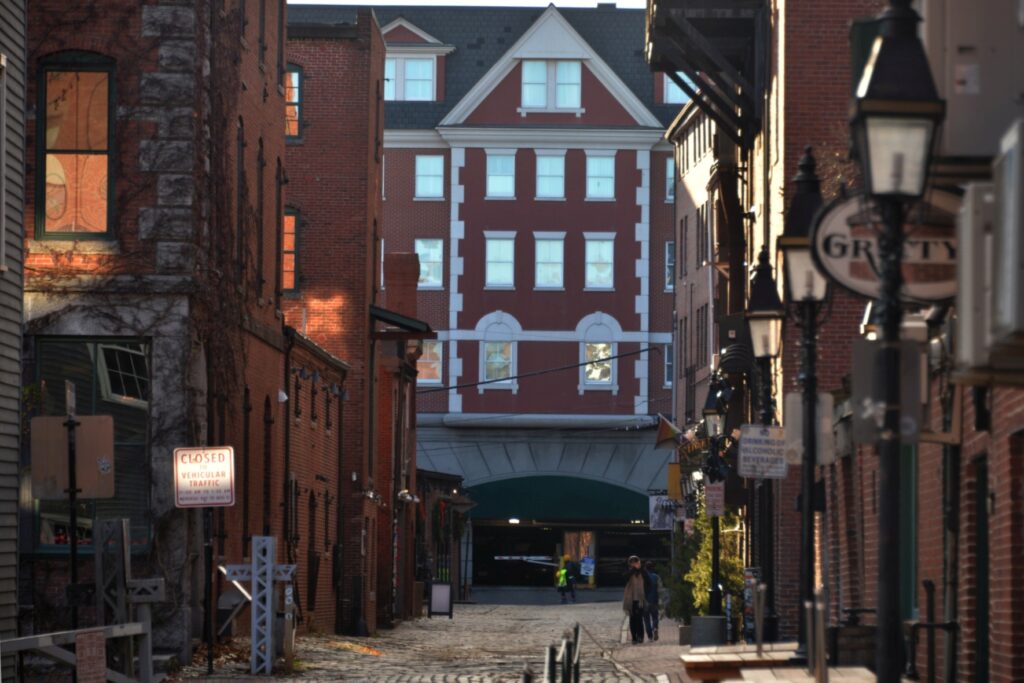
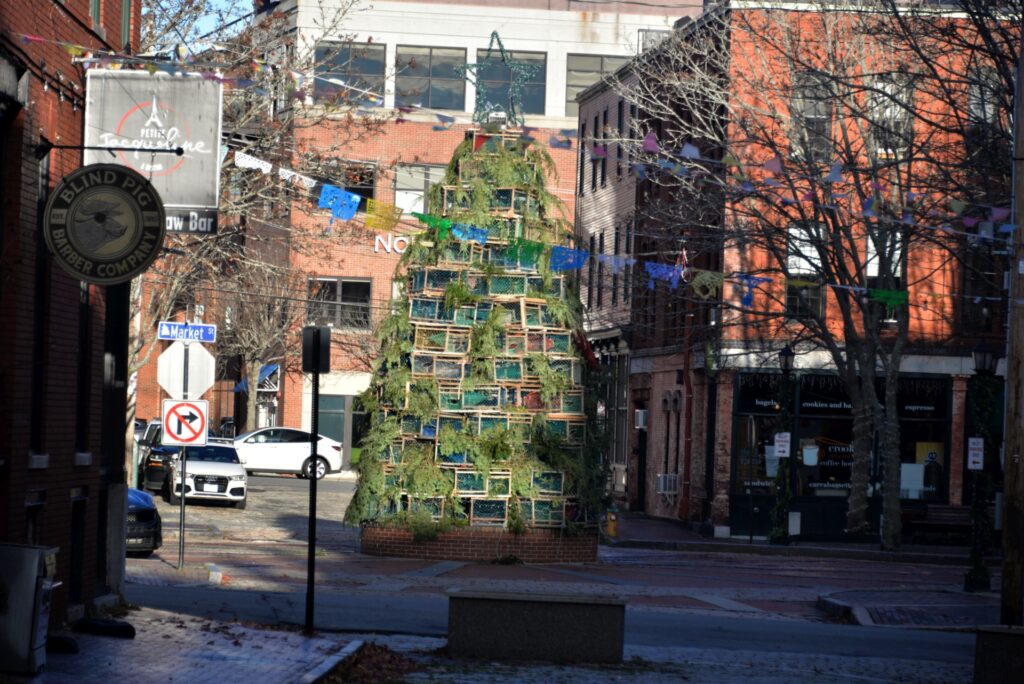
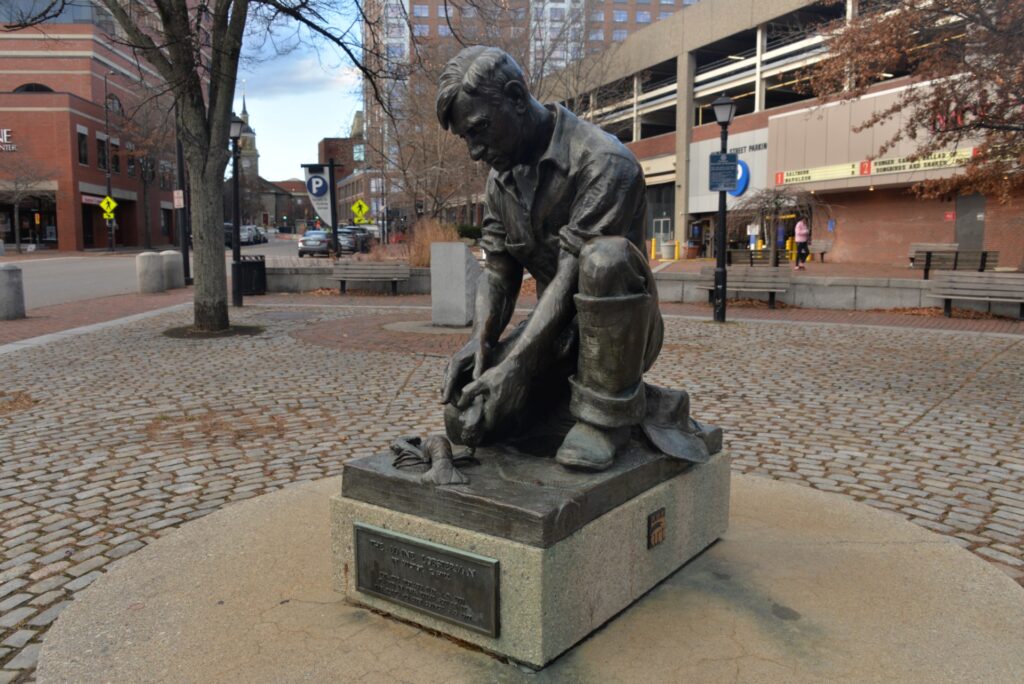
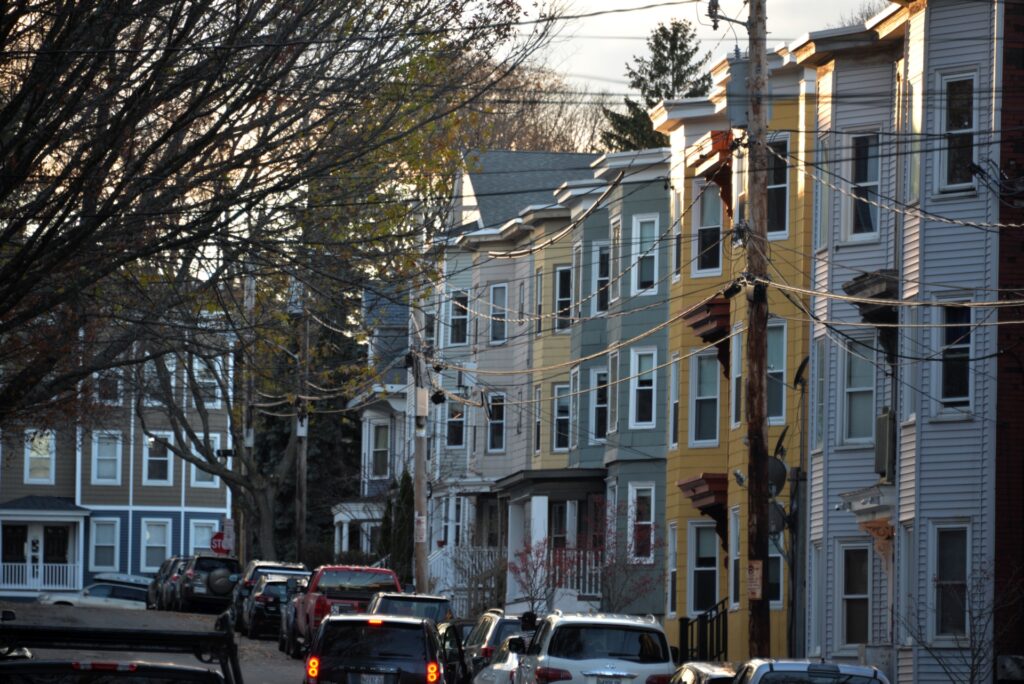
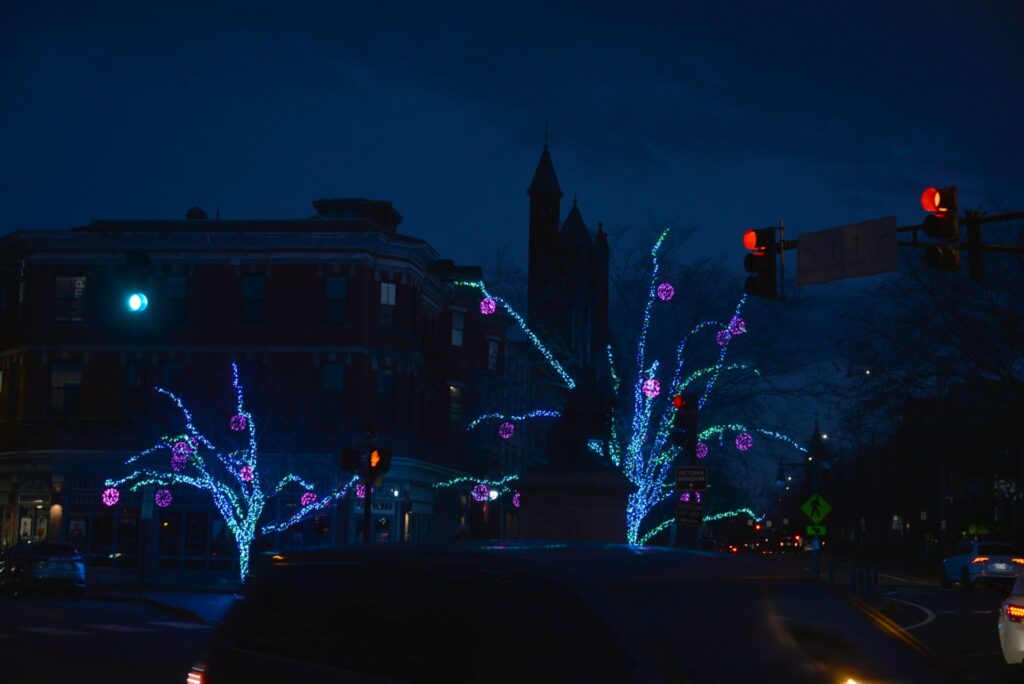
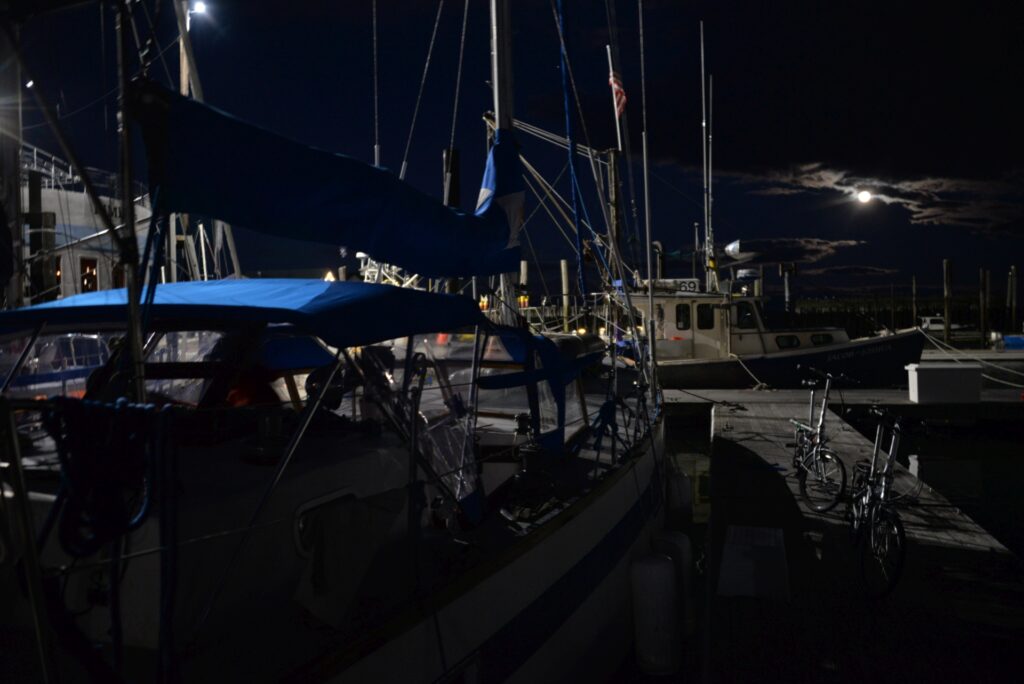
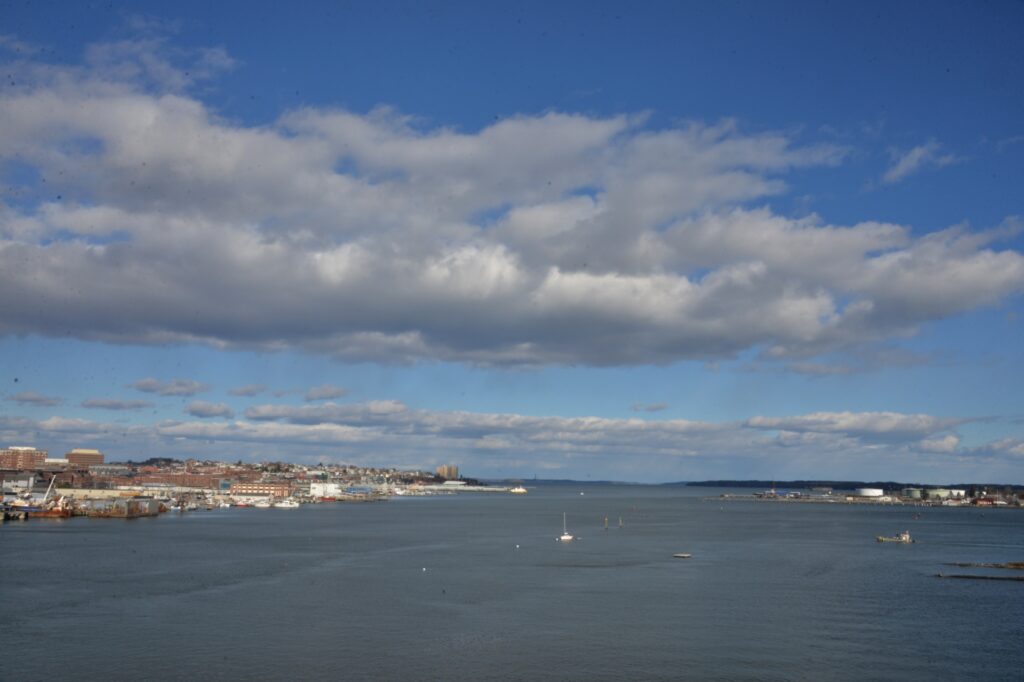
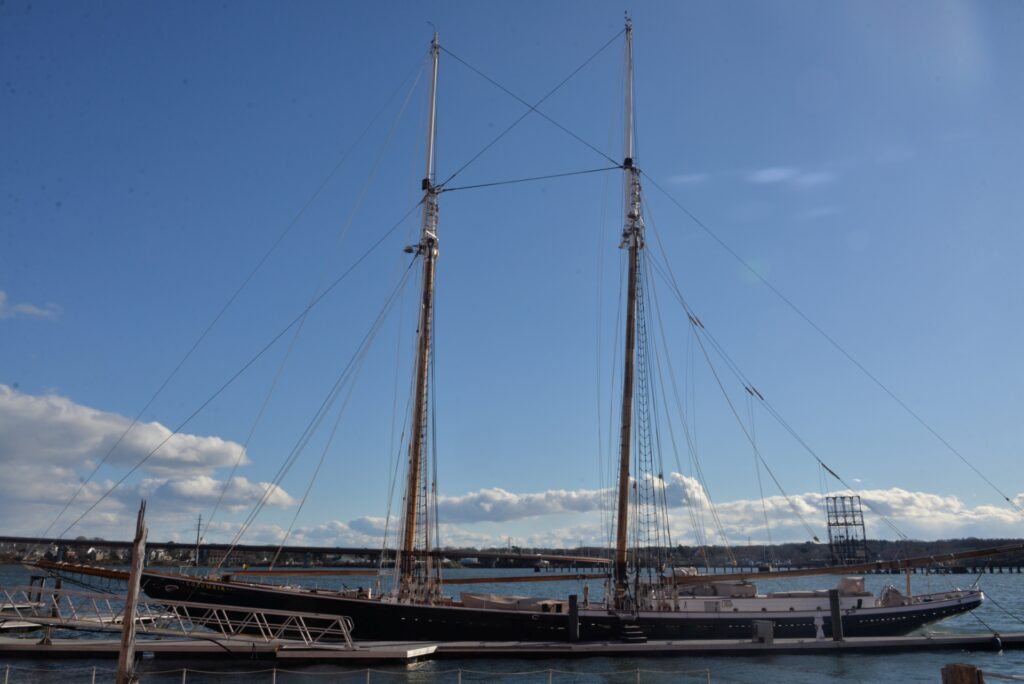
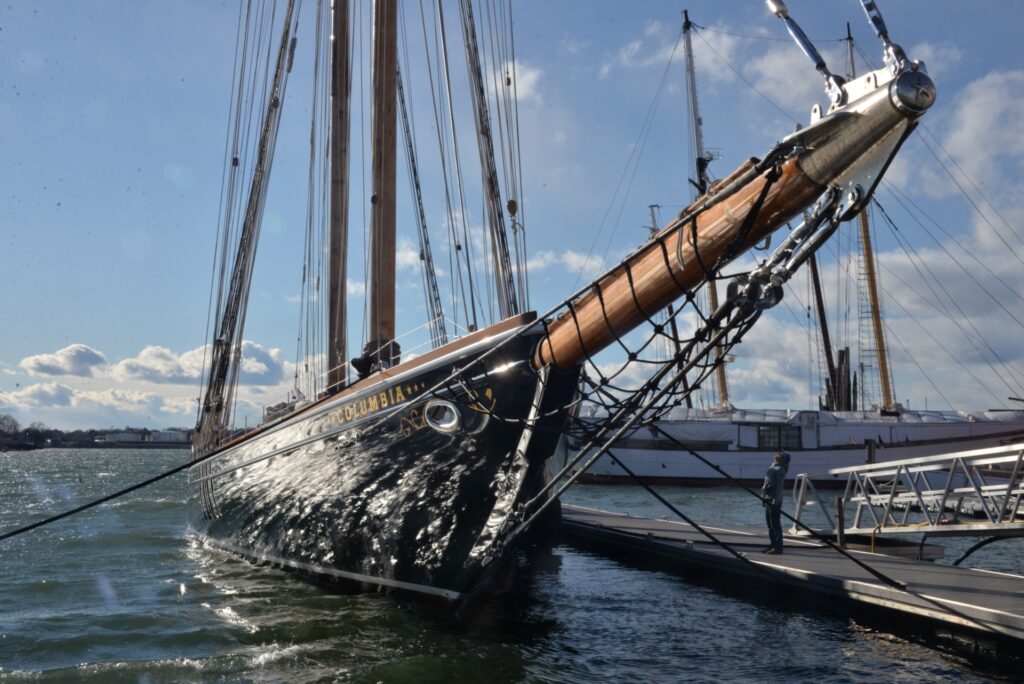
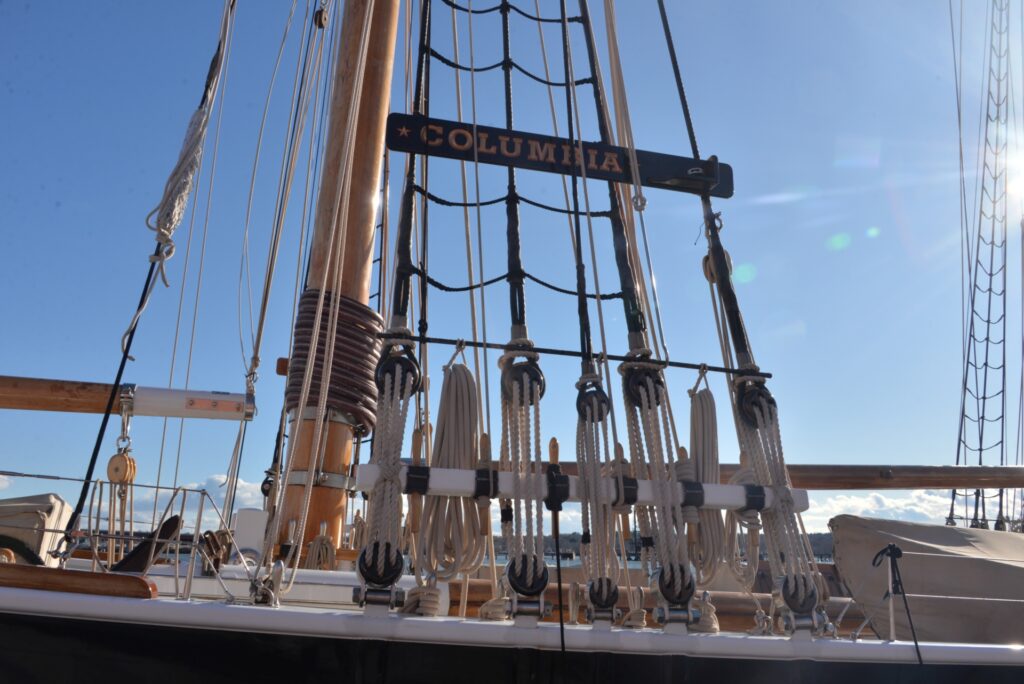
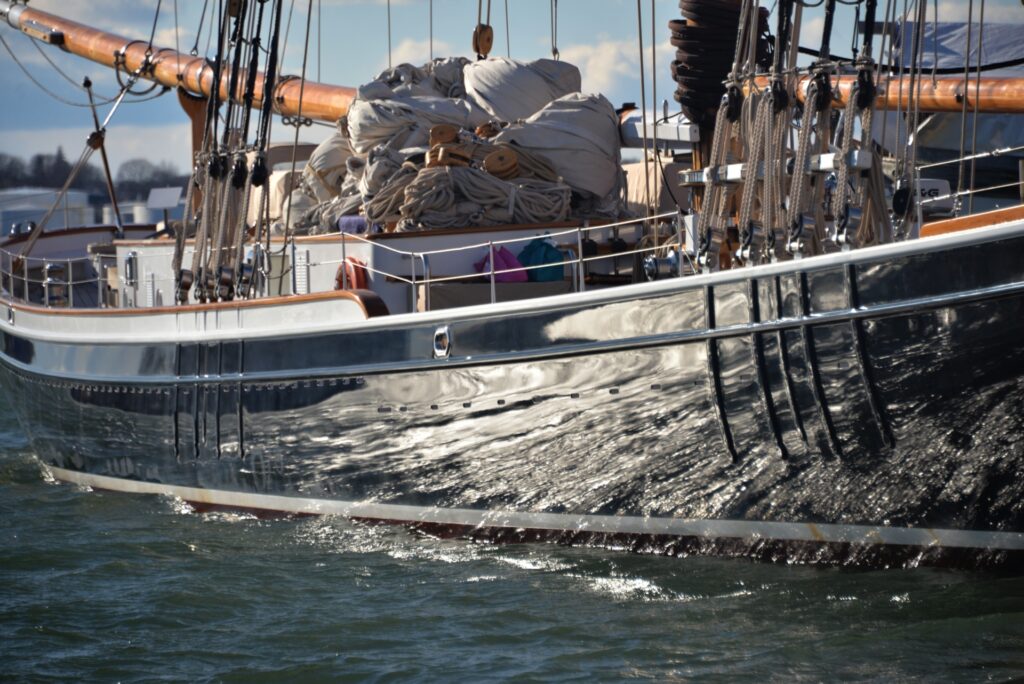
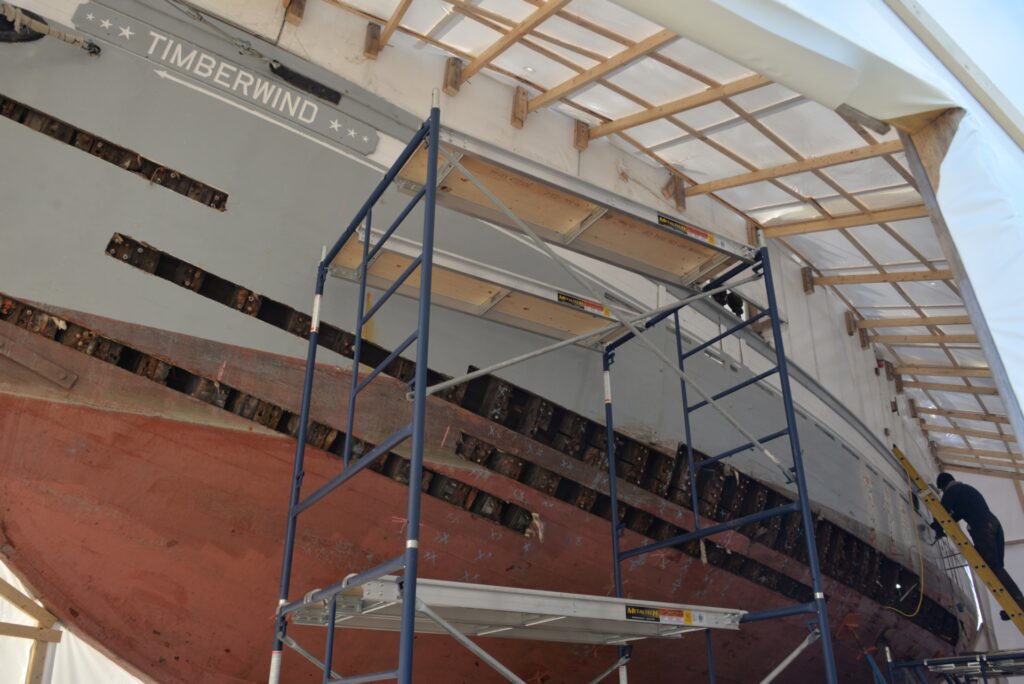
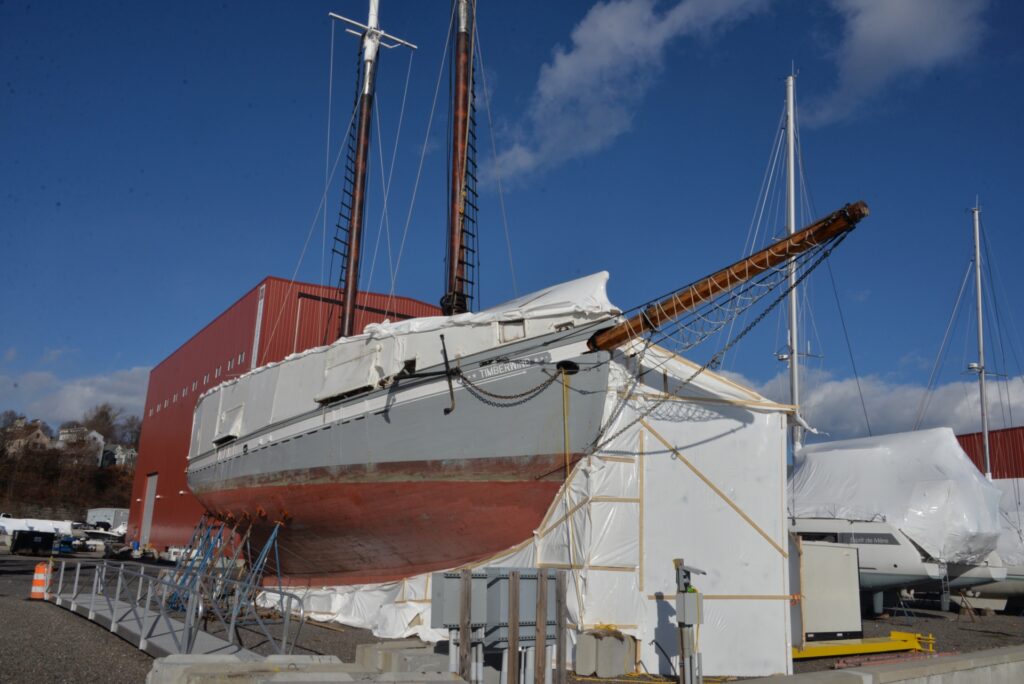
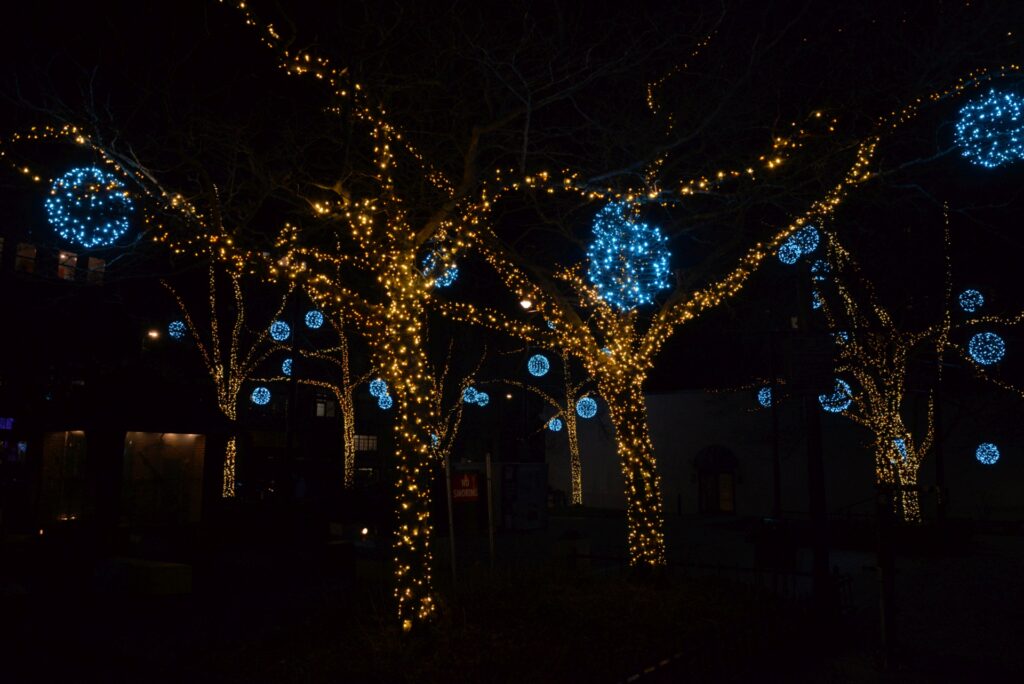
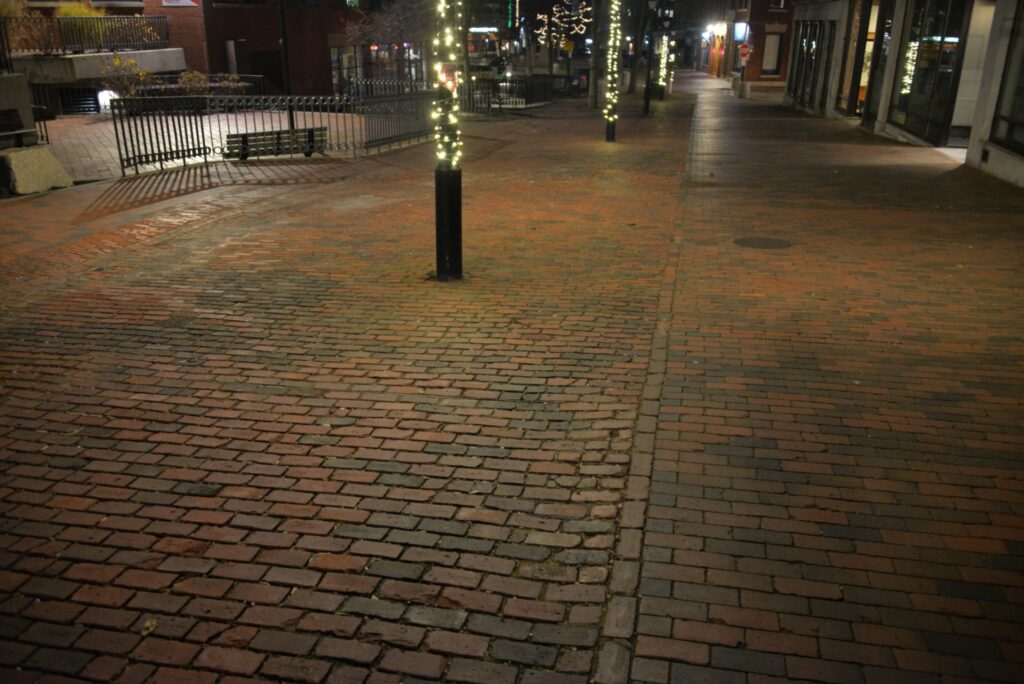
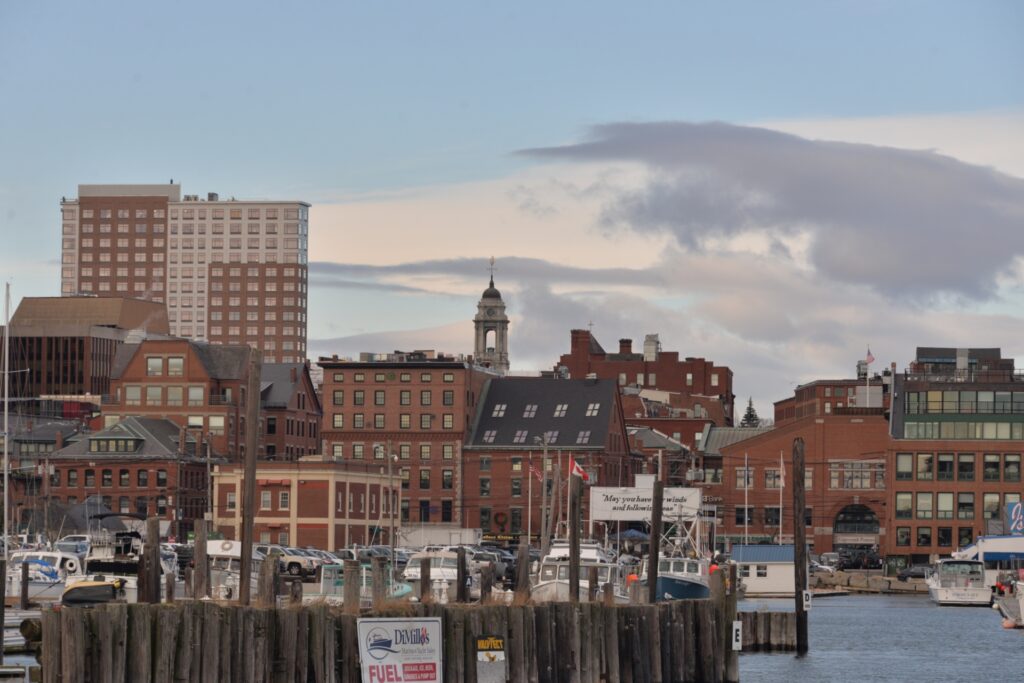
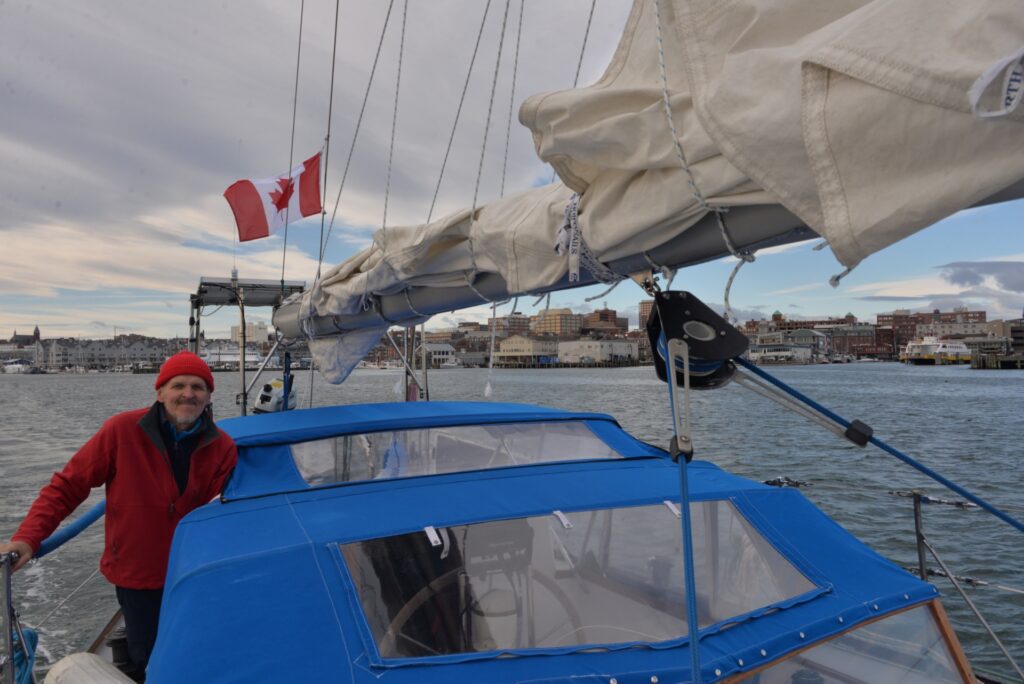
Docked at De Millo’s Marina Ships in the Long WharfDowntown’s narrow streetsFishermen’s Christmas TreeDakhaBrakha is here!Monument to honour a LobstermanChristmas LightsA full moon from the dock – bikes have some rest too.Moon and linesEntry to the Gulf of Maine Research InstituteTalking with GMRI staffBlue lobster!Portland harbourPortland waterfront -try to find our boat!Schooners are preparing for winterSchooner “Columbia” – replica of the original famous American schoonerRestoration in progress of schooner “Timberwind”DakhaBrakha on the stage of Portland TheatreA clear statement!Bricks everywhere!Di Millo’s Marina with the ex-ferry rebuilt popular restaurantLeaving PortlandCTD cast in the Portland HarbourPlot of CTD cast data