On our way to Lunenburg, we couldn’t resist revisiting an iconic Canadian landmark – Peggy’s Cove Lighthouse. Almost two decades had passed since our last visit during a road trip through Nova Scotia. As we approached, the lighthouse stood tall against the strong winds and crashing waves.
The ocean waves and currents slowed down the movement of our sailboat, and we decided to spend the night in Northwest Cove, where we sought shelter from the expected strong North-west wind. It was there, in Northwest Cove, that we marvelled at the picturesque fishing village under the soft, magical glow of the full moon and the promise of a new day with the bright light of the rising sun.
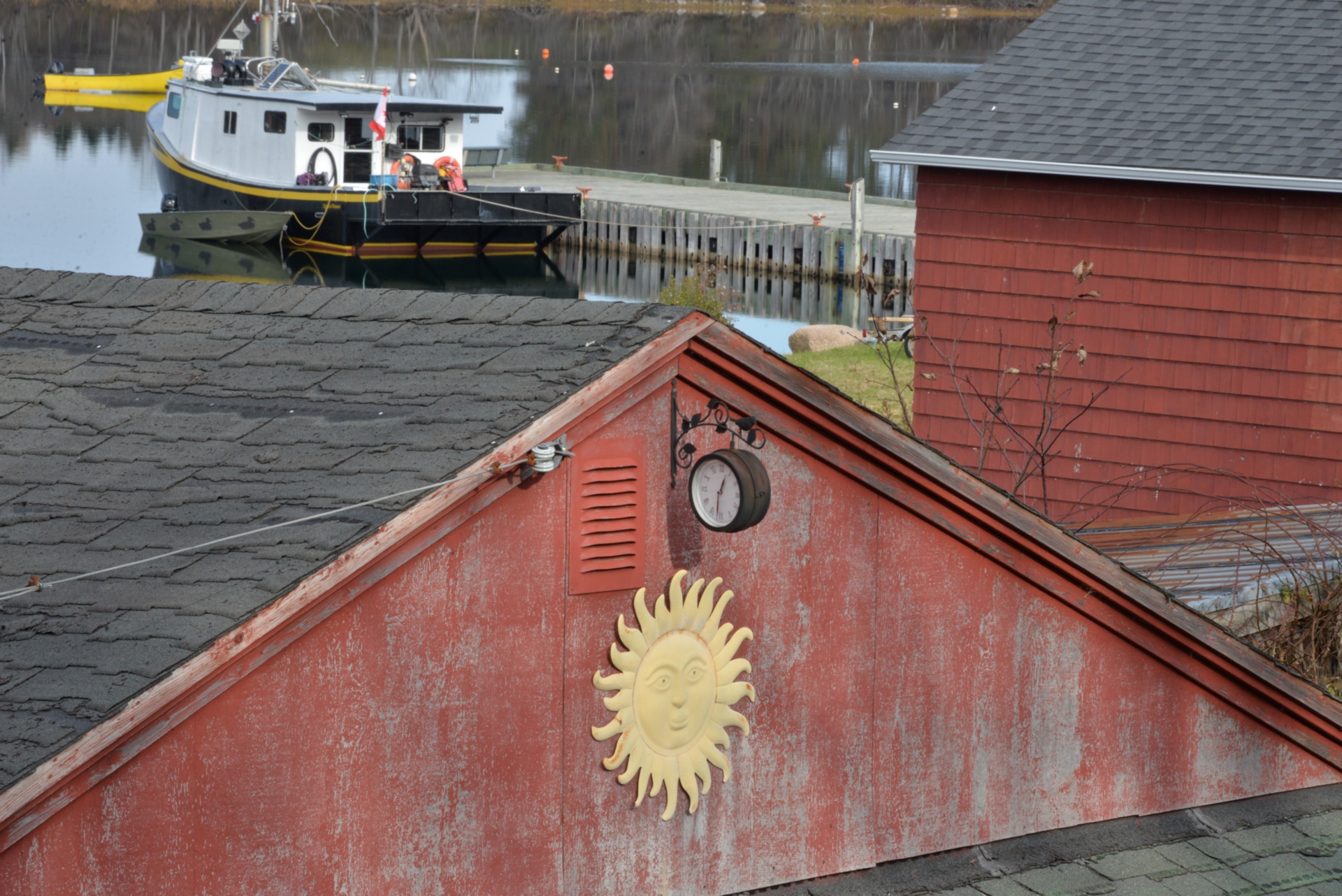
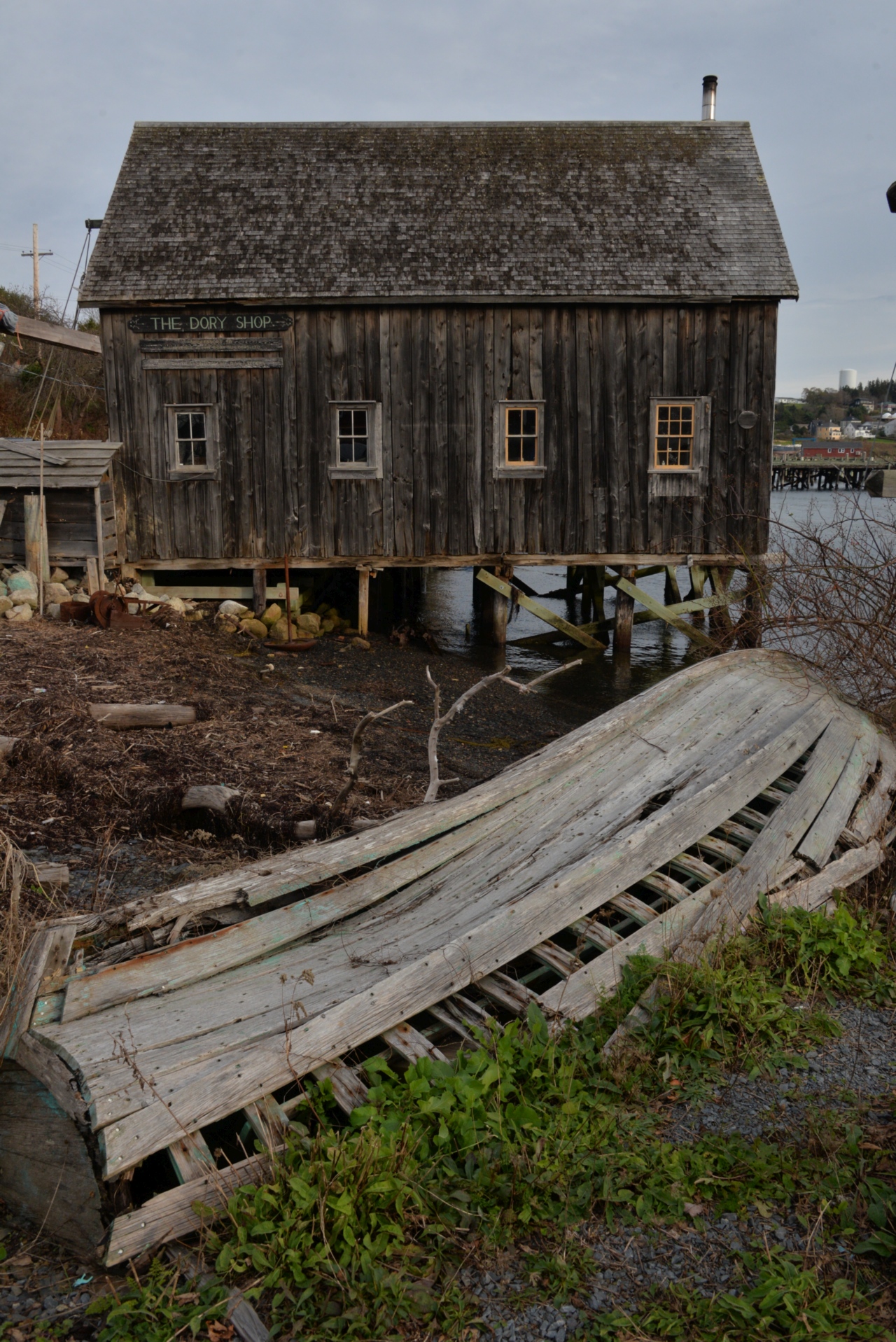
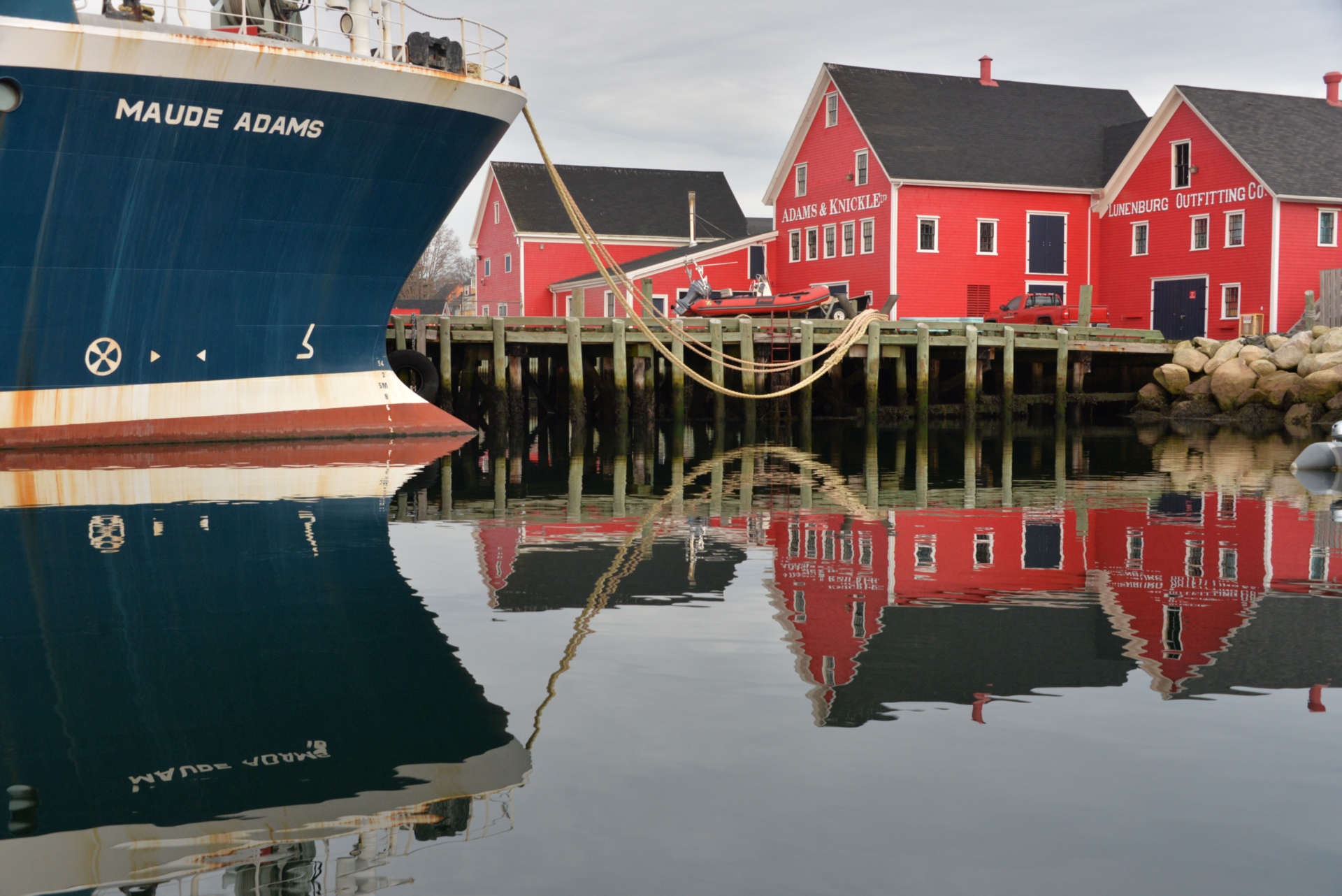
Approaching the Peggy’s Cove from the oceanRocky shore with a Peggy’s Cove villageIconic Peggy’s Cove lighthouse with plenty of visitors aroundBearing the captain’s hat when passing this place!:)Iryna at the helmApproaching the Northwest CoveA full moon rising from a capMoonlight fishingSunrise Fishing boats Hauled out doriesPrivate fishing wharvesChecking the sensors after the CTD castA plot of CTD cast data in the Northwest Cove – very clear water with a small halocline at 5m, good oxygen saturation (90-95)% , relatively low Chla concentration (2- 6)mg/L and fDOM concentration (4.1-4.5)ppb.
It’s time to move on – goodbye, Halifax! Many thanks to our old friends Yuri and Lyuda, who made our stay here comfortable and entertaining. Thanks to Clark for the tours of BIO and Dalhousie University, and for participating in the handing over of the ARGO float for deployment. Thanks to Eric and Mat for the visits, good chats and practical advice. Thanks to Bob for his enthusiasm in fixing the engine and good chats. Thank you, Binnacle, for the good service and discounted prices. Thanks to the staff of the Armdale Yacht Club for their assistance during our stay. Thank you, Halifax!
Today was a significant day in the world of Sail for science! In the morning, Clark and I paid a visit to Dalhousie University, more specifically, the Steele Ocean Science Building, home to the Department of Oceanography. Our first stop was the Aquatron laboratory, boasting the largest aquatic research circular pool in Canada, with an impressive 50-foot diameter, filled with seawater from a nearby Northwest Arm. We also had the opportunity to explore a deep-sea pool, plunging to a depth of 10 meters. However, the real highlight was witnessing a flume, where we tested the dynamic characteristics of RBR CTD measuring systems. Clark also showed me some of the sensors from his collection, including one of Neil Brown’s early conductivity cells. In a spacious hall, we were observing a new model of the SeaCycle, an underwater multi-purpose oceanographic platform. The university is truly at the forefront of showcasing cutting-edge technologies for ocean science.
After our enlightening visit to Dalhousie University, we made our way back to the Bedford Institute of Oceanography, where a long-anticipated surprise awaited me. It was the Argo float that we had agreed to take with us and launch into the Caribbean Sea. Following a brief instruction on how to launch the float, we loaded it into a minivan, and Clark and I returned to the sailboat. Once back on board, we carefully positioned the buoy in our oceanographic laboratory, where it surprisingly fit seamlessly into the available space. Now, we have a special mission ahead of us – launching this float! It’s worth mentioning that our pre-retirenment company, RBR, manufactures CTD measuring systems for such floats. Unfortunately, the BIO warehouse only had floats with CTD from our competitor in the oceanographic instruments market, the SBE company. Nevertheless, the goal remains the same – to collect valuable oceanographic information. Our relationship with RBR is an essential part of our history, and there’s still much more stories to come! Let it Float for Science, whoever has made it!
Steel Ocean Science BuildingAquatron foue50ft diameter round pool10m deep Water towerA flumeOne of the first Neil Brown’s 4-electrodes conductivity cellA new model of SeaCycleOrganic matter collectorsNKE Argo float in a boxLoading NKE Argo float on the SV Oceanolog’Taken on board!Resting on the deck before moving into the Oceanography labSet in the laboratory