
How sailing can help with the ocean data collection
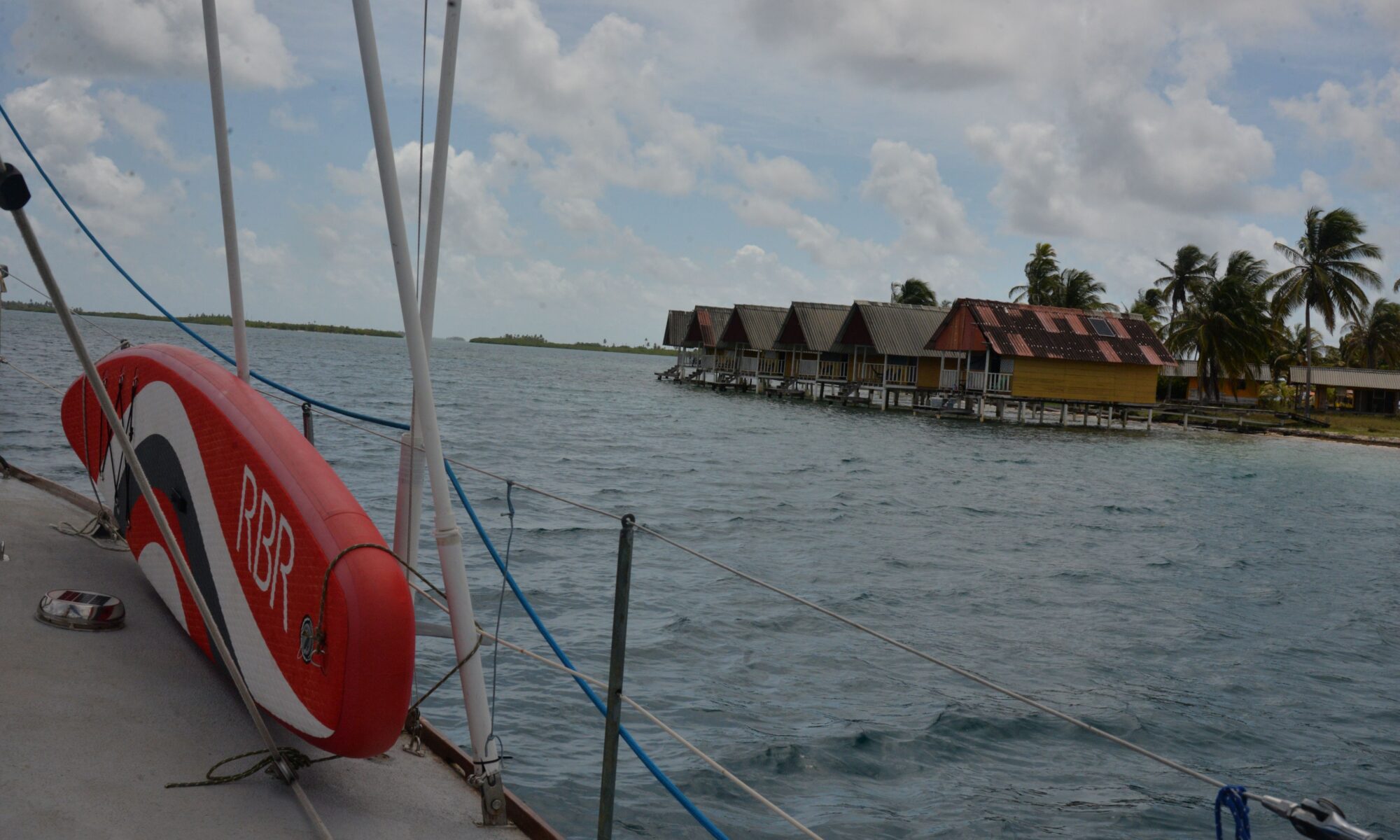

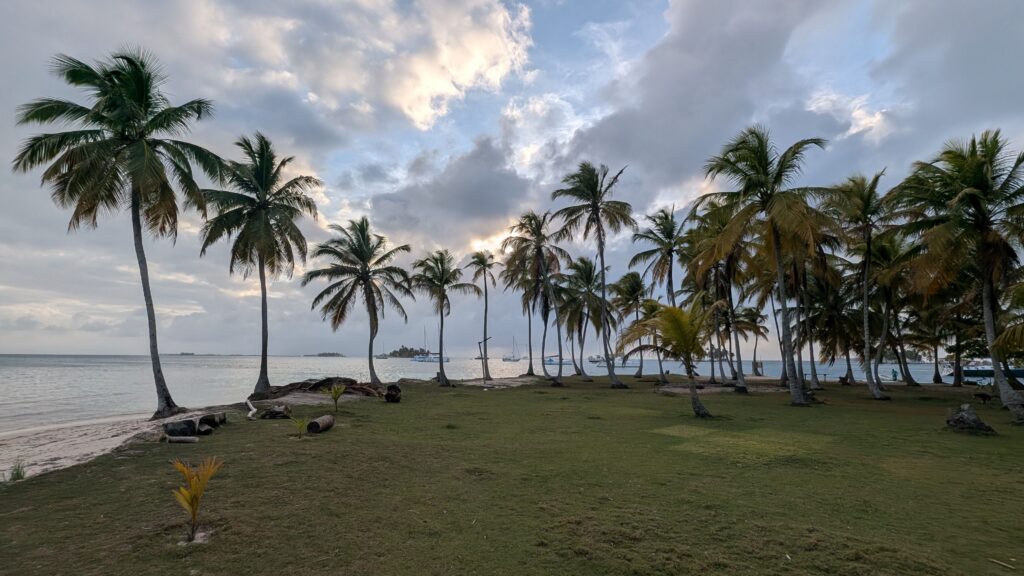
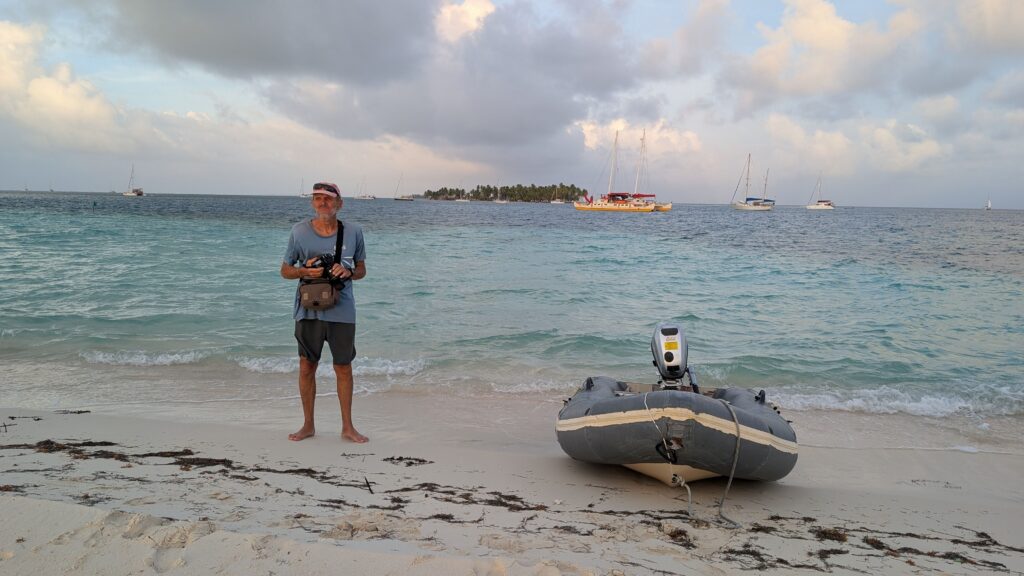
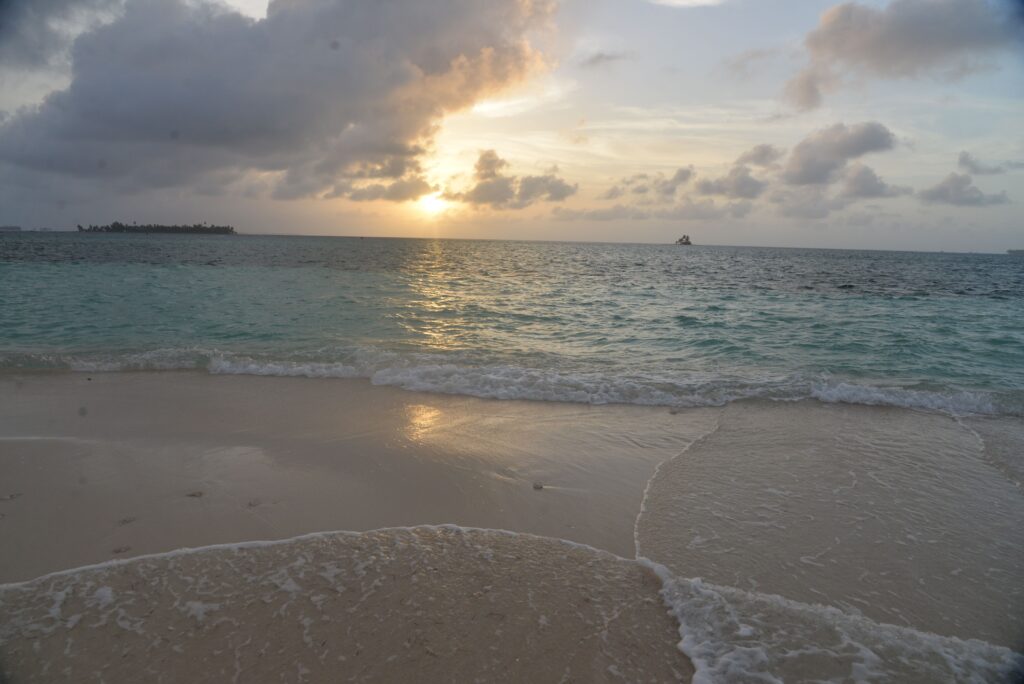
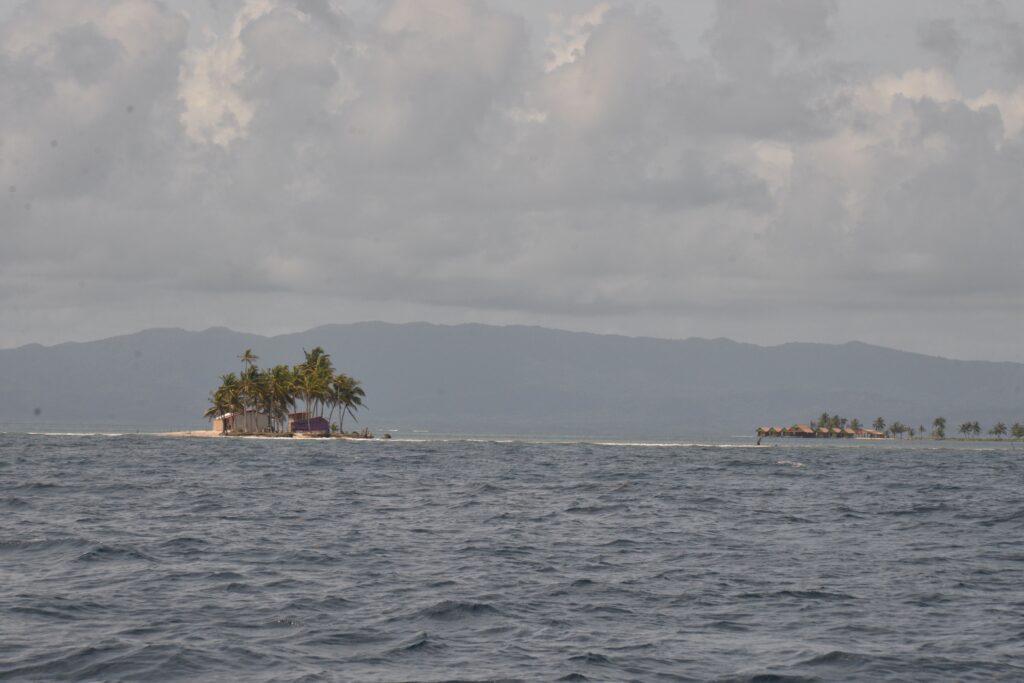
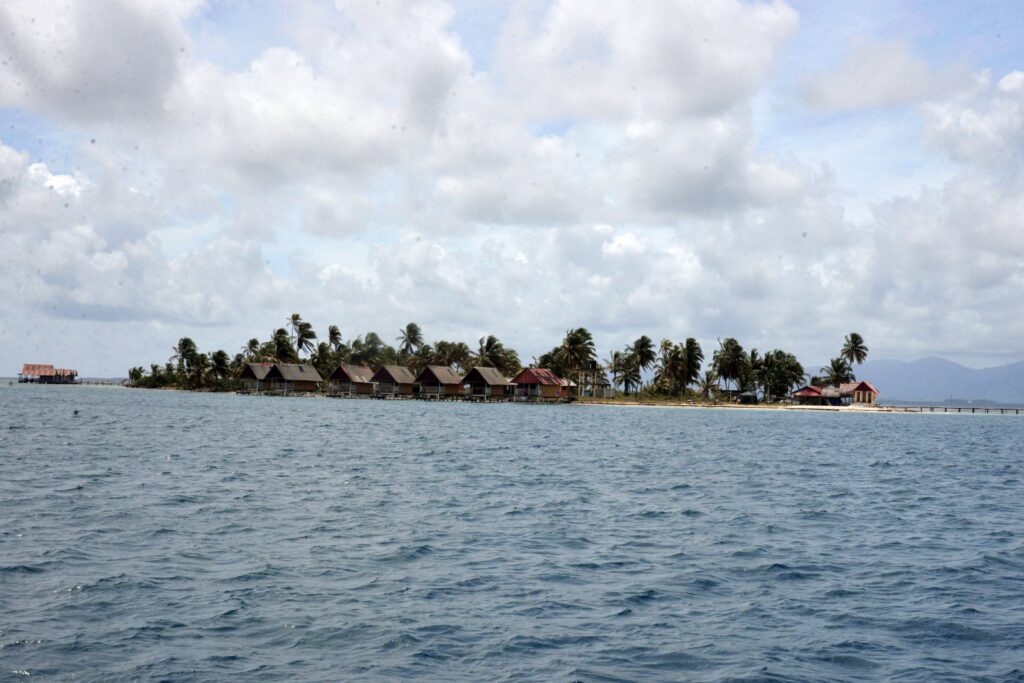
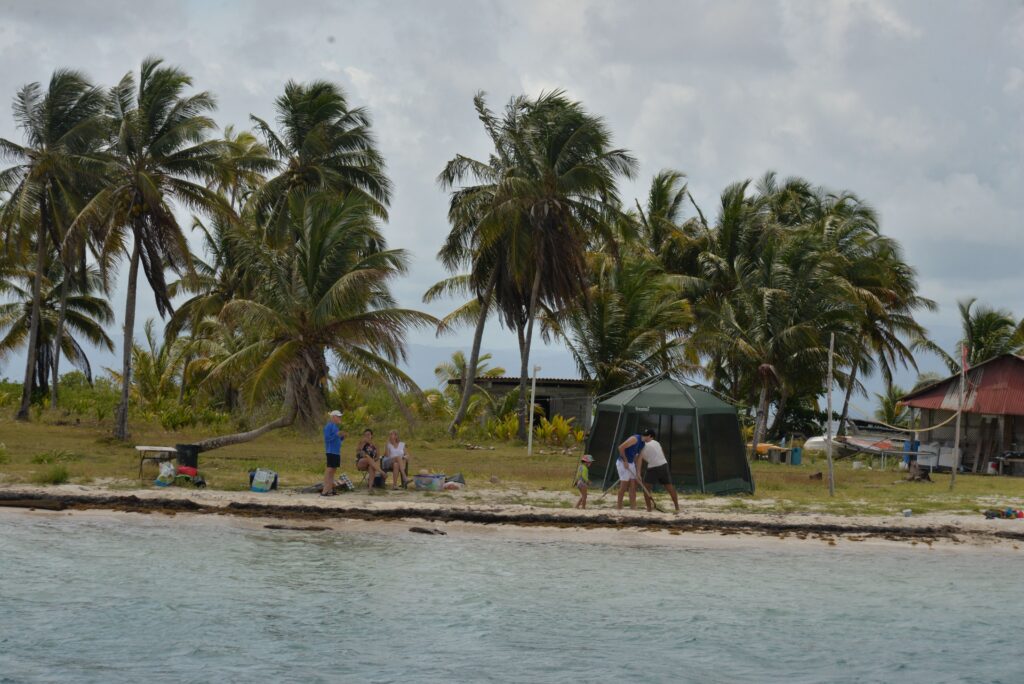
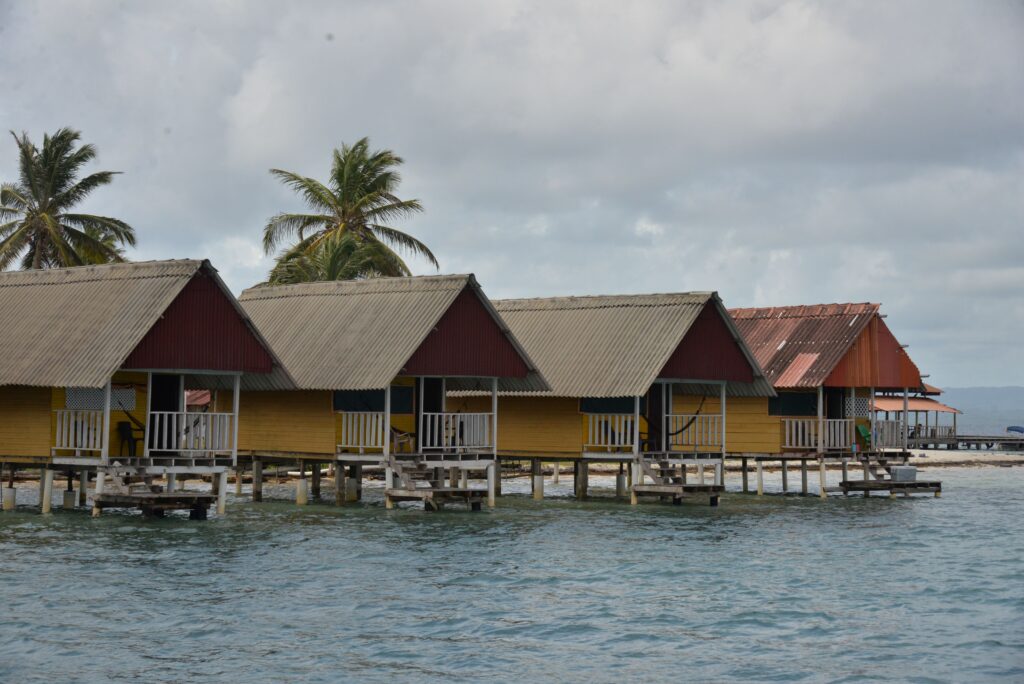
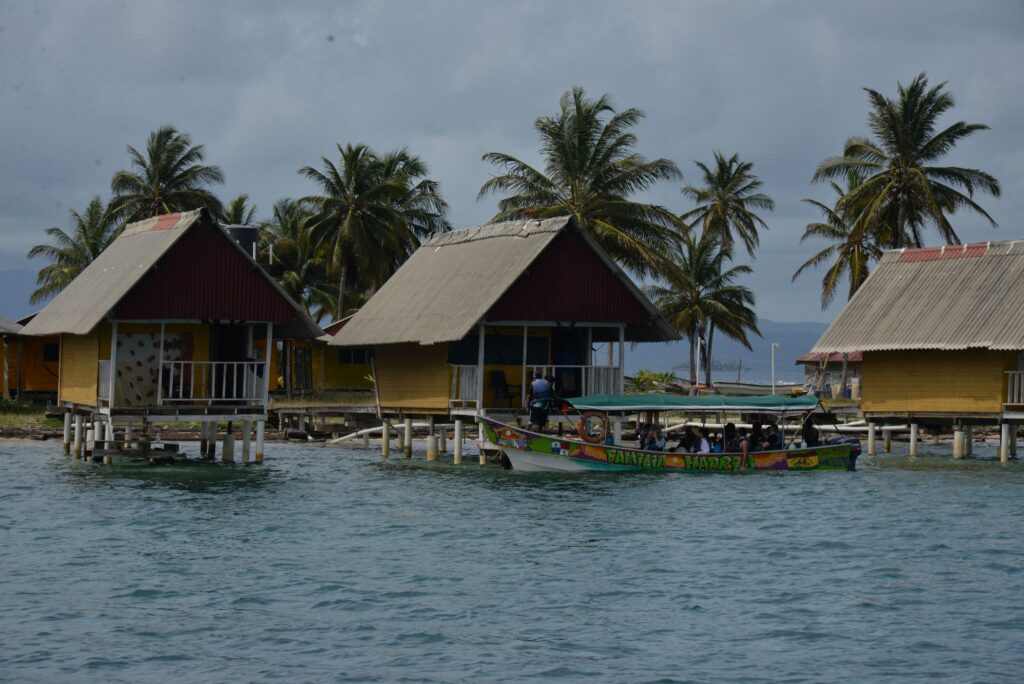
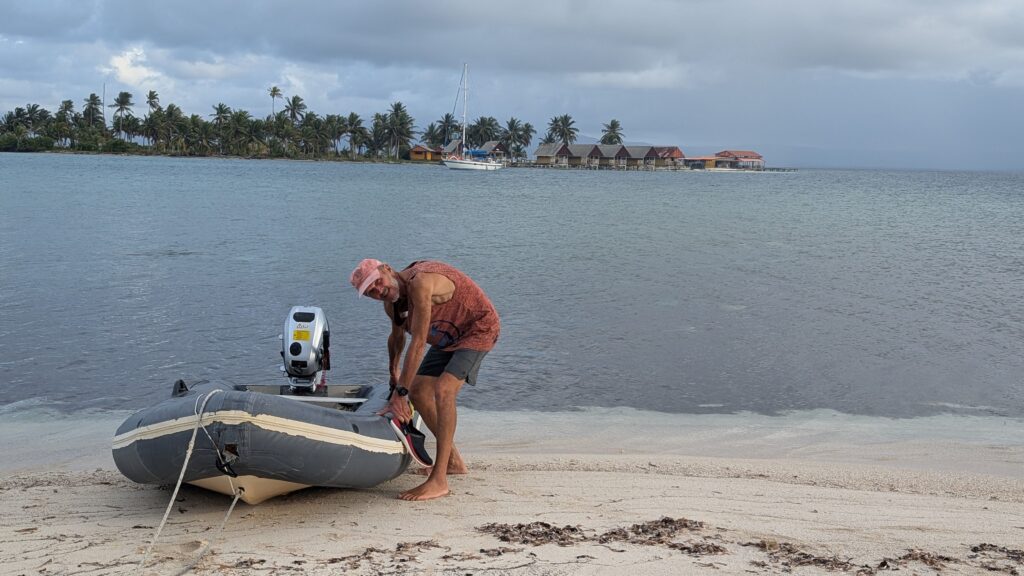
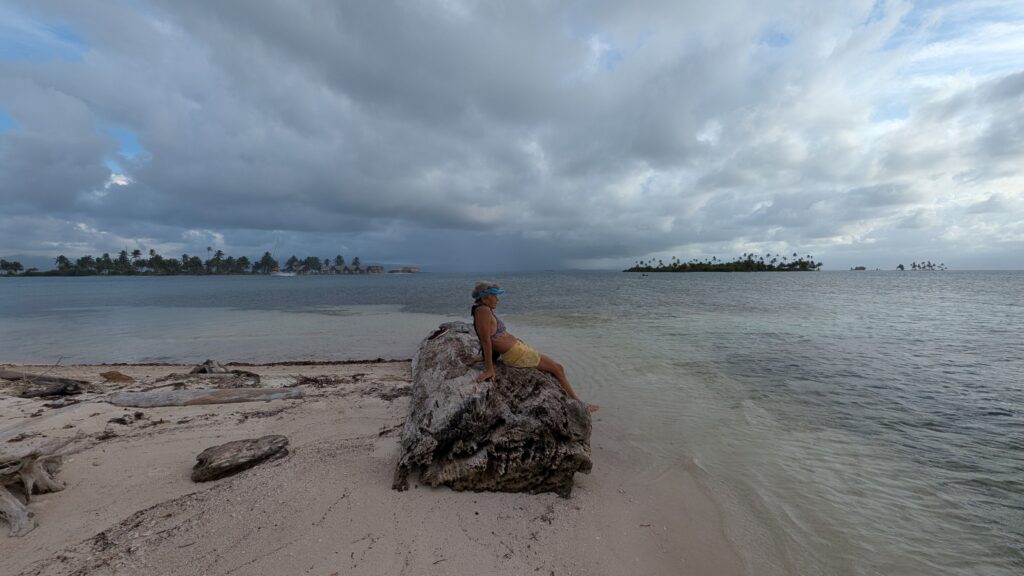
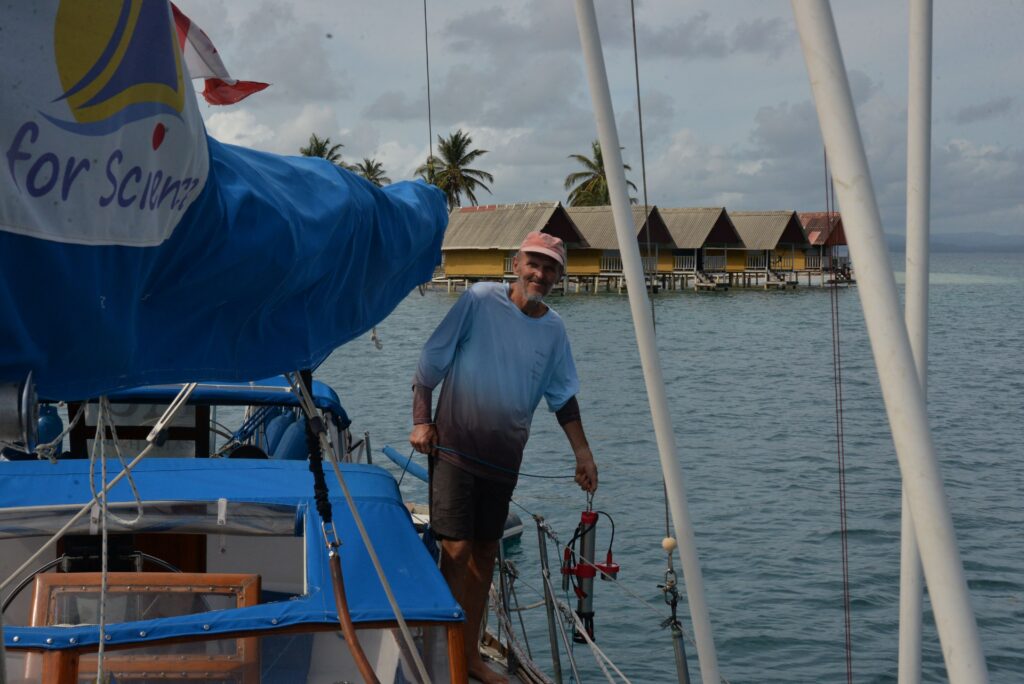
Another sparkling jewel of the San Blas archipelago is Chichime — a remote island ringed by dazzling coral reefs and crystal-clear, azure waters. Though off the beaten path, it has become a favorite stopover for adventurous travelers. A few local Guna families help keep the island welcoming, running a small restaurant and renting out rustic cabins that blend perfectly with the natural surroundings.
While exploring a sandy walking trail, we met a retired couple from the U.S. who had just arrived to spend a few days in one of the cabins. For them, it was an entirely new kind of travel — a world away from the polished comforts of all-inclusive resorts. They were thrilled by the simplicity, the quiet, and the raw beauty of the island. We could see that spark of rediscovery in their eyes.
We, too, embraced the island’s magic through hours of snorkeling. The reefs around Chichime are impressively healthy, teeming with vibrant coral and a kaleidoscope of reef fish. Gliding over the underwater landscape, it felt like swimming through a living painting — one that shifts and shimmers with each breath.
Sadly, our GoPro camera betrayed us and flooded during one of our dives, so we couldn’t capture any photos of this spectacular world. But in a way, it made the experience more special — those scenes will live vividly in our memories, unfiltered and undisturbed.
Chichime is a reminder that paradise doesn’t need luxury — just clear water, coral reefs, and a quiet island breeze.