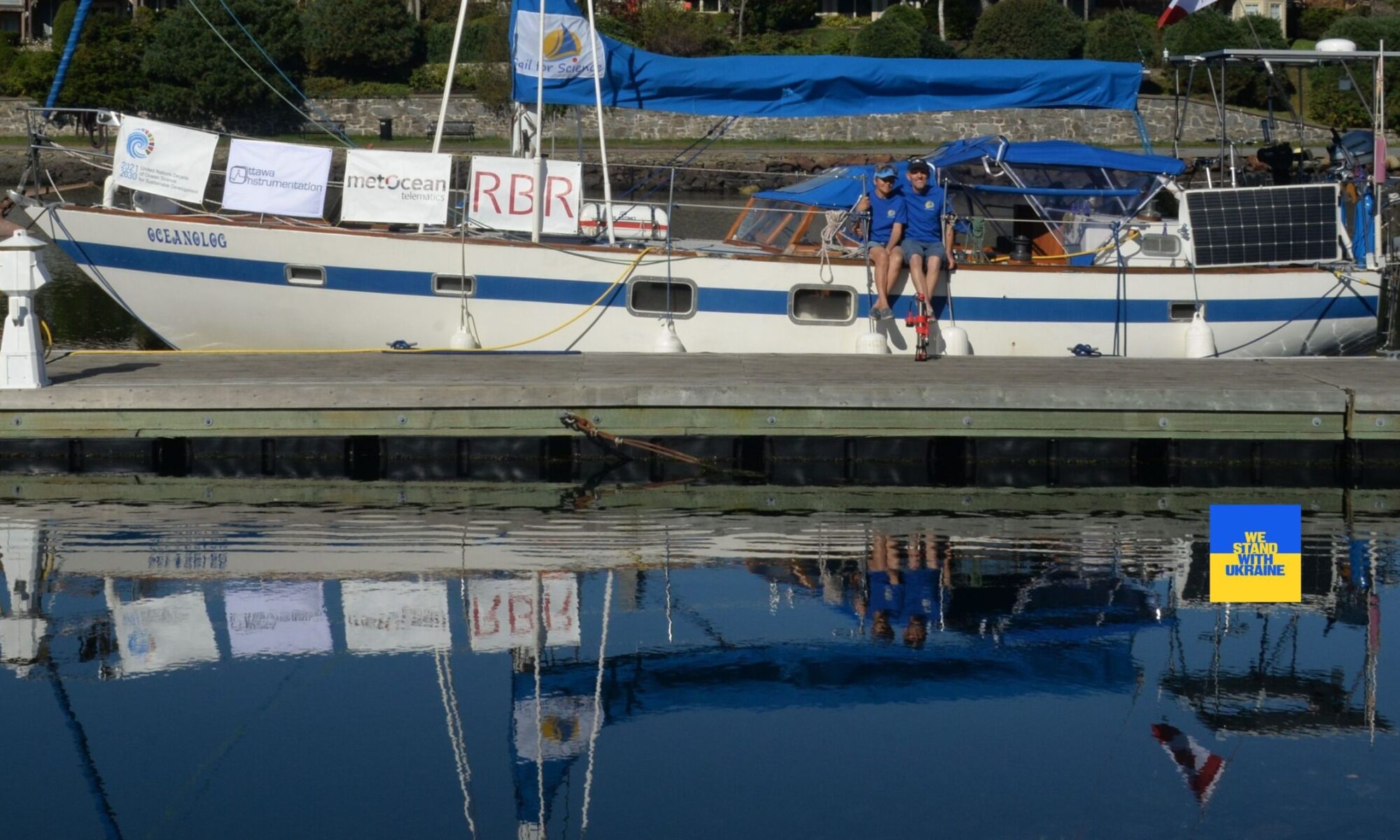
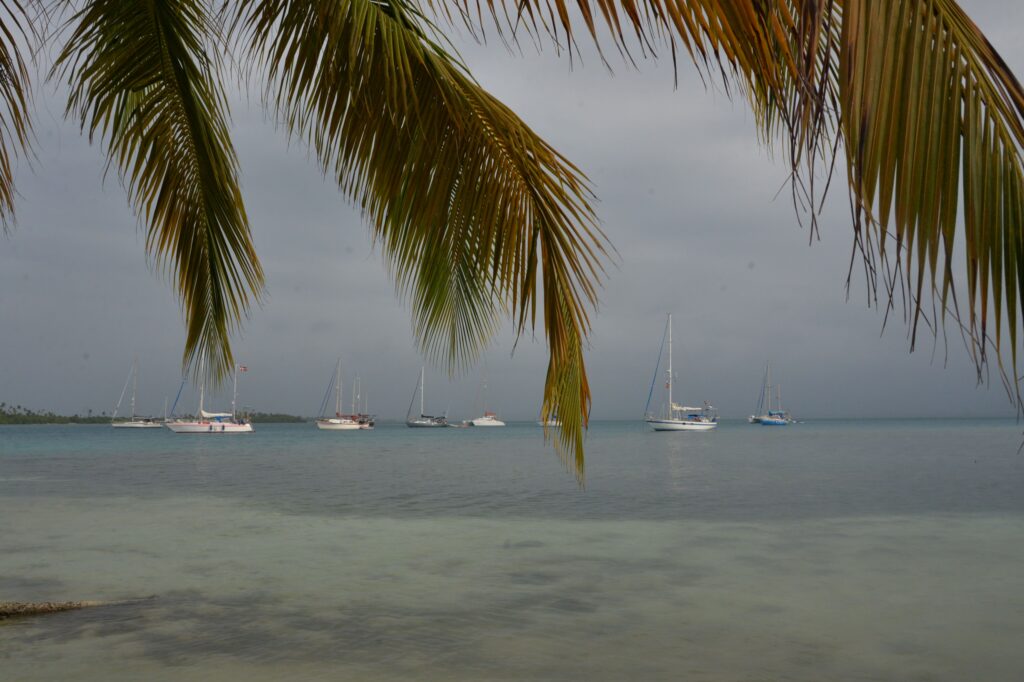
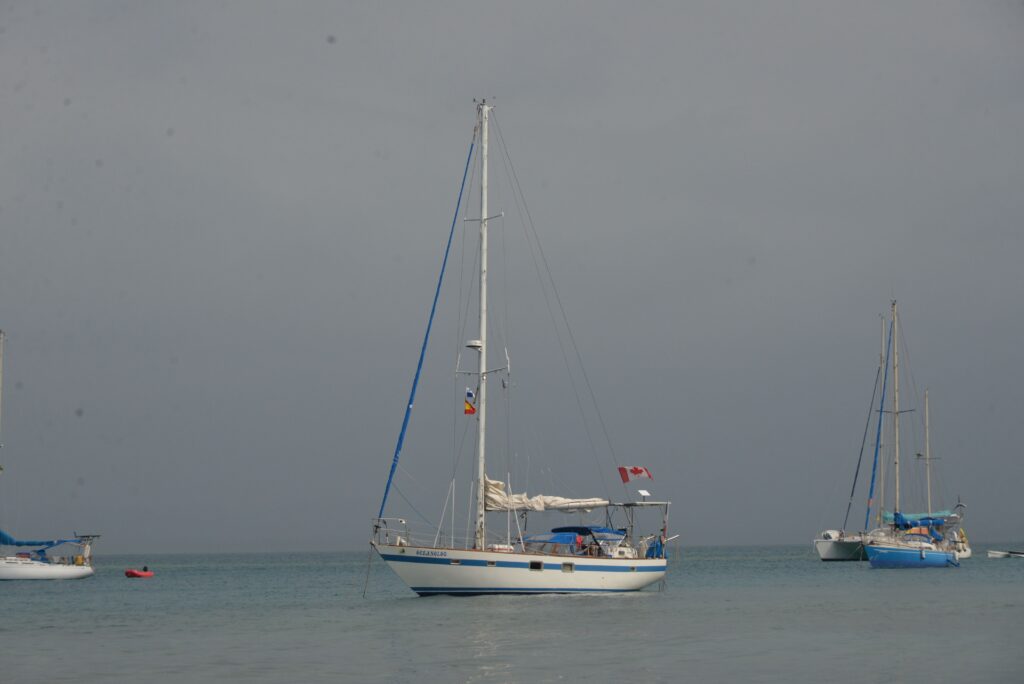
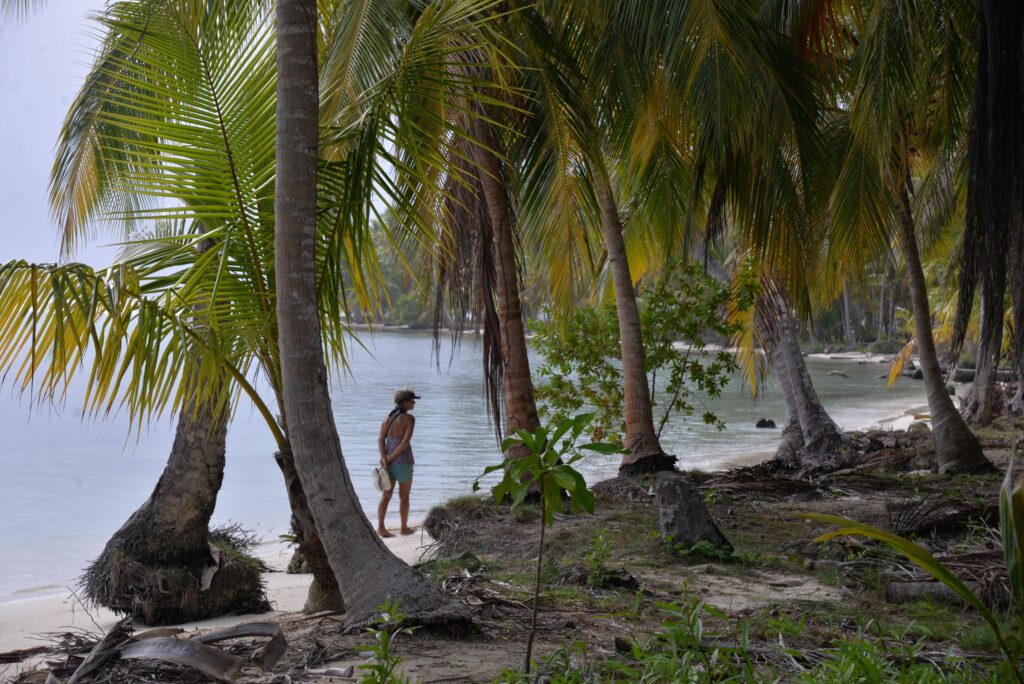
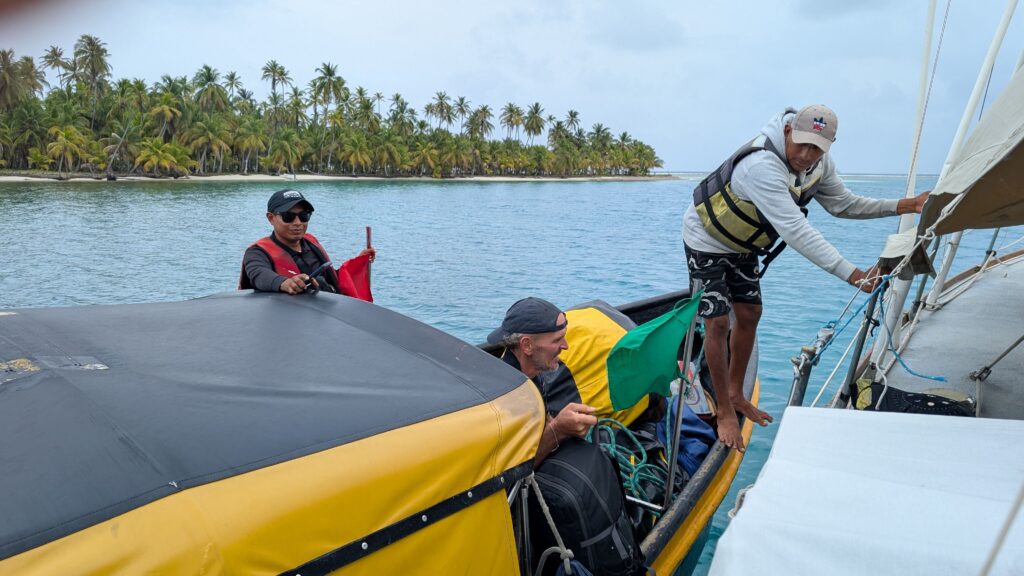
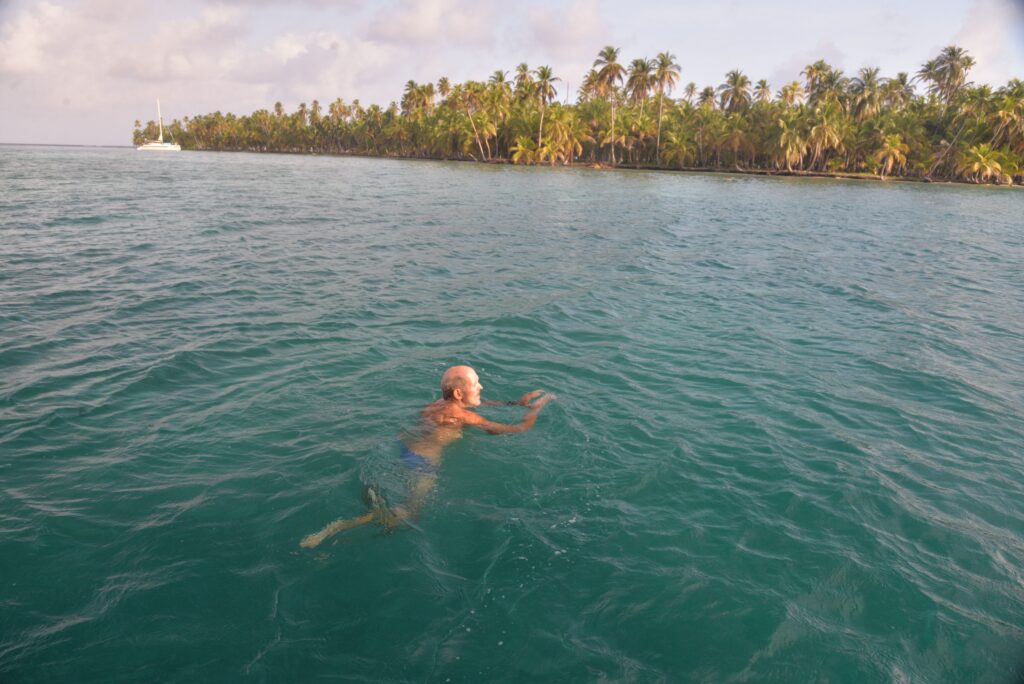
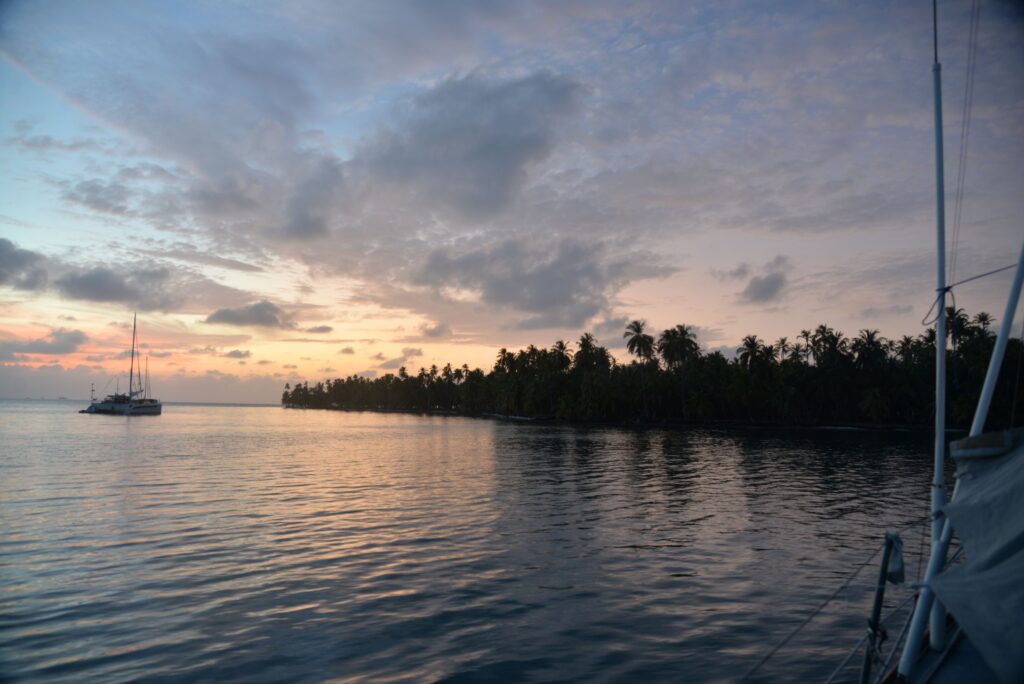
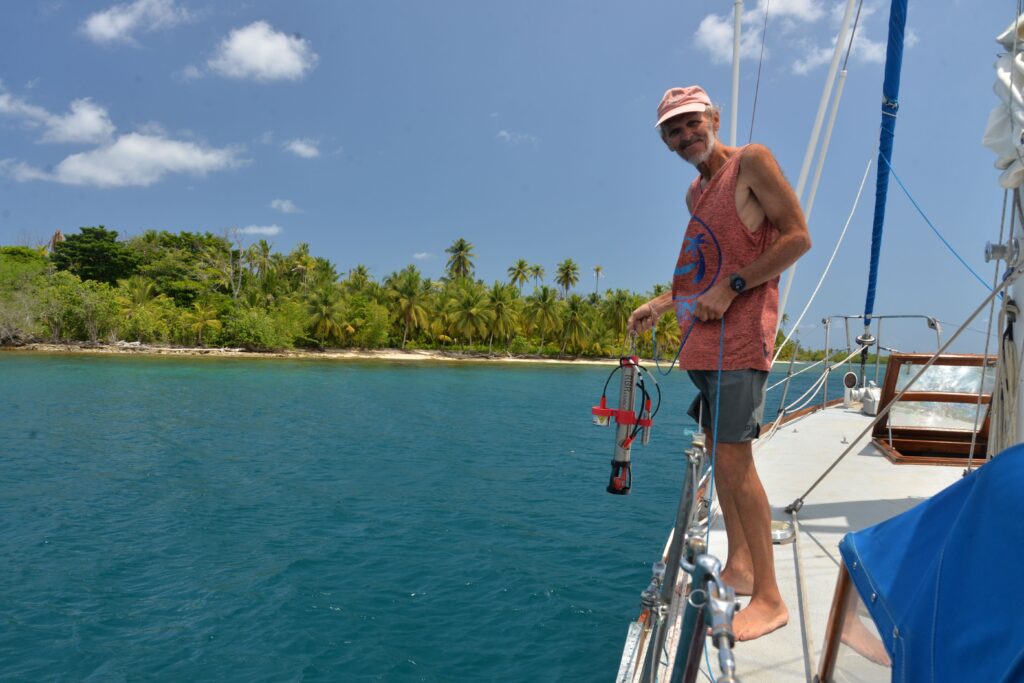
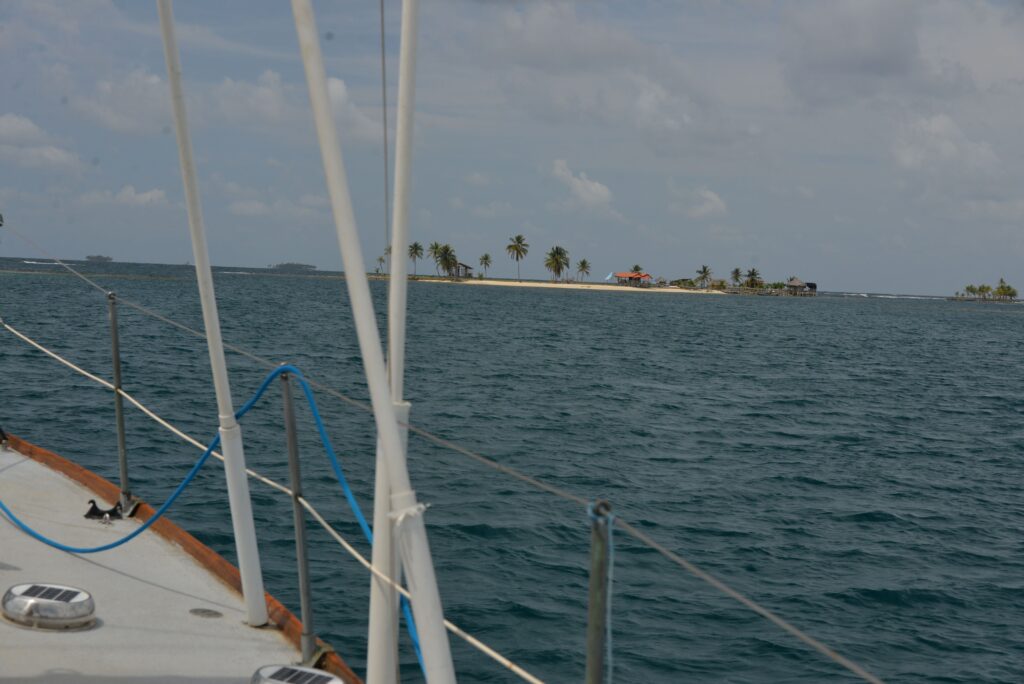
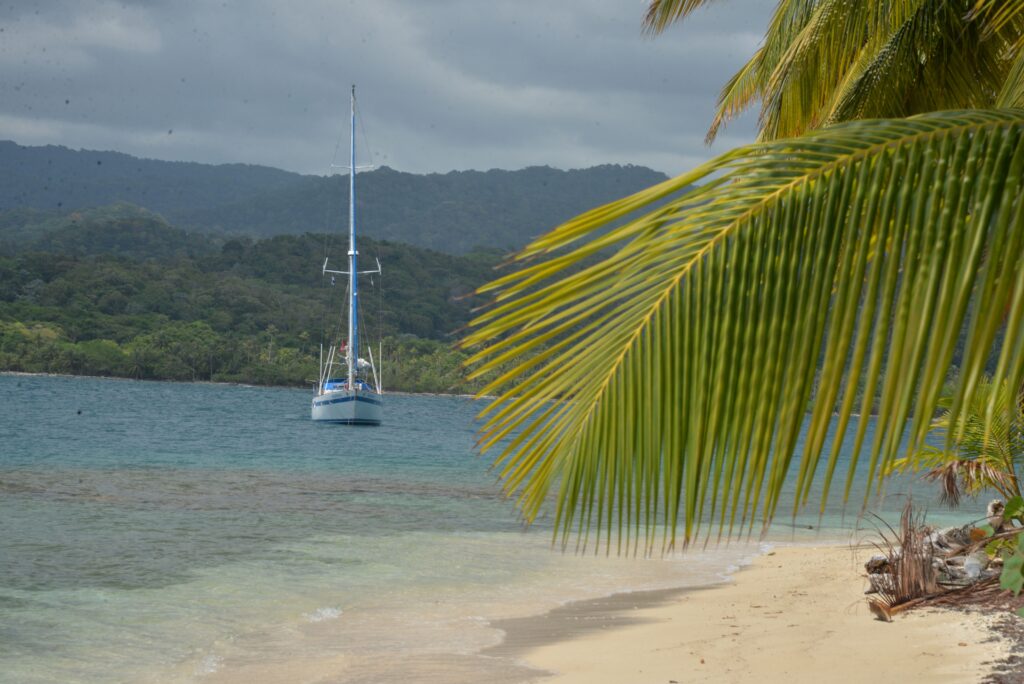
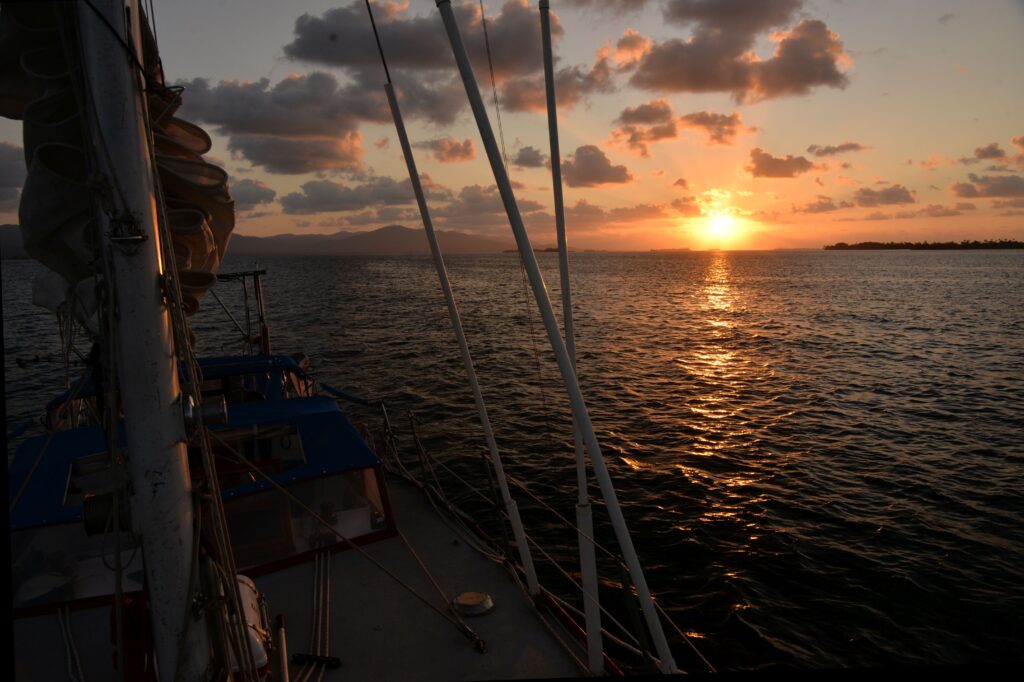
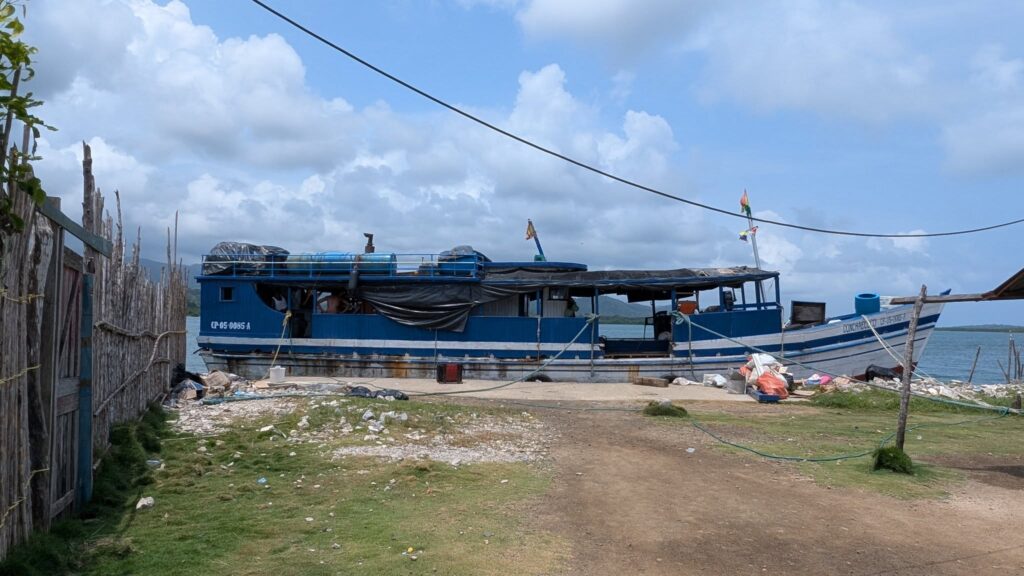
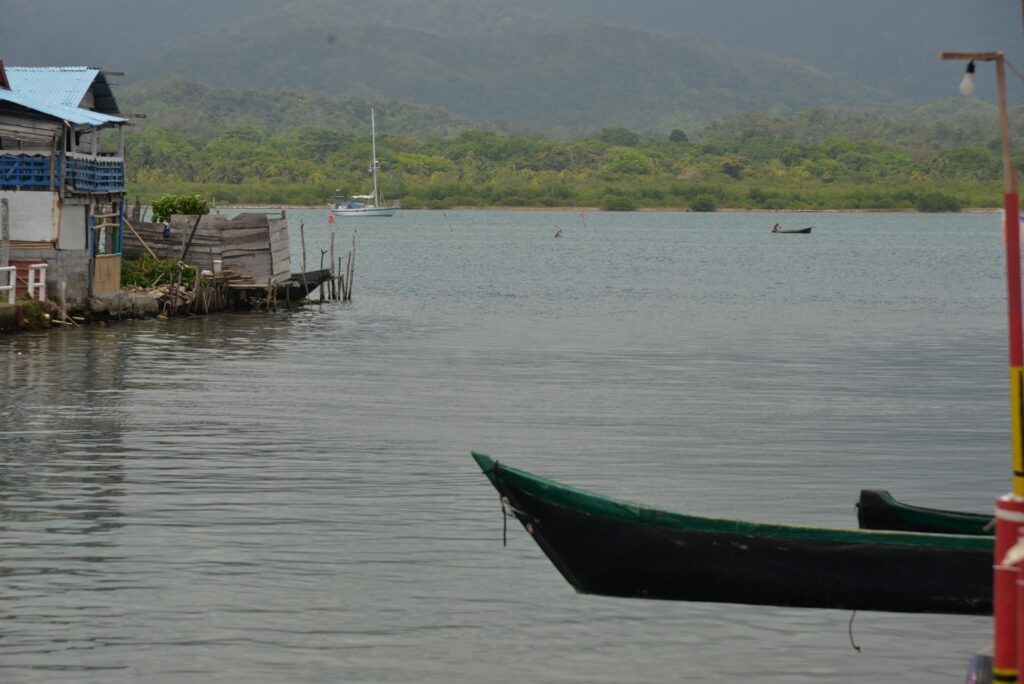
Our arrival at Green Island marked a milestone in our journey—it became our anchorage for over two weeks as we paused due to very sad family circumstances: my father passed away in Kyiv, and I went to Ukraine for the funeral. Iryna was staying on the anchored sailboat, taking care of its safety.
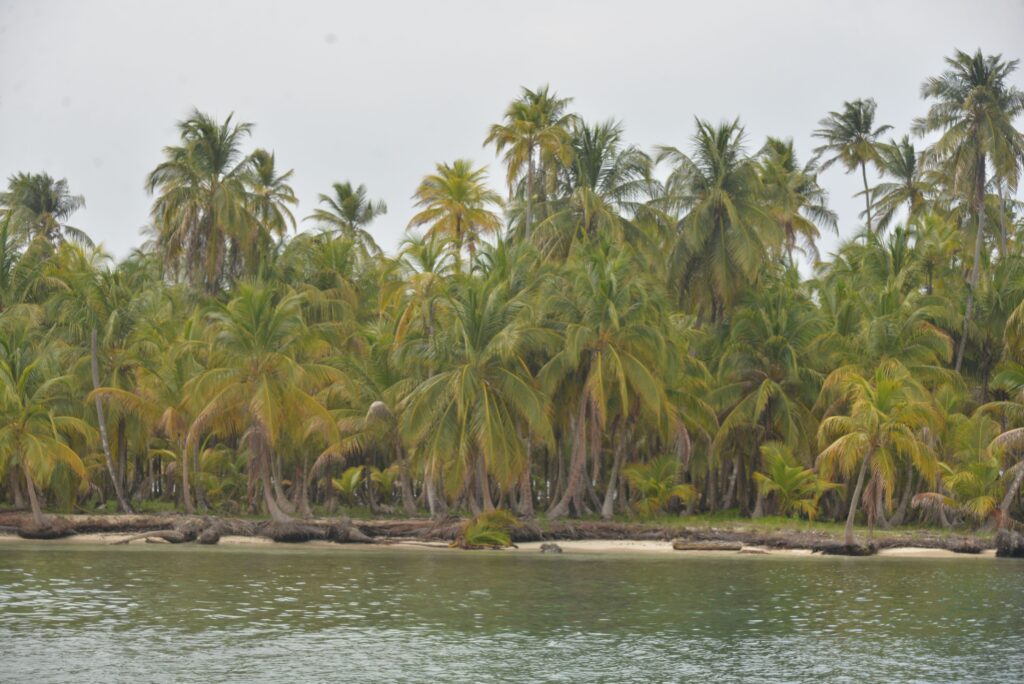
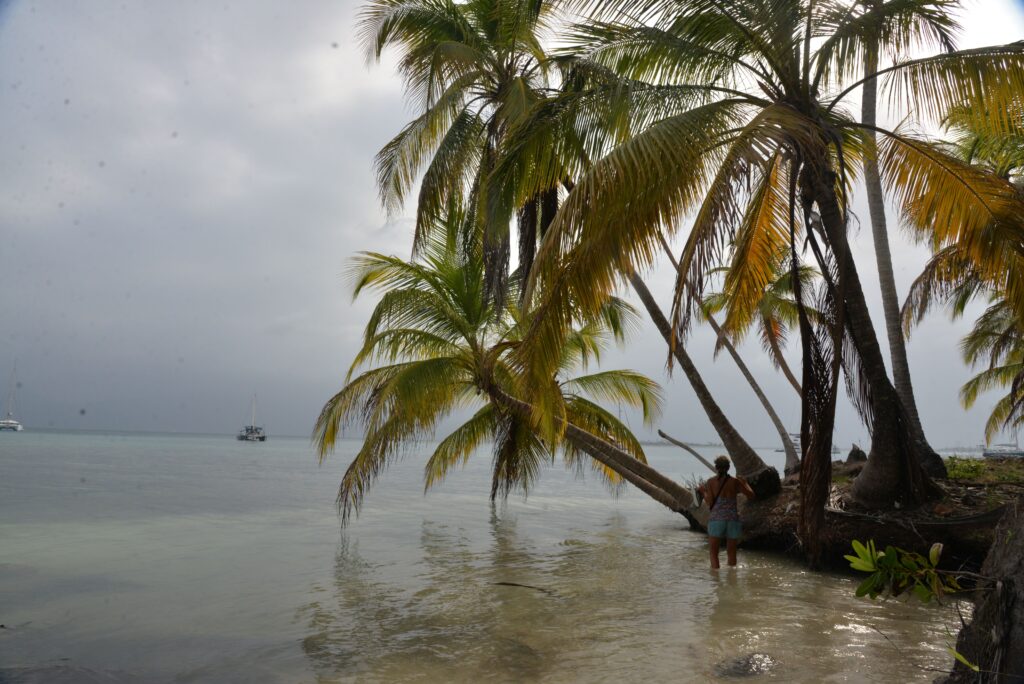
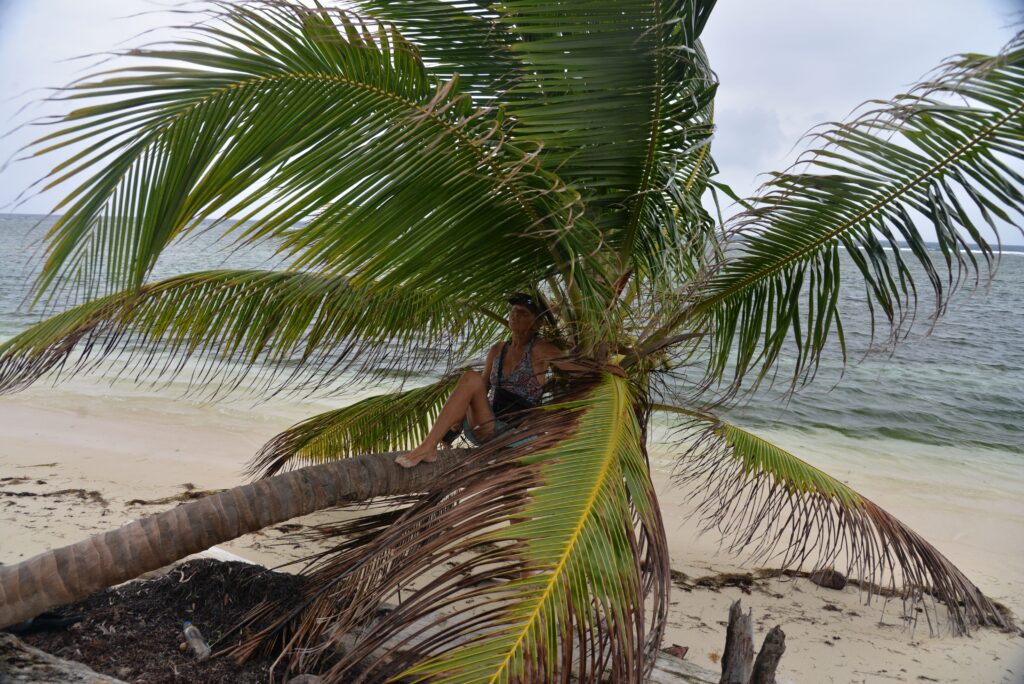
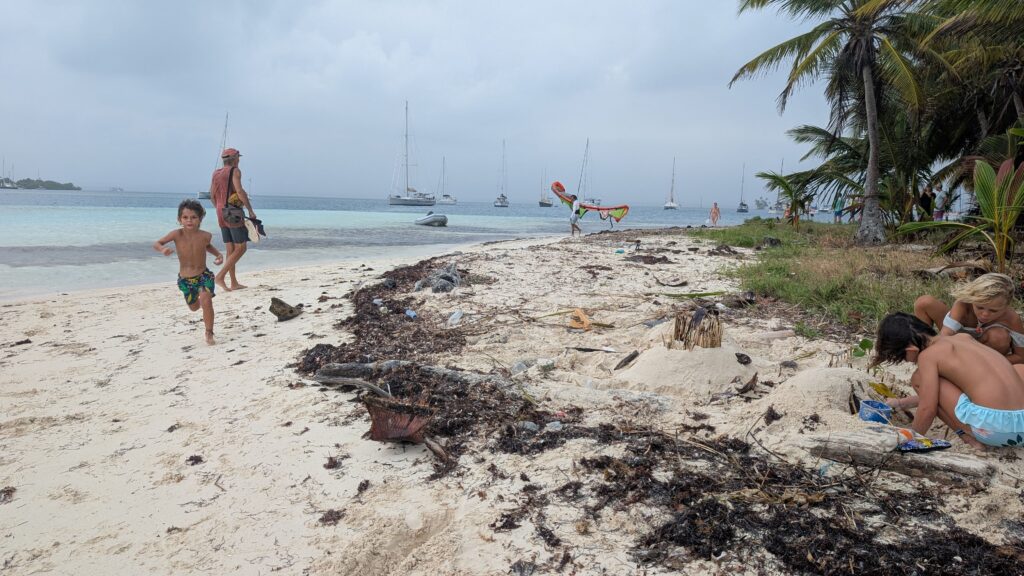
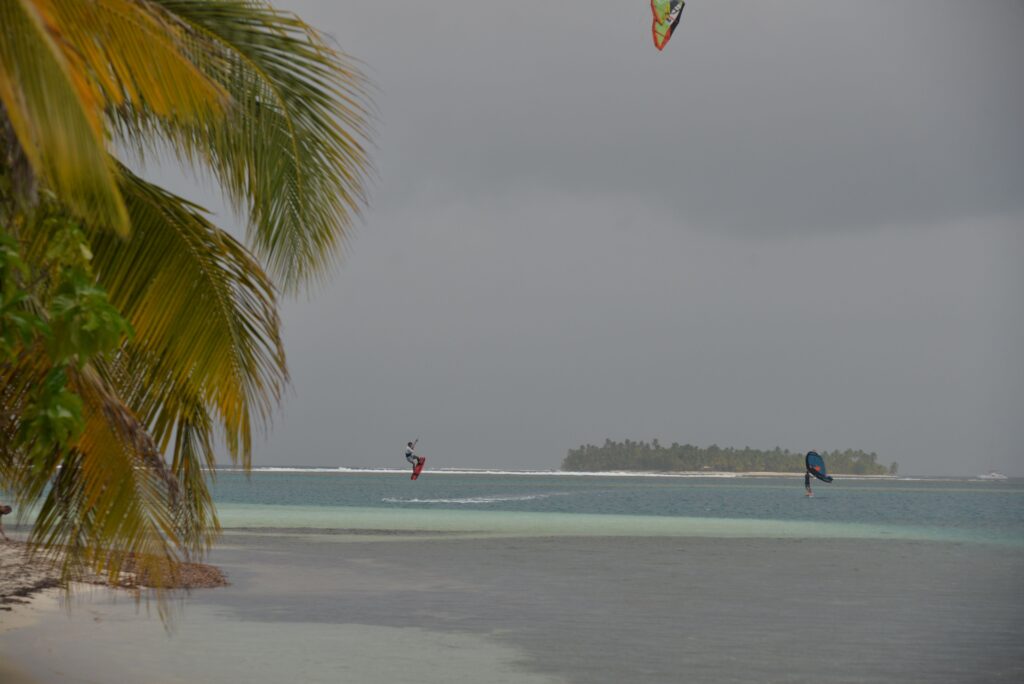
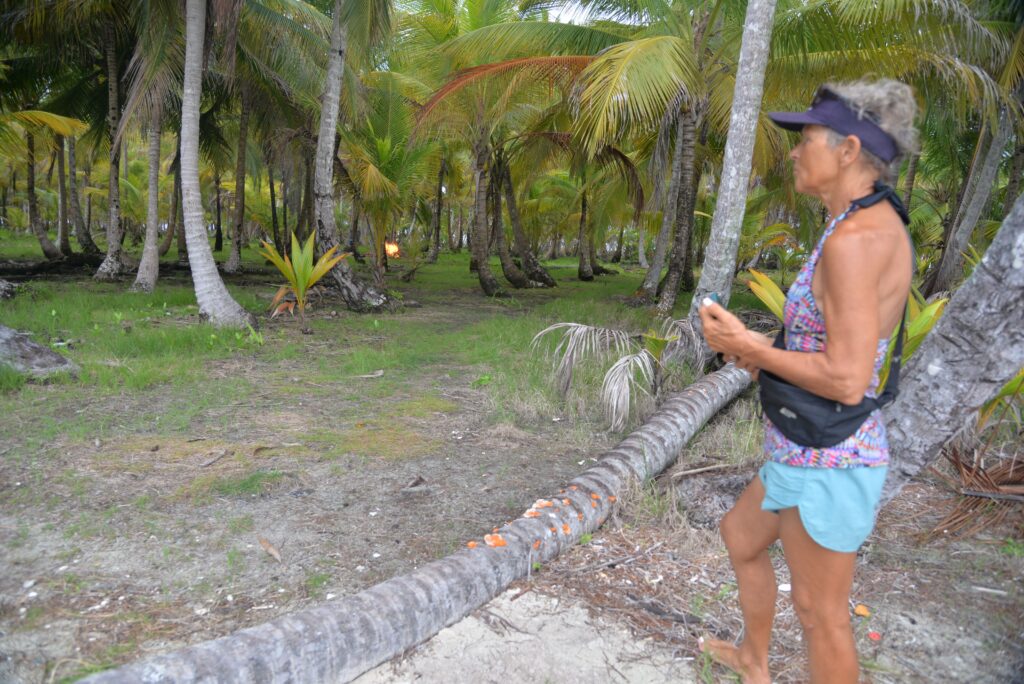
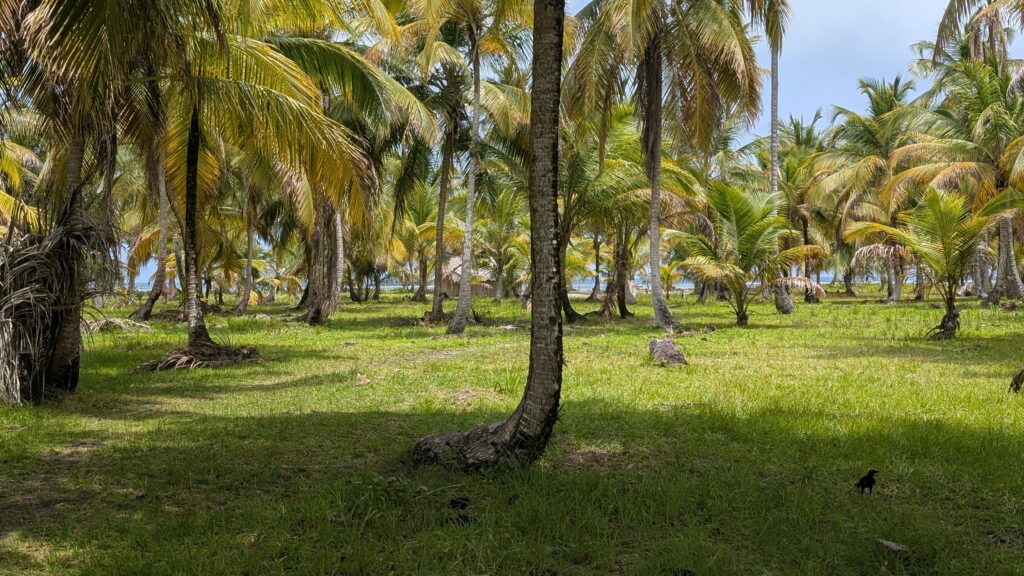
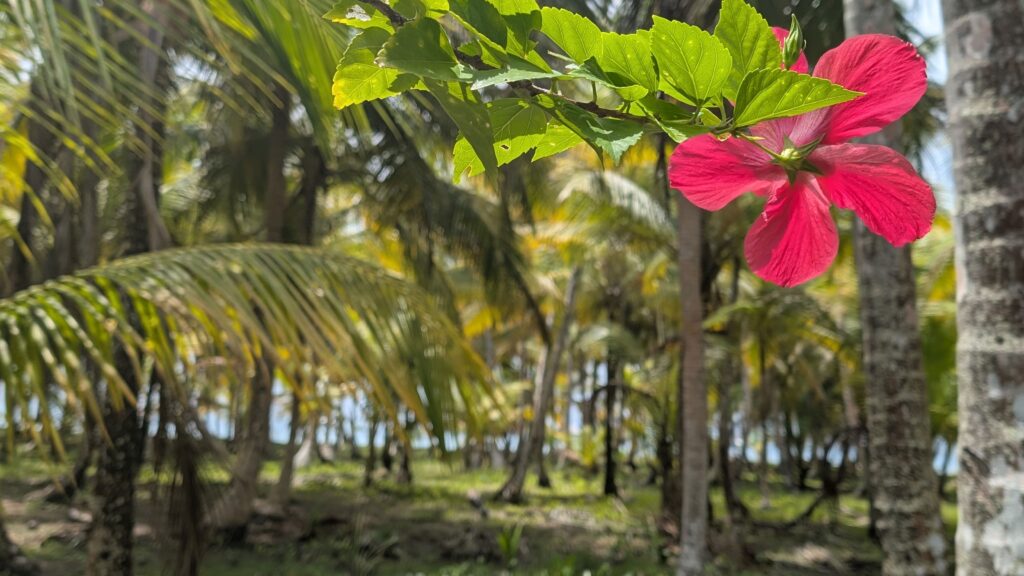
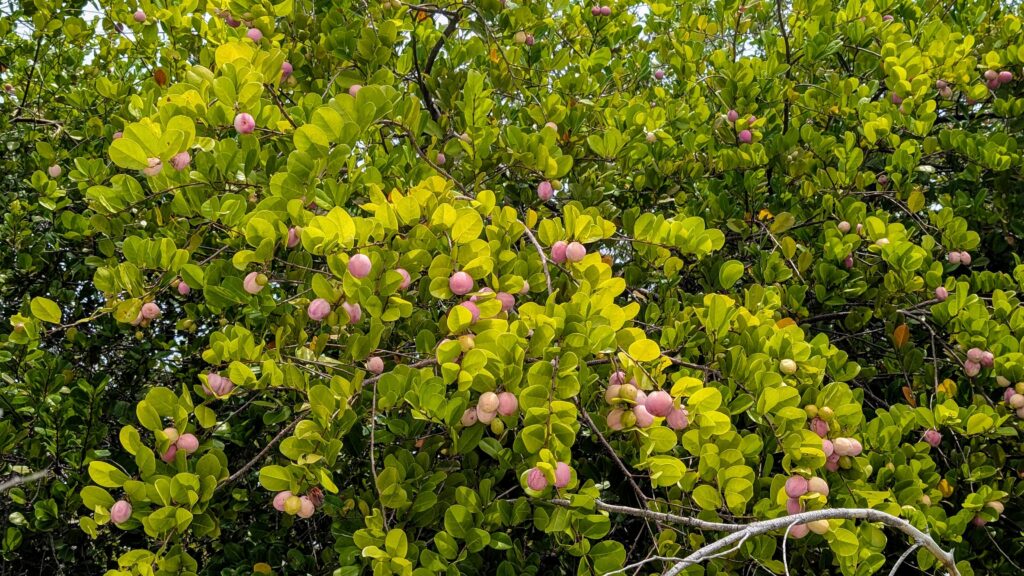
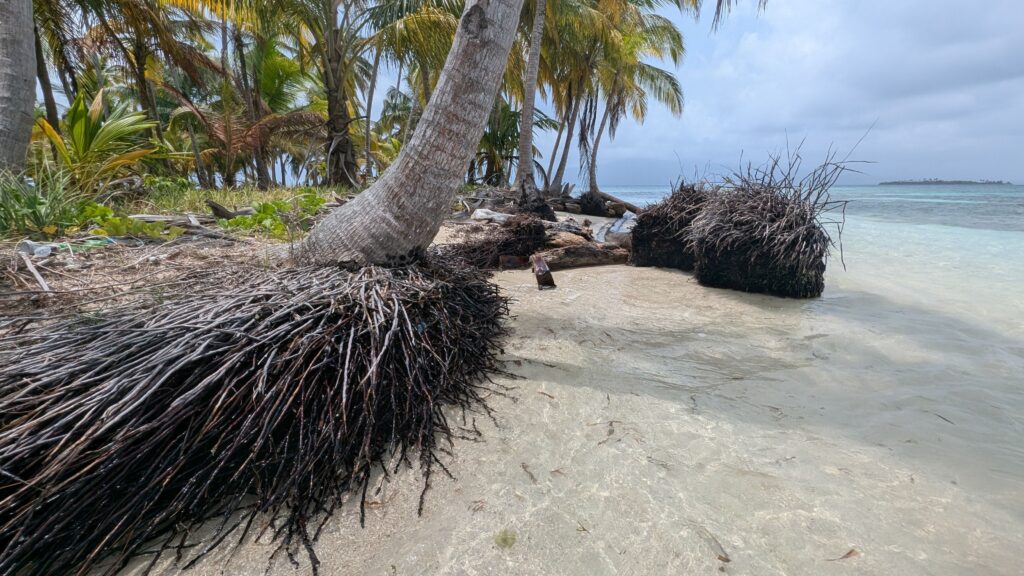
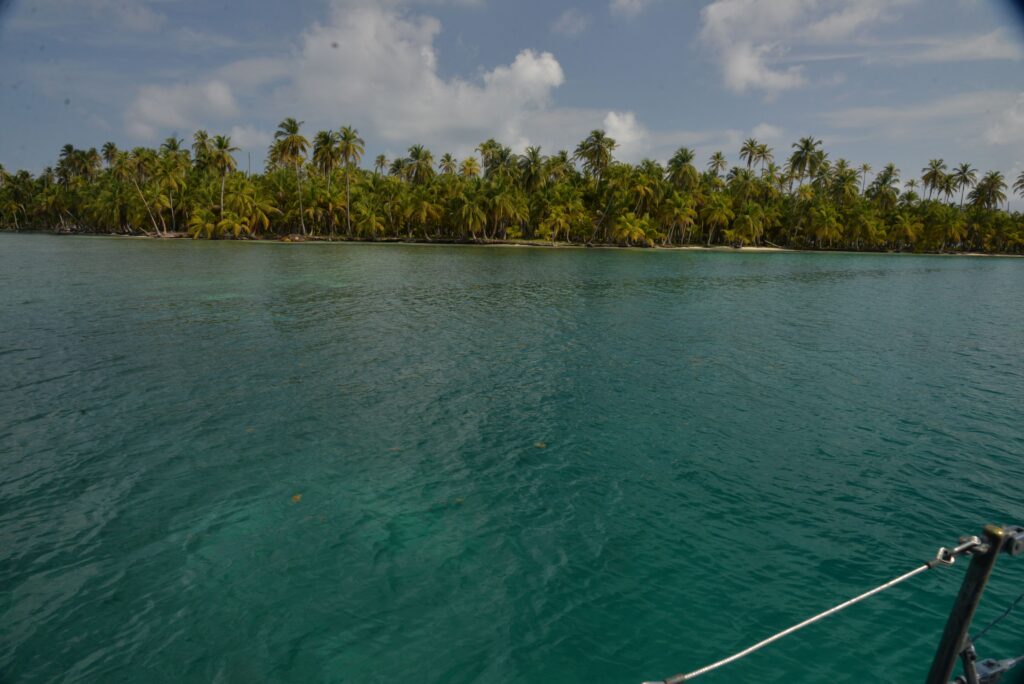
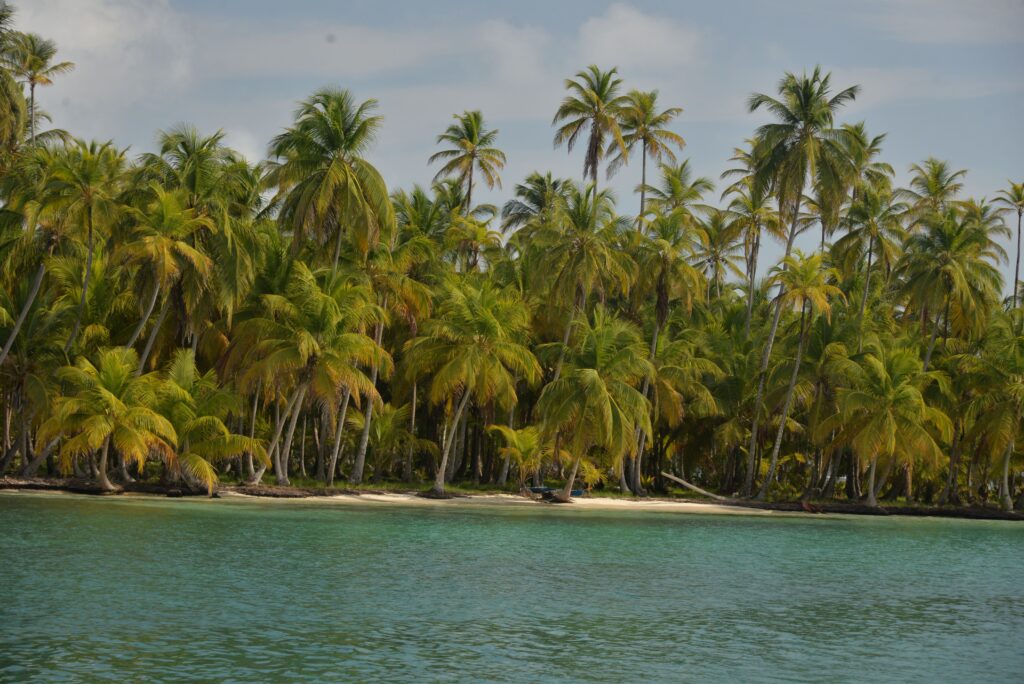
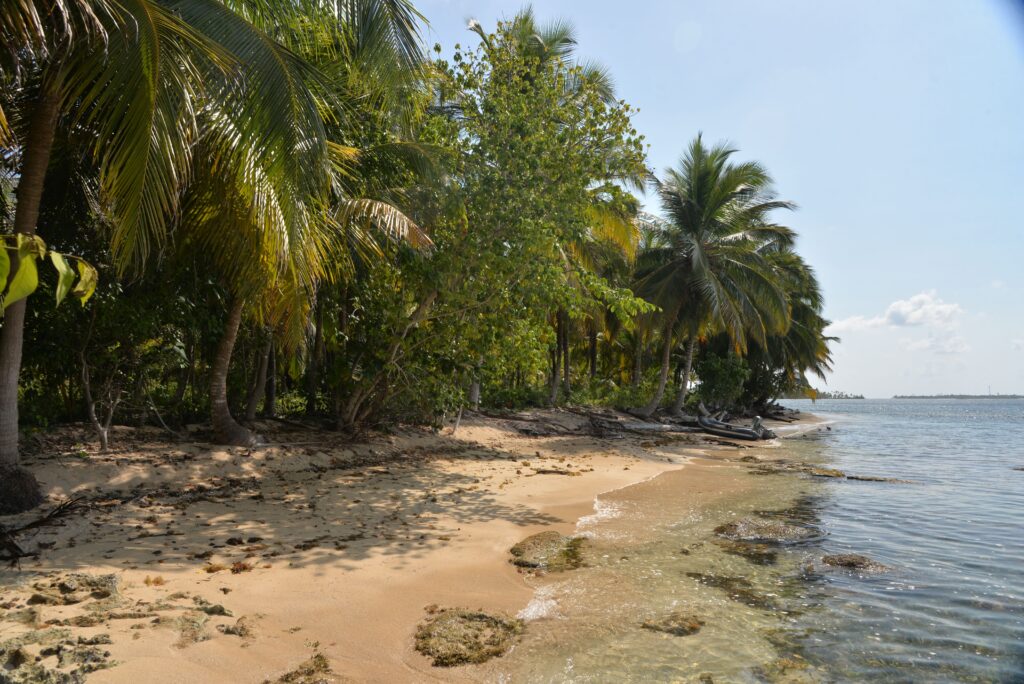
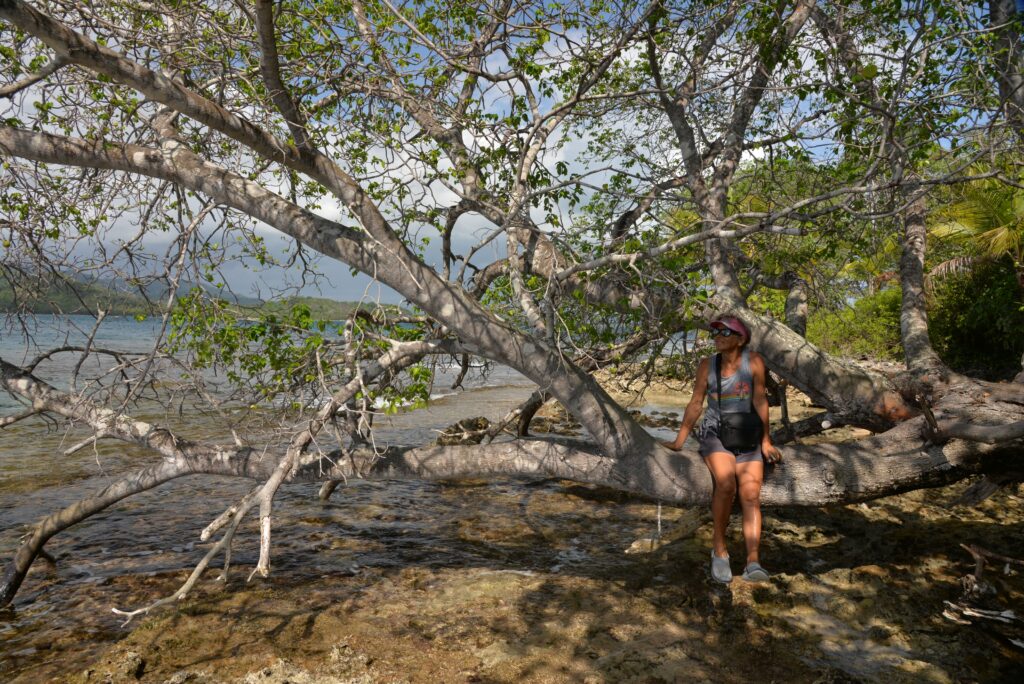
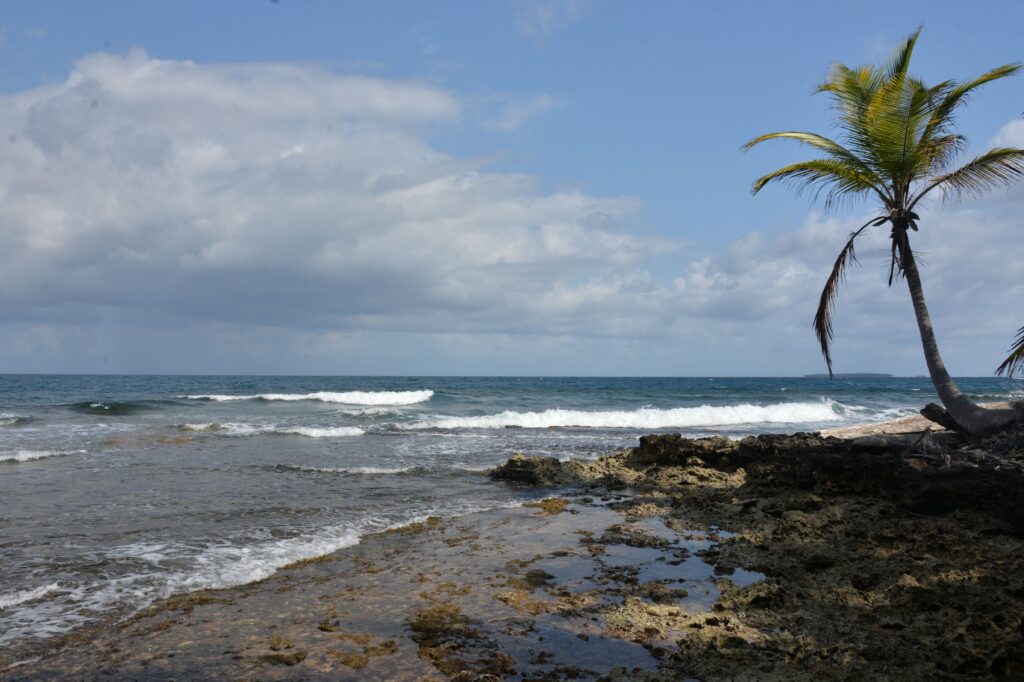
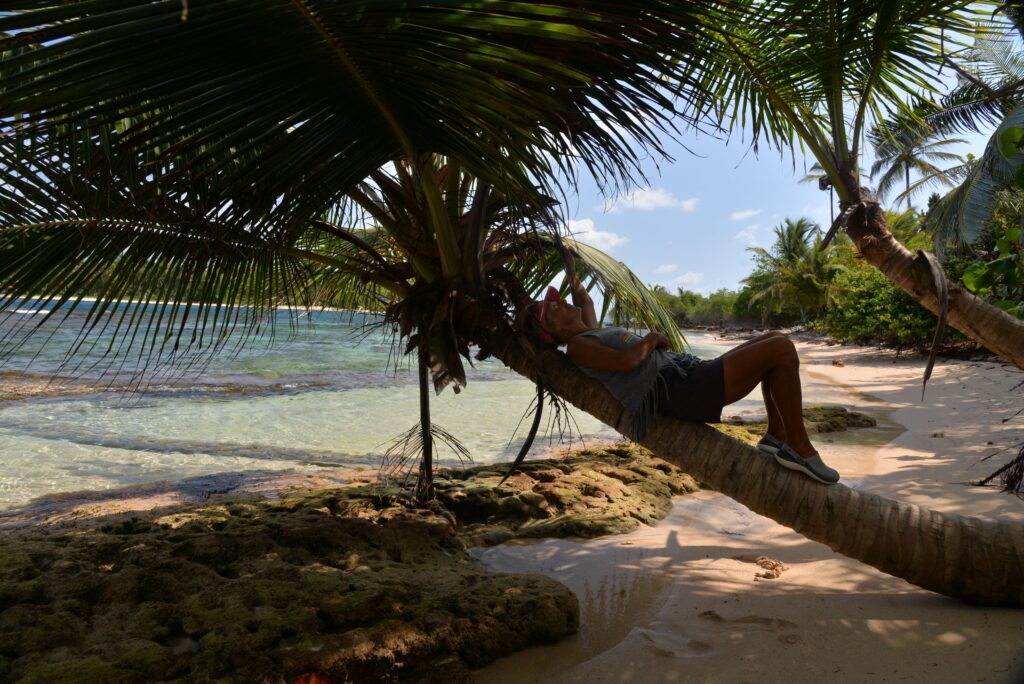
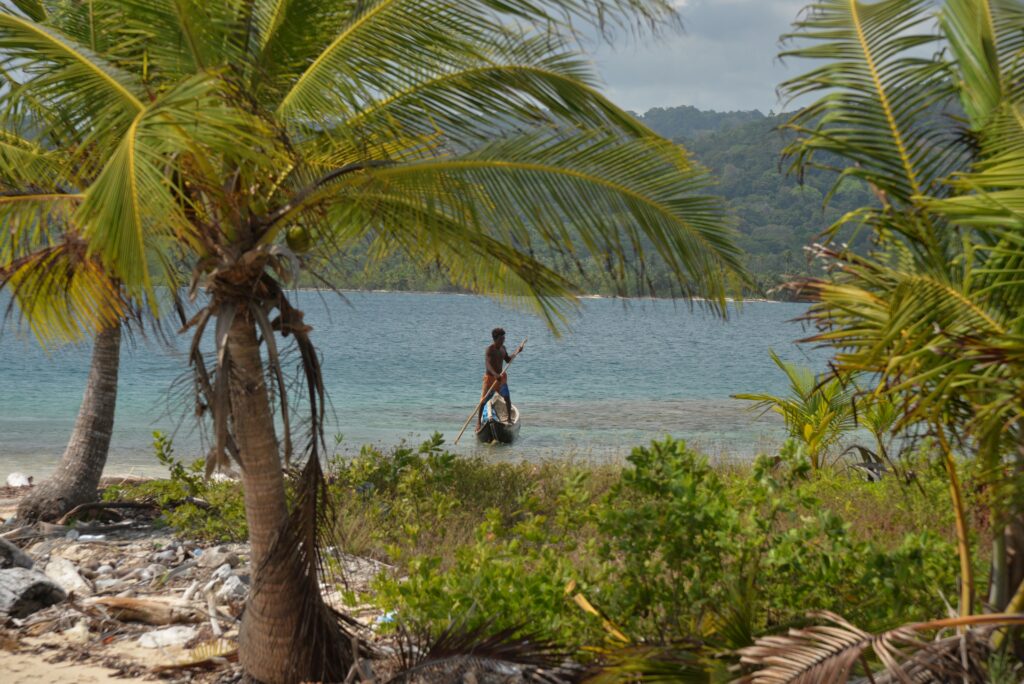
Green Island, true to its name, is blanketed in thick vegetation, mostly swaying palm trees that line its sandy shores. A small group of young Guna Yala locals operates a rustic camp here, renting tents to backpacker tourists and bringing a touch of community life to this otherwise remote paradise. The island’s plentiful coconut palms became a natural bonus, allowing us to supplement our diet with fresh coconut meat and milk, which are rich in nutrients and, let’s be honest, pure tropical joy.
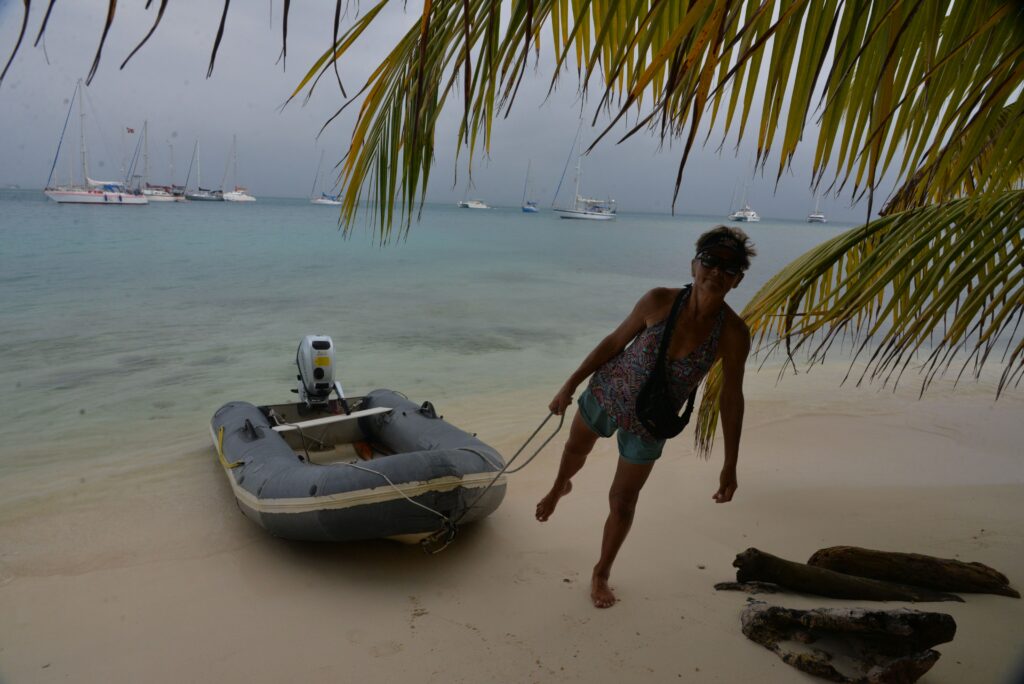
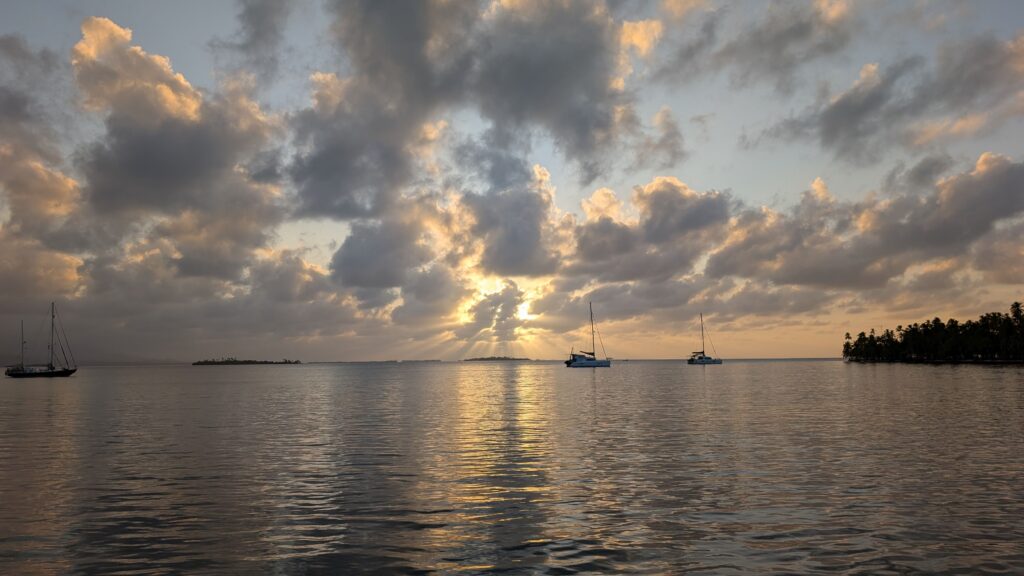
Anchored off this lush island, we found ourselves surrounded by a flotilla of sailboats and catamarans for the first time in a while. After the solitude of previous anchorages, we were suddenly back in the vibrant buzz of dinghies zipping around and lively conversations with fellow cruisers. What really stood out, though, was the sense of camaraderie among sailors. Families with young children gathered on the beach, sharing stories and laughter in the shade of the palms, creating a warm and welcoming atmosphere.
This stop also marked our first proper encounter with coral reefs. Accessing them wasn’t easy—breaking waves over the shallow reef demanded careful timing and navigation—but the reward was worth it: crystal-clear water, vibrant corals, and a chance to reconnect with the underwater world.
Green Island may have been an unplanned pause, but it became a chapter of connection, community, and quiet beauty.
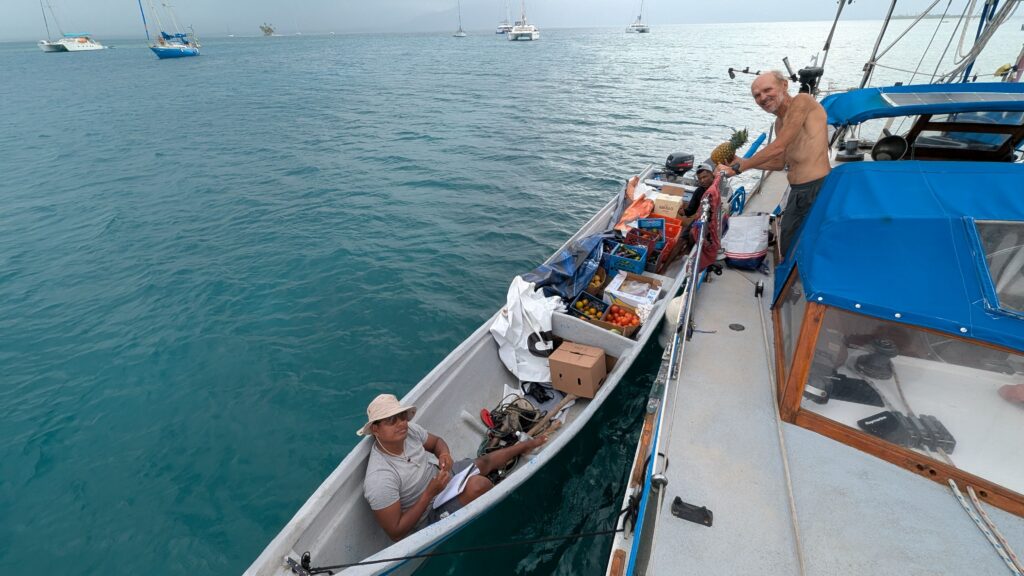
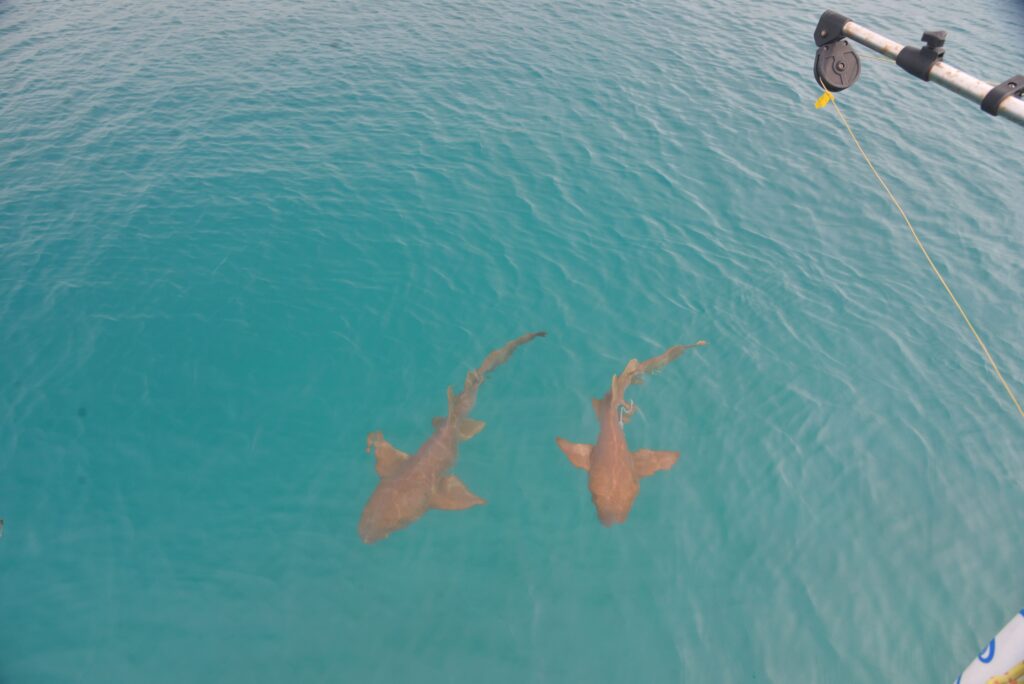
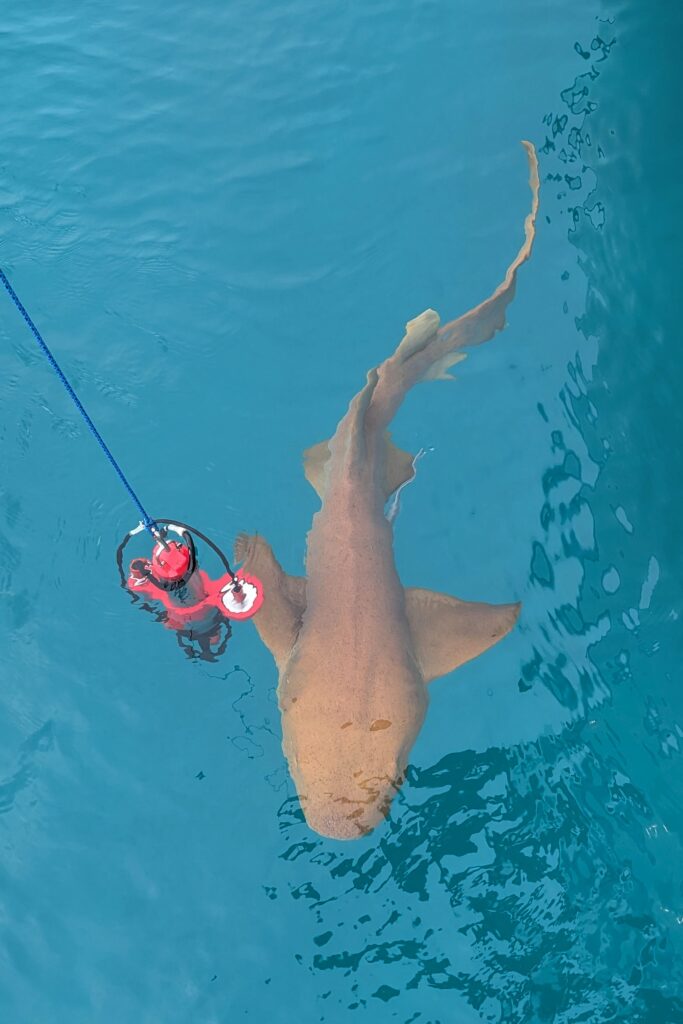
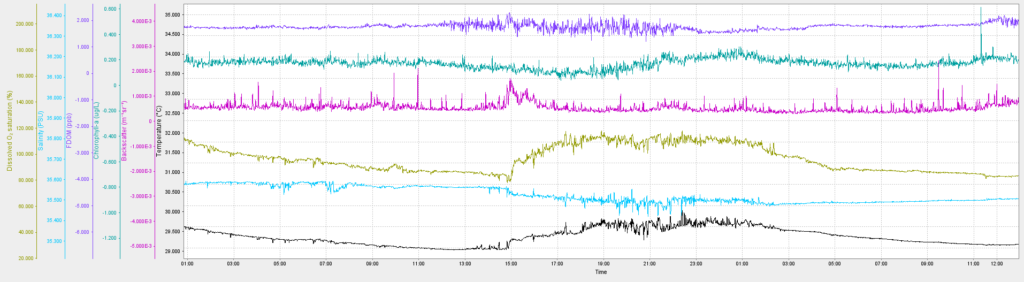
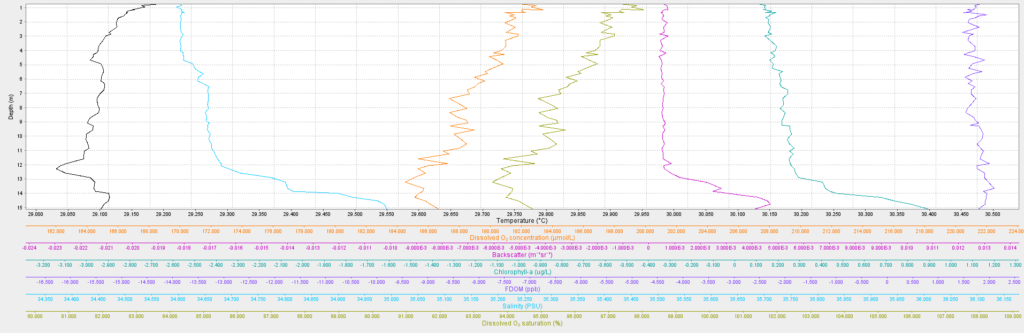
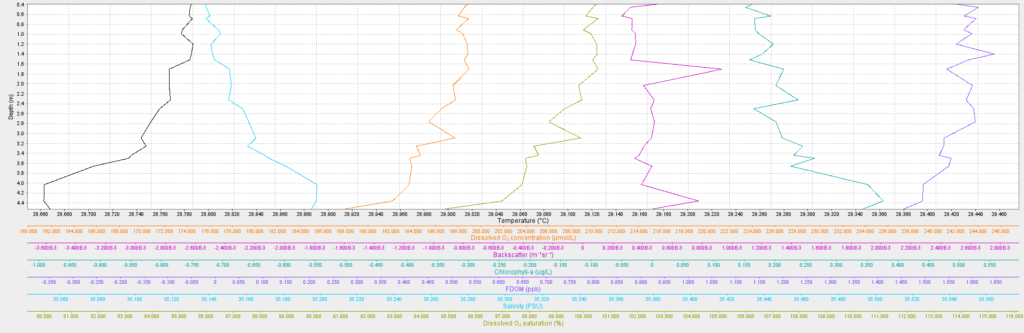
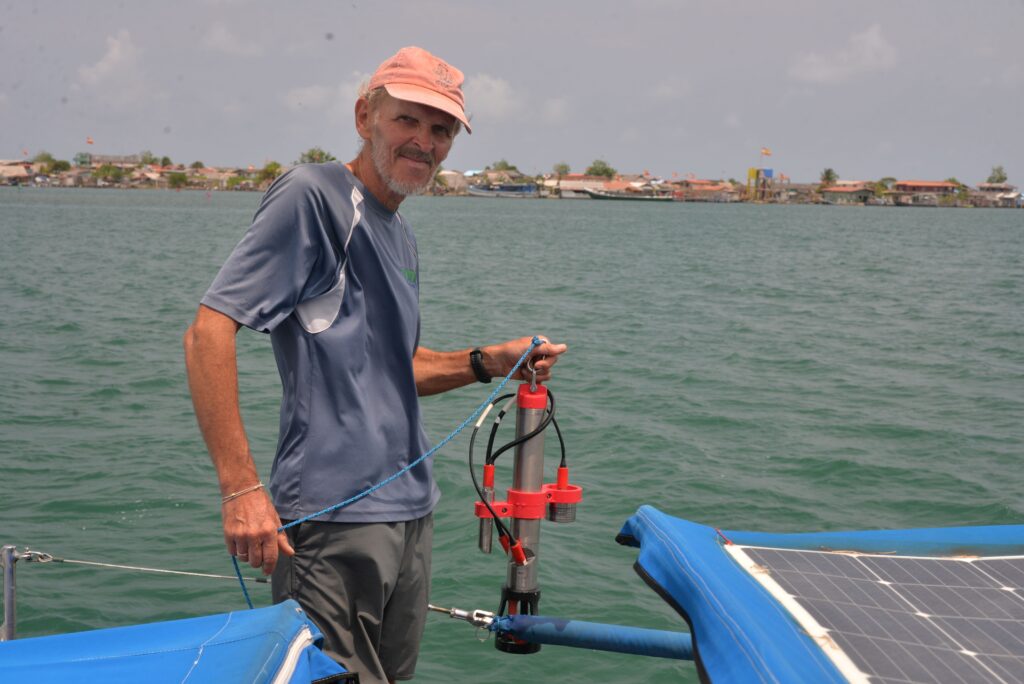
Returning by water taxi back to the boat from a trip to UkraineA vedgie boat arrived!Visit of the two nurse sharksShe likes or CTD on the mooring!A plot of CTD 24-hour mooring CTD cast near Green IslandA plot of CTD cast data
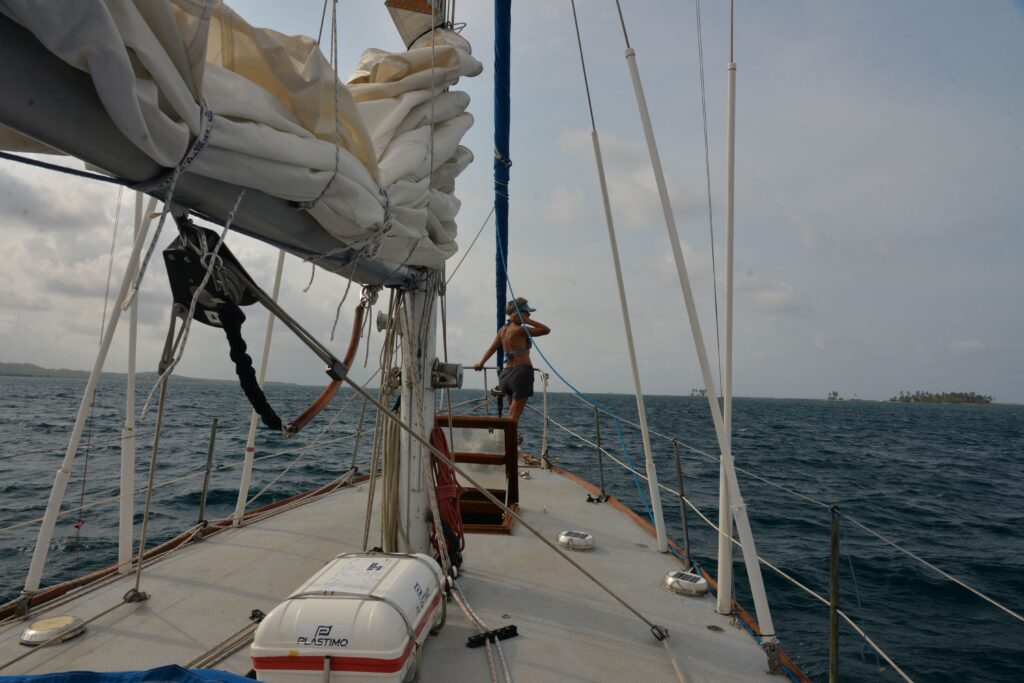
Our arrival in the San Blas Archipelago aboard SV Oceanolog was nothing short of a revelation. After days of solitude at sea and seeing only one other yacht along the remote southern coast of Panama, we were suddenly surrounded by a small flotilla of sailboats. Sleek monohulls and spacious catamarans dotted the horizon and clustered peacefully in the anchorages—like a quiet regatta gathering in paradise.
It felt as though we had sailed into a dreamscape that many sailors long for: the legendary San Blas Islands, a place where time slows down, and nature whispers instead of roars. This was the Caribbean as it’s rarely seen—unspoiled, vibrant, and deeply rooted in culture.
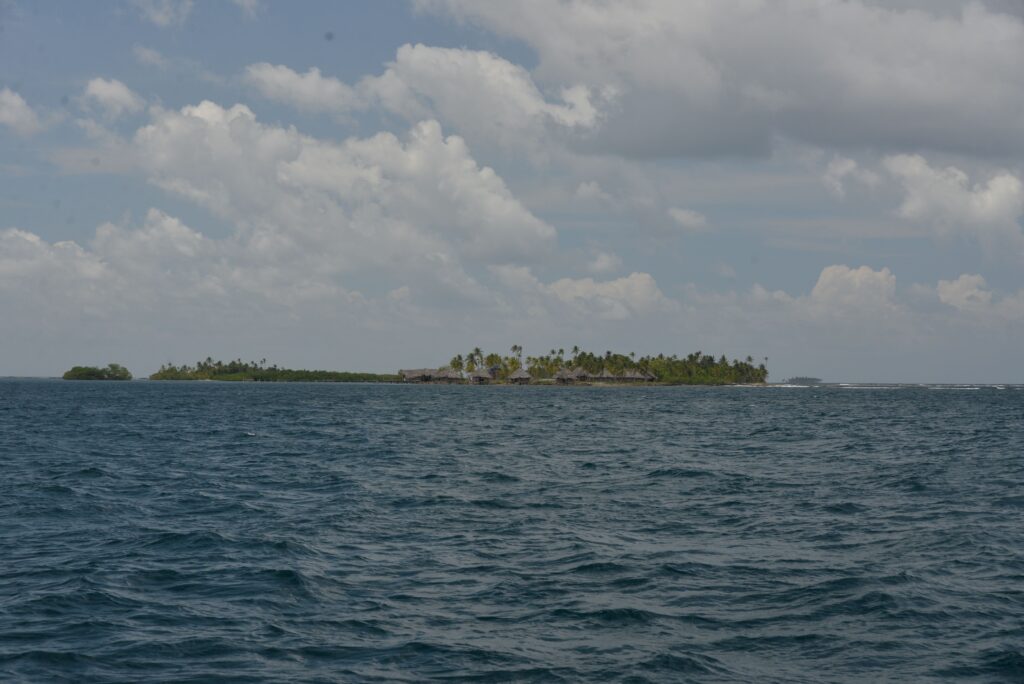
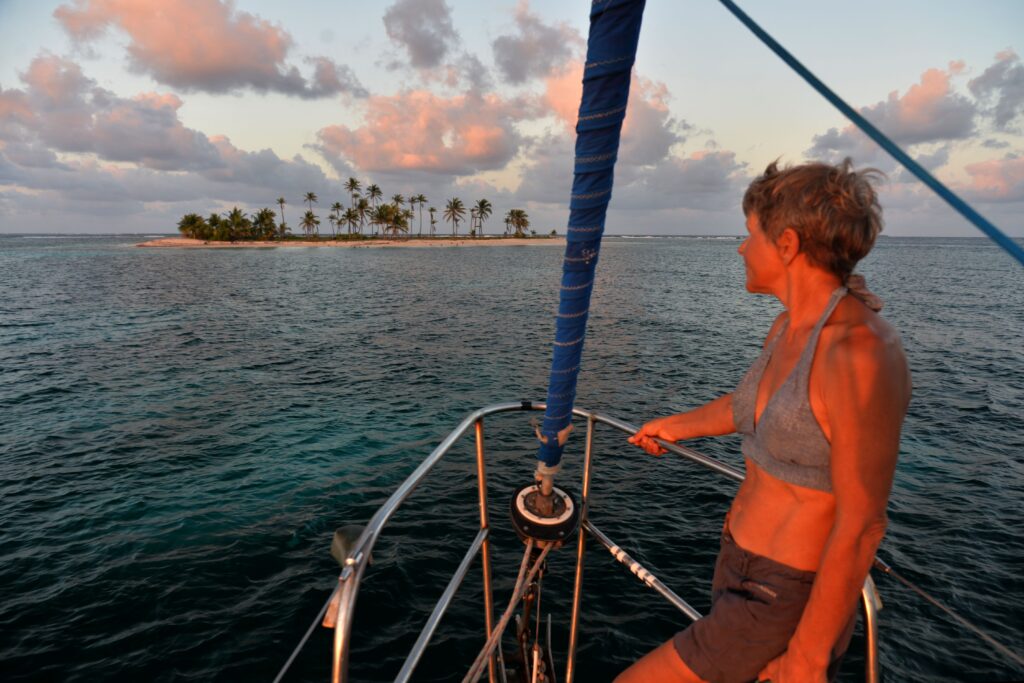
Our exploration began with a stop at Iguana Island, a quintessential tropical gem. Picture this: a tiny spit of white sand crowned with graceful coconut palms, gently lapped by turquoise waters so clear you can count the fish without leaving your dinghy. It looked like something lifted straight from a calendar or travel brochure—only this was real, and we were living in it.
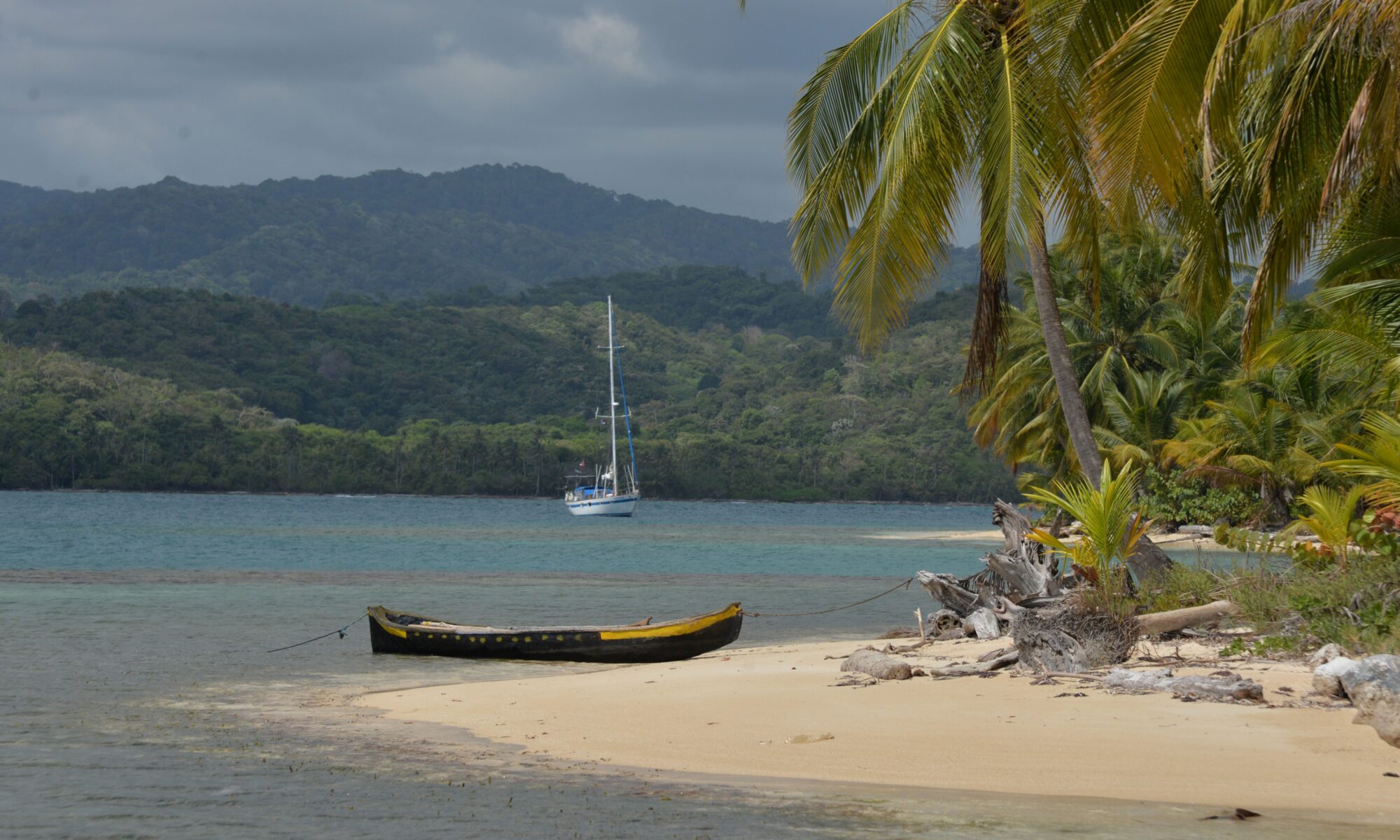
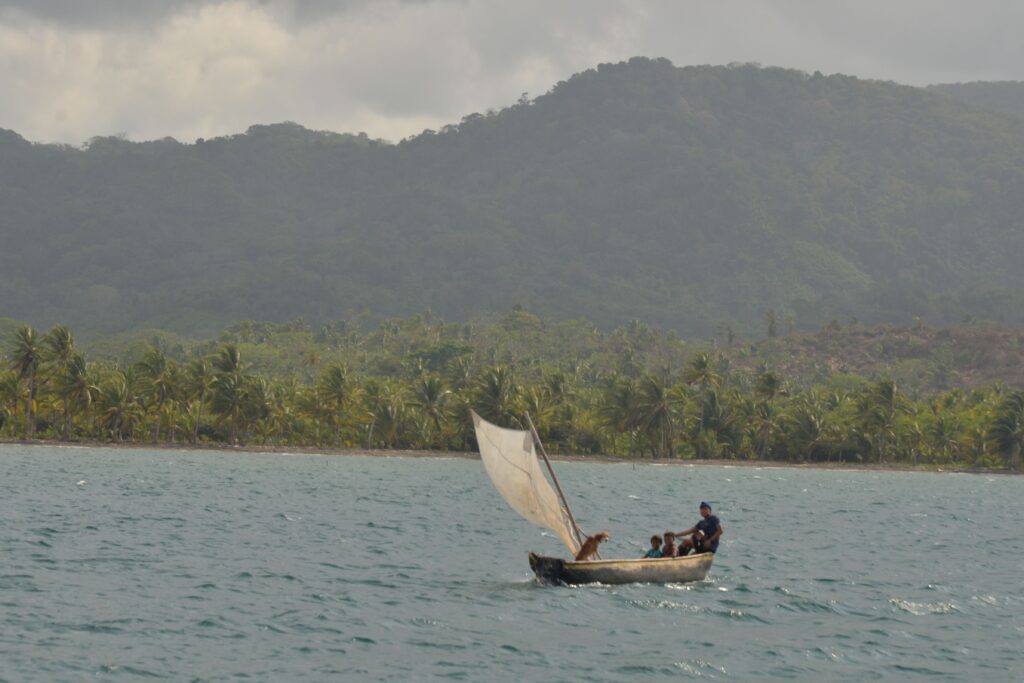
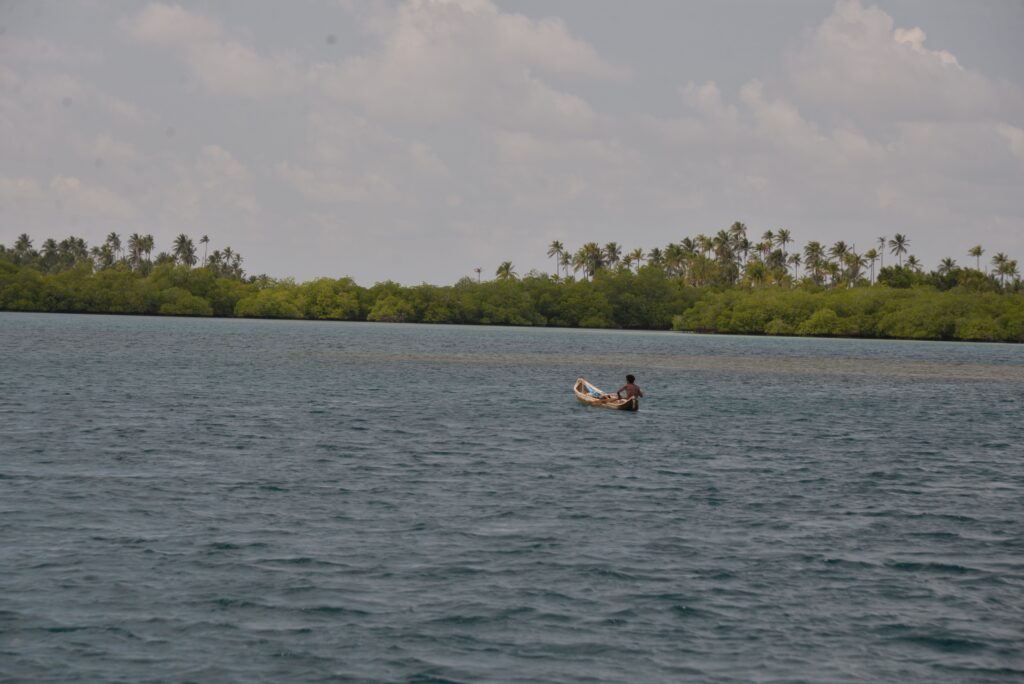
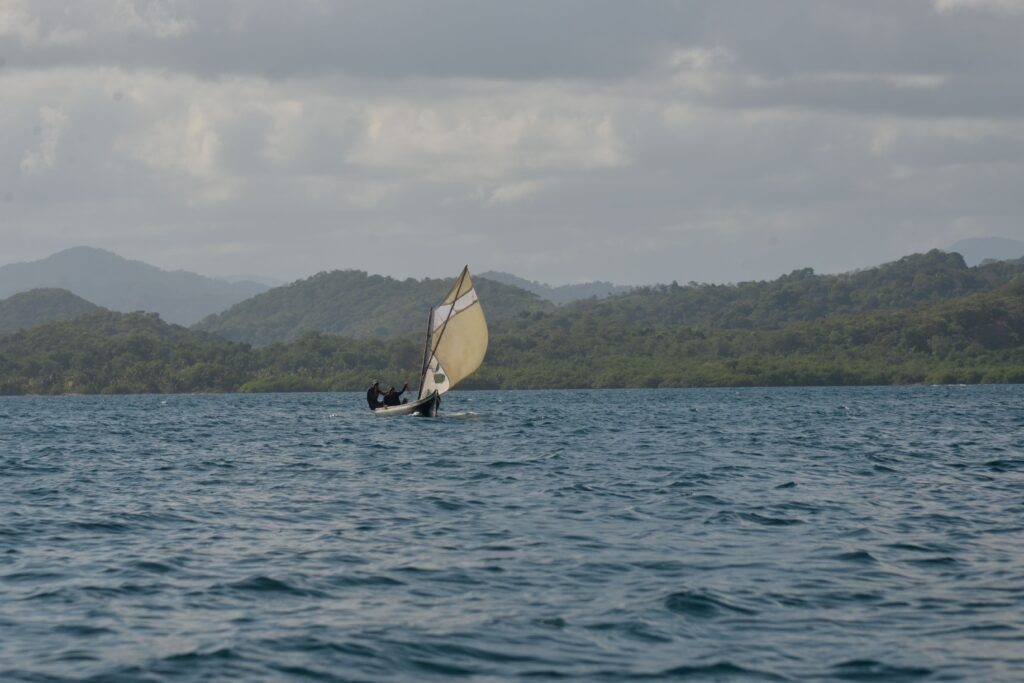
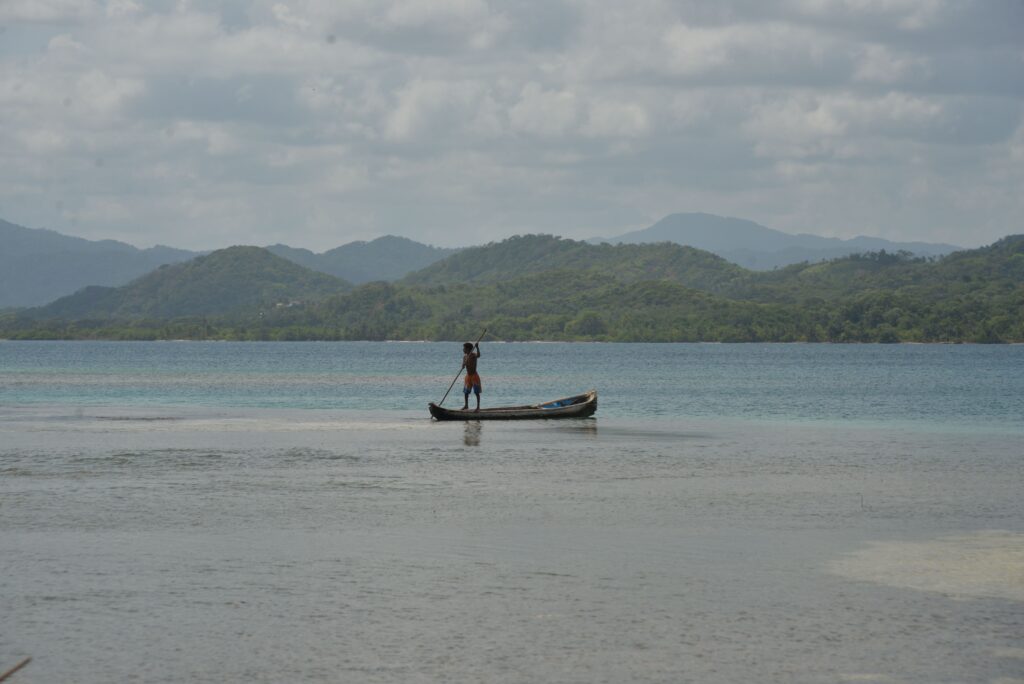
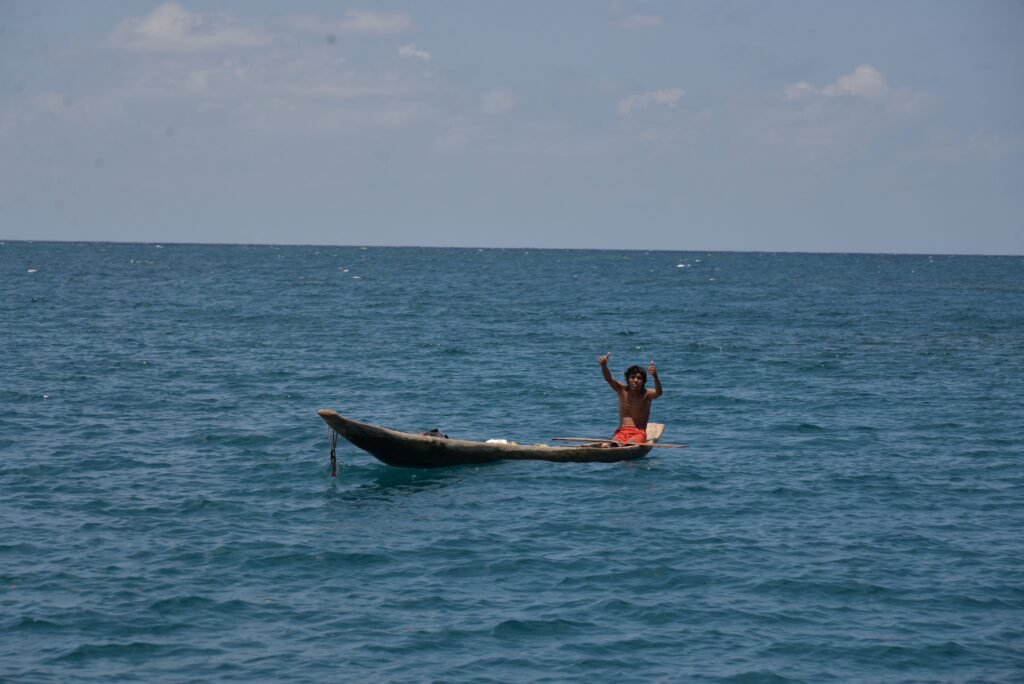
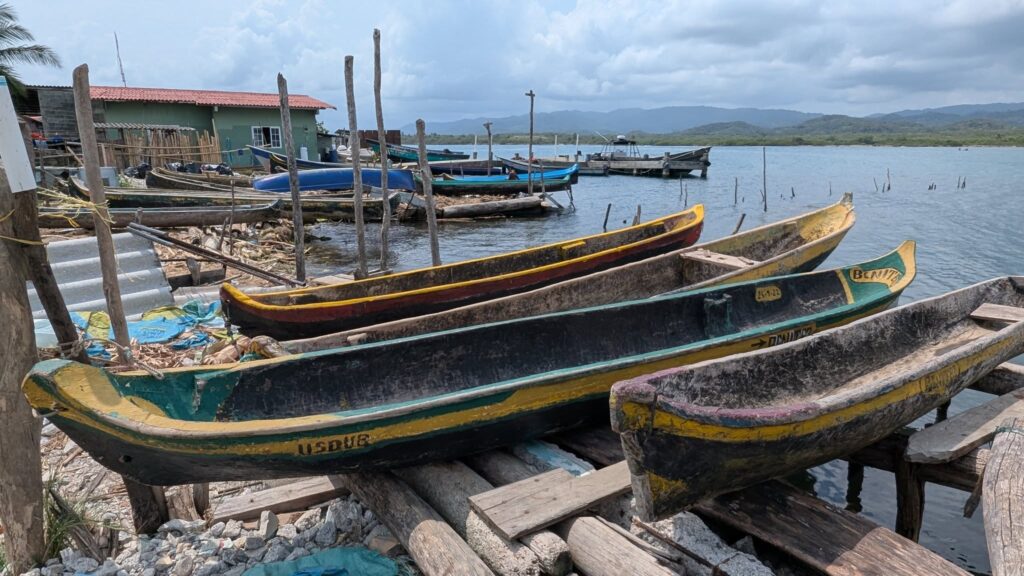
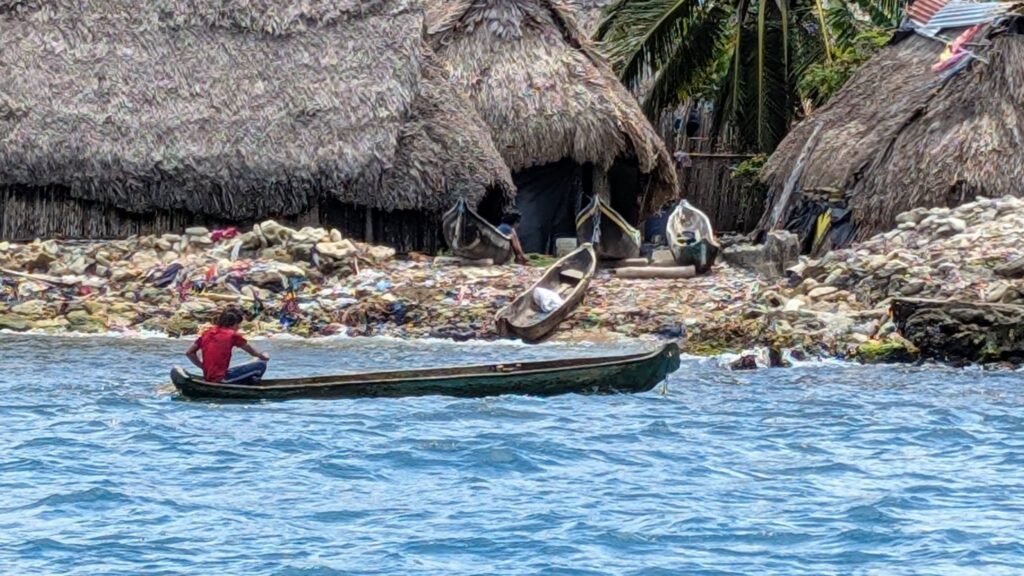
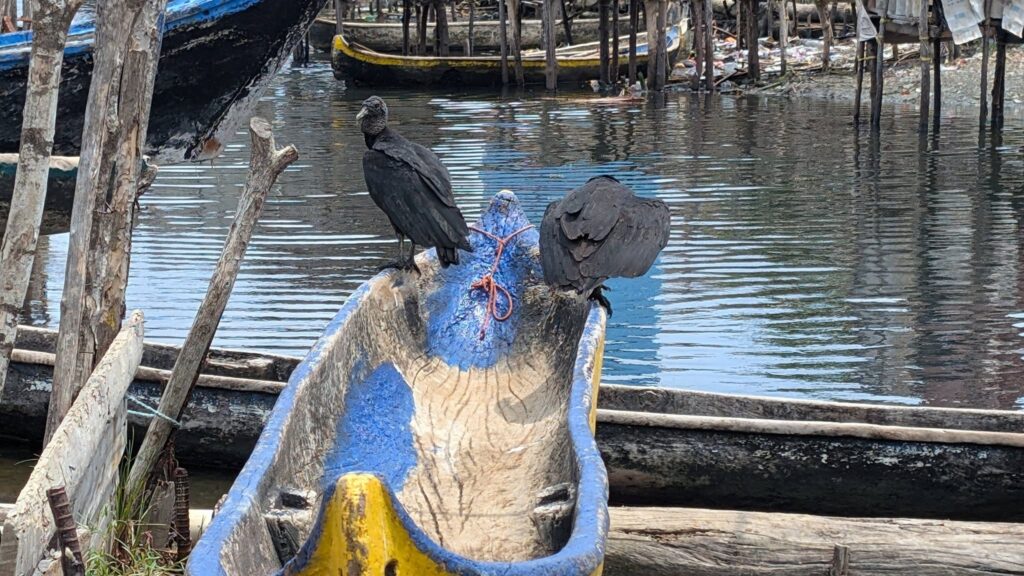
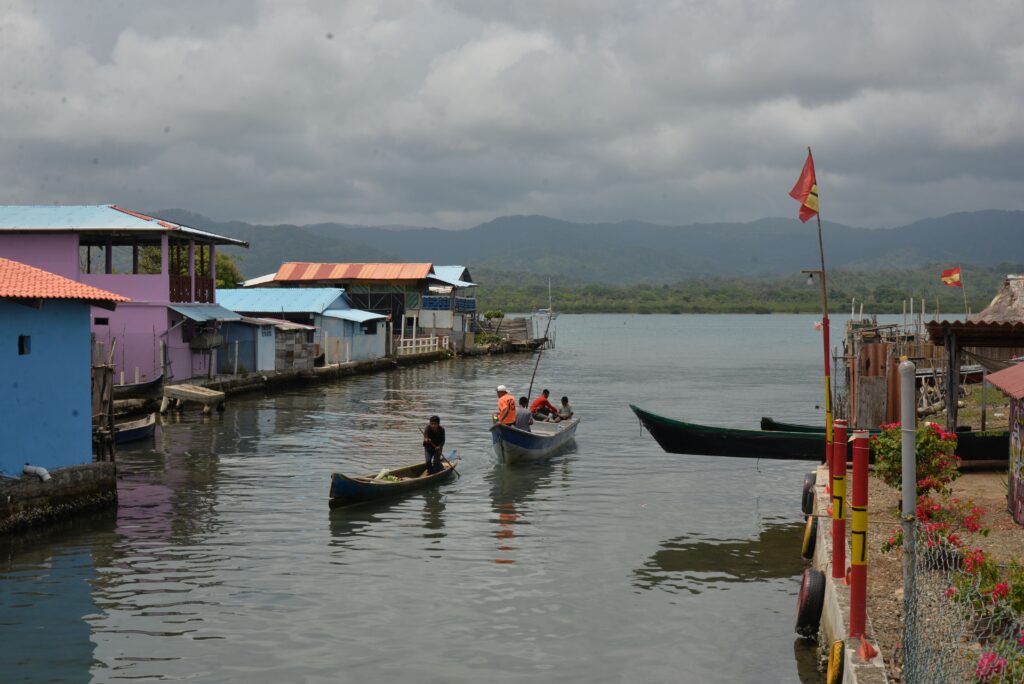
As we settled in, we noticed that it wasn’t just fellow cruisers who populated these waters. Dugout canoes, or ulus, expertly carved from mahogany, glided silently past, navigated by the Guna people. These traditional boats carried everything from fresh fish and coconuts to curious children and trade goods. The contrast between the modern yachts and the timeless grace of the ulus was striking, a symbol of two worlds quietly coexisting.
The islands here are many and varied—some barely big enough for a hammock and a palm tree, others bustling with Guna villages. Each one offers its own unique charm and surprise. And with so many anchorages to choose from, the San Blas invites not just exploration but immersion.
The sudden transition from open-sea isolation to a vibrant, salt-sprayed community reminded us why we sail—not just for the destinations, but for the stories that unfold between them.
CTD cast near Snug HarbourPlot of CTD cast dataCTD cast near Snug HarbourPlot of CTD cast near Snug HarbourCTD cast near Iguana IslandPlot of CTD cast data
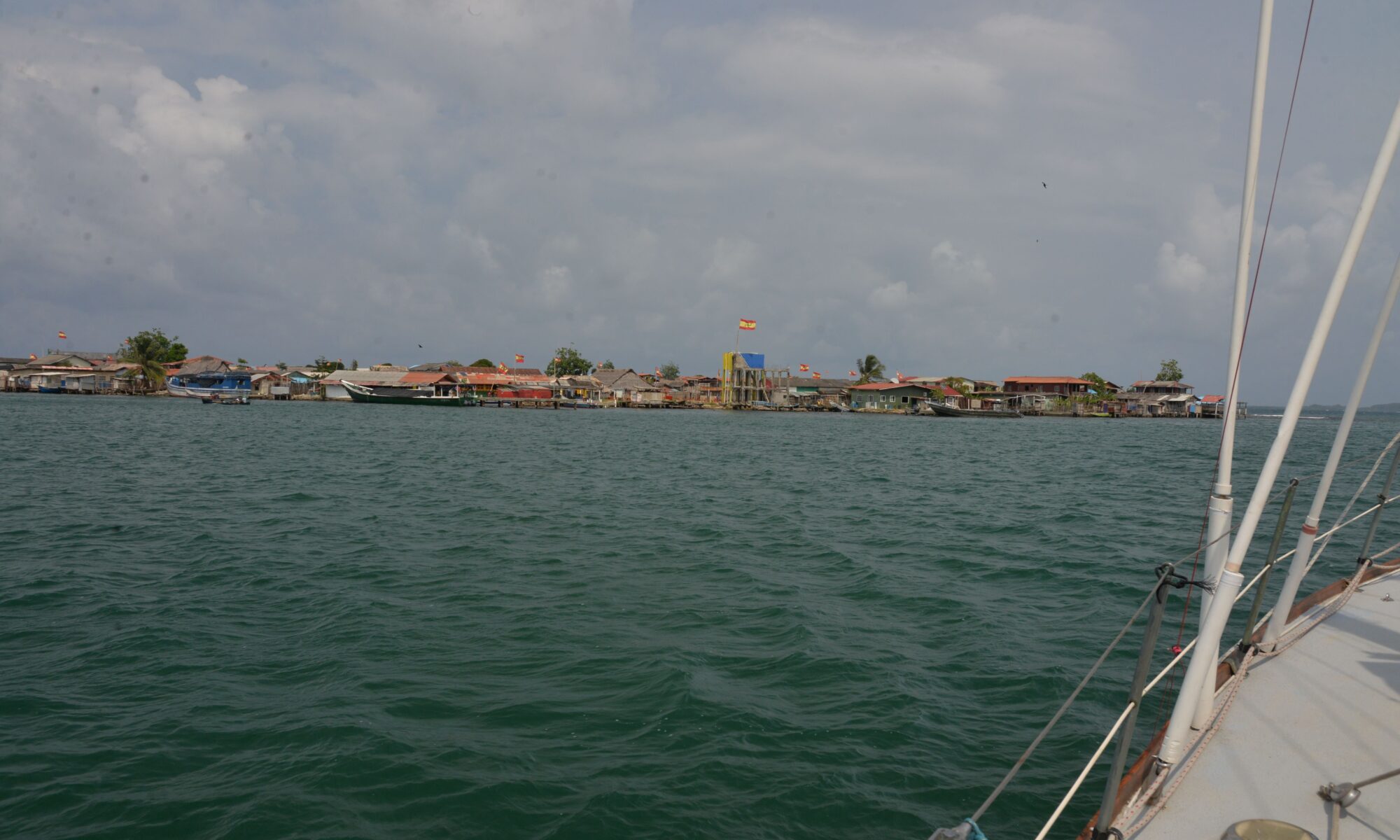
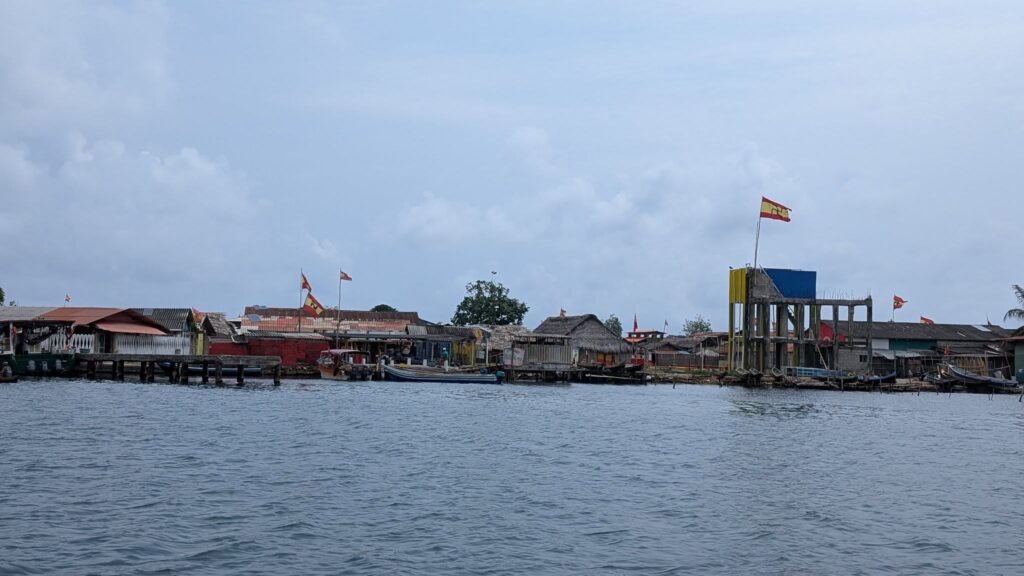
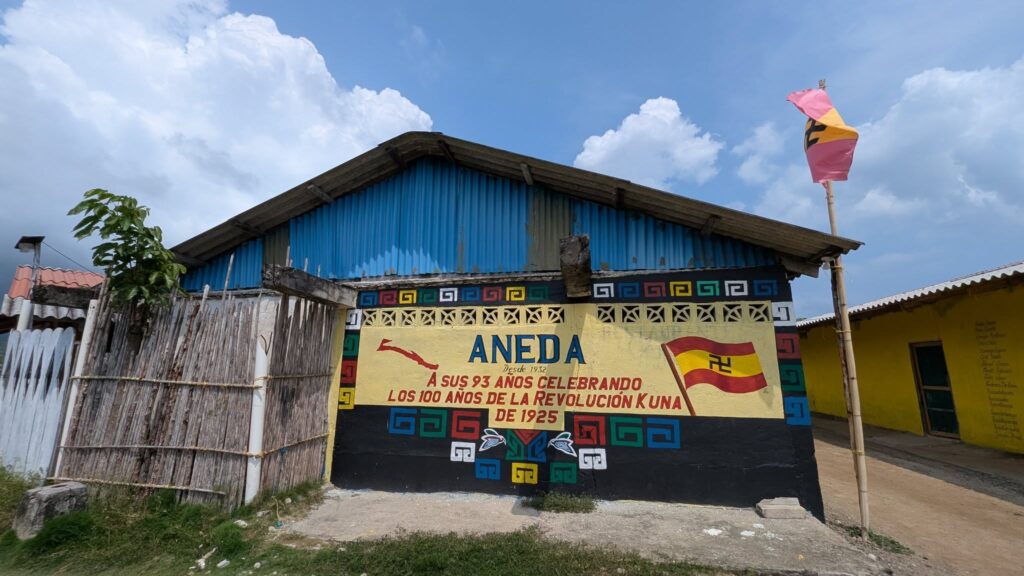
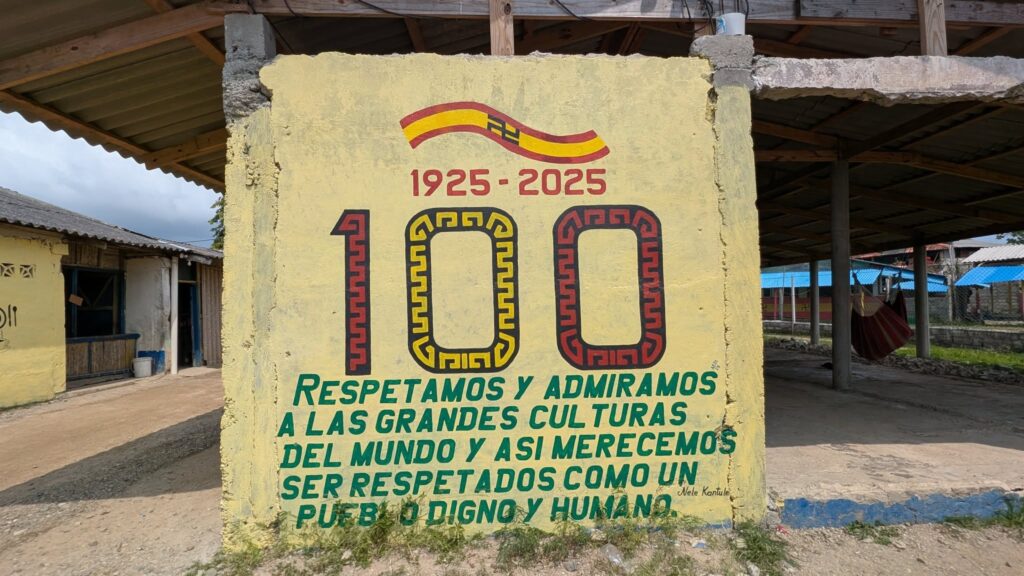
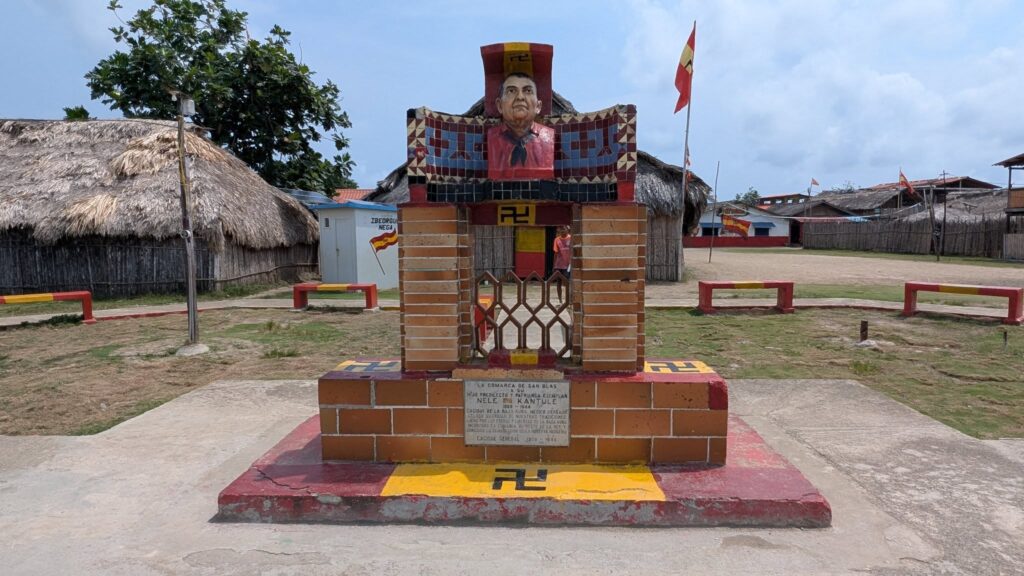
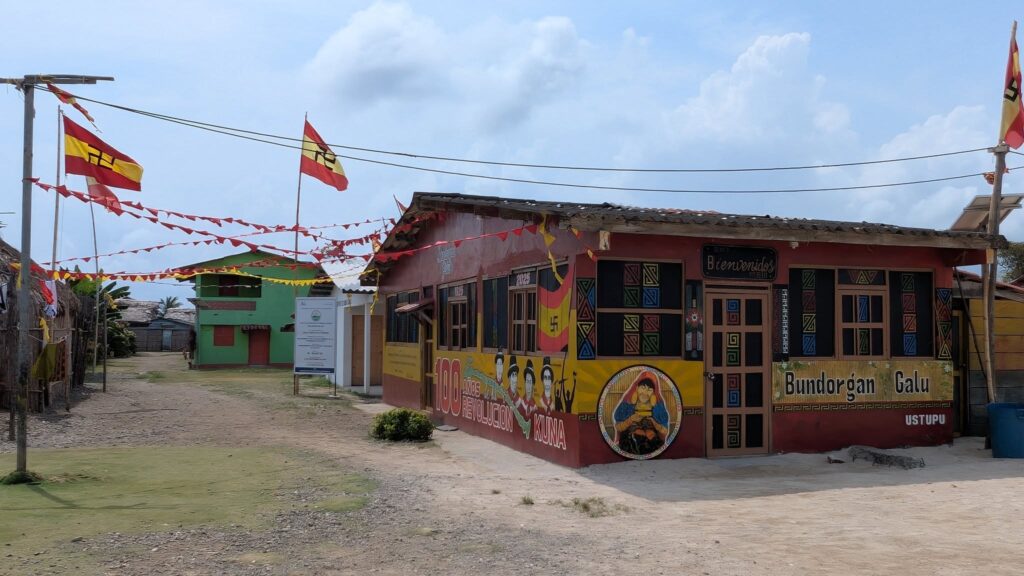
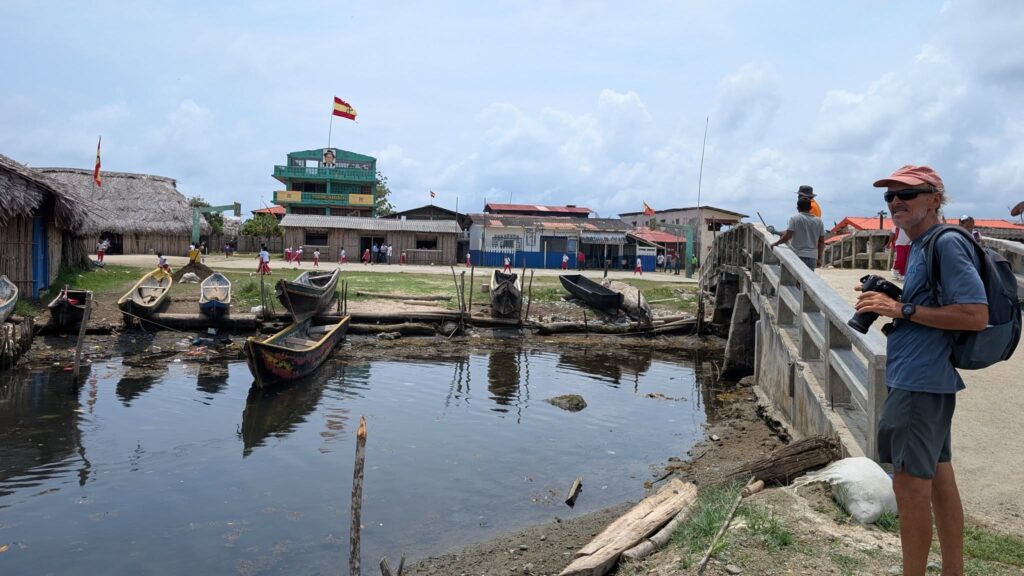
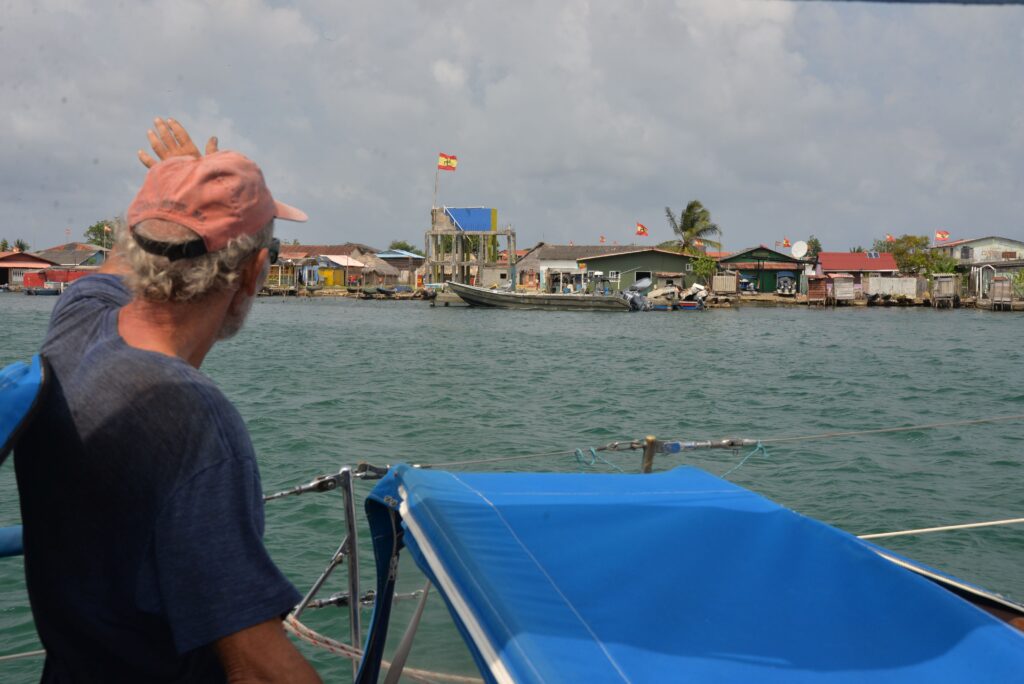
As SV Oceanolog continued her northward journey along the coast of Panama, we found ourselves dropping anchor near a large village—no, more accurately, a city—nestled within the Guna Yala territory. The place was Ustupu, the largest settlement in the Guna region and the birthplace of Nele Kantule, one of the most revered leaders in Guna history and a key figure in the 1925 revolution that secured the Guna people’s autonomy from the Panamanian government.
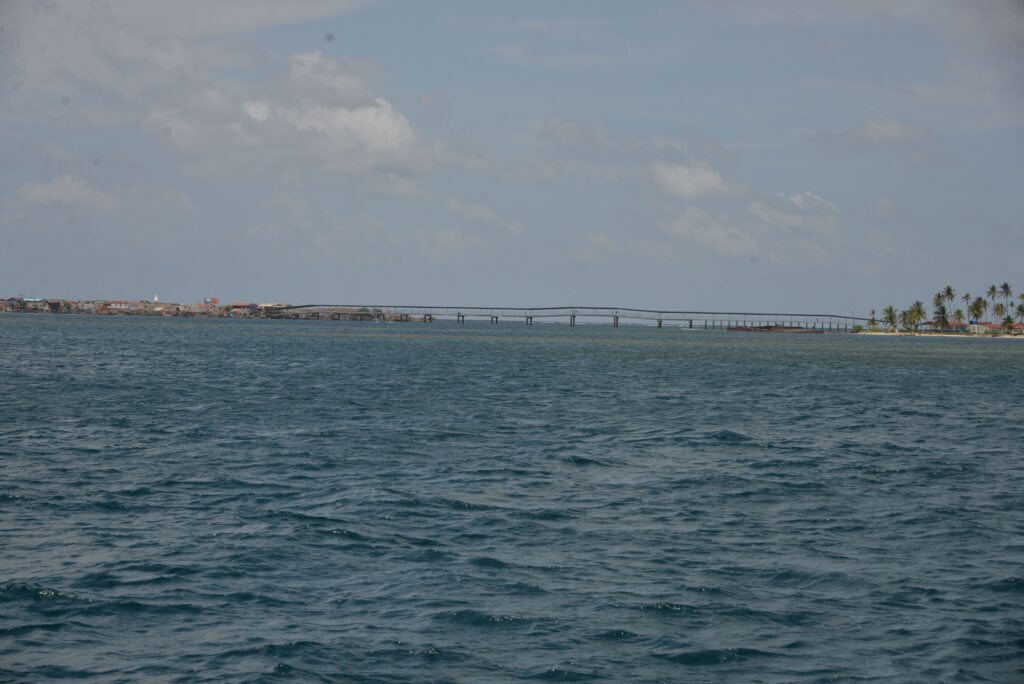
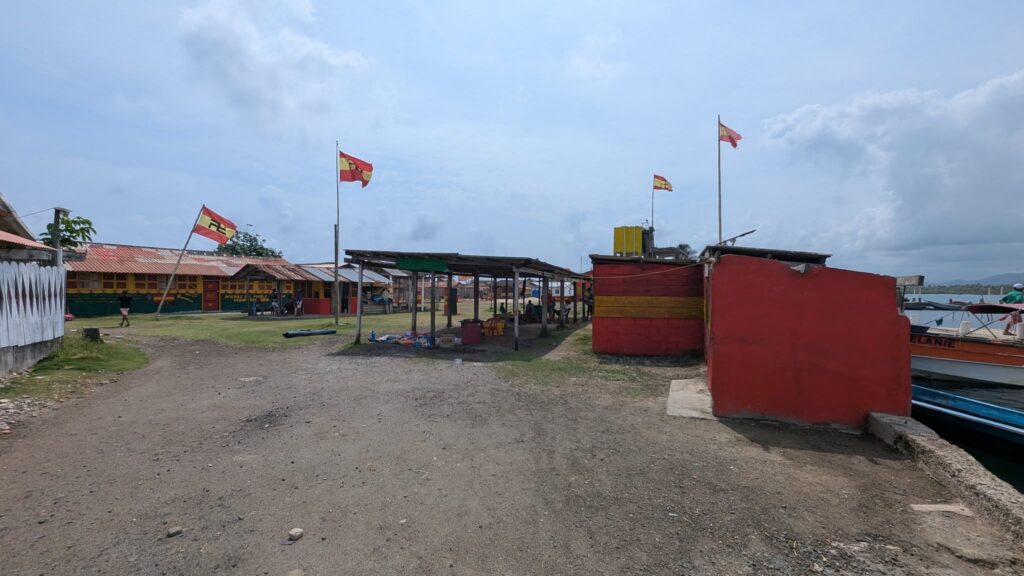
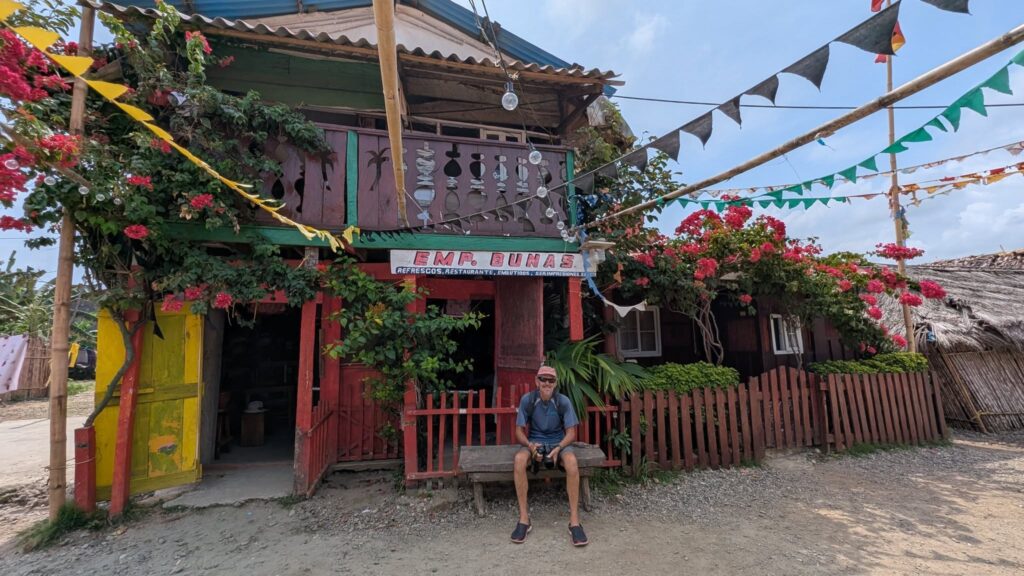
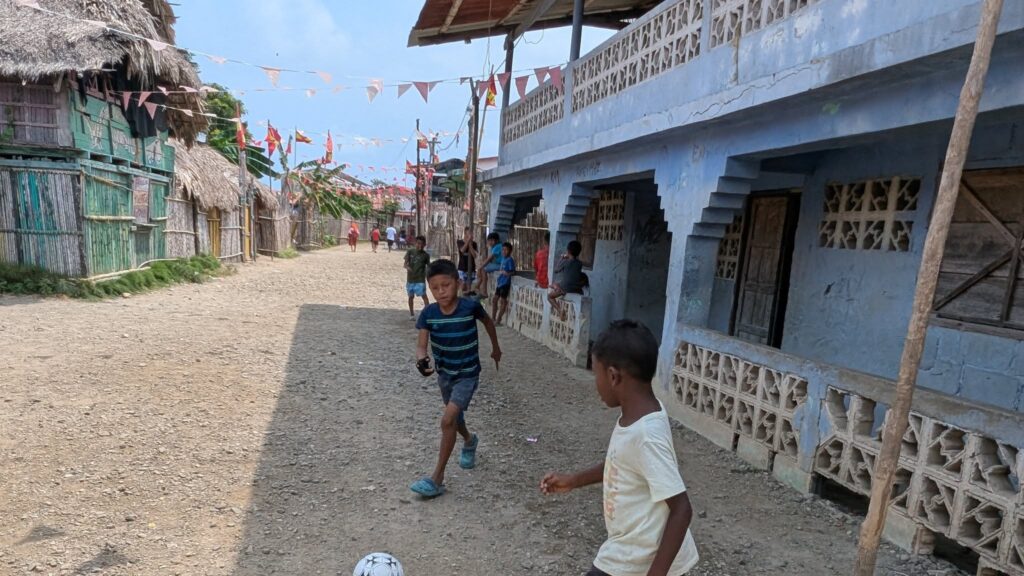
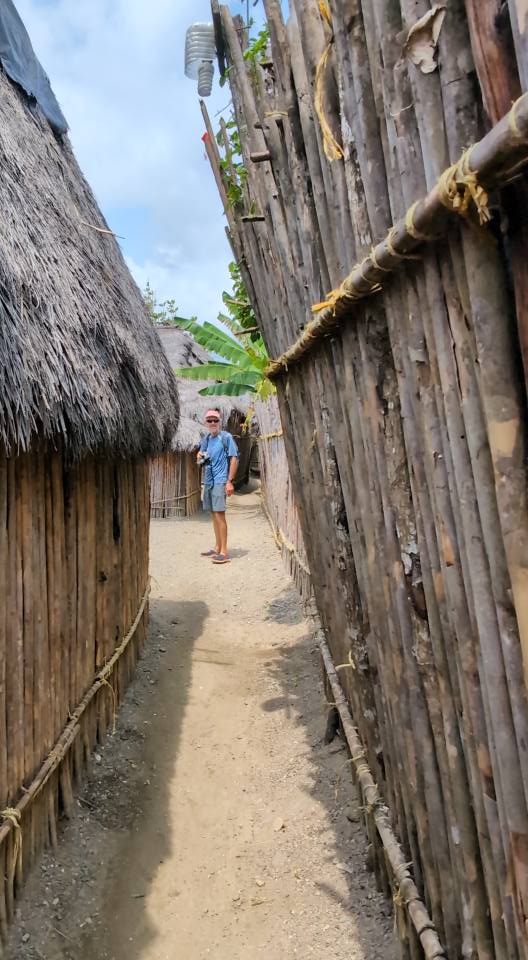
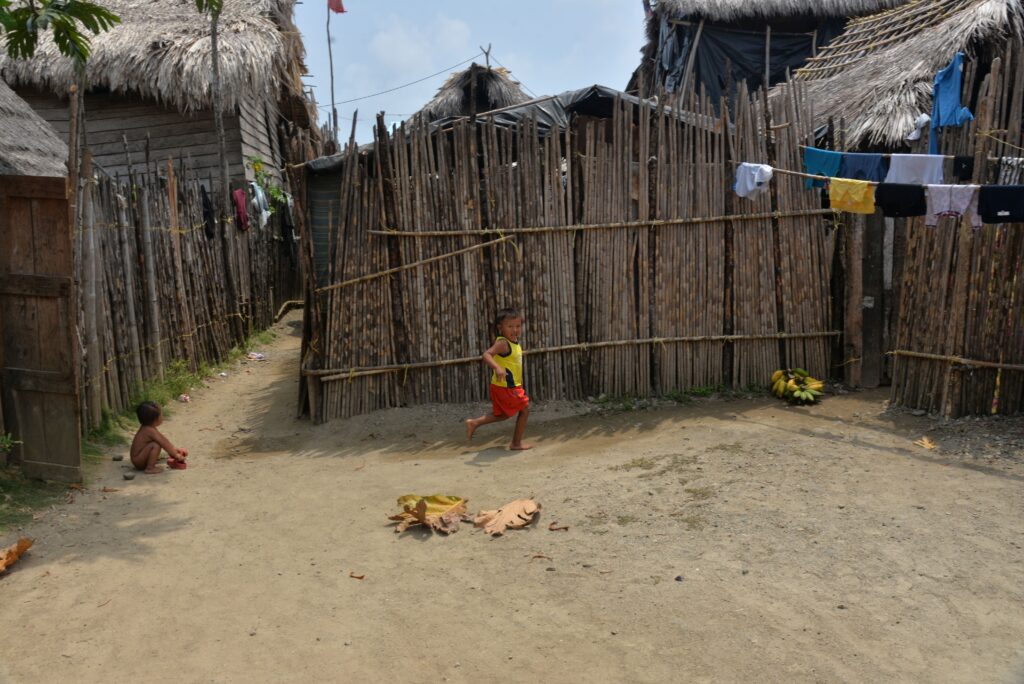
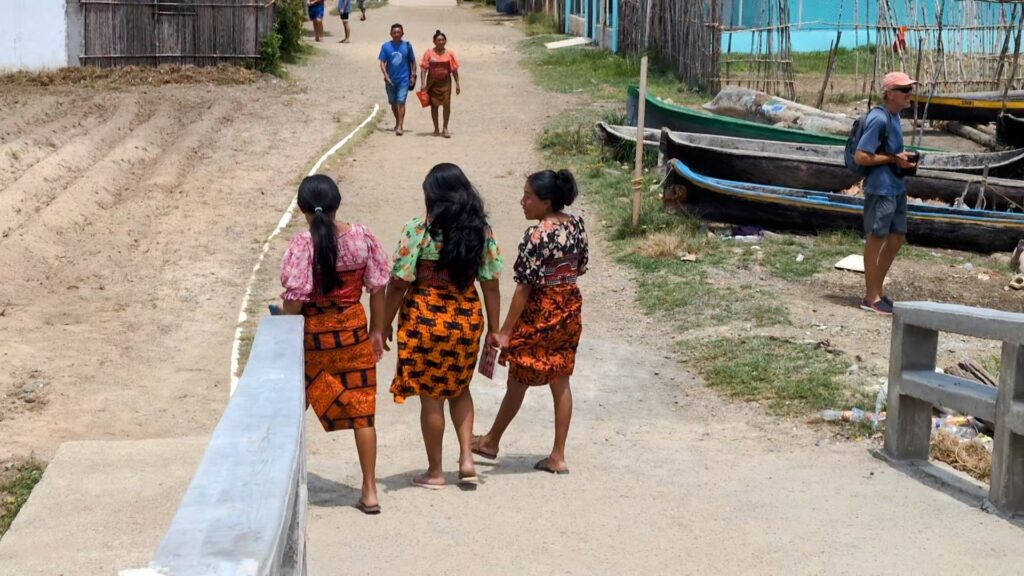
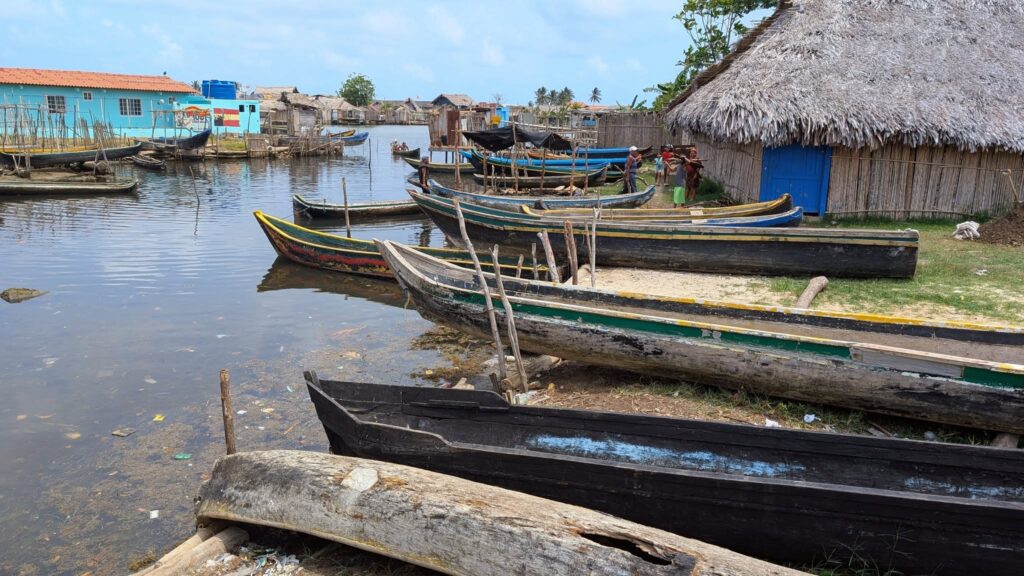
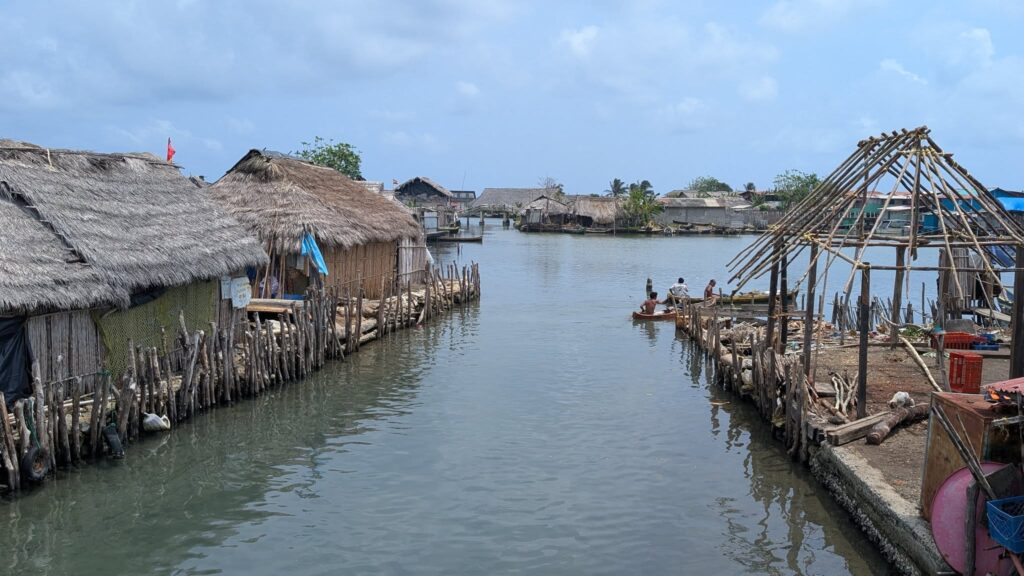
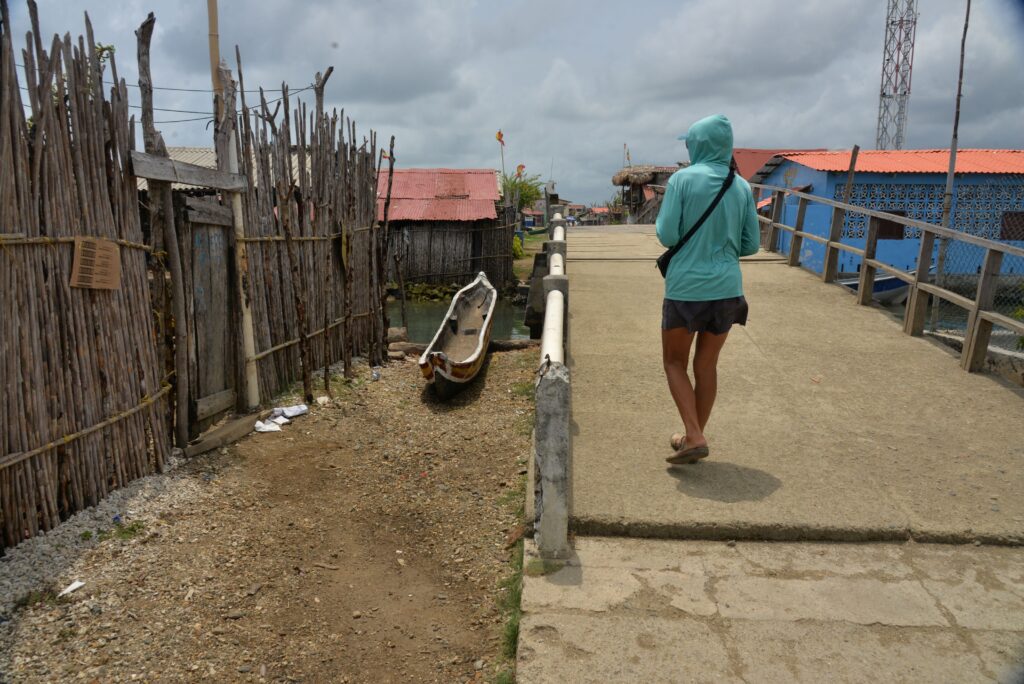
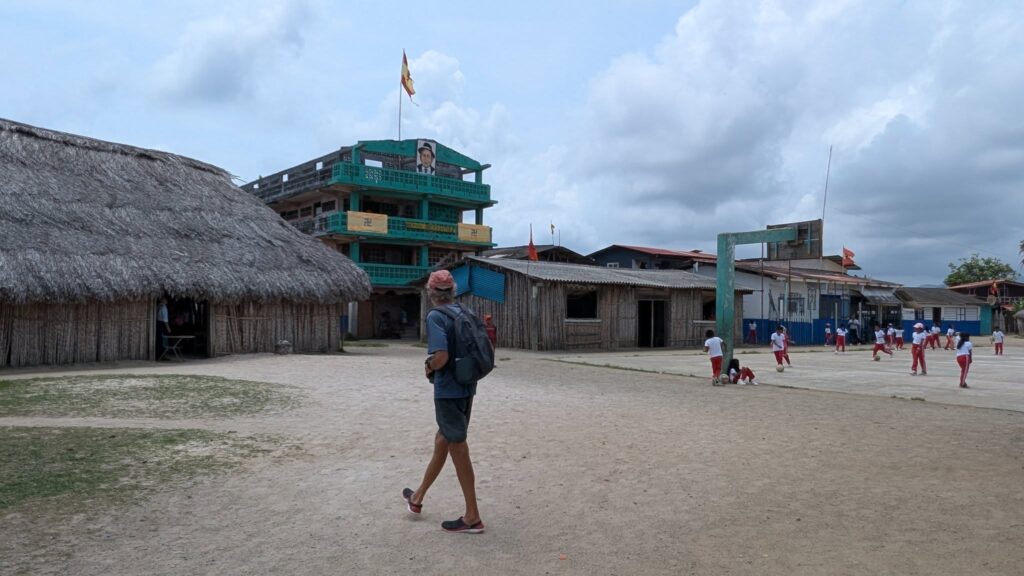
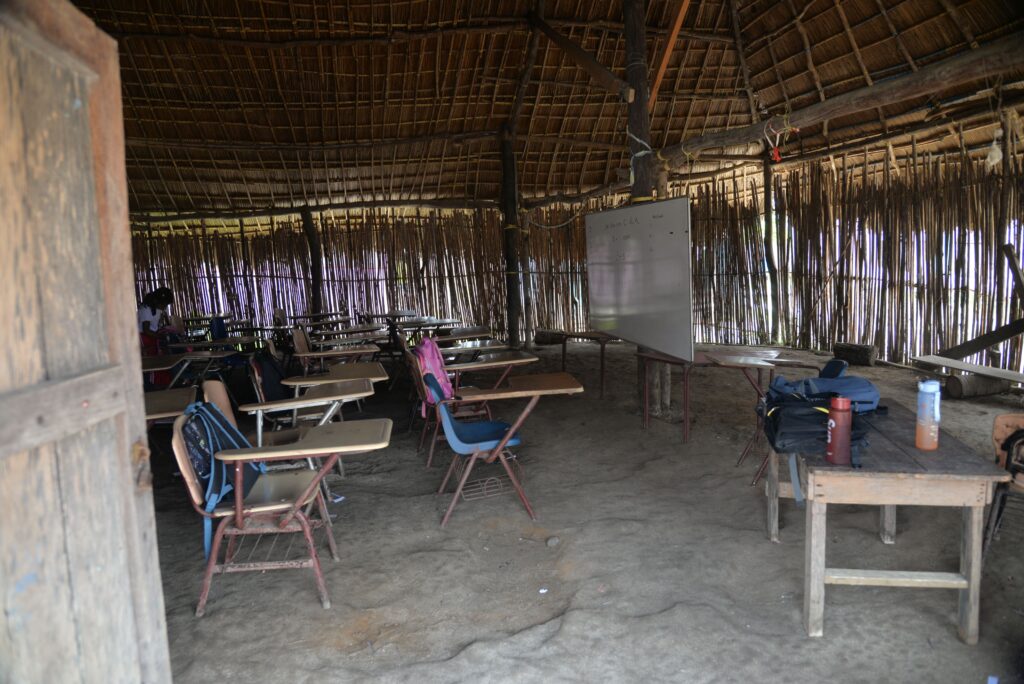
Stepping ashore felt like stepping into a different world. Ustupu is built across several interconnected islands, with wooden footbridges linking the land like a patchwork of dreams. The buildings are mostly traditional huts with palm-thatched roofs, but here and there, you’ll find concrete structures—signs of the slow and inevitable march of modernity. Despite the creeping changes, the cultural essence of the Guna people feels unshaken, pulsing steadily beneath the surface.
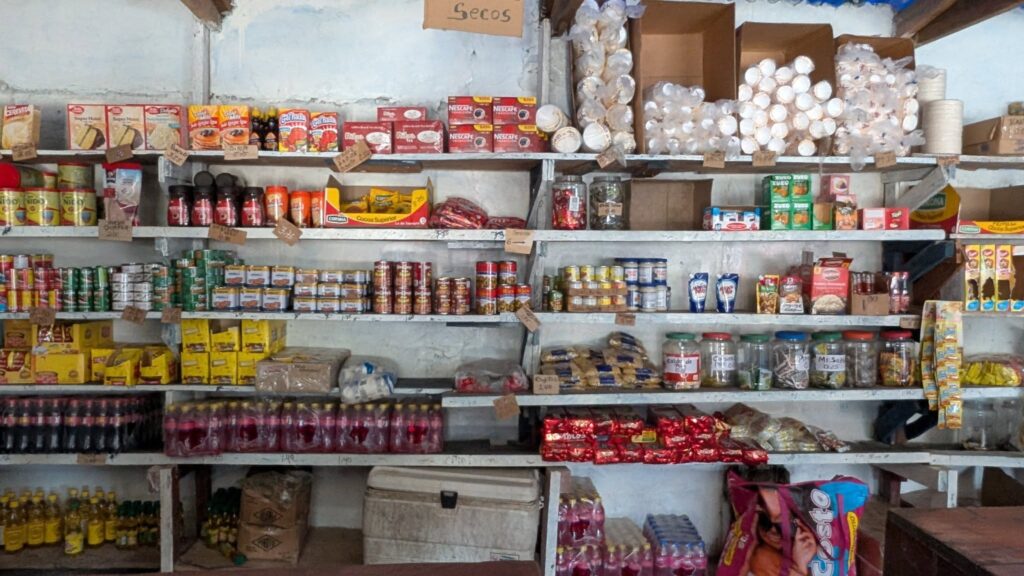
We had come not just to restock our food supplies, but also to immerse ourselves in the daily rhythm of this unique society. And yet, as with many remote corners of the world, communication posed its own set of challenges. The Guna speak their own language—Dulegaya—and although Spanish is sometimes spoken, English is rare. Our conversations quickly became a mix of hopeful gestures, animated facial expressions, and pointing fingers, which, while endearing, were only partially effective.
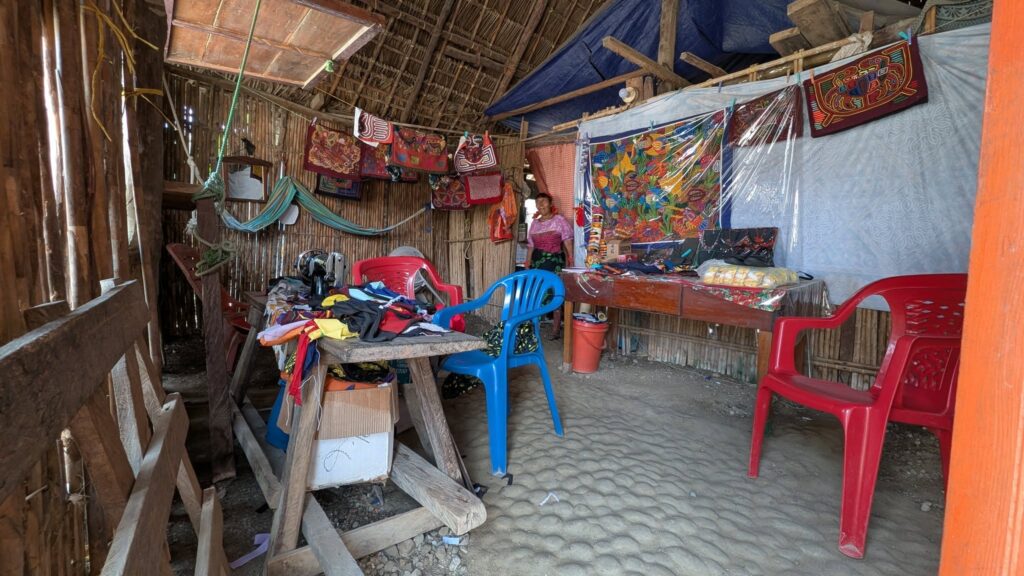
Still, communication isn’t always about language. It’s about intention, about showing respect, curiosity, and a willingness to listen. Through these shared cues, we began to understand more than we expected. A friendly elder, watching us fumble through our “point-and-hope” dialogue, eventually brought over a young woman who spoke some Spanish. With her help, we asked about buying fruit and vegetables—and discovered that supplies were limited. Most of the Guna rely on fishing and small garden plots for sustenance, and goods like rice, flour, and oil come on supply boats that don’t run on a strict schedule. We managed to purchase a few essentials: sugar, crackers, bananas, a couple of cucumbers, and some onions. A modest haul, but every bit felt precious.
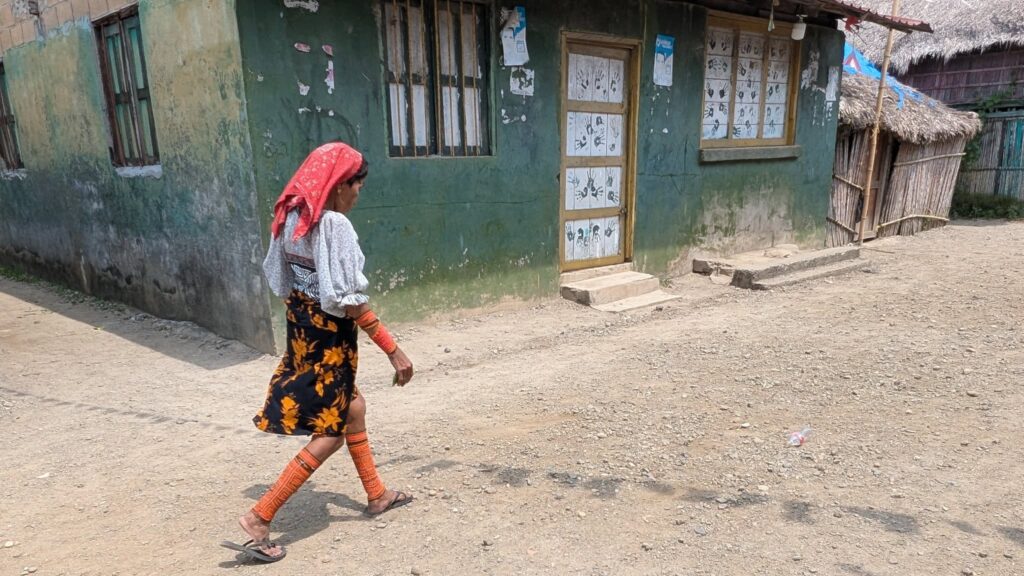
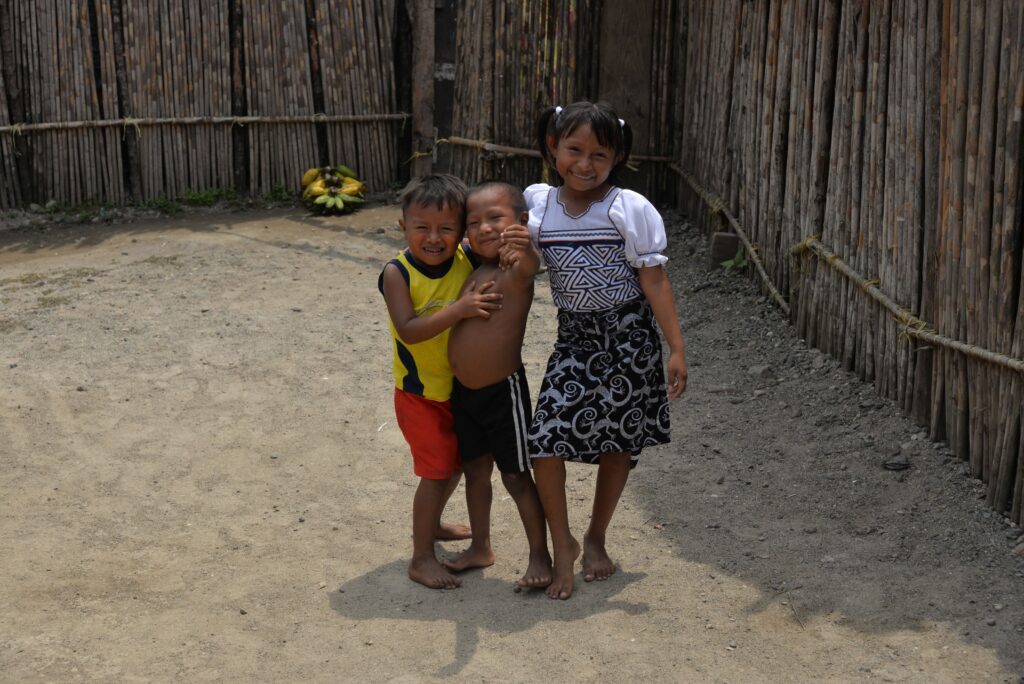
Wandering the narrow paths of Ustupu, we were struck by the remarkable sense of community. Homes were built close together, often with shared walls. Children played in the alleys with makeshift toys, and groups of women in vibrant molas—the traditional Guna blouses, beautifully hand-stitched with intricate patterns—gathered to talk and laugh under the shade. Hammocks swayed in open-door homes, offering both comfort and a symbol of daily life in a place where simplicity and tradition reign.
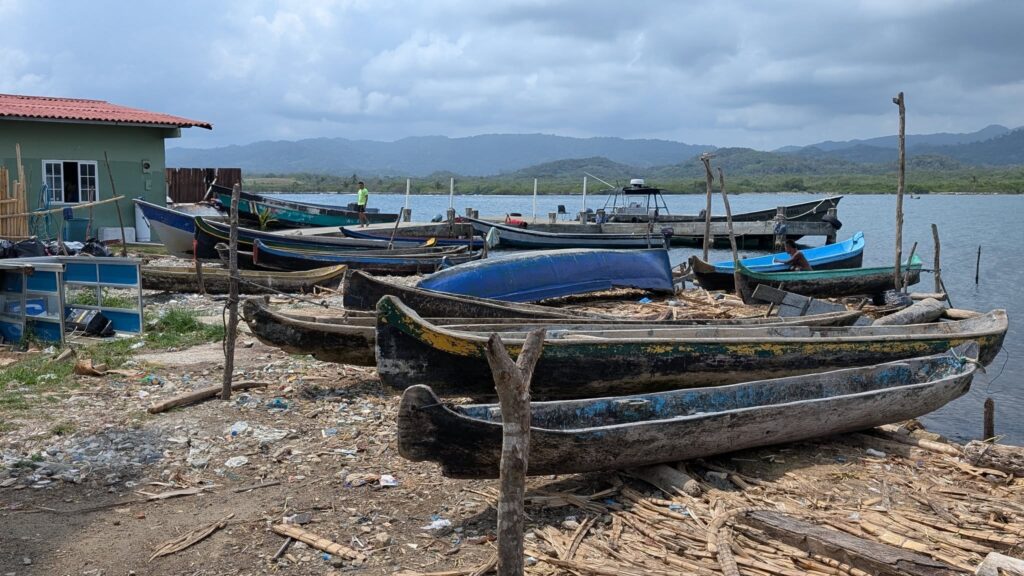
What stood out most was the egalitarian spirit. There was no sense of hierarchy or materialism. Everyone seemed to live on equal terms. There were no cars, not even bicycles. Transportation consisted mostly of ulus—dugout canoes carved from mahogany, gracefully cutting through the water under the rhythm of hand paddles. These boats are used for everything: fishing, trade, commuting between islands, or heading to the mainland to tend to gardens or gather supplies.
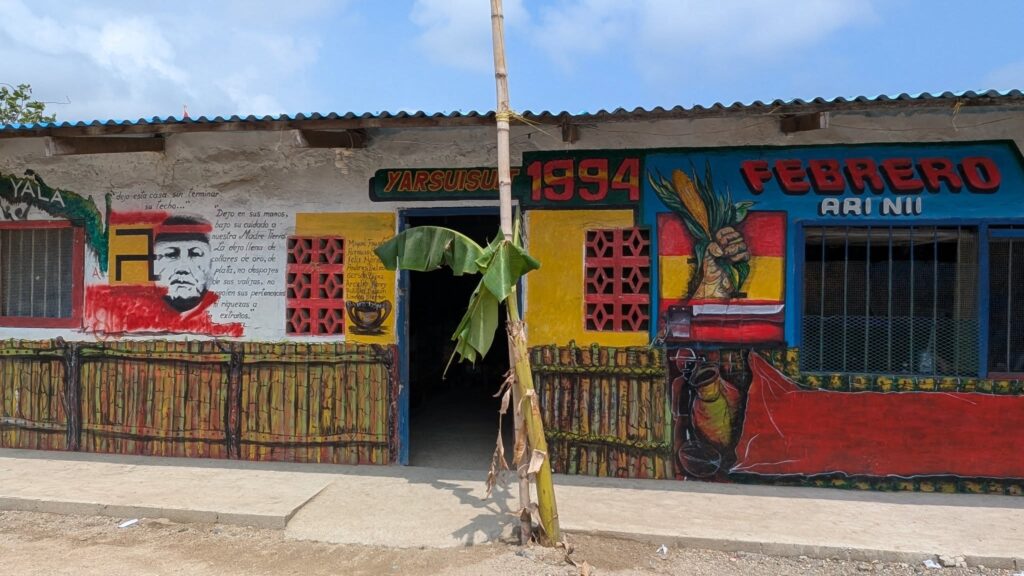
Ustupu is more than just a village; it’s a stronghold of Guna identity. The legacy of Nele Kantule lives on here, not just in monuments or stories, but in the continued autonomy and unity of the people. He helped shape a vision where the Guna would control their own lands, preserve their traditions, and make decisions through their own political councils. That vision remains intact nearly a century later.
Leaving Ustupu, we felt both awe and a touch of melancholy. It’s a rare thing to witness a culture so deeply connected to its roots, and rarer still to experience it with such intimacy. Yet, like many indigenous communities, the Guna face a future filled with uncertainty. Climate change, emigration, and creeping modernity pose threats not easily held off by strong will alone.
Still, as our anchor came up and Oceanolog turned toward her next destination, we carried with us a renewed sense of respect—for the sea, for the cultures it touches, and for the people who call these places home. Ustupu had welcomed us in its own quiet way, and we were grateful to have been its guests, even if just for a short while.
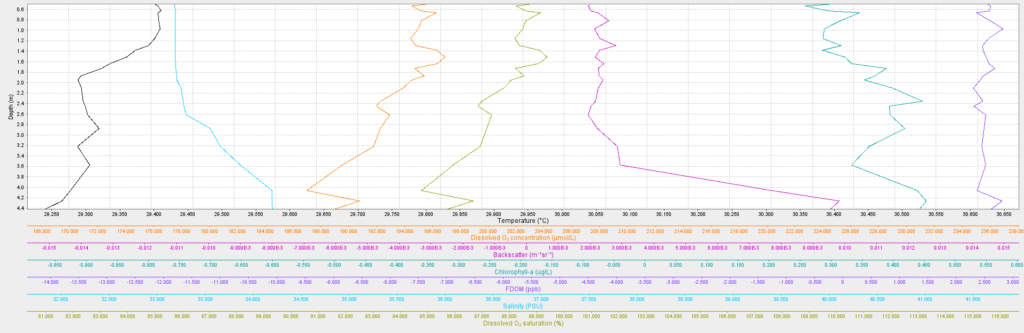
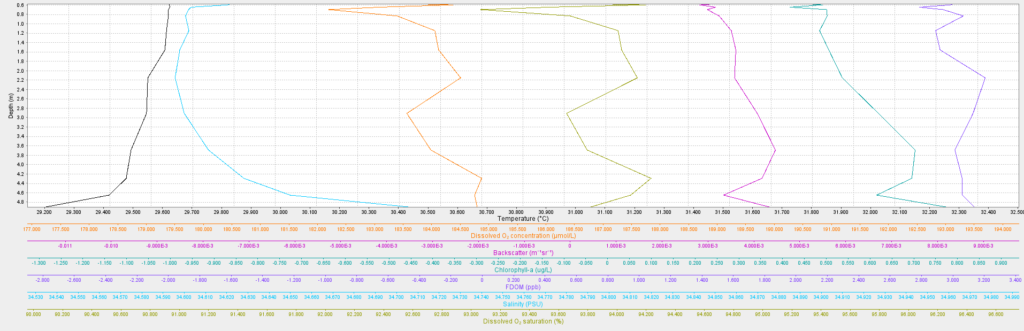
CTD cast near UstupuA plot of CTD cast data: temperature~29.6degC, salinity~34.8g/kg, dissolved oxygen concentration ~ 184uMol/L, dissolved oxygen saturation~95%, backscatter’s attenuation coefficient 0.003m-1, concentration of Chlorophyl a~0.6ug/L, concentration fDOM~3ppb