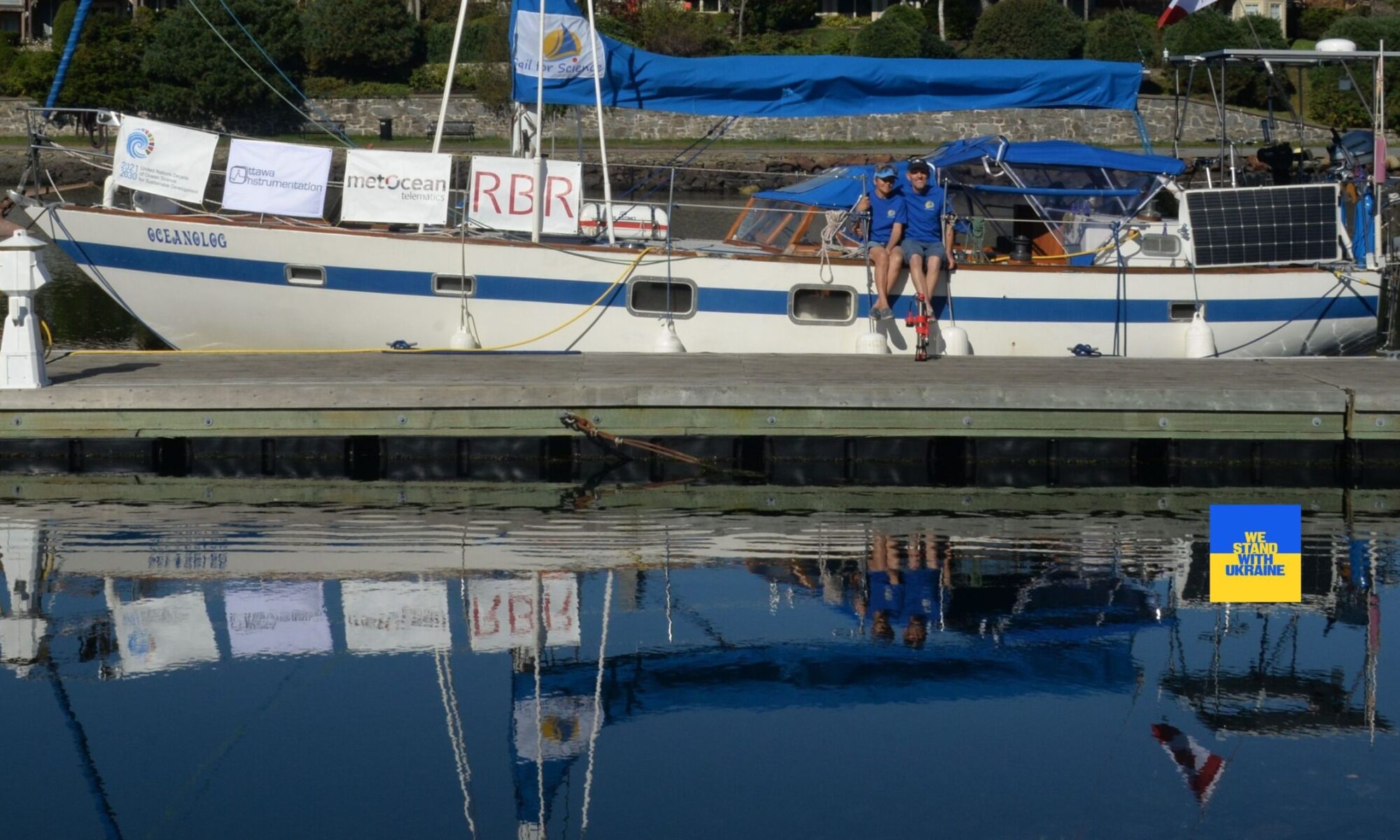
It happened – we are on the water! We planned to launch on December 23, but right before that the traveler lift broke down. One could imagine our disappointment, after two months of intense work on repairing the boat, to find ourselves on one day separating us from the cherished goal. Christmas holidays were approaching and the lift repairmen were in no hurry to work, only after almost a week the lift started working again – we were first in line, not believing our luck. According to preliminary information, the lift was supposed to be in operation only in the New Year. Thanks to everyone, especially to the lift operator Omar for the excellent job!
As we close out a remarkable year, we reflect on the milestones, discoveries, and connections that made 2024 unforgettable for Sail for Science. This year, we continued our mission to engage sailors and ocean enthusiasts in contributing to vital oceanographic research. Here are some highlights:
1. Empowering the Fleet of Citizen Scientists
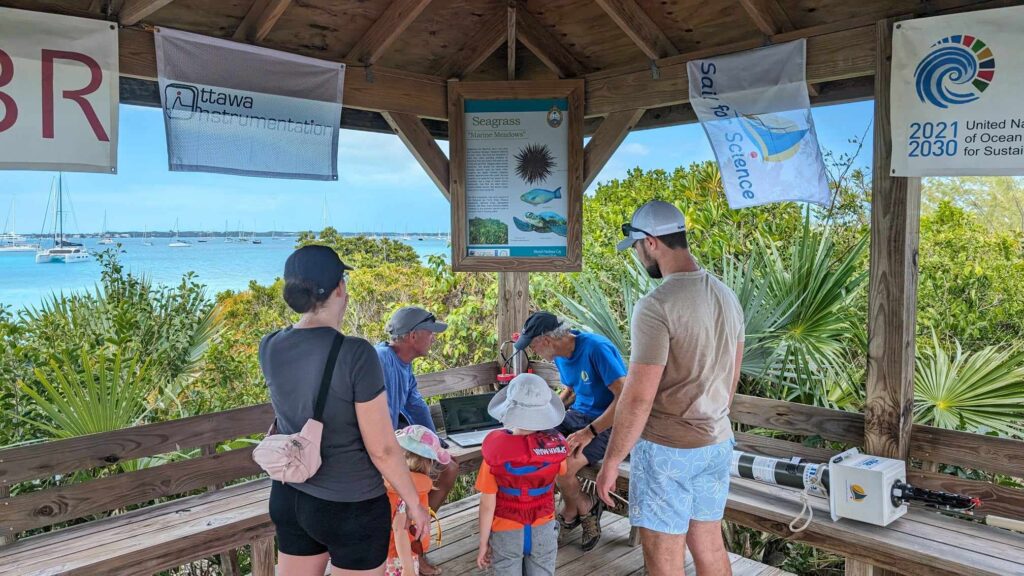
In 2024, we welcomed cruising sailors from around the world to join our initiative. Through workshops and presentations, we empower sailors with the knowledge of how to collect high-quality oceanographic data while navigating the seas.
2. Pioneering the Use of Profiling CTD Systems onboard a Sailing Vessel
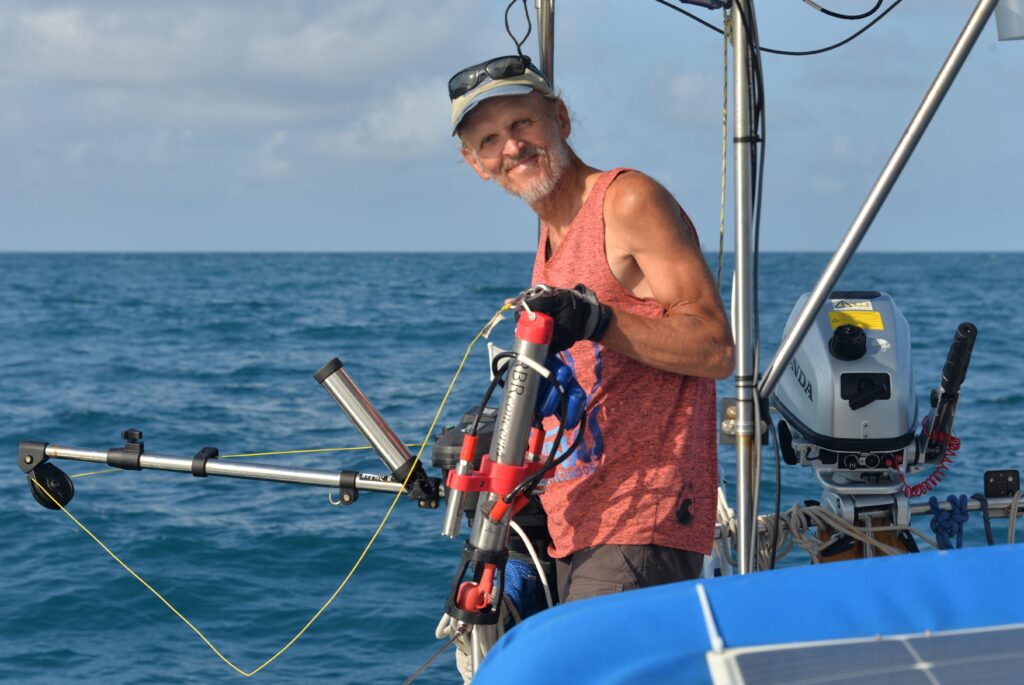
A major highlight was the successful integration and use of profiling CTD measuring systems aboard Oceanolog. These systems allowed us to collect critical thermodynamic data efficiently and showcased how accessible oceanographic research can be for sailors and small-scale expeditions.
3. Deployment of the First Argo Float from a Sailboat in the Americas
A groundbreaking moment in 2024 was the successful deployment of an Argo float in the Caribbean Sea on May,17th. This marked the first time an Argo float—used for critical long-term monitoring of ocean temperature, salinity, and currents—was launched from a sailboat in the Americas. This achievement showcases how small-scale expeditions can significantly contribute to global oceanographic networks.
4. New Partnerships and Generous Support
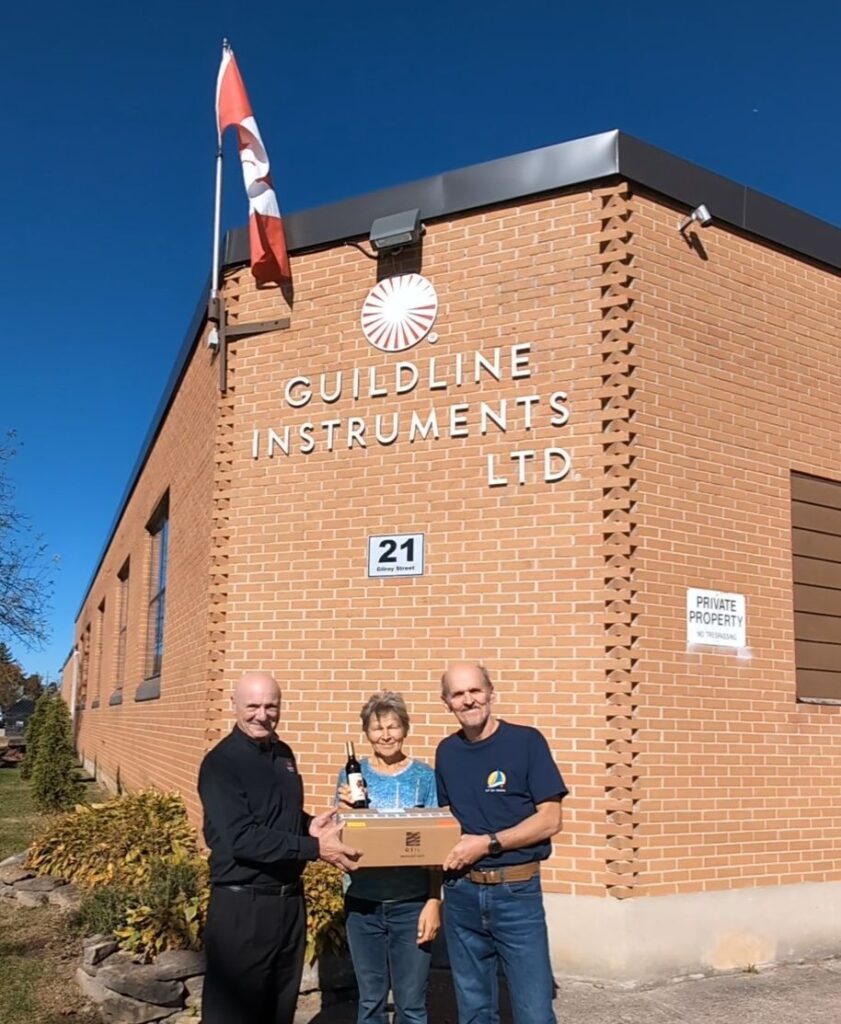
This year, our project received incredible support from industry leaders. Guildline Instruments generously provided a package of IAPSO Standard Seawater to ensure the accuracy of salinity measurements from our CTD systems. Additionally, RBR Ltd. provided free-of-charge re-calibration and servicing of our CTD system, ensuring top-notch data quality for our measurements. These partnerships are a testament to the shared commitment to advancing ocean science.
5. Ocean Exploration Milestones
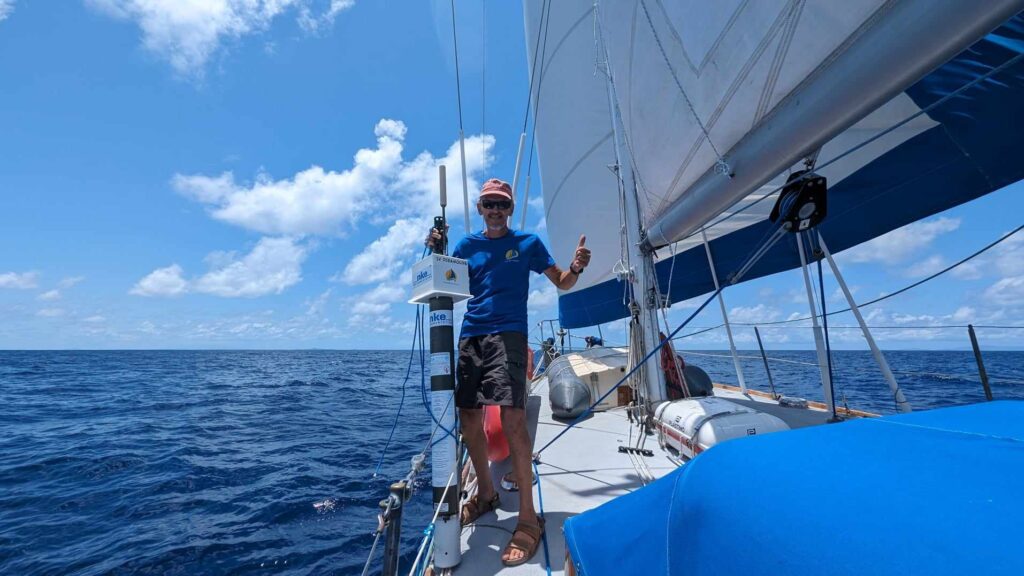
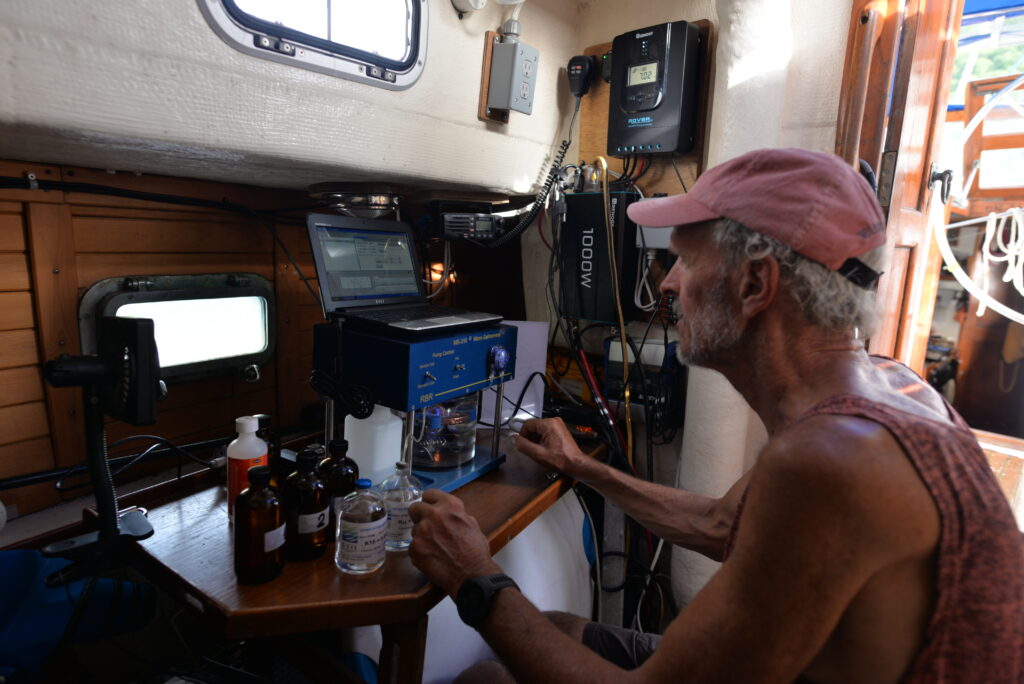
The sailboat Oceanolog made waves—both literal and figurative—as we navigated from Ottawa to the Caribbean, collecting megabytes of physical and biogeochemical oceanographic data. Along the way, we conducted numerous CTD casts, refined our onboard Micro-salinometer, and contributed valuable data to better understand our changing oceans.
6. Capturing the Power of Nature: Post-Hurricane Beryl Exploration
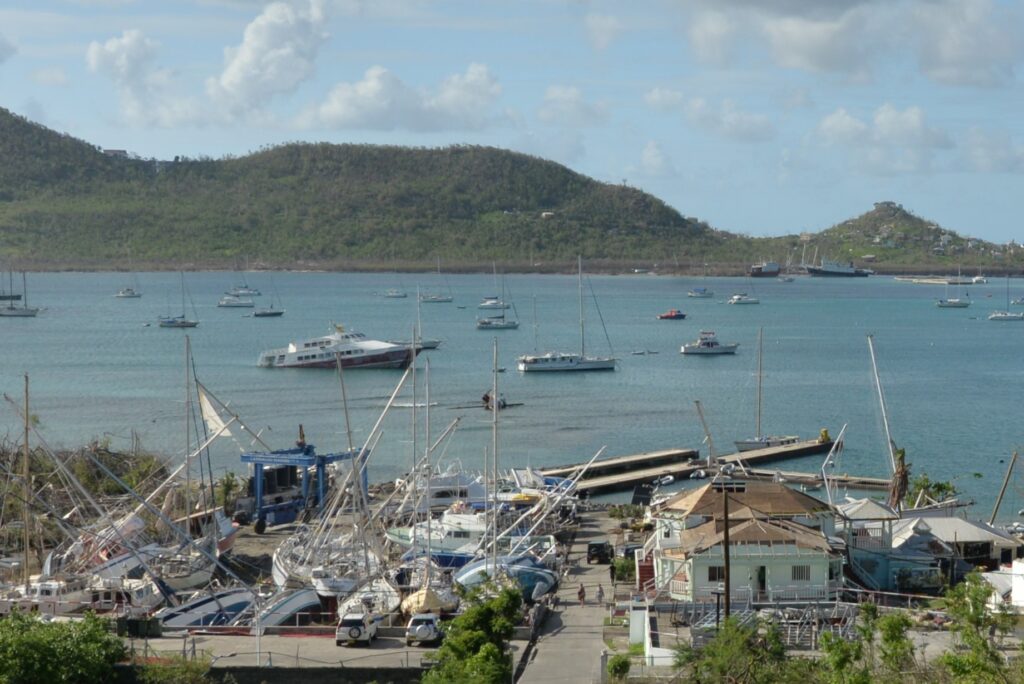
One of the most memorable and challenging moments of 2024 was passing through the aftermath of Hurricane Beryl. Our team conducted scientific measurements during this passage, collecting critical ocean data that captured the impact of hurricanes on the marine environment. This experience highlighted the resilience of nature and the importance of understanding how extreme weather events affect the ocean. We also visited islands heavily affected by Hurricane Beryl, witnessing the recovery process firsthand and documenting the profound changes left in the storm’s wake.
7. Raising Awareness Through Storytelling
We shared our journey through detailed blogs, photos, and videos, bringing the beauty and challenges of our journey to audiences worldwide. Highlights included visits to the Oceanographic Institutes, Historical Lighthouses, National Parks, scientific reflections on CTD technology, and memorable experiences sailing the East Coast of the USA, Bahamas, and Caribbean Islands.
Looking Ahead to 2025
As we prepare for another year of adventures and discoveries, we remain deeply grateful to our supporters, partners, and fellow sailors. Together, we’re proving that science and sailing are not just compatible but complementary pursuits that inspire curiosity and drive change.
Thank you for being part of this journey. Here’s to the discoveries awaiting us in 2025!
Fair winds and following seas, The Sail for Science Team
Two months of boatyard work on the SV Oceanolog are over – now she is in all her glory. Our friends and family have been asking us all this time why we stay in the boatyard for so long. I made this post to answer that question and to show that sailing a yacht (especially a 60-year-old one!) is not only a wonderful time under sail, but also hard work to keep it in seaworthy condition. For us, it is also invaluable experience in repairing and maintaining a sailboat. When we arrived in Trinidad in early August, the condition of the boat after a 5,000-mile passage from Ottawa was critical – we pumped out water from the engine bilge 2-3 times a day, water came from under the rudder post and another late discovered hole in the keel. When the boat was pulled out of the water, it turned out that the rudder was also in a very poor condition – through a cracked fiberglass laminate, water penetrated into the rudder and led to the rotting of the inner layer of plywood. It was decided to remake the rudder, replacing the plywood with high-density polystyrene. The wooden block holding the rudder’s staffing box was also in poor condition – the pine wood (!!!) it was made of turned out to be soft/rotten and voids formed around the staffing box through which water was leaking into the hull. We replaced this block with a new one, specially made from very hard green-hart wood. But the biggest difficulties we encountered were when we discovered that the laminate of the patch that covered the previously formed hole had opened in front of the keel. Greetings from the previous owner, who did not report such a serious problem when selling the boat. Over time, this led to the keel becoming saturated with water and its penetration into the bilge. We had to dry the keel from the inside for a long time, which was very difficult in conditions of constant rain. After a long operation of cutting out the layers of fiberglass of the keel damaged by diesel and seawater, it was decided to seal the hole by filling it with strong polystyrene, filled with epoxy resin and covered with many layers of fiberglass. One of the unpleasant discoveries after raising the boat was to find that we had lost one of the lead weights attached to the end of the keel to make it heavier. The bronze screws that held it to the keel had rusted over time and were unable to support the weight. With the help of local craftsmen, we found a way to make it again and attach both lead bars to through bolts. Now they are almost impossible to lose. The seacock with thru-holes and pipes on both cockpit drains were also replaced. The boat’s deck was reinforced from the inside with 12 teak support beams. A lot of work was done to remove the layer of paint and gel on the hull and new gel coating and painting. Also, the bottom was cleaned of the previous anti-fouling coating and after carefully sealing all the cracks and holes, the bottom was covered with a new anti-fouling coating.
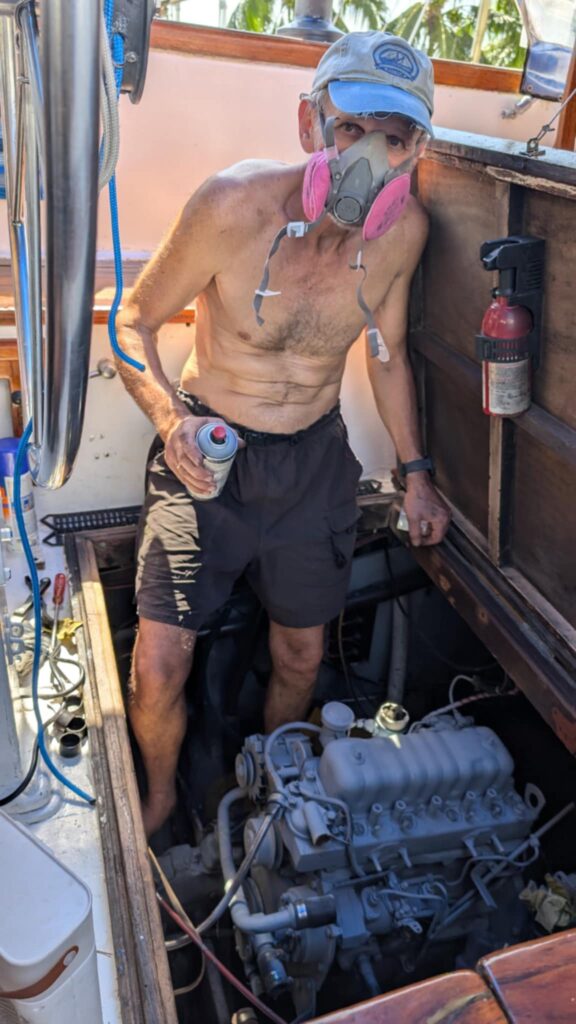
I would also add engine repair to the important work on the boat. The freshwater pump started leaking, we ordered a new one and installed it. All the injectors were also sent for maintenance. The engine was thoroughly cleaned of oil and rust and painted. I hope that the engine will serve us well now. The anchor chain was cleaned of rust and cold galvanized. Also, the 500A shunt (sensor) on the battery monitor was replaced with a new one (thanks Amazon for free shipping to Trinidad!)- the previous one was practically rotted from seawater getting on it in the engine room. Unfortunately, it was not placed in a sealed box – now we have to correct this error and ensure the sealing of this shunt. In addition to these jobs, we varnished the wooden surfaces of the boat (and there are lot of wood!) and painted the interior.
Finally, I would like to thank the workers of the Corel Cove Marina boatyard—Palma, Nigel, Dave, Archie, and others—who made the SV Oceanolog seaworthy and in good condition. Thank you very much!