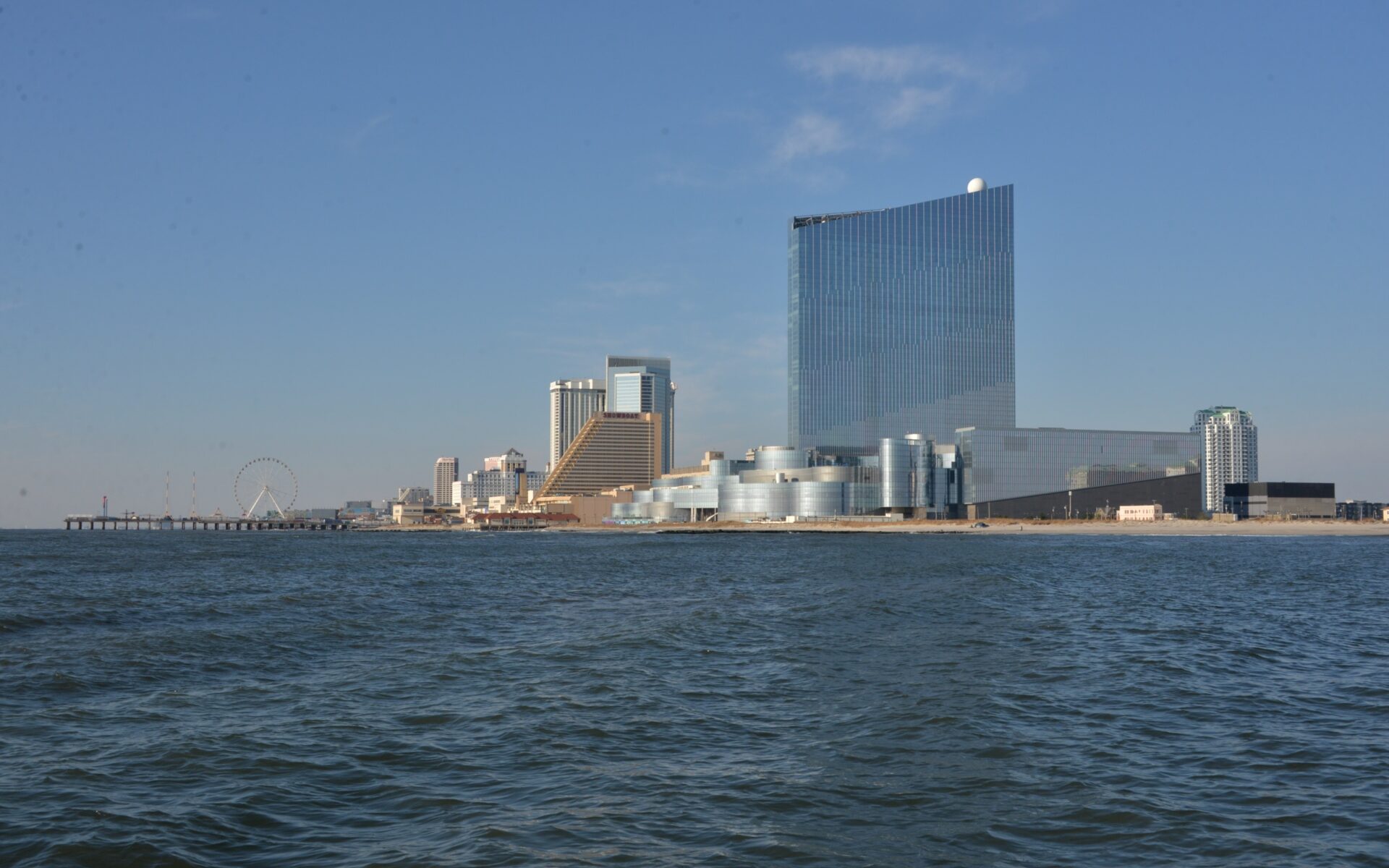
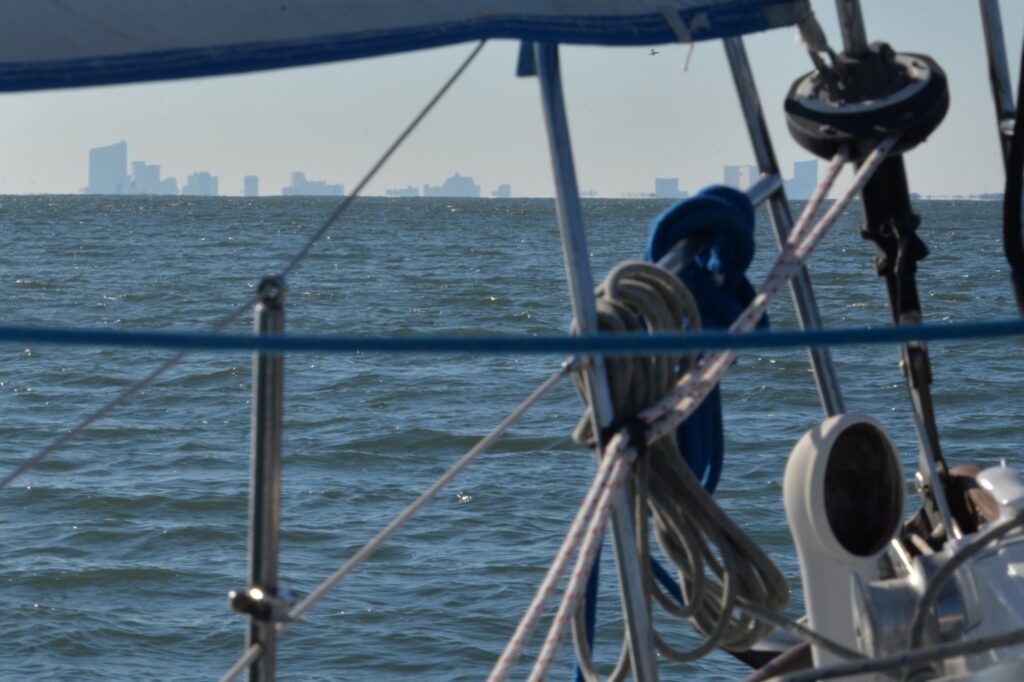
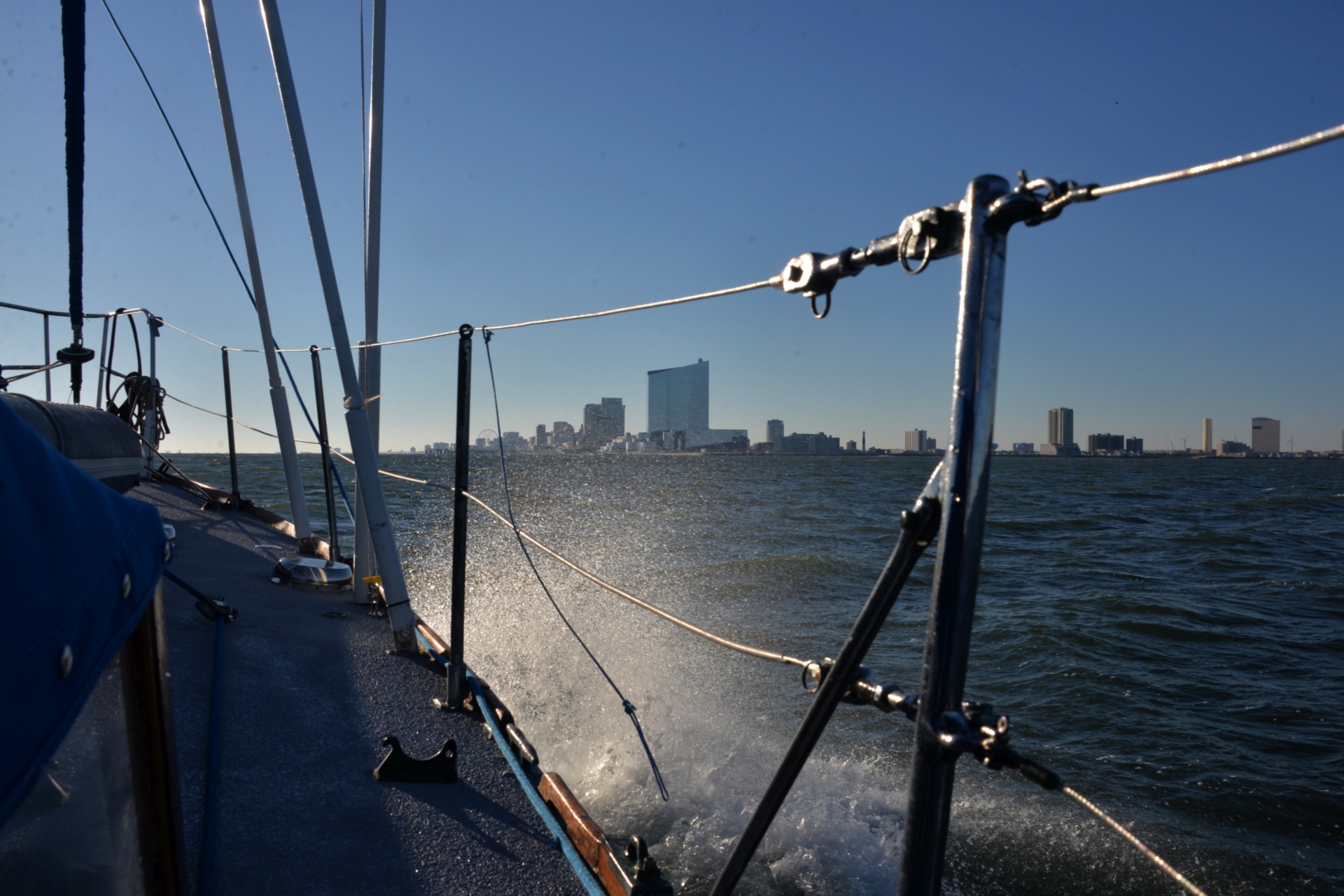
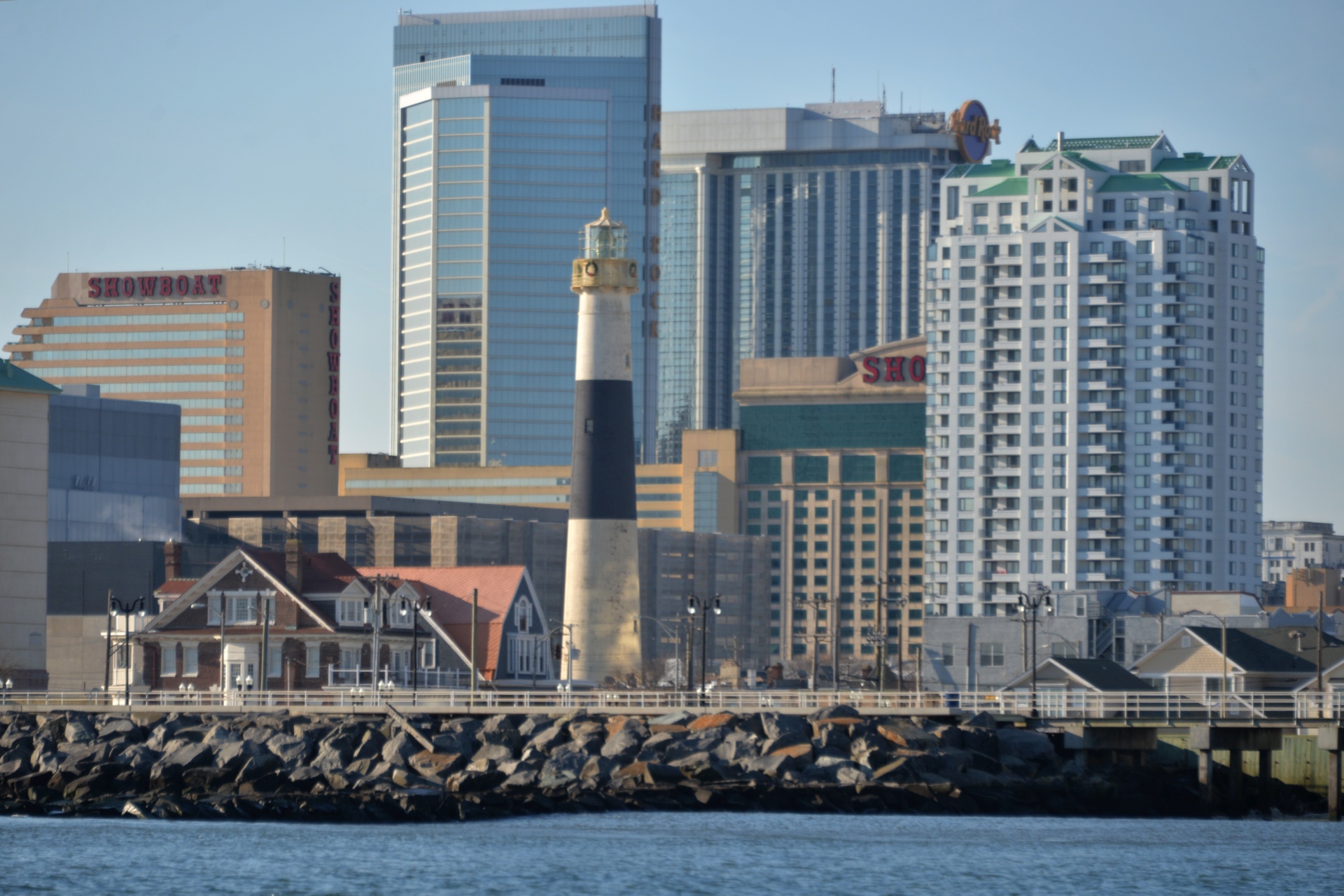
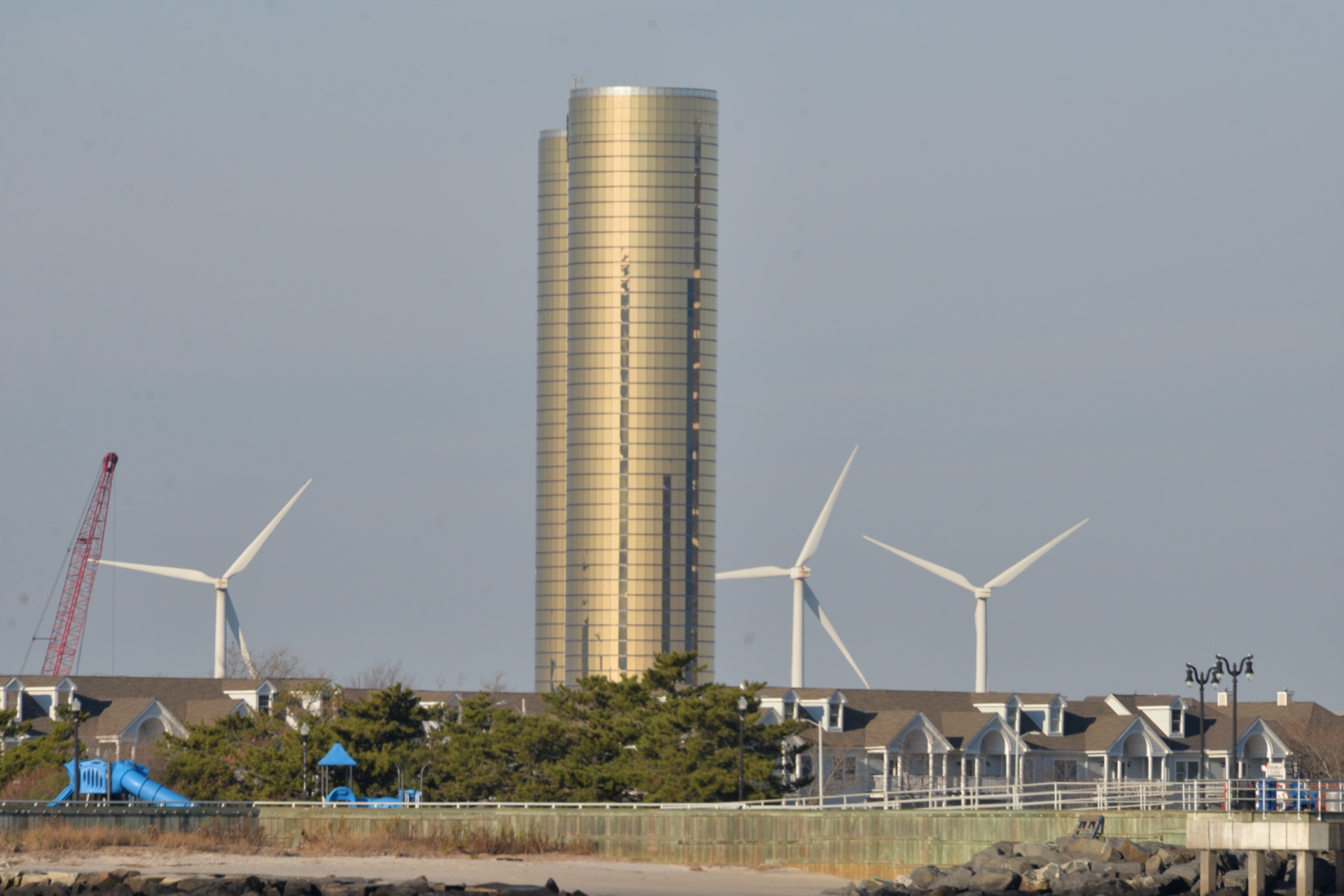
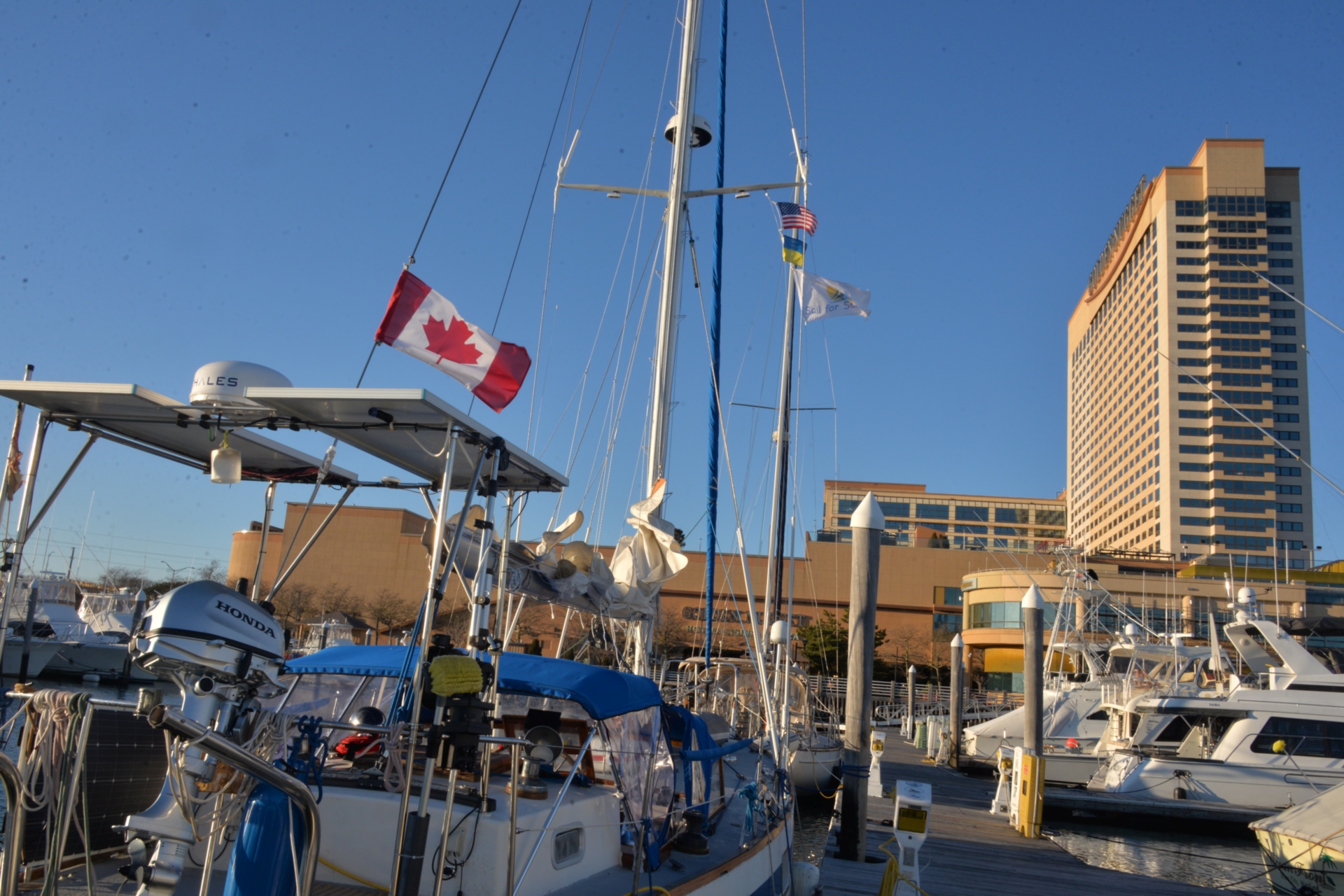
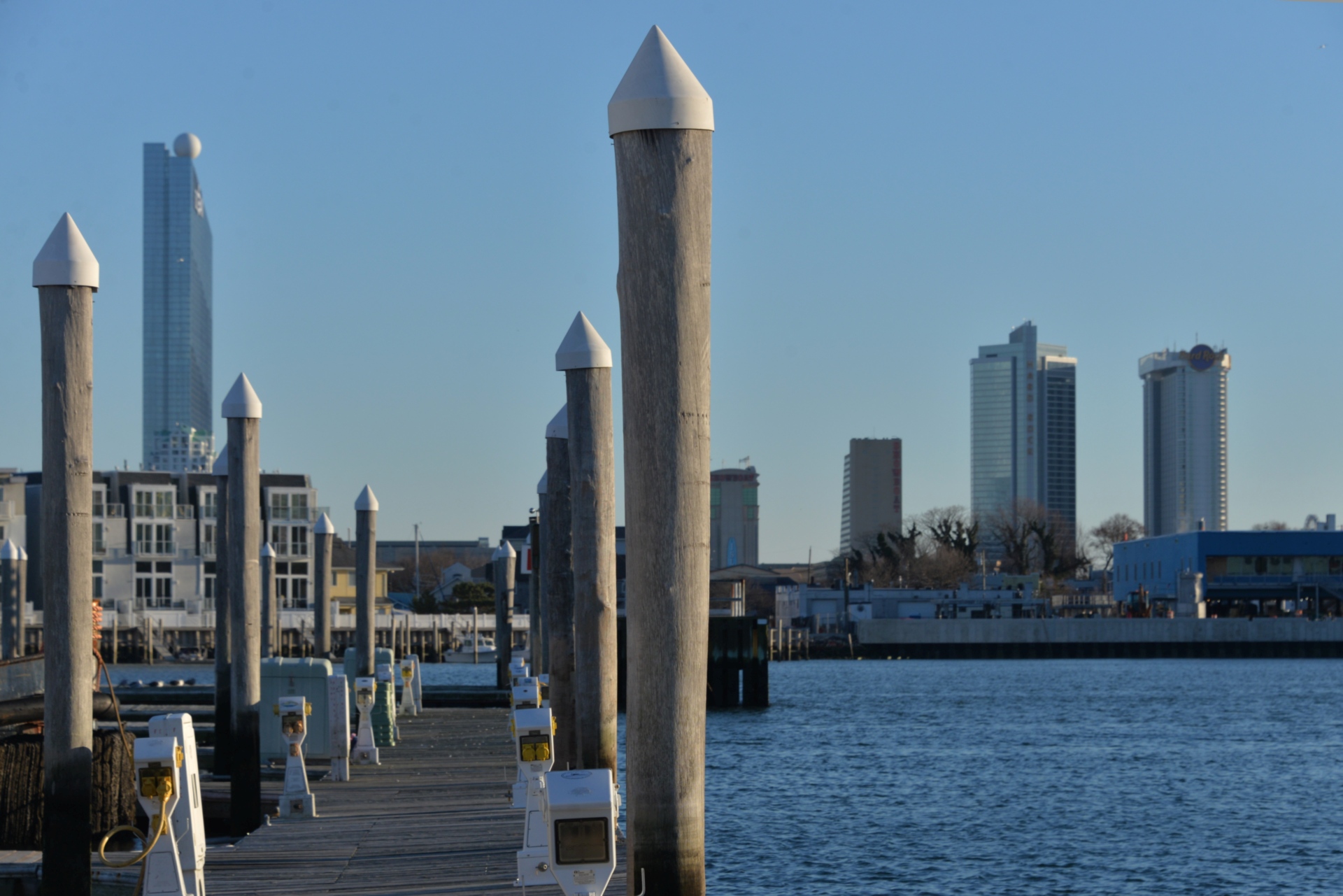
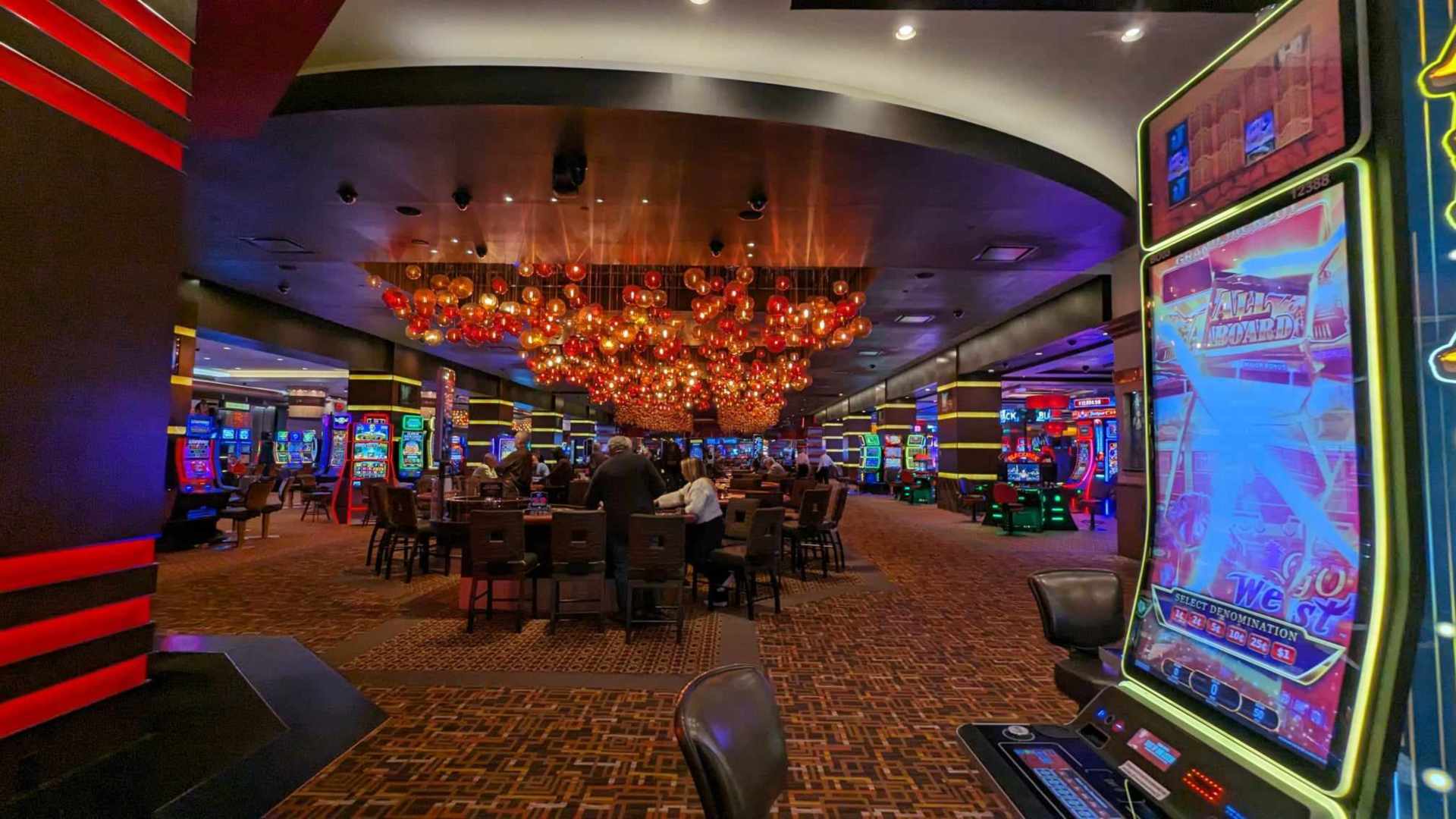
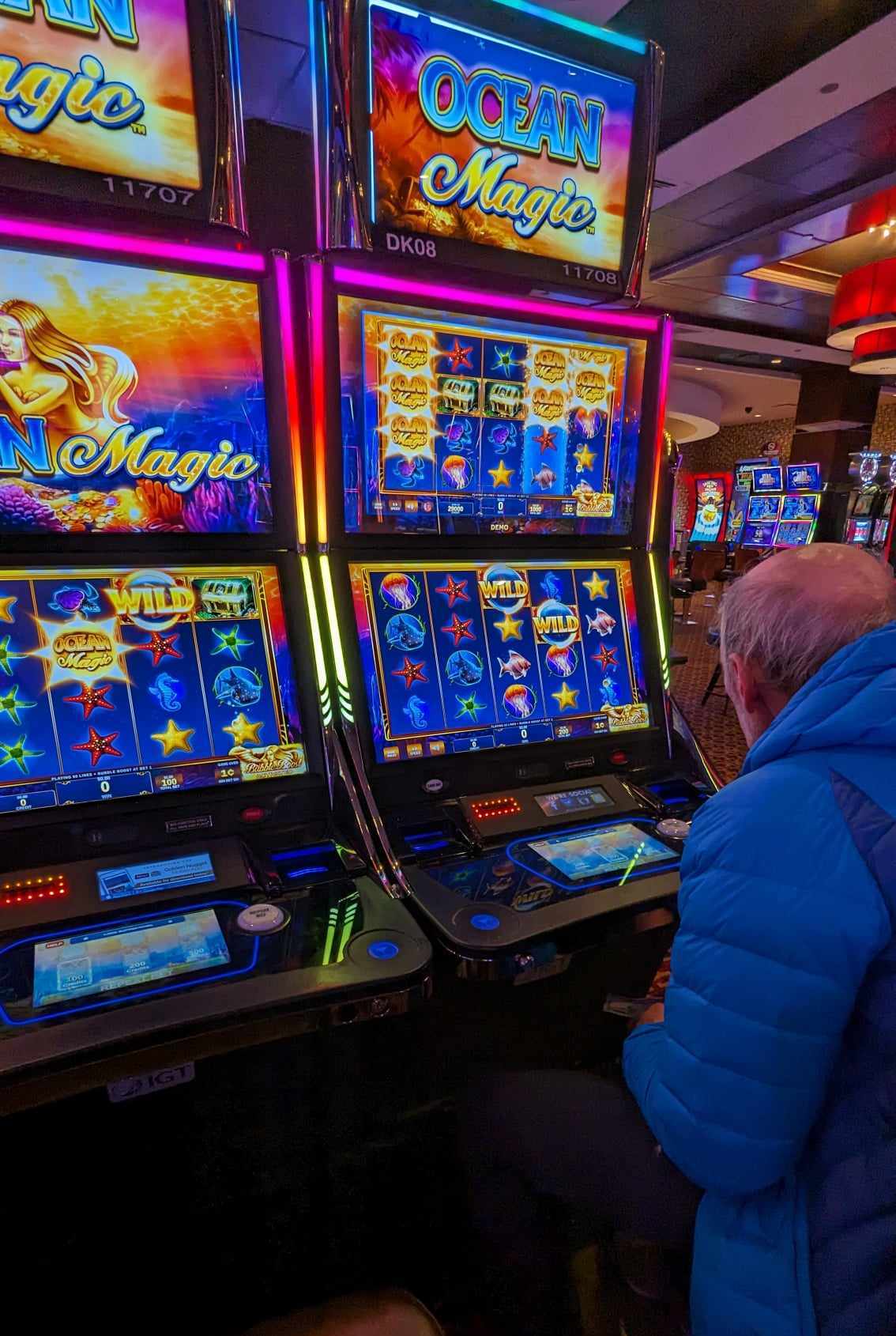
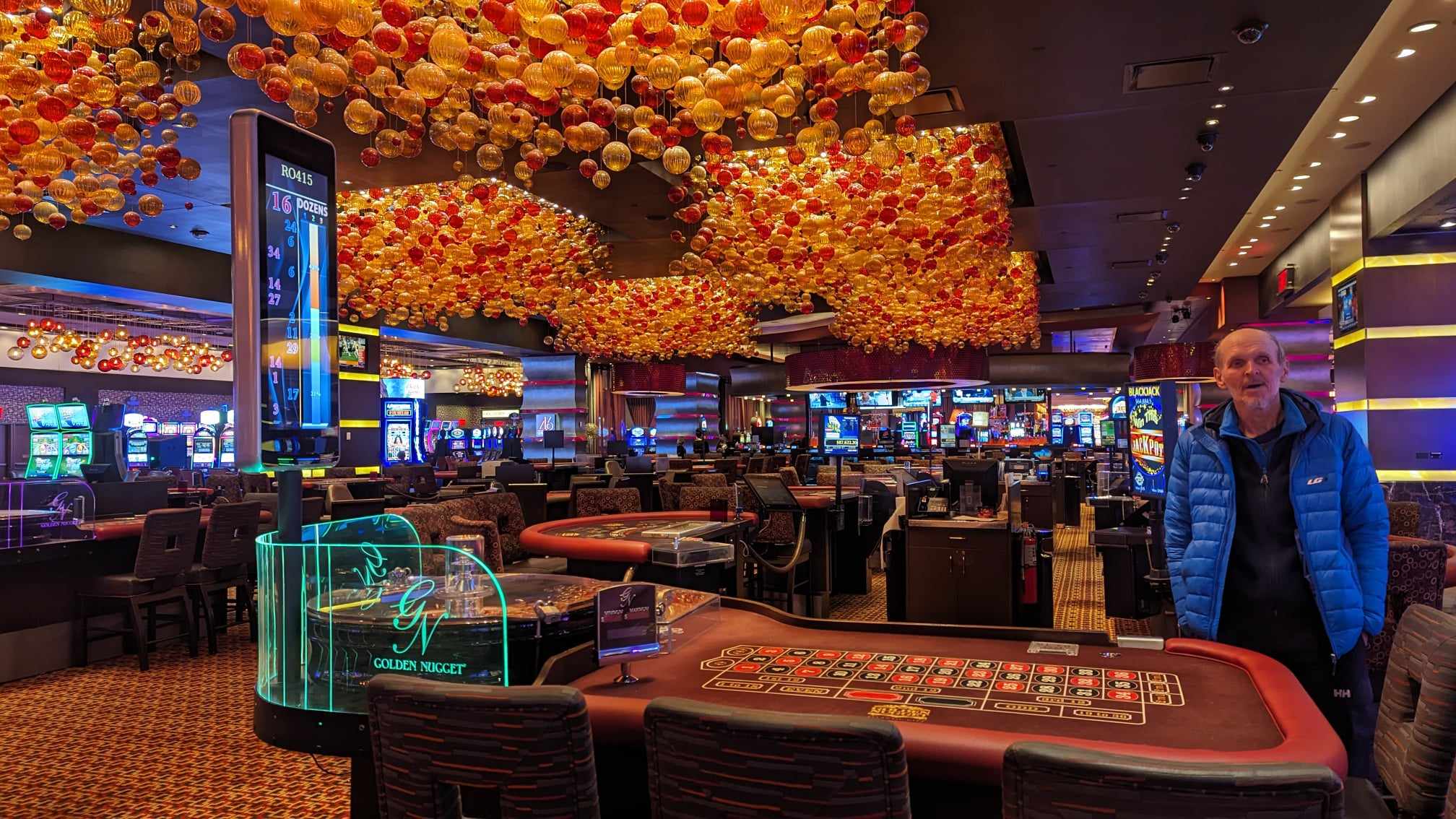
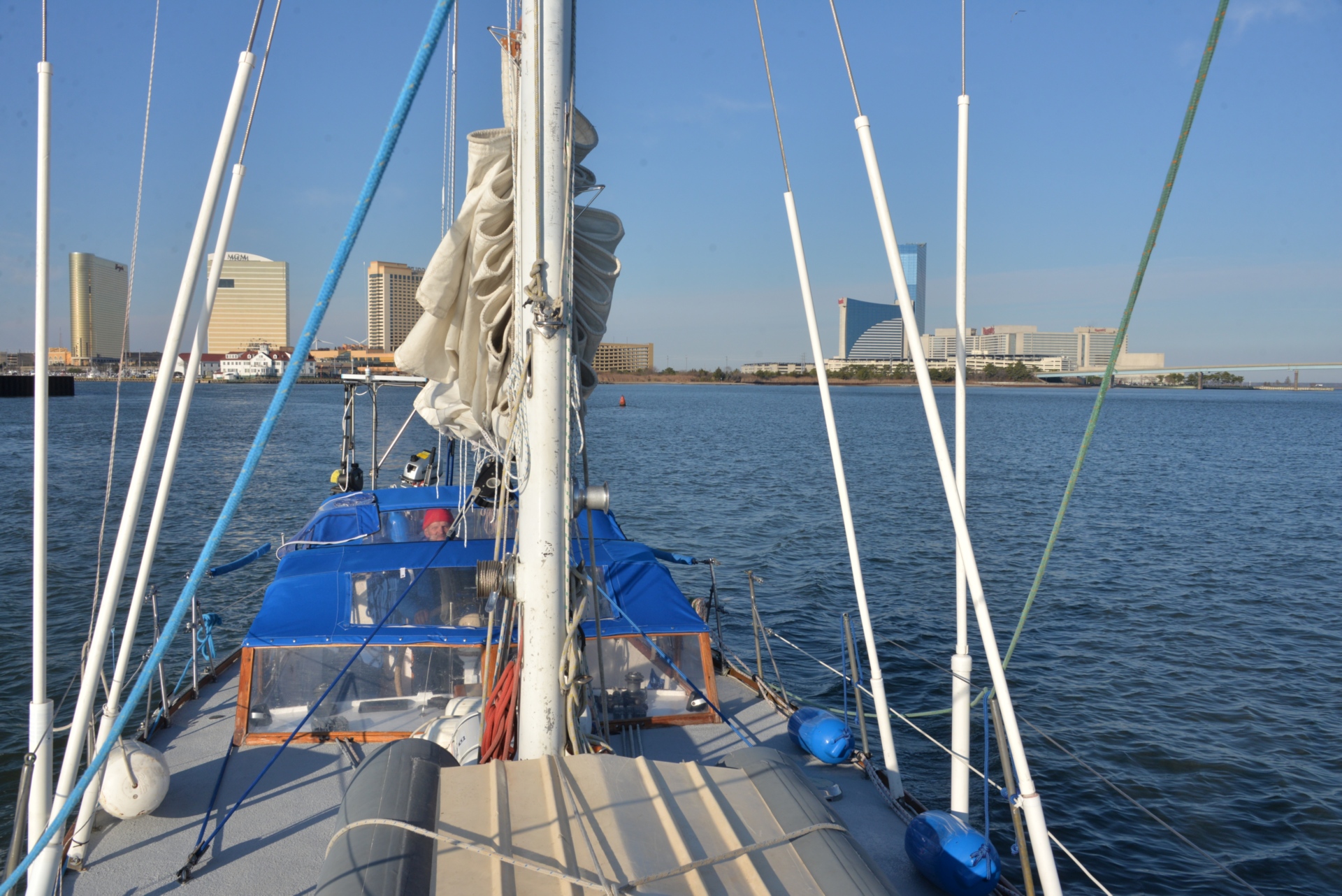
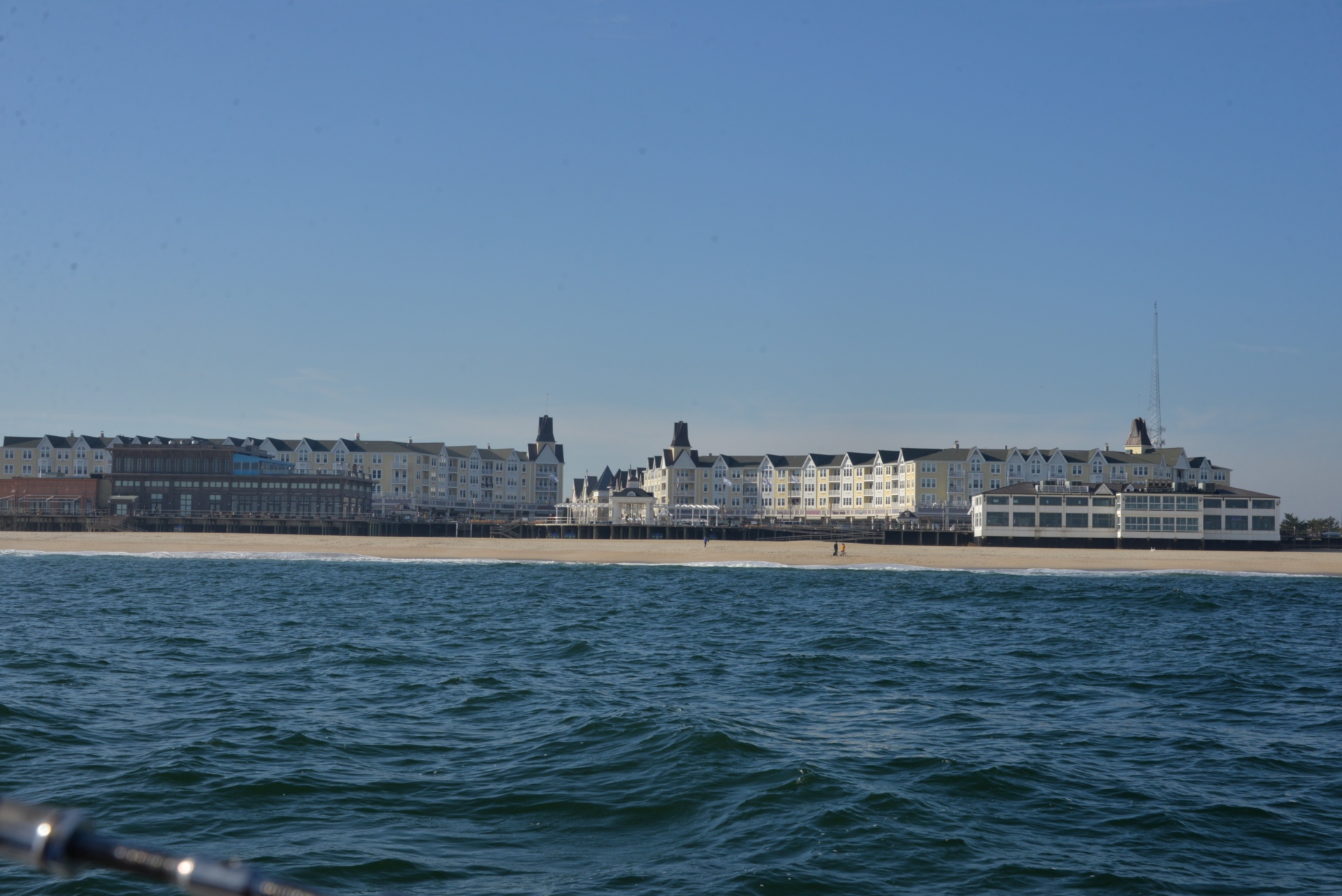
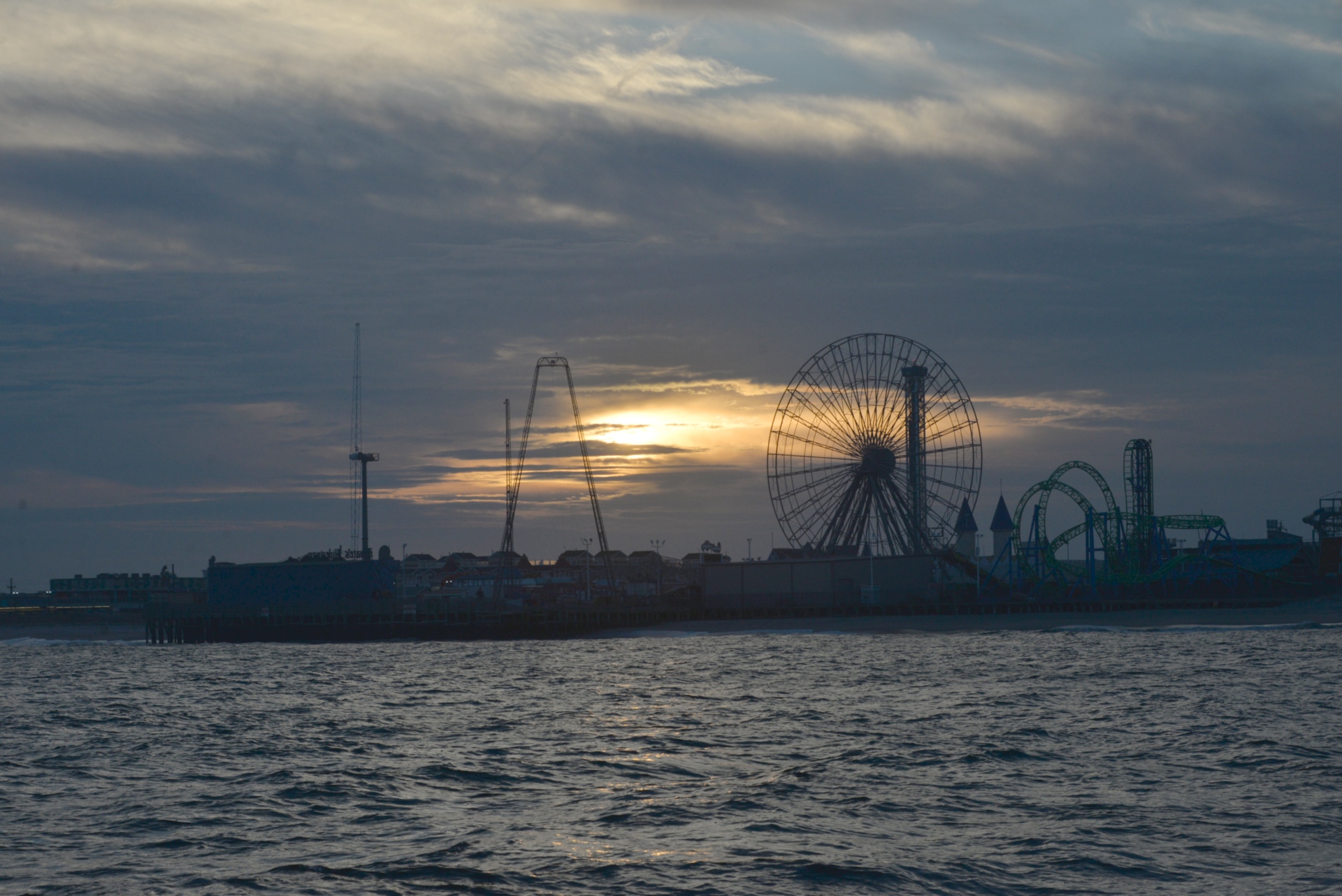
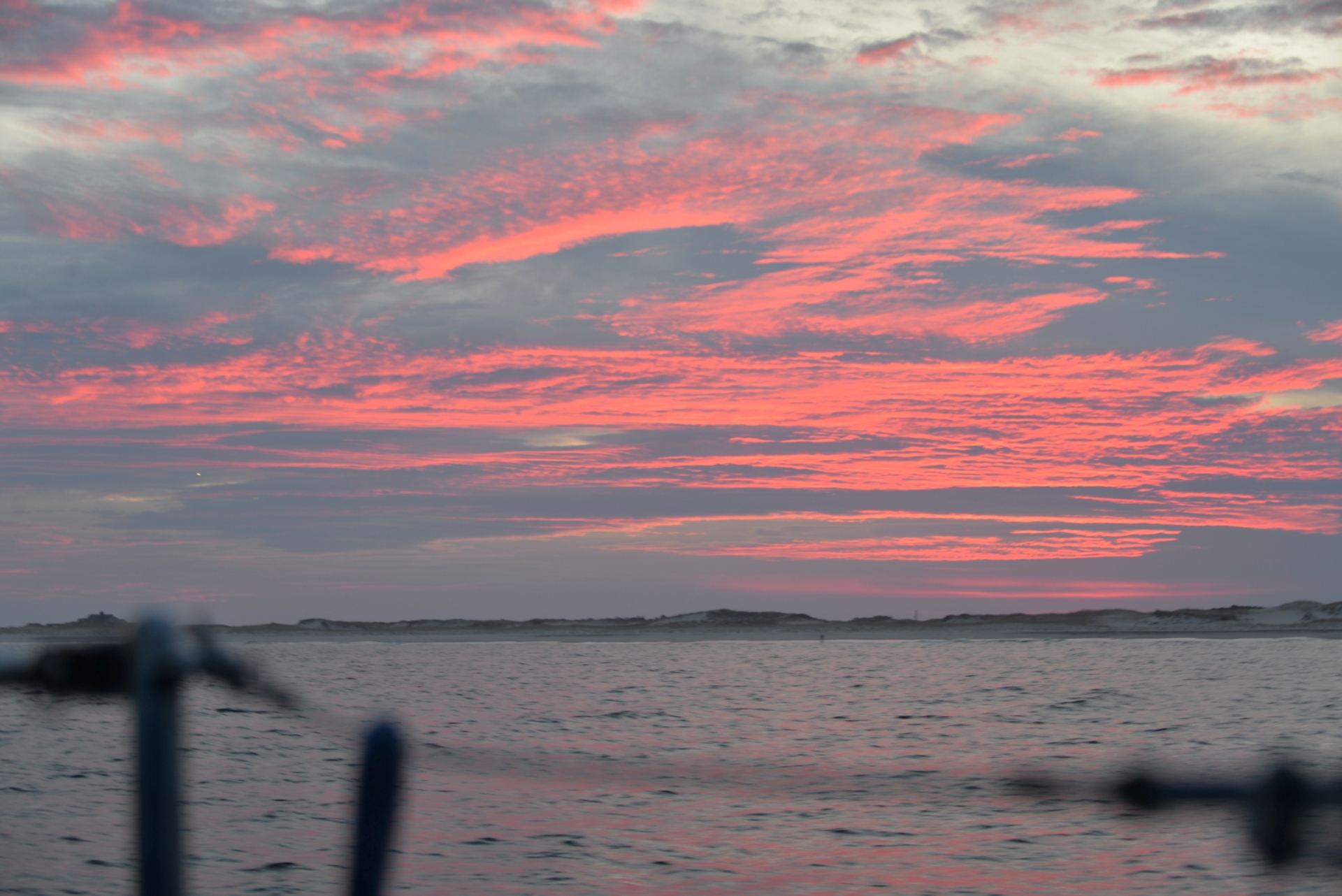
Ah, Atlantic City, where even the marinas are part of the high-stakes game! Our arrival at the Golden Nugget Casino marina had a touch of mystery, like a scene from a casino-themed movie. No red carpet or welcoming committee, just a silent pier and the distant jingles of slot machines. Undeterred, we explored the casino, tested our luck (or lack thereof), and enjoyed a boat-side dinner. The next morning, with a subtle nod to Lady Luck, we sailed away, leaving Atlantic City to its gaming glory.
During our journeys, we make it a point to visit and appreciate all the lighthouses, considering them among the most beautiful man-made creations on the coast. Their exceptional importance for navigation safety elevates their beauty to the same level as their utility. Sadly, the advancement of navigation technologies has not been favourable to lighthouses, and we’ve encountered many closed lighthouses, sometimes replaced by simple automatic beacons. However, the sight of lighthouses’ beams, especially when sailing at night, winking along the coast, is always unforgettable. It instills a sense of faith that the land is nearby, and you can rely on their light if modern technology fails.
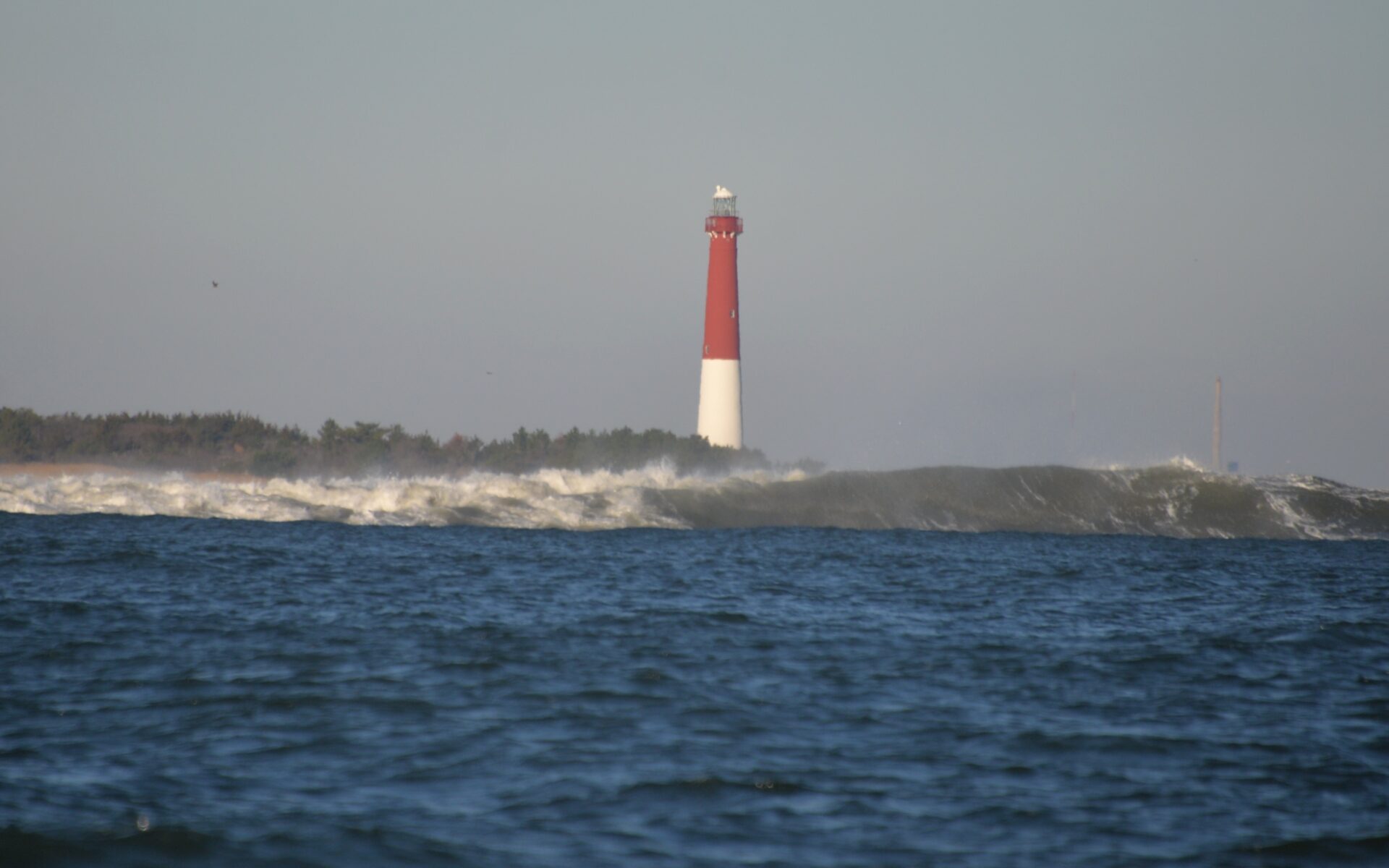
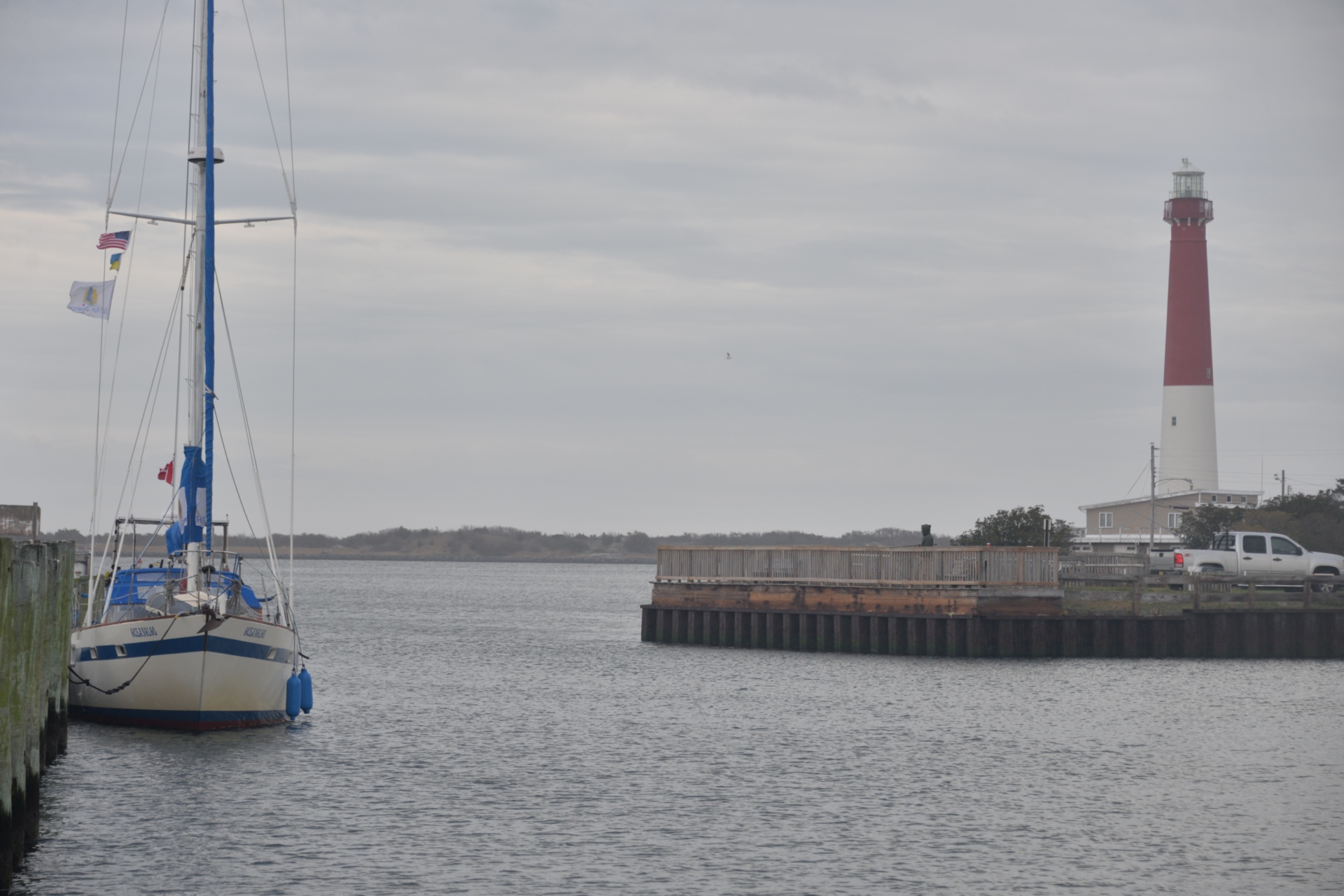
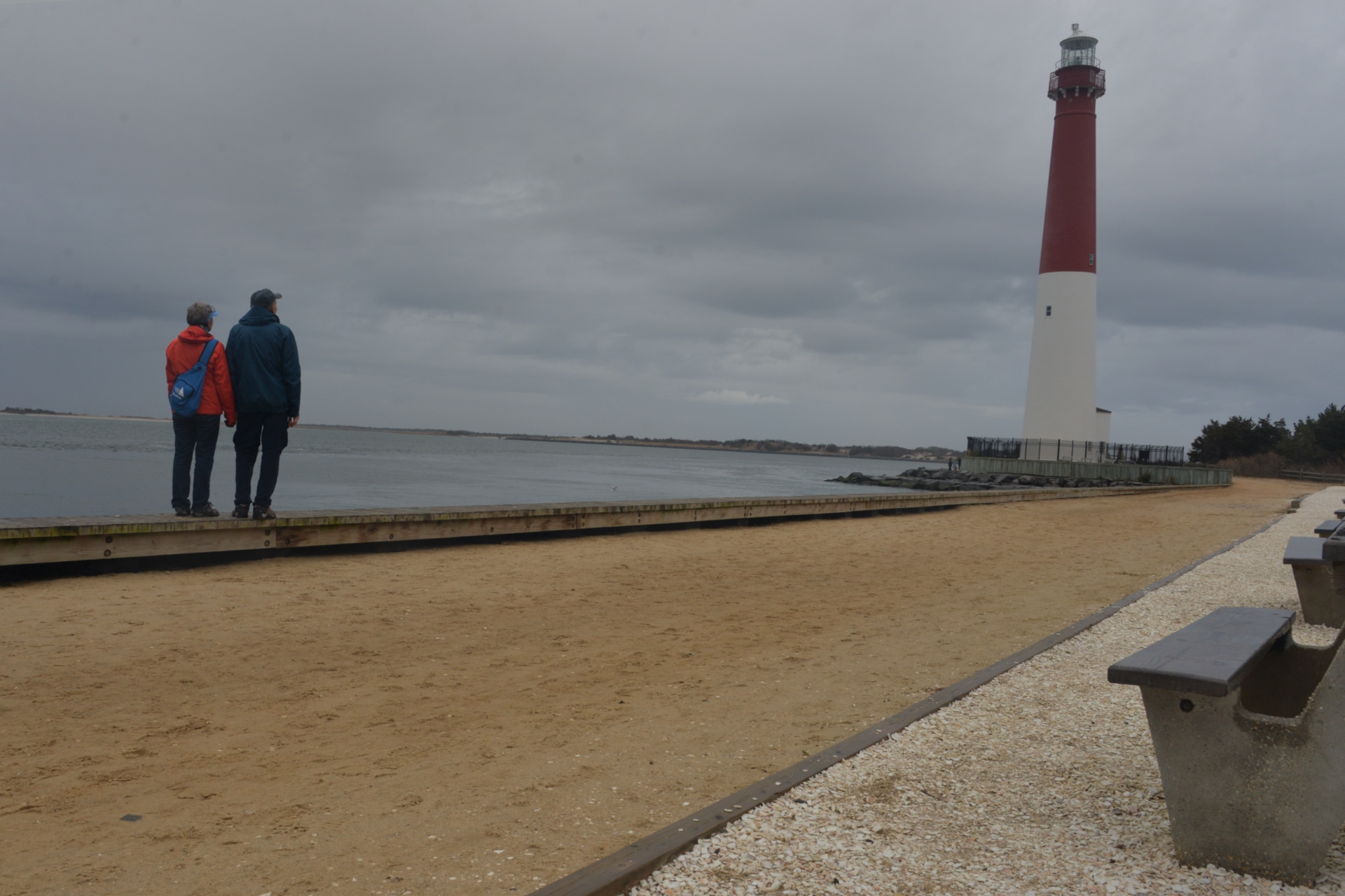
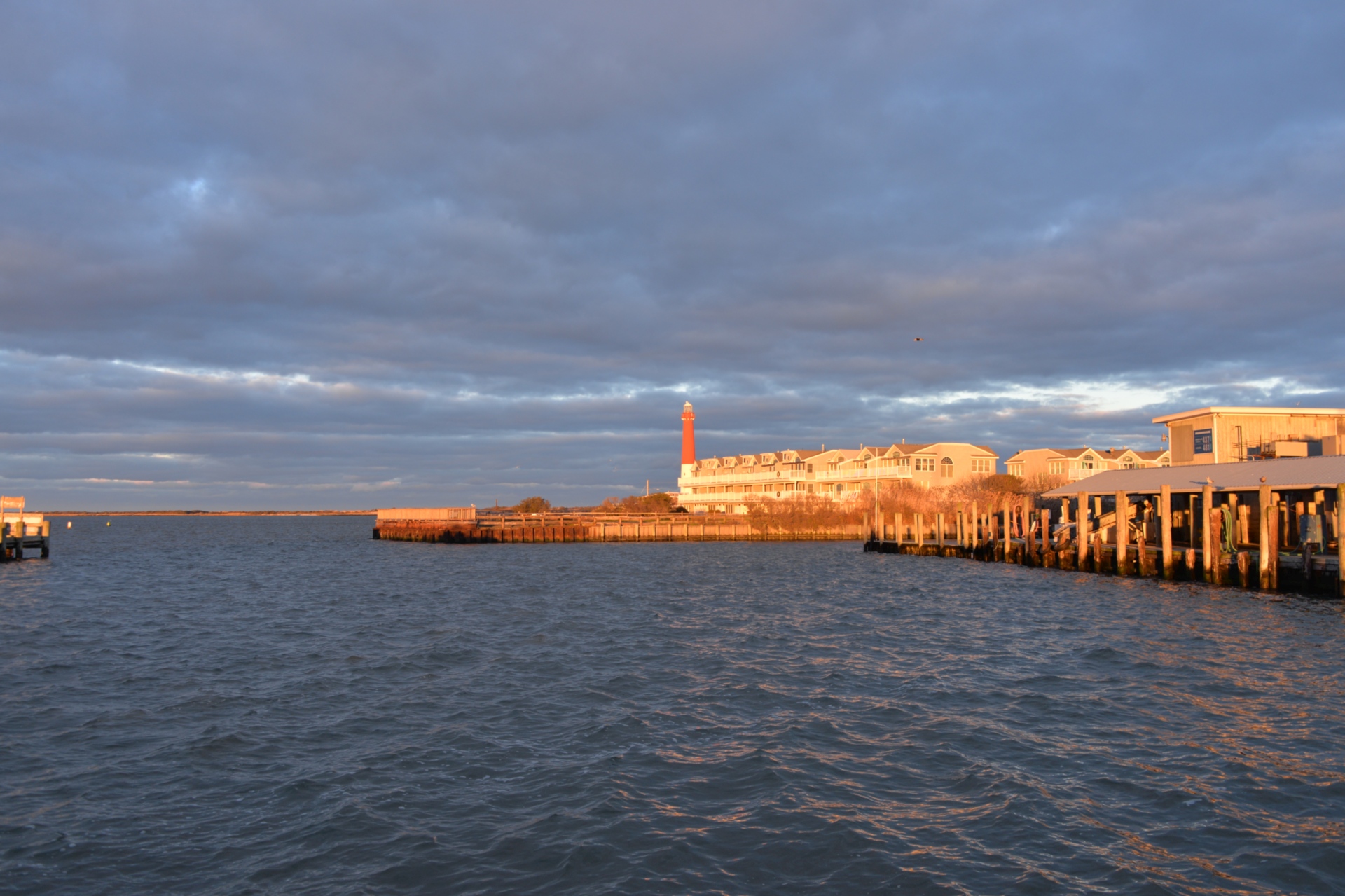
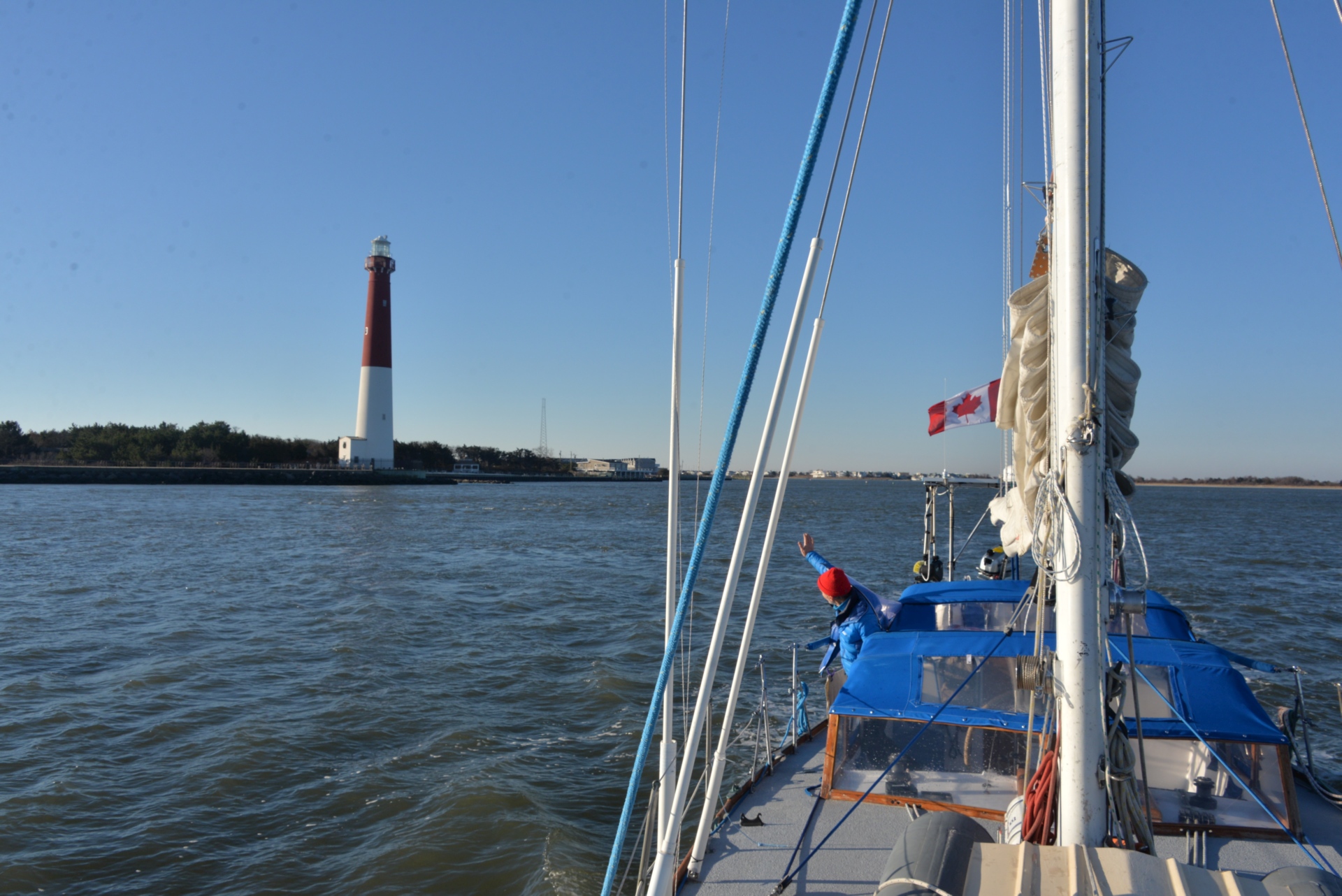
Our choice for the next marina was significantly influenced by its name – Lighthouse Marina (and it happened to be the only available option:). The marina is located in the village of Barnegat Light, home to one of the largest lighthouses in the United States – Barnegat Lighthouse. Built in 1857, the lighthouse stands at a height of 50 meters, making it visible from a distance of 22 miles.
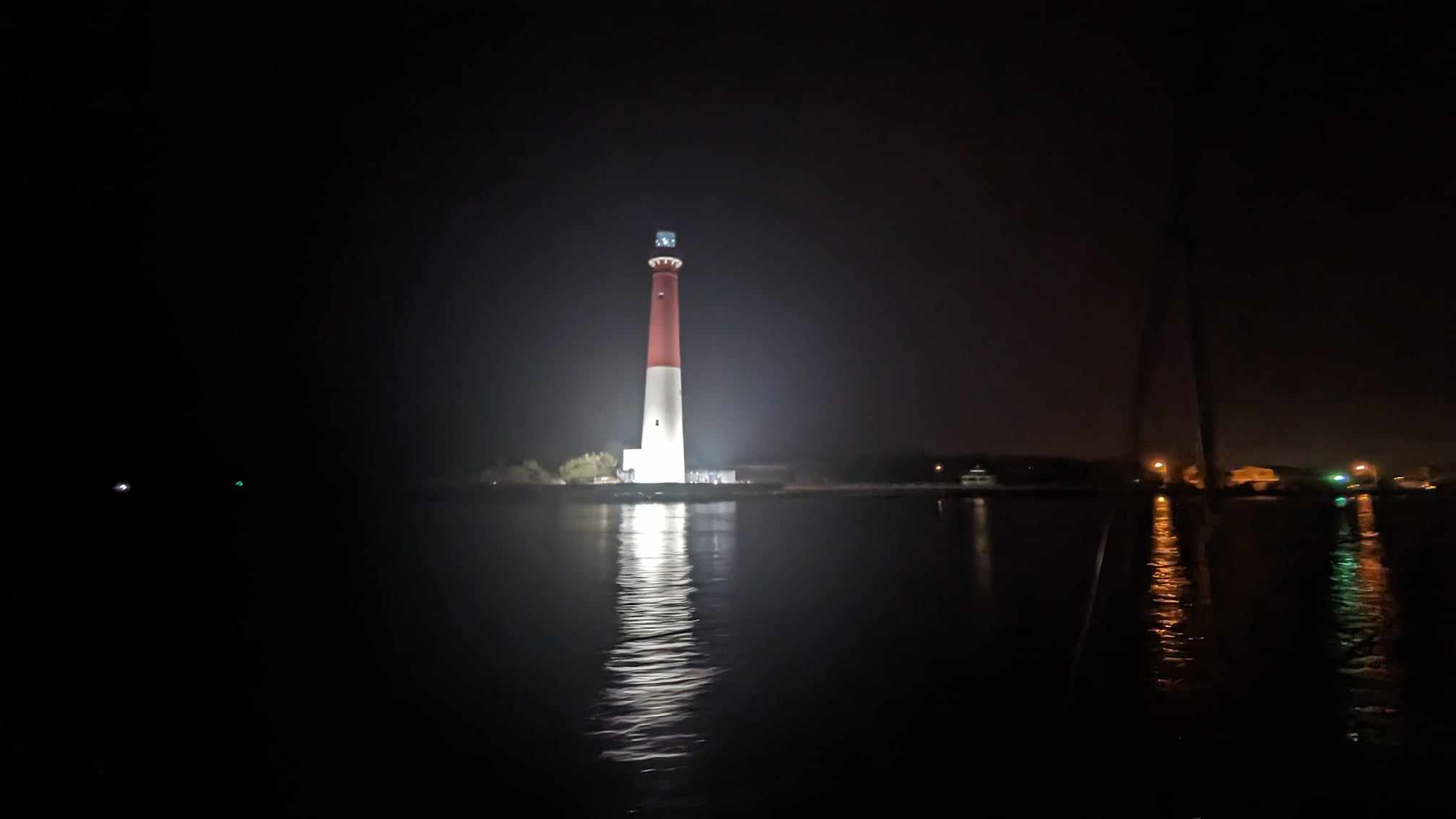
Arriving at Barnegat Light after dark, we sailed the last hour of our journey toward the bright light of the lighthouse, which emitted a brilliant white flash every 10 seconds. Navigating by this light was surprisingly easier than relying on a chartplotter or even a compass. Safely passing the inlet in the dark (thanks also to navigation buoys and the chart plotter), we moored in the deep part of the marina, almost beneath the lighthouse. We spent the next two days here, patiently waiting out the storm.
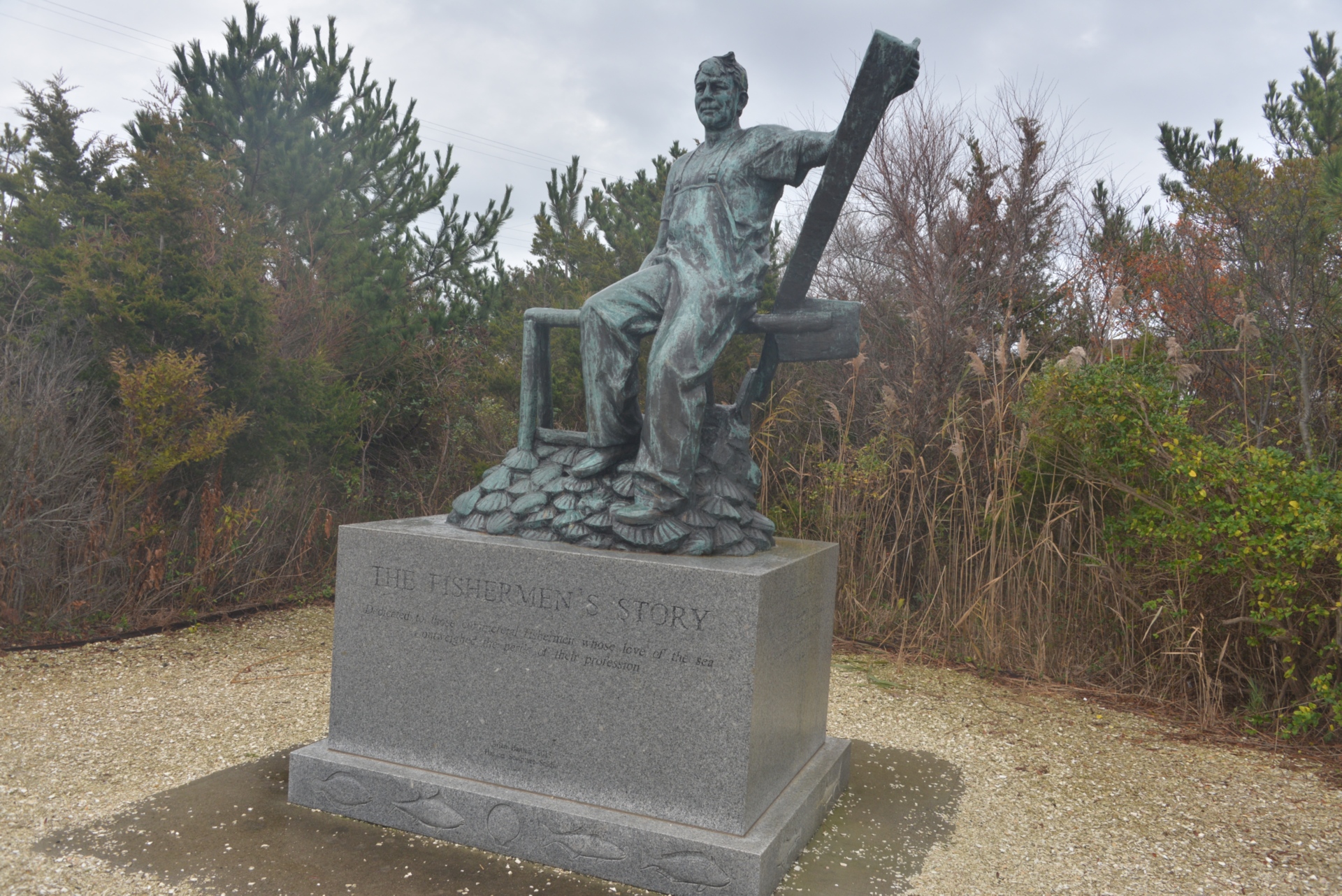
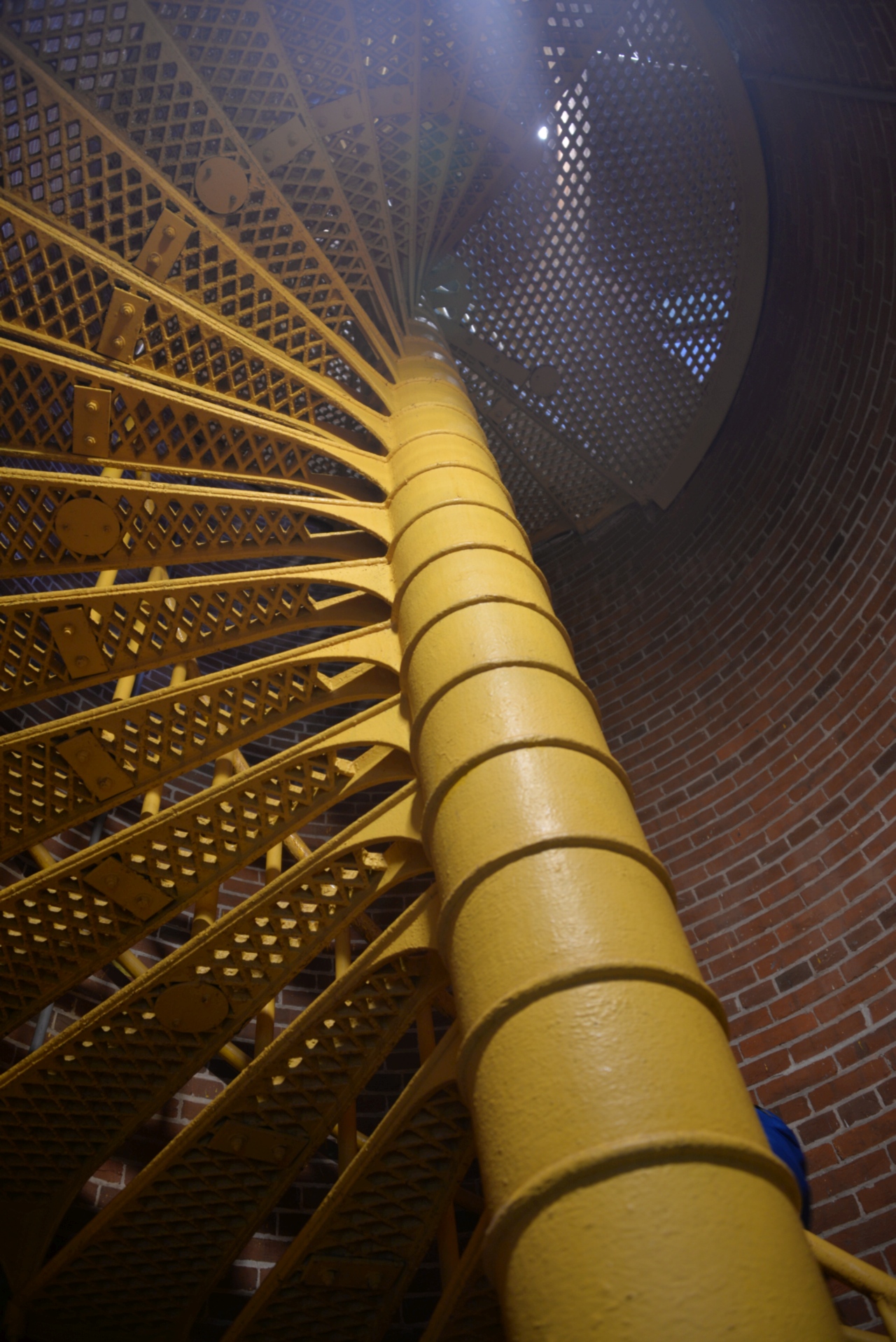
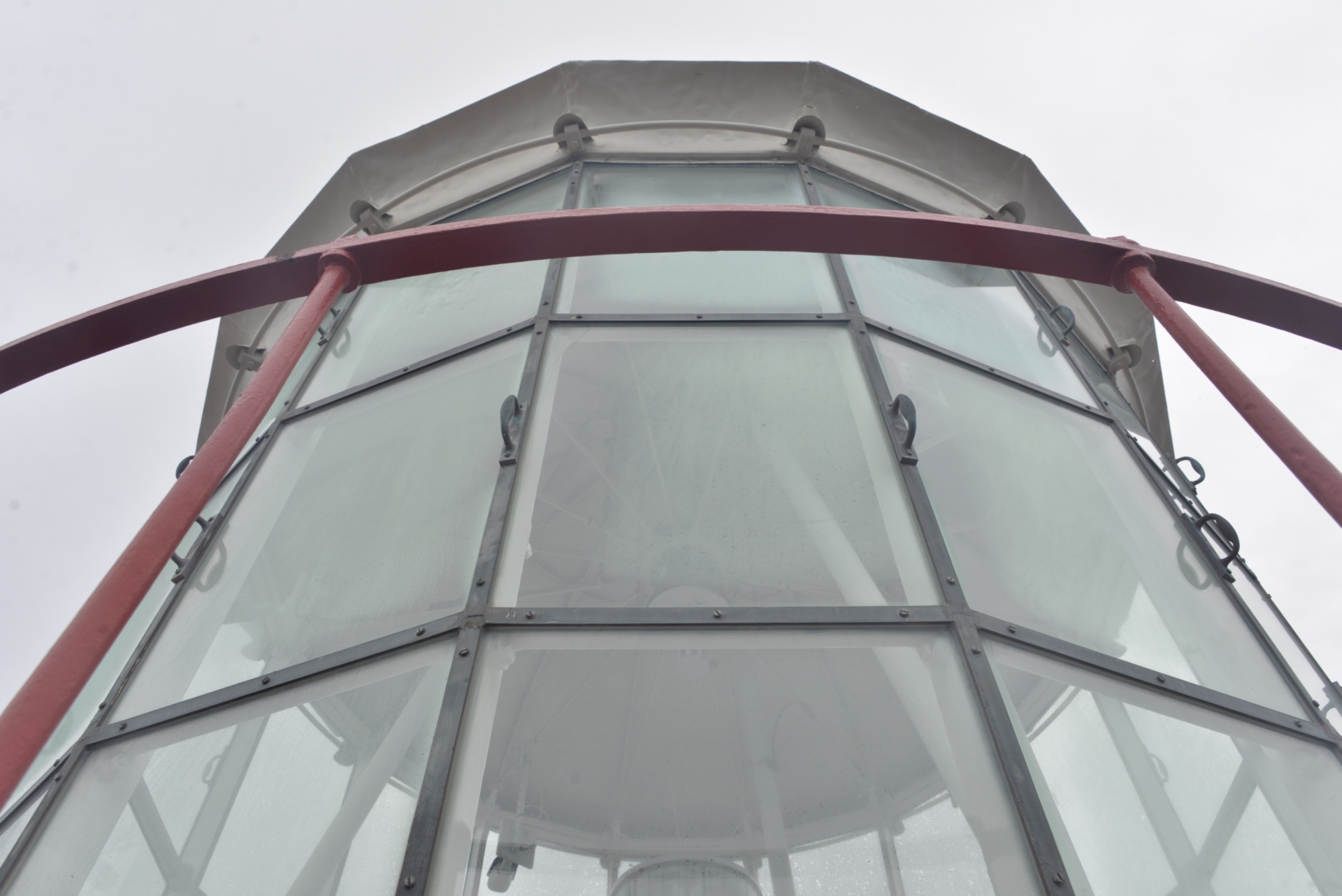
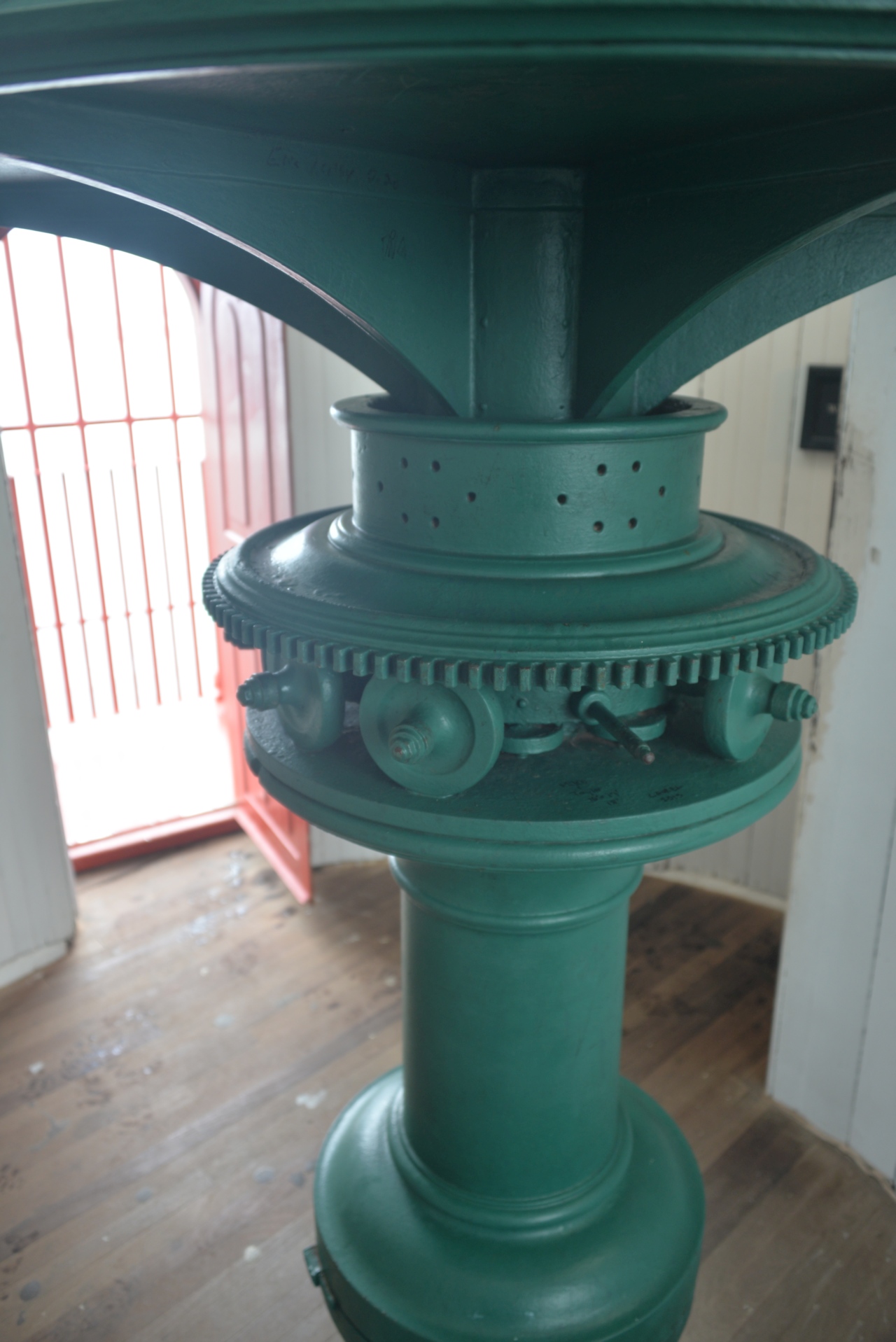
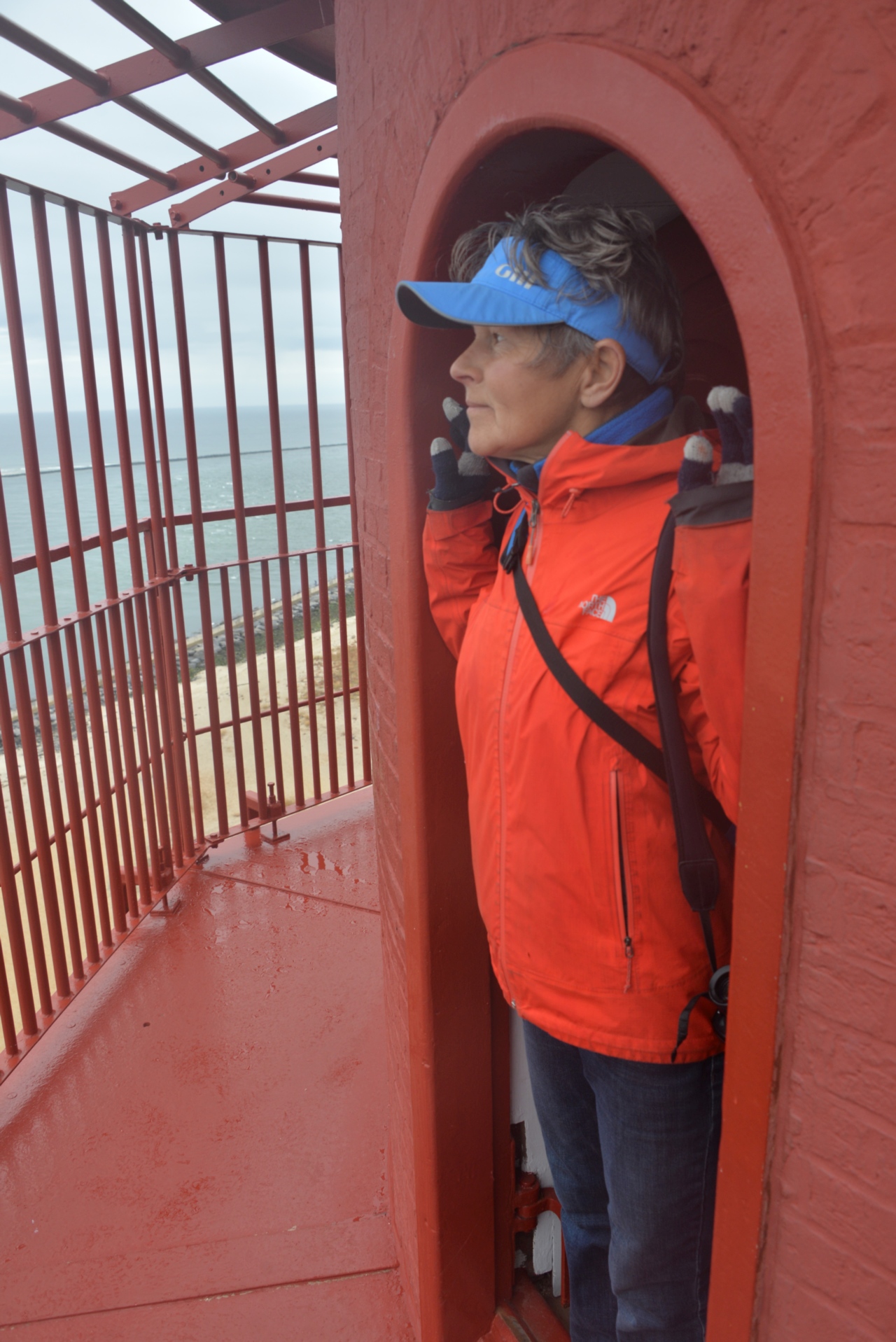
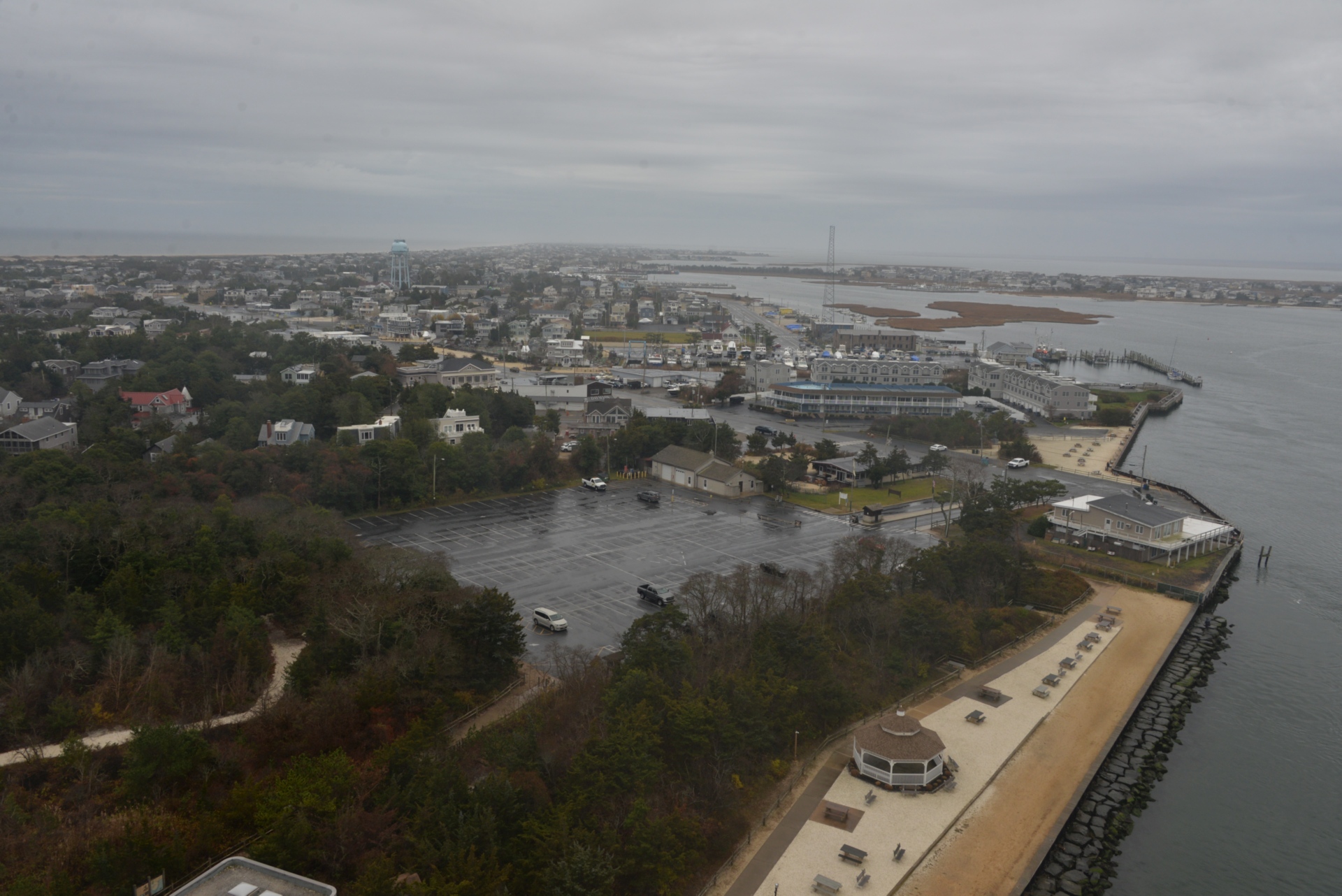
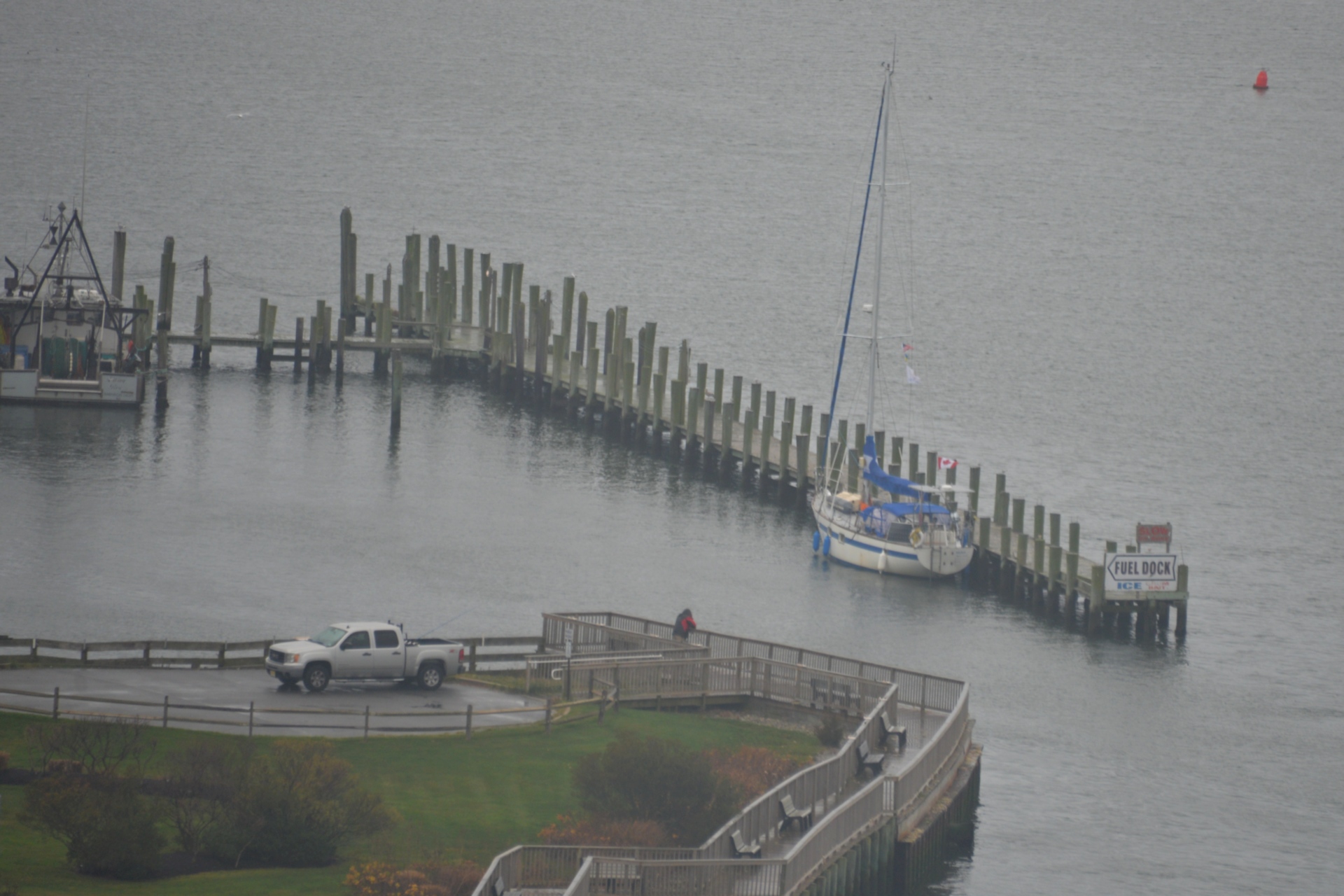
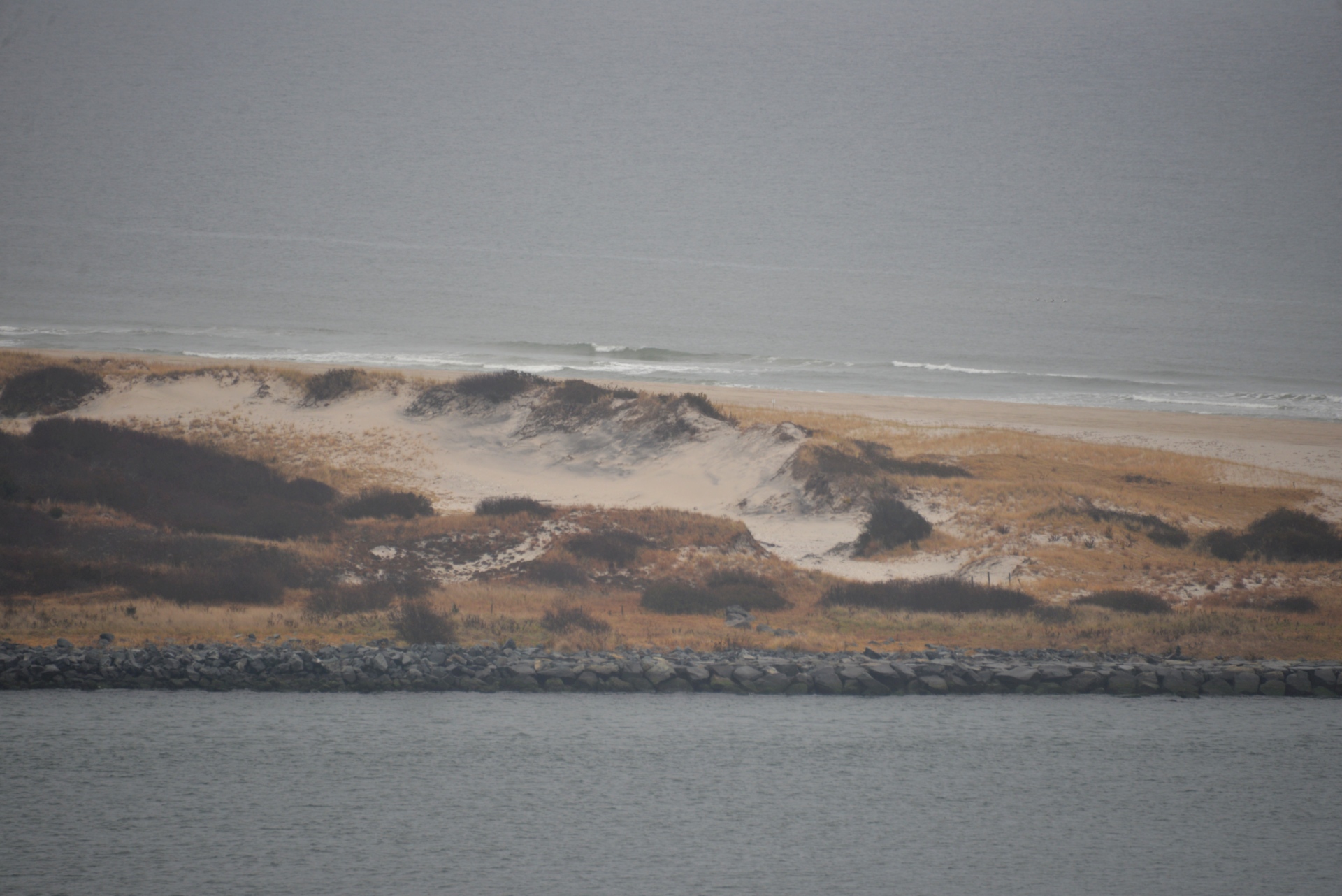
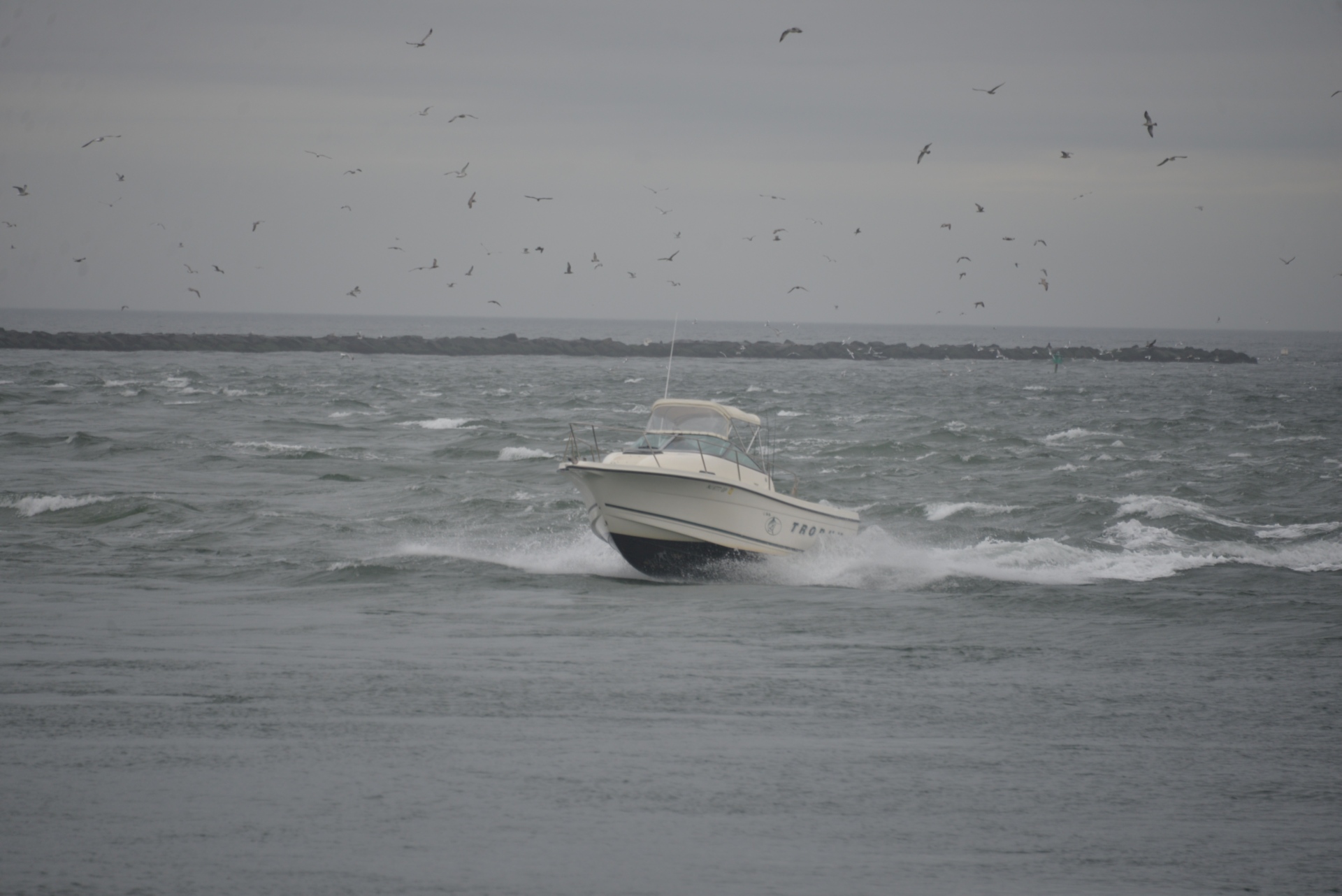
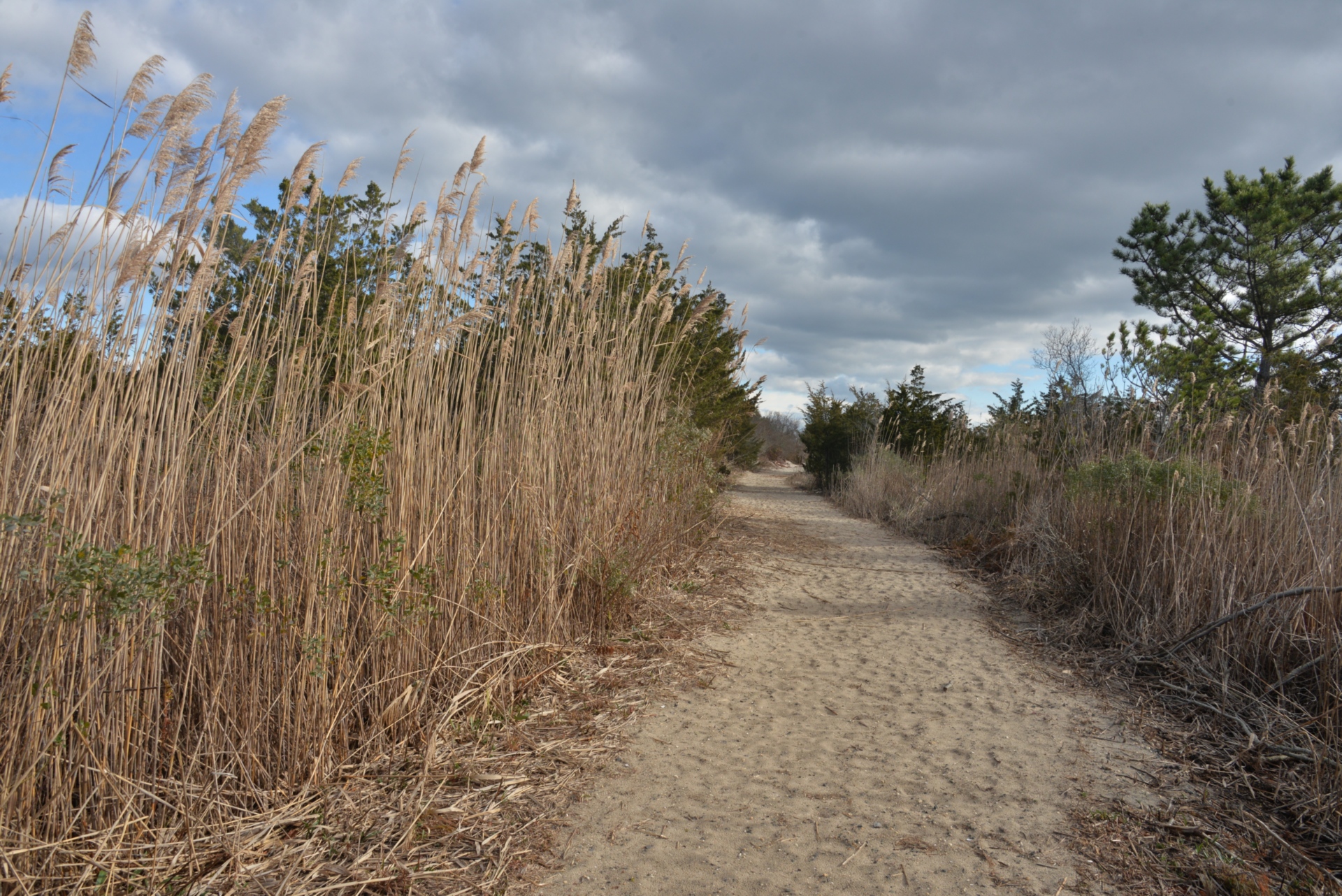
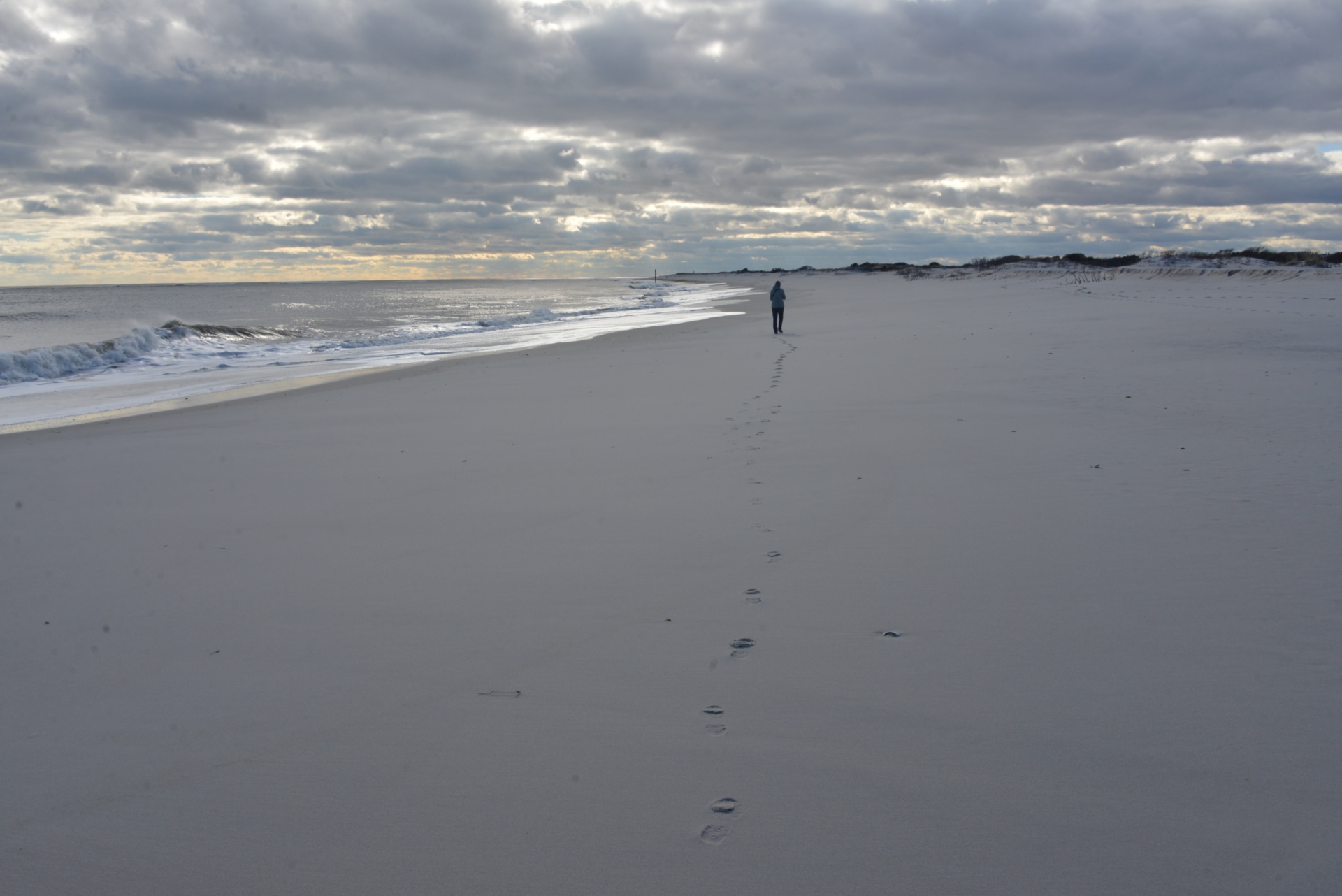
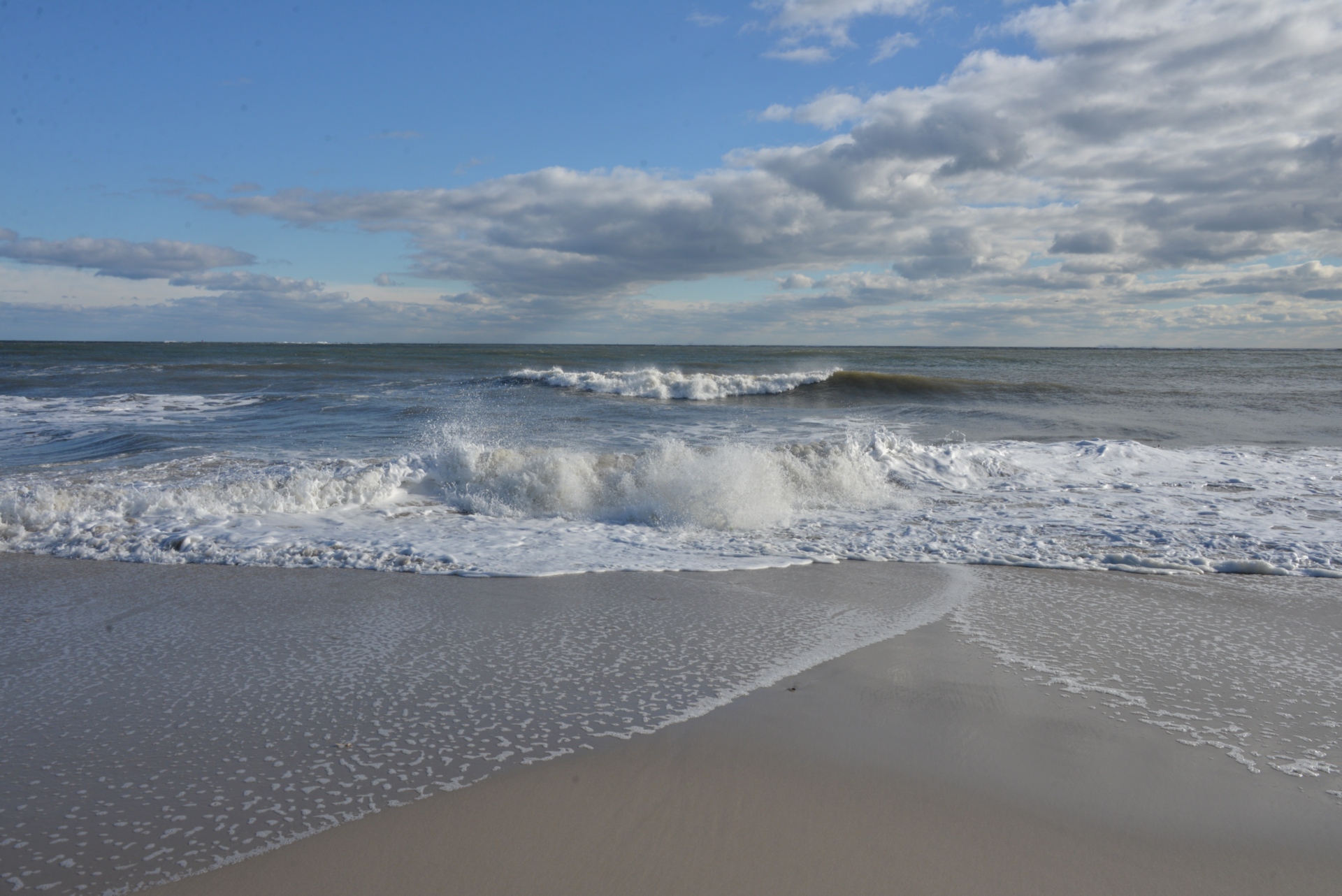
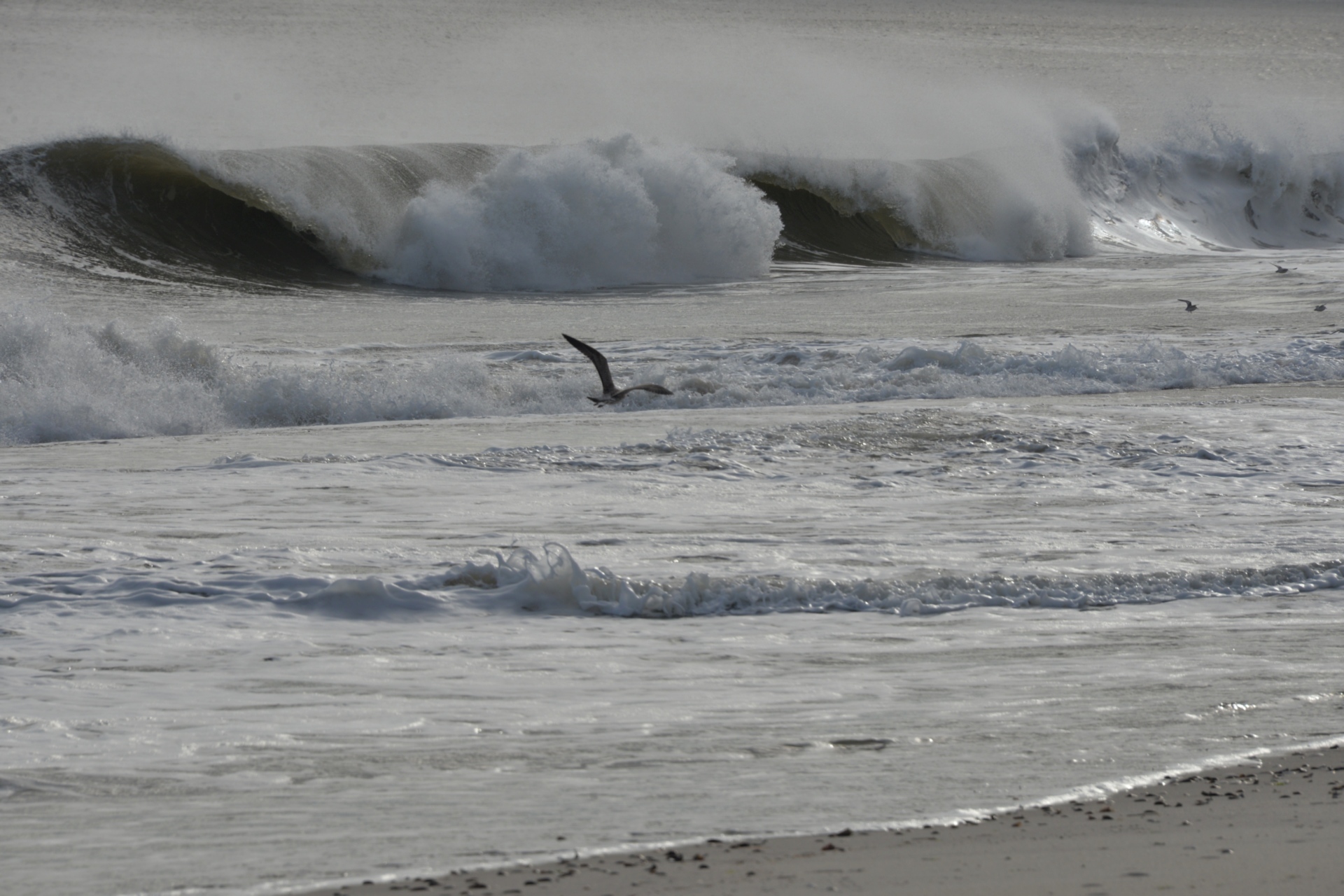
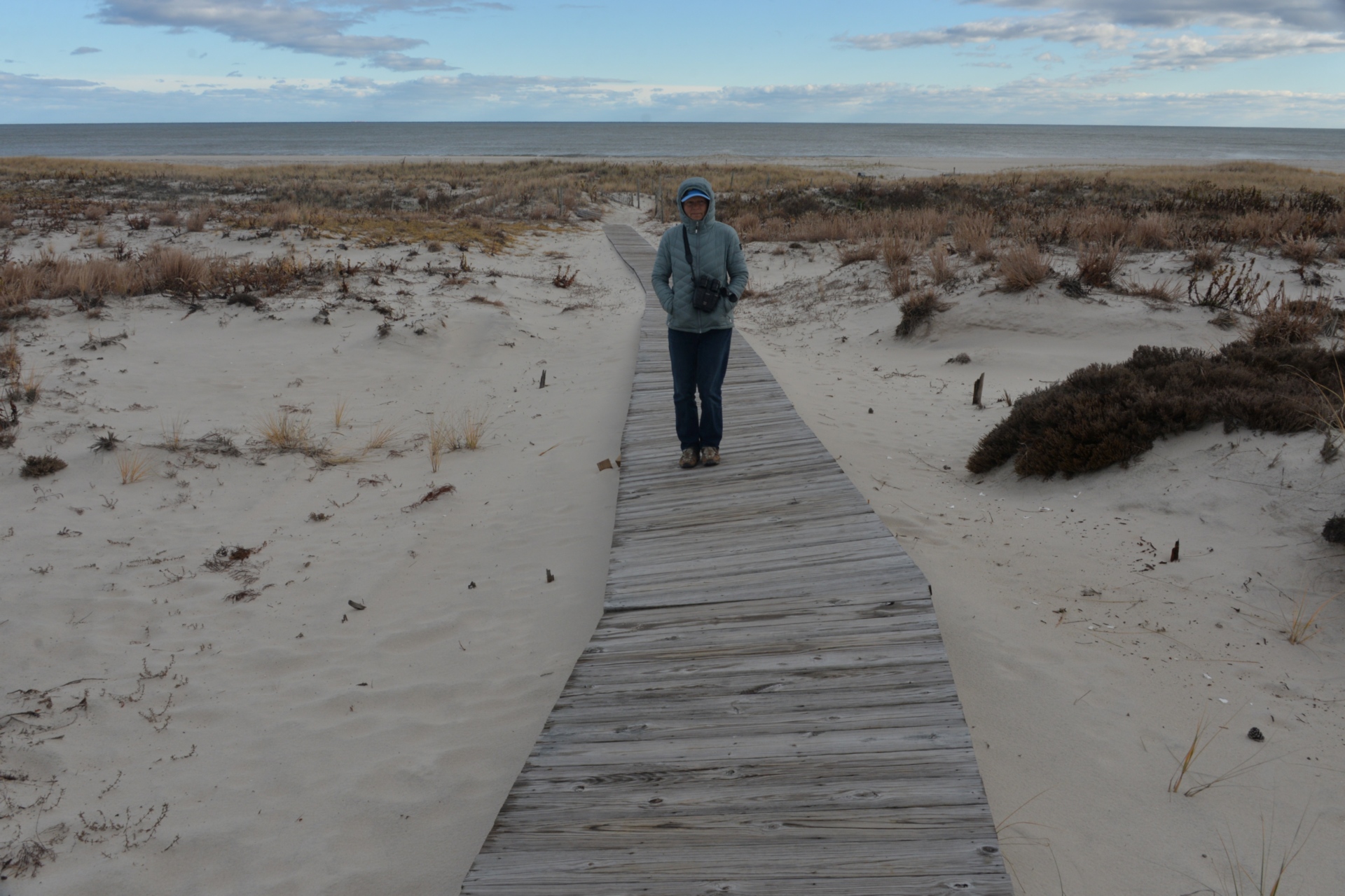
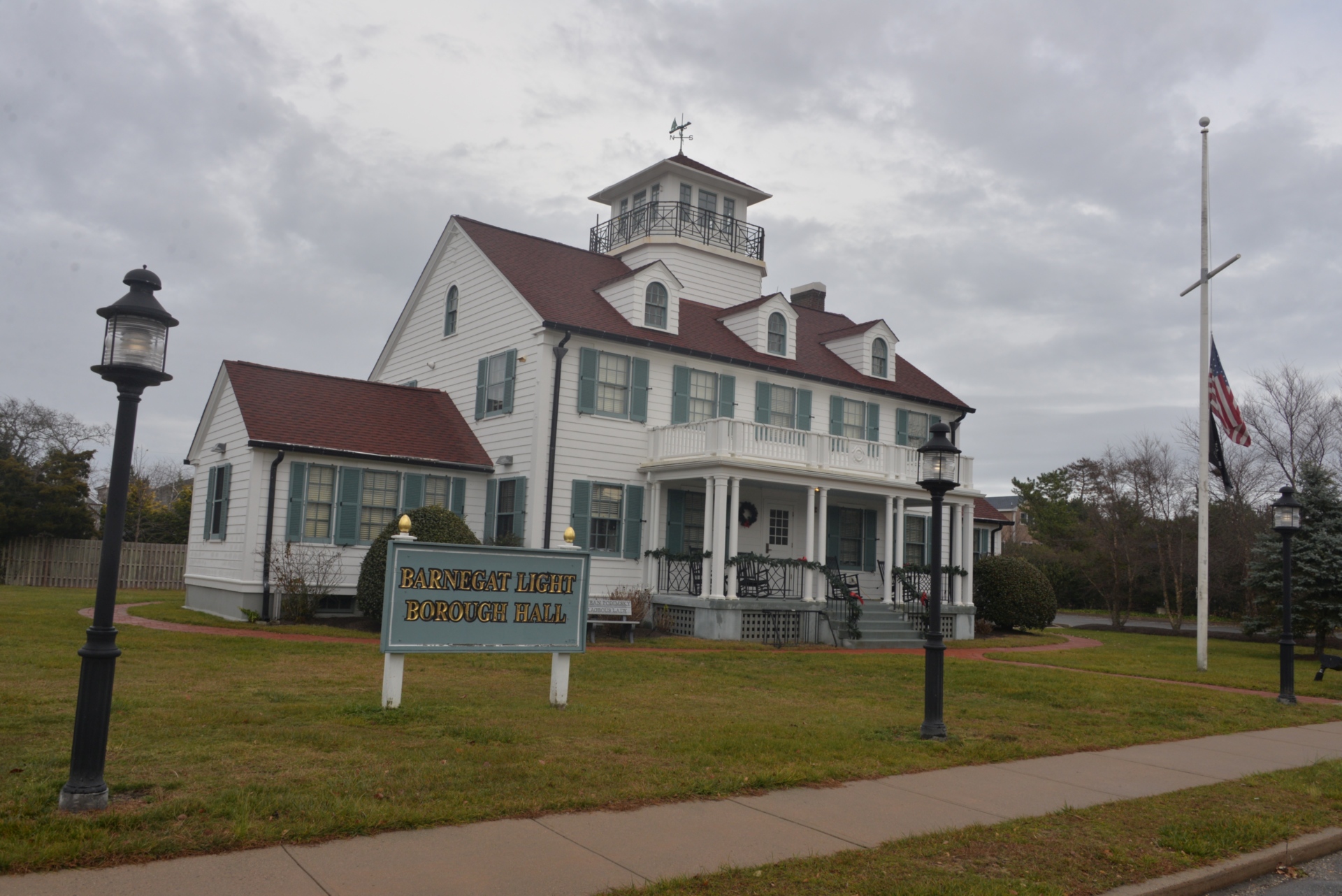
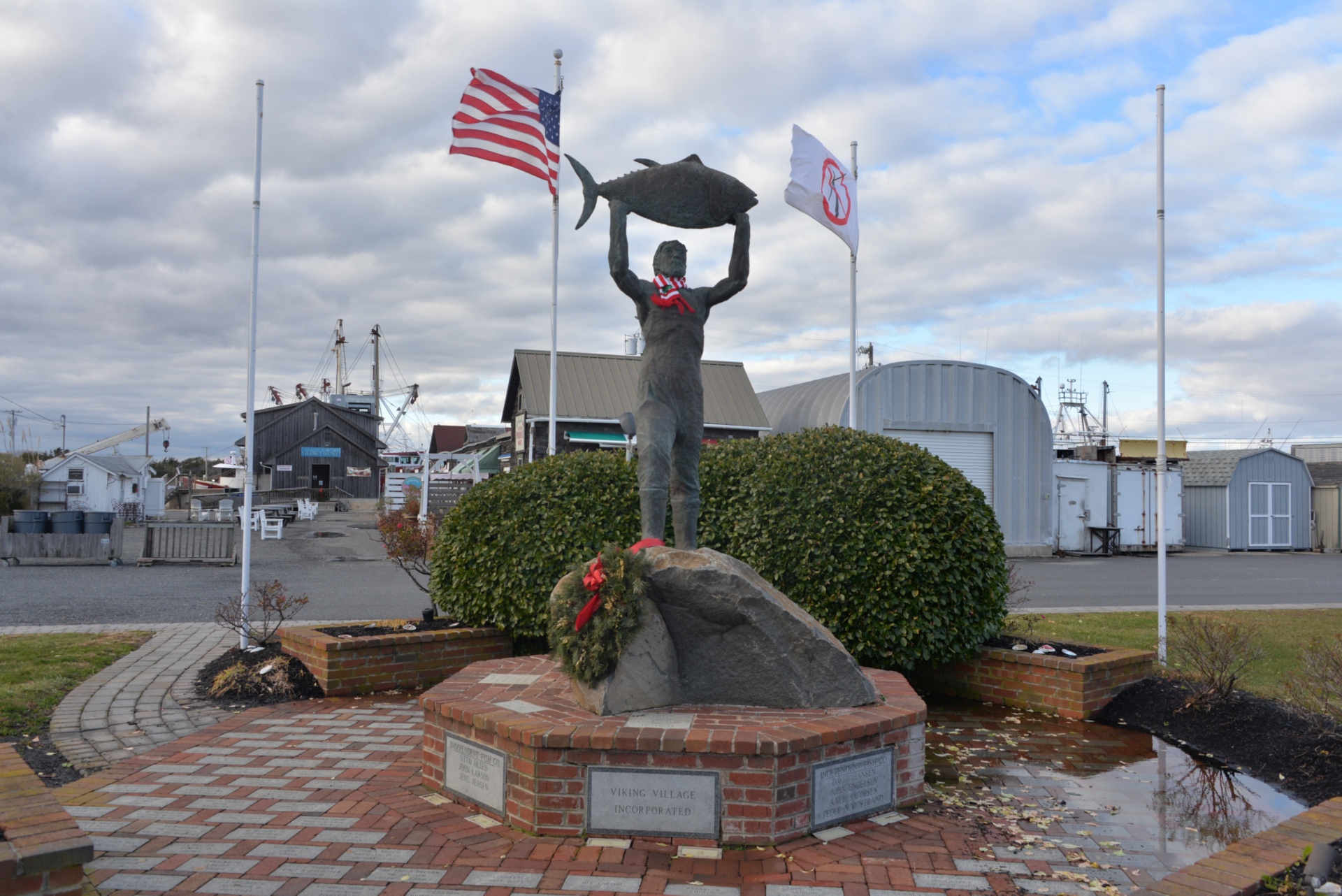
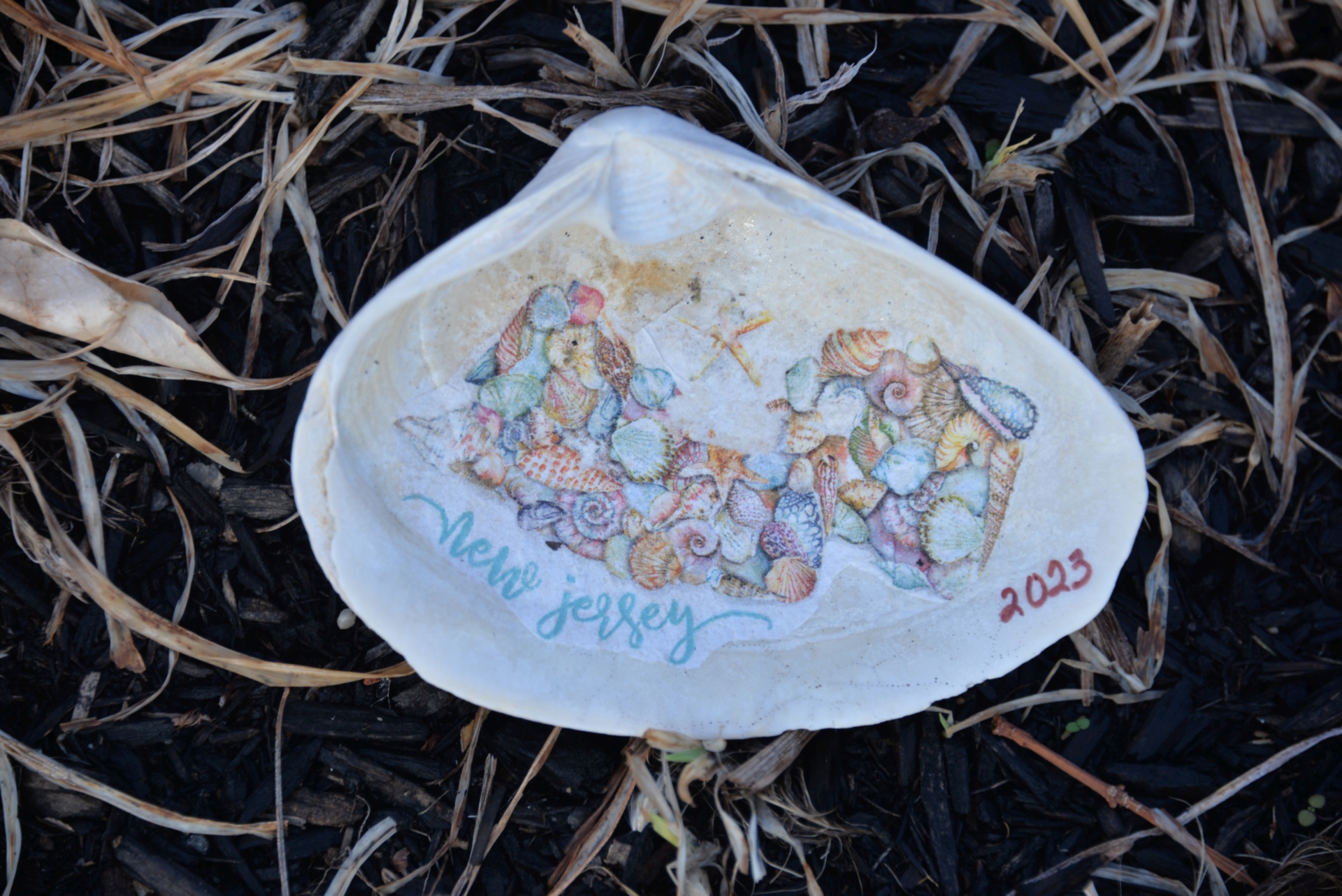
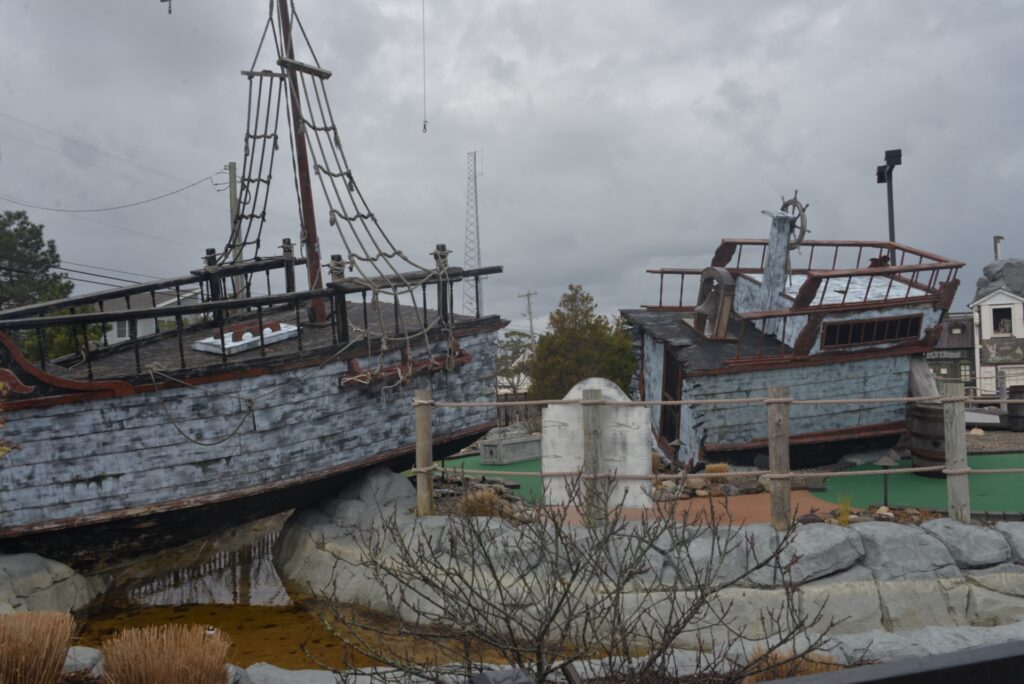
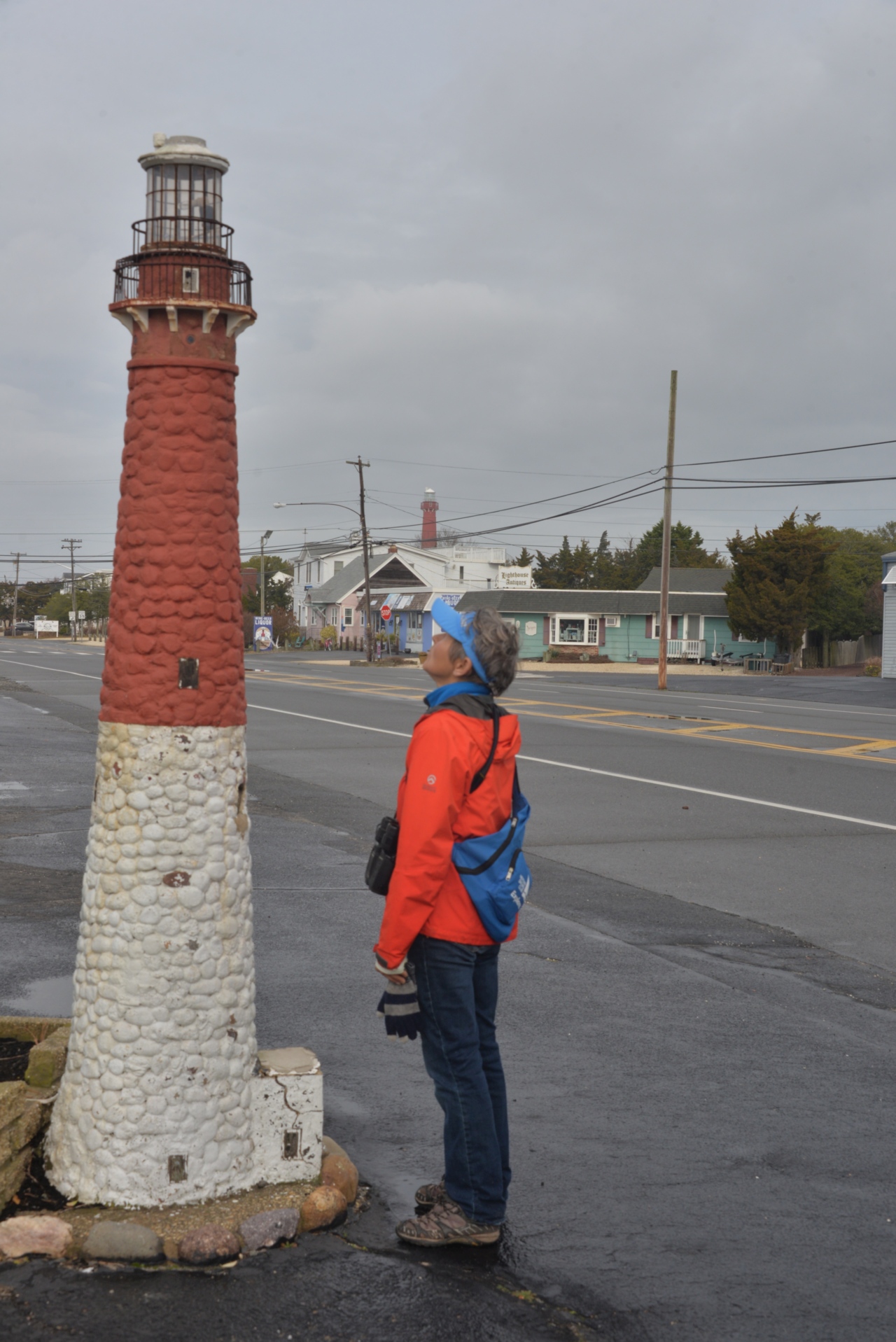
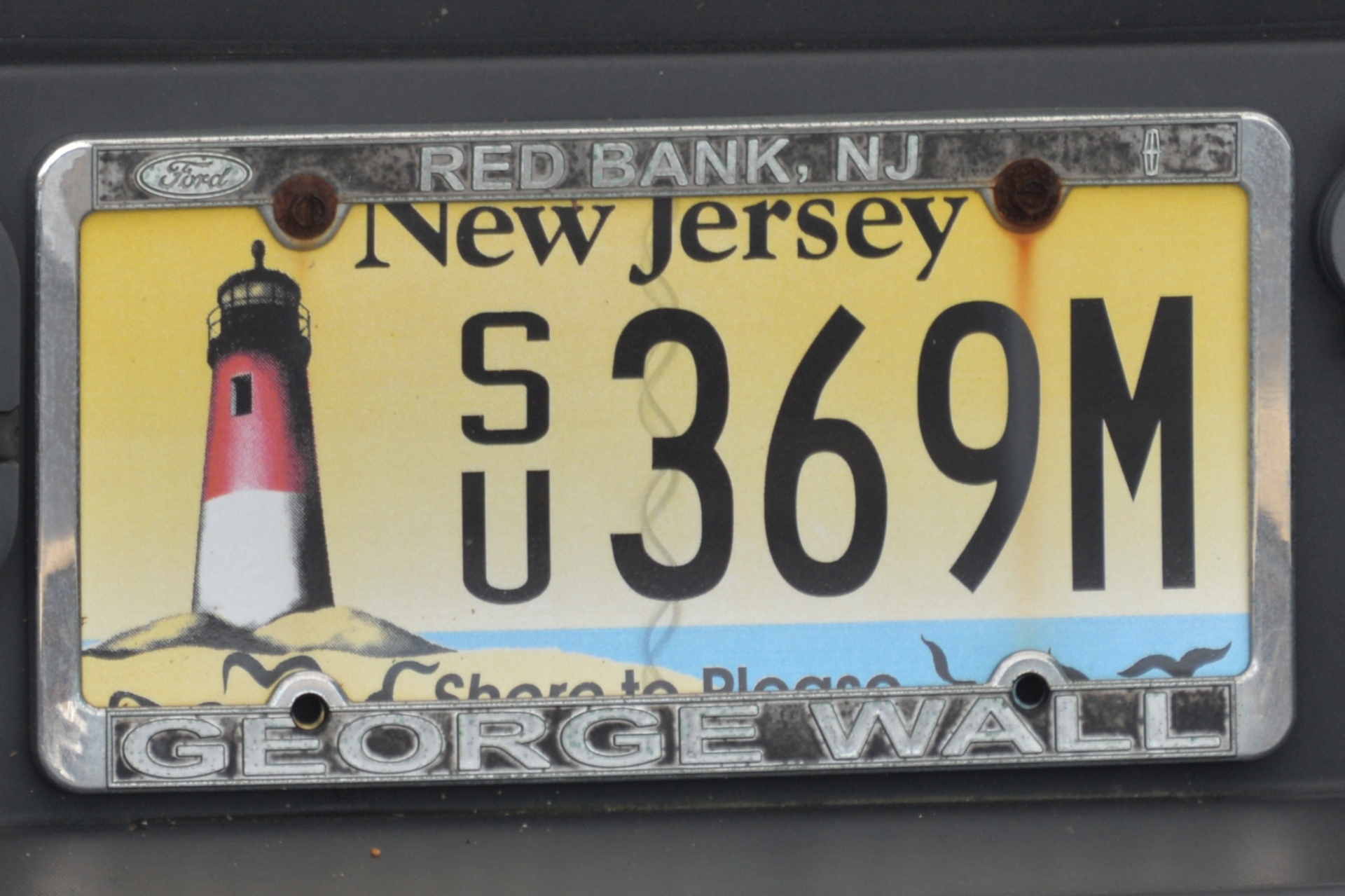
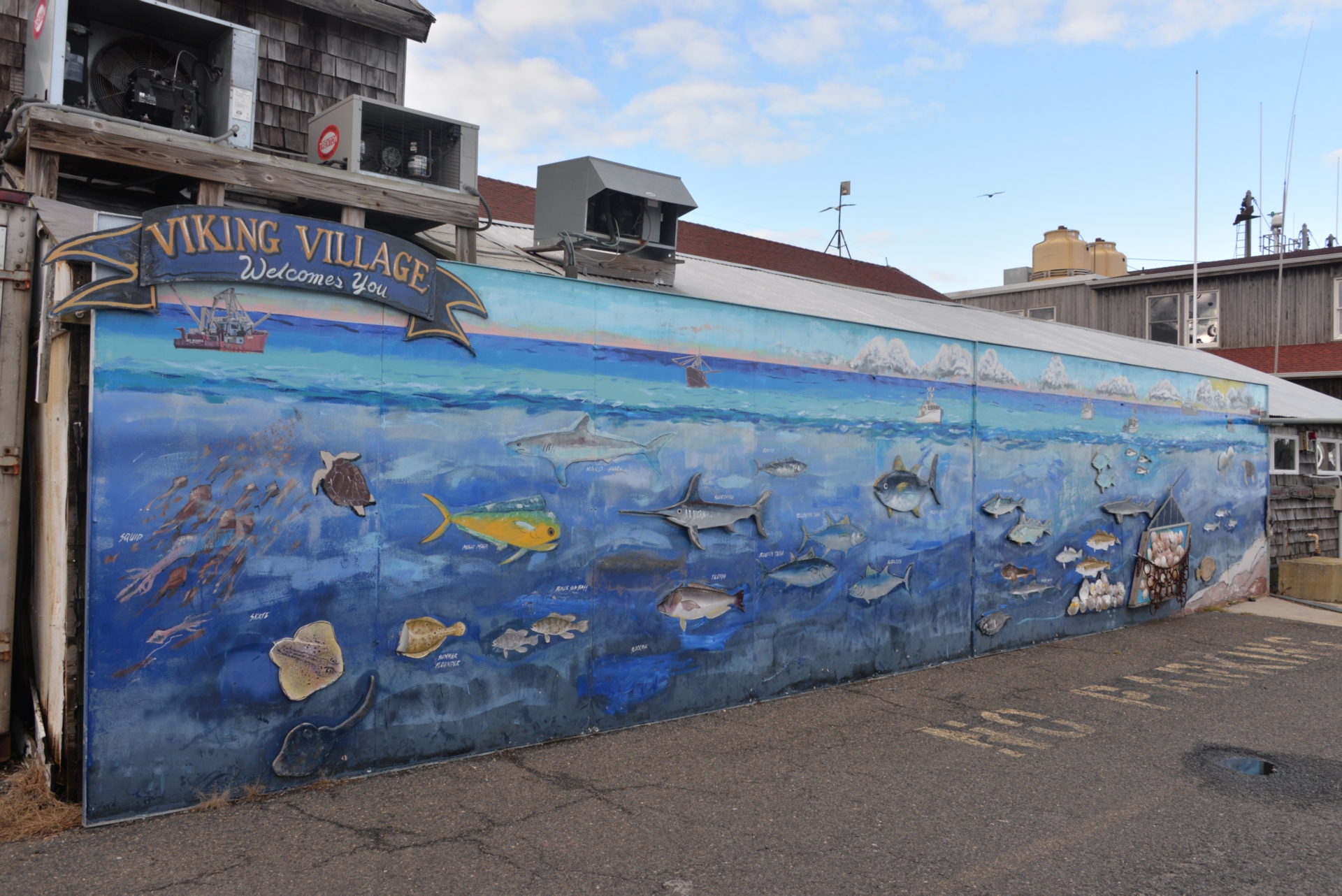
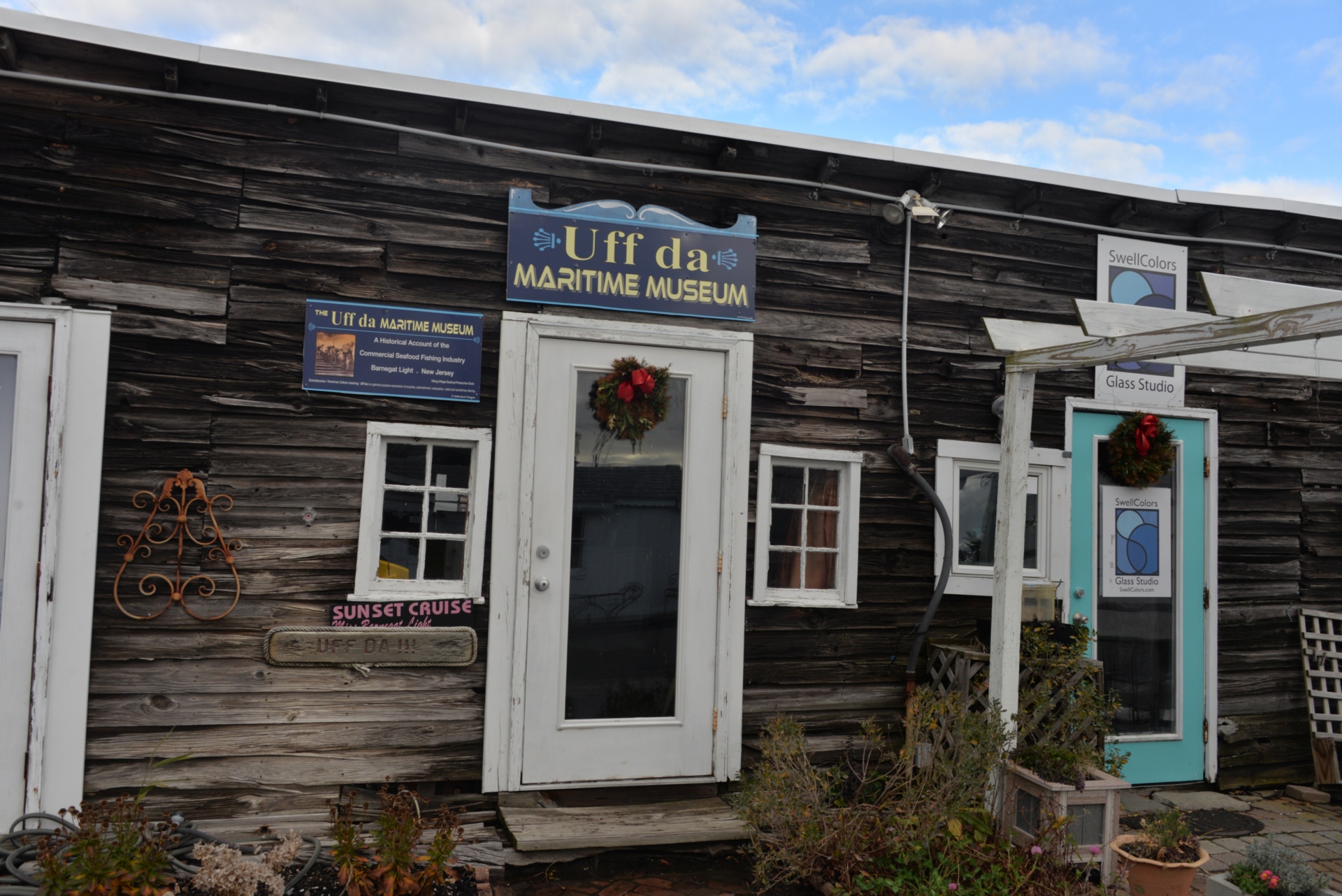
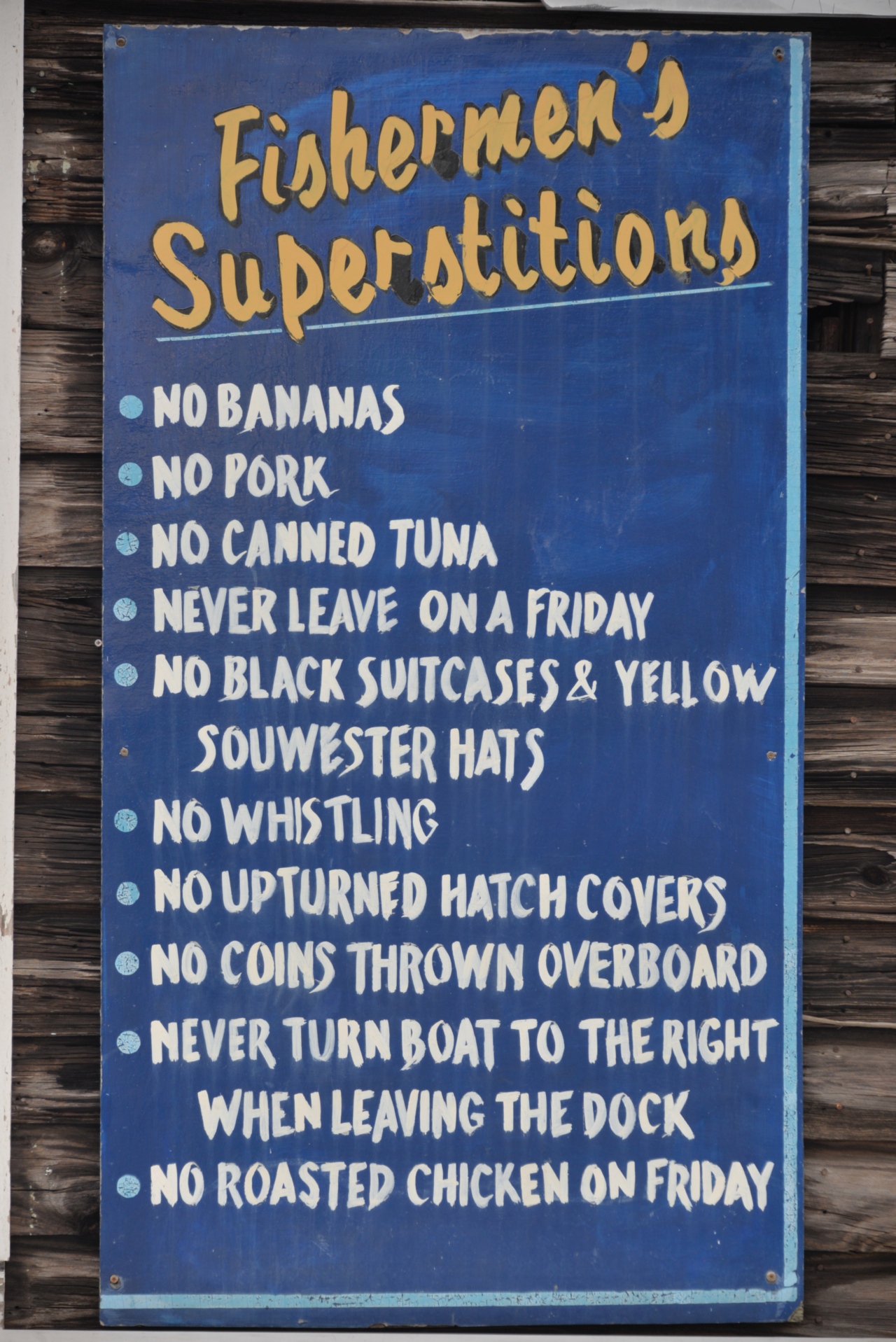
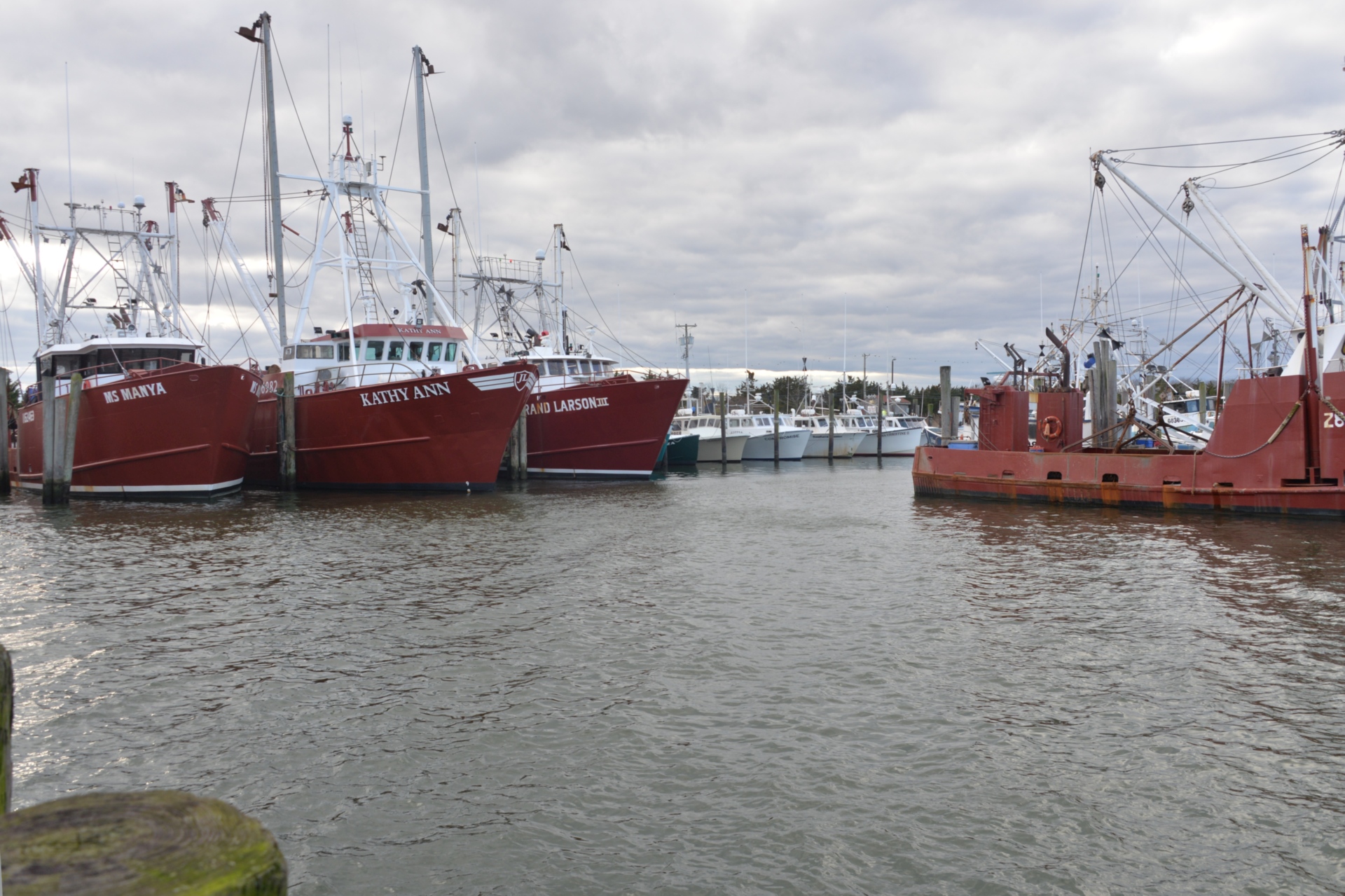
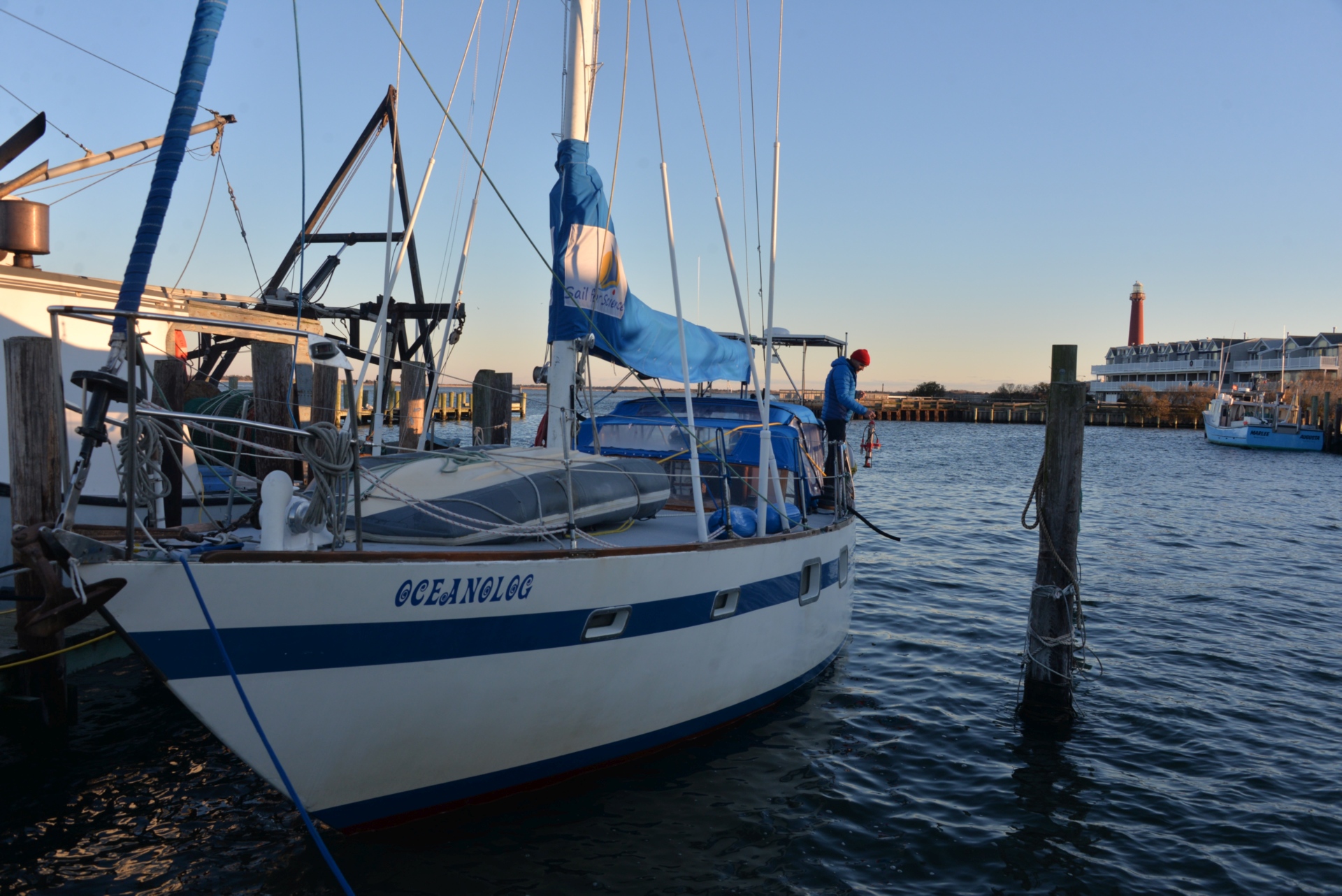
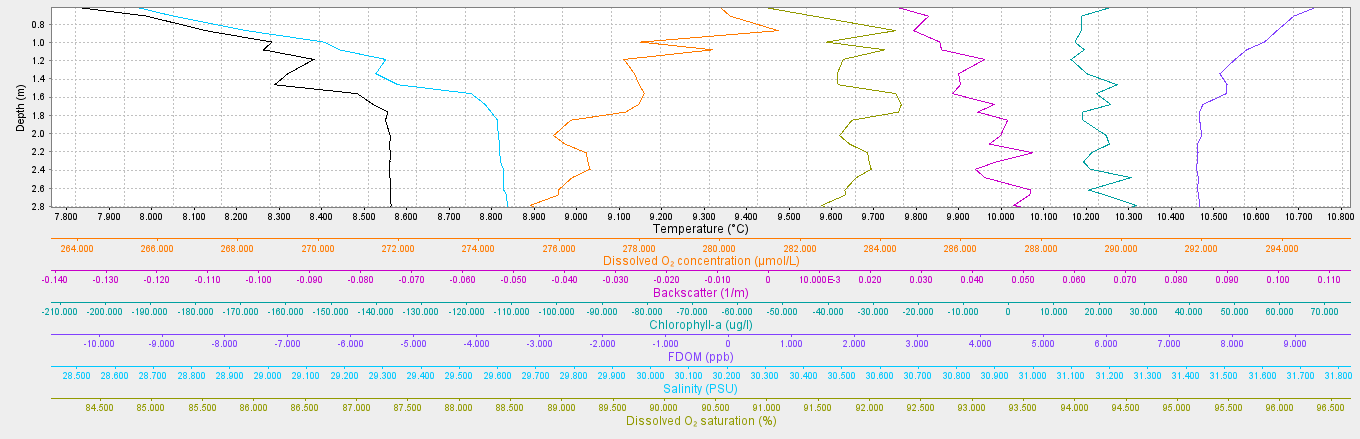
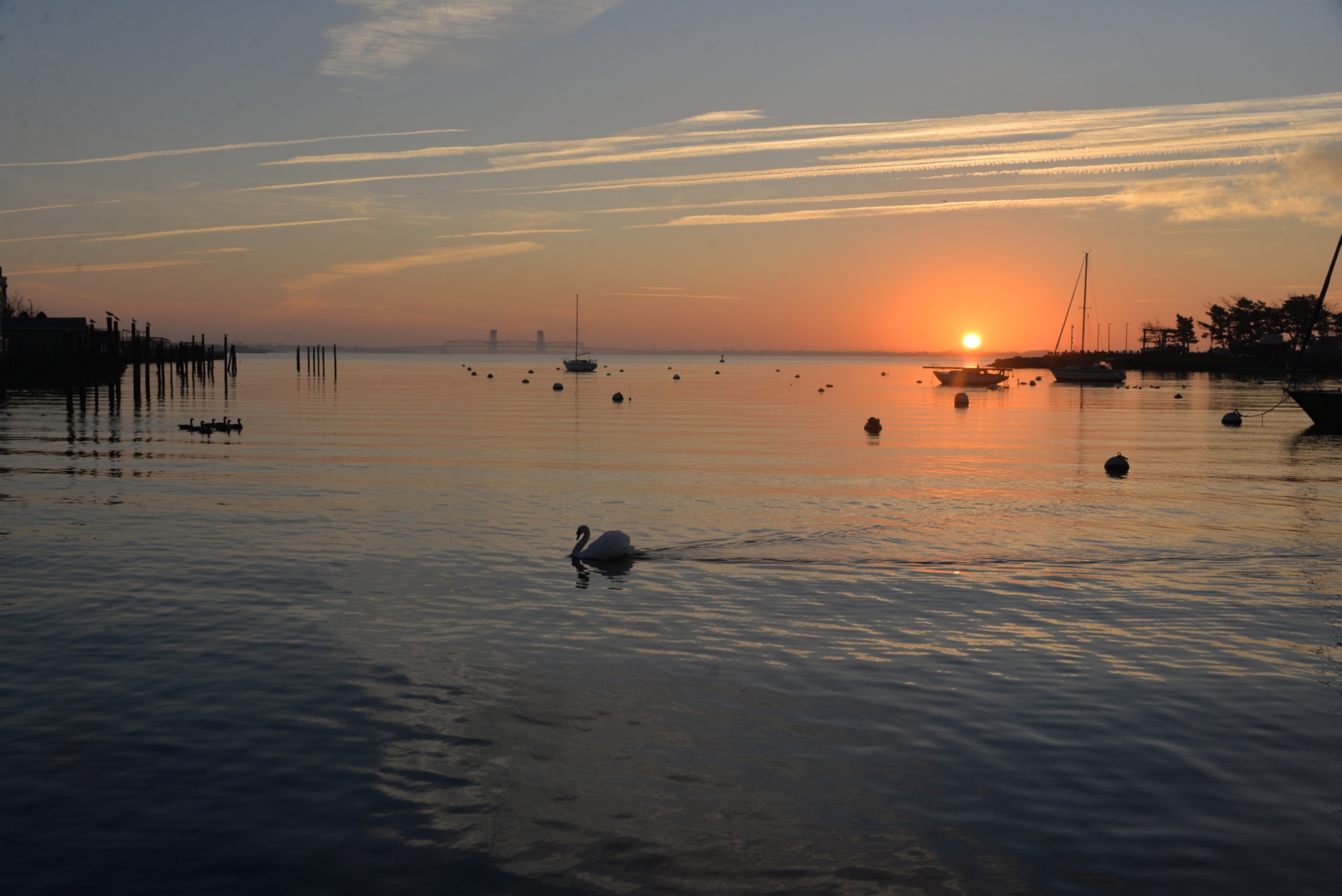
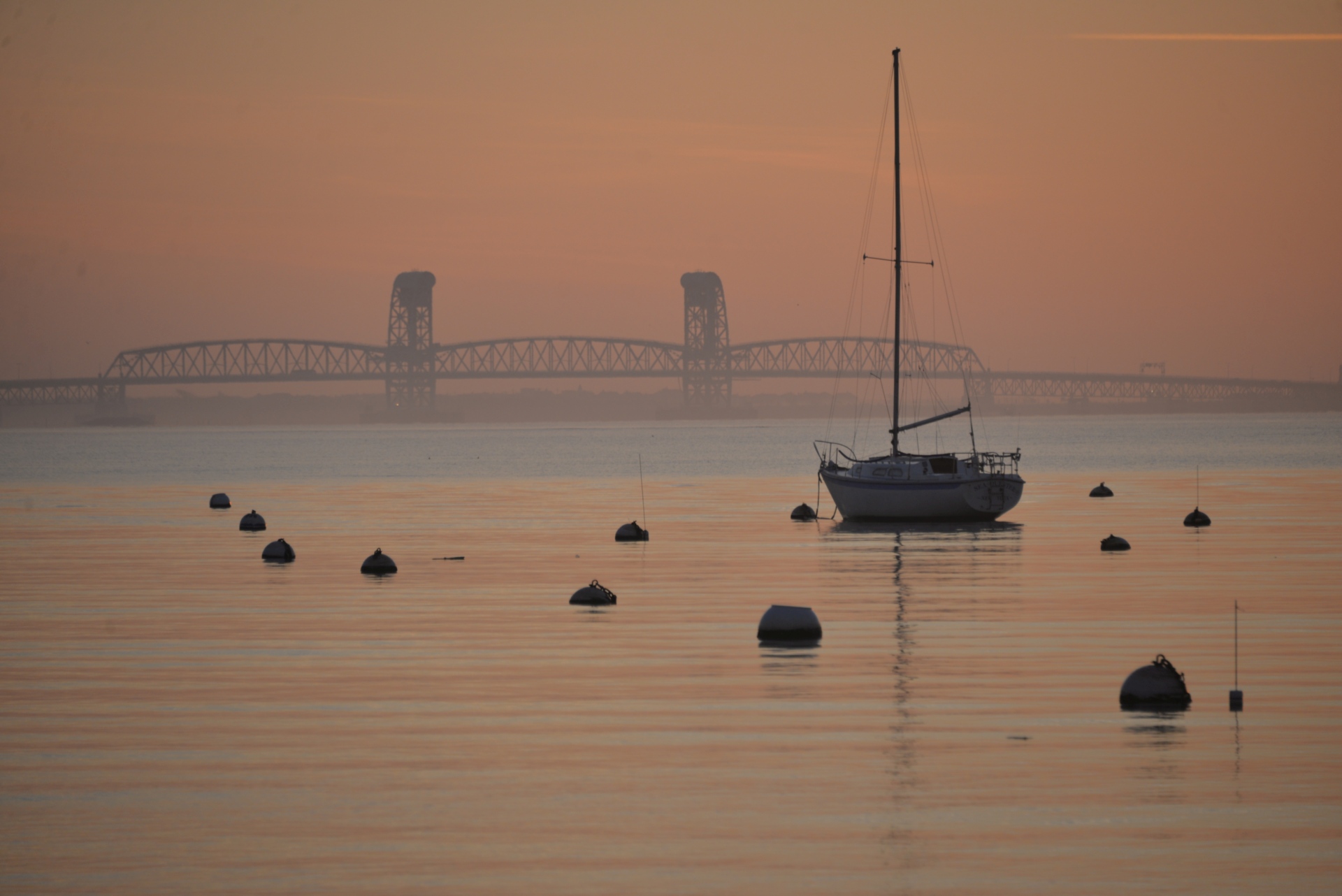
The fishermen’s story – dedicated to those commercial fishermen, whose love of the sea outweighed the perils of their professionAs we approached the lighthouse, a sense of déjà vu washed over me, and it dawned on me that we had been here once before during our road trip back in 2018.216 steps to the topThe view of Barnegat Light villageOur boat from the lighthouse’s topWatching windowDunesPassing turbulent waters of the Barnegat InletPass to the beachSteps on the beachBoardwalkBarnegat Light Borough Hall – municipality officeMonument to fishermenWe stumbled upon a plethora of adorned seashells around the monument, sparking our curiosity about the local traditions or customs associated with this unique display.A mini-golf with a shipwreckCopy and originalA license plate with the Barnegat Lighthouse Interesting place – Viking village with some historical fishery approach, but closed for the season.Fishery wharfSunrise in the marinaMorning sunlightCTD cast in the marinaA plot of CTD cast dataGoodbye, Barnegat Lighthouse
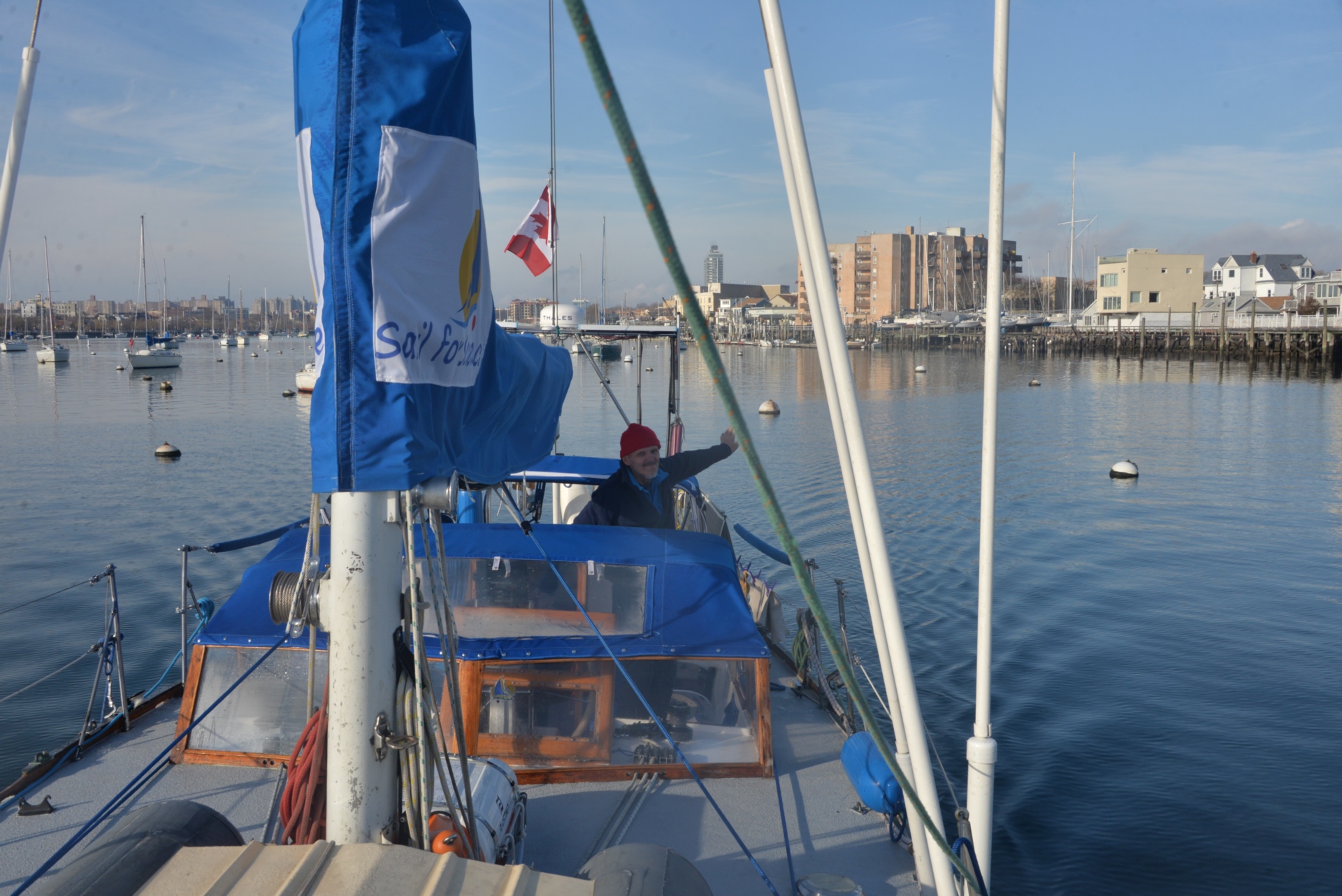
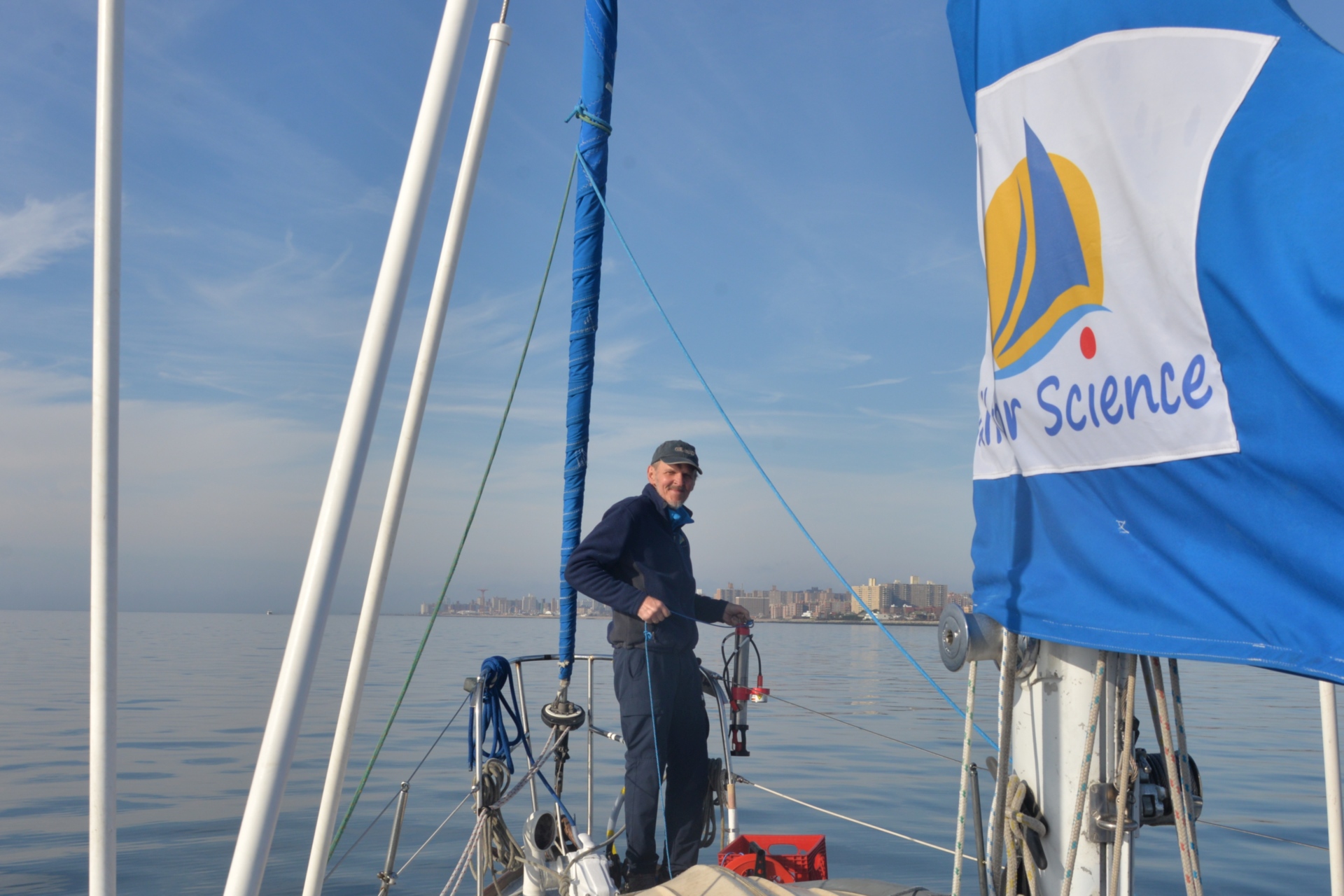
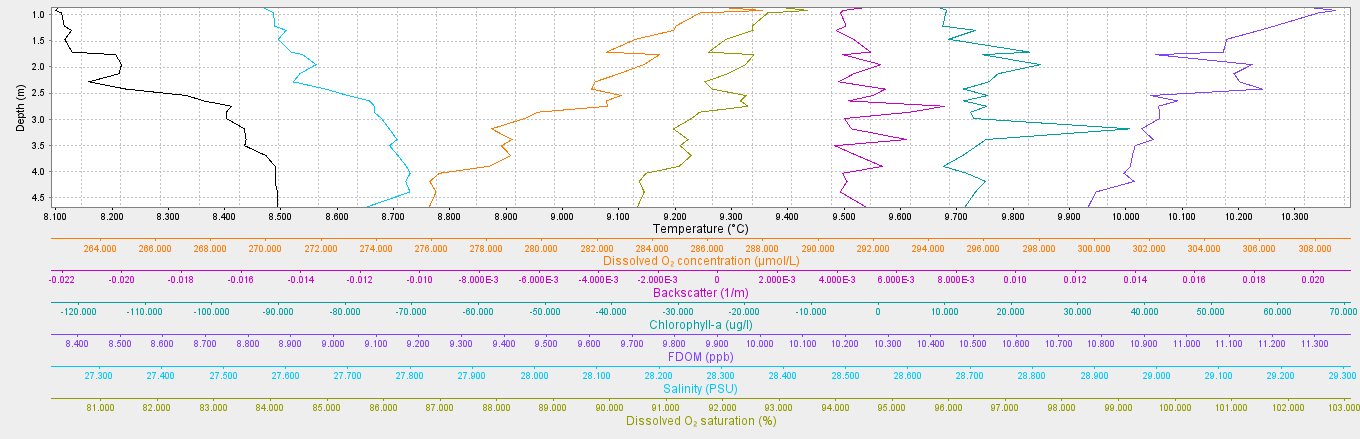
Despite our desire to linger in New York for a couple of days, the following day, we resumed our journey, seeking refuge from the impending storm and escaping the encroaching winter. The morning in Sheepshead Bay was delightful—serene and sunny. A pair of swans graced us with their morning ritual, a charming display of affection. In this tranquil atmosphere, we departed from the yacht club, setting our course for New Jersey. Along the way, we made a stop near Brighton Beach to perform a CTD cast.
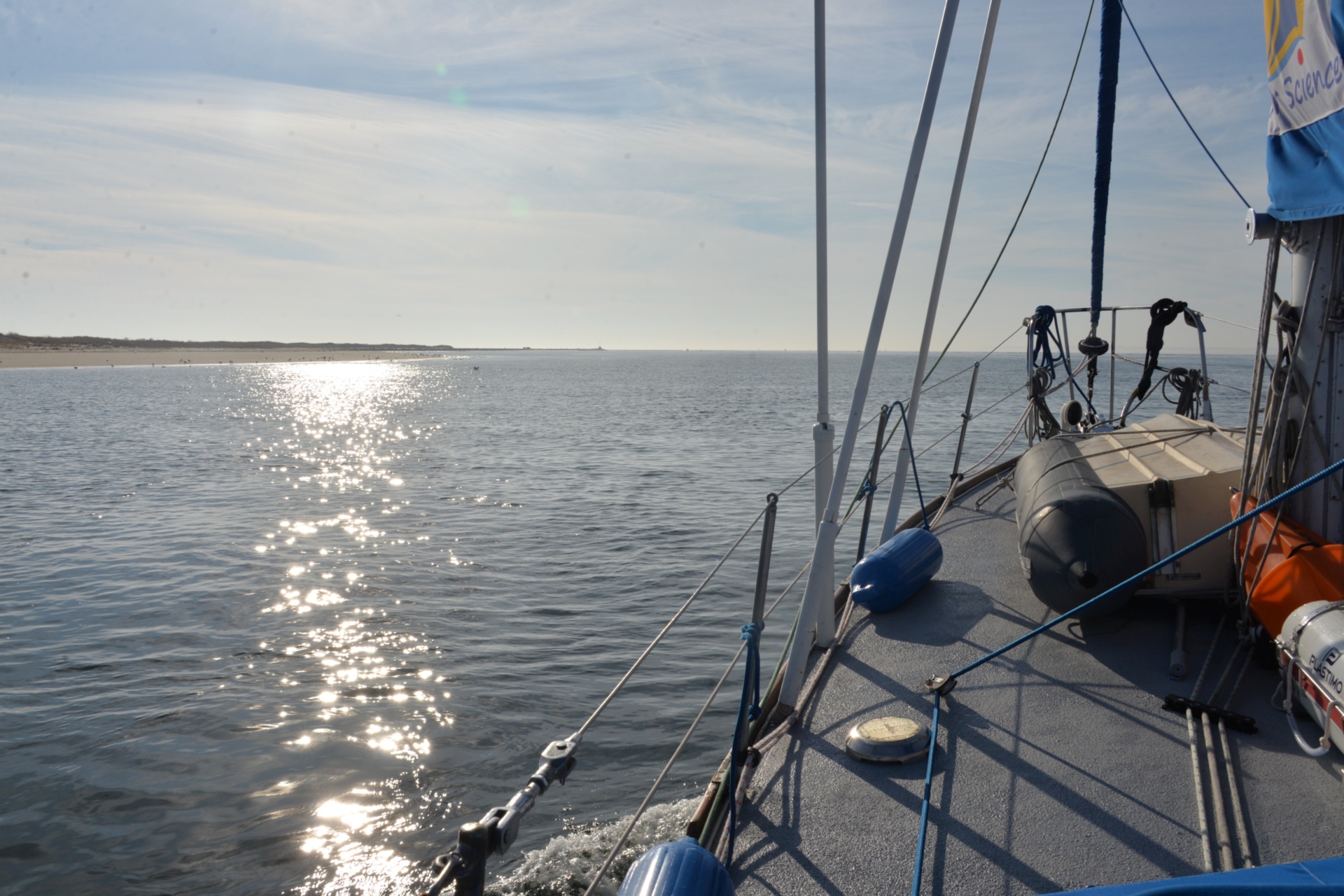
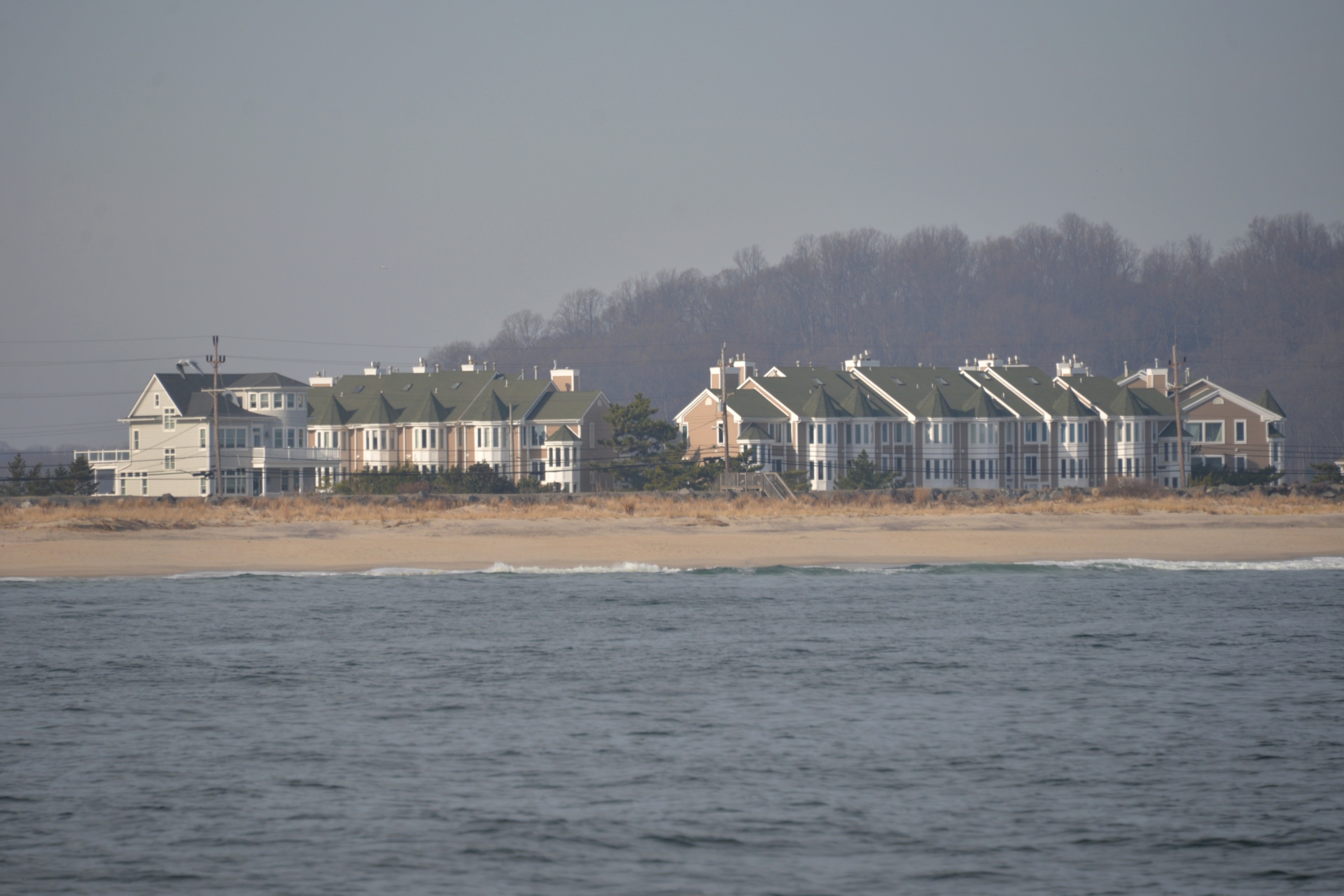
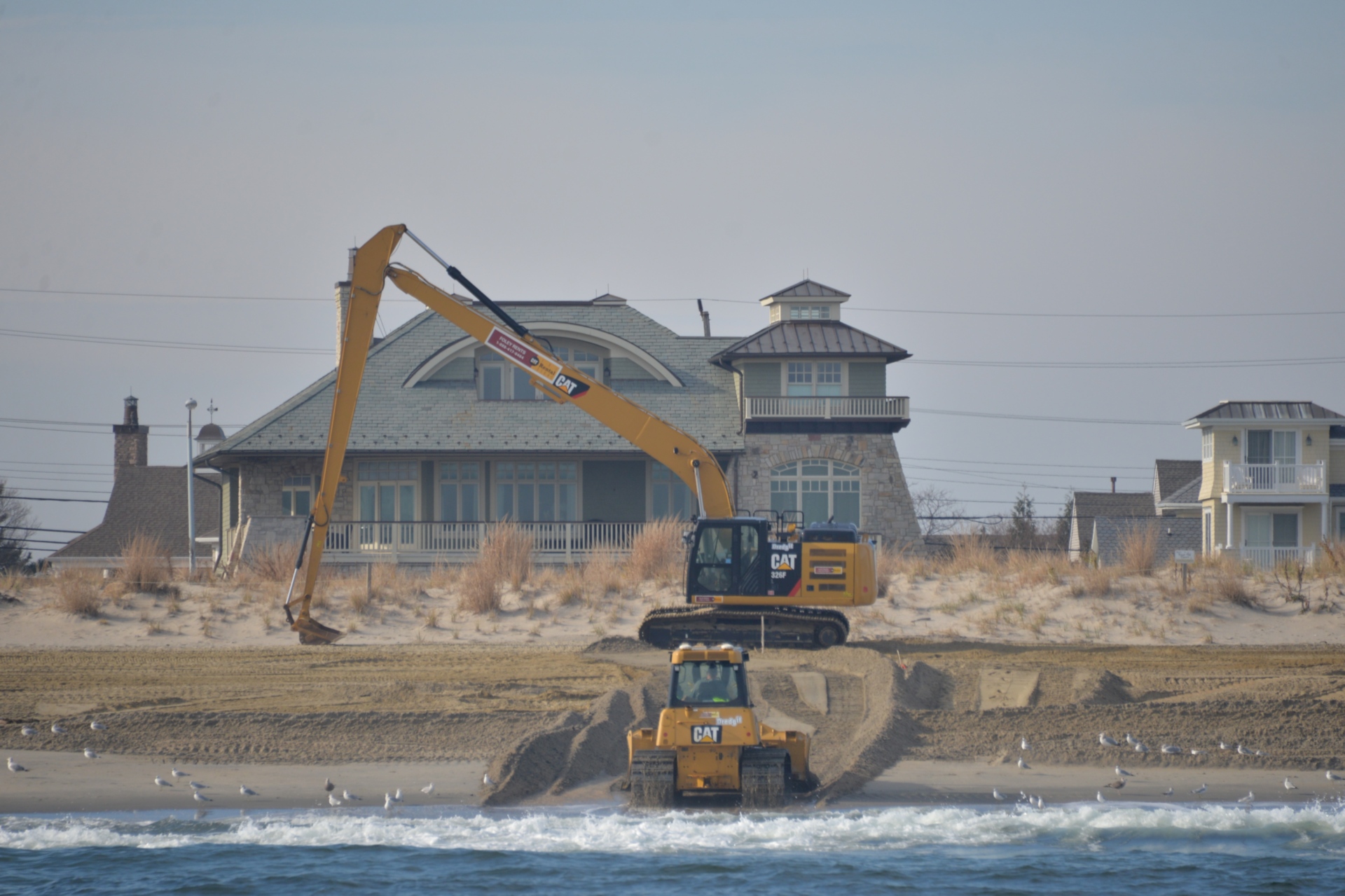
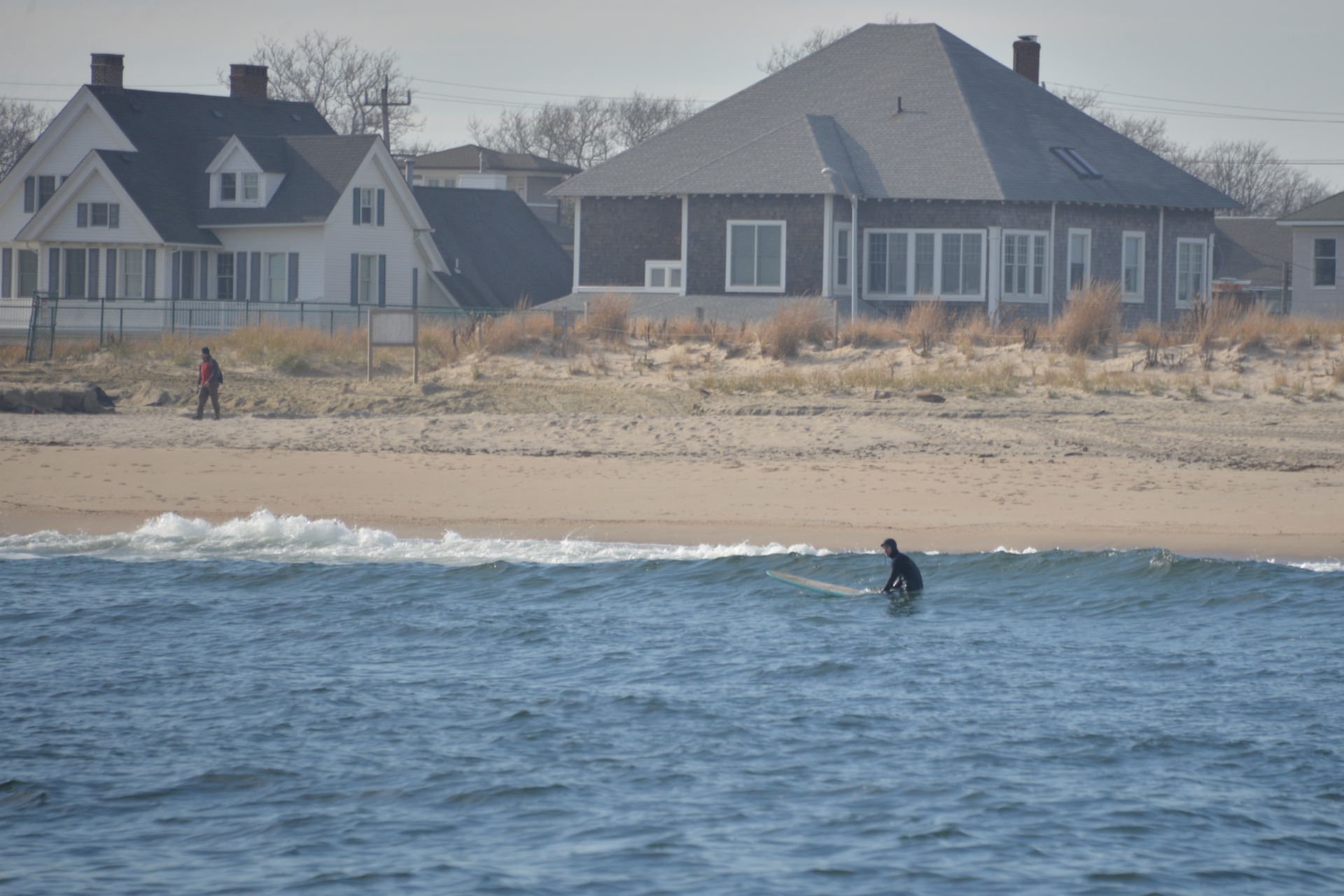
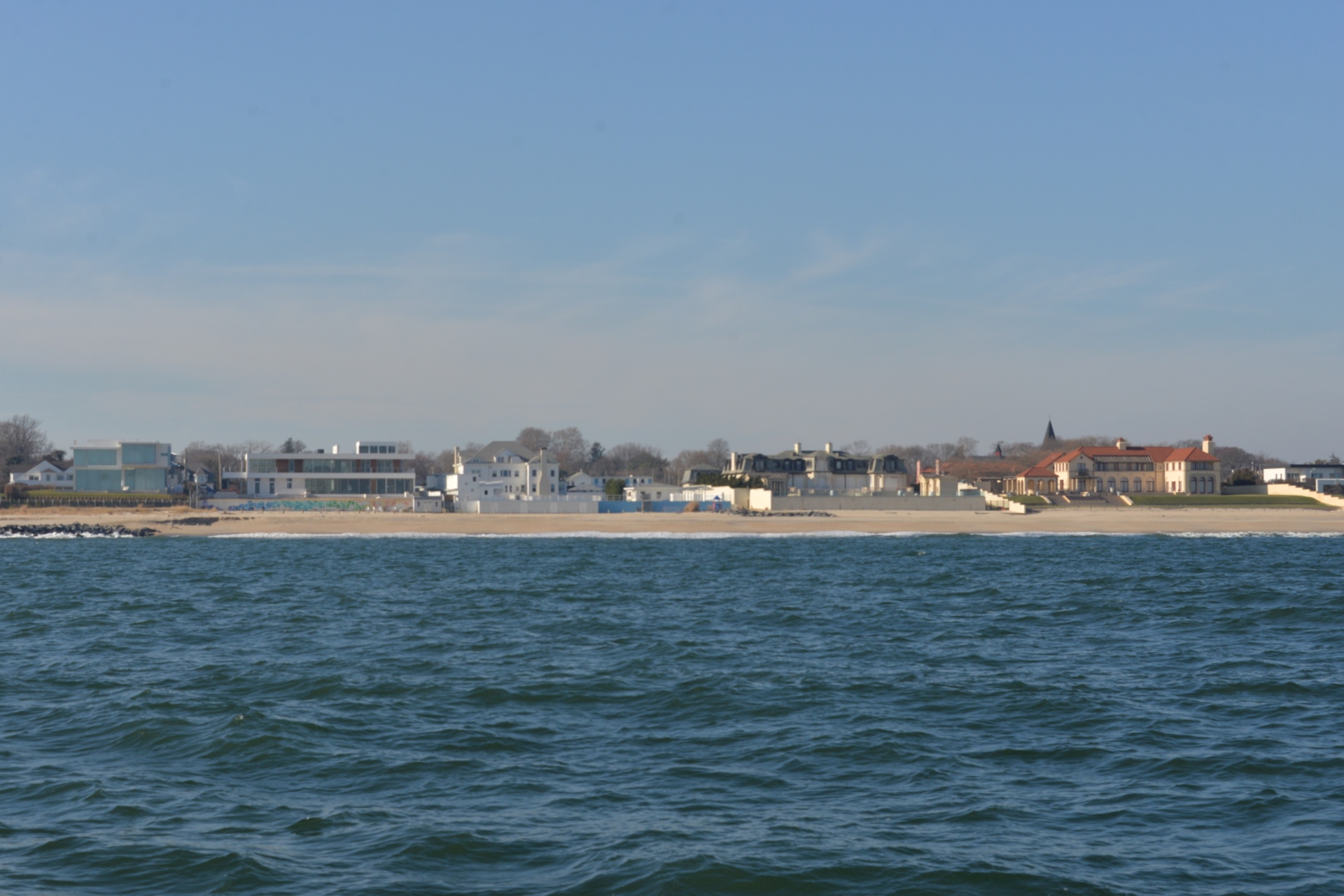
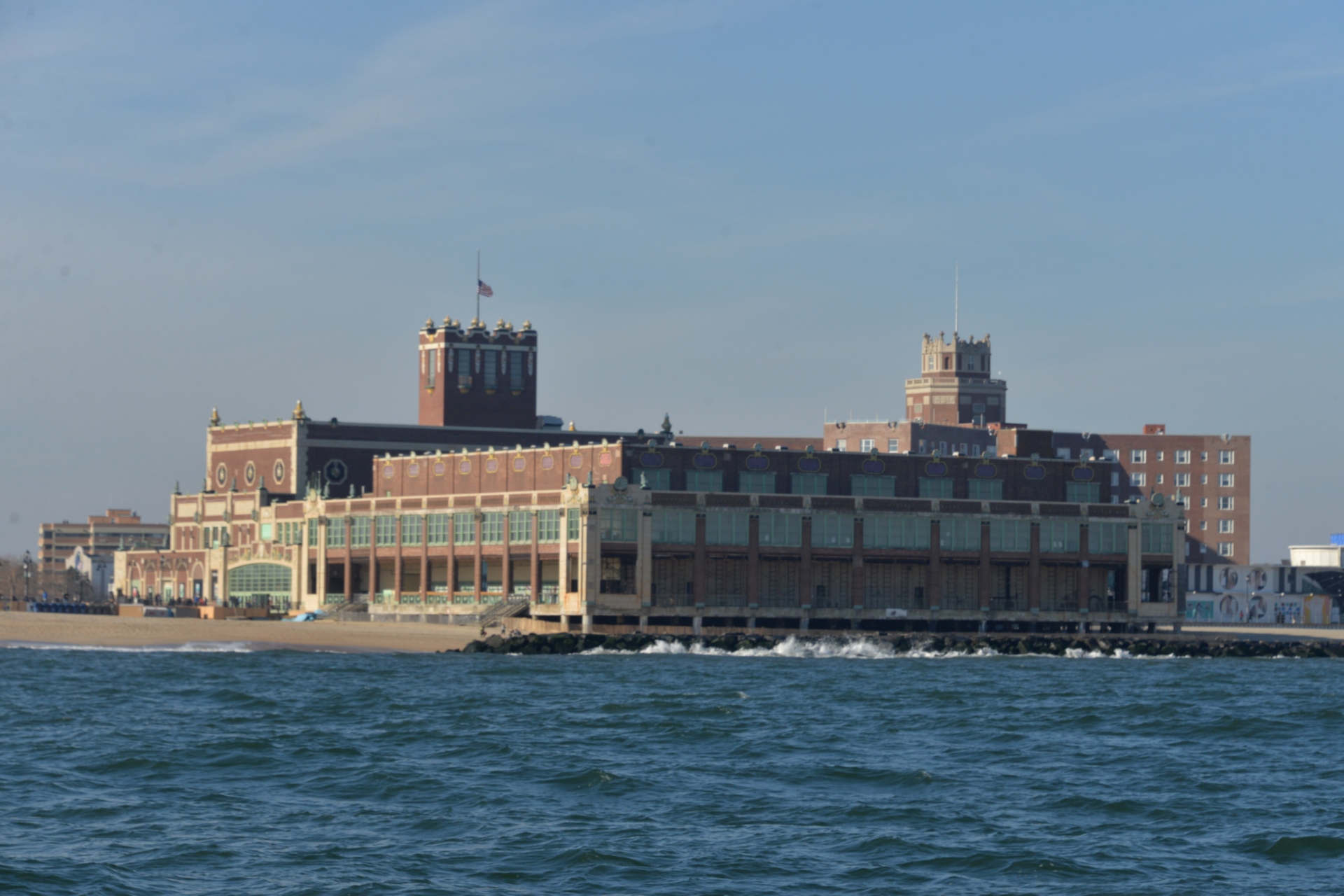
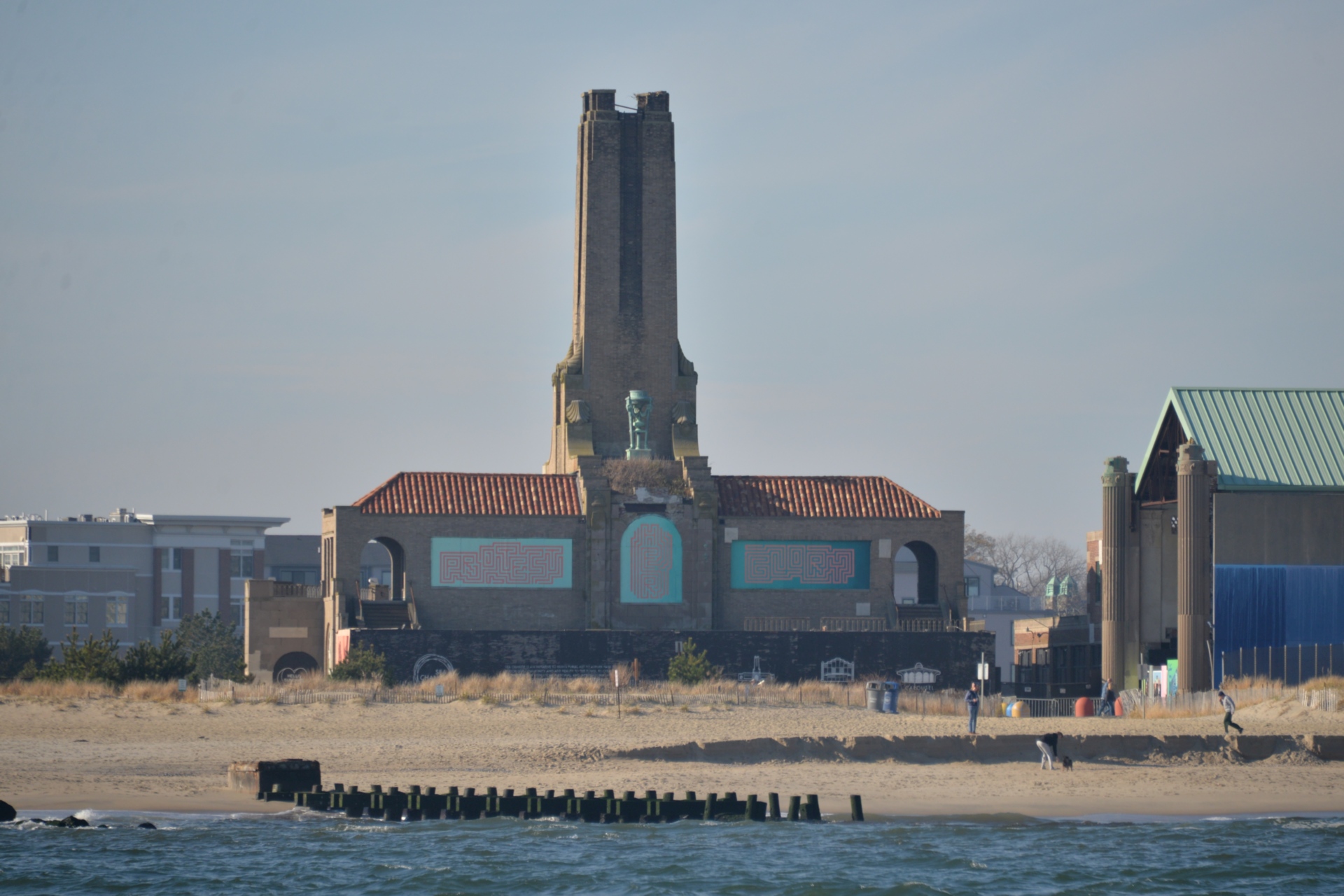
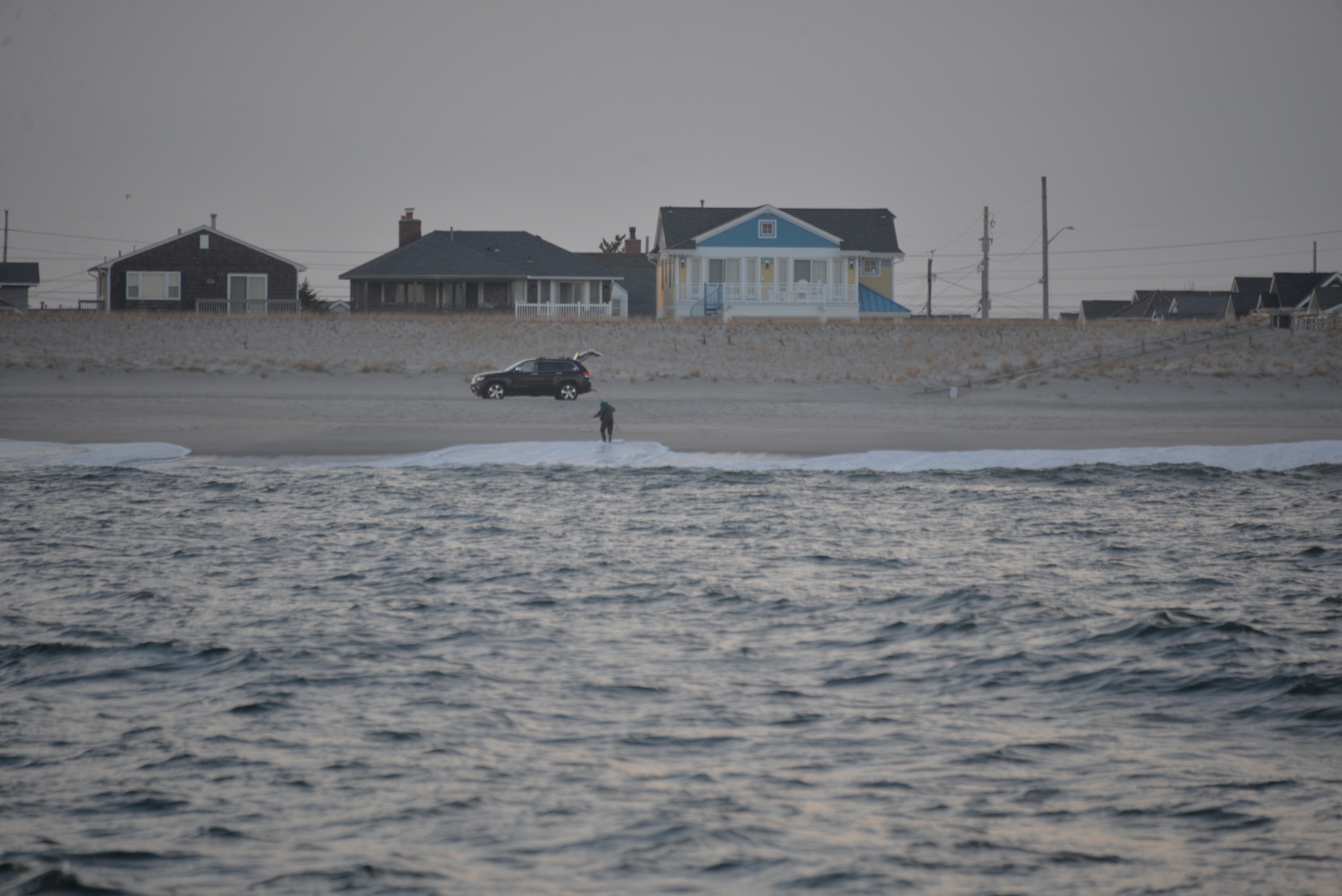
New Jersey welcomed us with an endless stretch of sandy beaches, densely adorned with summer cottages and vacation homes. As we strolled close to the shore, we observed life unfolding along the coastline—dog walkers enjoying playful moments with their pets near the water, parents playing with their children, and fishermen driving their cars right onto the beach to cast their fishing rods into the ocean. Construction equipment was busily at work, reshaping the sandy landscape. It felt like a real-life spectacle presented to us, with a surf strip separating us from the active participants. The show’s cast remained immersed in their everyday lives, while we sailed on toward new shores and fresh adventures!
Goodbye, New York!CTD cast near Brighton BeachPlot of CTD cast dataBeached