Magnificient North

To explore the northern part of Curaçao, we rented a car—bringing us back to our old way of discovering new places. It also made grocery shopping and refilling our propane tank much easier. I quickly regained my driving skills—luckily, a yacht’s steering wheel isn’t too different from a car’s!

Our route took us along the island’s eastern coast, where steady trade winds drive up powerful waves. Wind turbines dot the shoreline, harnessing this relentless energy to power coastal villages. We visited two national parks—Christoffel Park and Shete Boka—where we witnessed the raw power of the sea colliding with a rugged, coral-carved coastline. Massive fountains of water erupted through narrow blowholes, like cannon fire saluting the eternal battle between ocean and rock. It was a striking contrast: the restless force of the present meeting the silent, fossilized remnants of the past.

Our journey ended at Westpunt, the northwestern tip of the island, known for its stunning beaches and picturesque seaside villages. In one of them, Forte Playa, we enjoyed lunch at a cliffside restaurant built on the ruins of an old fort. We sampled Curaçao’s national dish, Keshi Yena, in both traditional and vegetarian versions—a perfect way to end the day.

And on that high (and delicious) note, I’ll wrap up this entry. Bon appétit!

Willemstad: The Colorful Heart of Curaçao

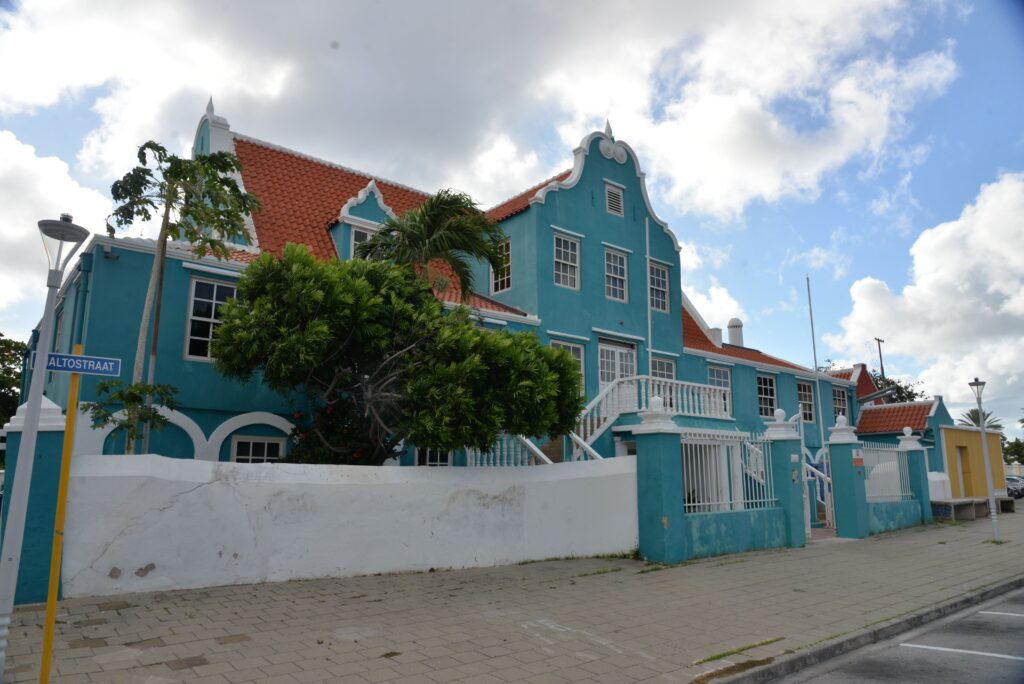
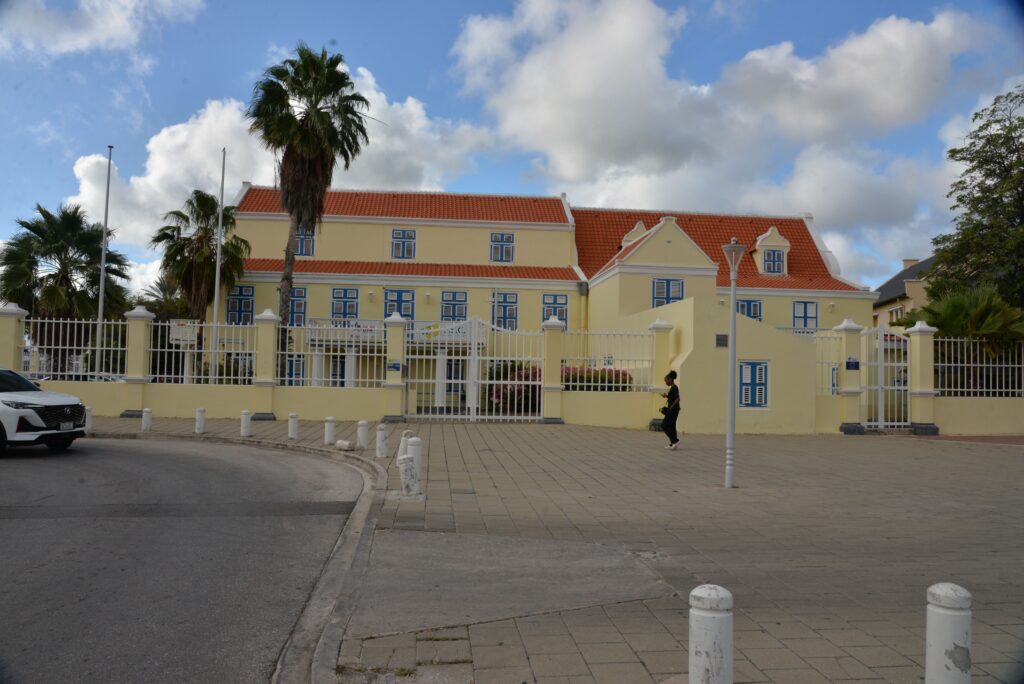
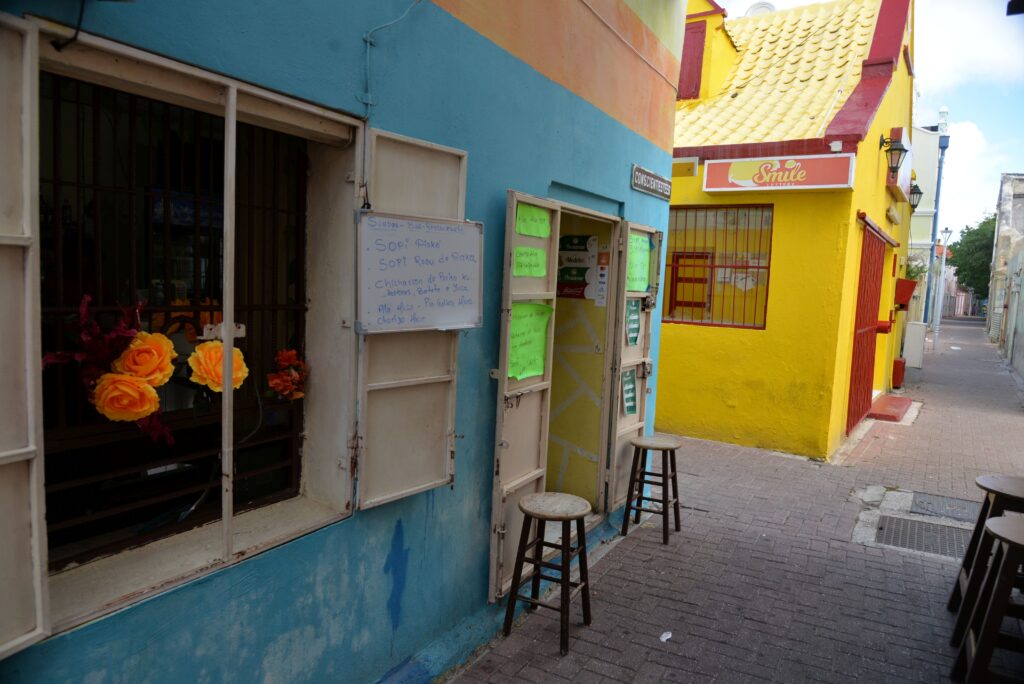
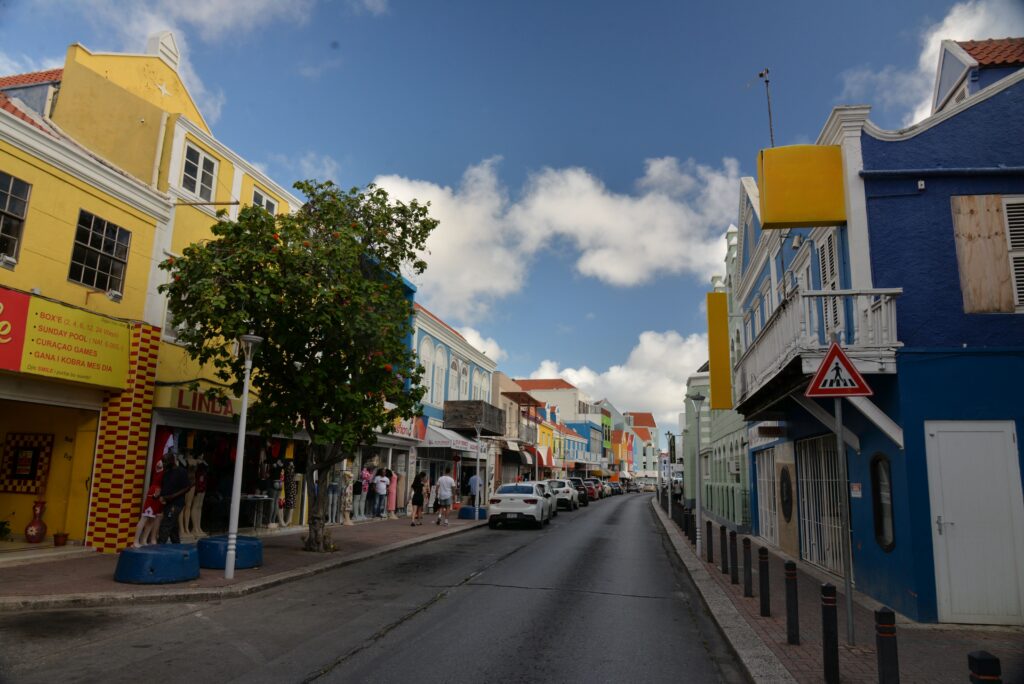
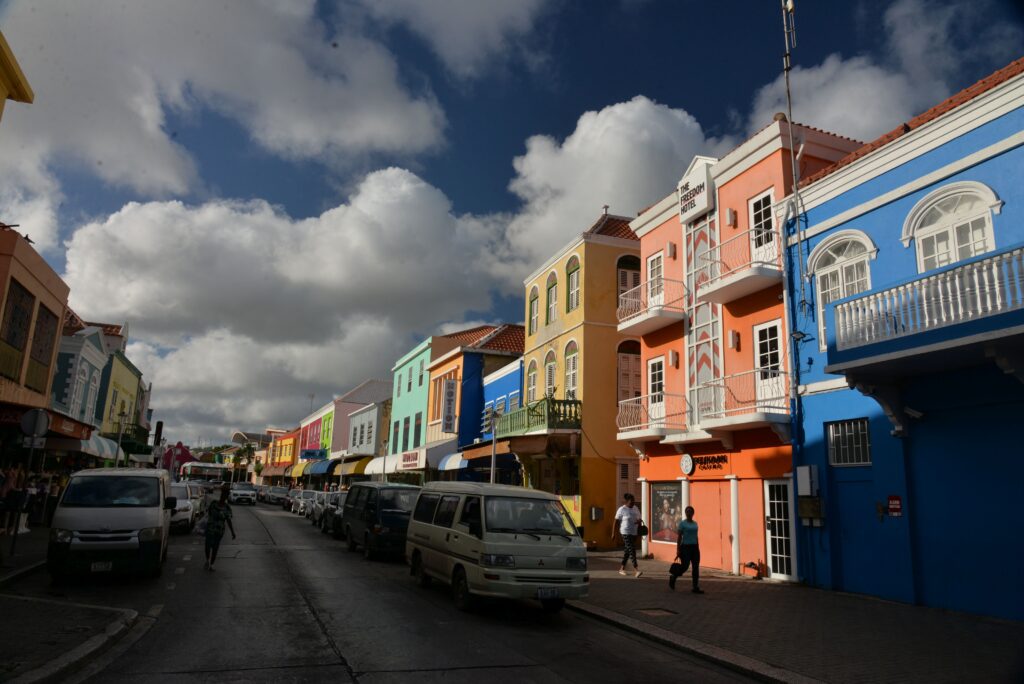
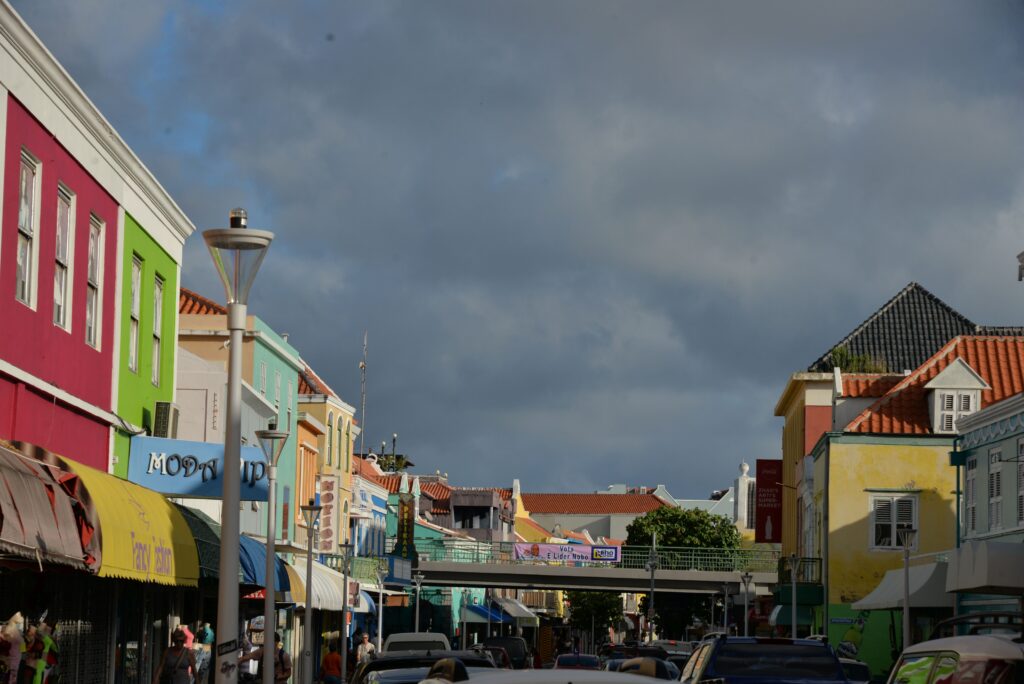
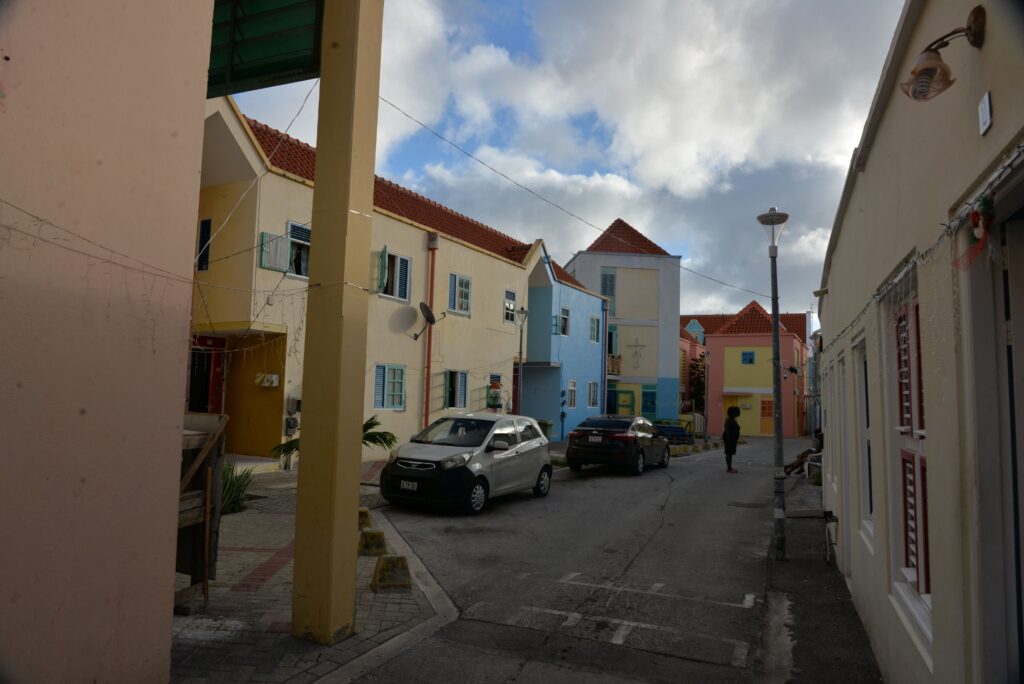
Sailing into Curaçao, we were eager to explore its vibrant capital, Willemstad—a city where Dutch colonial charm meets Caribbean soul. Anchored in Spanish Waters, we took the bus to the city, a journey that unfolded like a time warp from tranquil marinas to a bustling, pastel-hued port town.

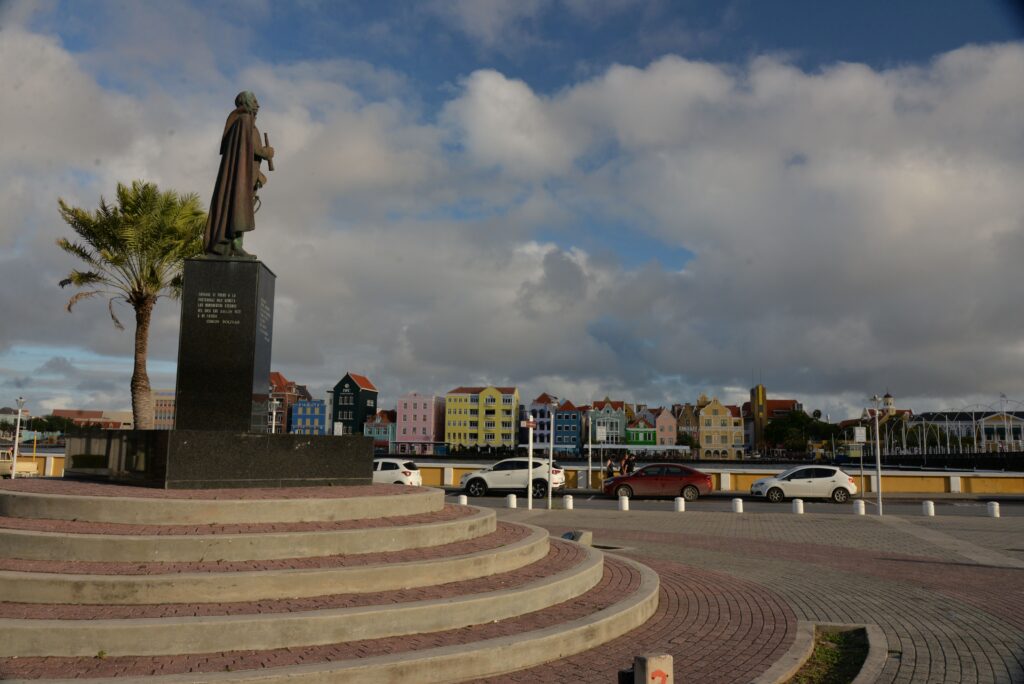
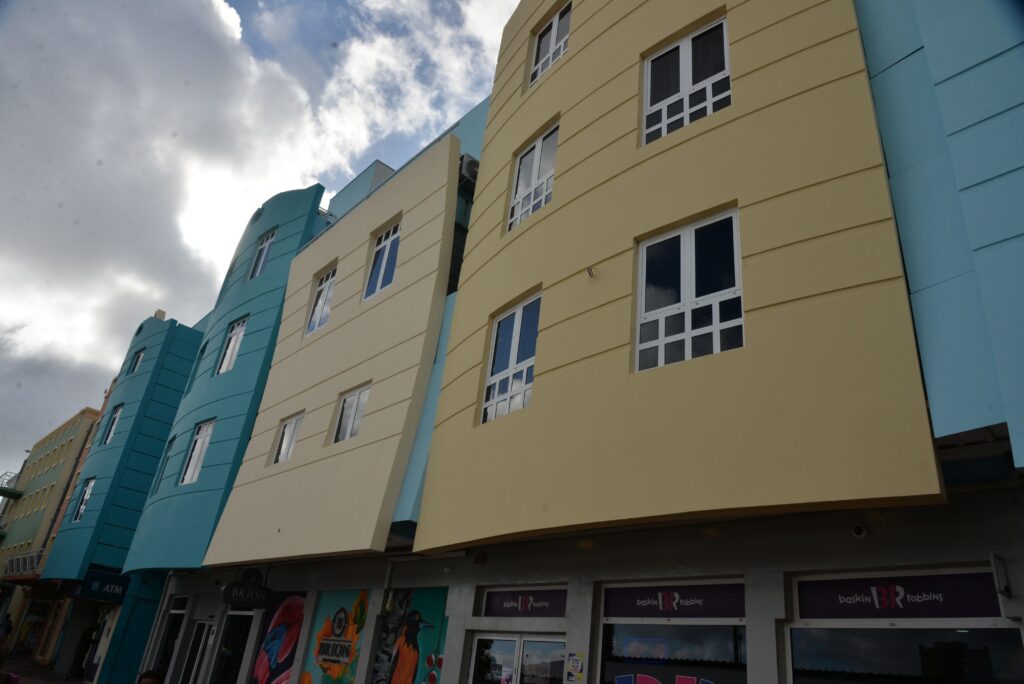
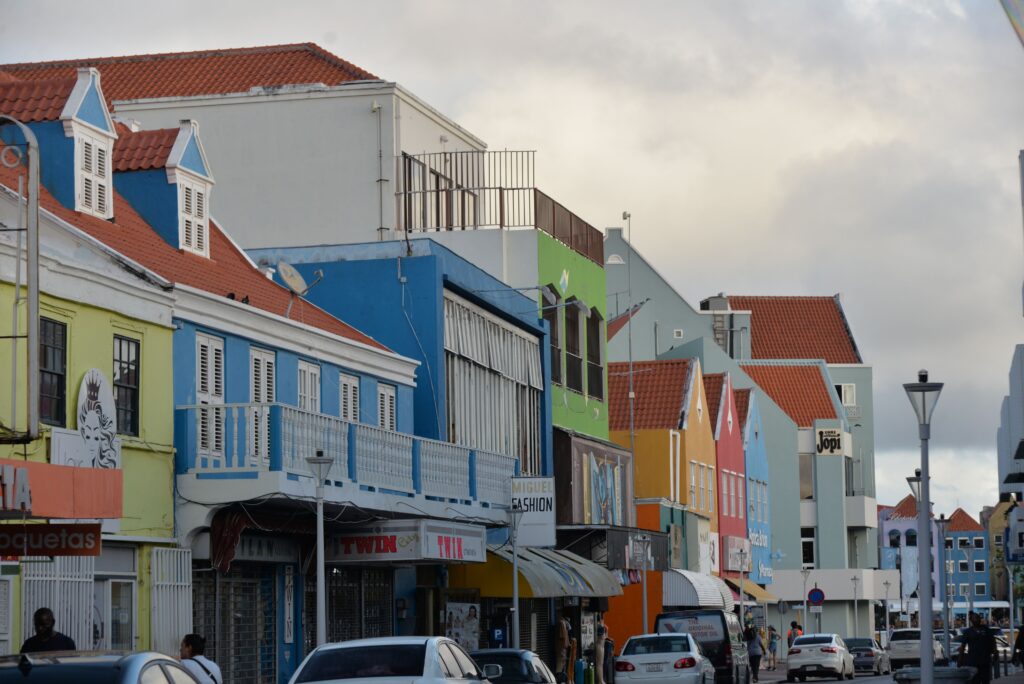
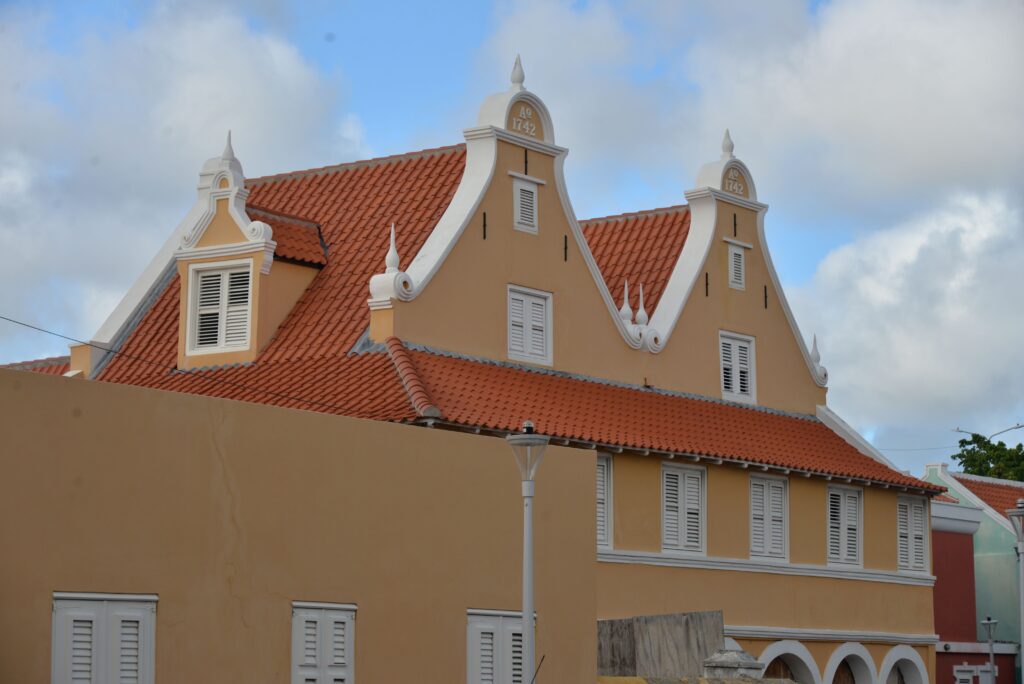
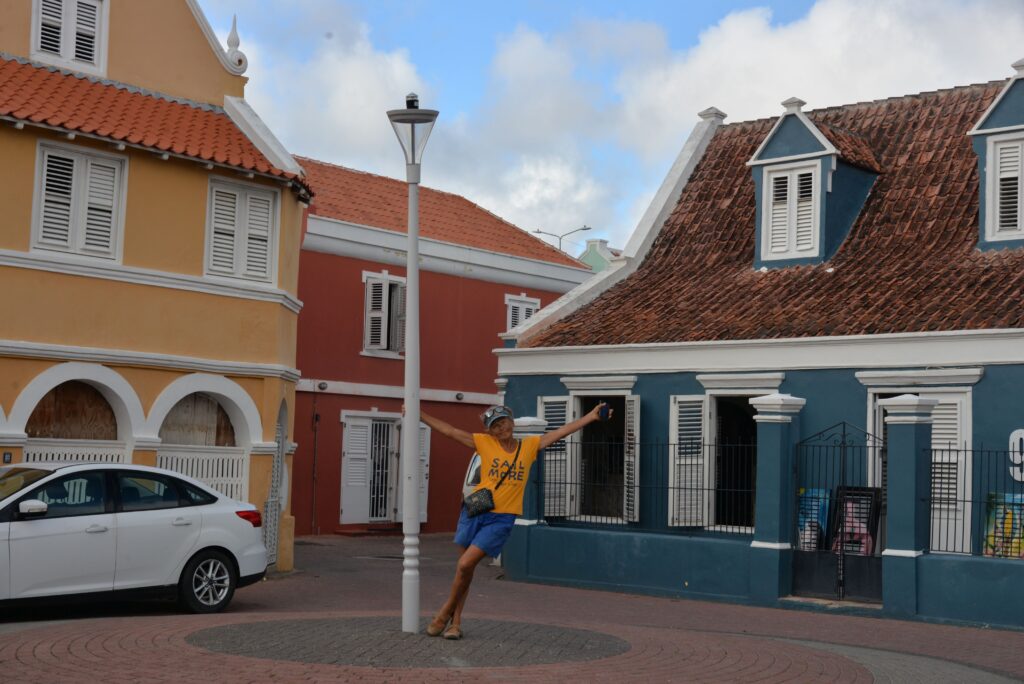
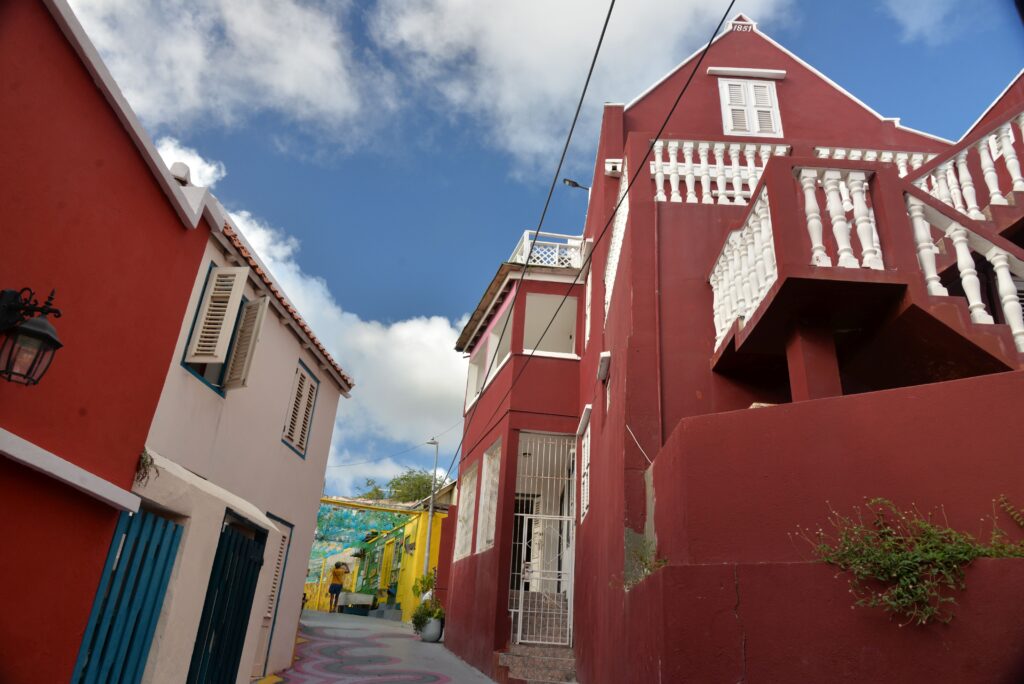
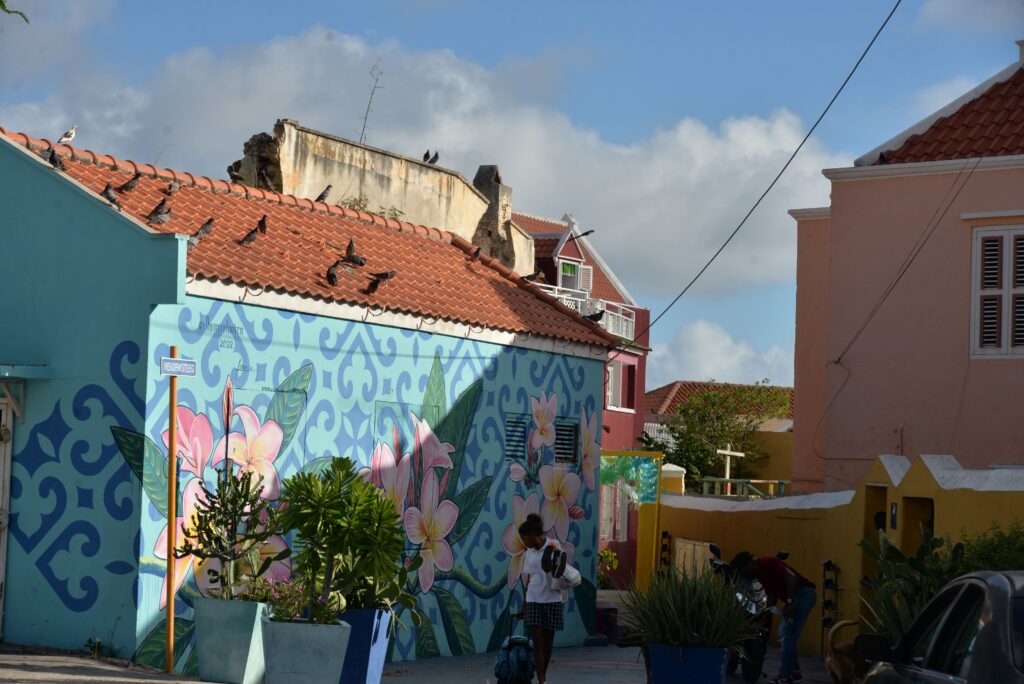
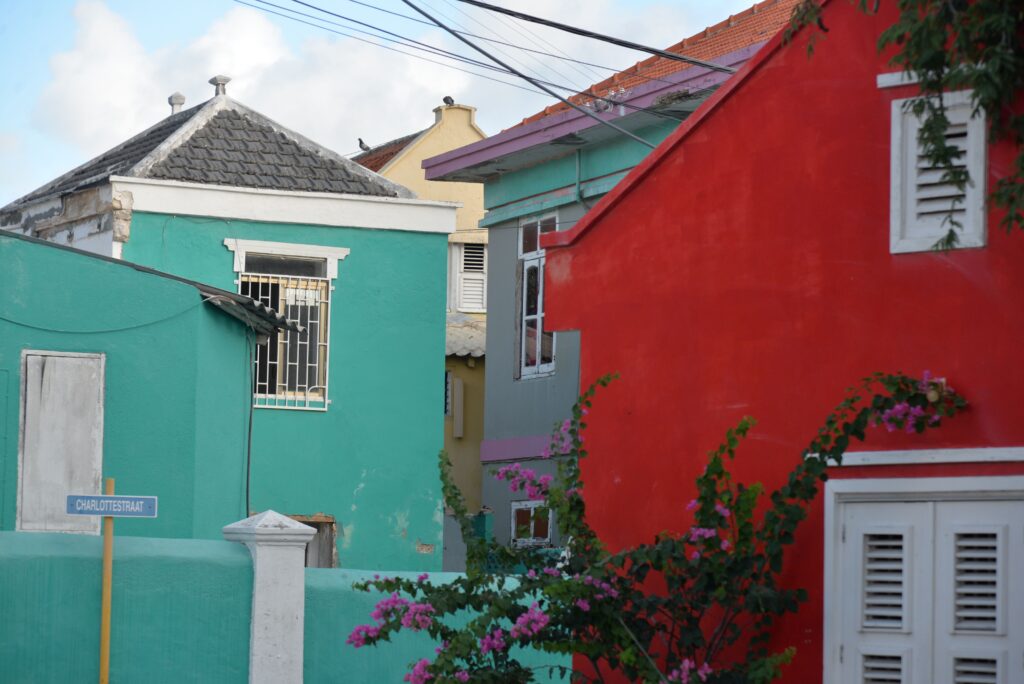
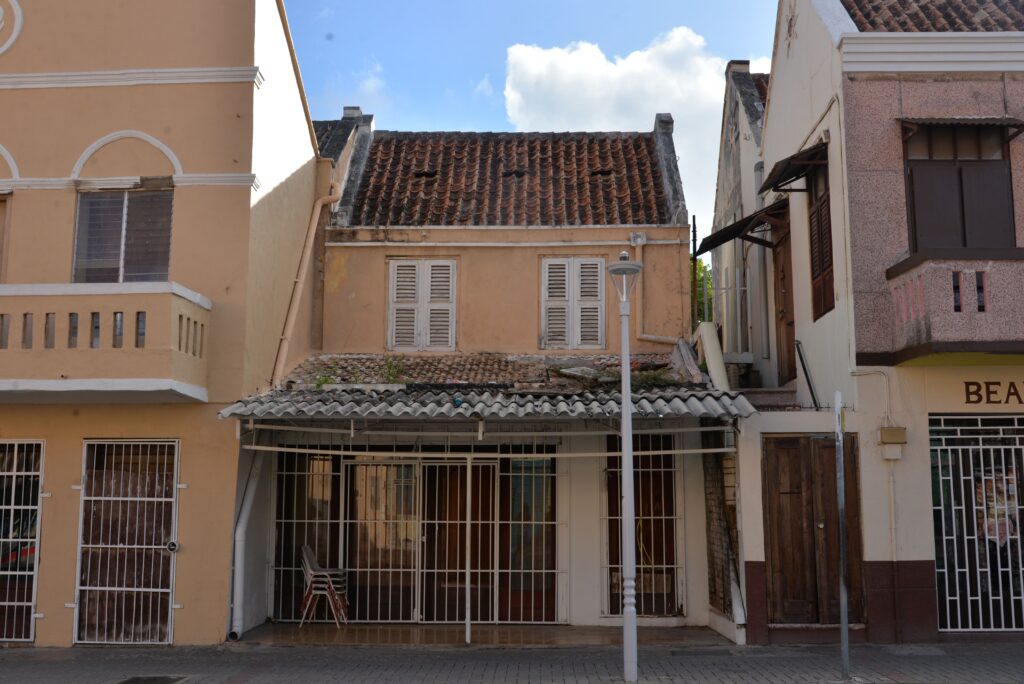
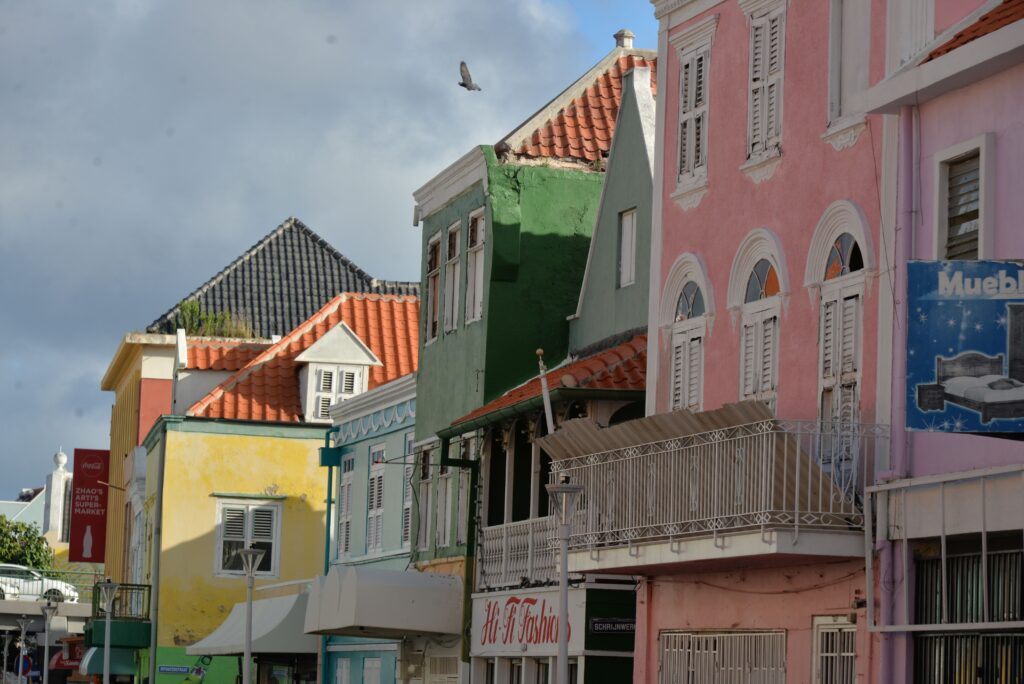
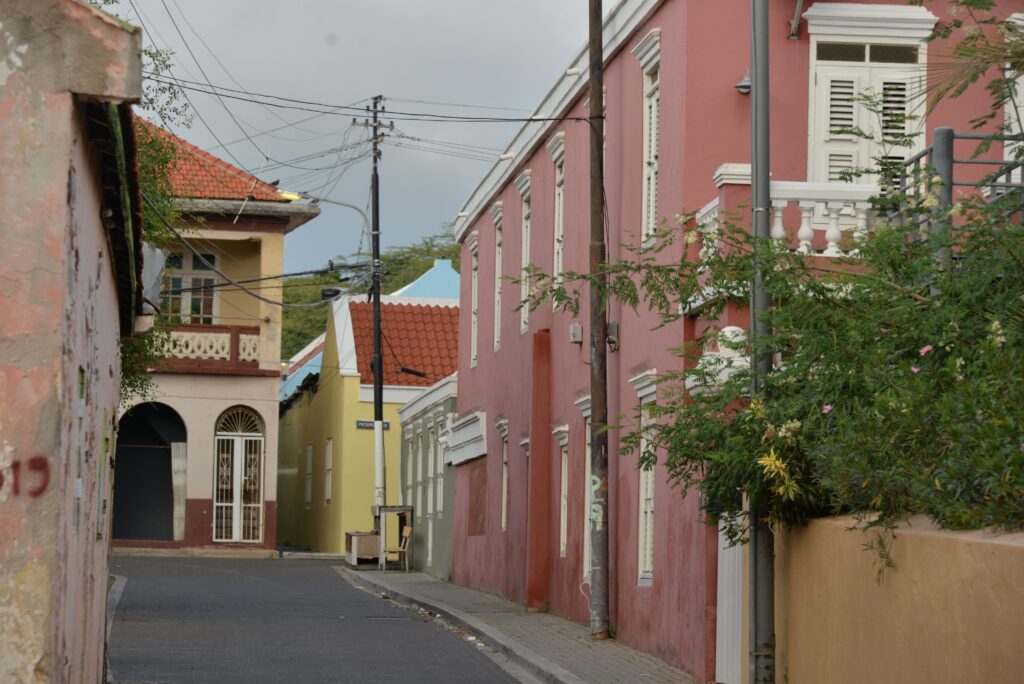
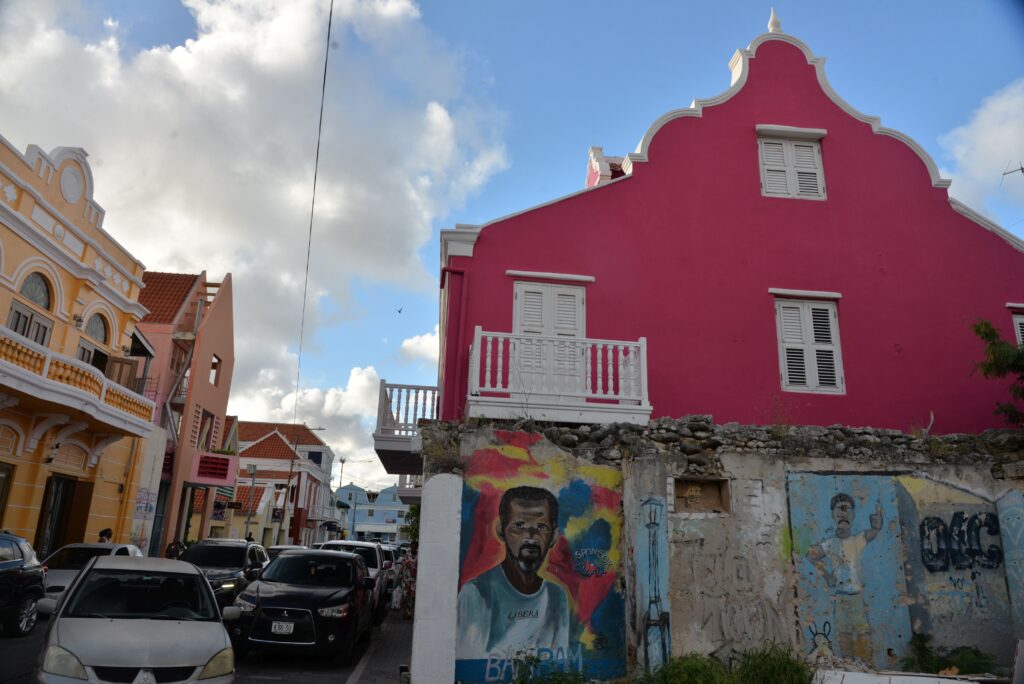
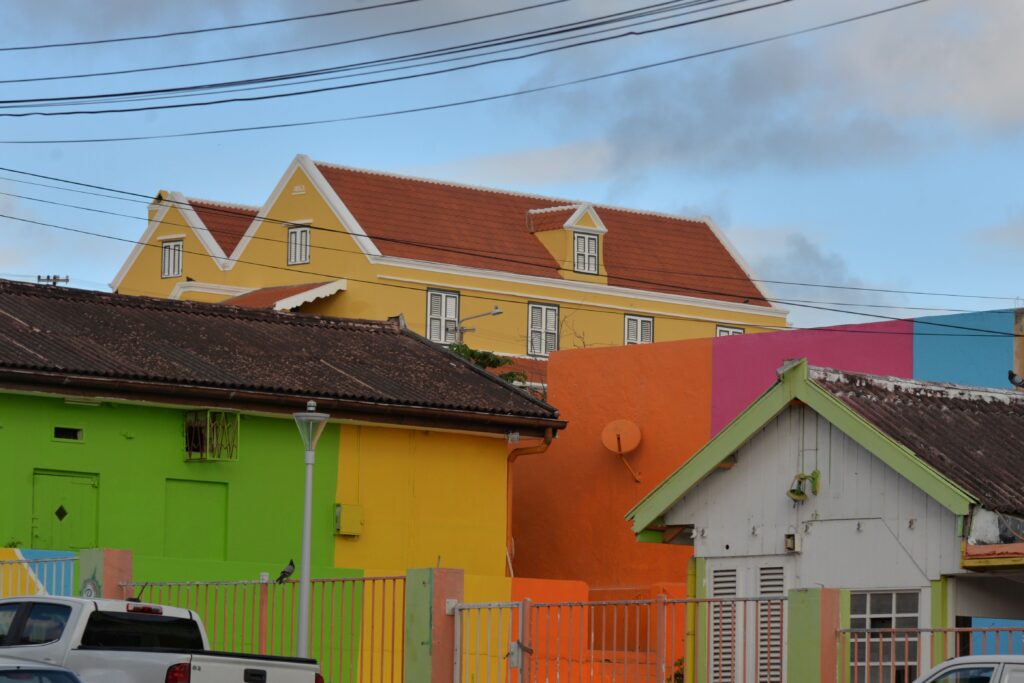
Crossing the Queen Emma Bridge, the famous floating pontoon bridge that gracefully swings open for passing ships, we were instantly captivated by the colorful waterfront of Handelskade. These centuries-old buildings, painted in bright shades of yellow, pink, and blue, are a living postcard of Curaçao’s history.
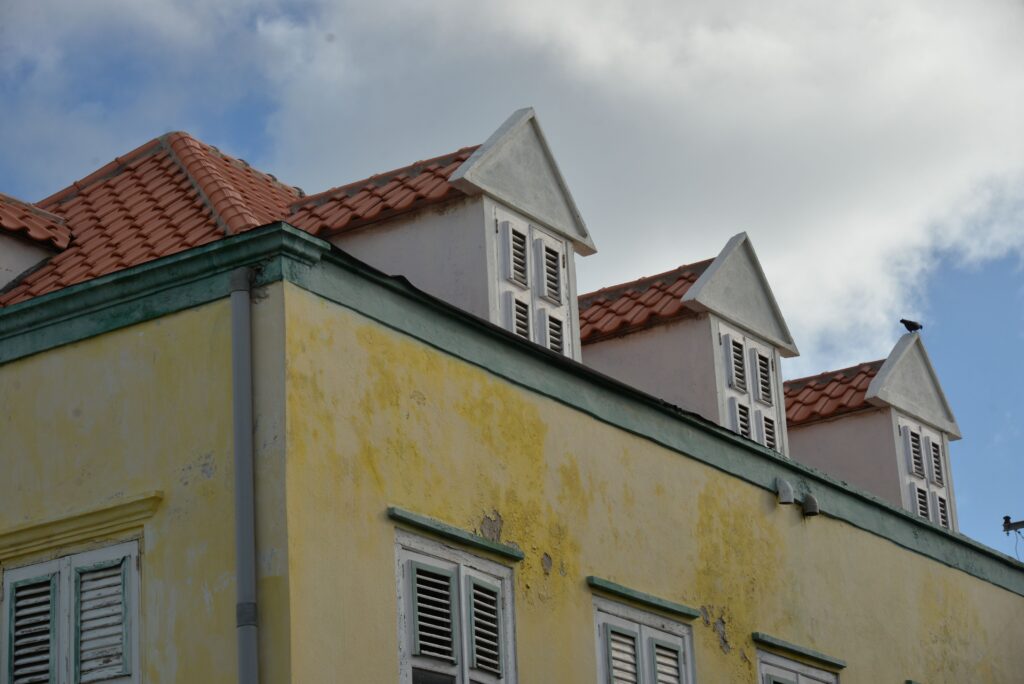
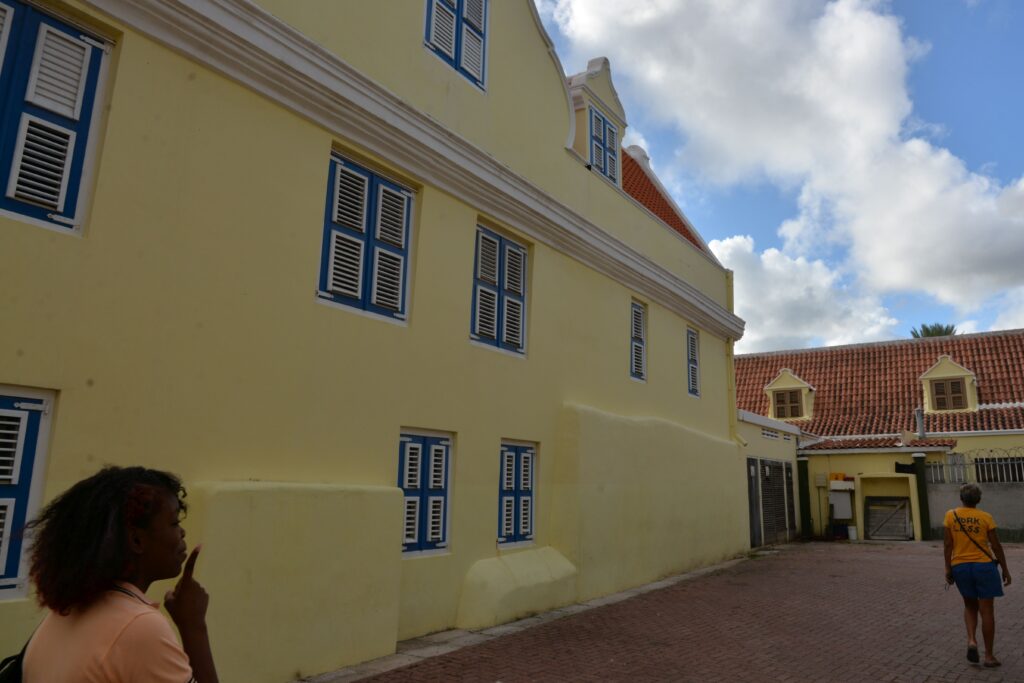
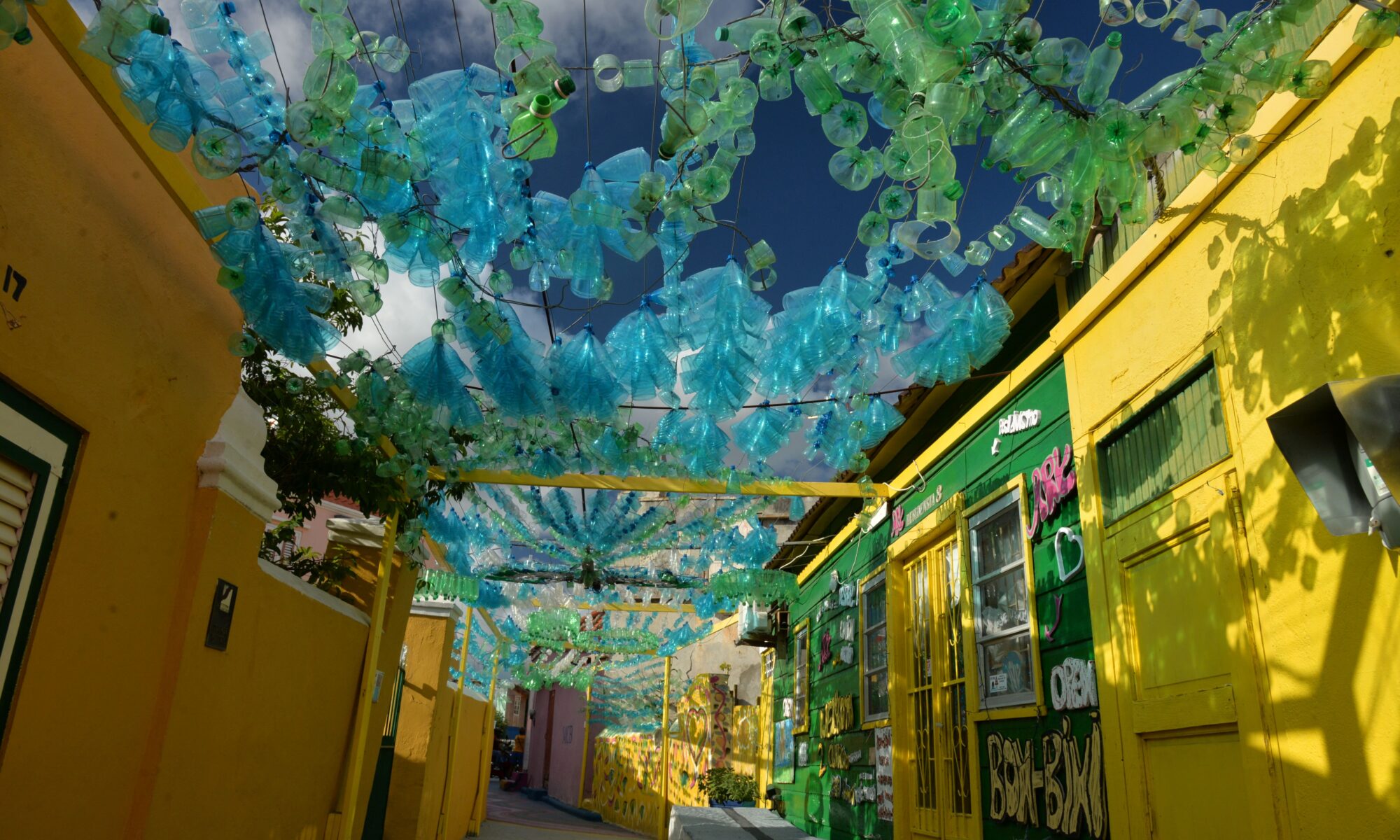
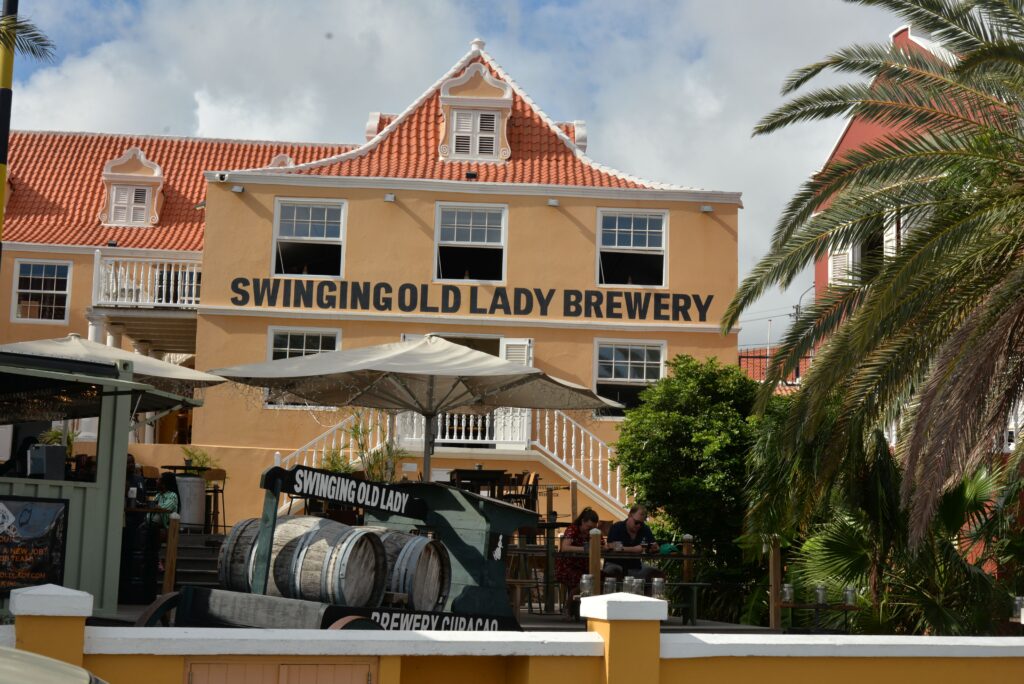
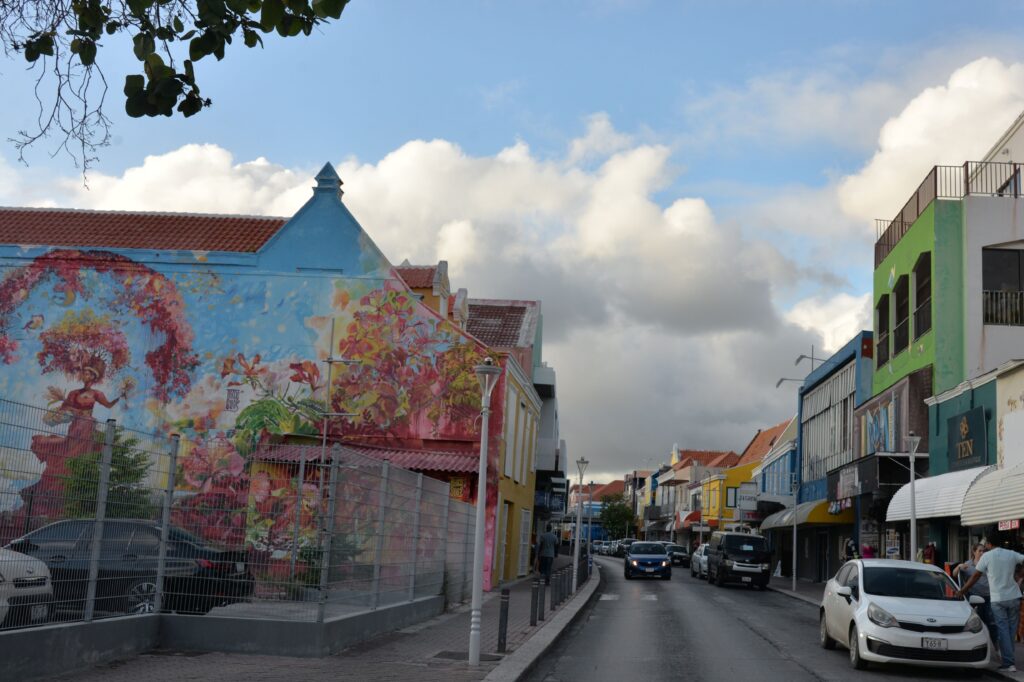
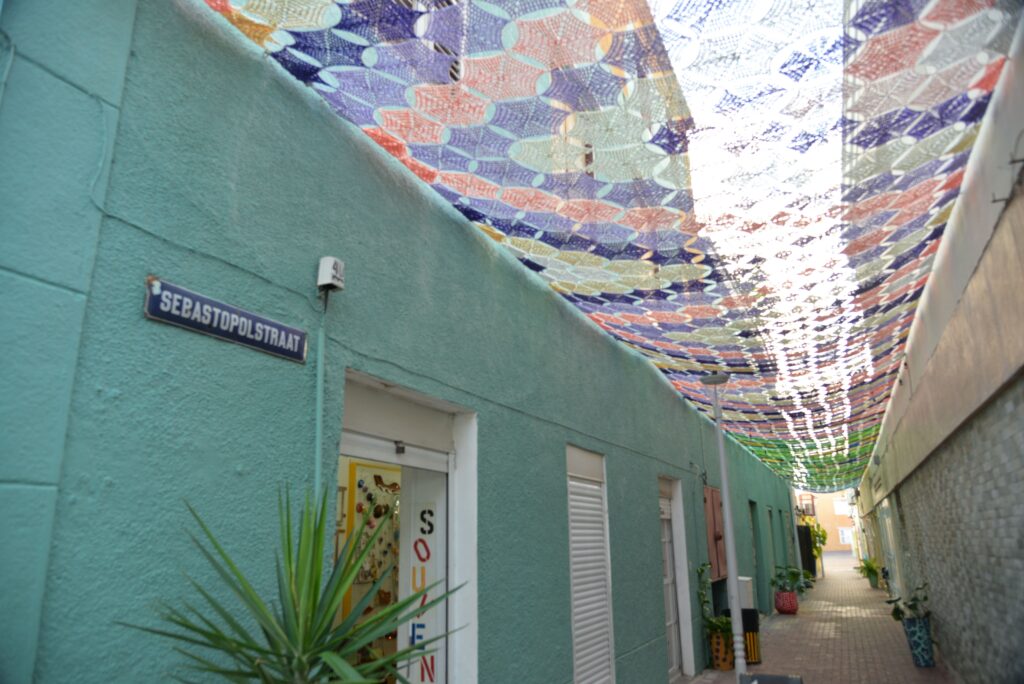
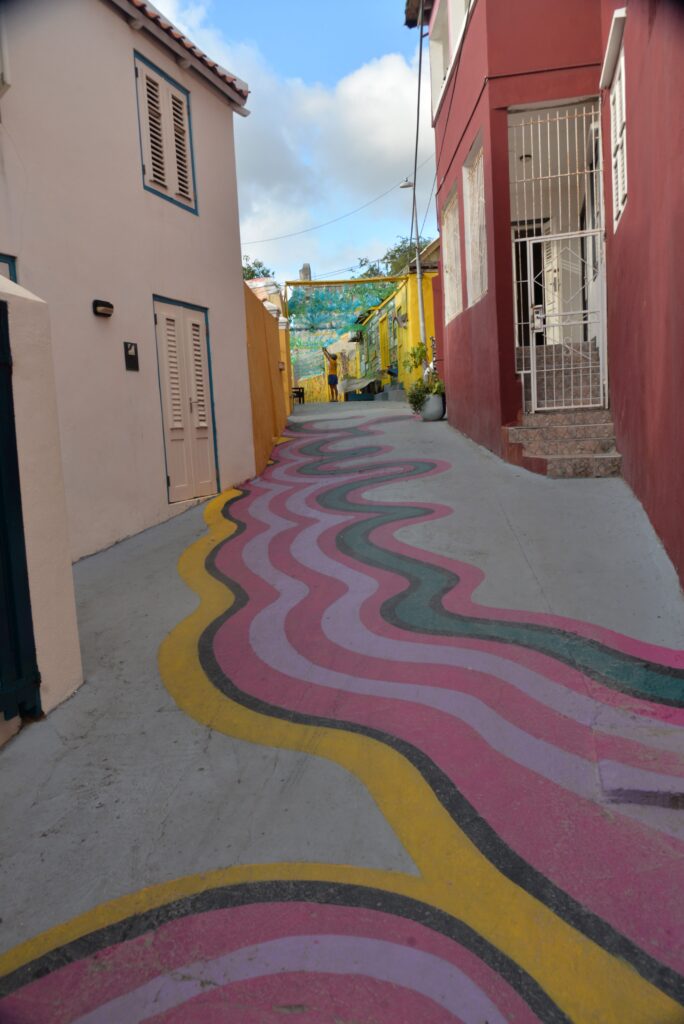
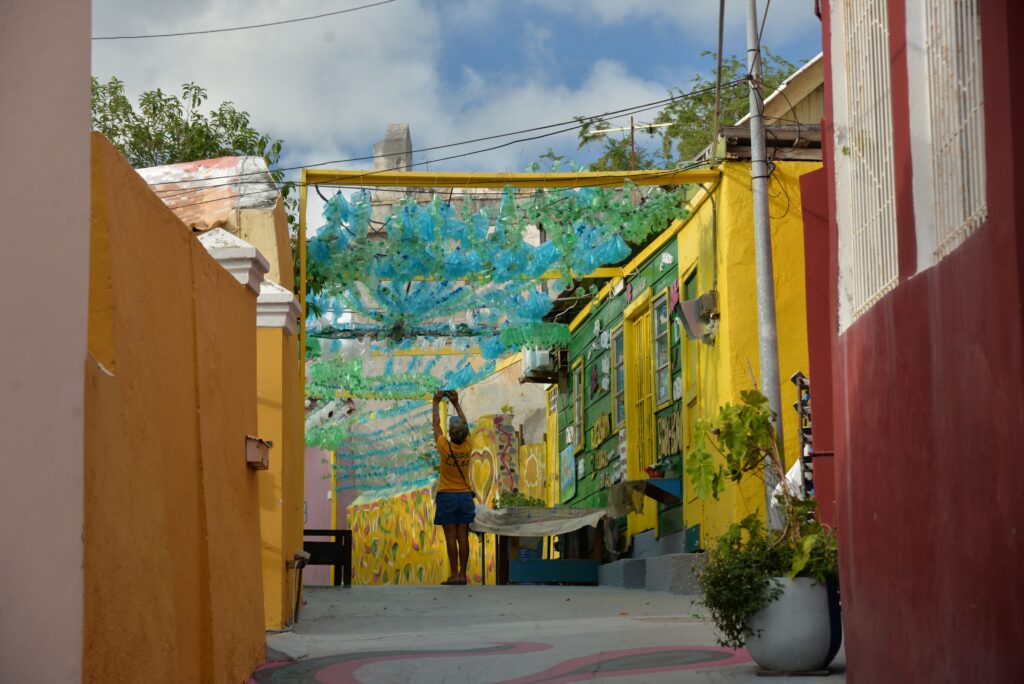
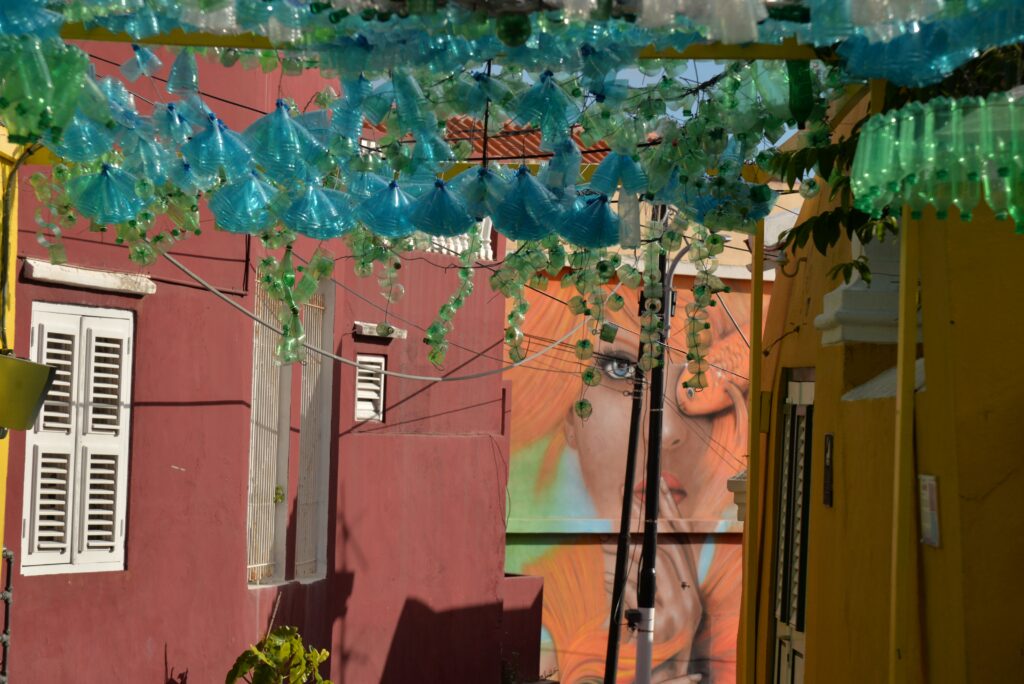
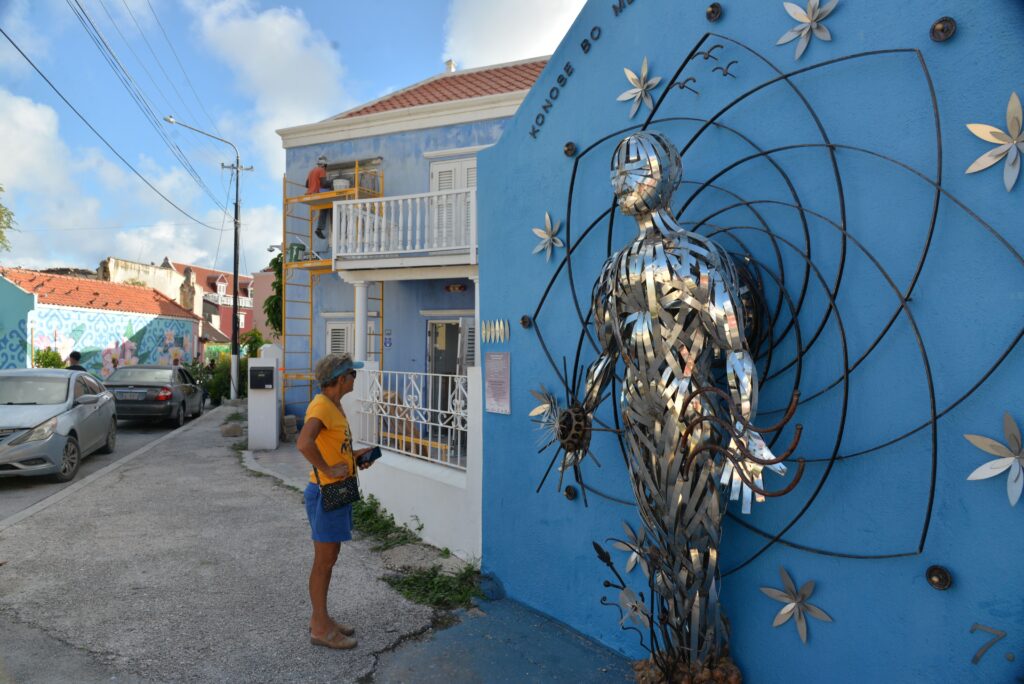
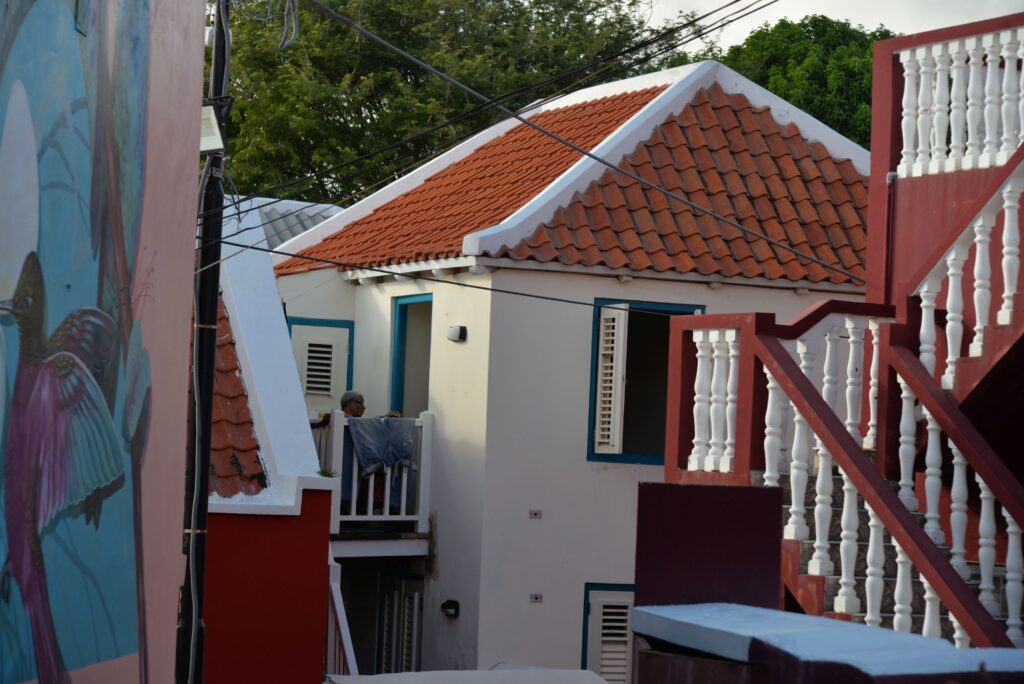
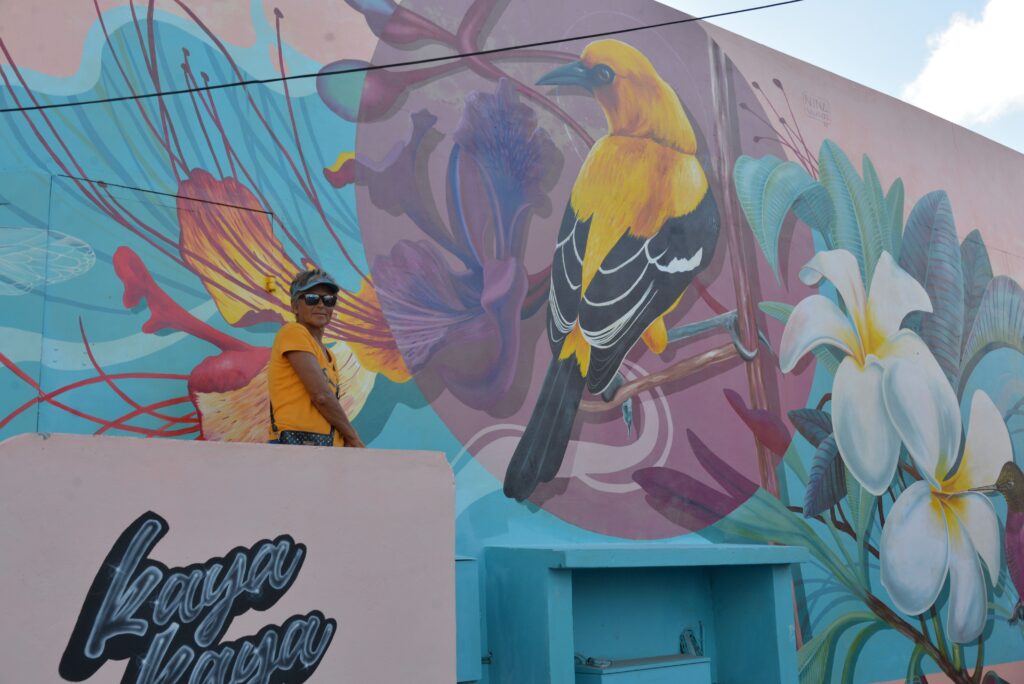
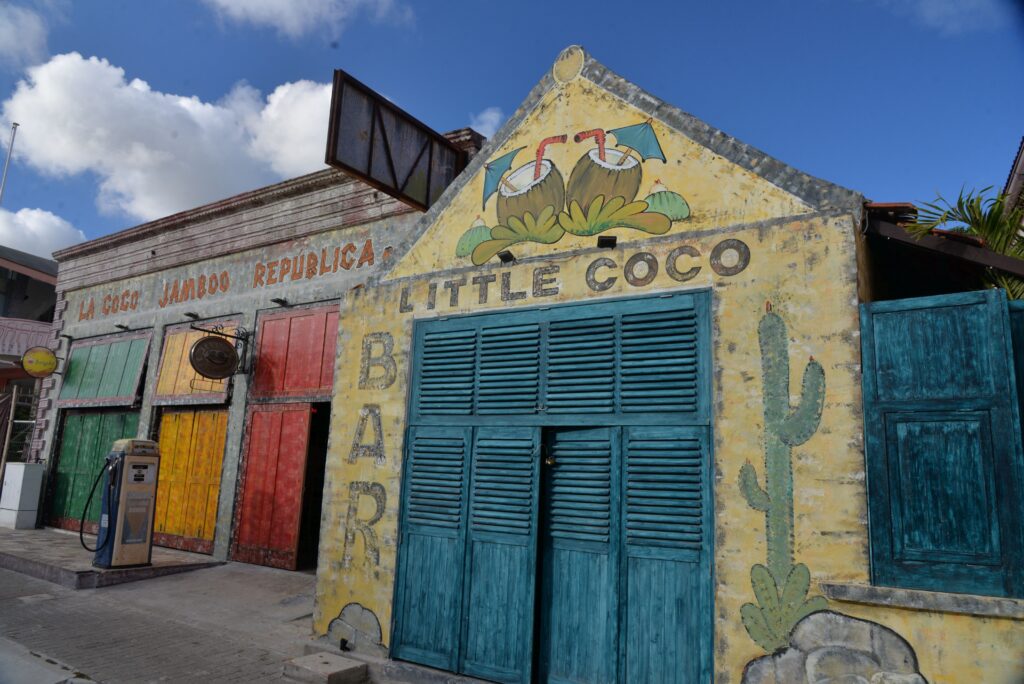
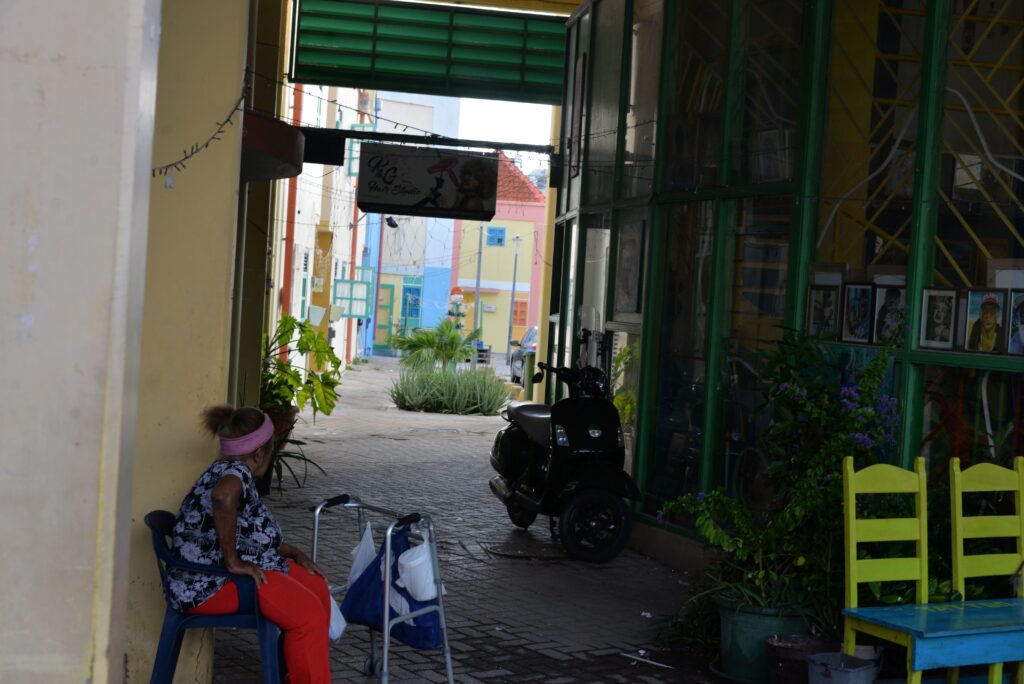
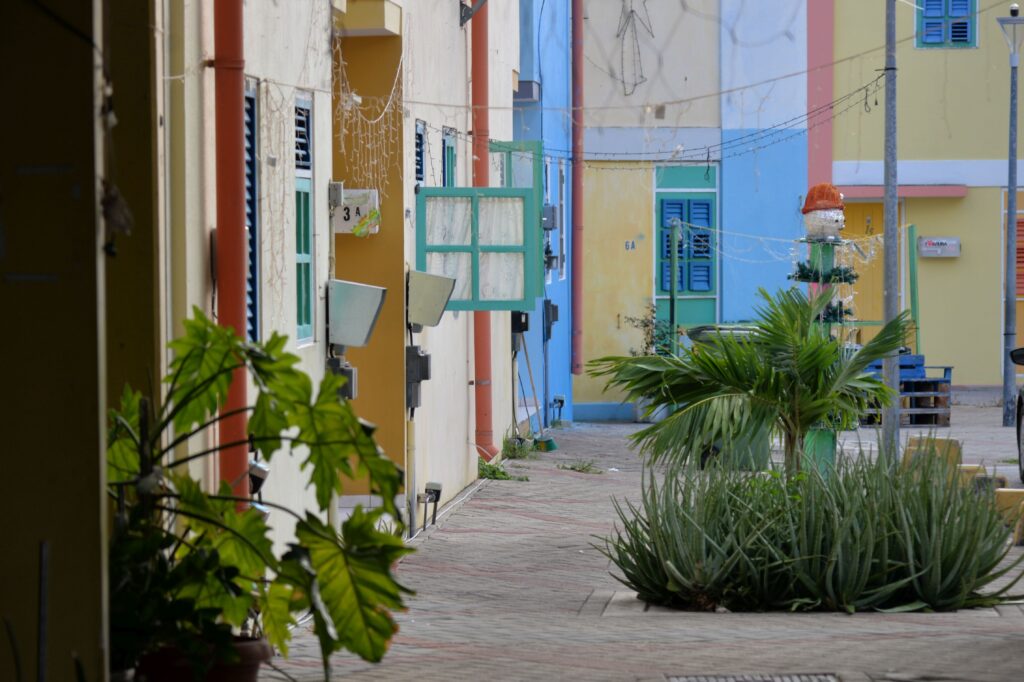
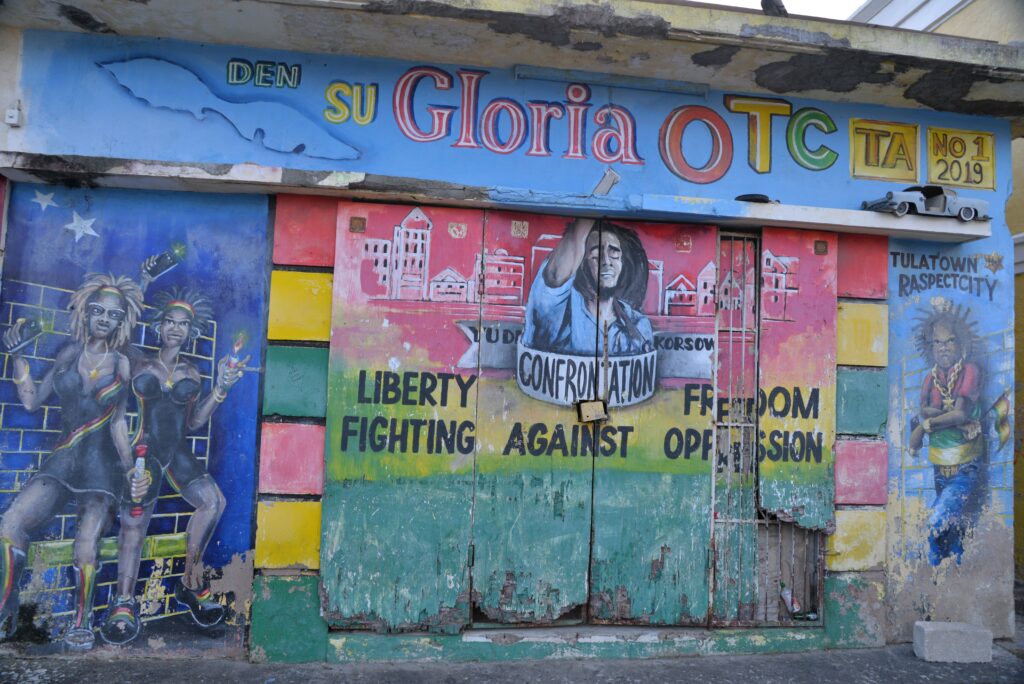
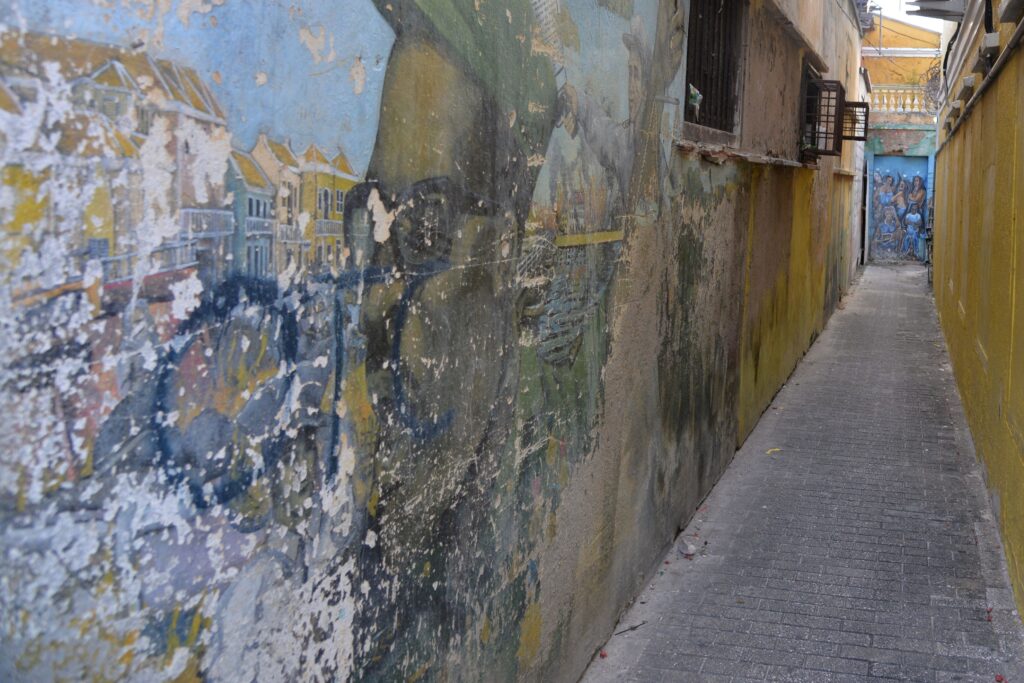
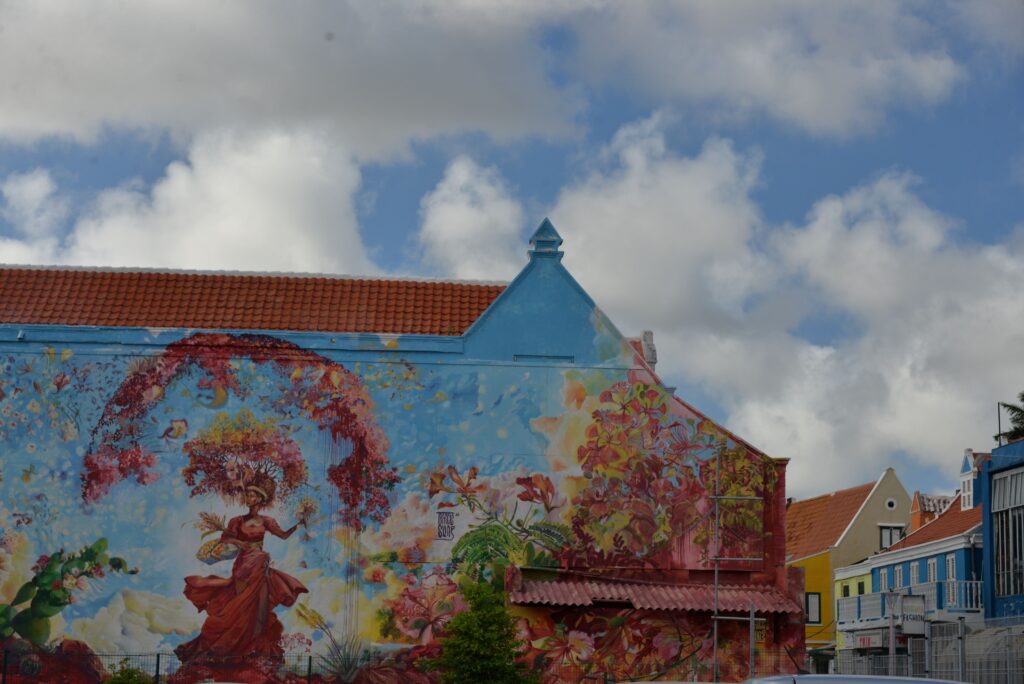
Willemstad’s streets were alive with the scent of fresh seafood, the chatter of merchants, and the rhythmic beats of island music. We wandered through the Punda and Otrobanda districts, each offering a unique mix of colonial architecture, street art, and cozy cafés. A visit to the lively floating market introduced us to Venezuelan traders selling fresh produce right from their boats, a reminder of the deep ties between the islands and the South American mainland.

With its blend of history, culture, and Caribbean charm, Willemstad left an unforgettable impression, making our Curaçao adventure even more meaningful.

Climbing Tafelberg Mountain

Our anchorage in Spanish Waters was always oriented towards Tafelberg (Table) Mountain. Every morning, the sun rose precisely from behind its flat summit, delaying the dawn and casting long shadows over the bay. At 192 meters, it is the fourth-highest peak on the island but arguably the most recognizable. Unfortunately, nature’s gift to the landscape also made it a target—Tafelberg was once a major source of phosphate mining, and for years, its very existence was at risk of being erased.

Luckily, either common sense or public protest (or both) prevailed, and by the 1960s, mining operations switched to a less destructive “hole-in-the-tooth” method—extracting phosphates from within while preserving the outer contour, so the mountain still appears intact from a distance.

Curious to see it up close, we decided to climb to the summit. Fortunately, the local rock climbing club maintains a path leading up, making the ascent possible. Well, time to head for the heights!