Spaanse Waters of Curacao

Our arrival in Curaçao came after a grueling 10-hour passage from Bonaire, battling high waves and unpredictable gusts of wind. The more we sail, the more we confirm a hard-earned truth: sailing with a tailwind and following seas isn’t always as pleasant as it sounds. We much prefer a beam reach—or at least a broad reach—where the boat feels more stable and controllable. But in the southern Caribbean, there’s no choice. The trade winds and waves consistently push east to west, the opposite of our experience in the northern Caribbean, where we had to fight against wind and waves. Now, having endured both upwind and downwind passages, we have a deeper appreciation for the unique challenges each brings.

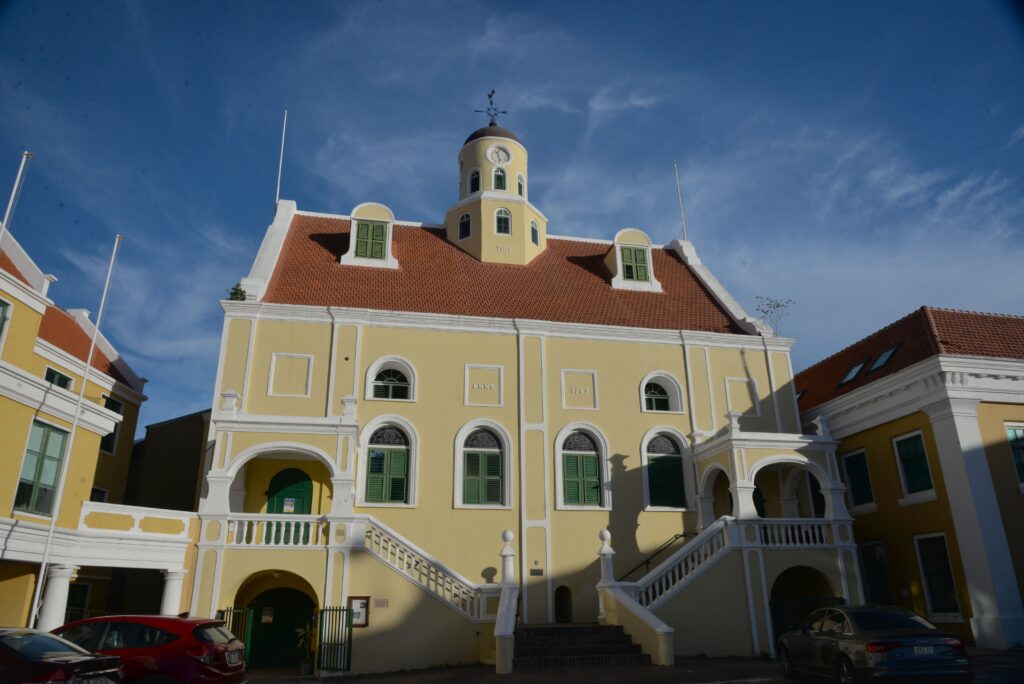
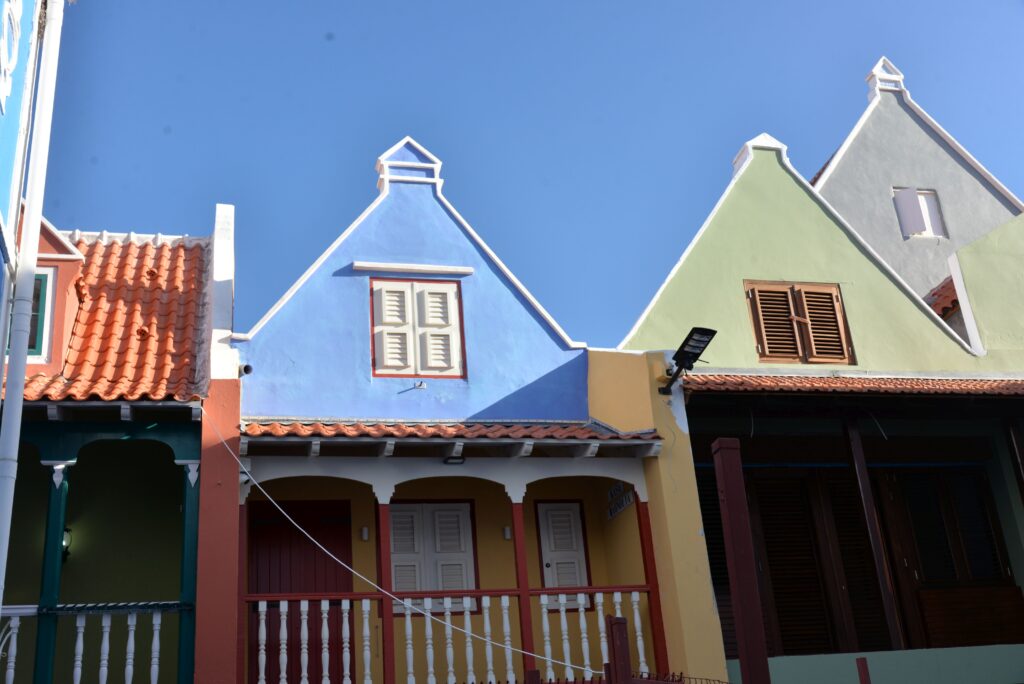
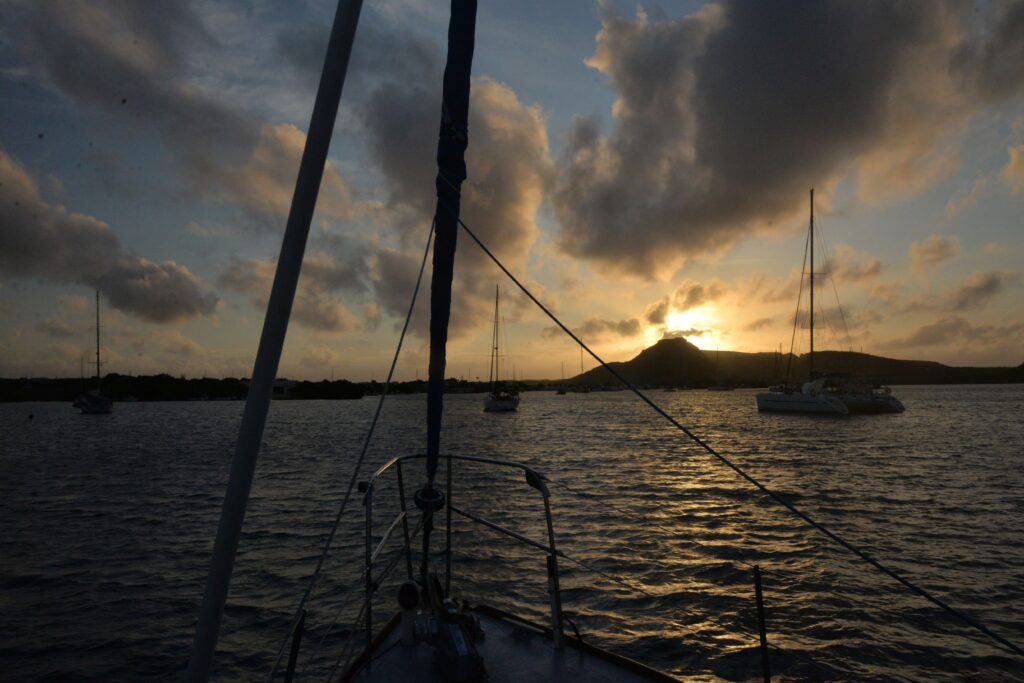
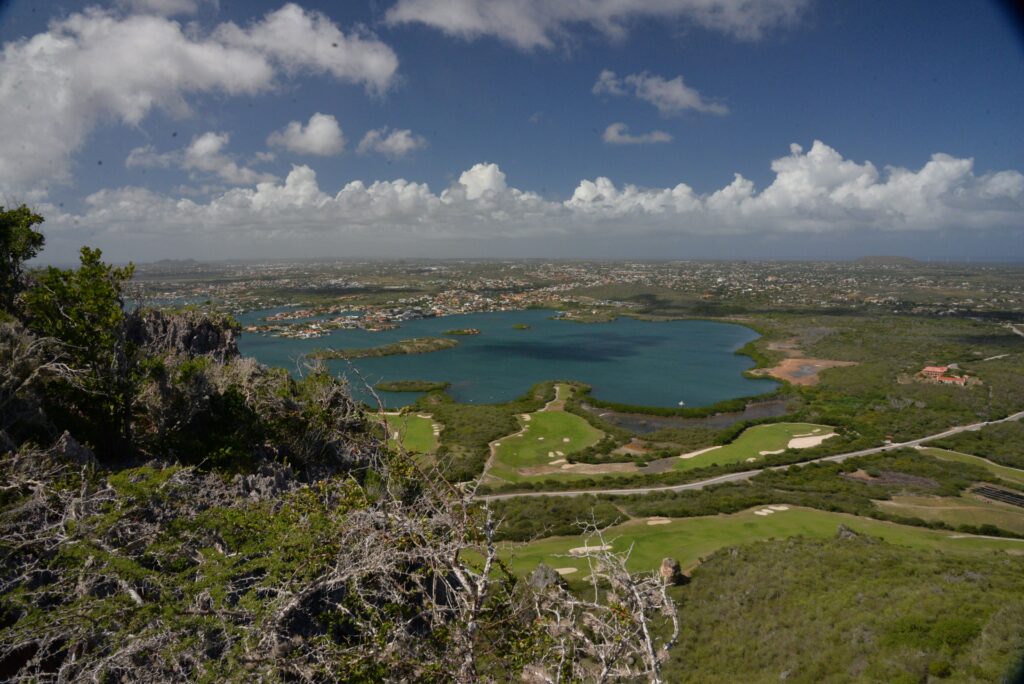
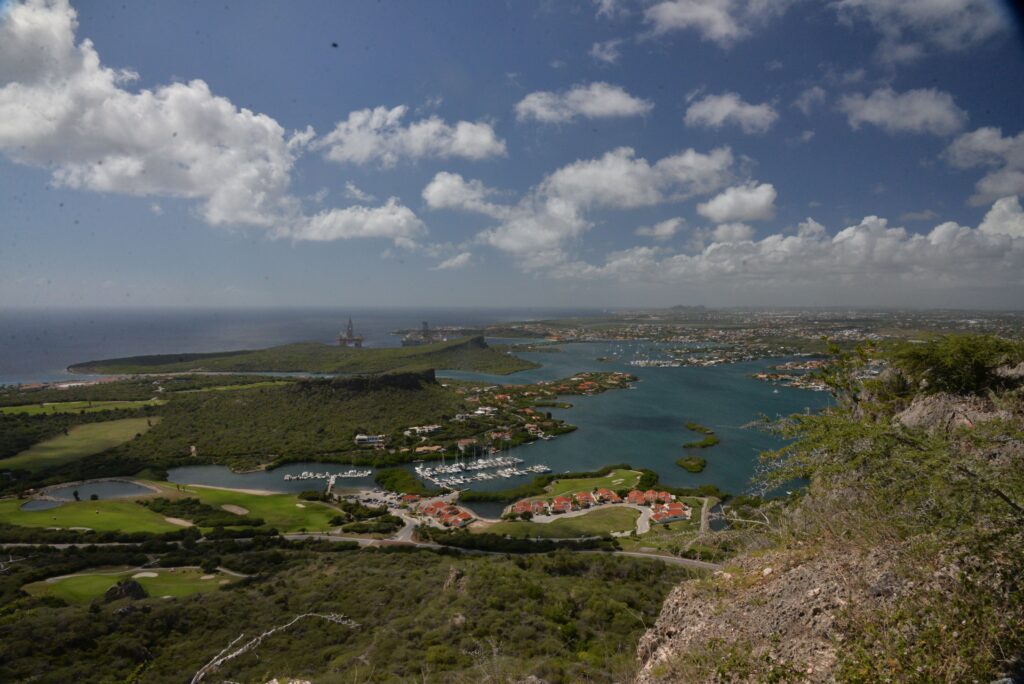
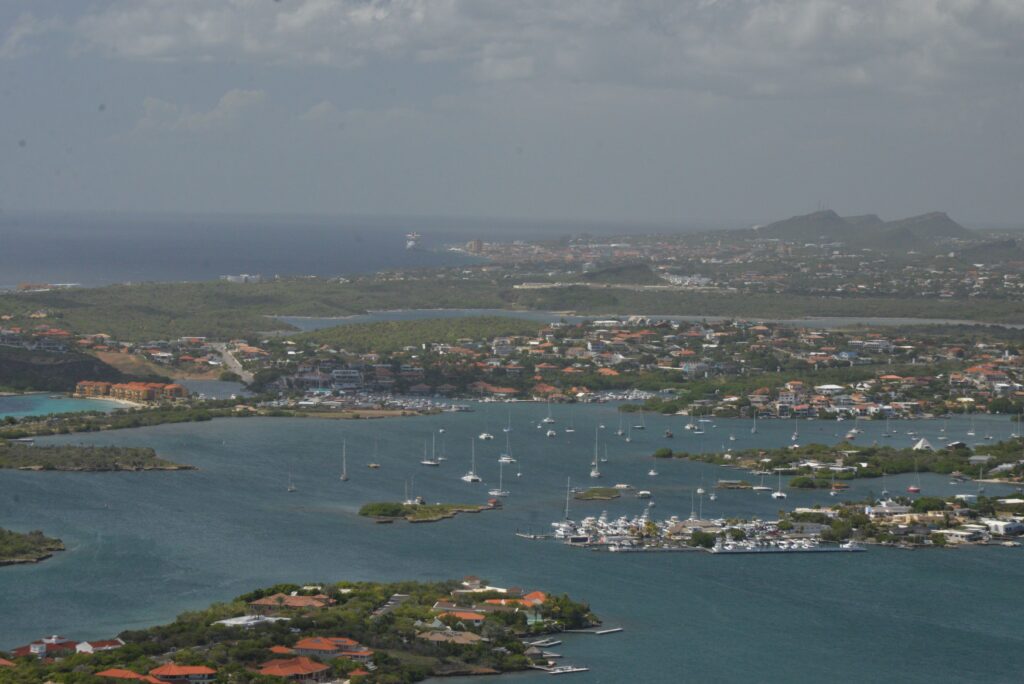
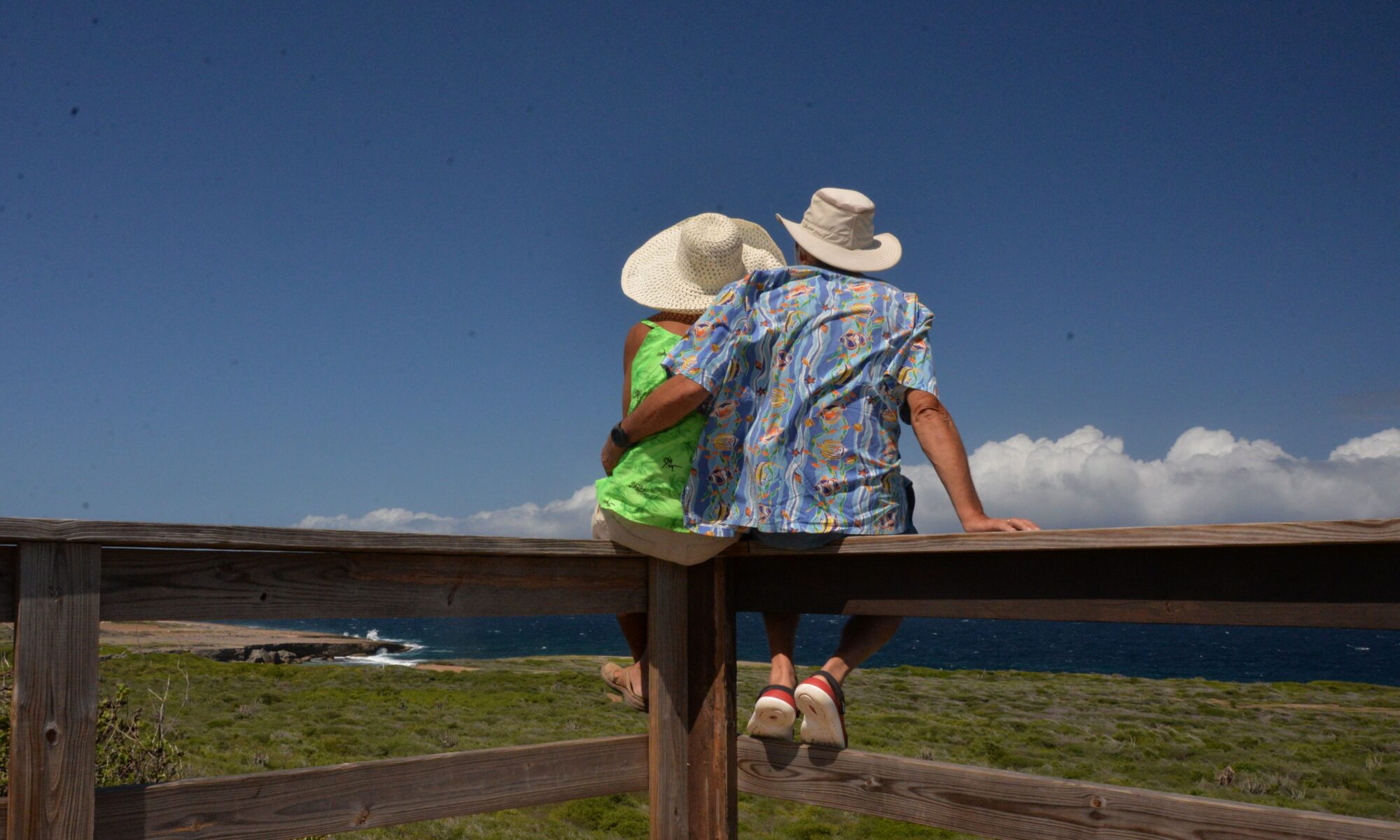
Curaçao greeted us with the striking, nearly flattened Tafelberg Mountain on the horizon and the challenge of navigating a narrow channel into Spanish (Spaanse) Waters—the large inland lagoon where nearly all visiting sailboats anchor. As soon as we found an open spot among the dozens of yachts already anchored, we dropped the hook and took in our surroundings: dinghies zipping between boats, ferrying sailors to and from shore, the hum of a vibrant cruising community in full swing.

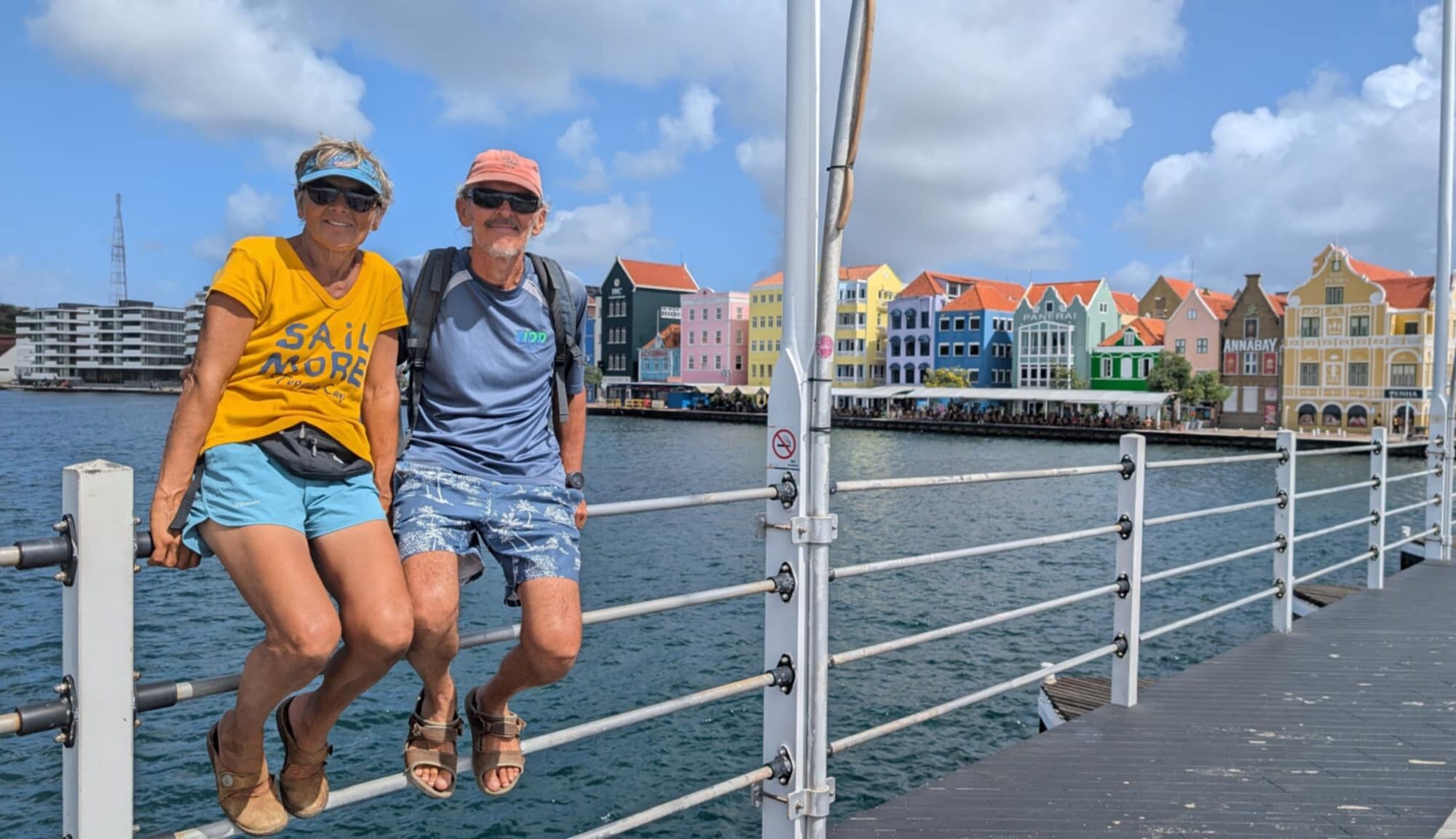
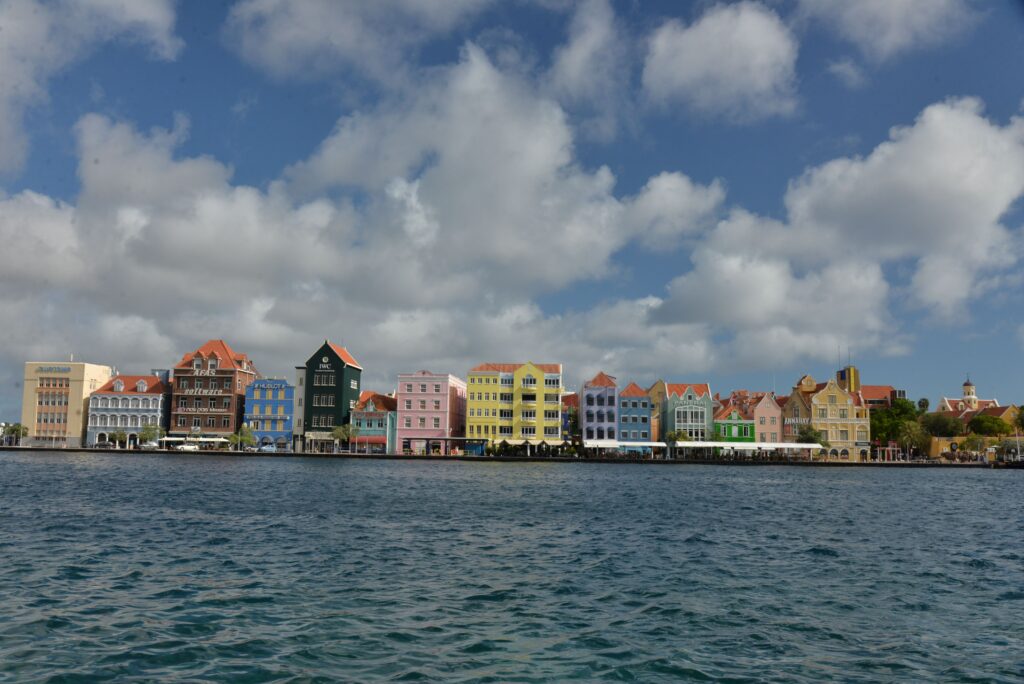
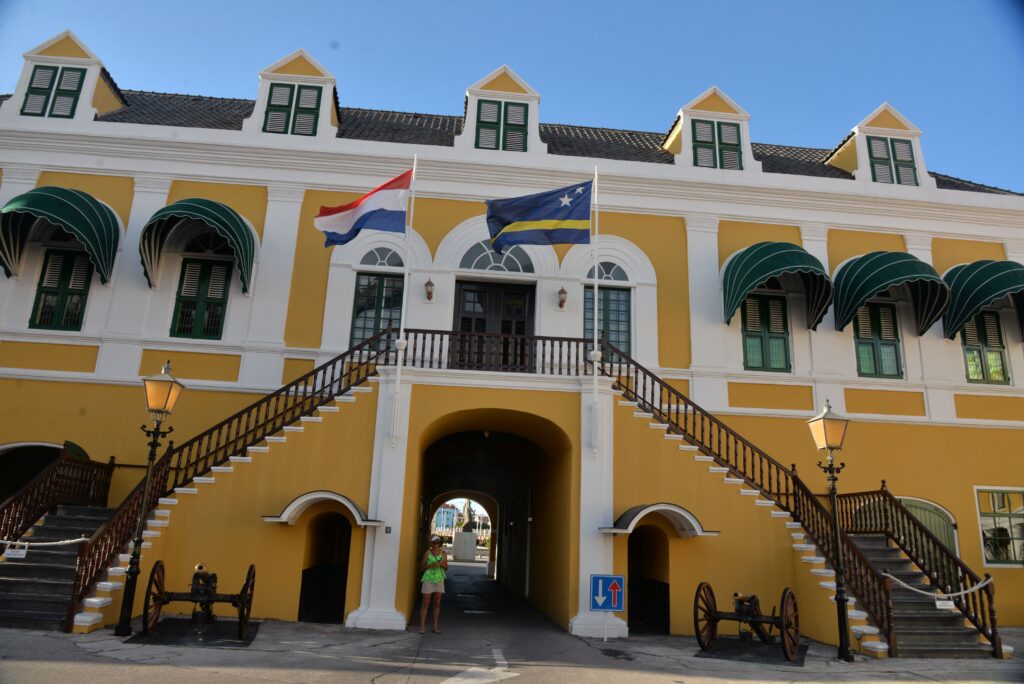
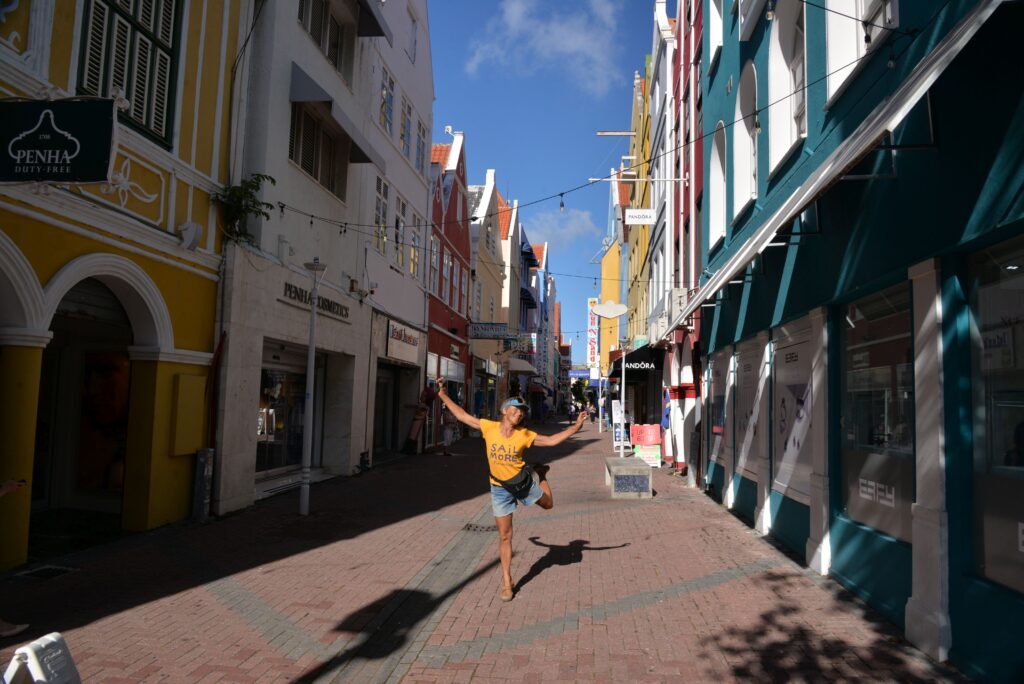
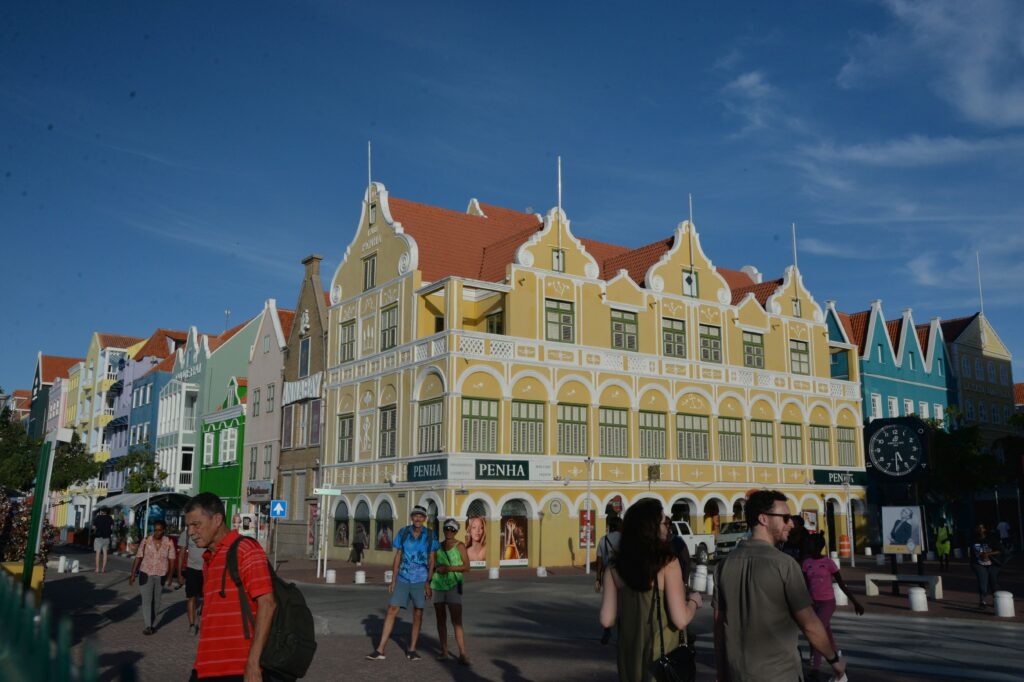
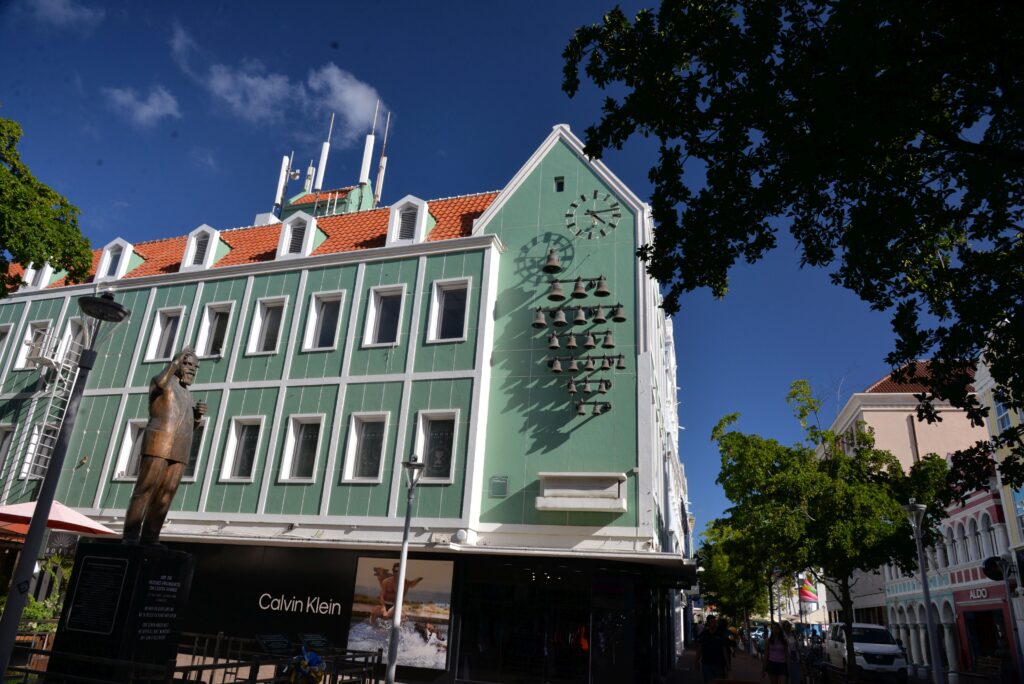
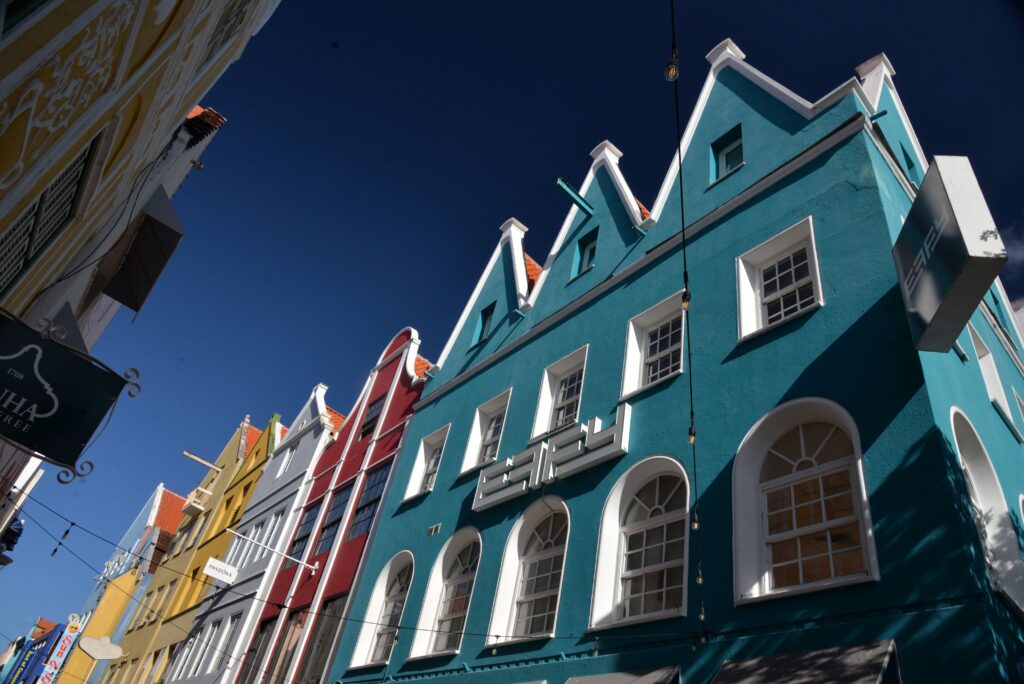
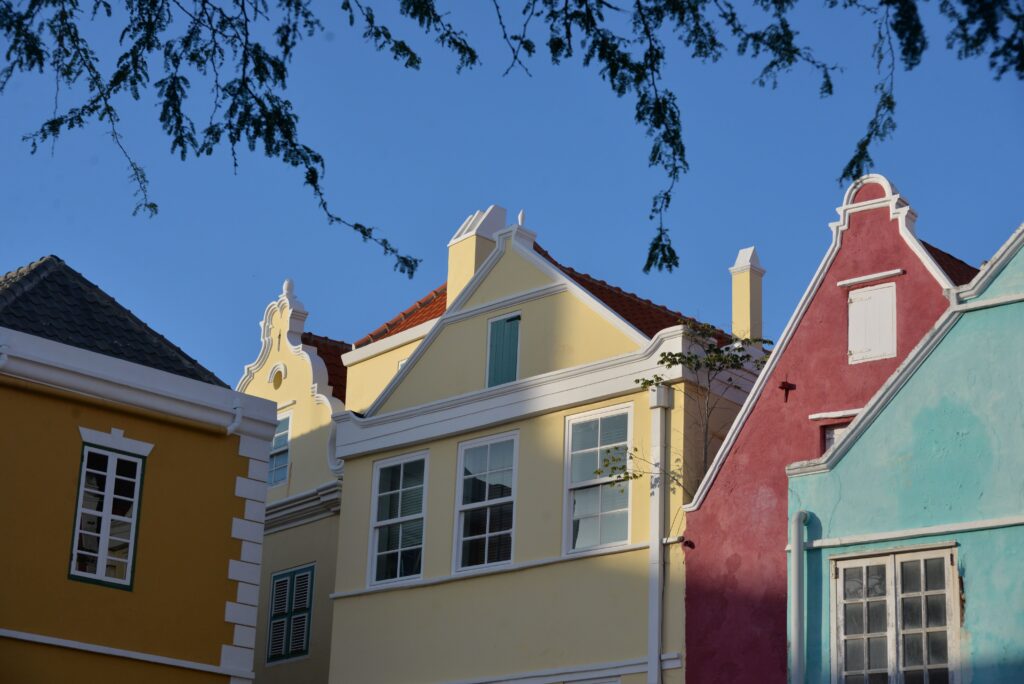
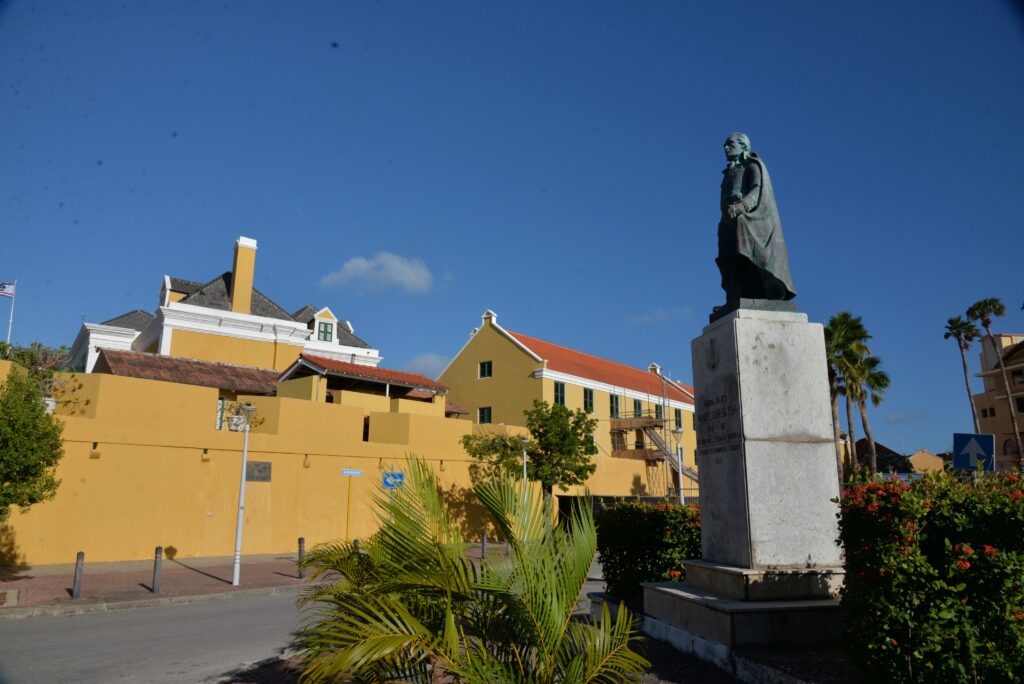
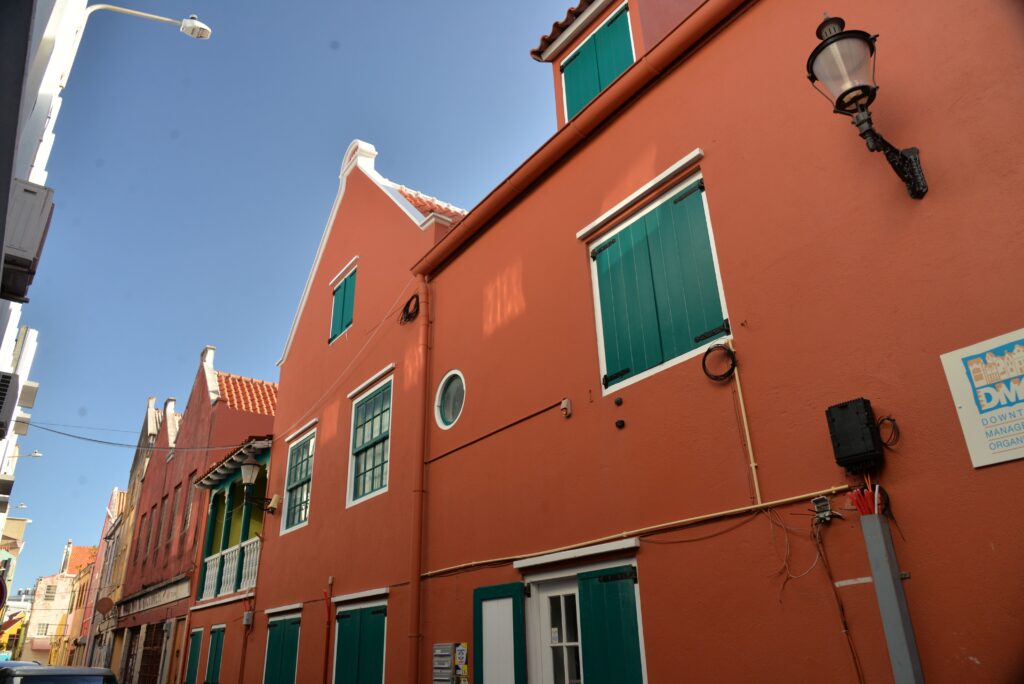
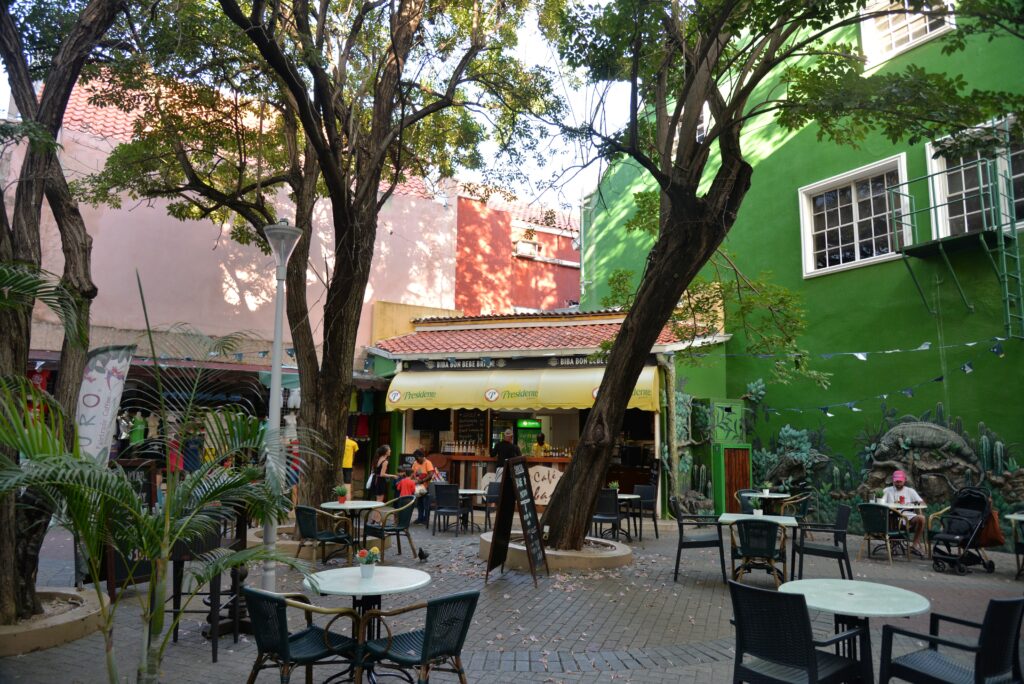
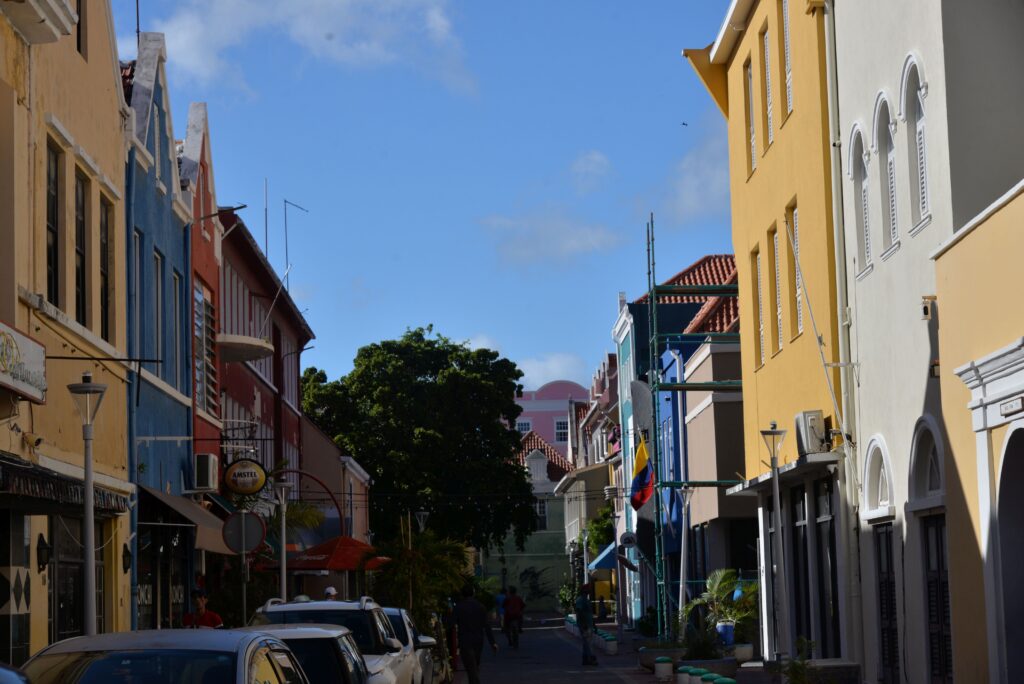
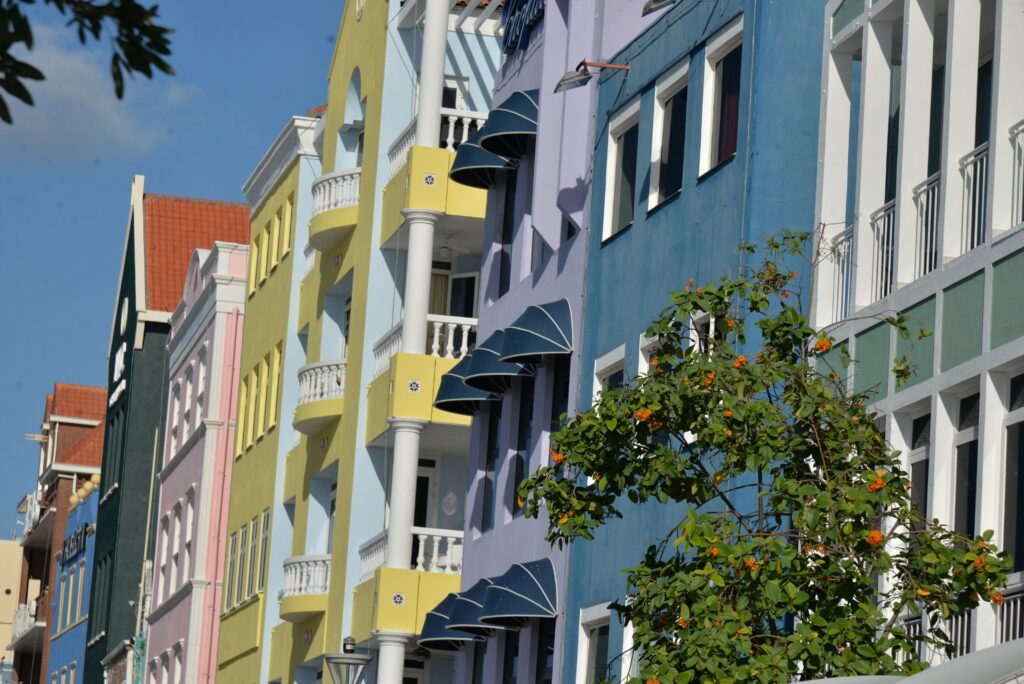
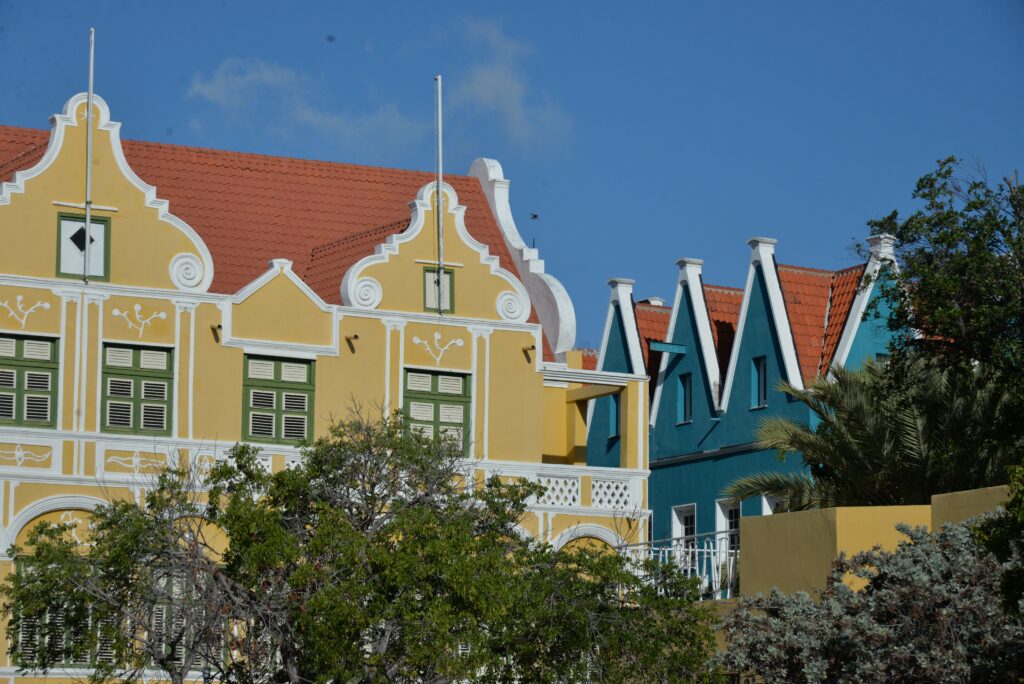
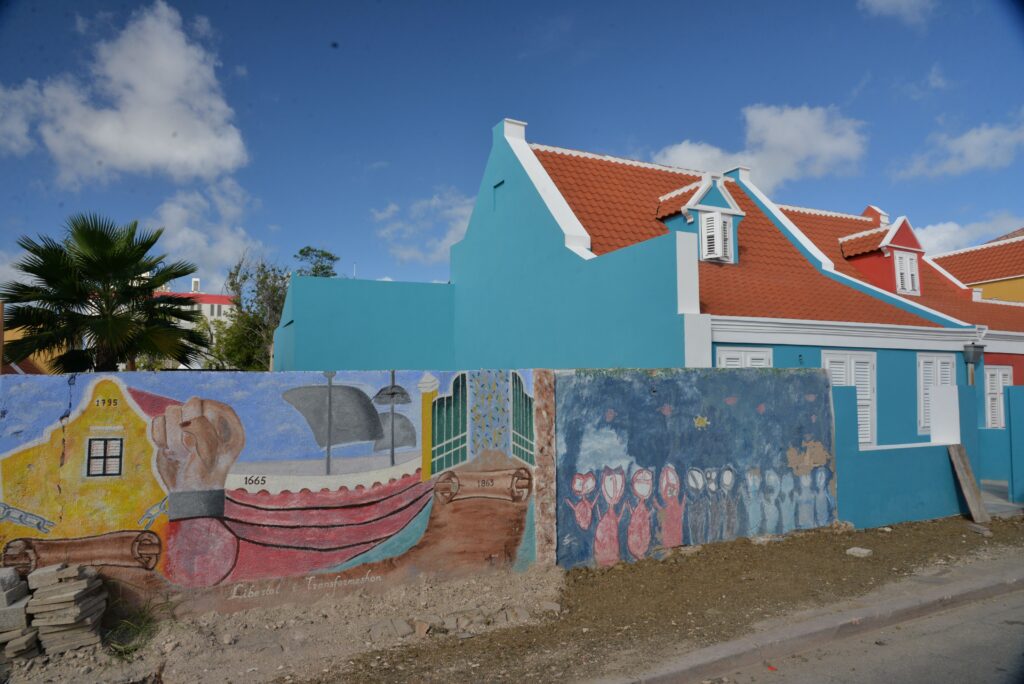
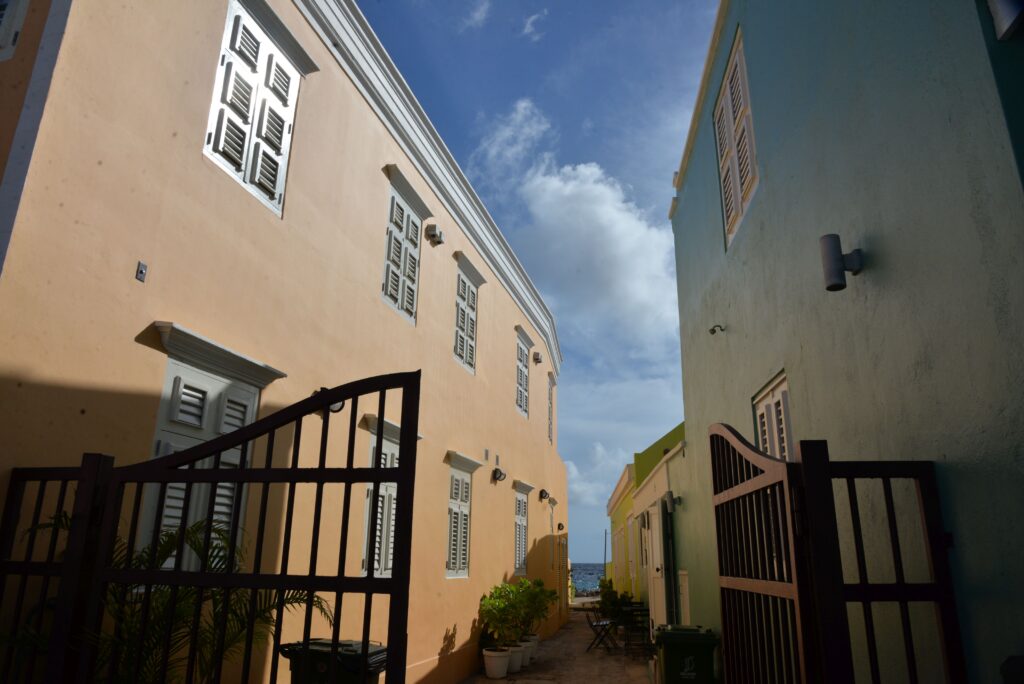
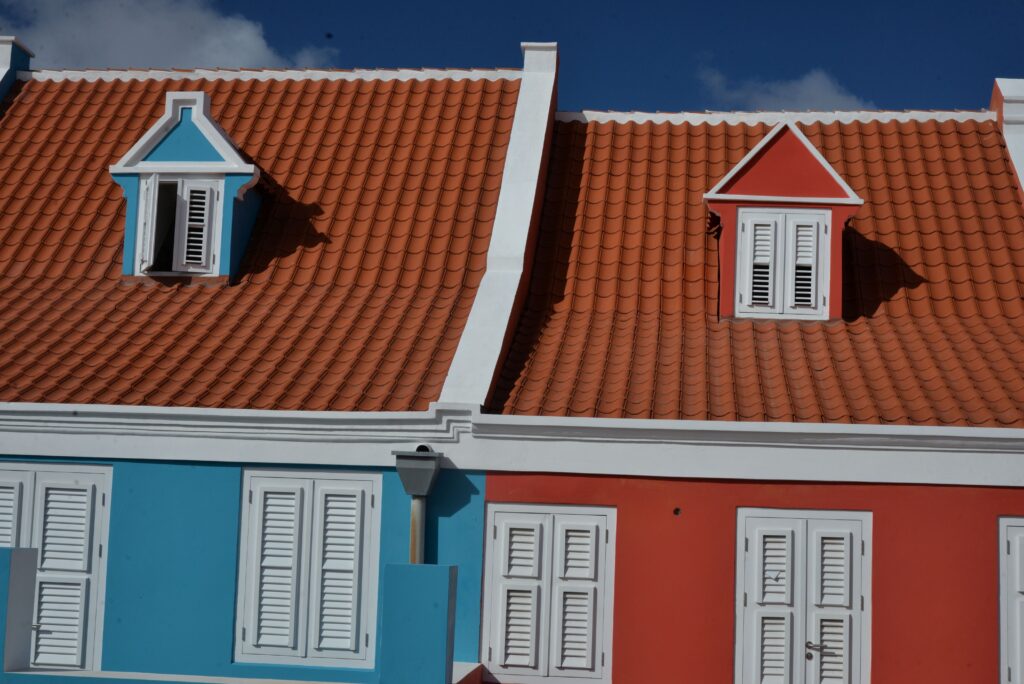
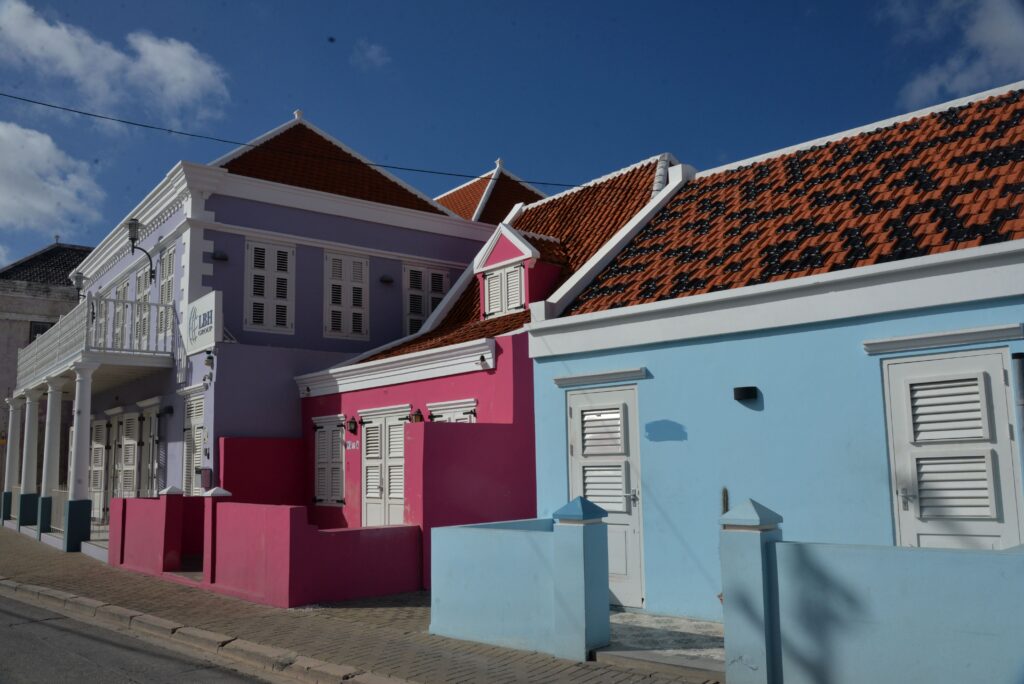
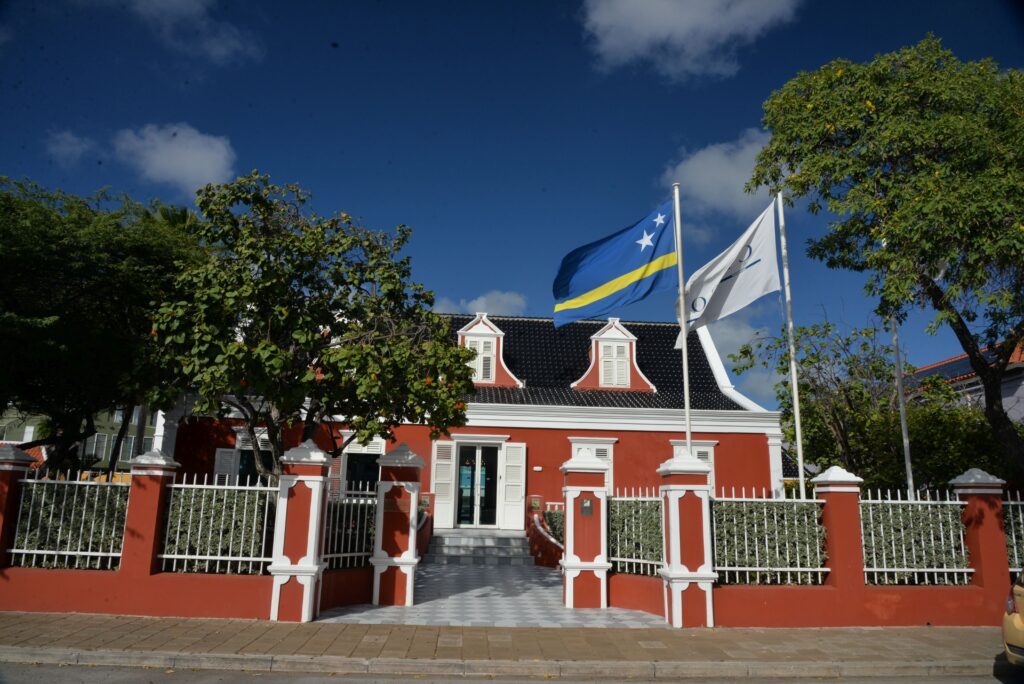
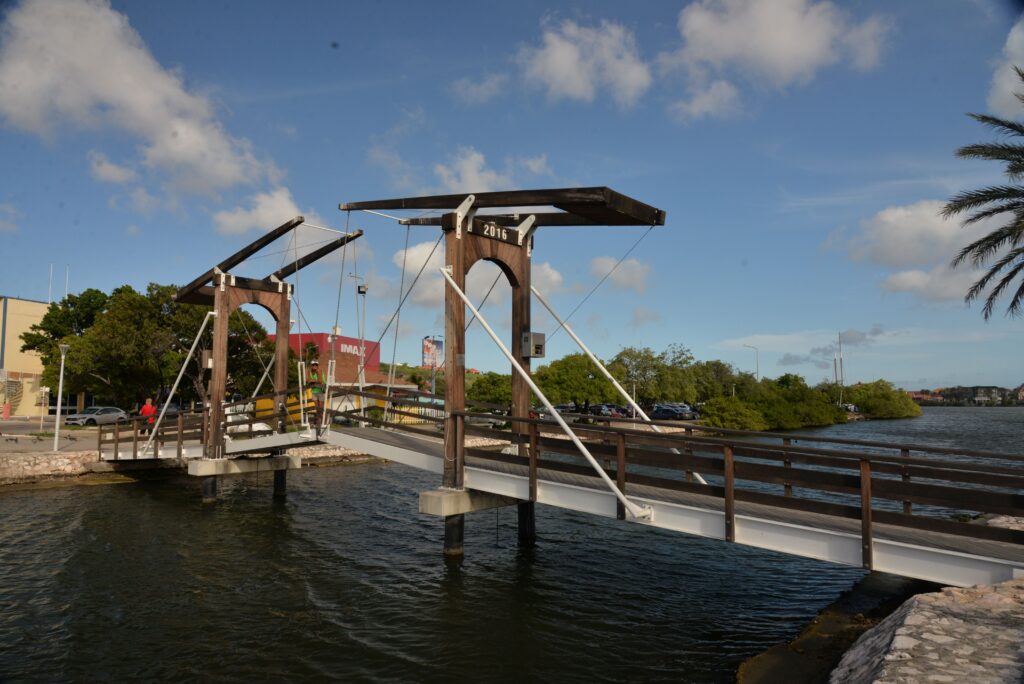
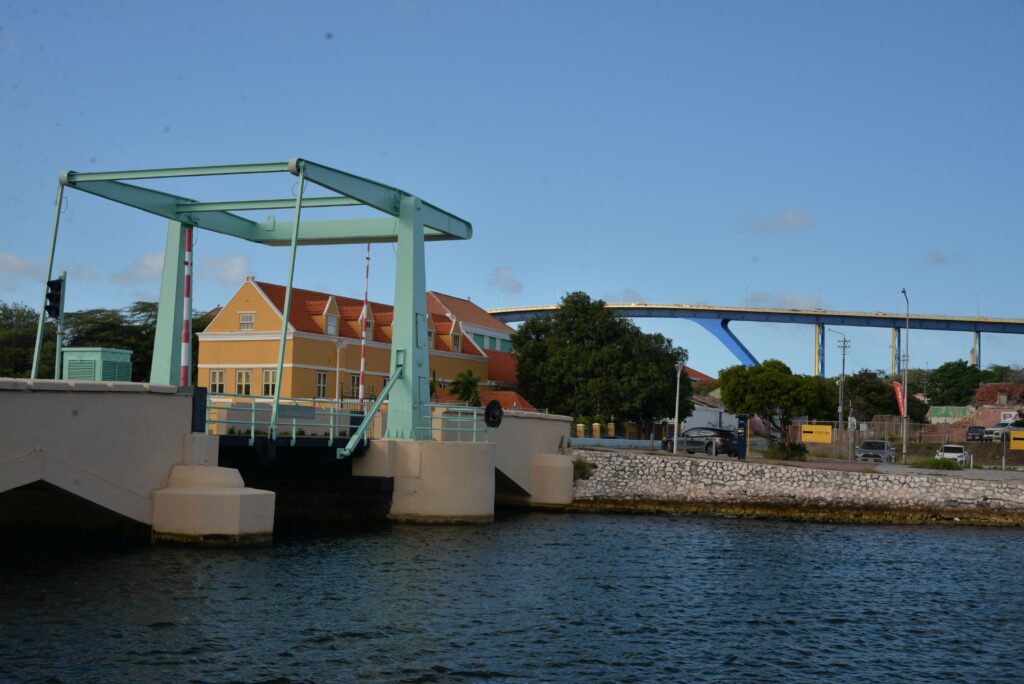
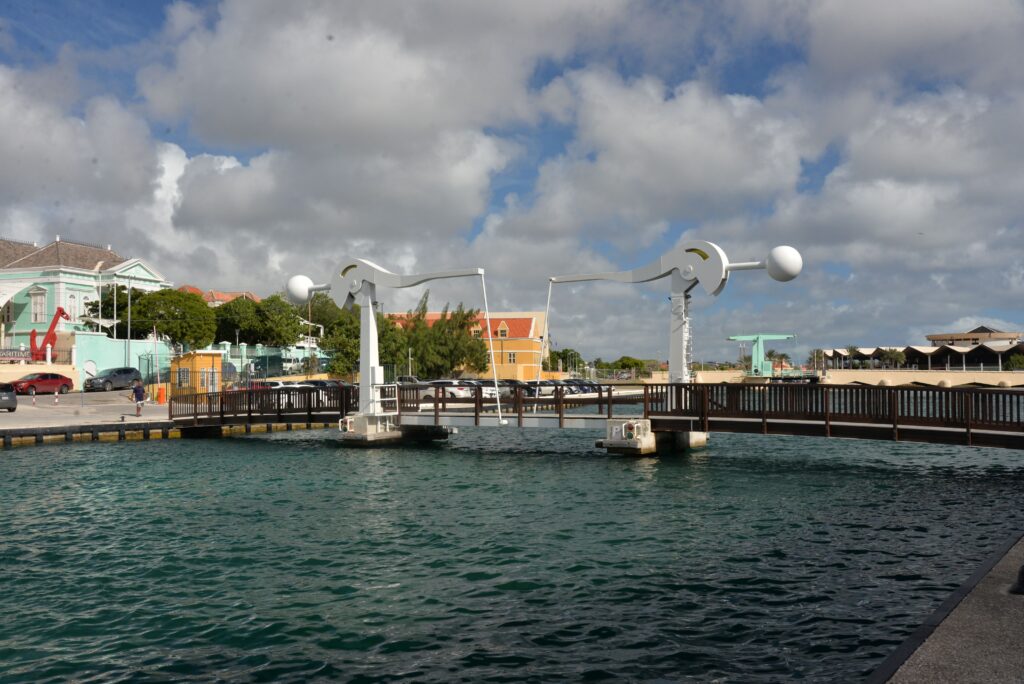
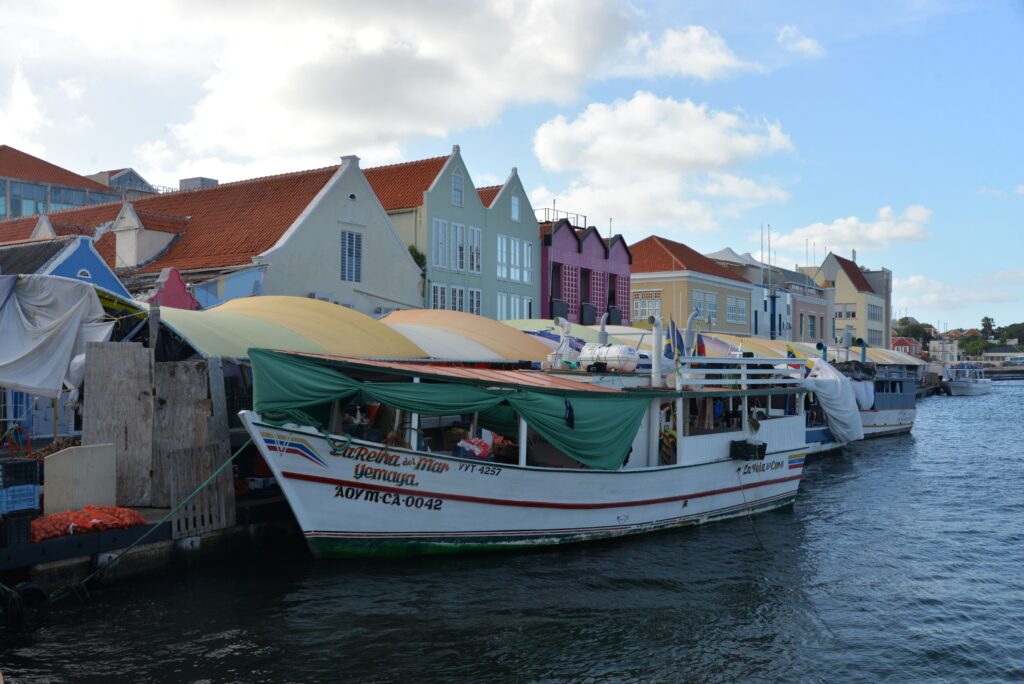
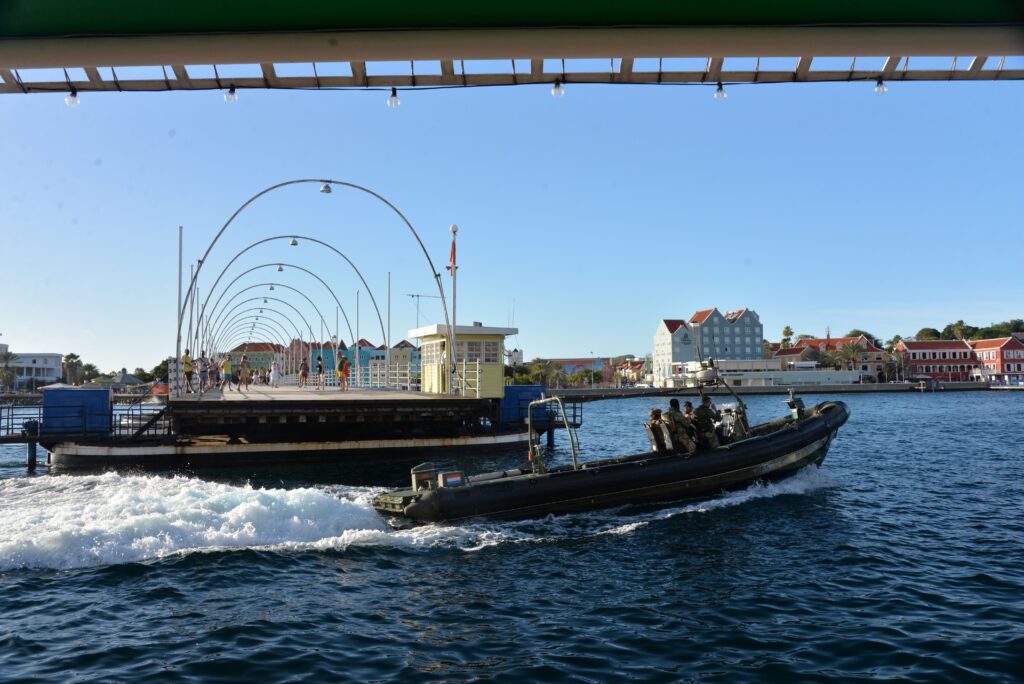
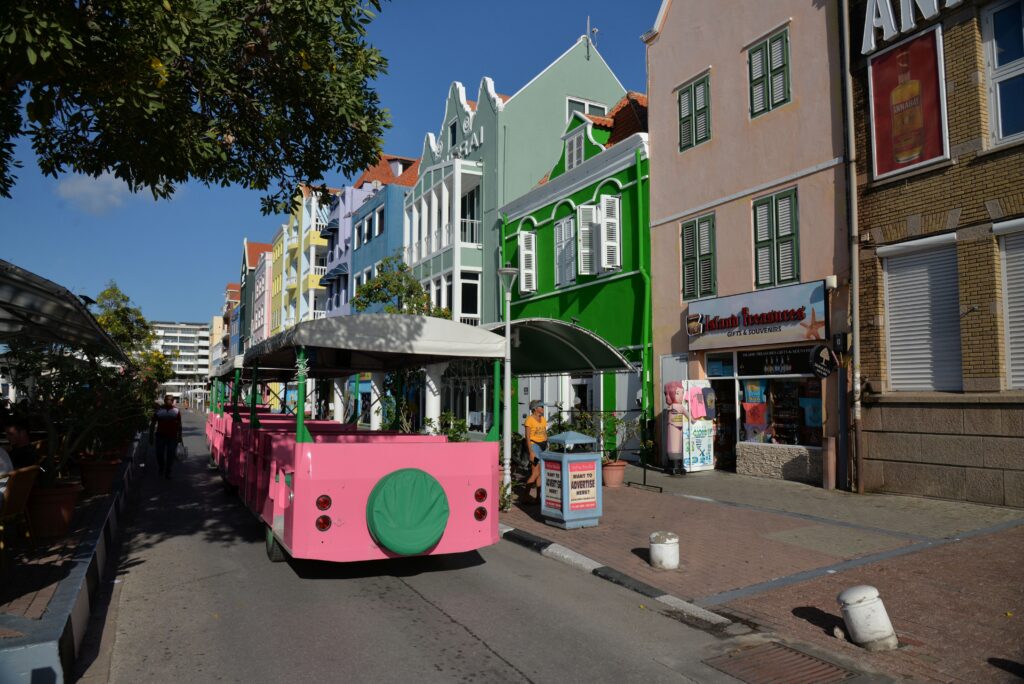
The next morning, we tackled the check-in process, which required a trip to Willemstad, the capital. Since yachts aren’t allowed to dock there, we were grateful for the local bus system, which made the journey manageable. Once formalities were complete, we finally had time to explore.

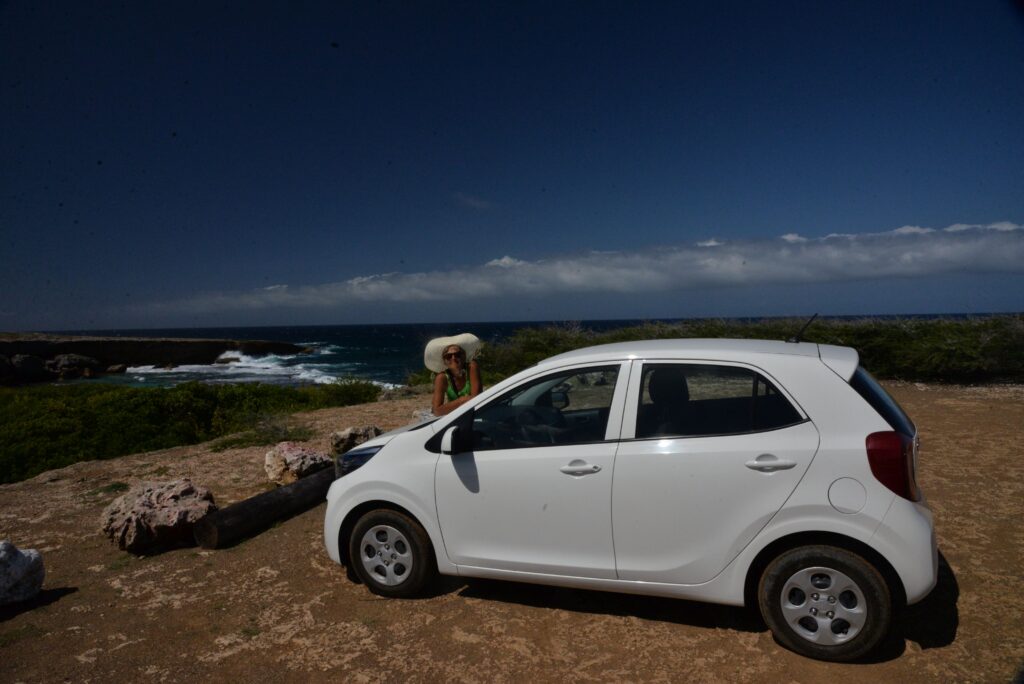
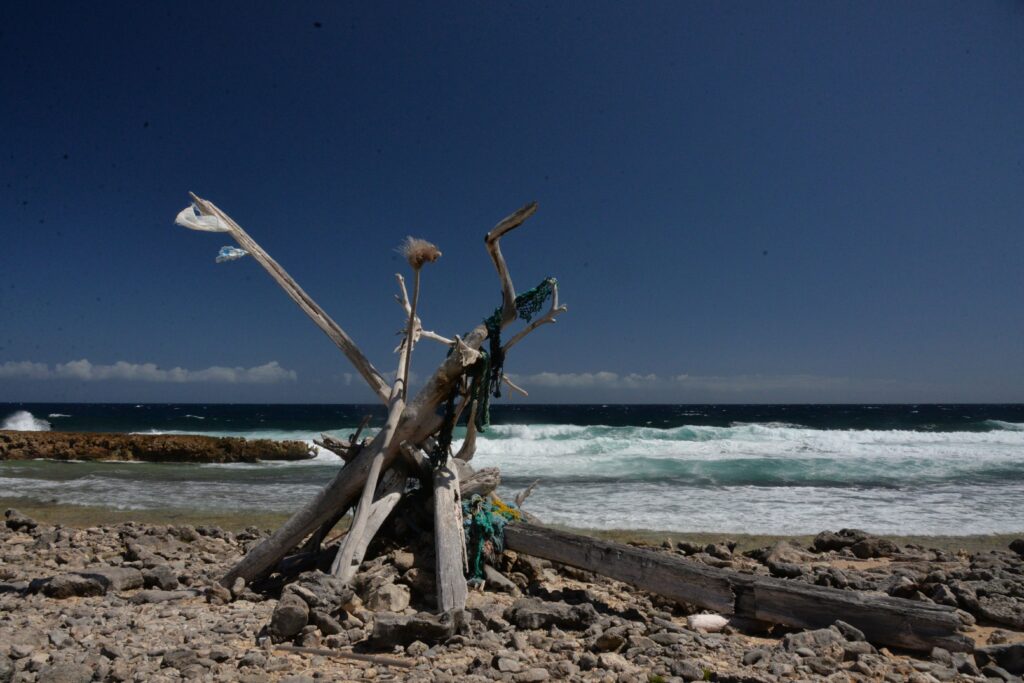
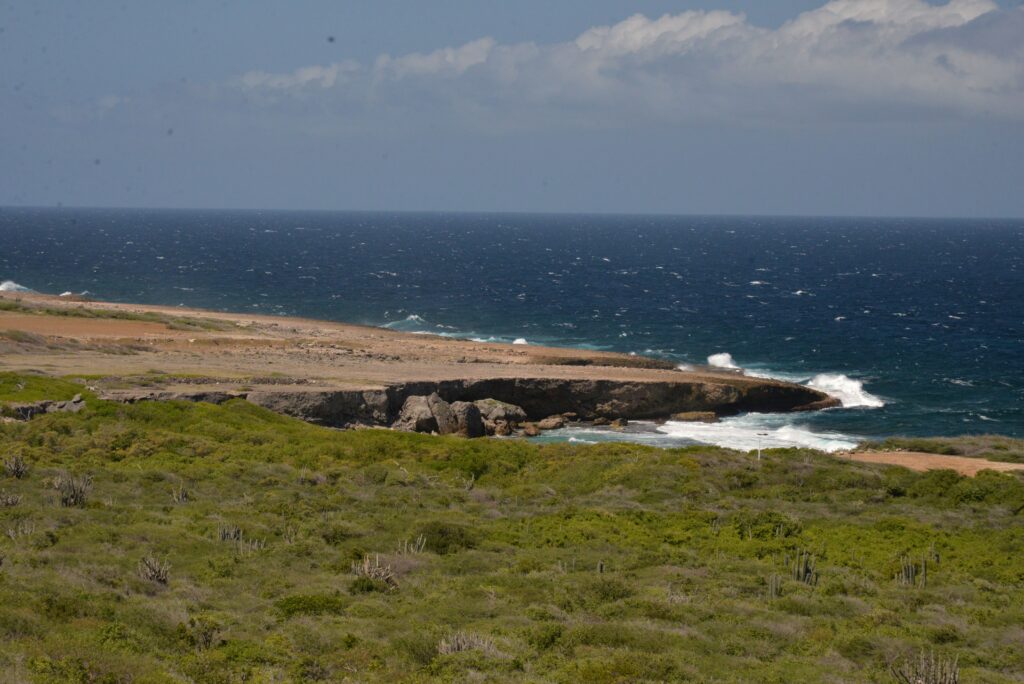
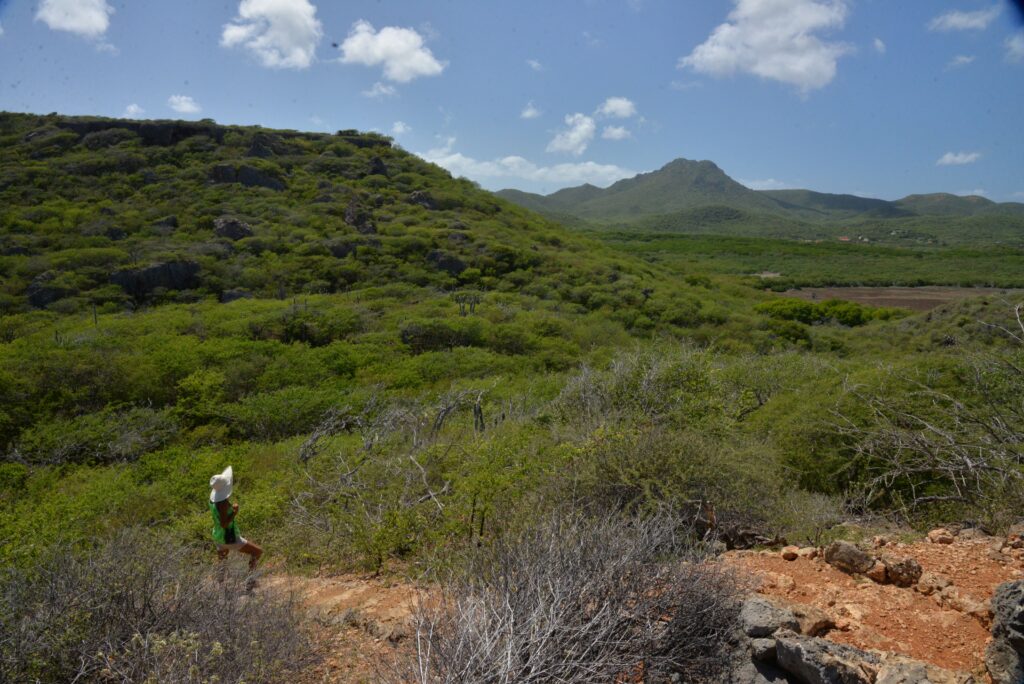
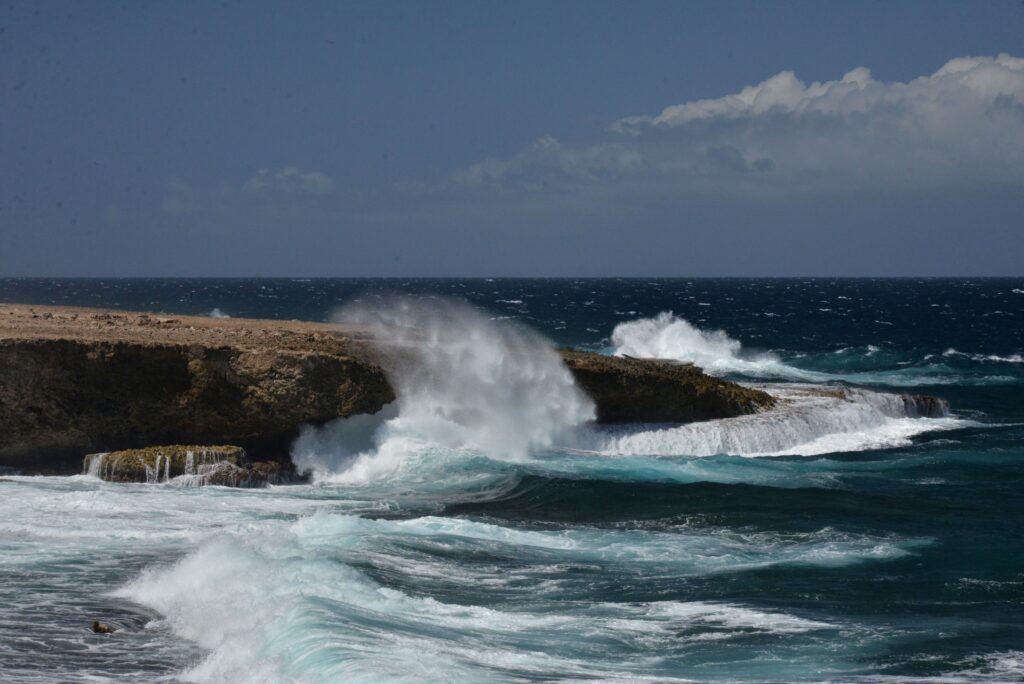
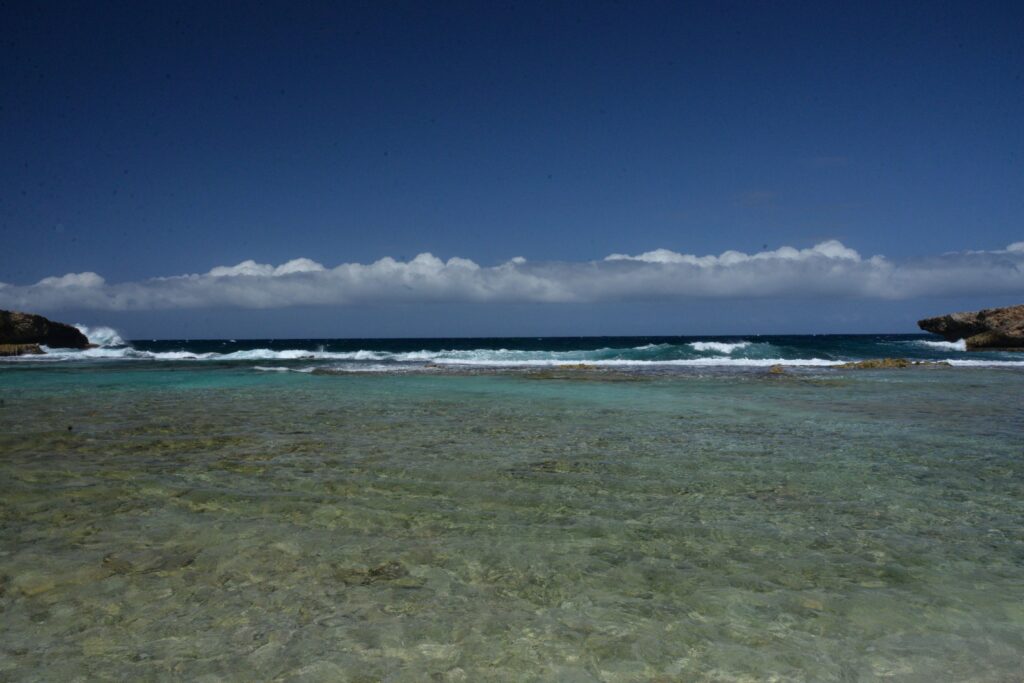
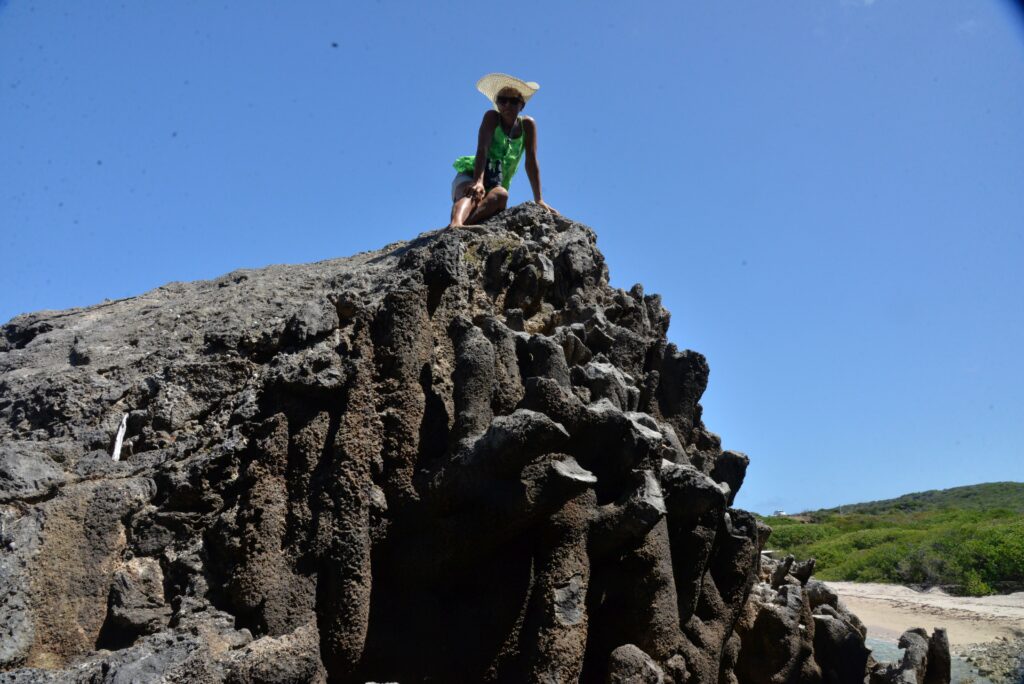
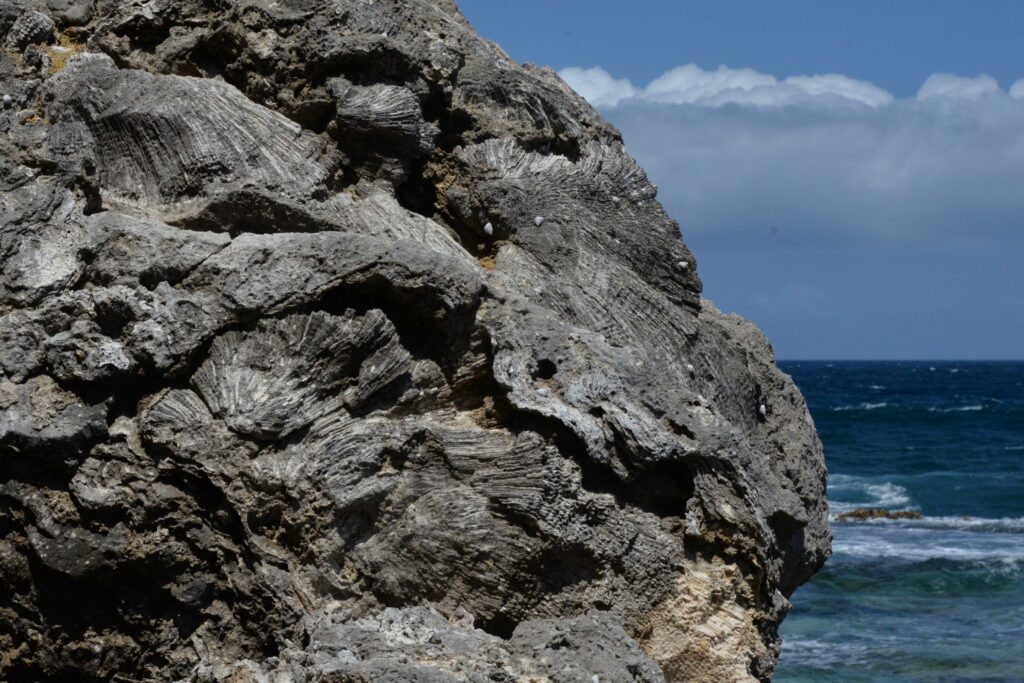
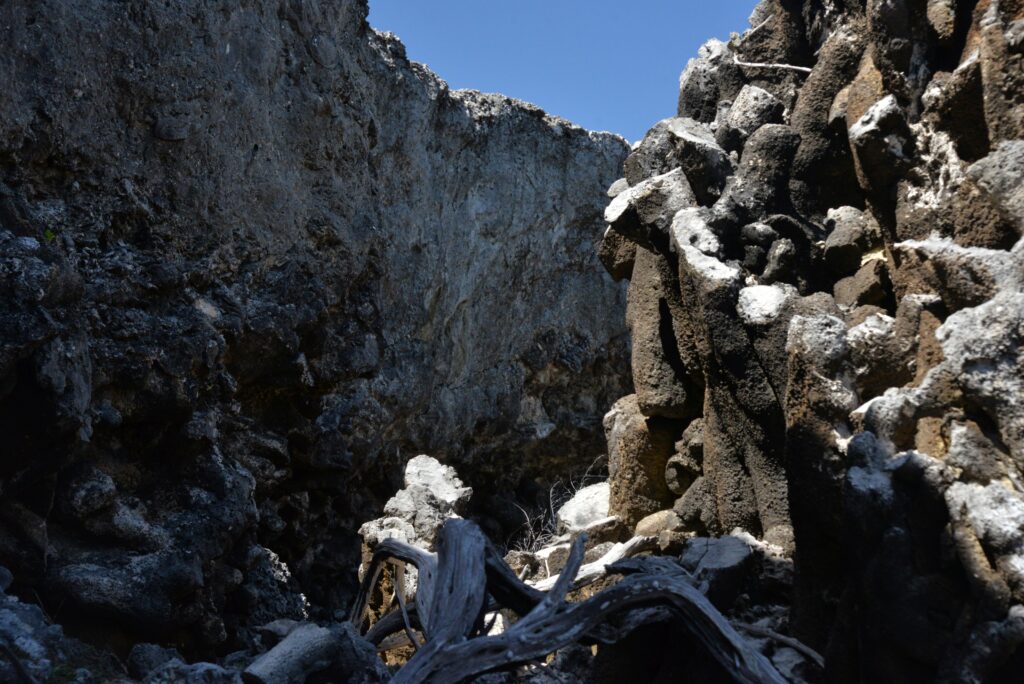
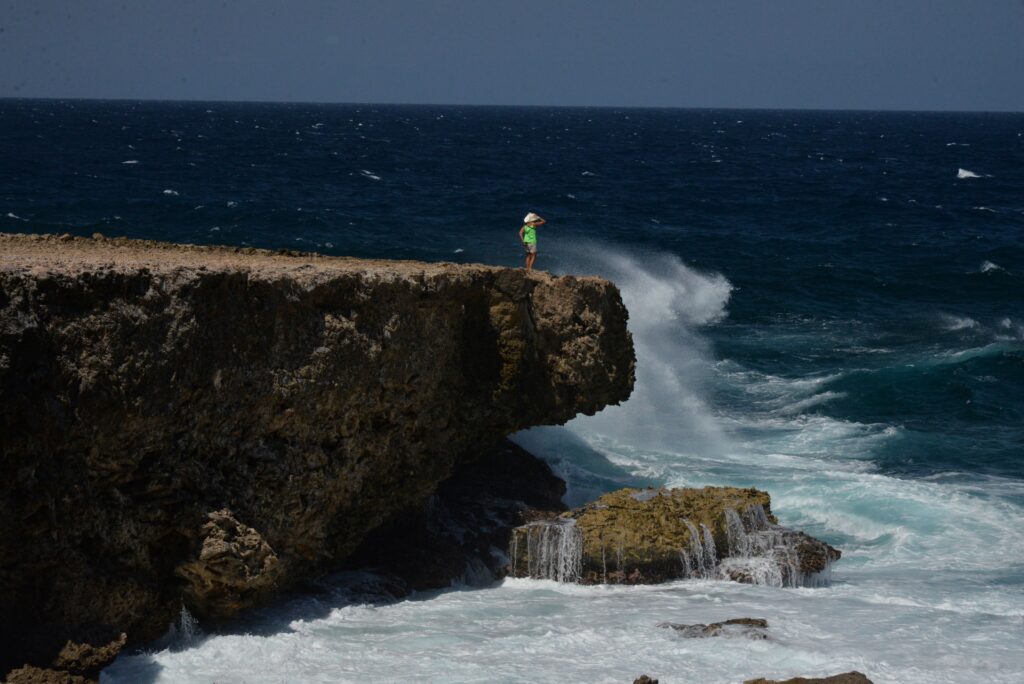
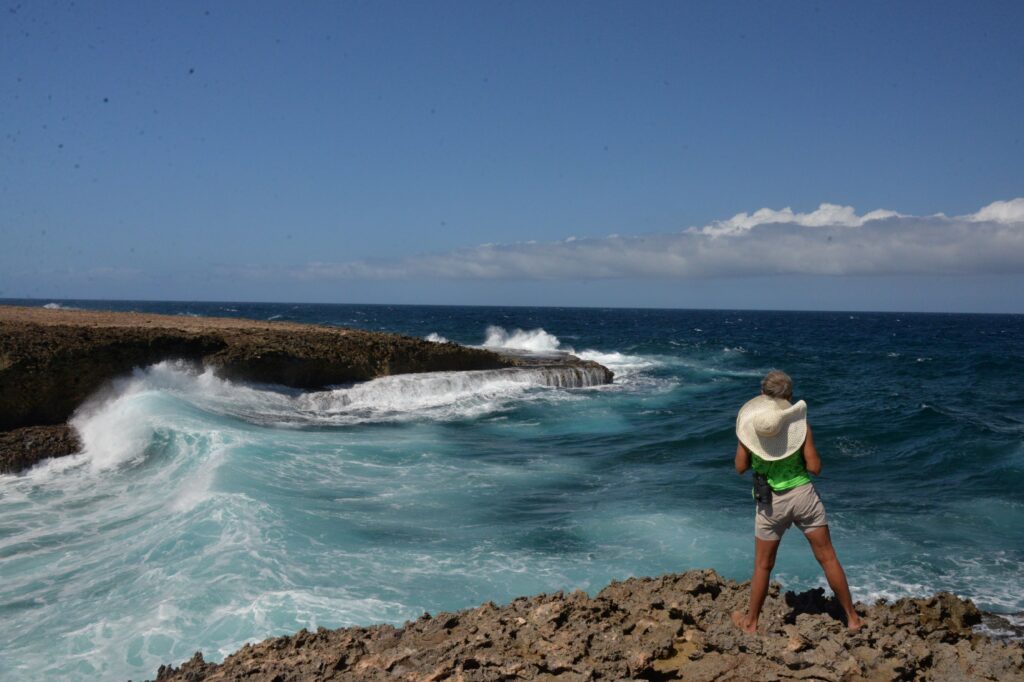
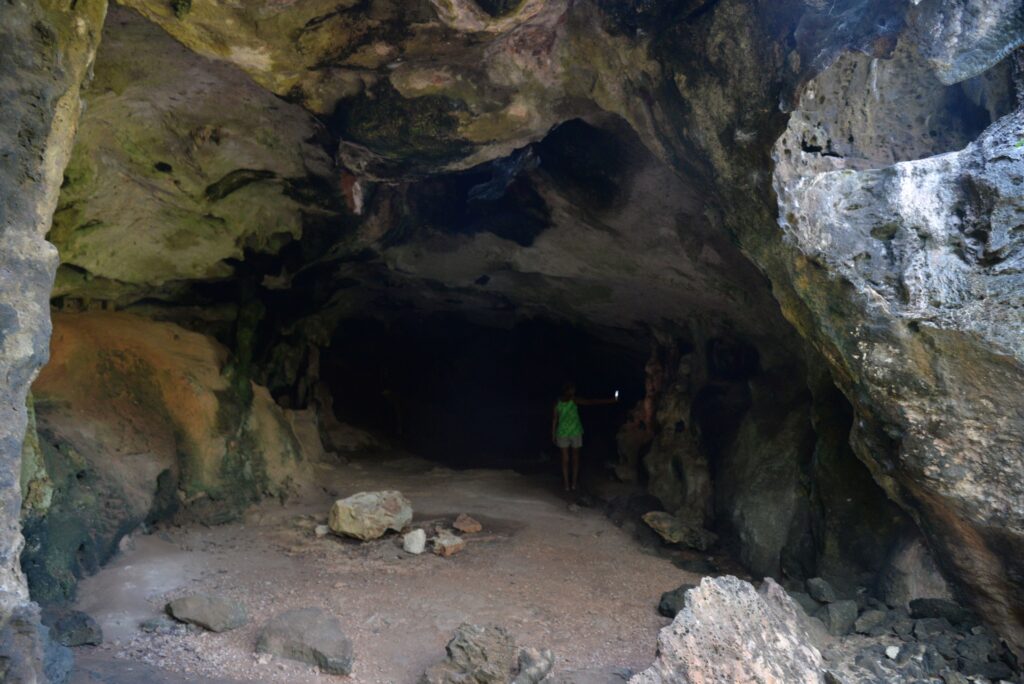
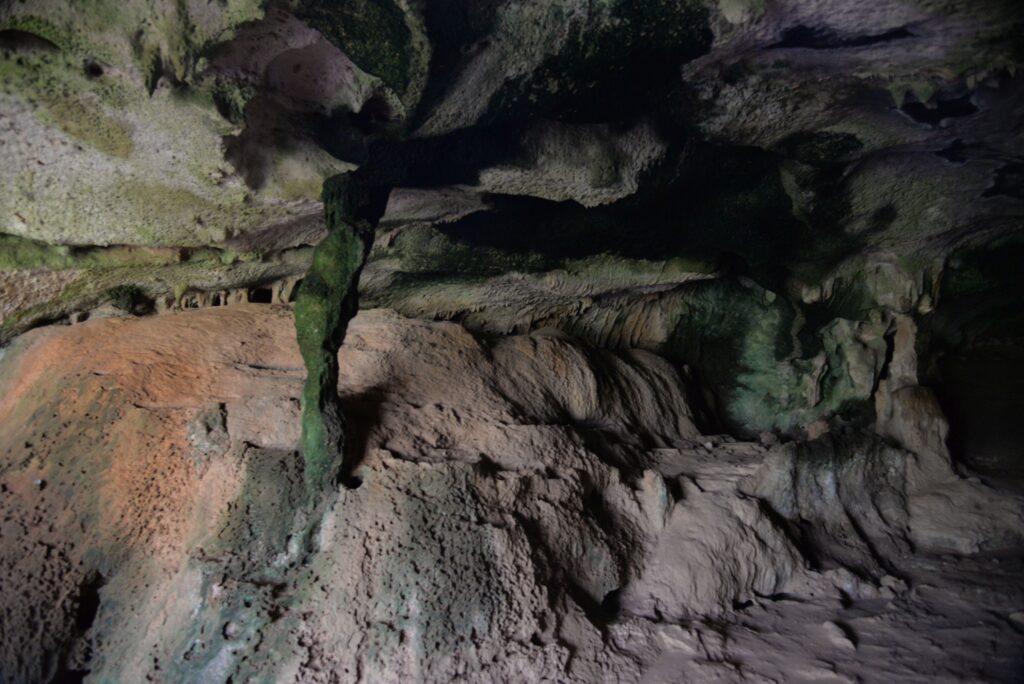
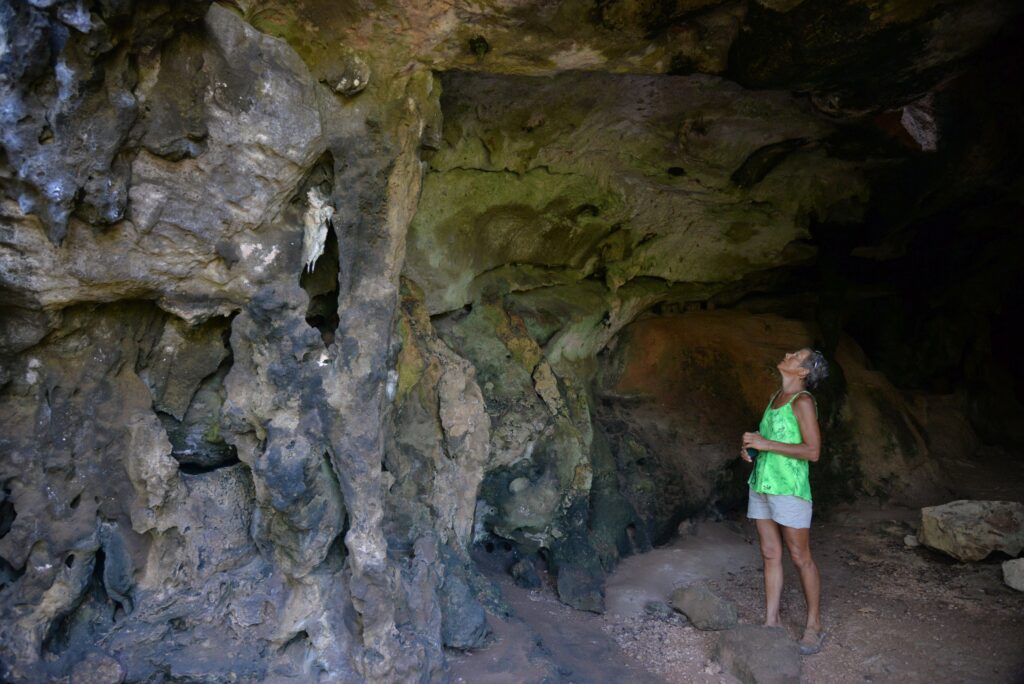
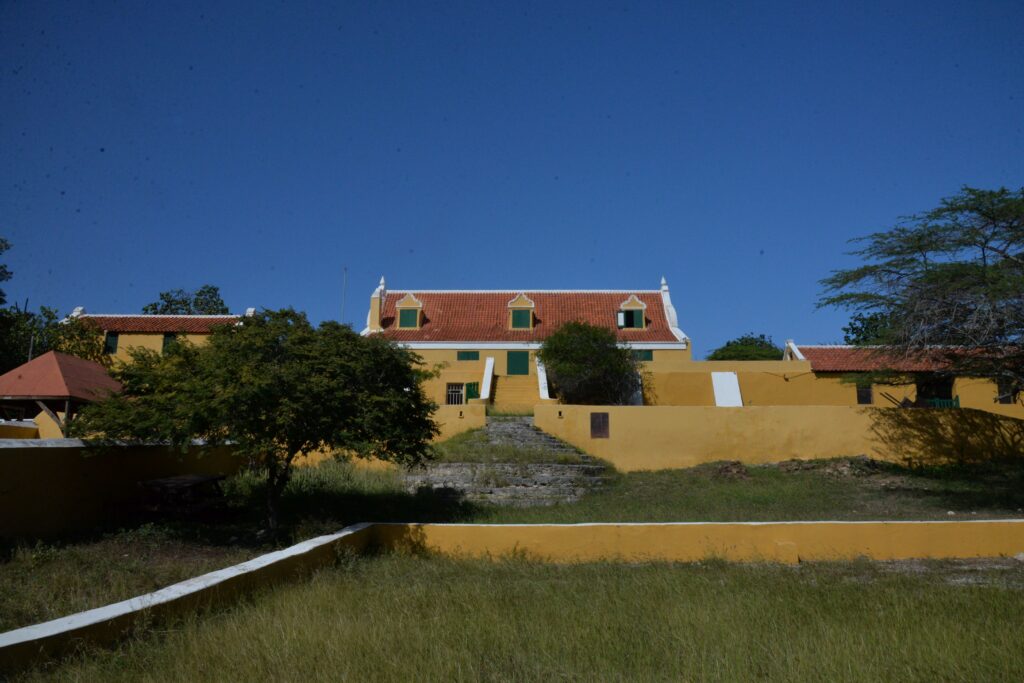
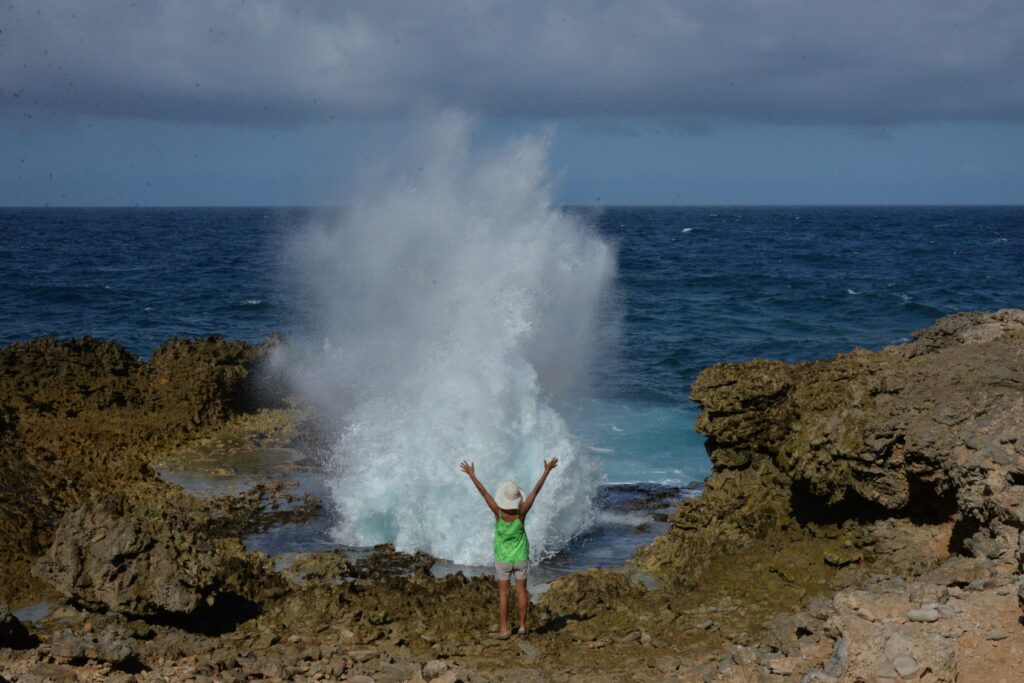
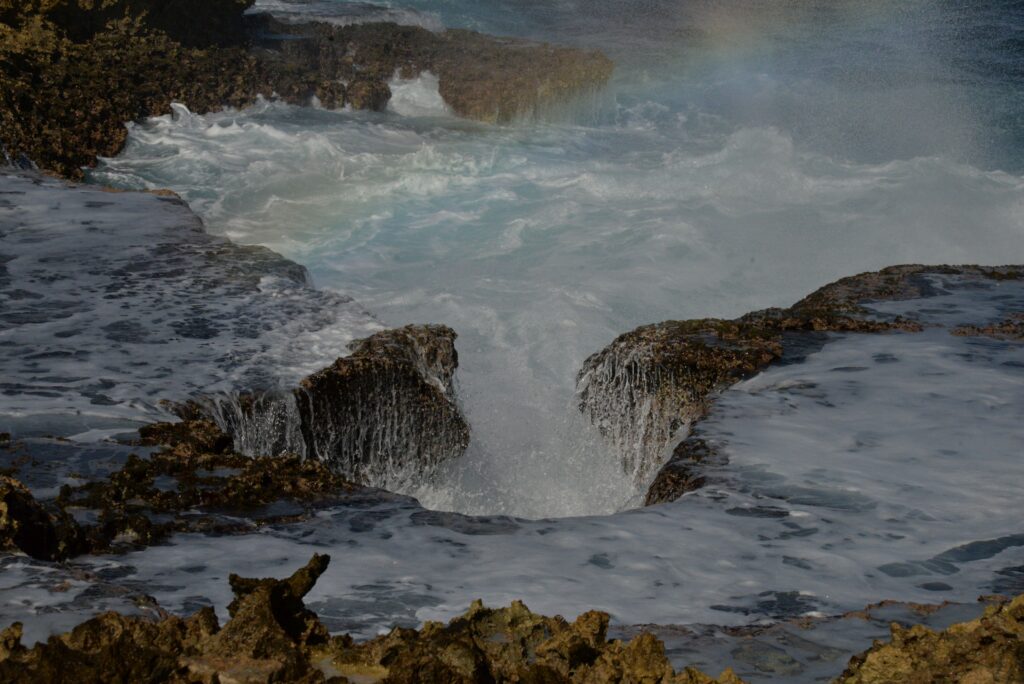
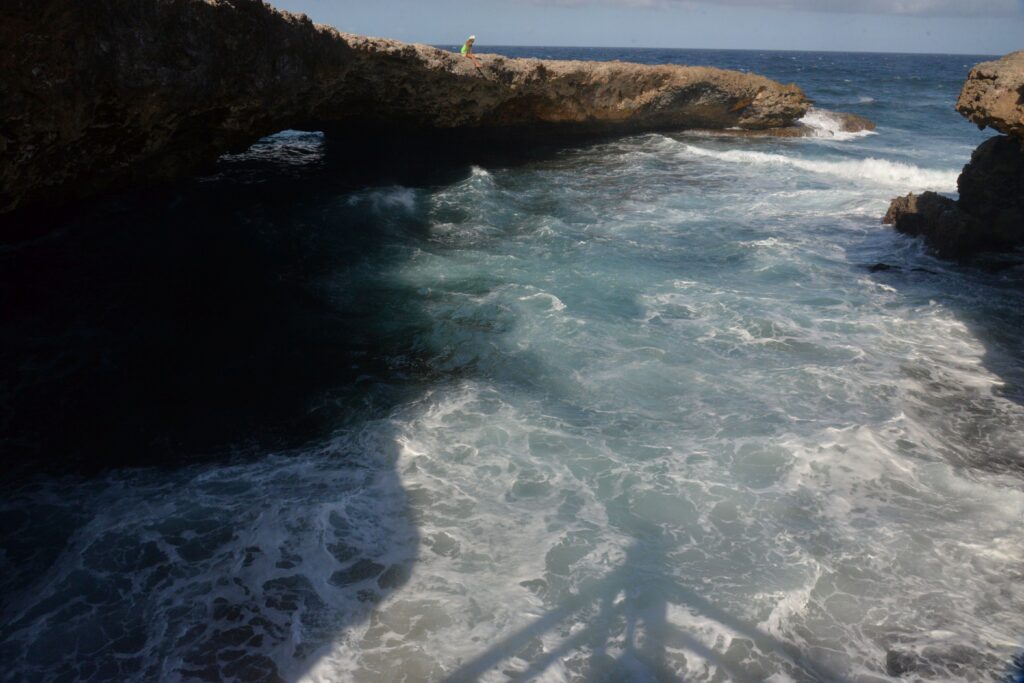
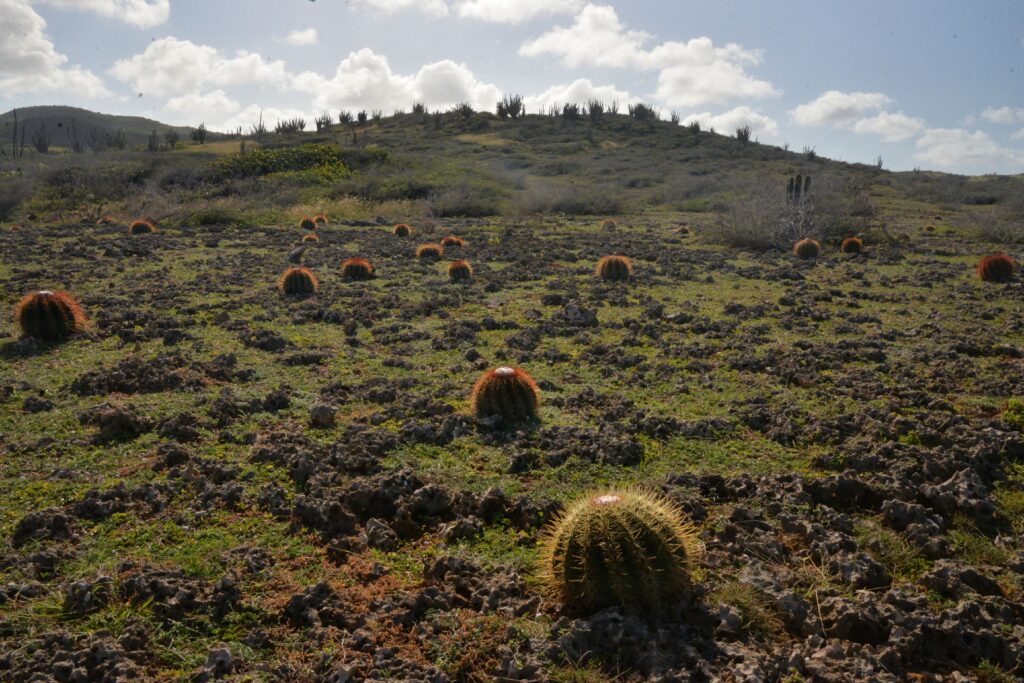
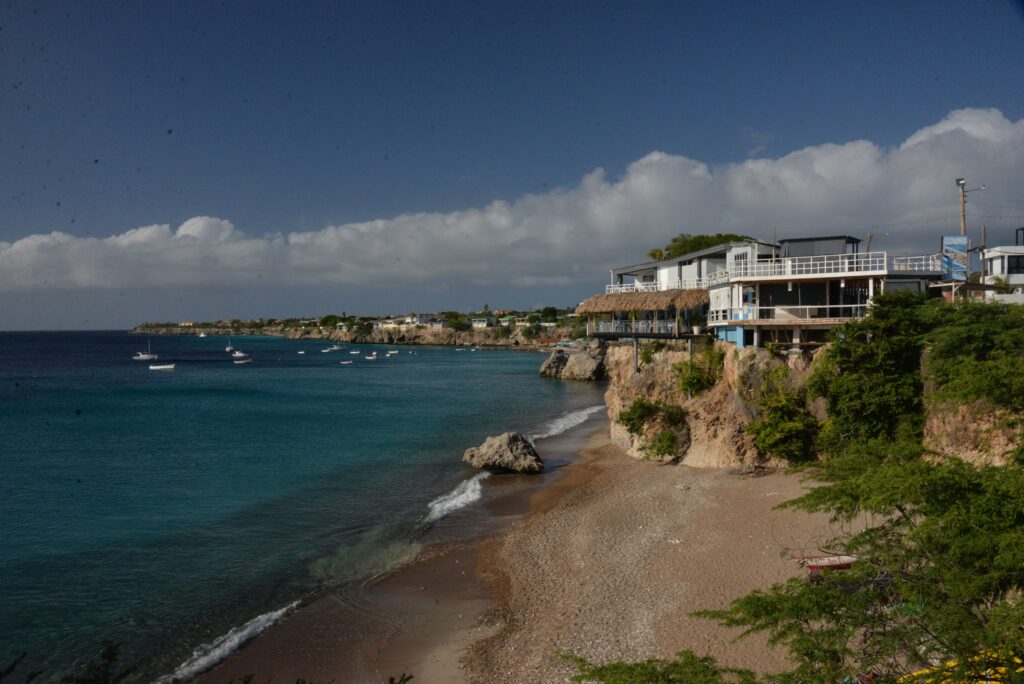
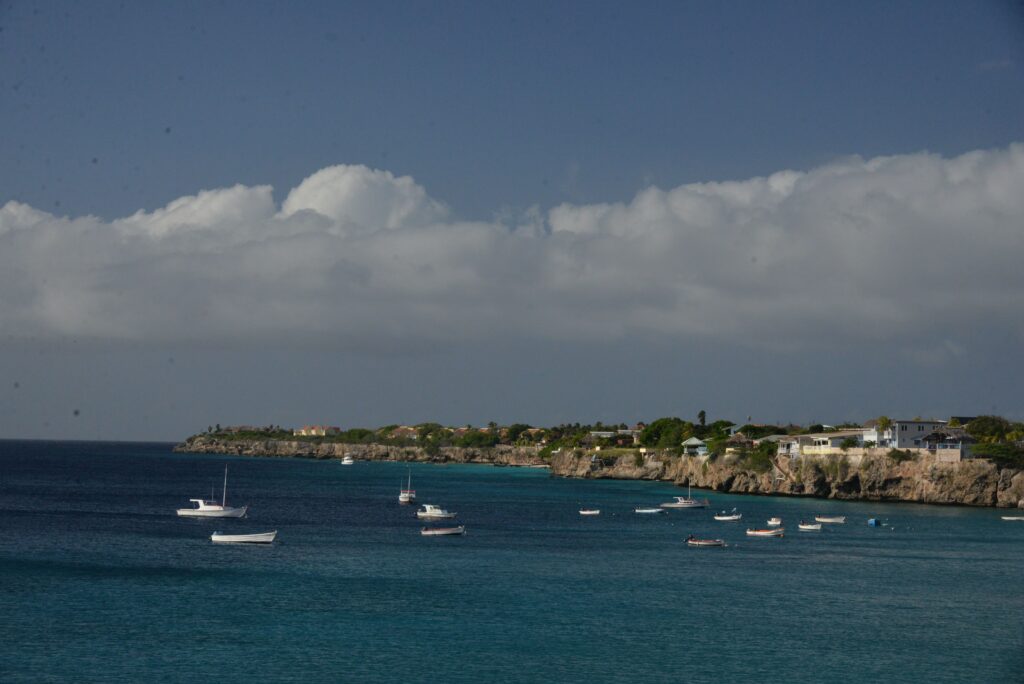
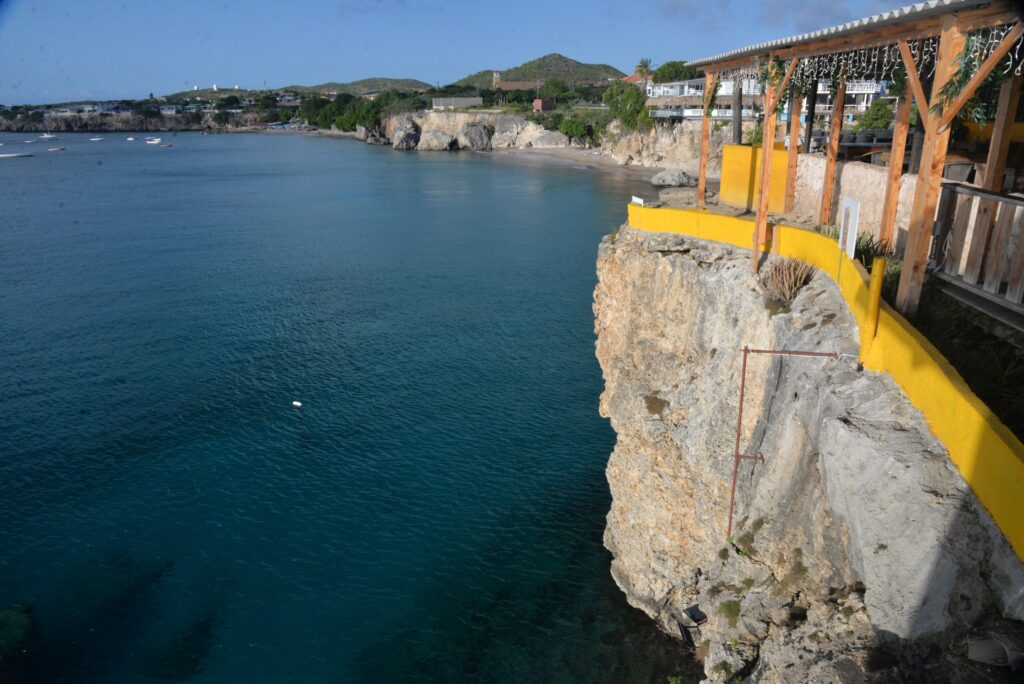
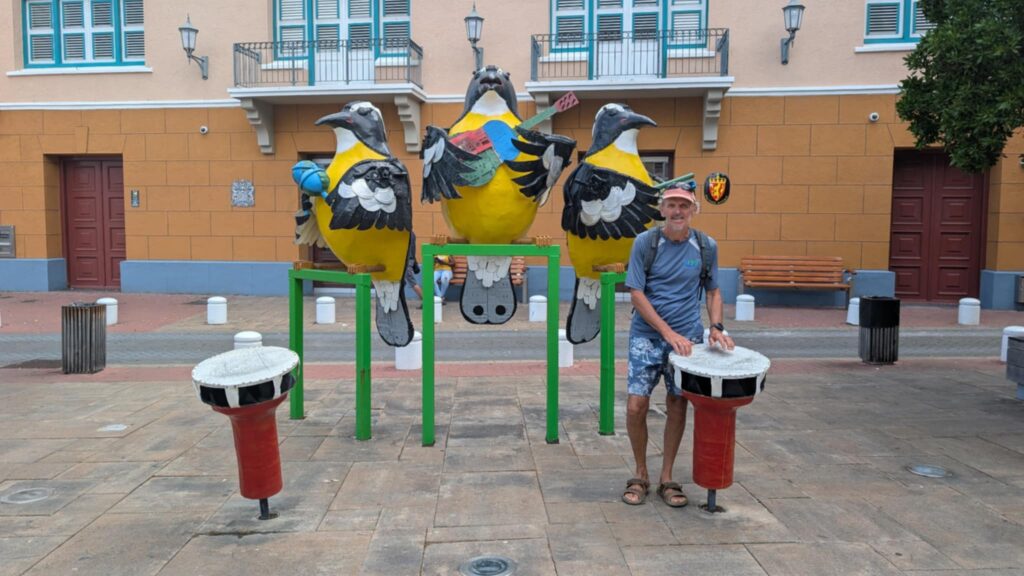
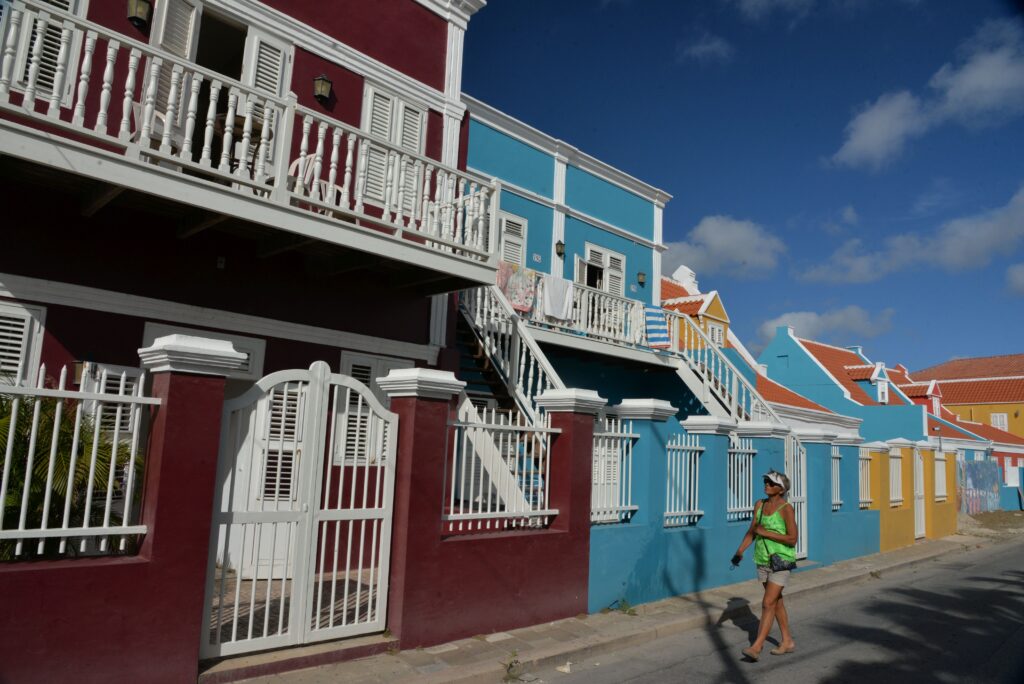
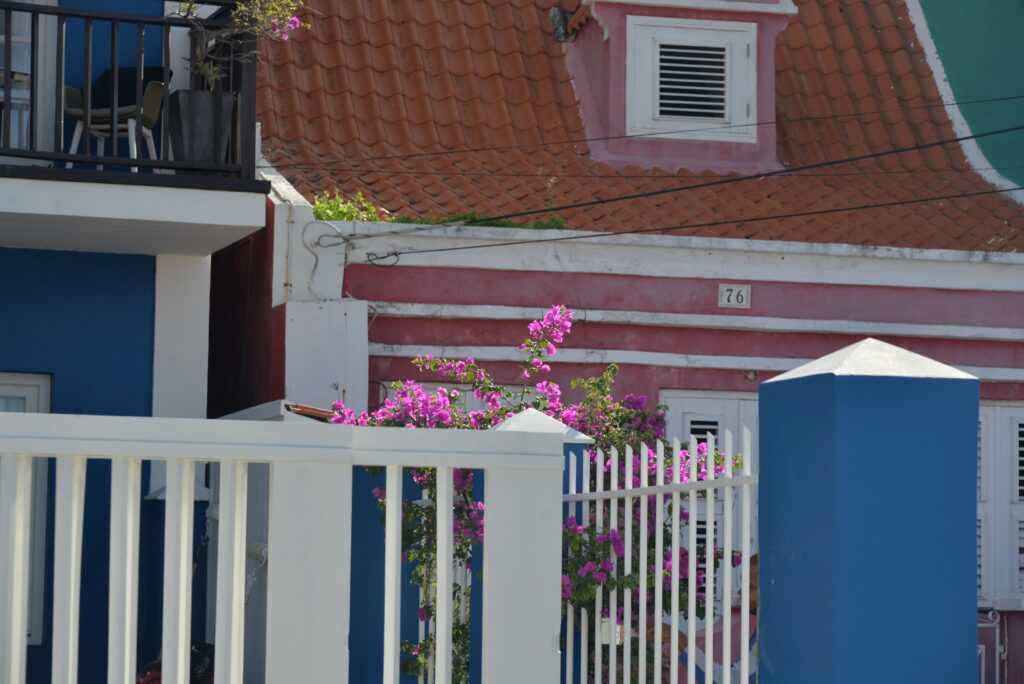
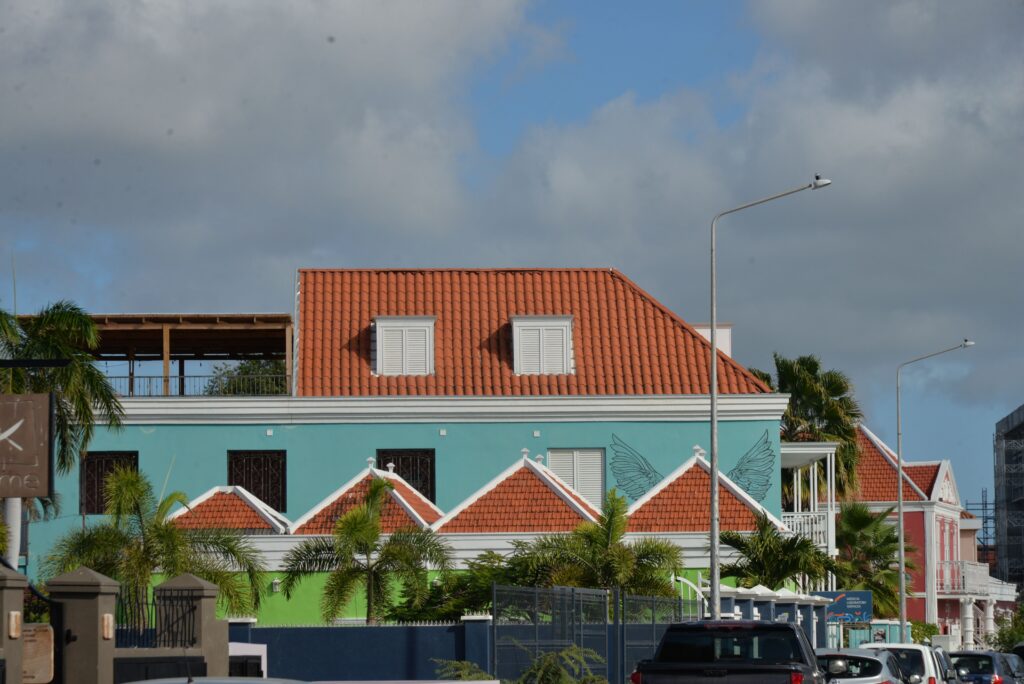
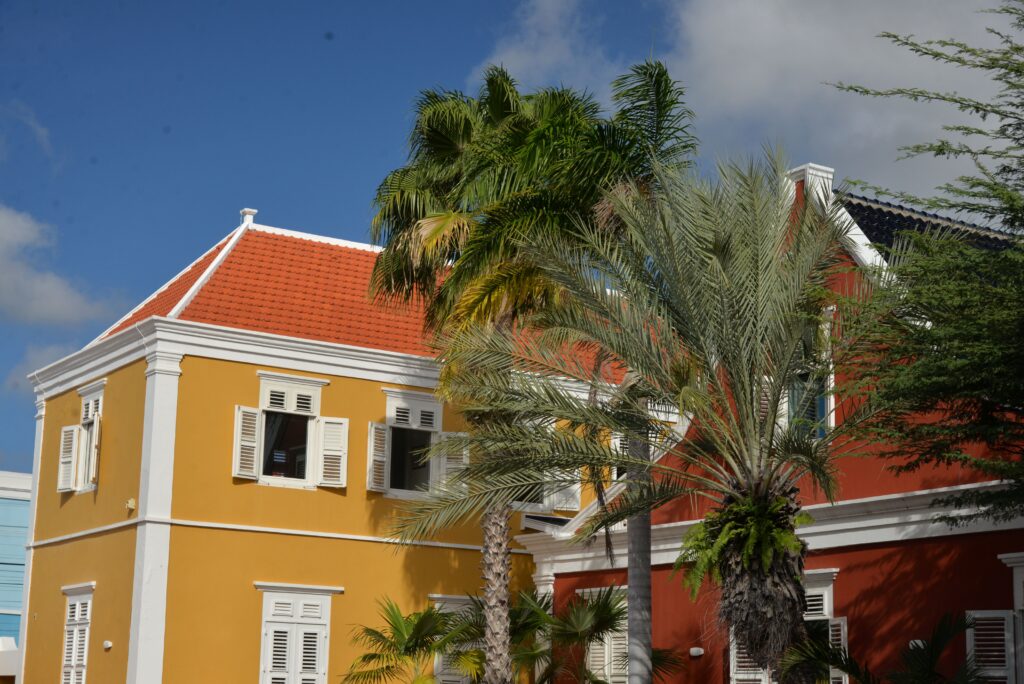
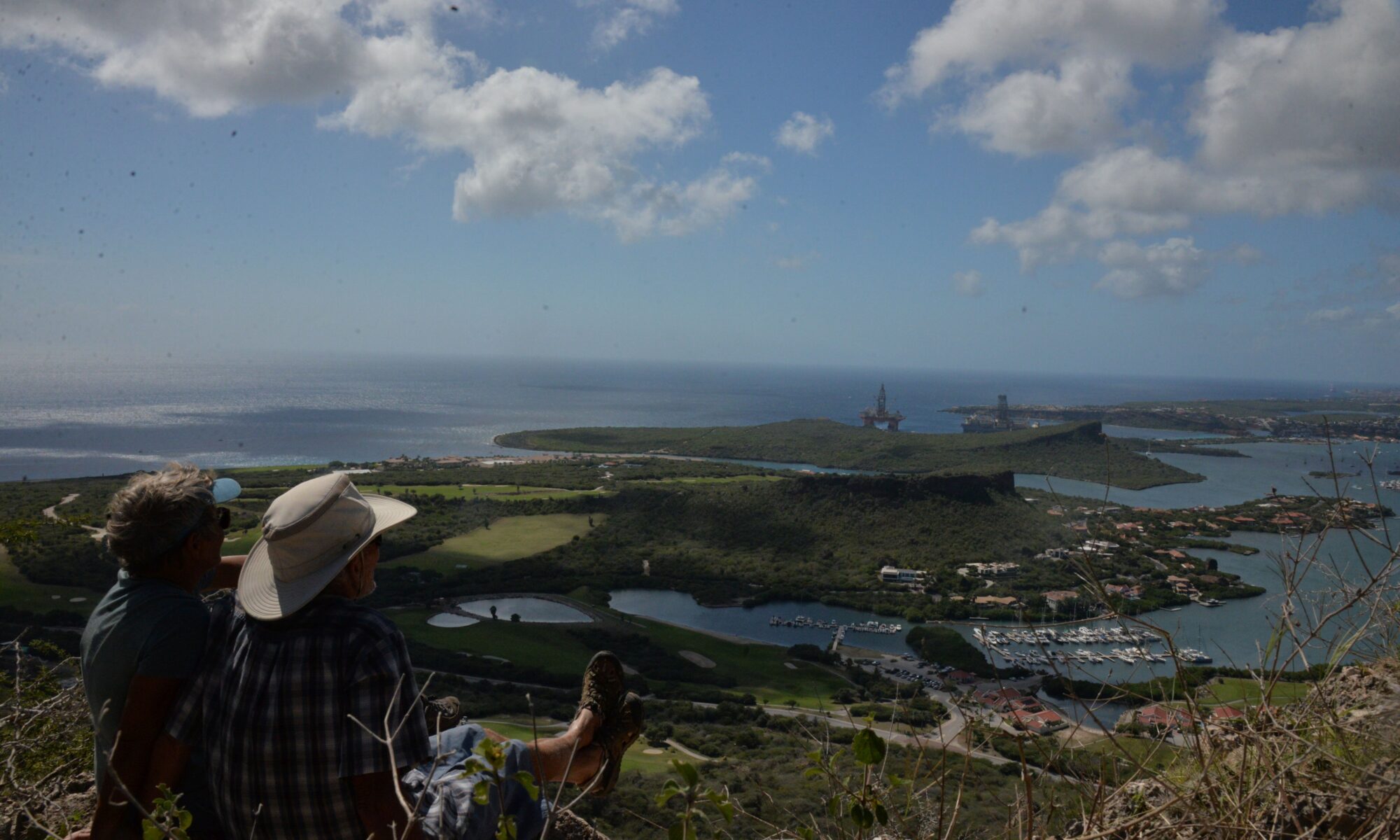
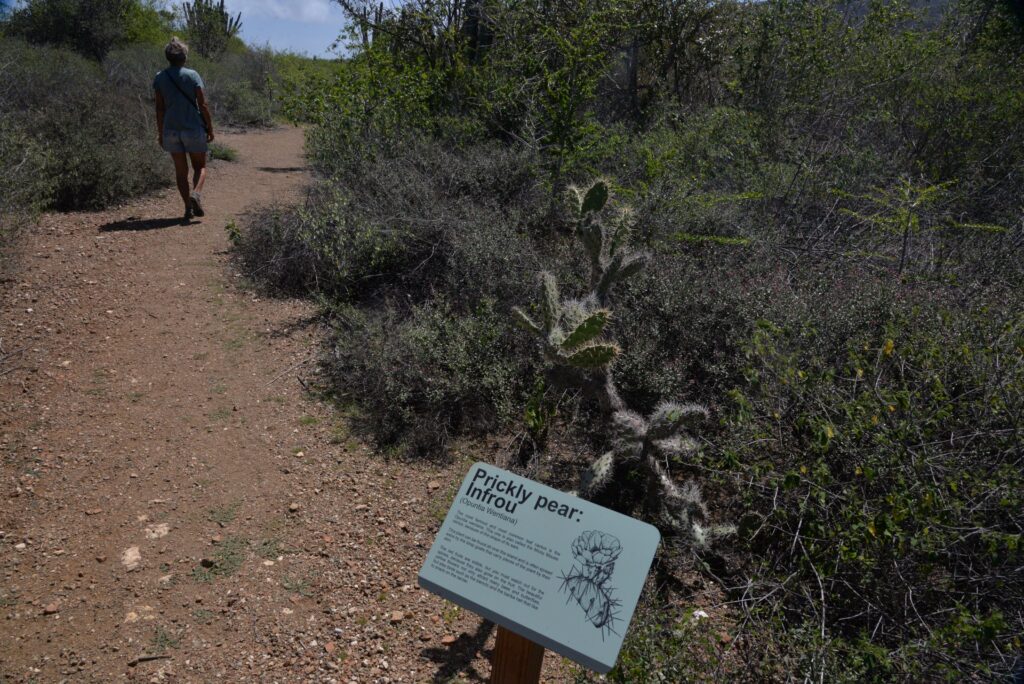
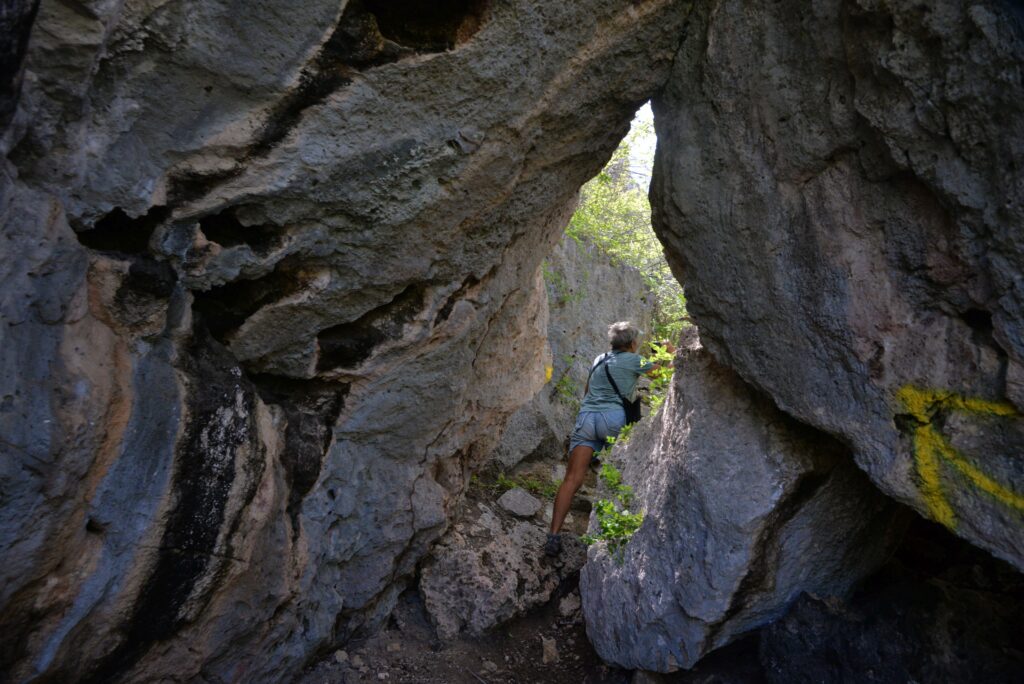
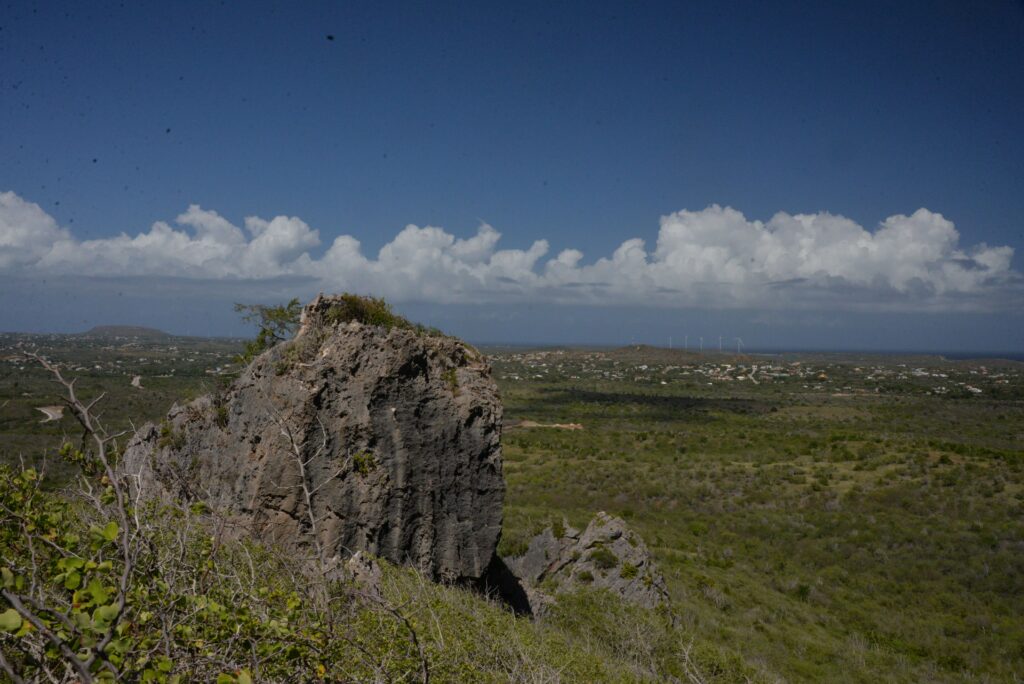
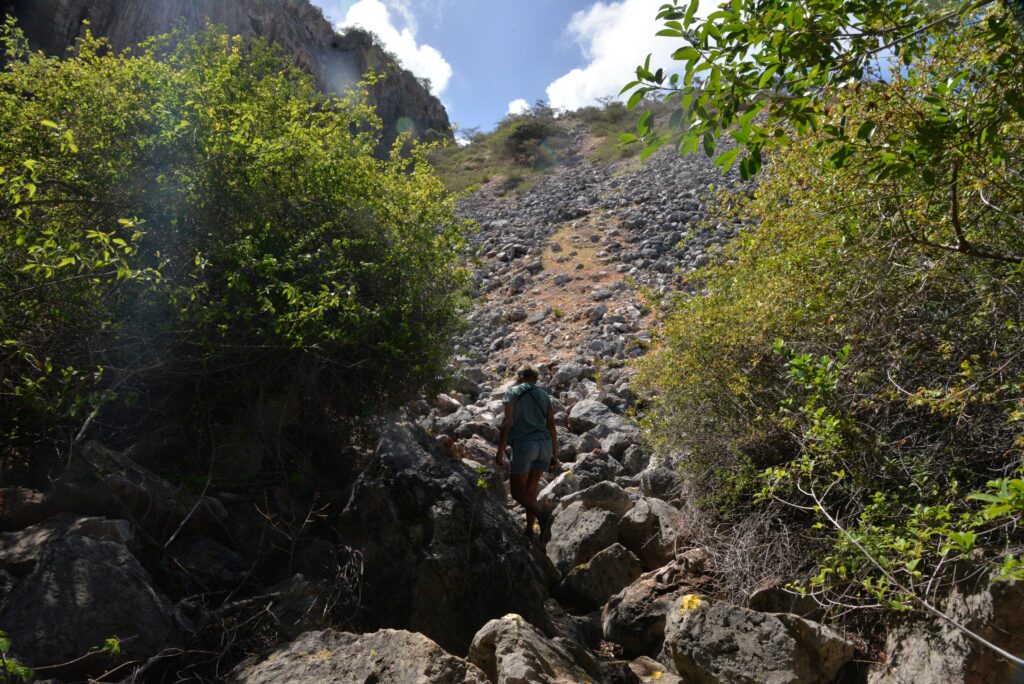
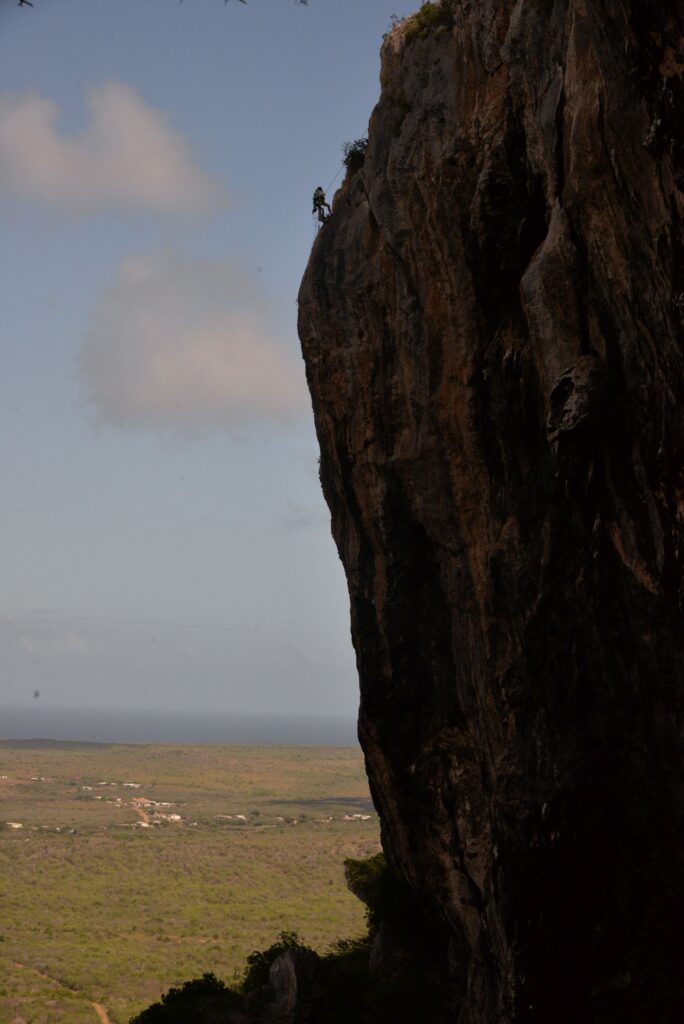
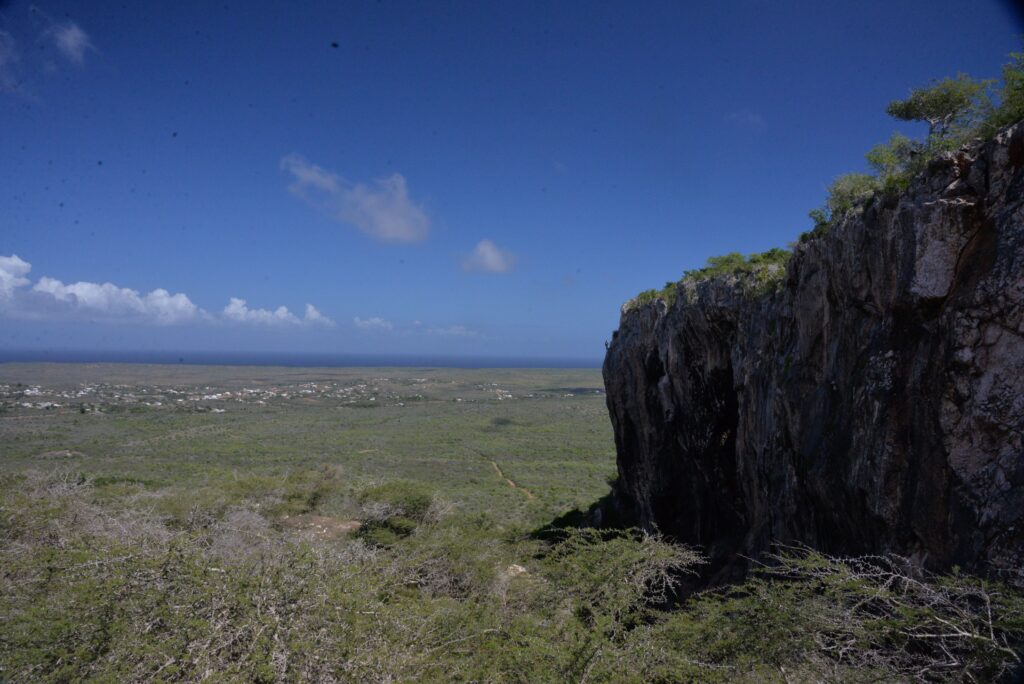
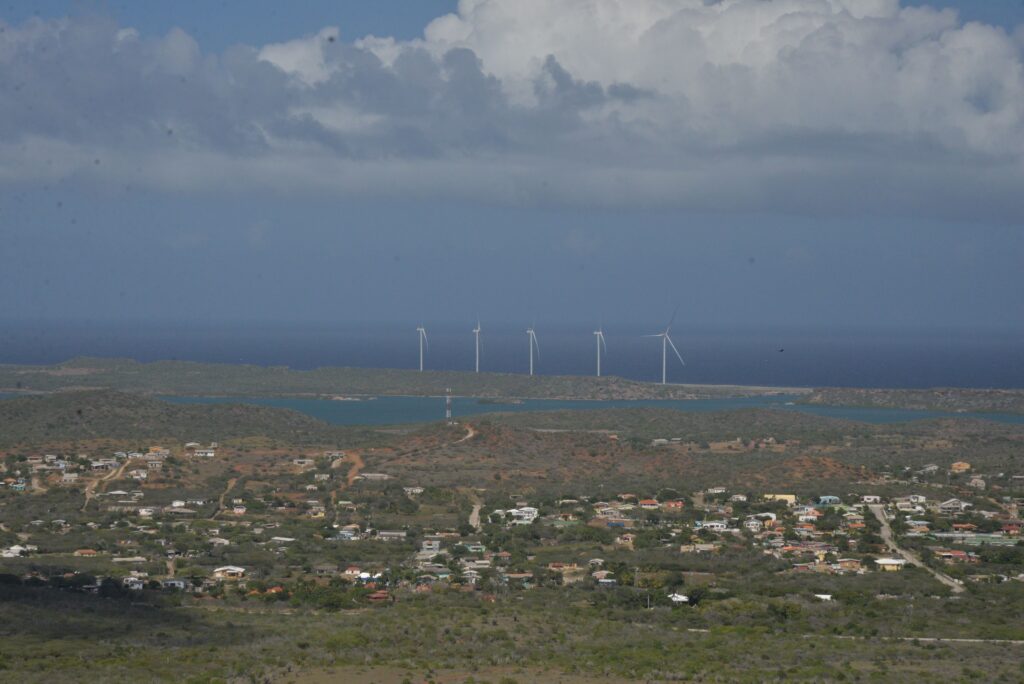
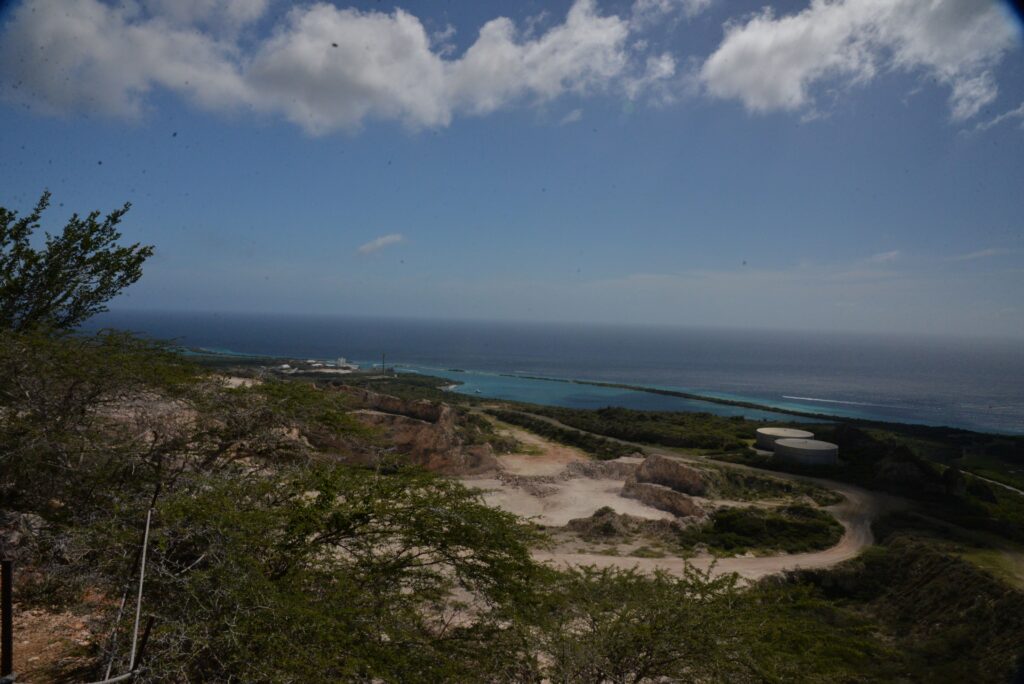
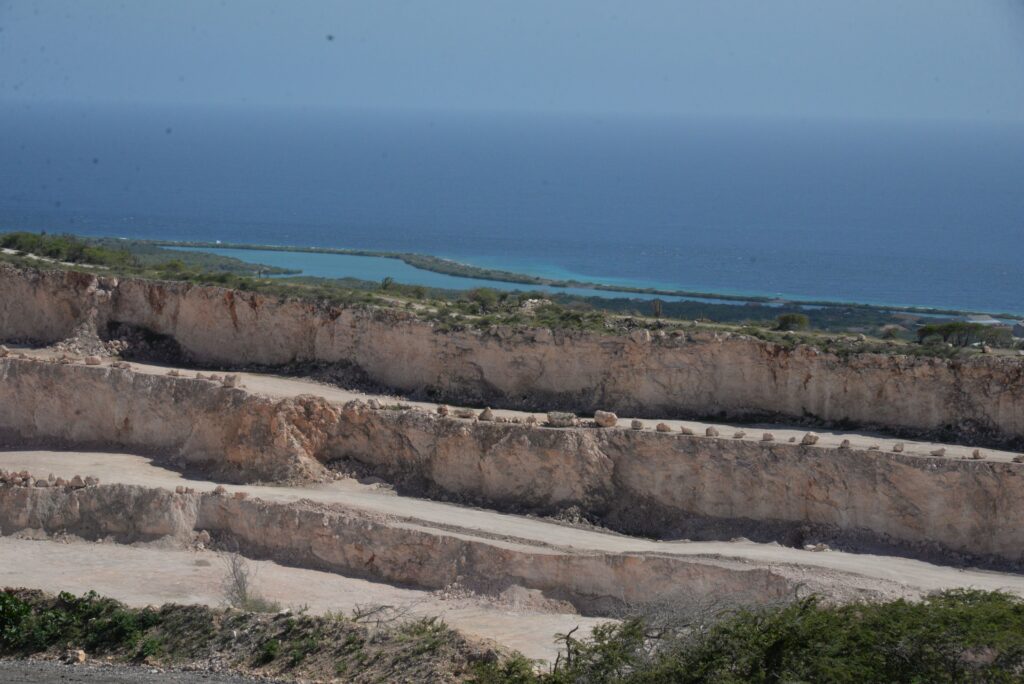
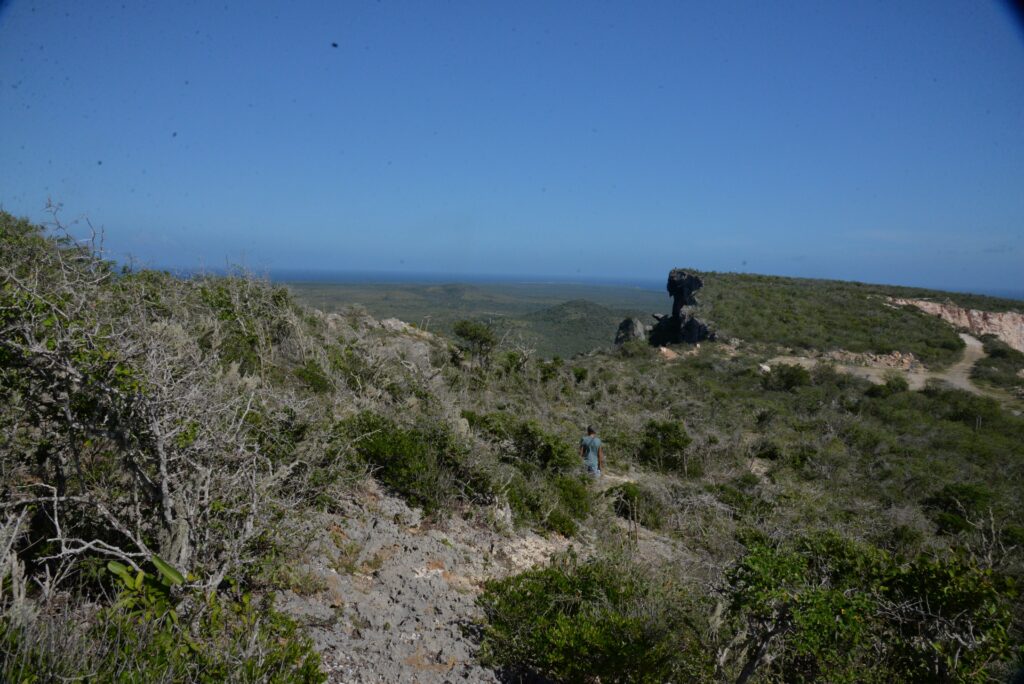
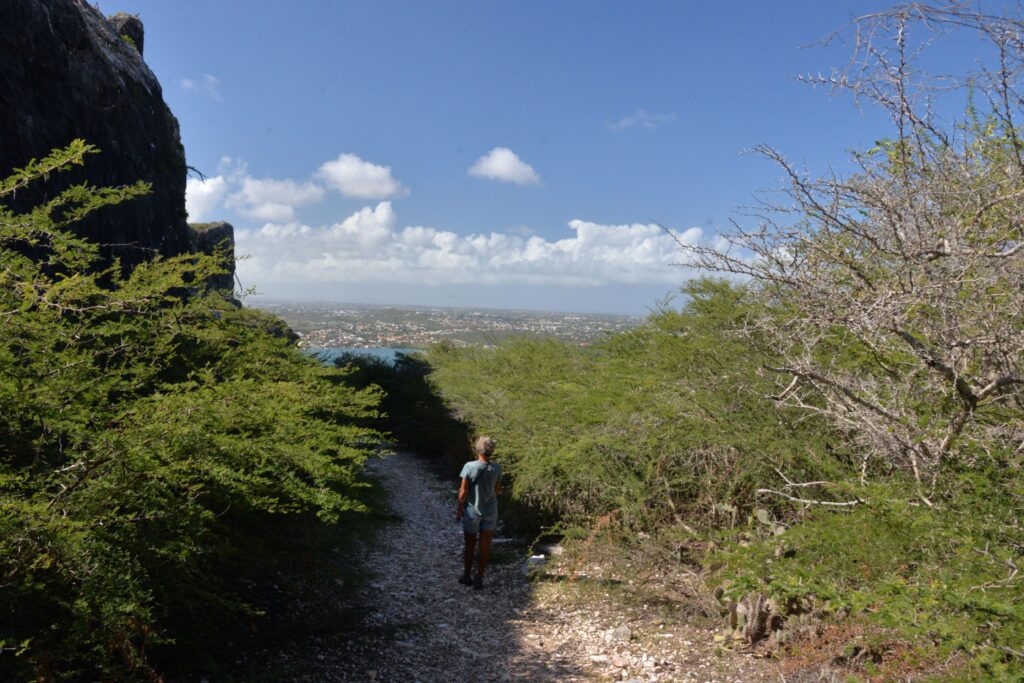
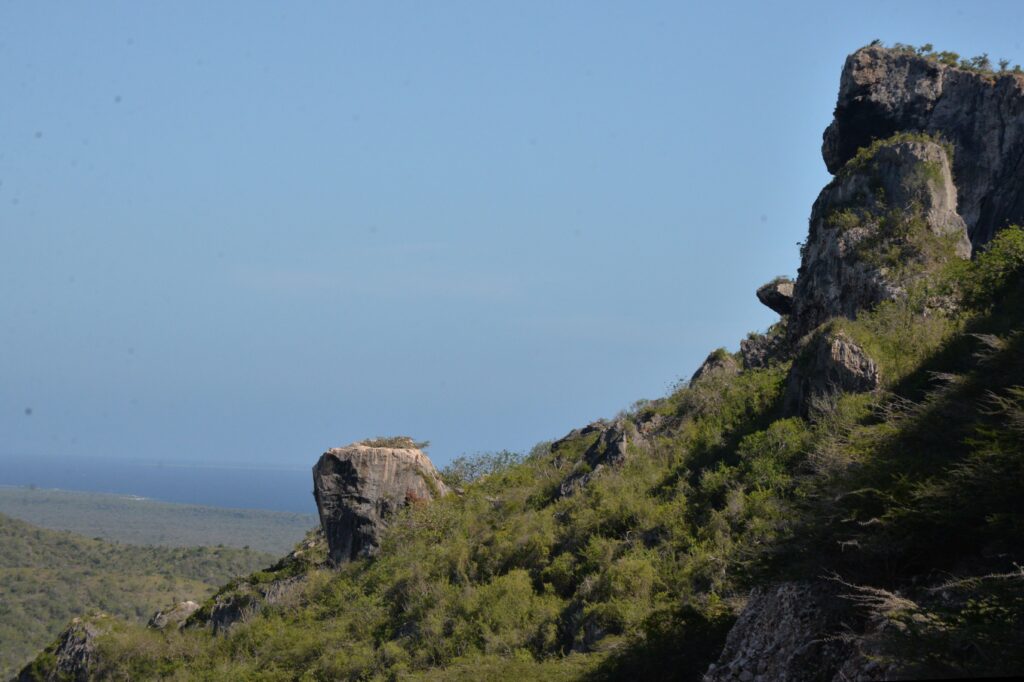
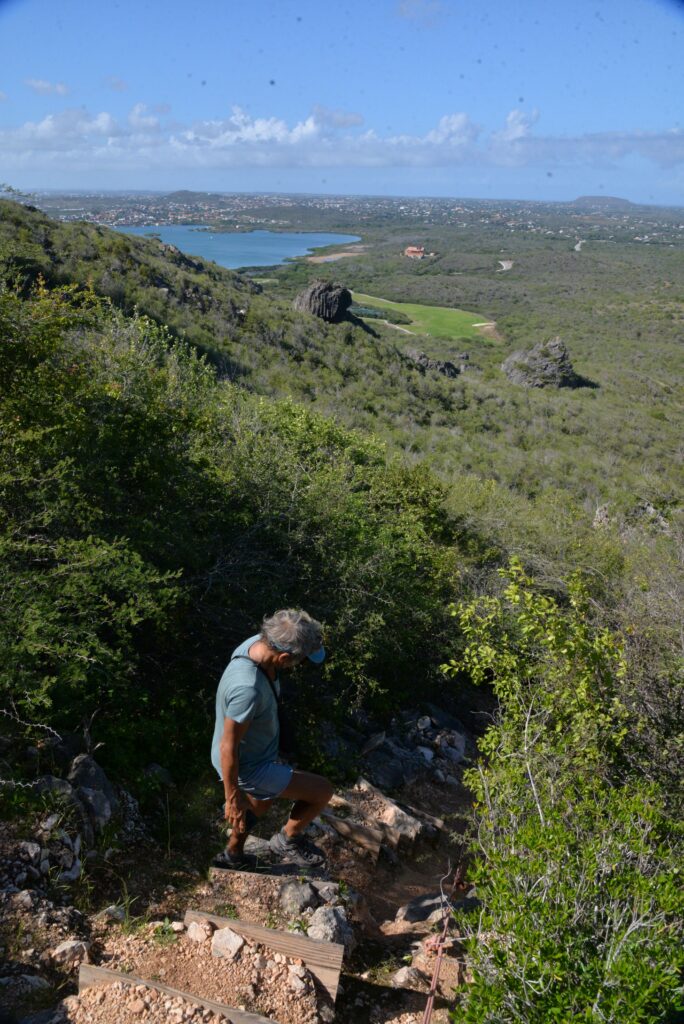
Our stay in Spaanse Waters gave us the chance to discover the island’s diverse landscapes and history. We wandered through the ruins of Fort Beekenburg, stood in awe before a massive drilling ship and offshore rig, and trekked through salt ponds teeming with wildlife. We climbed Mount Tafelberg for a breathtaking view, explored Curaçao’s rugged cliffs and hidden beaches, and meandered through upscale neighborhoods lined with villas and luxury resorts.

Anchoring in Spaanse Waters proved to be a fantastic experience—not just for its beauty and convenience, but also for its practical benefits. The ever-present trade winds meant we enjoyed cool, mosquito-free nights, with a refreshing breeze ensuring restful sleep.

Good day or night from Curaçao, where the wind never stops, but neither do the adventures! 🌊⛵
The Salt Mountains of Bonaire

As SV Oceanolog approached the shores of Bonaire, the white mountains of sea salt and shimmering pink expanses of the island’s iconic salt flats came into view—a striking contrast to the deep blue of the Caribbean Sea. For me, dedicated to studying how to determine ocean salinity, this landscape of salt mounds and evaporation ponds was more than just a spectacle; it was a link between nature’s processes and human ingenuity.

Bonaire’s saltworks are not only a significant part of the island’s history but also an example of how humans have harnessed the ocean’s salinity for centuries. The process begins with seawater flowing into shallow ponds, where the sun and wind work tirelessly to evaporate the water, leaving behind crystalline salt deposits. The vibrant pink hues of the salt ponds are due to halophilic microorganisms thriving in the hypersaline environment—an ecosystem shaped by the very salinity we measure in the open sea.

The connection between Bonaire’s saltworks and our oceanographic studies lies in the shared reliance on salinity as a cornerstone of understanding our planet. While the saltworks use salinity to produce one of humanity’s most essential minerals, our work aboard SV Oceanolog focuses on how salinity, alongside temperature, influences ocean circulation, climate, and marine ecosystems.

Standing among the gleaming white salt mounds, I couldn’t help but draw parallels between the saltworks and the intricate dynamics of the ocean. The same seawater that sustains the salt industry is part of a vast global system—its salinity shaped by evaporation, precipitation, and currents. By collecting salinity data, we contribute to understanding these processes on a planetary scale, helping to answer critical questions about climate change and ocean health.

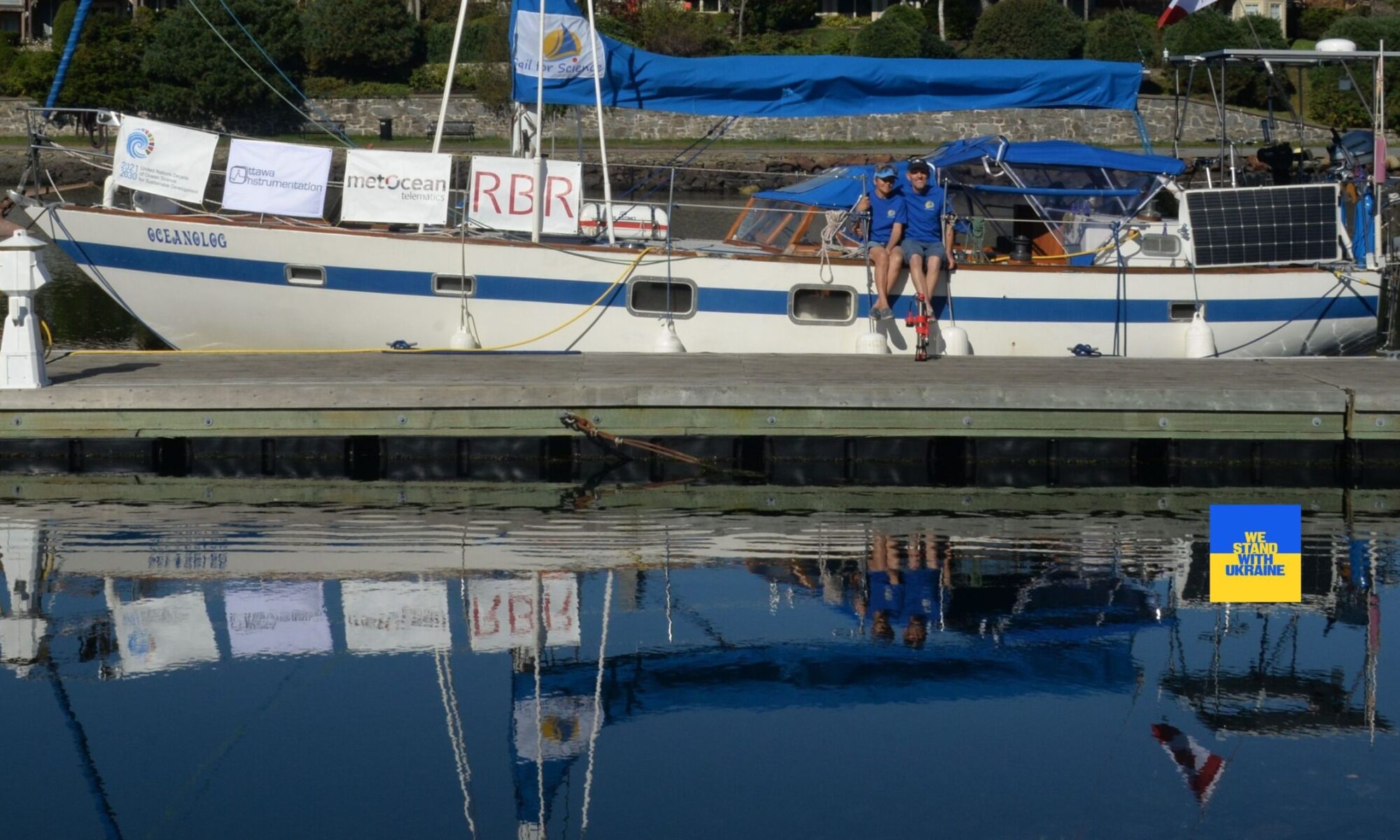
For the crew of SV Oceanolog, the visit to Bonaire’s saltworks wasn’t just a stop on their journey but a reminder of how interconnected human activity and the natural world are. From the evaporation ponds of Bonaire to the CTD casts in the open sea, salinity serves as a silent thread weaving together the story of our oceans and the lives they sustain. 🌊