Beautiful Bonaire: Kralendijk

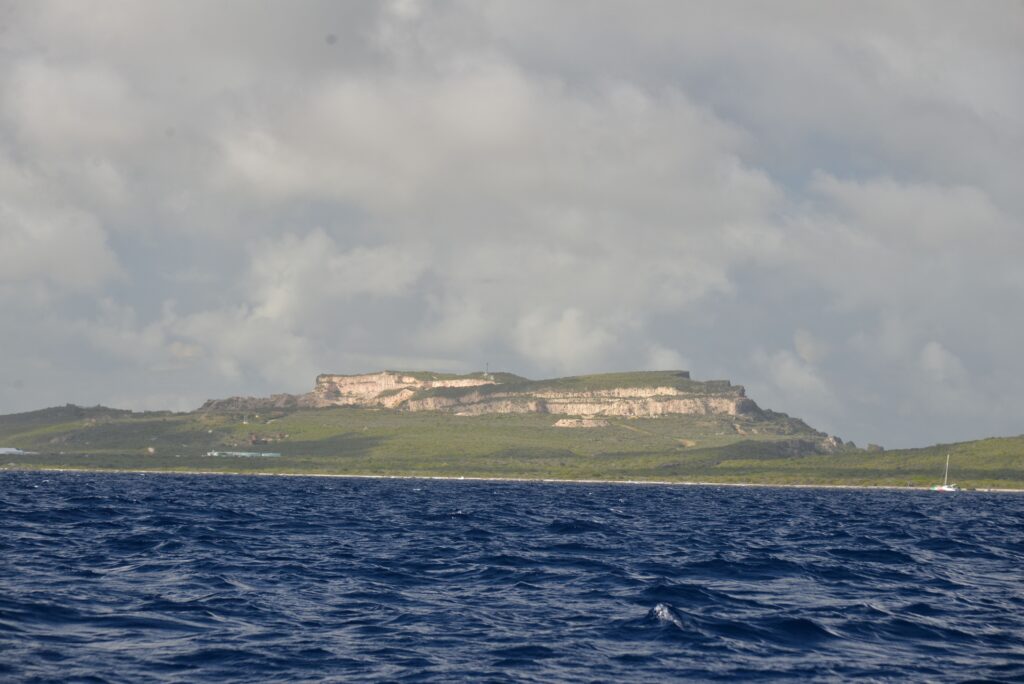
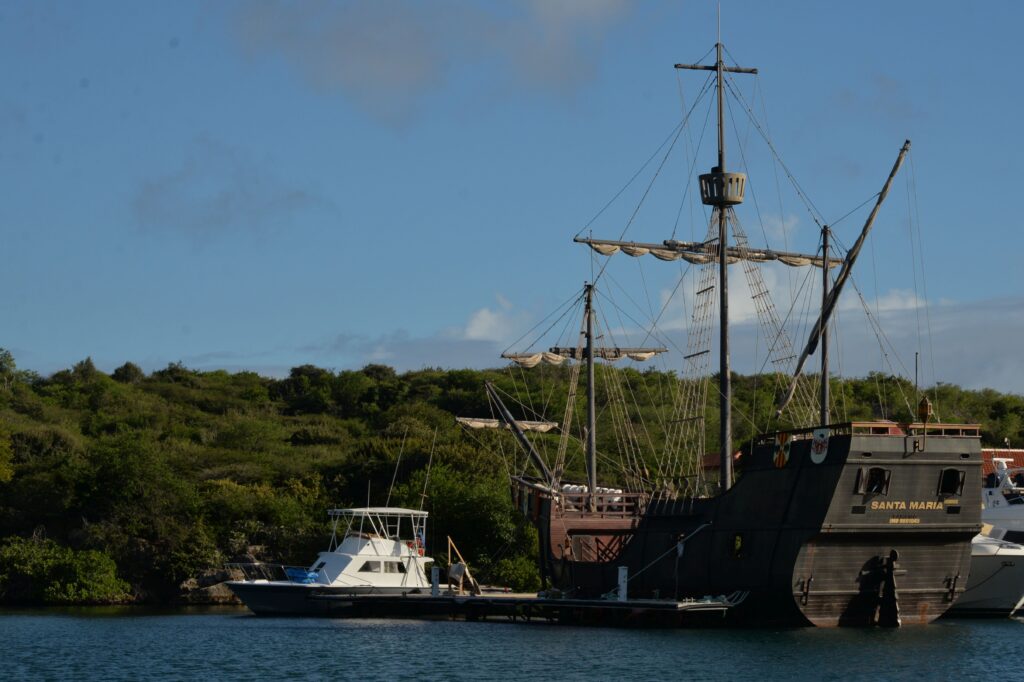
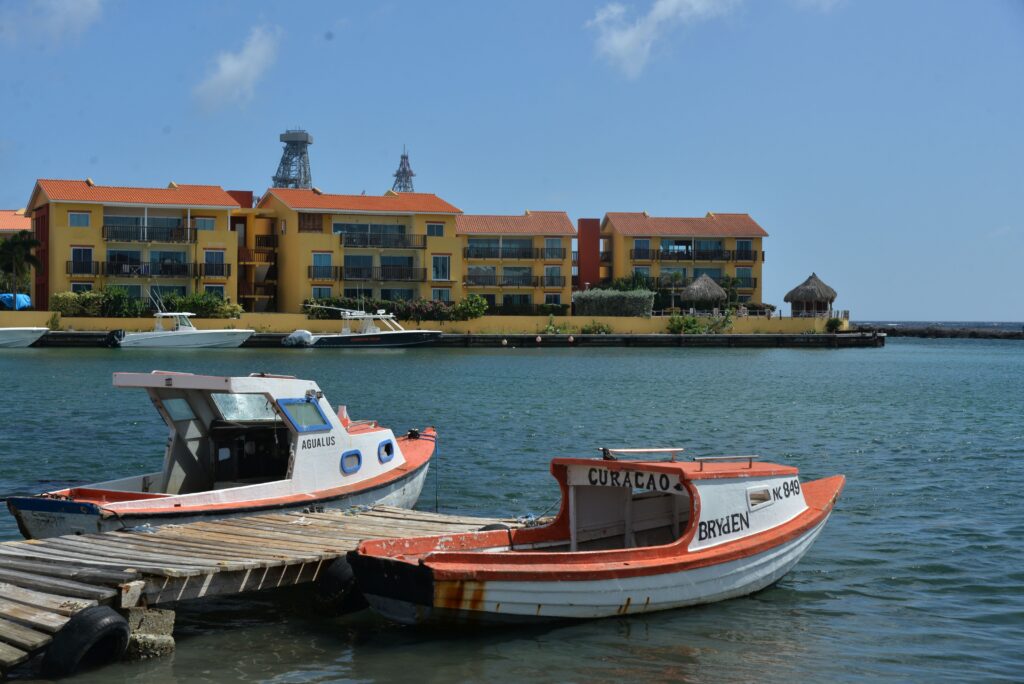
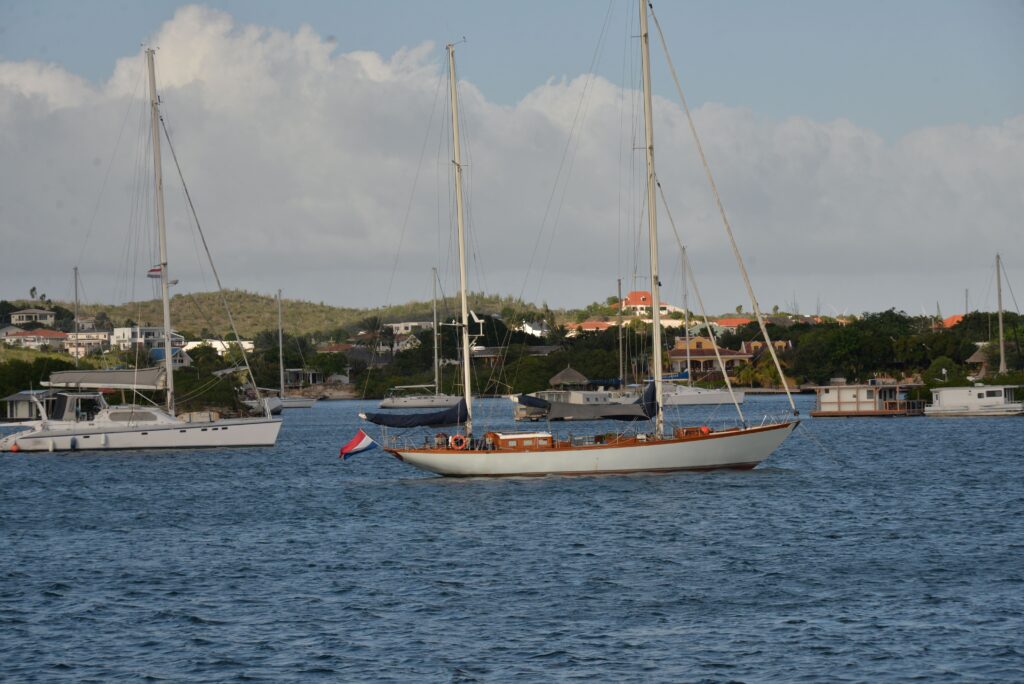
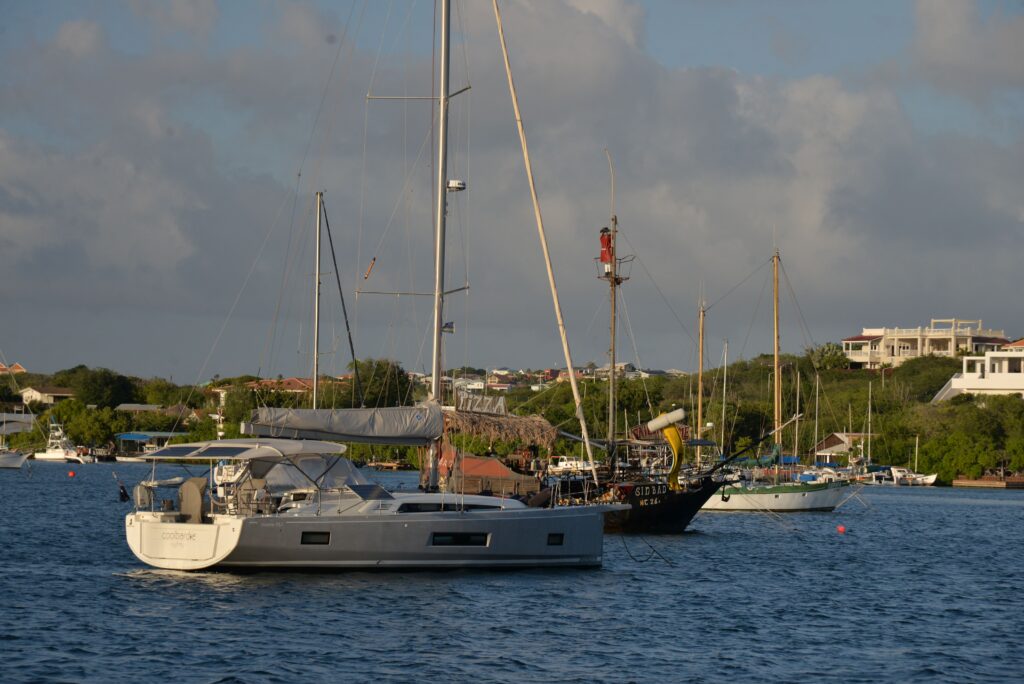
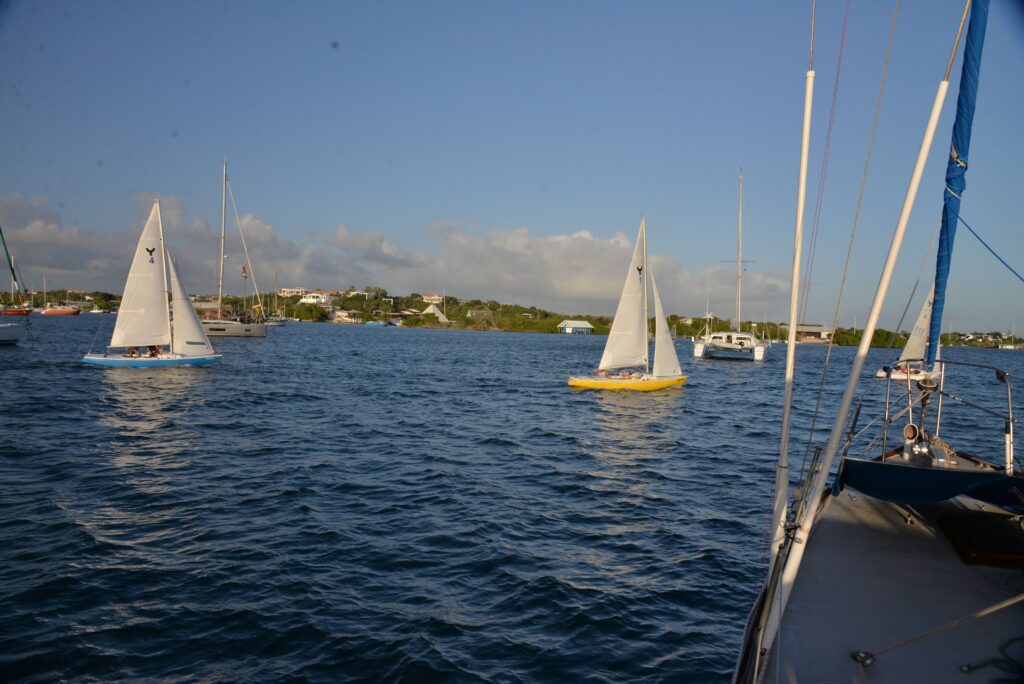
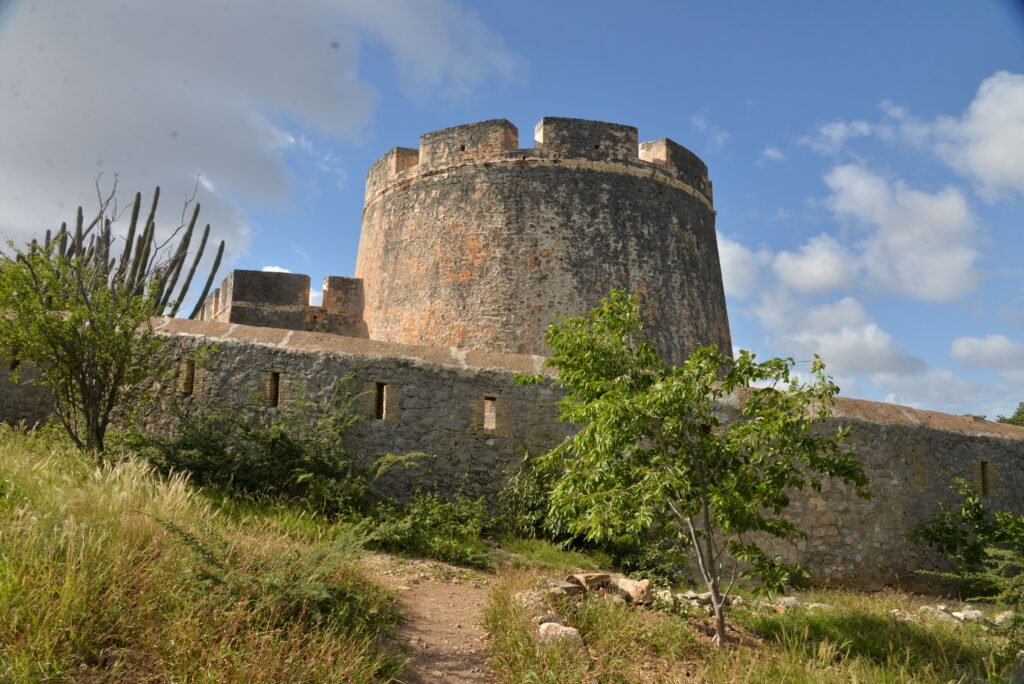
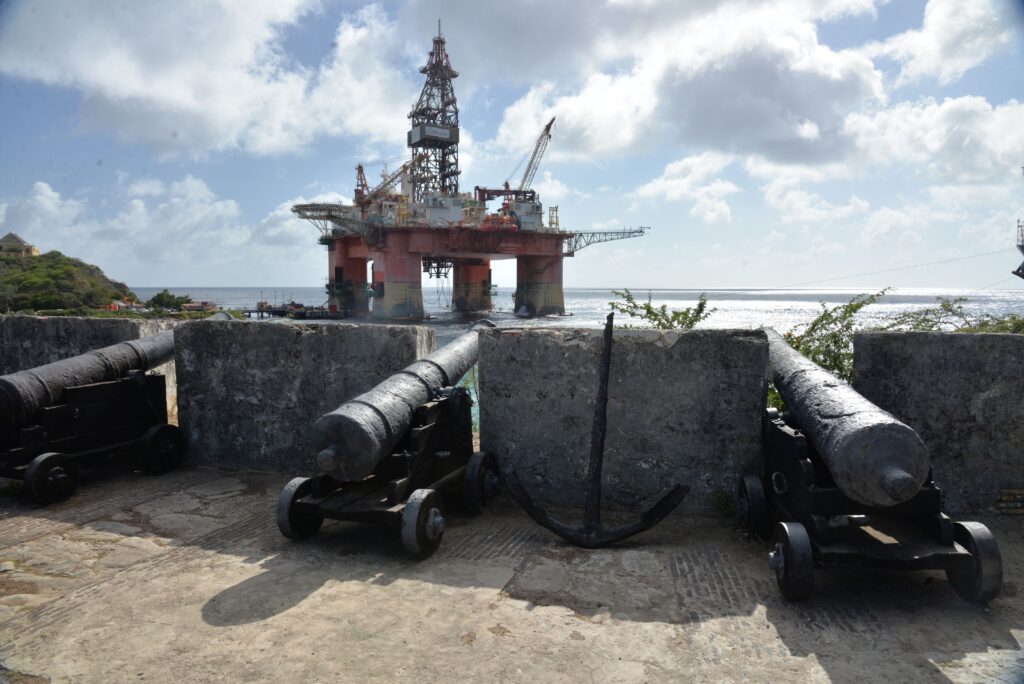
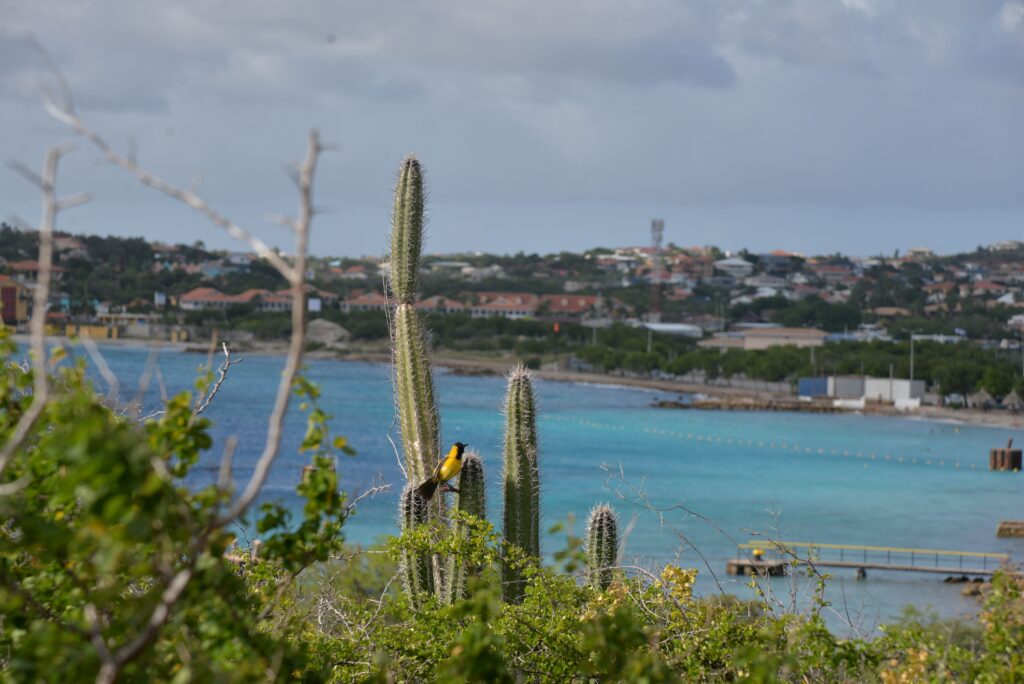
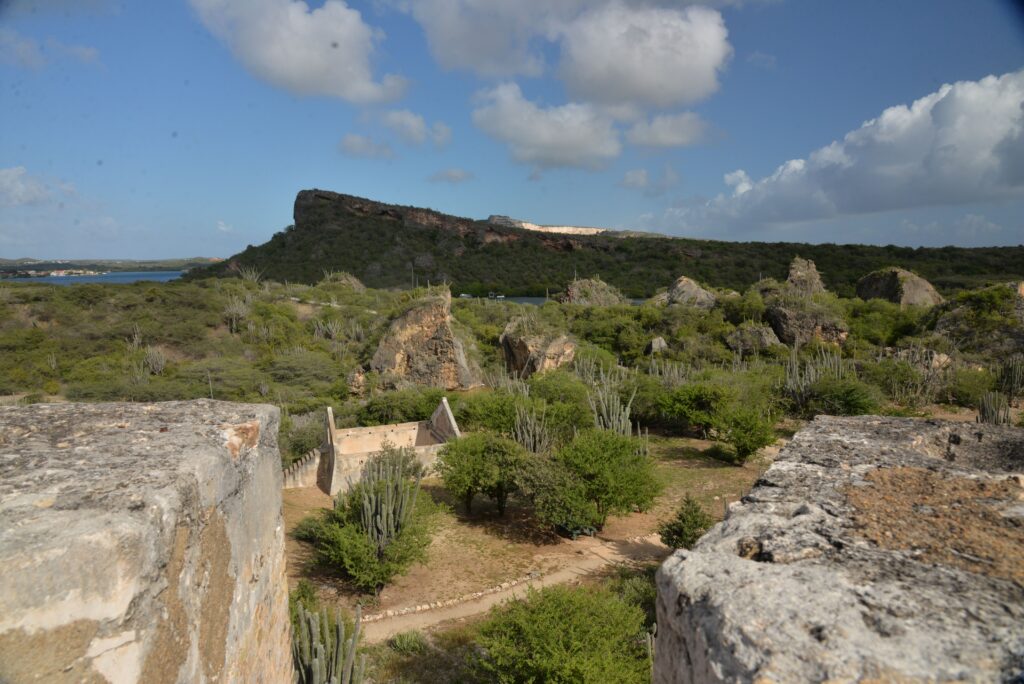
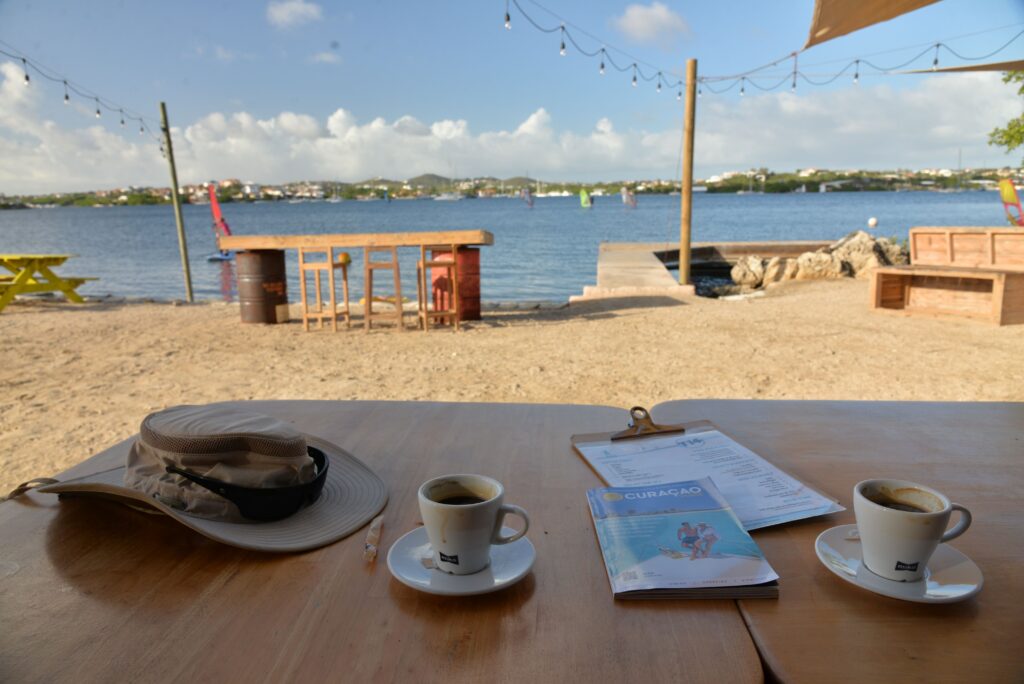
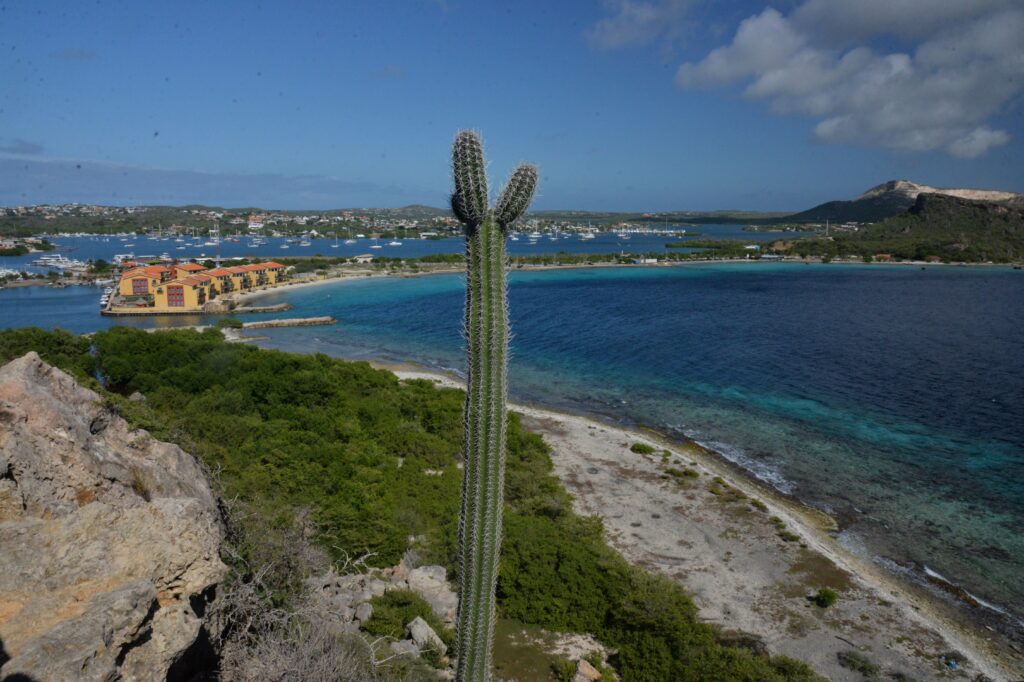
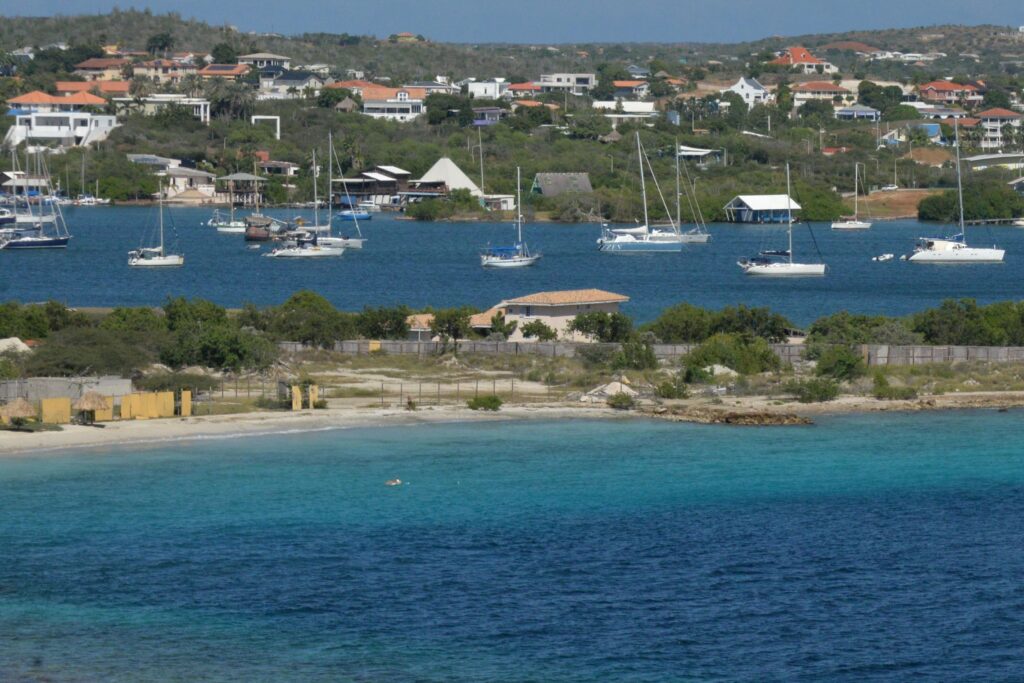
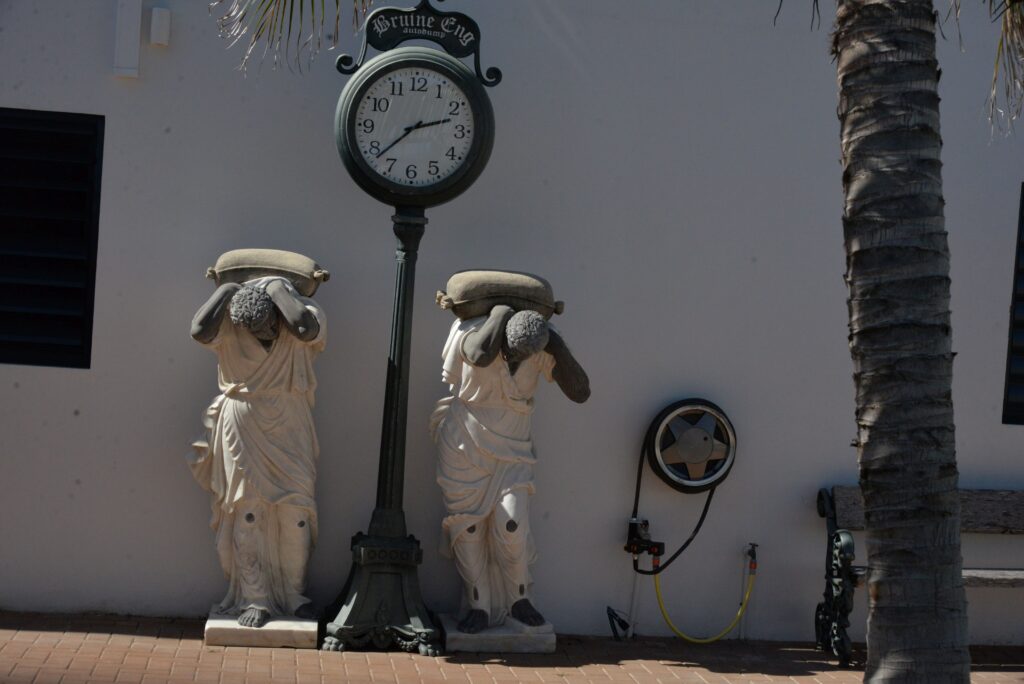
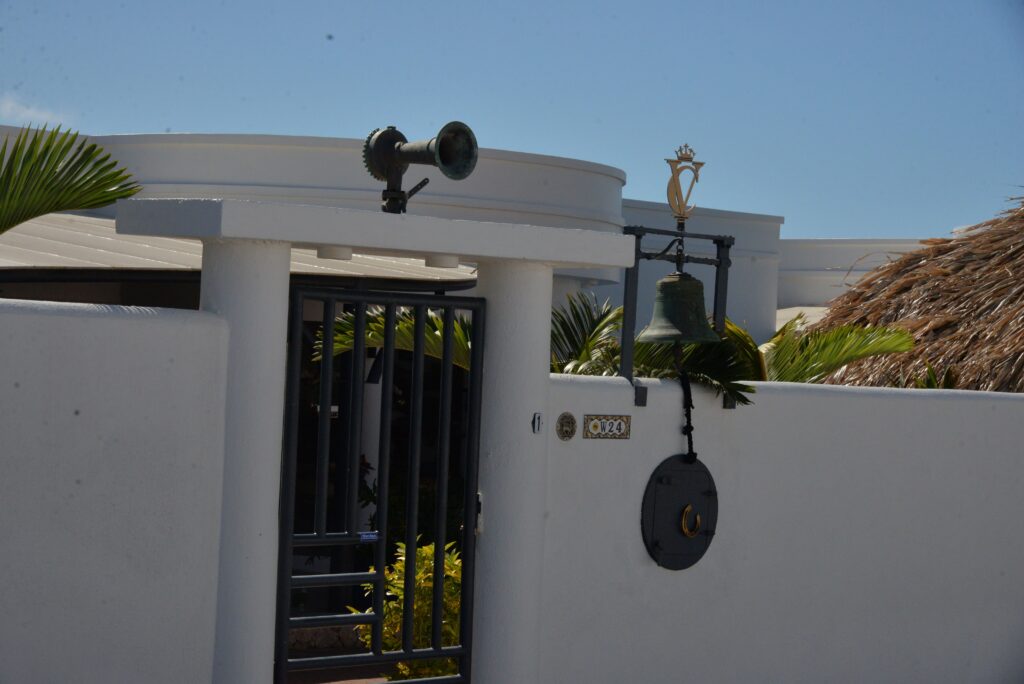
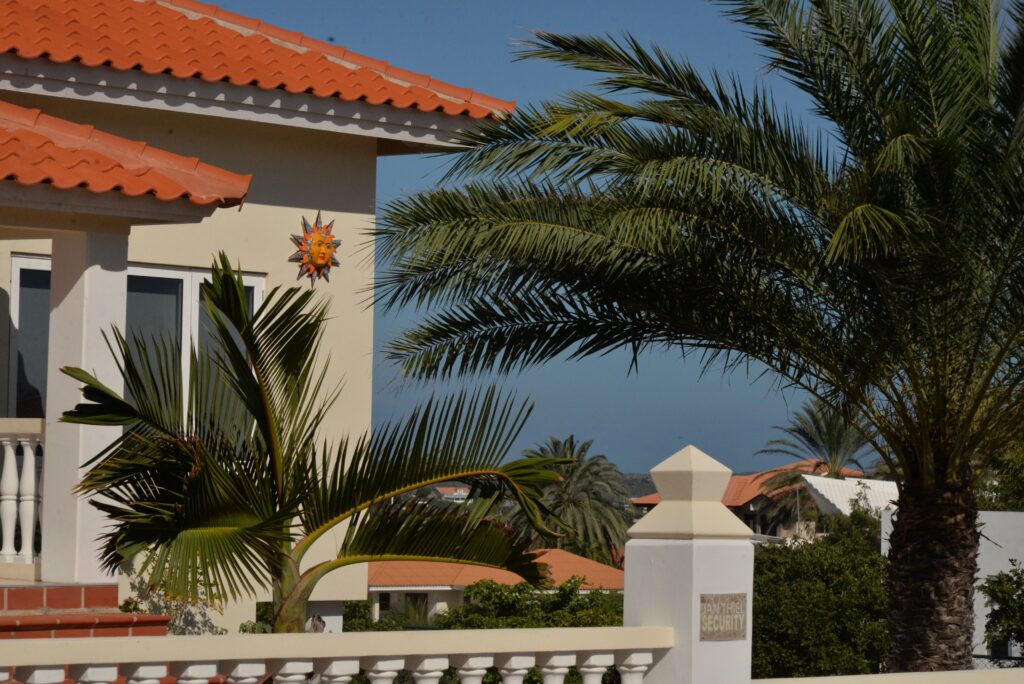
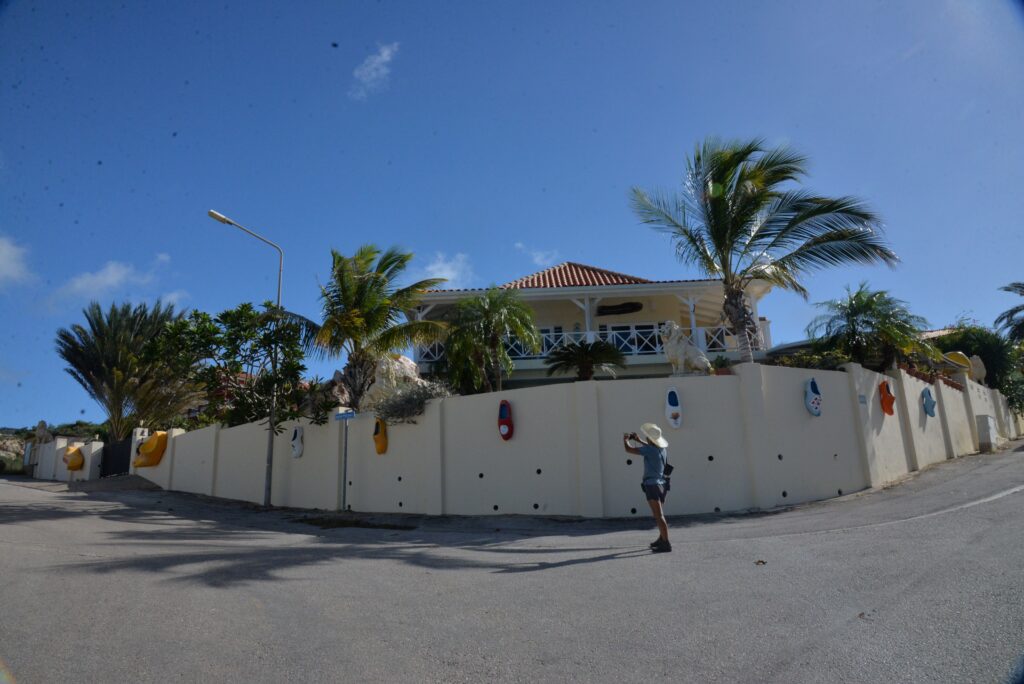
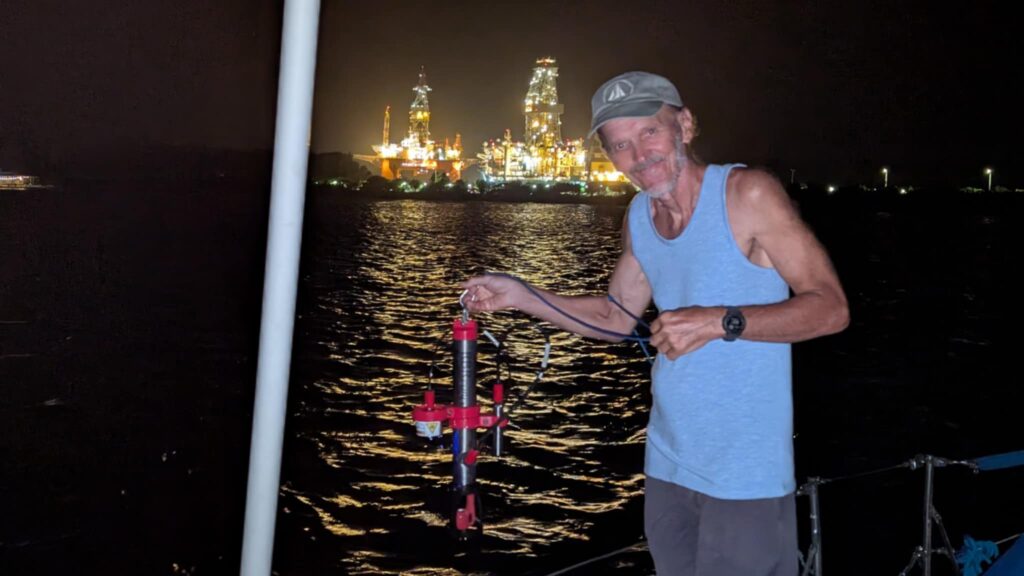
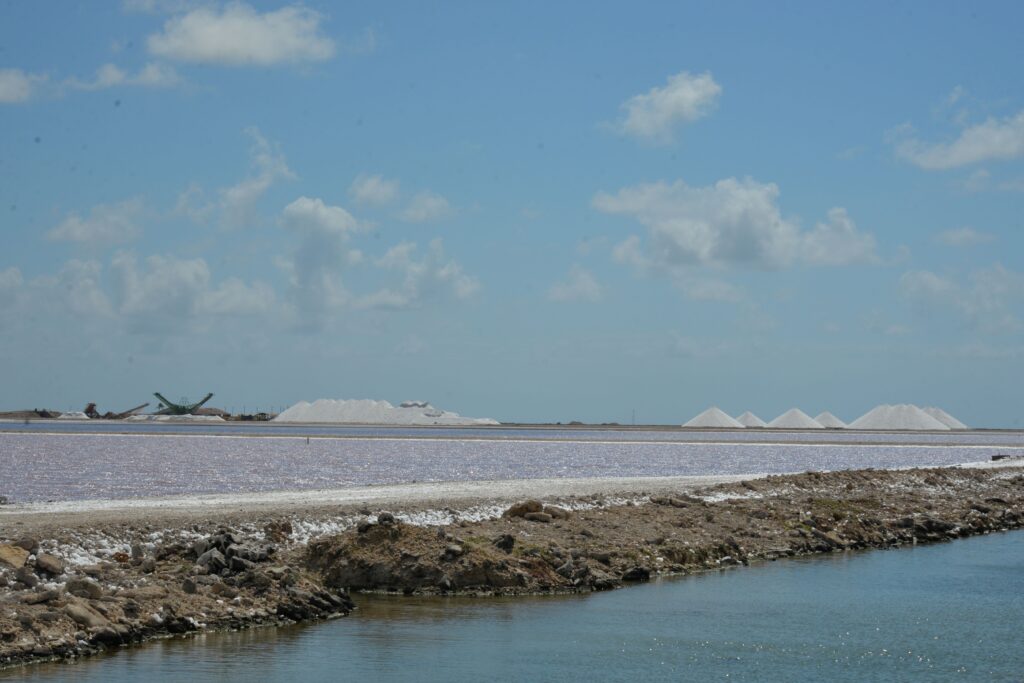
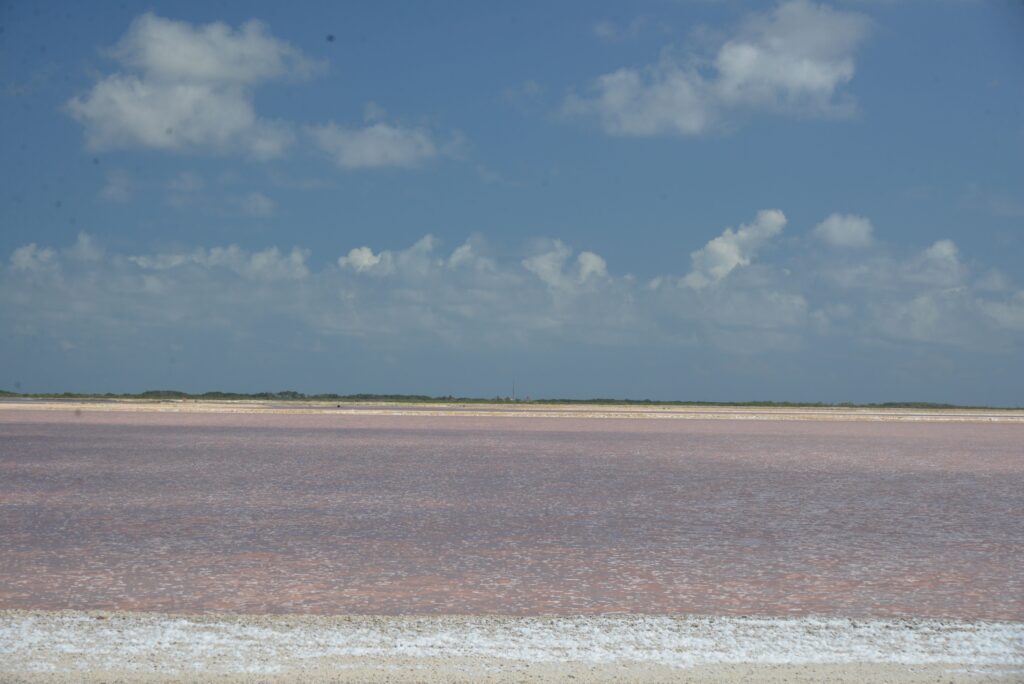
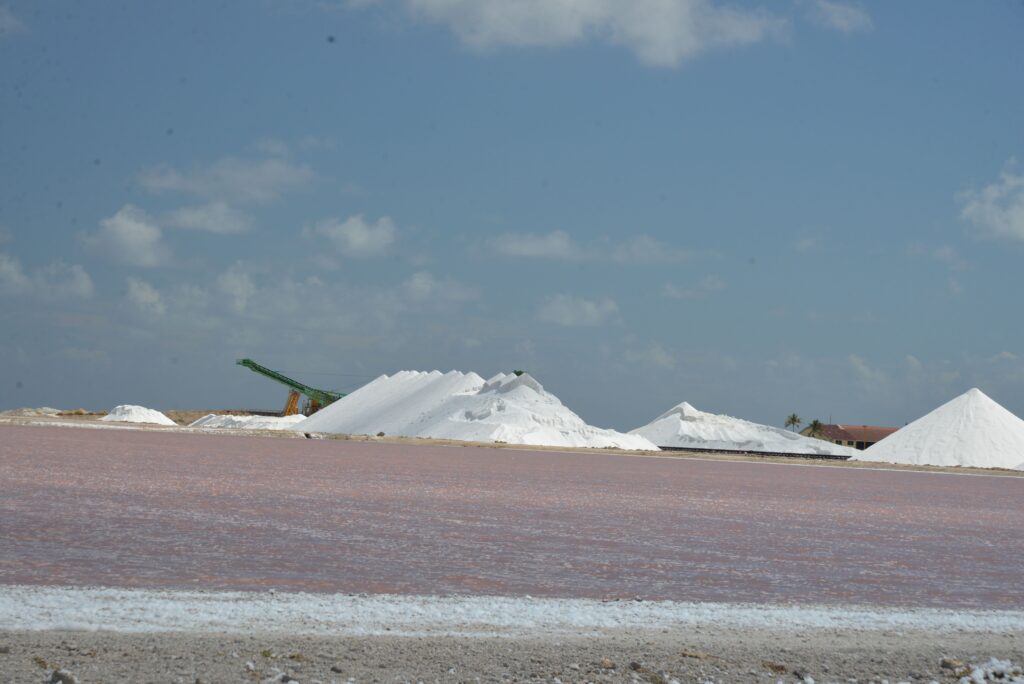
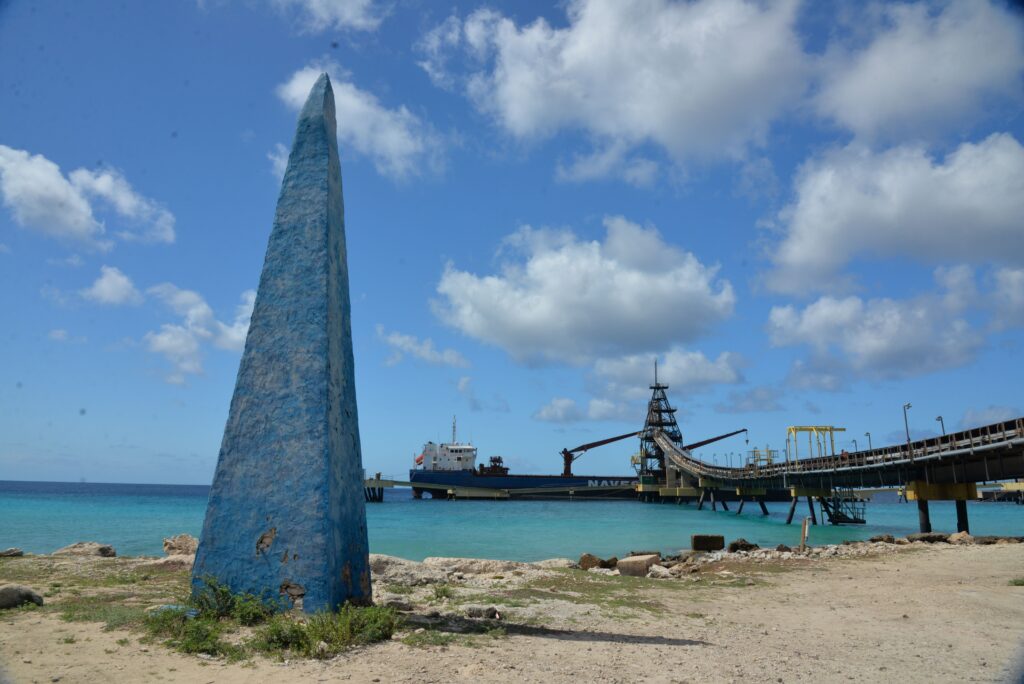
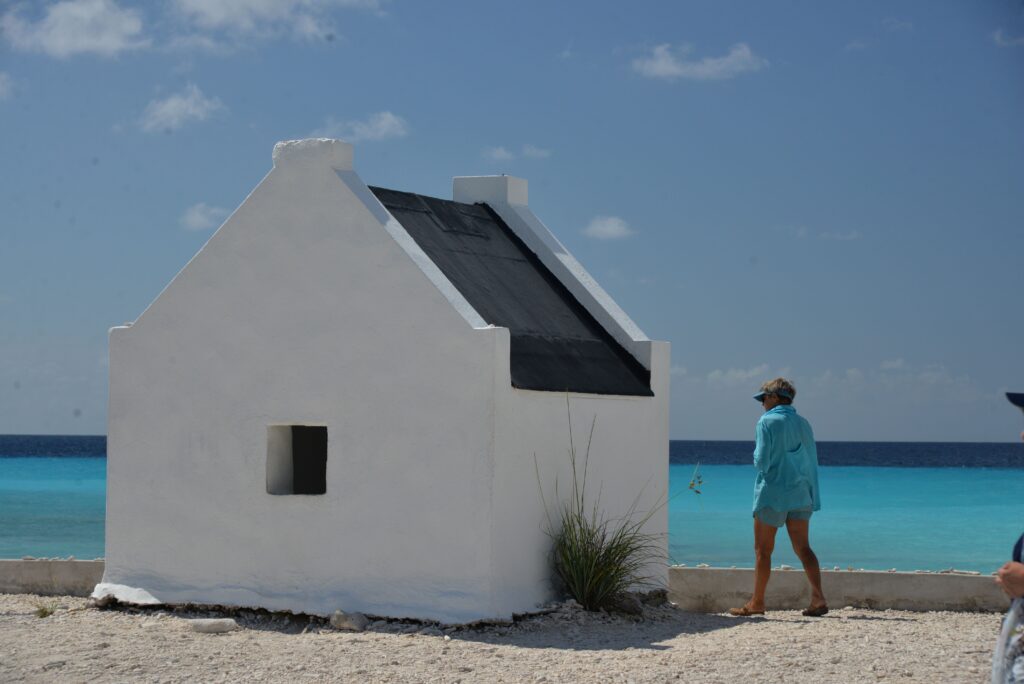
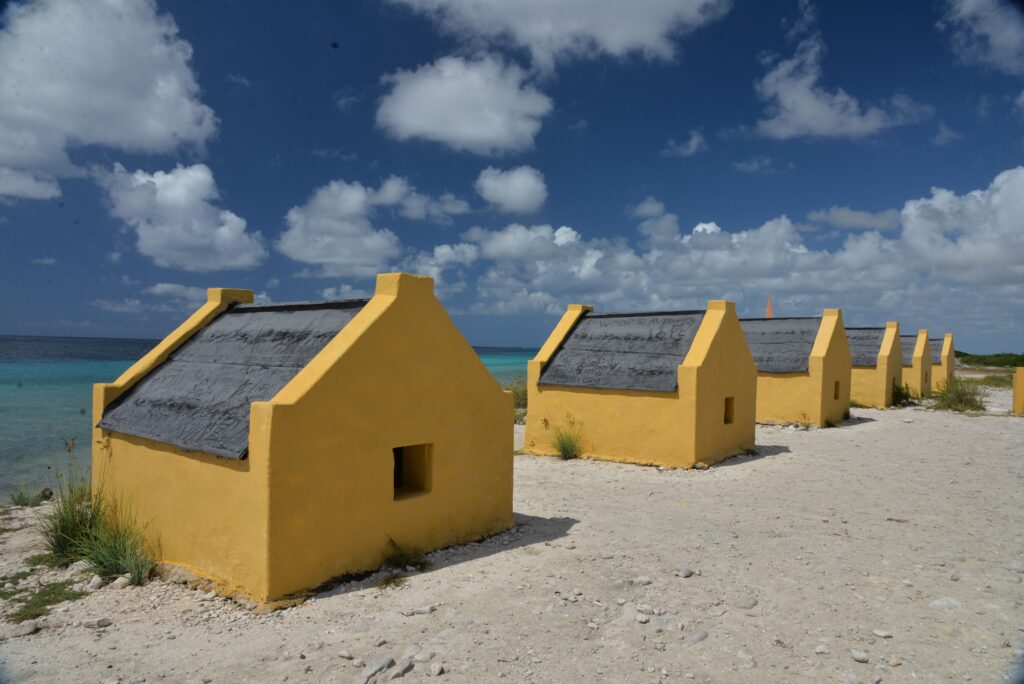
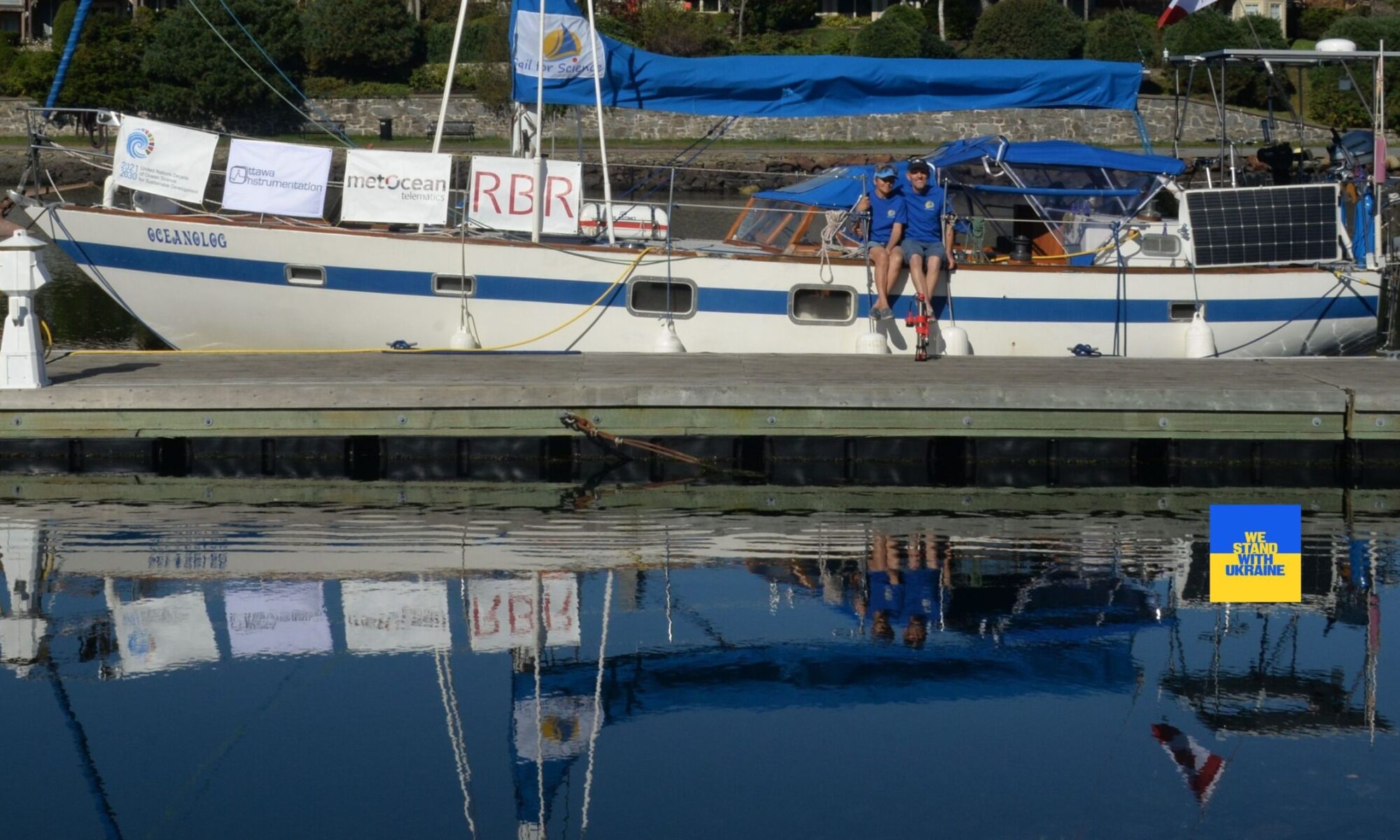
The journey aboard SV Oceanolog brought us to one of the Caribbean’s hidden gems—Bonaire, the island of pristine coral reefs and endless shades of turquoise. As we sailed into Kralendijk, the island’s charming capital, we were greeted by the warm breeze and calm waters that made the mooring feel like an invitation to stay forever.

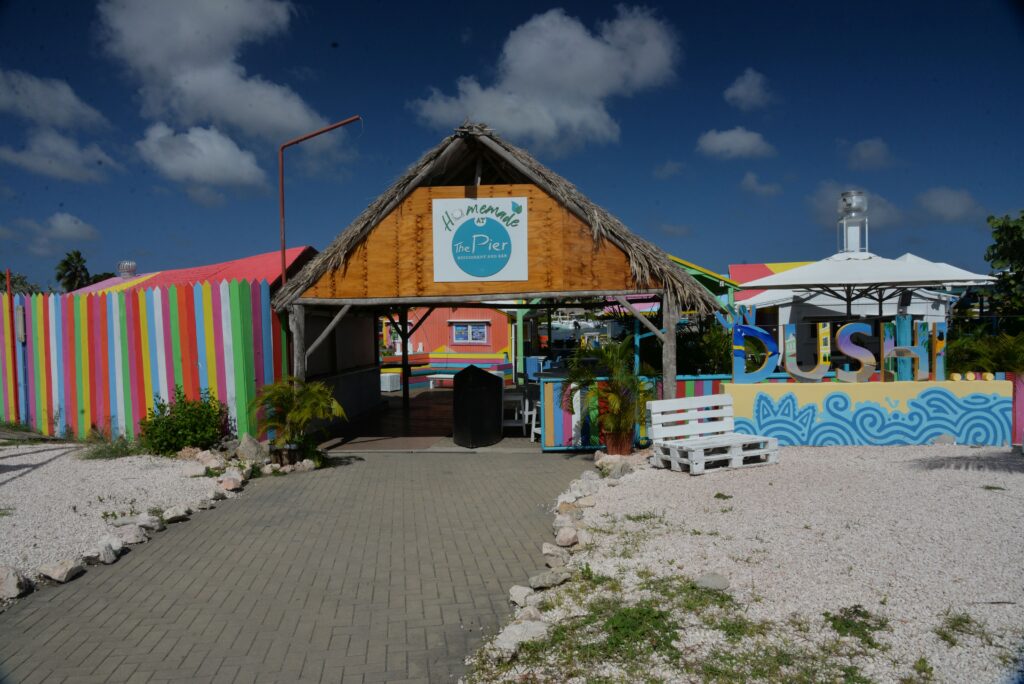
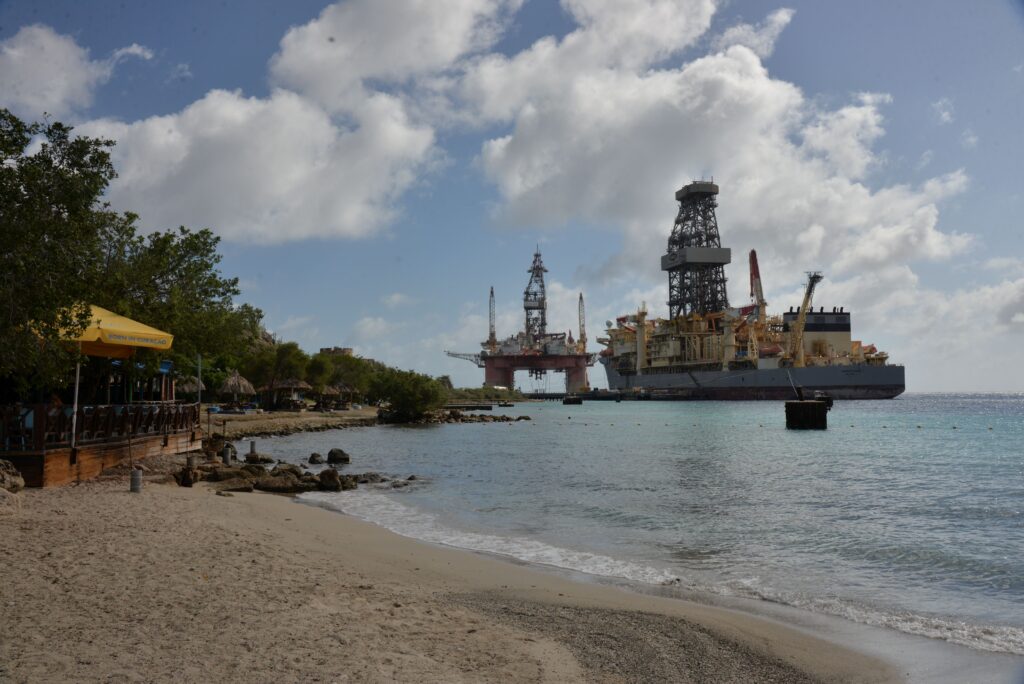
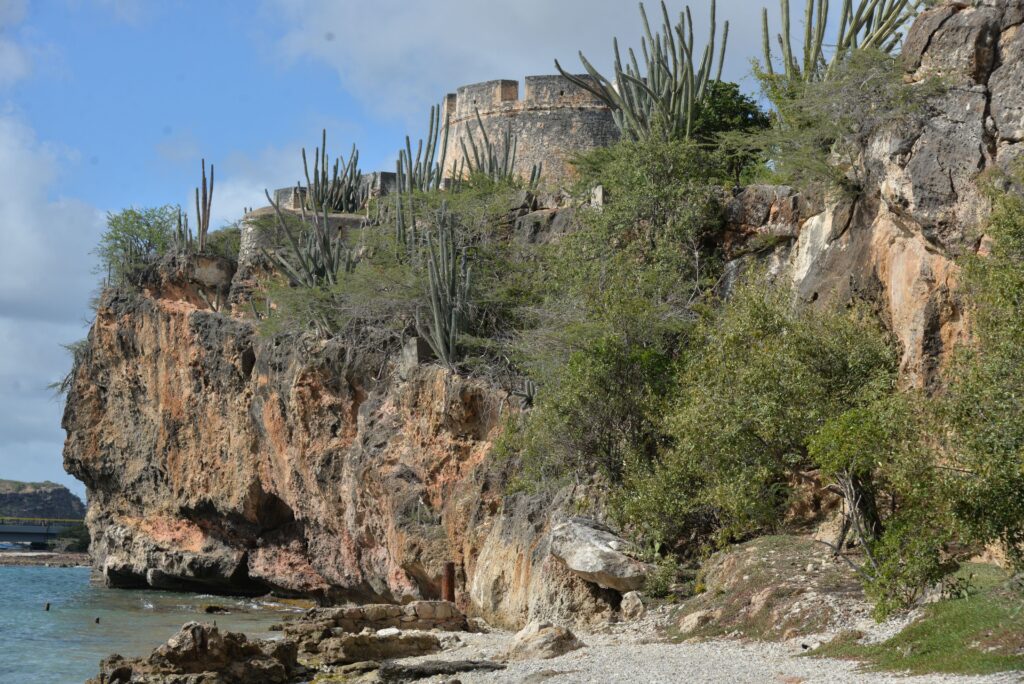
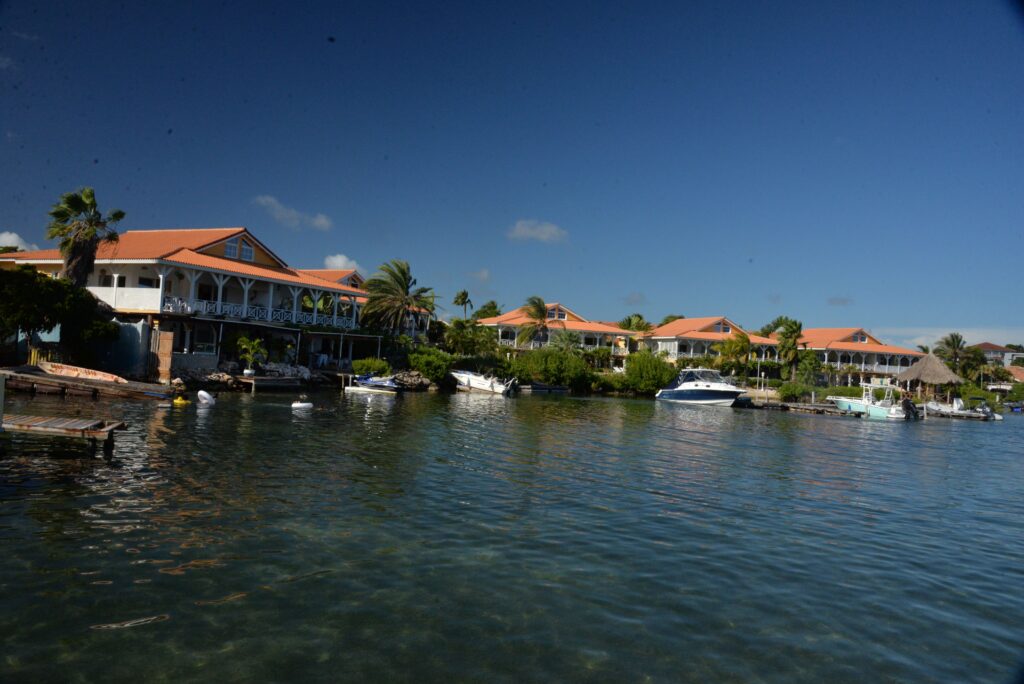
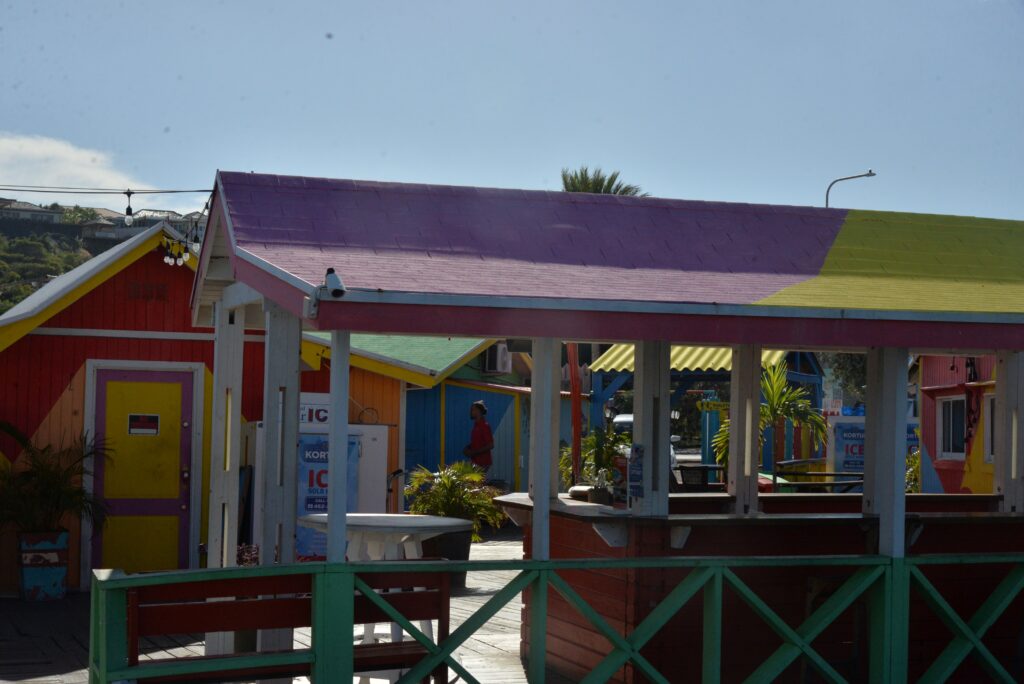
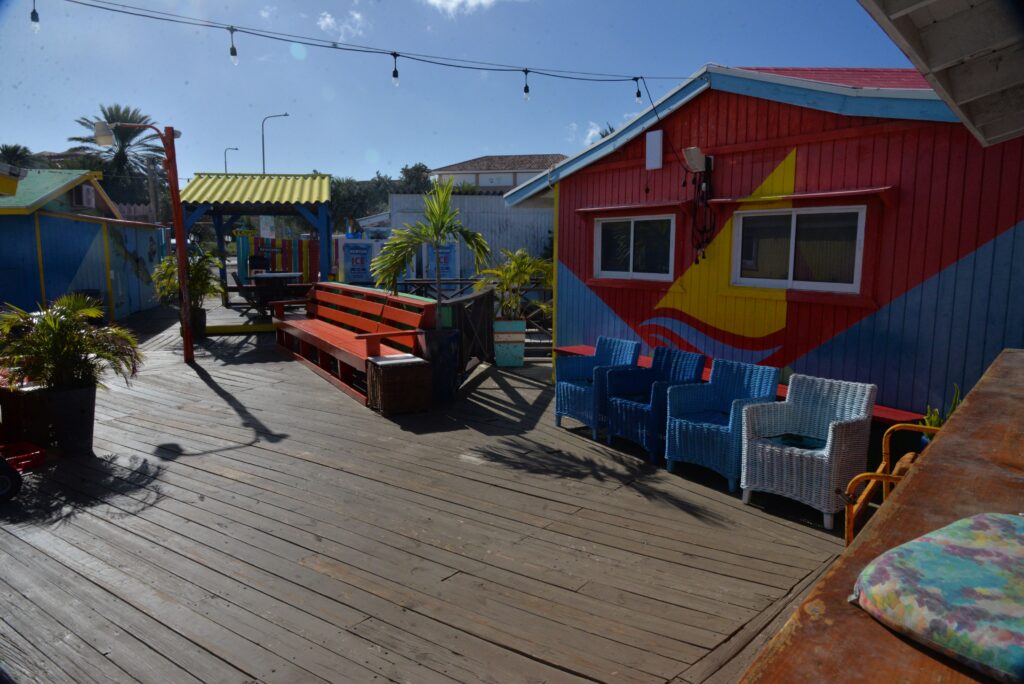
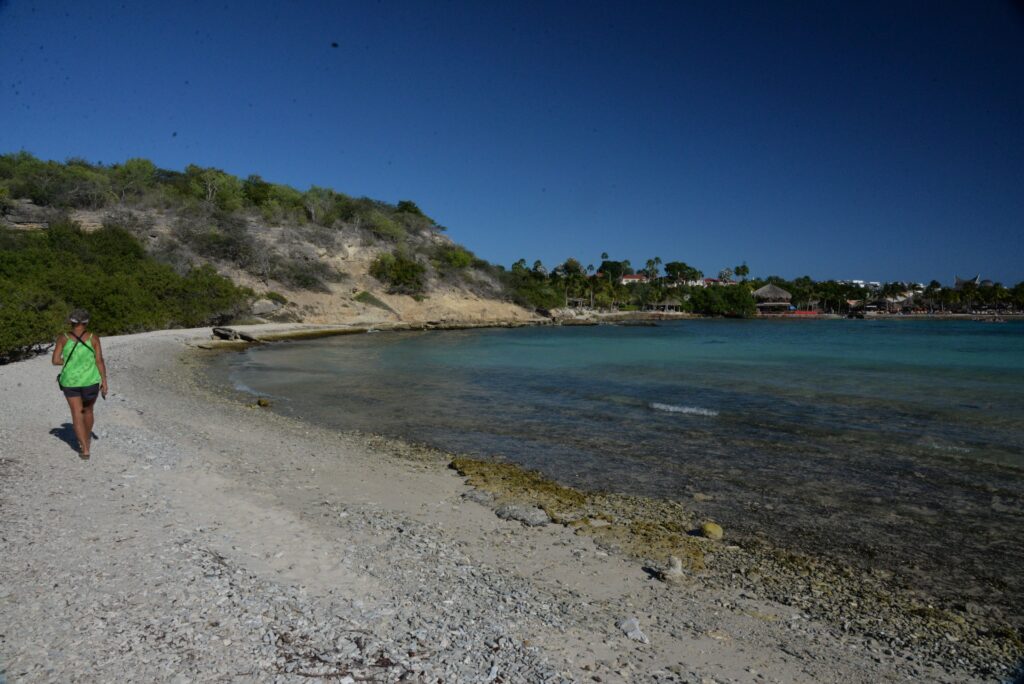
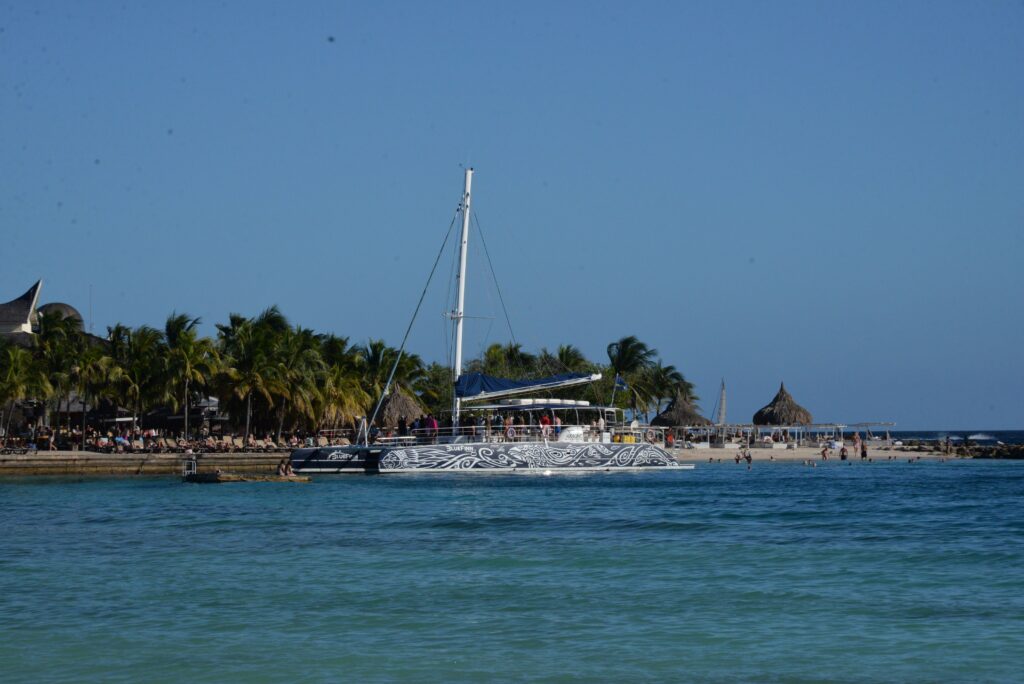
Tying up to a mooring buoy just off the coast, we had an unobstructed view of Bonaire’s colorful waterfront, a picturesque collage of pastel-hued Dutch architecture. The vibrant energy of Kralendijk is undeniable, from its bustling local markets to its serene, sandy beaches that seem untouched by time.

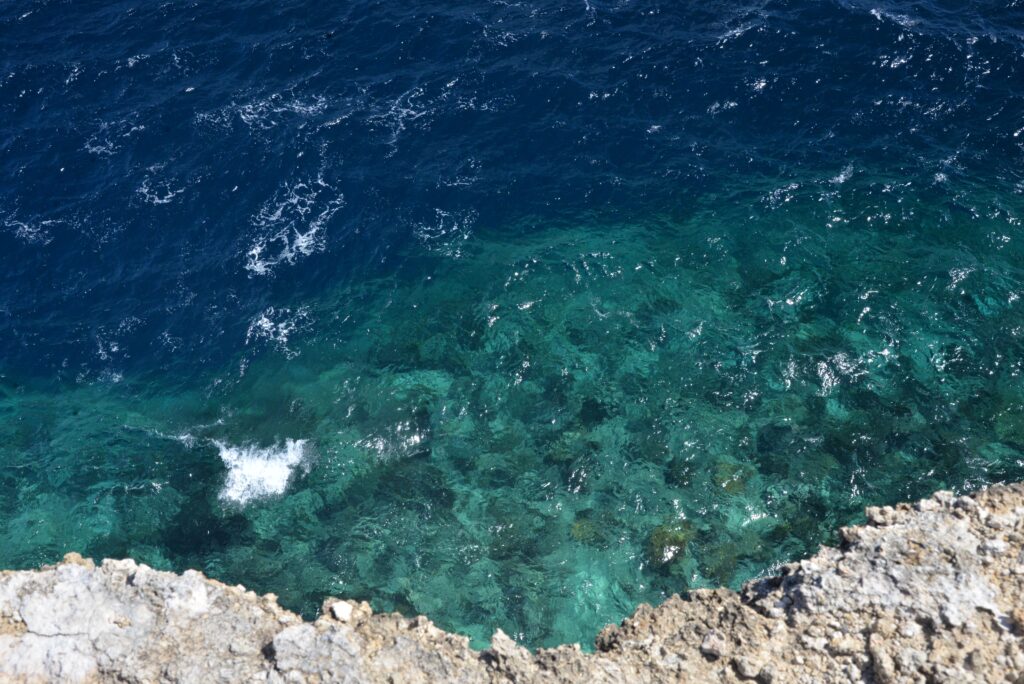
For sailors, Bonaire is a treasure trove. The waters surrounding the island are part of the Bonaire National Marine Park, offering some of the most spectacular snorkeling and diving opportunities in the Caribbean. Even from the deck of Oceanolog, we could spot vibrant fish darting among coral reefs in the crystal-clear waters.

Each evening, the setting sun painted the sky in hues of orange and purple, reflecting off the water and reminding us of the beauty and serenity that can only be found in places like this. Kralendijk was more than a stop—it was a moment to breathe, reflect, and connect with the ocean and its rhythm.

Sailing is not just about moving from one place to another; it’s about experiencing the world from a perspective few get to enjoy. Bonaire, with its captivating charm and natural beauty, will forever be one of our favorite memories of this voyage aboard SV Oceanolog. 🌊⛵
The last Venezuelian frontier

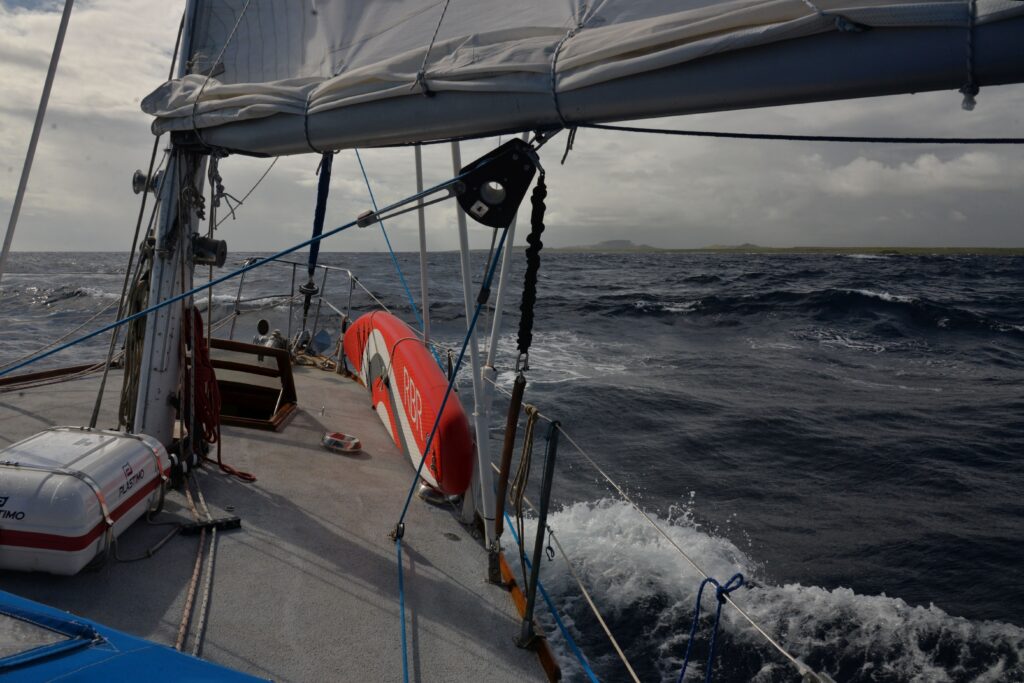
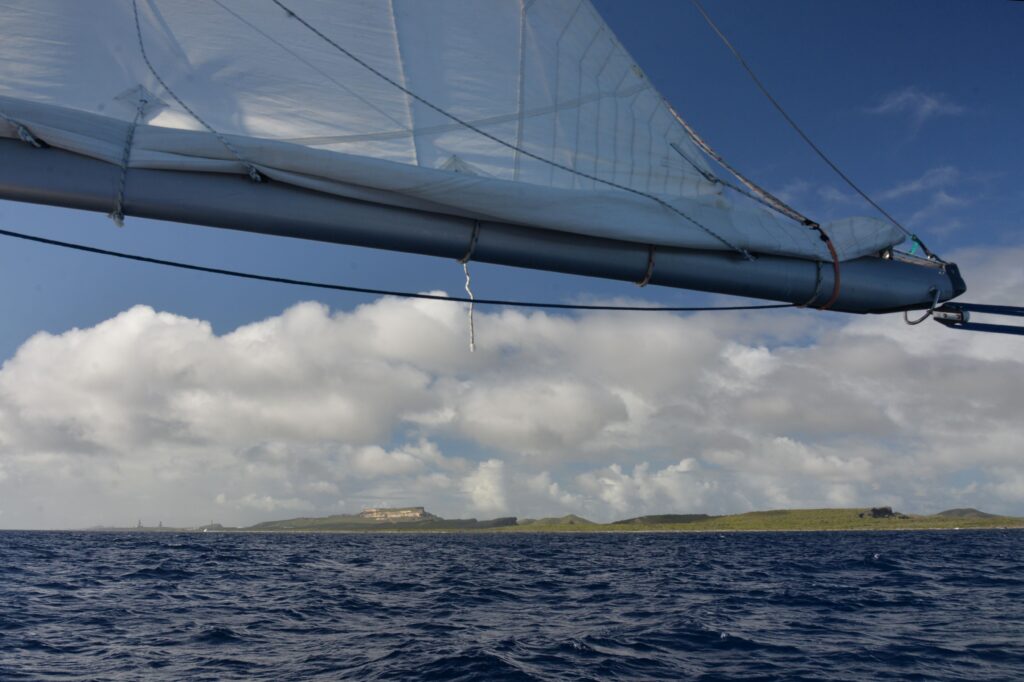
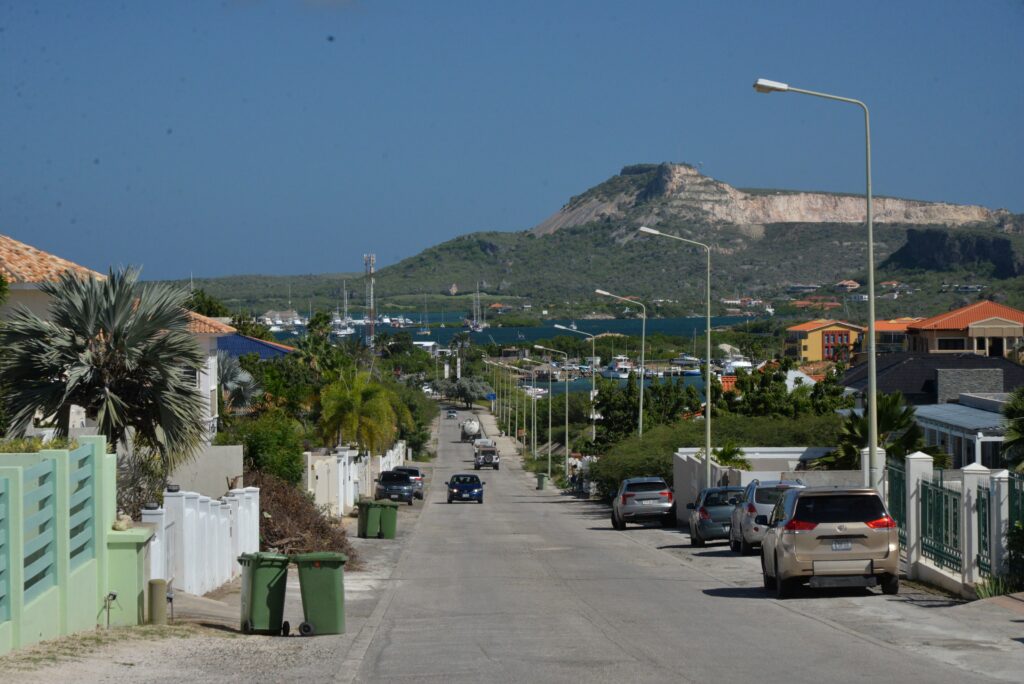
Our final stop in Venezuela before embarking on the decisive crossing of the Caribbean Sea to Bonaire brought us to the remote Islas Las Aves. Approaching the islands under the cover of darkness, we were guided only by the faint light of a searchlight from the Coast Guard station. As we tuned into VHF channel 16, a calm, pleasant female voice in English asked who we were and where we were headed on this dark and stormy night.

We explained that we planned to drop anchor in the bay opposite the station. In response, a stream of Spanish followed—unfortunately, beyond our understanding. Without further ado, we anchored for the night, hoping all was in order.

The following morning, a small boat approached us carrying three Coast Guard officers, who came aboard to check our documents and conduct a ship inspection—our fourth one so far. This time, their curiosity focused on the contents of our first aid kit. Thankfully, there was no drug inspection, and their demeanor was polite and friendly throughout.

Despite their limited English, the officers smiled warmly and made an effort to communicate. Together, we even compared the names of the months in Spanish and English, delighting in how similar they sounded. Their enthusiasm was contagious, and the language exchange left everyone smiling.

Seizing the moment, we asked if we could explore the shores of the nearby islands. To our delight, they granted us permission for the entire next day, with the simple request that we report back to them when we departed.

Grateful for their hospitality, we looked forward to an unexpected extra day in this beautiful and tranquil corner of Venezuela. Thank you, kind sailors, for letting us linger just a little longer on your enchanting islands!

Dos Mosquises: Turtle Hatching Islands

Dos Mosquises, part of the stunning Los Roques archipelago, is a pair of islands known for their ecological significance, rich history, and breathtaking beauty. These islands are home to the Los Roques Scientific Foundation, an archaeological site, and a magnificent beach that captivates every visitor.

Since the 1970s, the Los Roques Scientific Foundation has been a hub for research and environmental education. Its founders played a key role in the creation of the Los Roques National Park, and the foundation continues to contribute to vital studies in coral reef biology, fisheries, anthropology, and the archaeology of the archipelago.

After landing on the island, our first stop was the turtle breeding center, where sea turtles are nurtured in large tanks filled with fresh, running seawater. Edgar, one of the three caretakers, kindly gave us a tour, explaining the fascinating process. Newly hatched turtles are collected and raised in these controlled conditions to ensure their survival. After about a year, once they are stronger and have a better chance of thriving in the wild, they are released back into the ocean—a vital step in preserving these beautiful creatures.

Edgar also guided us to an incredible archaeological site. In 1982, Polish archaeologists Andrzej and Maria Antczak unearthed hundreds of ritual ceramic figurines on this island, dating back to the 13th-15th centuries AD. During this pre-Columbian era, the Amerindians—aboriginal inhabitants of the mainland (present-day Venezuela)—embarked on sea expeditions to Dos Mosquises to harvest the Queen Conch. These ancient mariners brought their cultural artifacts, including ceramic figurines, on their canoes. It is believed that these figurines were likely used in ritual ceremonies, providing a fascinating glimpse into their spiritual and cultural practices.

Beyond its cultural and ecological treasures, Dos Mosquises is a paradise for nature lovers. Strolling along the pristine shoreline, we were treated to the sight of abundant birdlife and vibrant coral reefs teeming with marine life.

Our time on this remarkable island was truly unforgettable—an enriching blend of history, conservation, and natural wonder.