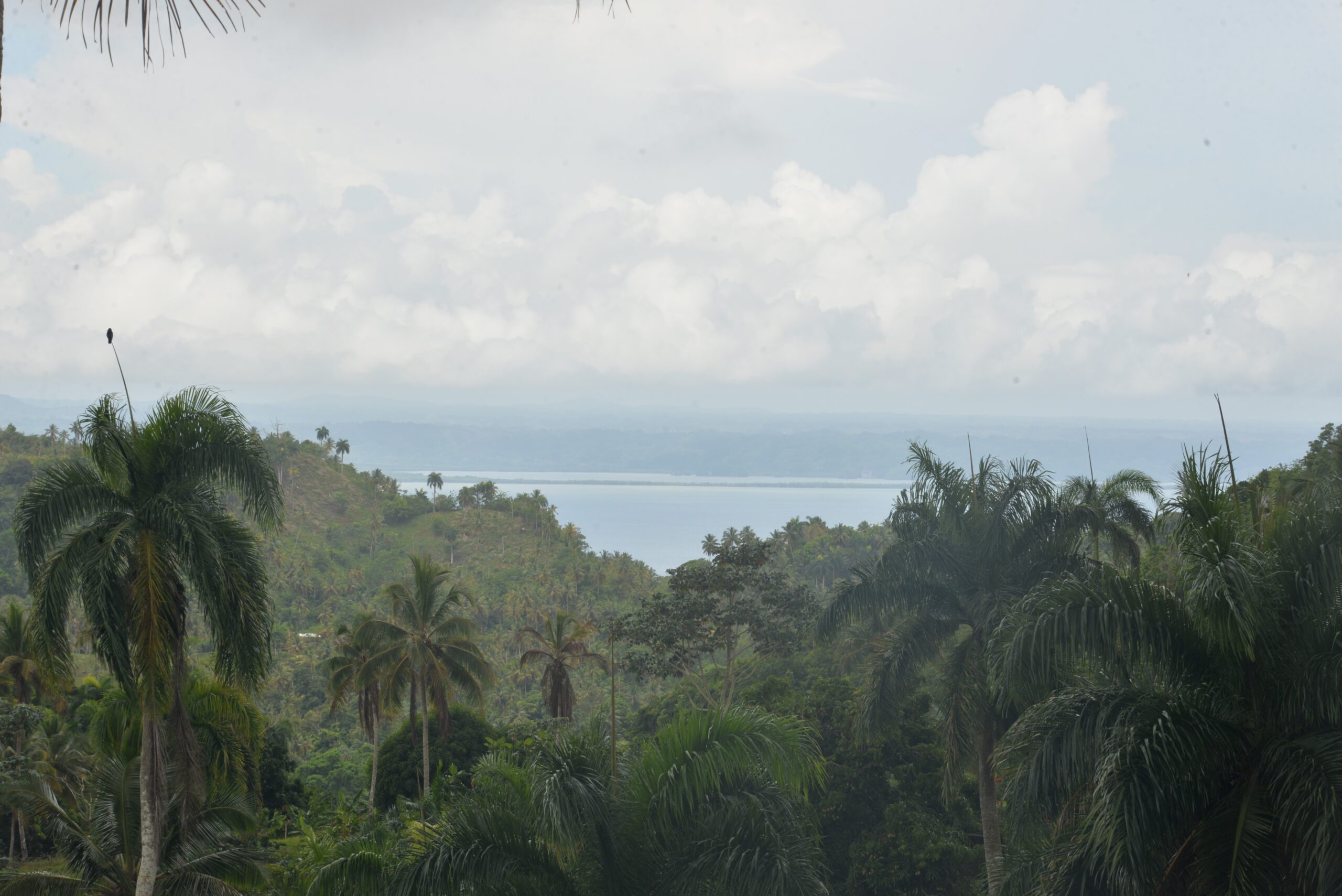
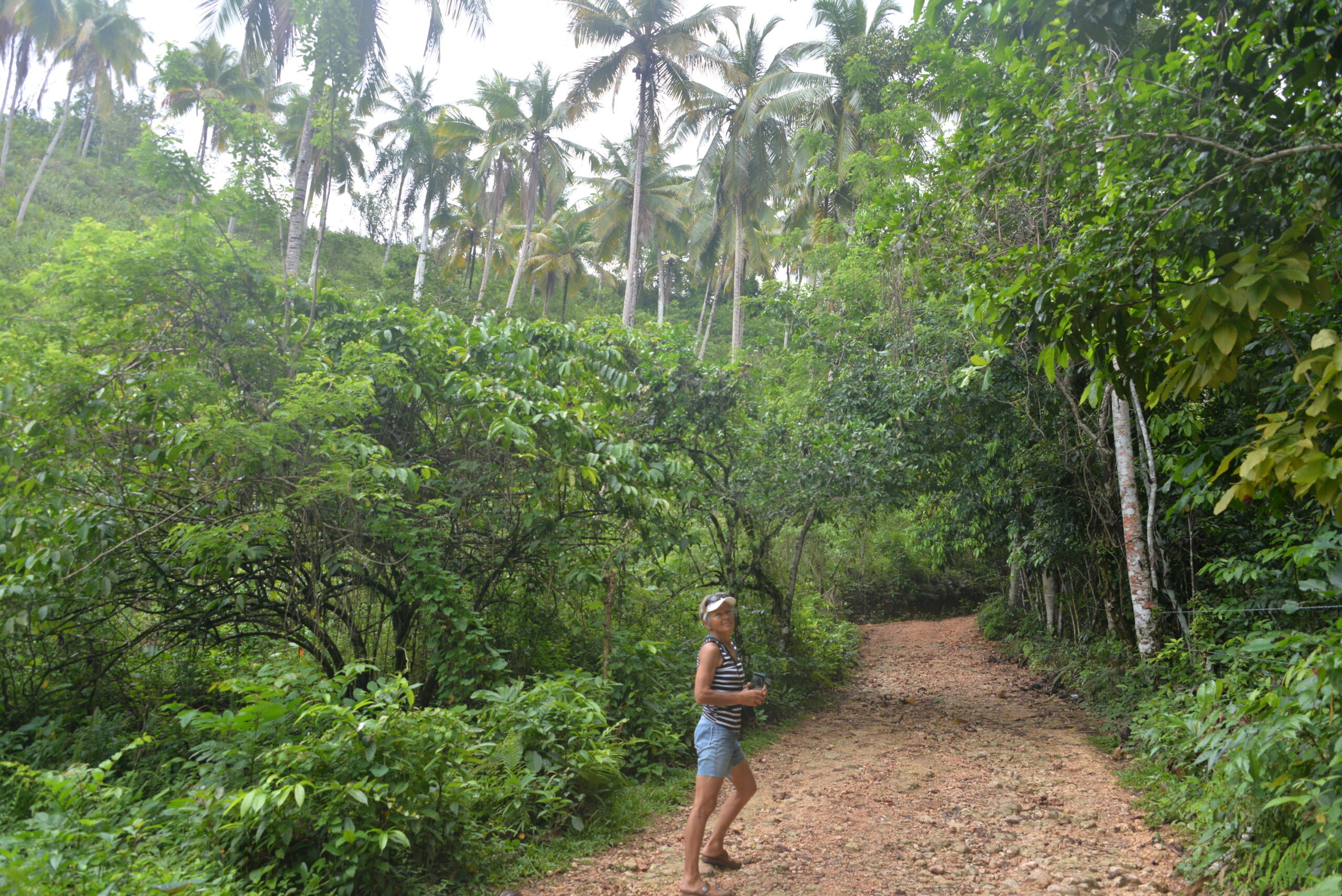
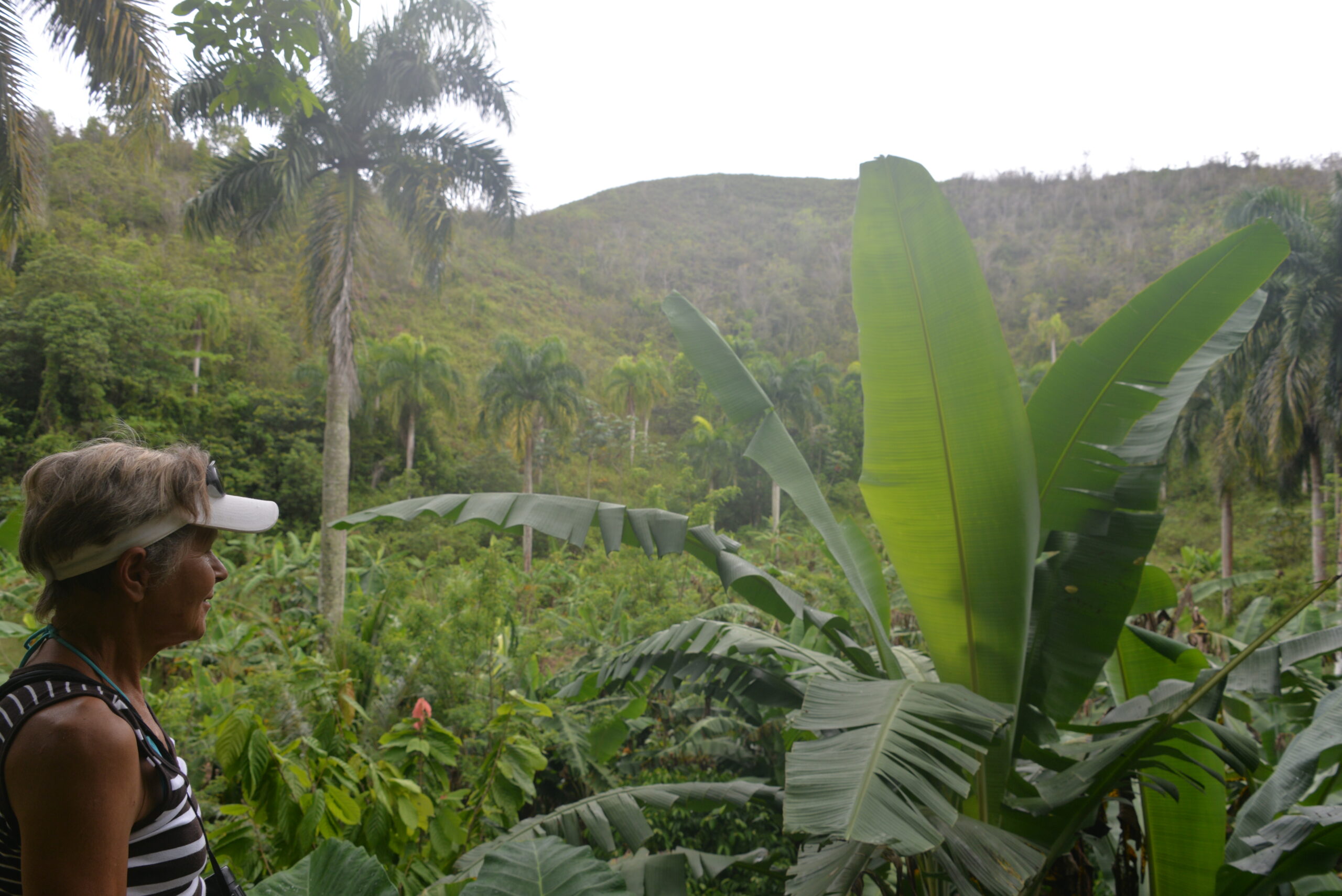
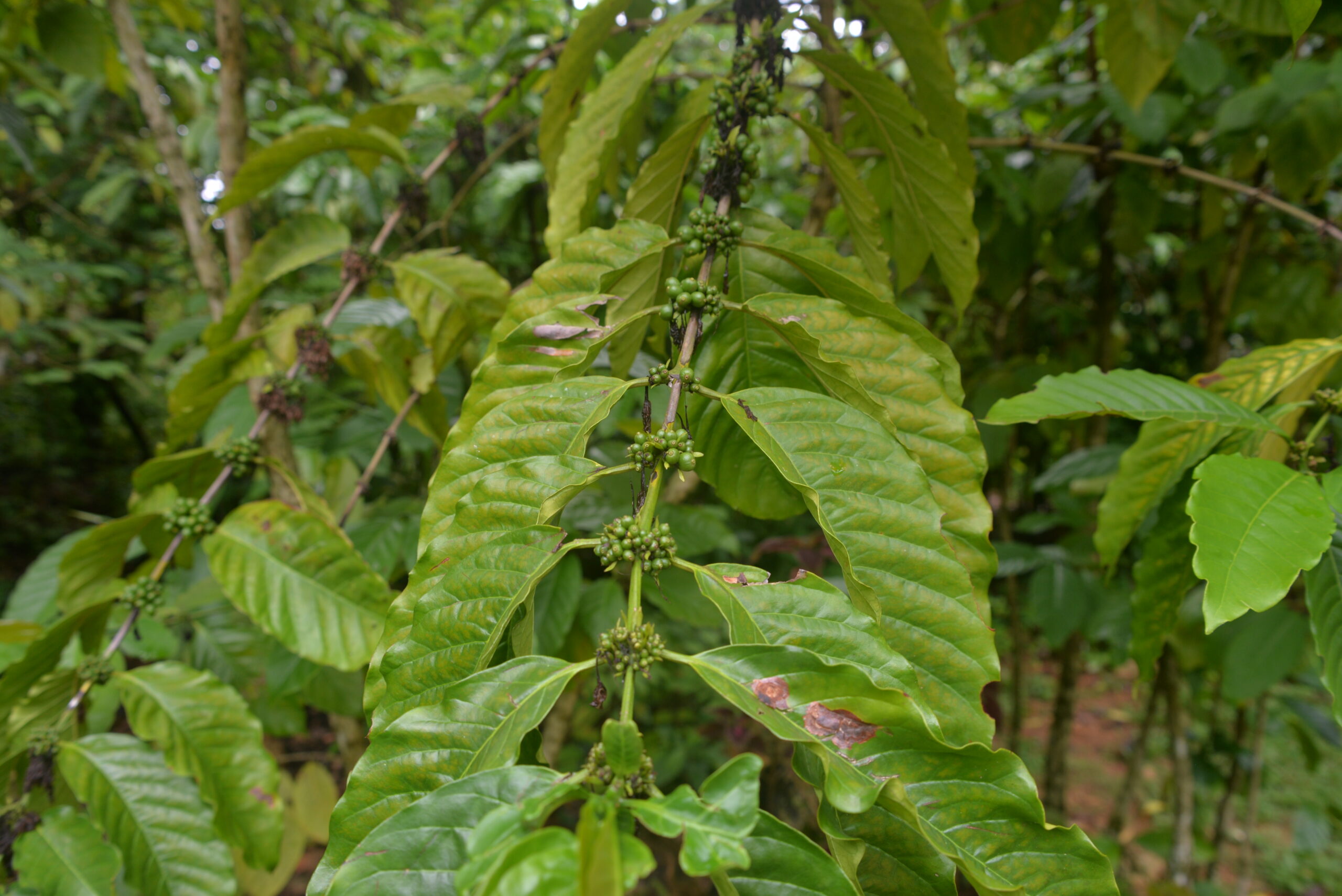
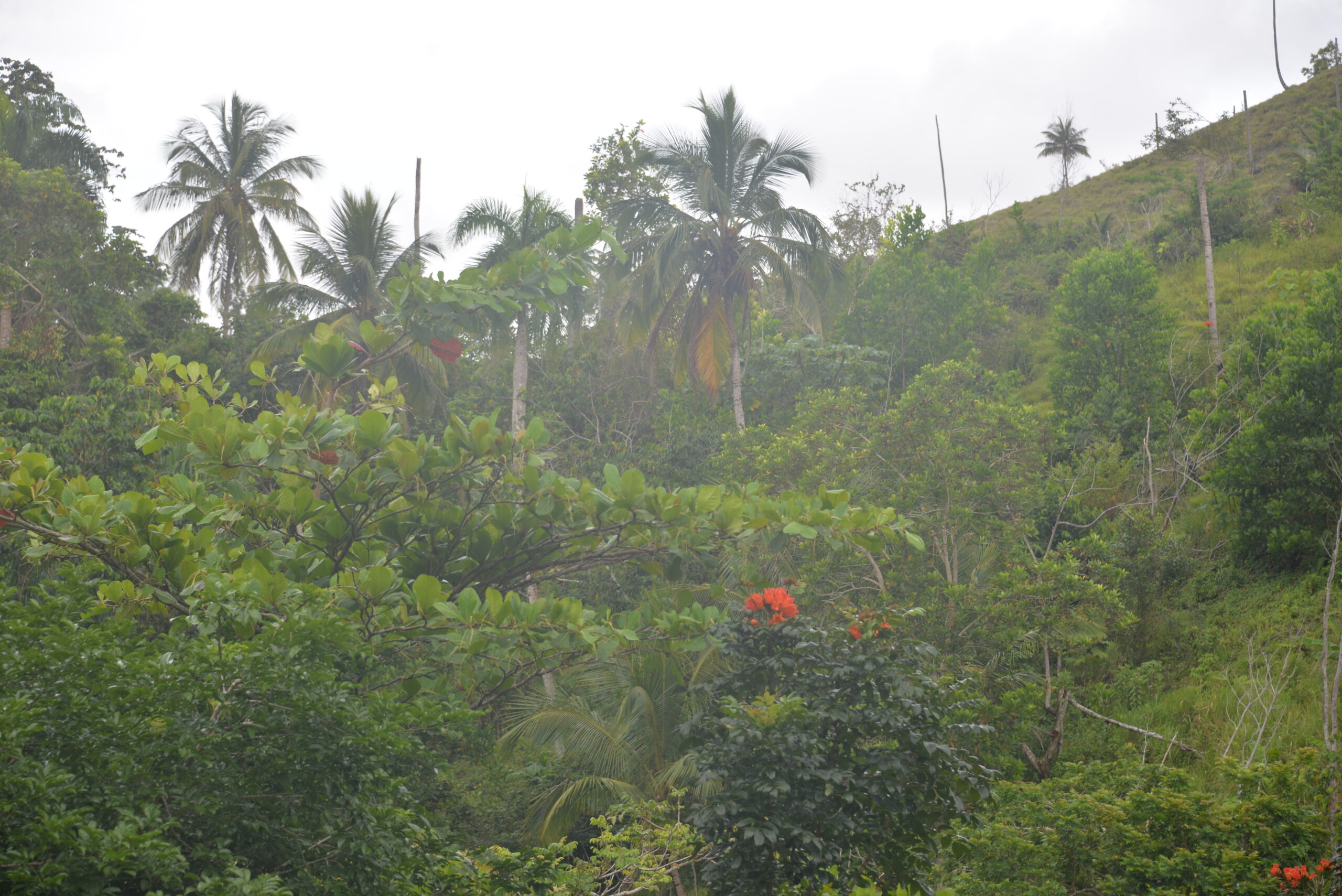
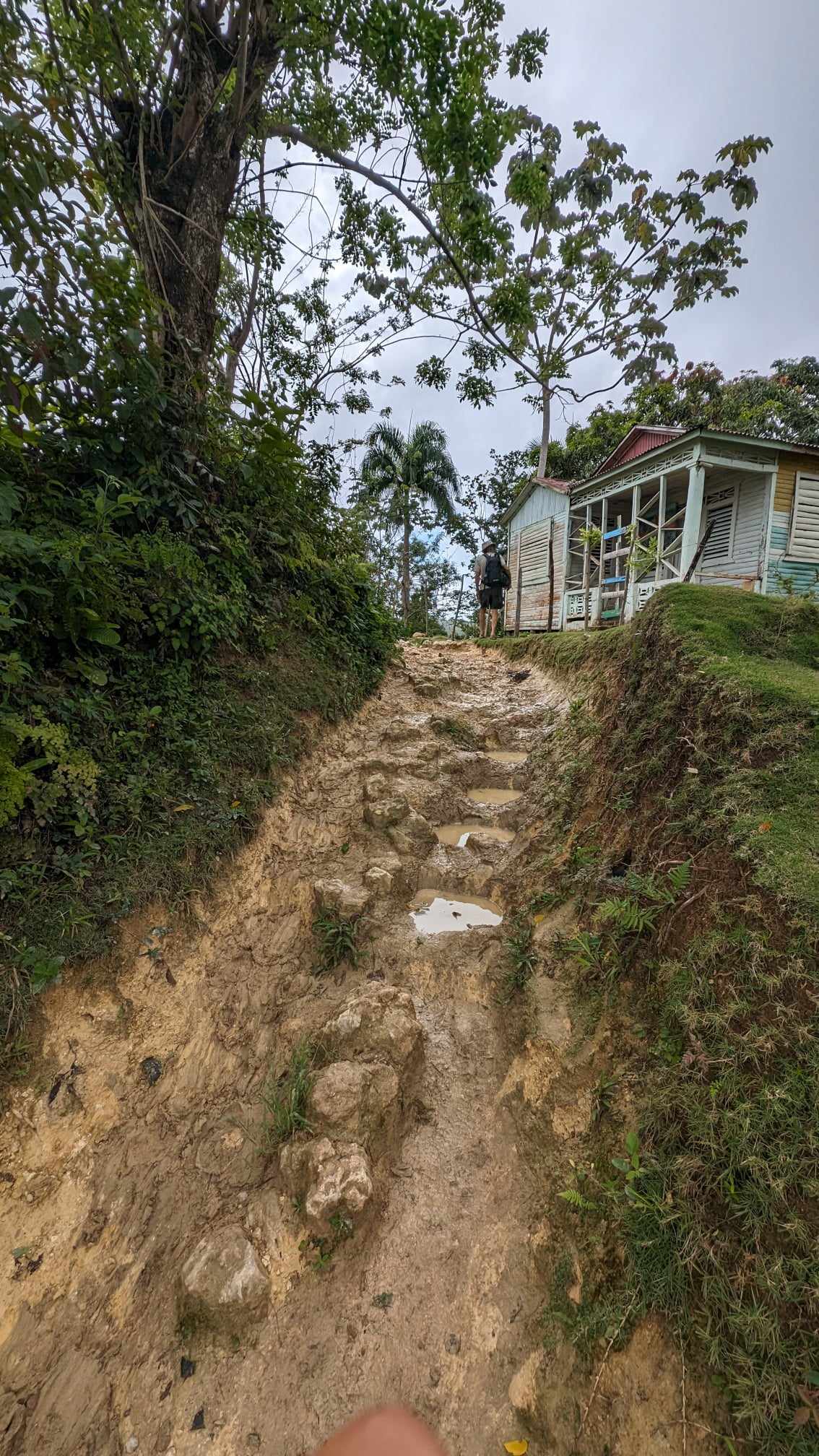
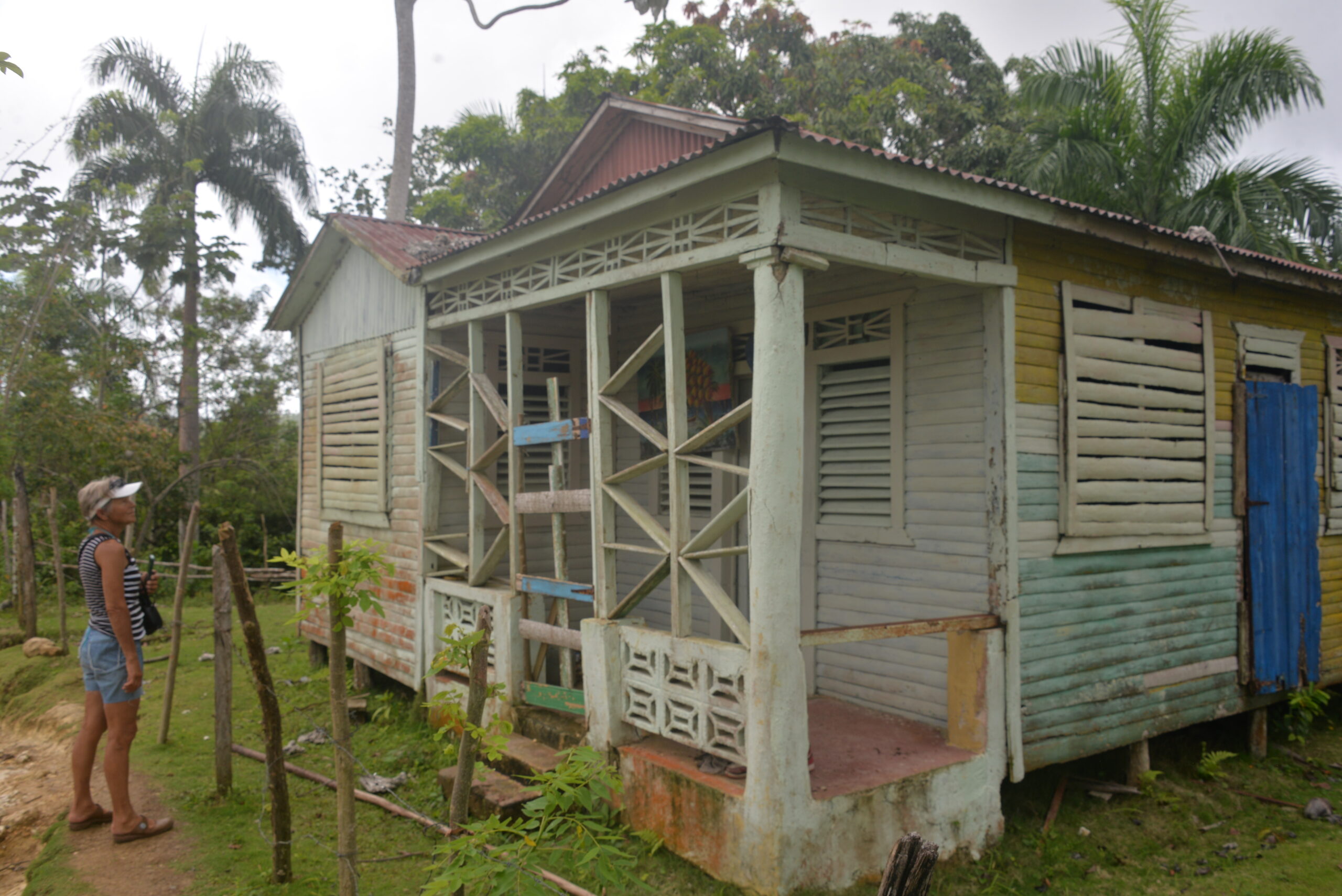
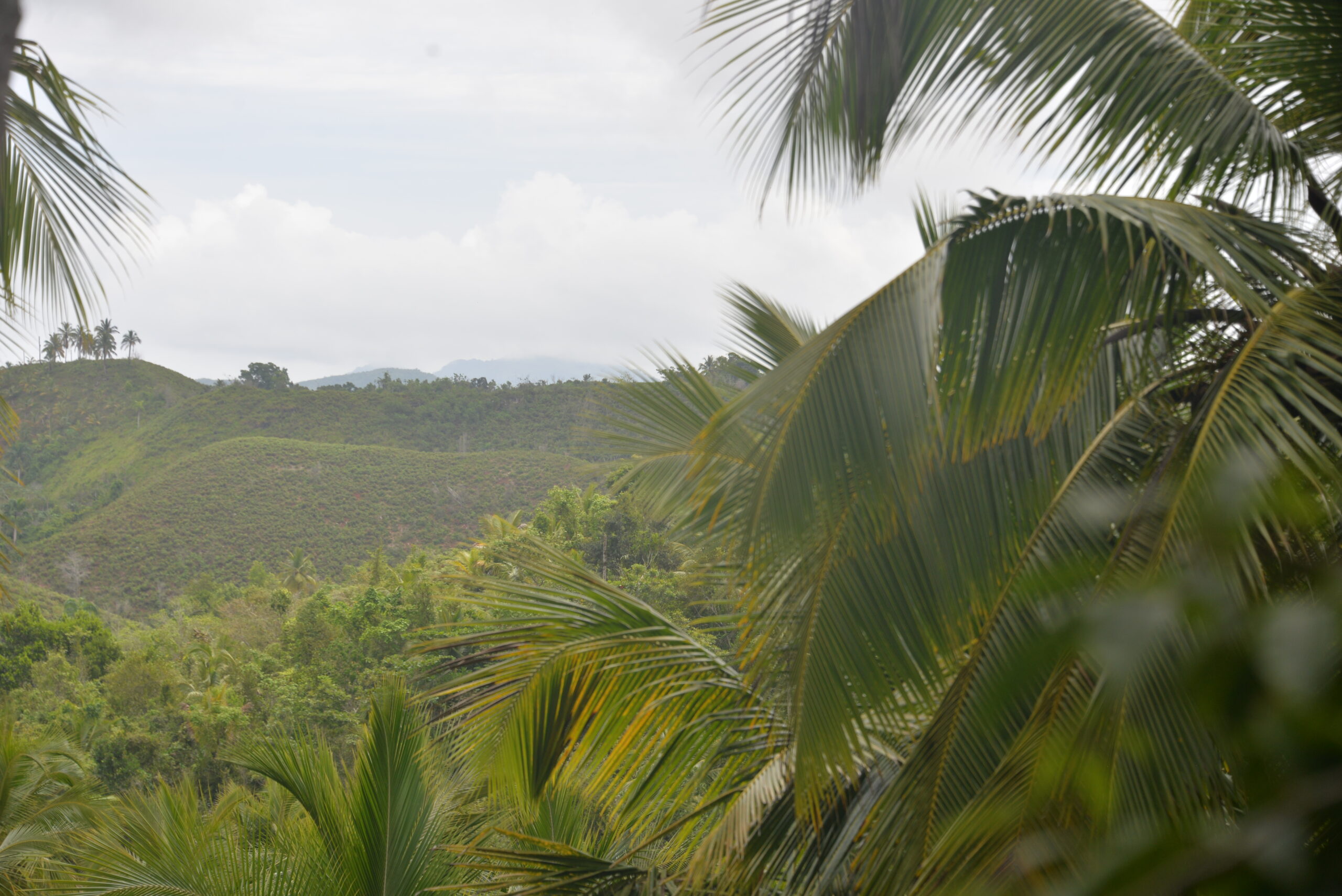
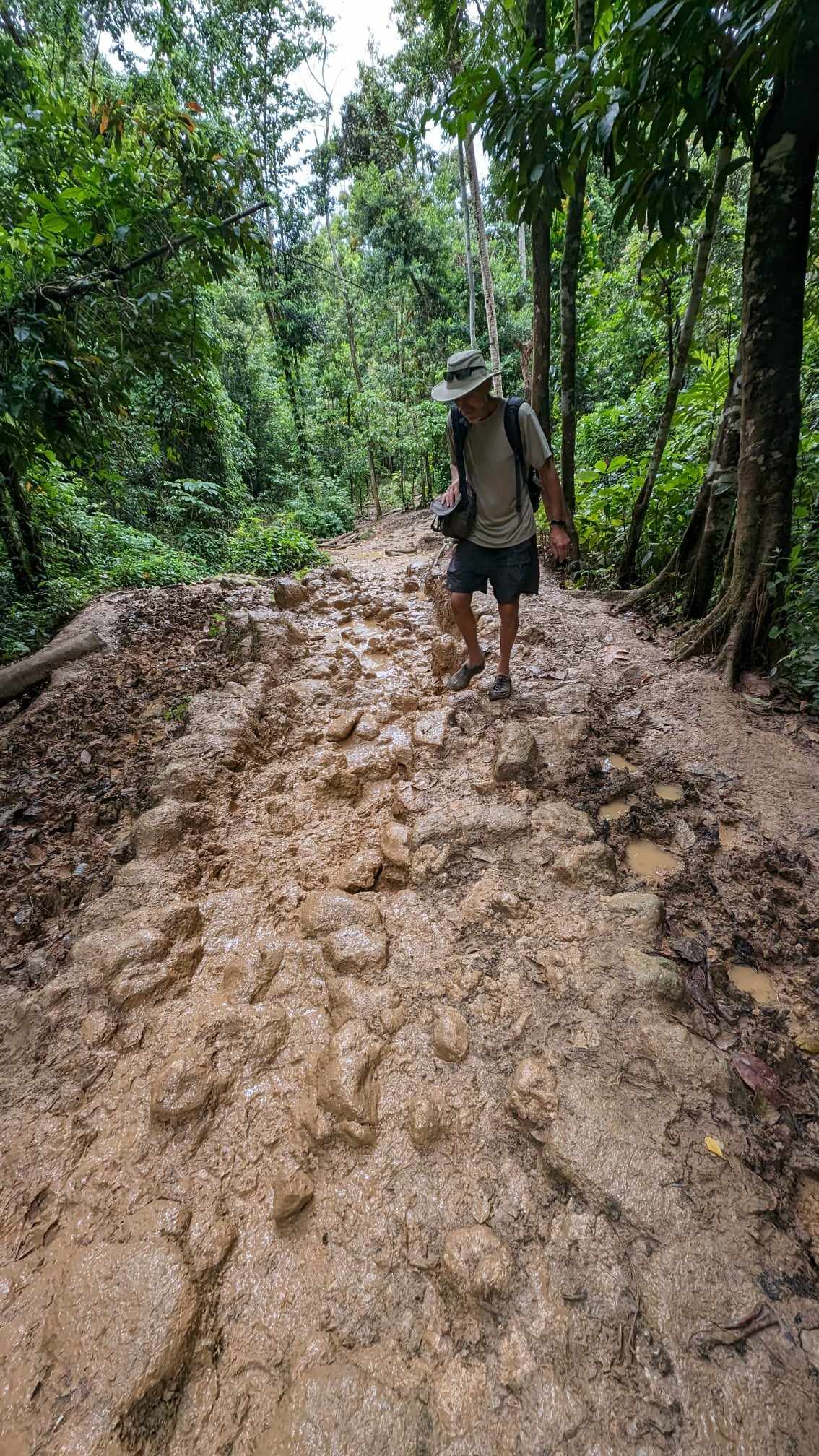
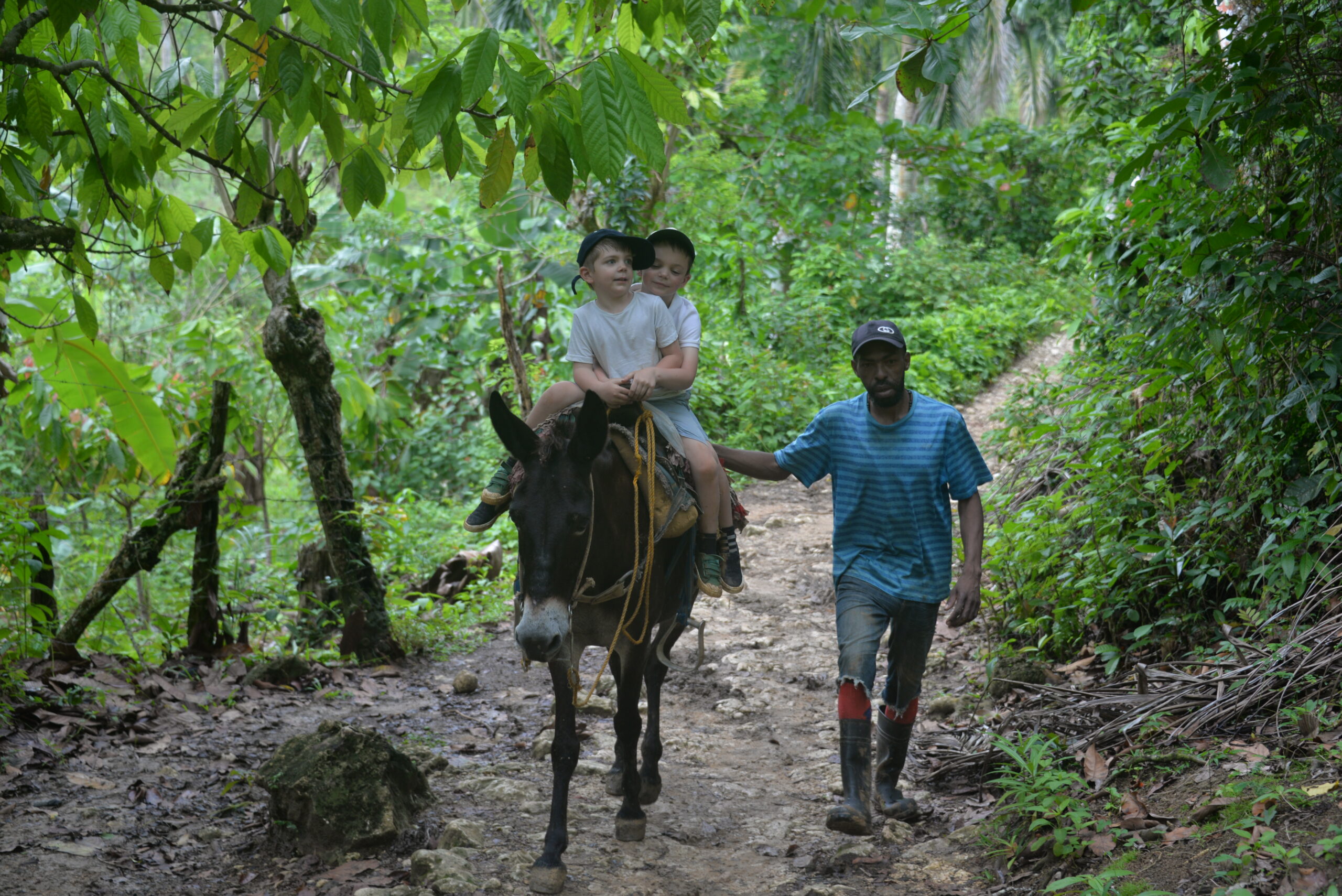
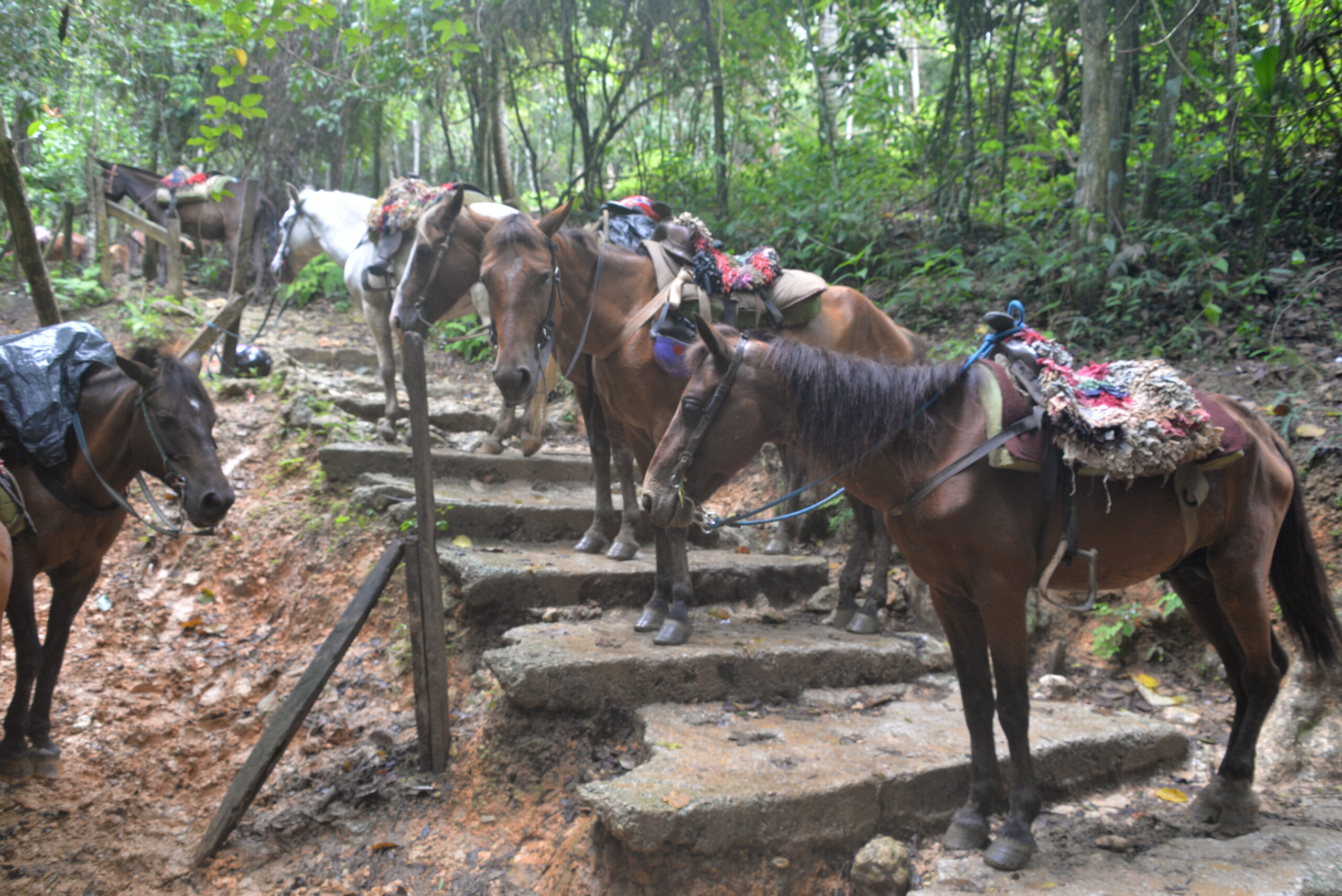
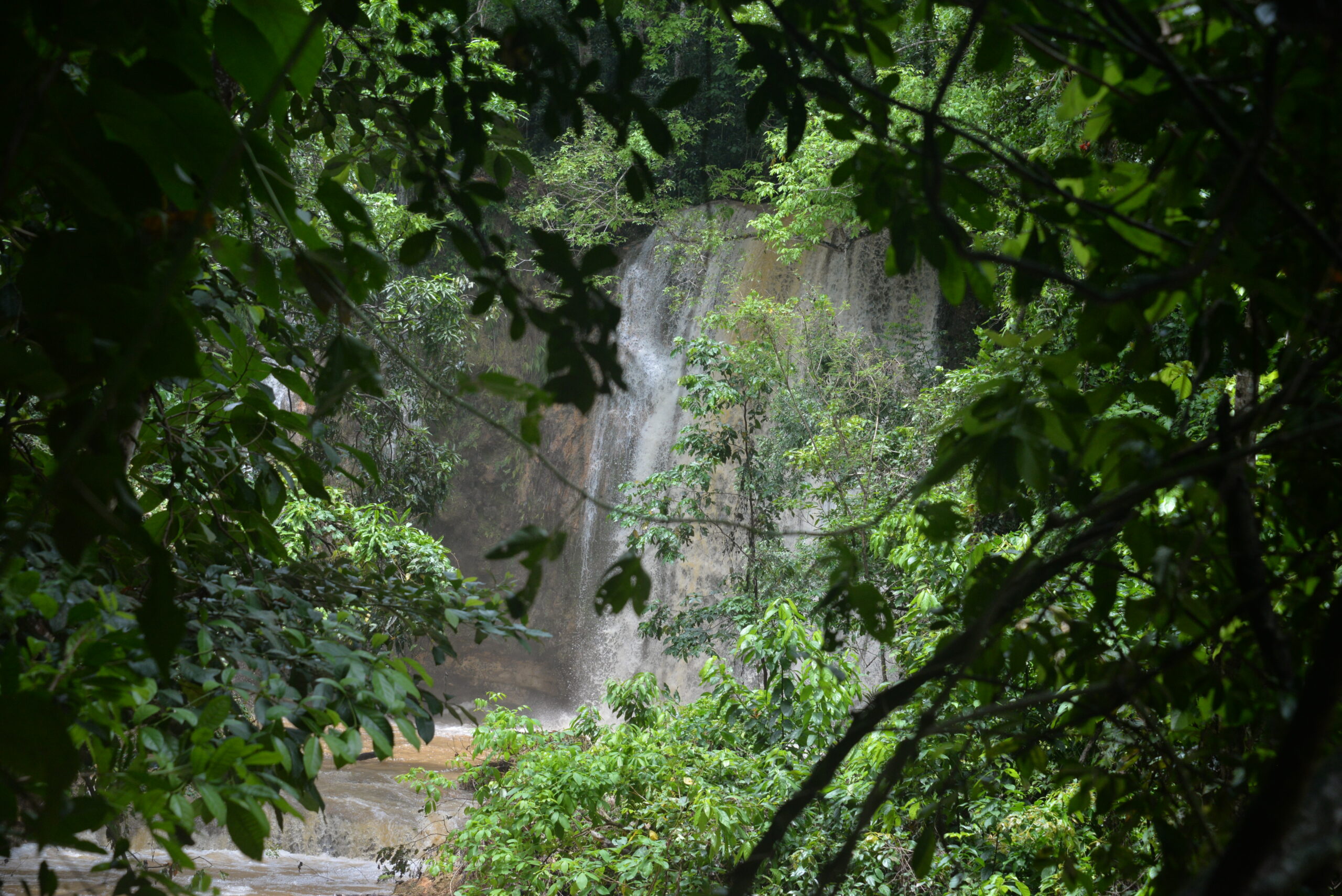
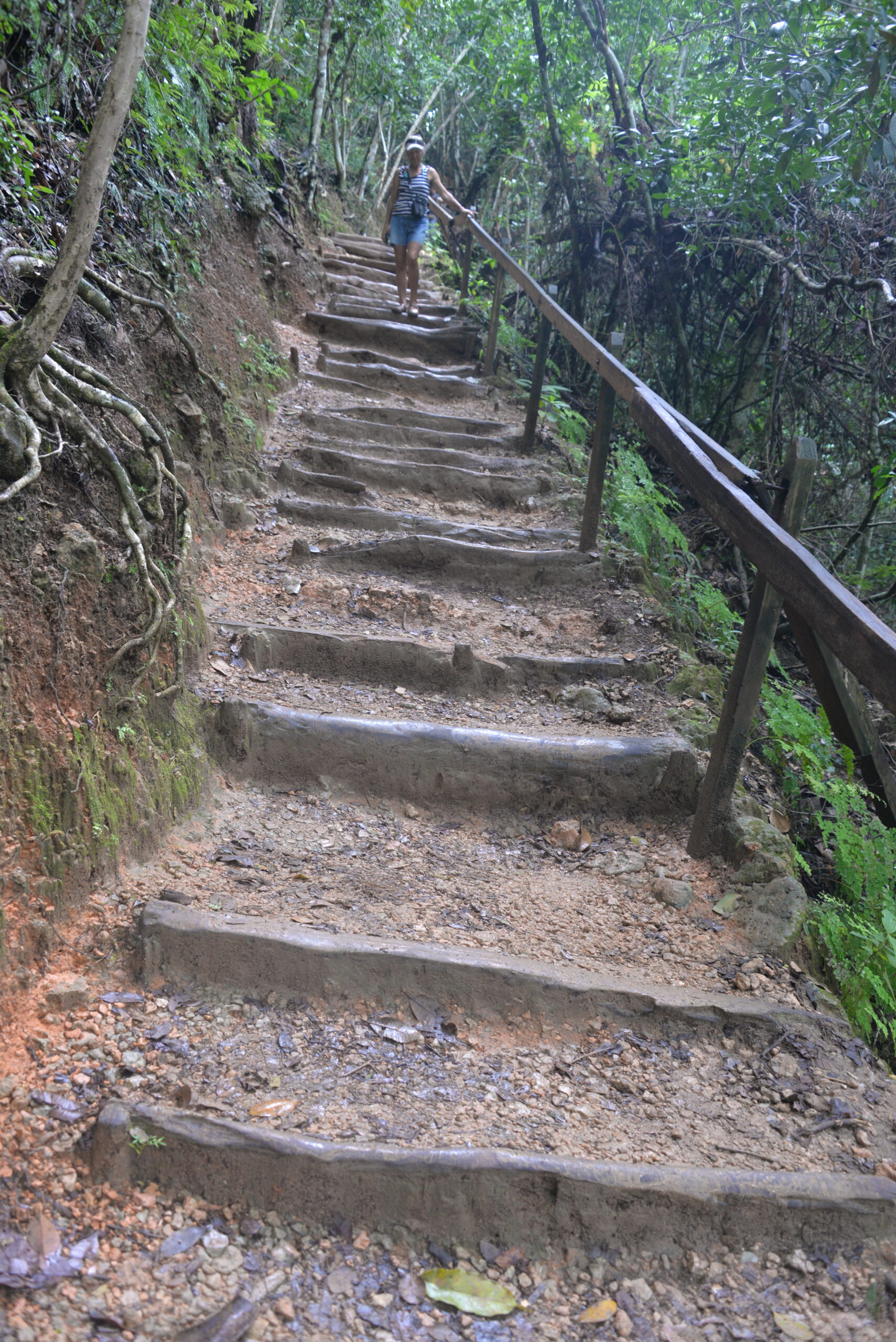
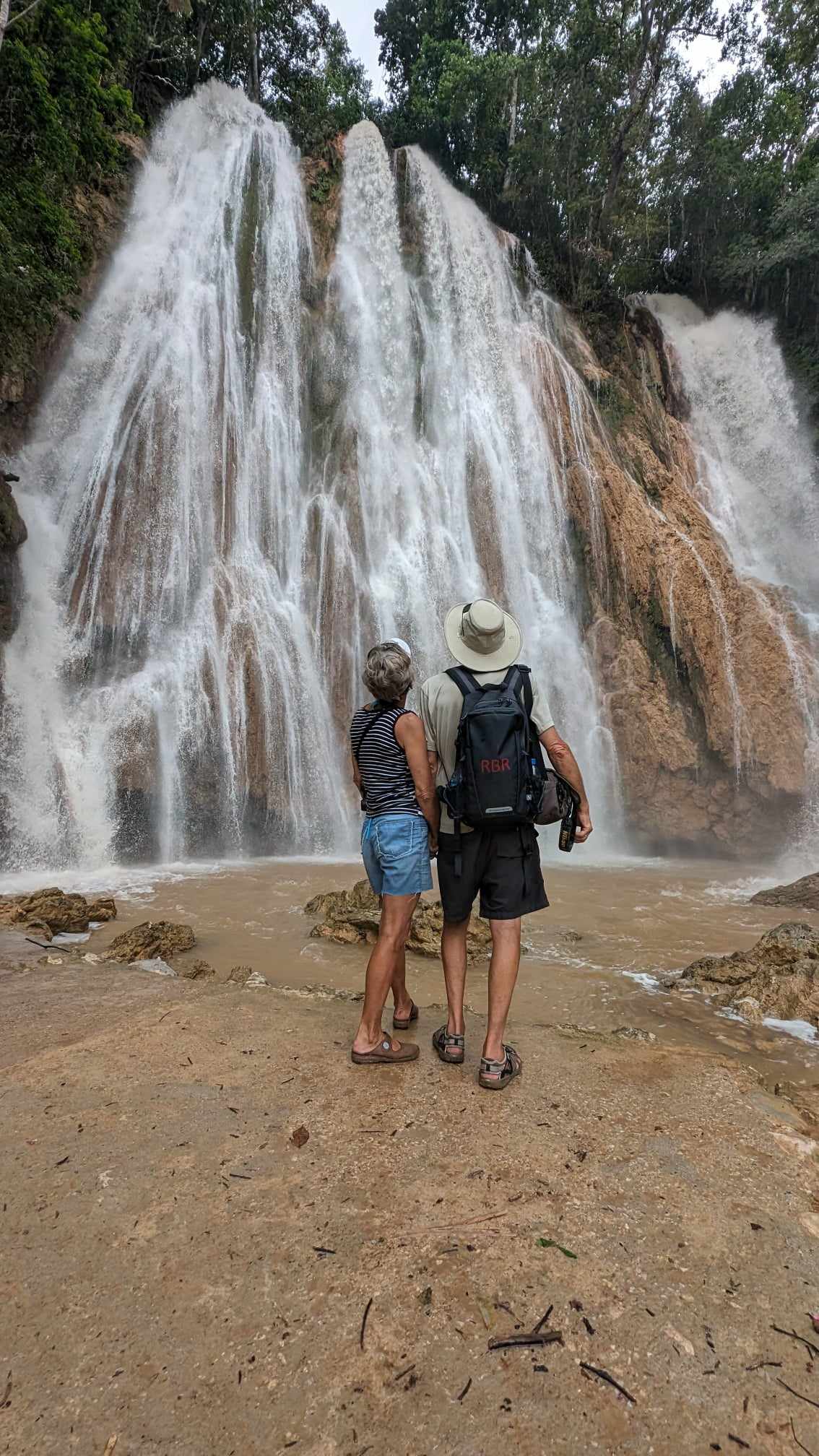
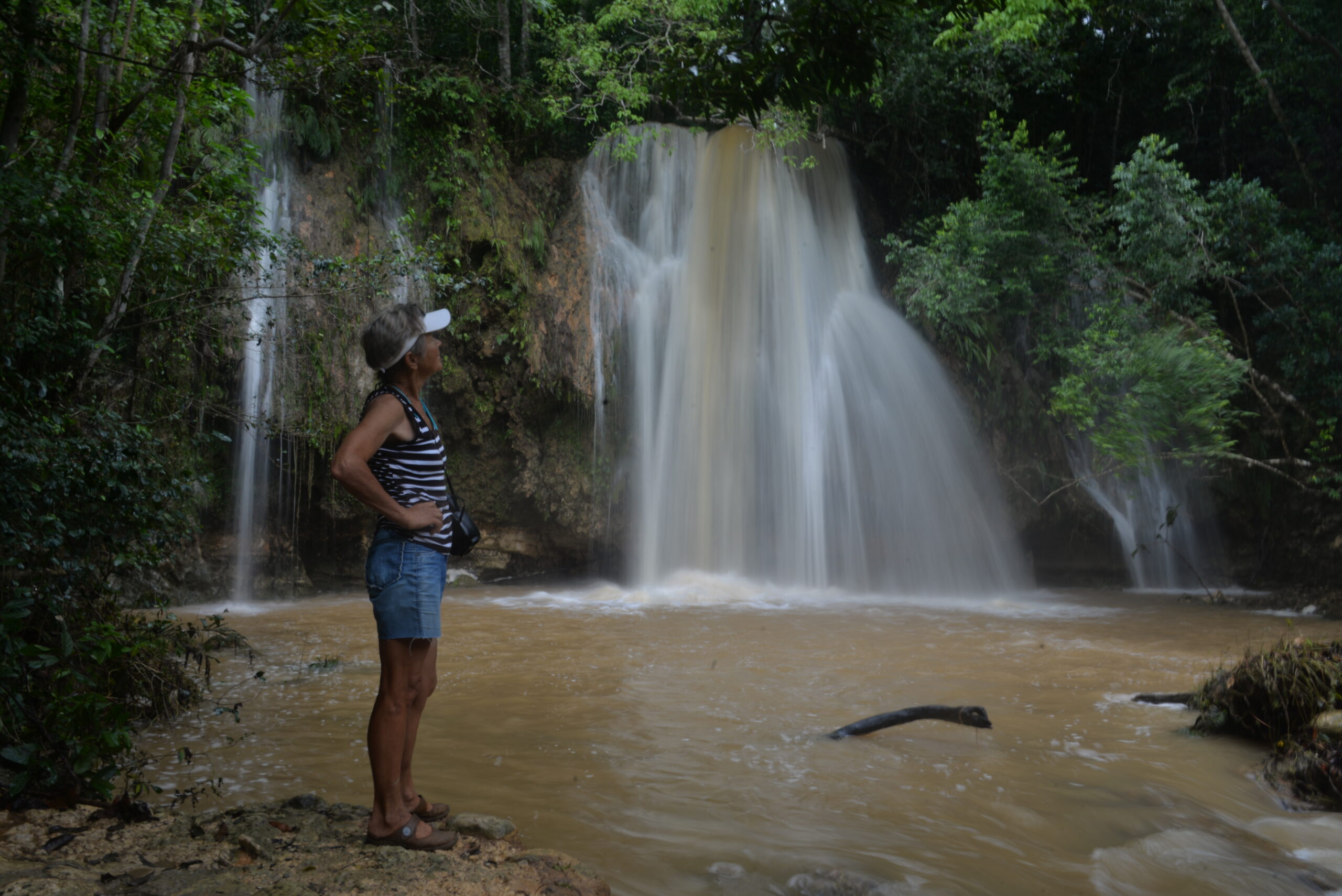
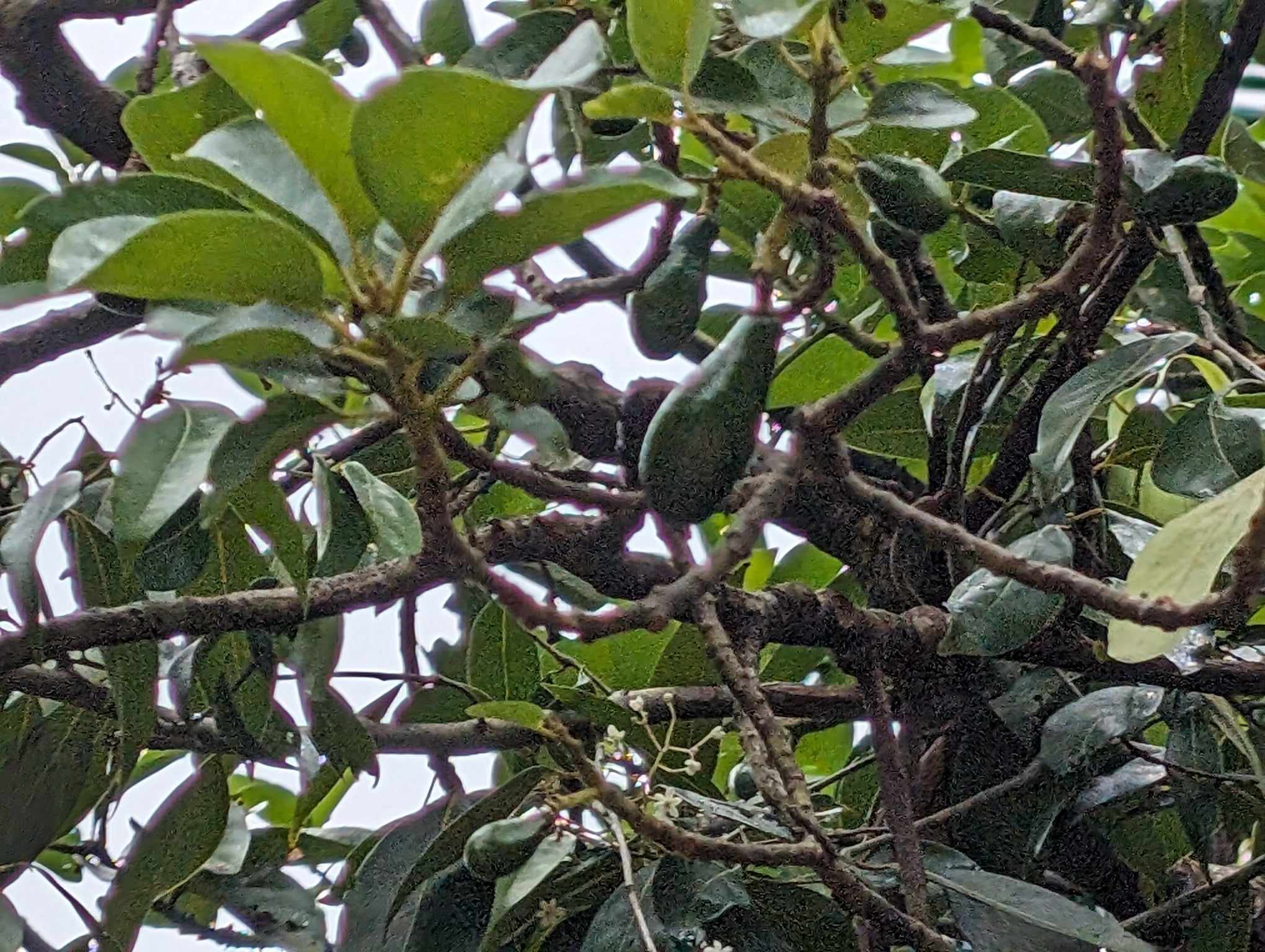
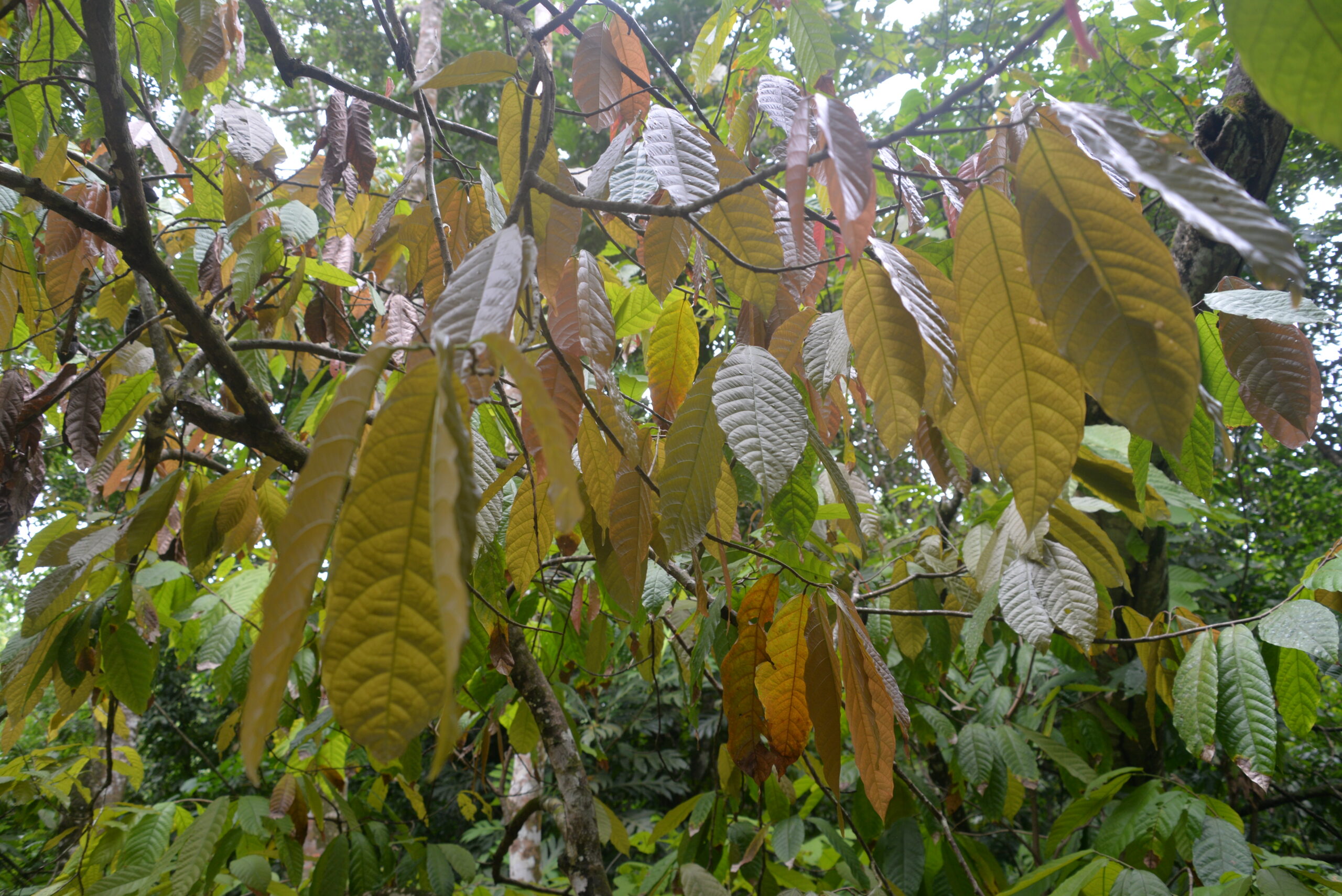
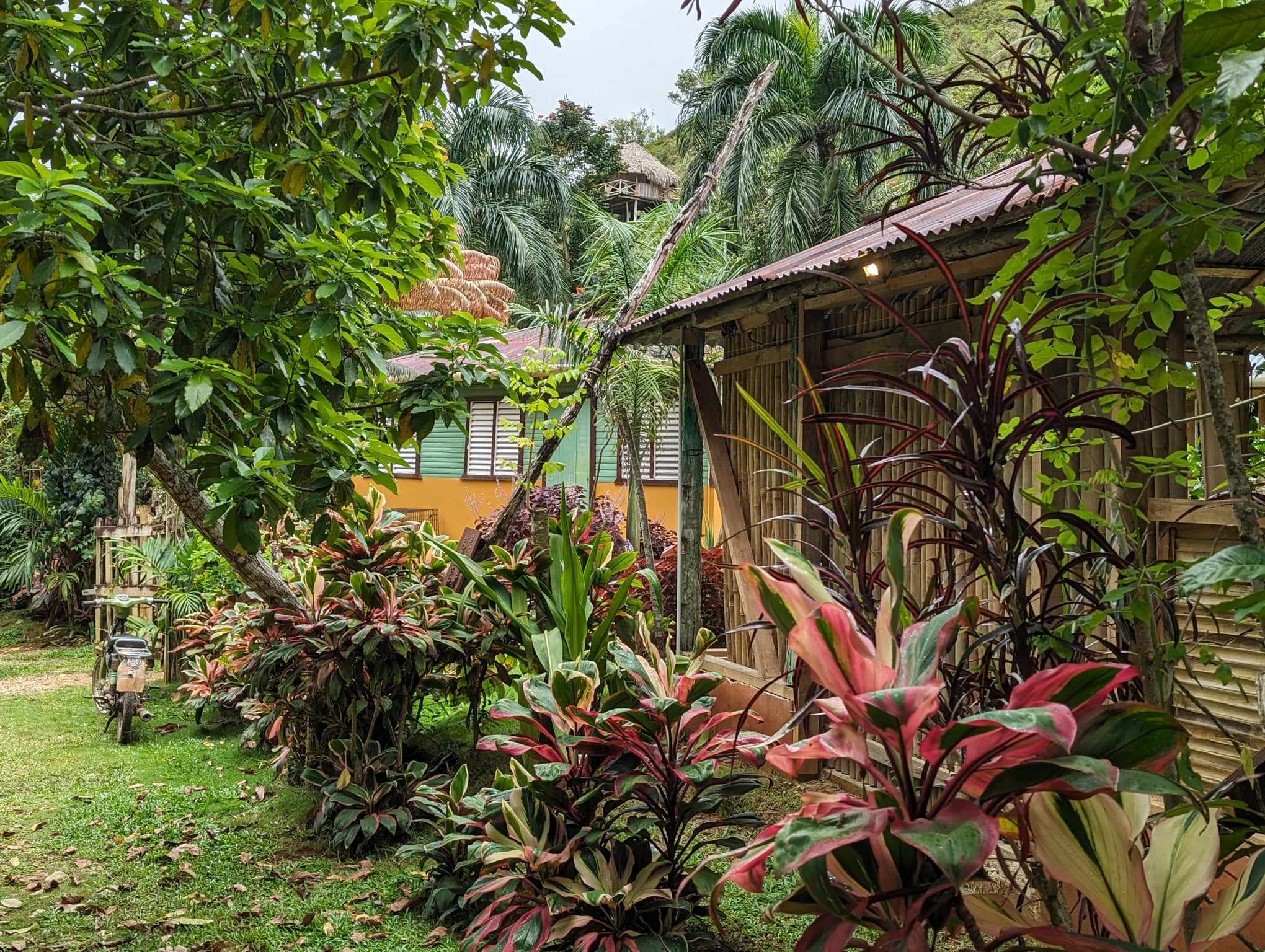
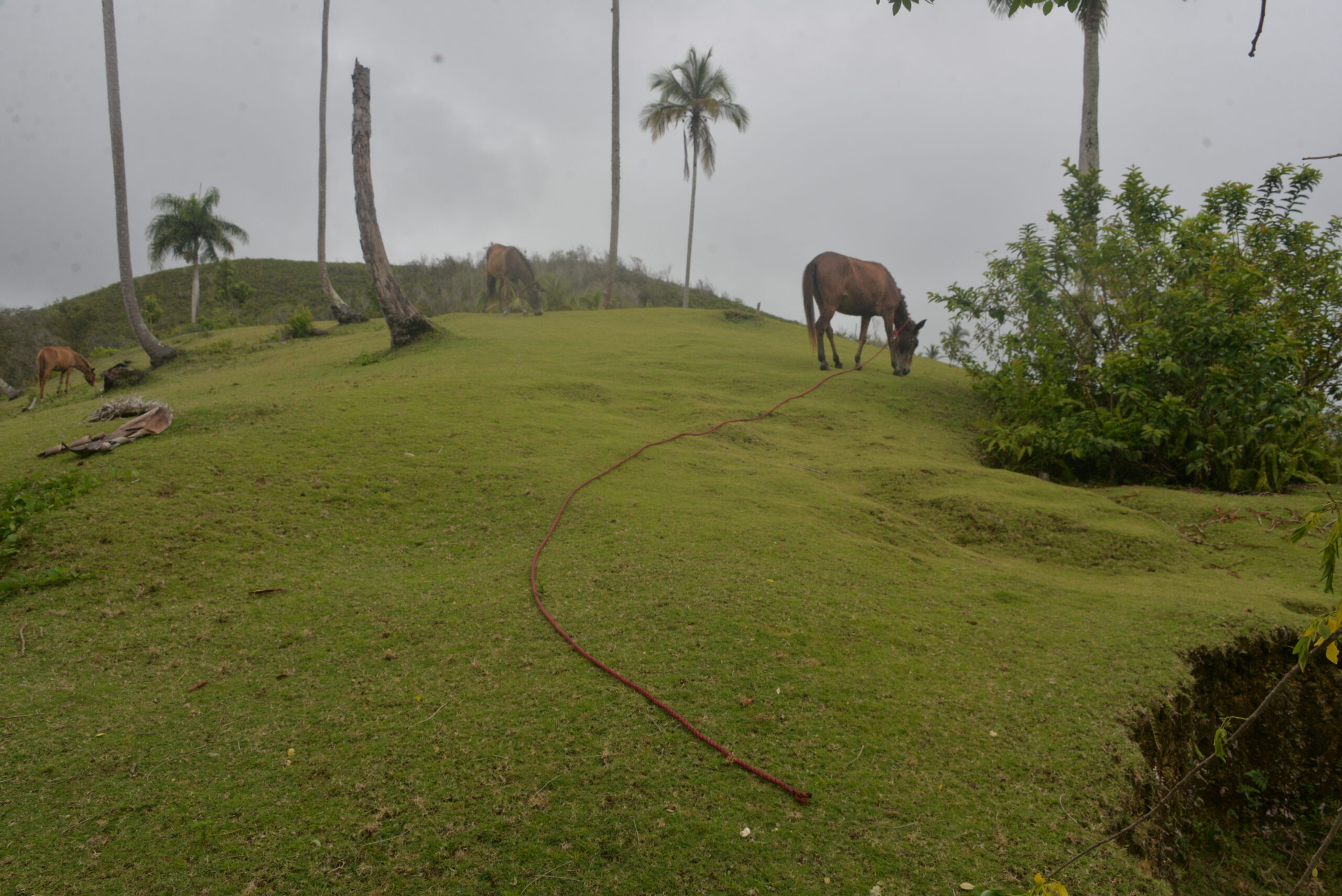
Our hiking trip to the Dominican Republic’s most stunning waterfall, El Limon, towering at 53 meters high, was nothing short of an adventure. The lush wilderness surrounding the falls boasts a rich variety of native flora, from majestic royal palm trees to bountiful banana, avocado, cocoa, and coffee plants. The trail stretched approximately 3 kilometers, but the muddy and humid conditions made every step feel like a Herculean feat. Yet, despite the challenges, reaching our ultimate destination was an awe-inspiring moment—the breathtaking sight of the magnificent waterfall awaited us, making the journey well worth the effort.
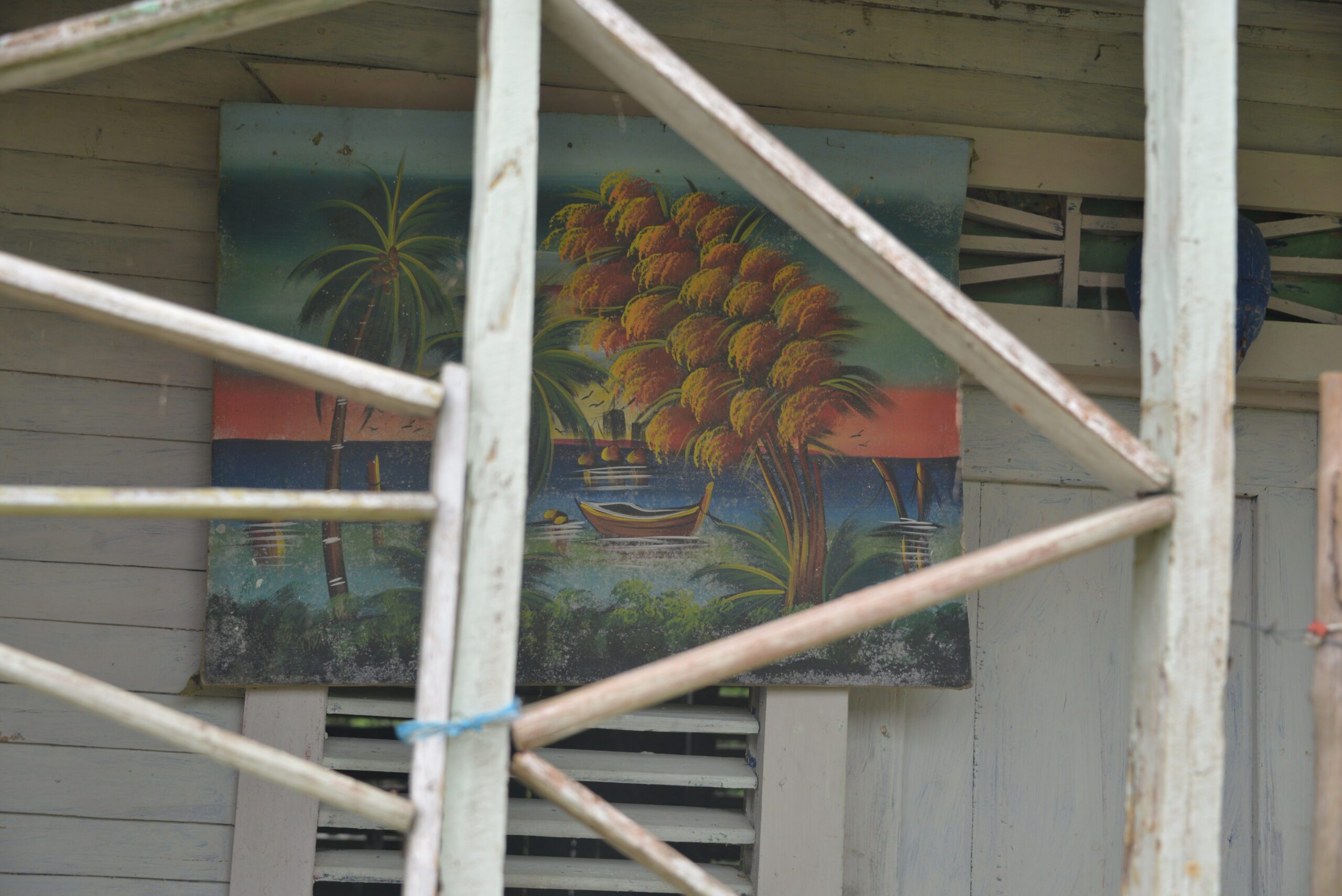
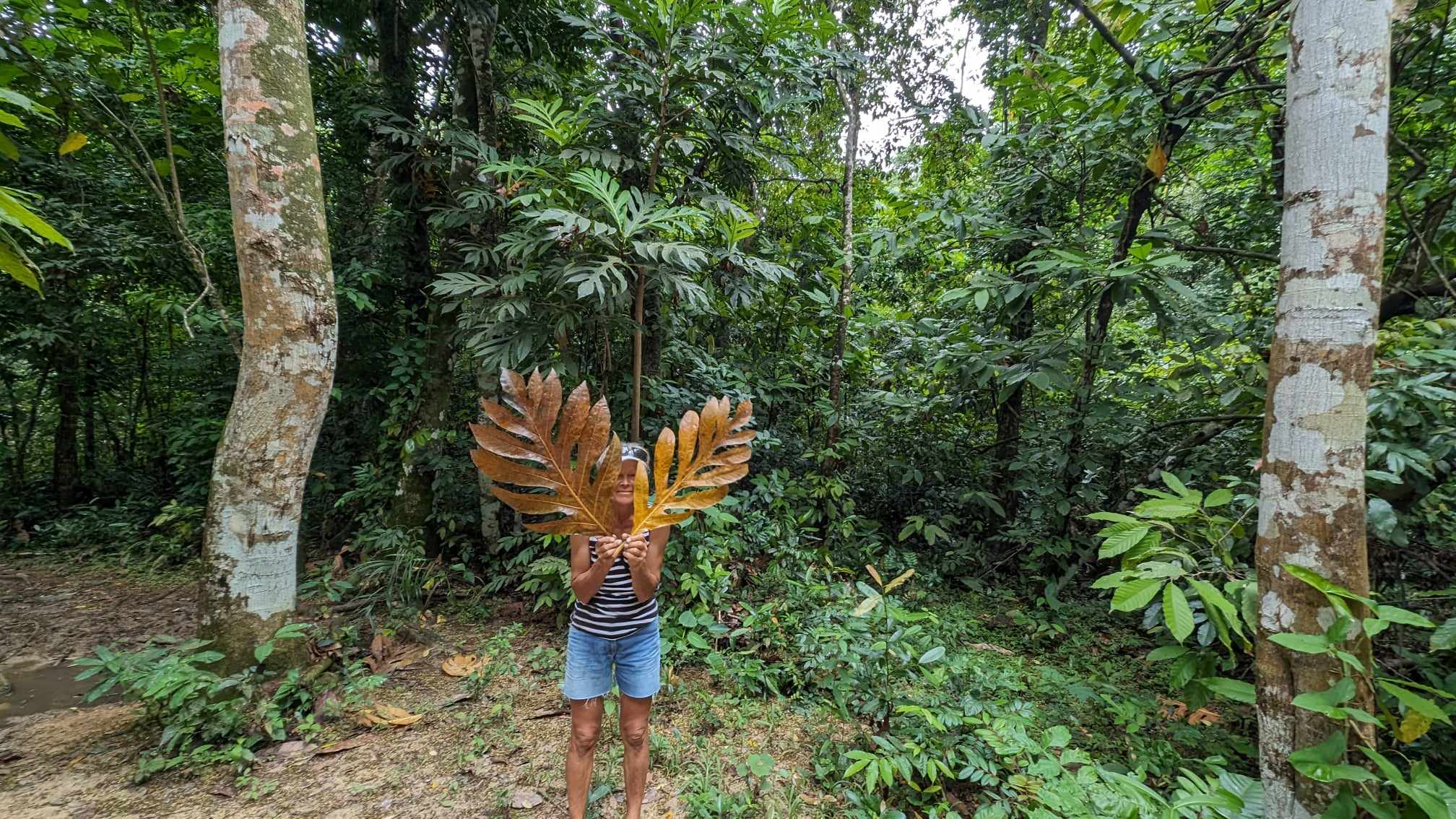
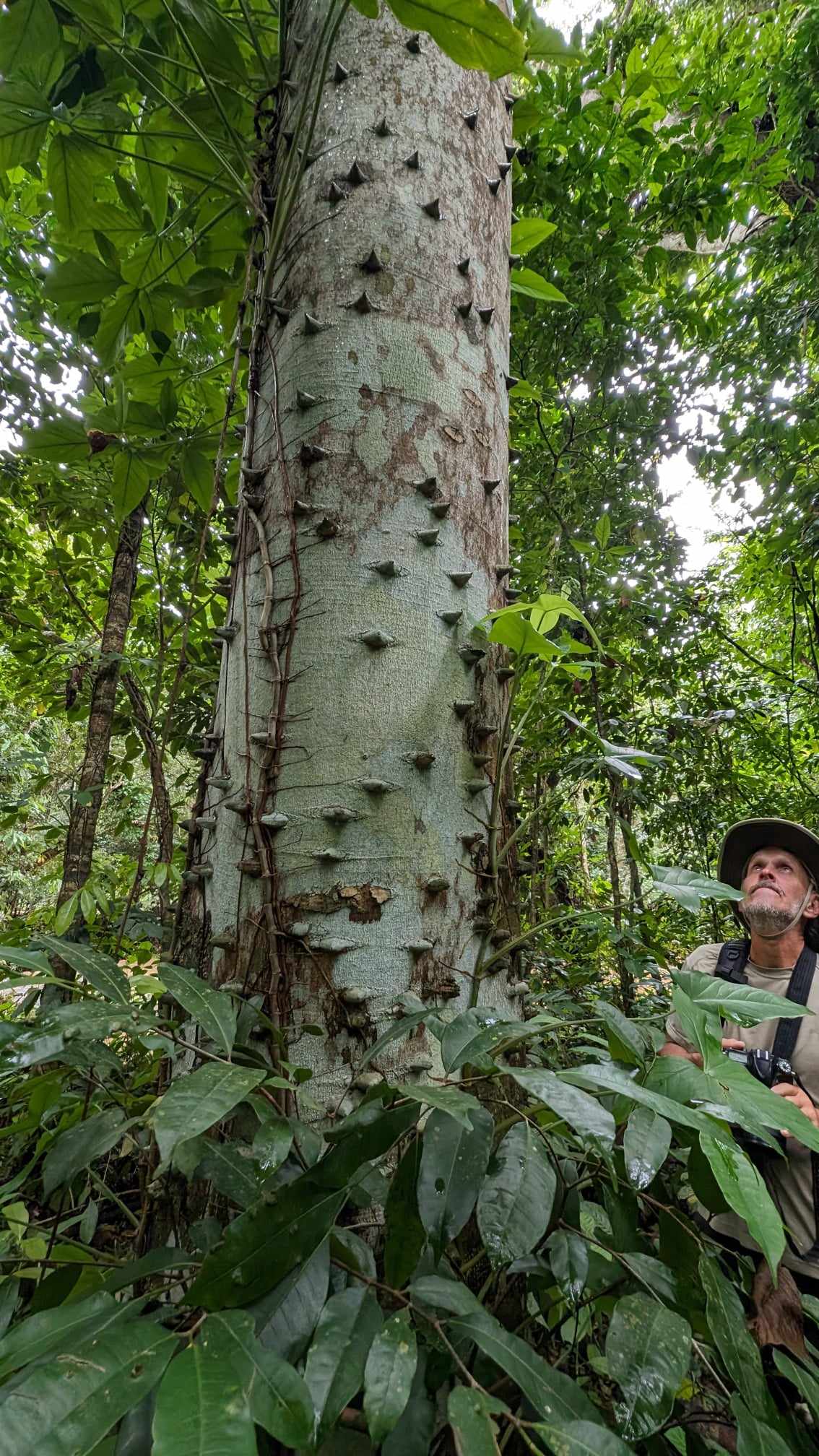
Ocean vistaTrailhead looks goodBanana treeCoffee treeRoyal palmsMuddy path to a hutAbandoned hutArtCocoa treeLeaves of breadfruit treeCeibaCrossing the riverChallenging pathBrave boys!Resting horsesPetting a small oneFirst fall in a cascadeStairway to fallRefrereshing sprayWe and the waterfallAnother fall AvocadosCocoaFarmer’s houseA pasture atop the hill
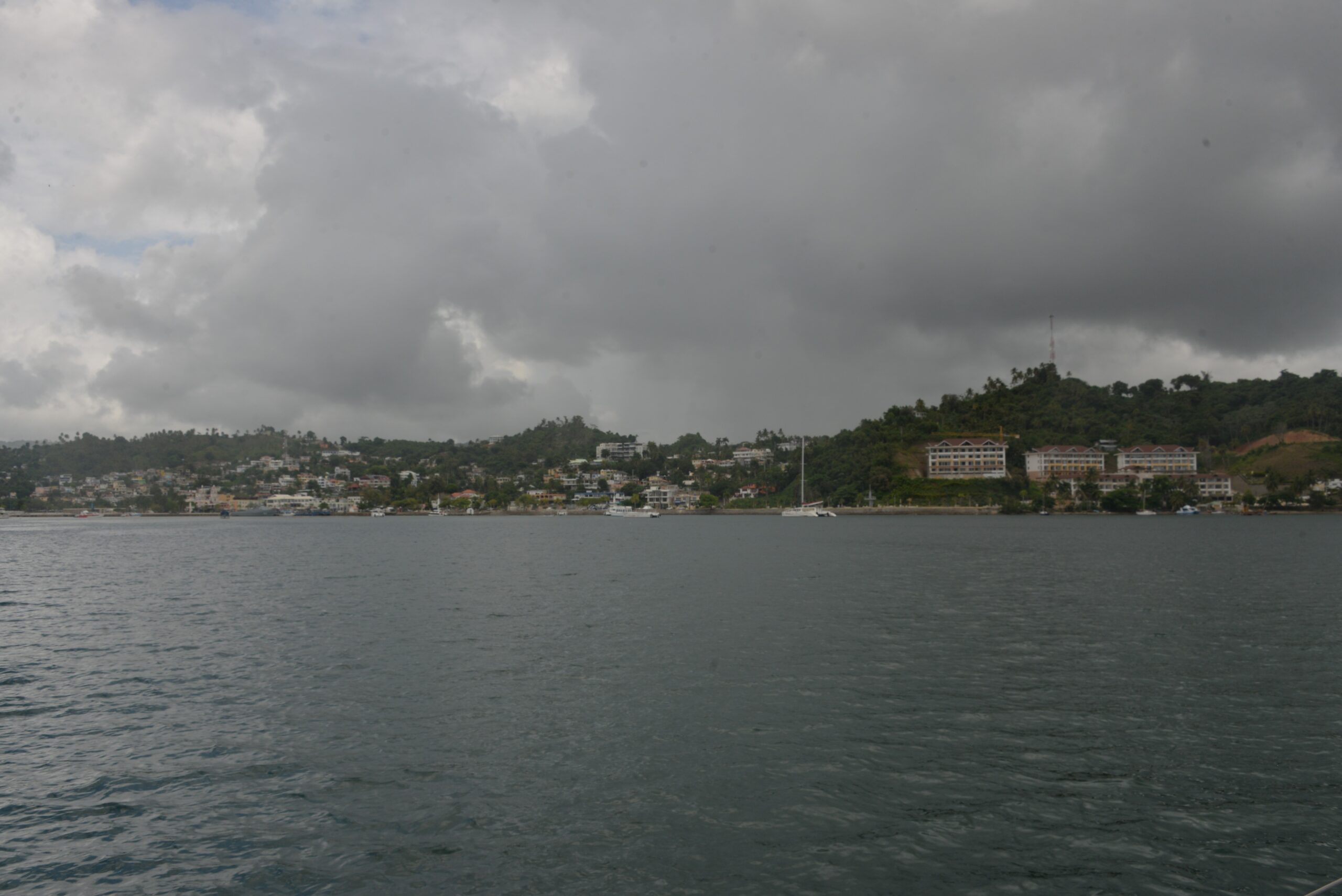
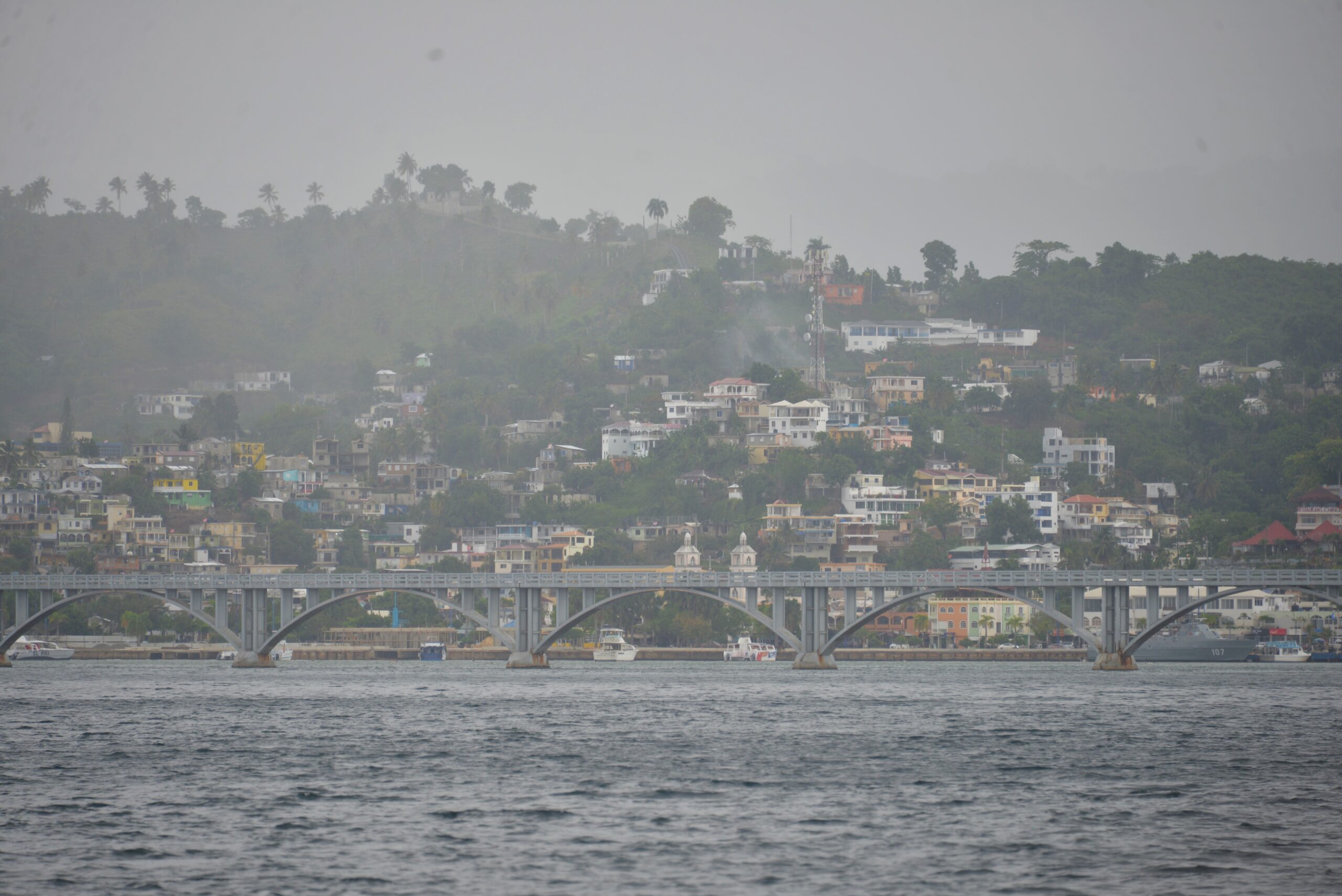
Samaná (Santa Barbara de Samana) is a town on the Samana Peninsula. It’s not just any old town—this place overlooks Samaná Bay, the hotspot for thousands of humpback whales during winter’s mating season. Imagine being in a town where the whales are the talk of the season! And guess what? They’ve even got a Whale Museum with a show-stopping feature—a colossal whale skeleton that puts all other museum exhibits to shame.
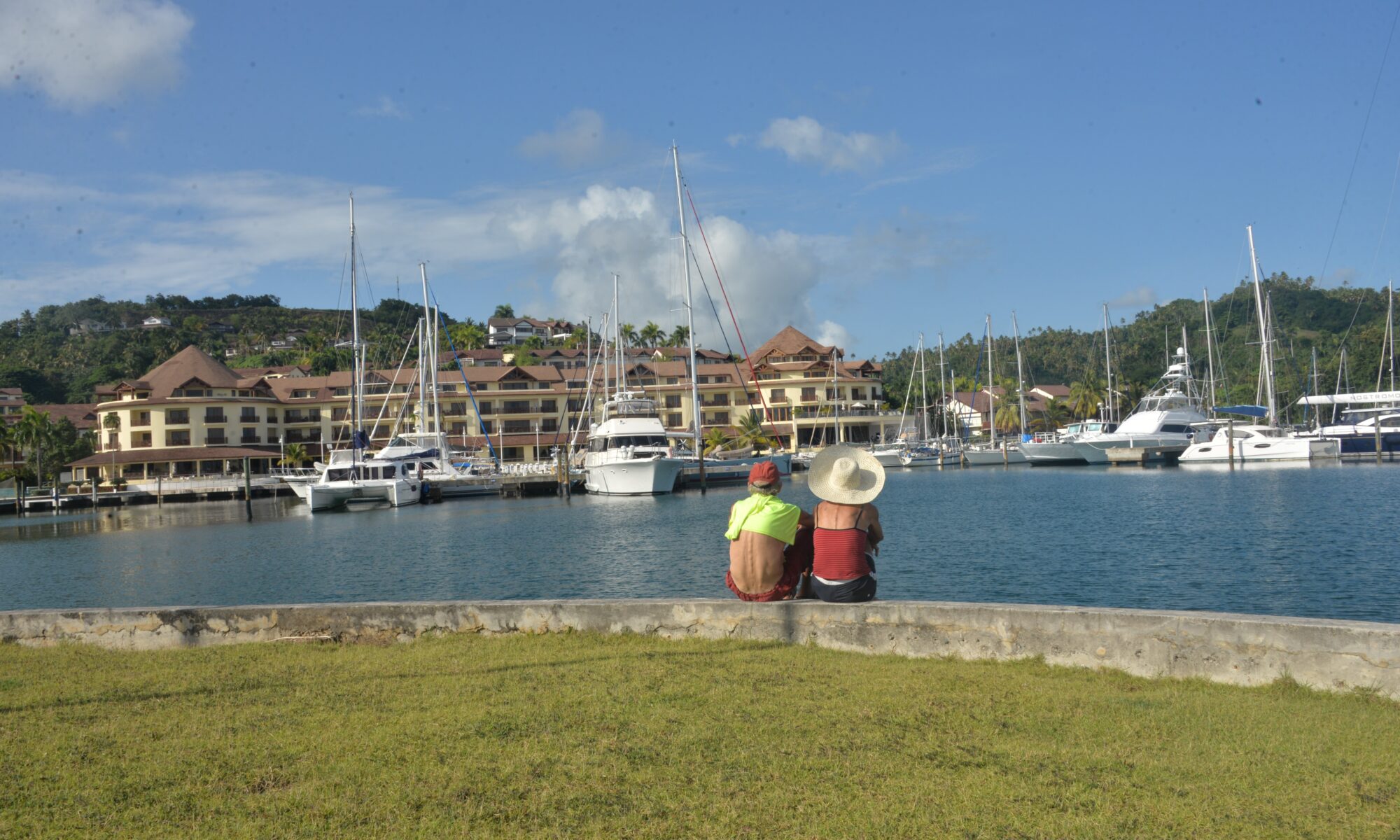
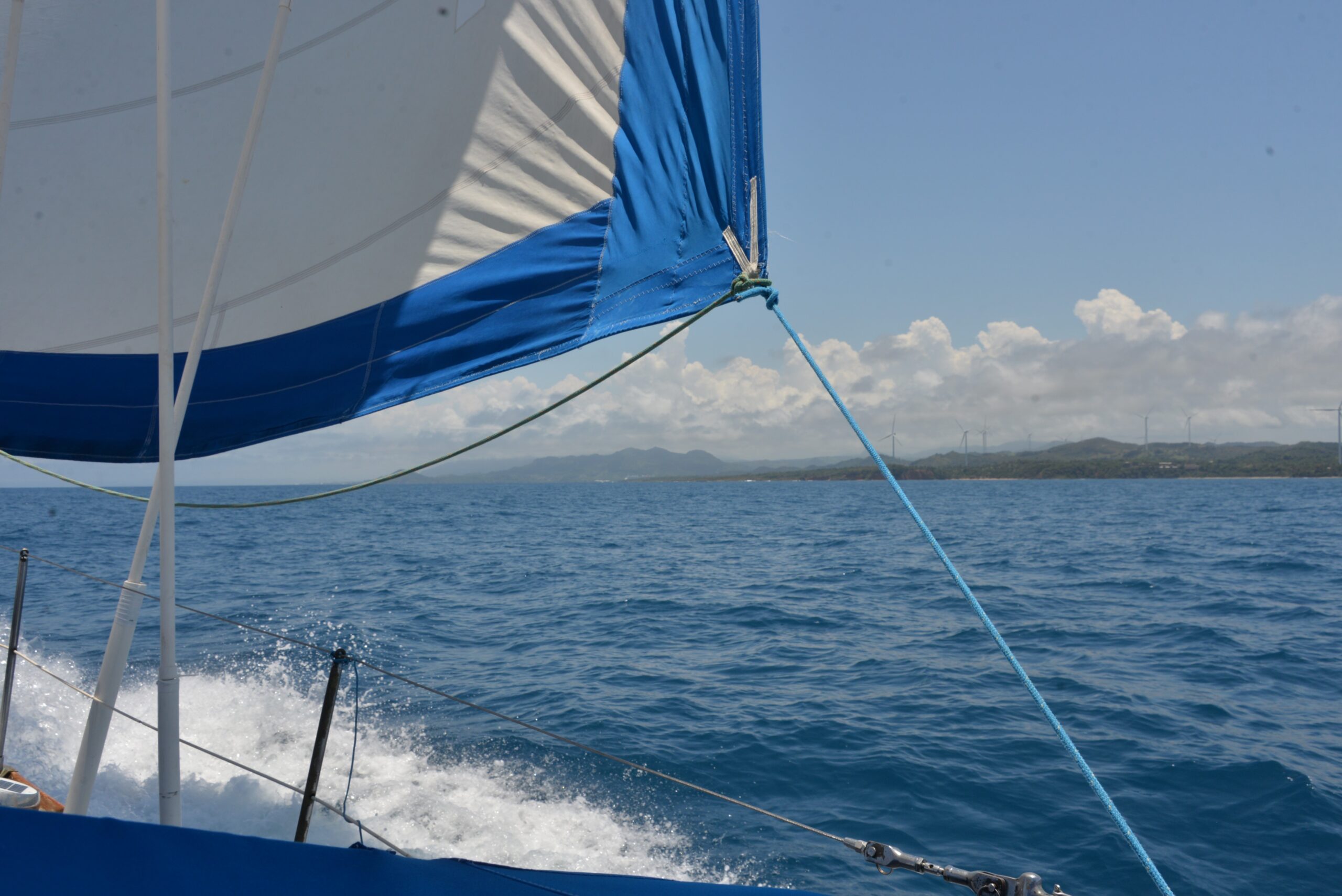
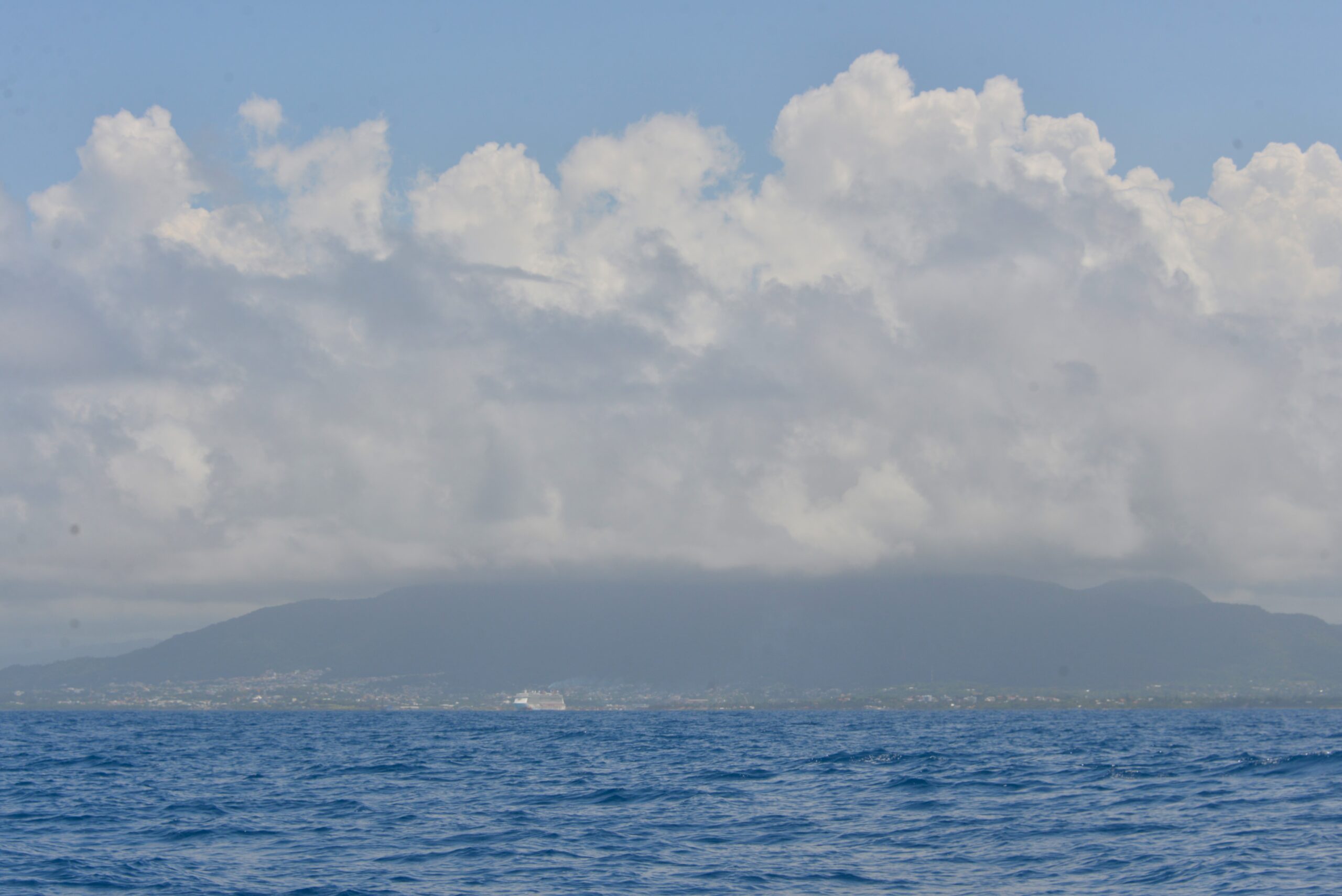
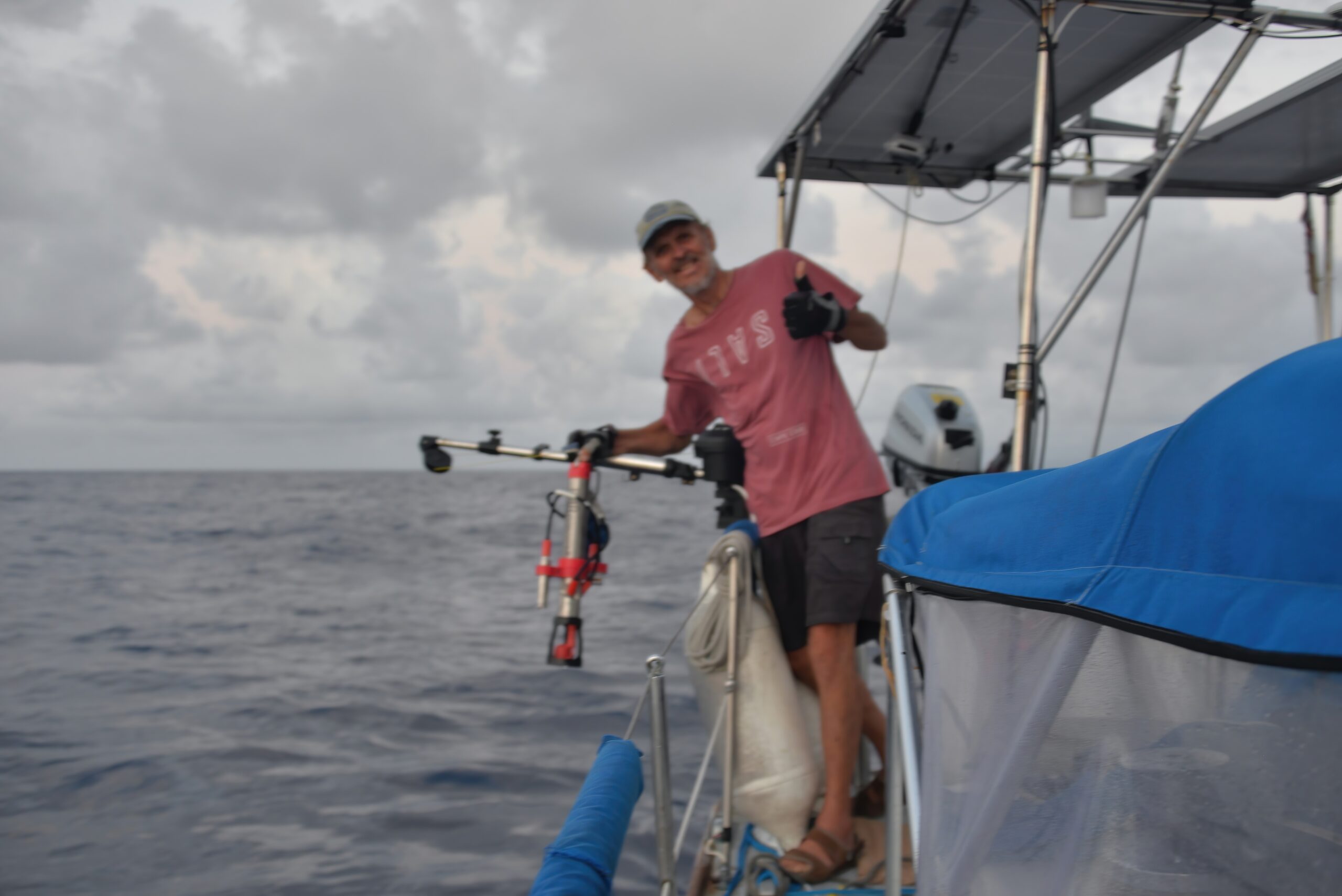
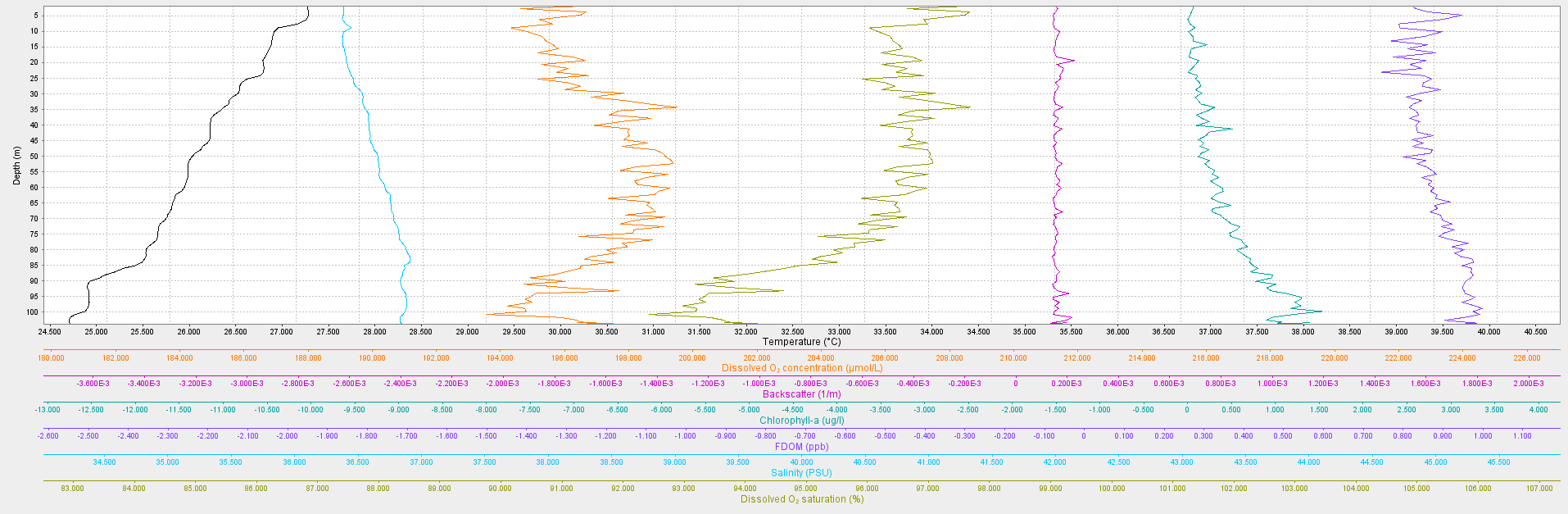
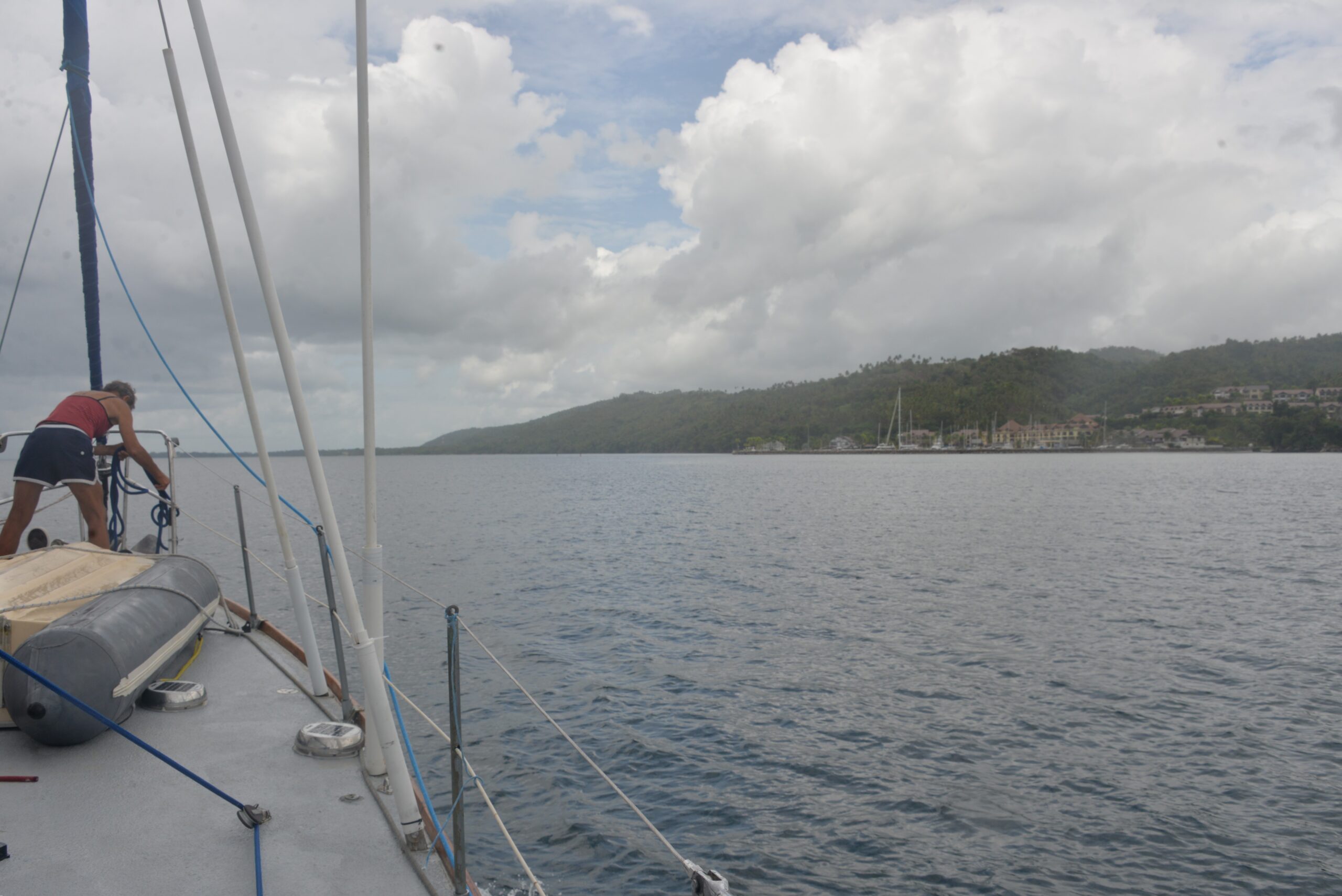
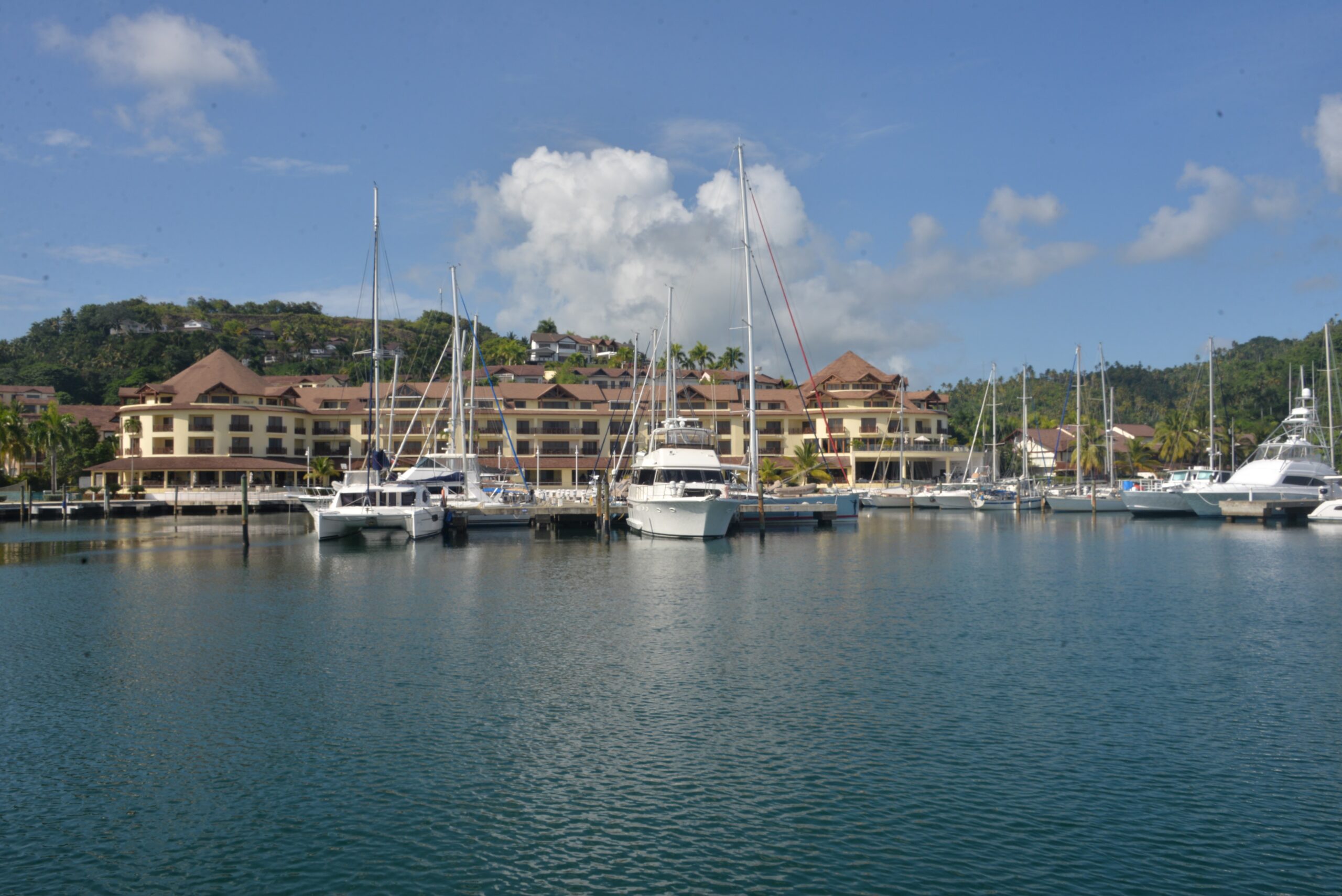
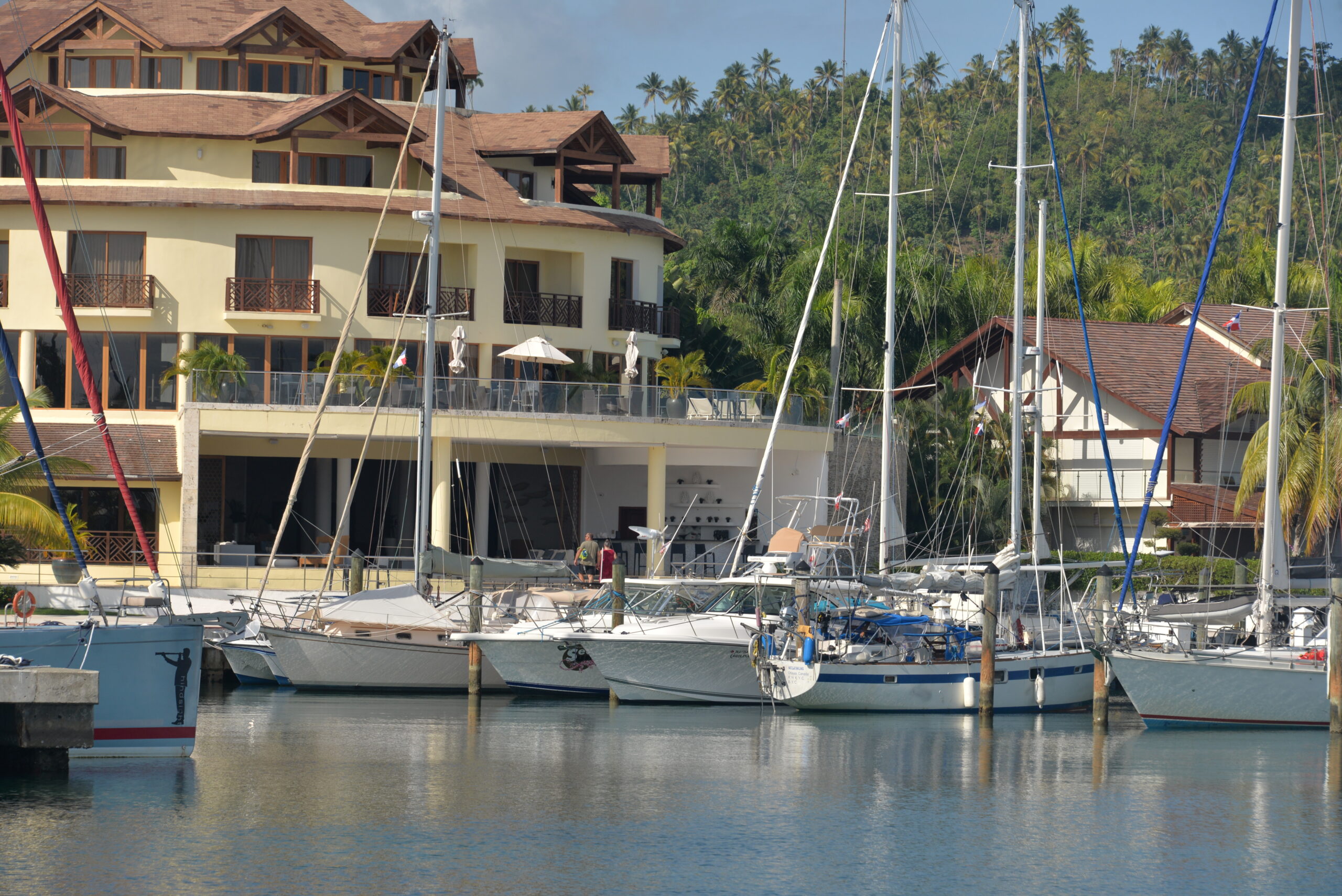
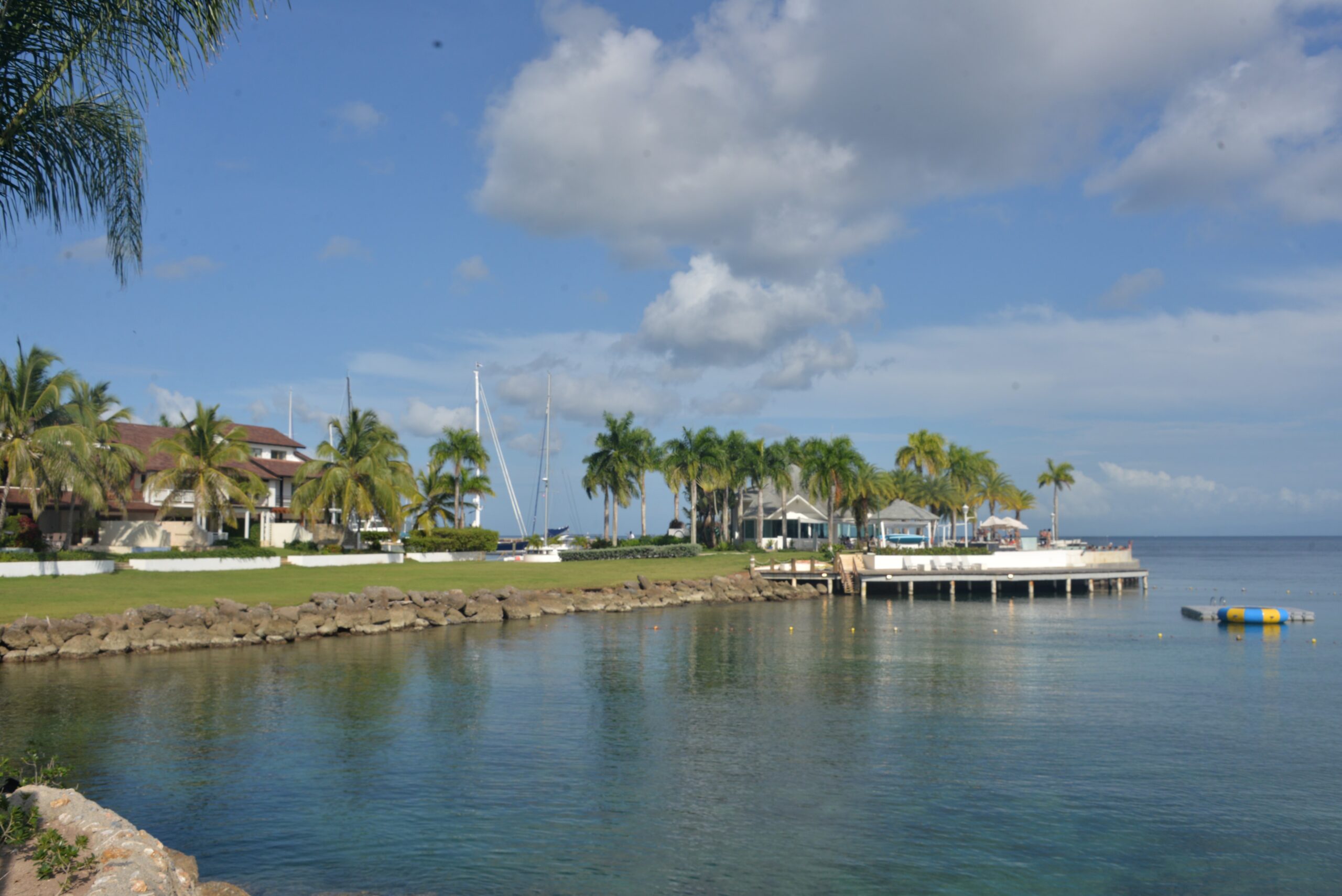
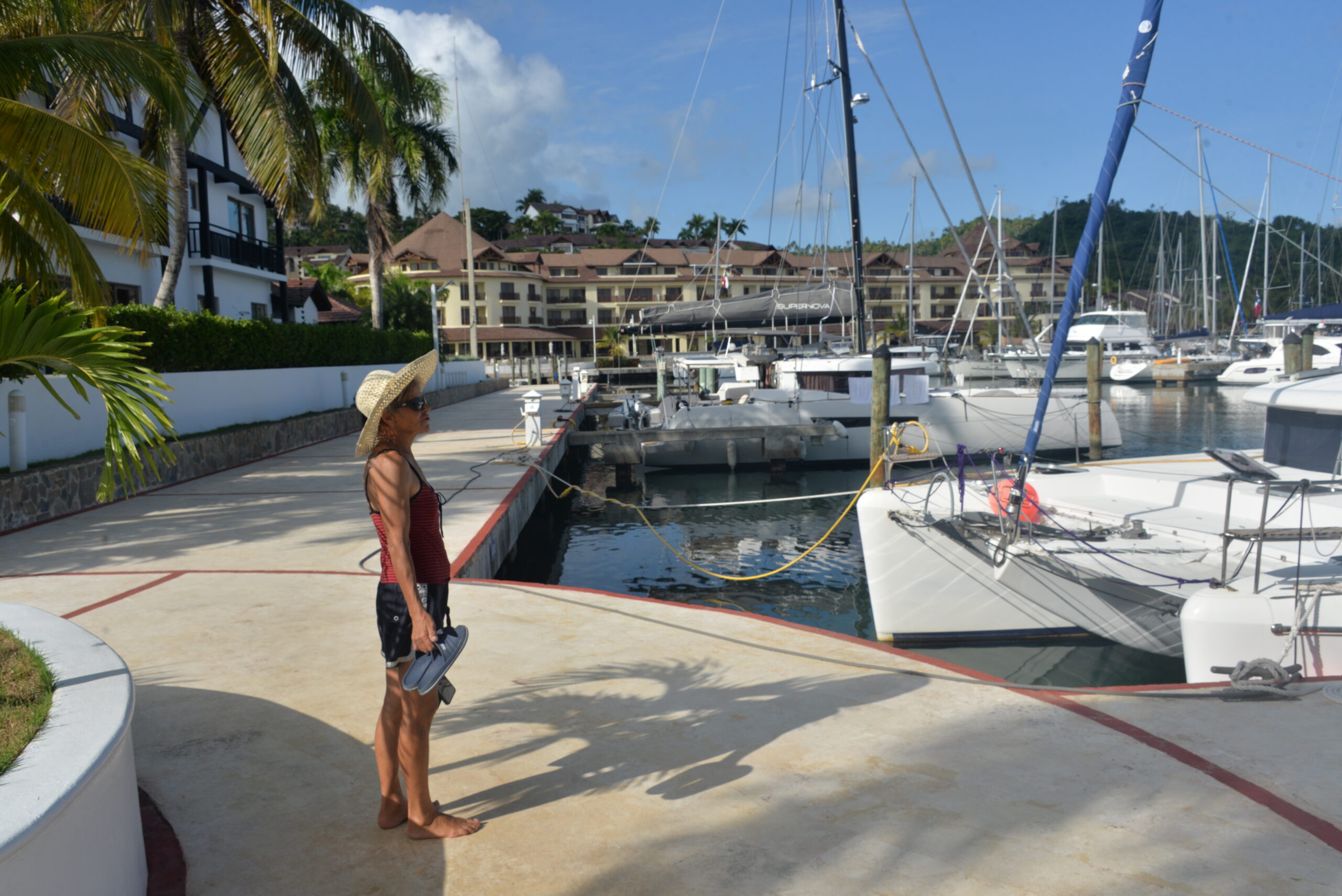
Our journey here was a long overnight ride, quite literally. Picture sailing 90 miles along the challenging northern coast of the Dominican Republic, called The Thorny Path, plus we managed to do 3 CTD casts down to more than 100m. But fear not, for our perseverance paid off as we entered in the early morning Bahia de Samana, a tranquil haven shielded from the relentless easterly trade winds. After dropping anchor in the morning in Samana Bay, we received permission to dock at the nearby Puerto Bahia Marina, nestled within a high-level resort. Ah, the perks of yacht life! Sometimes, amidst all the nautical chaos, you just need to kick back, relax, and indulge in a couple of days at a resort. After all, even sailors deserve a taste of the high life, right?
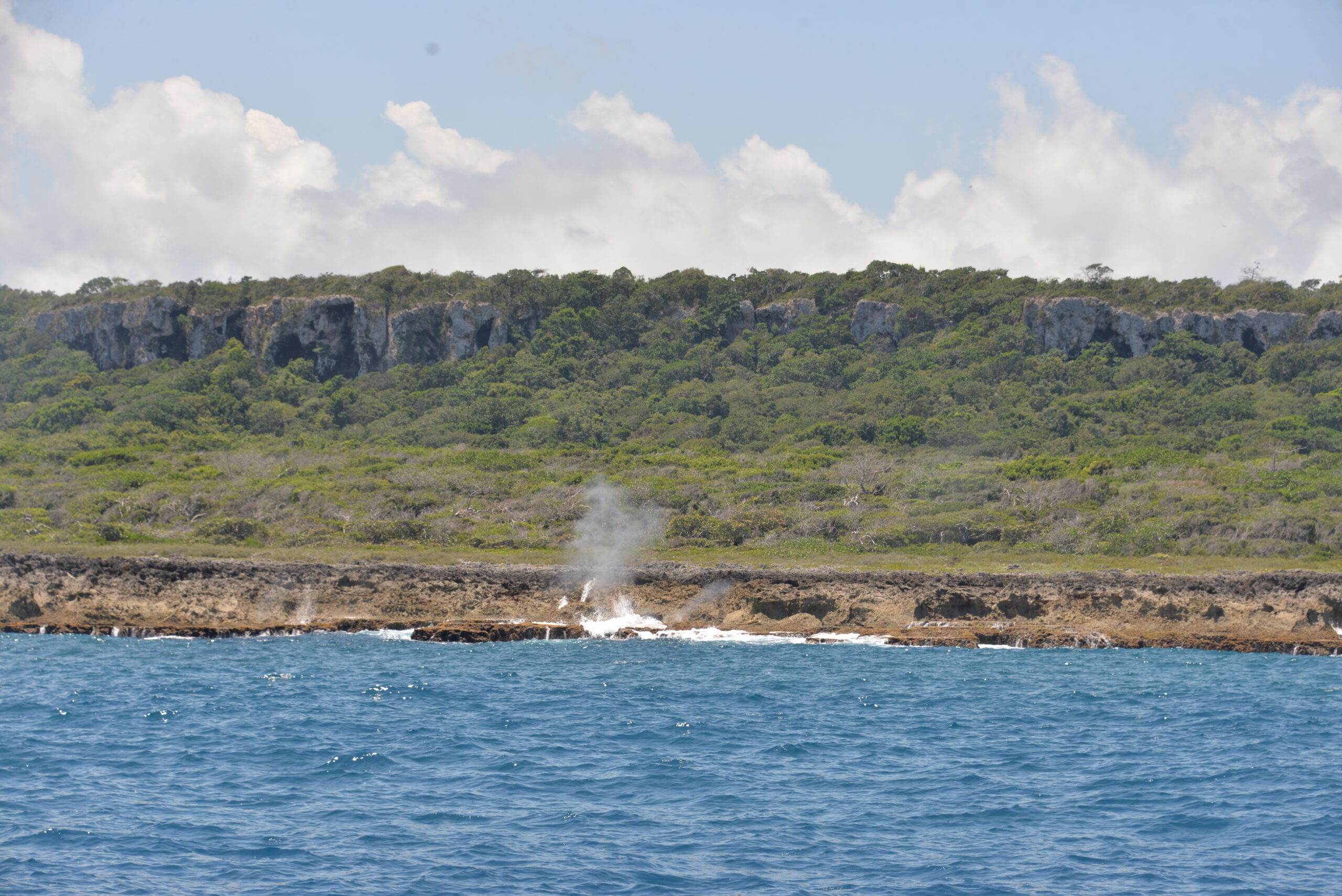
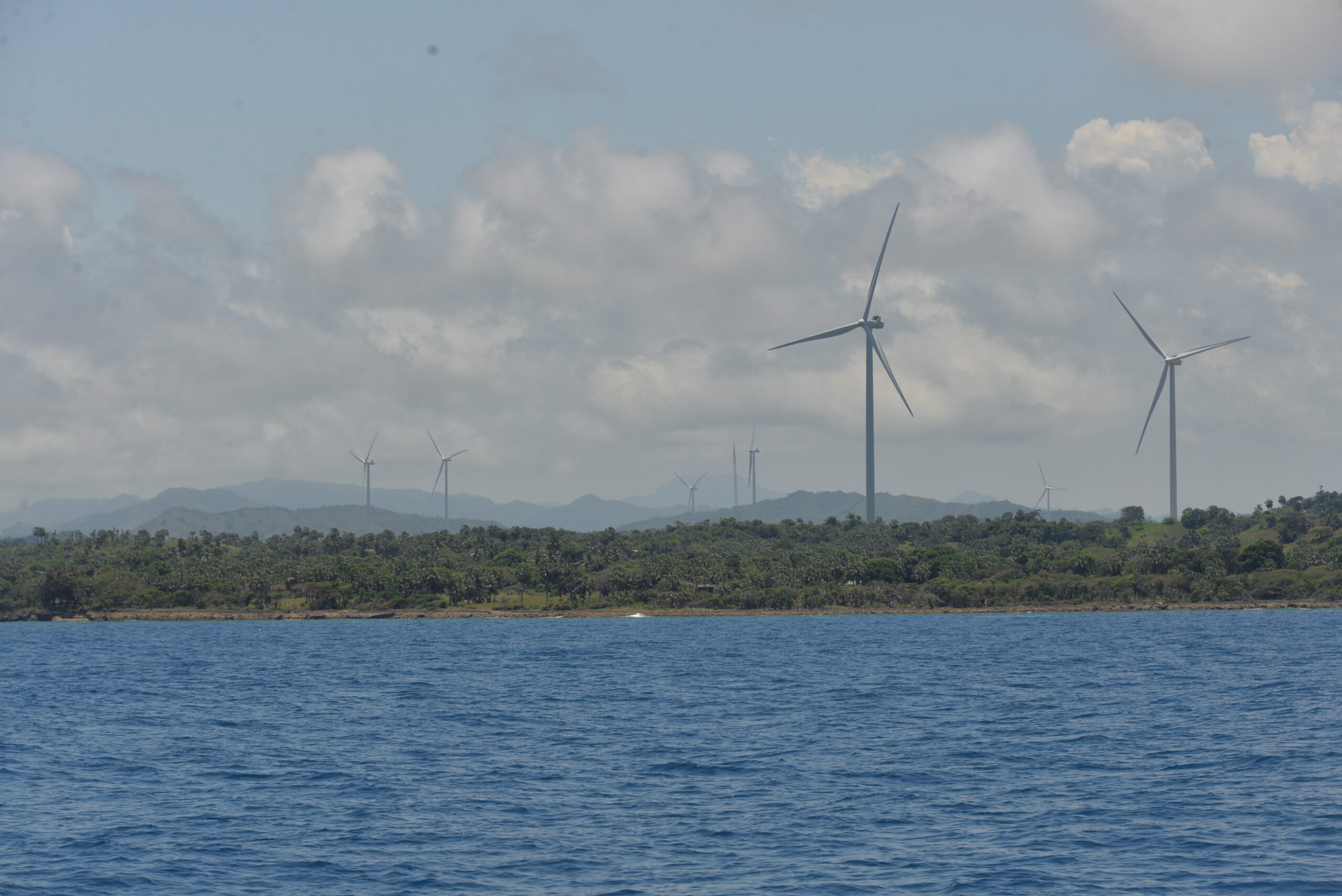
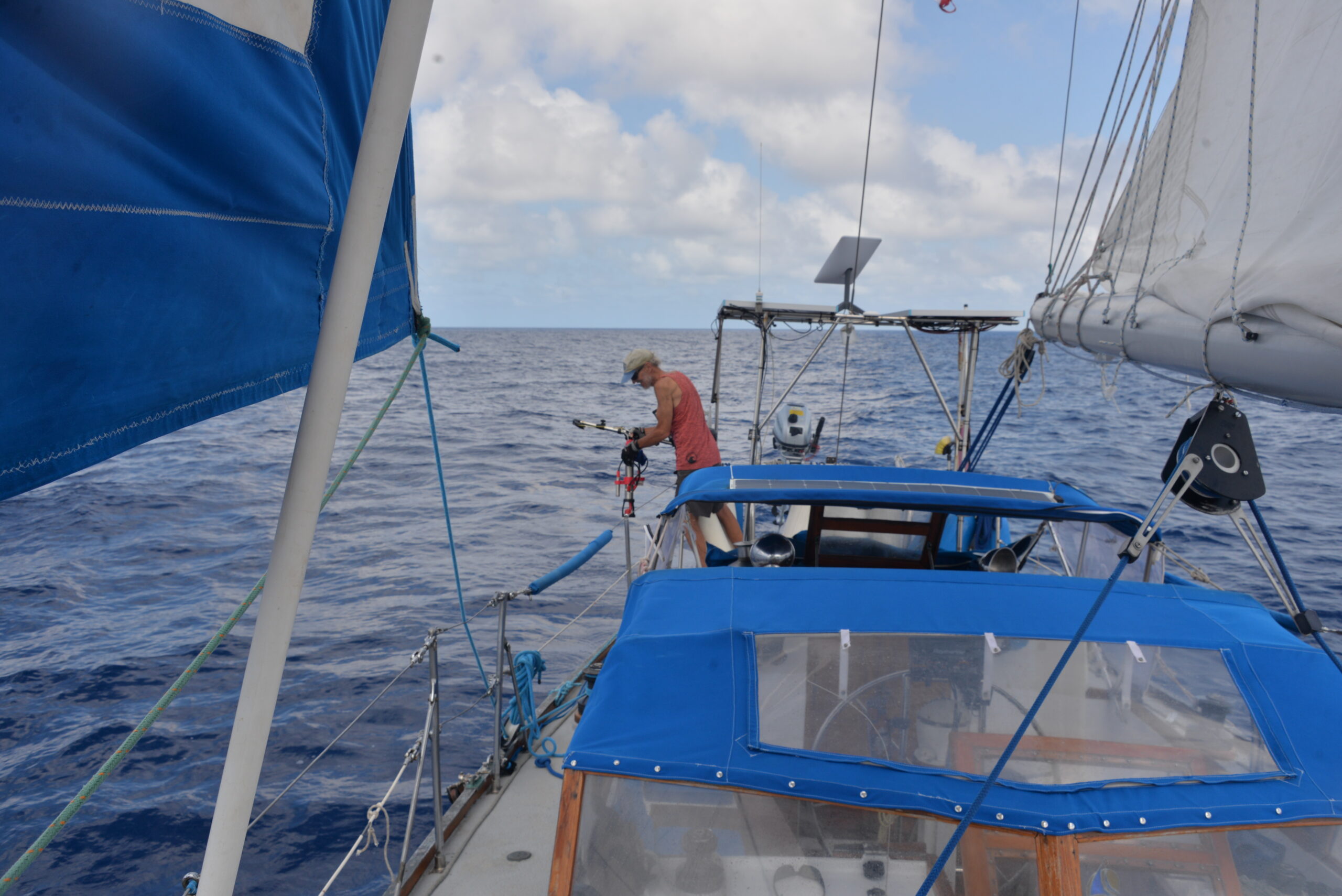
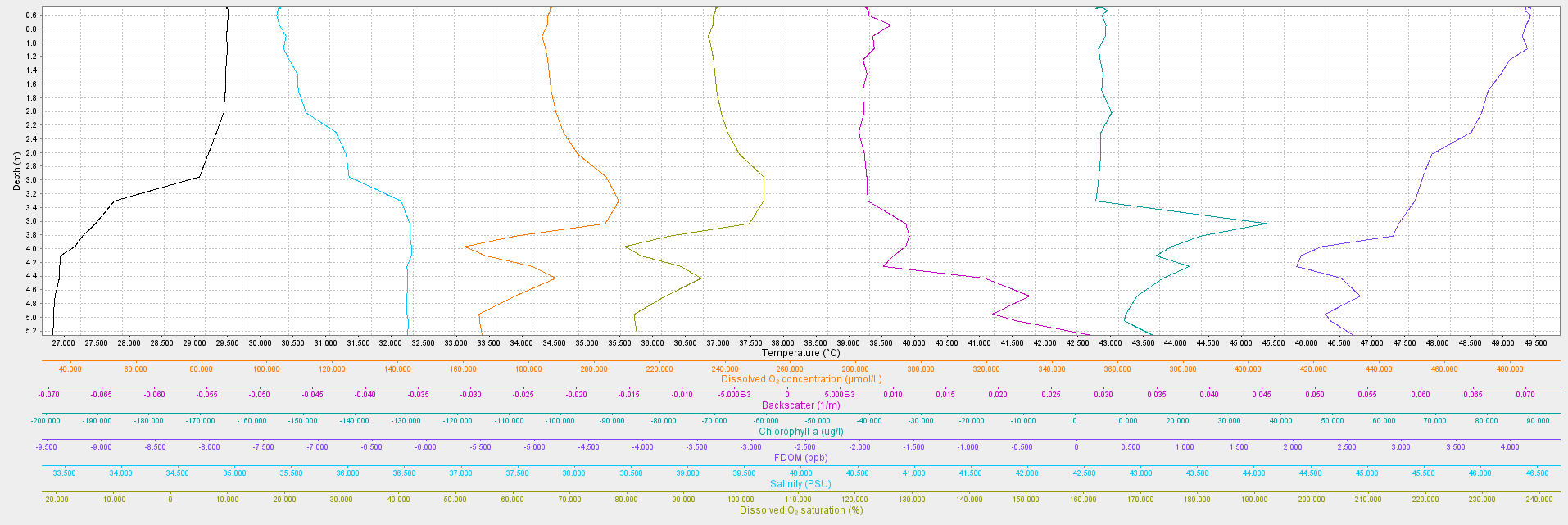
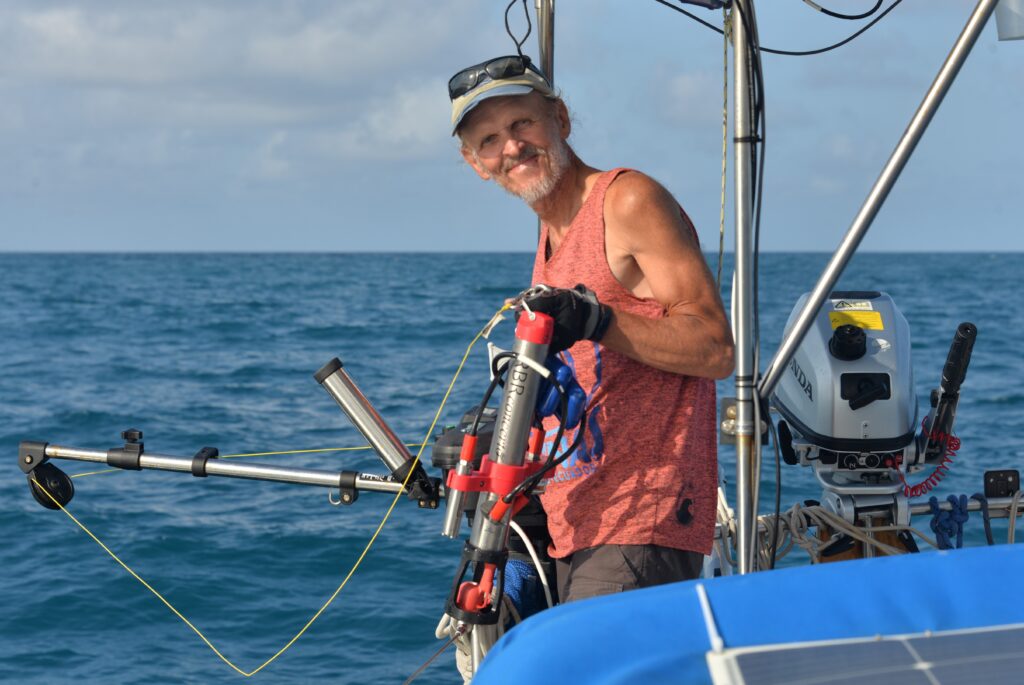
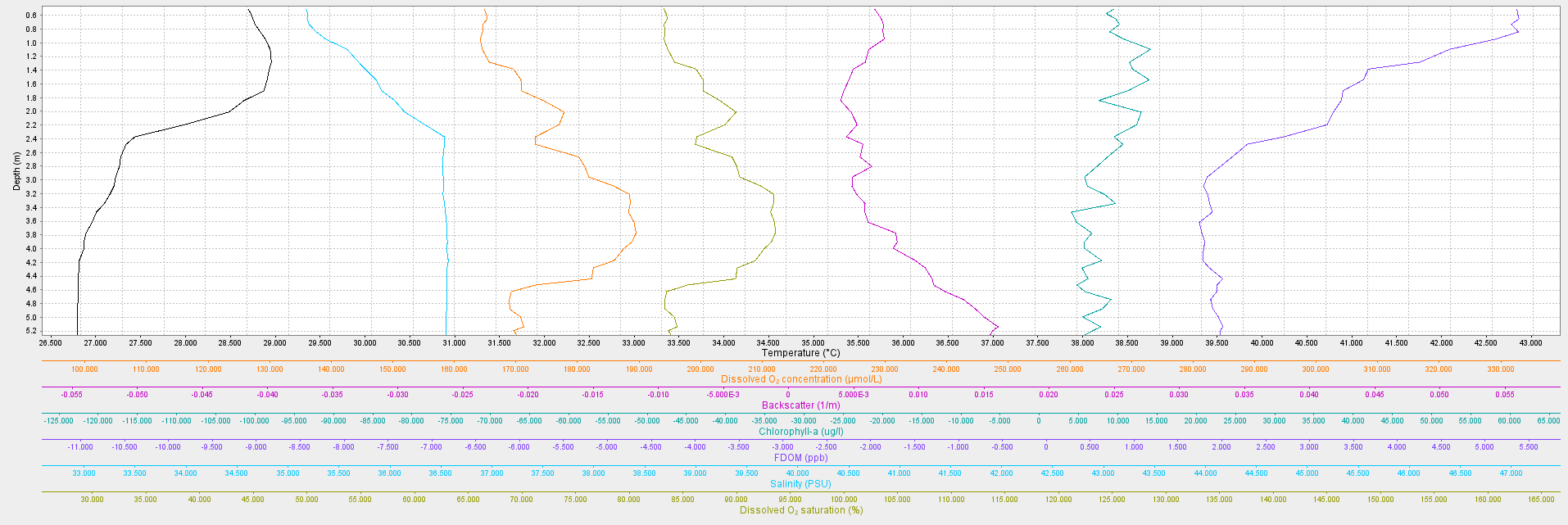
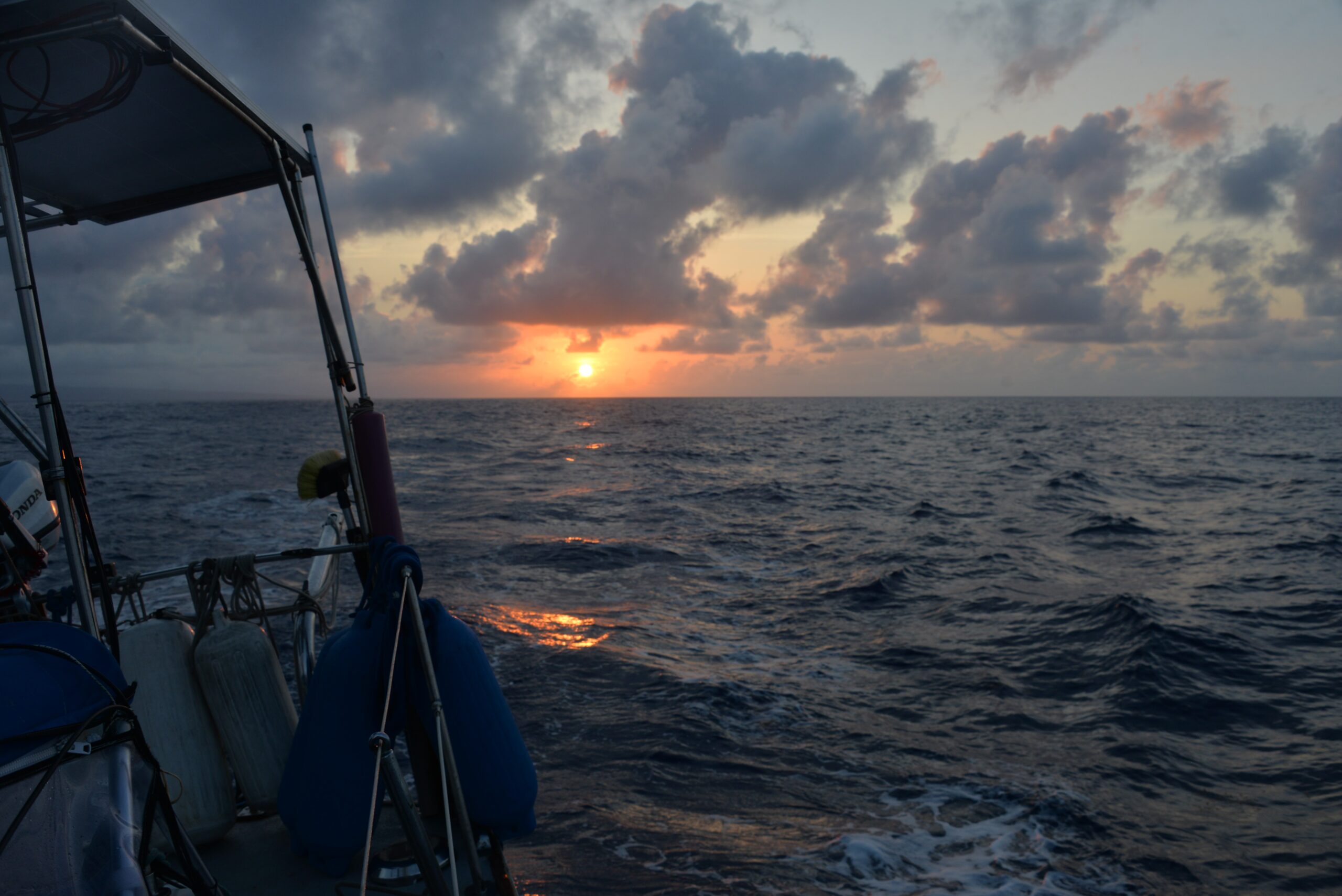
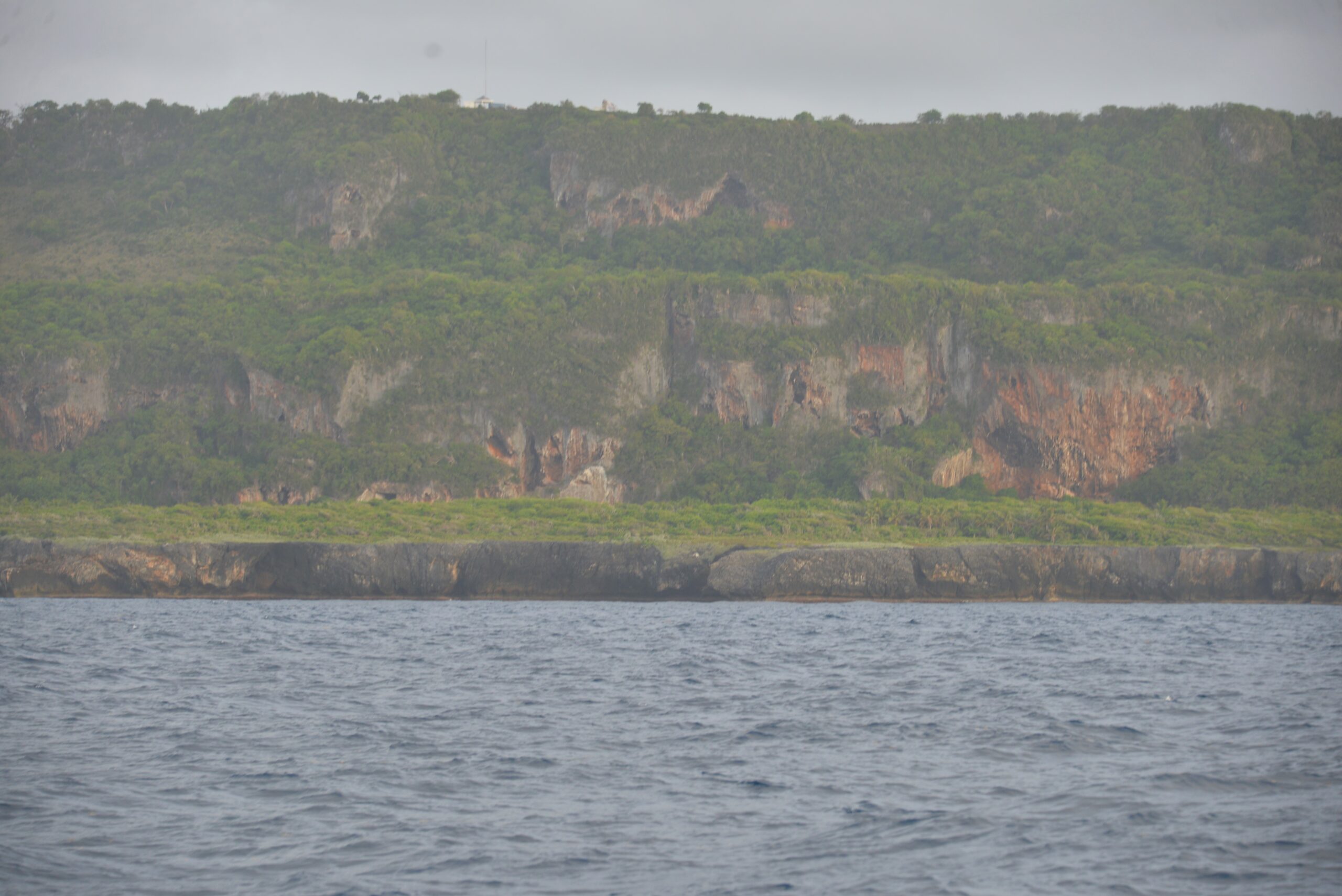
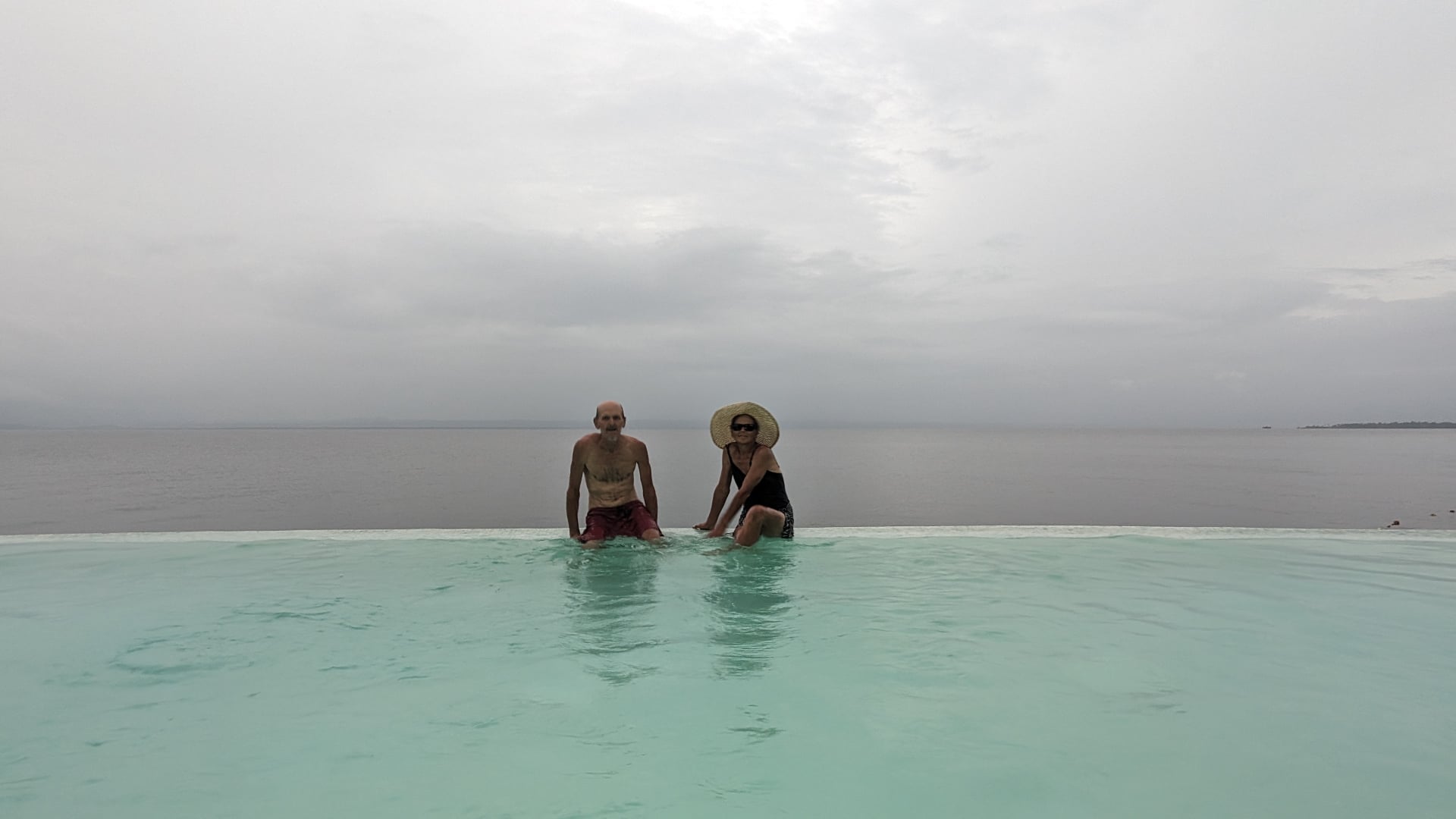
Roky shore with blow holesA big wind farm on the northern windy shoreHarnessing the power of the wind!Puerto Plata was left far awayCTD cast#1, done under sails using the hauling techniqueThe plot of data for CTD cast#1CTD cast #2The plot of data for CTD cast#2Sunset on the moveCTD cast#3The plot of data for CTD cast#3Iryna preparing mooring linesPuerto Bahia MarinaDocked SV Oceanolog Walking on the shoreWalking around the marinaSelfie in an infinity pool:)Now it’s a timer’s infinity time!
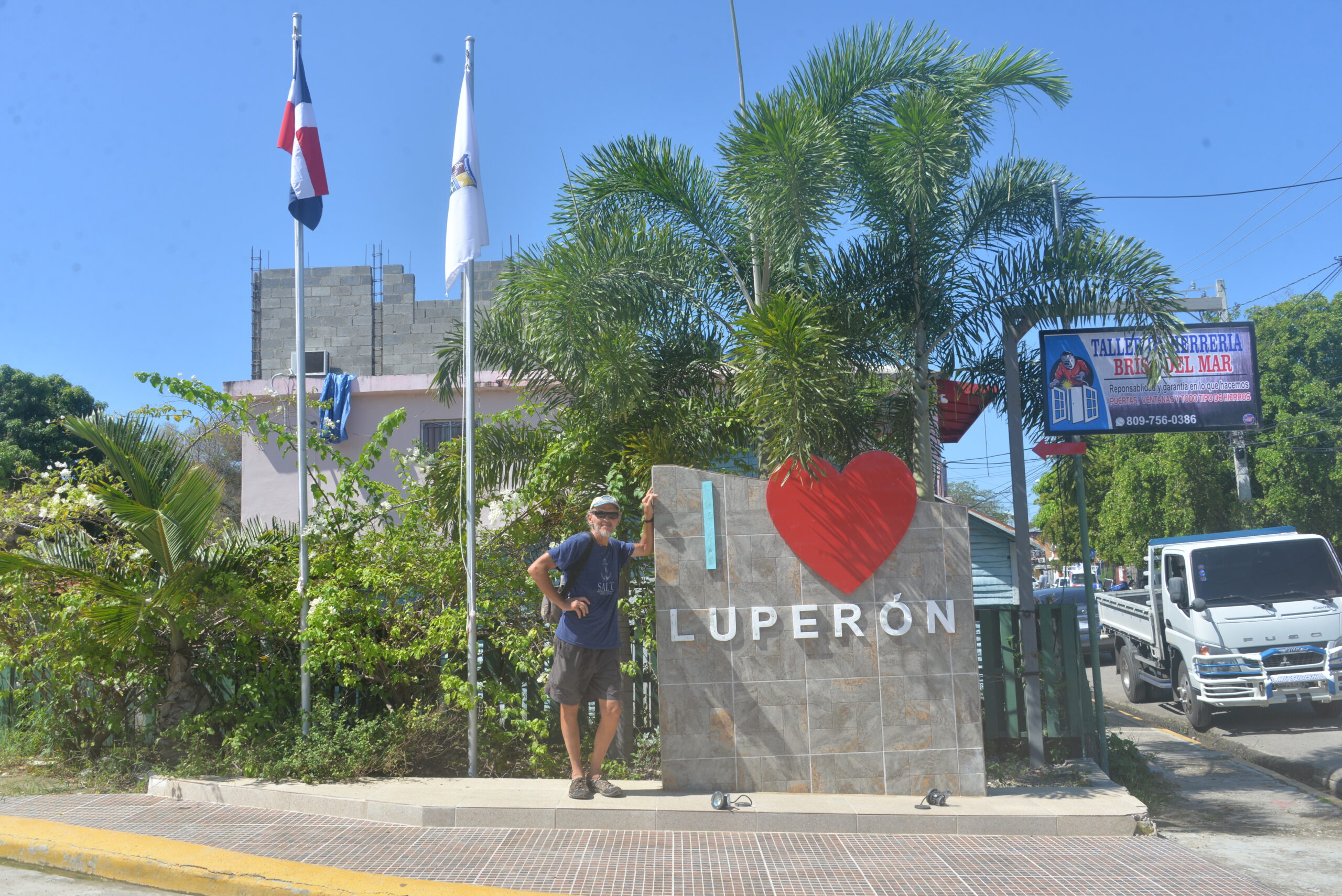
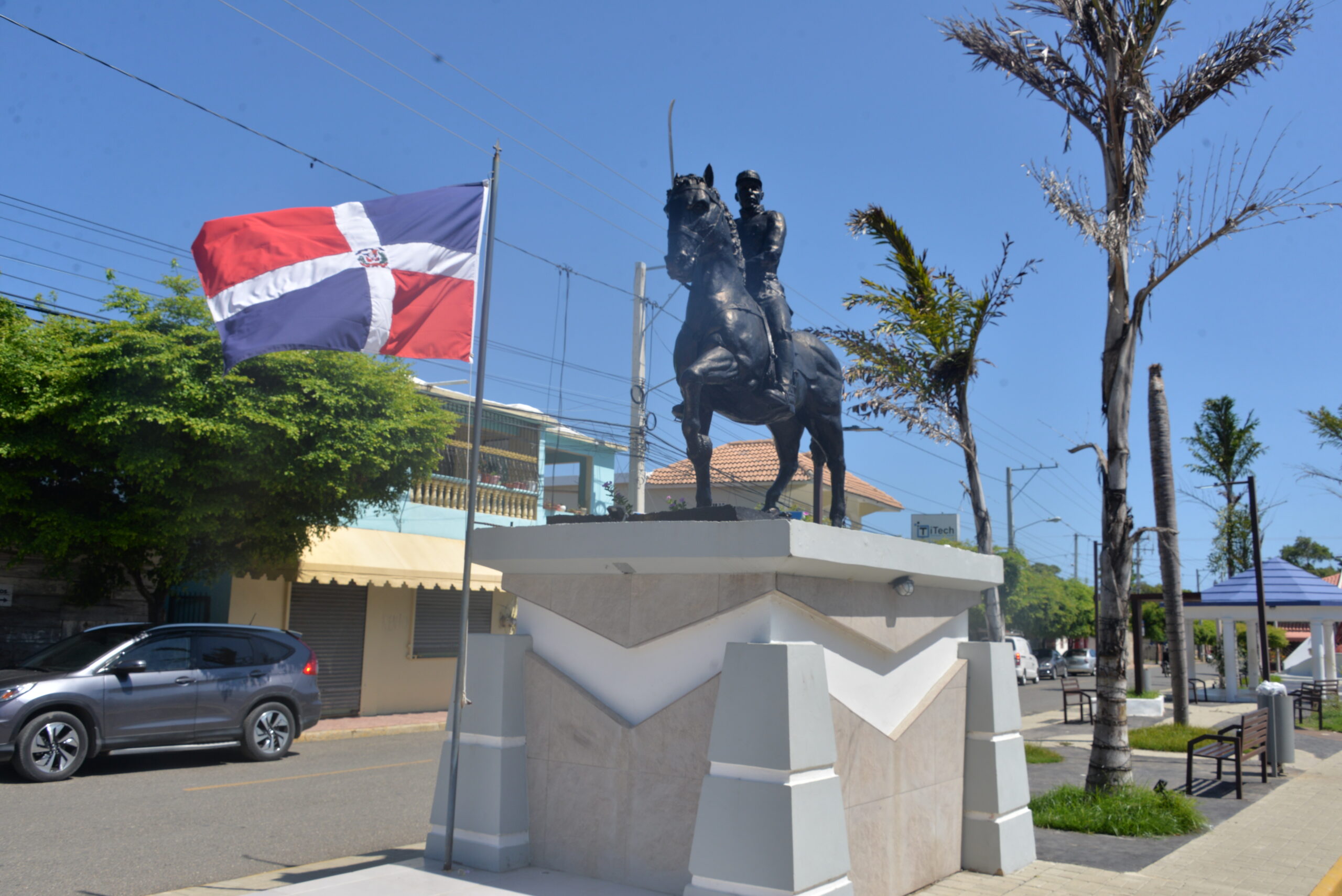
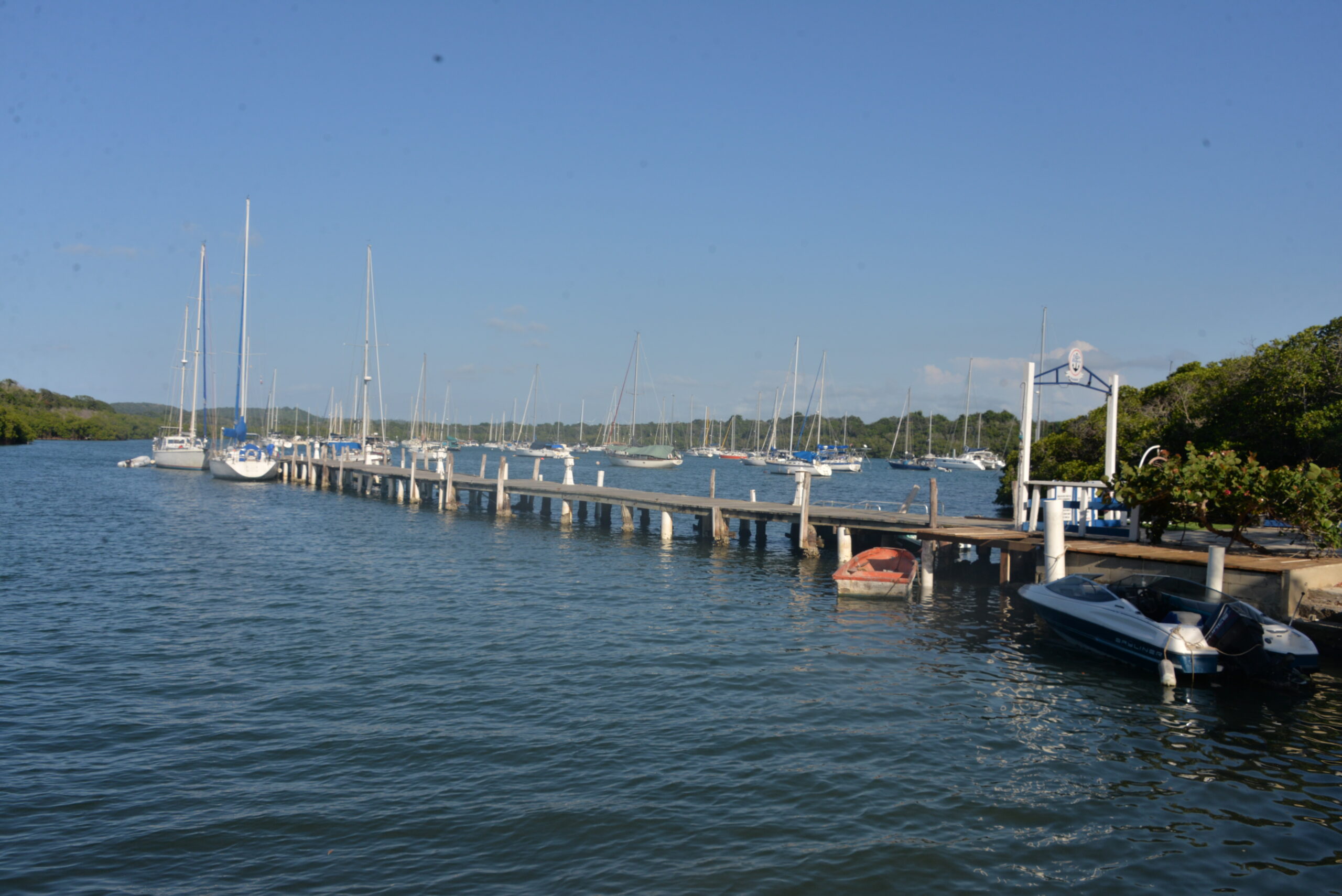
Luperon serves as a hub and immigration checkpoint for all travelers entering the Dominican Republic from the north. Named after General Gregorio Luperon (1839-1897), the country’s 20th President, the town boasts a unique bay, regarded as the safest haven in the entire Caribbean during hurricanes. Its geographical layout, flanked by surrounding mountains, naturally steers hurricanes away, making it a sanctuary for hundreds of yachts during the storm season.
Our initial encounter with the Dominican immigration process felt reminiscent of the bureaucratic procedures of the Soviet Union era. Aside from civil authorities like the harbor captain, immigration officials, customs, and the Ministry of Agriculture, obtaining approval from the Armada (Dominican Navy) proved pivotal. All documents underwent thorough scrutiny, with mandatory yacht photographs required for submission. This marked our inaugural visit to the Armada, a ritual we repeated upon each port arrival and departure, as inclement weather sometimes hindered exit permits (Despacho). In the Dominican Republic, the Armada assumes the responsibility of sailor rescue operations, diligently mitigating risks associated with such endeavors.
Luperon has also become a haven for a community of retirees from the United States. Notably, the renowned sailor and author Bruce Van Sant calls this place home—many sailors rely on his expert guidance for navigating southbound passages.
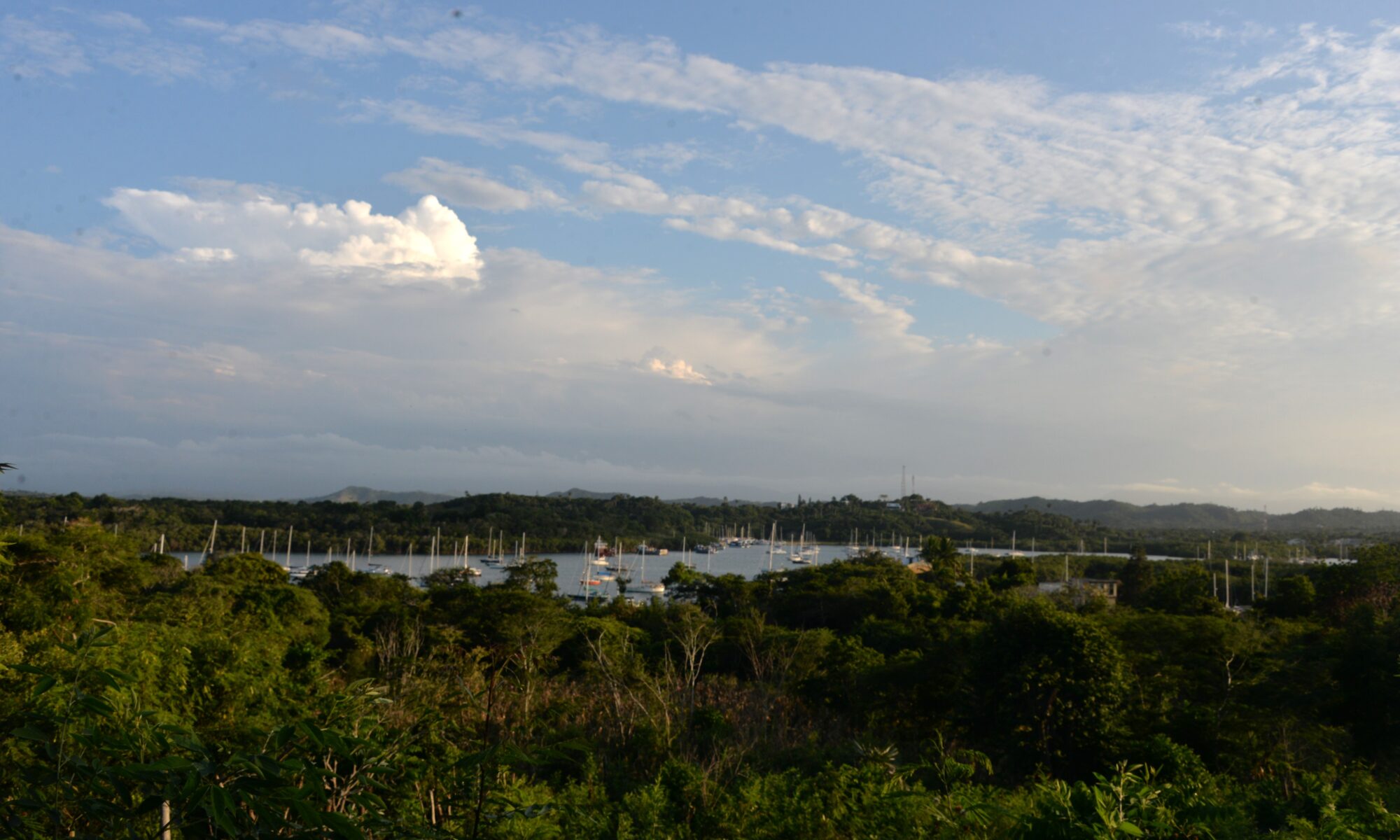
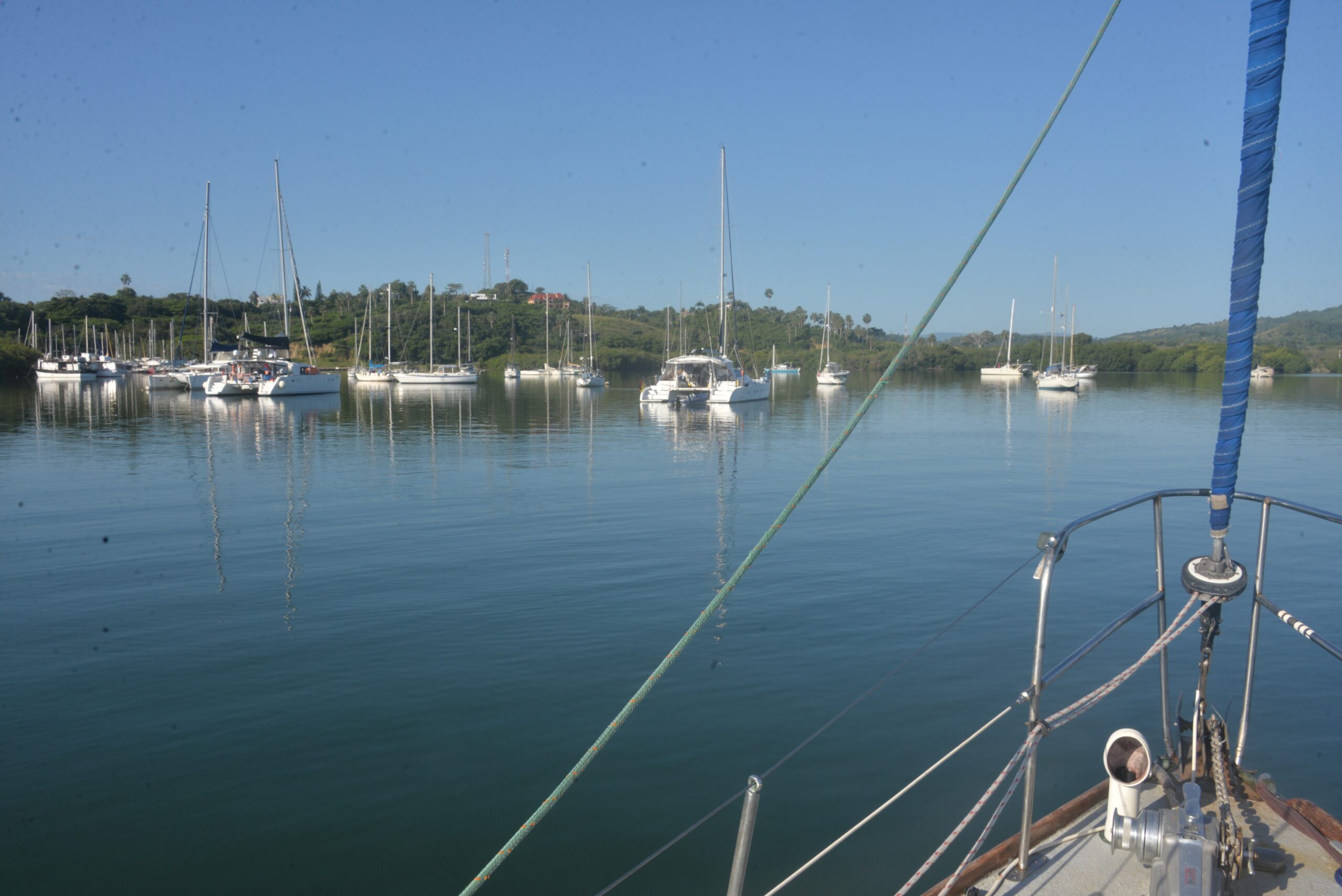
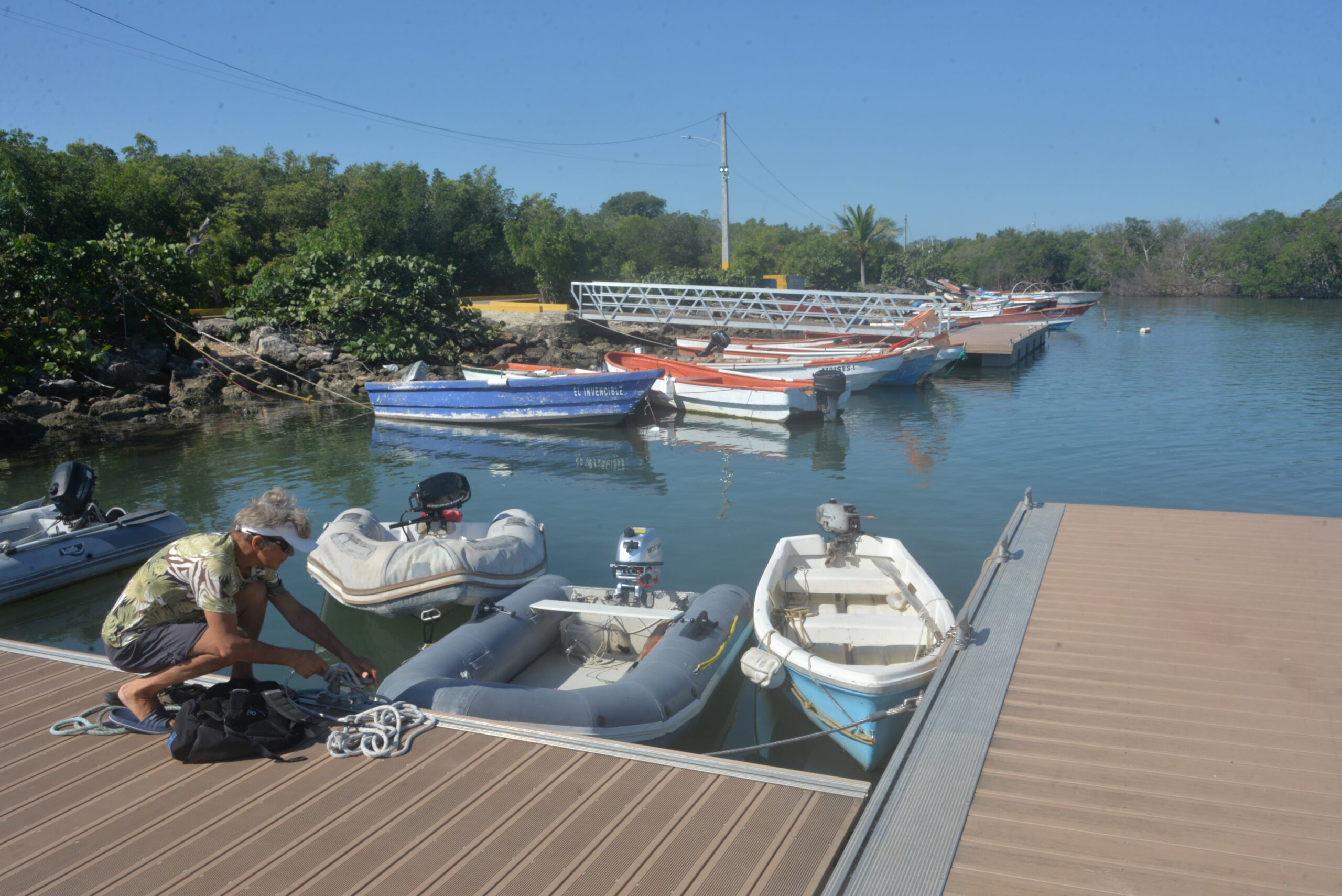
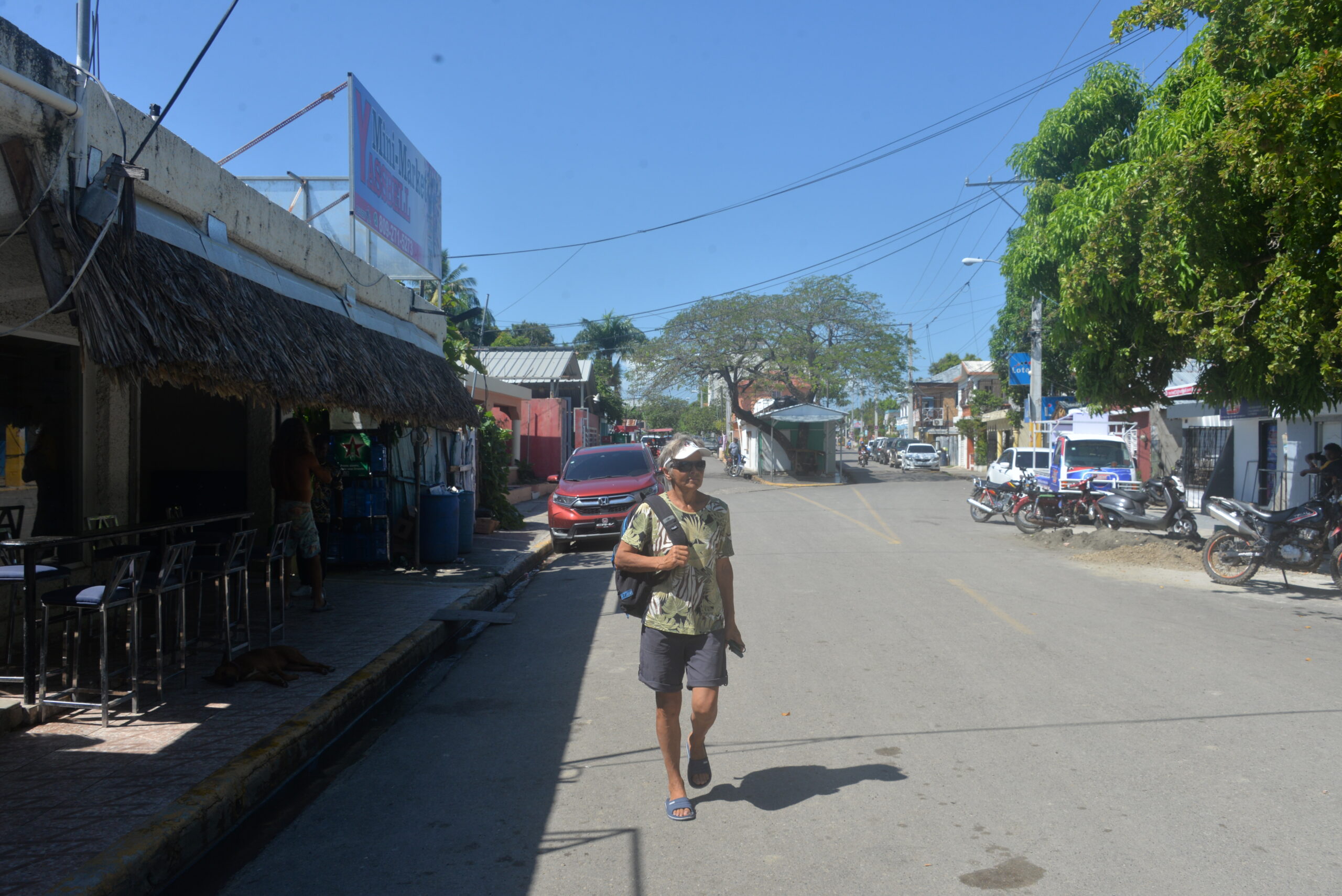
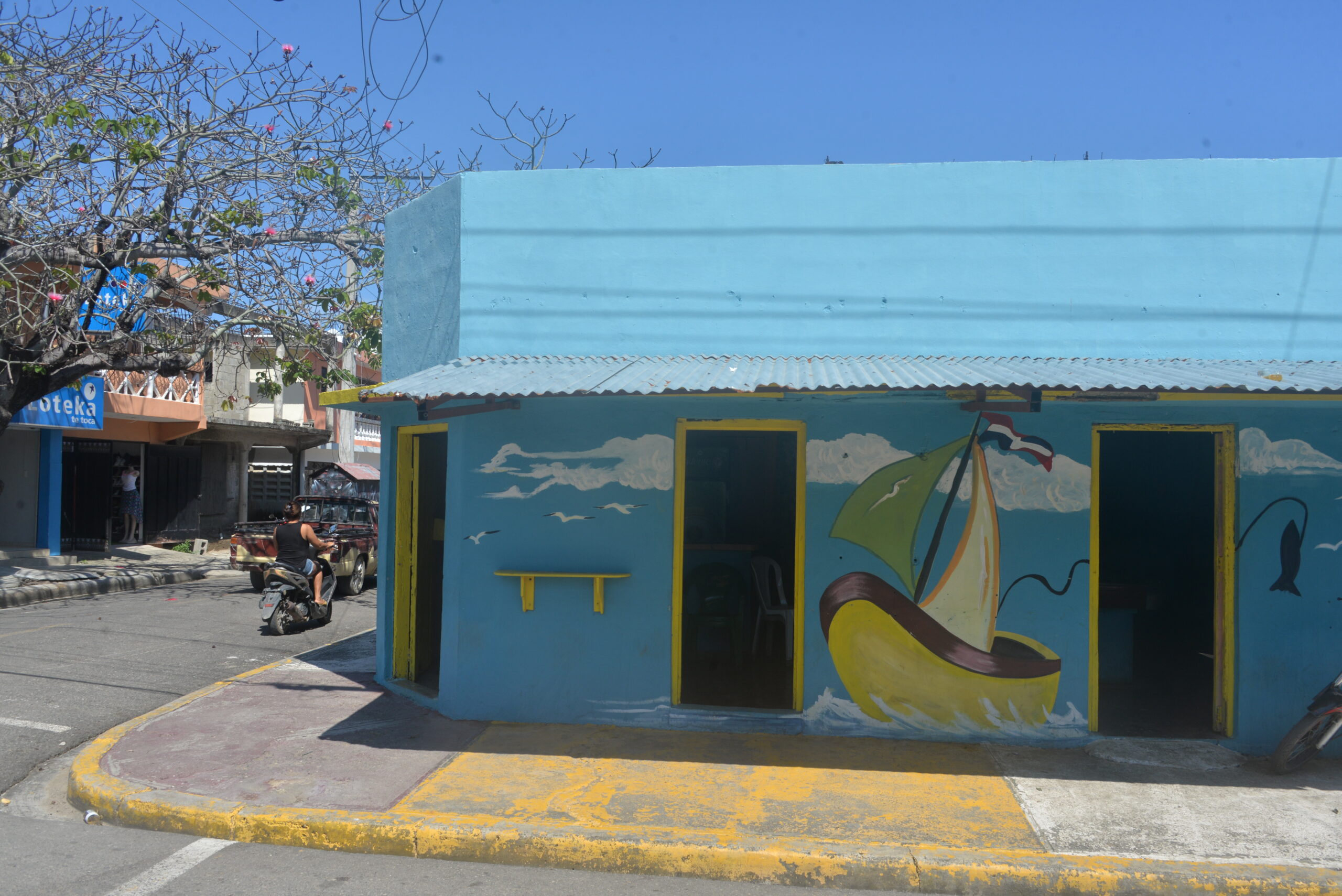
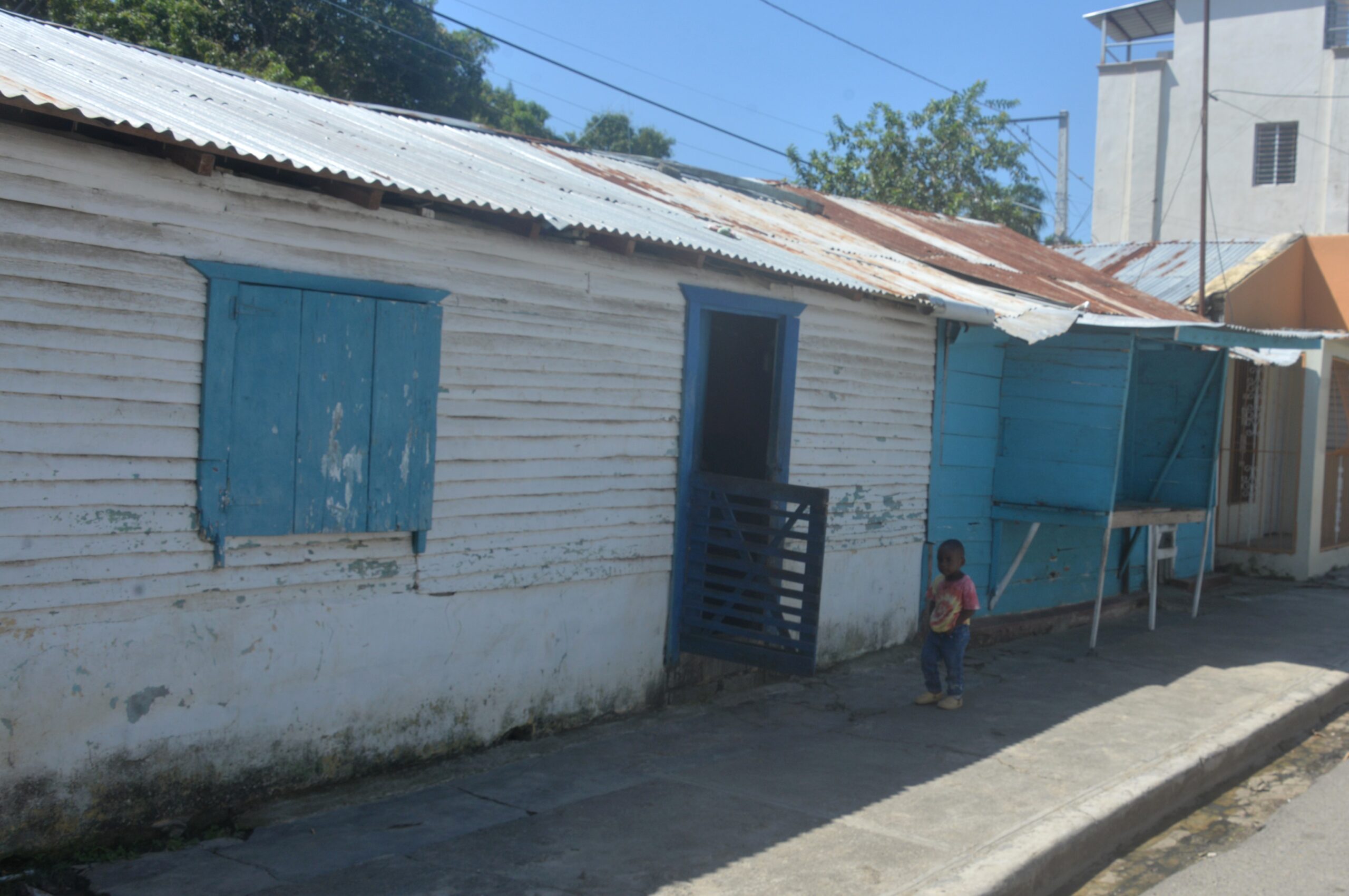
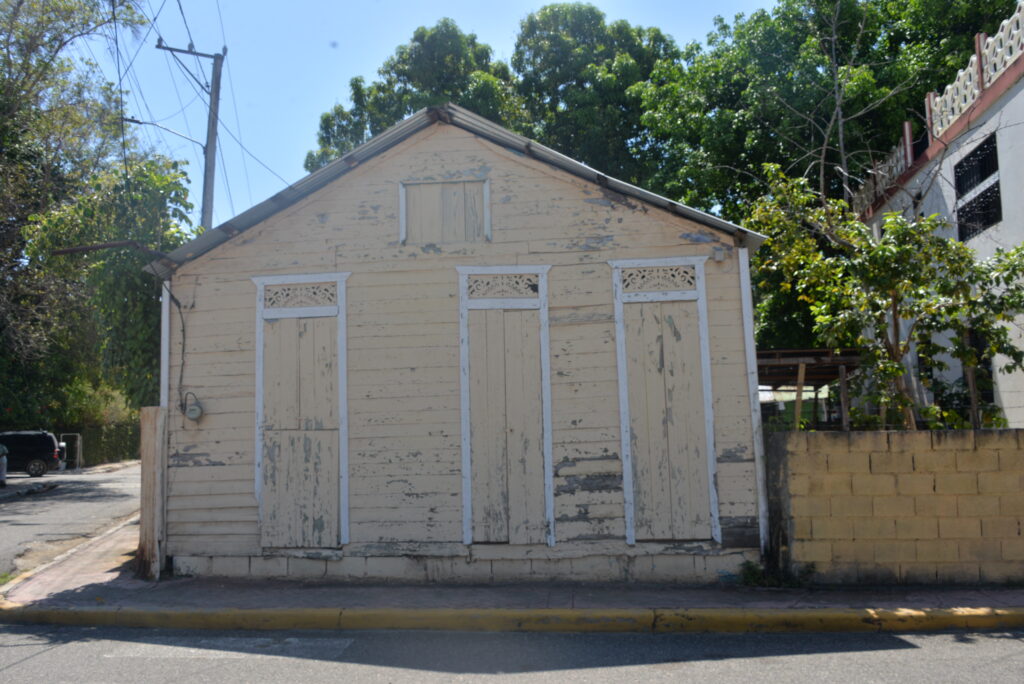
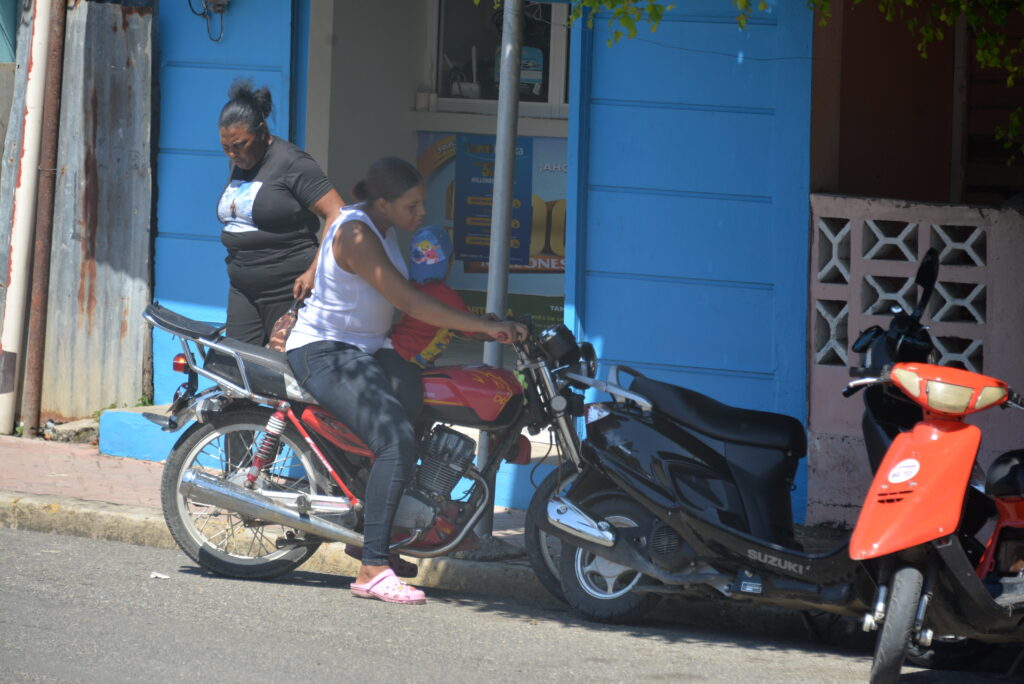
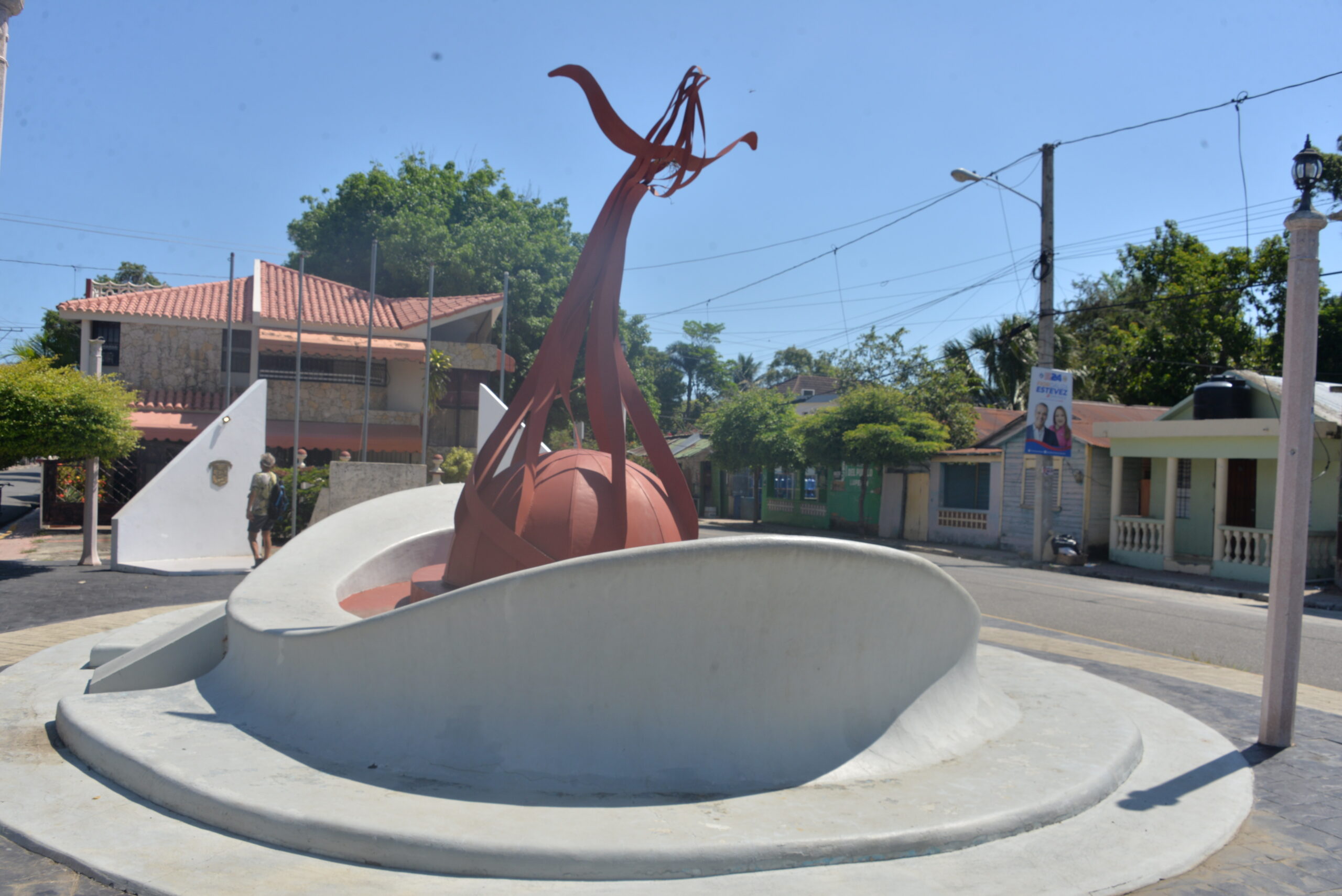
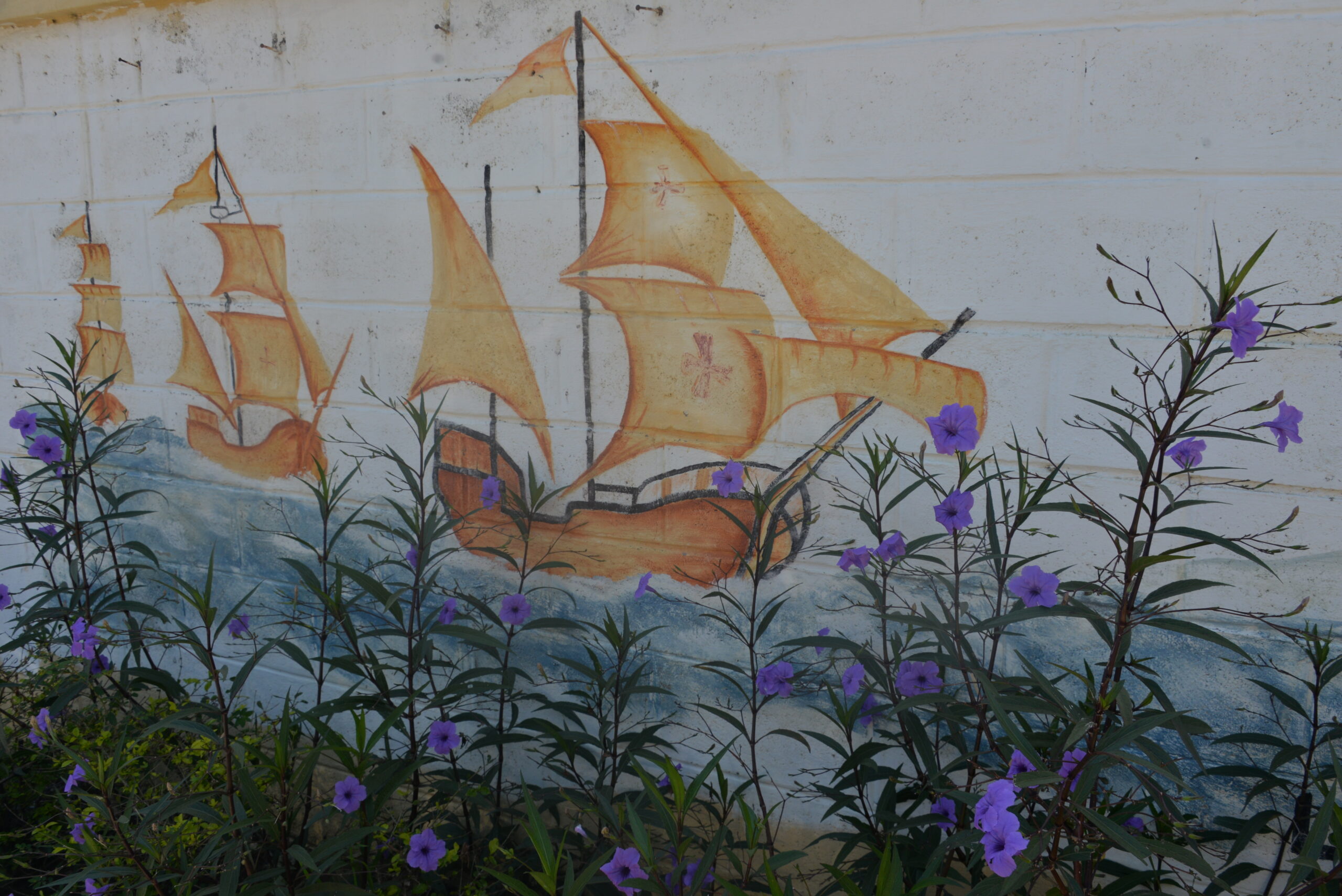
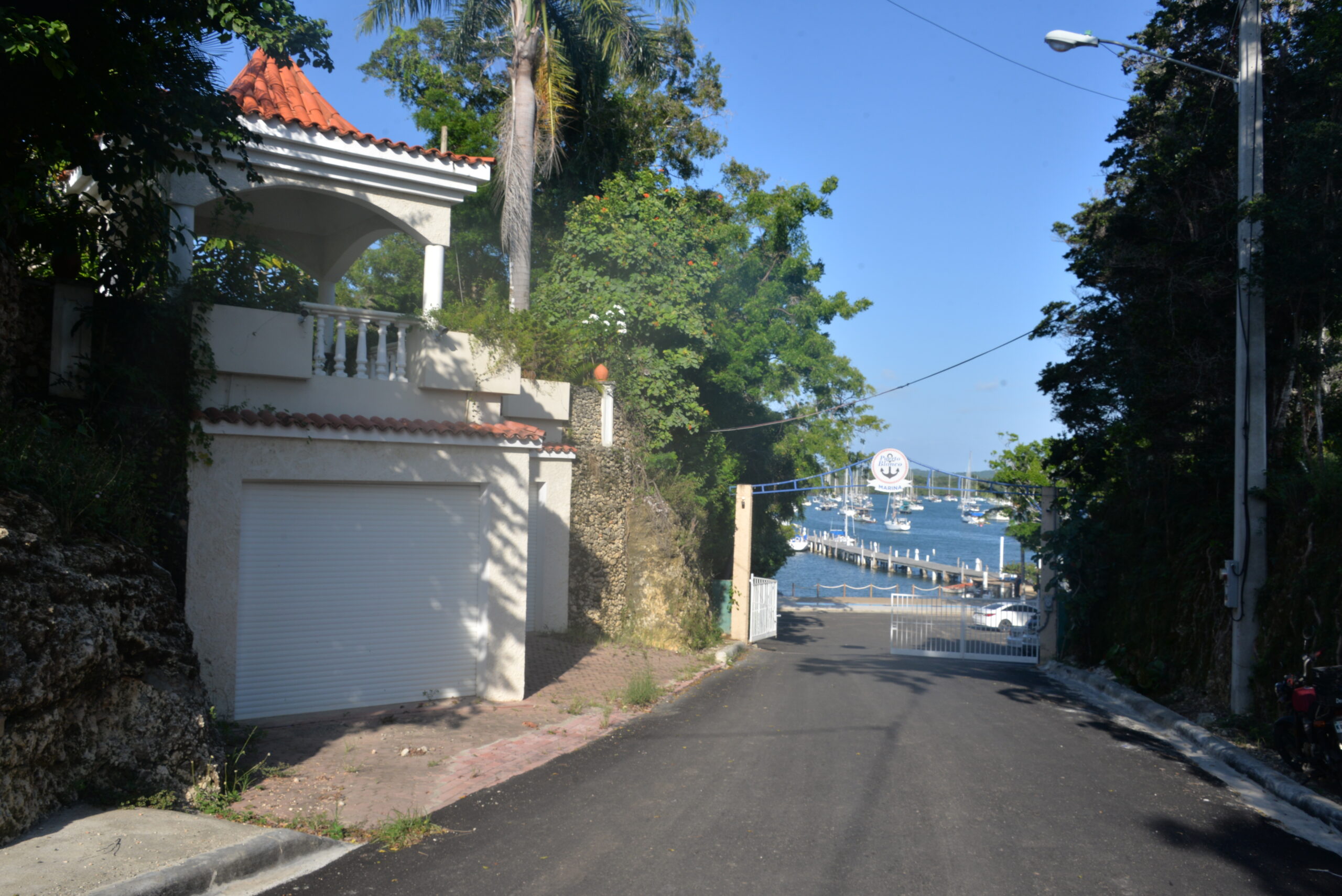
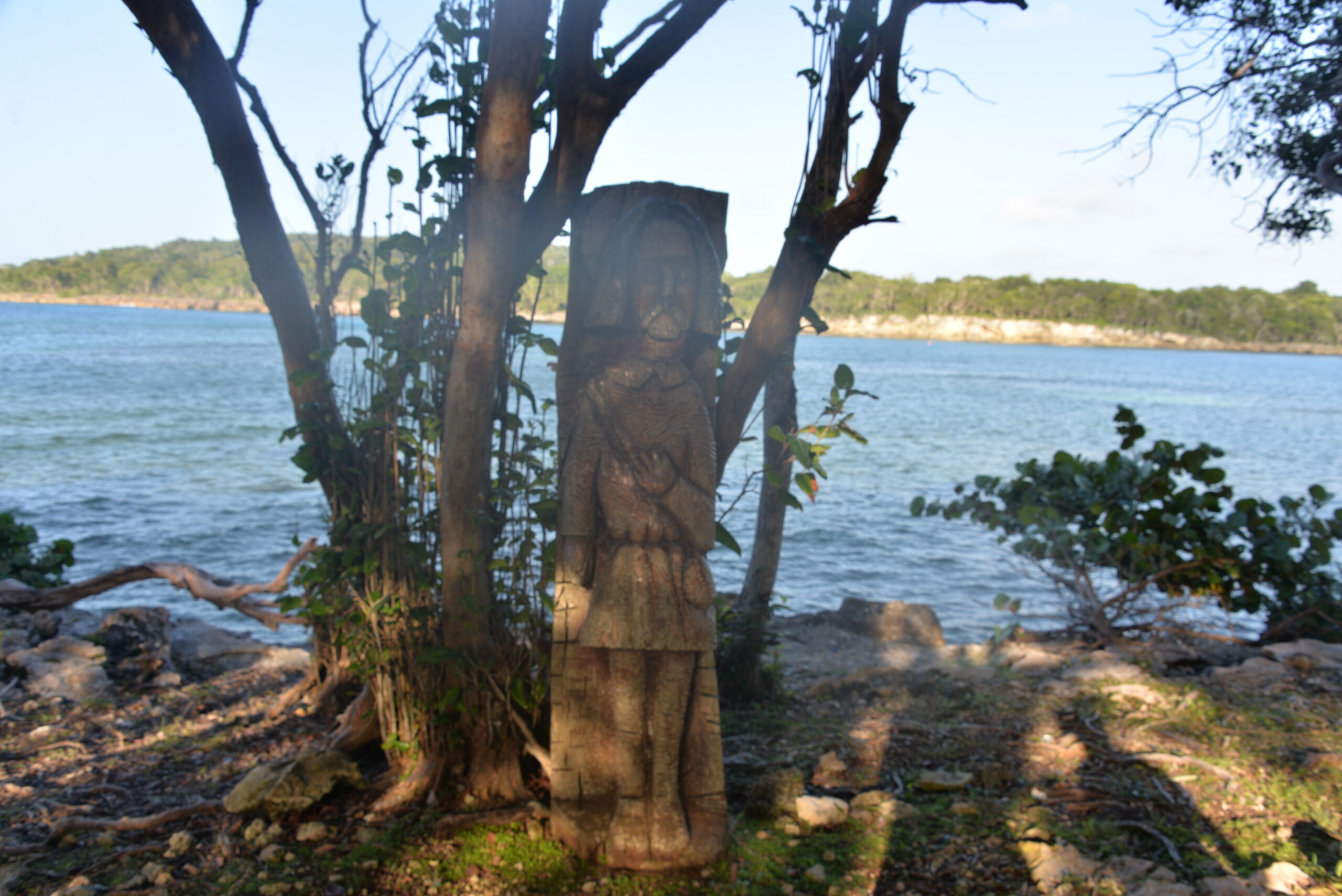
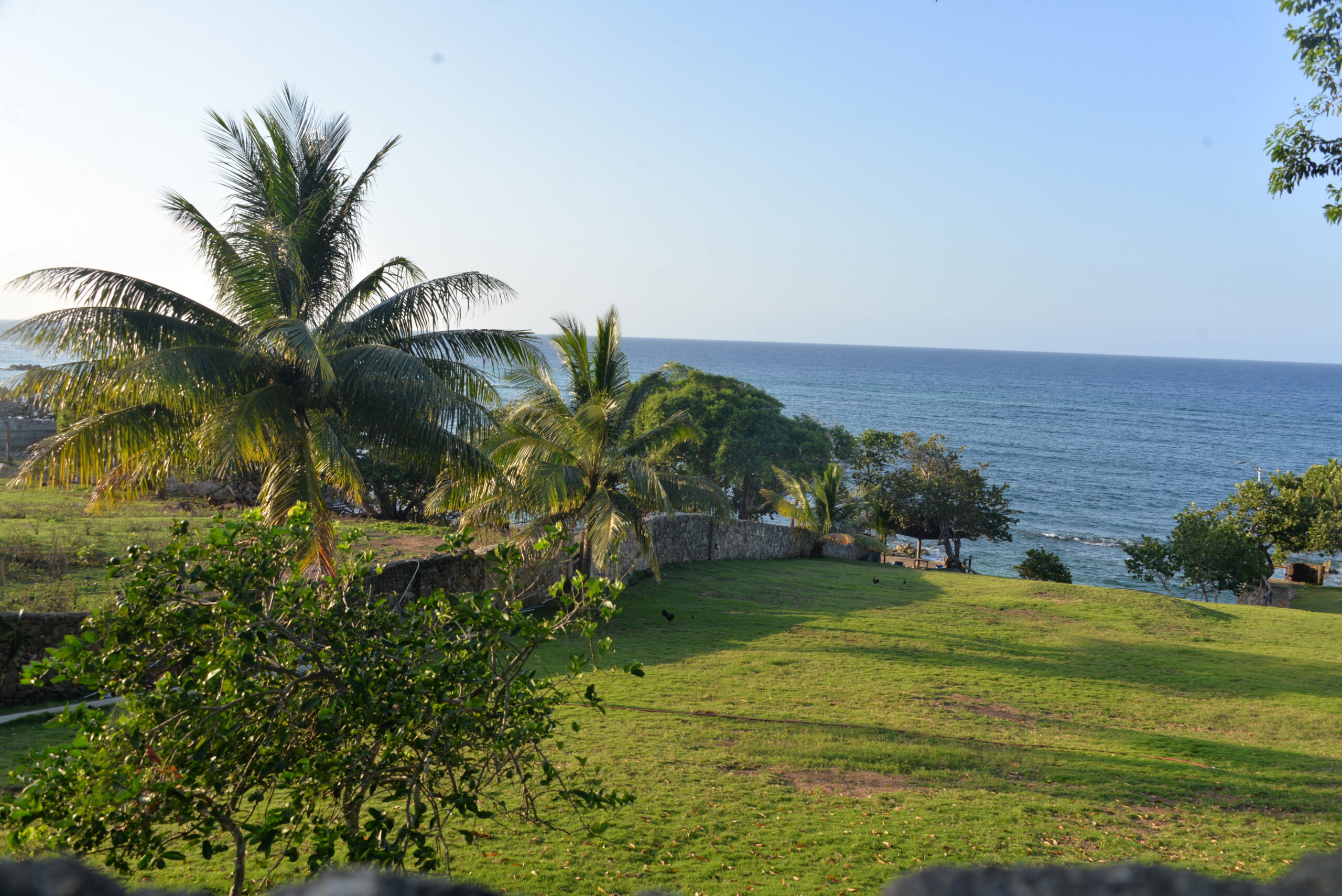
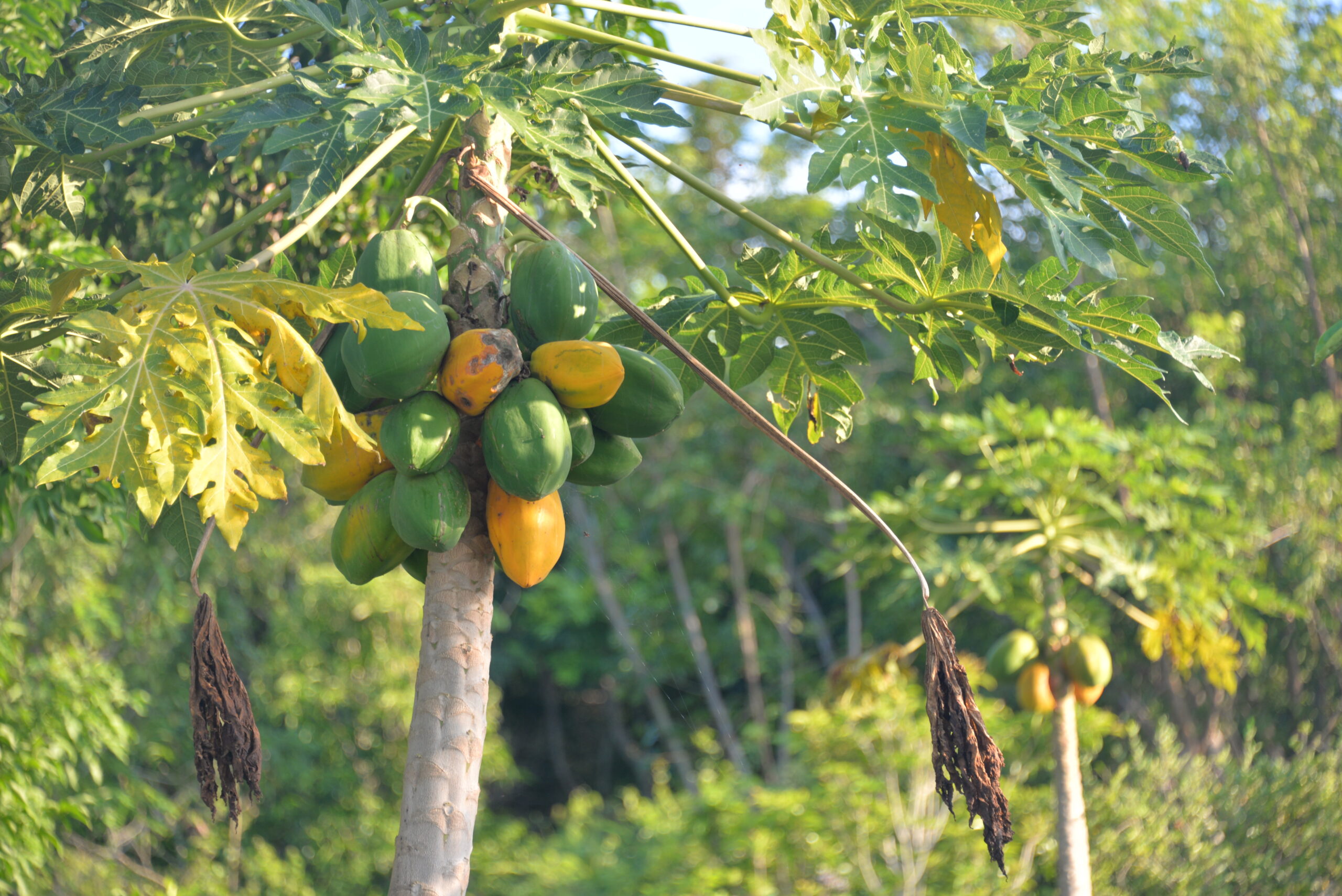
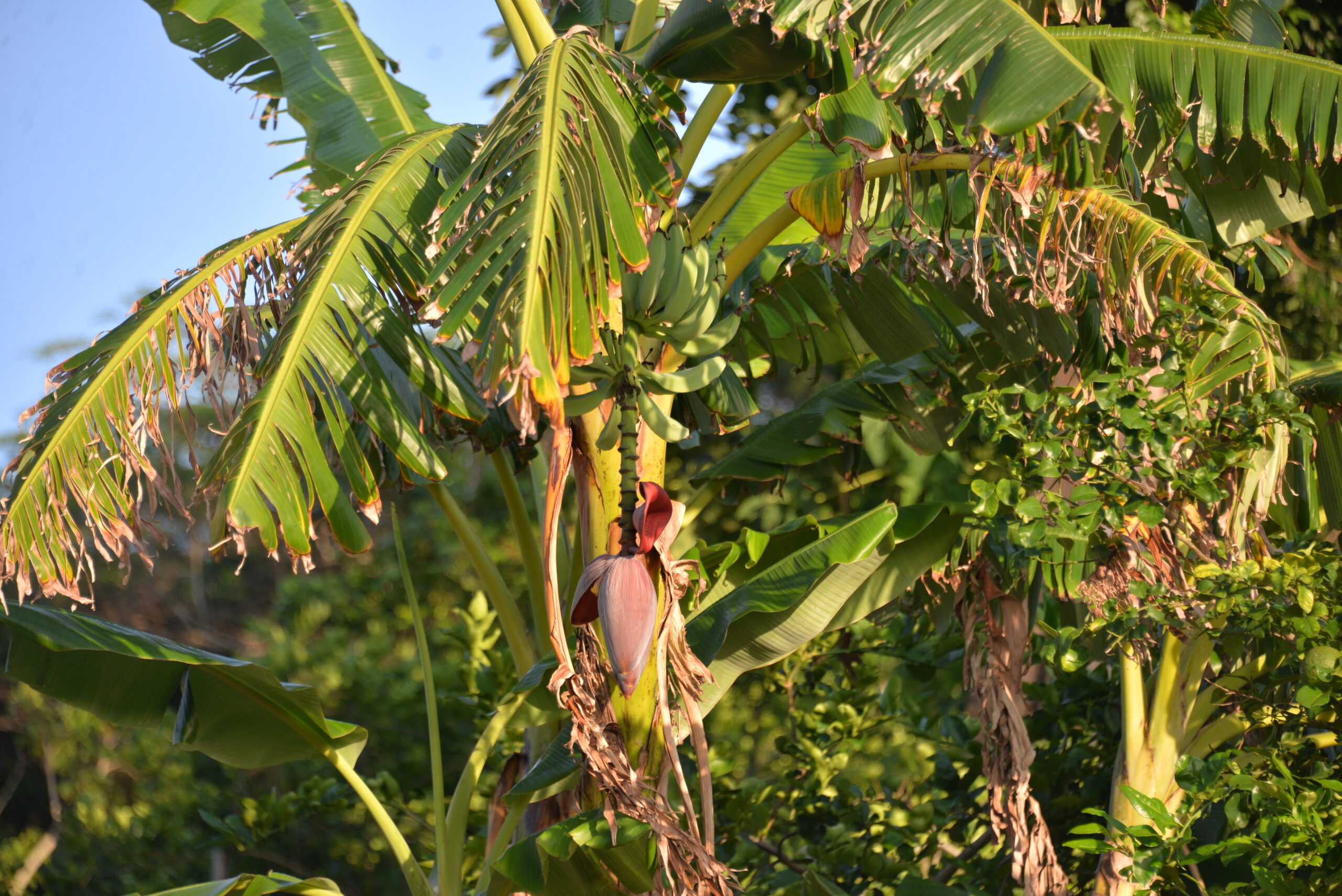
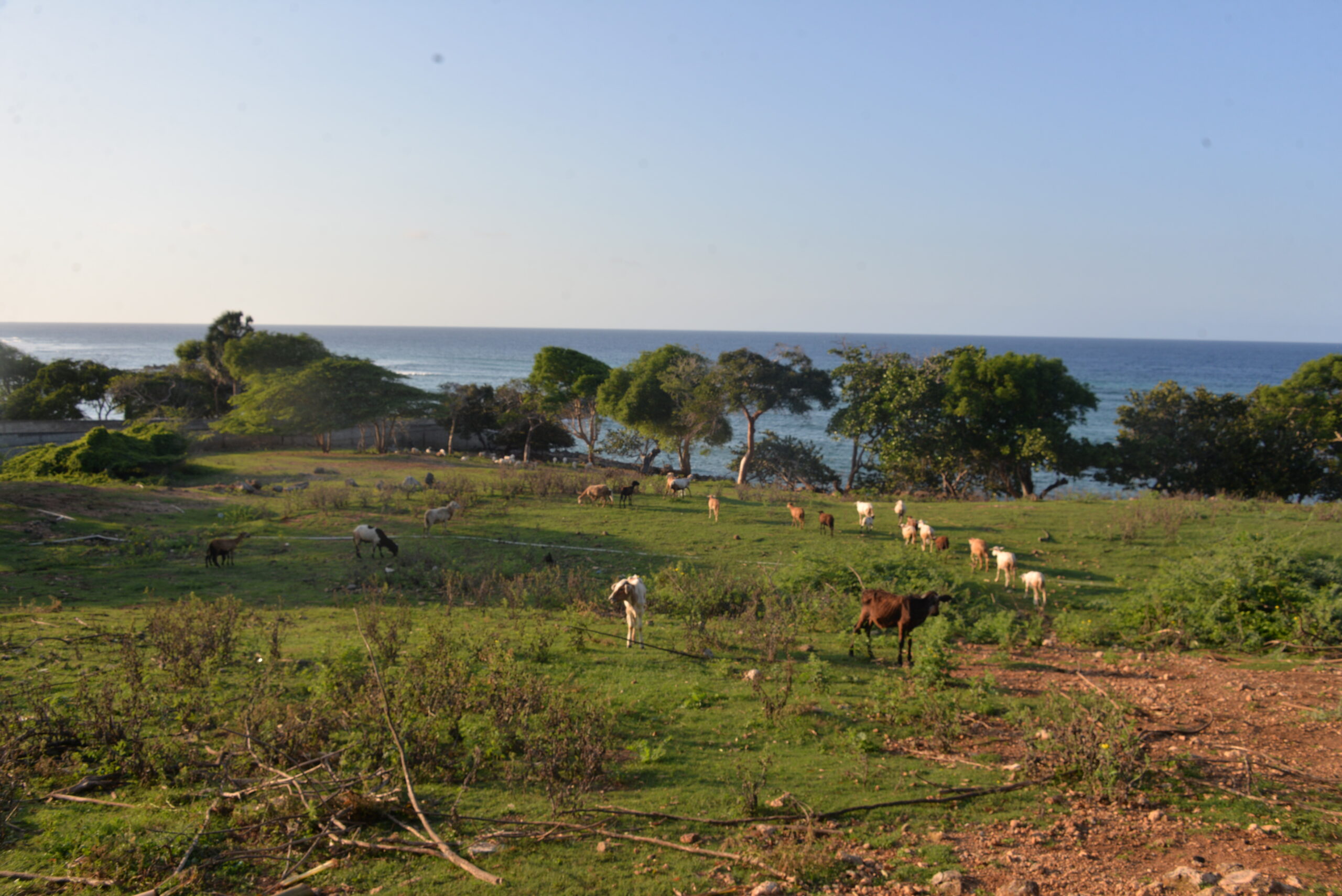
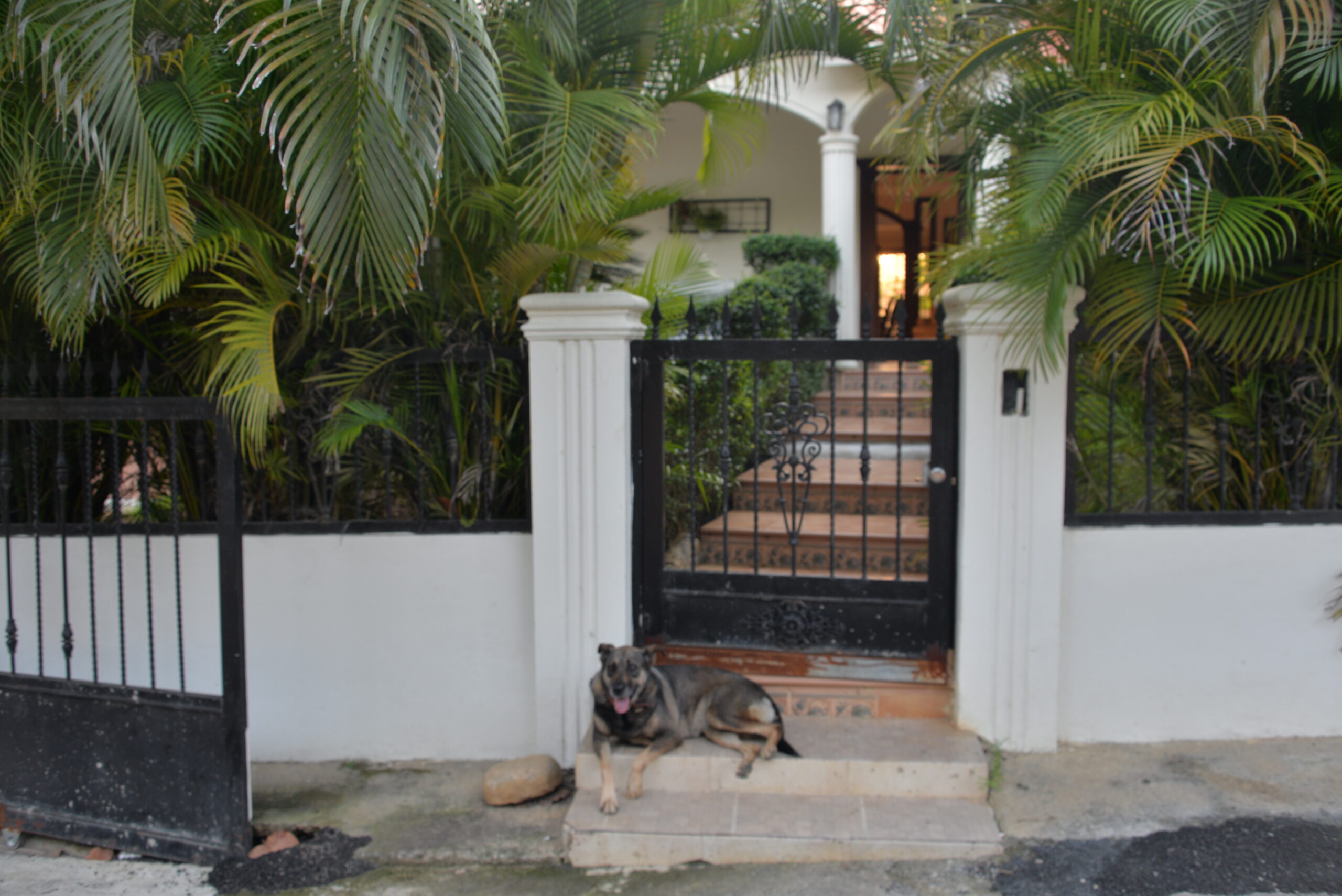
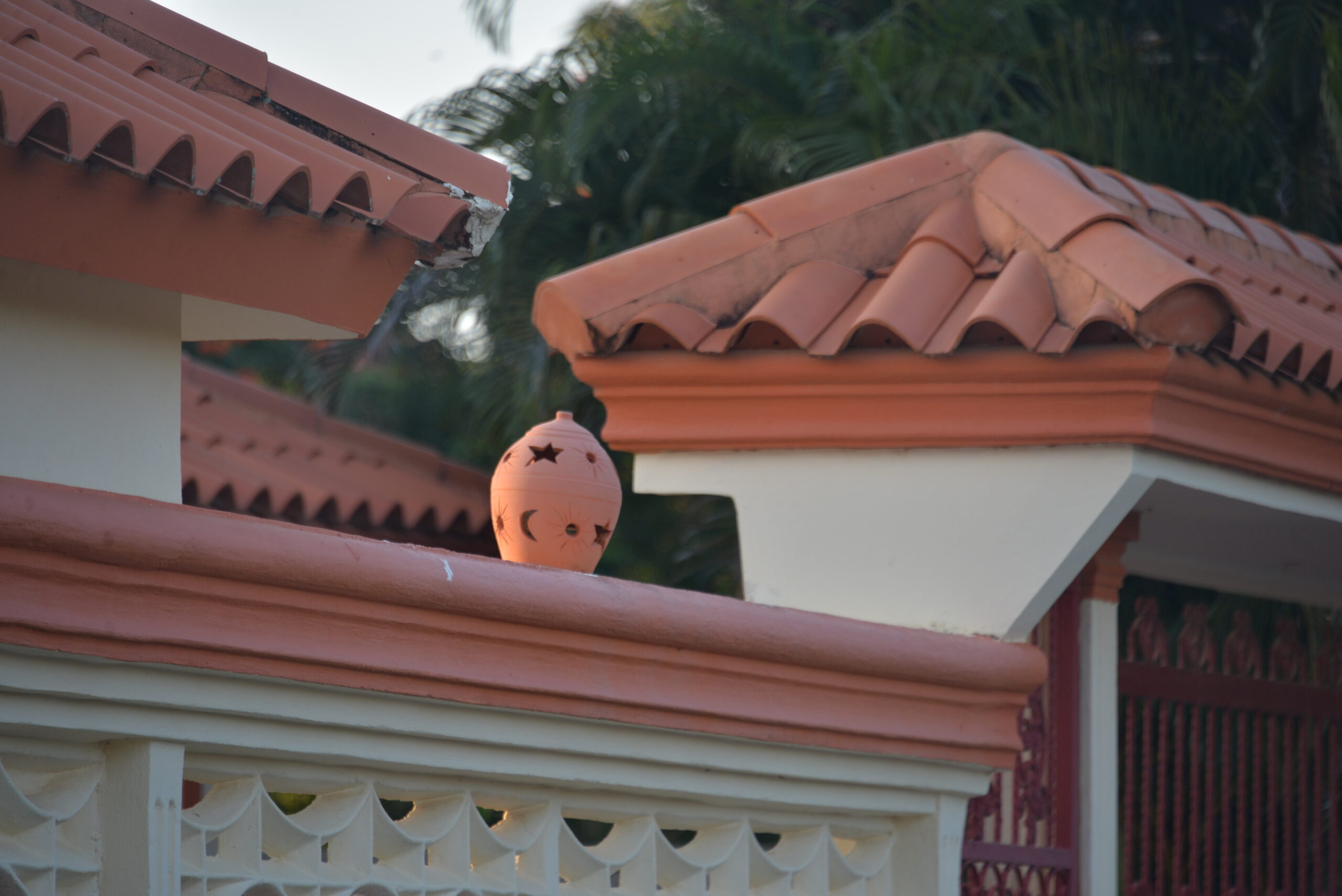
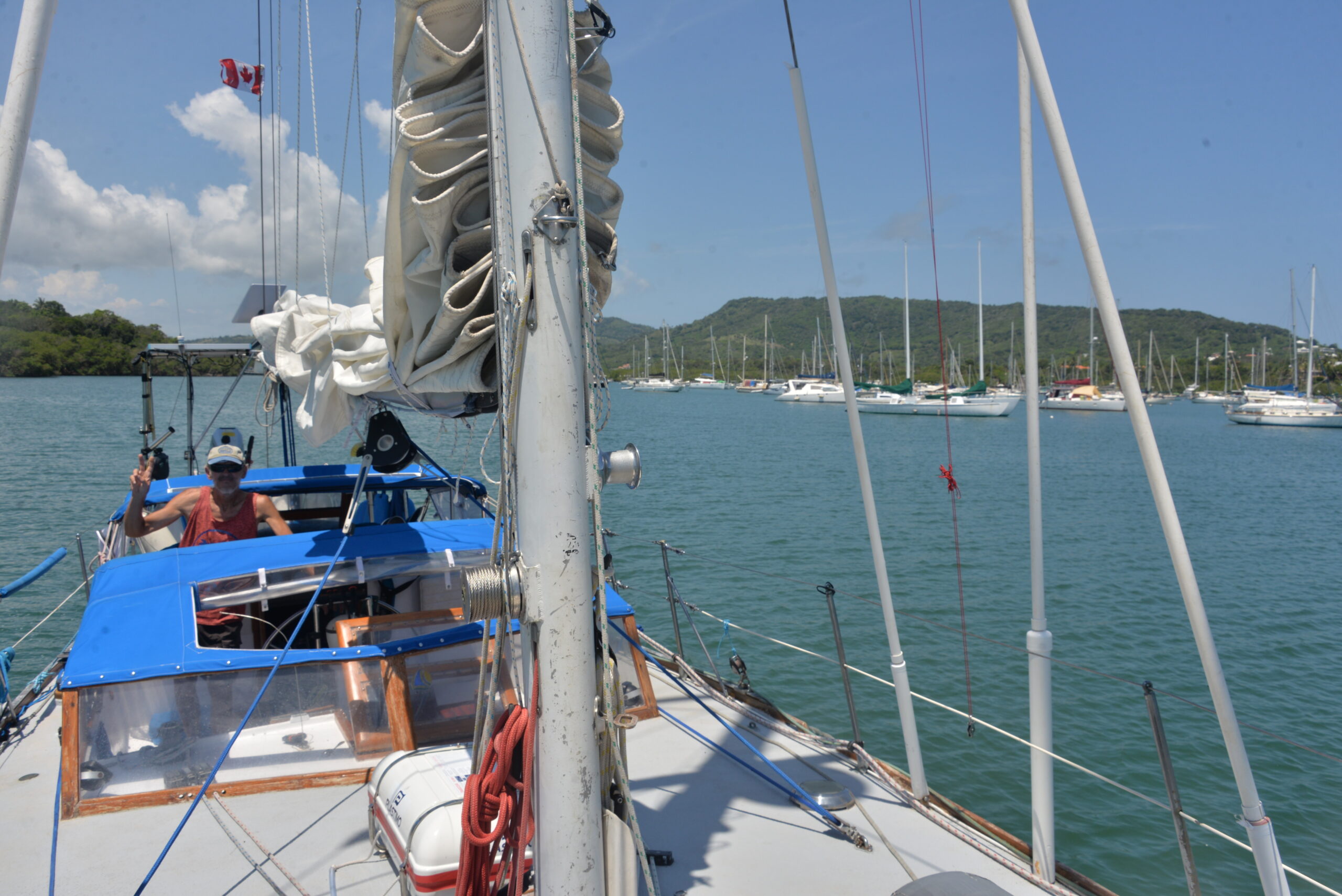
Approaching anchorage in Luperon Coming on shore for the immigration check-inMain streetThere are still some traces of poverty, but not much.Motorbikes are main transportation thereMonument with Bird, where bird’s nest we’ve foundGeneral Gregorio LuperónMural with Columbus ships.Main squareMarina Puerto BlancoView of Luperon harborMonument of marine aviationWood carvings on the Luperon’s shore A farmer’s house on the shoreFarmland with an oceanviewPapayaBananasGots and cows on the shore pastureHammerbirdOceanolog is here!Our friend salty dog followed us all the way around and afterward showed us his fazenda.Traditional ceramic lantern
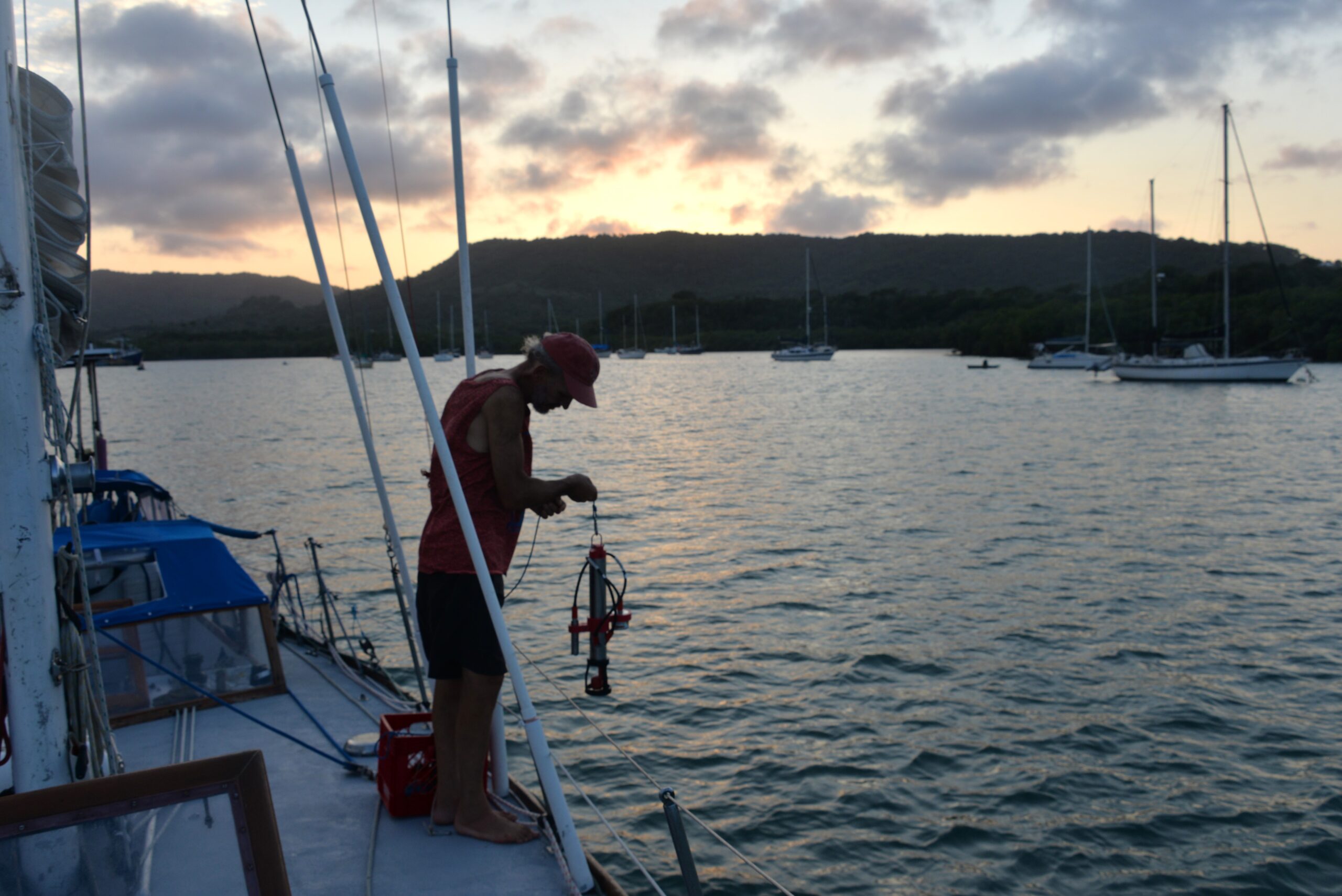
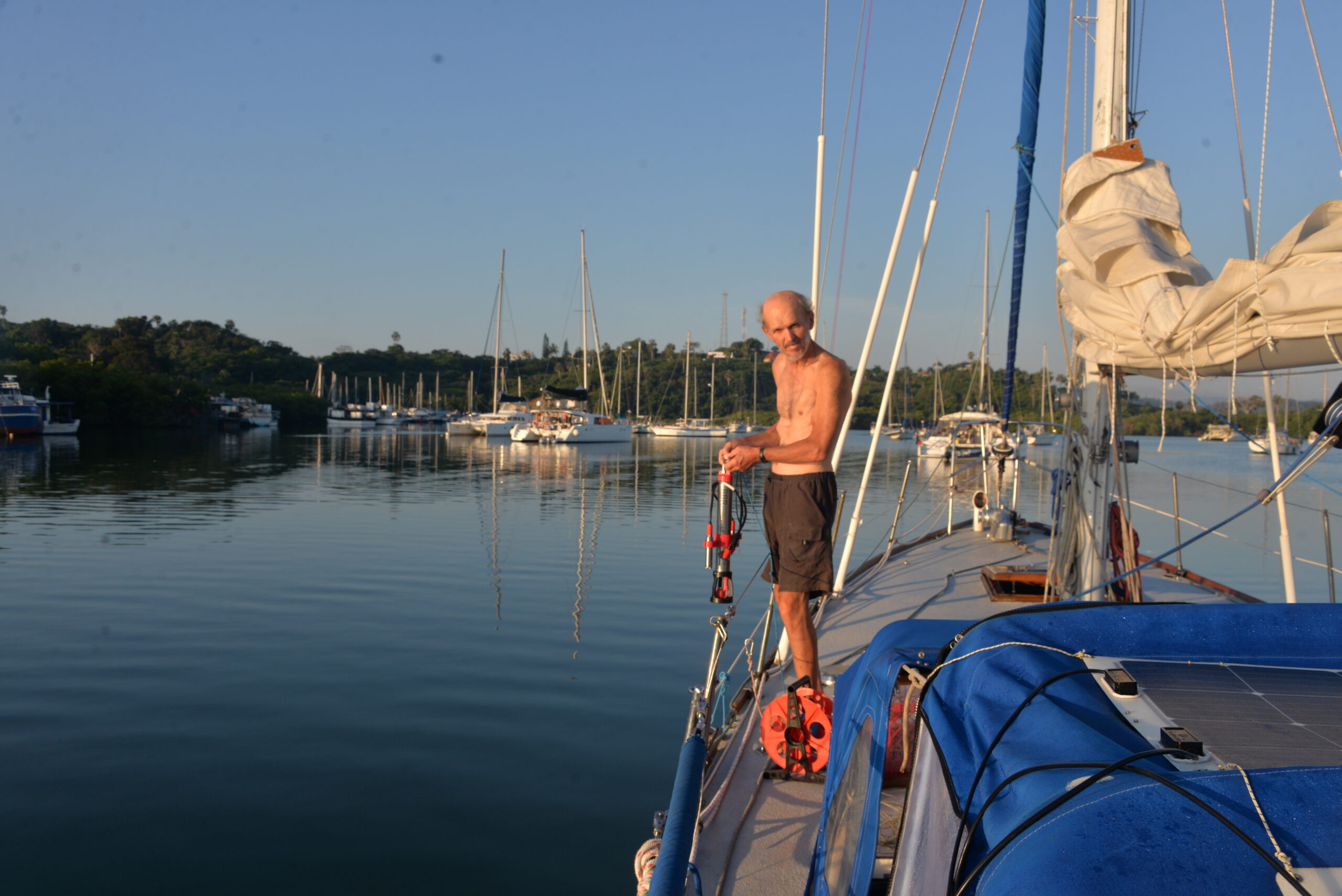
Evening CTD-cast
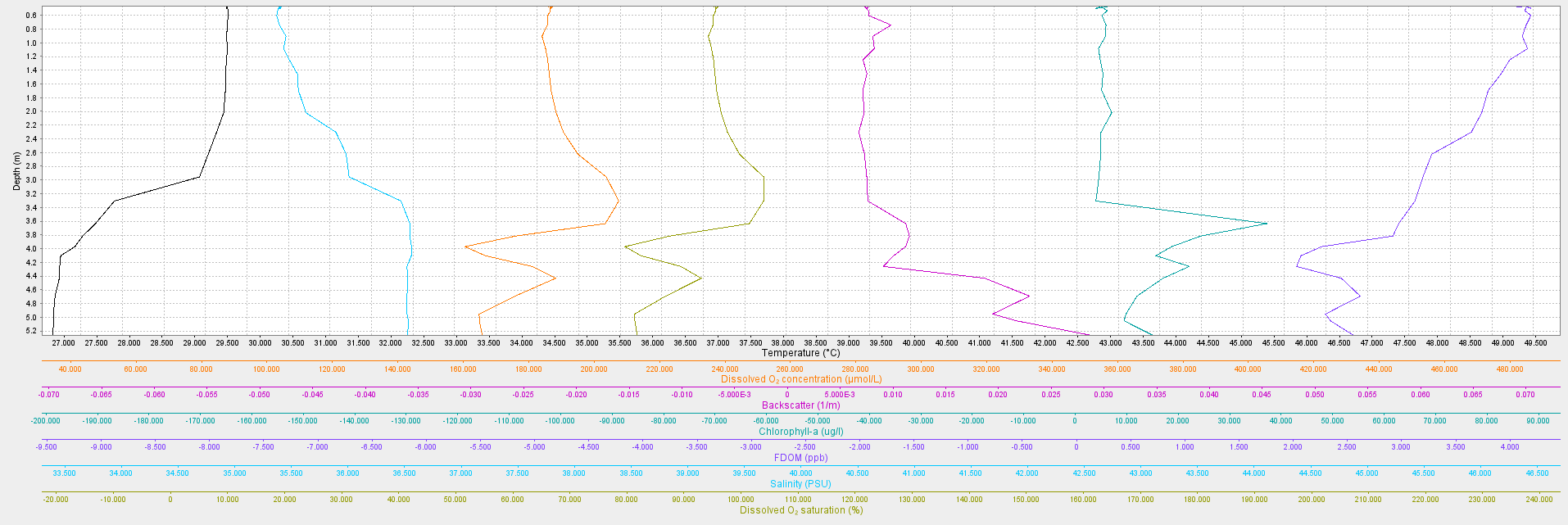
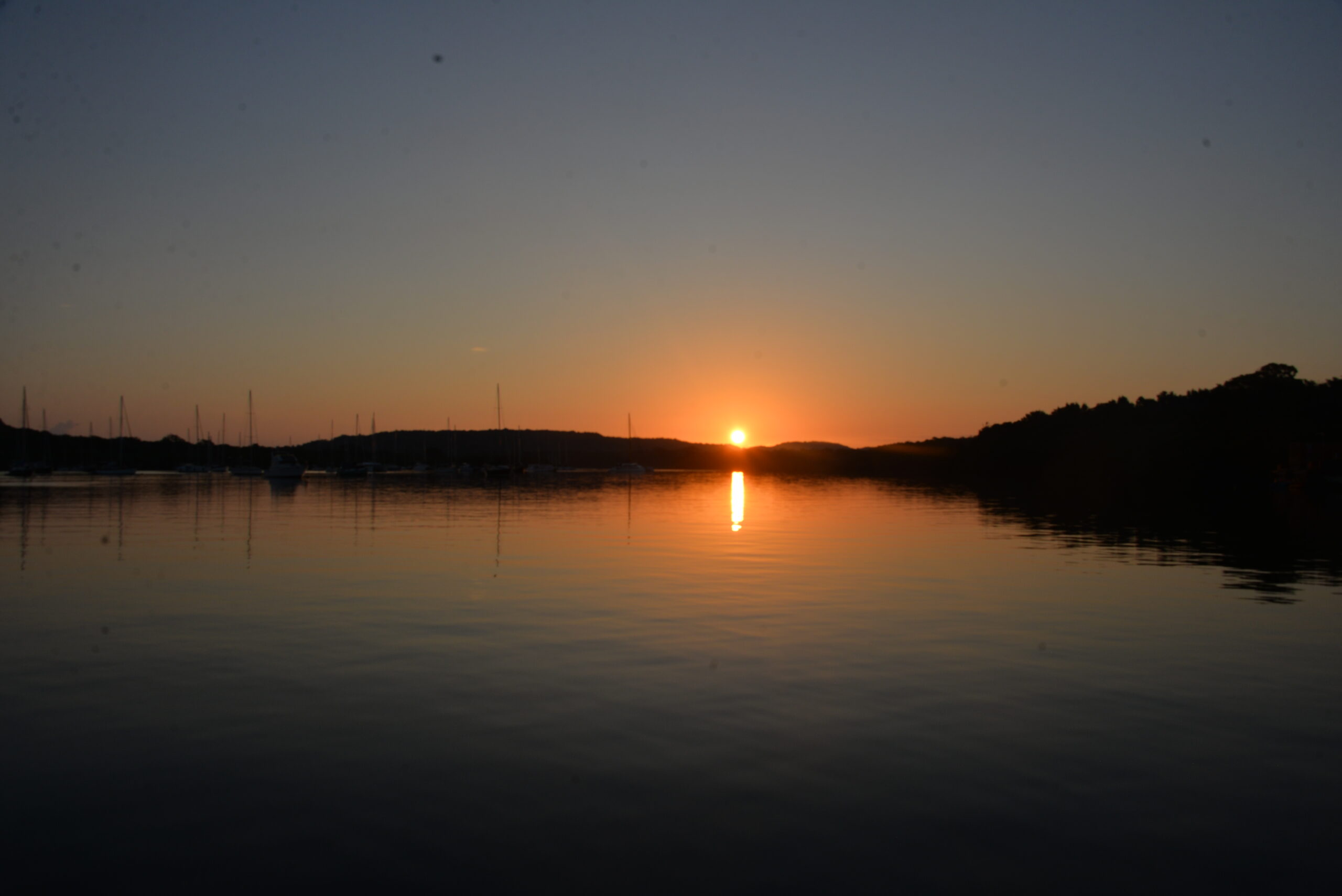
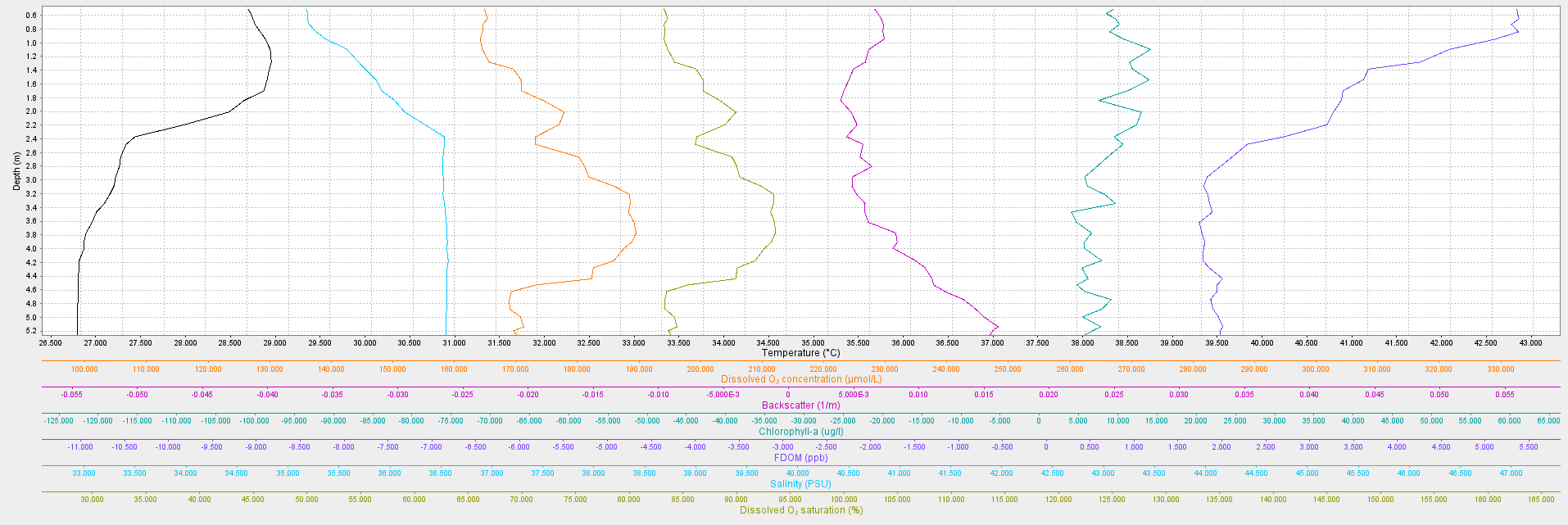
Plot of data of the evening CTD-castSunriseMorning CTD-castPlot of data of the morning CTD-castLeaving Luperon