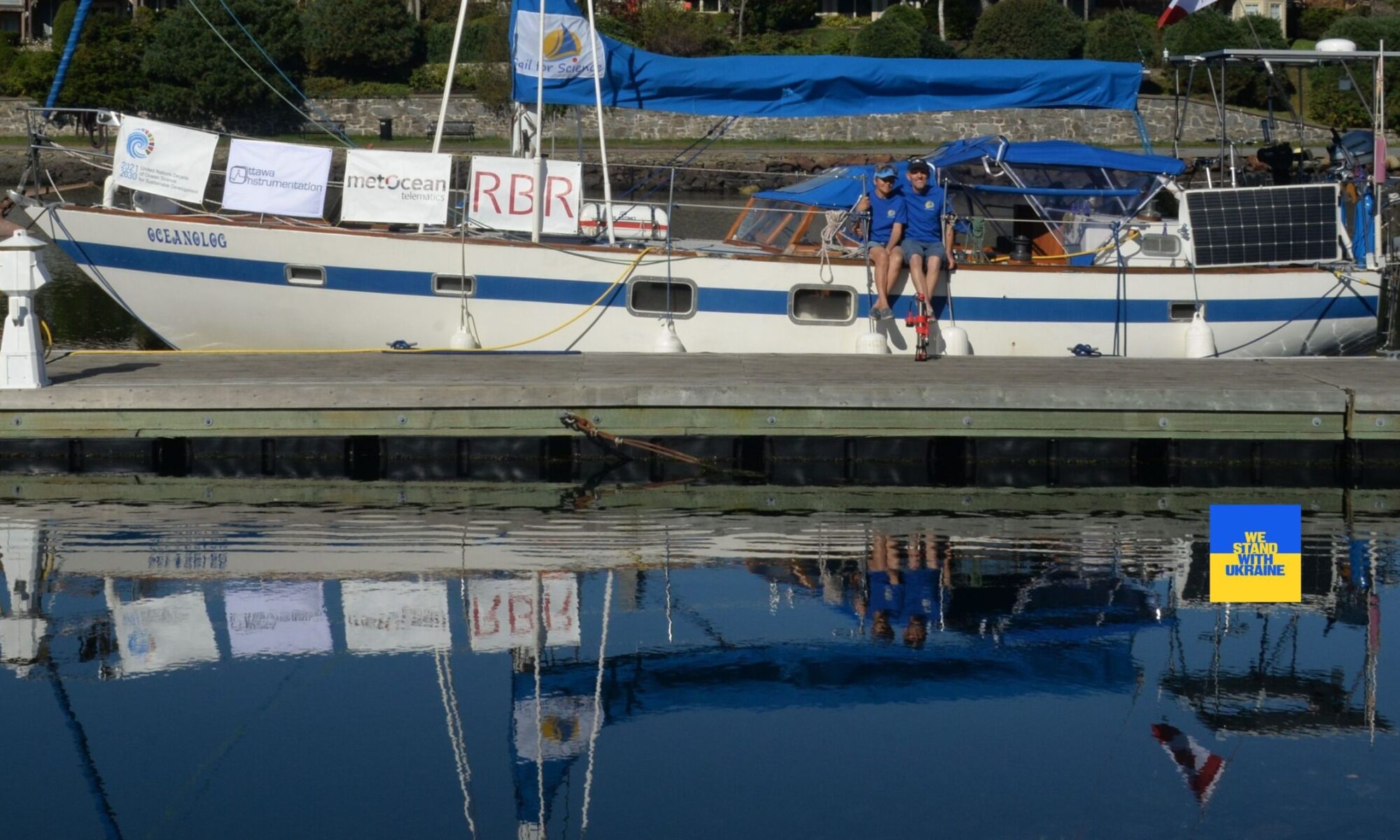
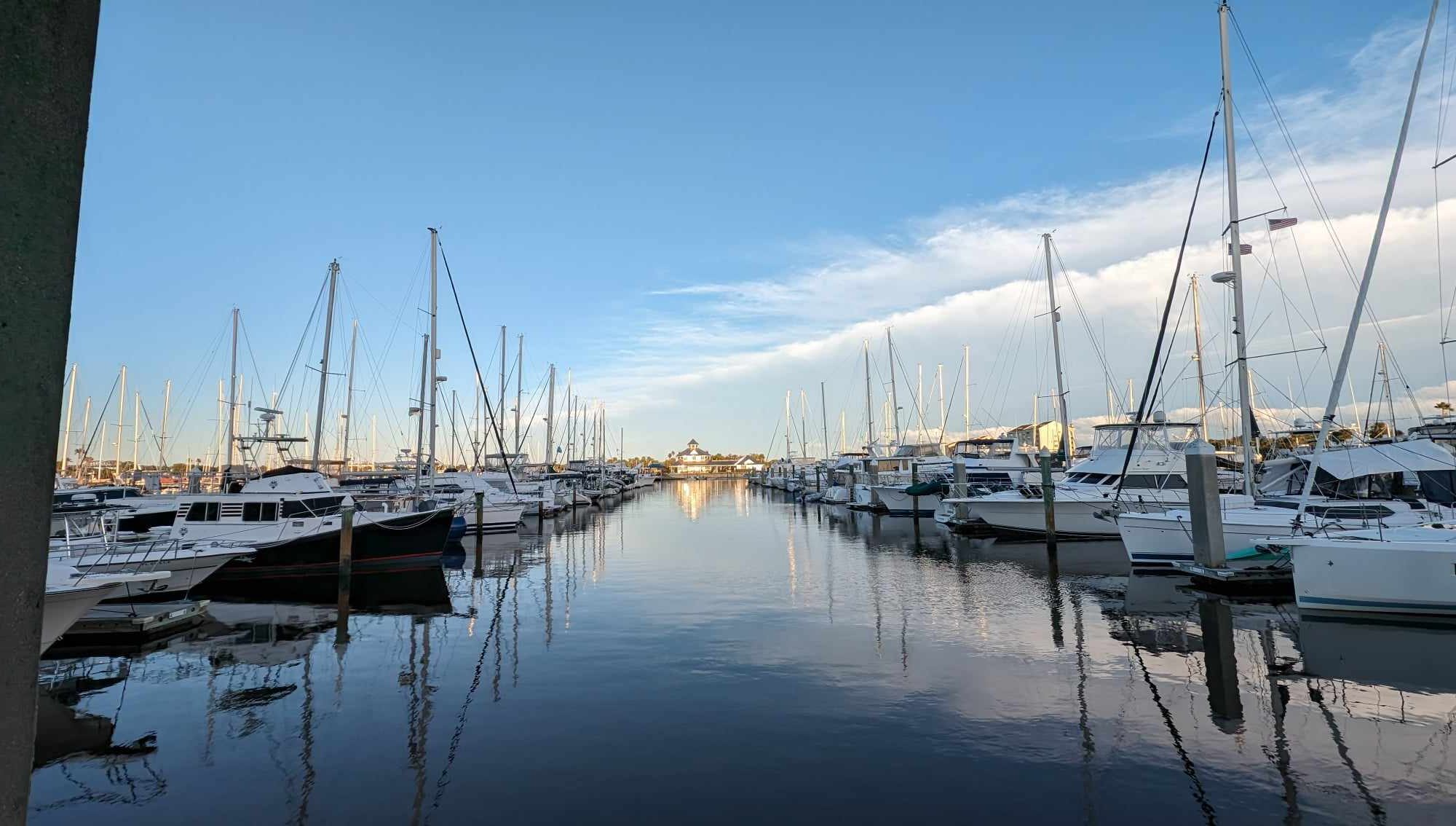
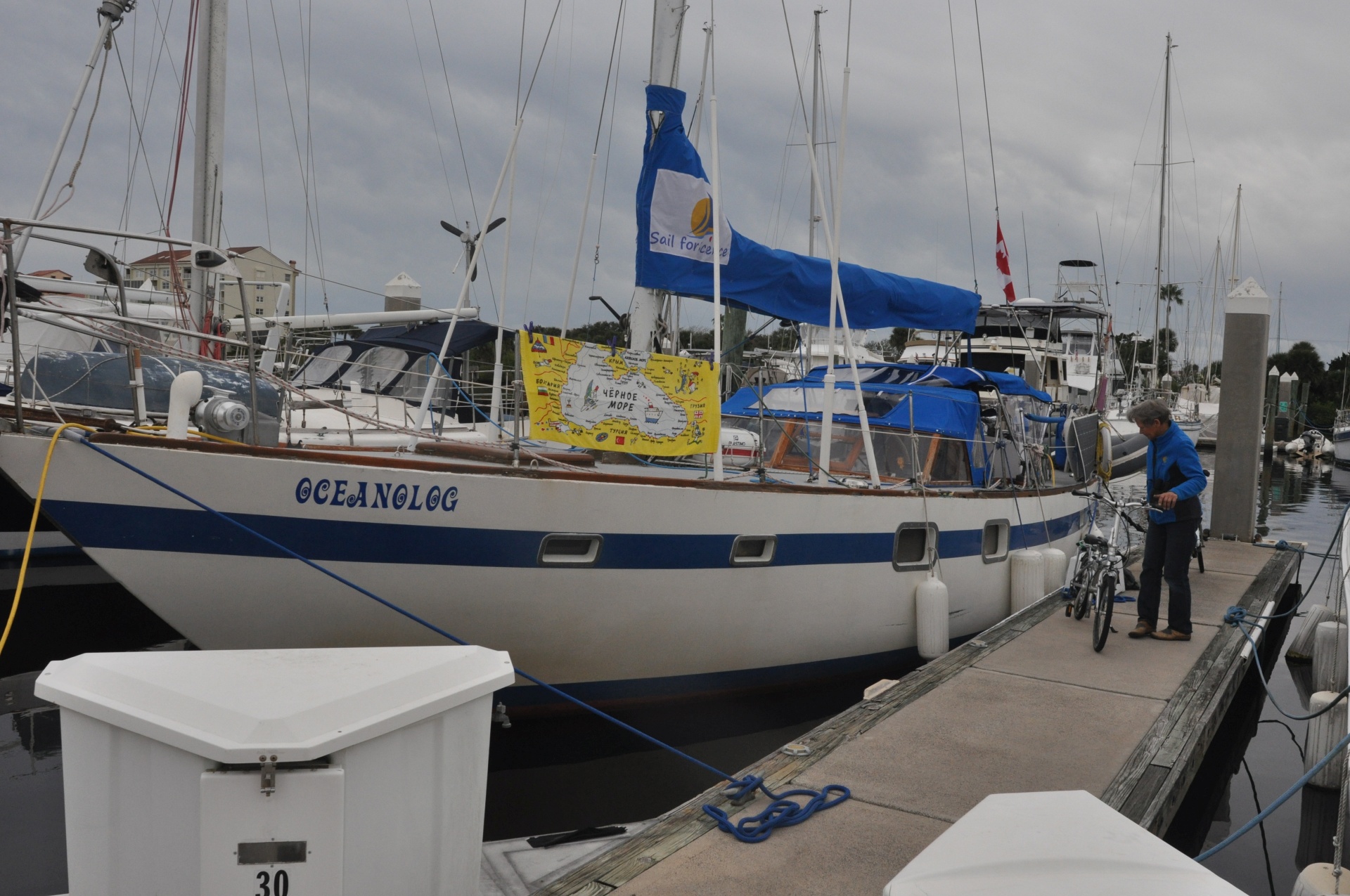
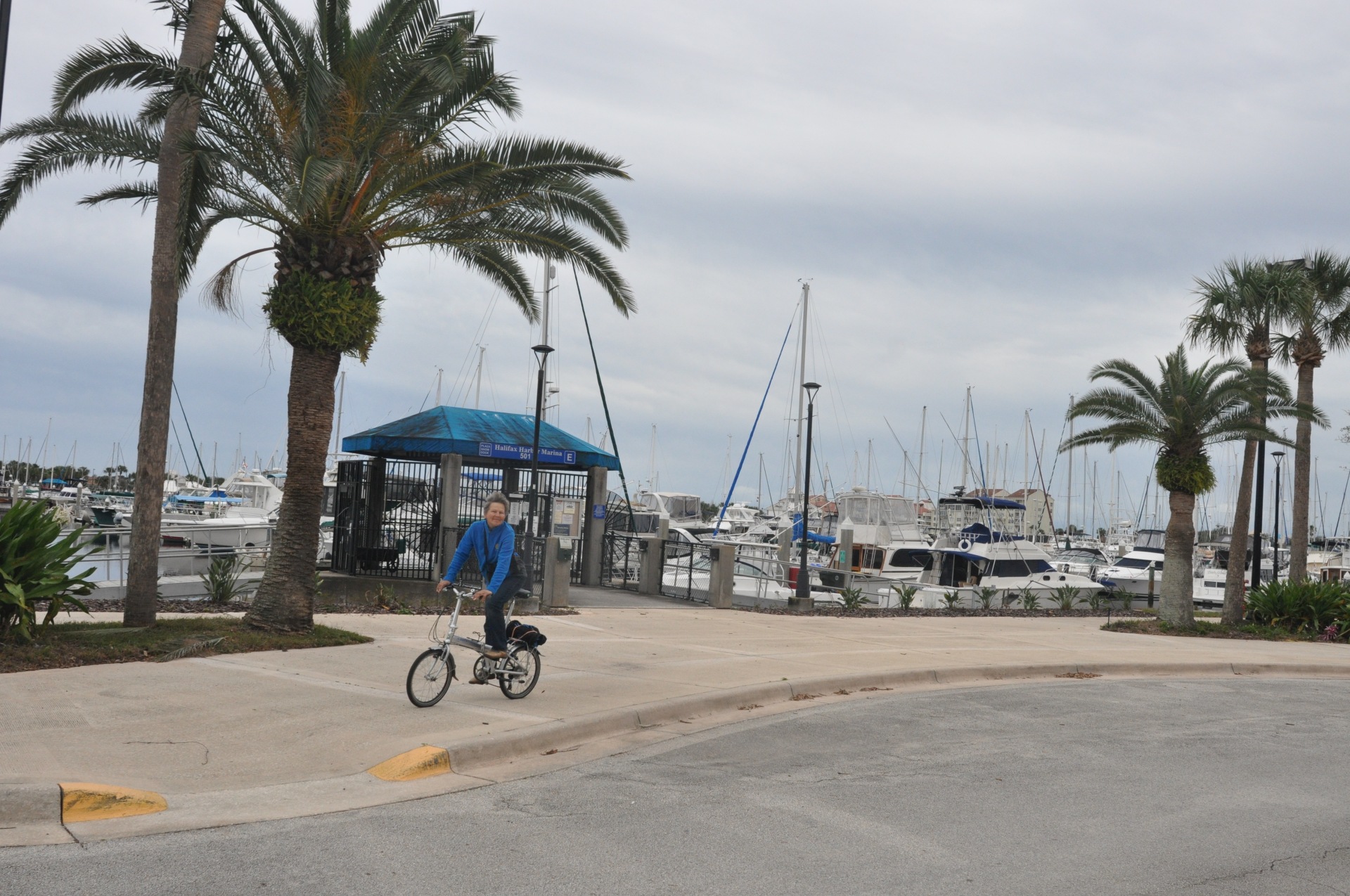
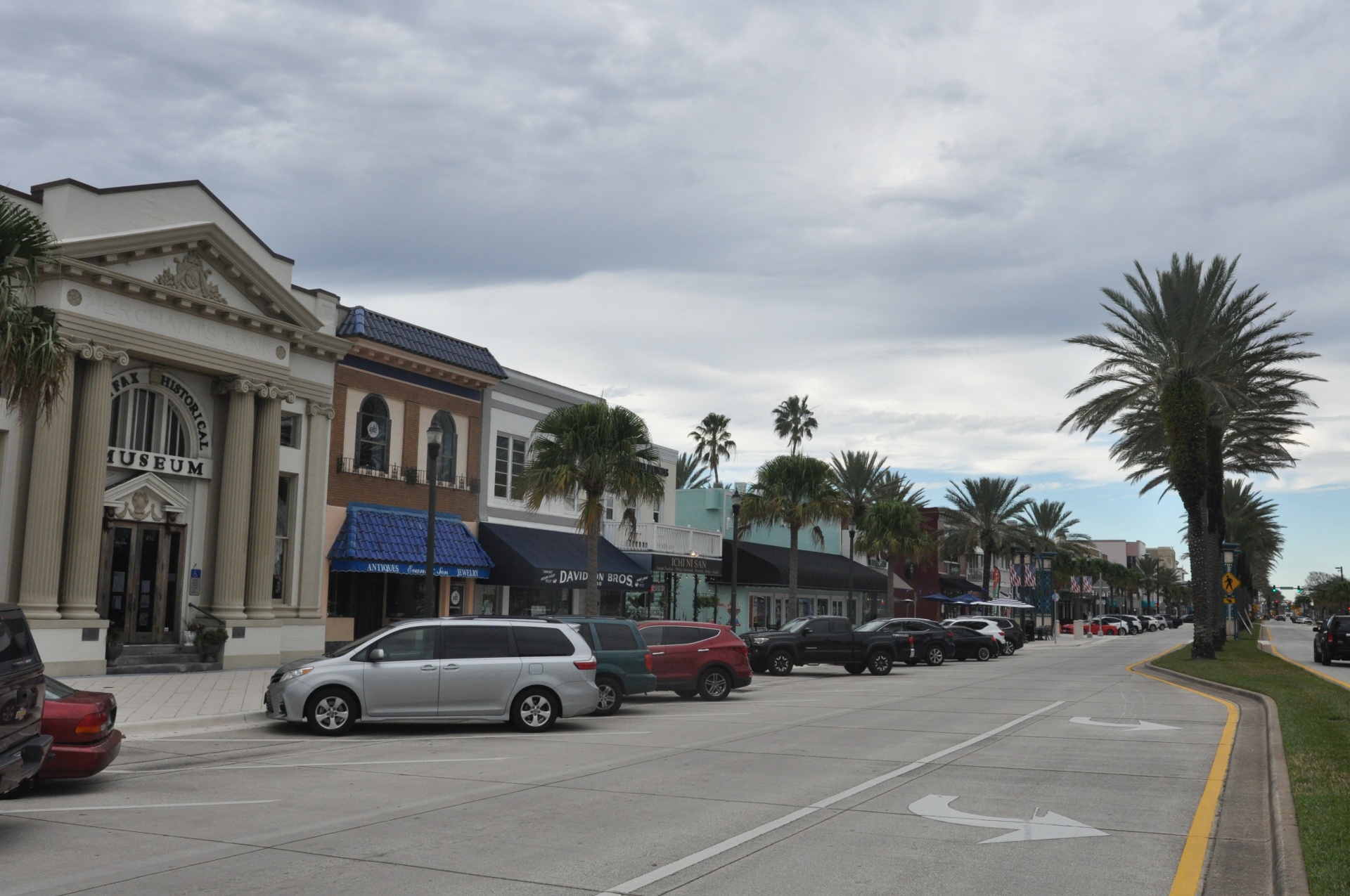
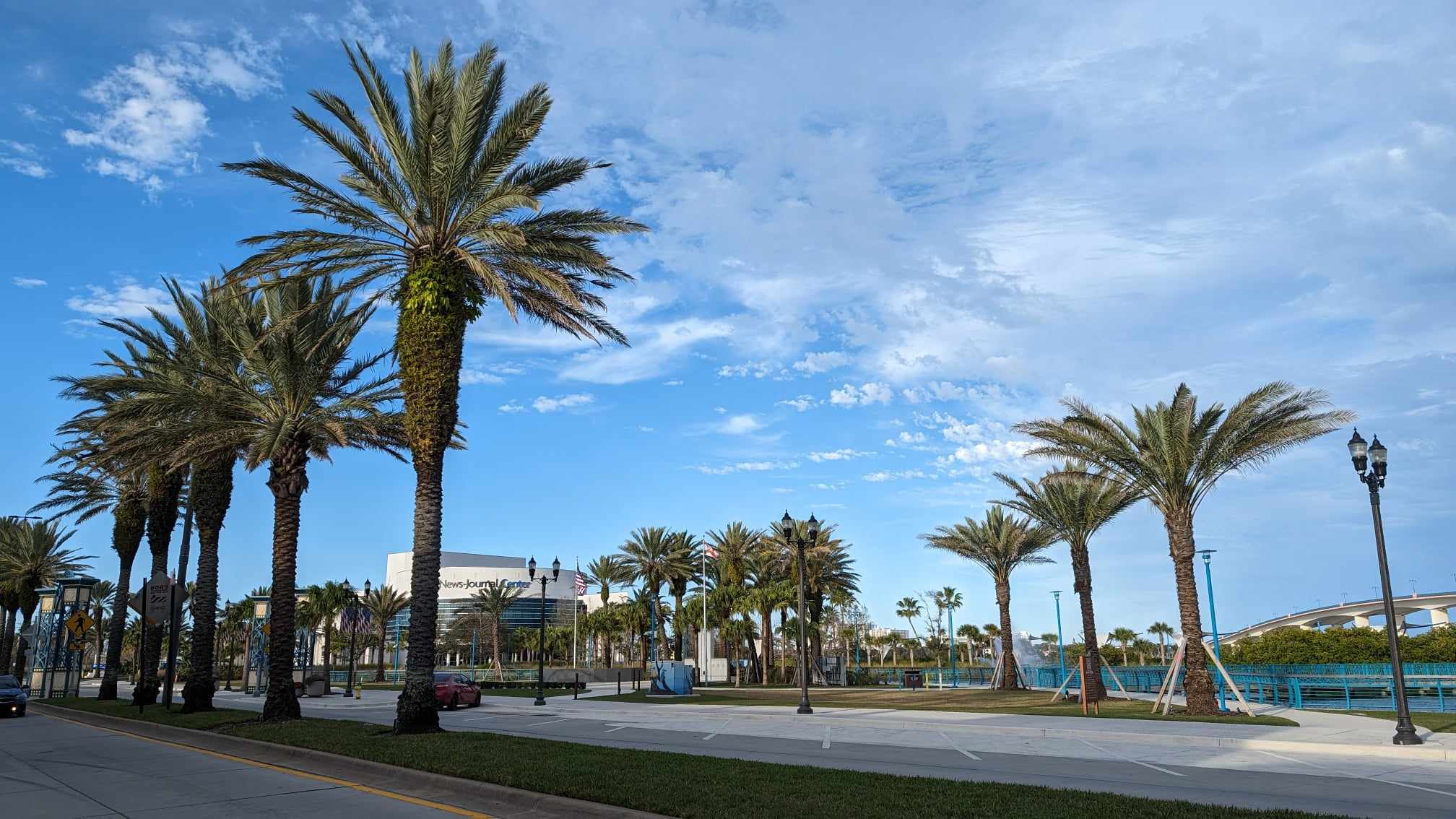
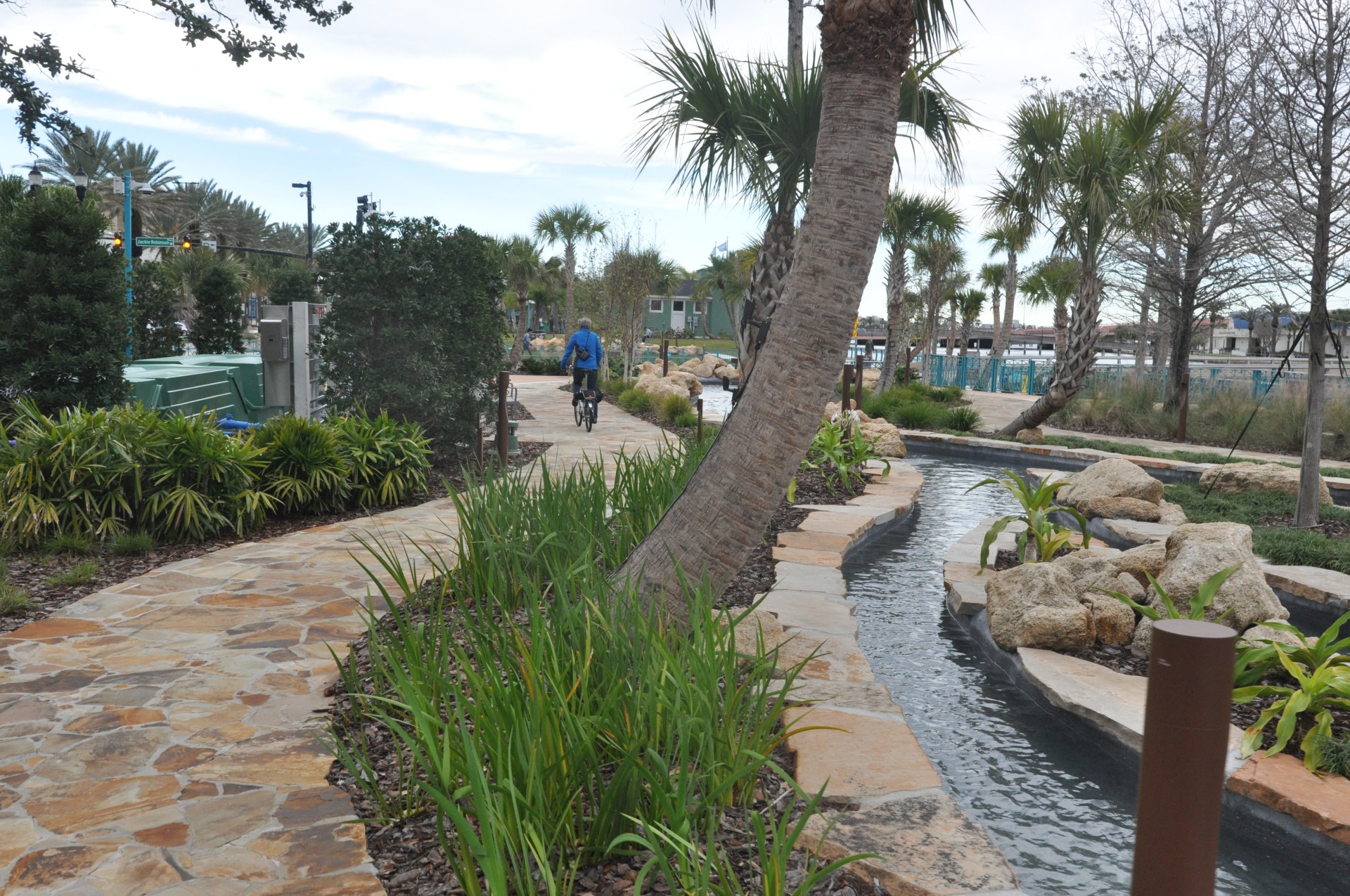
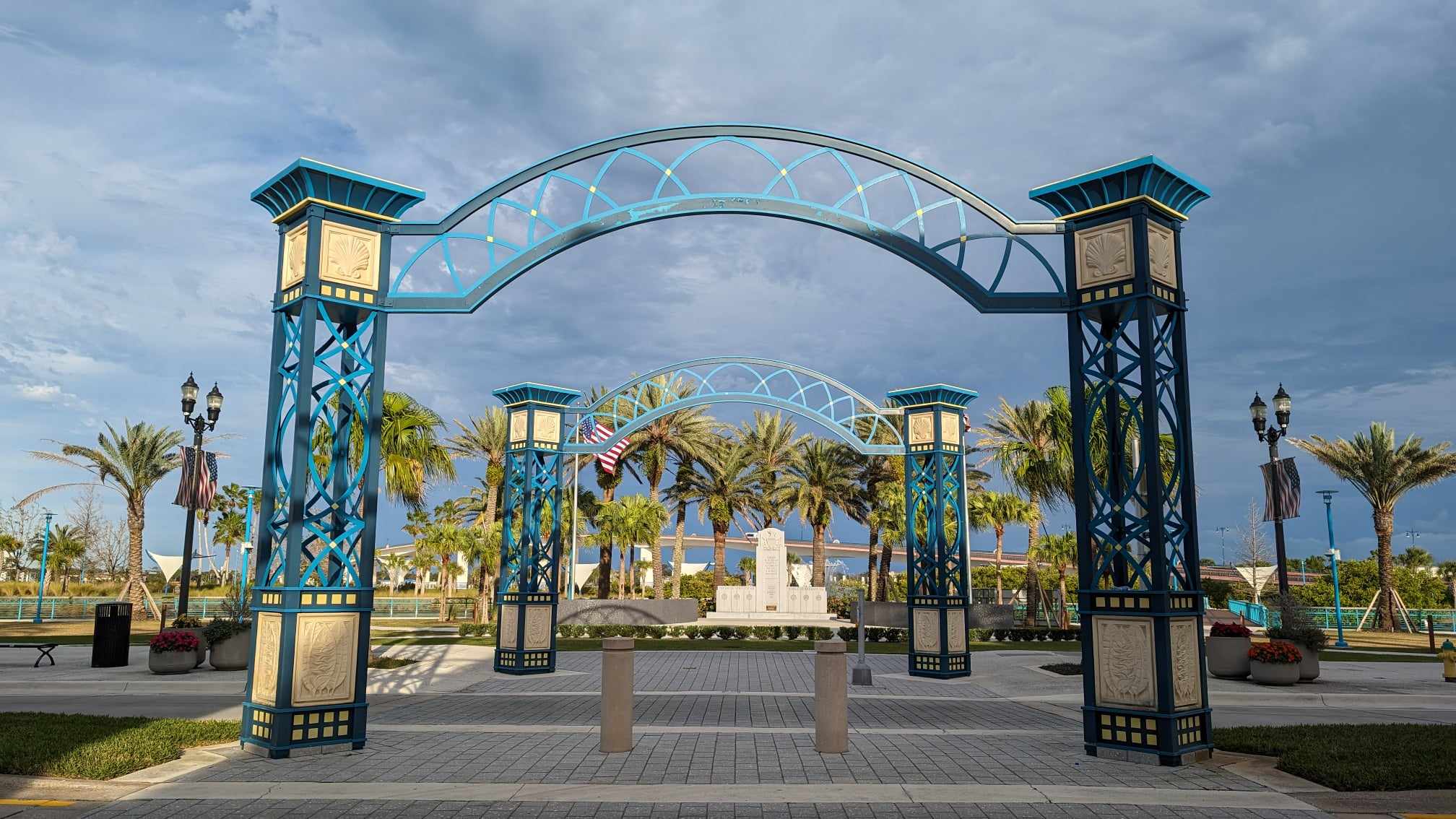
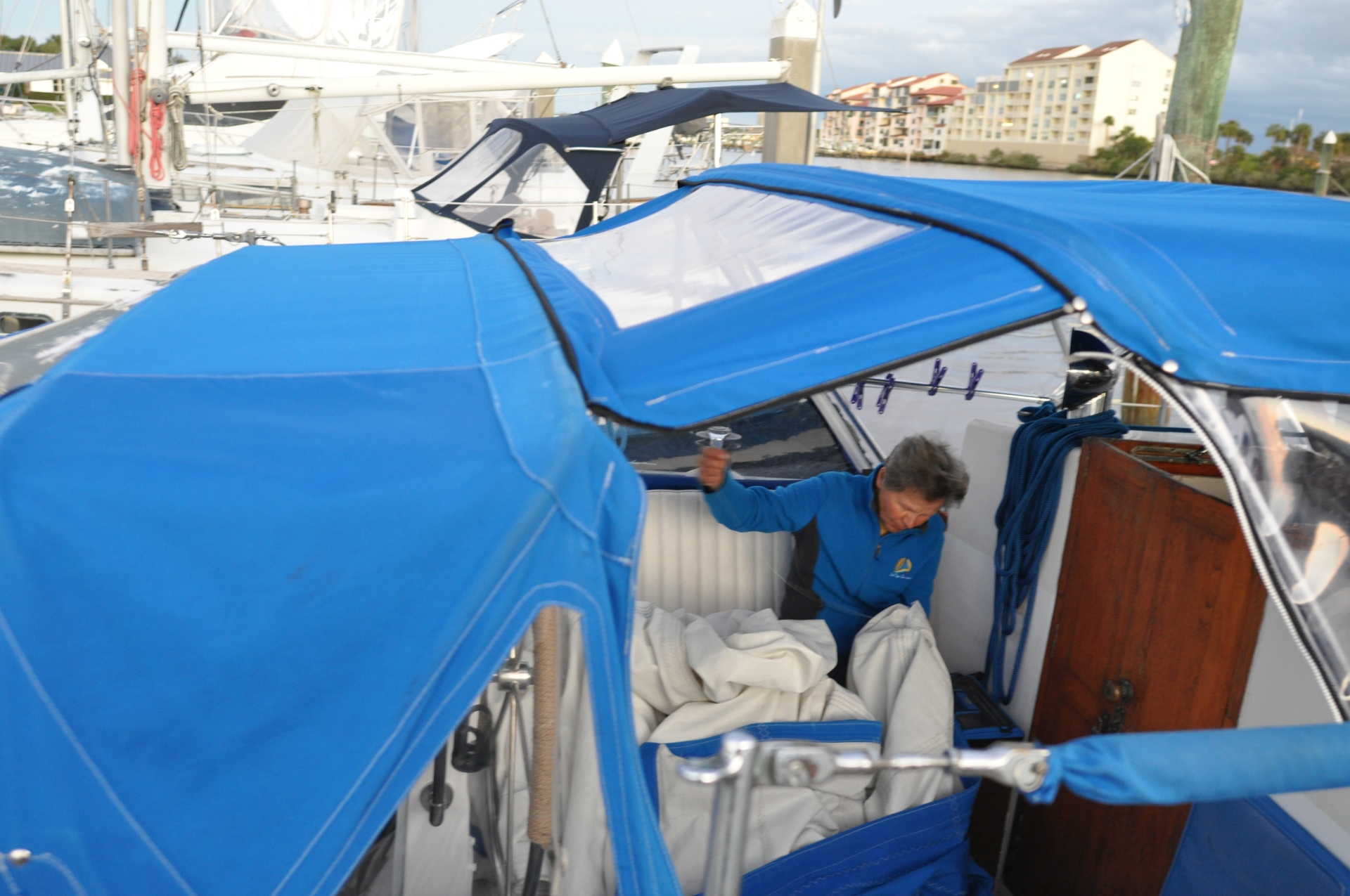
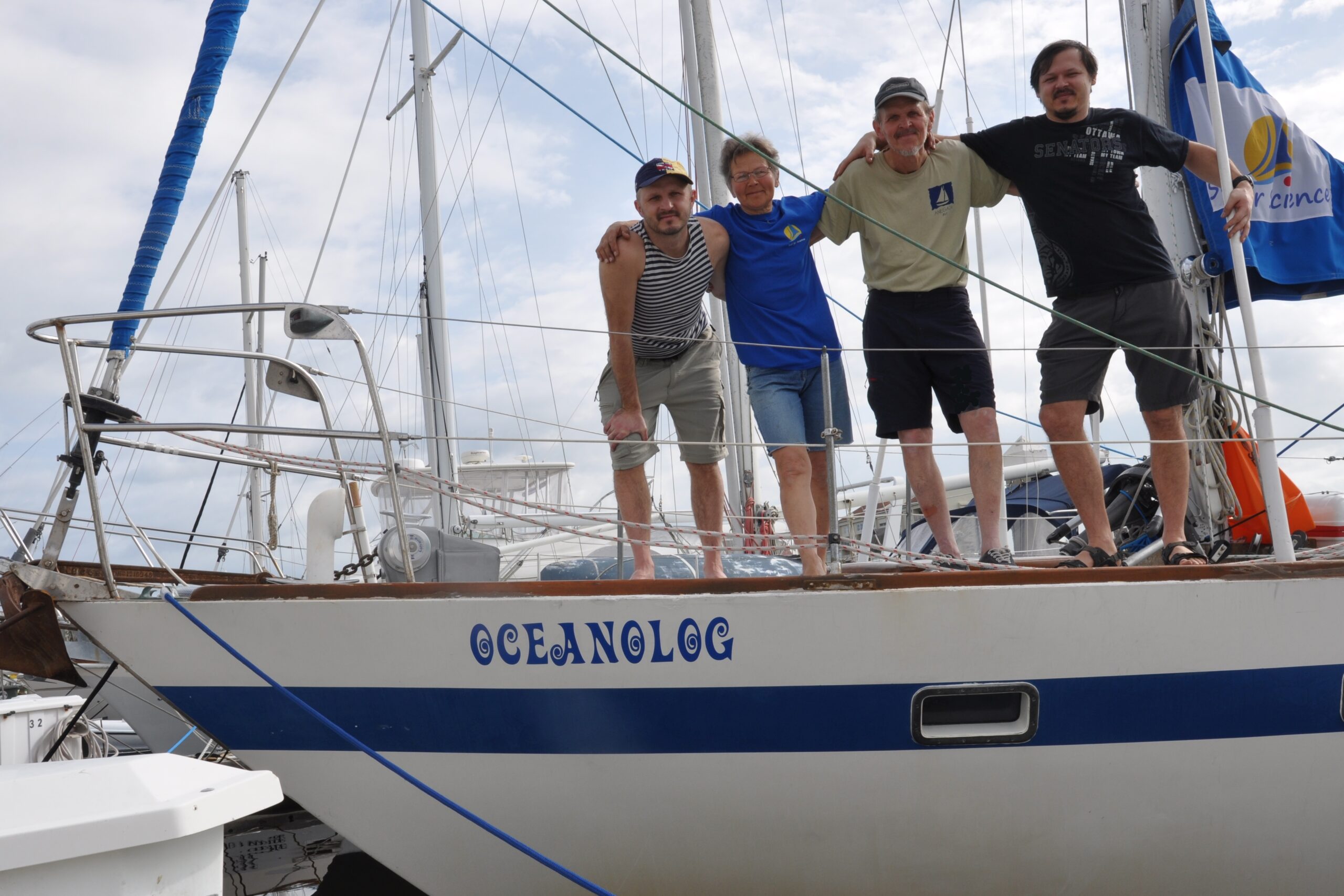
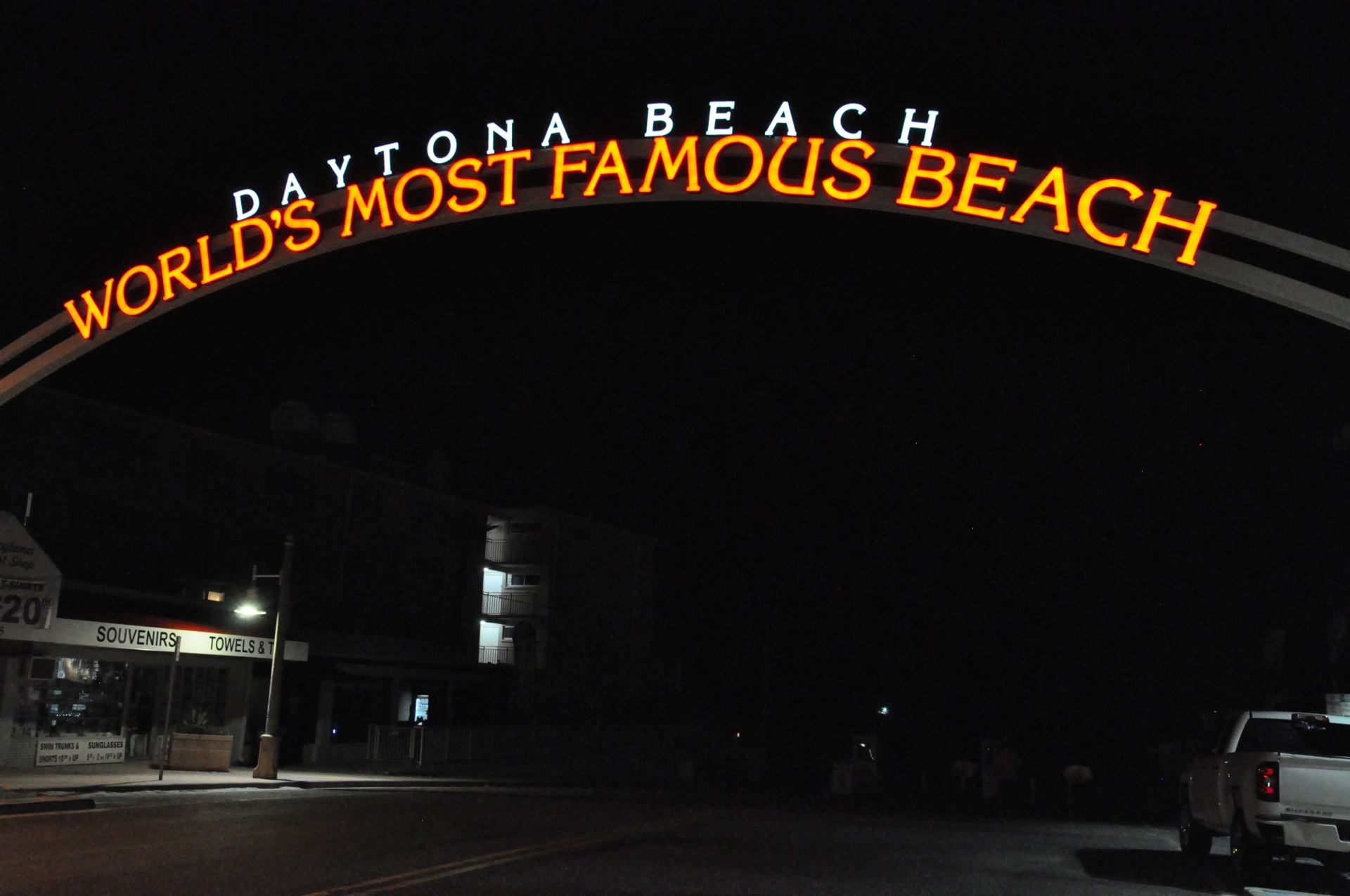
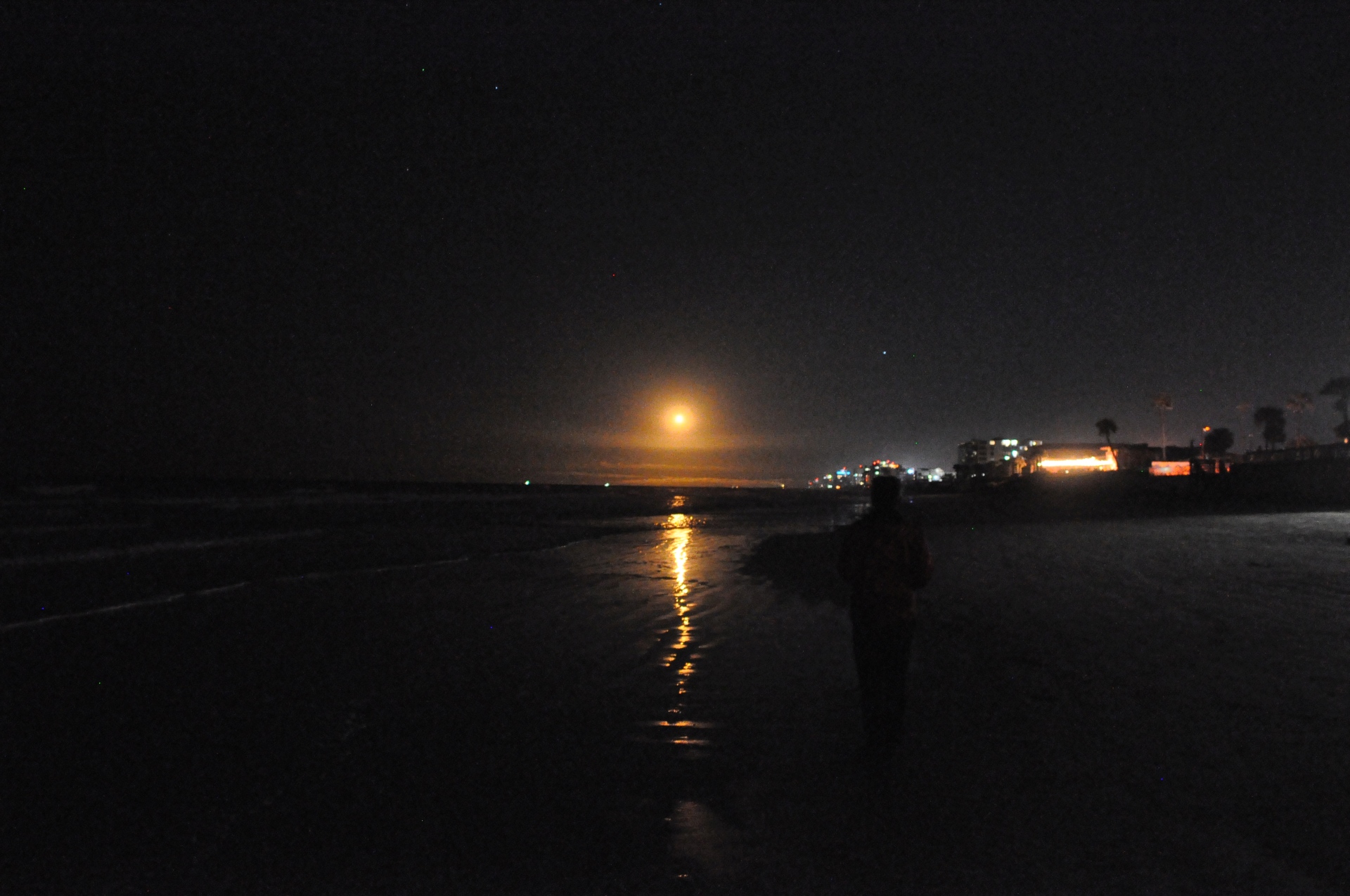
Our arrival in Daytona Beach was marked by our long-awaited meeting with our sons Yaroslav and Oleg, who flew in from Ottawa to continue sailing with us during their vacation. There are now four of us in the crew and many things will be easier, or maybe more difficult – we will need to learn. But in any case, our family reunion is a wonderful time that will stay with us.
Halifax Harbour Marina in Daytona BeachOur family crewLaunch of SpaceX on the Cape Canaveral
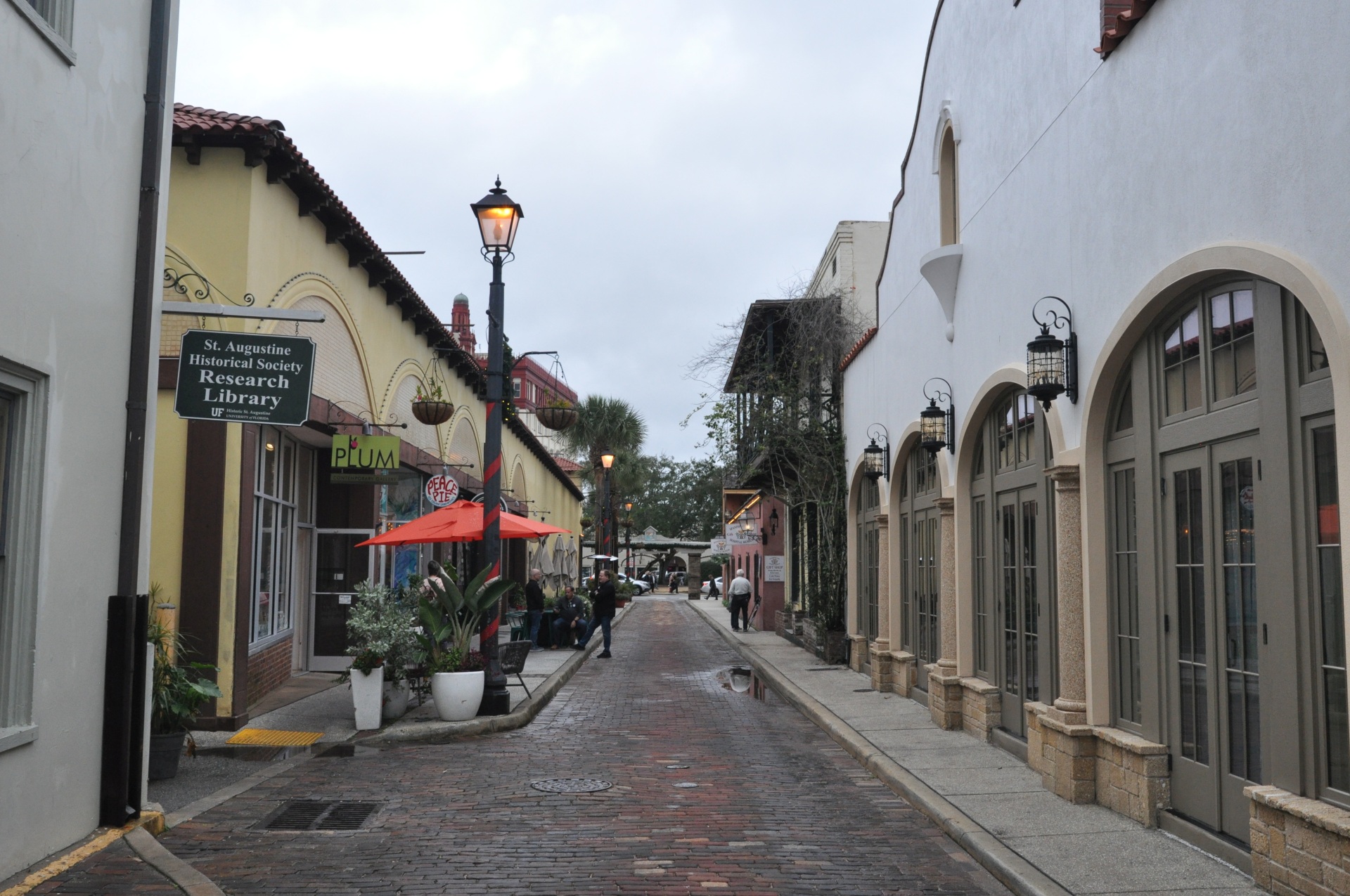
A visit to St. Augustine felt like an encounter with the past, resonating with both recent personal memories and distant historical echoes. We had previously explored this charming city on a road trip ten years ago, marveling at its rich Spanish-American culture and distinctive architecture. Founded in 1565 by Spanish explorers, St. Augustine holds the distinction of being the oldest continuously inhabited European-established settlement in what is now the contiguous United States. This fact gave this city the nickname Ancient City.
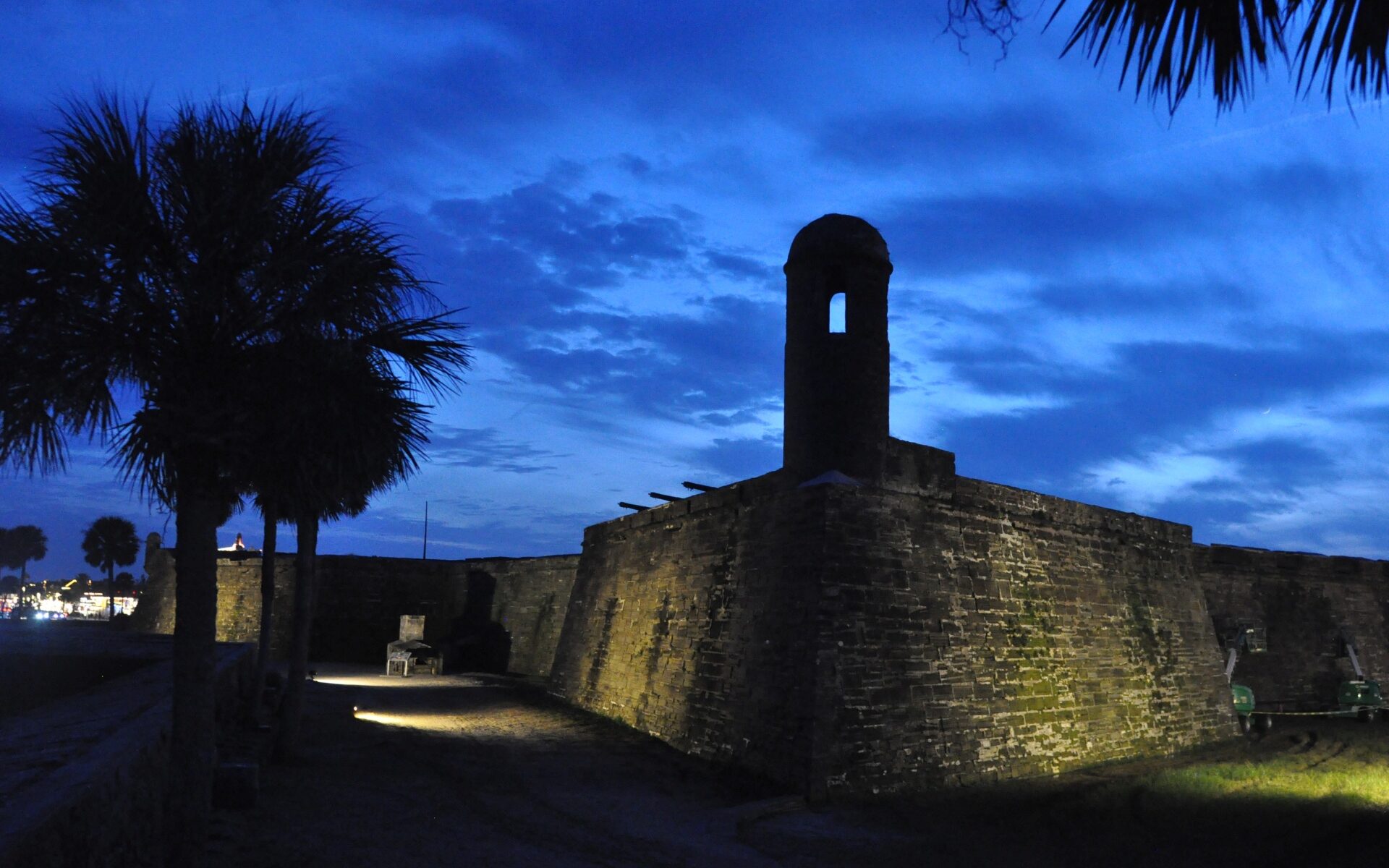
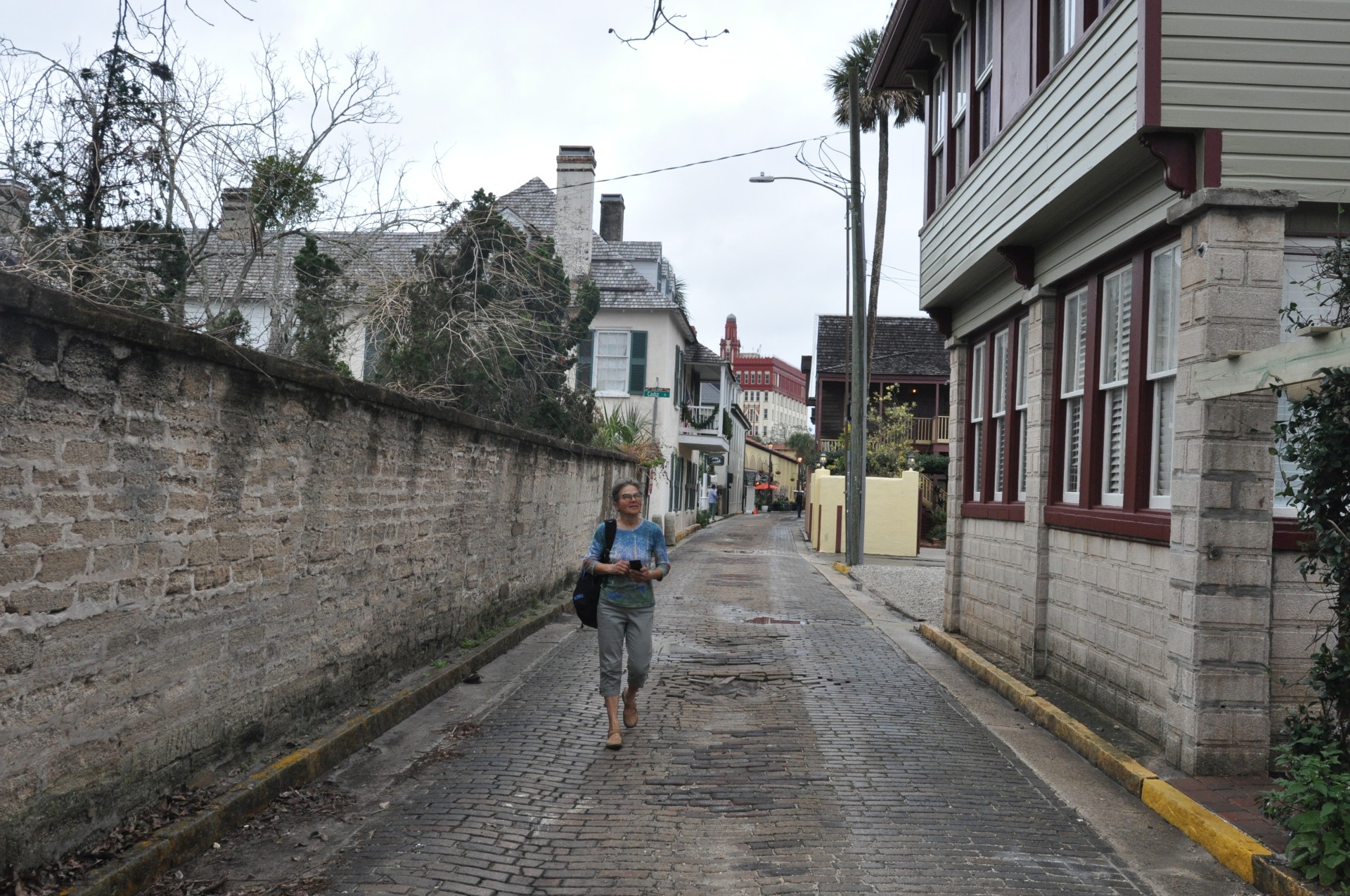
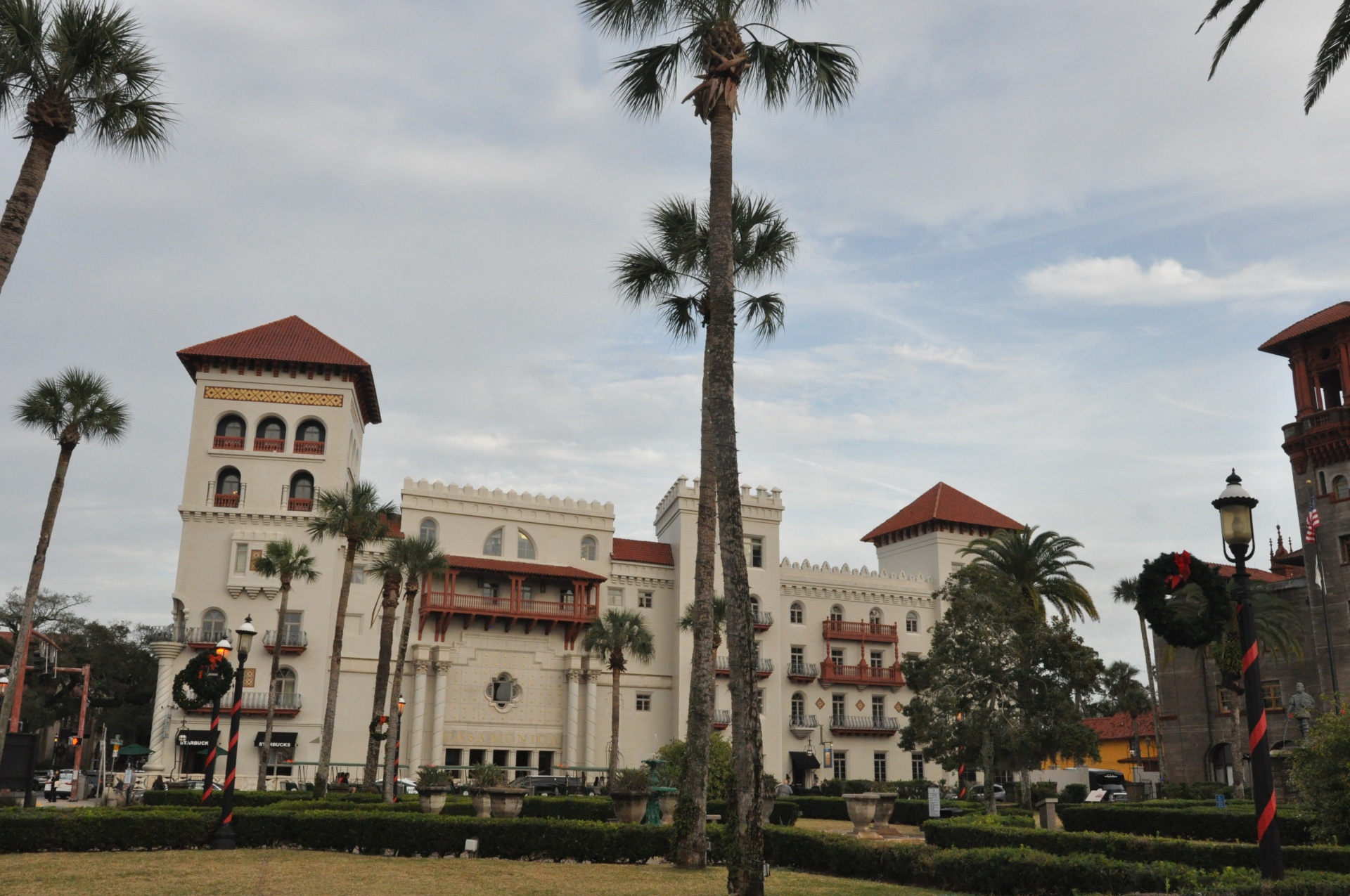
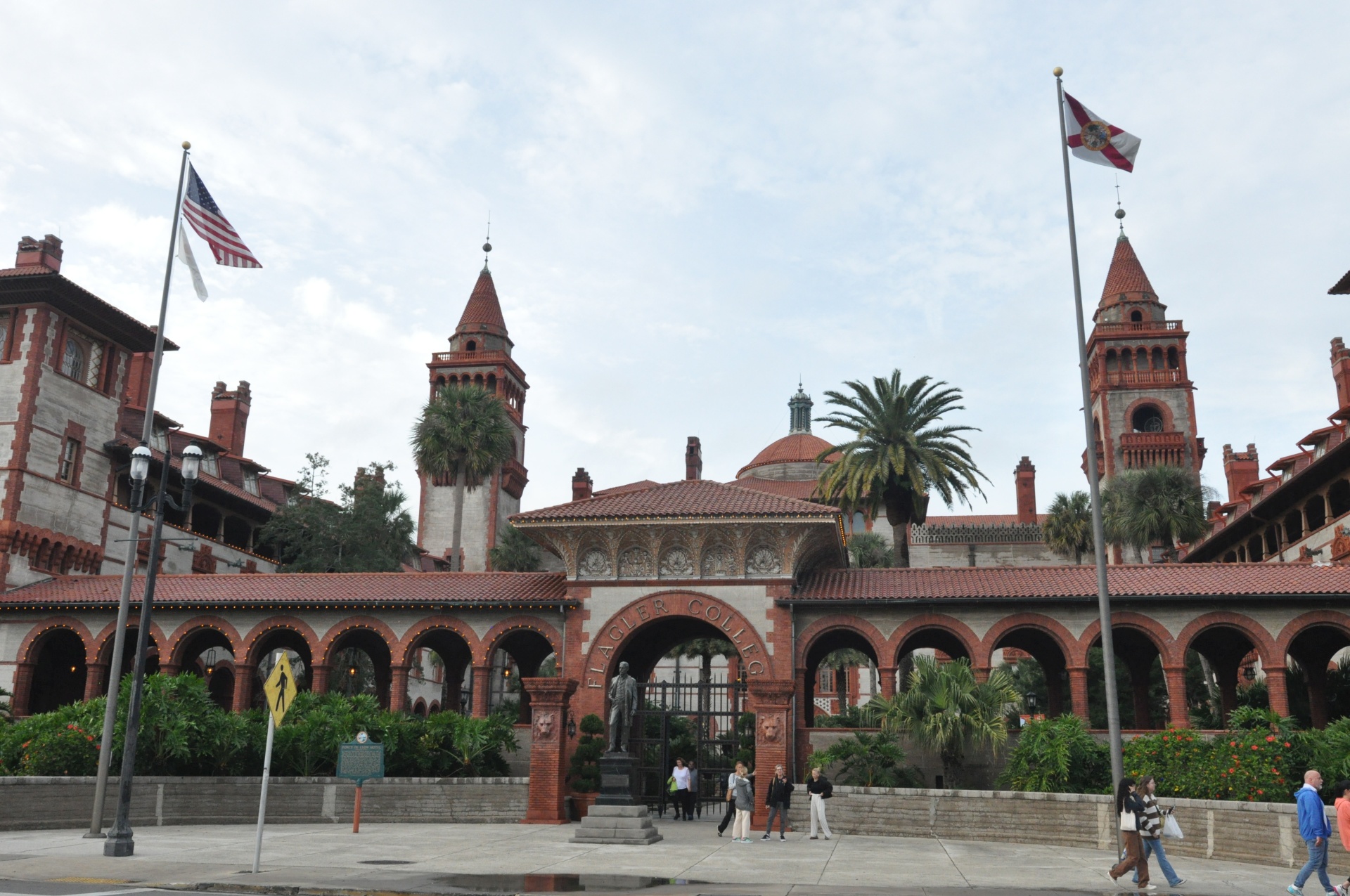
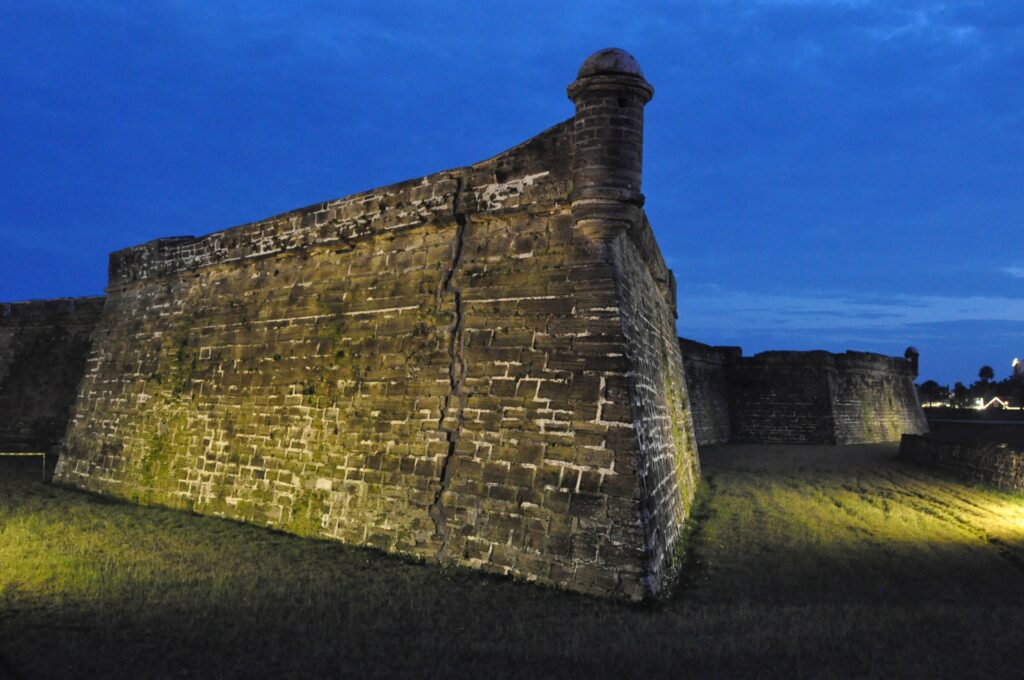
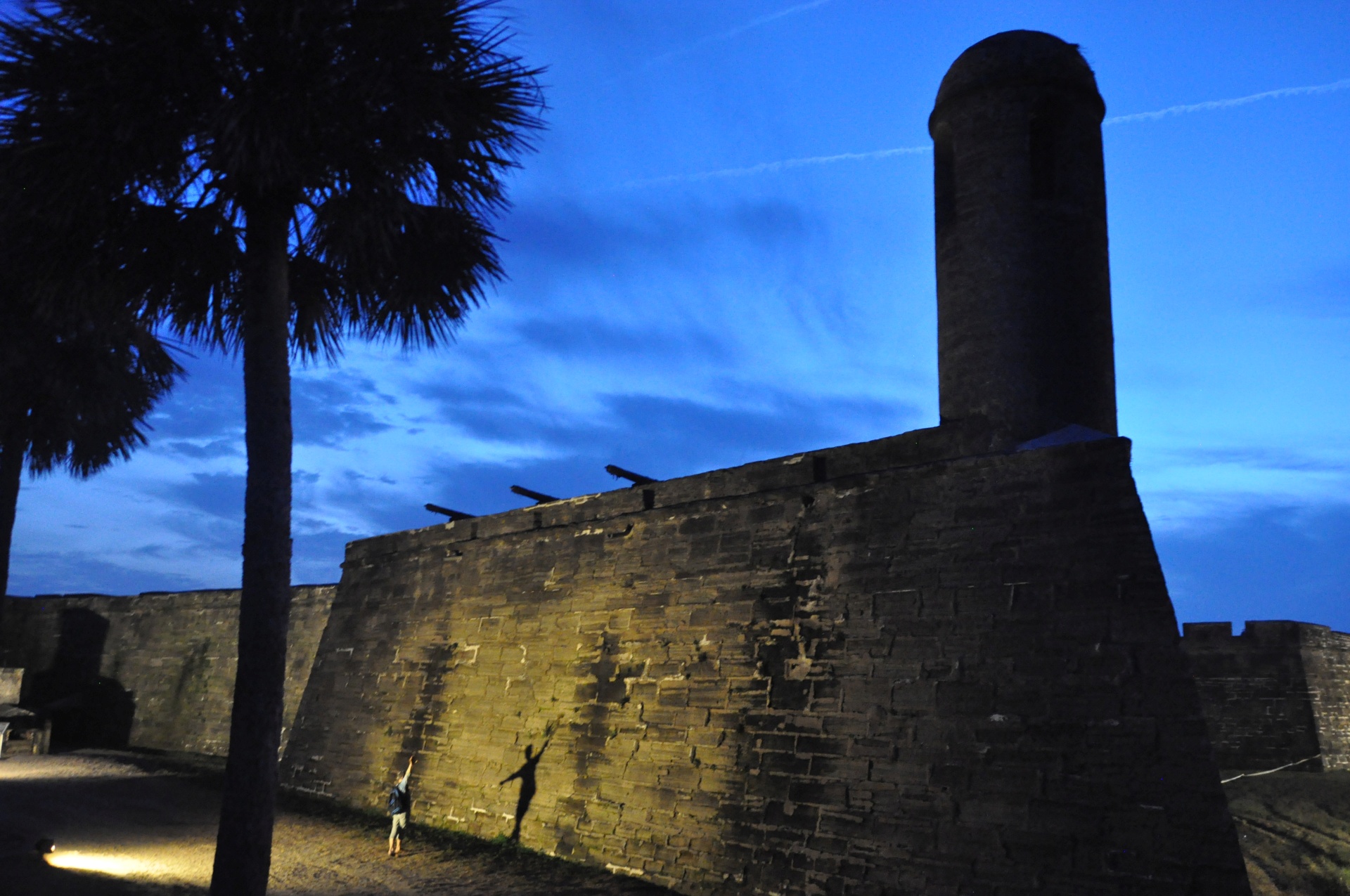
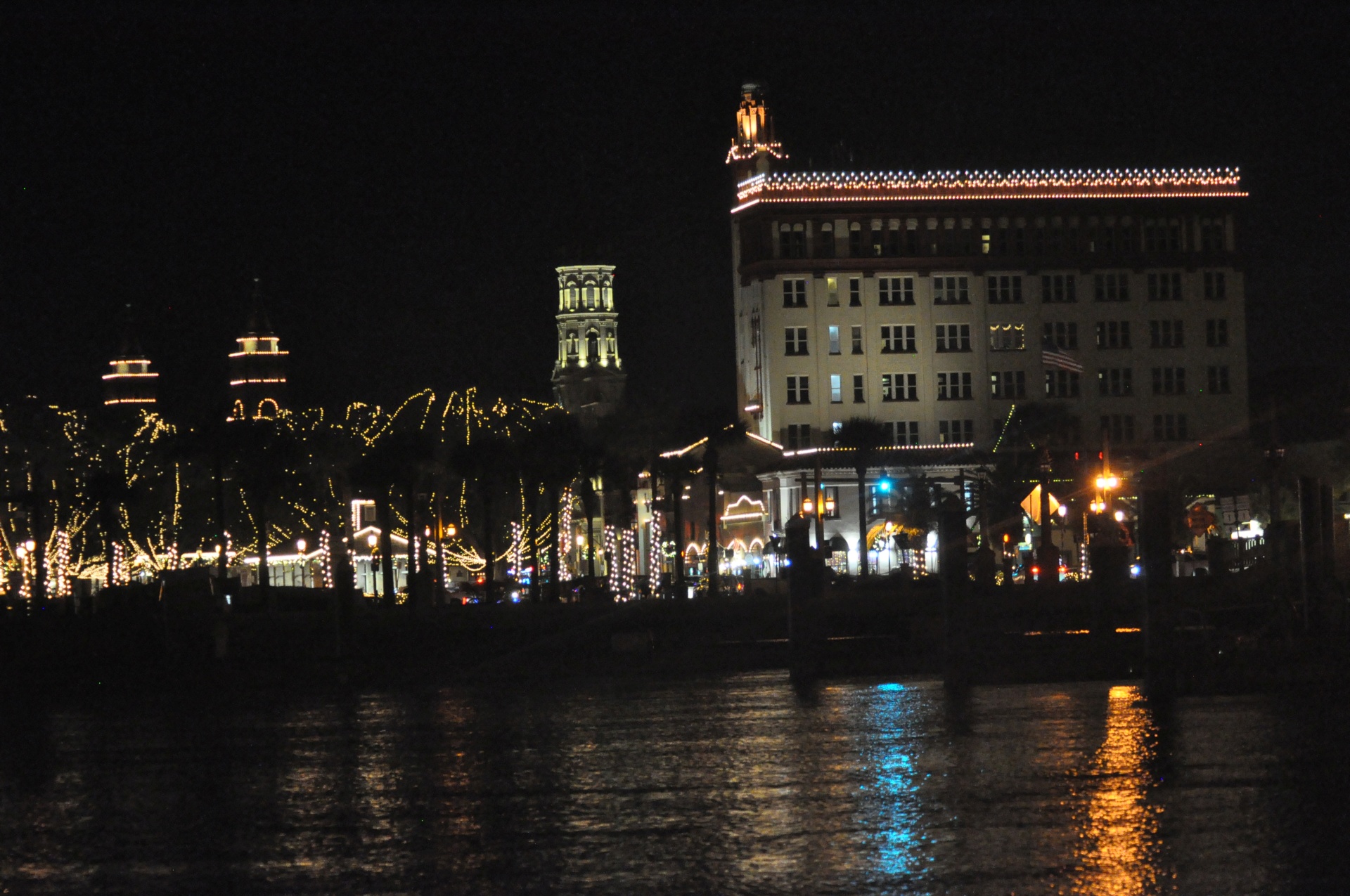
Returning to the city, we once again immersed ourselves in its historical charm, mooring at the downtown marina and strolling along its historic streets. Exploring the city, we visited its wonderful buildings and the Castillo de San Marcos. The spirit of St. Augustine undeniably thrives in this city, filling its spaces with a palpable sense of history and cultural richness.
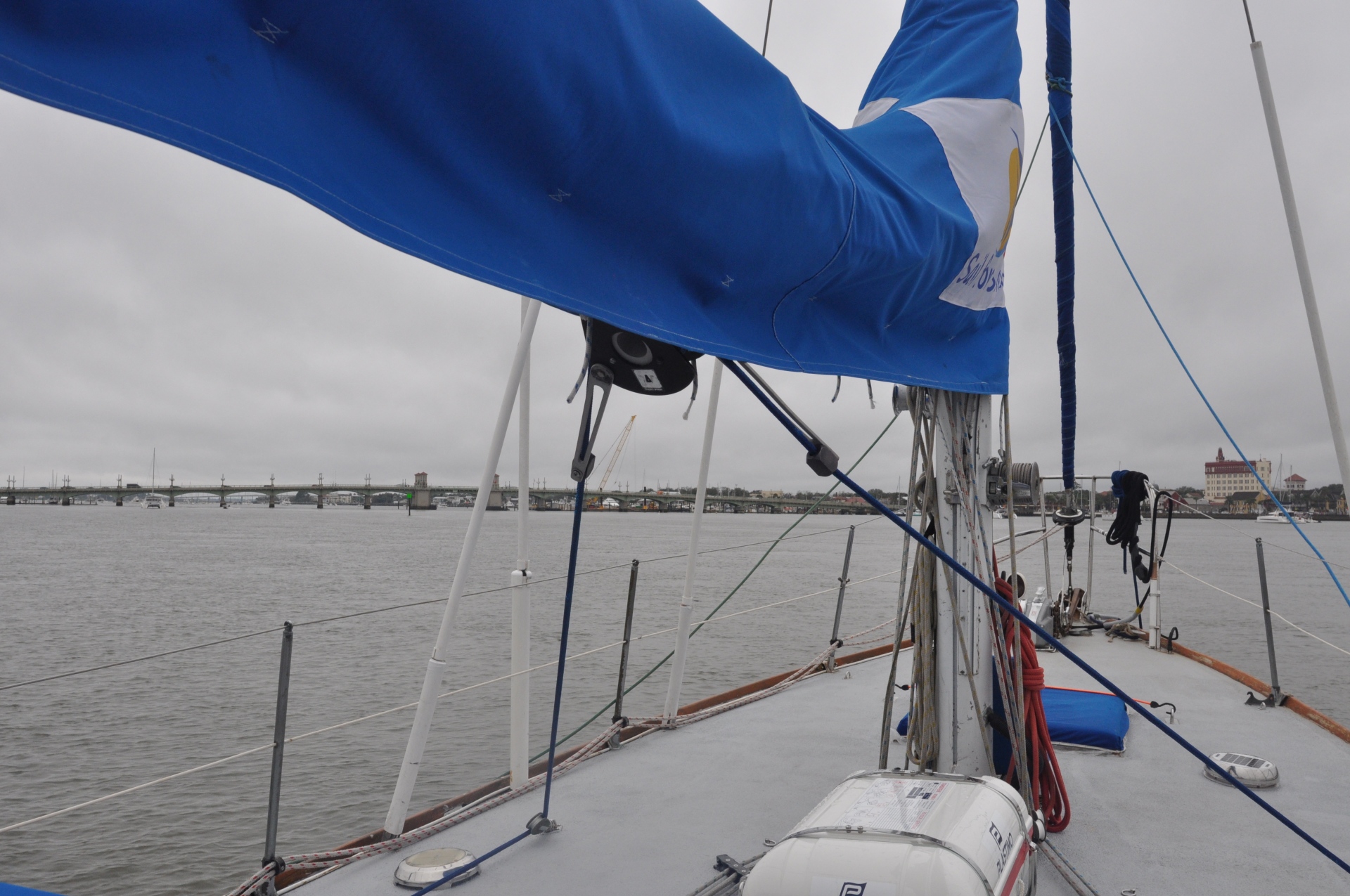
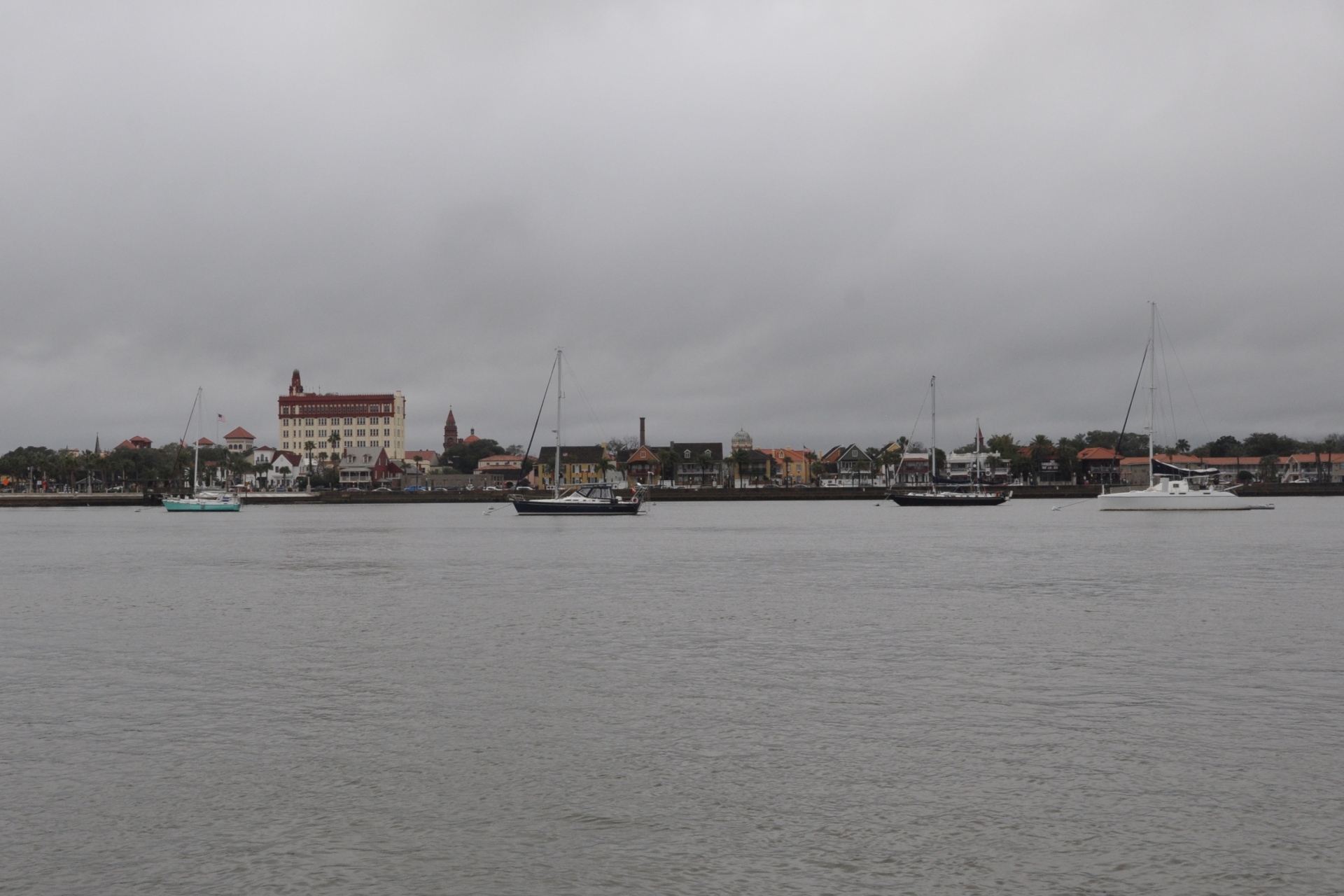
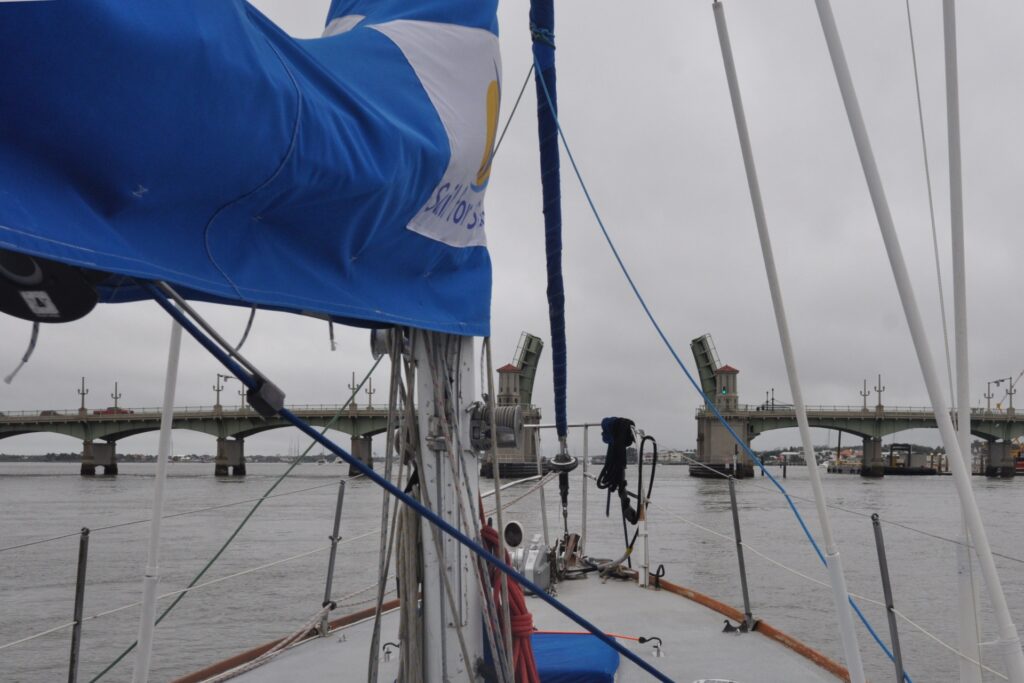
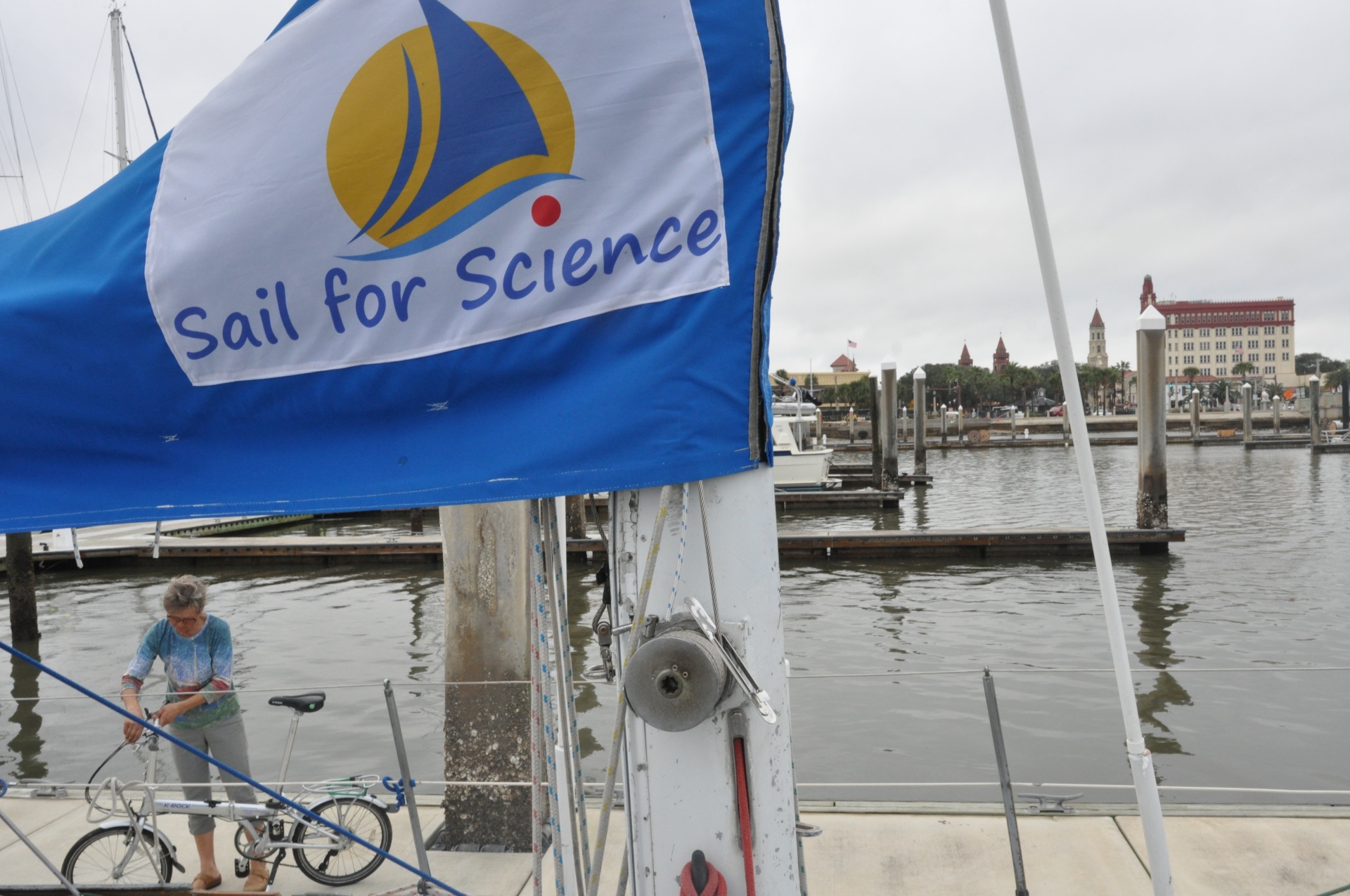
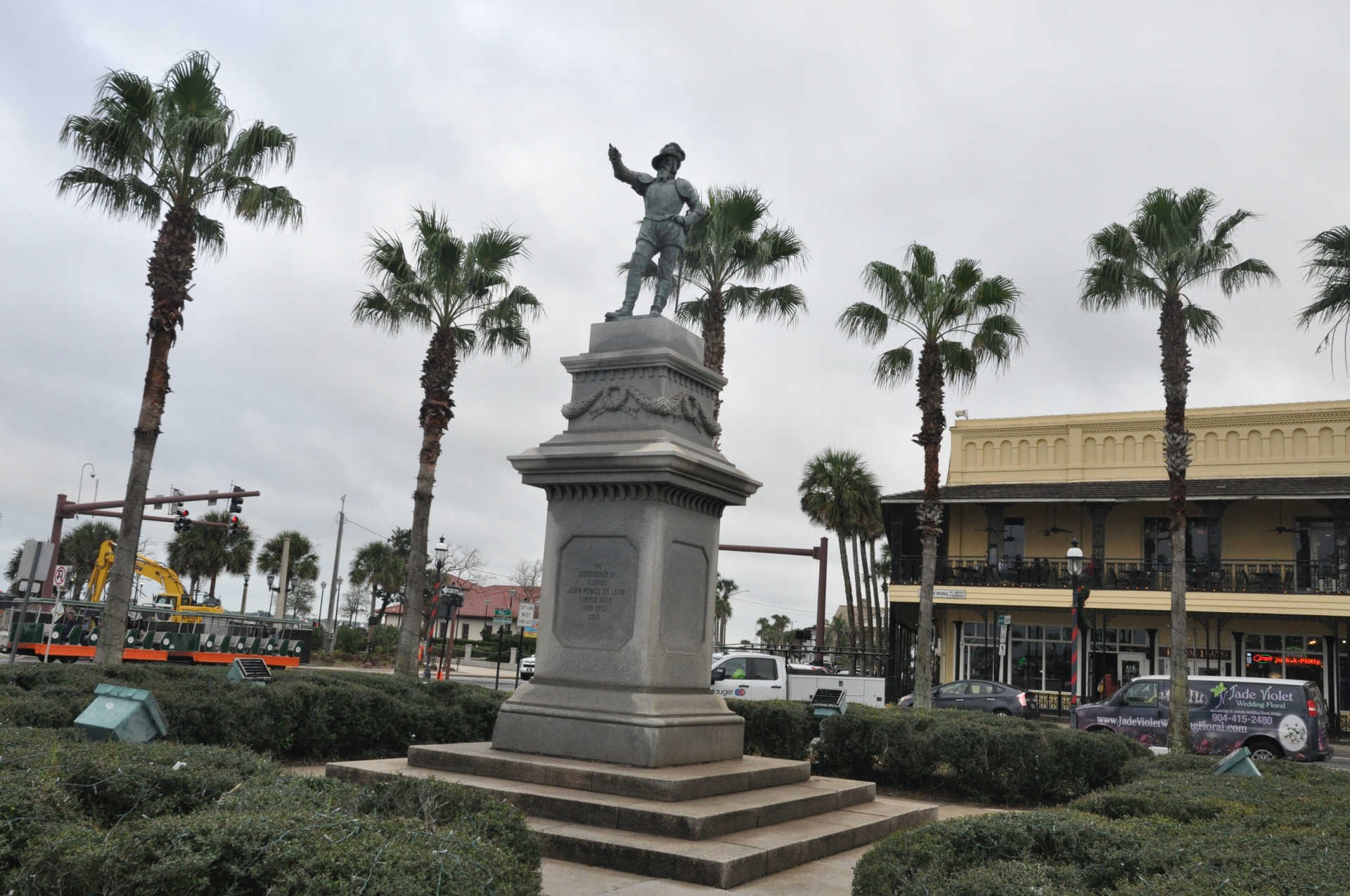
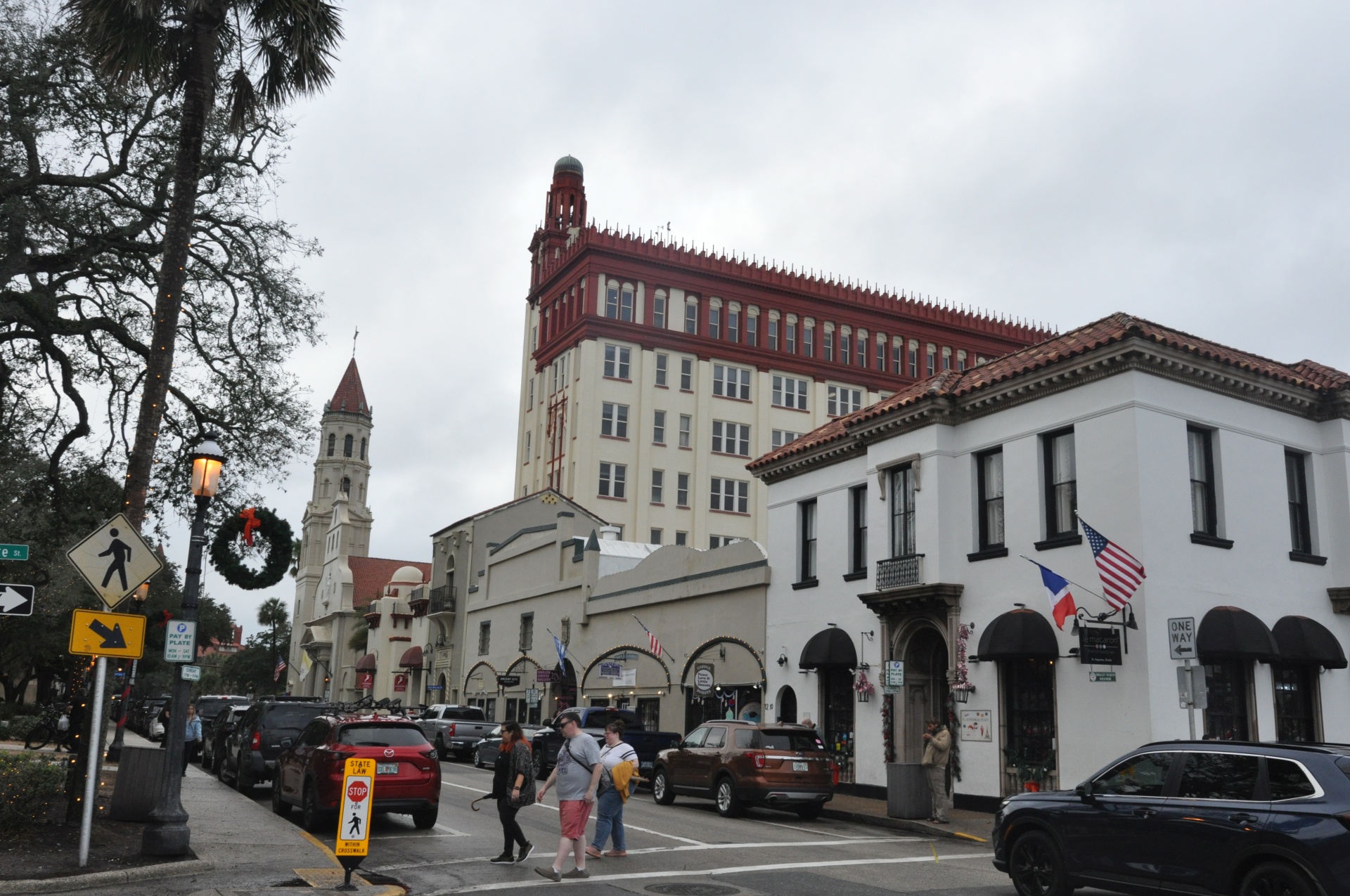
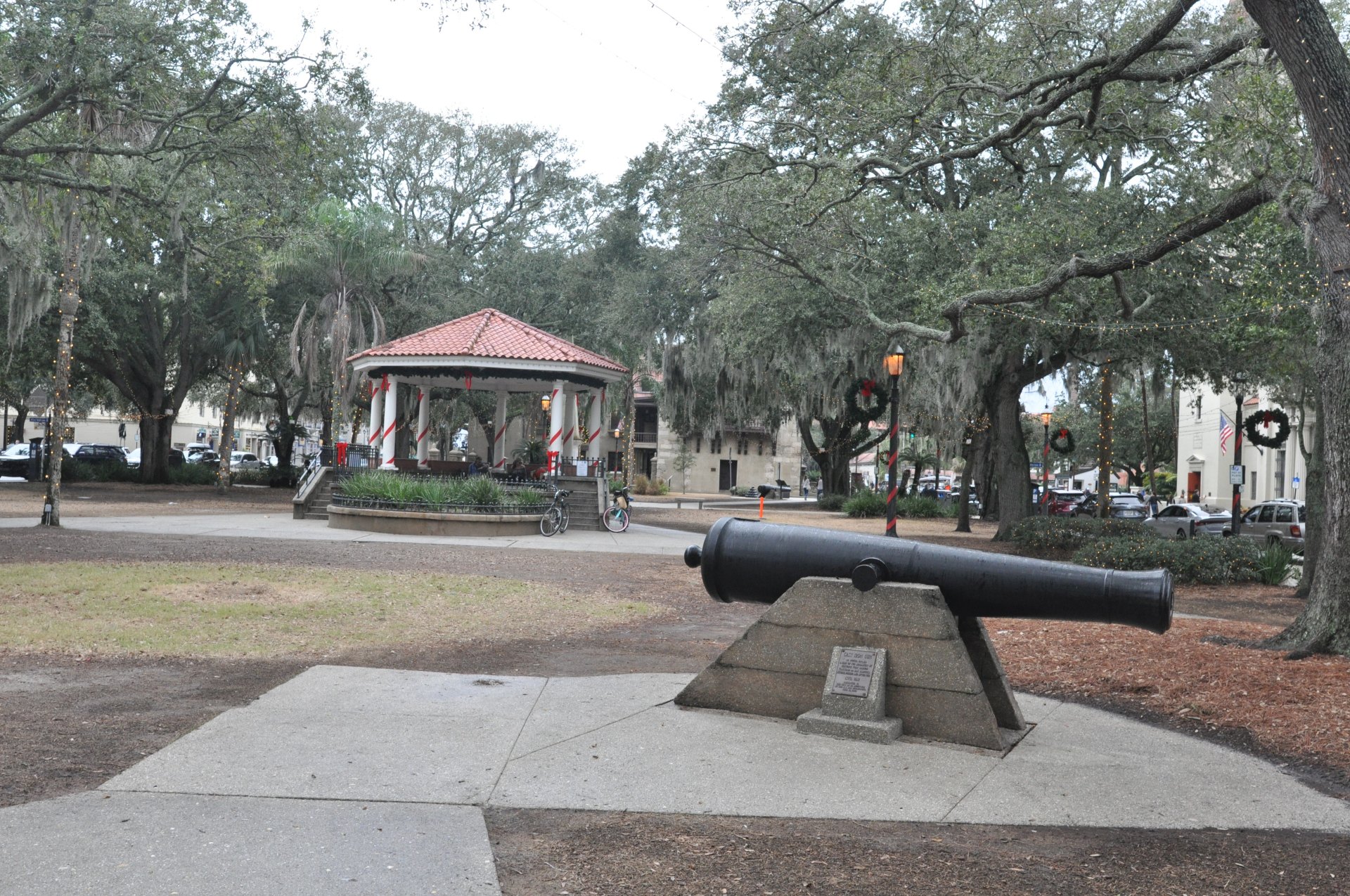
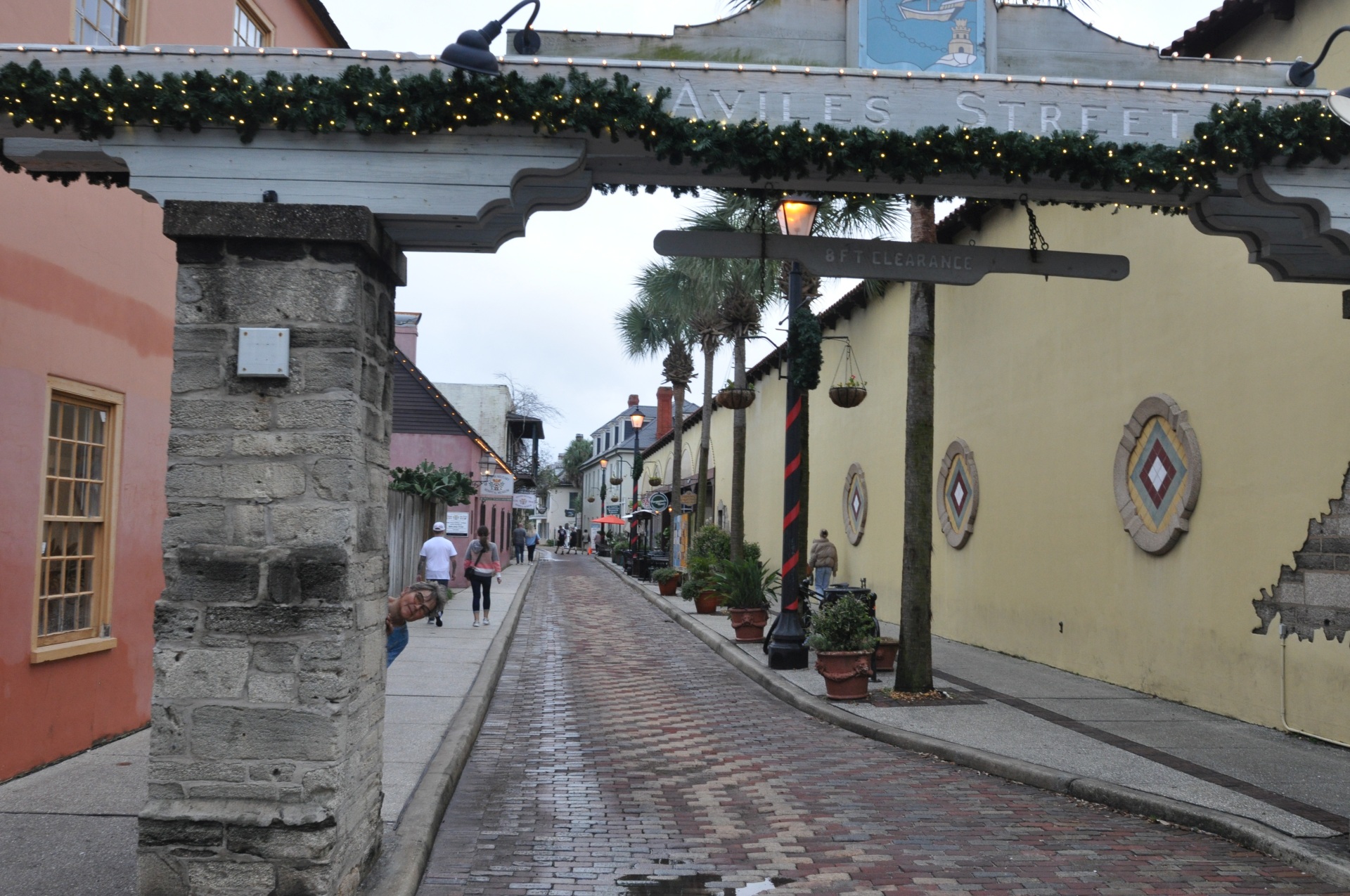
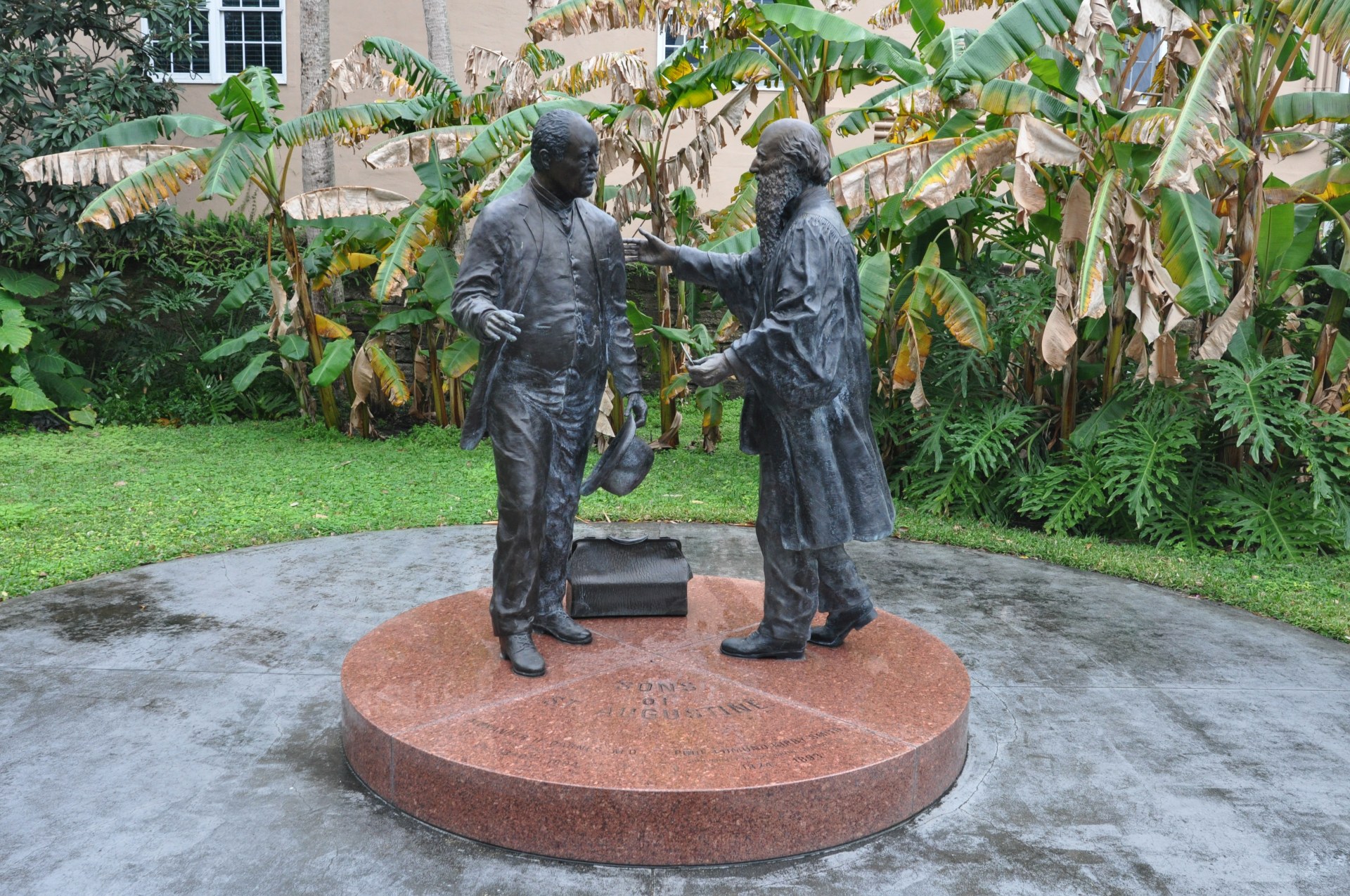
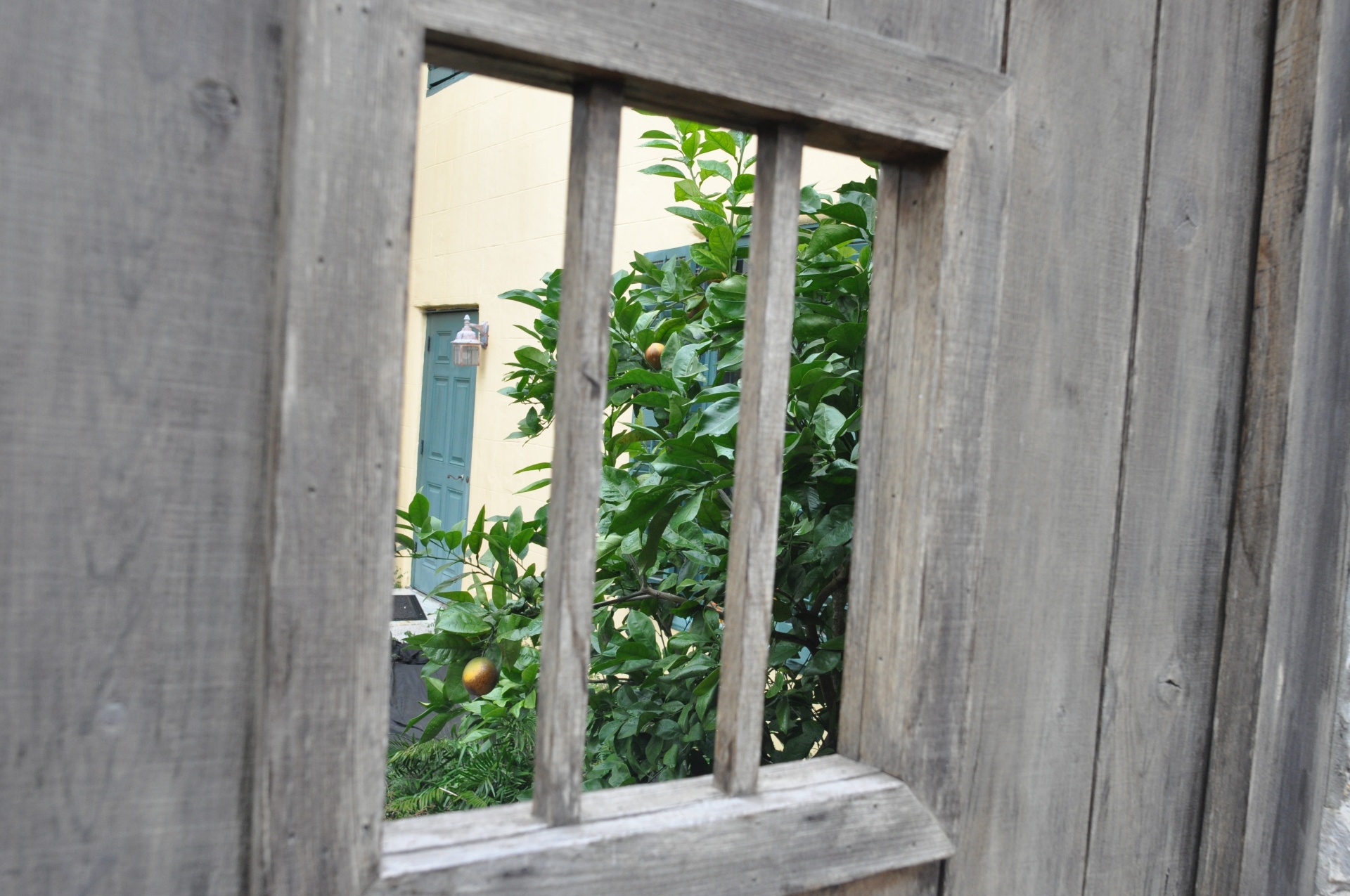
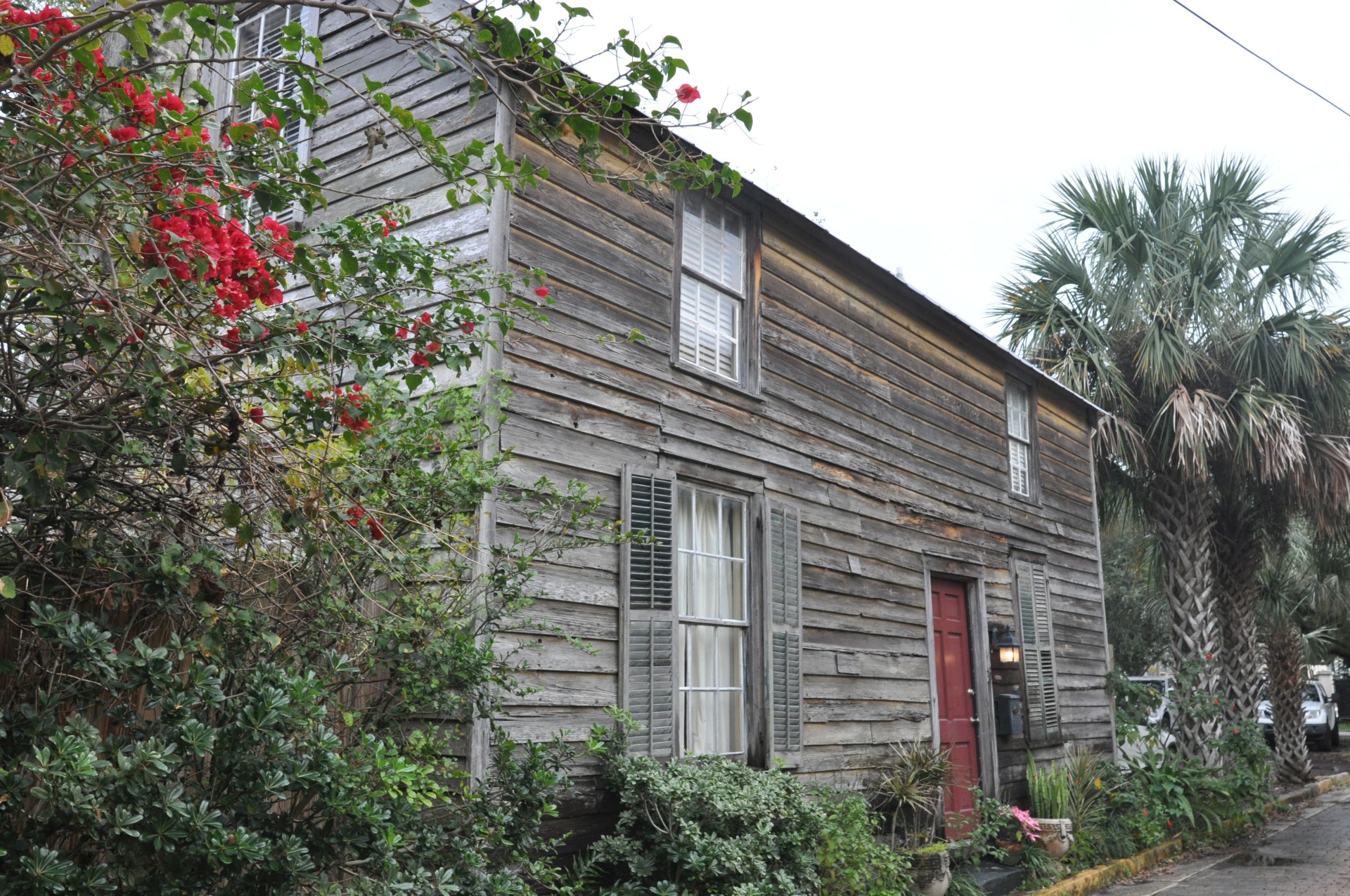
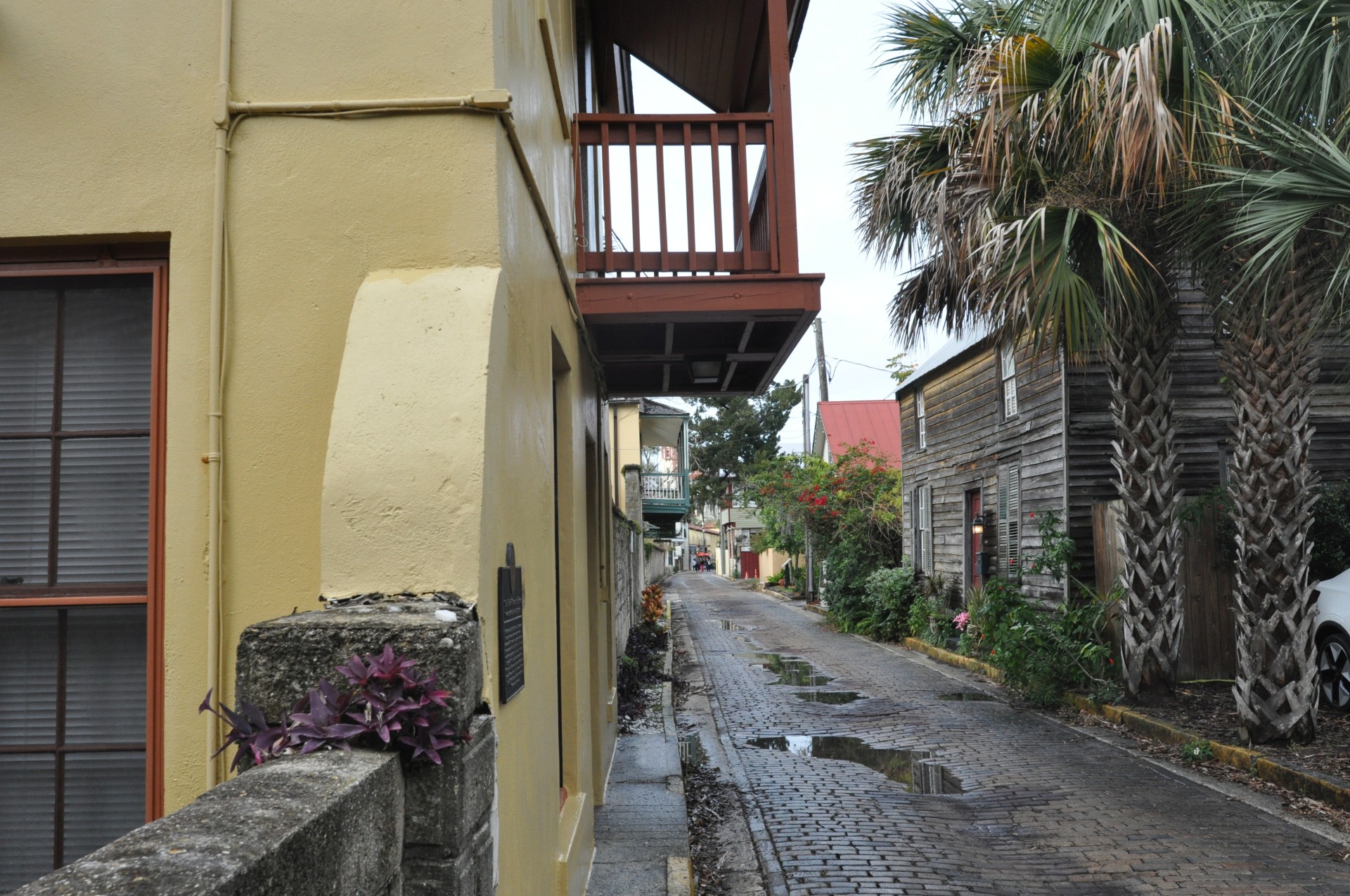
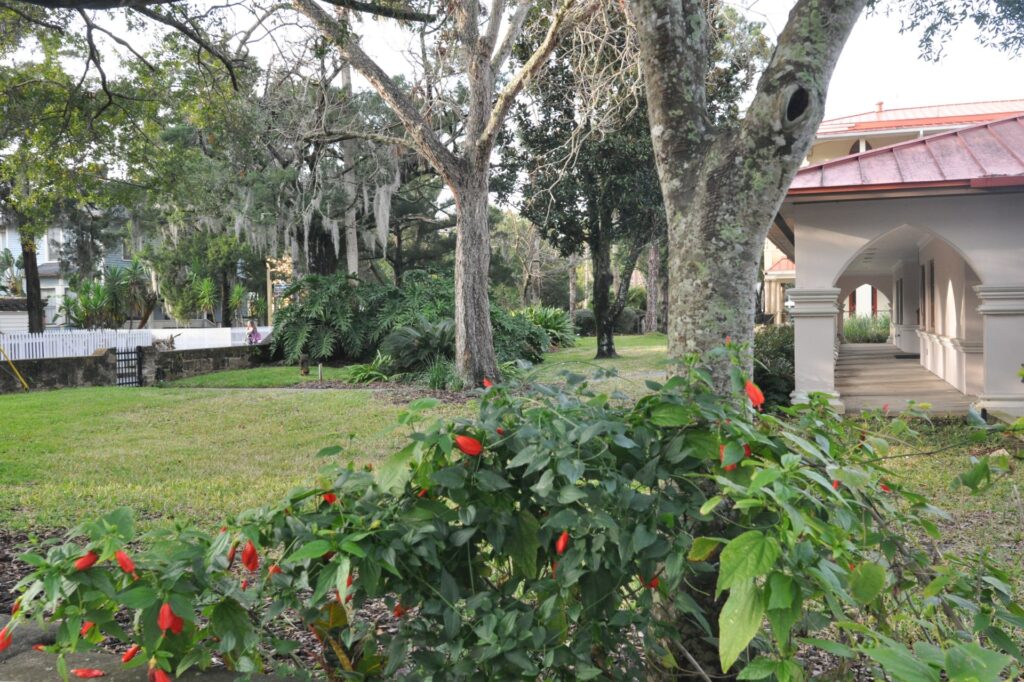
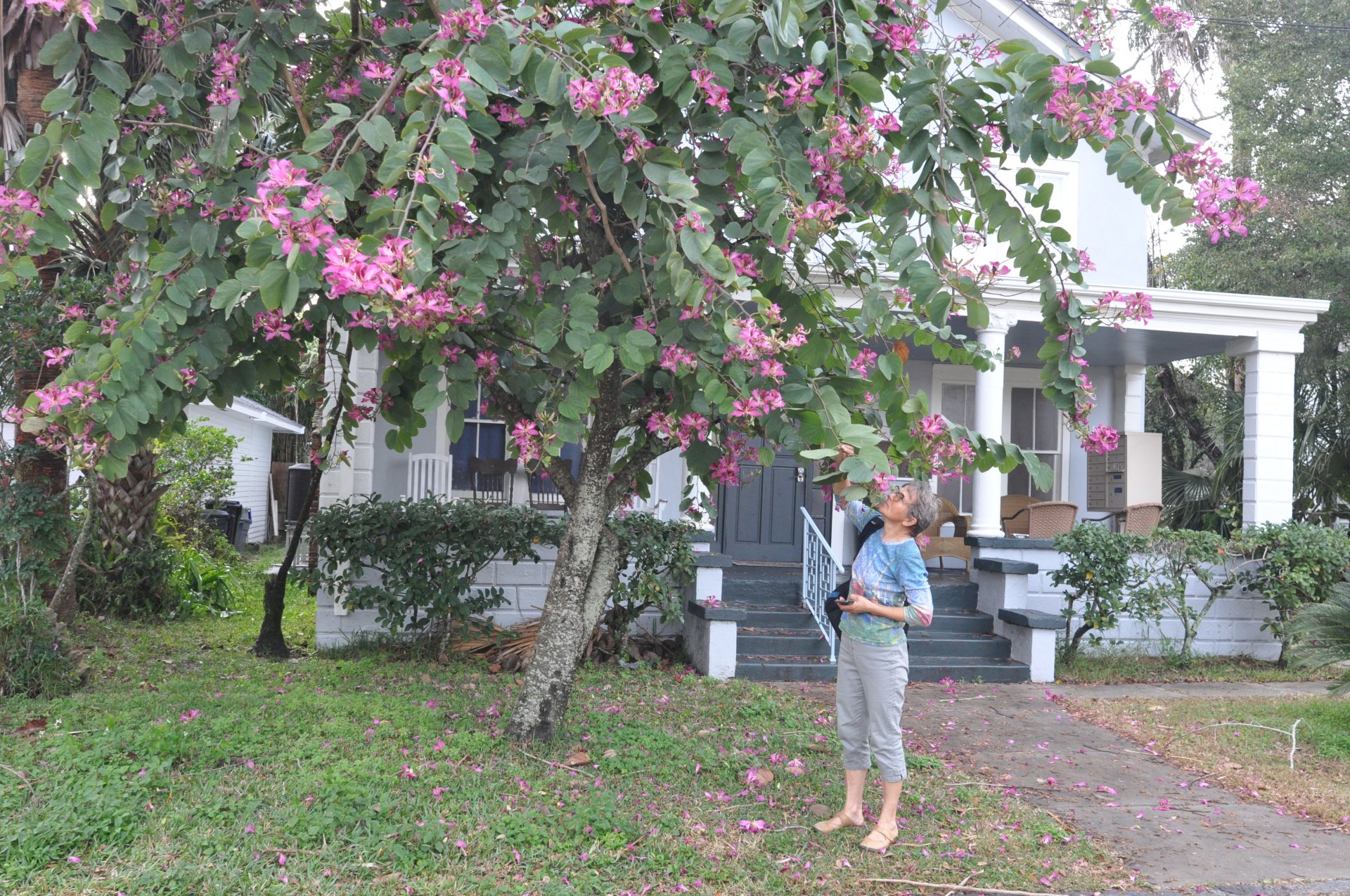
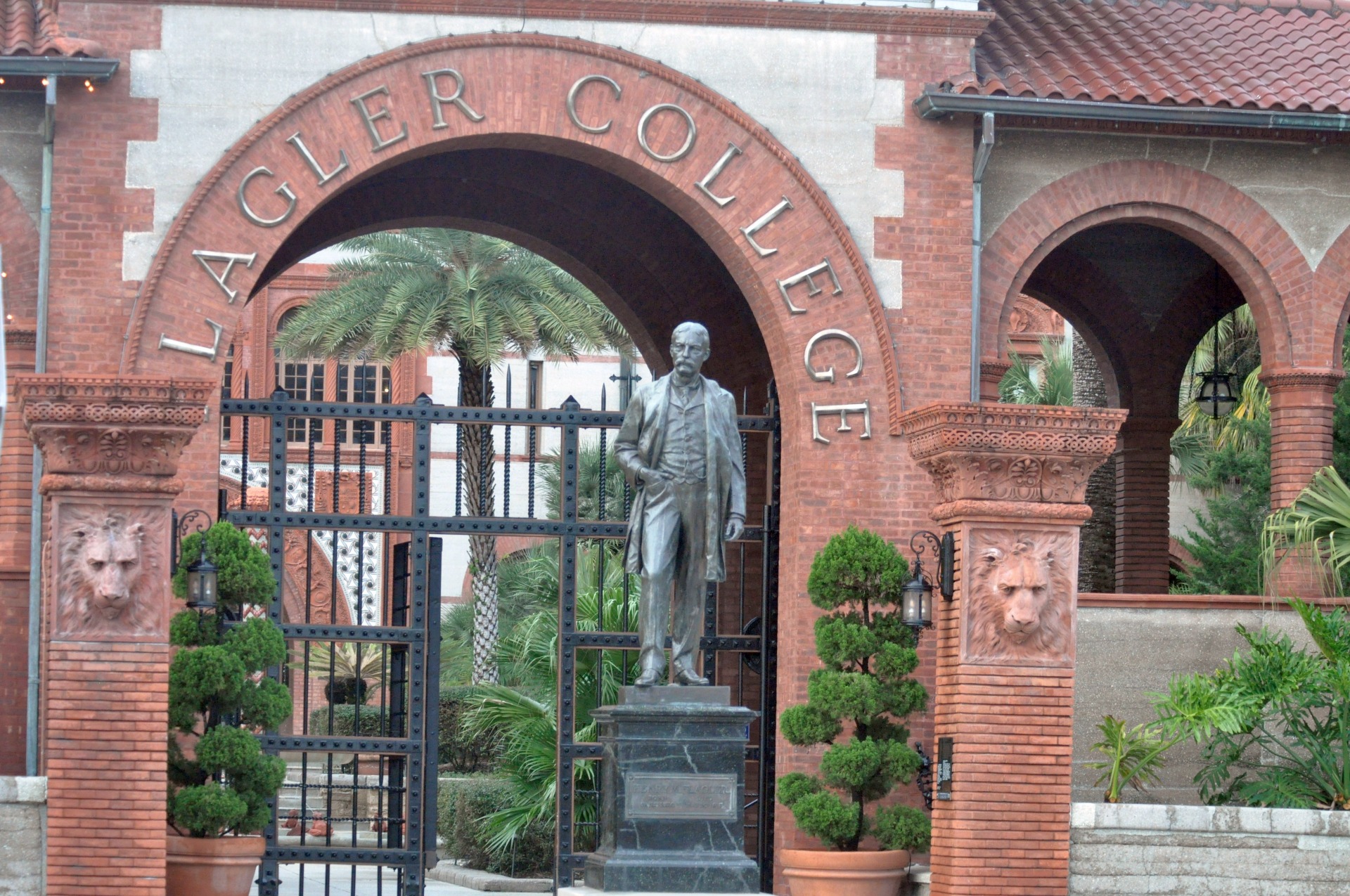
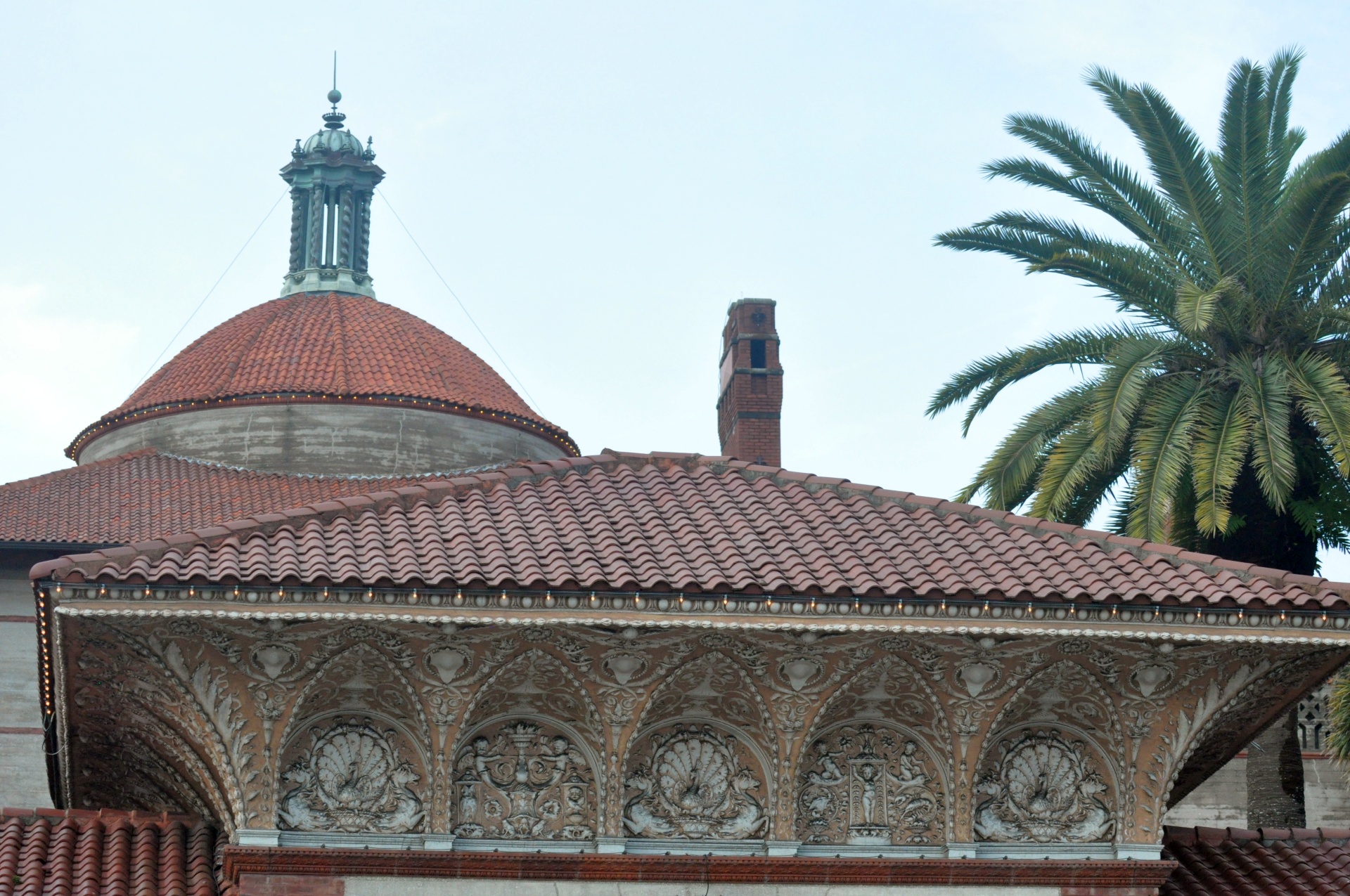
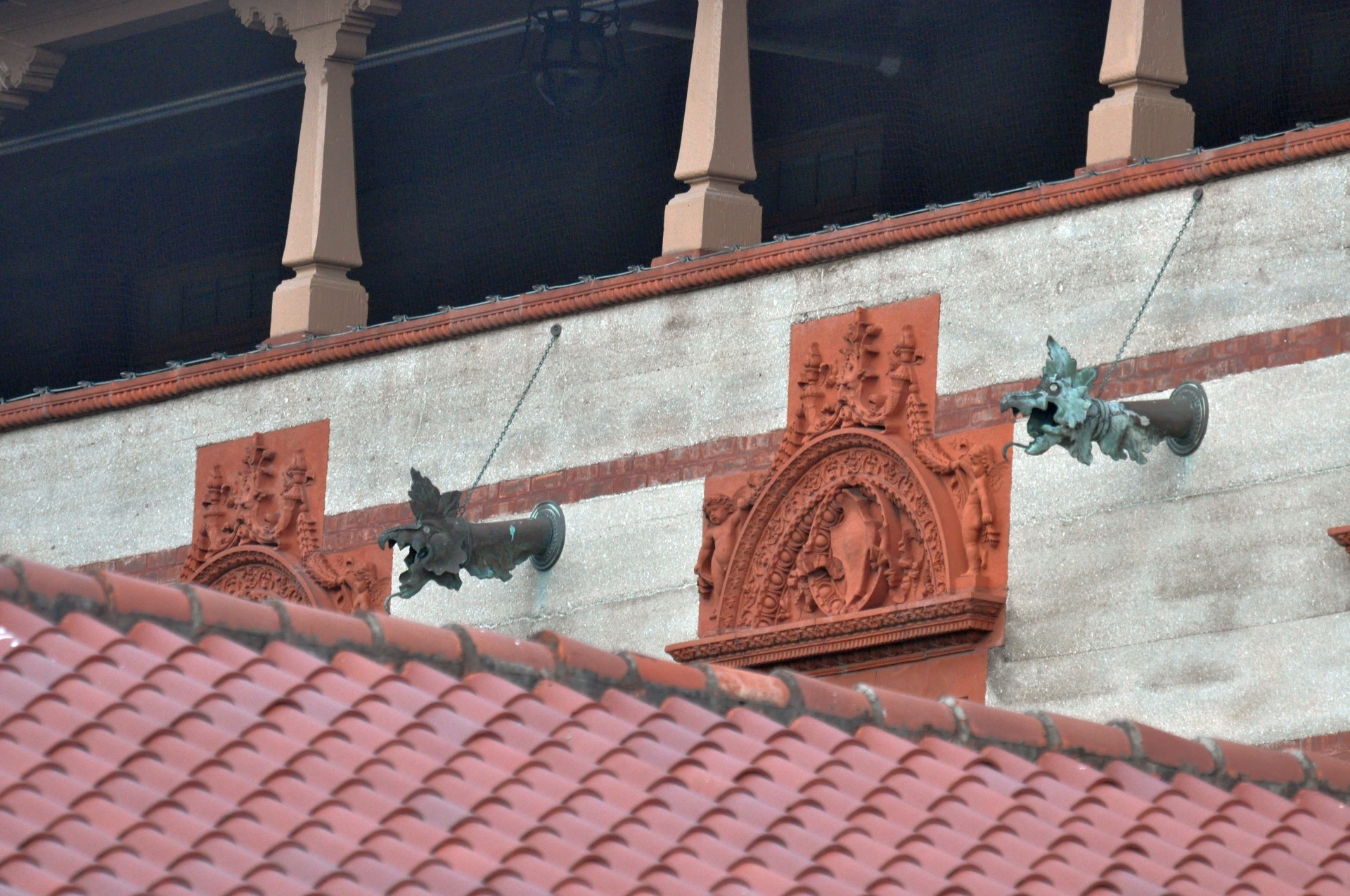
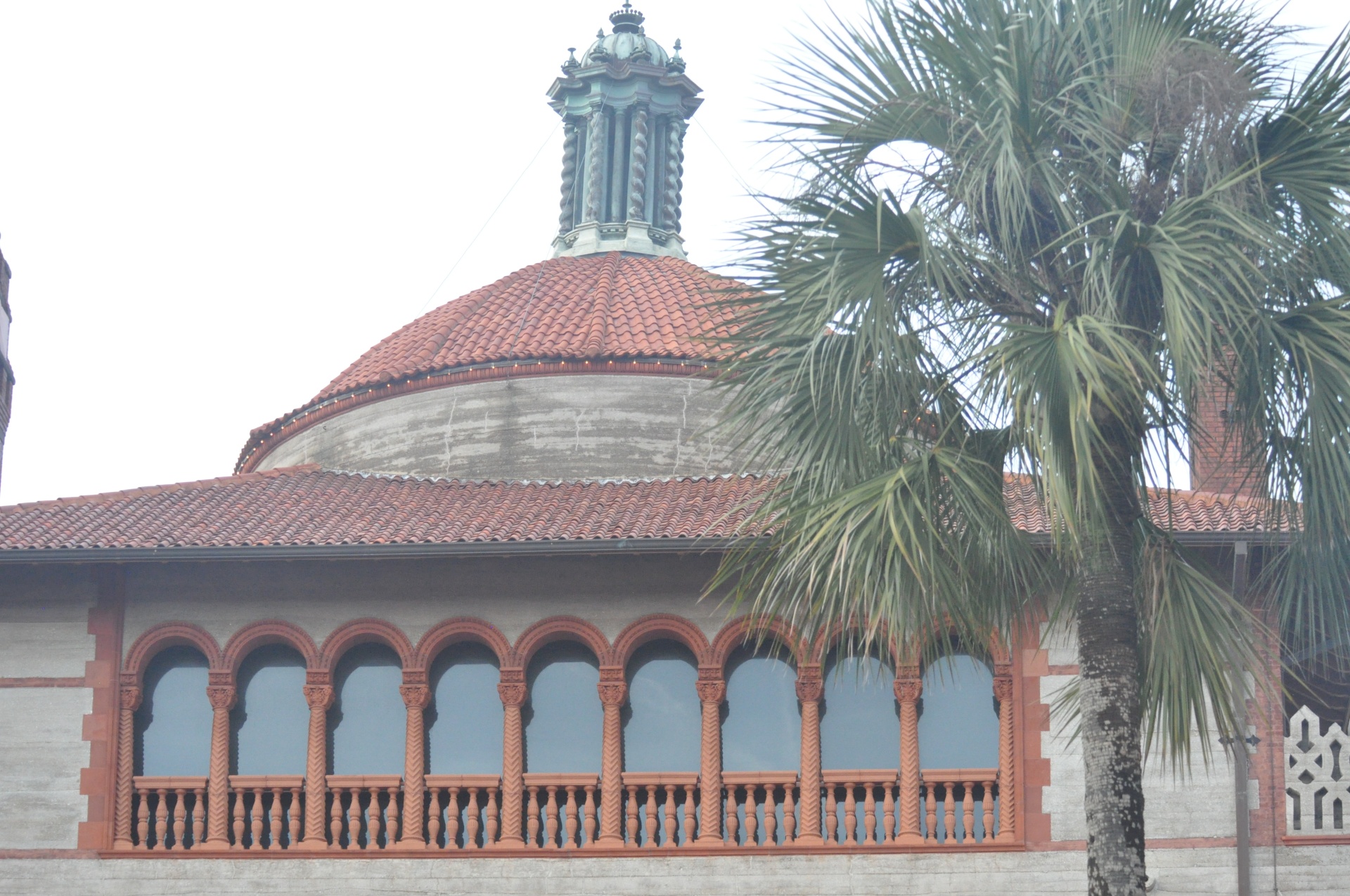
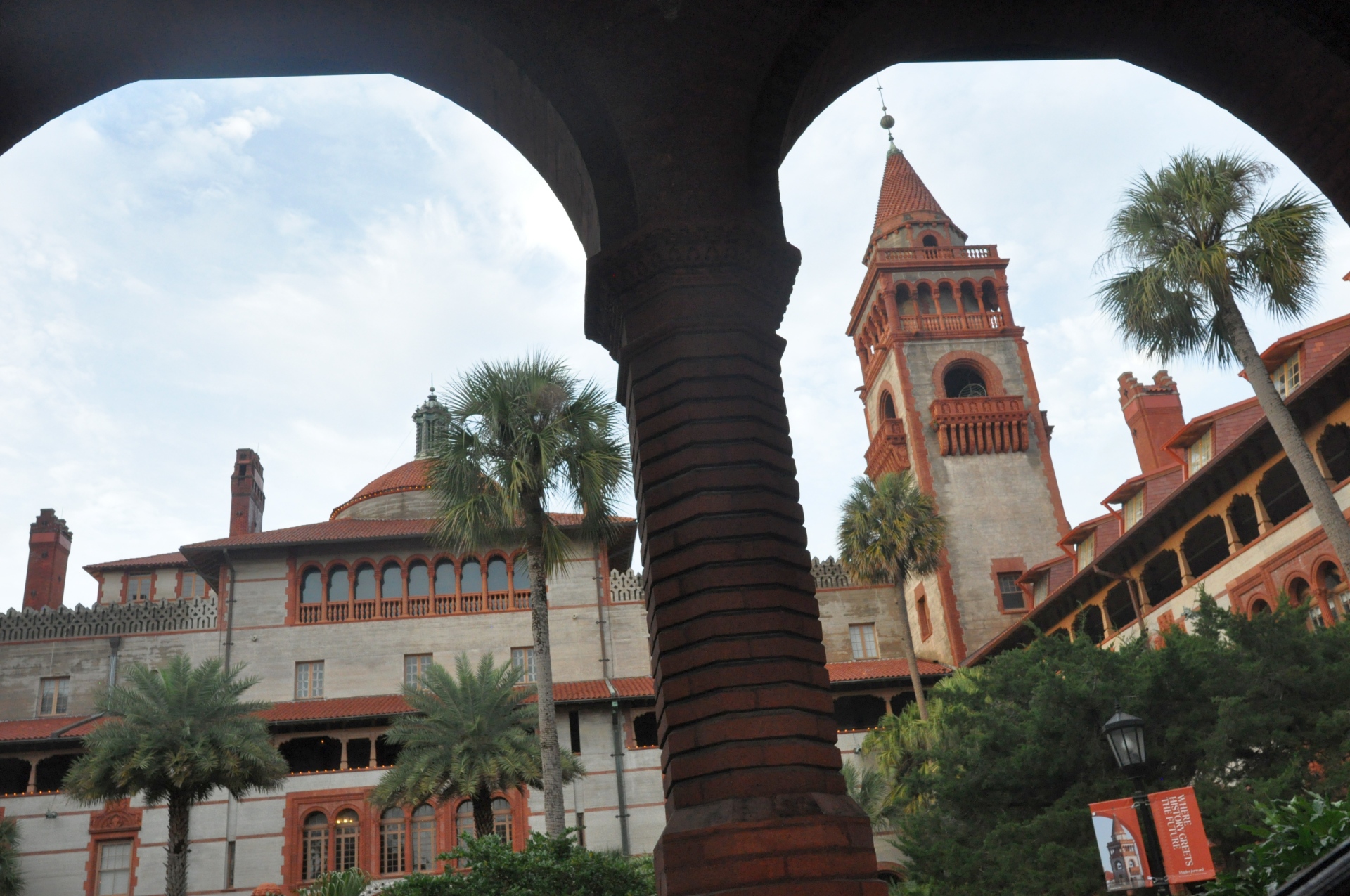
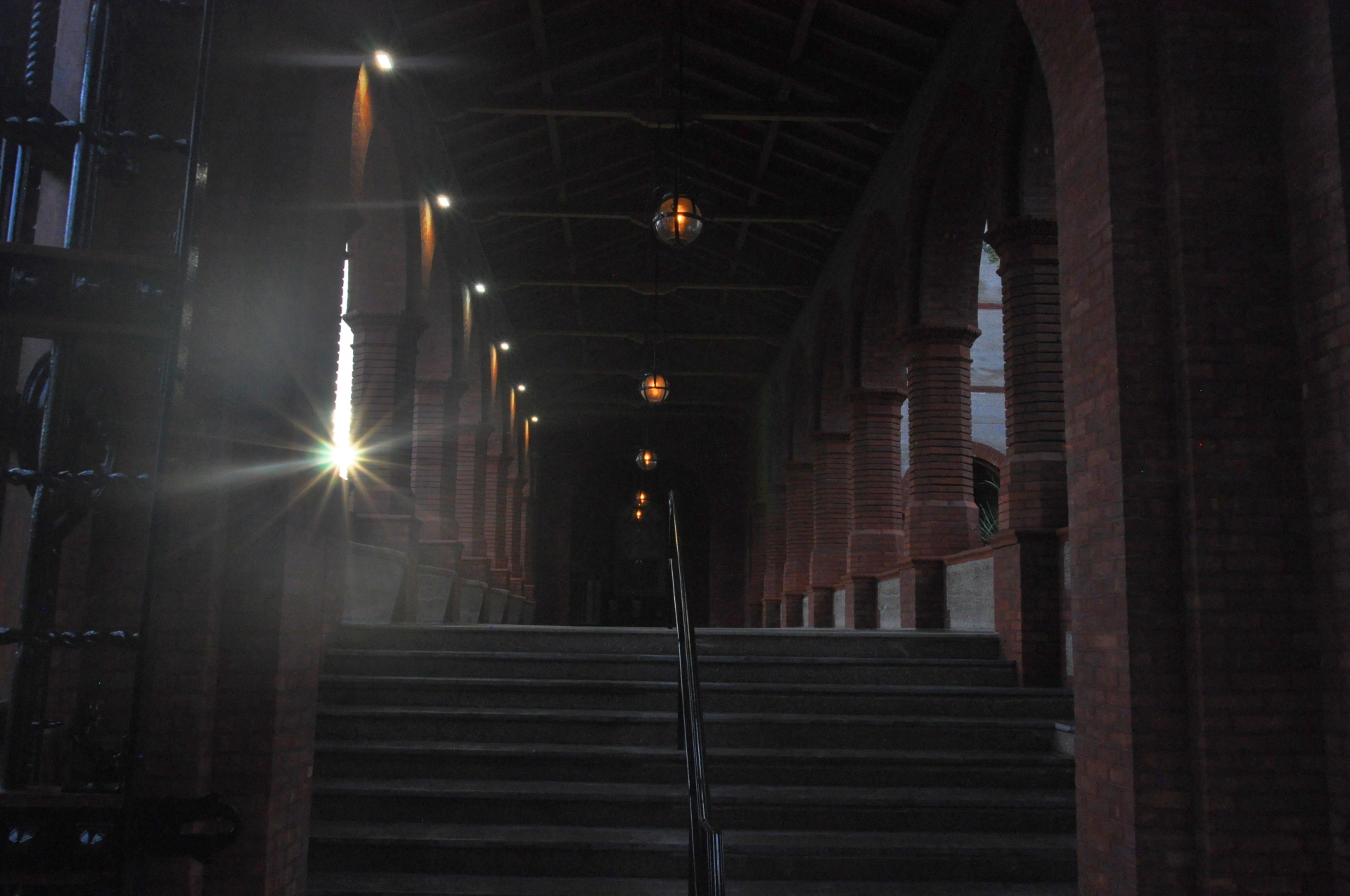
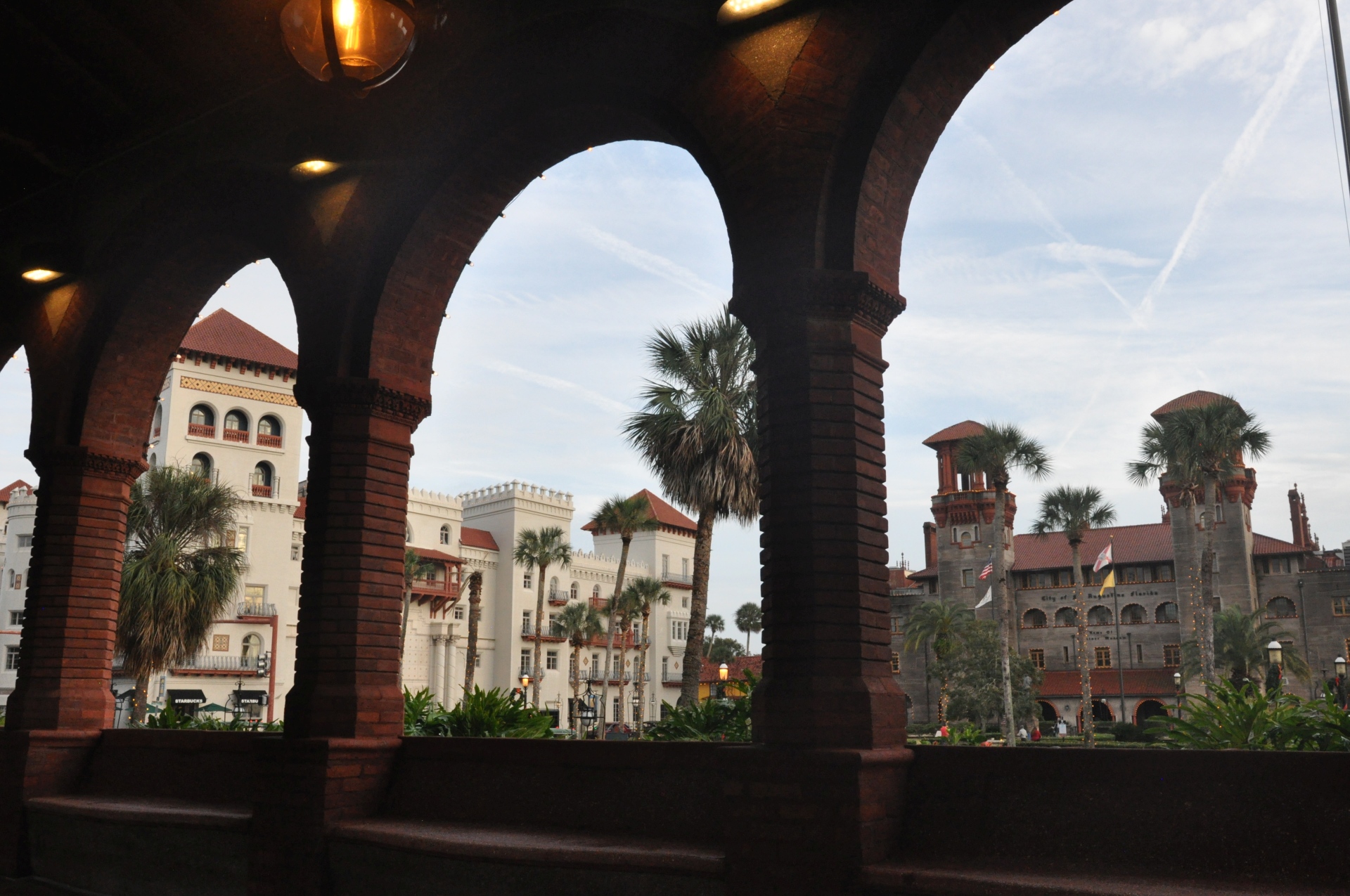
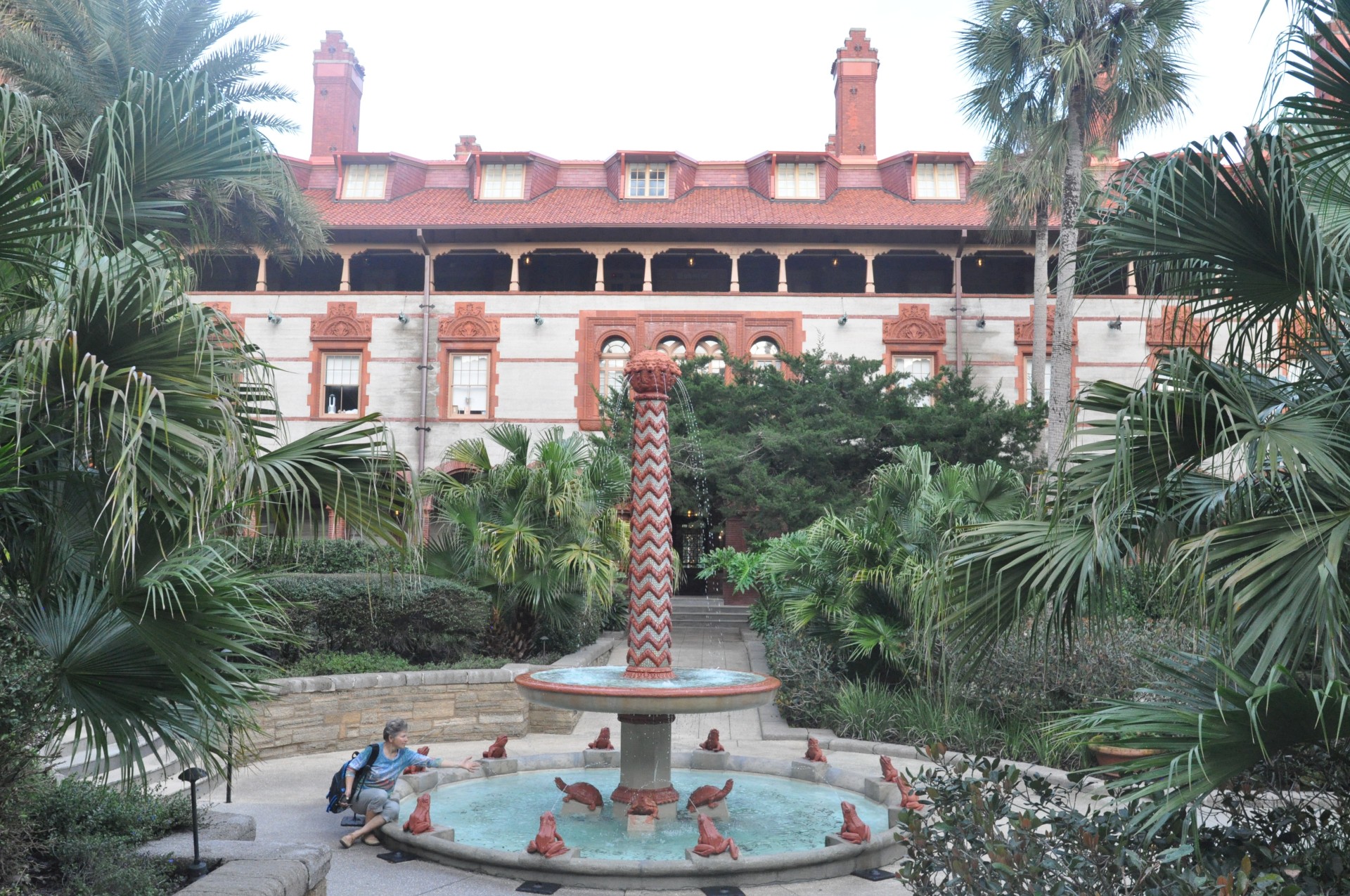
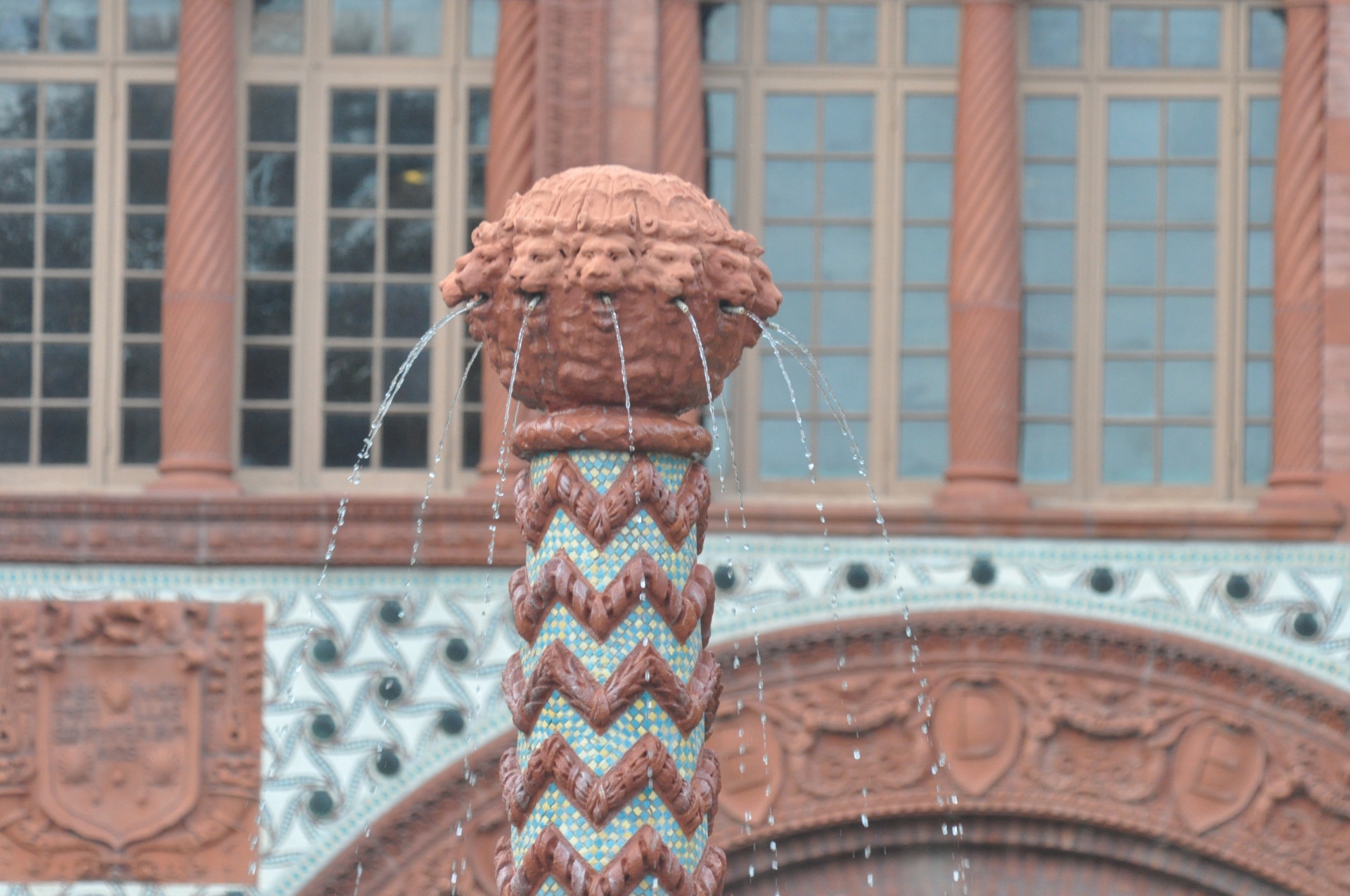
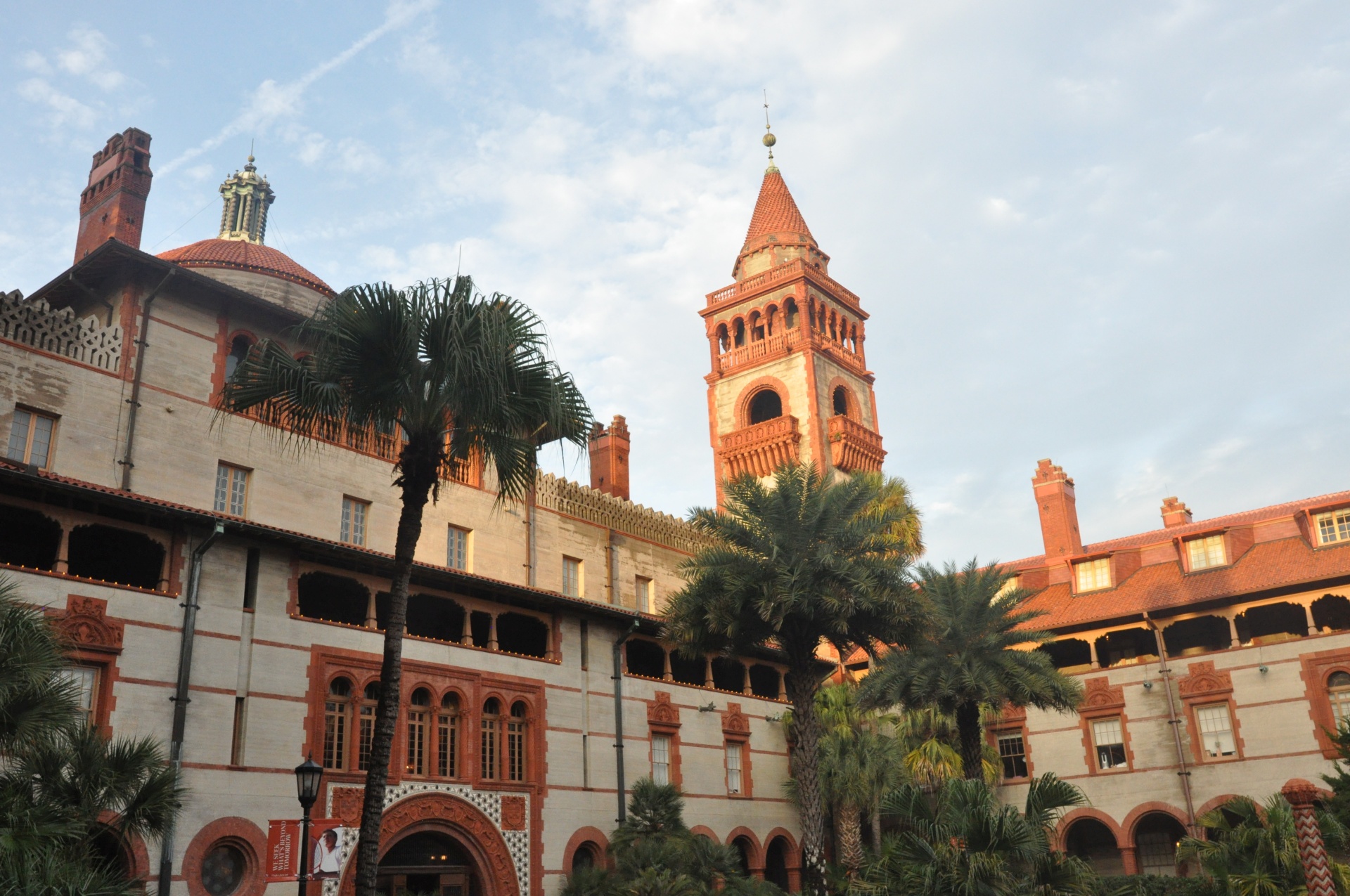
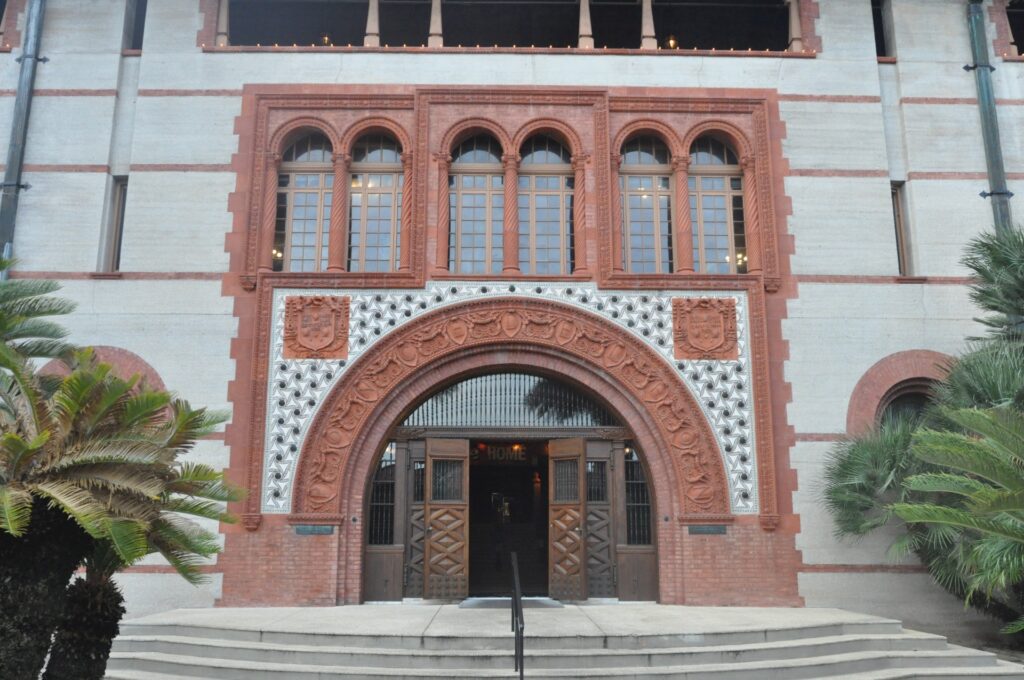
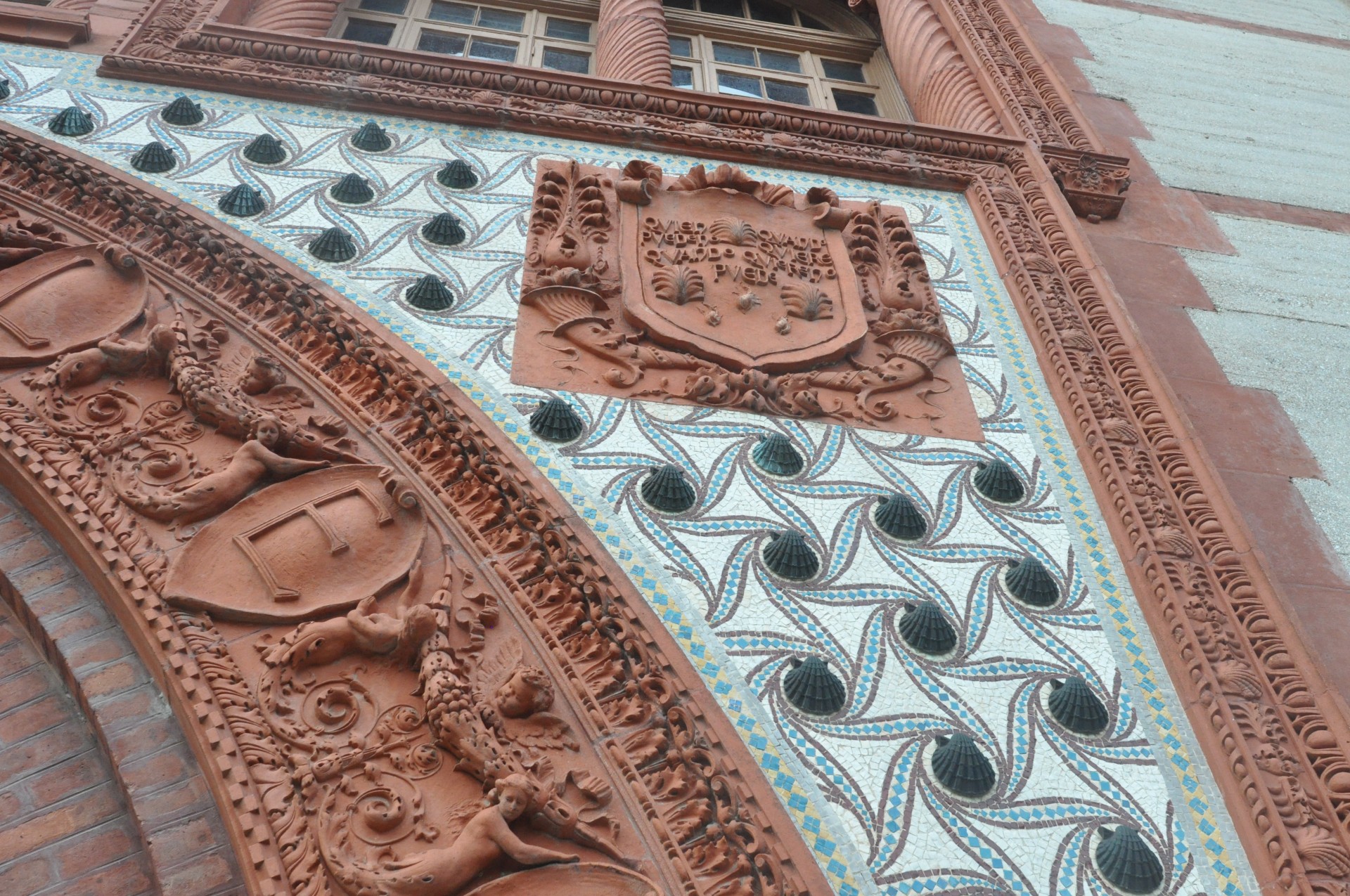
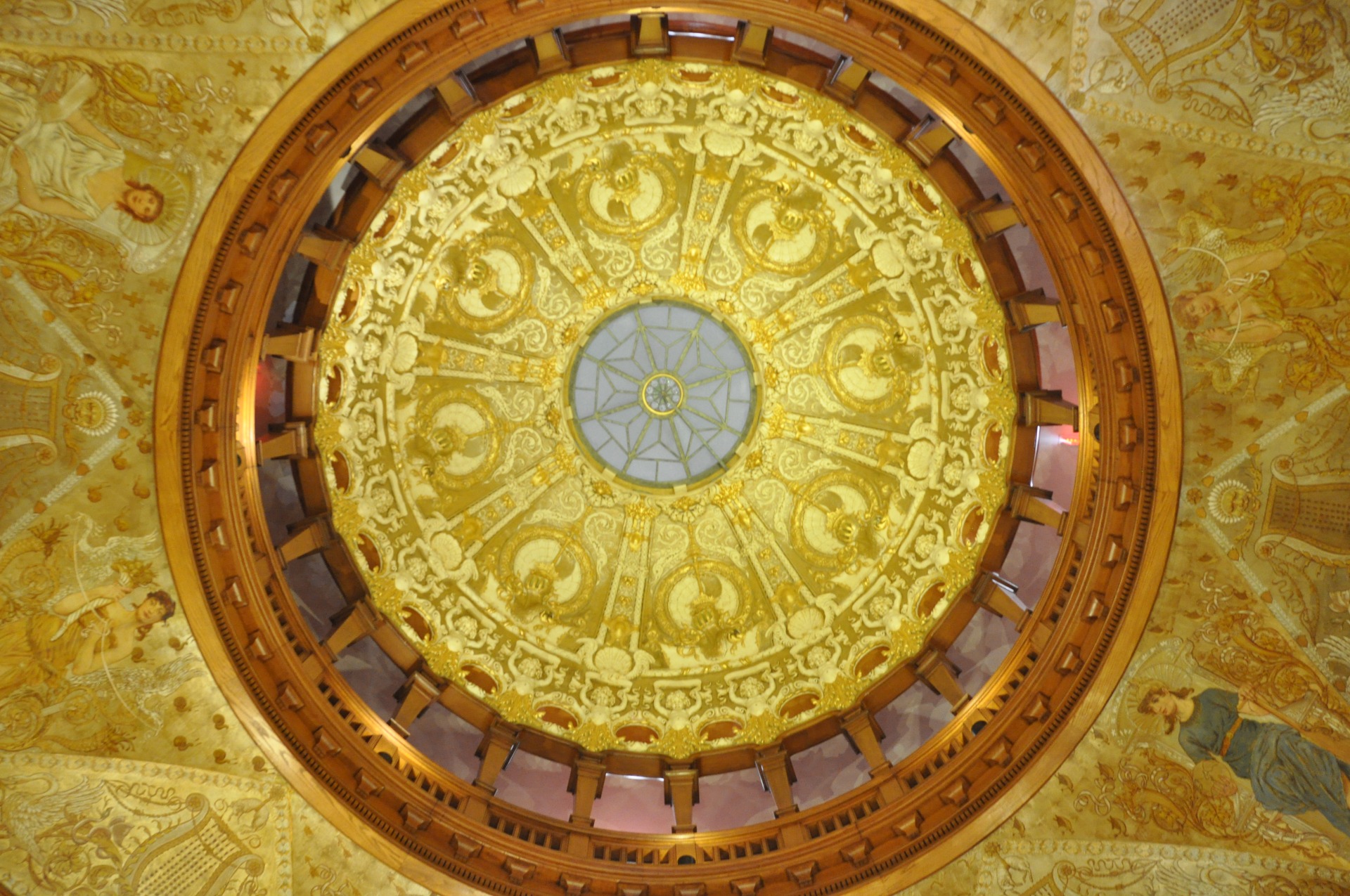
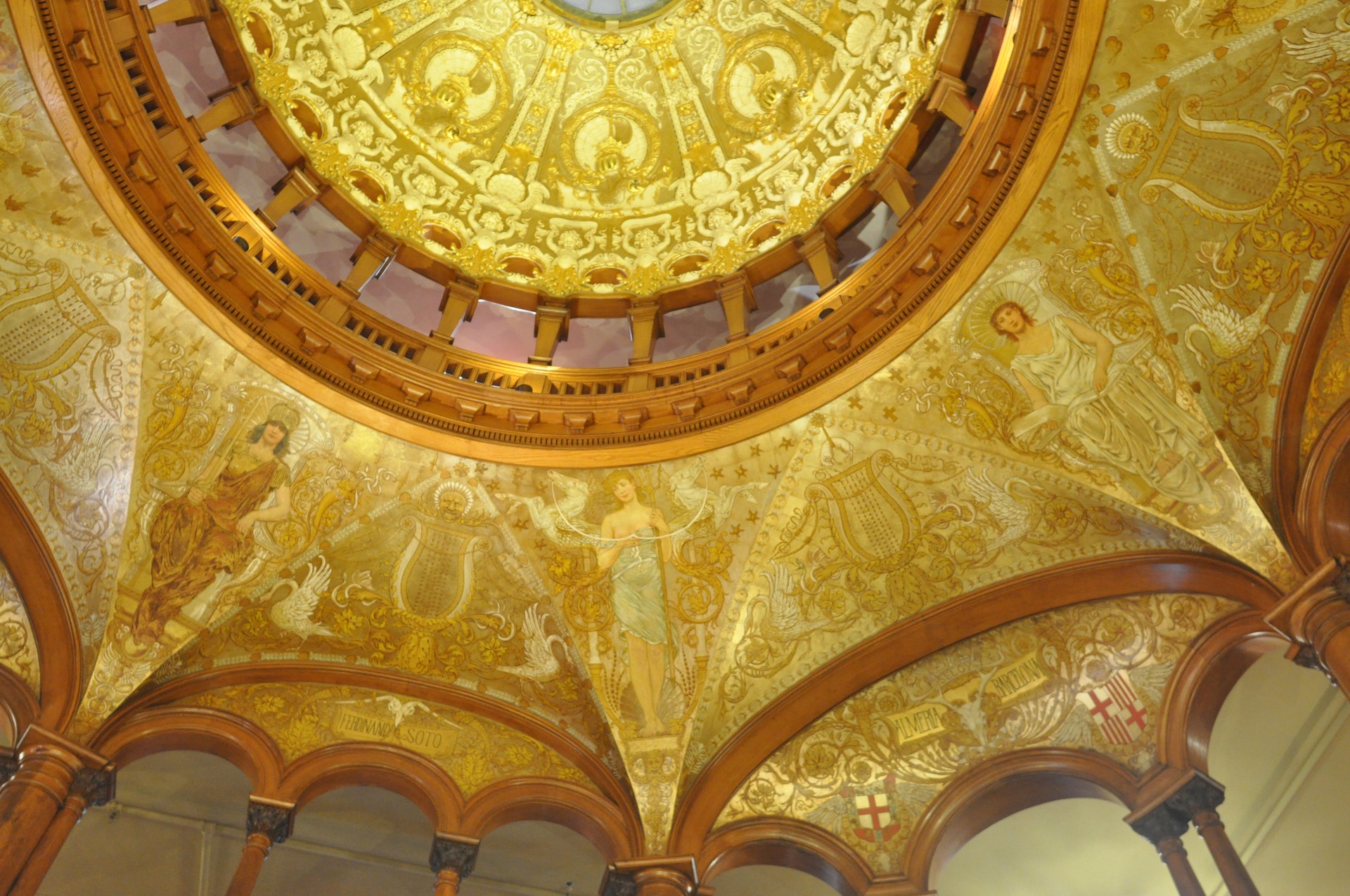
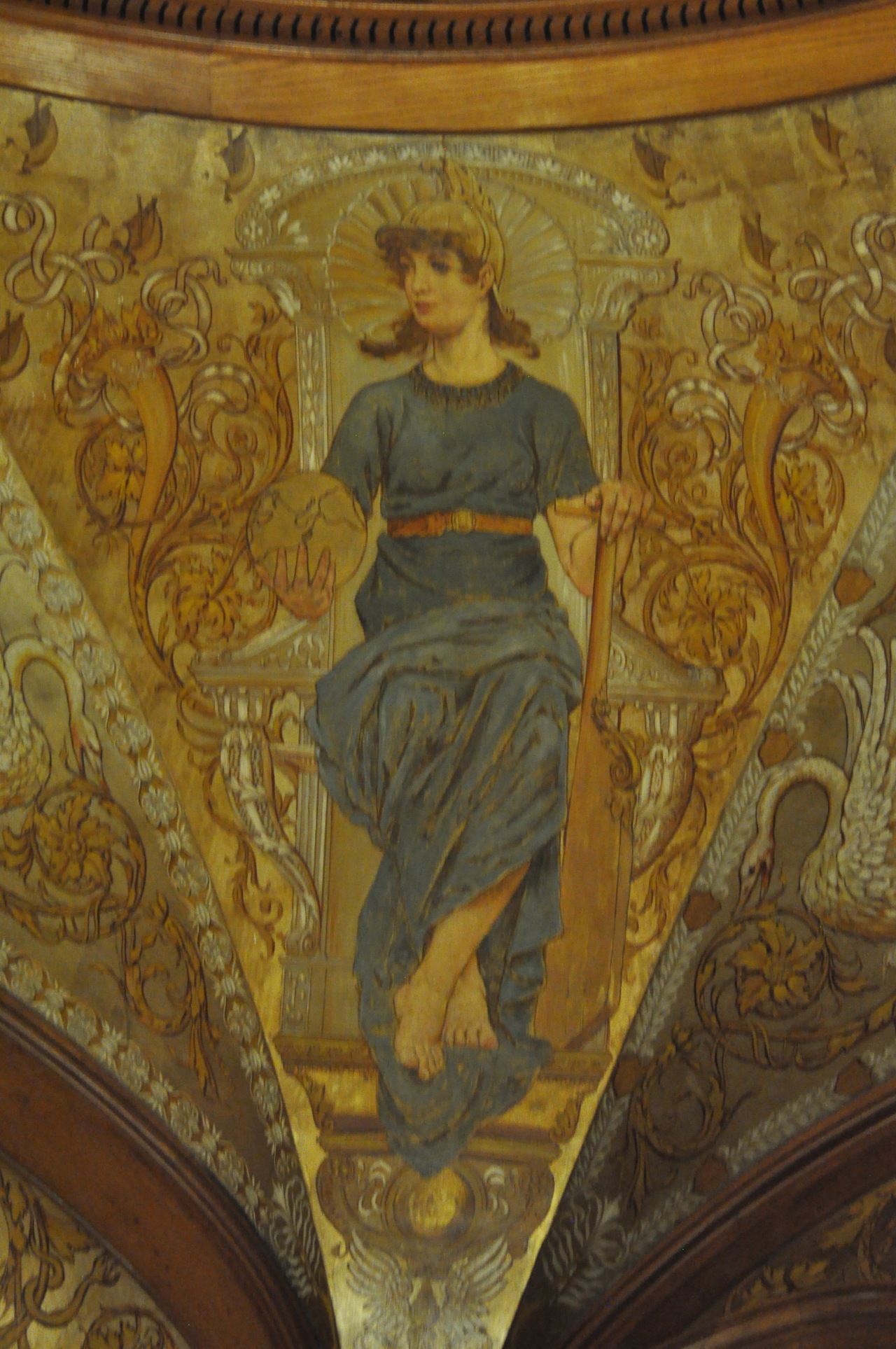
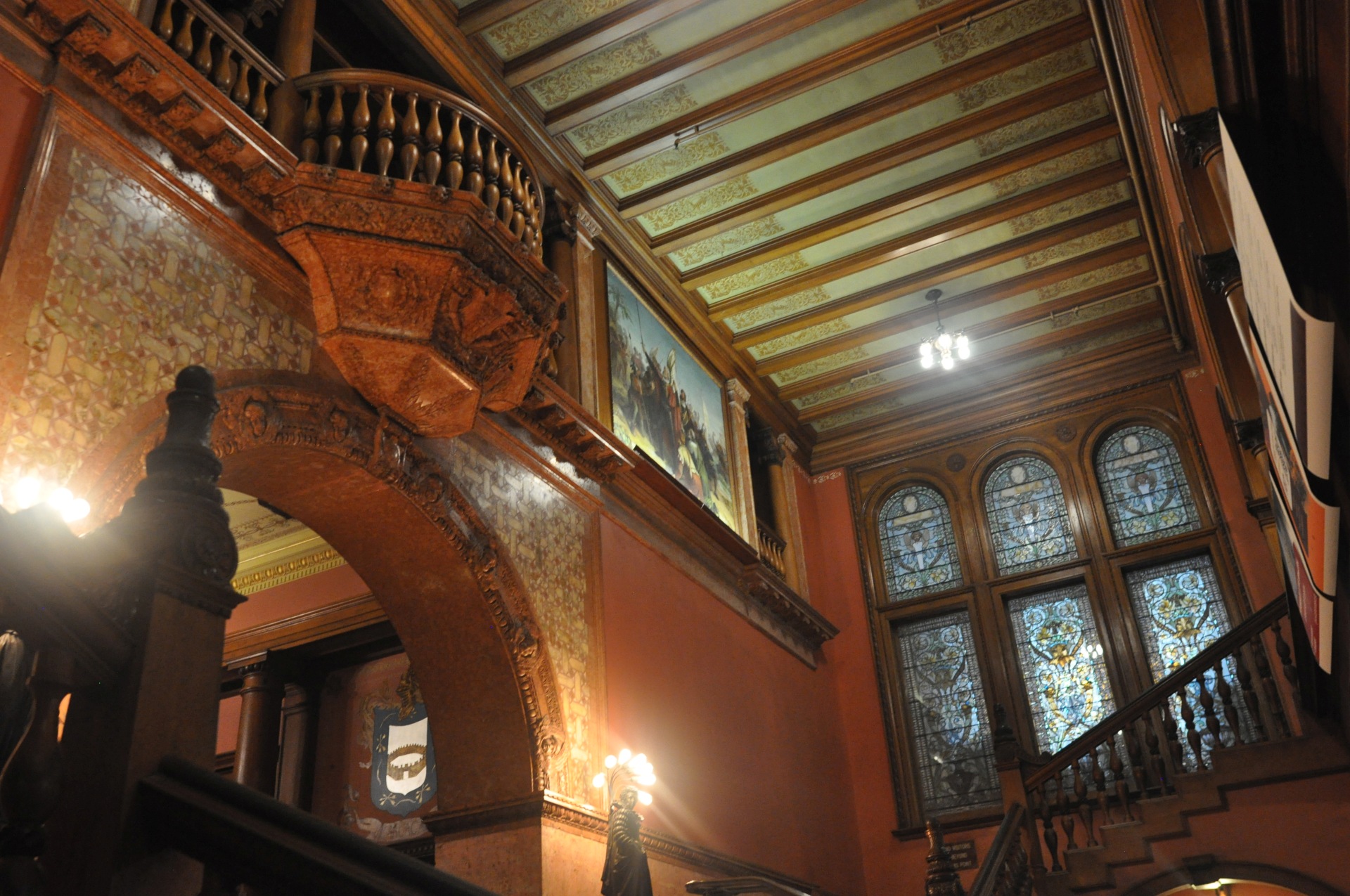
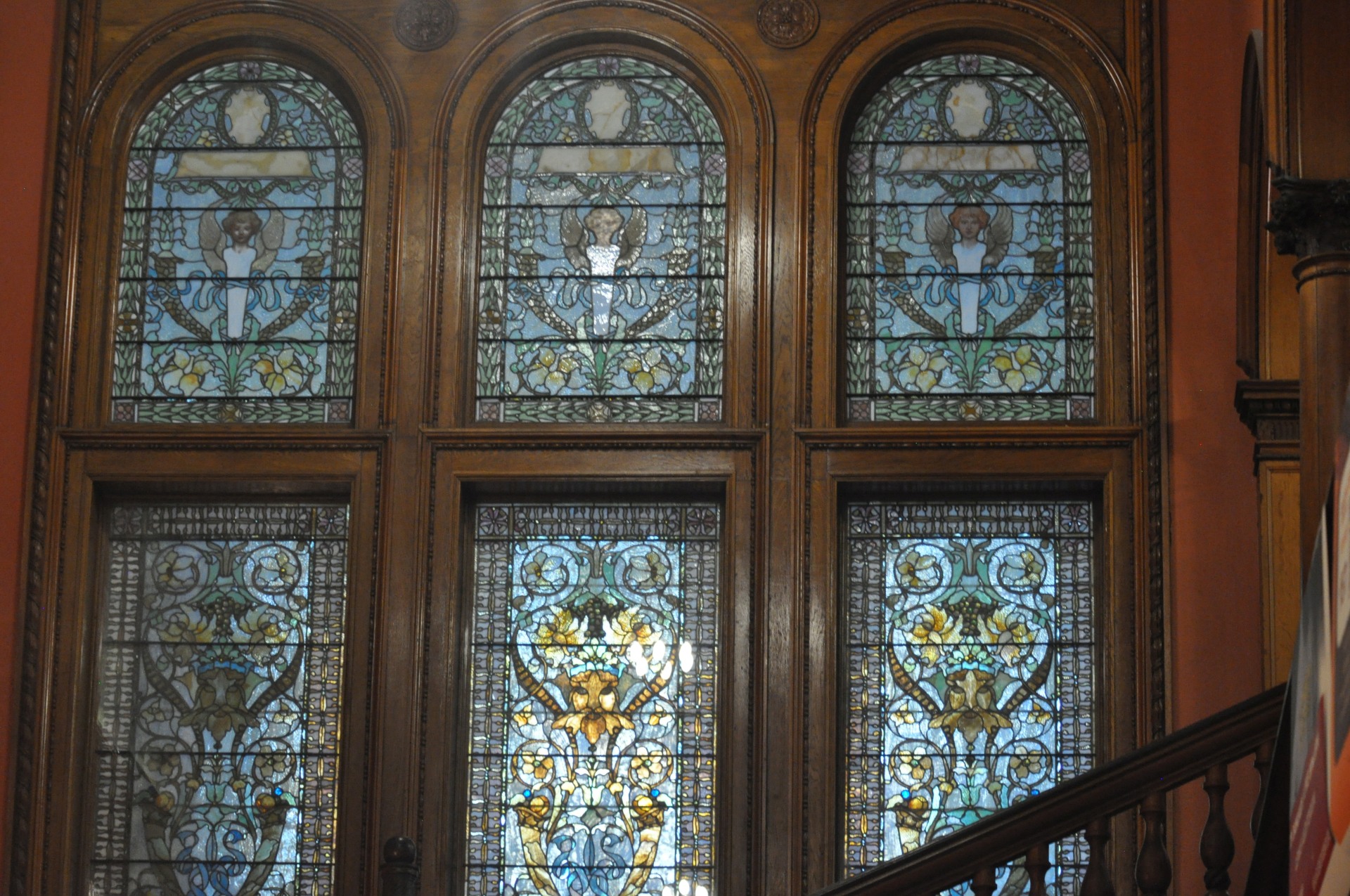
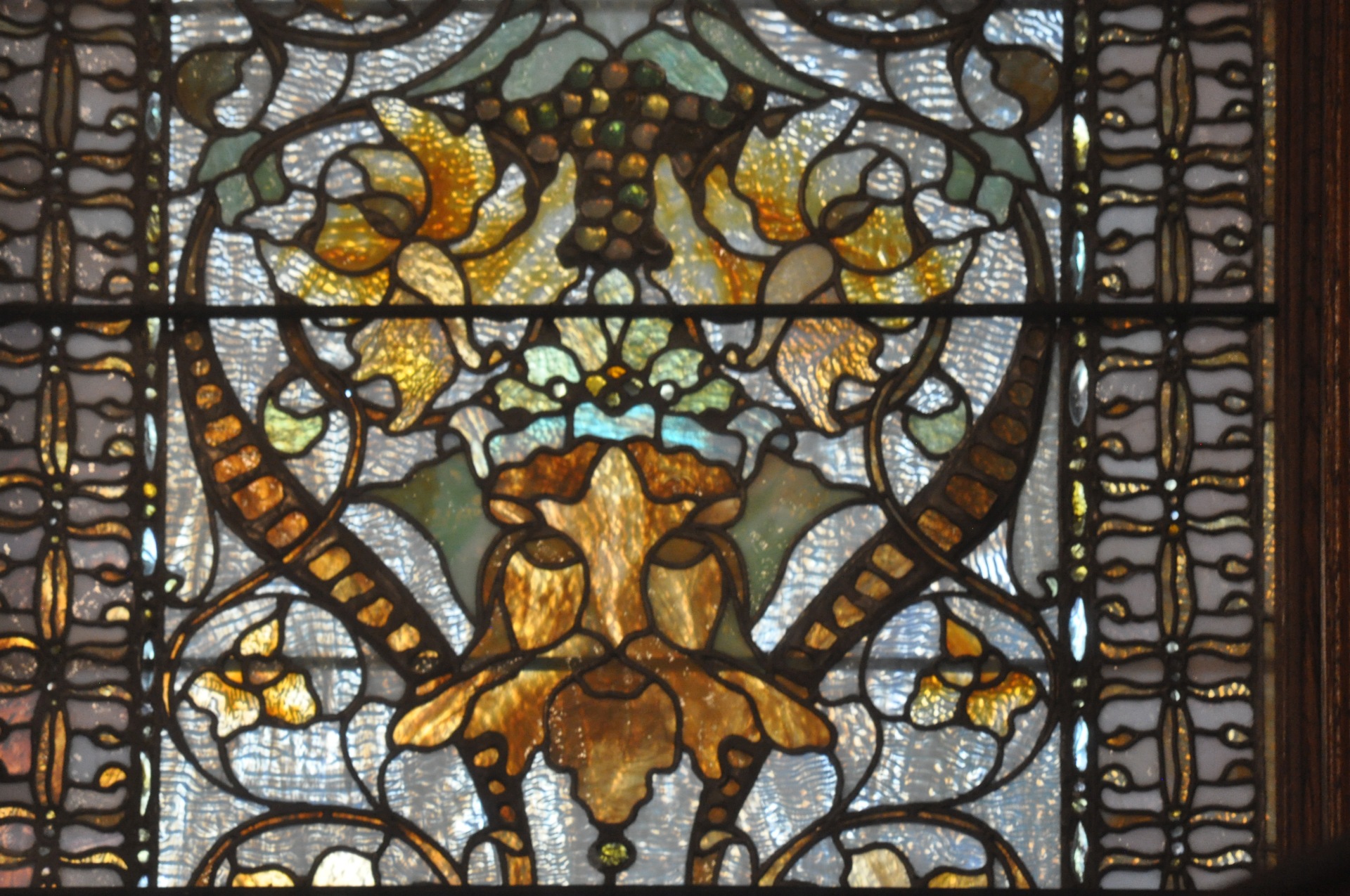
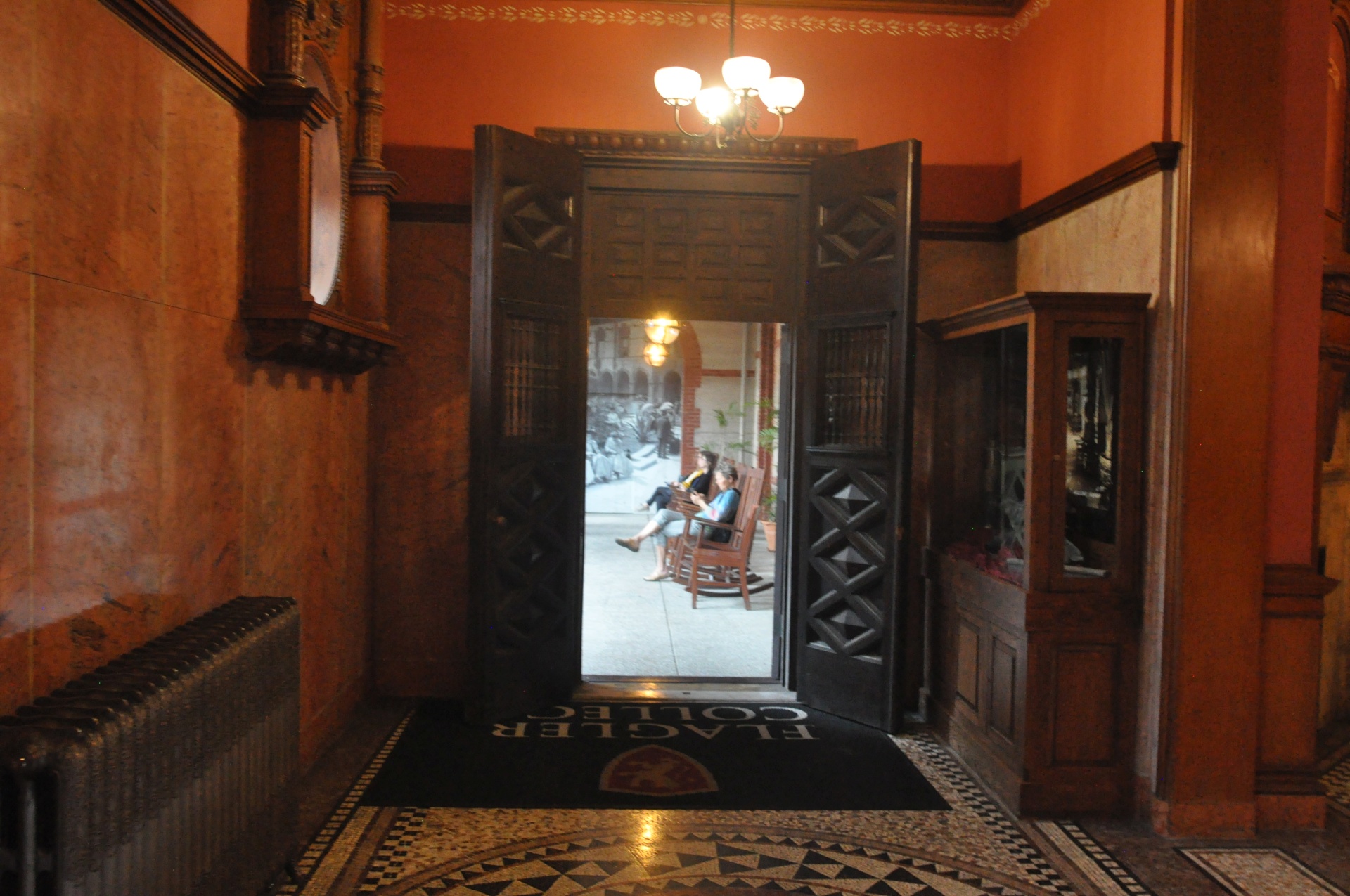
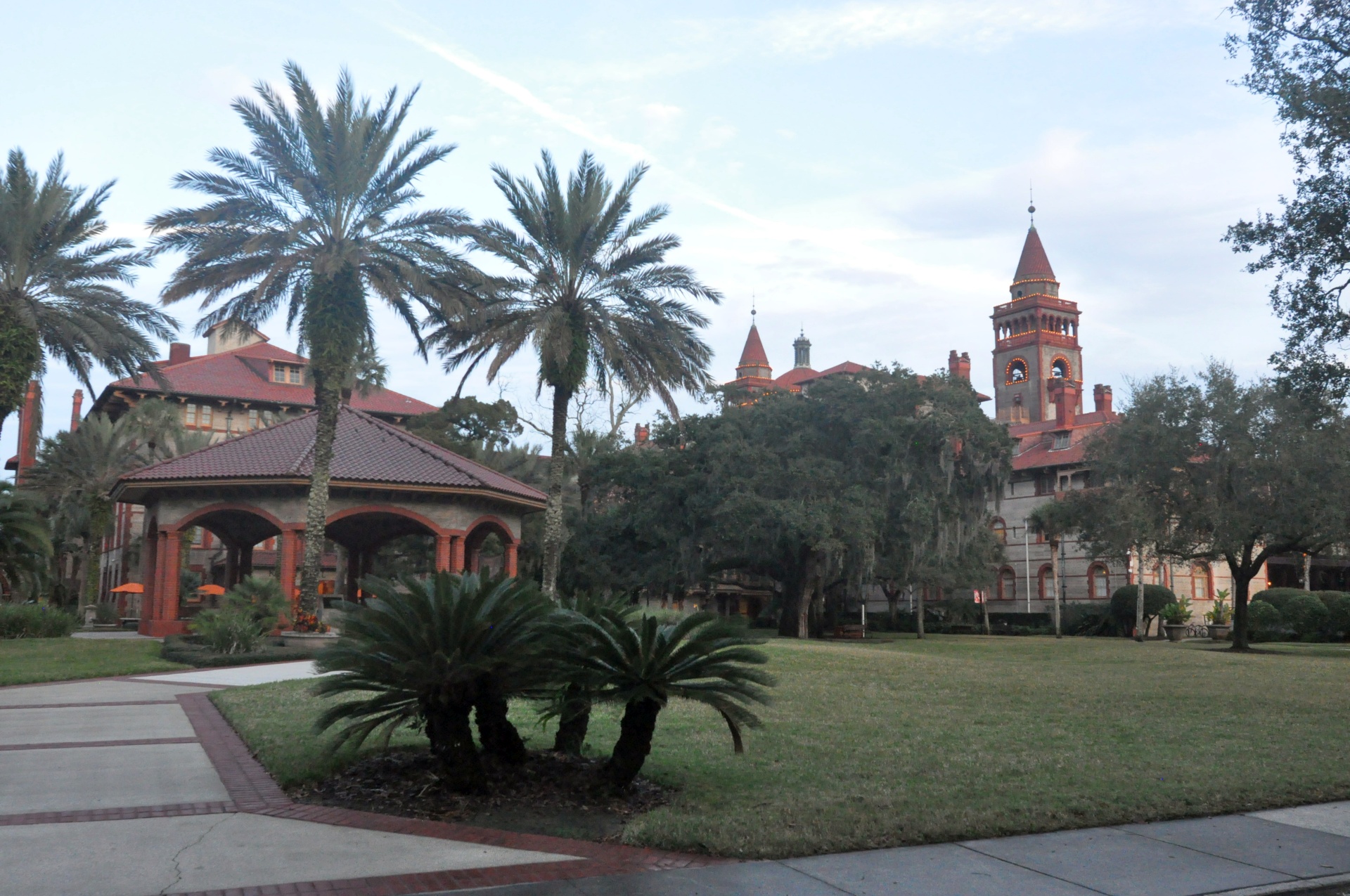
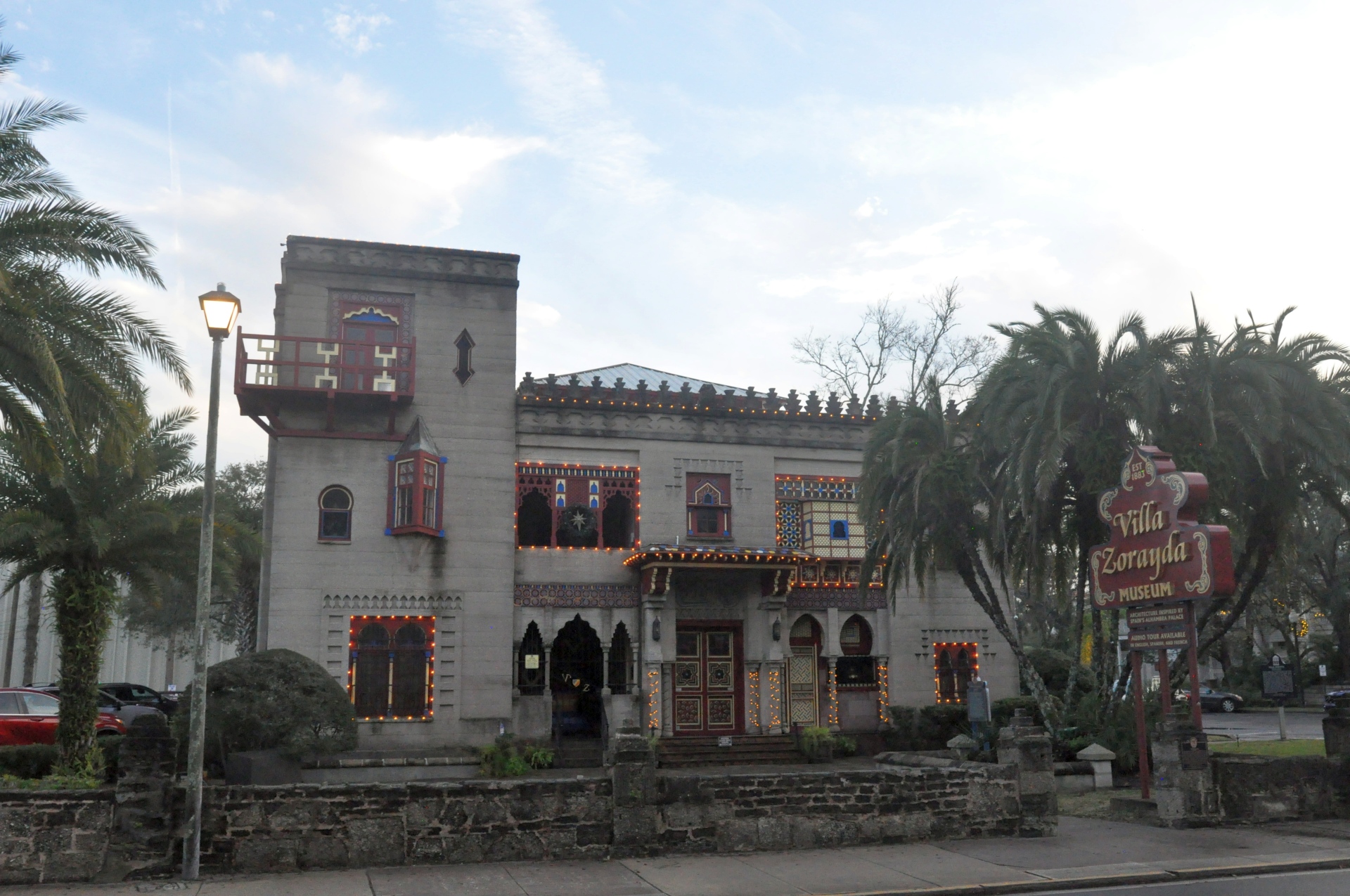
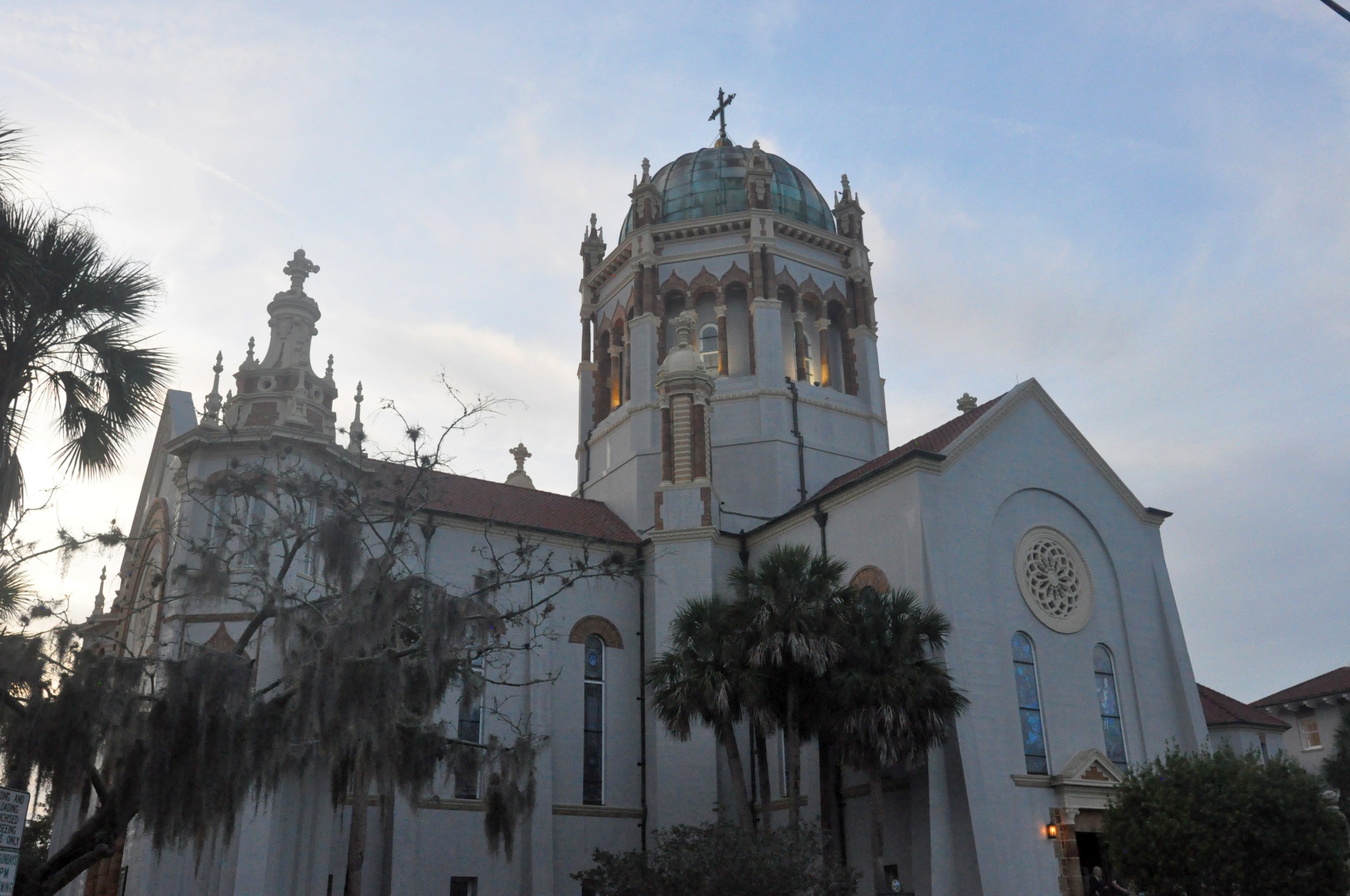
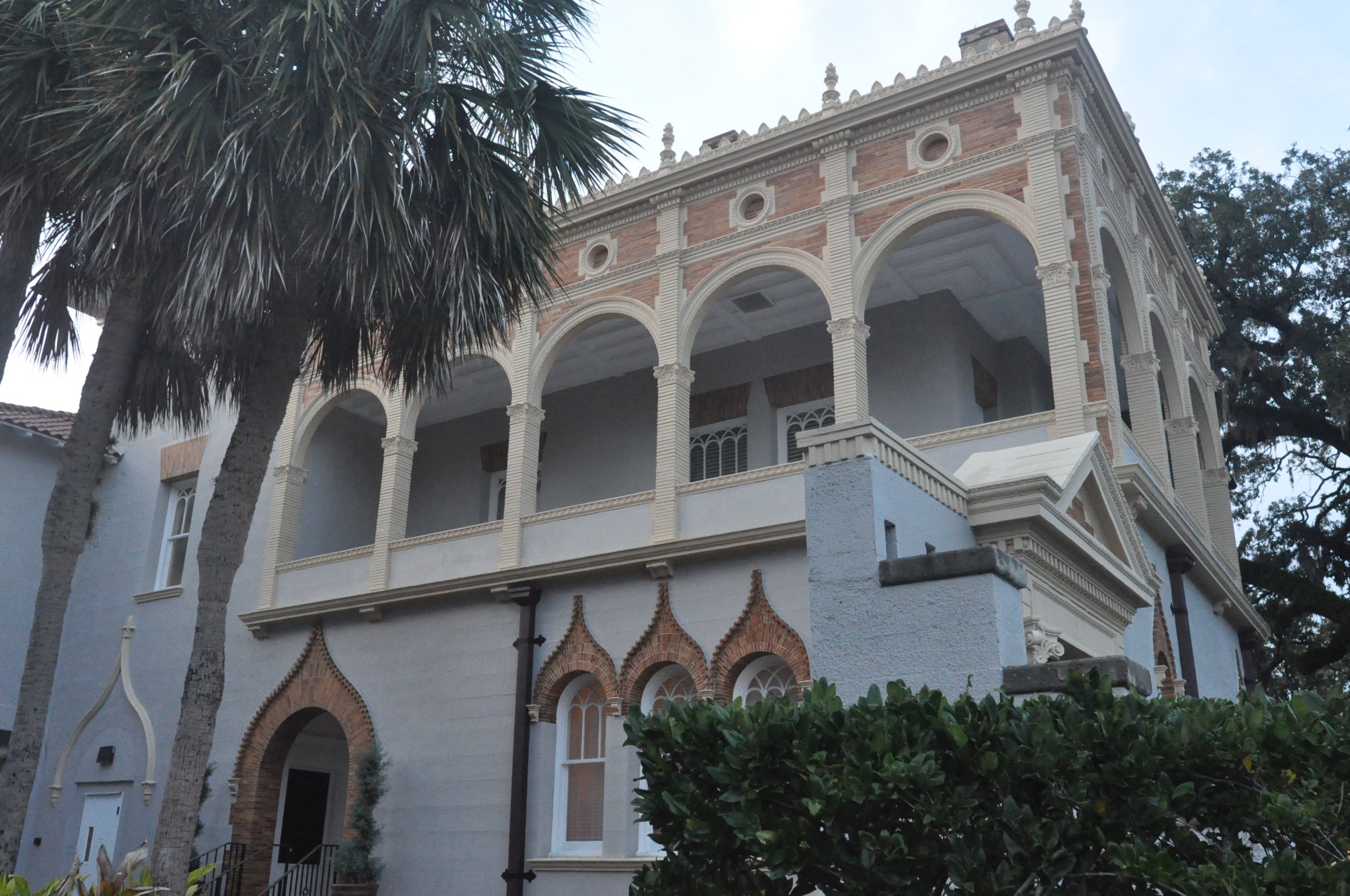
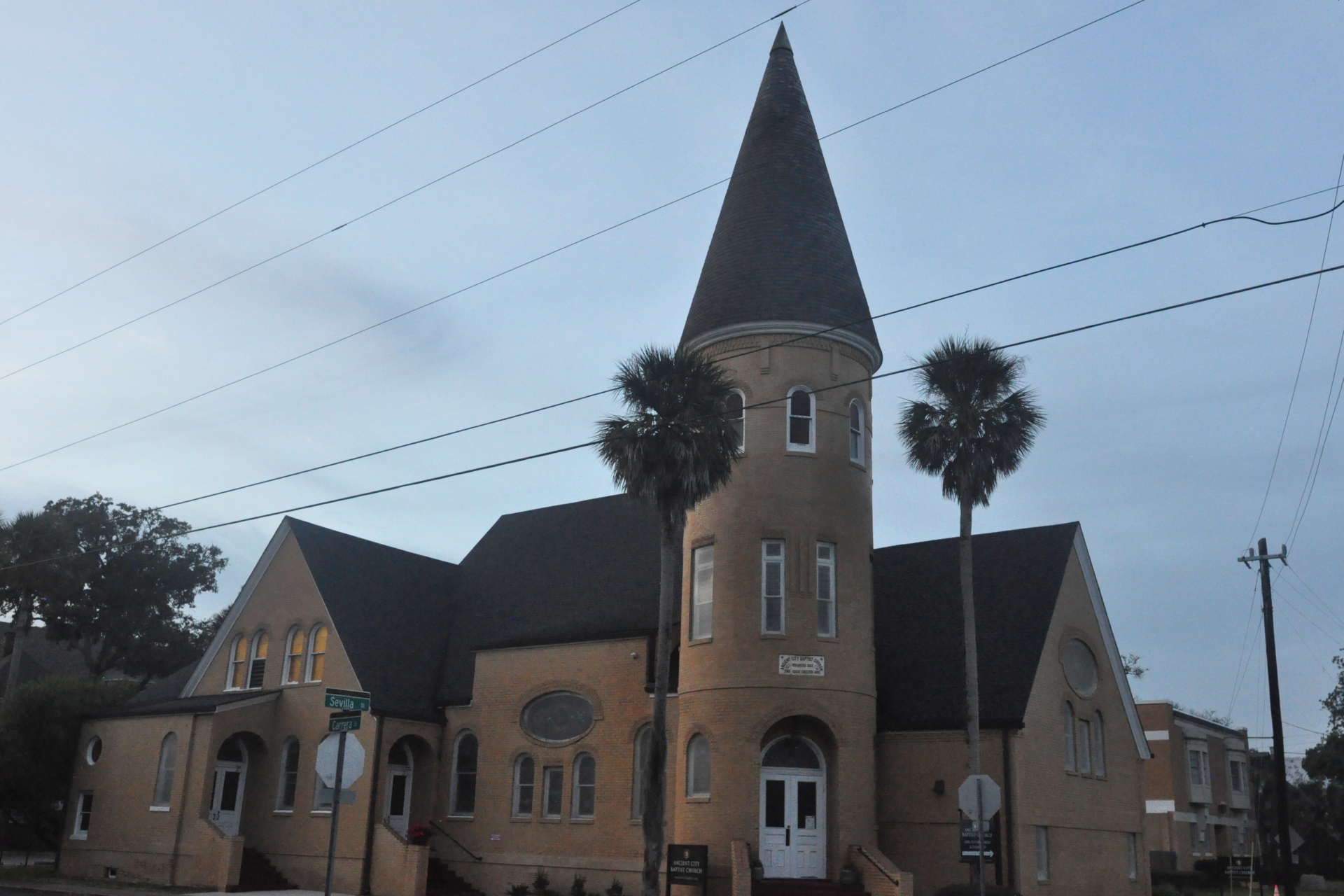
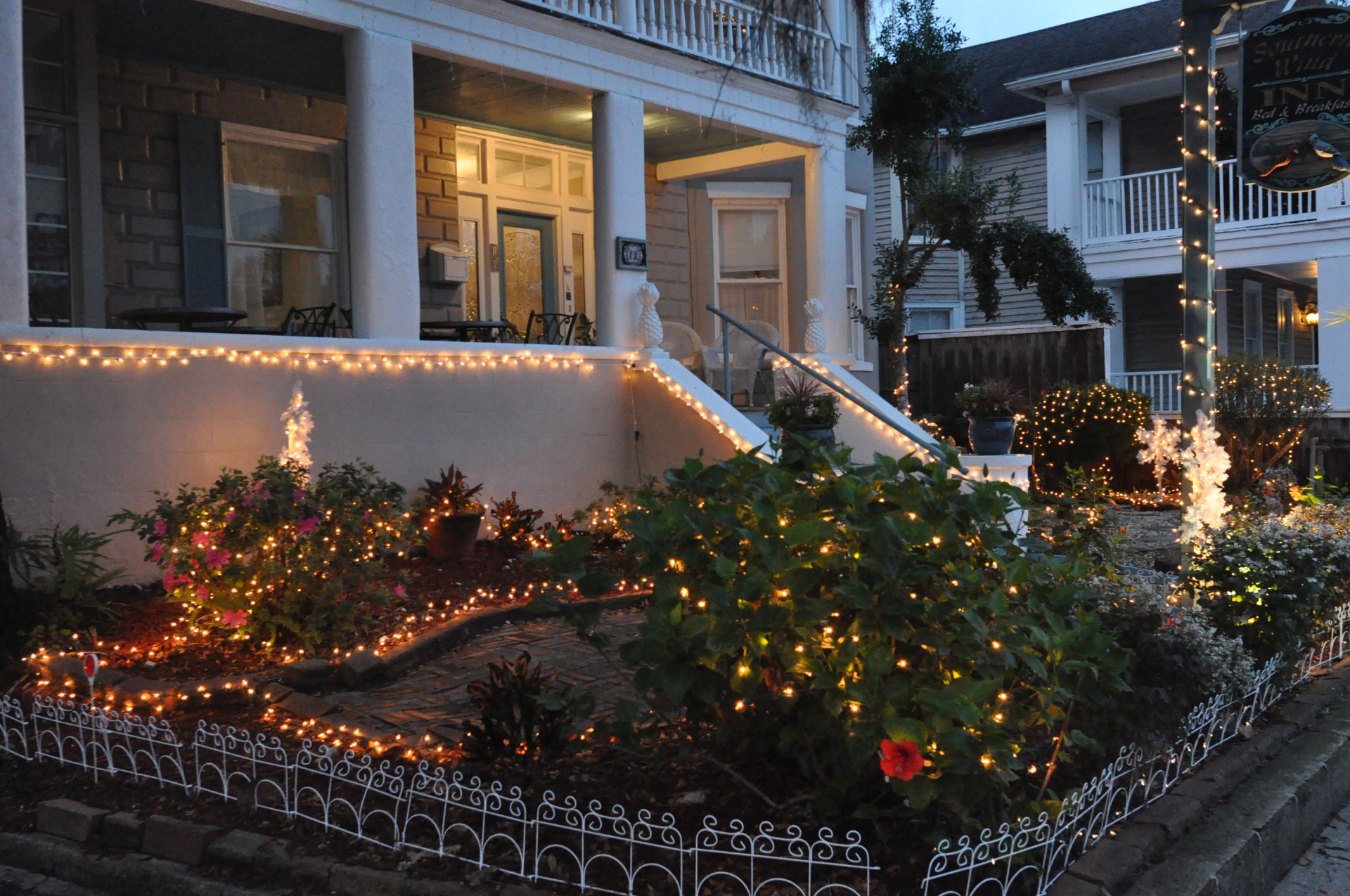
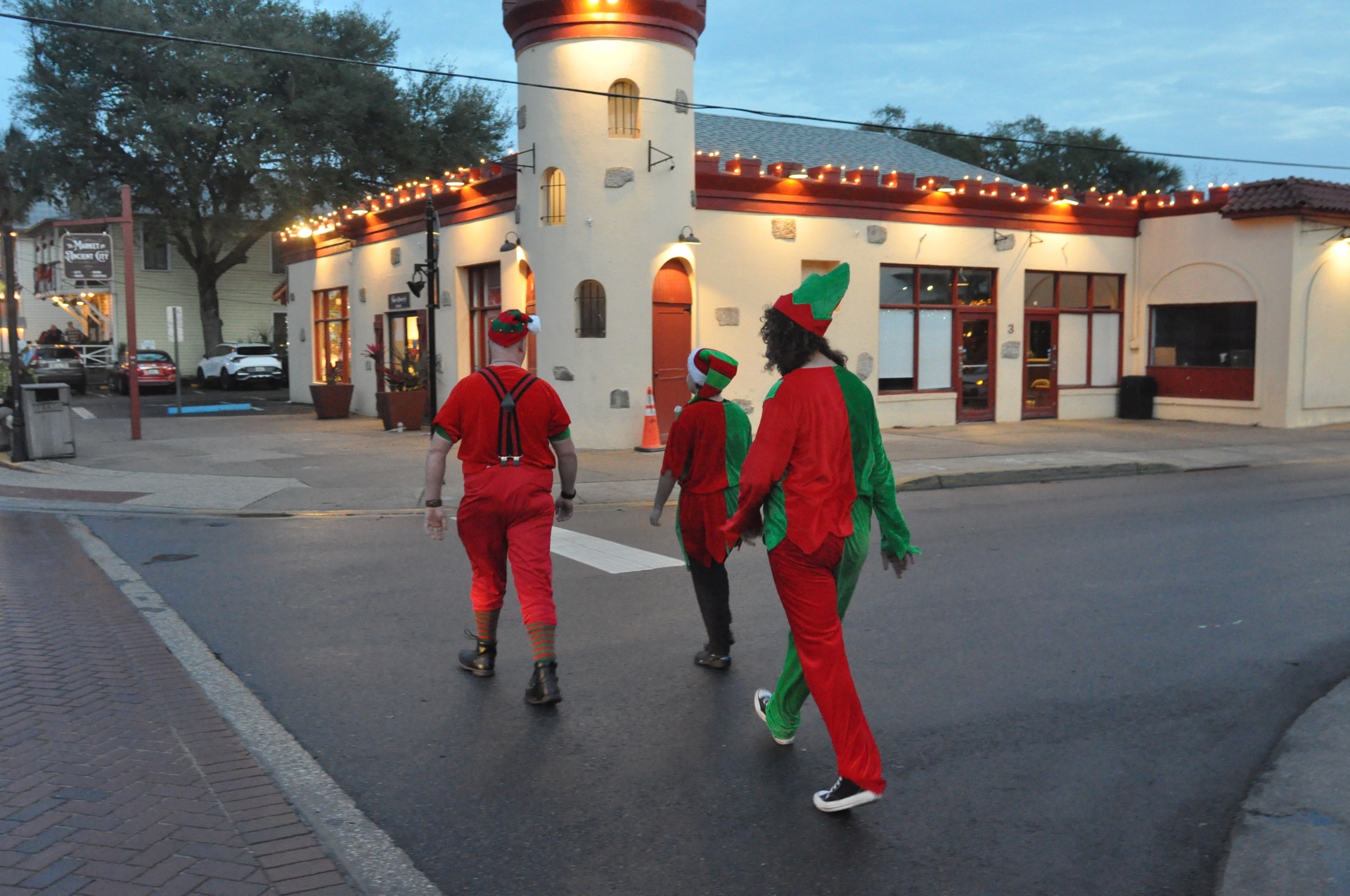
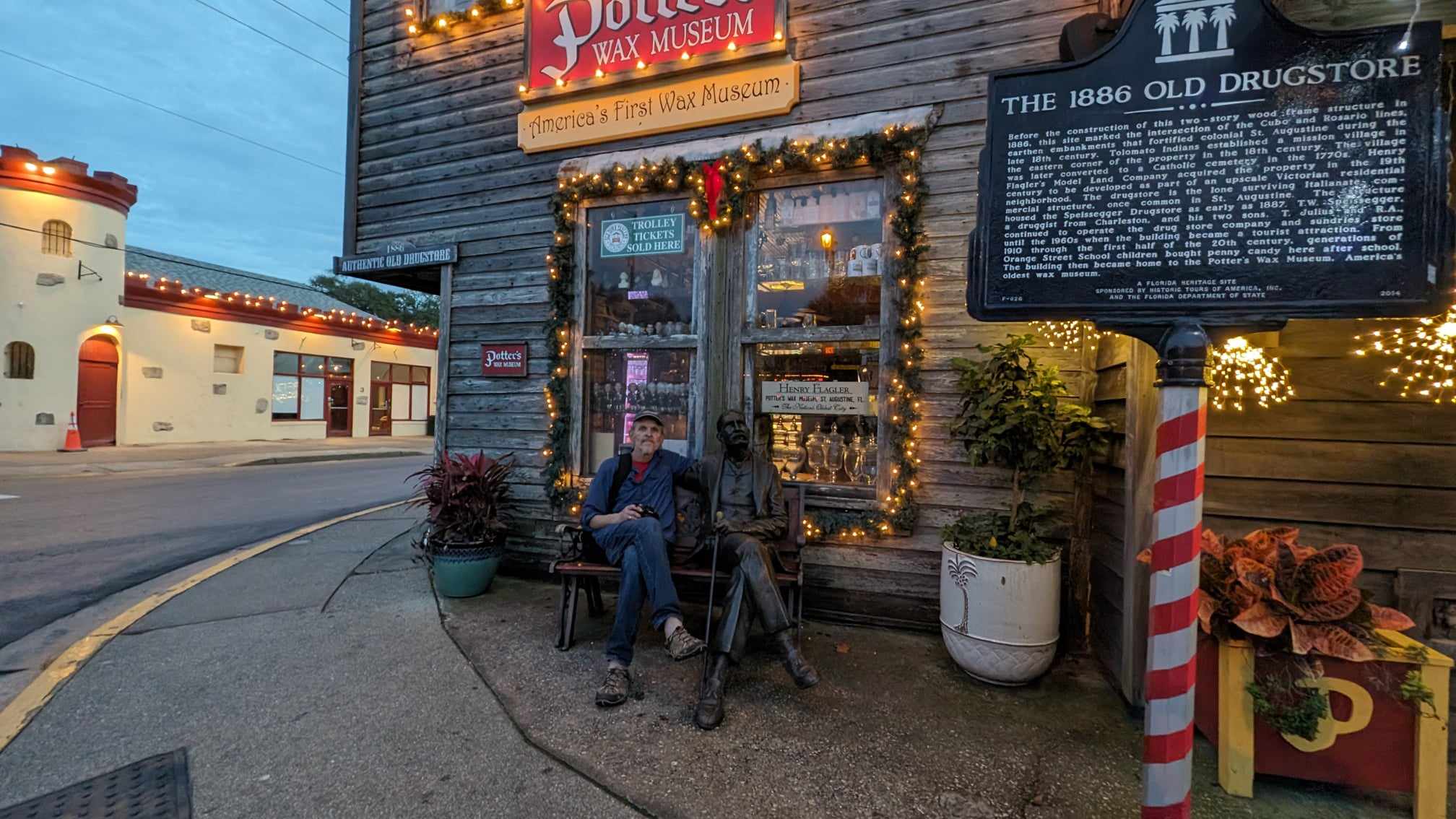
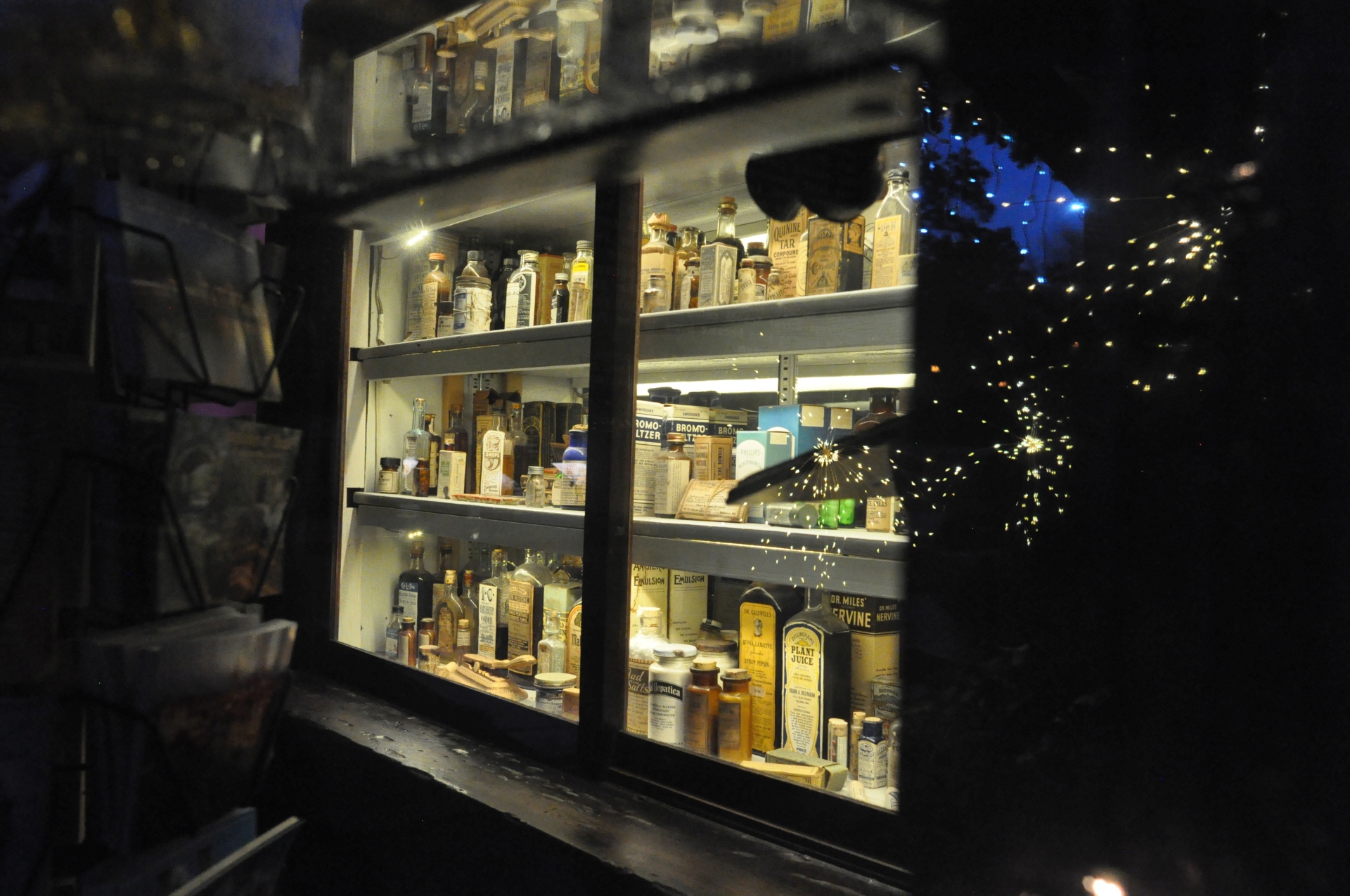
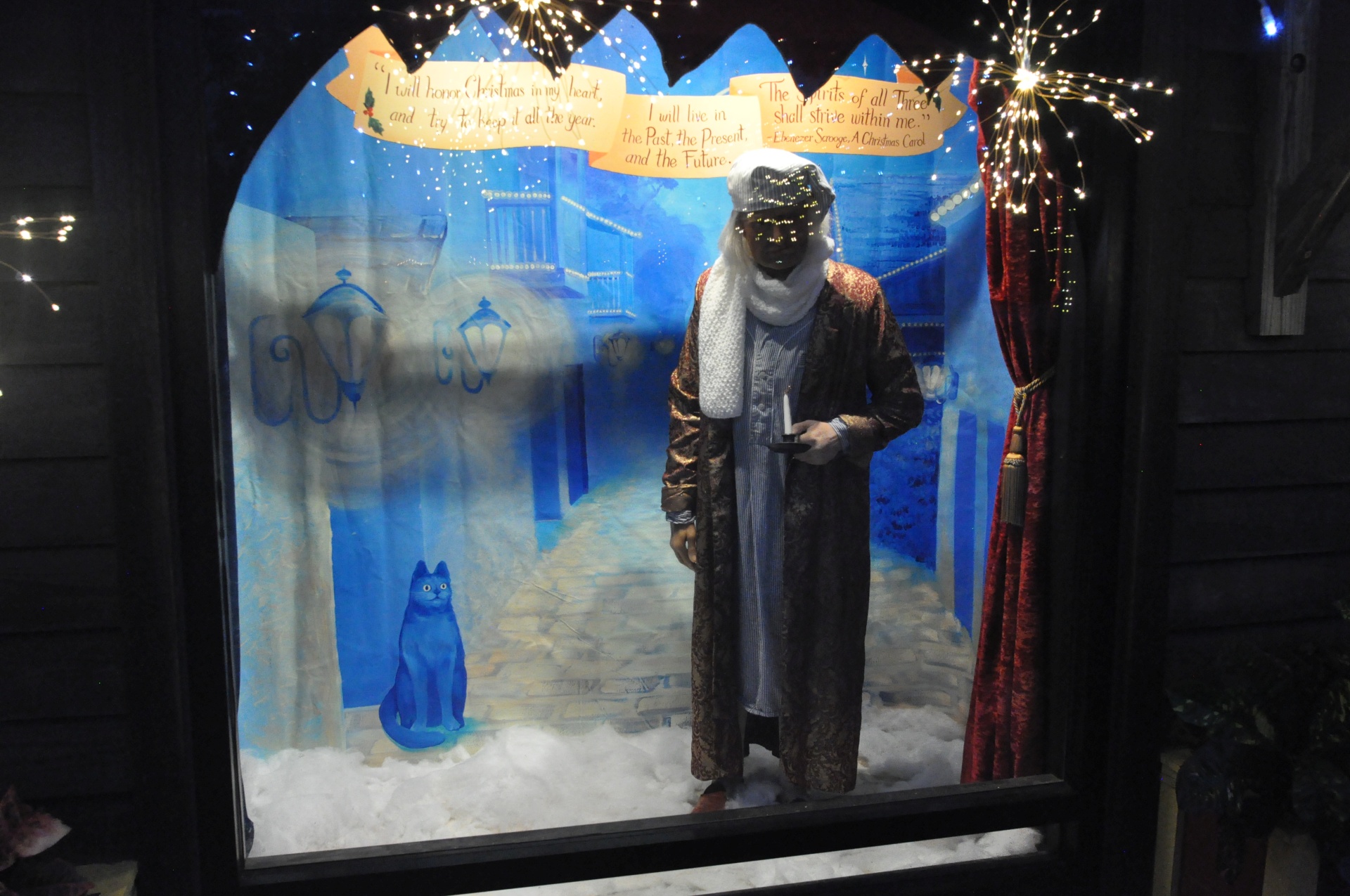
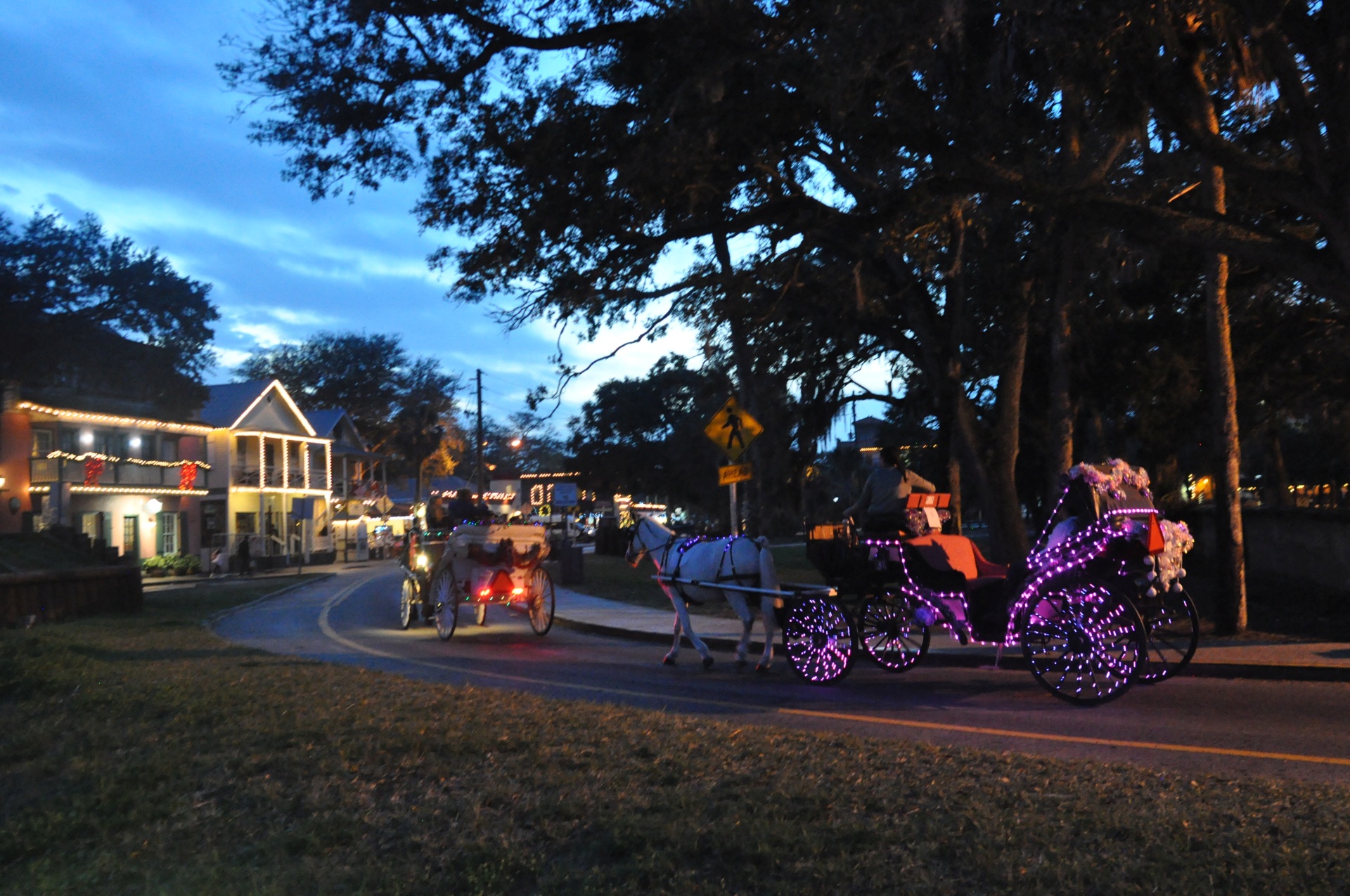
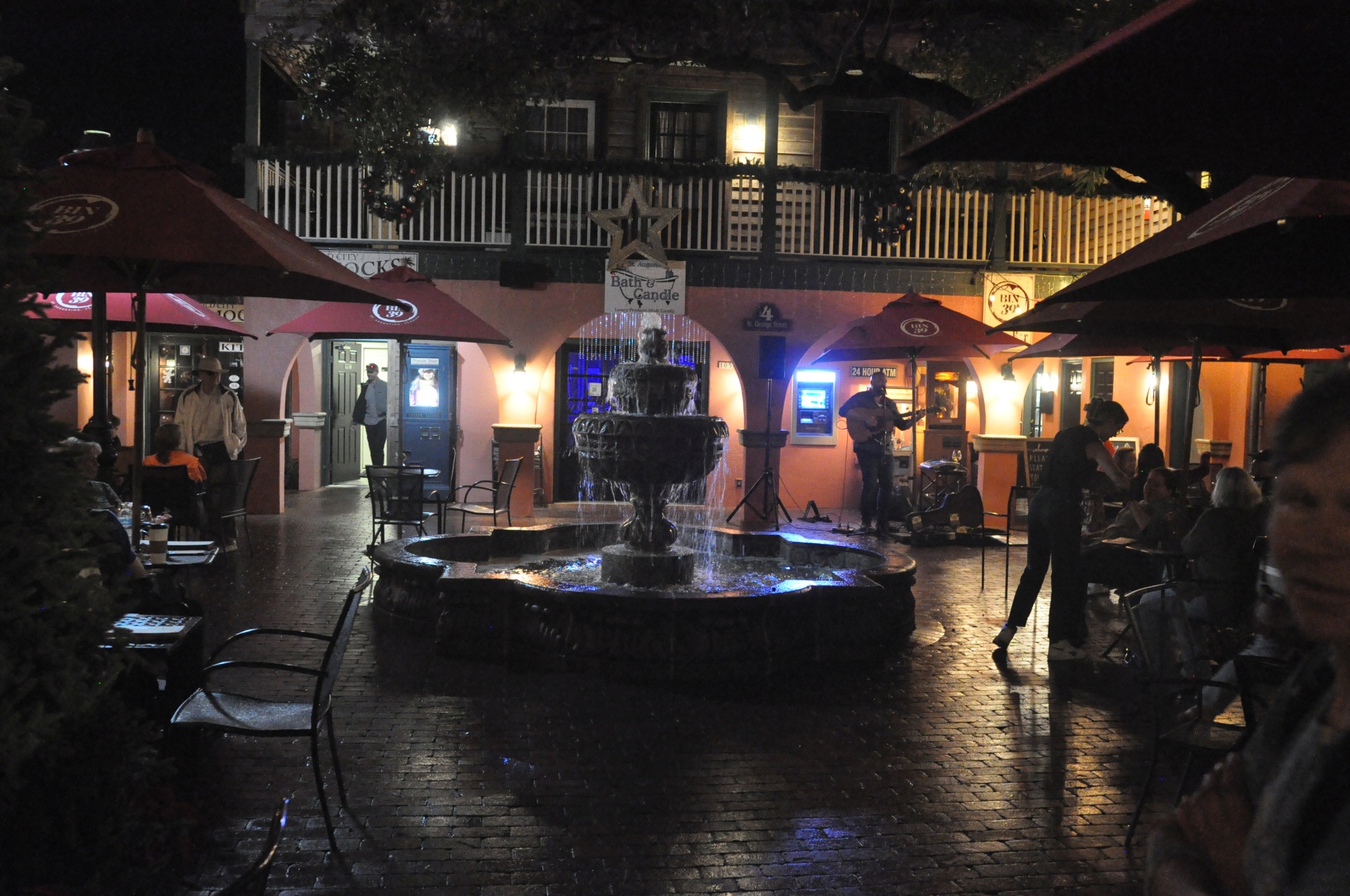
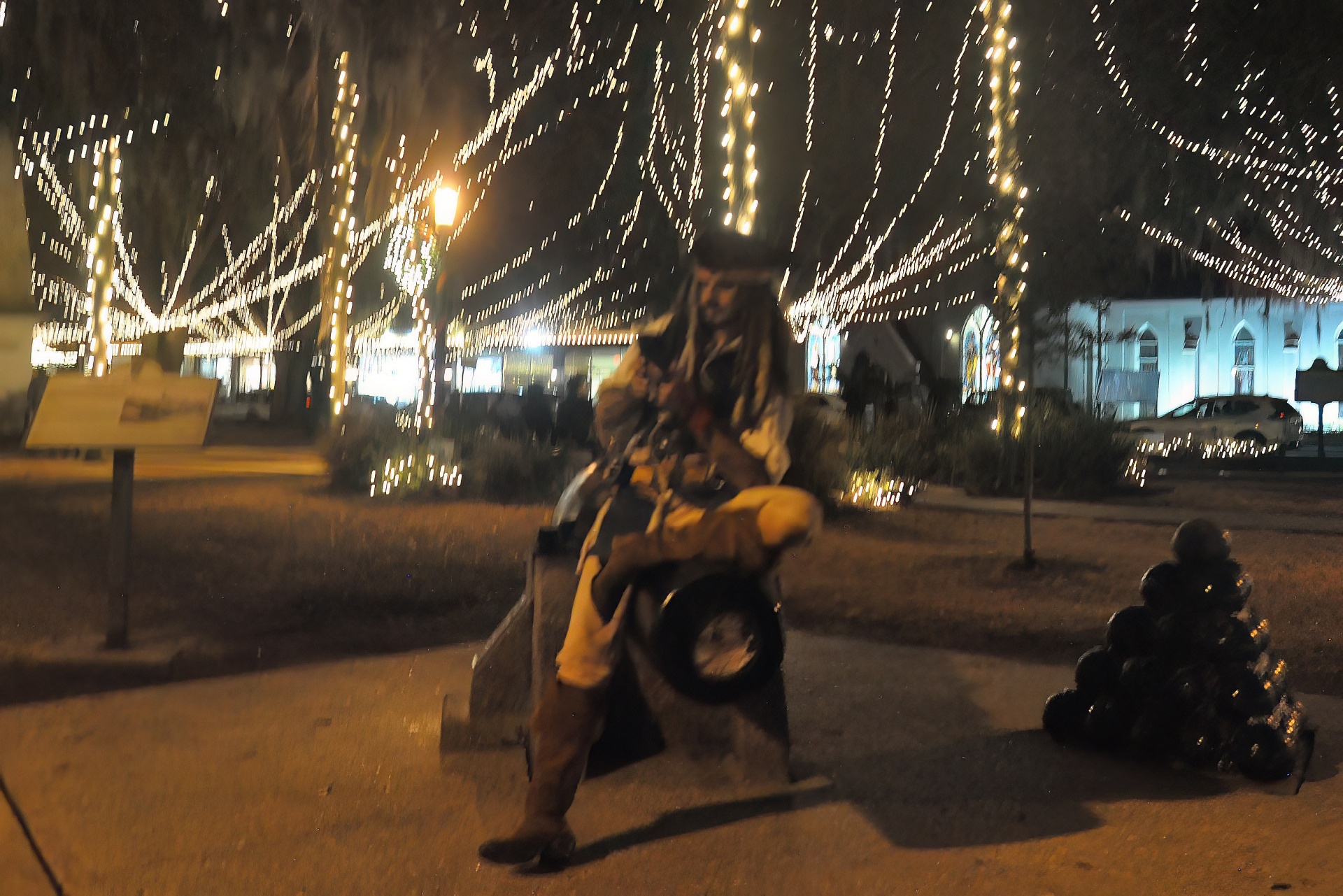
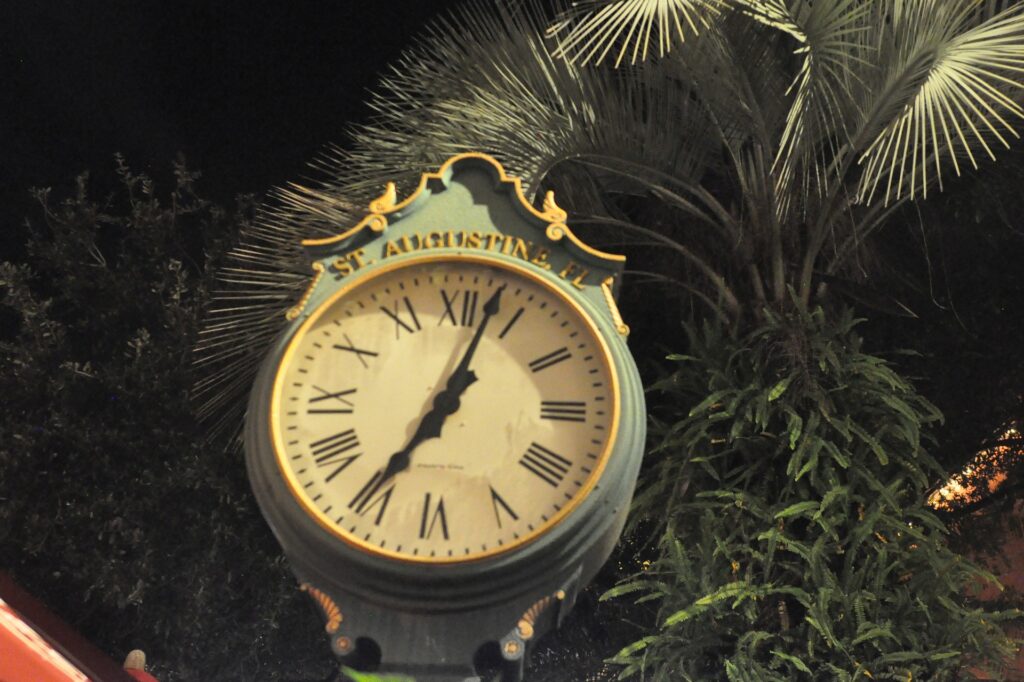
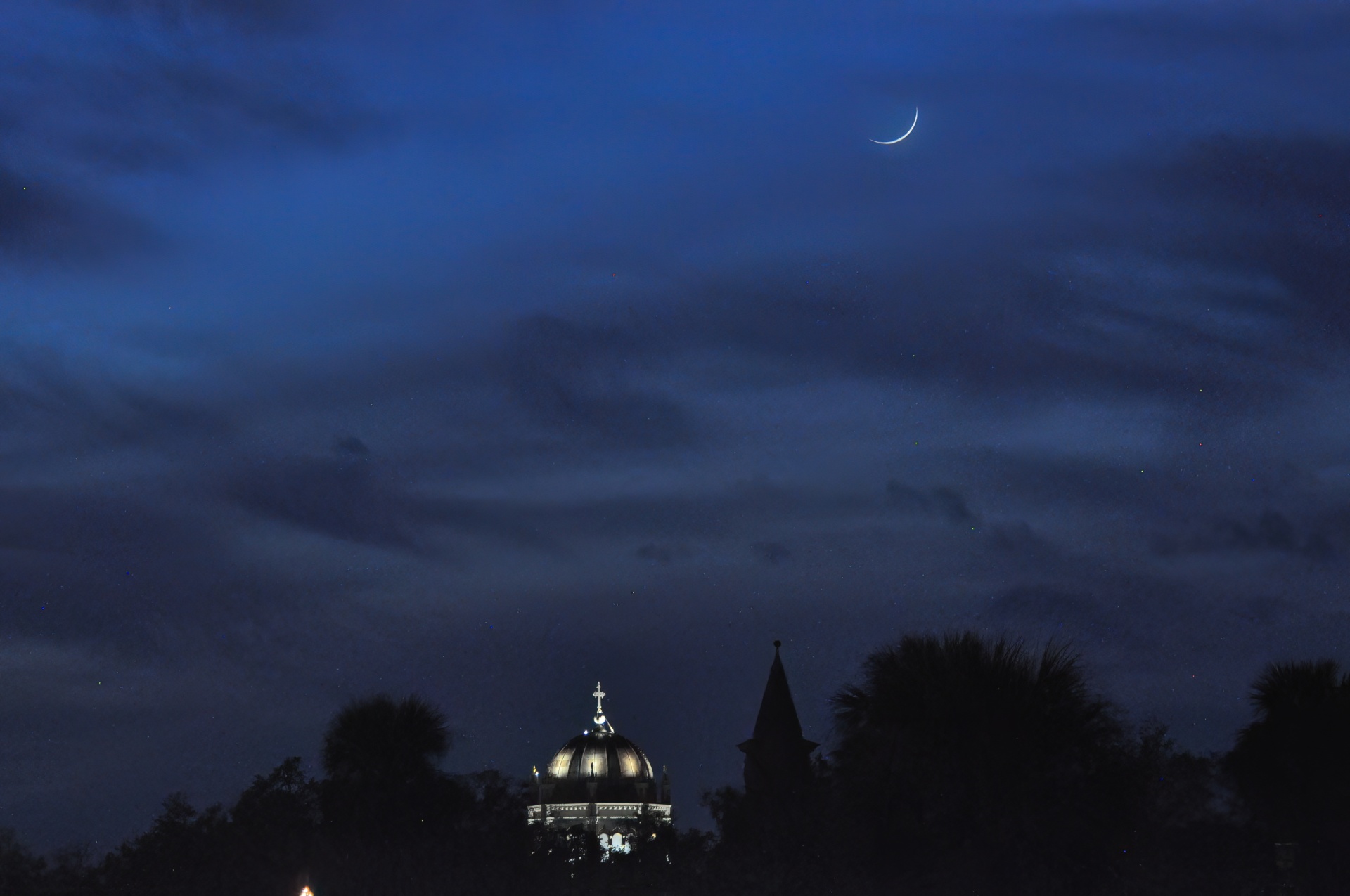
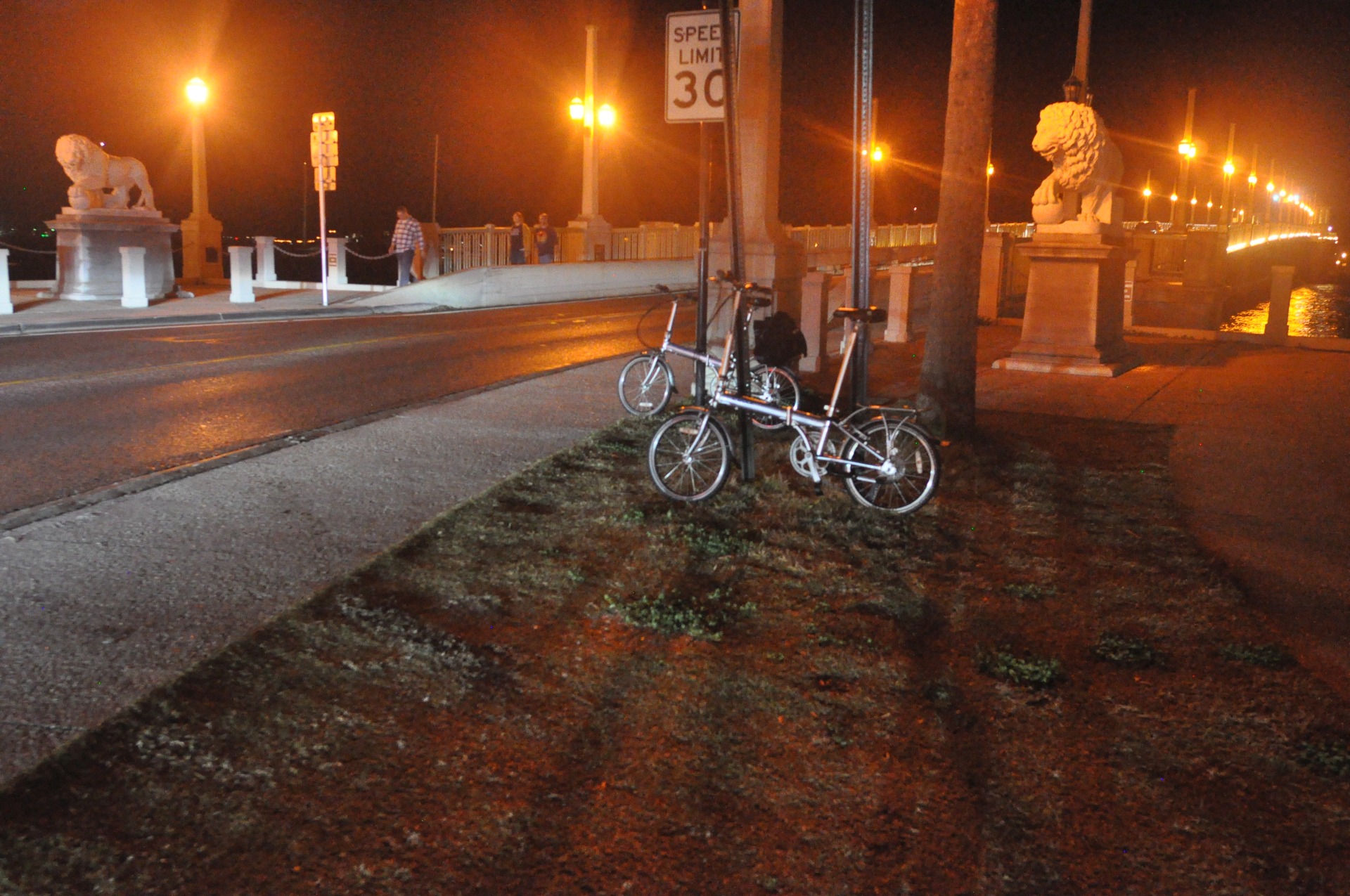
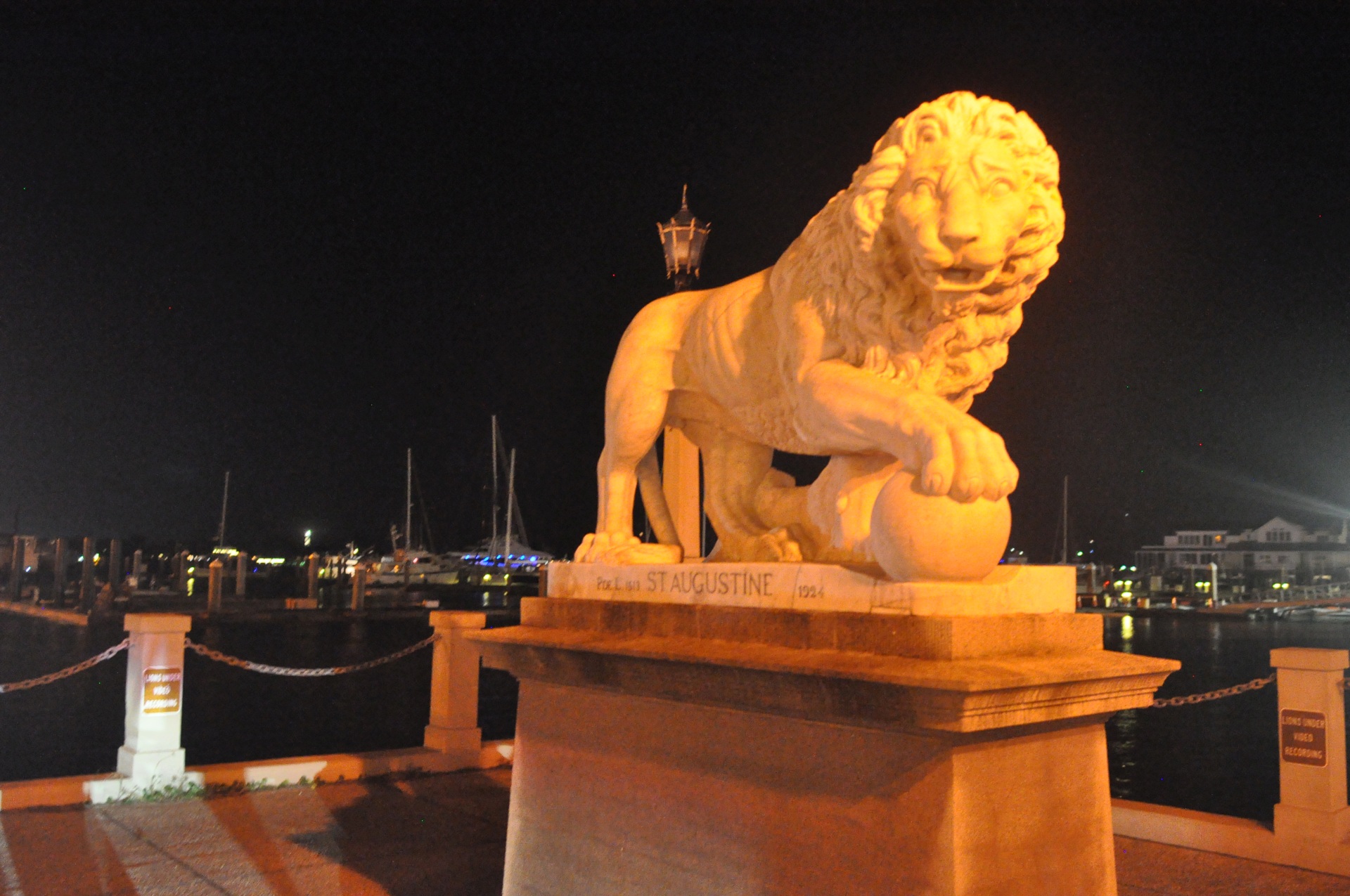
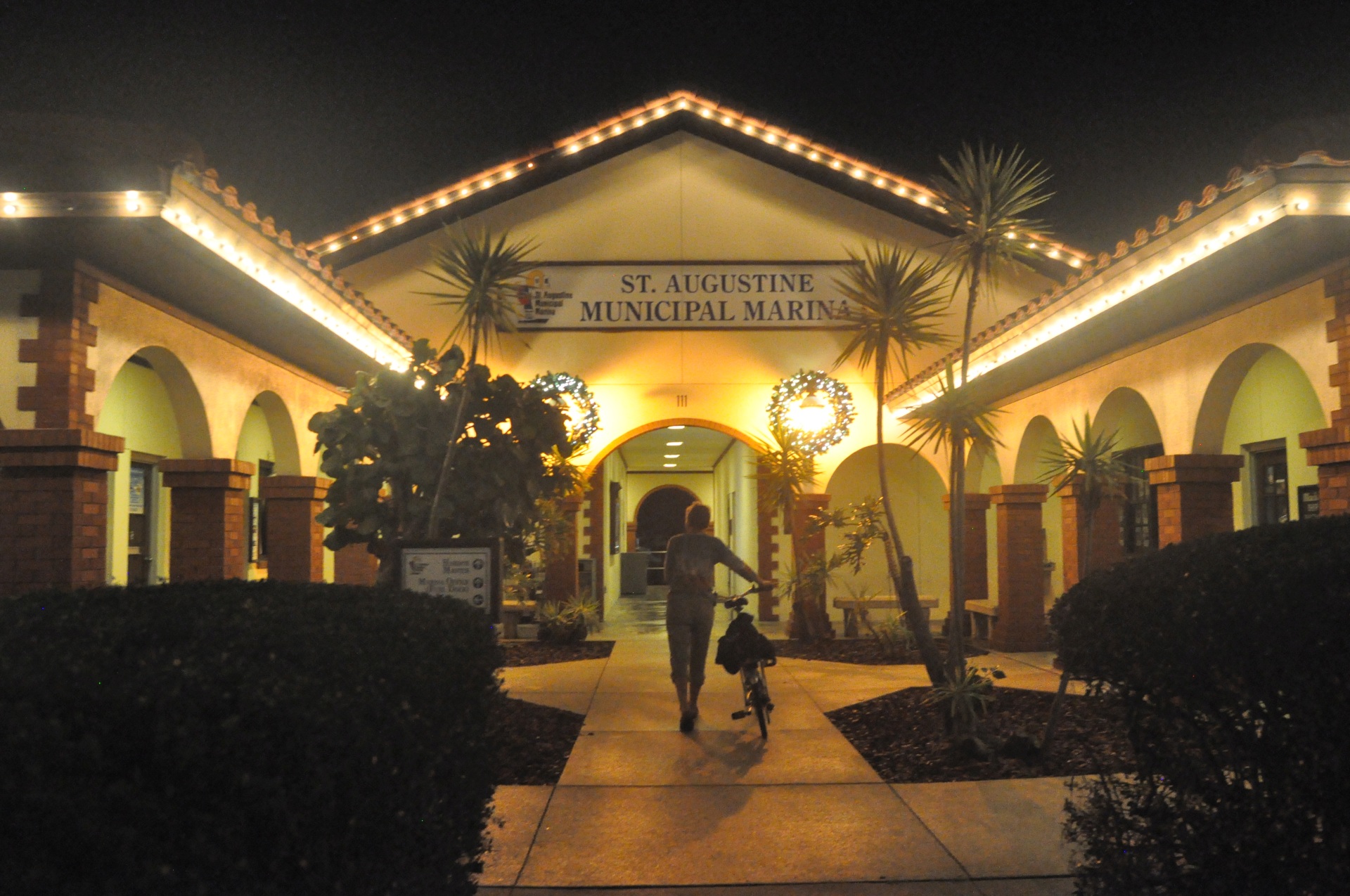
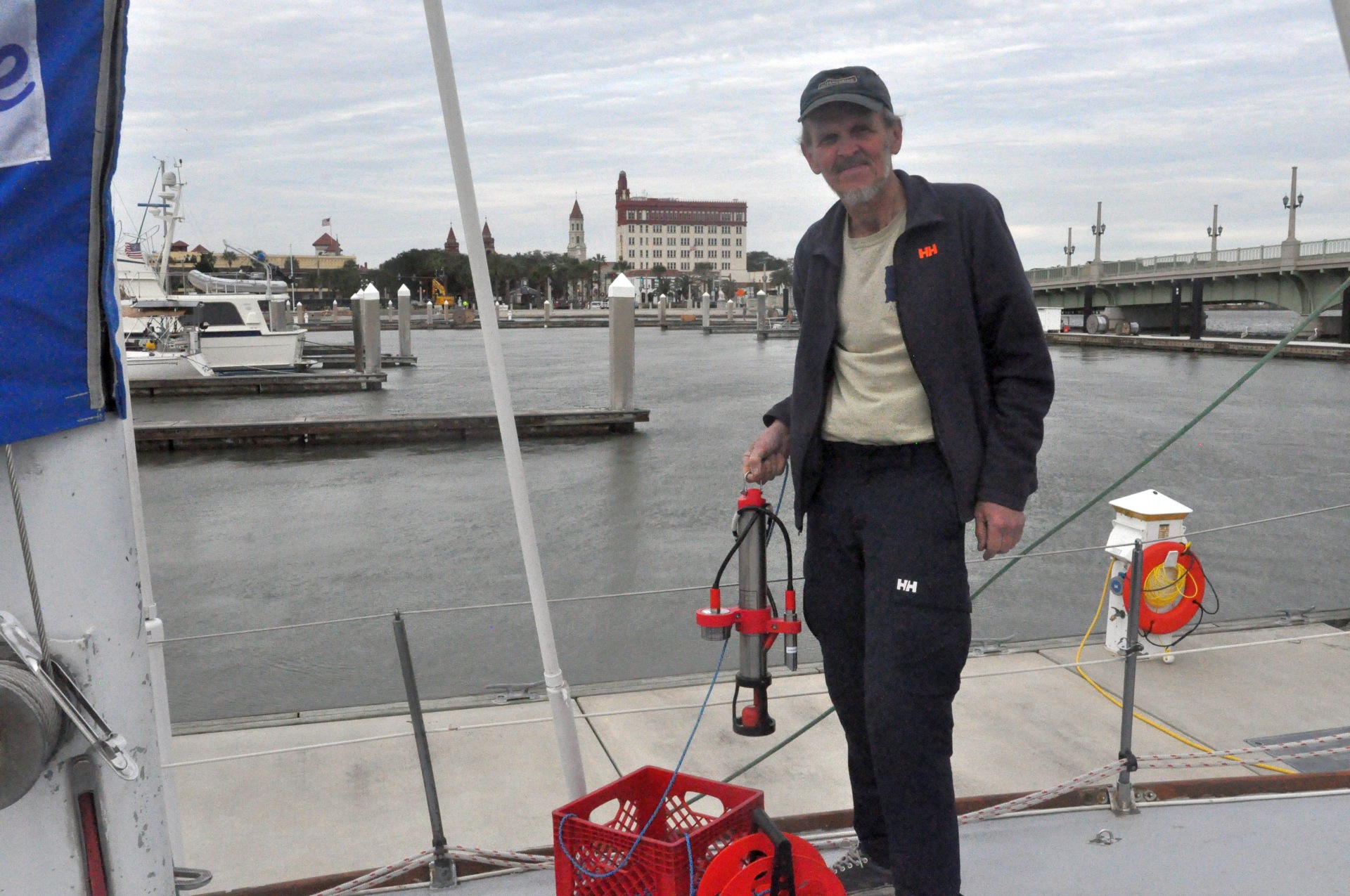
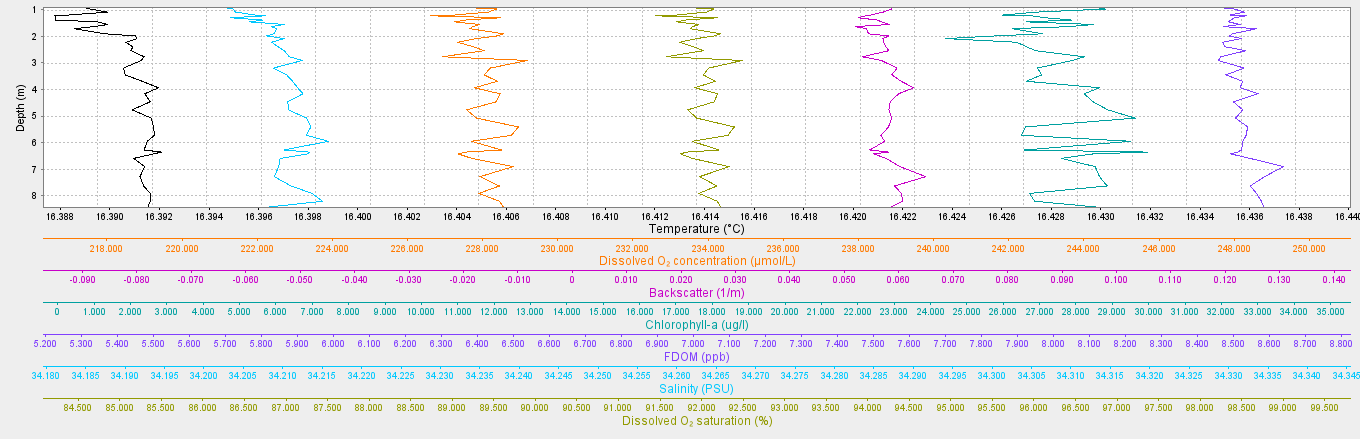
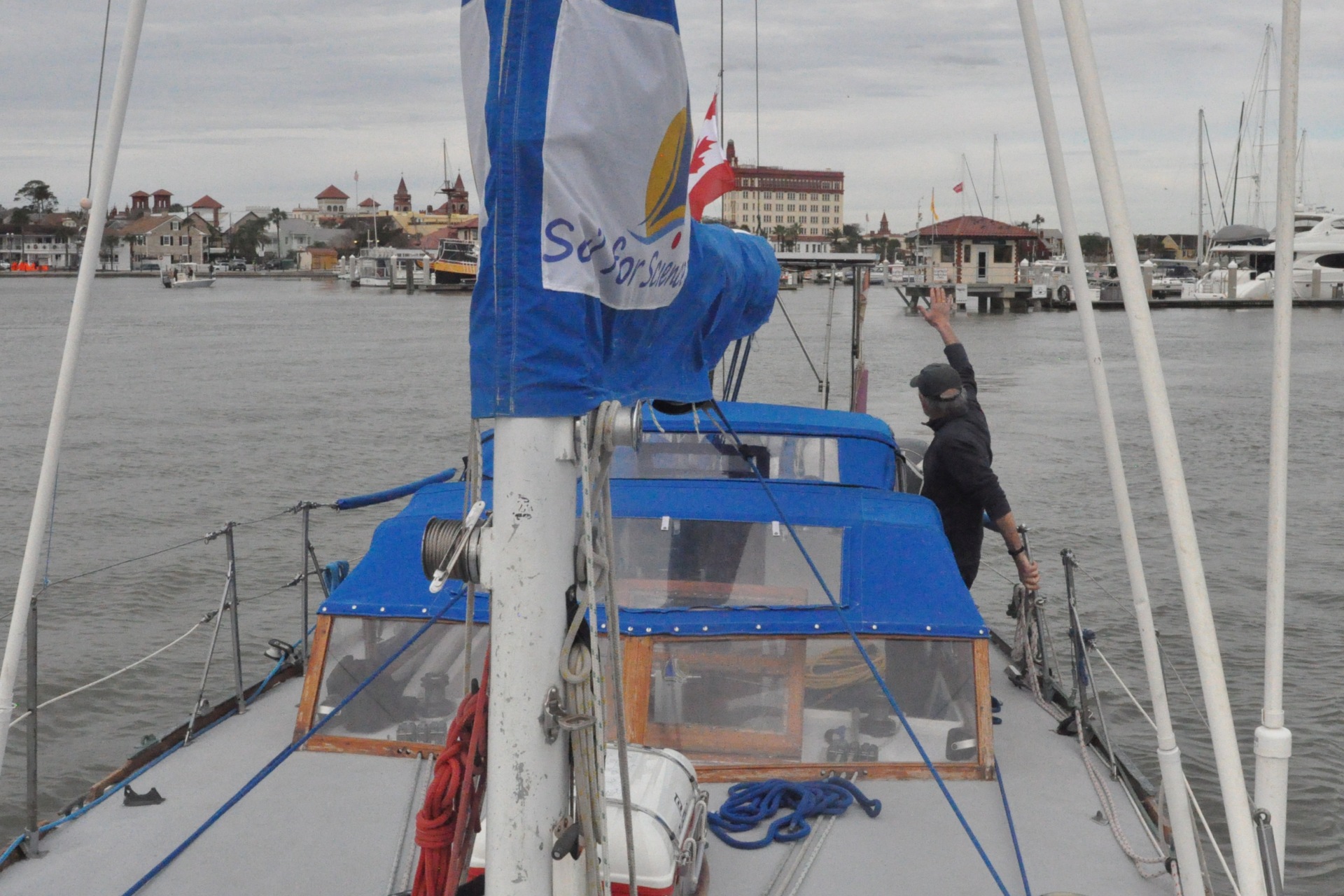
Approaching St.AugustinePassing the Bridge of LionsDocked in the Municipal Marina, first – unfolding bikesStatue of the Spanish explorer Juan Ponce de León, who comes ashore on the Florida coast, and claims the territory for the Spanish crownOld downtown Aviles StreetEdmund Kirby Smith (right) was born in this house in 1826 and Alexander H. Darnes (left) a slave of the Smith’s was born ca. 1846.Entry to the Public SchoolLightner Museum, former Hotel AlcazarCasa Monica HotelFlagler College is a private liberal arts college, former The Hotel Ponce de LeonThe Ponce de Leon RotundaAllegory of DiscoveryTiffany stained glass windowsVilla ZoraydaMemorial Presbyterian ChurchAncient City Baptist ChurchThe Castillo de San Marcos is the oldest masonry fort in the continental United StatesCTD cast in the marinaPlot of CTD cast dataGoodbye, St.Augustine!
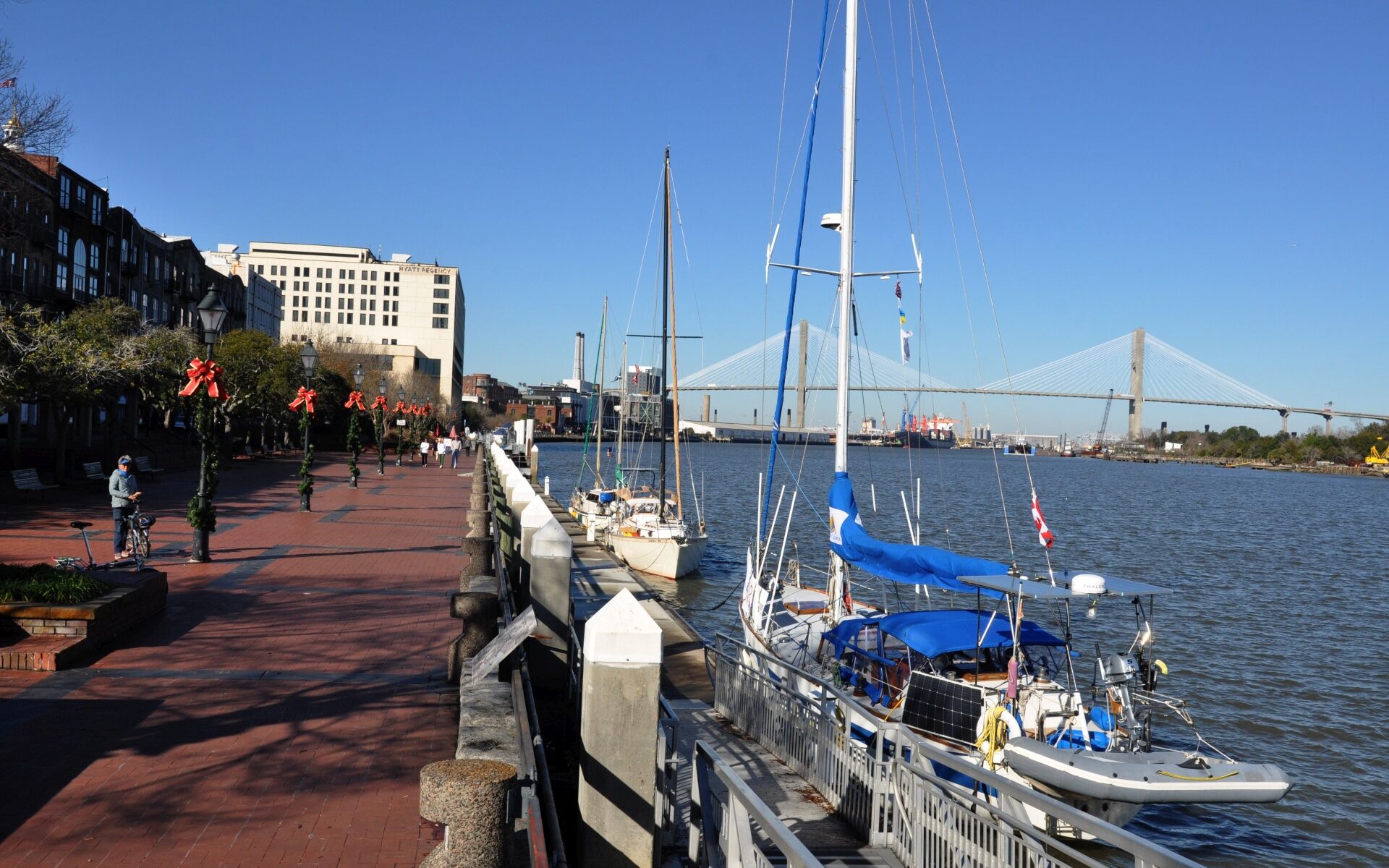
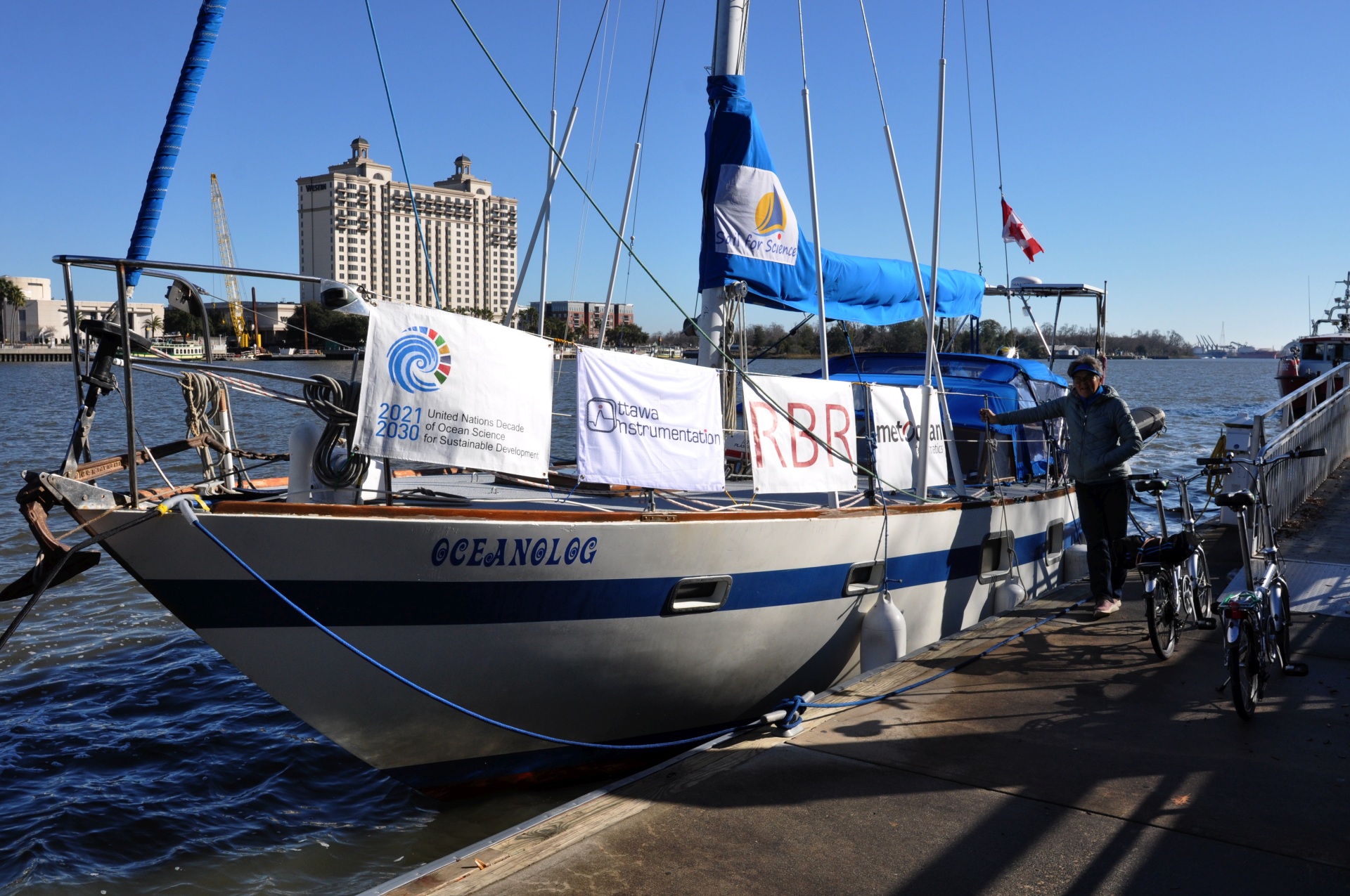
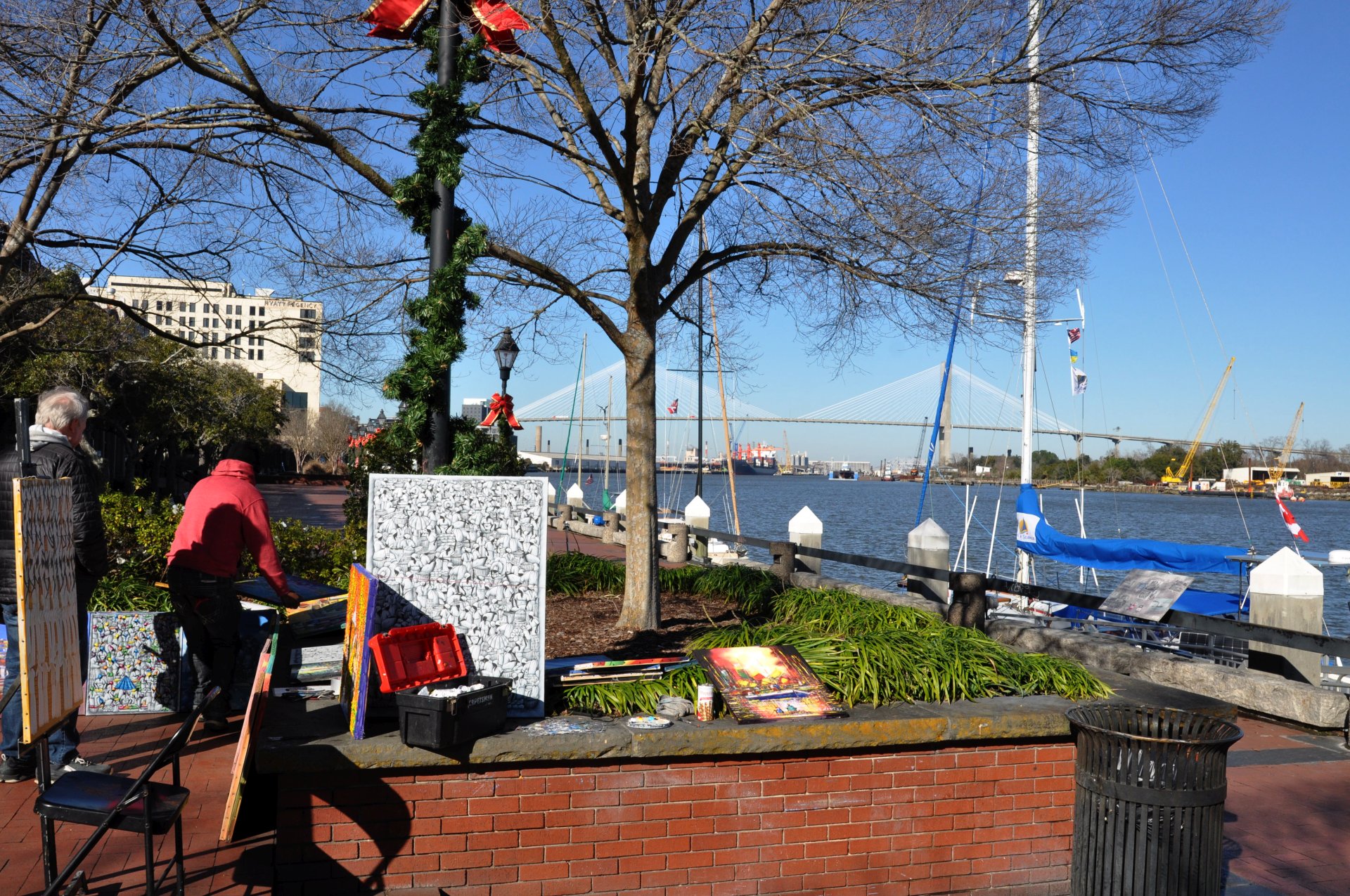
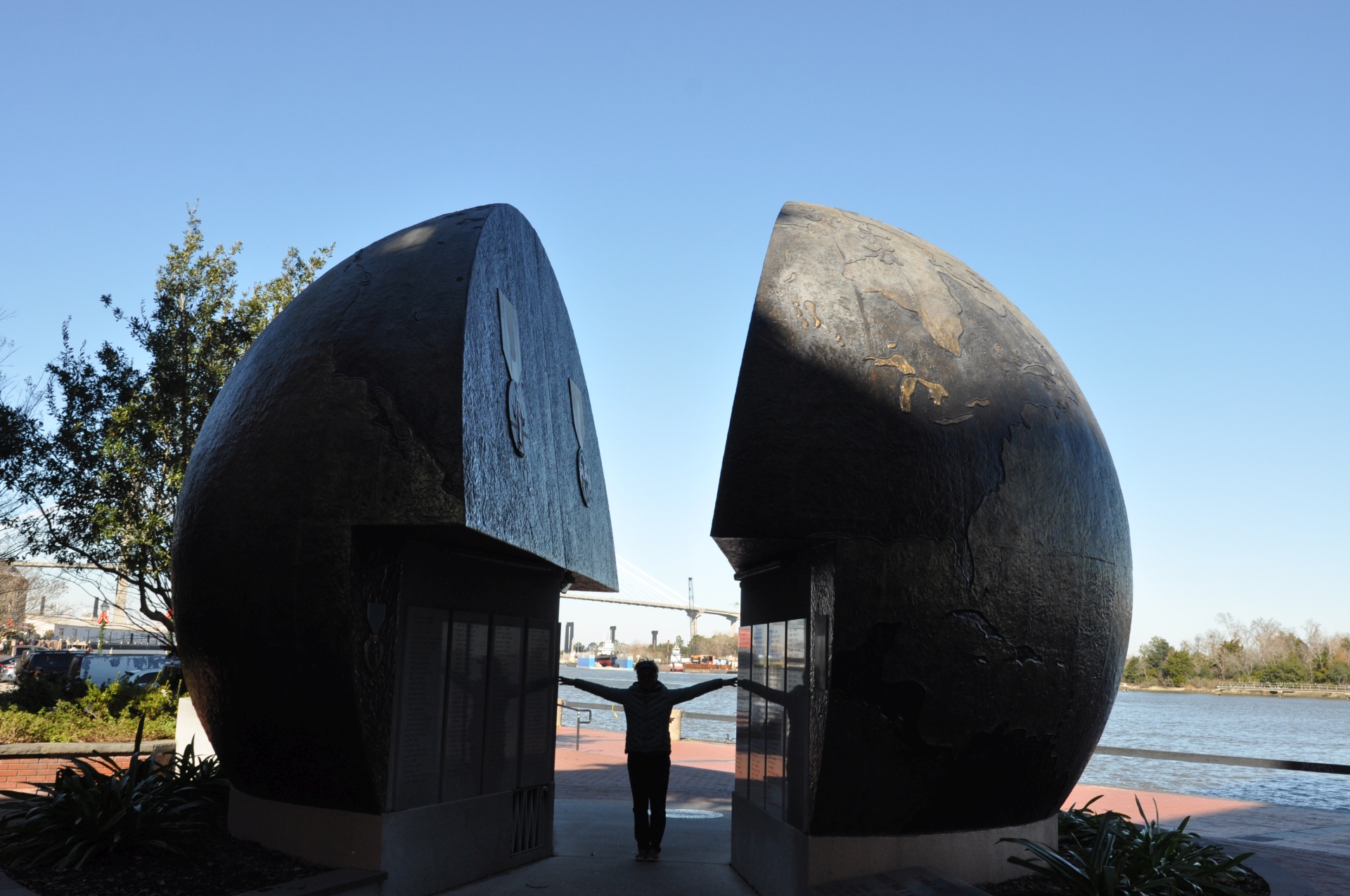
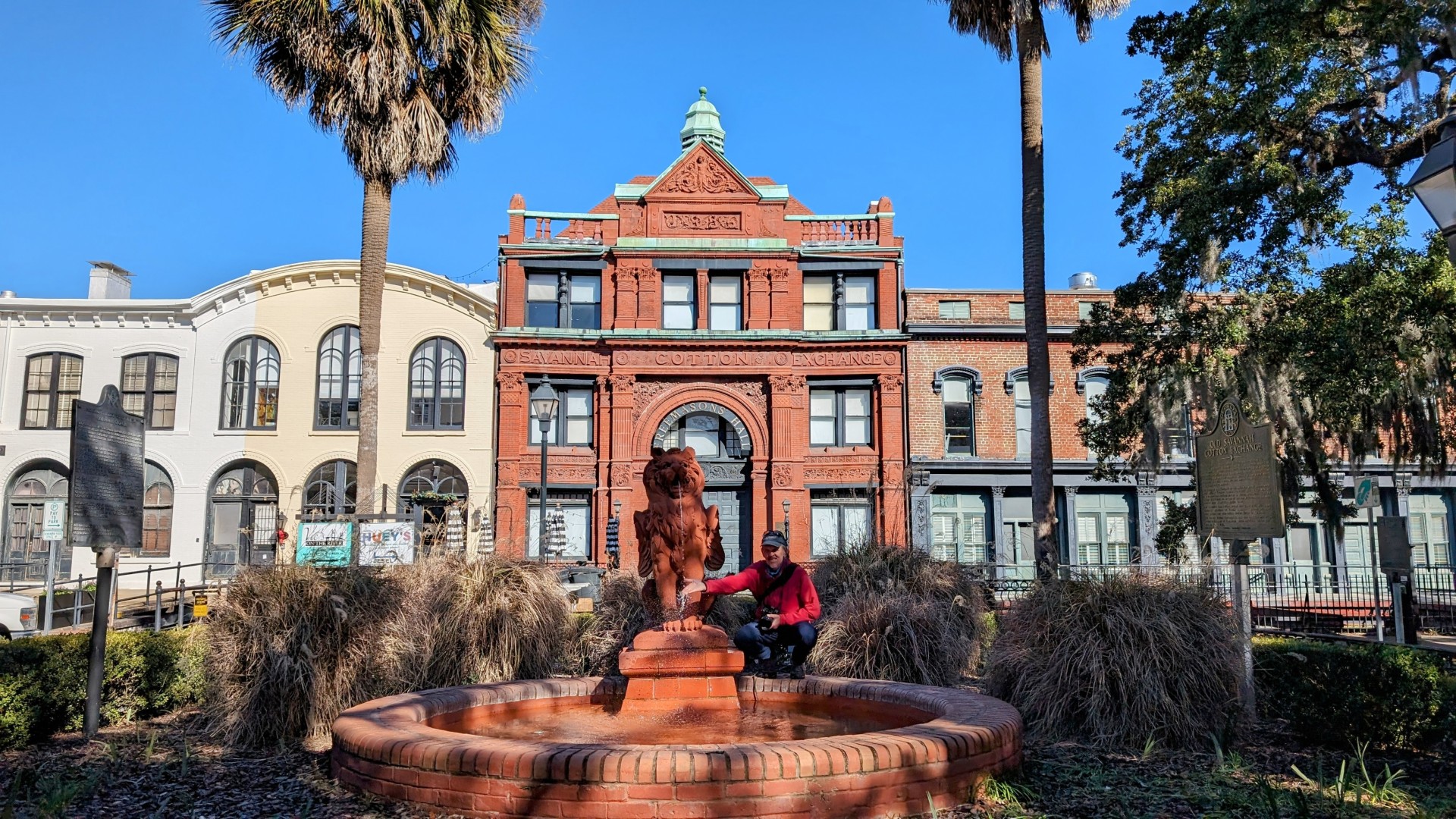
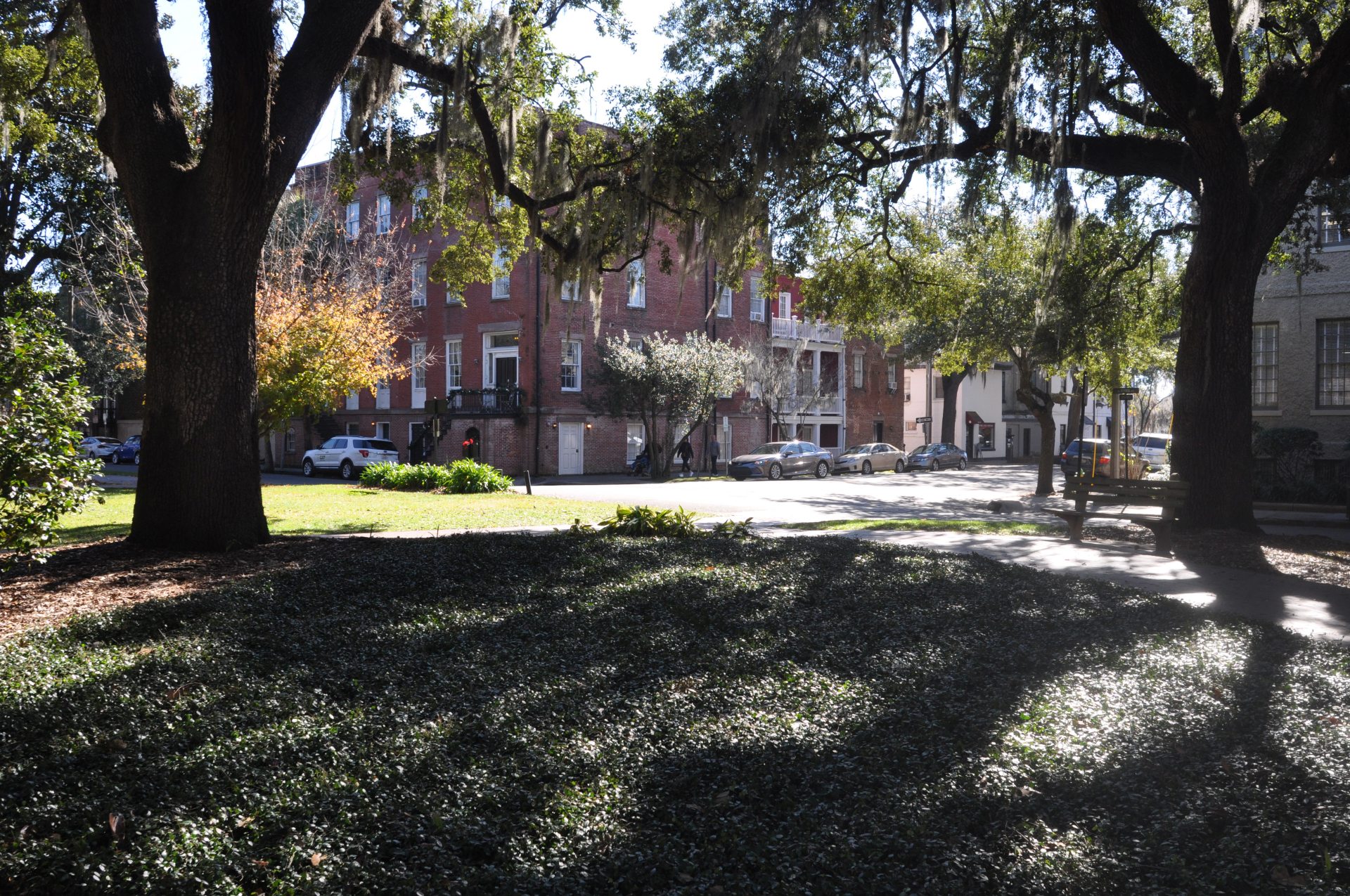
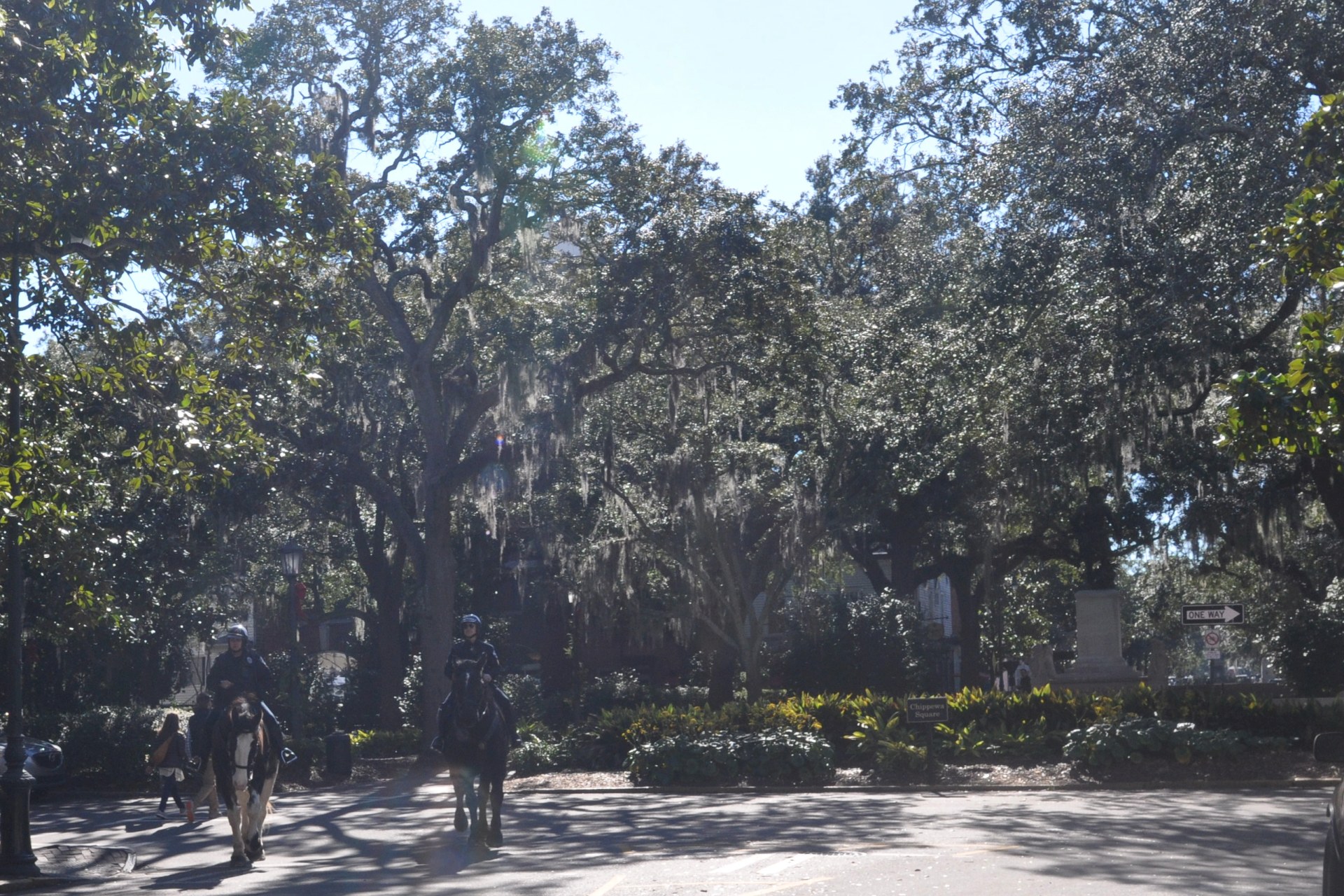
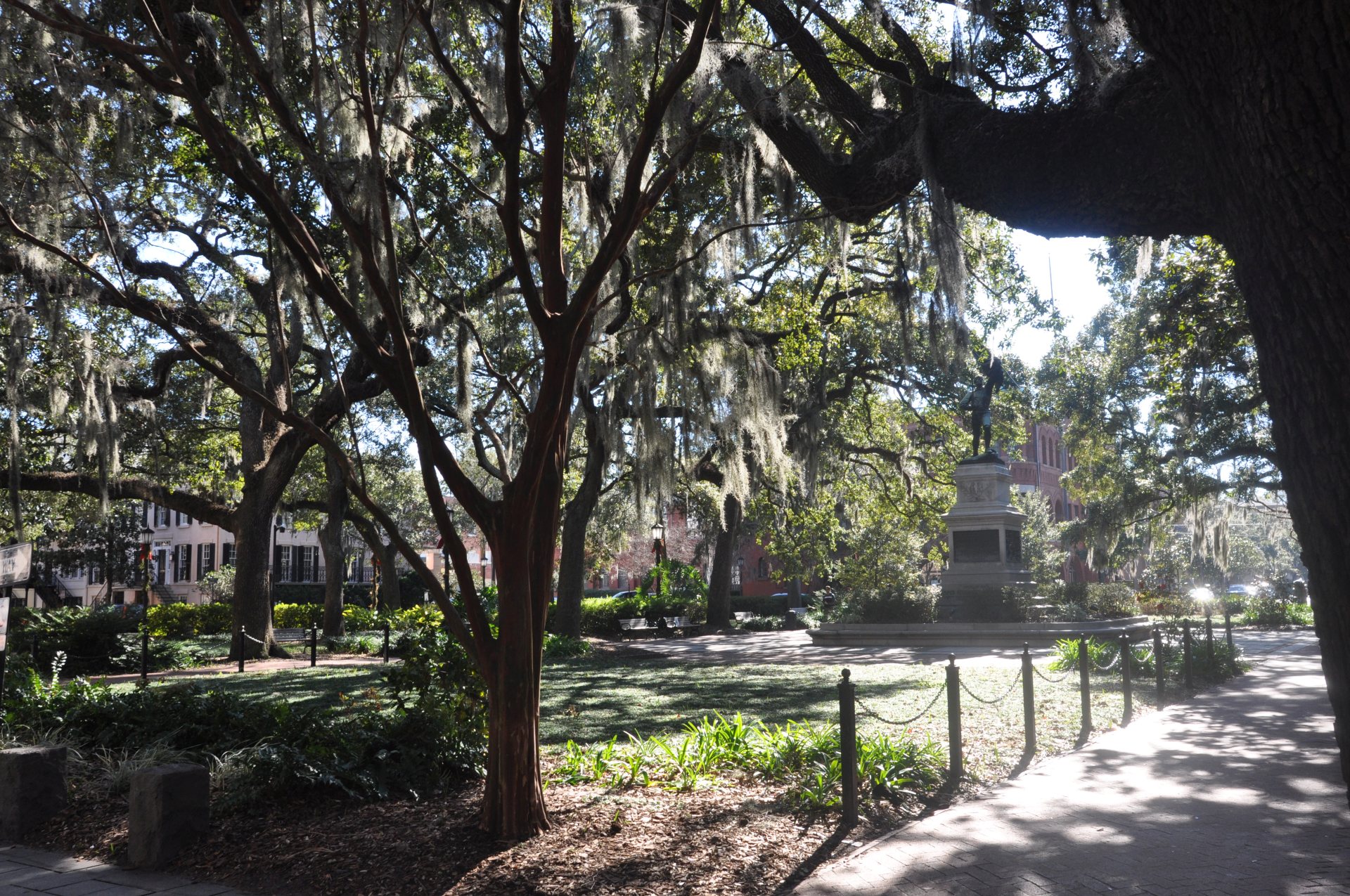
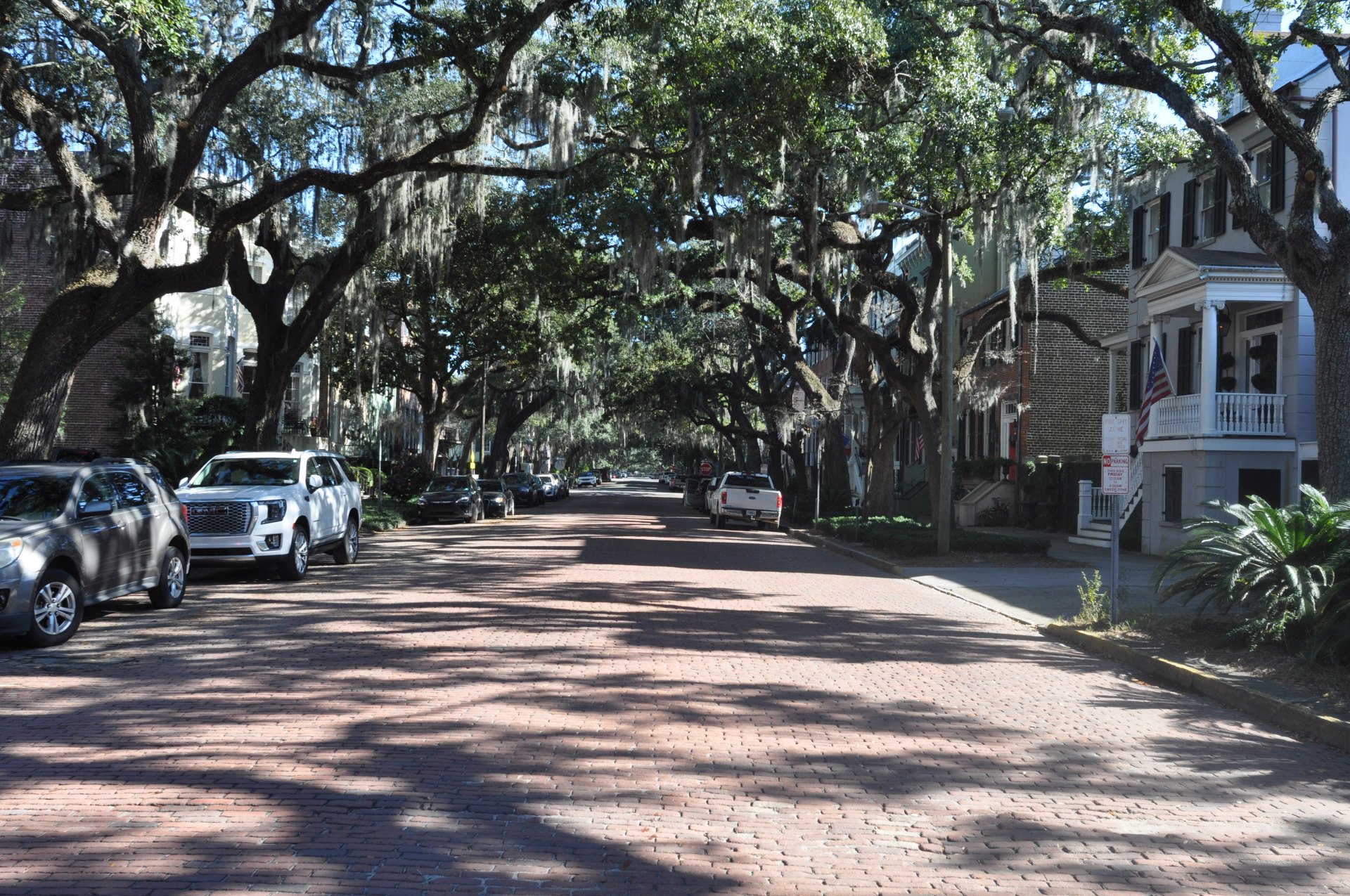
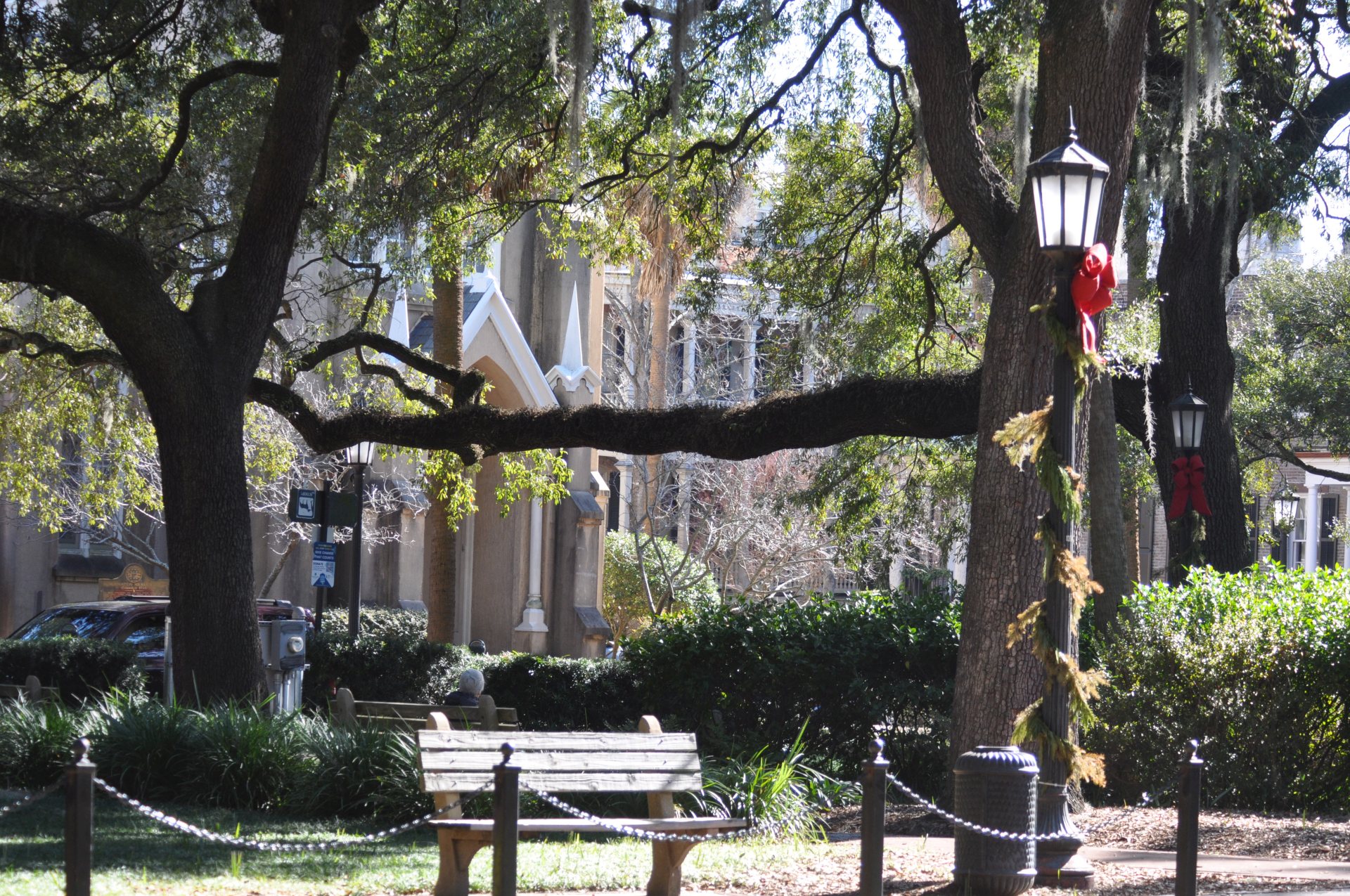
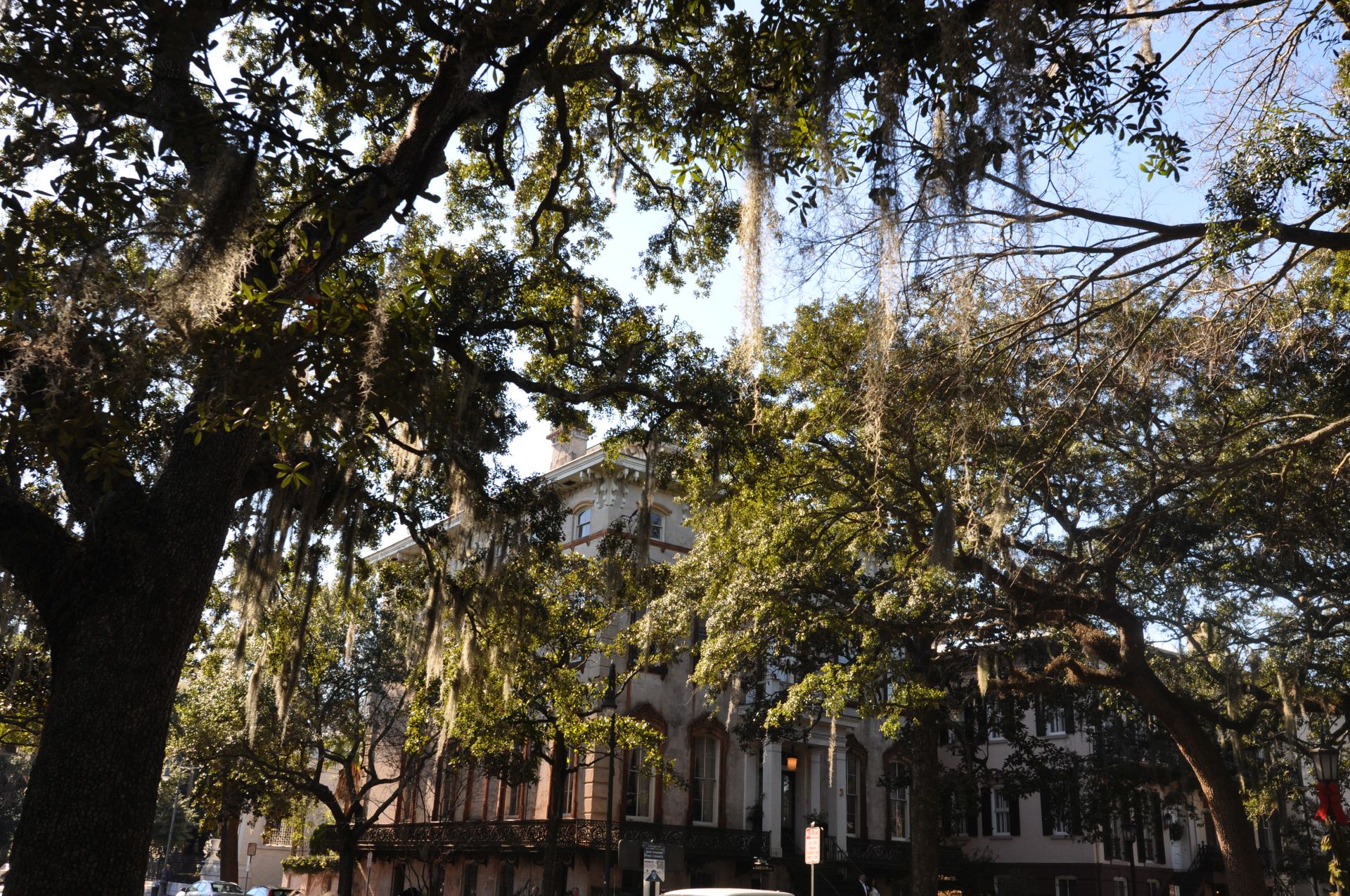
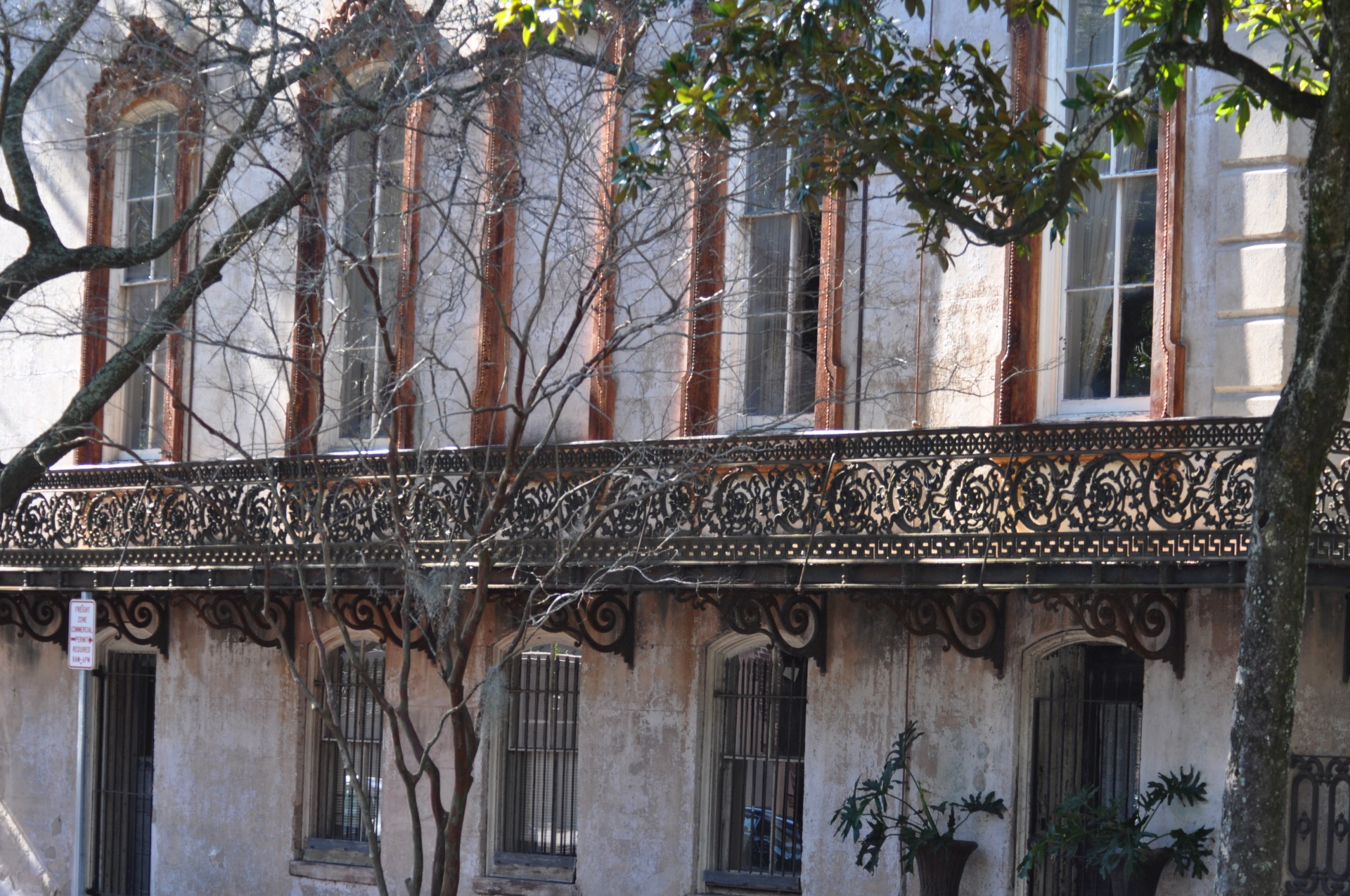
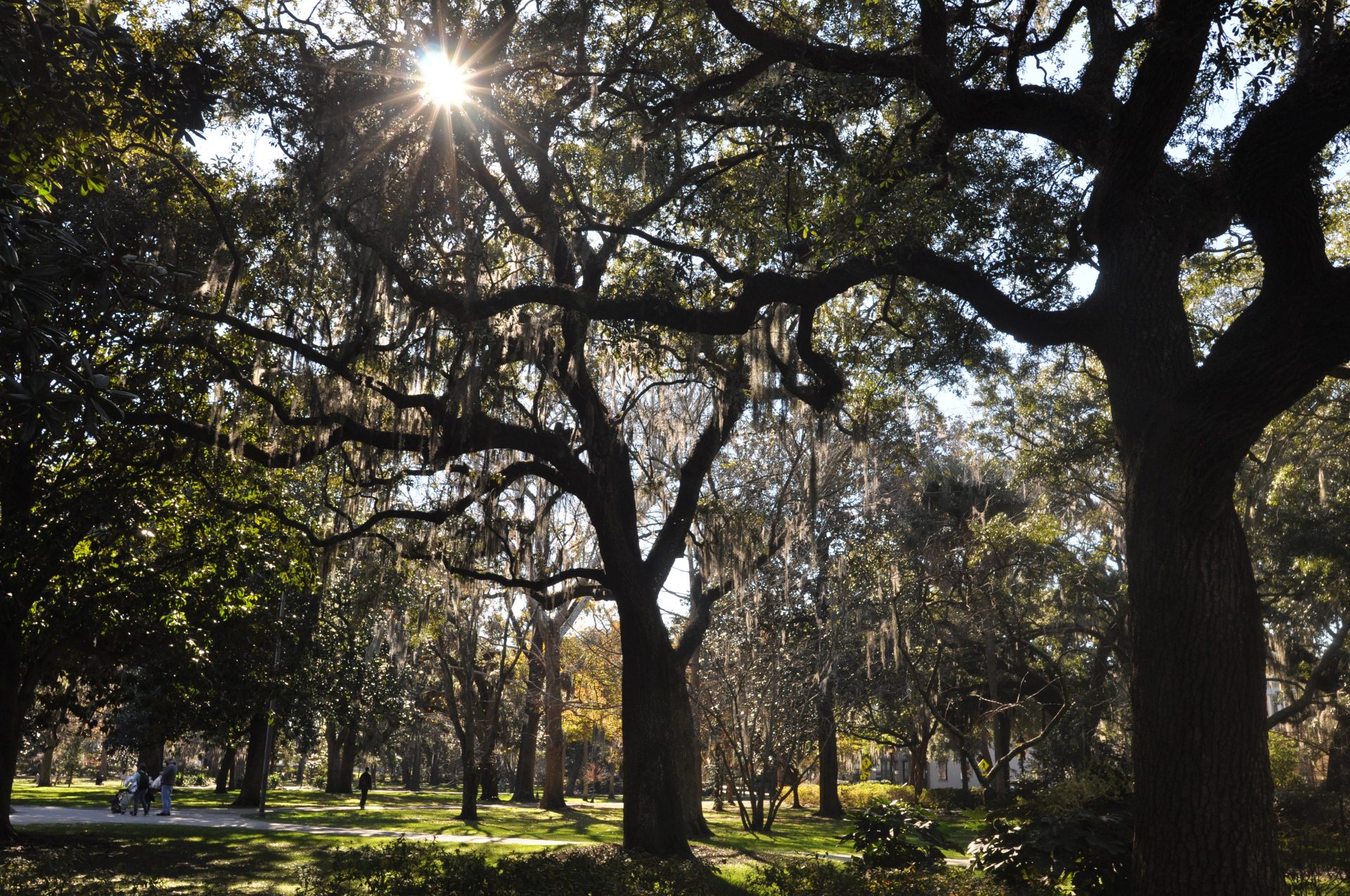
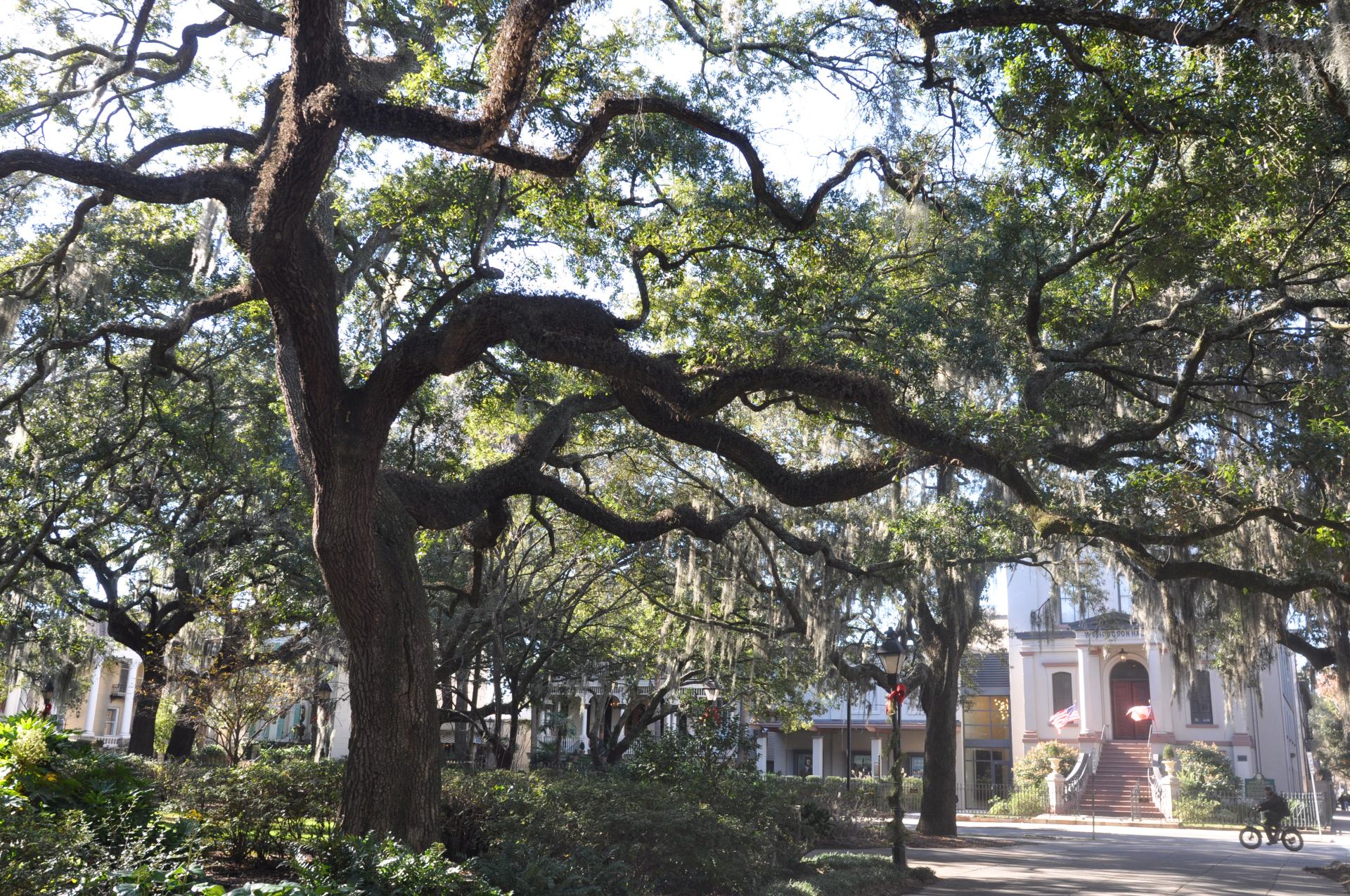
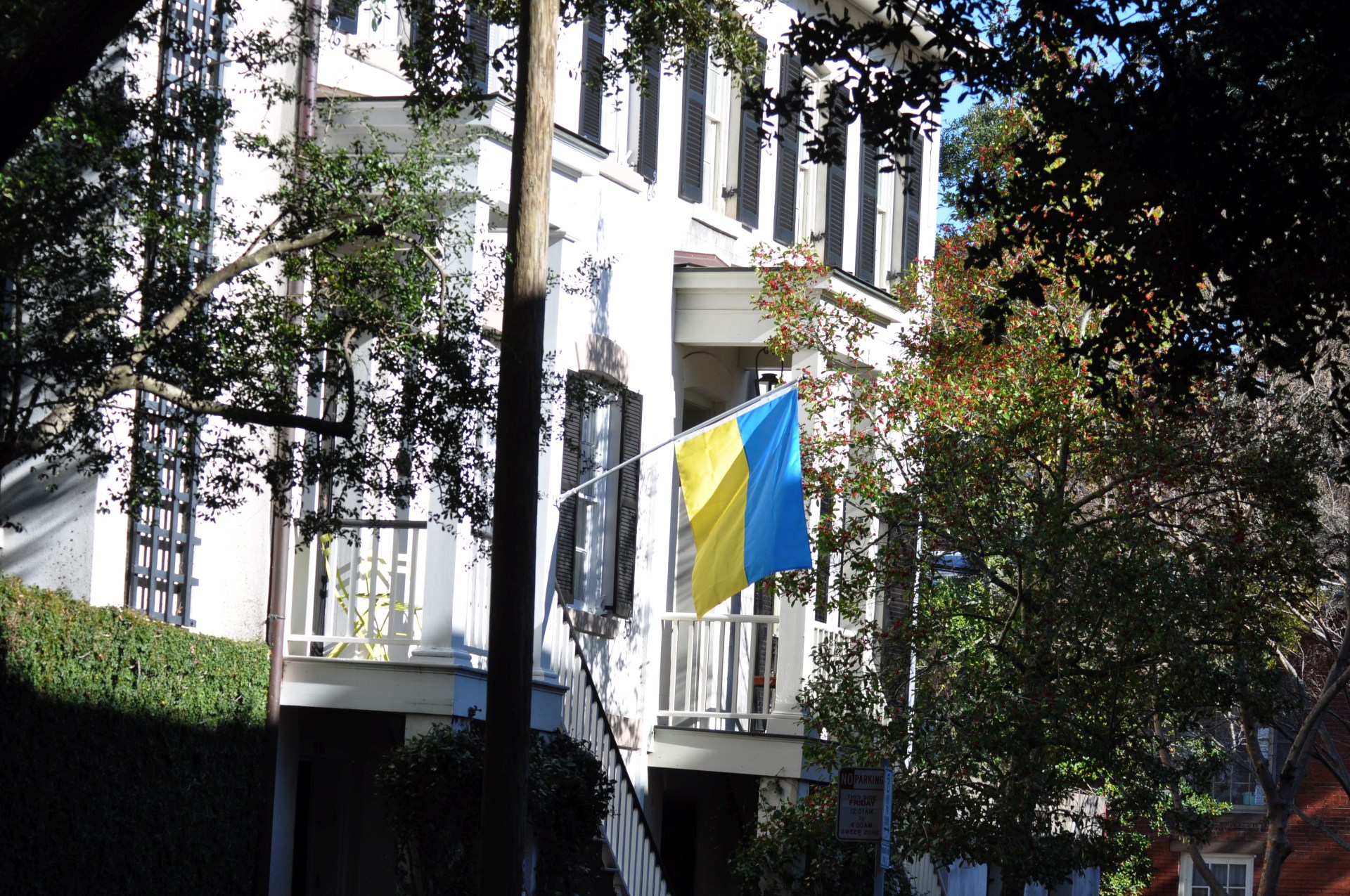
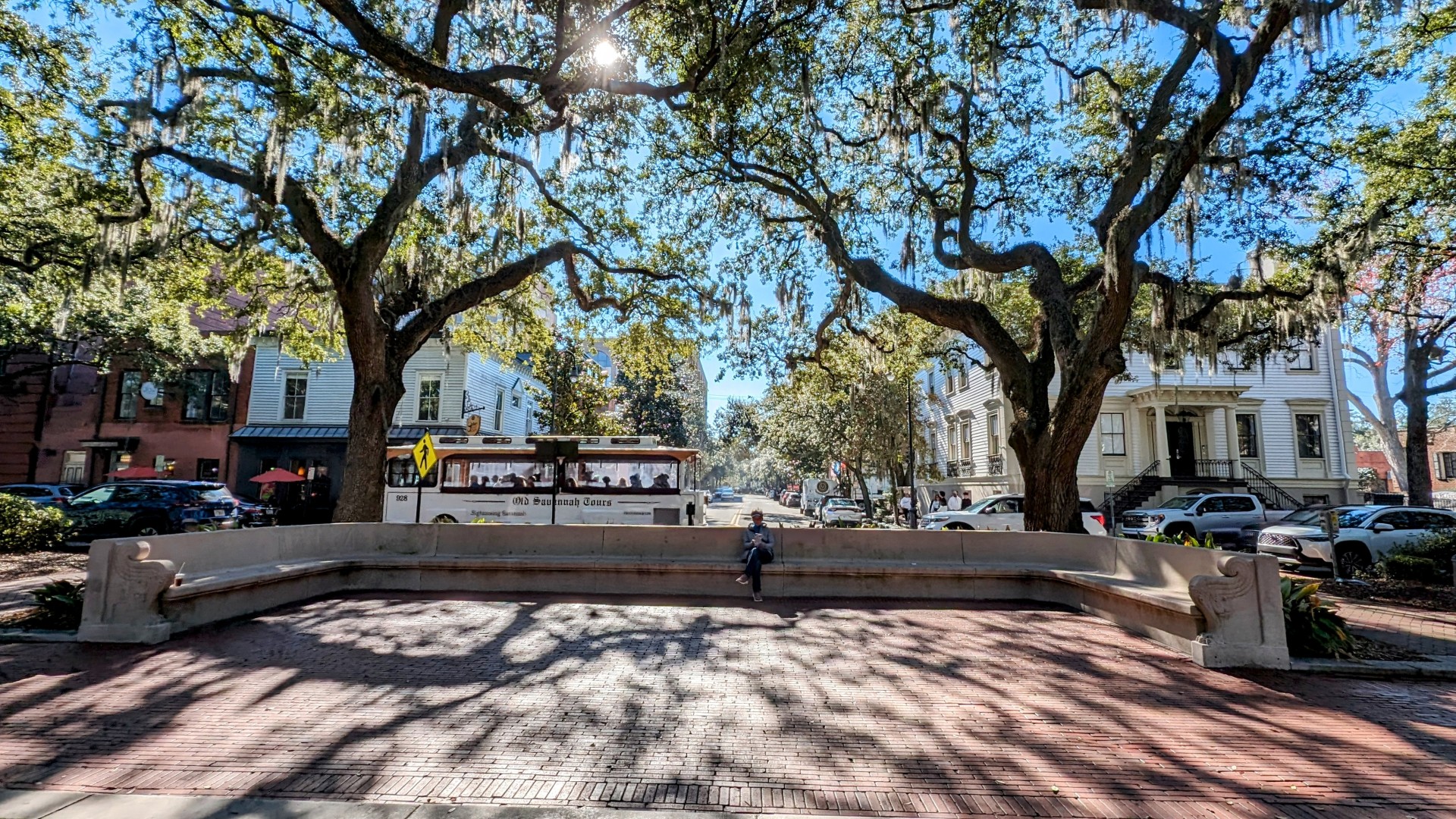
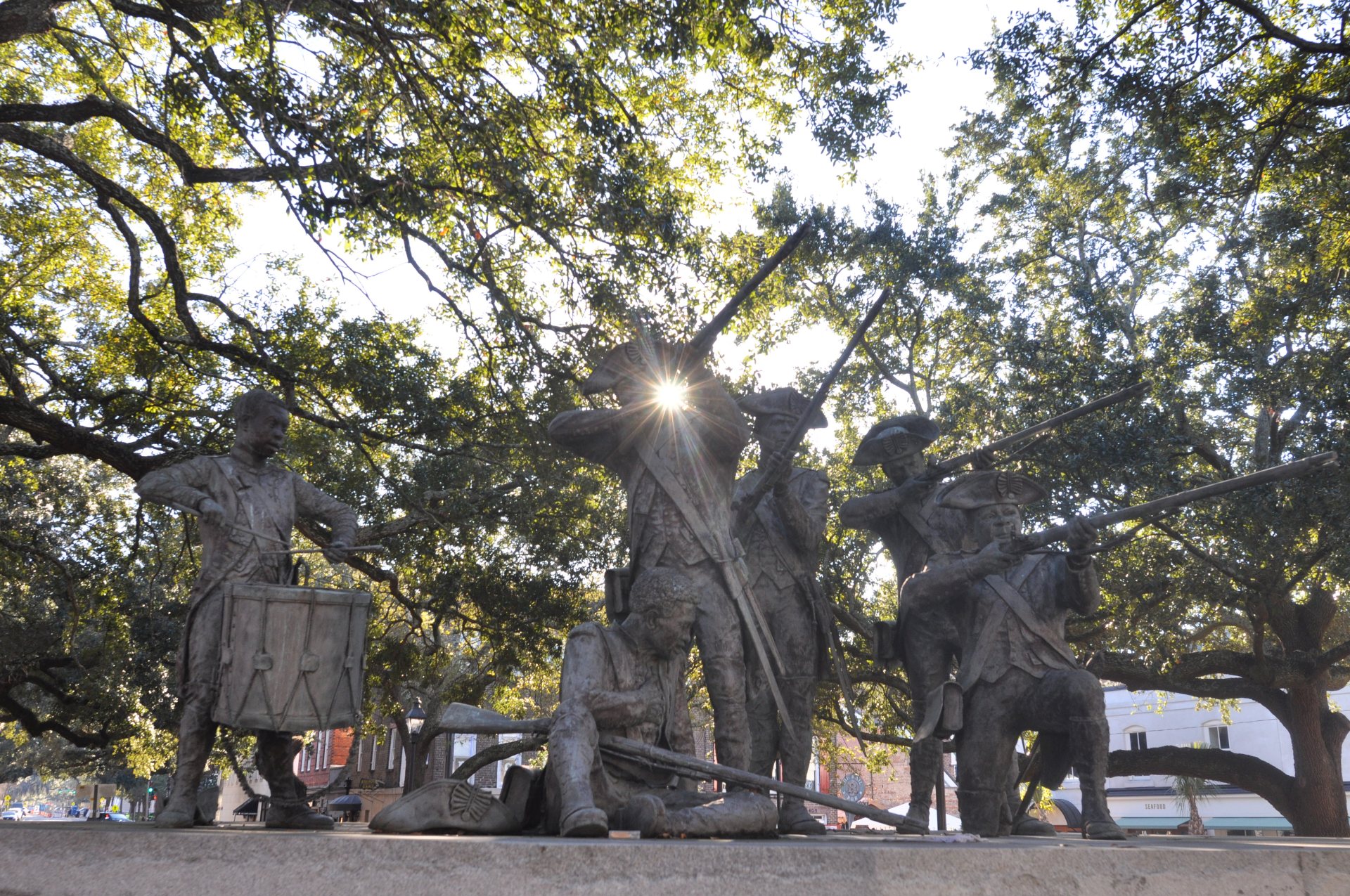
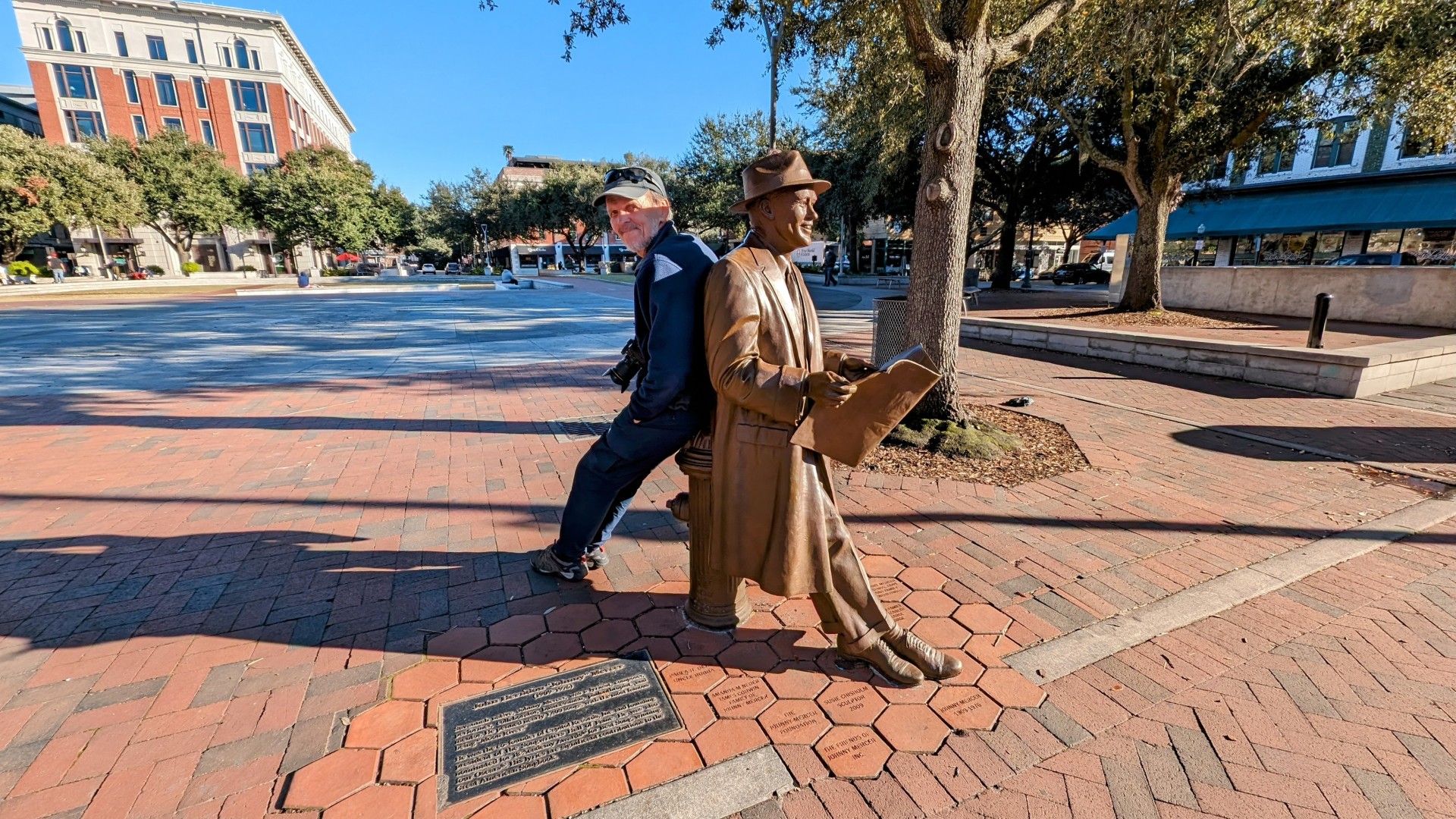
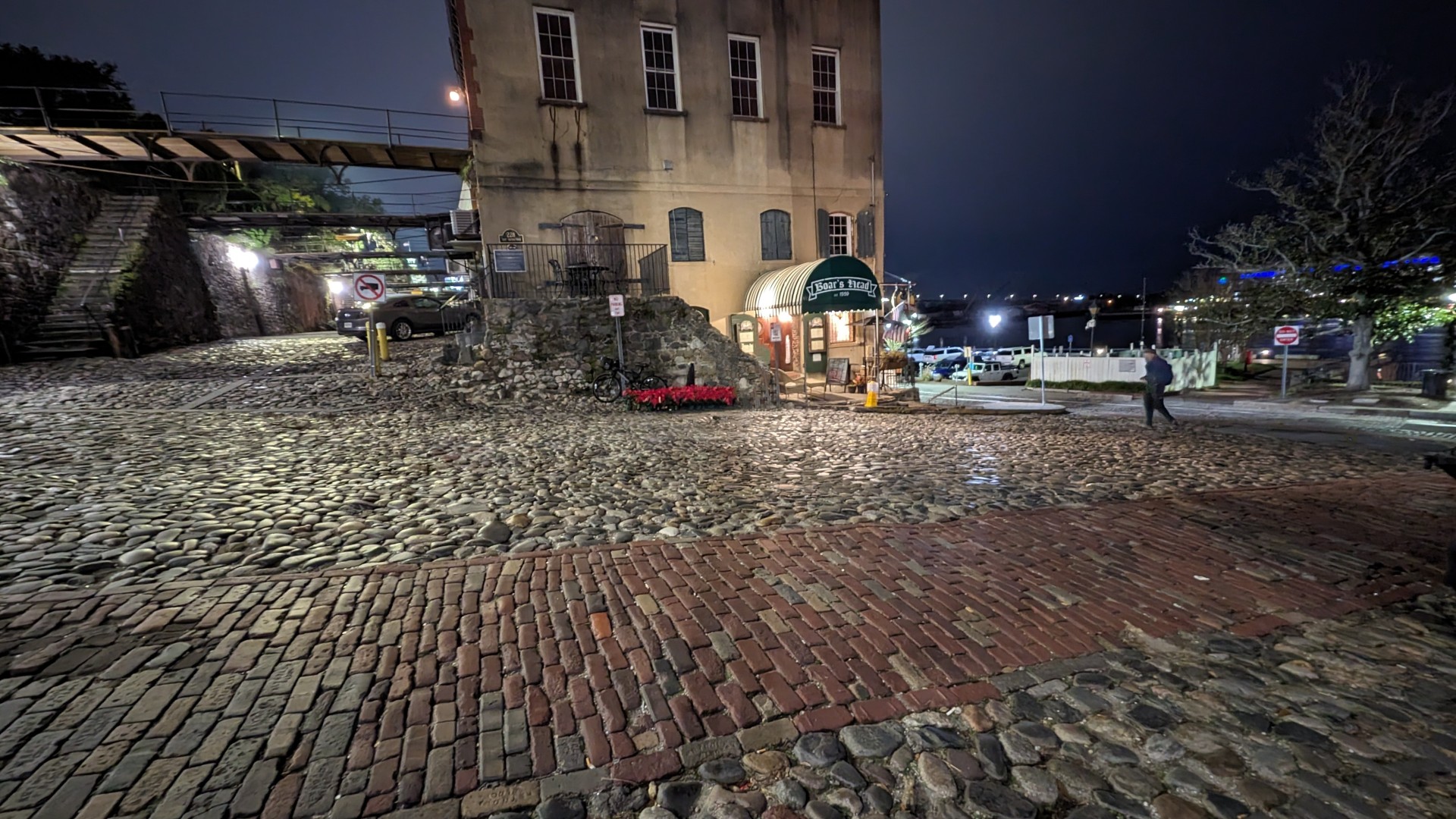
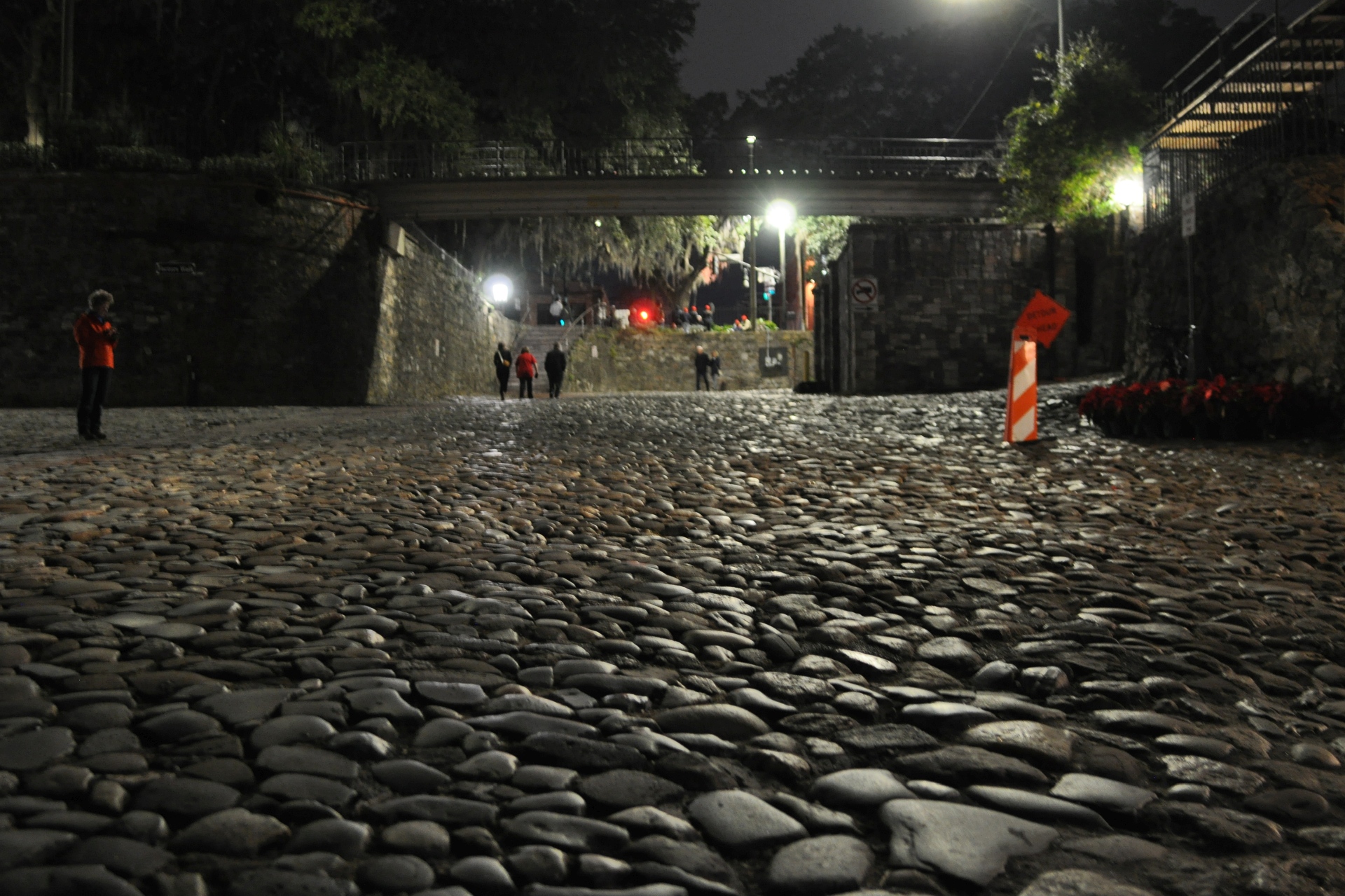
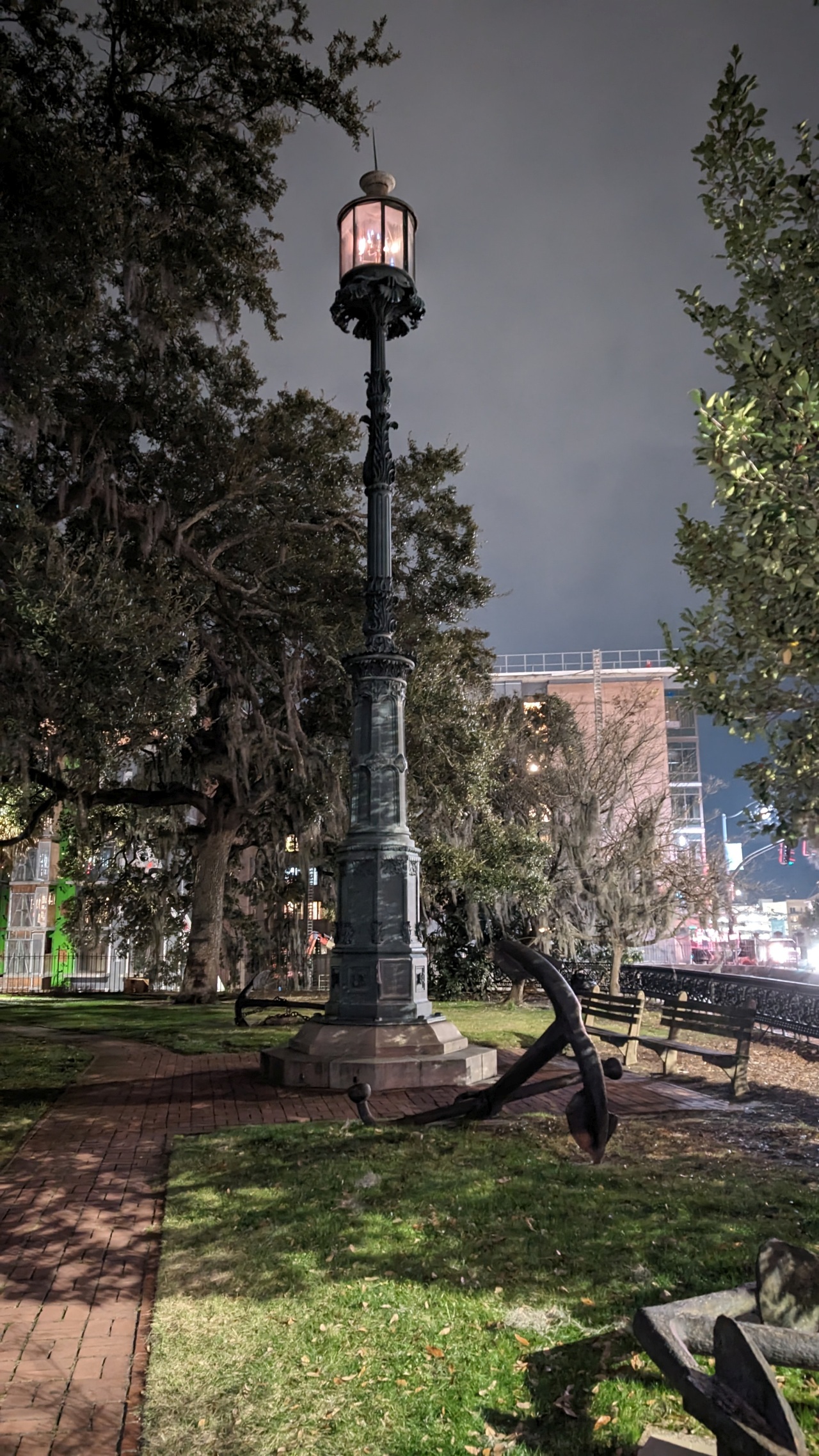
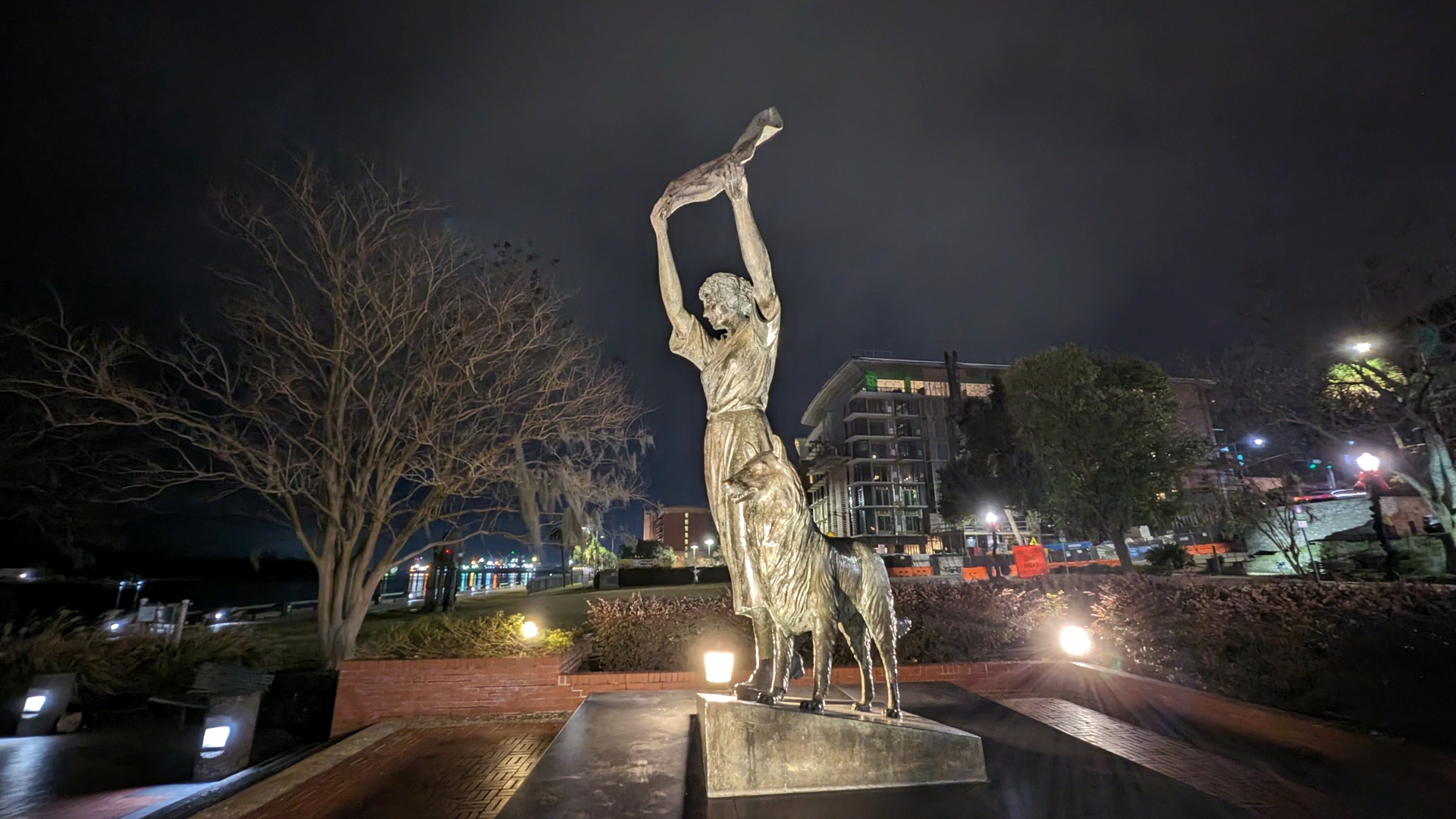
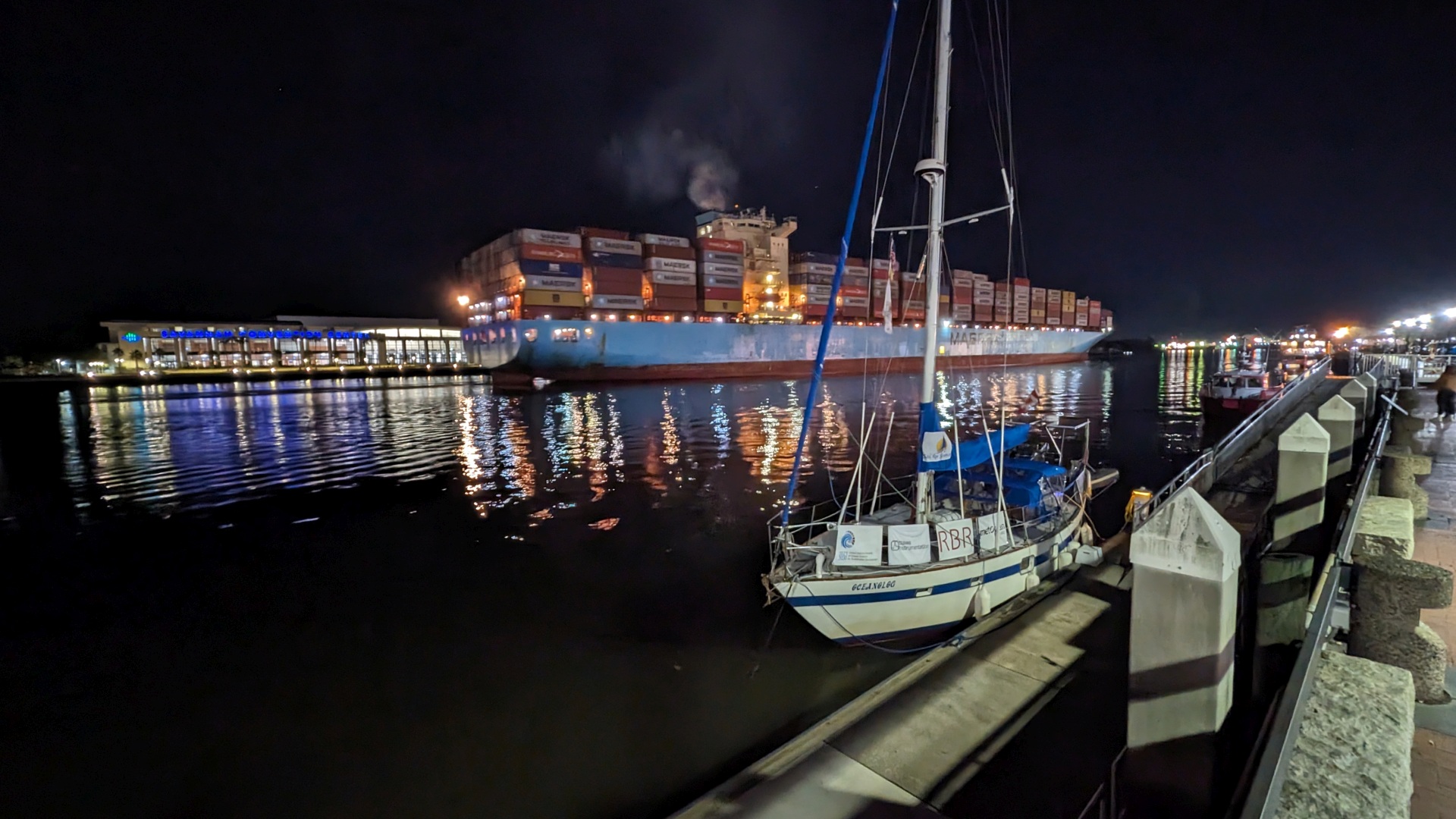
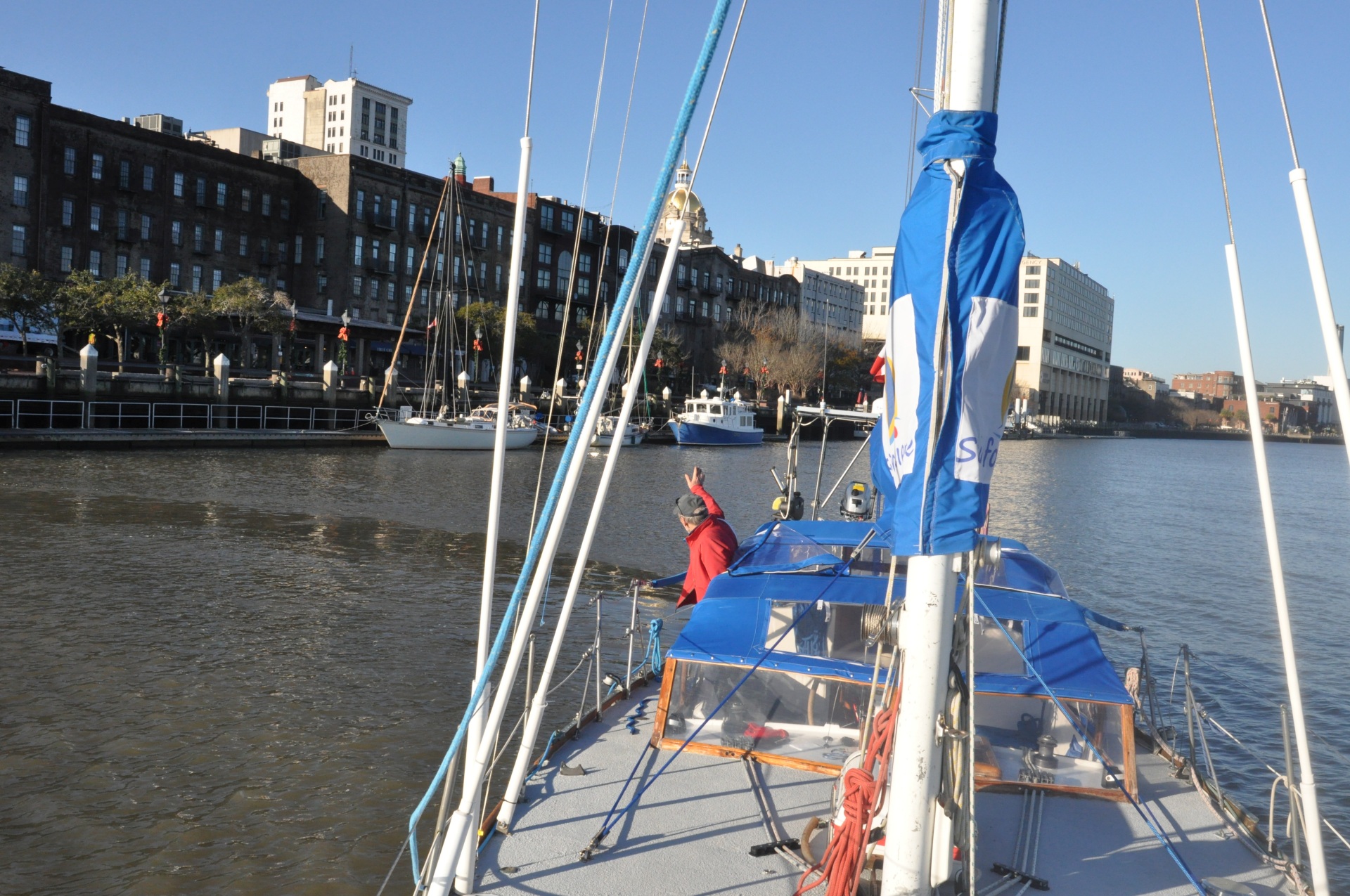
After spending three delightful days in beautiful Charleston, we arrived in Savannah with the intention of going for a night stroll and leaving the next morning. However, we fell in love with this city at first glance. Savannah is one of the most charming cities we’ve visited in the US. It may be relatively small, but it’s bursting with history, charm, and art. The city is meticulously planned, giving it a distinctive spirit. Every few blocks, there is a little green oasis with live oaks draped with Spanish moss.
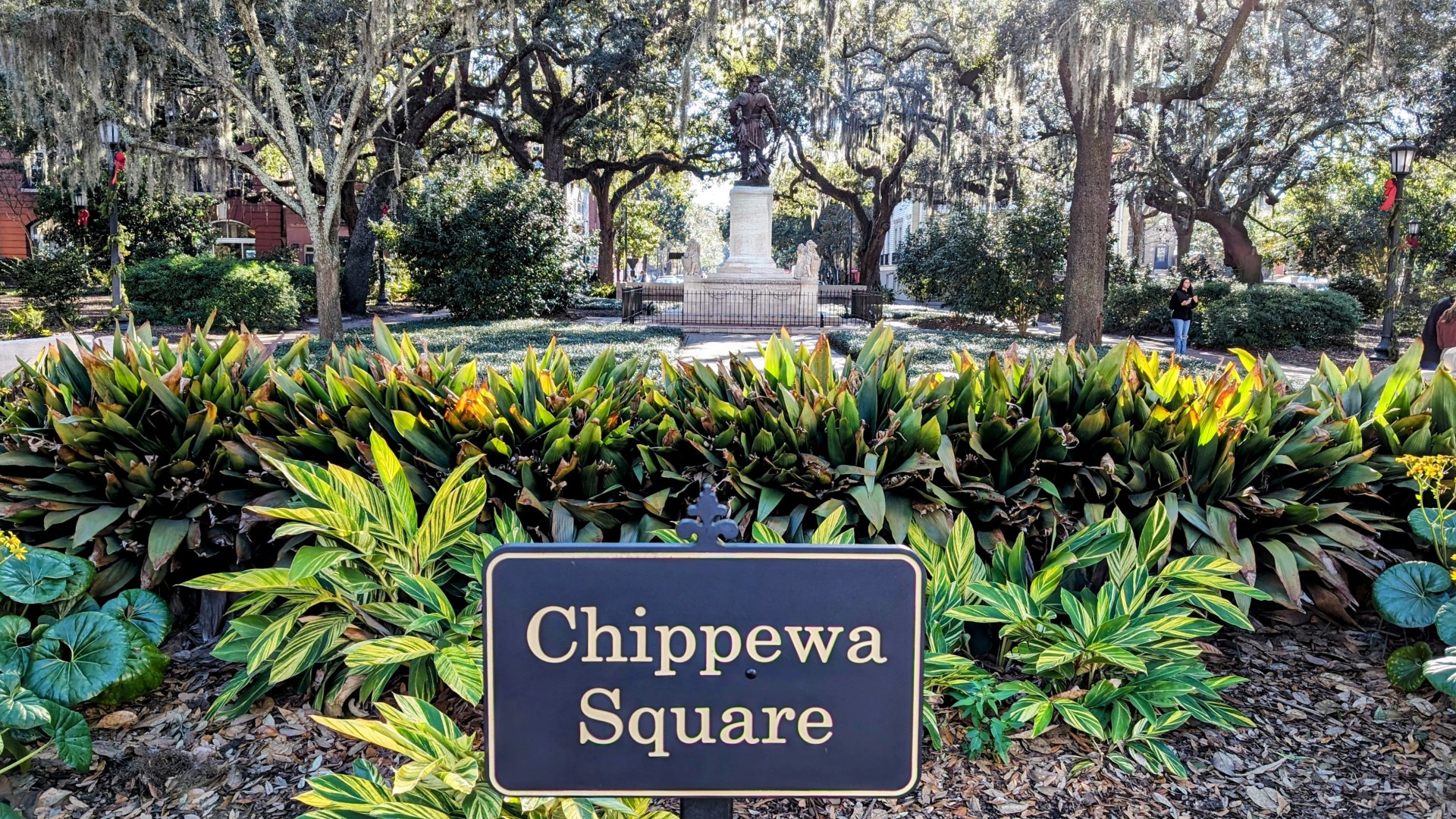
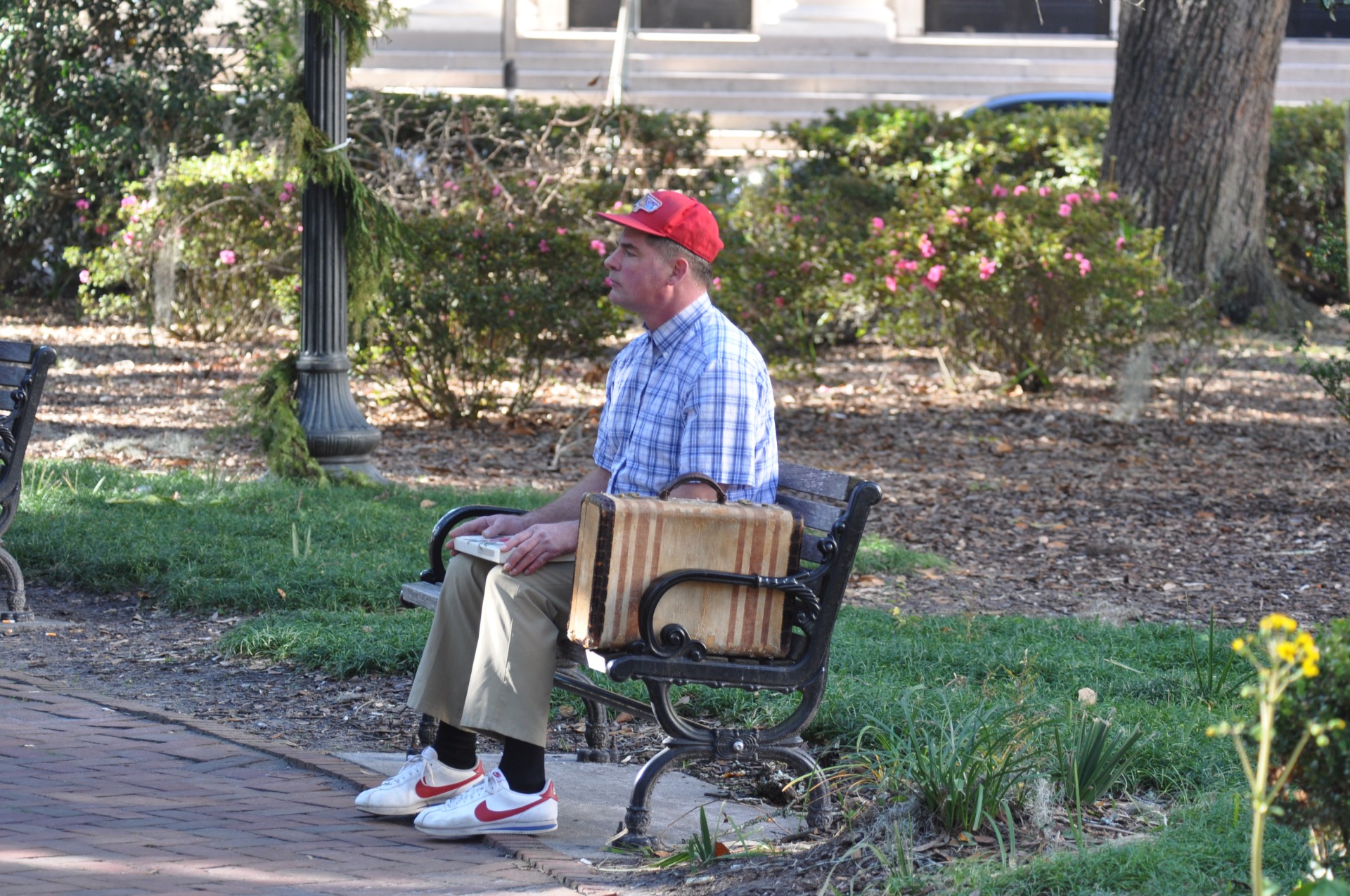
General James Edward Oglethorpe founded Savannah in 1733, designing it as a series of neighborhoods centered around 24 squares. Chippewa Square, at the heart of the downtown historic district, gained fame in the movie “Forrest Gump.” Tom Hanks, who plays Forrest, sits on a park bench in this square for about 80% of the film, sharing his life story with anyone who will listen.
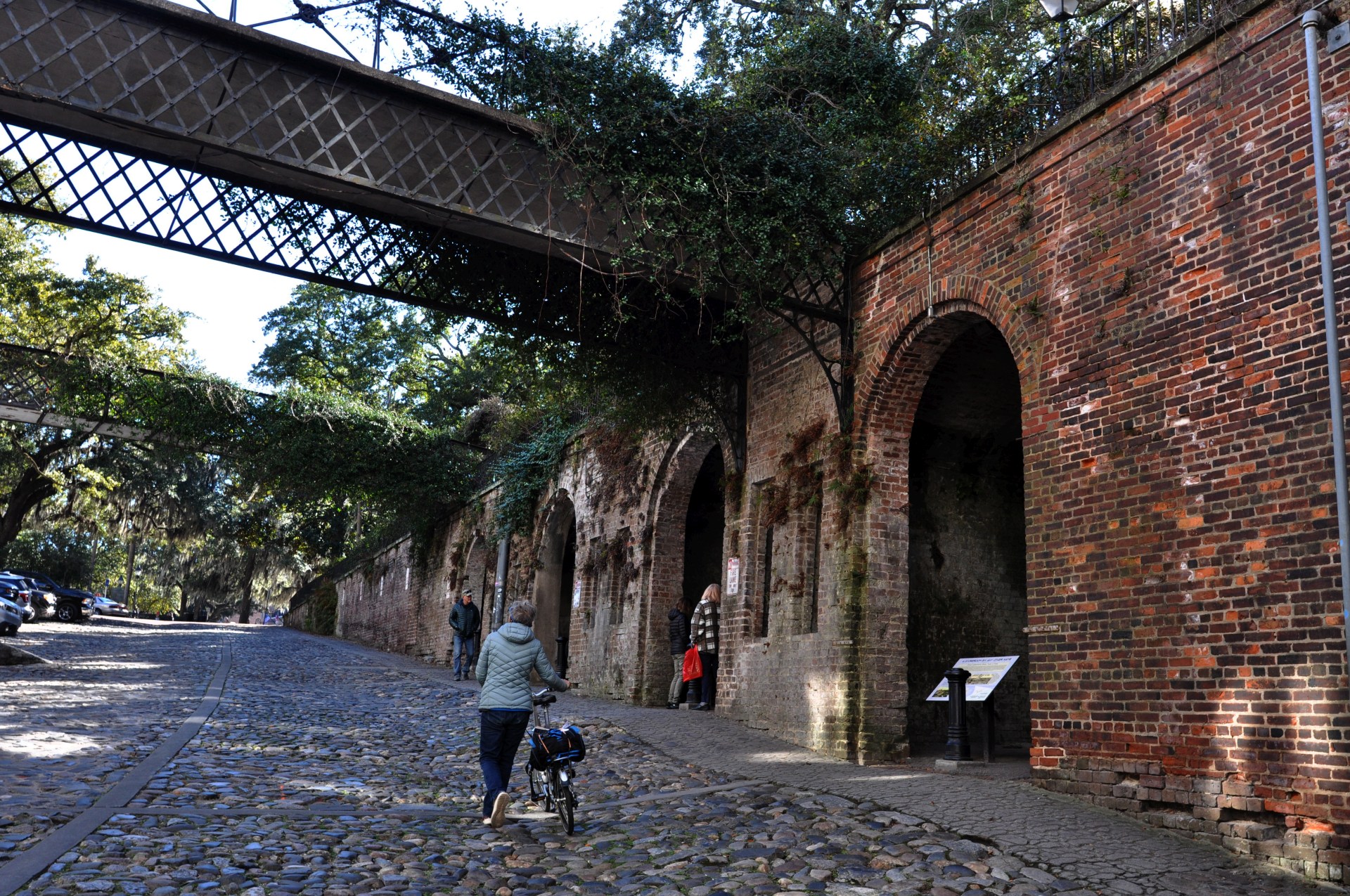
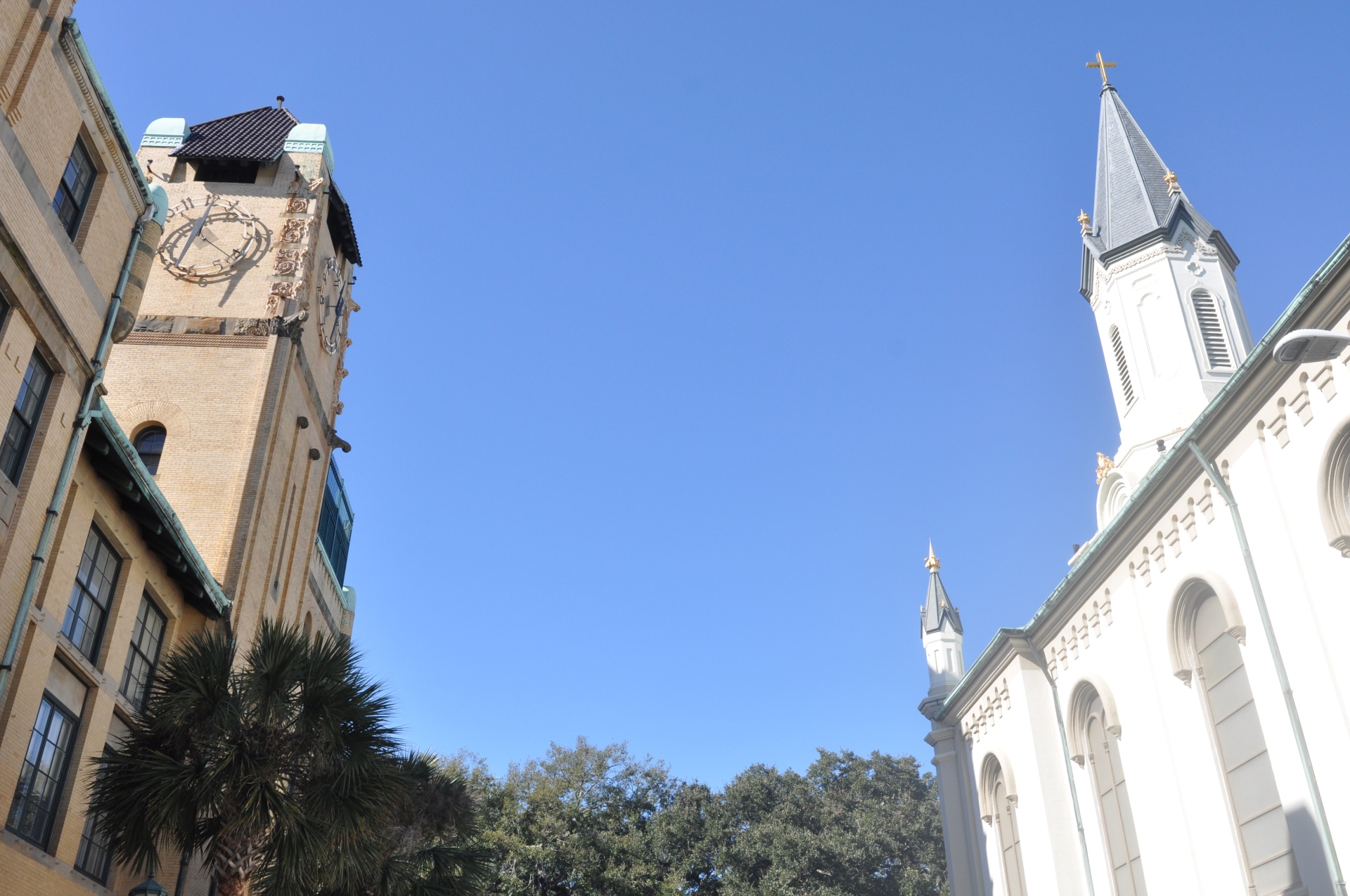
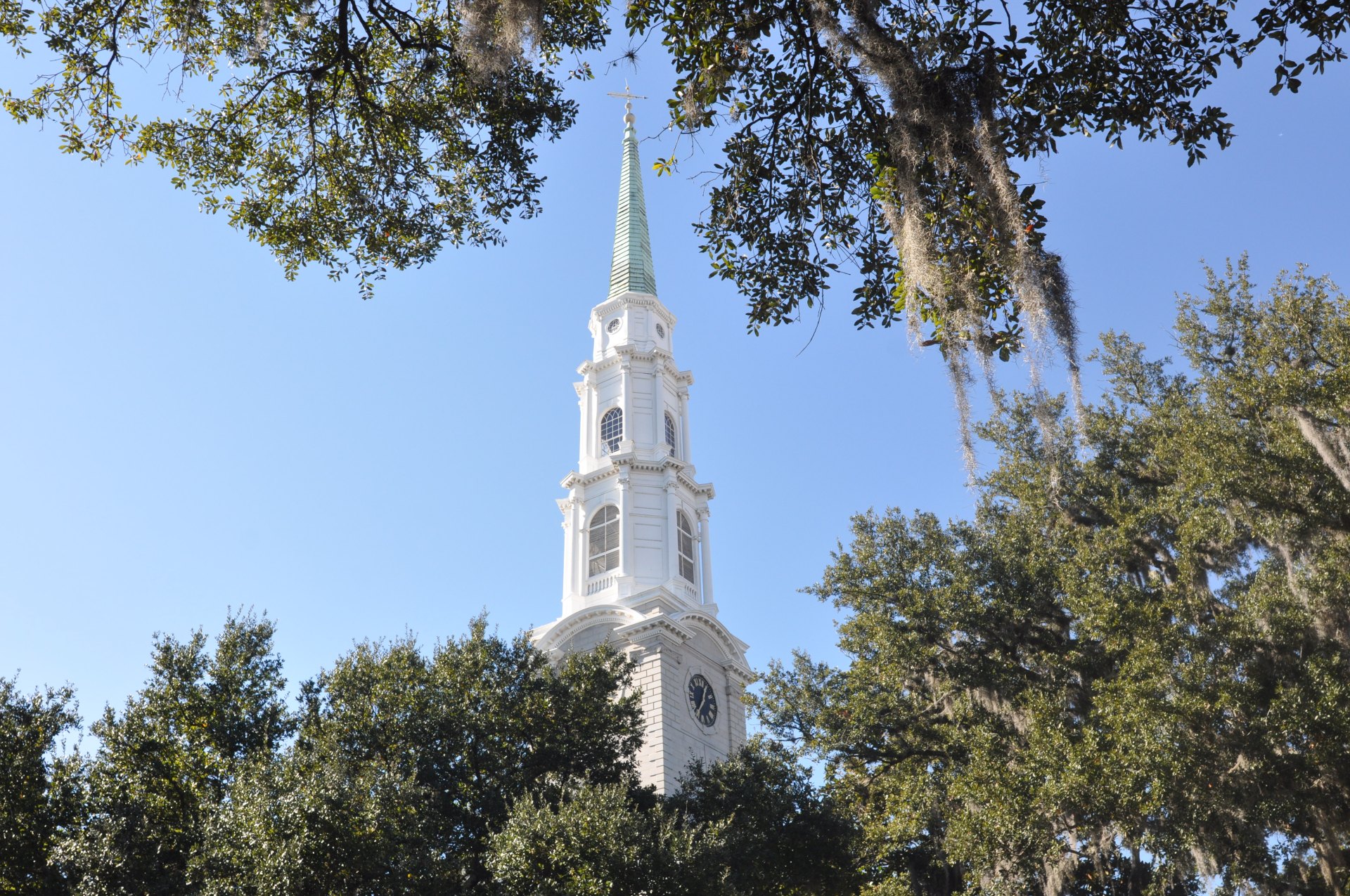
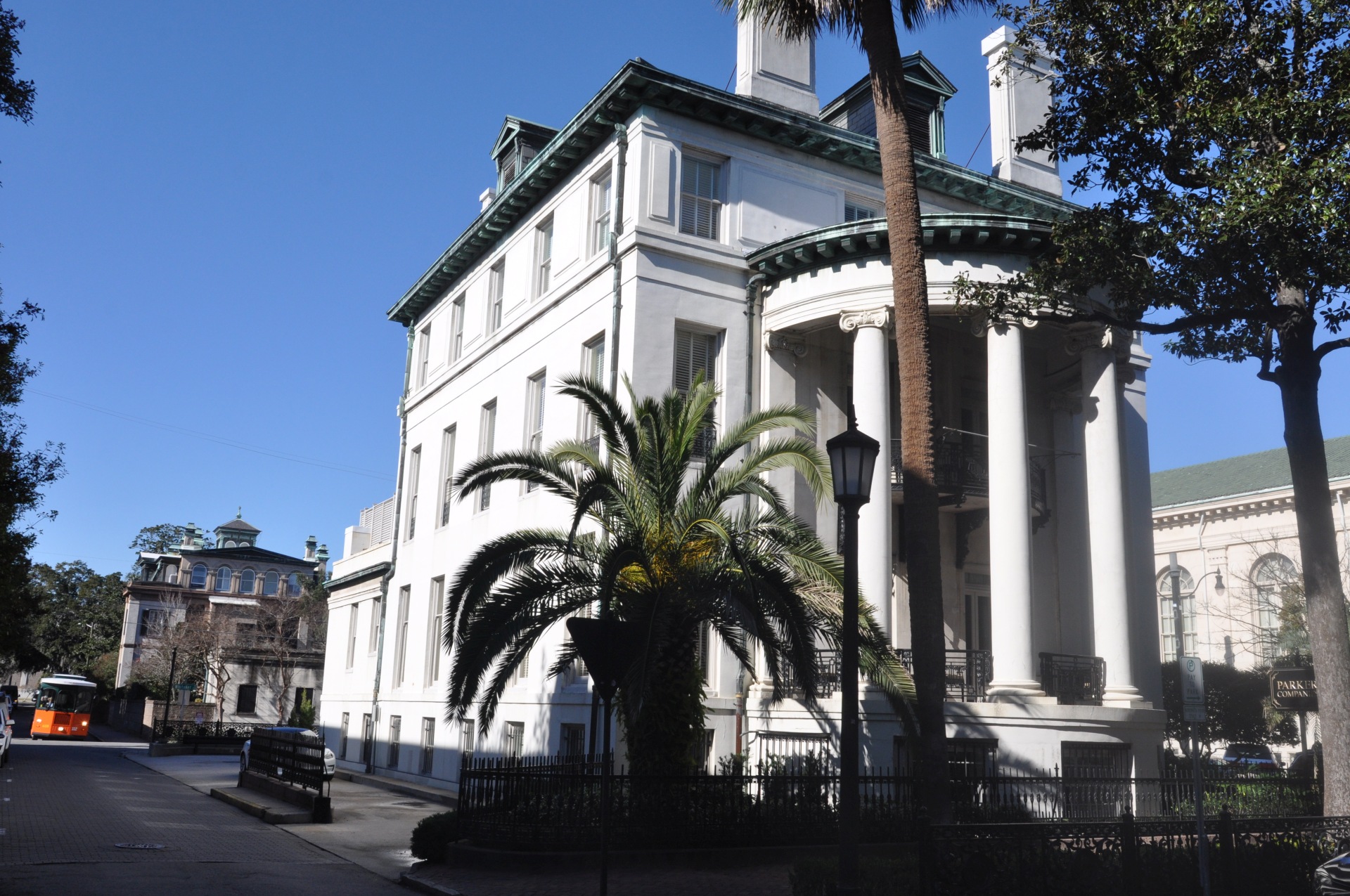
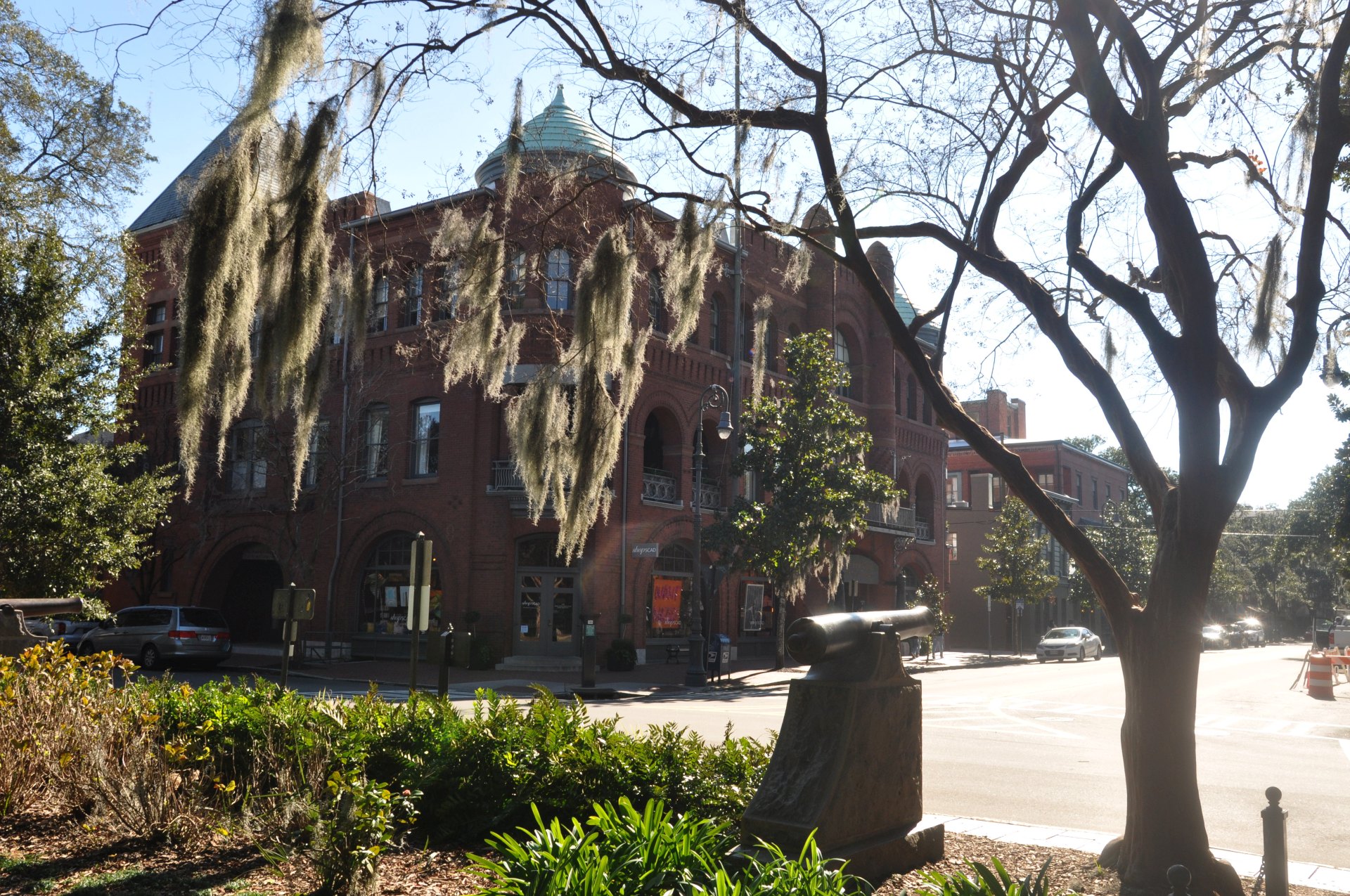
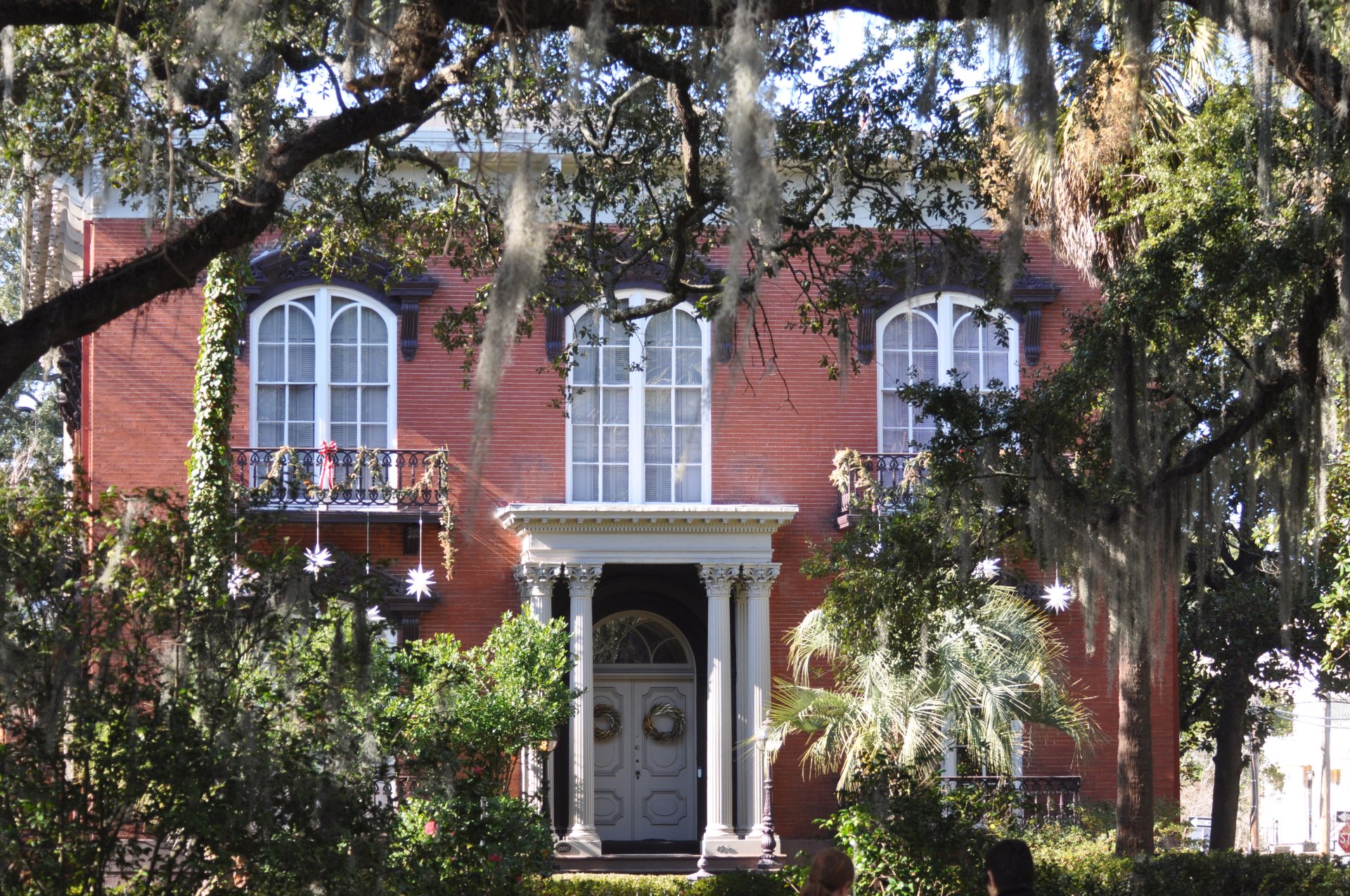
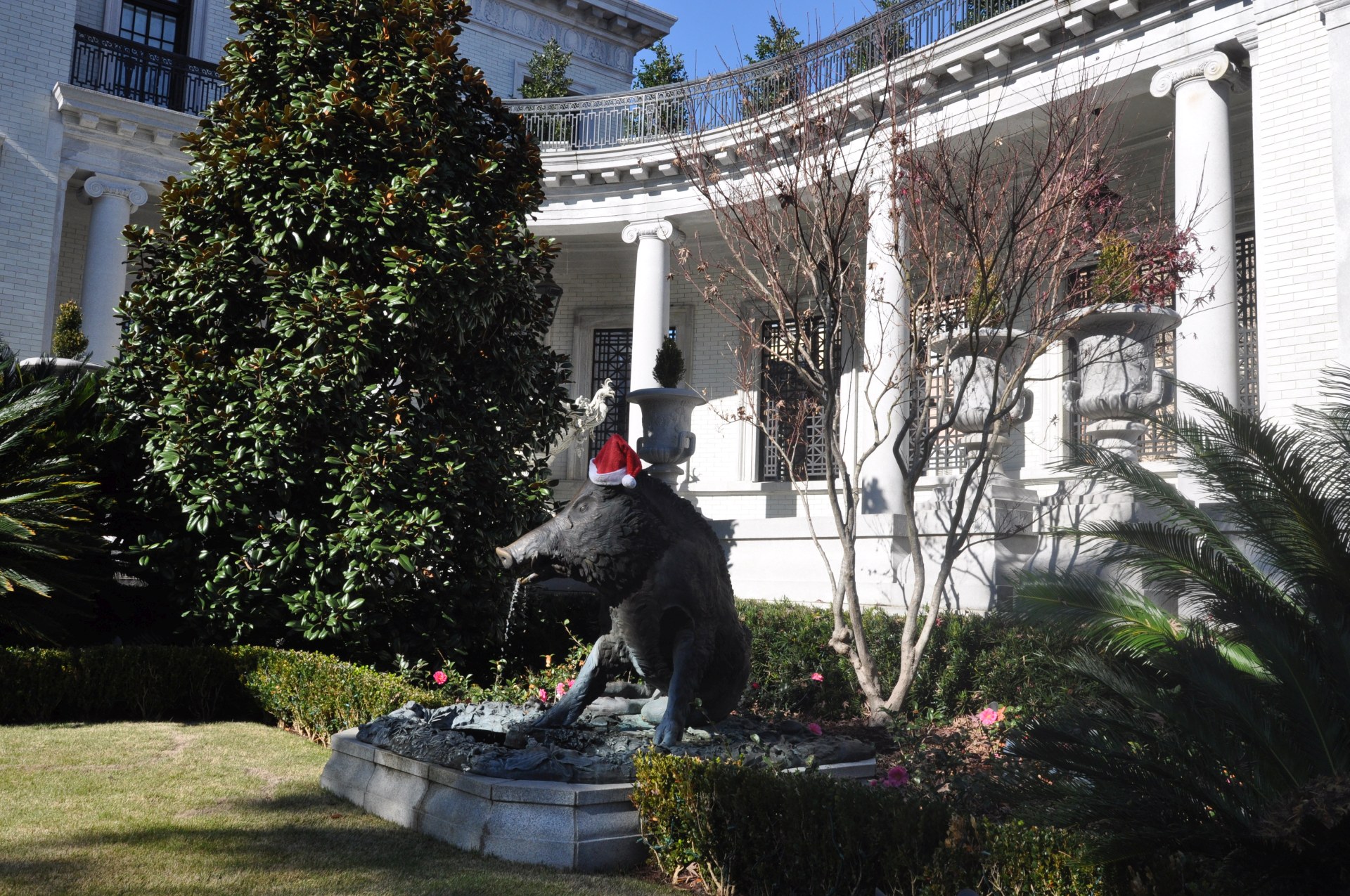
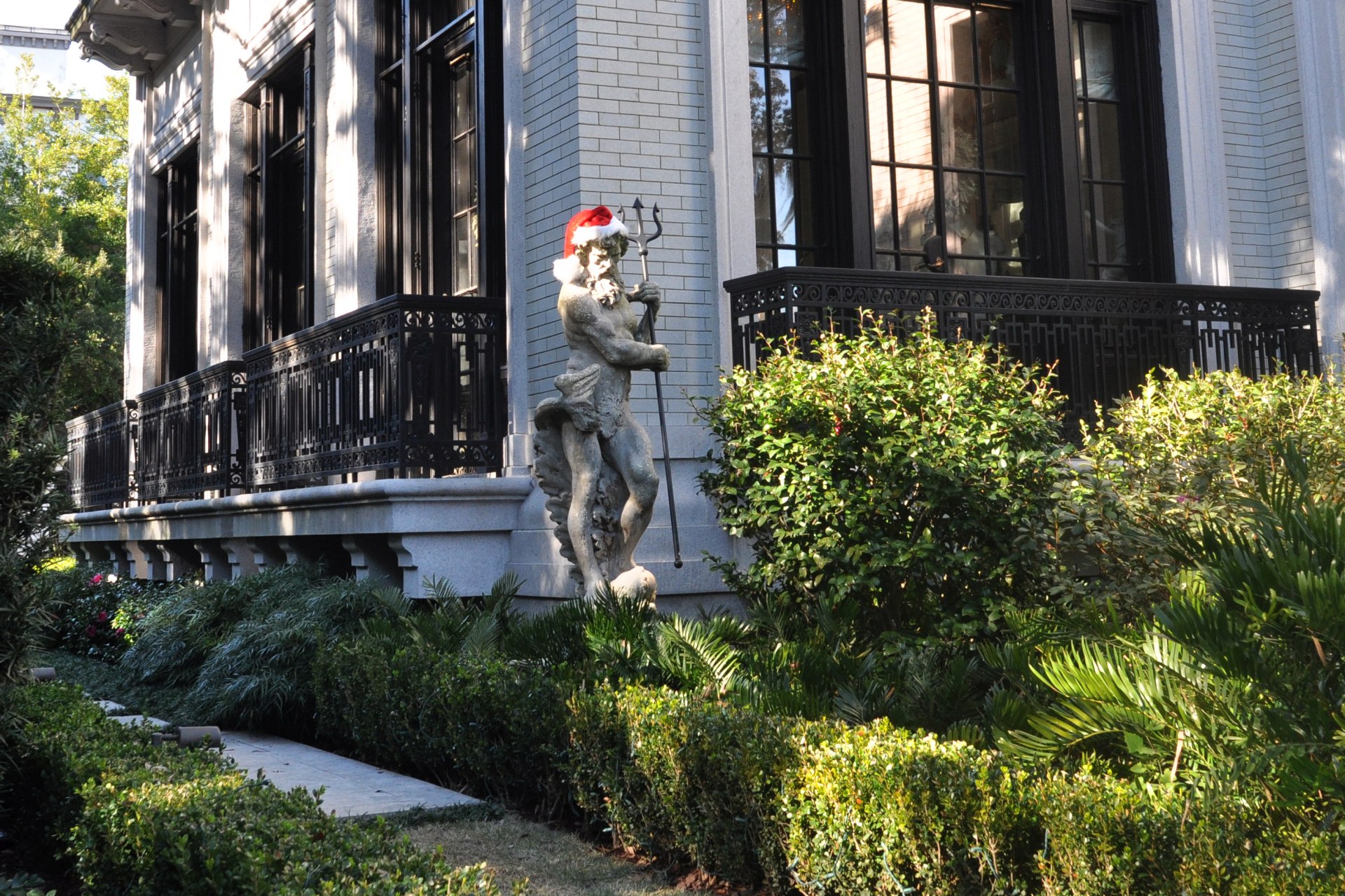
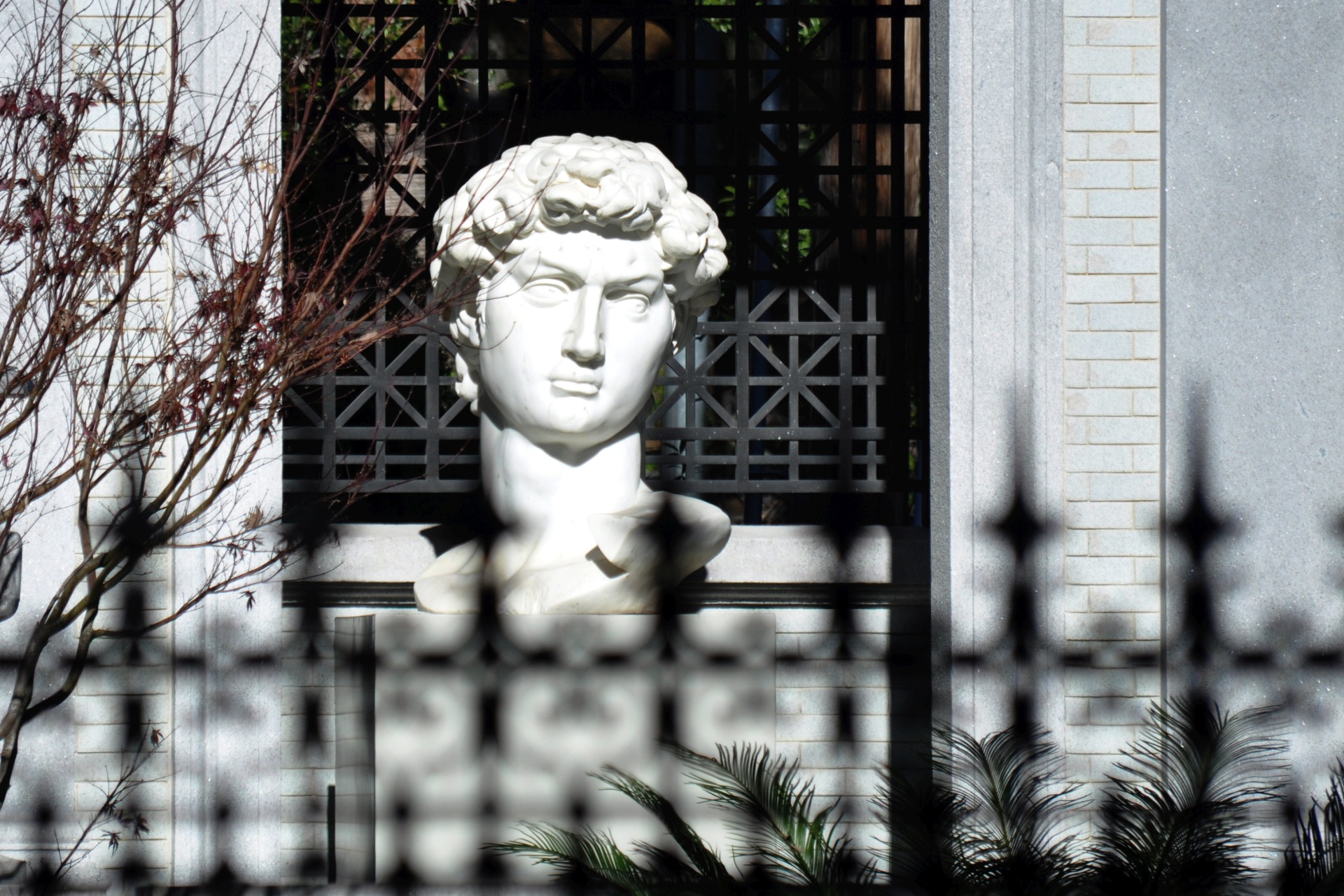
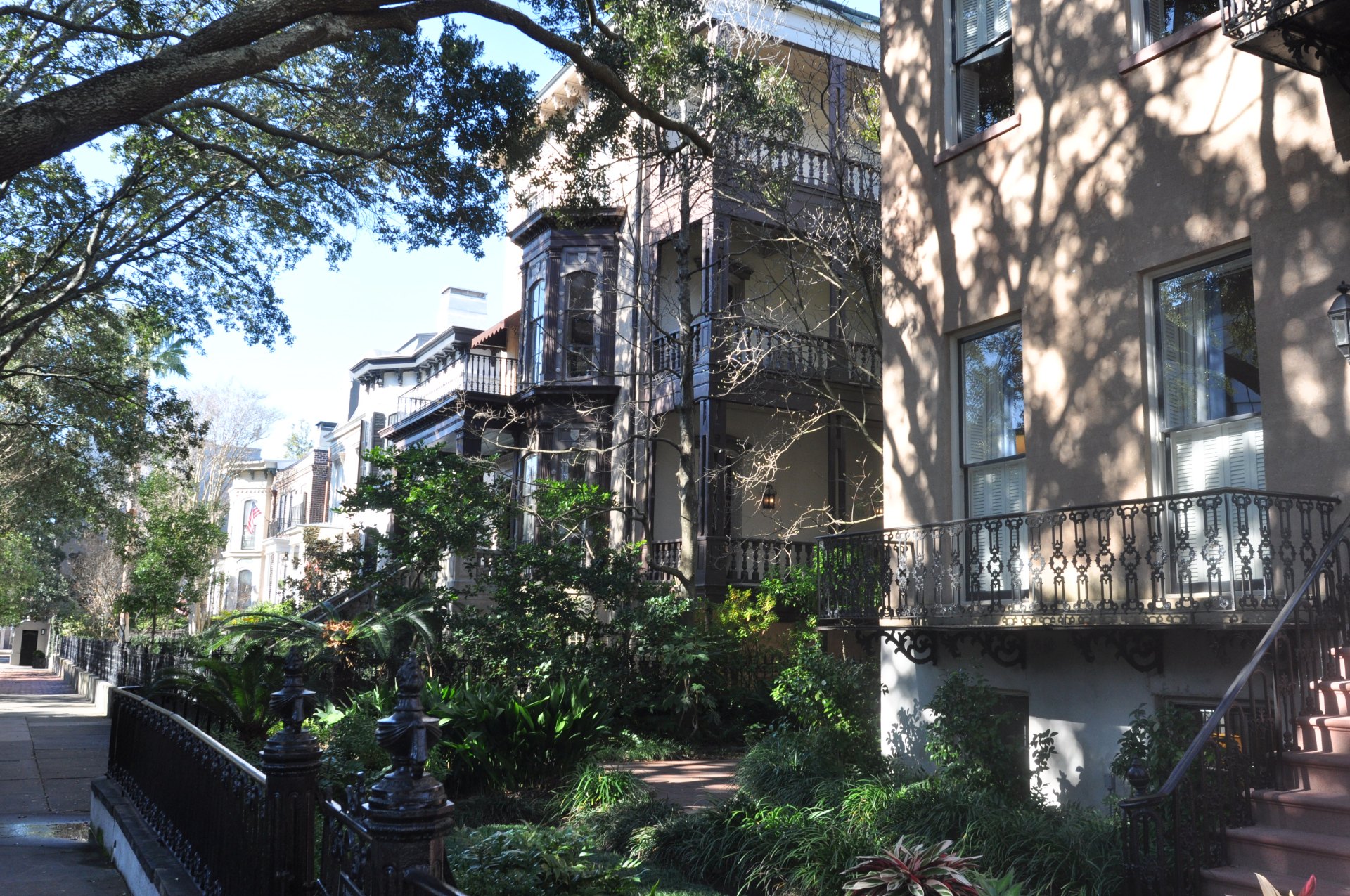
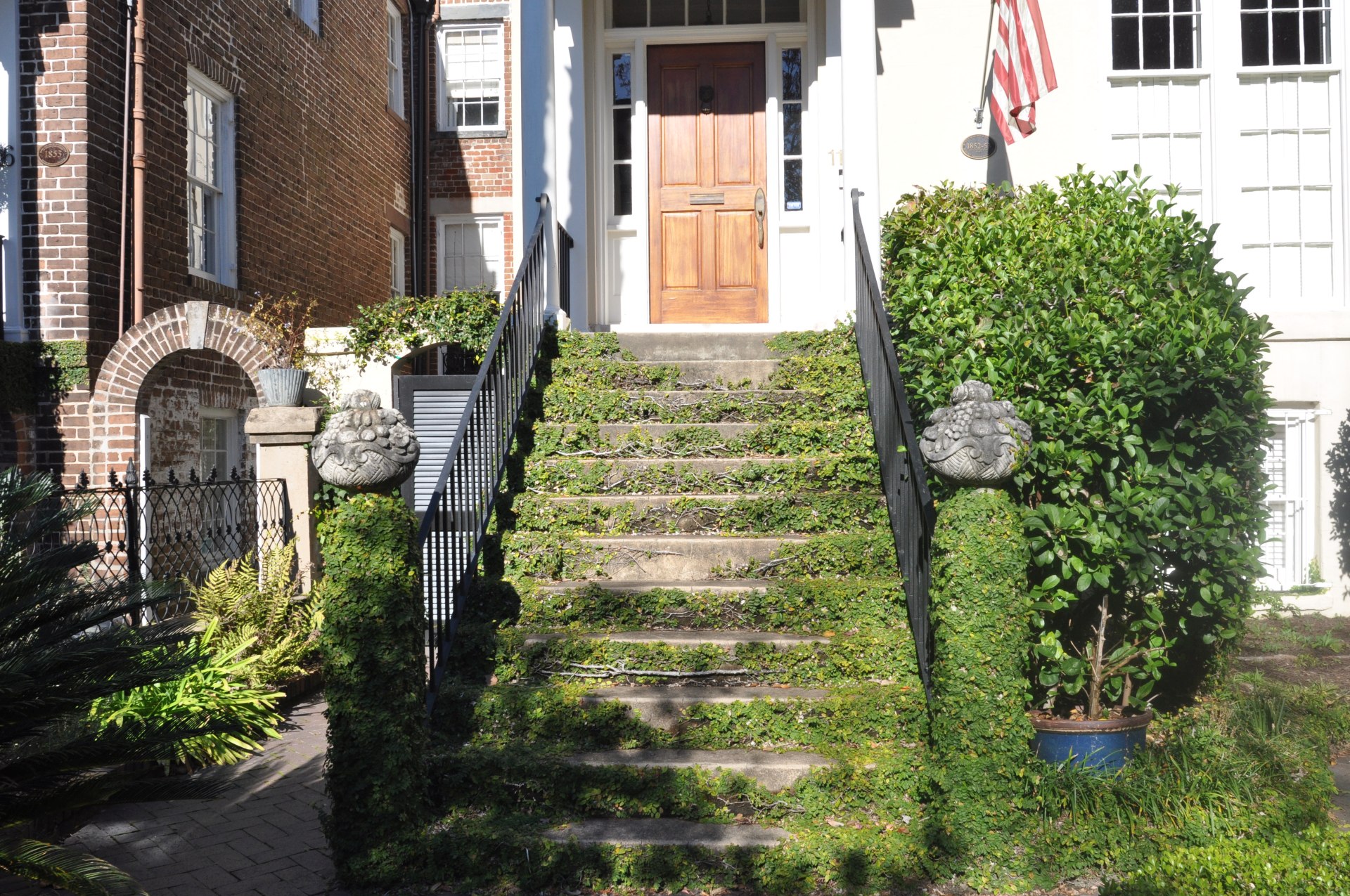
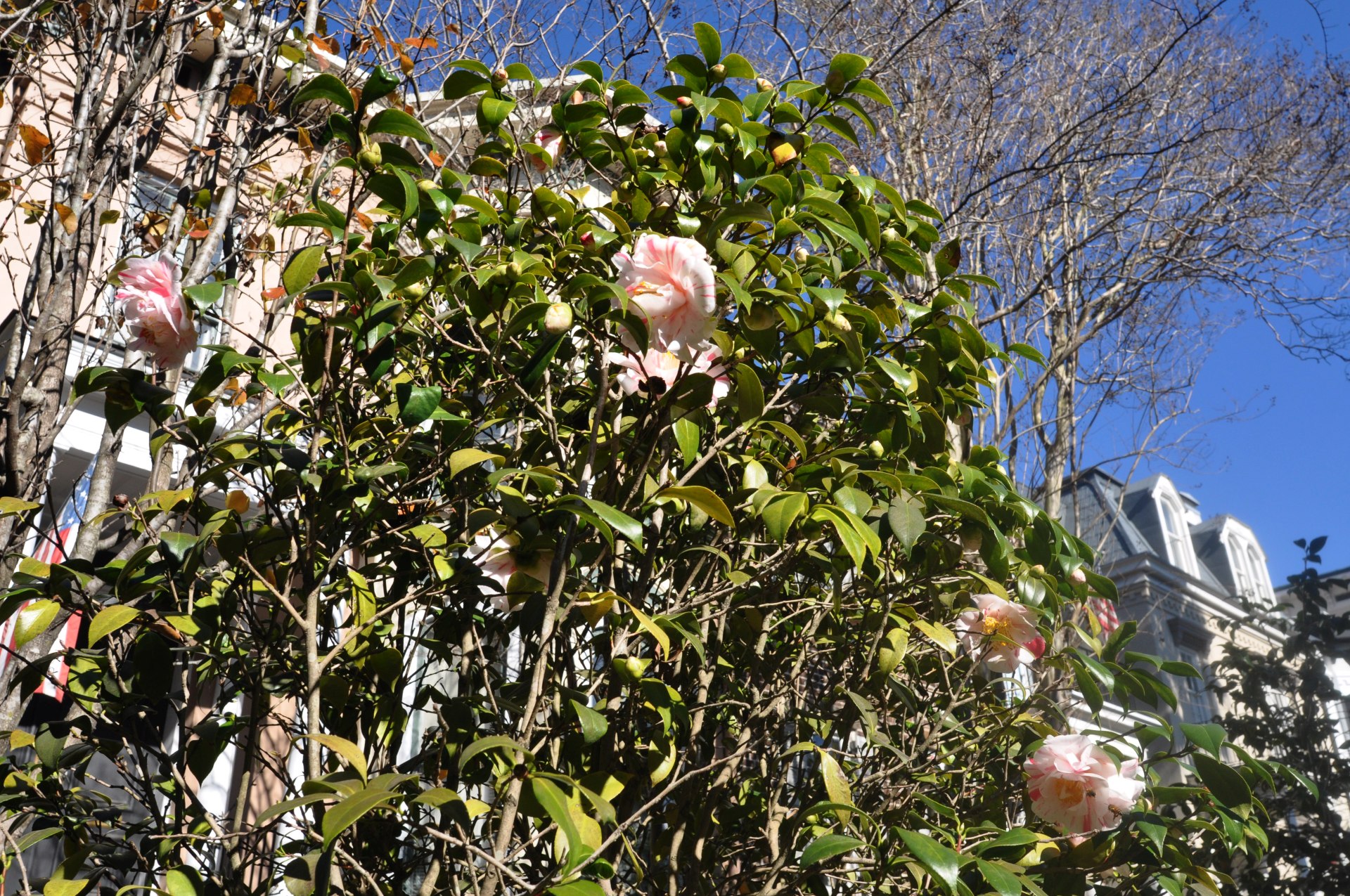
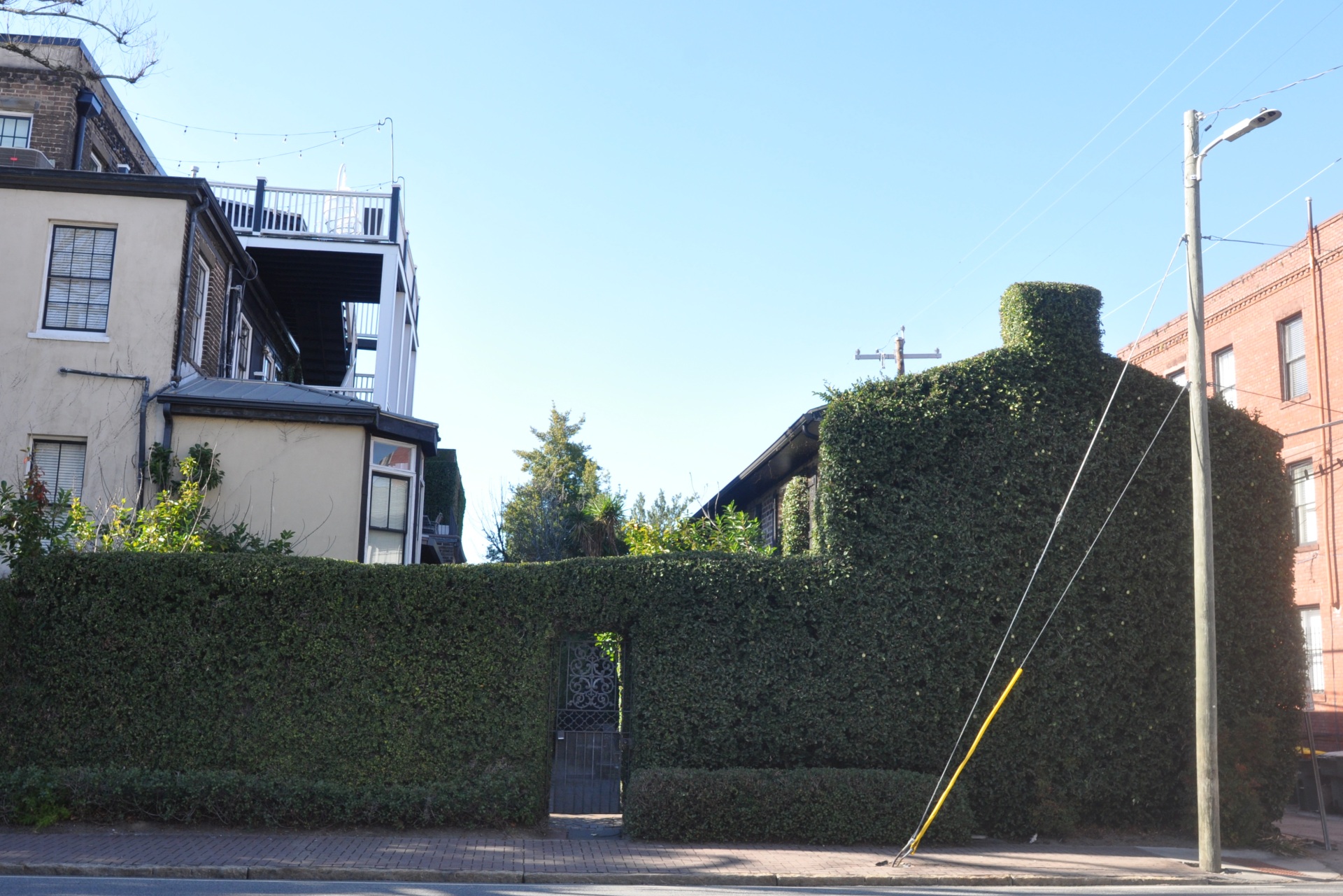
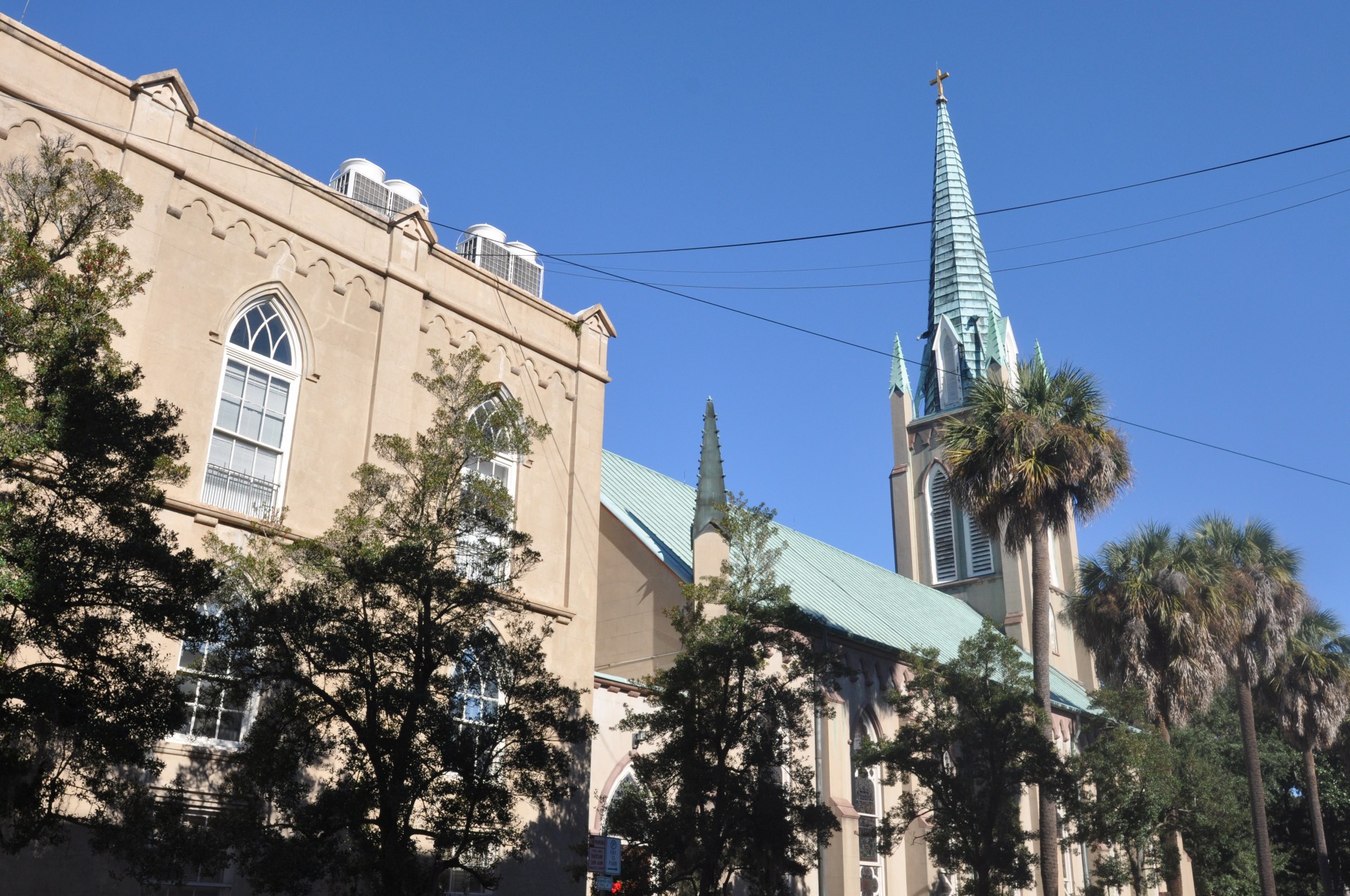
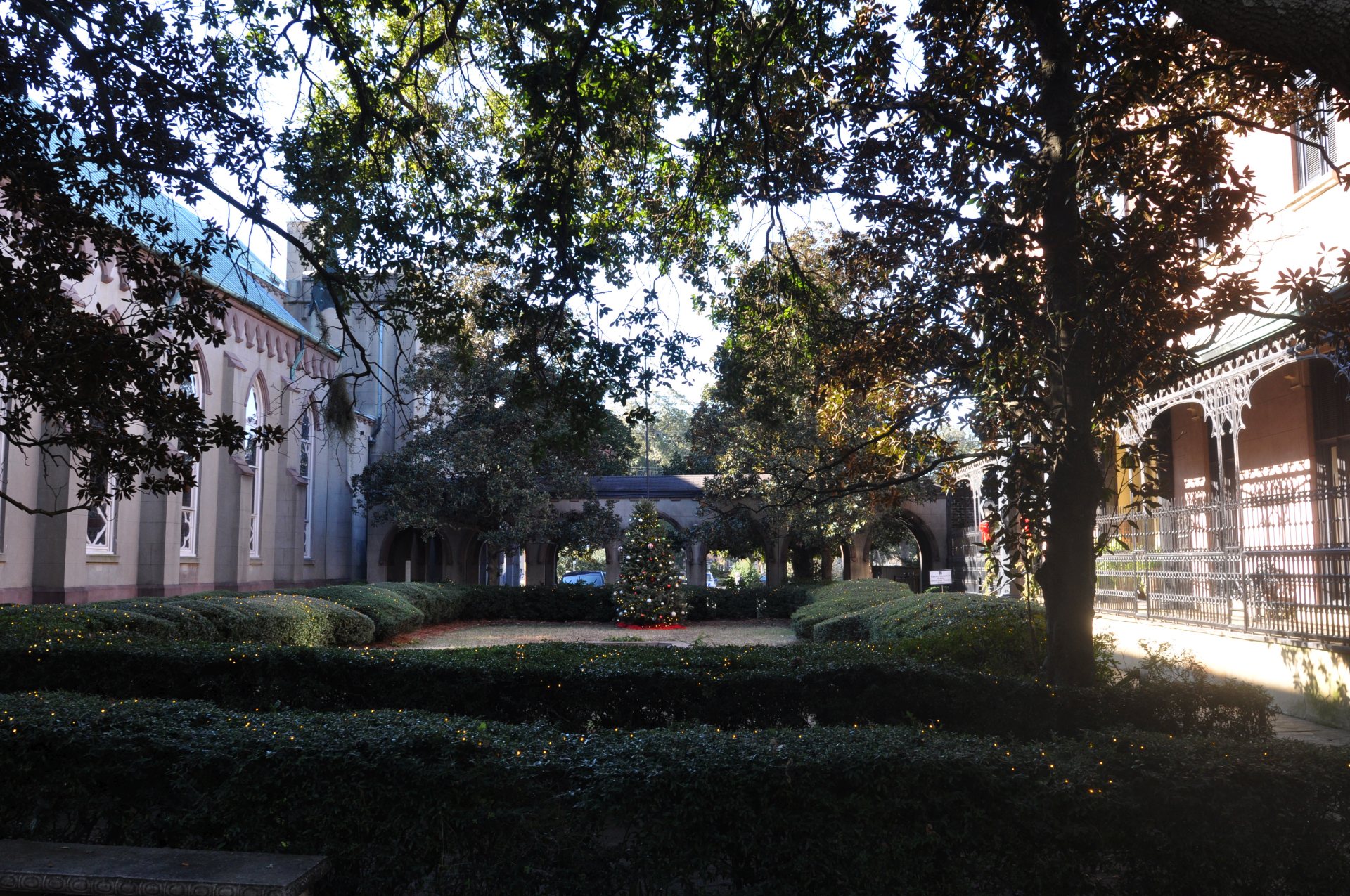
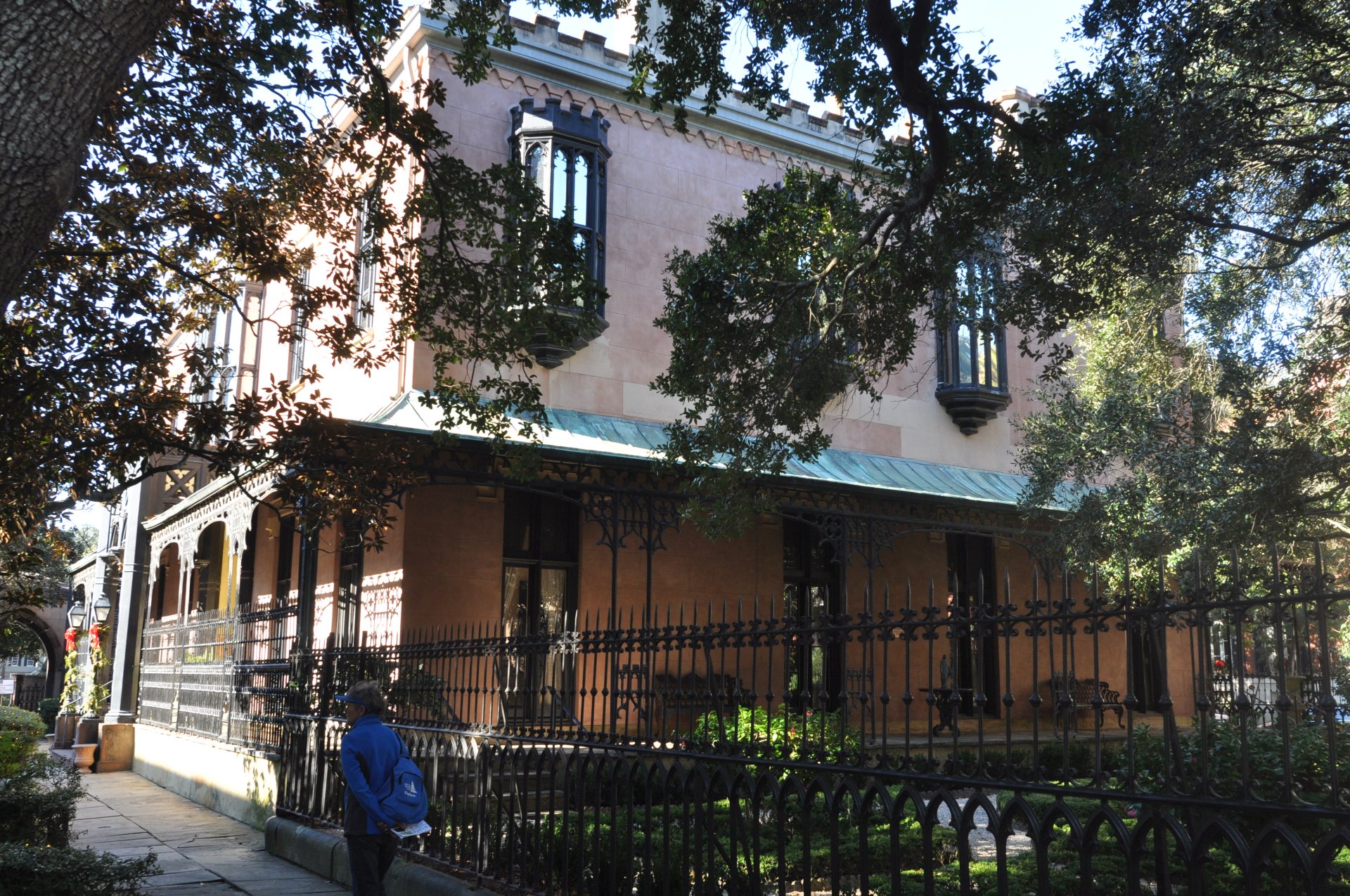
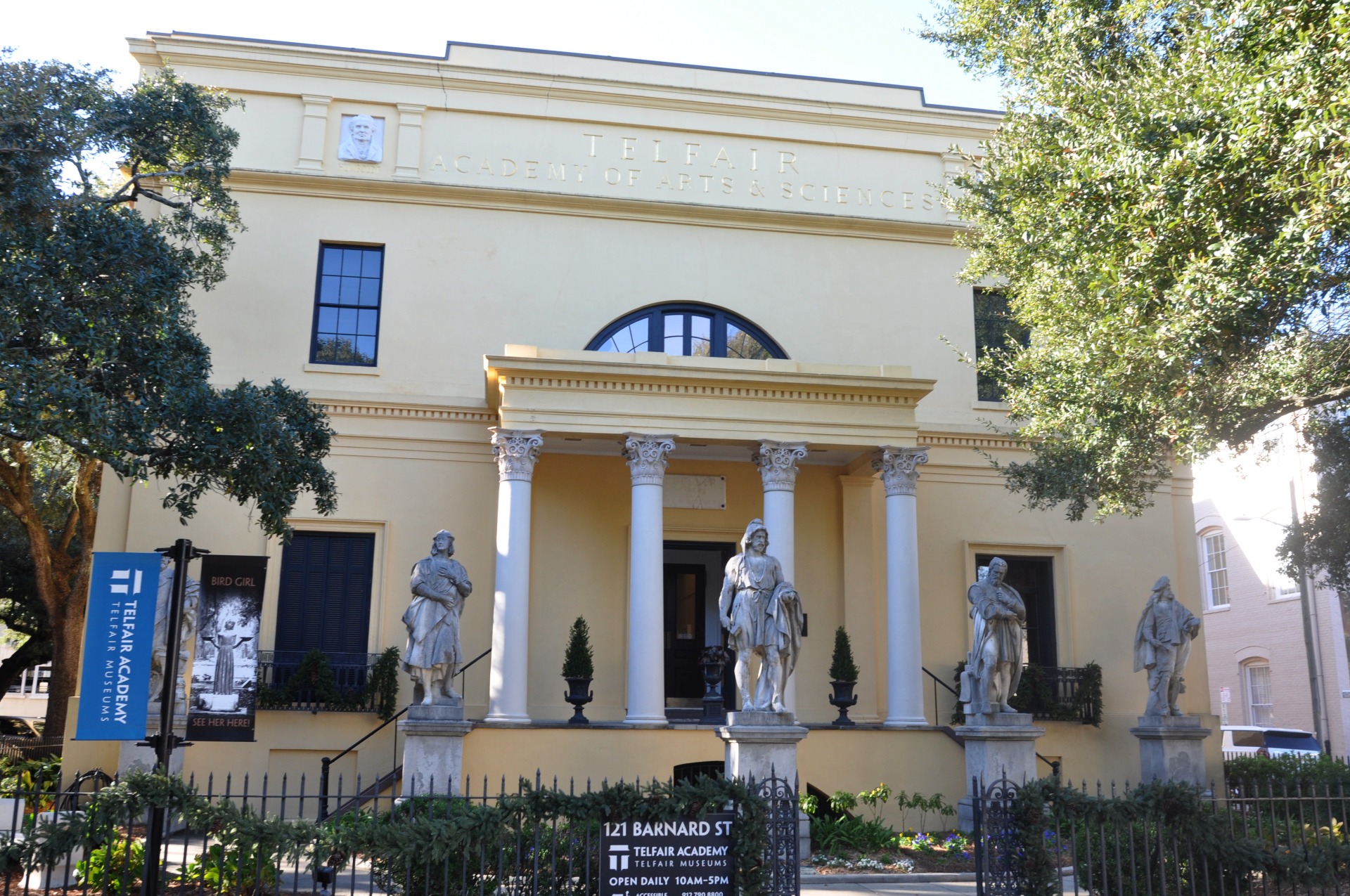
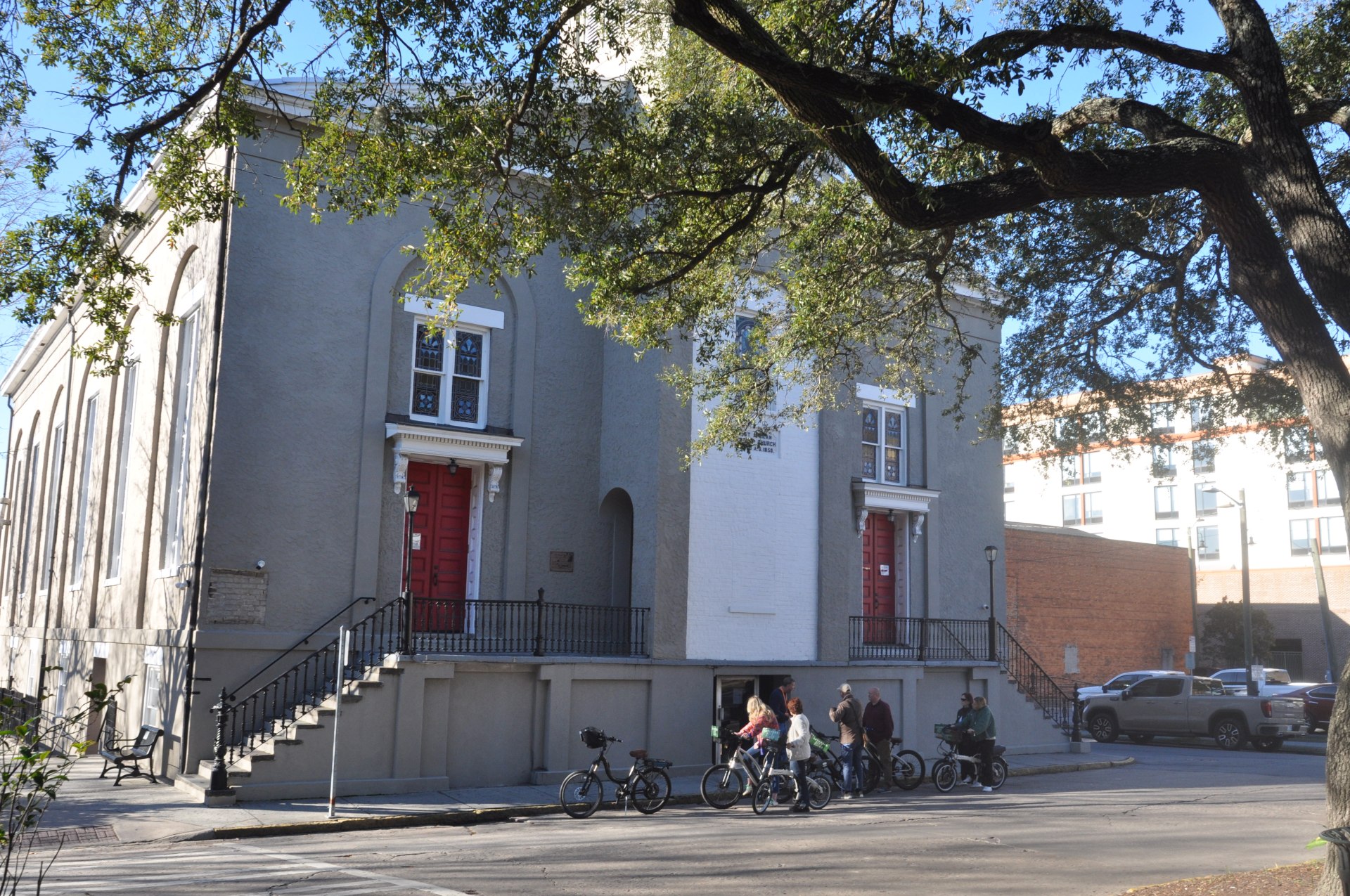
The historical part of Savannah is packed with beautifully preserved old buildings, each featuring small, cozy private gardens filled with evergreen plants and flowers. Savannah boasts numerous churches from different time periods and styles. The most spectacular among them is the Cathedral of St. John the Baptist, designed and built in the French Gothic style in the early 19th century.
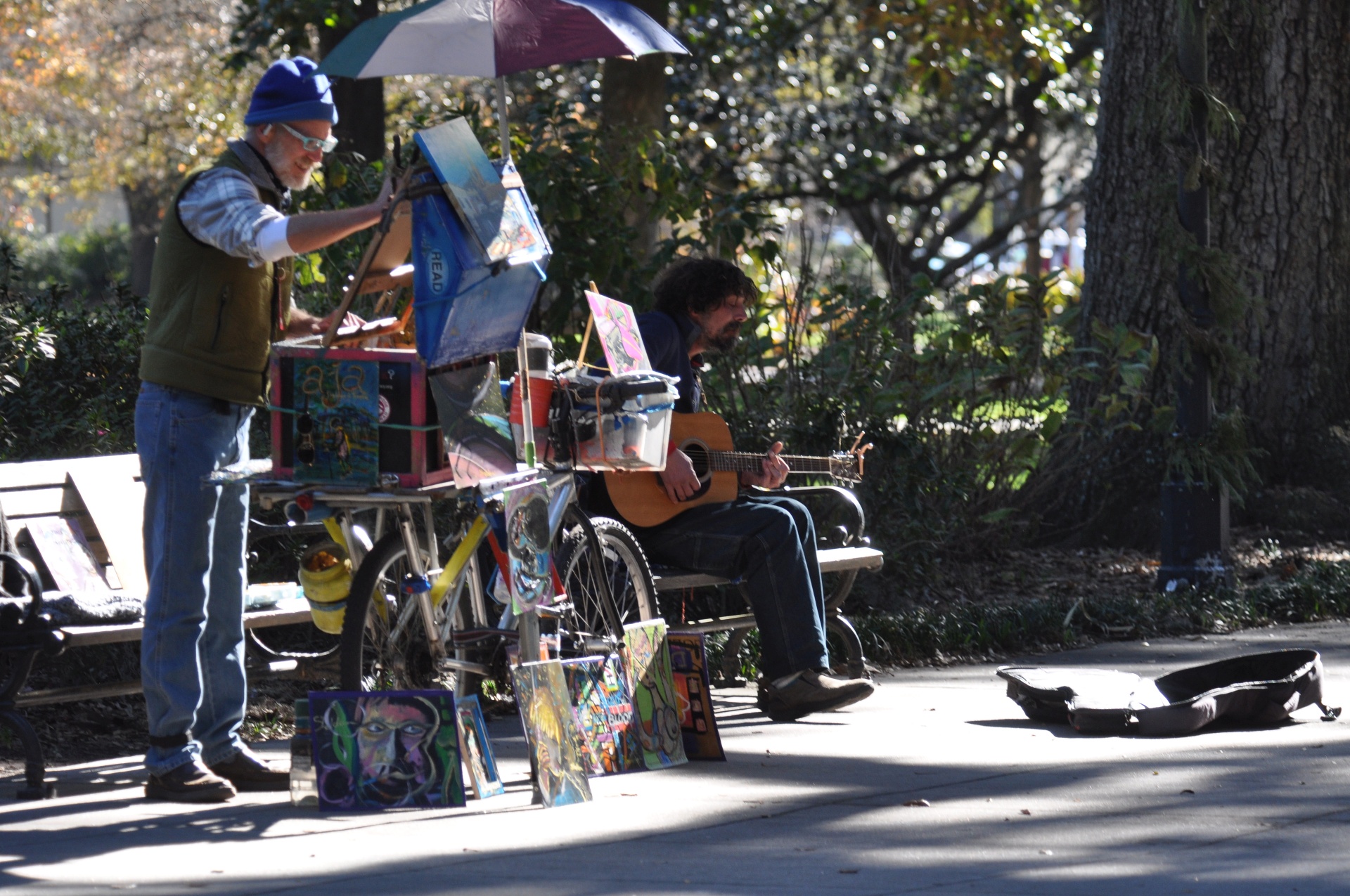
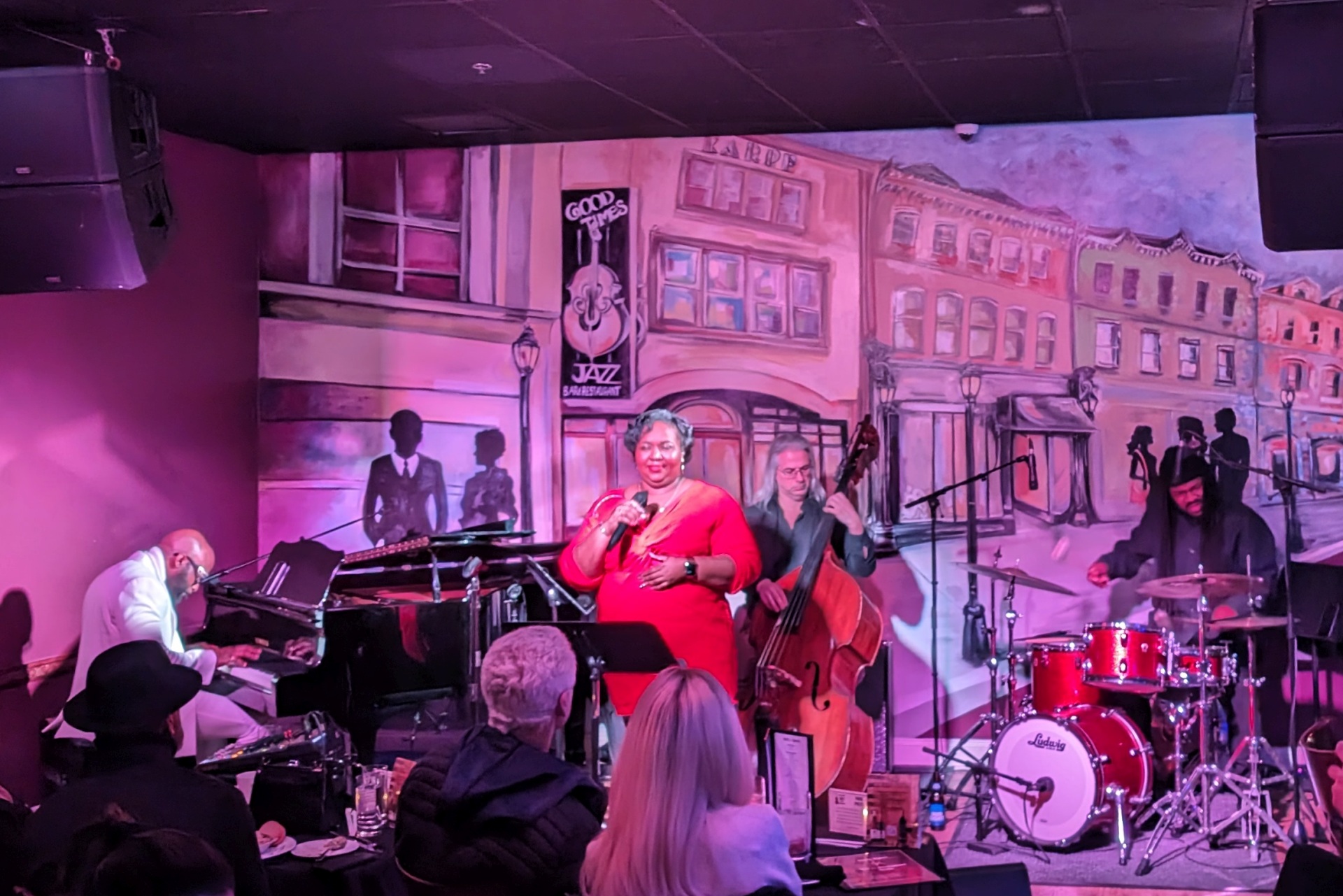
Forsyth Park, though small, is beautiful, featuring a gorgeous fountain. The city offers many bars and restaurants with live music. The cherry on the cake for us was an evening spent with our new friends Alison and Jim from SV Aquarius in a jazz bar.
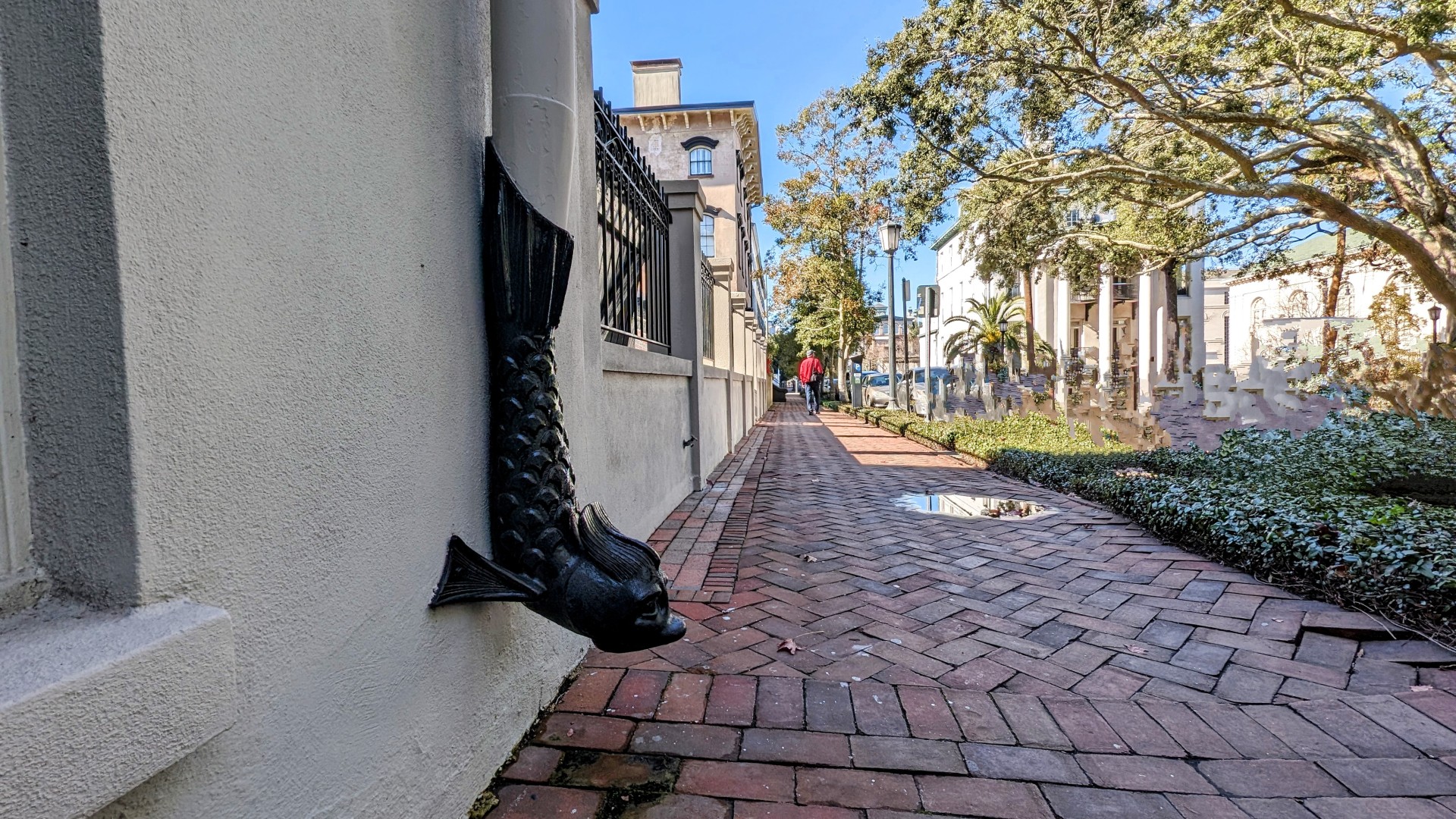
And of course, who could forget the drainpipe ending with the open-mouth fish? Savannah truly captured our hearts with its unique blend of history, nature, and vibrant culture.