All Saints and All Souls

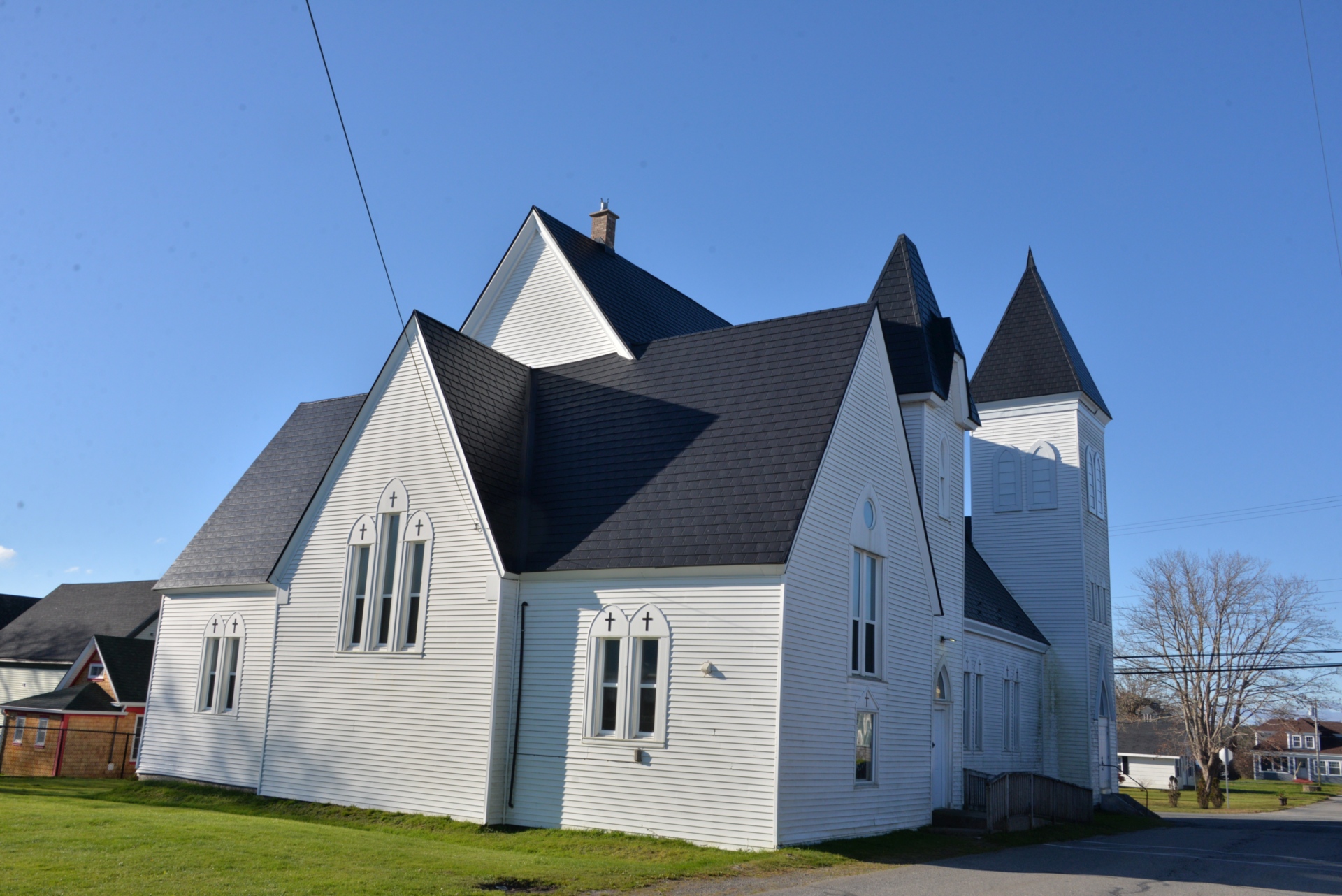
Sunday morning, bathed in sunlight and serenity, brimming with divine grace. As we sipped our morning coffee and charted out our plans for the day, a melodious bell rang out, beckoning us. It was the melodious call of the beautiful St. John’s Church, a gem even amid the artistic beauty of Lunenburg. Excited, we hastened to attend the morning mass, eager to immerse ourselves in the city’s life and bask in the splendour of its stained glass windows and the church’s interior.

St. John’s, the second oldest Anglican church in Canada, stands as an architectural marvel in the historical part of Lunenburg, designed in the Carpenter’s Gothic style. Since 1753, it has been a sanctuary of solace for its parishioners. On a fateful Halloween night in 2001, a destructive fire wreaked havoc, consuming 50% of the church. In a remarkable display of devotion, 91% of the parishioners voted for the restoration of the church, an edifice crafted in 1892, instead of opting for a modern replacement or a replica of the original 1754 design or transforming the site into a memorial park.

The church’s doors swung open once more on June 12, 2005. During the reconstruction, a curious mystery unfolded concerning the profusion of golden stars adorning the church’s interior. This enigma piqued the interest of the international media and astronomers. The captivating starry scene above the apse seemingly mirrors the night sky over Lunenburg on the evening of Jesus Christ’s birth.

This time, St. John’s commemorated All Saints and All Souls. We relished the solemn ceremony, accompanied by the resonant choir and the majestic organ. Following the mass, the church hosted a convivial coffee gathering, allowing us to engage in heartwarming conversations with parishioners and Rev. Victoria Byrne, the Priest in Charge. She told us about her oceanographic background and became acquainted with our project with due interest.

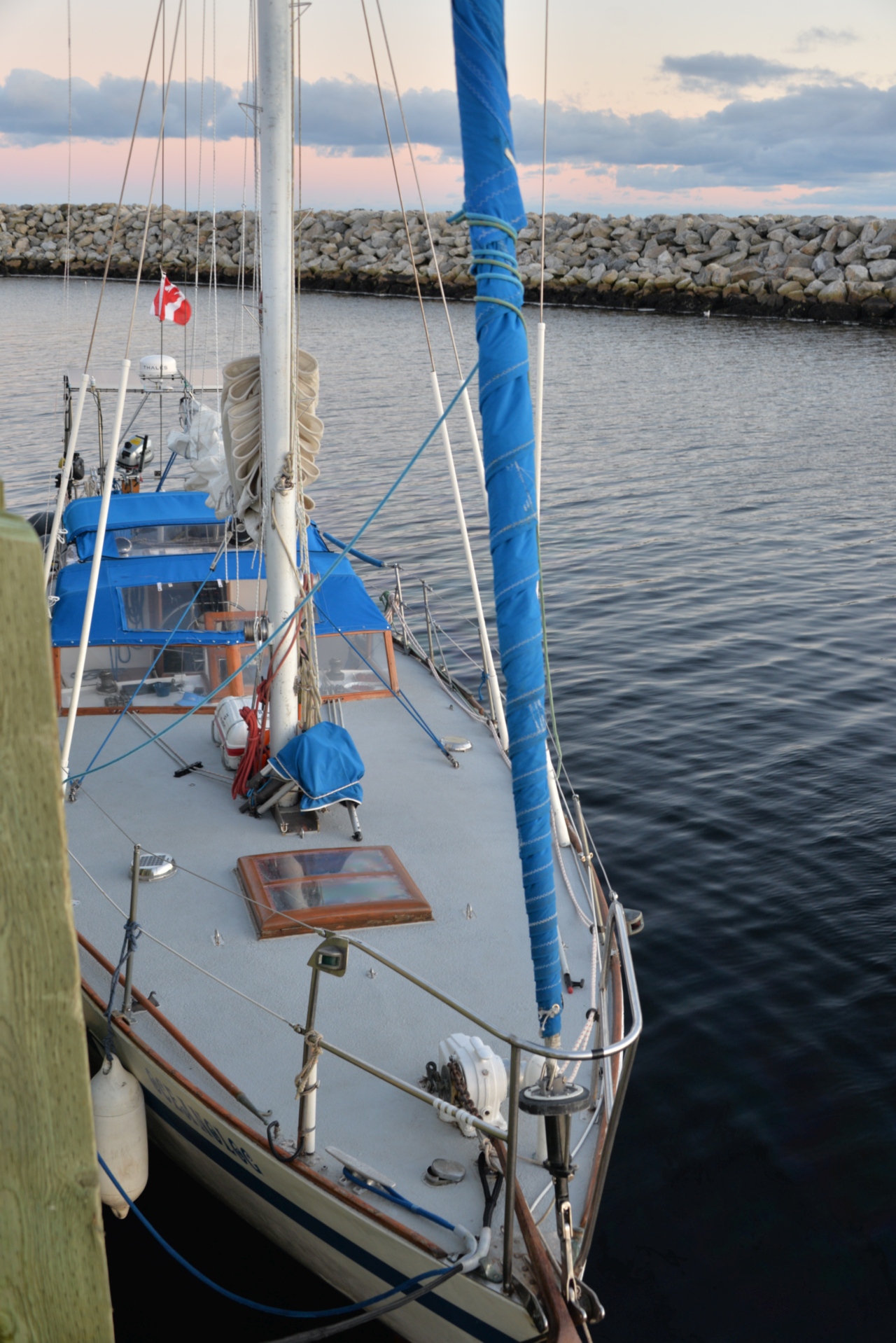
View of the St.John’s Church’s bells from our boat
. The starry scene above the apse seemingly mirrors the night sky over Lunenburg on the evening of Jesus Christ’s birth.
.
 The eagle is widely seen as a symbol of St. John’s gospel. This connection between the eagle and John dates to Christianity’s early days and was a popular subject for stained glass artists and sculptors in the Middle Ages.
With Jane Ritсey, Rev. Victoria Burne and a parishioner
With the Chair of the Lunenburg School of the Arts, retired Senator Wilfred Moore

Fish and Ships

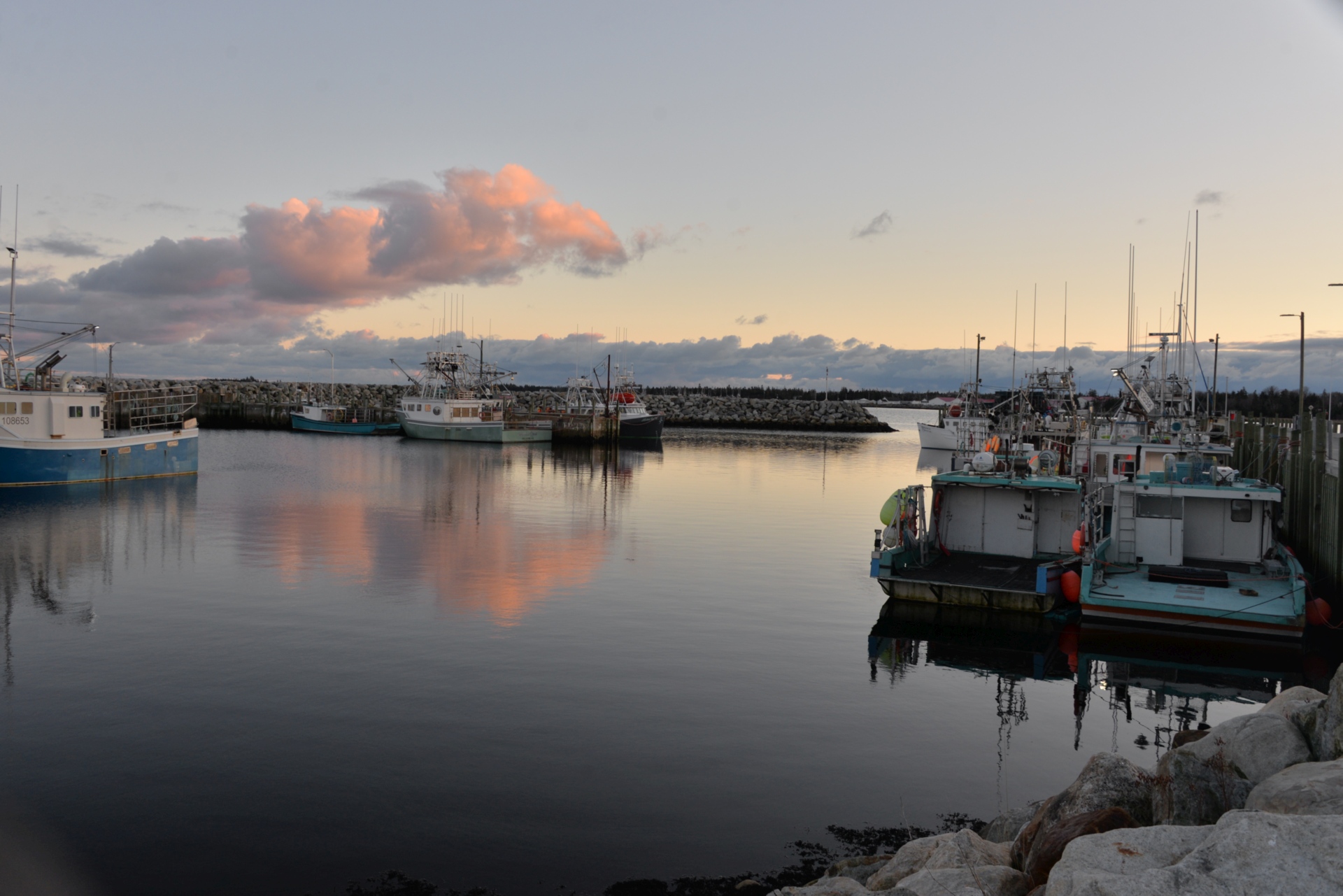
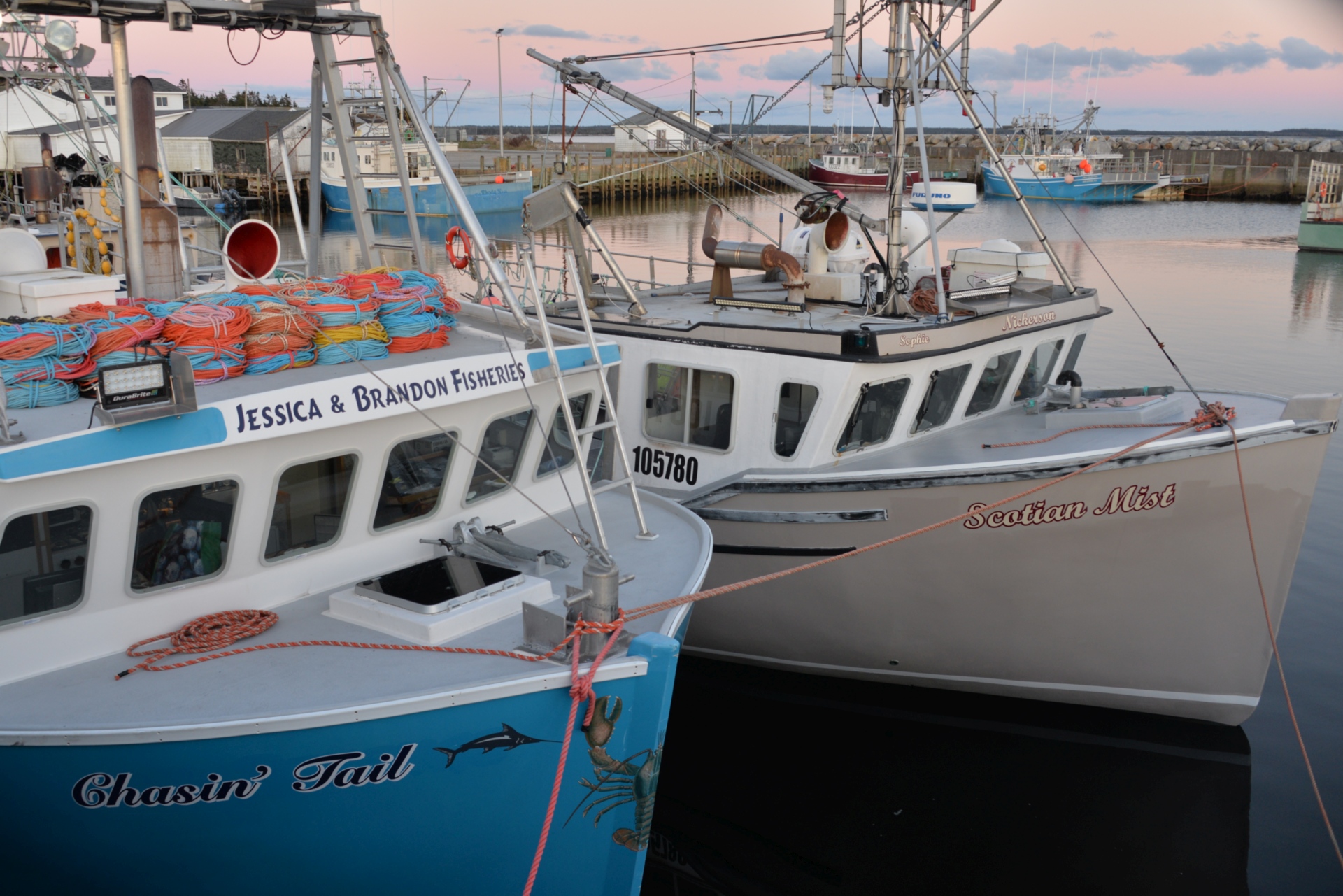
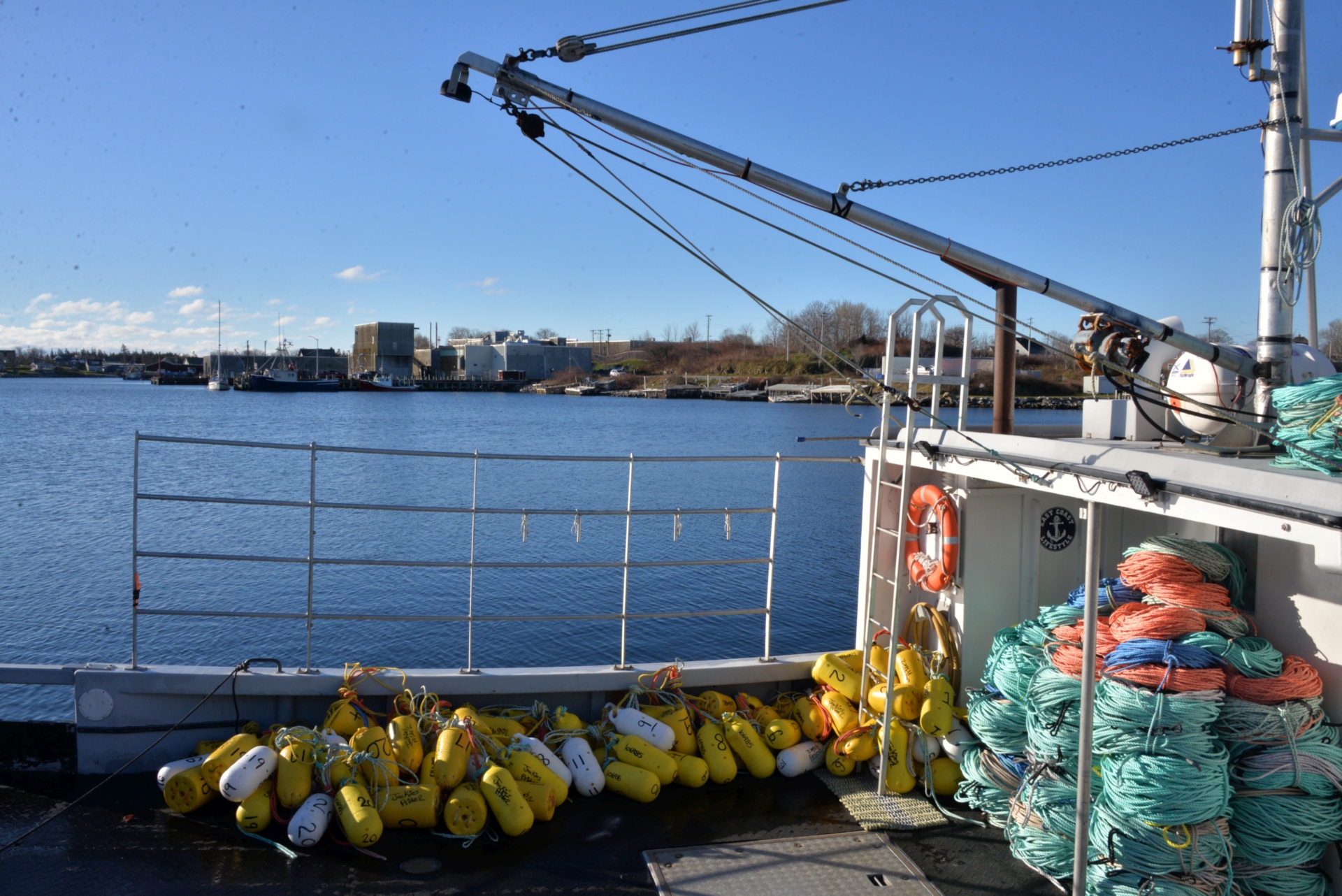
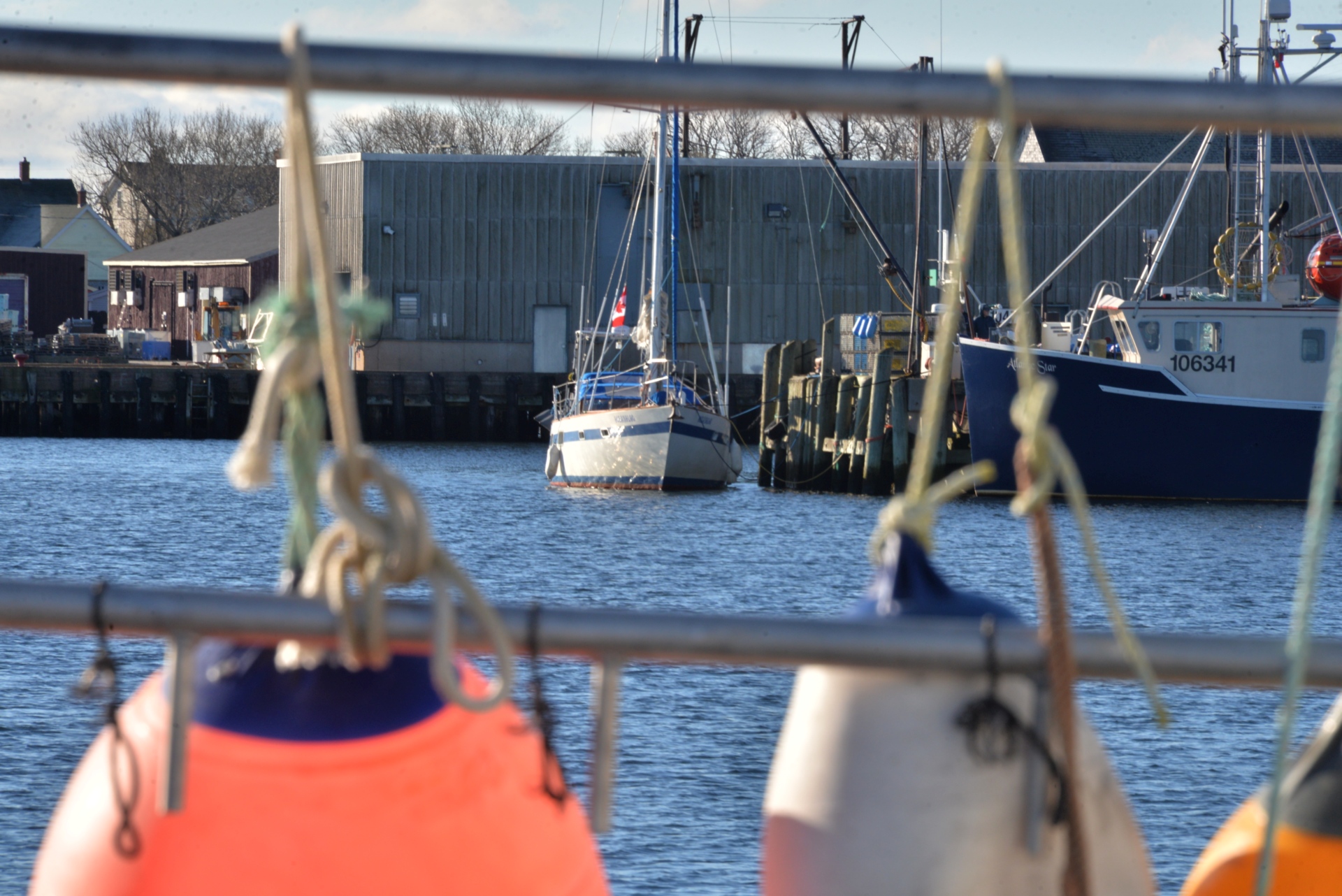
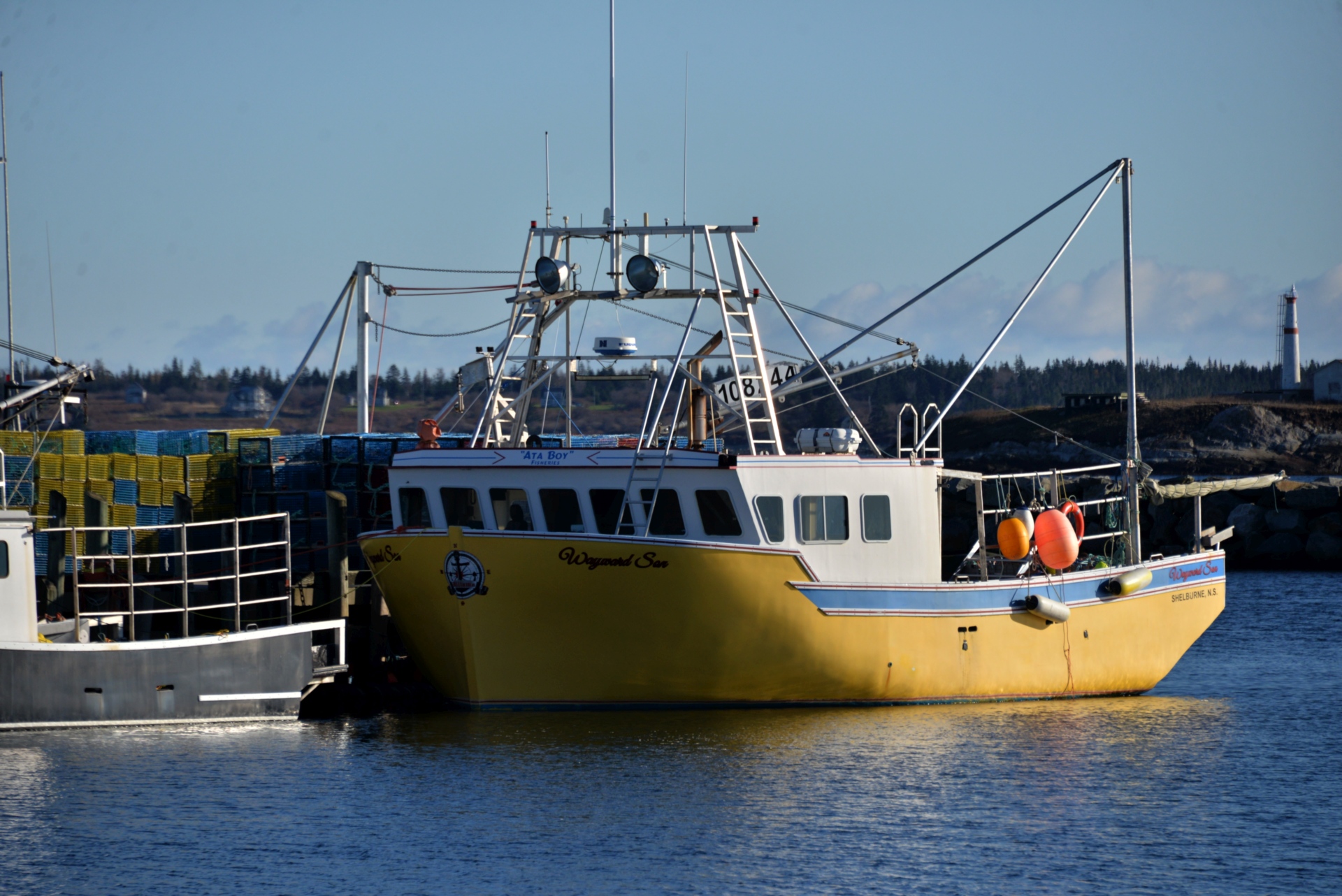
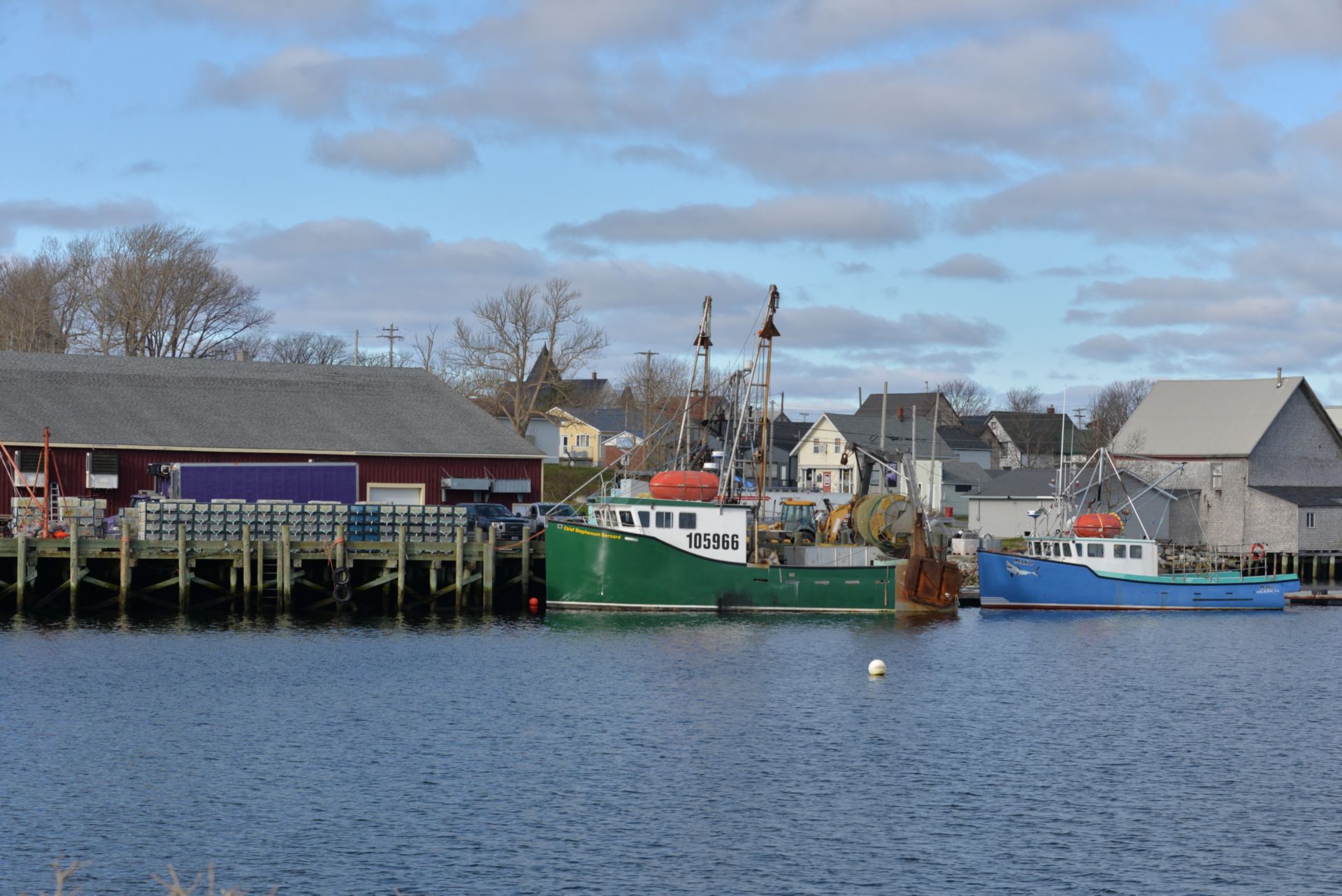
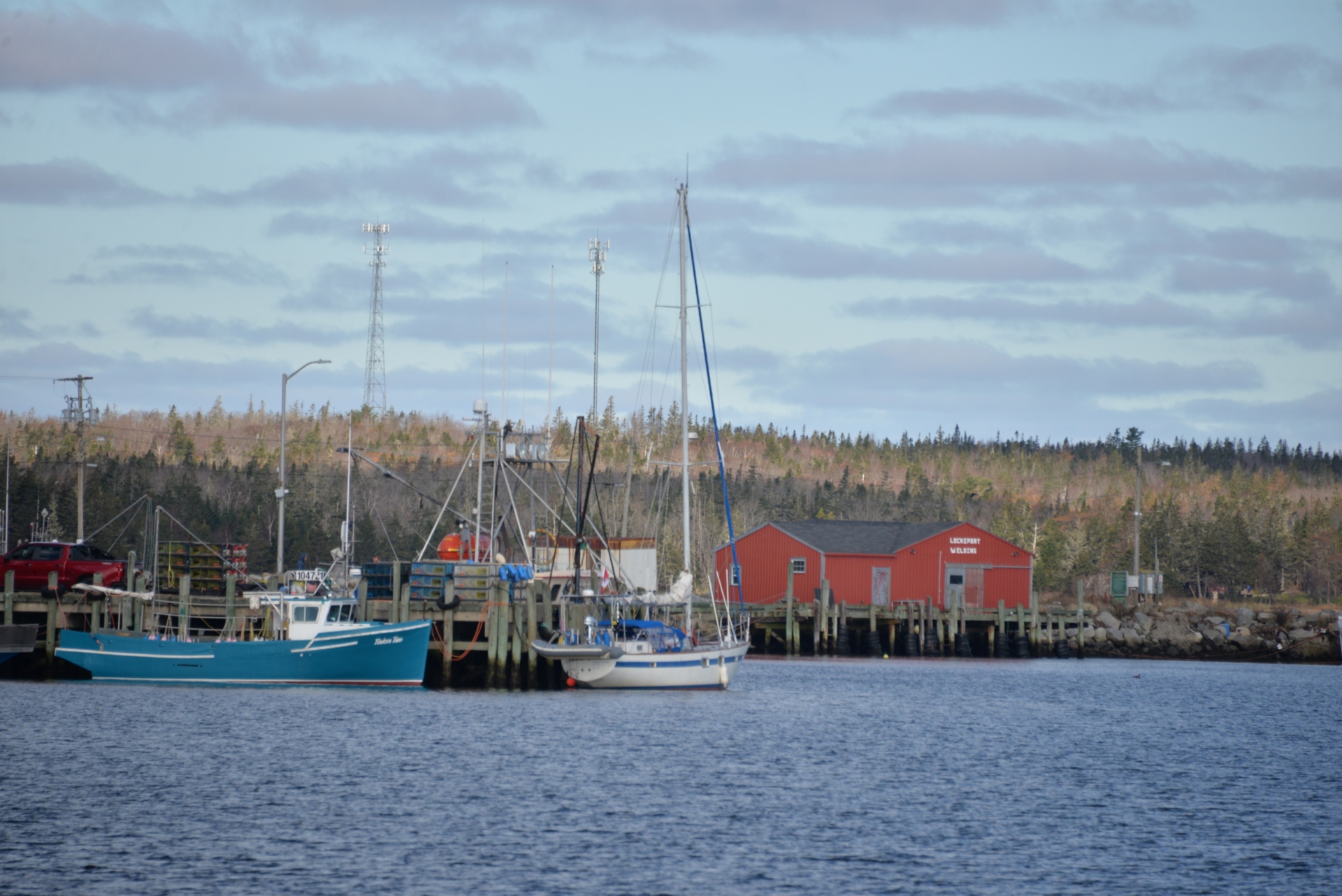
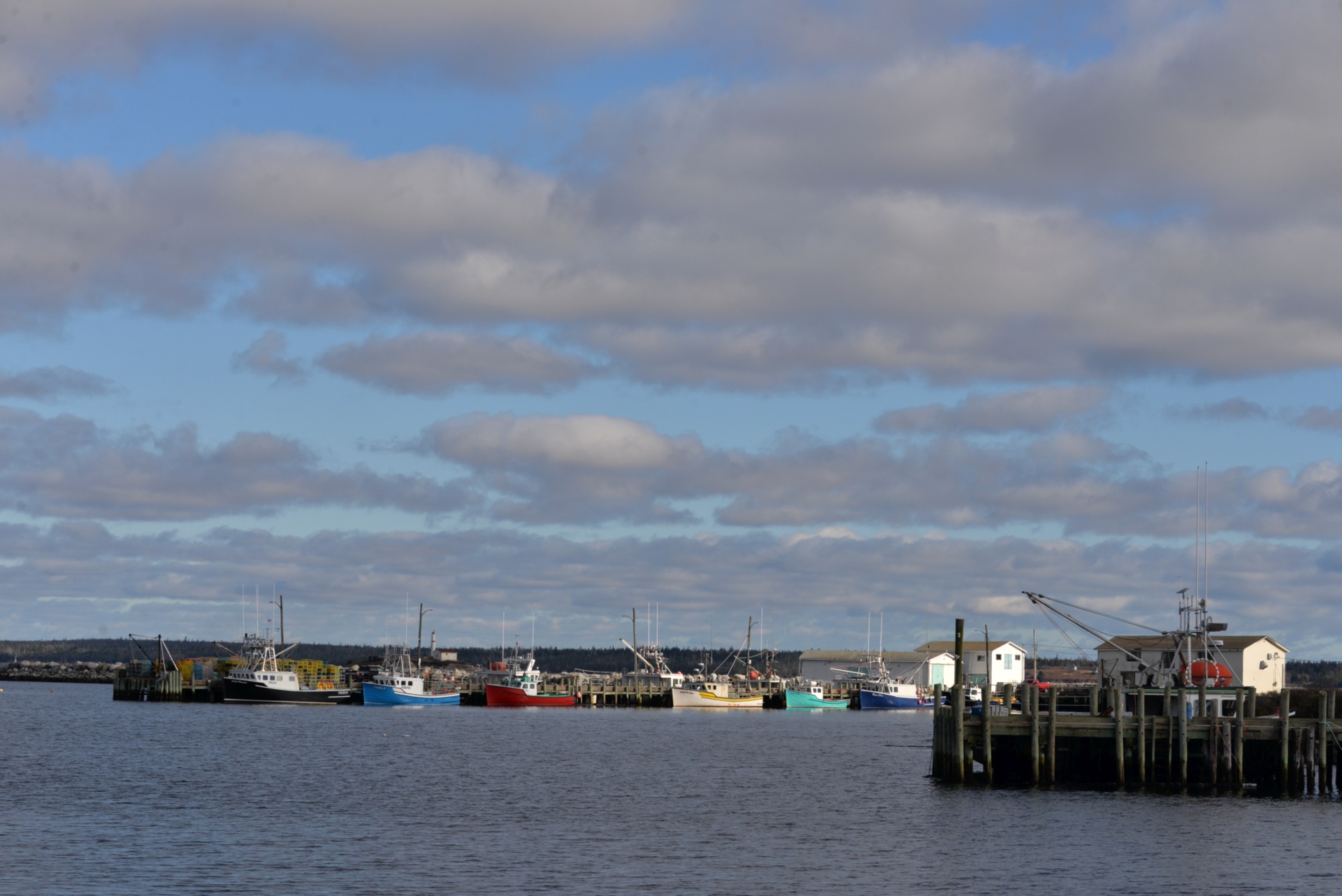
Lunenburg, despite its festive appearance, is a hardworking city with a rich maritime history. Since its establishment in 1753, the town has been a hub for shipbuilding and fishing. It’s renowned for crafting iconic sailing vessels like the Bluenose and Bluenose II, as well as the famous sailing ship Bounty, alongside numerous fishing vessels.

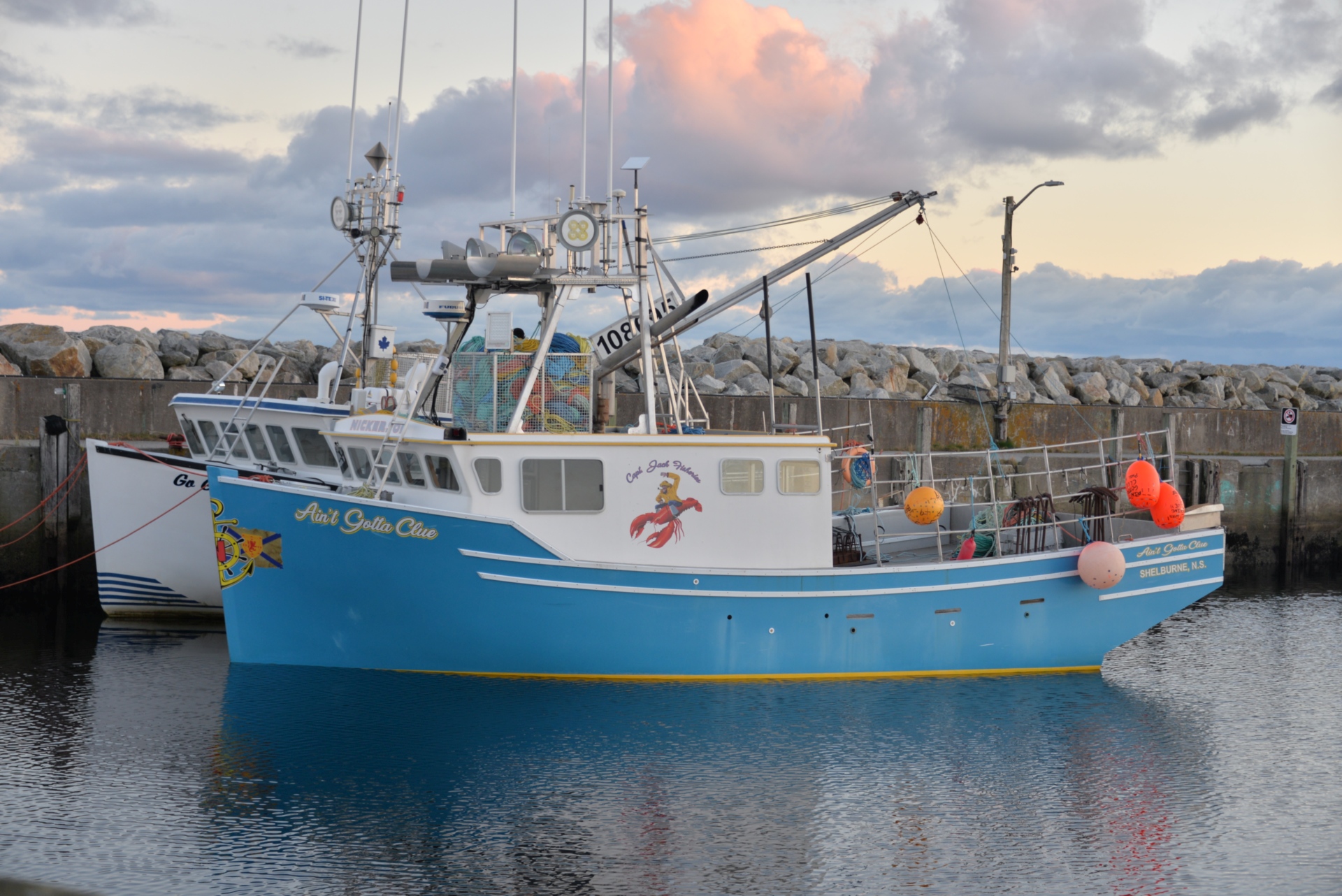
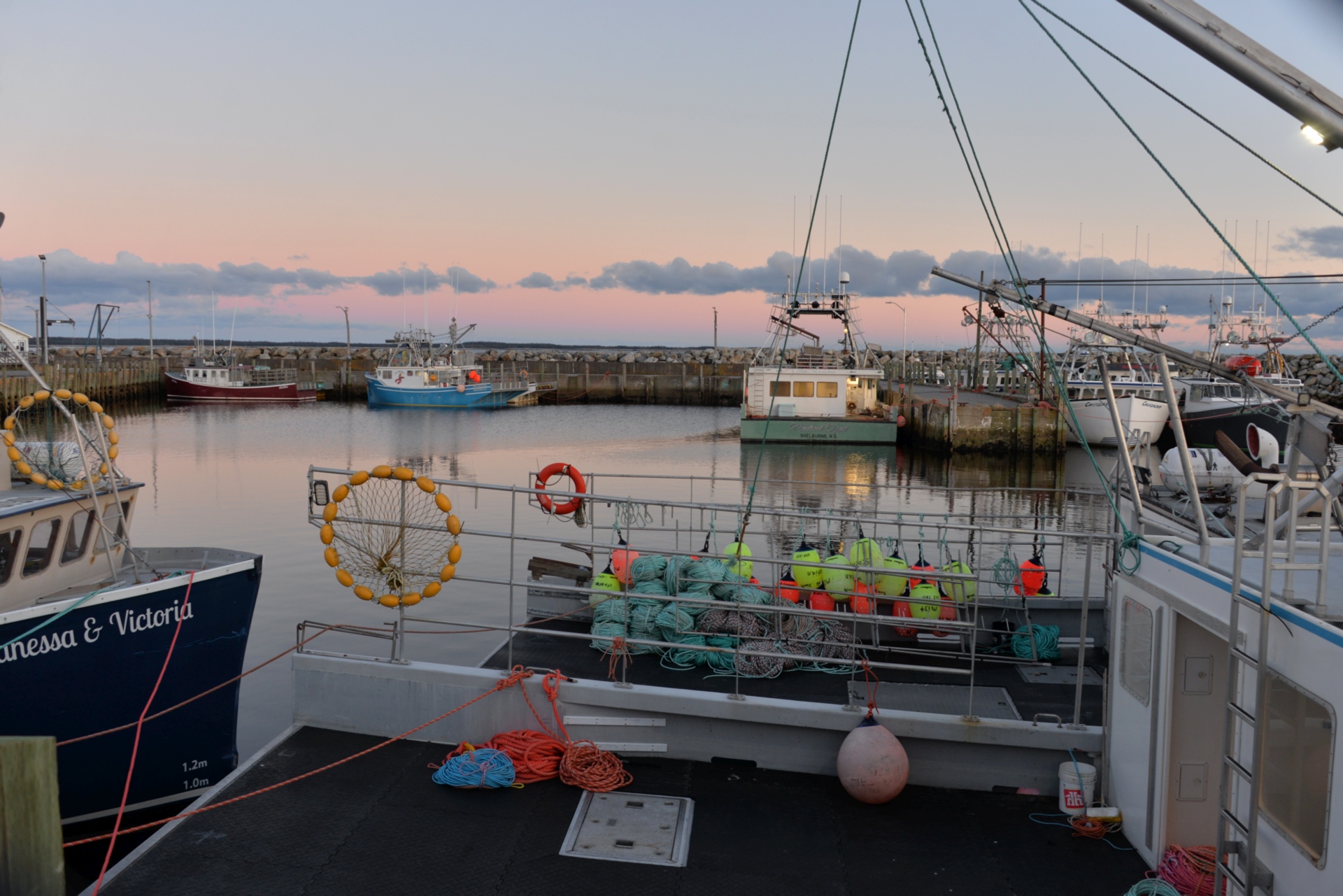
“Lunenburg Cure”, a term coined for a type of dried and salted cod, was a highly sought-after export to Caribbean markets in its heyday. Fishing in the city thrived until the unfortunate cod overfishing crisis. Today, local fishermen have shifted their focus to harvesting scallops and lobsters. Our dockside neighbours, the Adams and Knickle company, have found great success in scallop fishing. I was keen to visit their office and had the pleasure of meeting the company’s President Jane Ritсey, to introduce her to our project and get support during our stay here.

The oldest “saltbank” schooner Theresa E. Connor celebrated 85 years this summer
Monument dedicated to the memory of those who have gone down to the sea in ships and who have never returned and as a tribute to those who continue to occupy their business in great waters
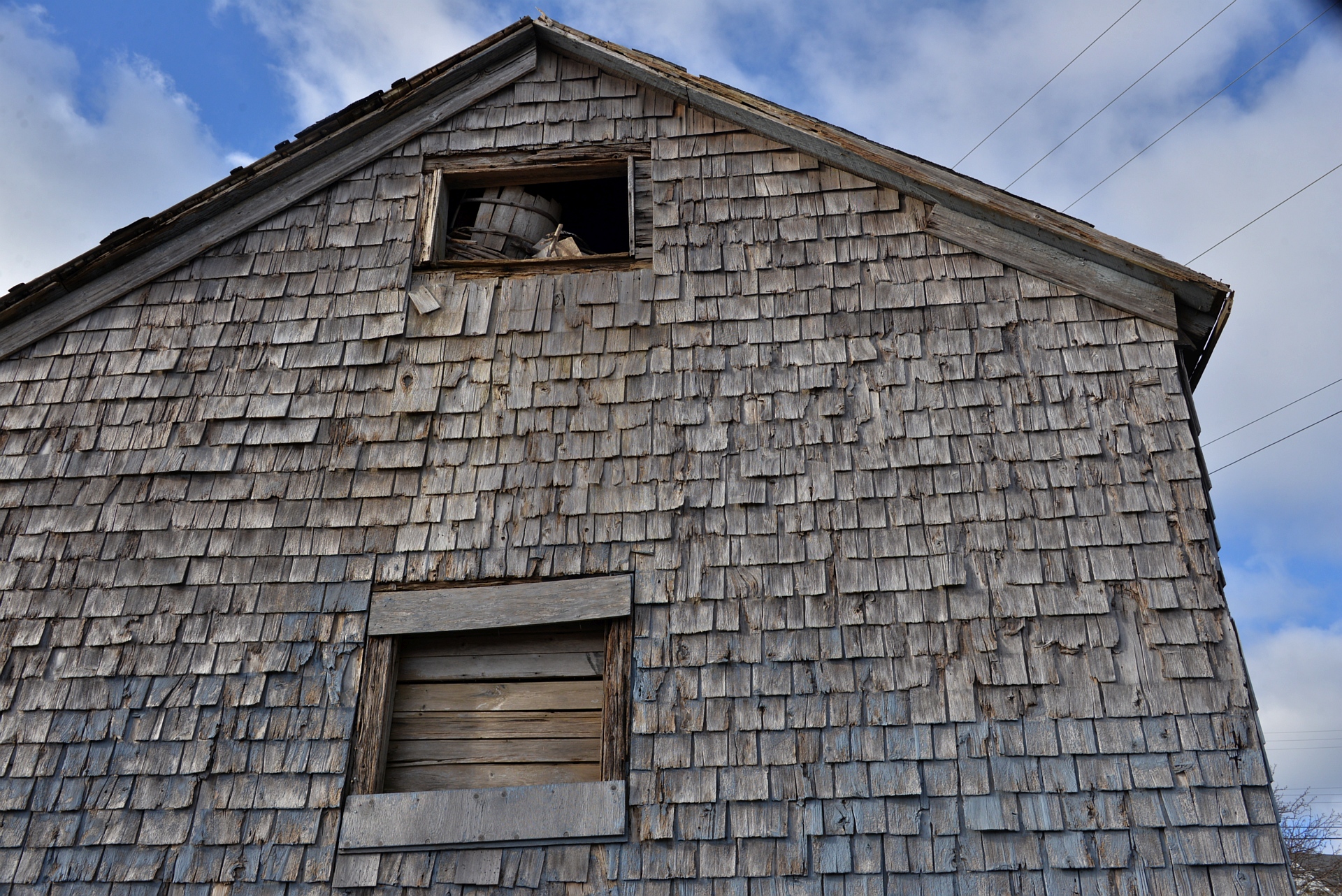
Old fishery wharf
Famous dories
In the boathouse
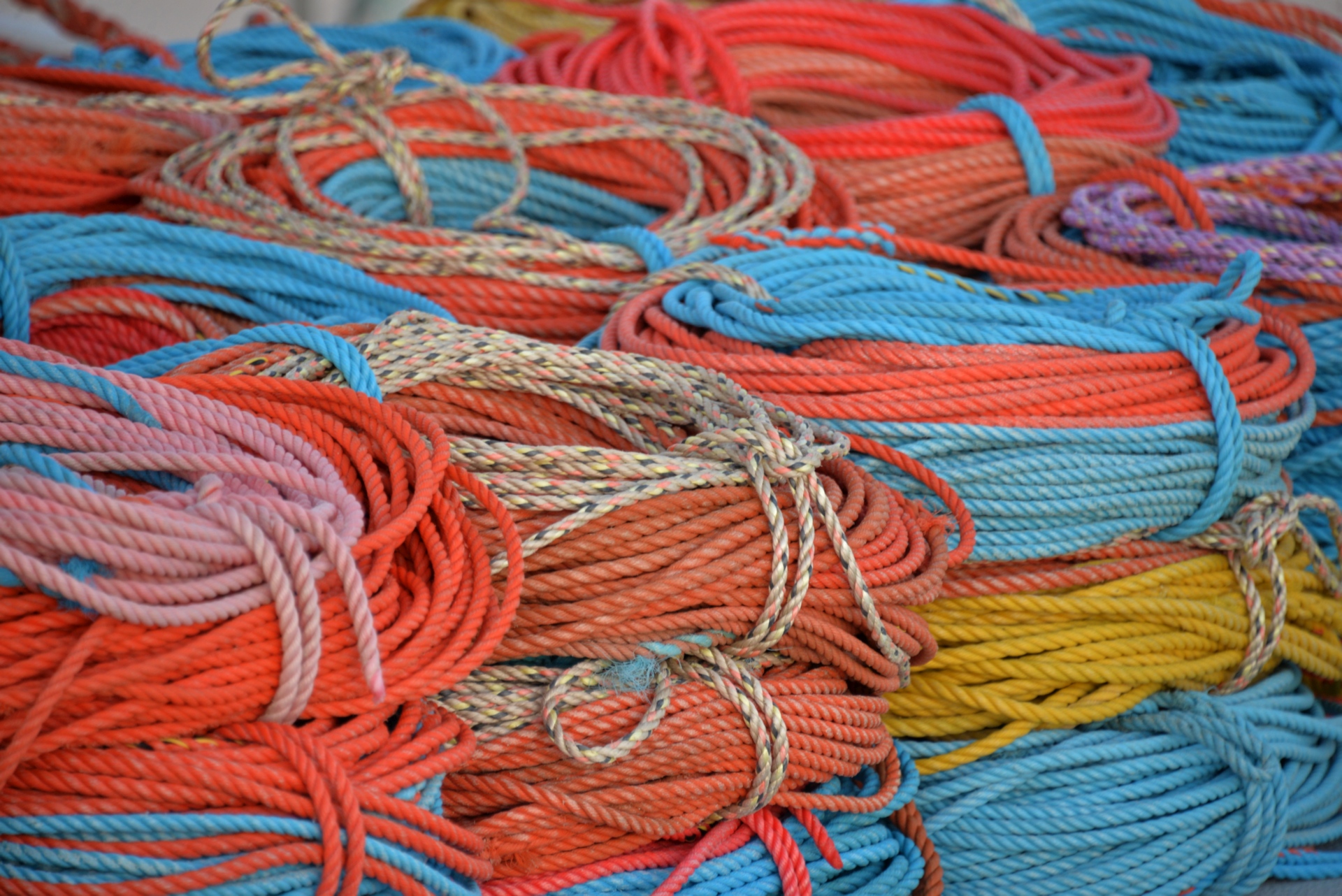
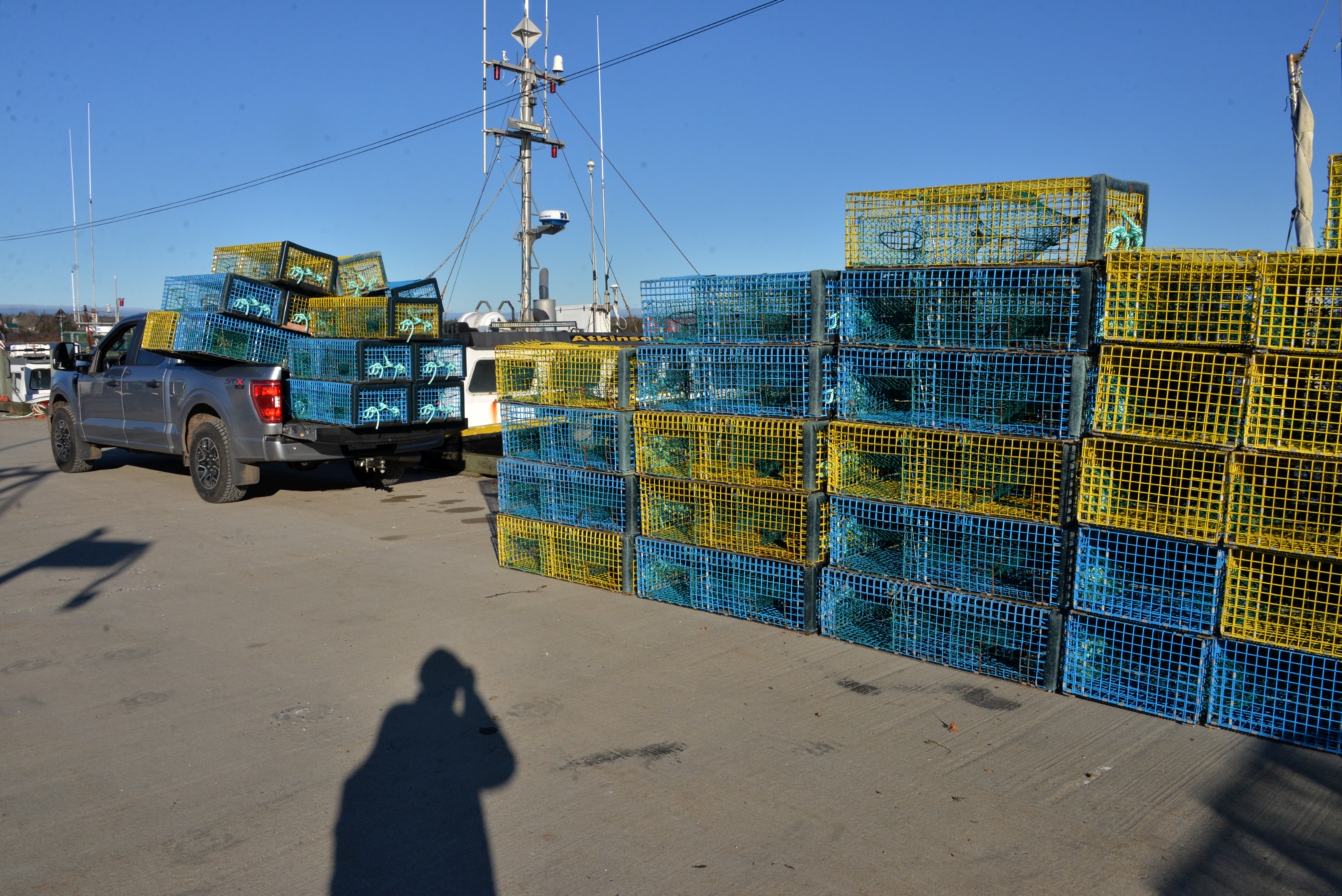
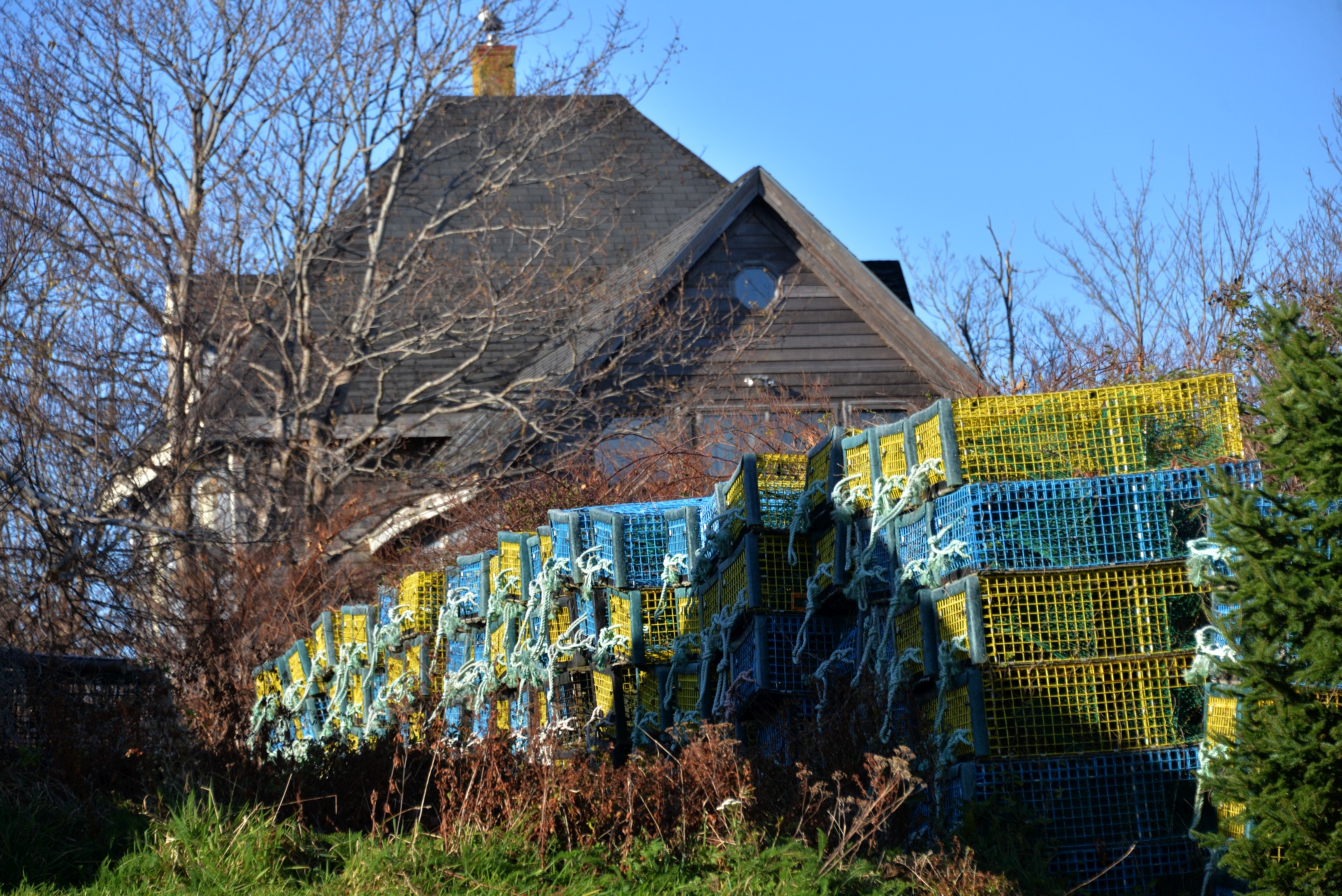
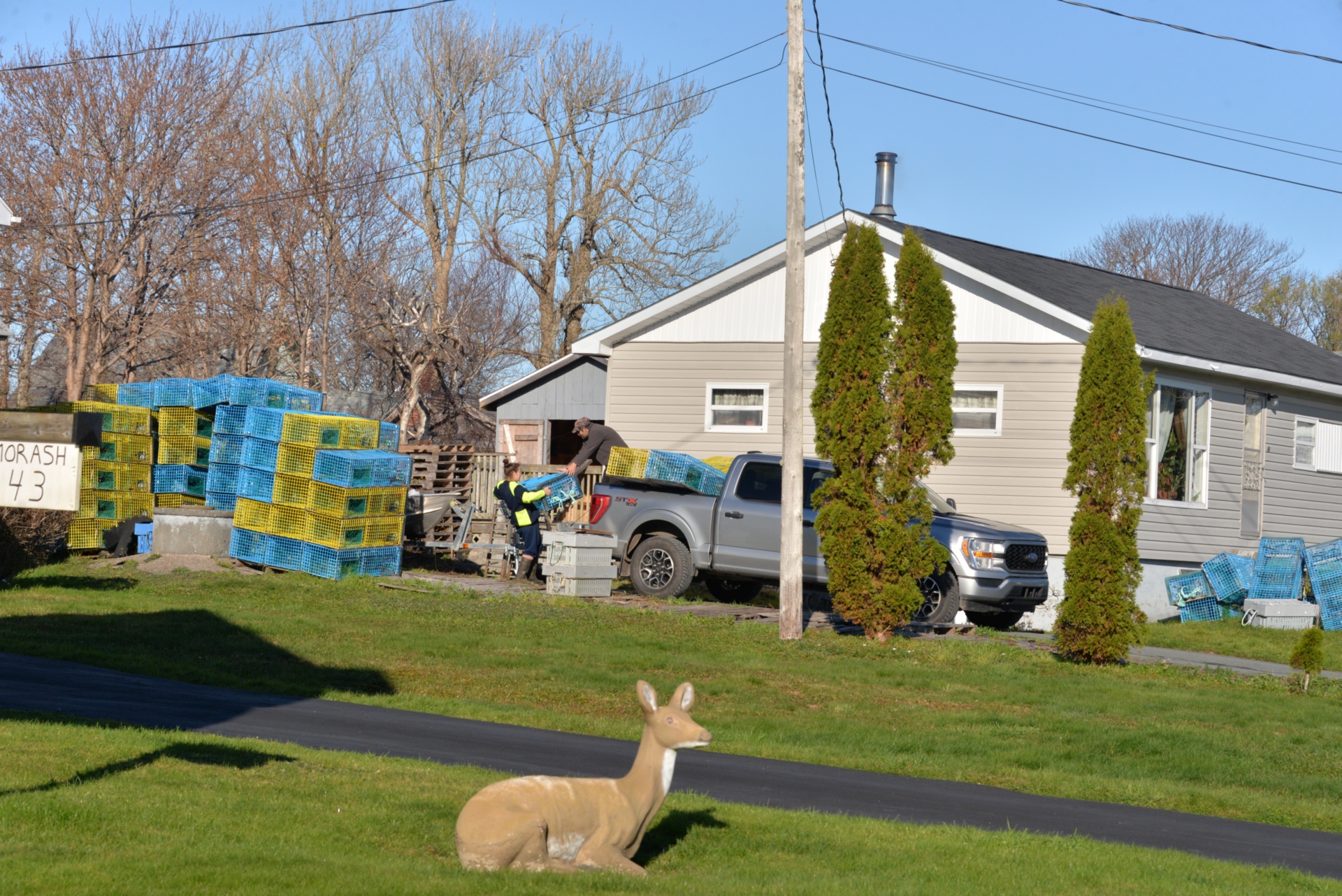
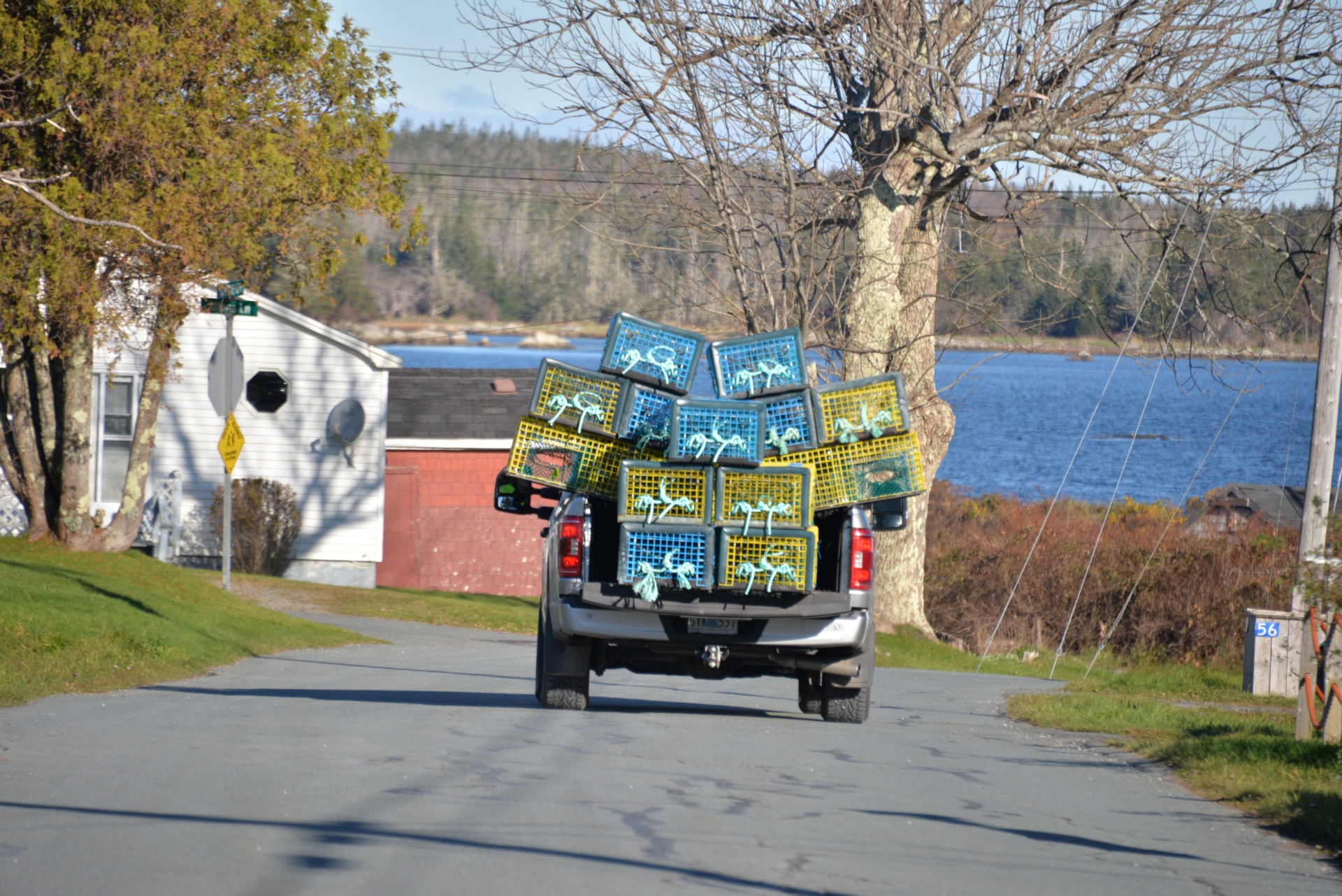
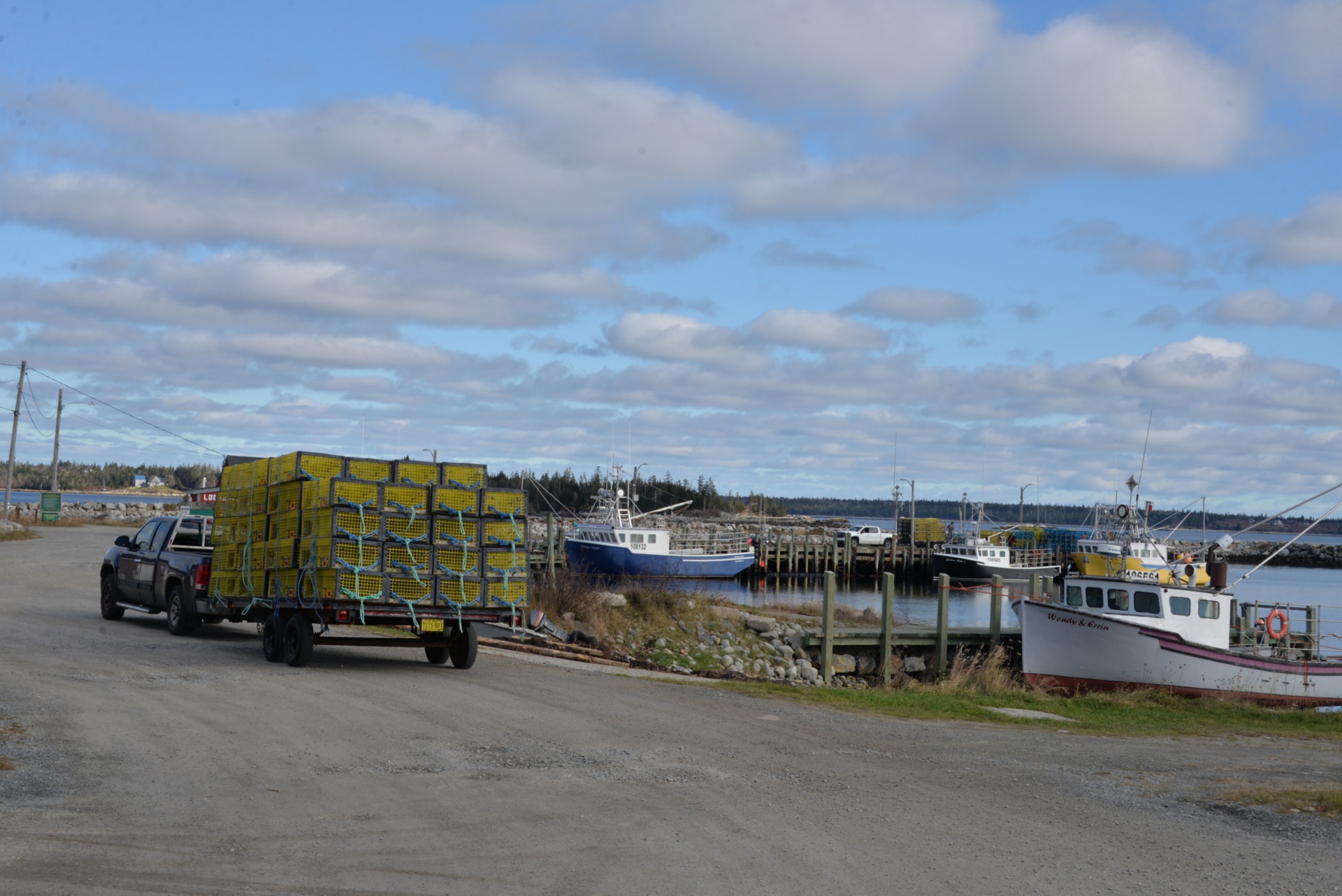
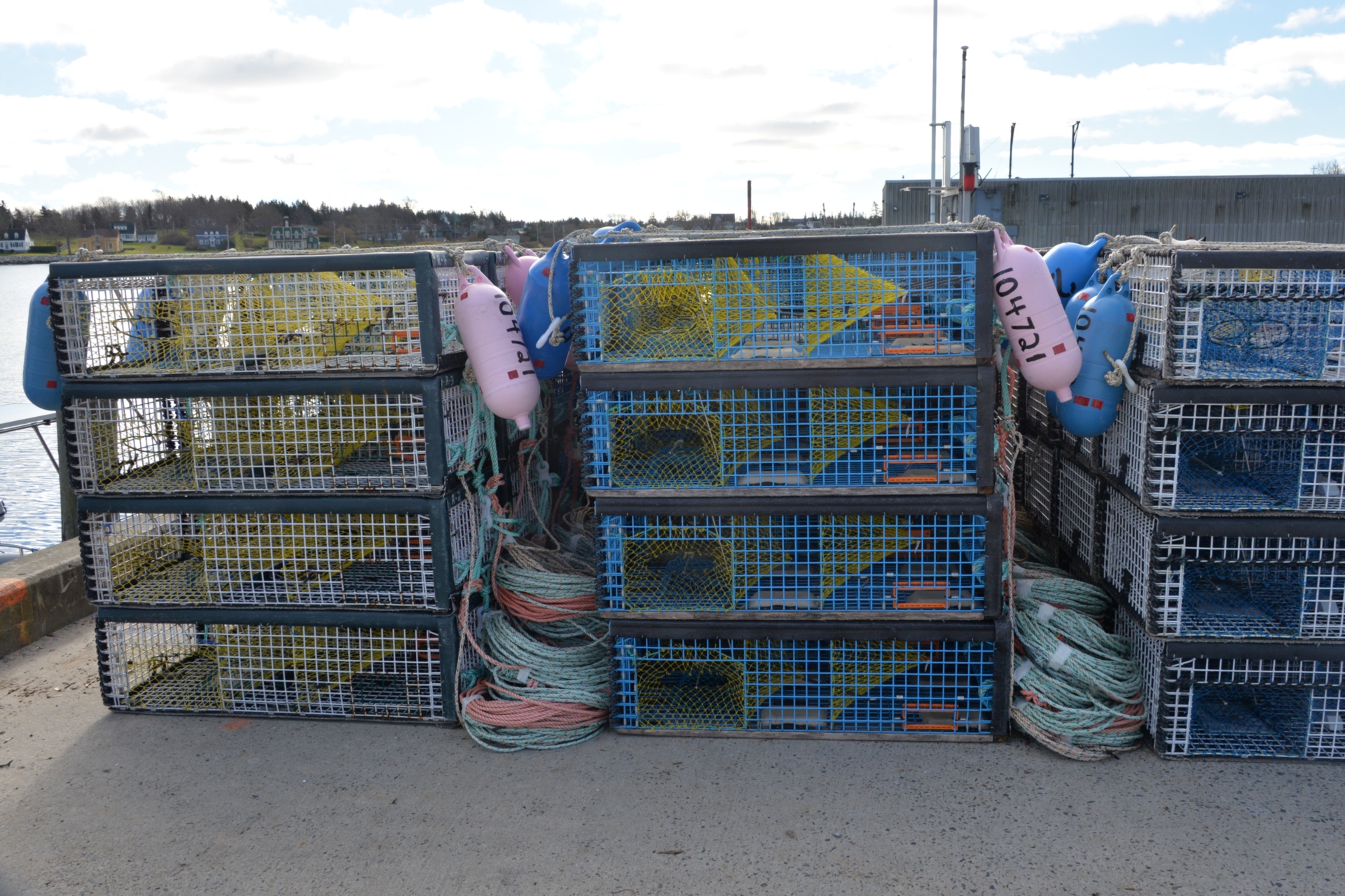
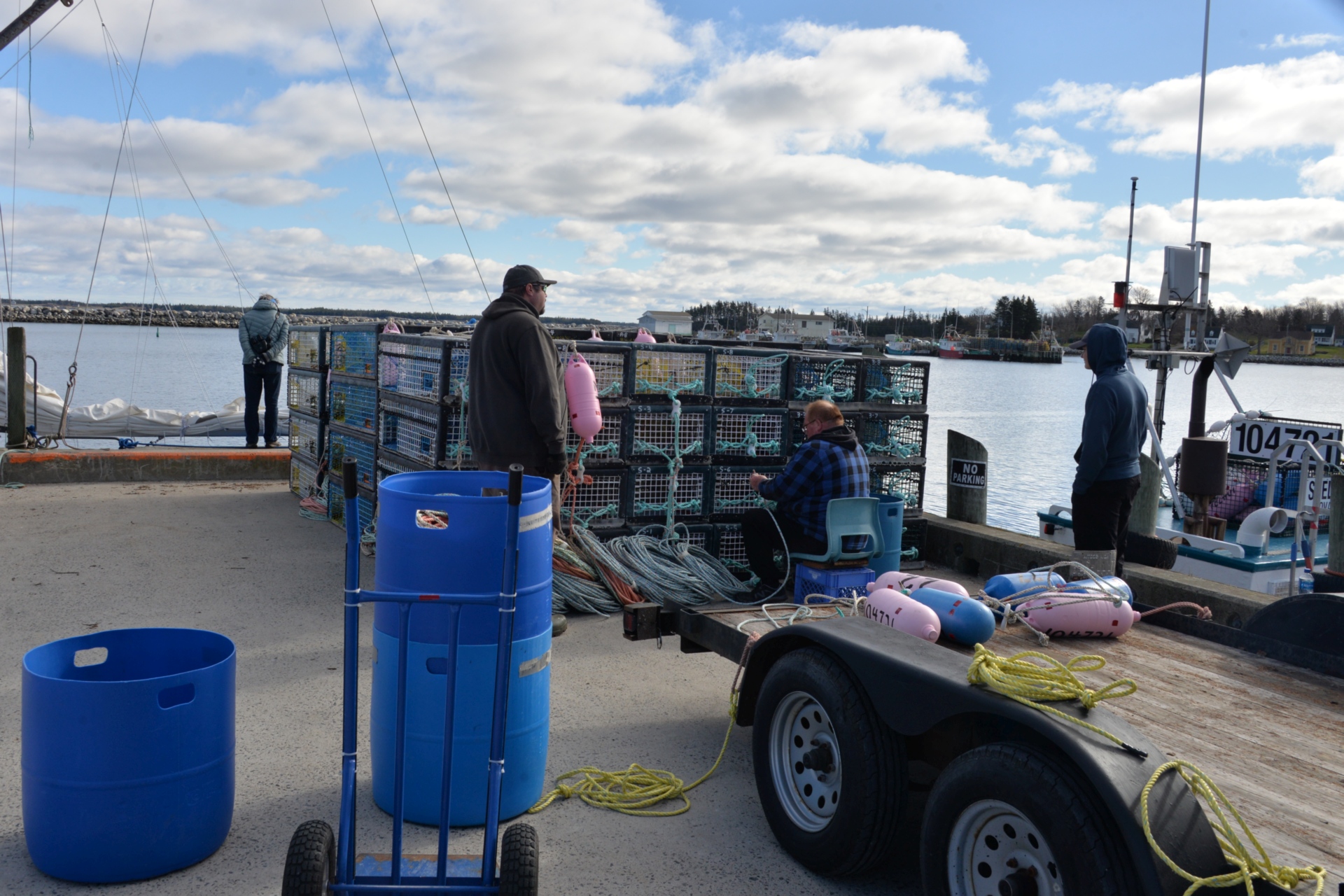
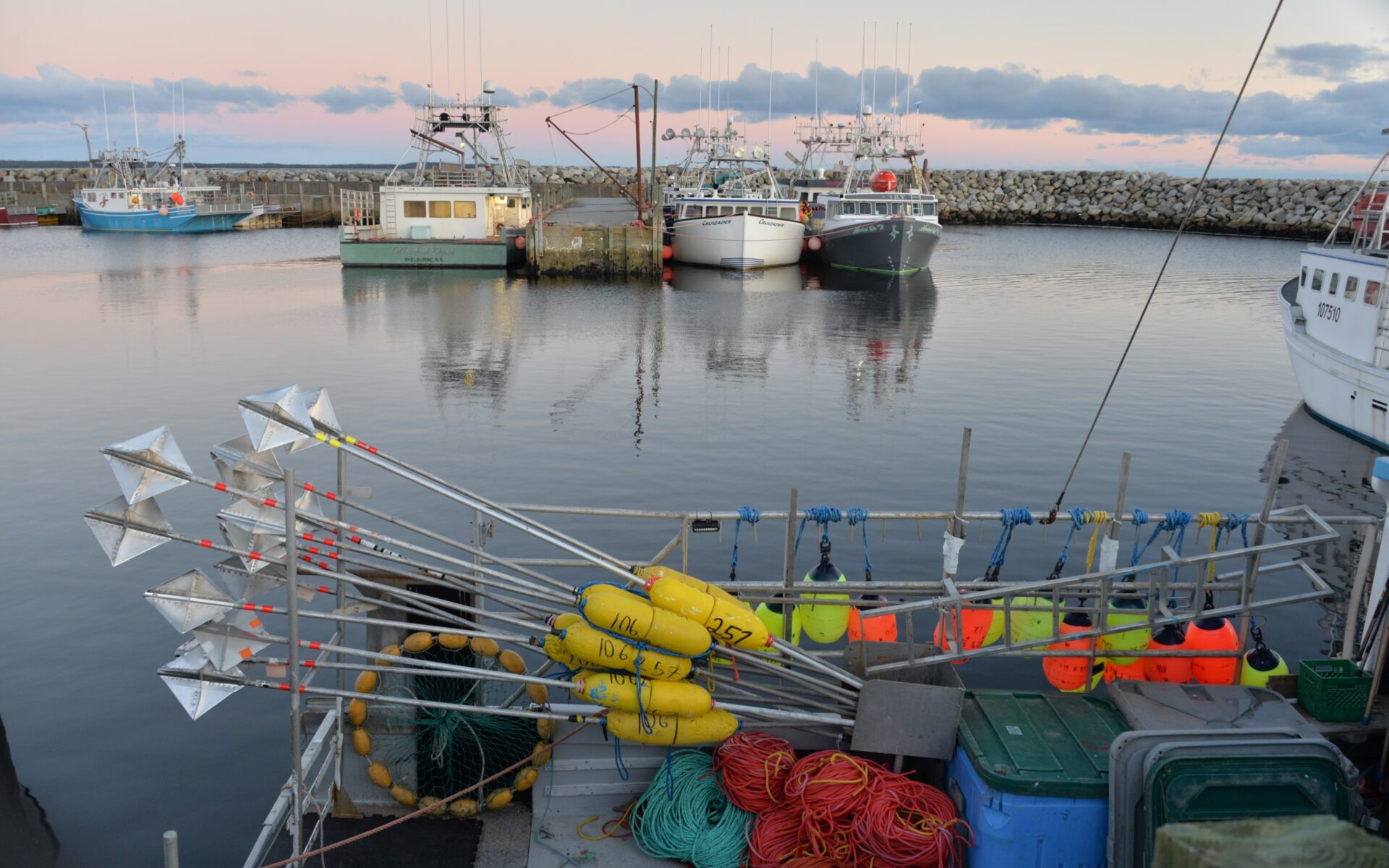
Lobster cages are ready for the season, which will start here in December
Dry dock in the Lunenburg Shipyard
A schooner on hard in repair
Boatyard
There were better days…
High Liner Foods – largest in North America fishery processing plant, founded in 1899, as W.C. Smith & Co, originally a salt fish operation
Adams&Nickle shipyard with fishing vessel “Maude Adams”
Office of Adams & Knickle
Window of the “Adams&Knickle” heritage store
Welcome to the store!
Something old, something new
Jane demonstrated the survival suit, which they just received after the annual inspection

Colours of Lunenburg

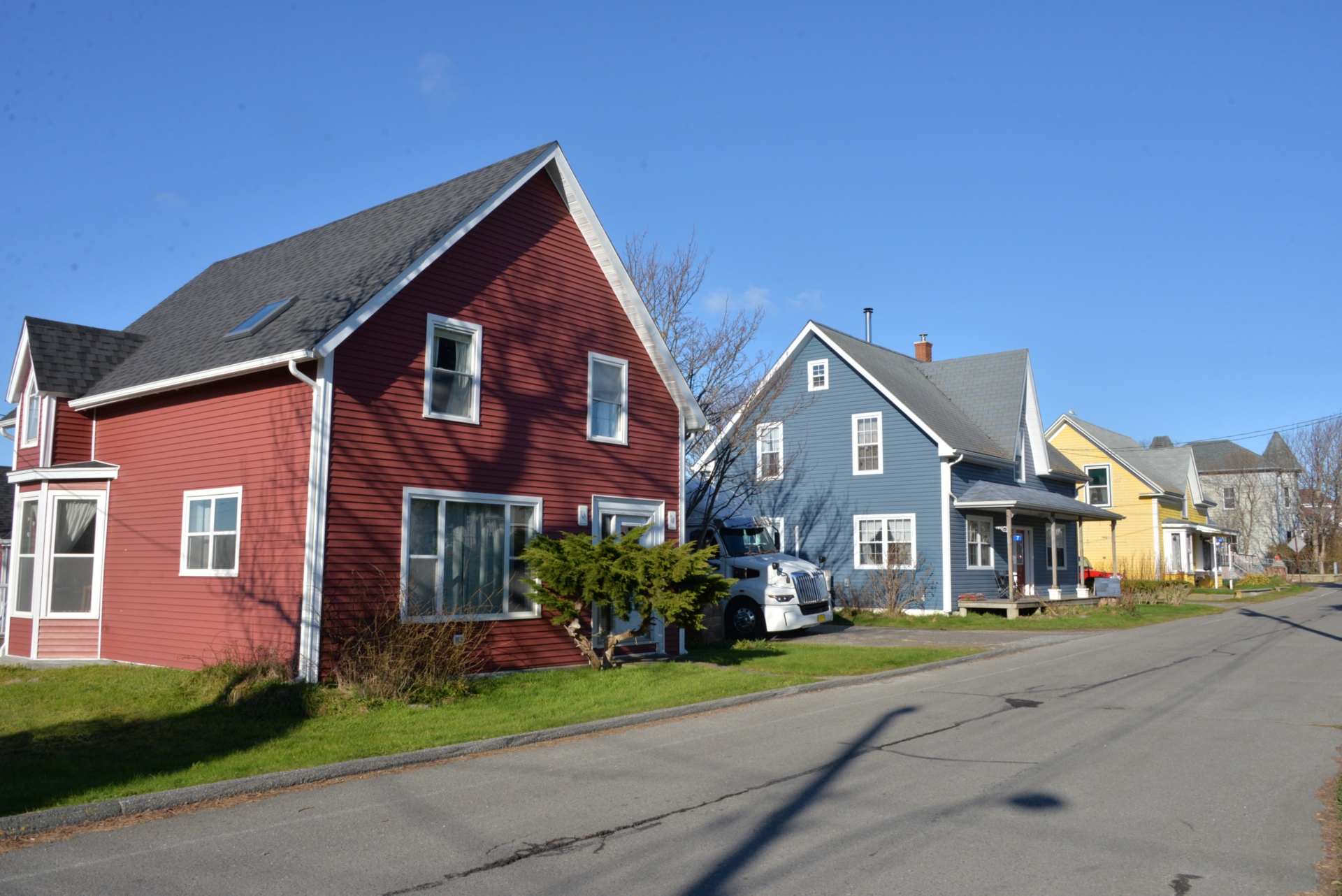
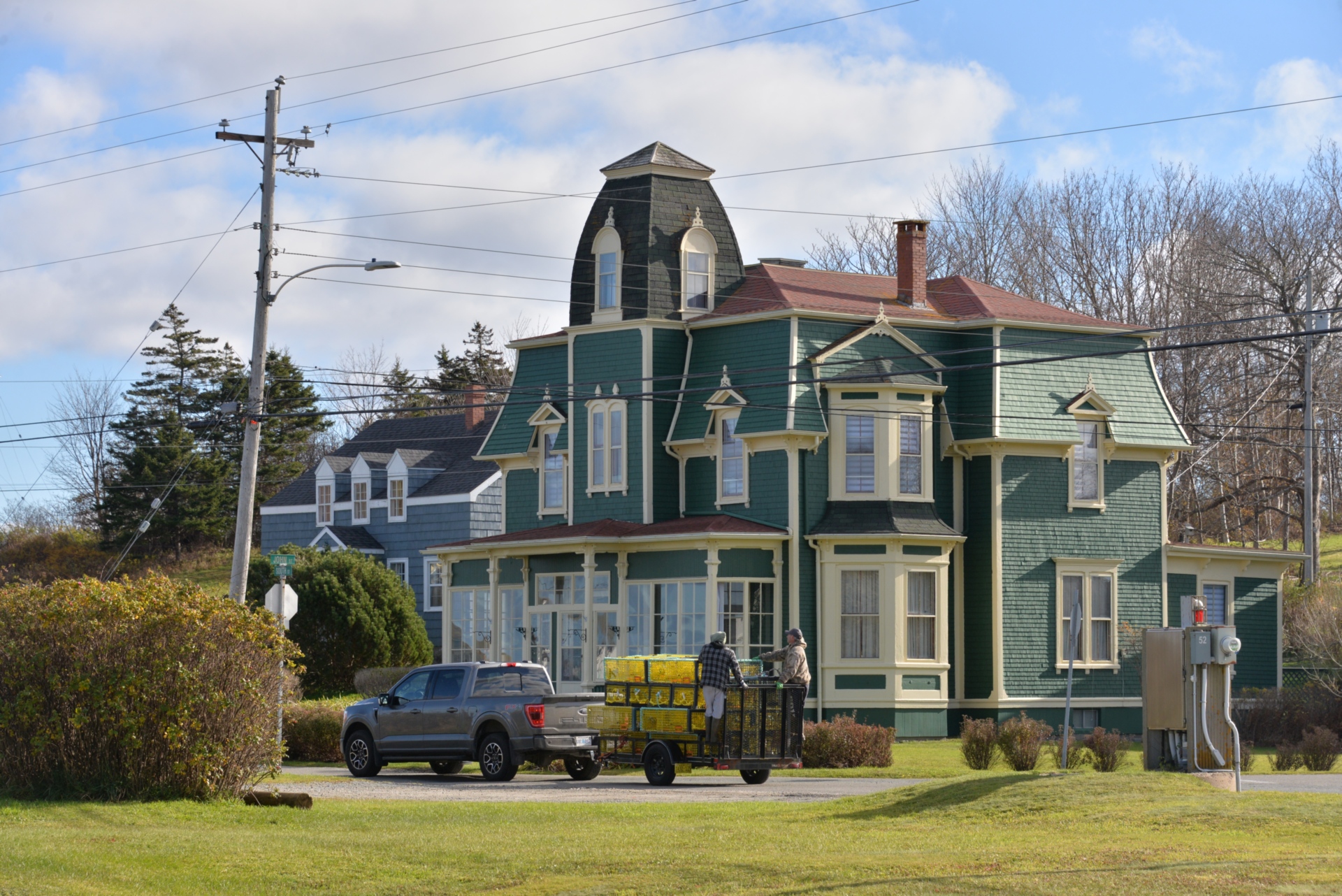
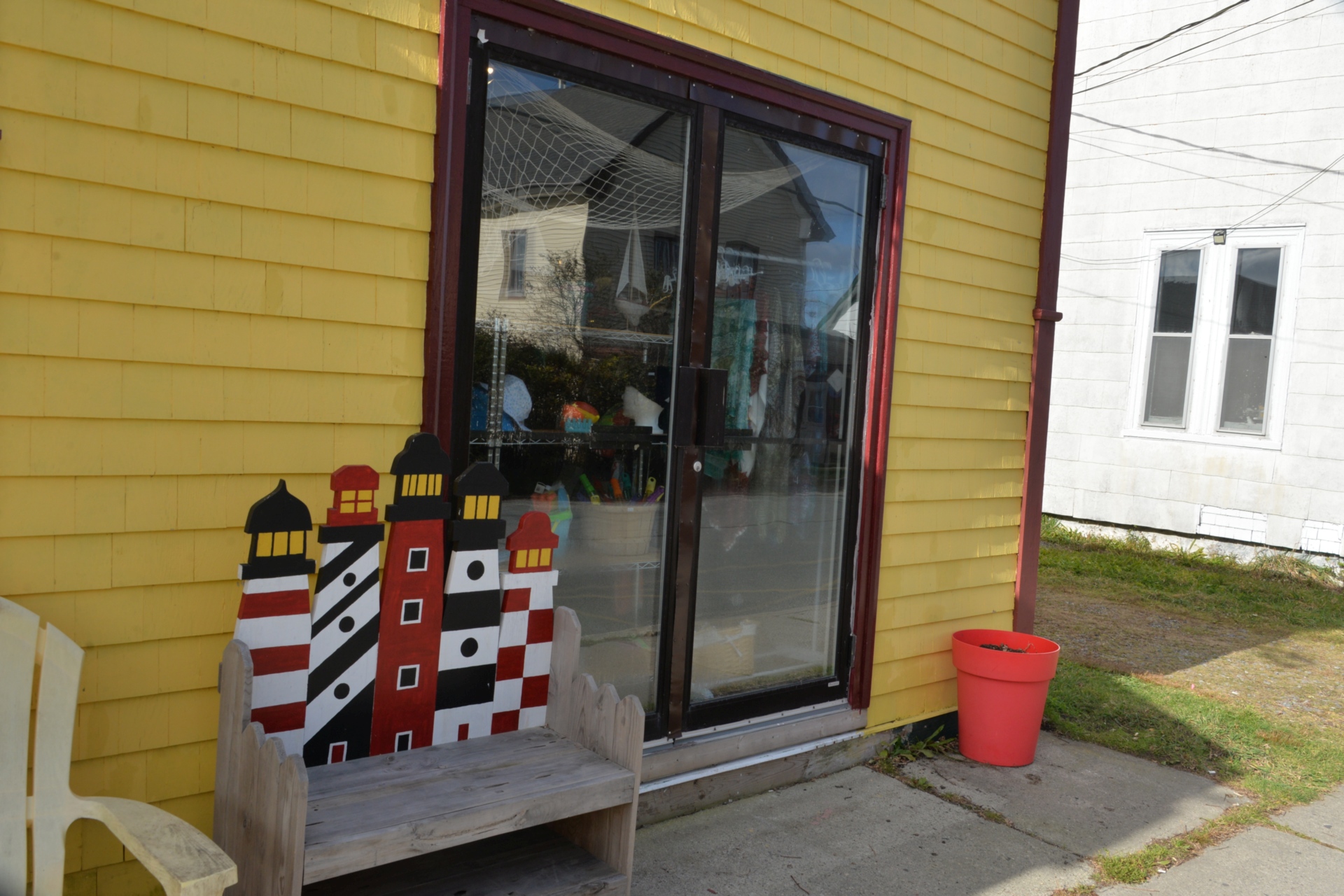
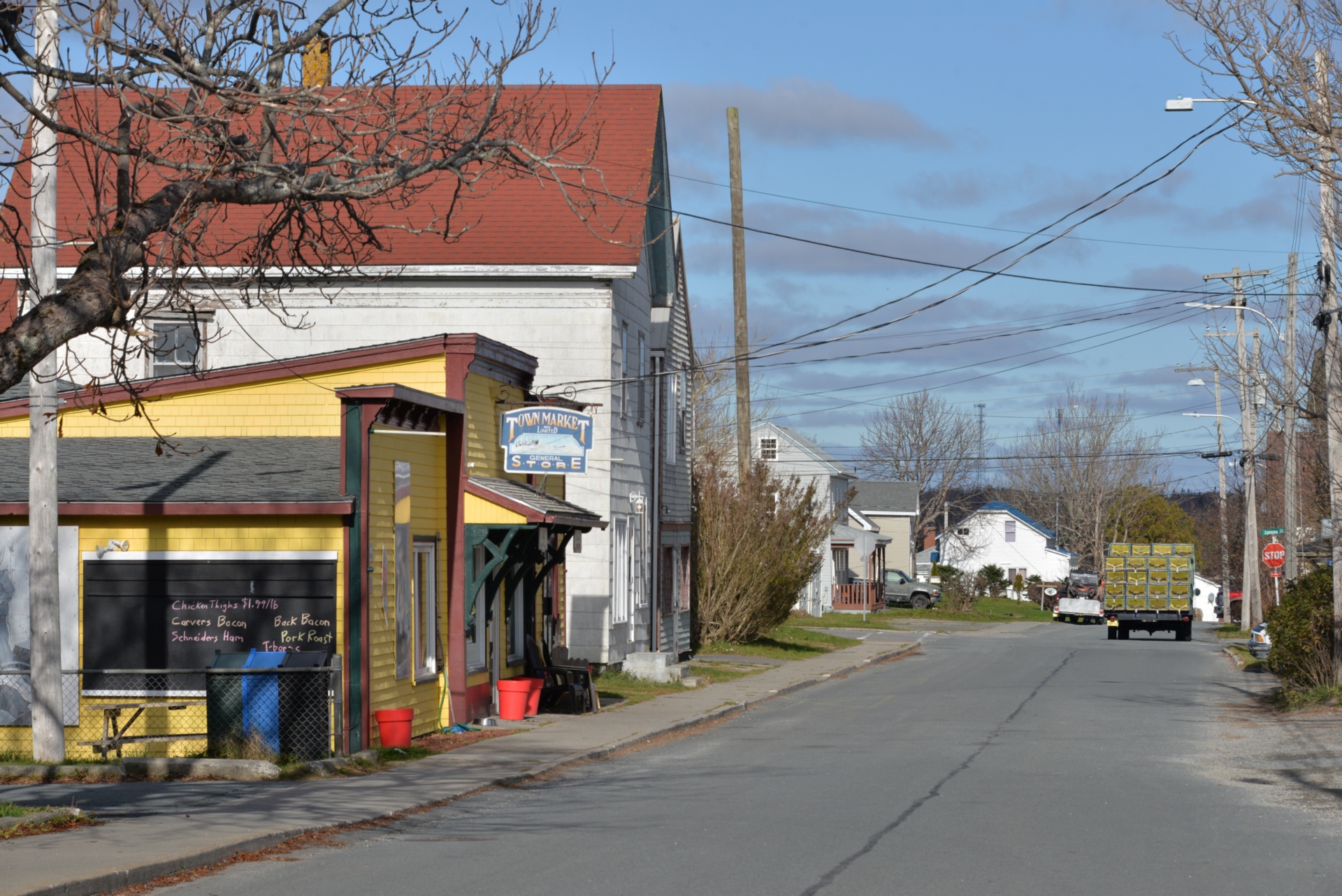
Our unplanned extended stopover in Lunenburg has been a daily adventure, bringing us an abundance of newfound delights and the sheer joy of exploring this picturesque town. Historically, the main colours in the city were white, grey and red. Red allowed fishermen to see their homeport at a greater distance and in the fog, which is why many port facilities are still coloured red. The vibrant spectrum of houses, introduced by German immigrants in the mid-1970s, initially raised a few local eyebrows but soon became an integral part of the town’s identity. While Lunenburg is a UNESCO-designated historical heritage site with strict architectural preservation guidelines, homeowners enjoy free rein when it comes to choosing the paint palette for their houses.

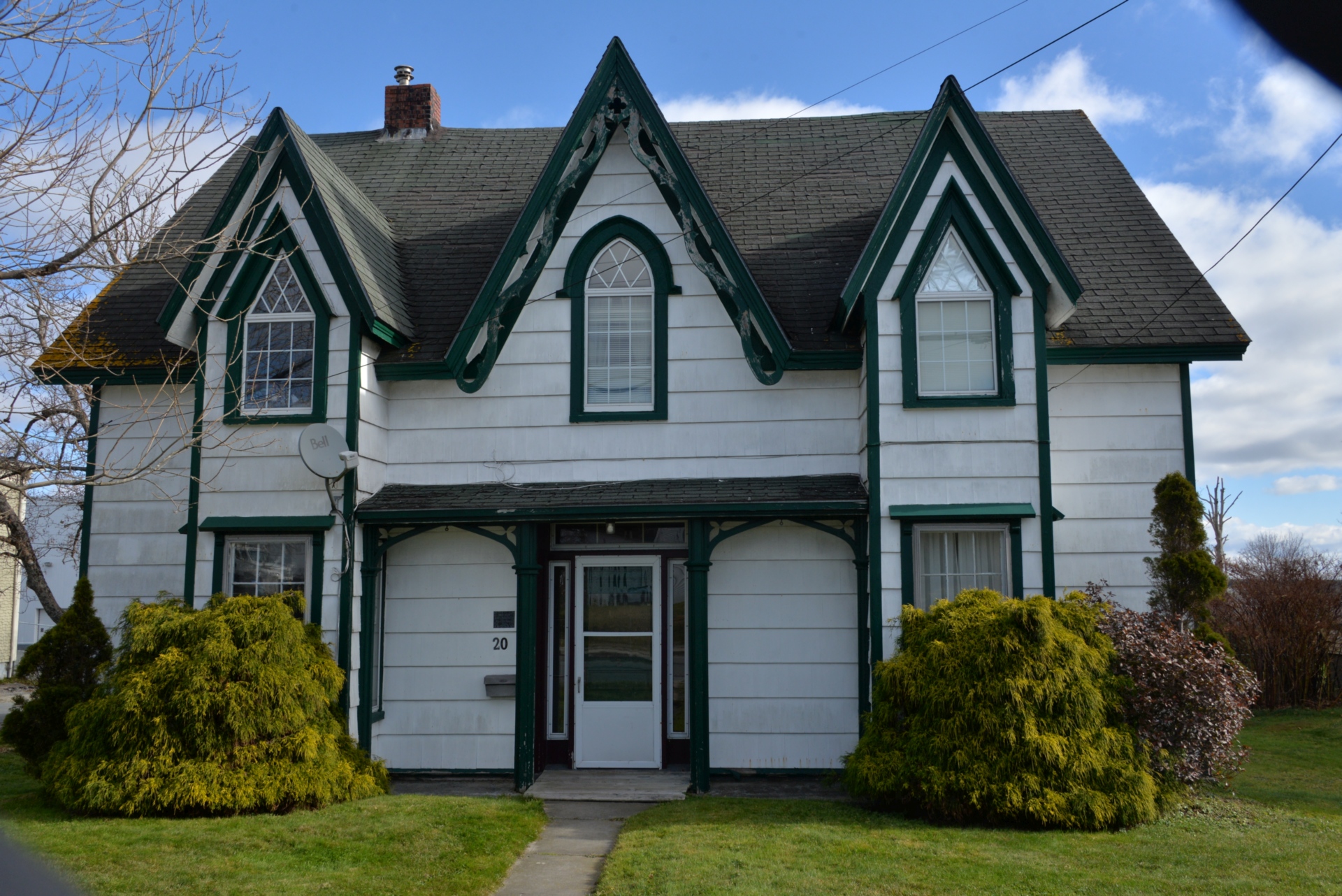
This is how the lively world of colourful homes came to be, adorning the town’s slopes and offering a delightful view from the bay. The architecture boasts an abundance of intricately carved wood, from ornate architraves and elegant eyebrows to meticulously crafted staircases and balconies adorned with balusters. Each house is a unique masterpiece, evoking the true art of carpentry and construction, deeply rooted in the tradition of shipbuilding and maritime craftsmanship.

So, let’s take another stroll through this captivating town, where every corner reveals a piece of history and a touch of artistic craftsmanship.

Lunenburg Academy