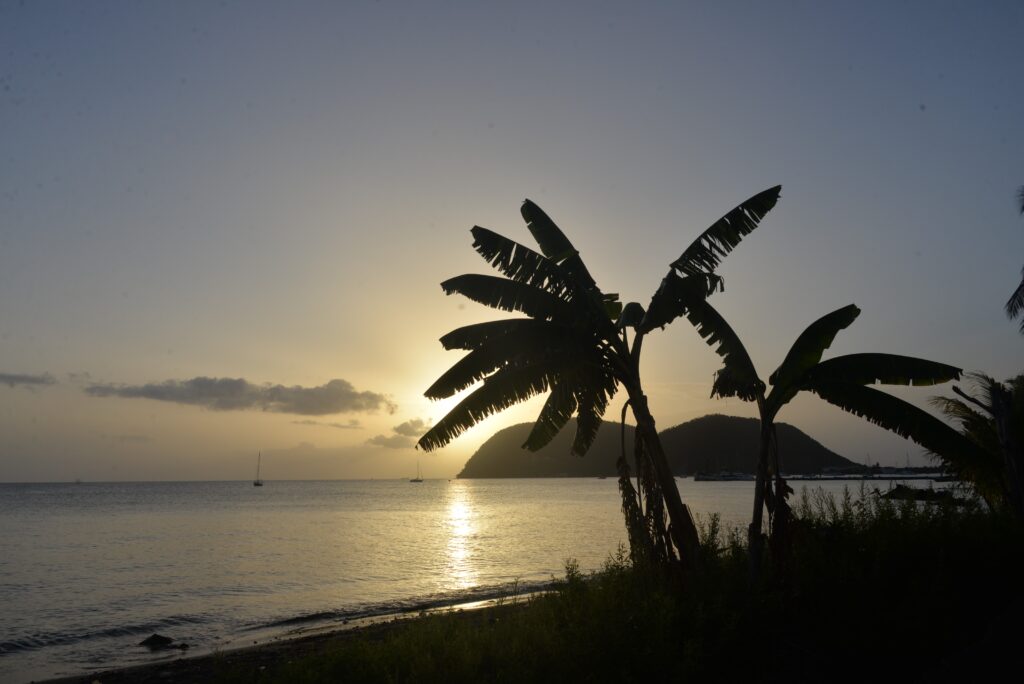
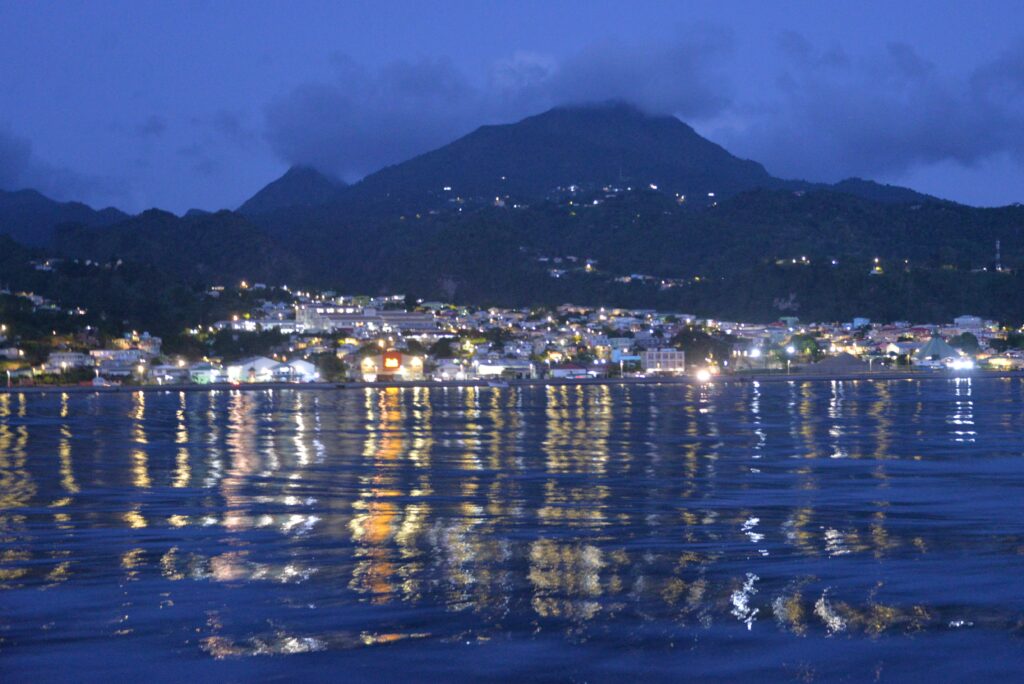
Dominica is a rare jewel in the Caribbean, a place where nature reigns supreme and the rhythms of life are dictated by the ebb and flow of the natural world. Its volcanic landscapes, rich biodiversity, and vibrant cultural heritage create a unique destination that offers something for everyone, from the adventurous explorer to the weary traveler seeking solace. As the world becomes increasingly urbanized and frenetic, Dominica stands as a reminder of the beauty and tranquility that can be found in nature, a sanctuary that invites us to slow down, breathe deeply, and appreciate the wonders of the natural world.
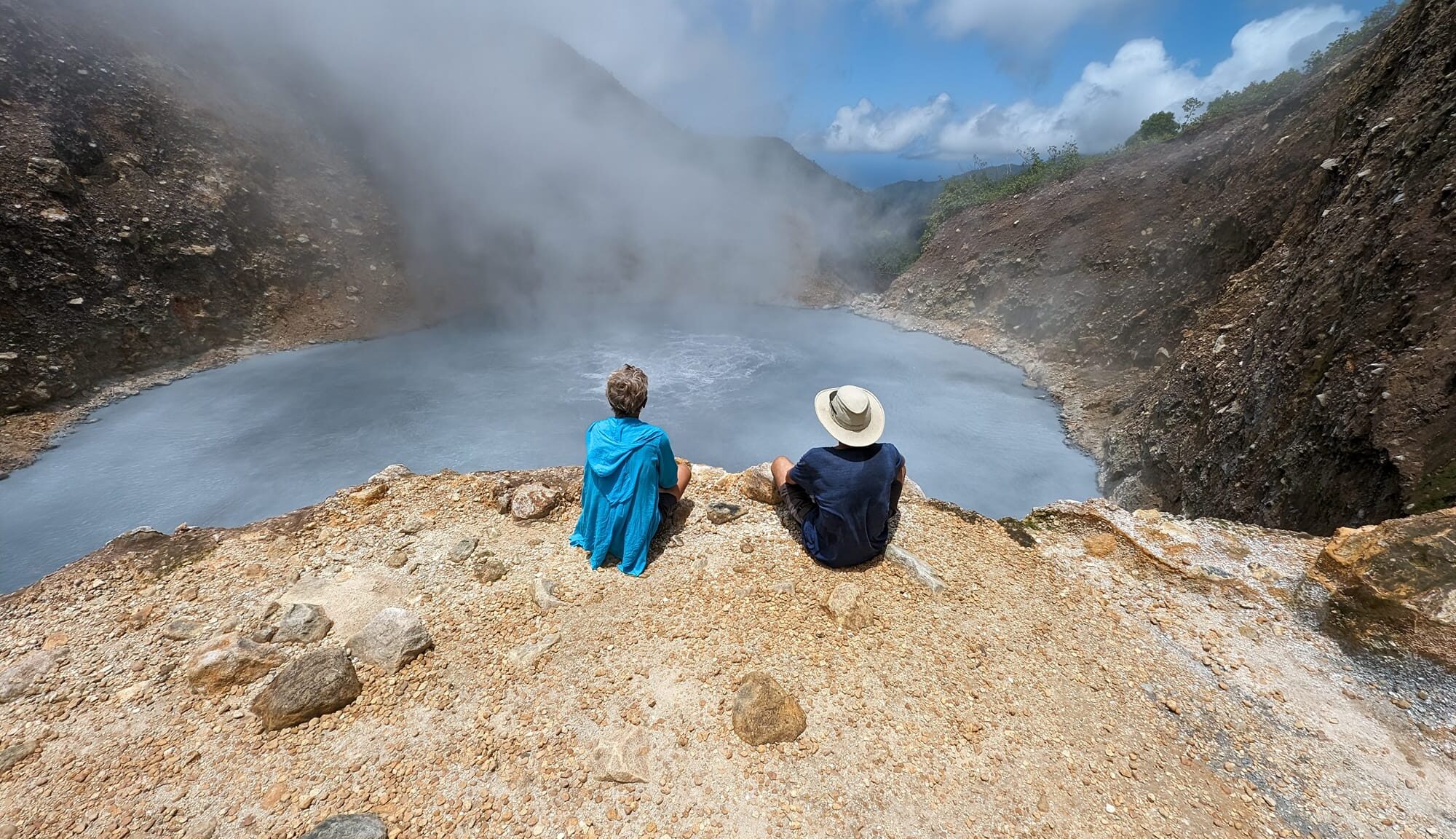
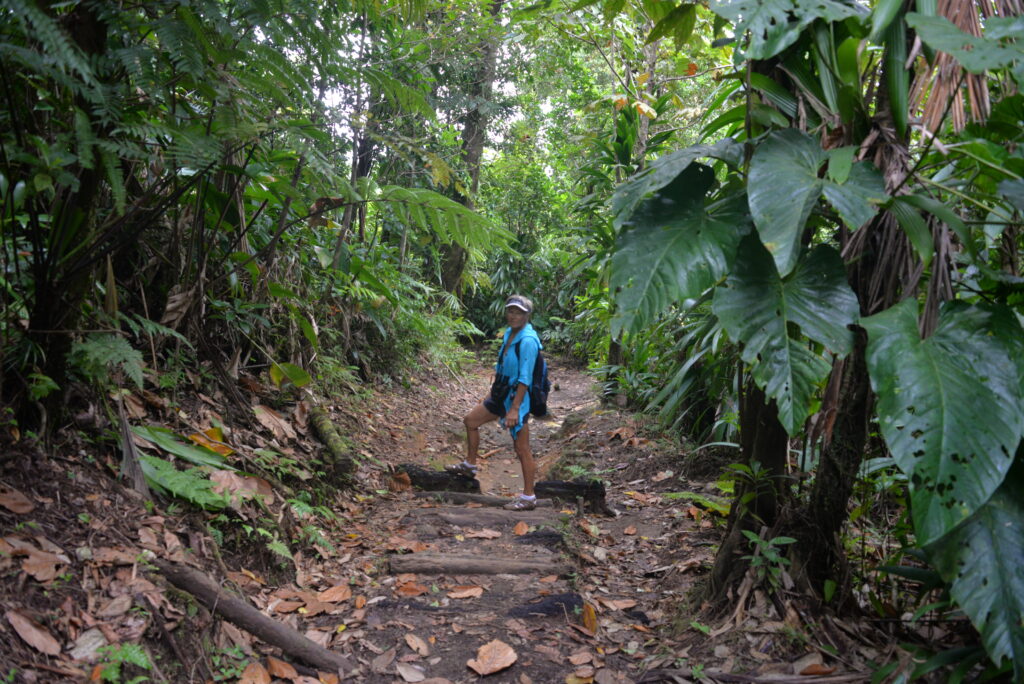
Boiling Lake… The name alone conjures excitement! We decided to witness this natural wonder firsthand. However, after researching the journey in detail, we realized it wouldn’t be a walk in the park; it demanded strength, perseverance, and a touch of madness. But the choice was clear: it was now or never. Childhood is about discovering new things, and as adults, we must seize the moment because who knows if there will be another chance? With our curiosity overpowering any reservations, we set off early in the morning, wisely opting to take along a local guide. When we travel, we have a rule: contribute to the local economy. Supporting small businesses, whether through tours, museums, gifts, or restaurants, is the best investment you can make.
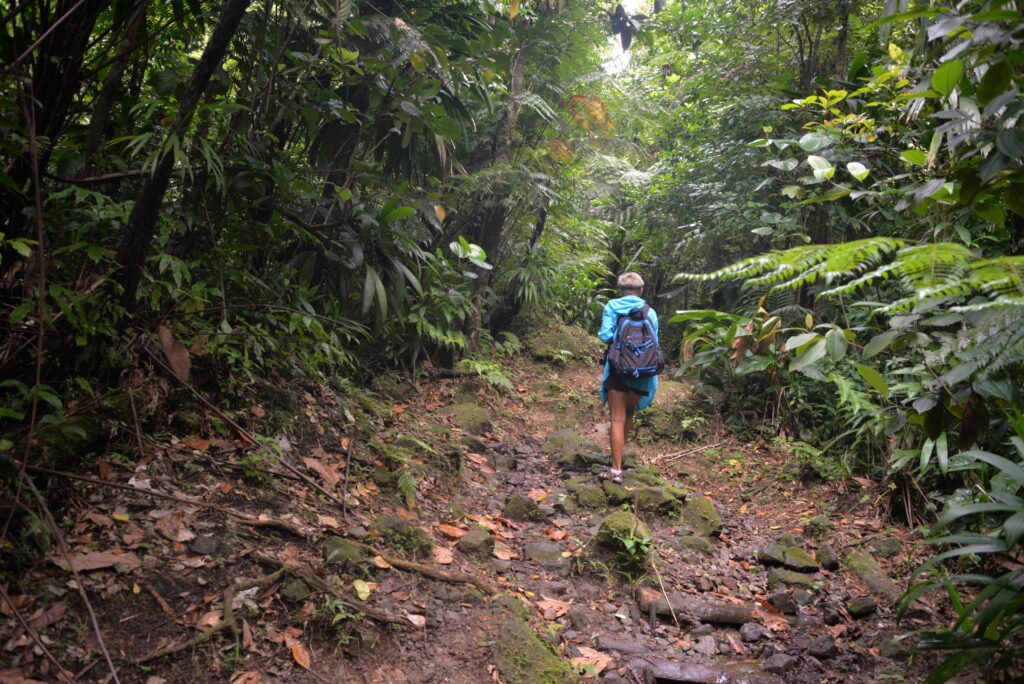
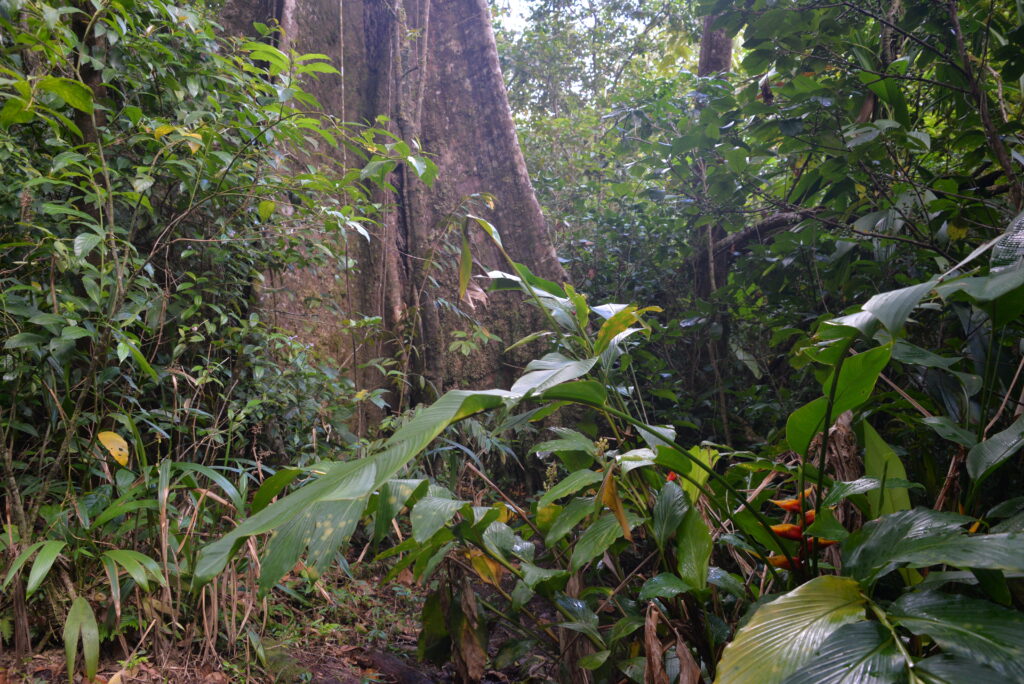
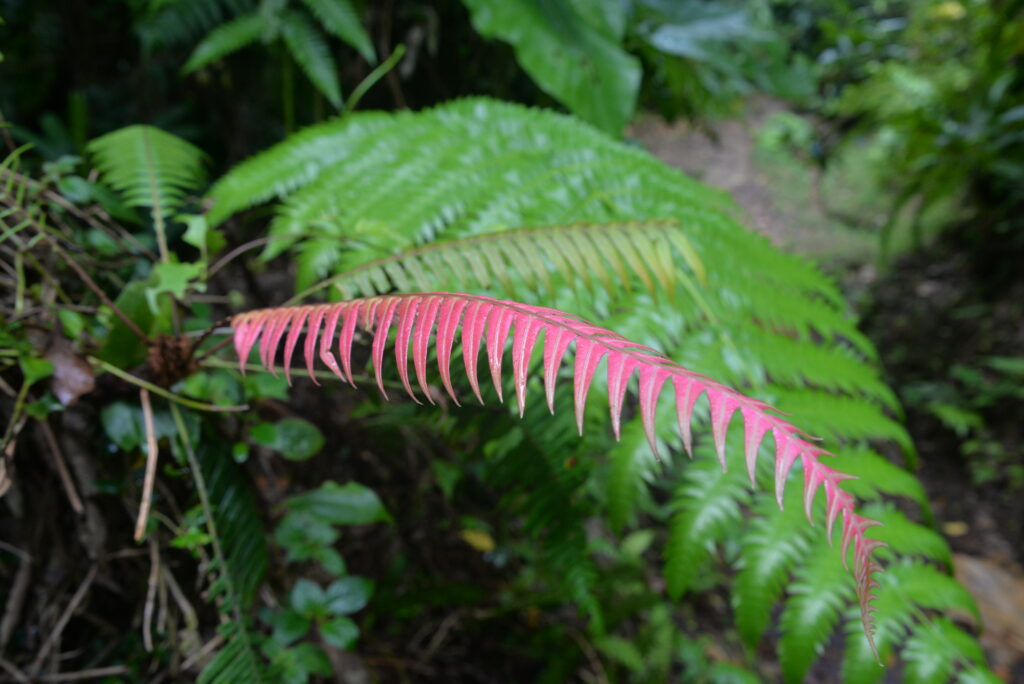
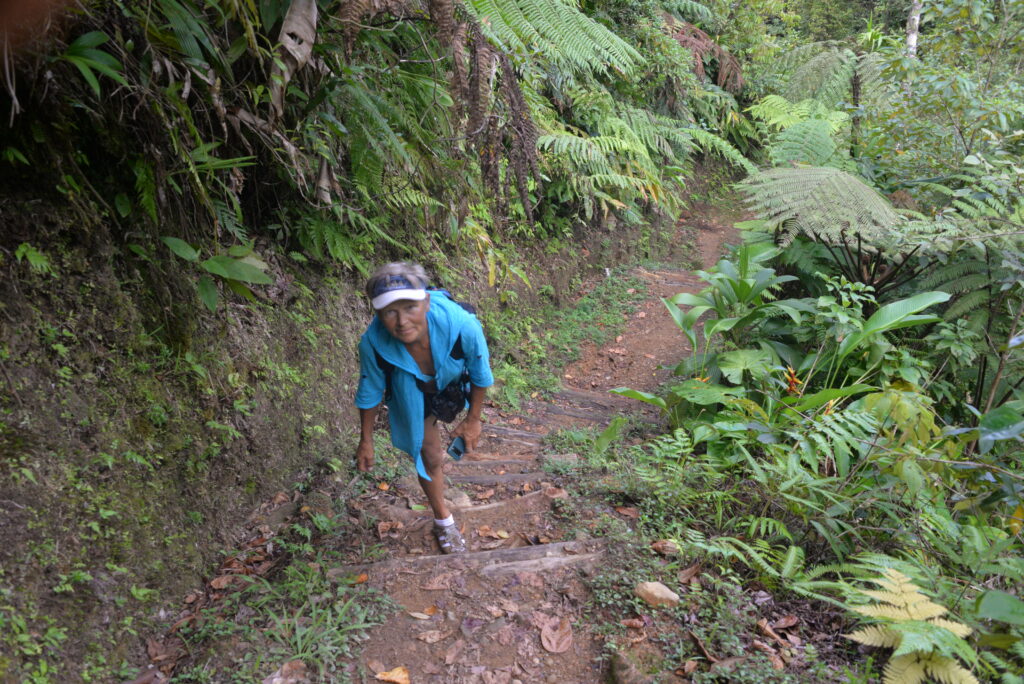
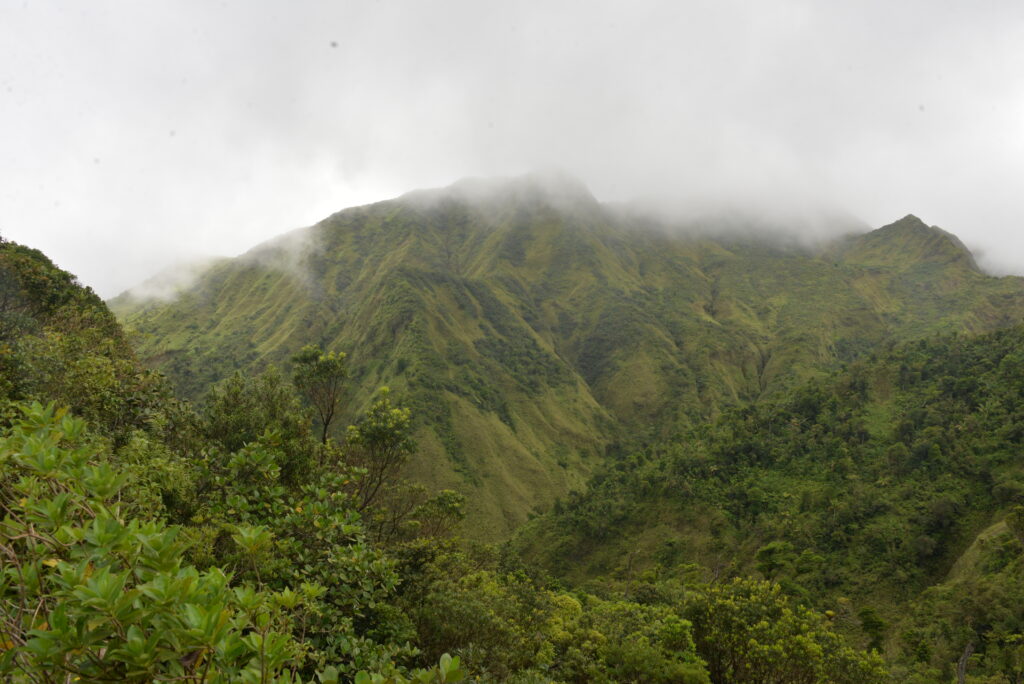
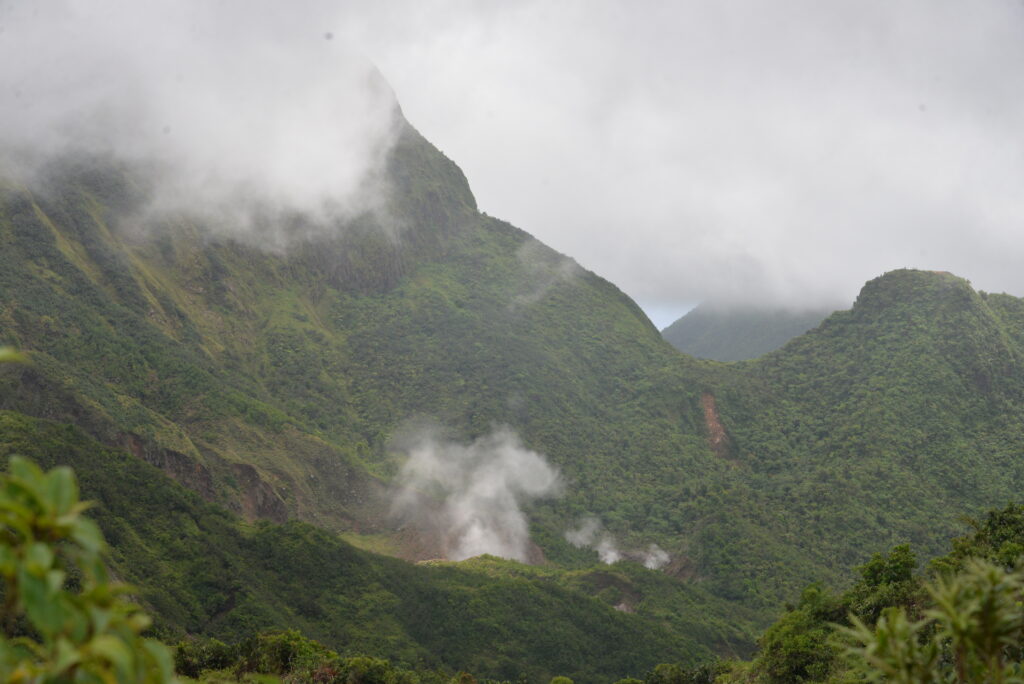
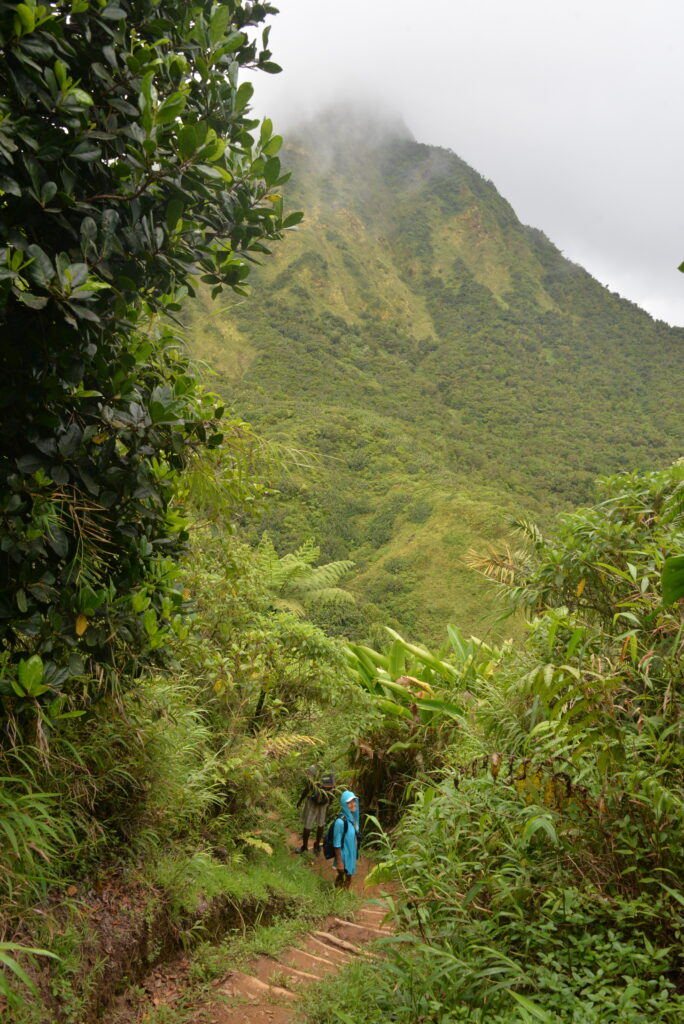
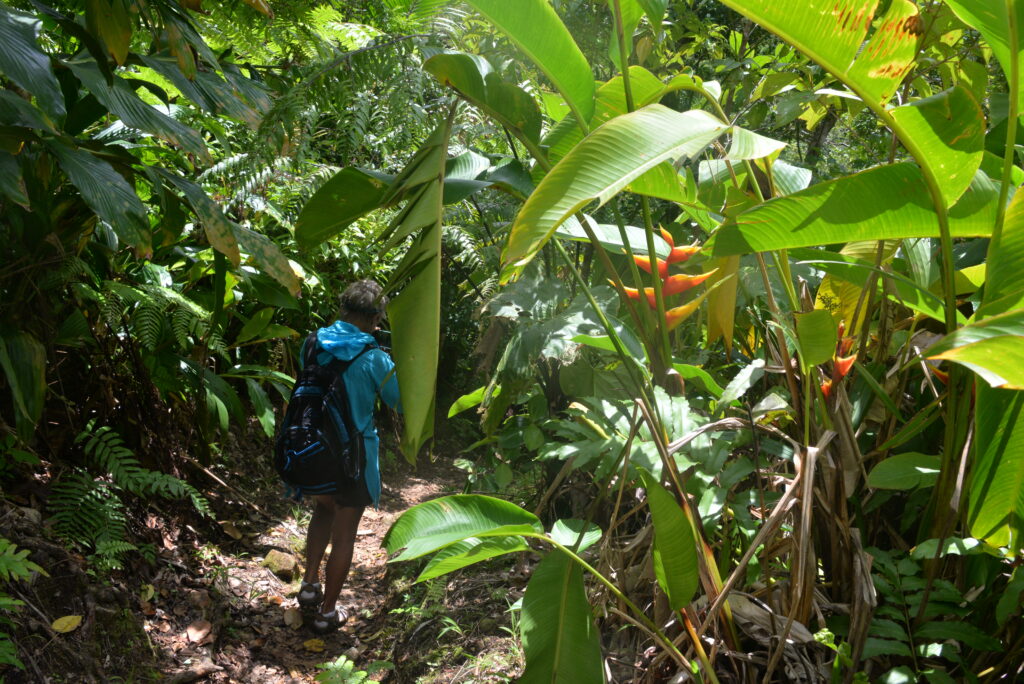
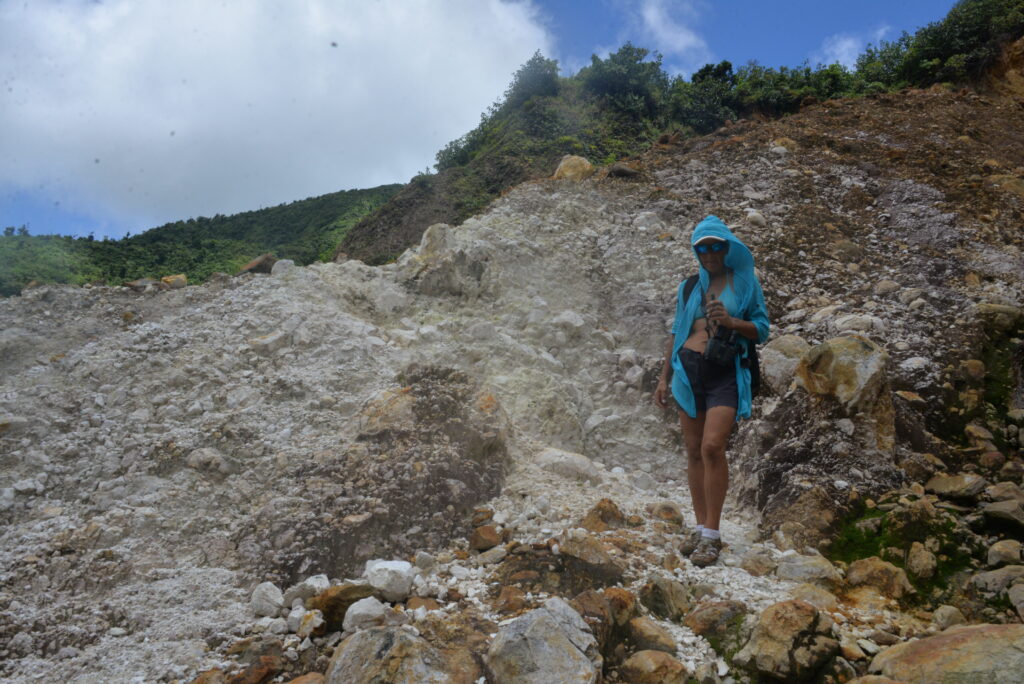
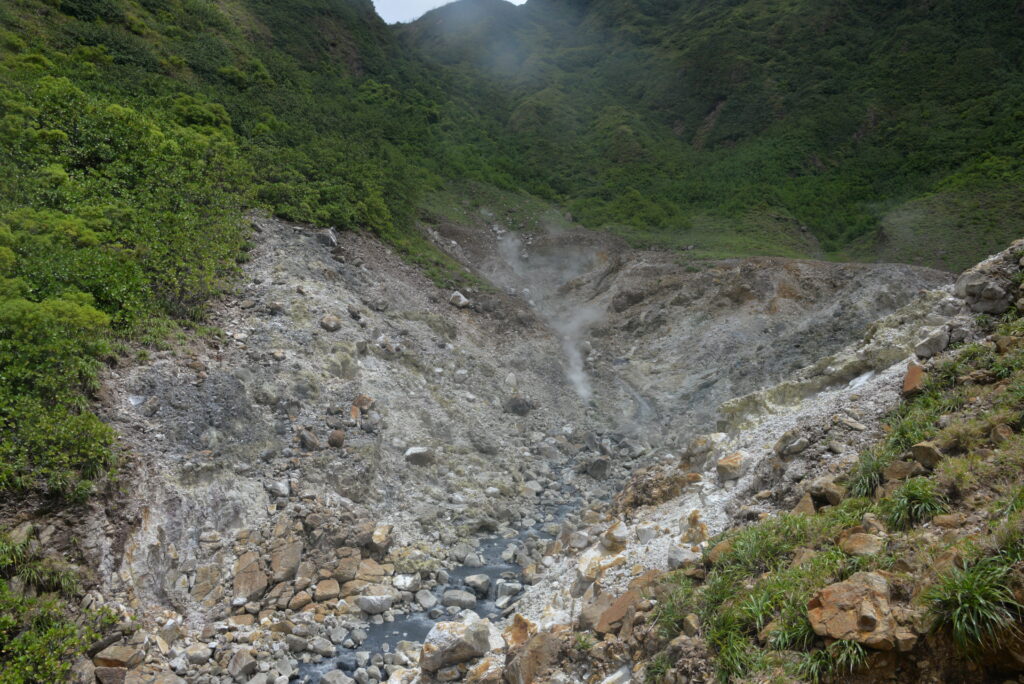
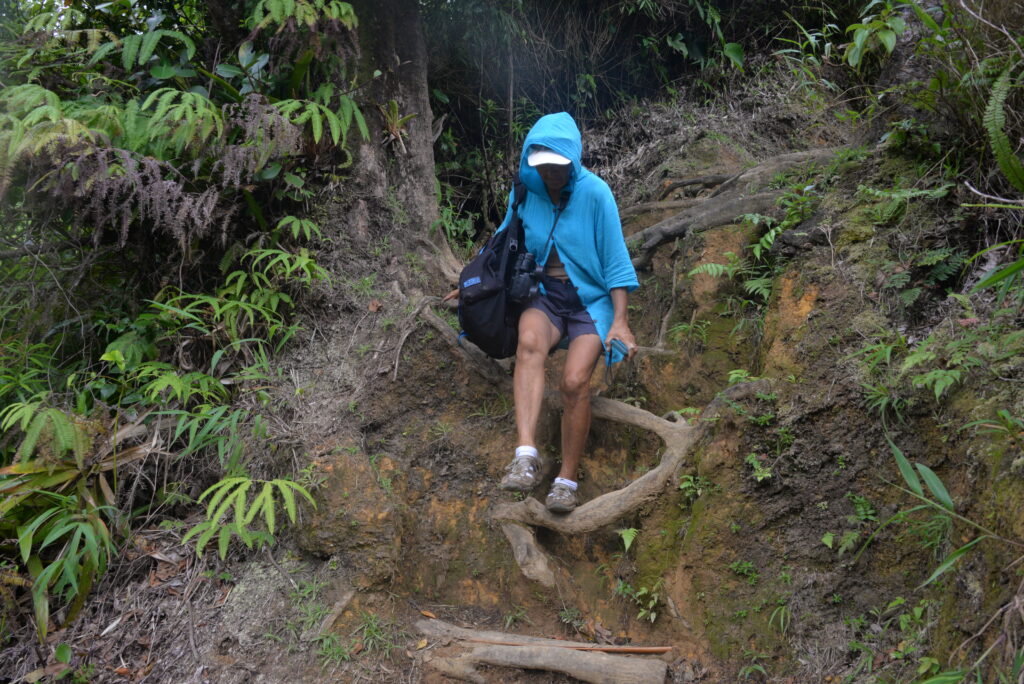
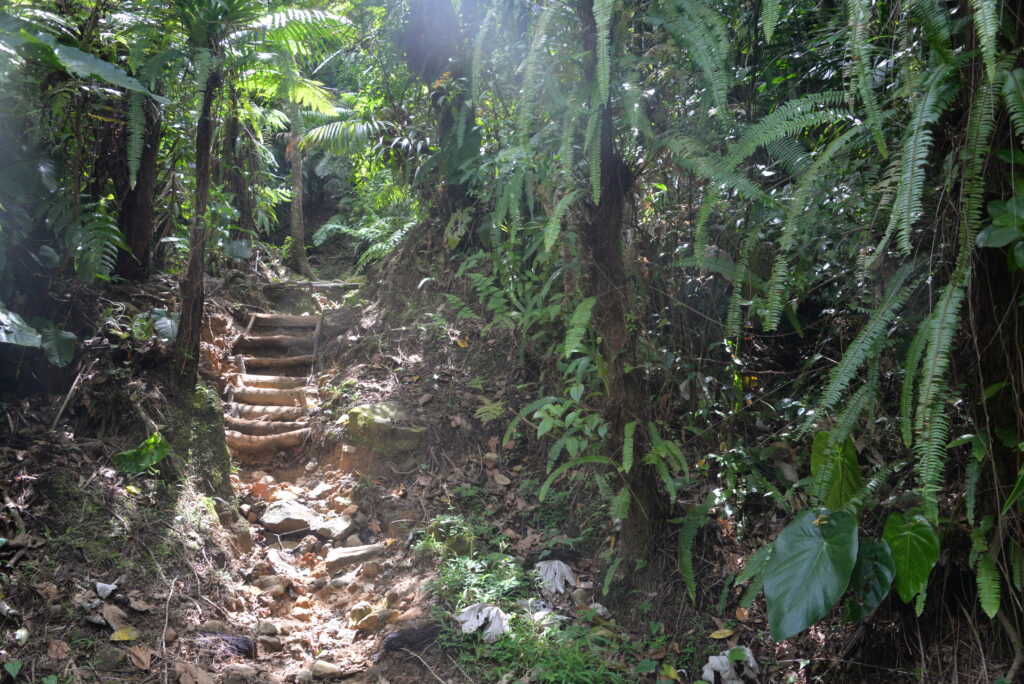
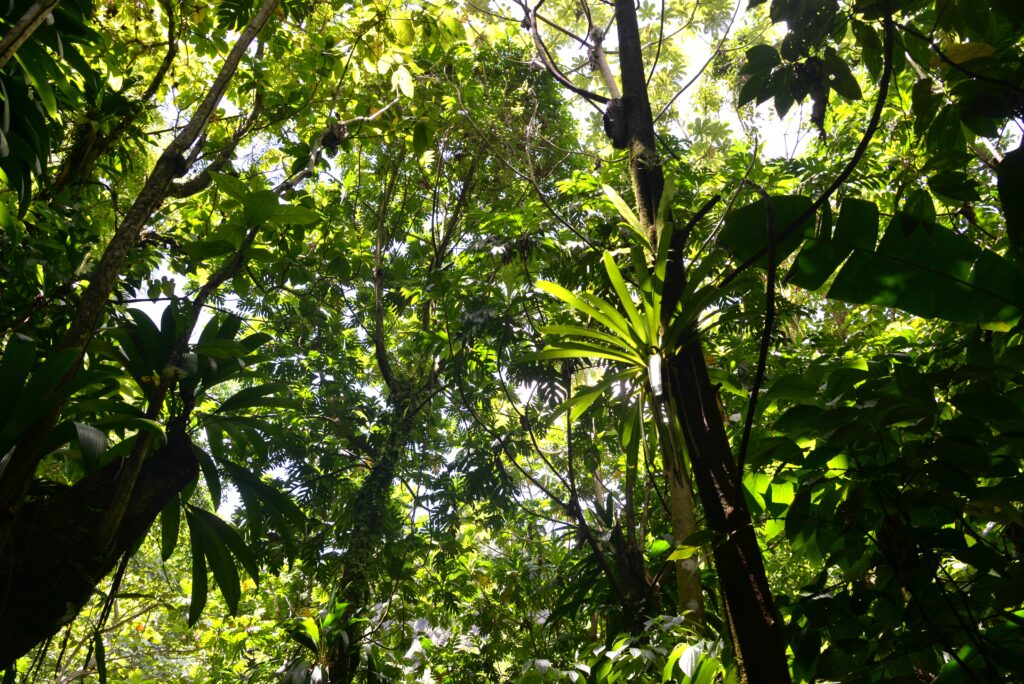
The 10-kilometer hike through the mountains, with an elevation gain of 1,000 meters, did not disappoint. The journey started in a humid jungle, which soon morphed into otherworldly landscapes, akin to the dawn of time (or so I imagine). As we descended into the crater, we were greeted by the sulfurous breath of the “underworld.”
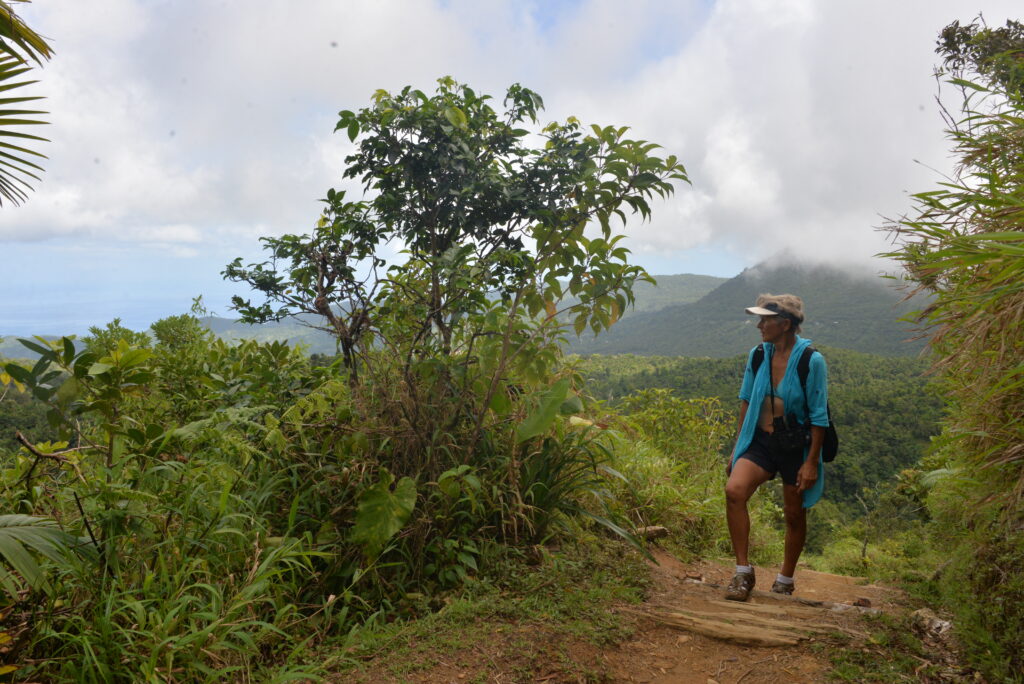
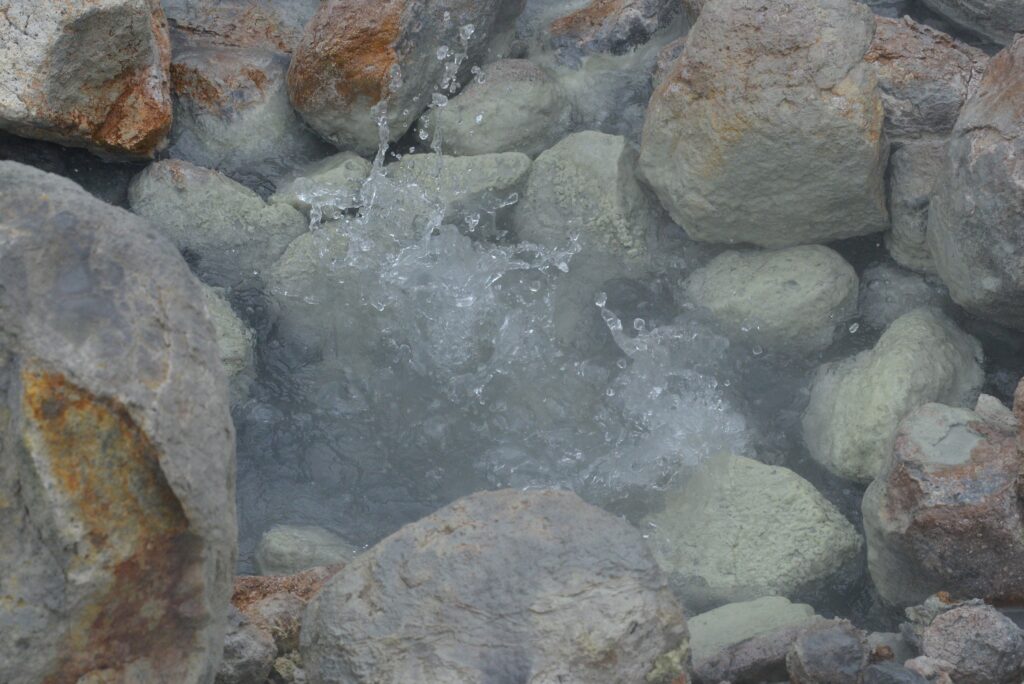
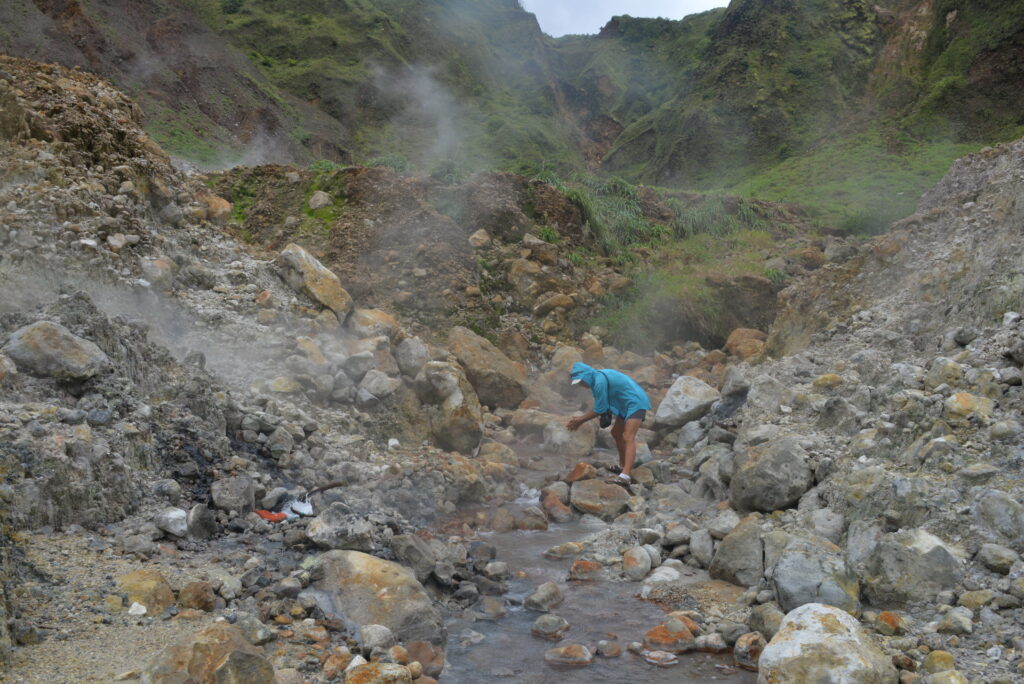
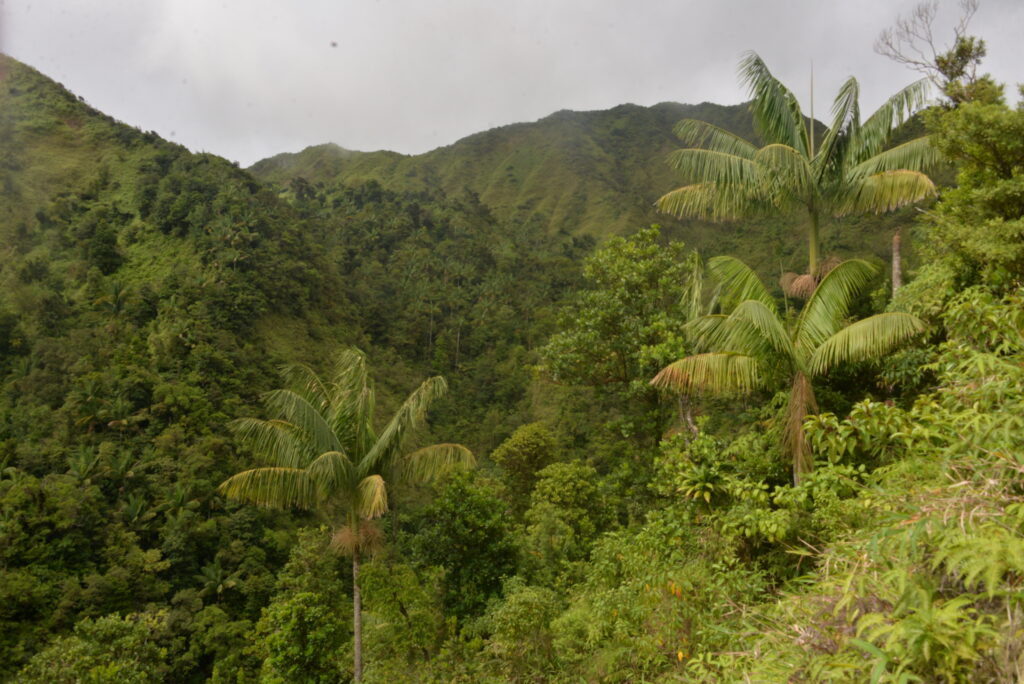
At the highest point of the trail, Morne Nicholls Peak, we were rewarded with a stunning 360-degree view of the island: ridges and peaks, ocean vistas, valleys, and quaint mountain villages. Then the descent began, so steep it felt nearly vertical at times. Reaching the Valley of Desolation, we found ourselves amidst bubbling springs and hot streams, with stones painted in a palette of yellow, orange, black, gray, white, and ochre. Here, we took a well-deserved break. Our lunch? Eggs boiled right in a hot spring—a delicious and unique meal.
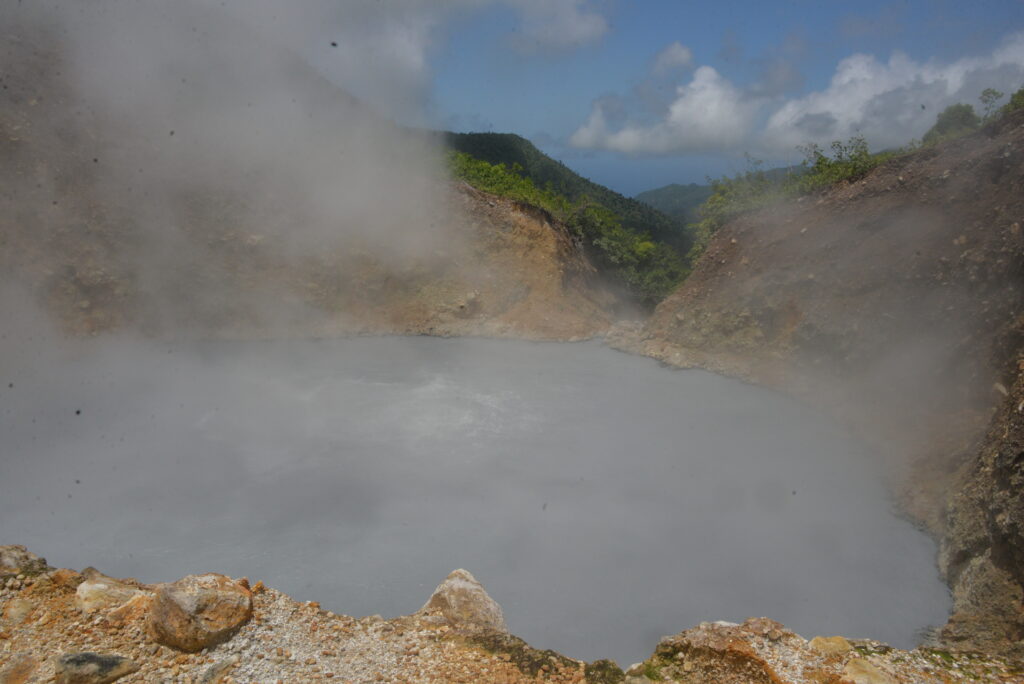
After our rest, a few small climbs and descents remained before we reached Boiling Lake, which we accomplished without much fuss. Strangely, the return journey was both easy and pleasant. Who would have thought?
Fun Facts about Boiling Lake:
Geological Marvel: Boiling Lake is closely tied to the volcanic activity of Dominica, part of the Lesser Antilles volcanic arc. It sits in a collapsed volcanic crater within the Morne-Trois-Piton National Park, showcasing the island’s fiery nature.
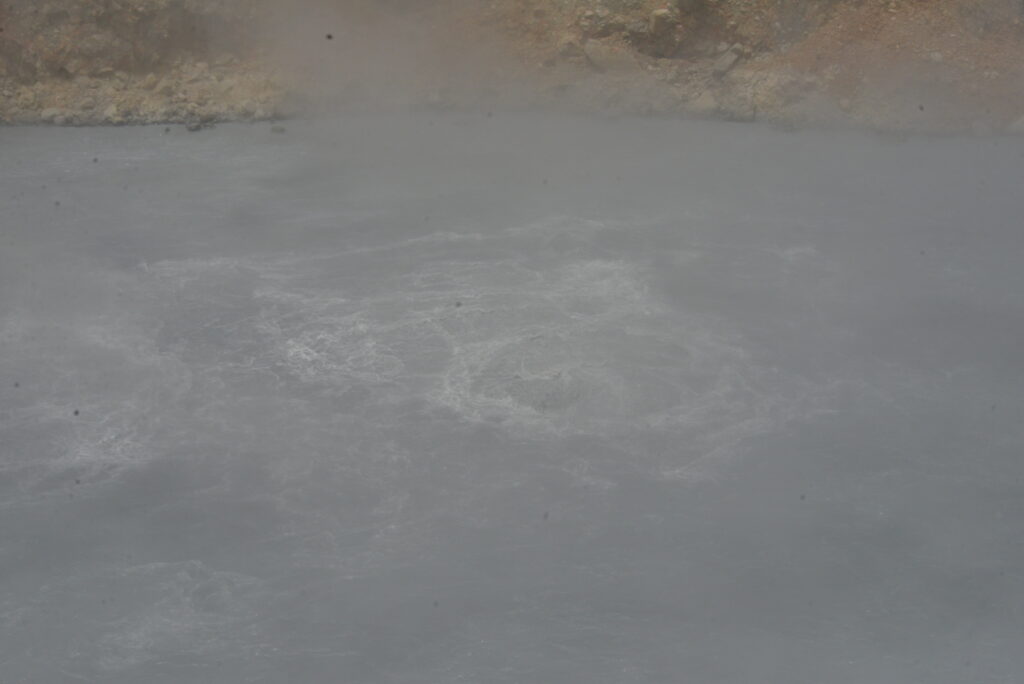
Natural Fumarole: Boiling Lake is essentially a submerged fumarole, measuring roughly 60 meters in diameter and 60 meters deep. Though it may seem small, it’s the second largest of its kind in the world, trailing only Frying Pan Lake in New Zealand.
Geothermal Activity: The lake’s boiling water is a result of intense geothermal activity. Magma chambers below the Earth heat the groundwater, causing it to bubble and steam. The water near the edges is a toasty 85 degrees Celsius, while the temperature at the center’s boiling epicenter remains unmeasured.
National Symbol: Boiling Lake is a symbol of Dominica’s unique and dynamic landscape, even featuring on the country’s national currency. It’s a bubbling testament to the island’s vibrant natural identity.
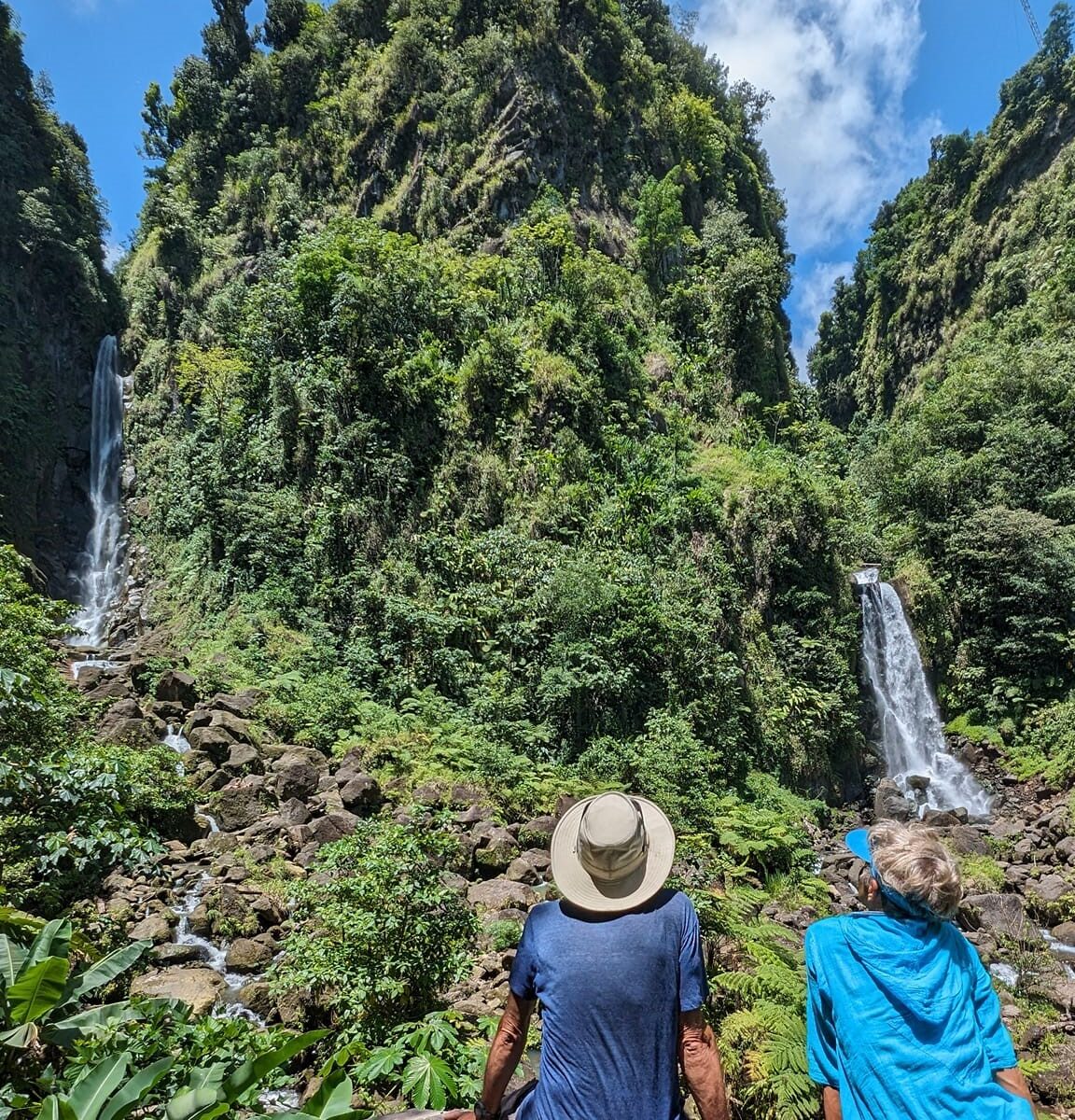
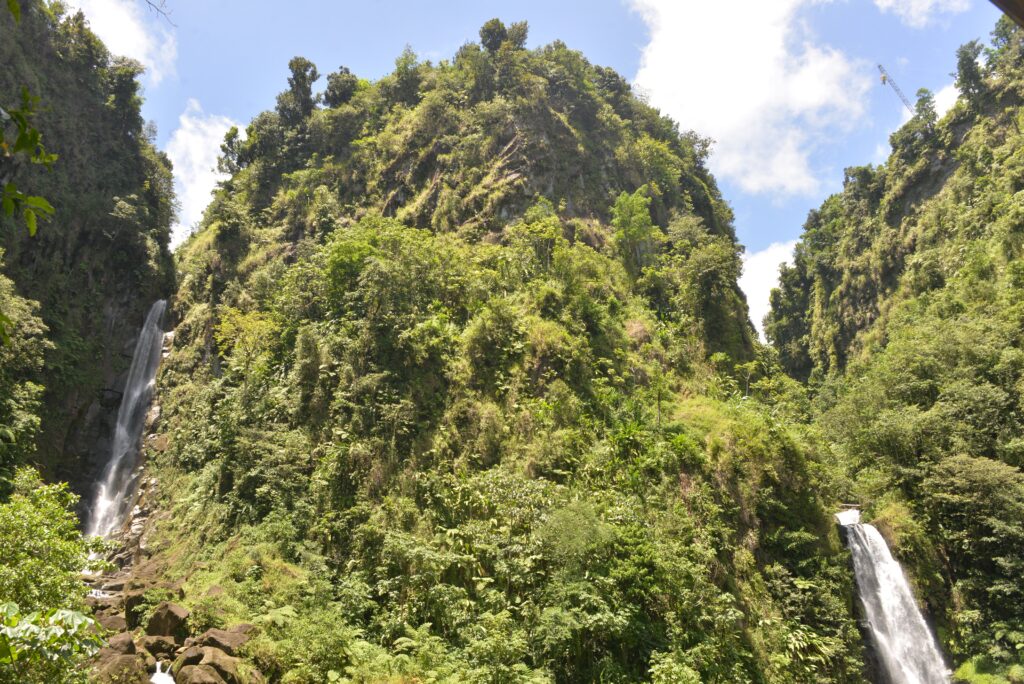
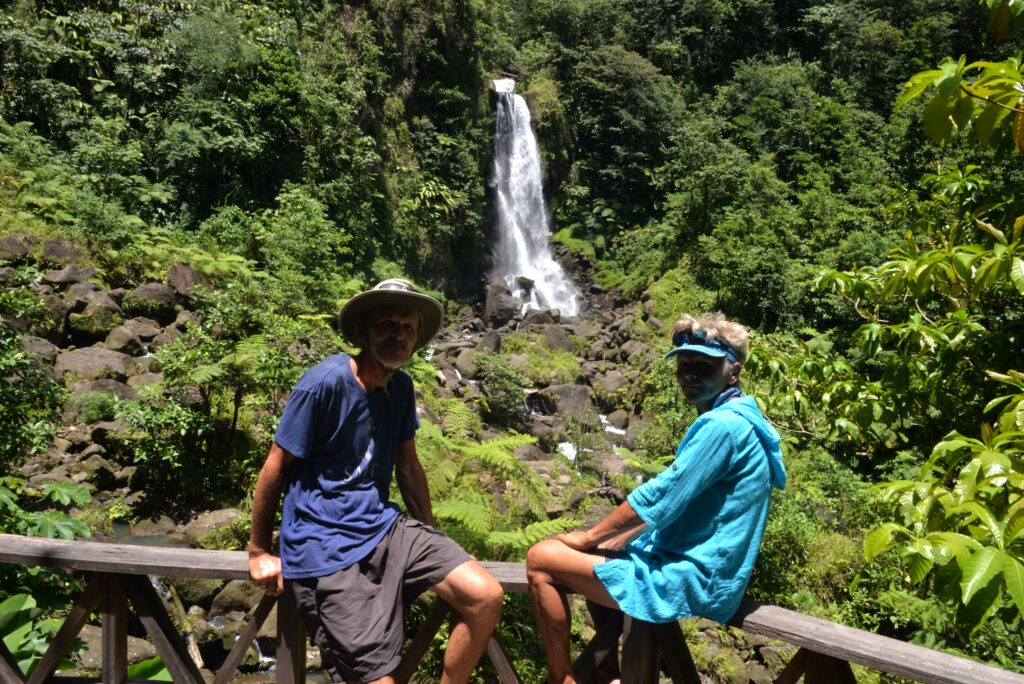
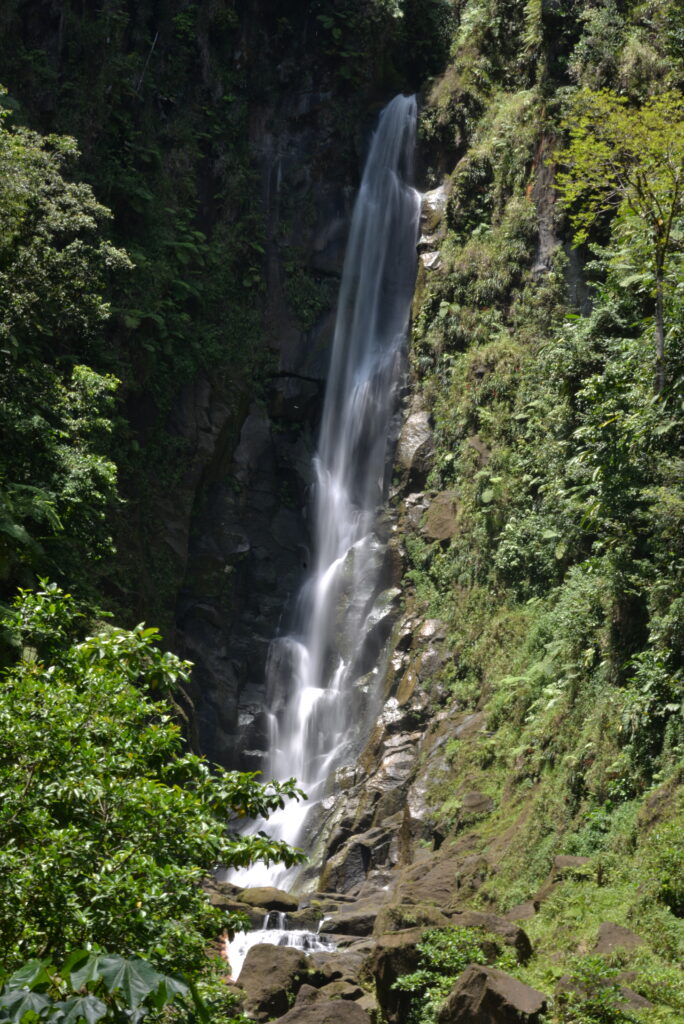
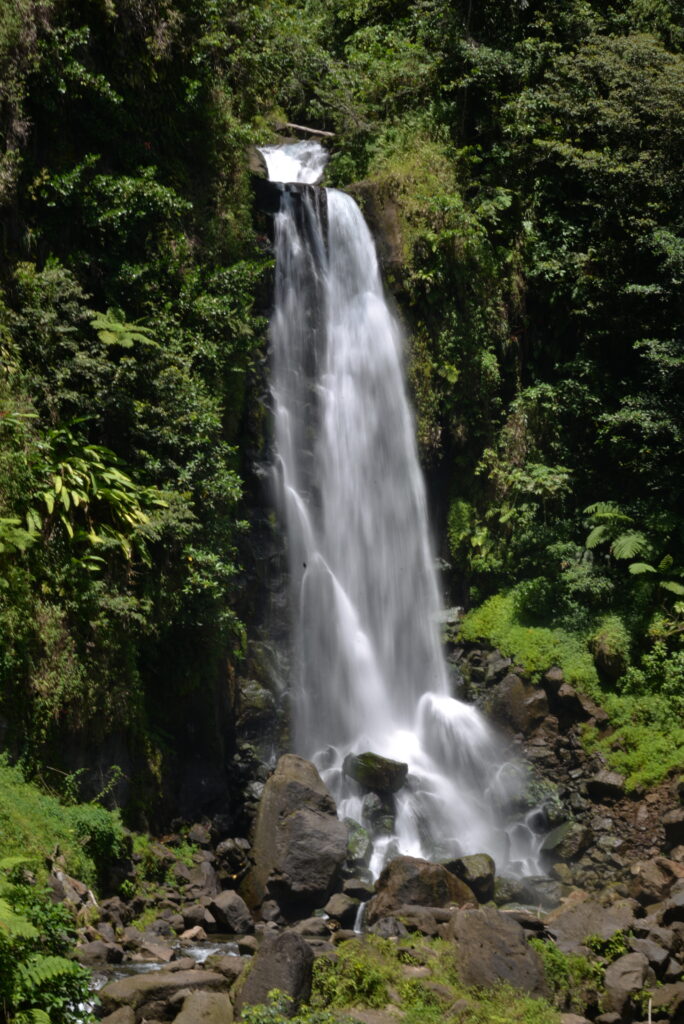
The highlands of Dominica boast numerous cascading waterfalls, each unique and magnificent in its own right. However, Trafalgar Falls stands out as a truly special sight. This double waterfall is affectionately known as Dad and Mom. The larger of the two, “Dad,” plunges from a height of 40 meters, while “Mom” is a bit smaller but no less impressive.
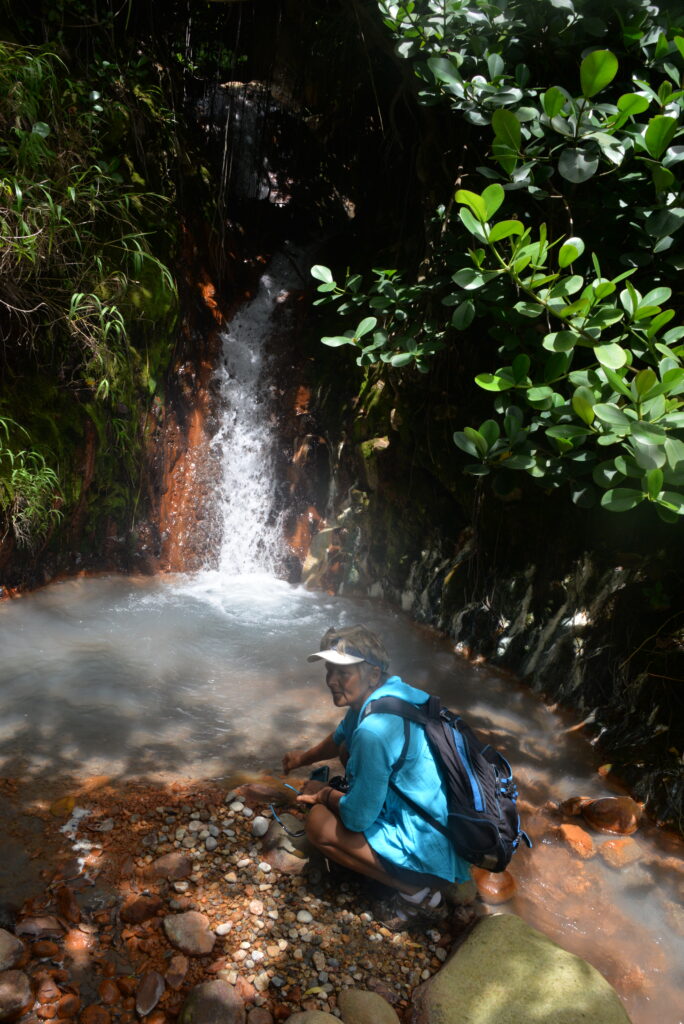
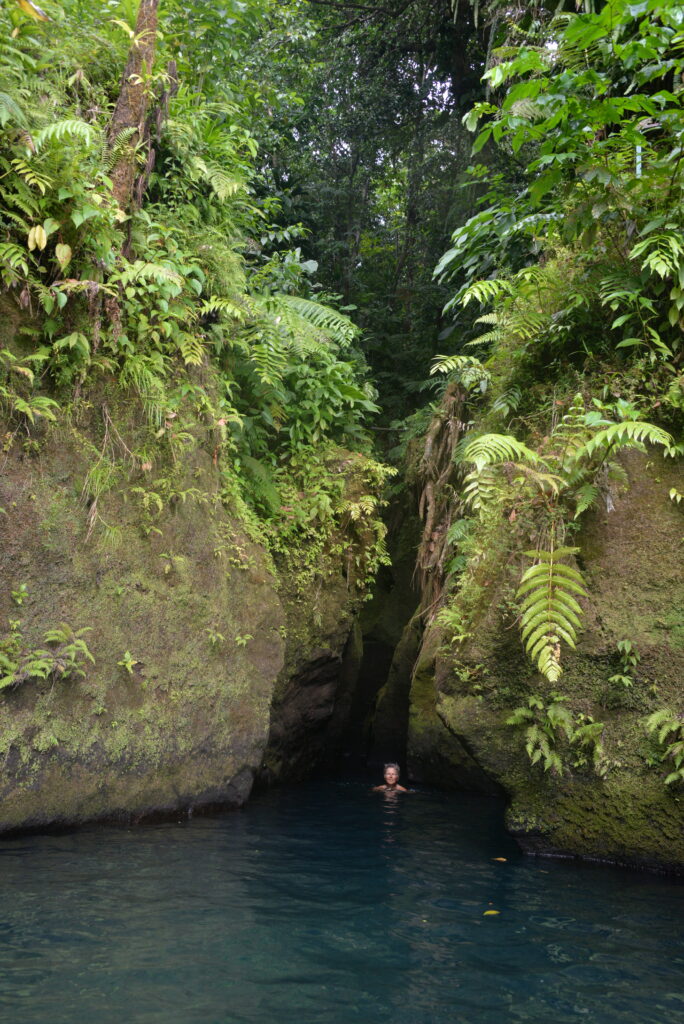
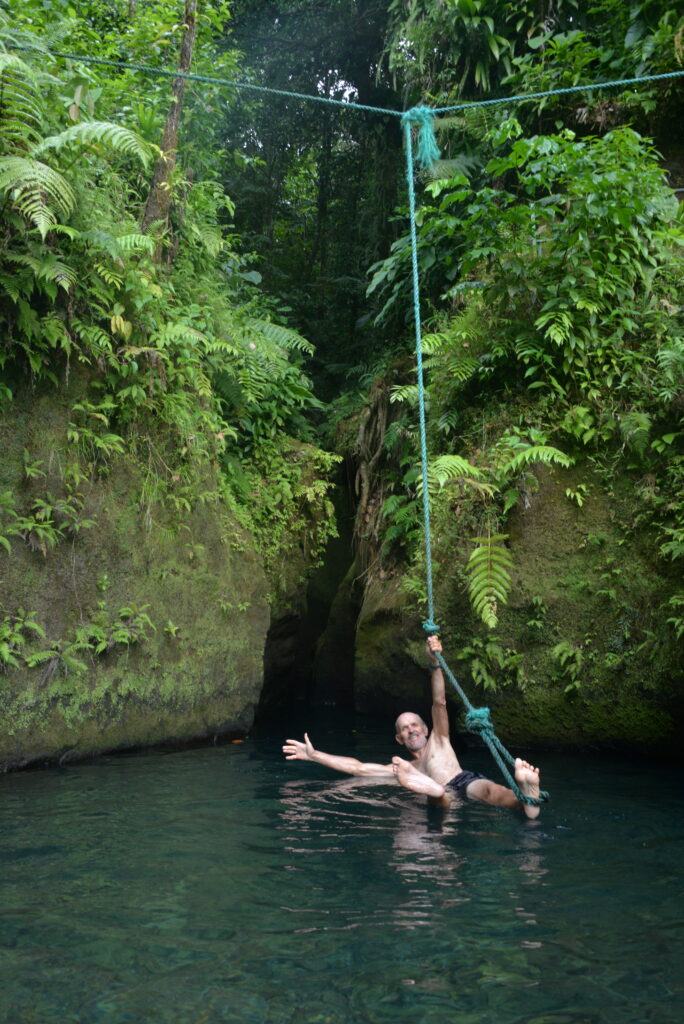
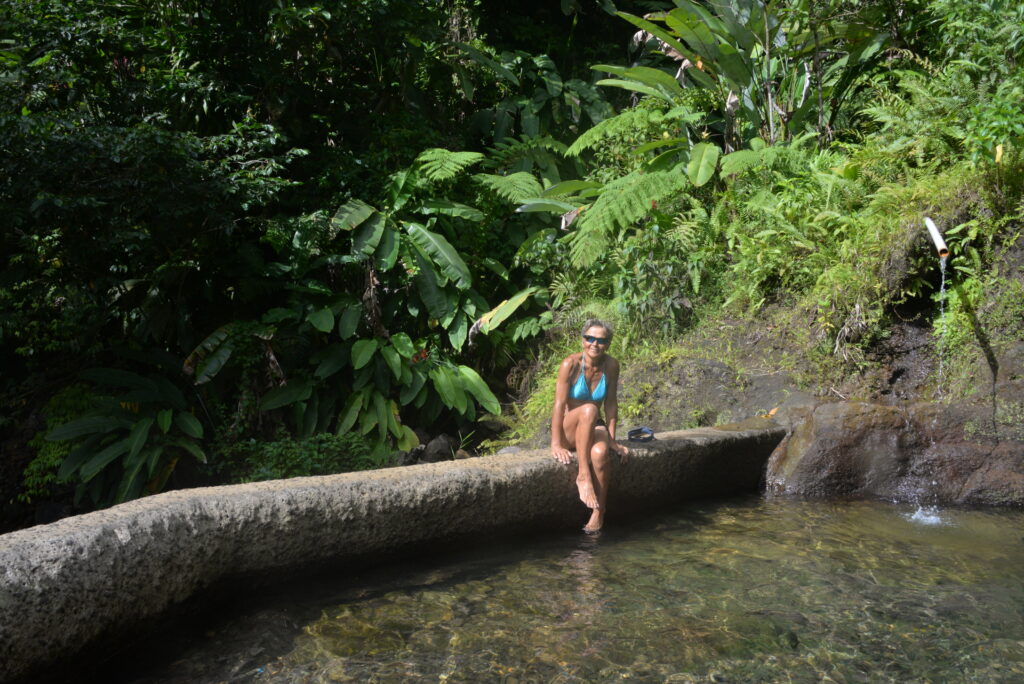
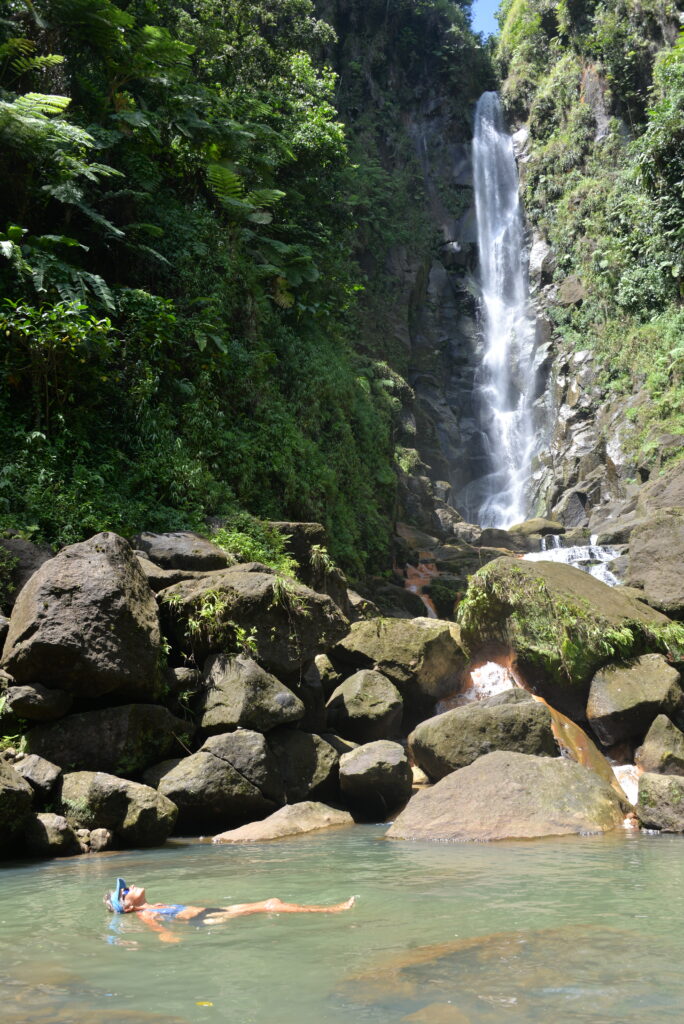
Beneath the waterfalls, you’ll find a natural pool where the water is refreshingly cold. But here’s where Trafalgar Falls gets really interesting: beside the rock, there’s a hot sulfur spring. This means you can enjoy an ideal natural healing contrast bath, switching from cold to hot and back again. Where else in nature can you find something like this?!
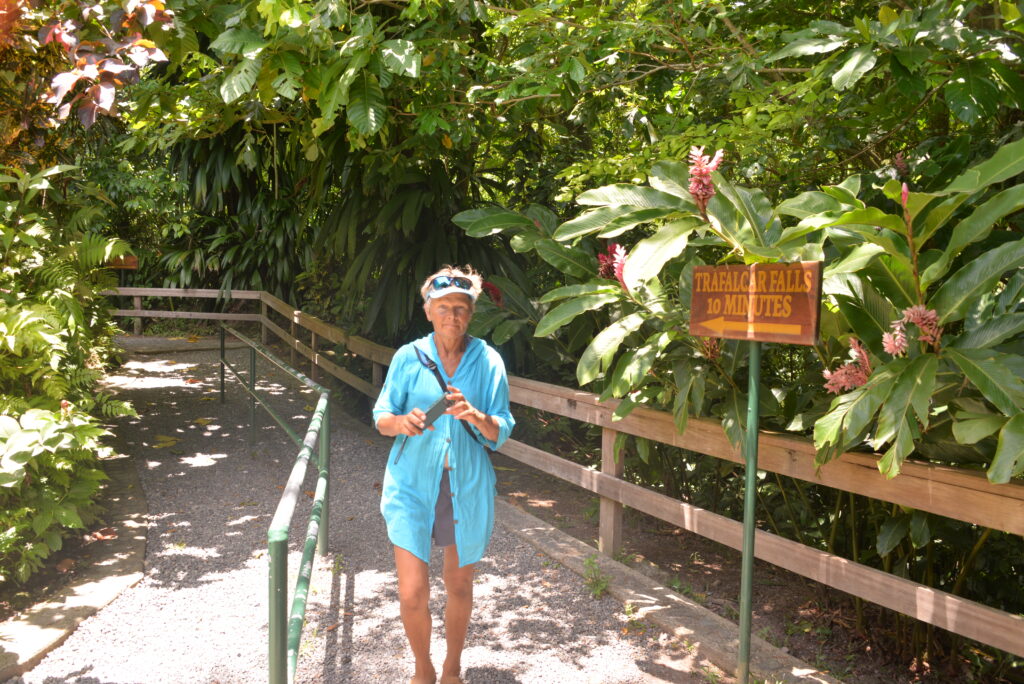
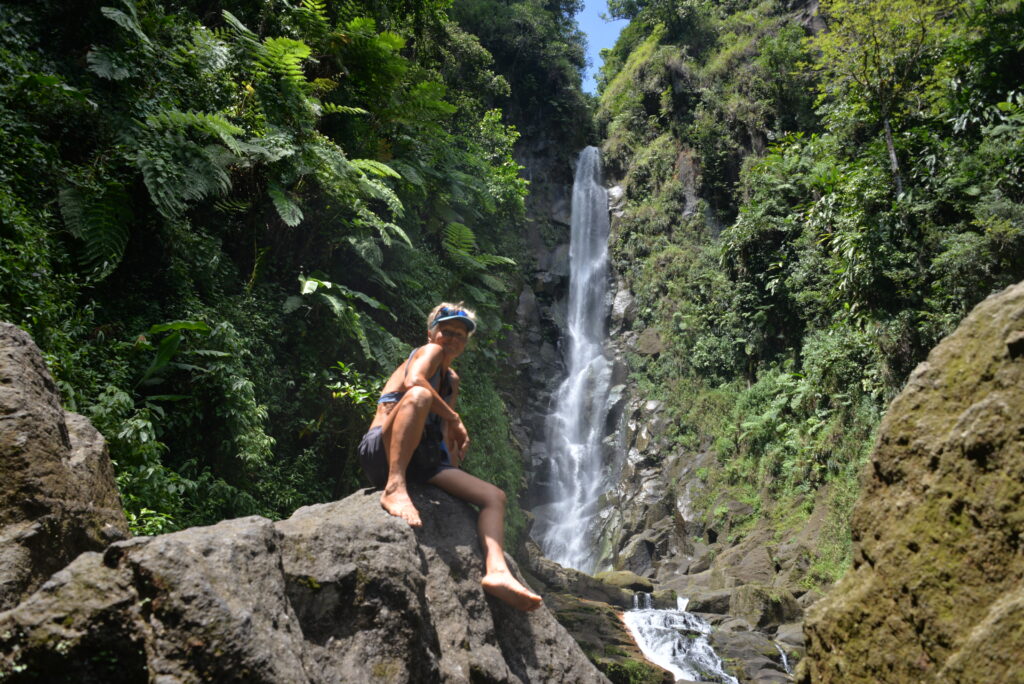
The path from the observation deck to the base of Dad waterfall is barely discernible, which makes the journey to the pool an adventure that few undertake without a guide. Nevertheless, we were determined to get closer to the falls to fully appreciate the powerful cascade from below. In doing so, we accidentally stumbled upon the hot spring. What a delightful surprise!
Trafalgar Falls offered us not just a spectacular view, but an unforgettable experience of nature’s contrasting elements, leaving us both invigorated and in awe.