A-day

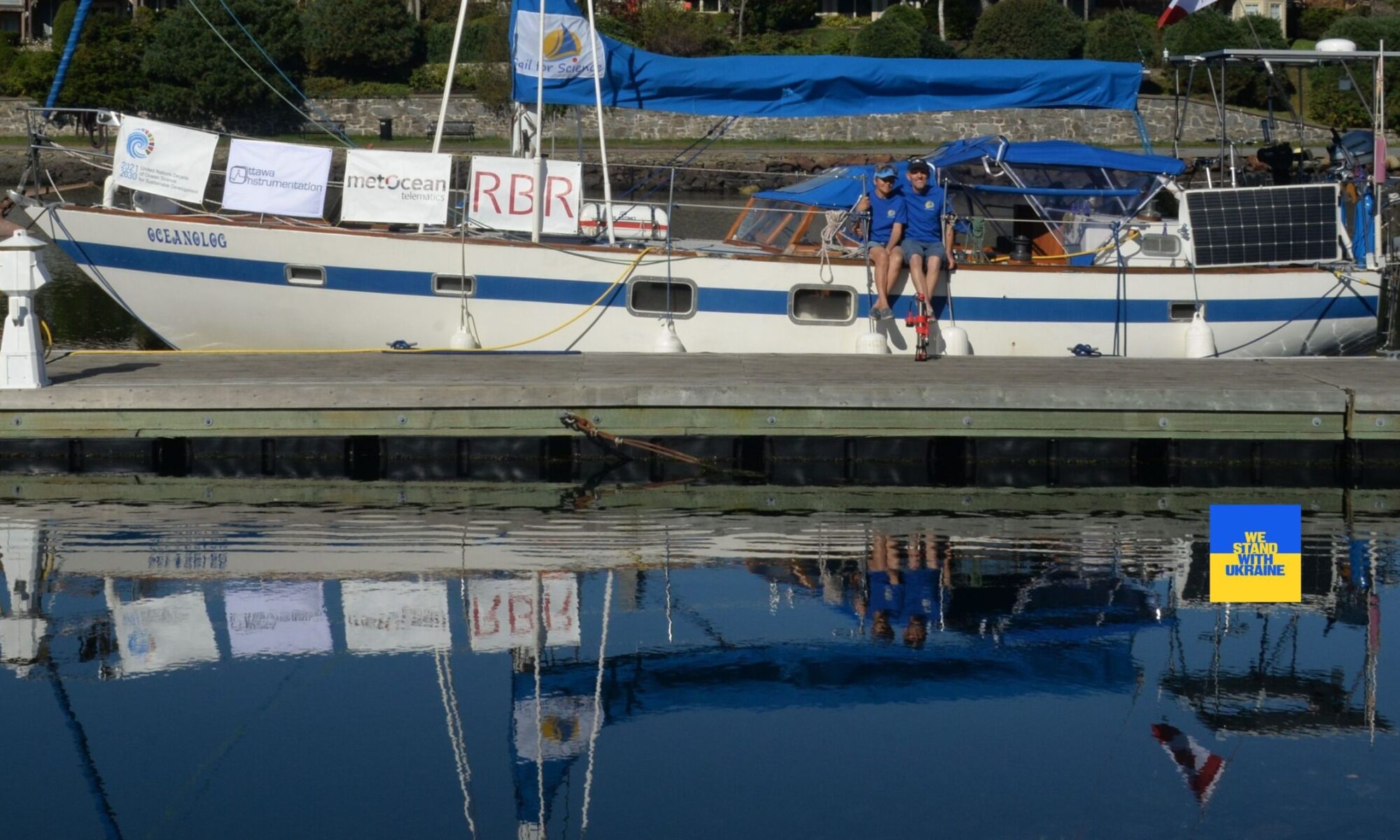
Today was A-day, Argo float deployment day! I reported earlier that we received an Argo float (WMO#4902609) in Halifax at the Bedford Institute of Oceanography with a task to launch it in the Caribbean Sea. This day has come – today we sailed to the Caribbean Sea with sufficient depths for the float to drift. This basin is located between Isla de Viques and Saint Croix Island with depths of down to 4.5 km and deep-water access to both the Atlantic Ocean and the Caribbean Sea. It is noteworthy that, according to my research, there have been no Argo floats in this basin yet, so the data collected by “our” float will be unique.
During our journey, we got used to the float, almost as a member of our crew, and now parting with him was also somewhat emotional, but this is life – the time has come to go on a solo voyage and obtain data for science. Goodbye, our dear float, and safe travels!

Testing of the Argo float before deployment – everything works well!
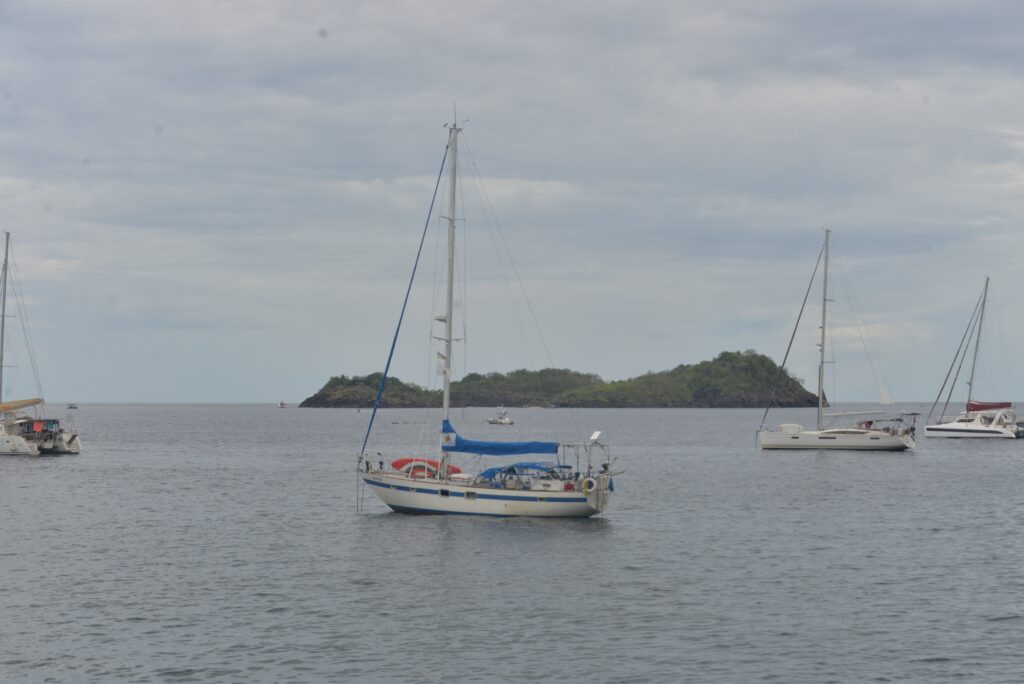
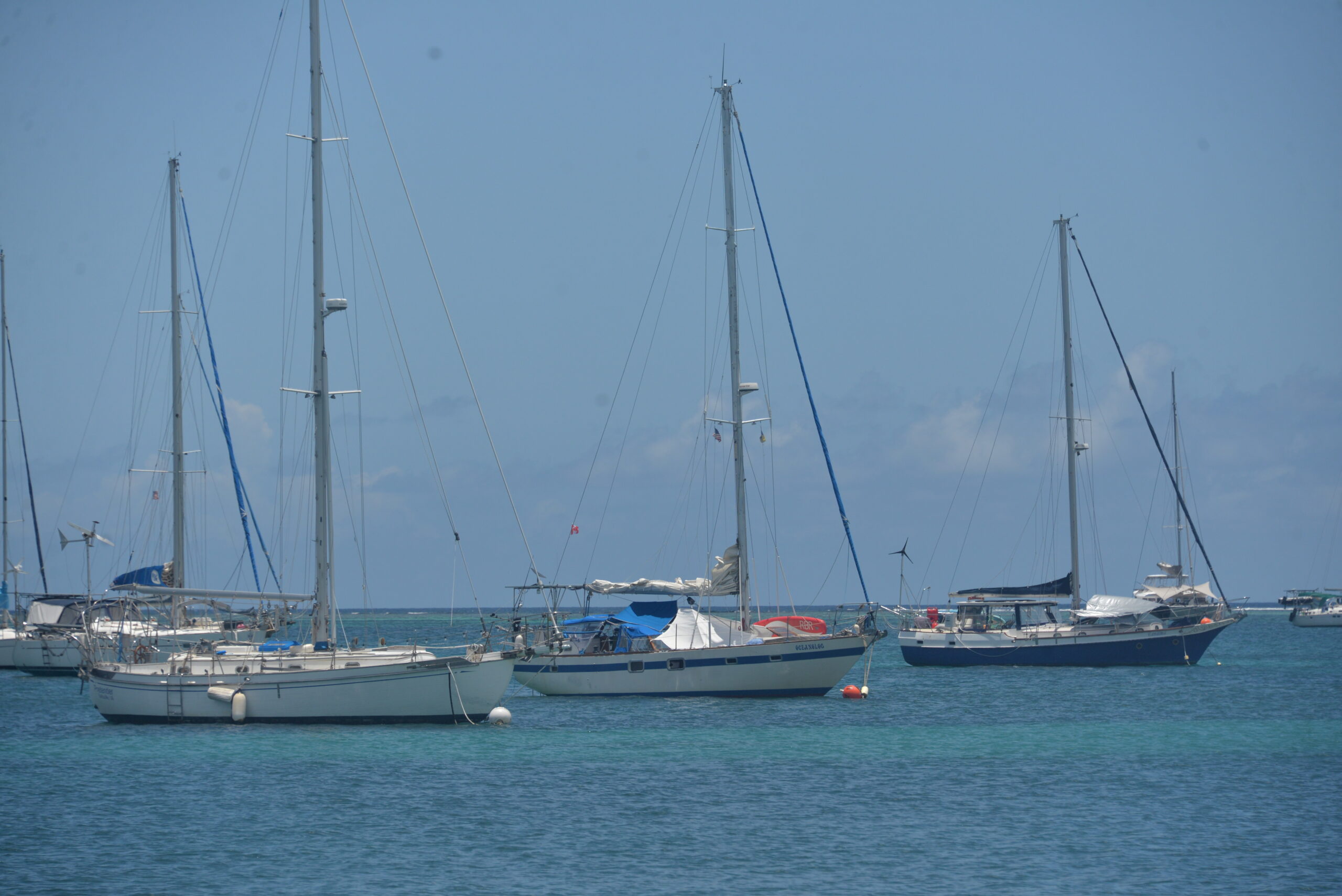
Deployment of the Argo float from SV Oceanolog
The deployed Argo float is ready for descending.
Quiz – find a float!
Position of the Argo float deployment (red dot) with trajectories of other nearby floats – no tracks in the chosen basin.
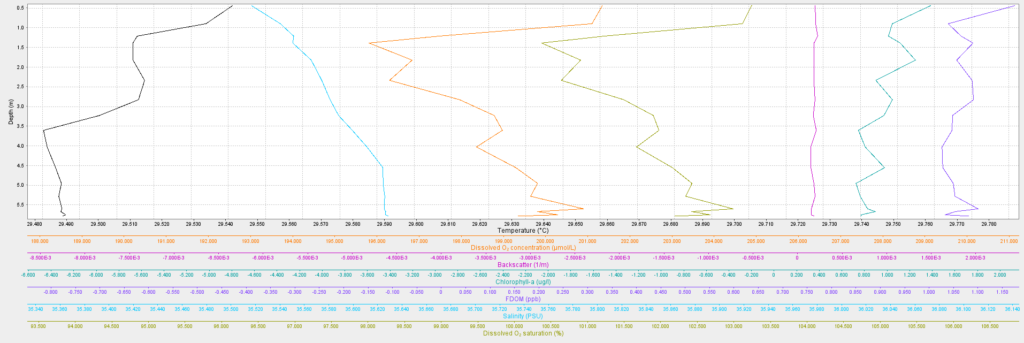
CTD cast performed after Argo float deployment
CTD measuring system ready for downcast
Into the blue…
Plot of data for CTD cast

Los Haitises National Park (part 1)

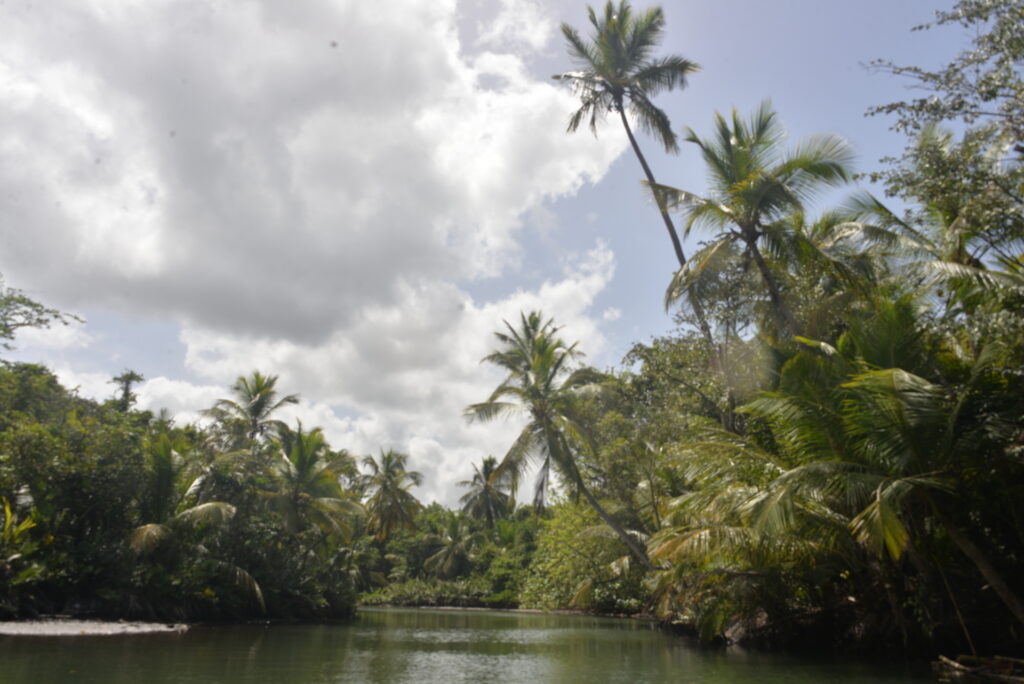
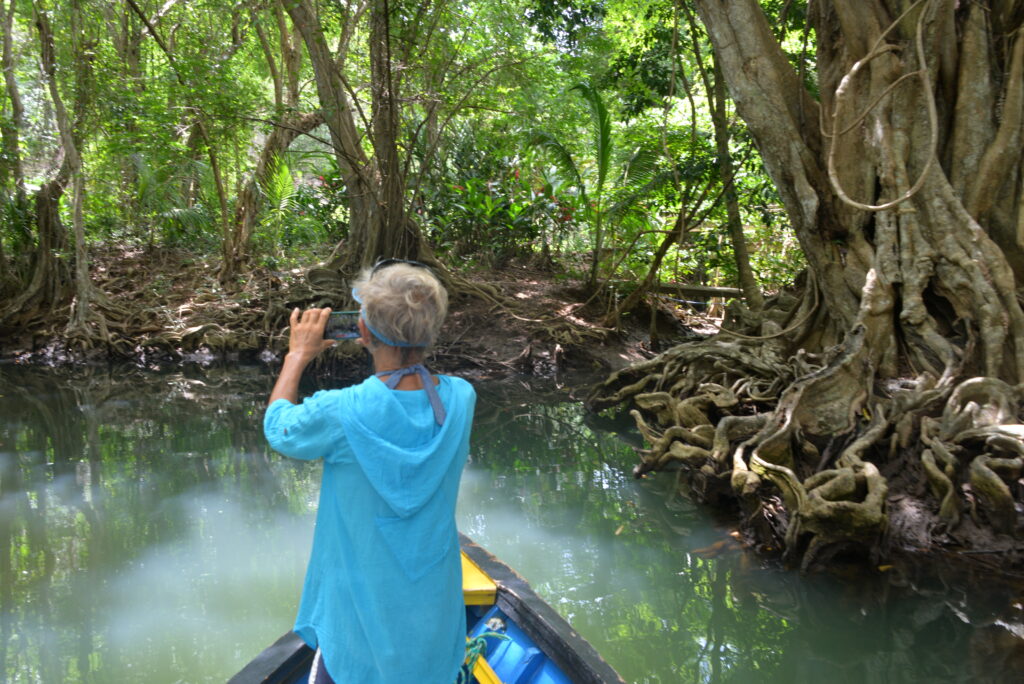
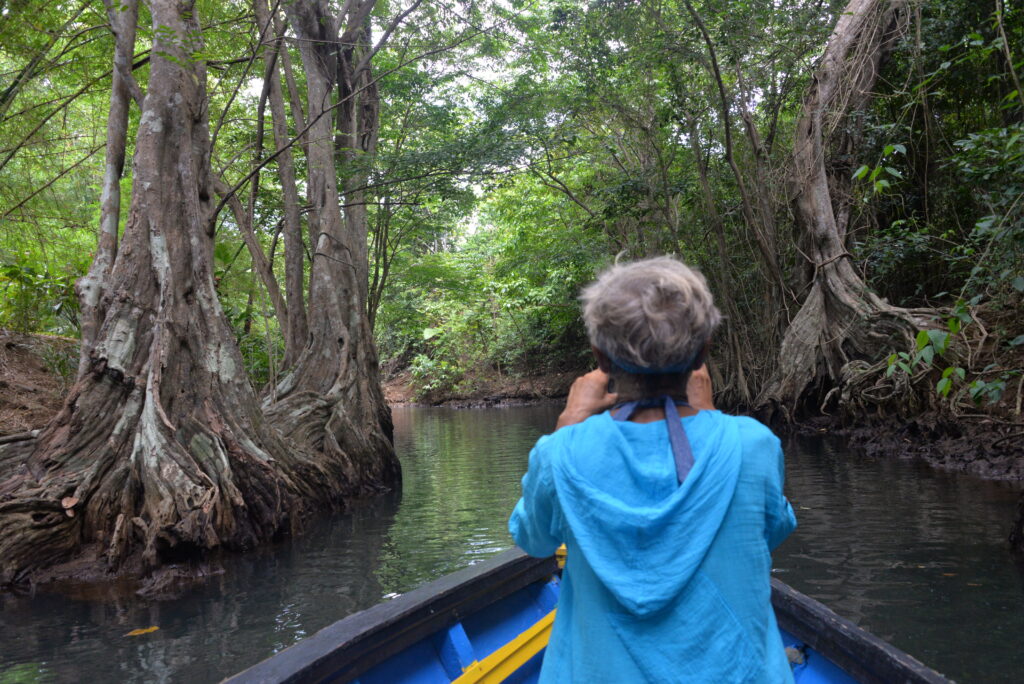
Covering a sprawling 1,600 km², Los Haitises National Park is a crown jewel of the Dominican Republic’s national parks. “Los Haitises” translates to “hilly land” in the Taino language, and this stunning park truly lives up to its name. Visitors flock here by boat to marvel at the impressive 30-meter (98-foot) high rock formations that rise dramatically from the water.

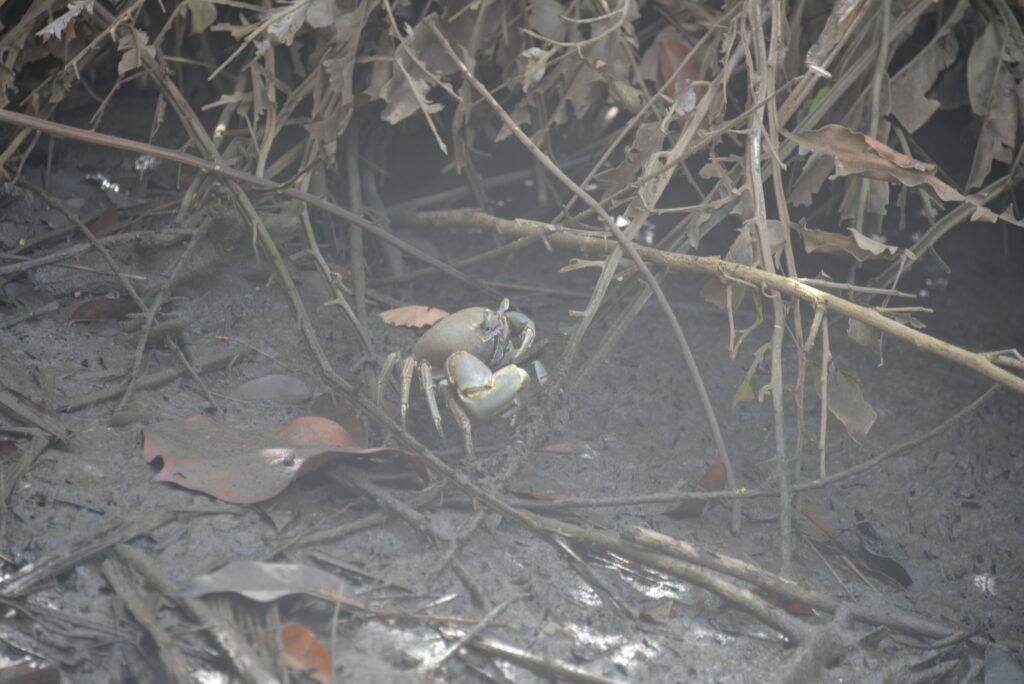
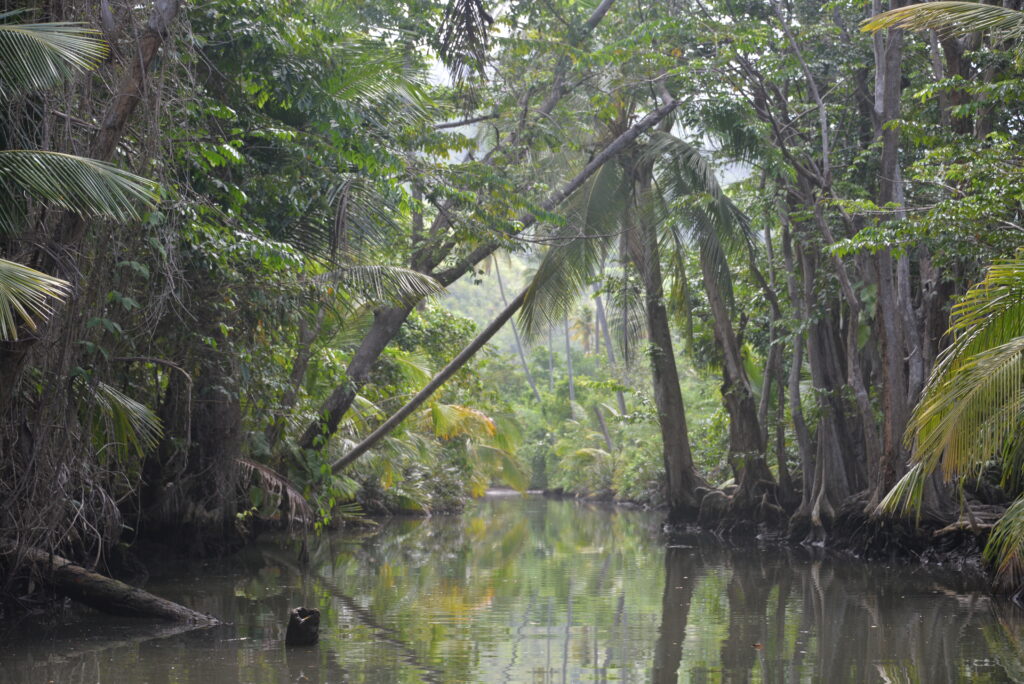
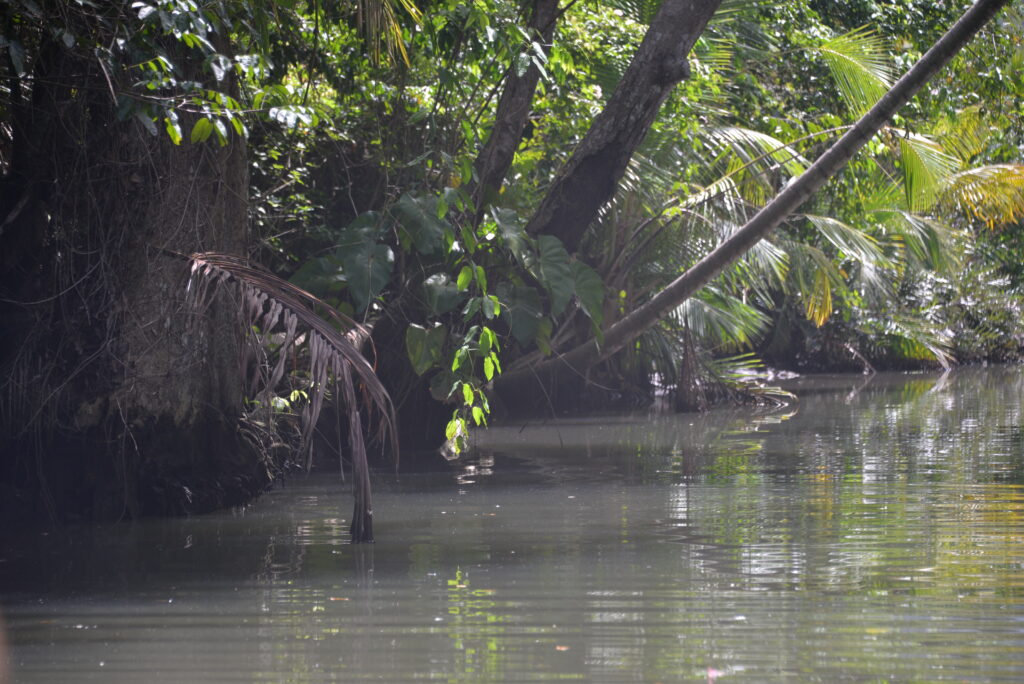
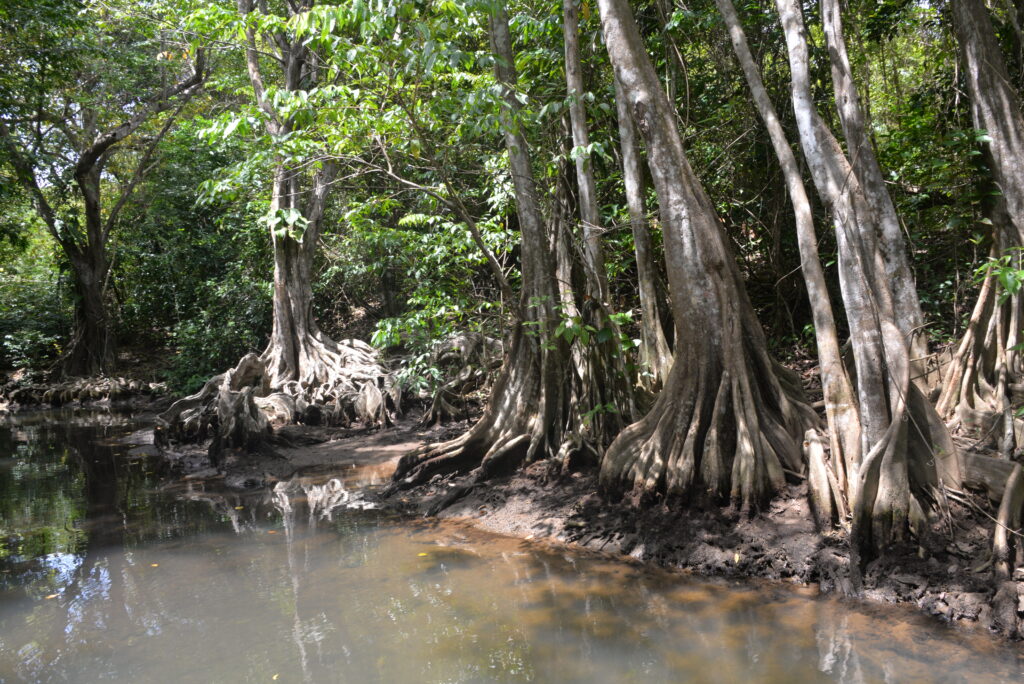
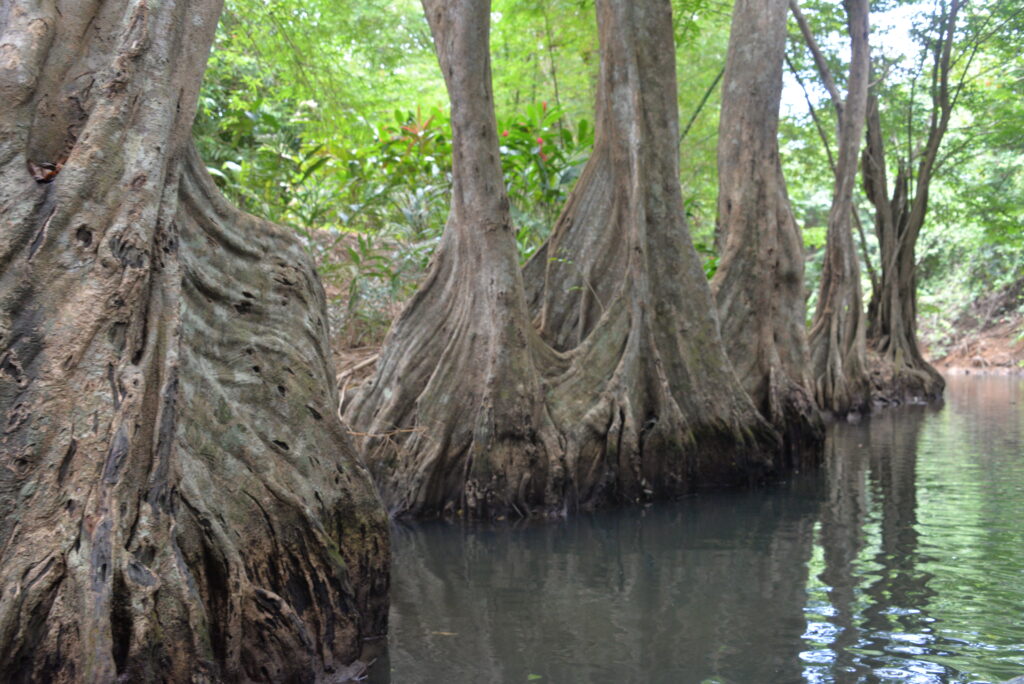
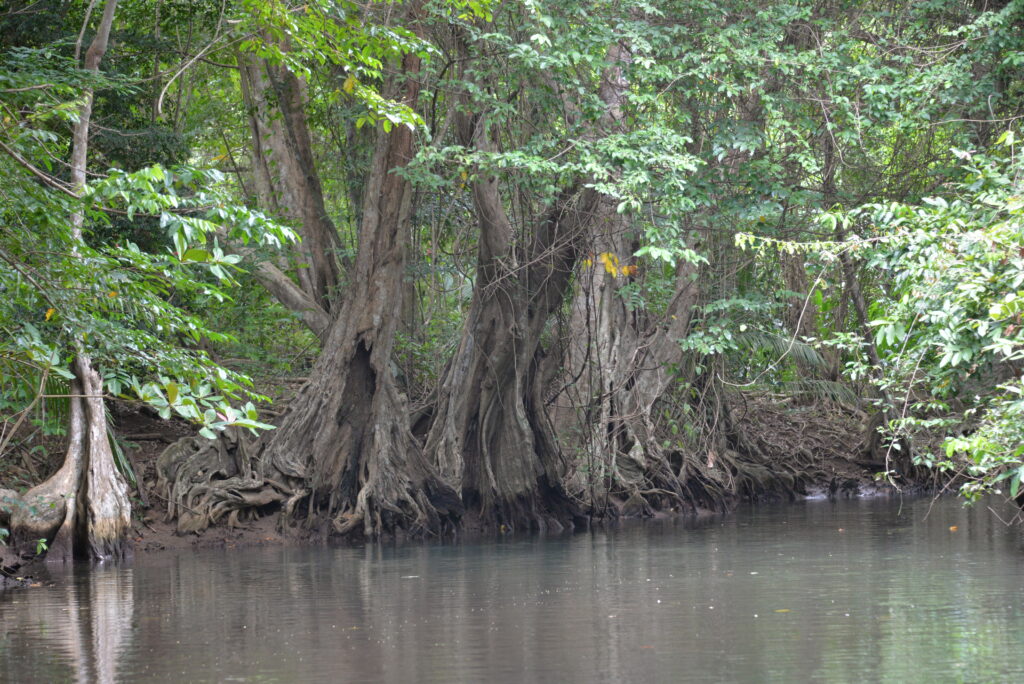
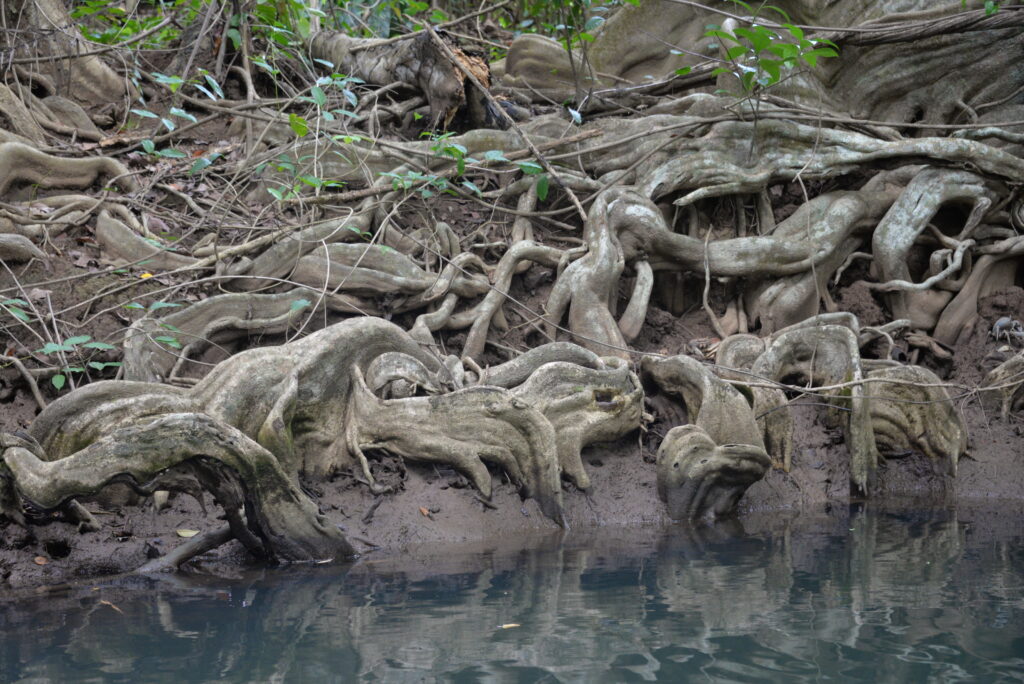
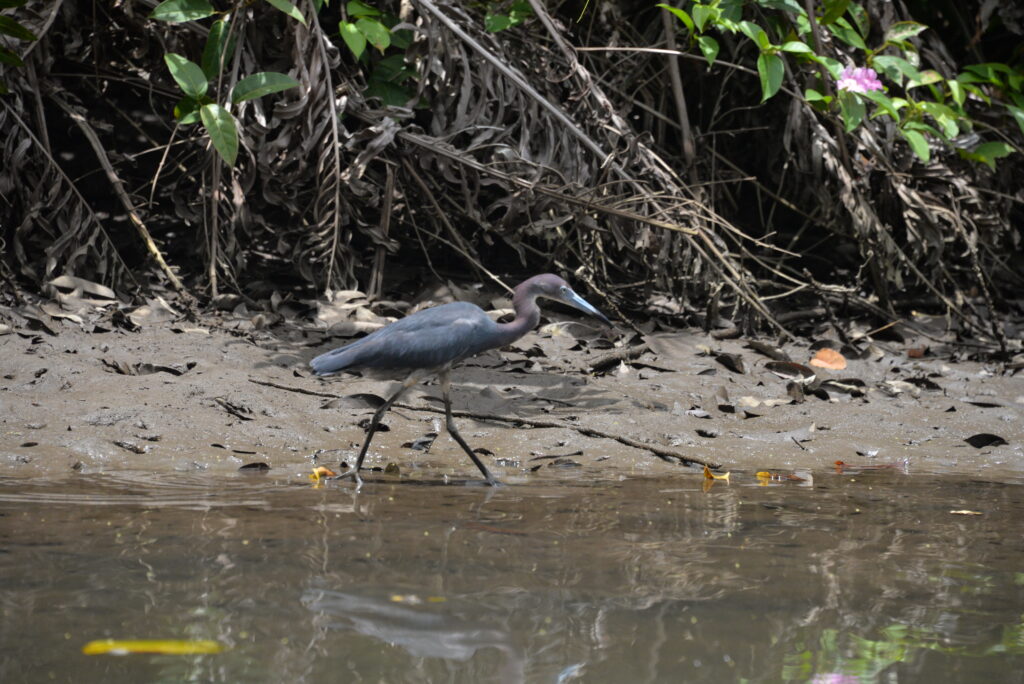
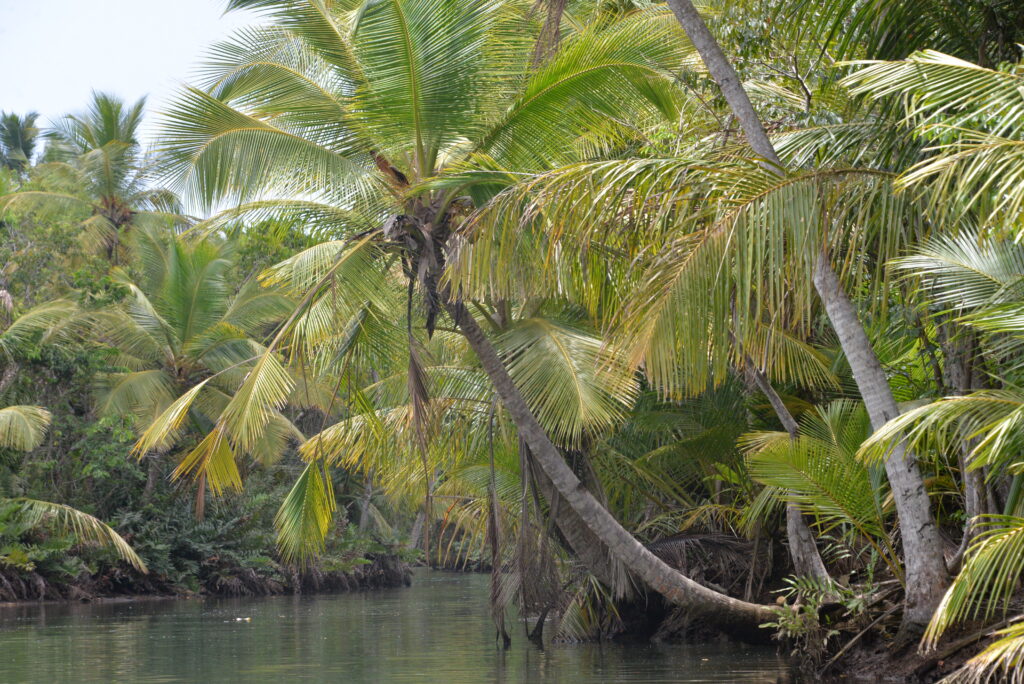
But that’s just the beginning! The park boasts extensive mangroves lining its bay, dotted with cayes home to bustling bird colonies. Adventure seekers can also explore a series of caves adorned with an impressive collection of petroglyphs and pictographs—the highest concentration in the country. Bird watchers, get your binoculars ready! You’ll easily spot the endangered Ridgway’s Hawk, the Hispaniolan Piculet, the Hispaniolan Woodpecker, and the Hispaniolan Emerald, along with pelicans, frigate birds, herons, and many more majestic birds soaring across the park’s vast landscape.

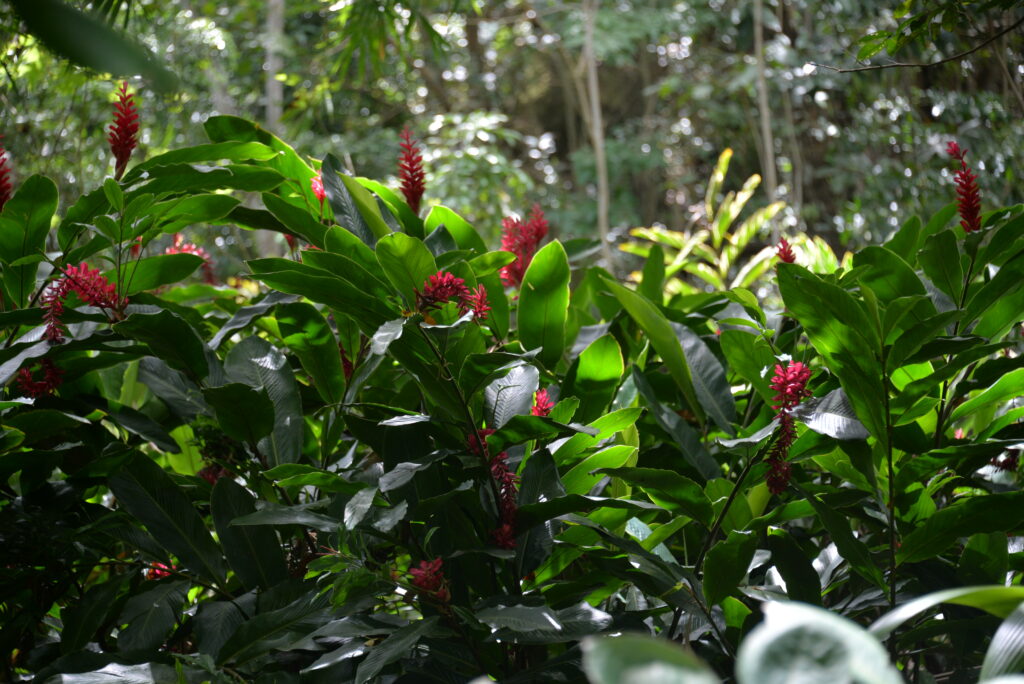
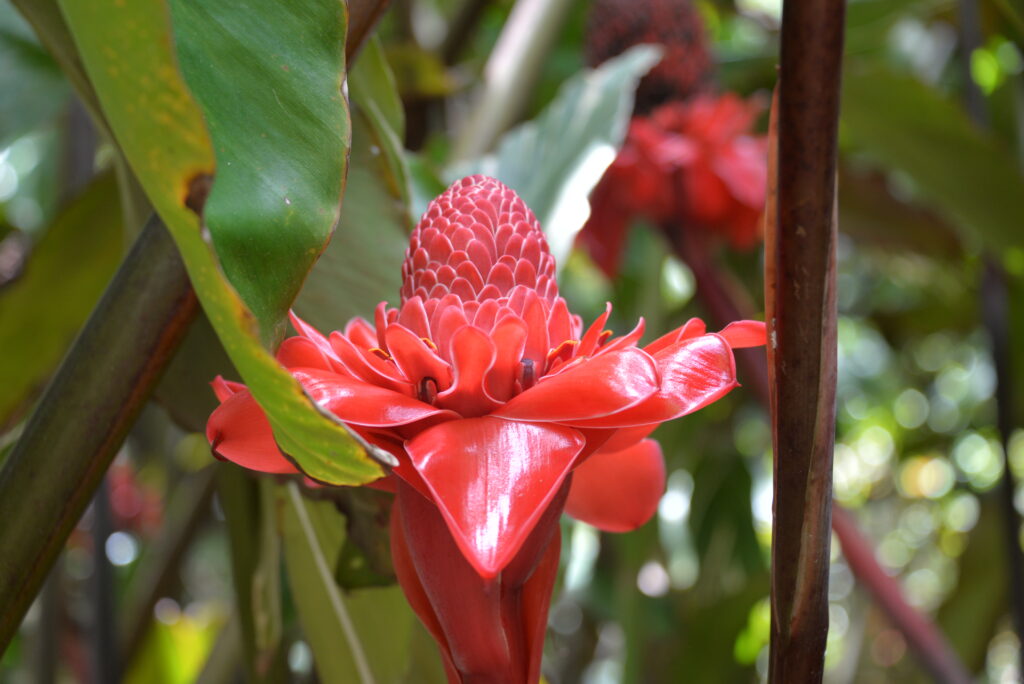
As if that weren’t enough, Los Haitises also nurtures one of the DR’s few remaining rainforests, a lush paradise that was once a filming location for the iconic movie Jurassic Park. This park is a living, breathing postcard of natural wonders, offering a breathtaking escape into the heart of the Dominican Republic’s wild beauty.
We can’t miss the opportunity to visit it!