Luperon

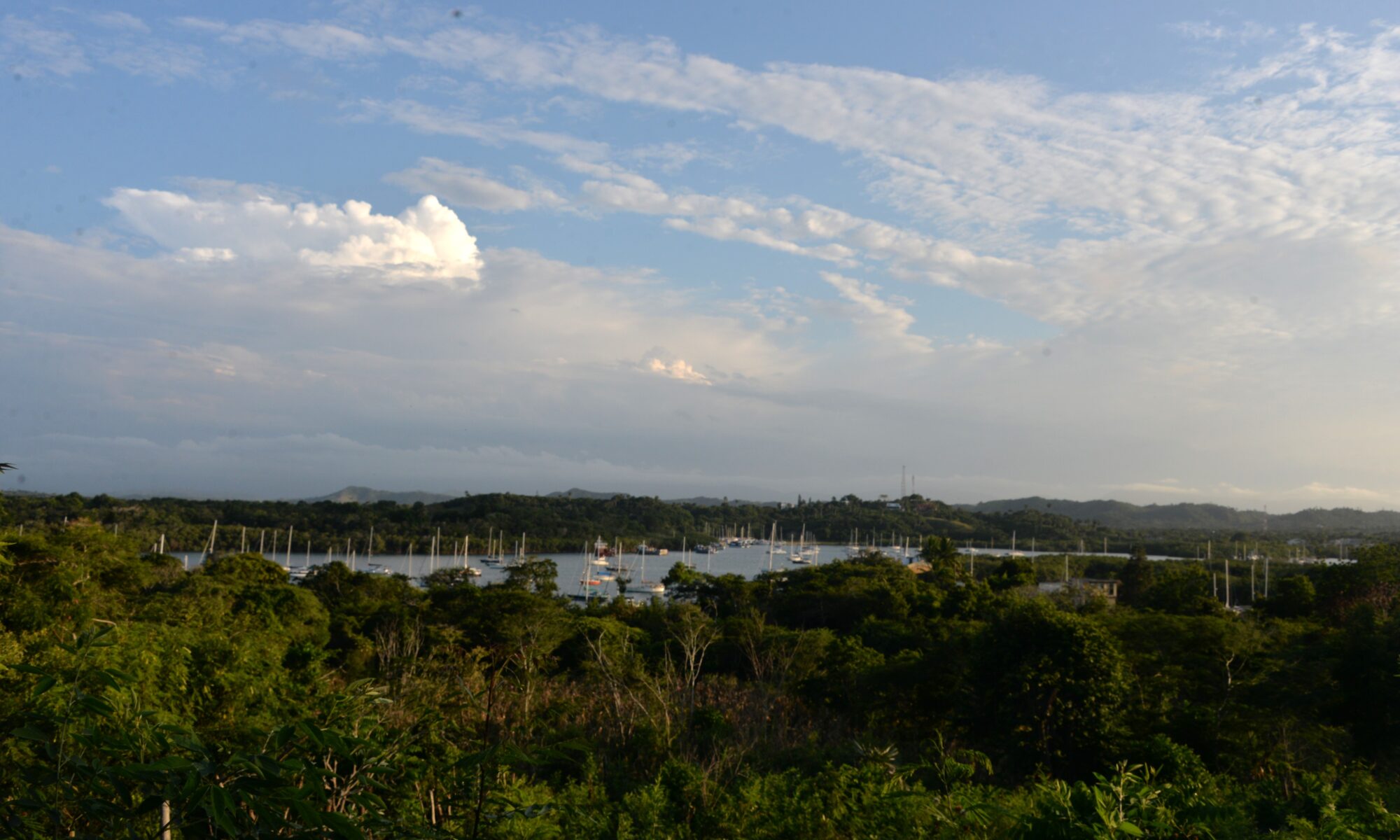
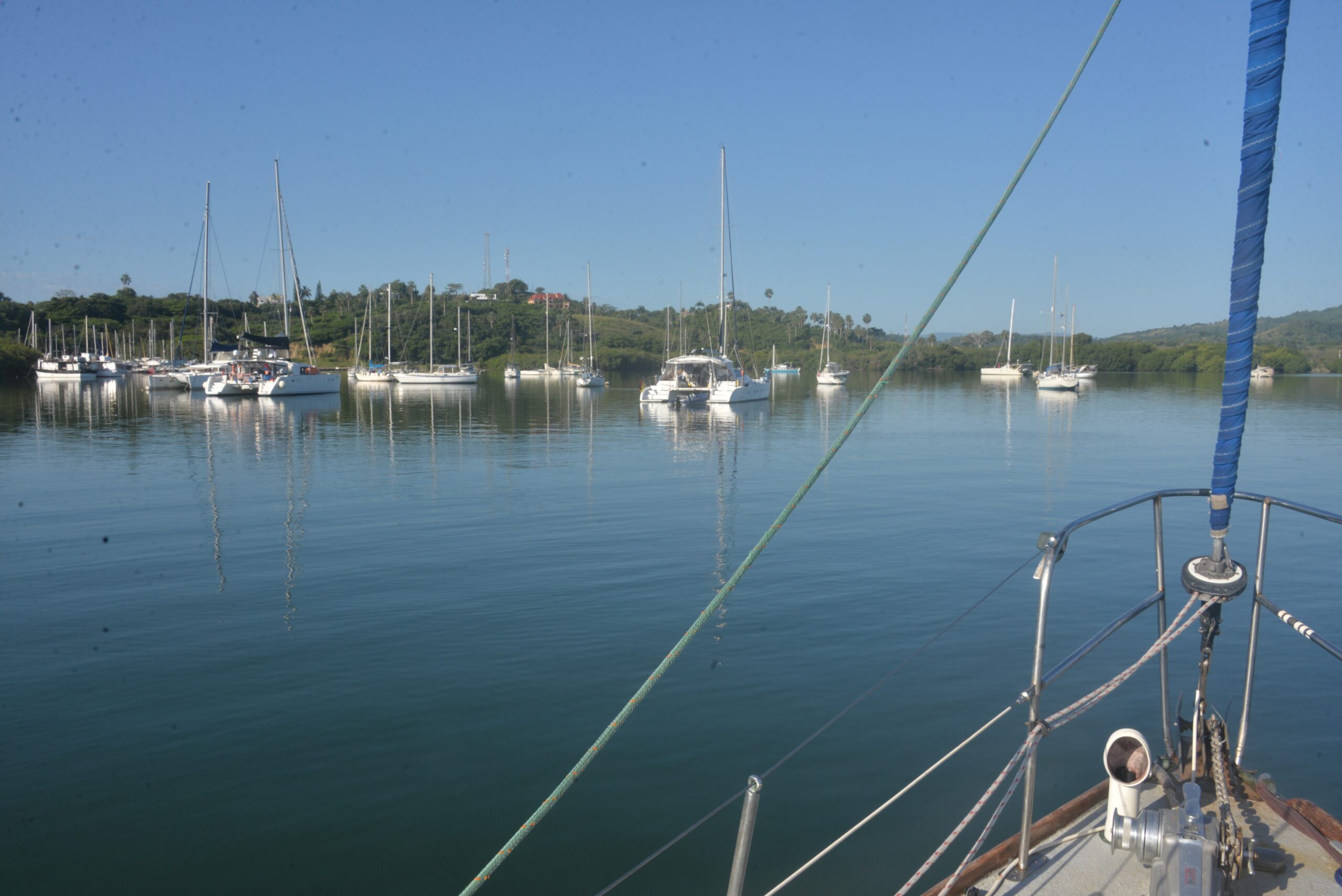
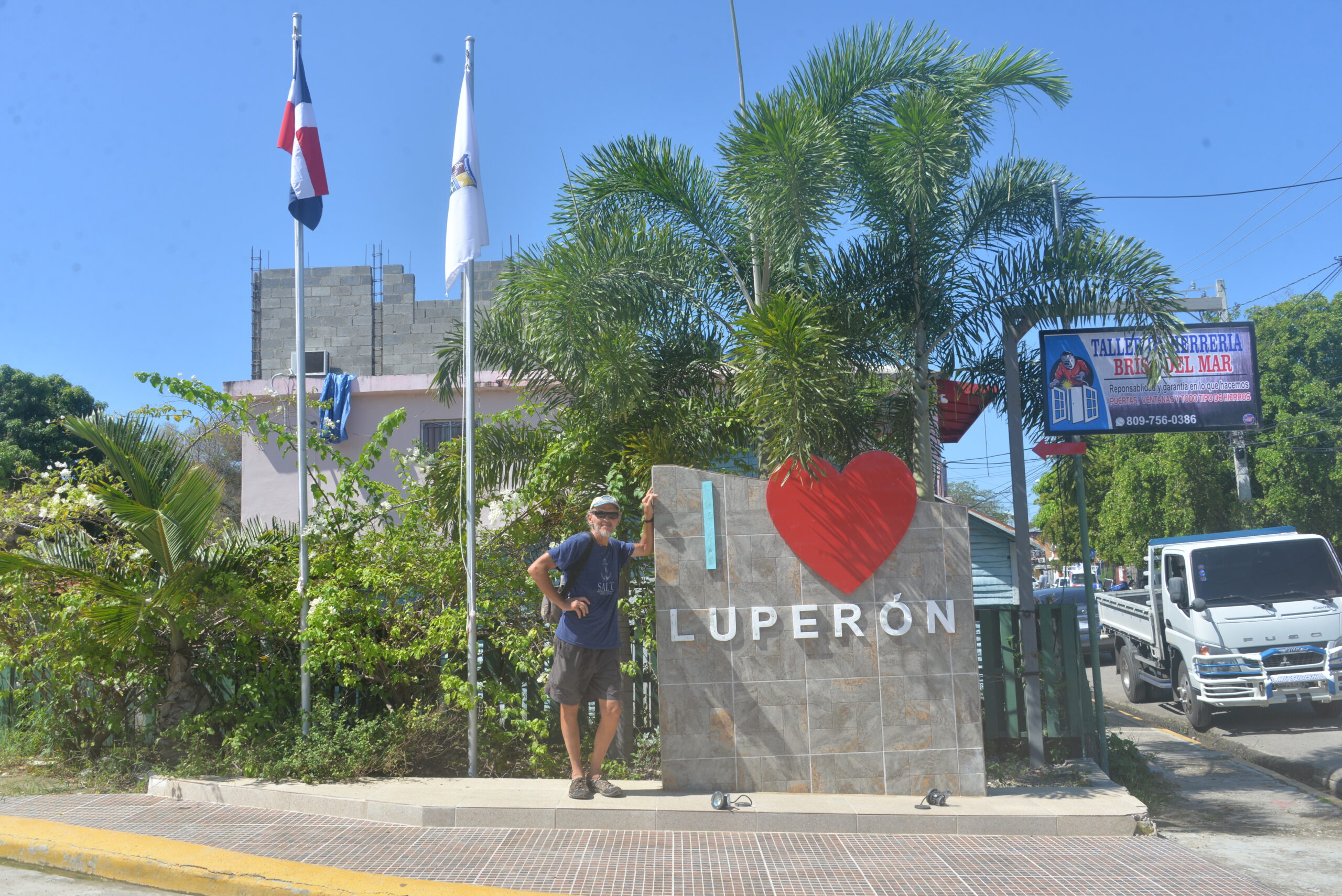
Luperon serves as a hub and immigration checkpoint for all travelers entering the Dominican Republic from the north. Named after General Gregorio Luperon (1839-1897), the country’s 20th President, the town boasts a unique bay, regarded as the safest haven in the entire Caribbean during hurricanes. Its geographical layout, flanked by surrounding mountains, naturally steers hurricanes away, making it a sanctuary for hundreds of yachts during the storm season.

Our initial encounter with the Dominican immigration process felt reminiscent of the bureaucratic procedures of the Soviet Union era. Aside from civil authorities like the harbor captain, immigration officials, customs, and the Ministry of Agriculture, obtaining approval from the Armada (Dominican Navy) proved pivotal. All documents underwent thorough scrutiny, with mandatory yacht photographs required for submission. This marked our inaugural visit to the Armada, a ritual we repeated upon each port arrival and departure, as inclement weather sometimes hindered exit permits (Despacho). In the Dominican Republic, the Armada assumes the responsibility of sailor rescue operations, diligently mitigating risks associated with such endeavors.

Luperon has also become a haven for a community of retirees from the United States. Notably, the renowned sailor and author Bruce Van Sant calls this place home—many sailors rely on his expert guidance for navigating southbound passages.

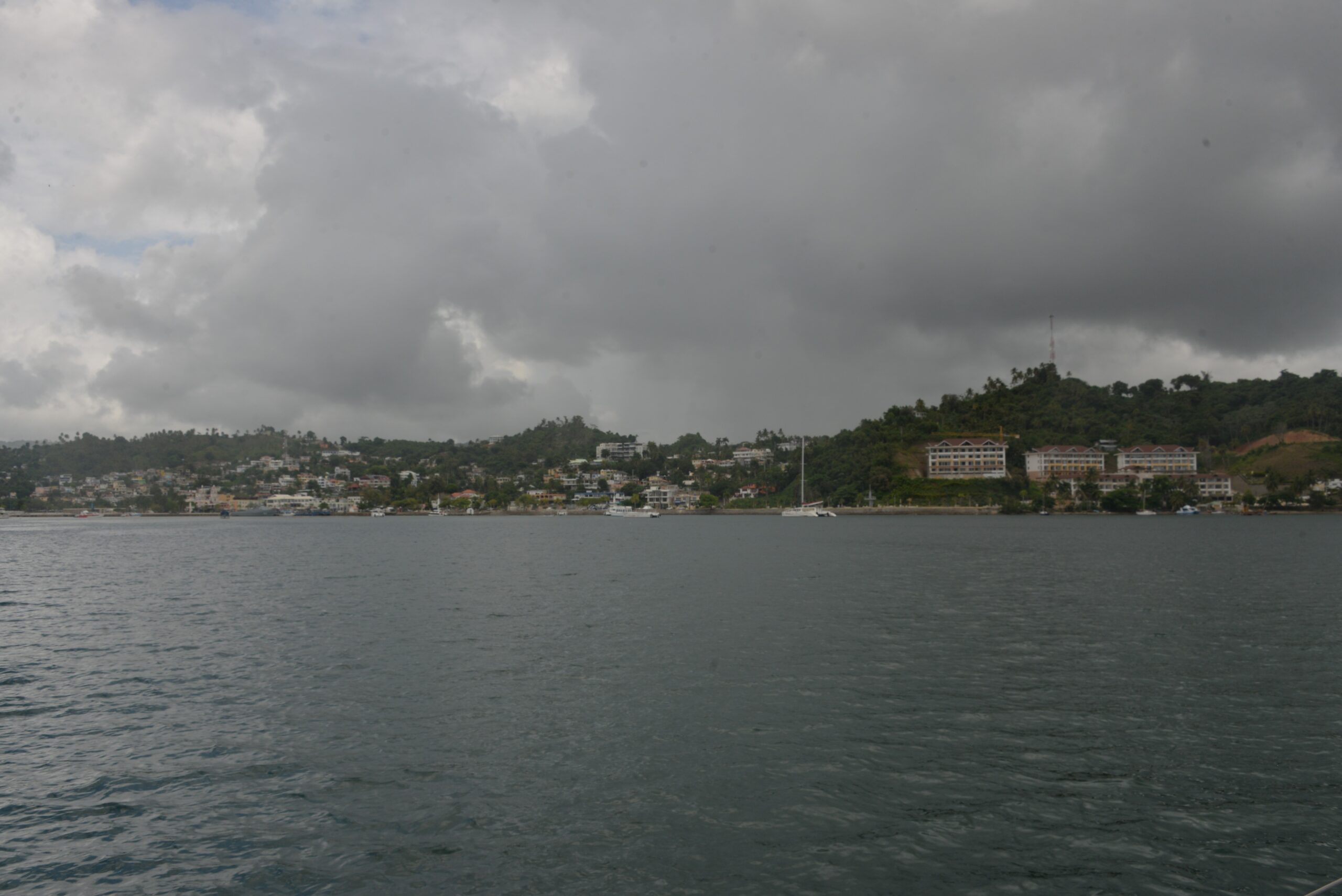
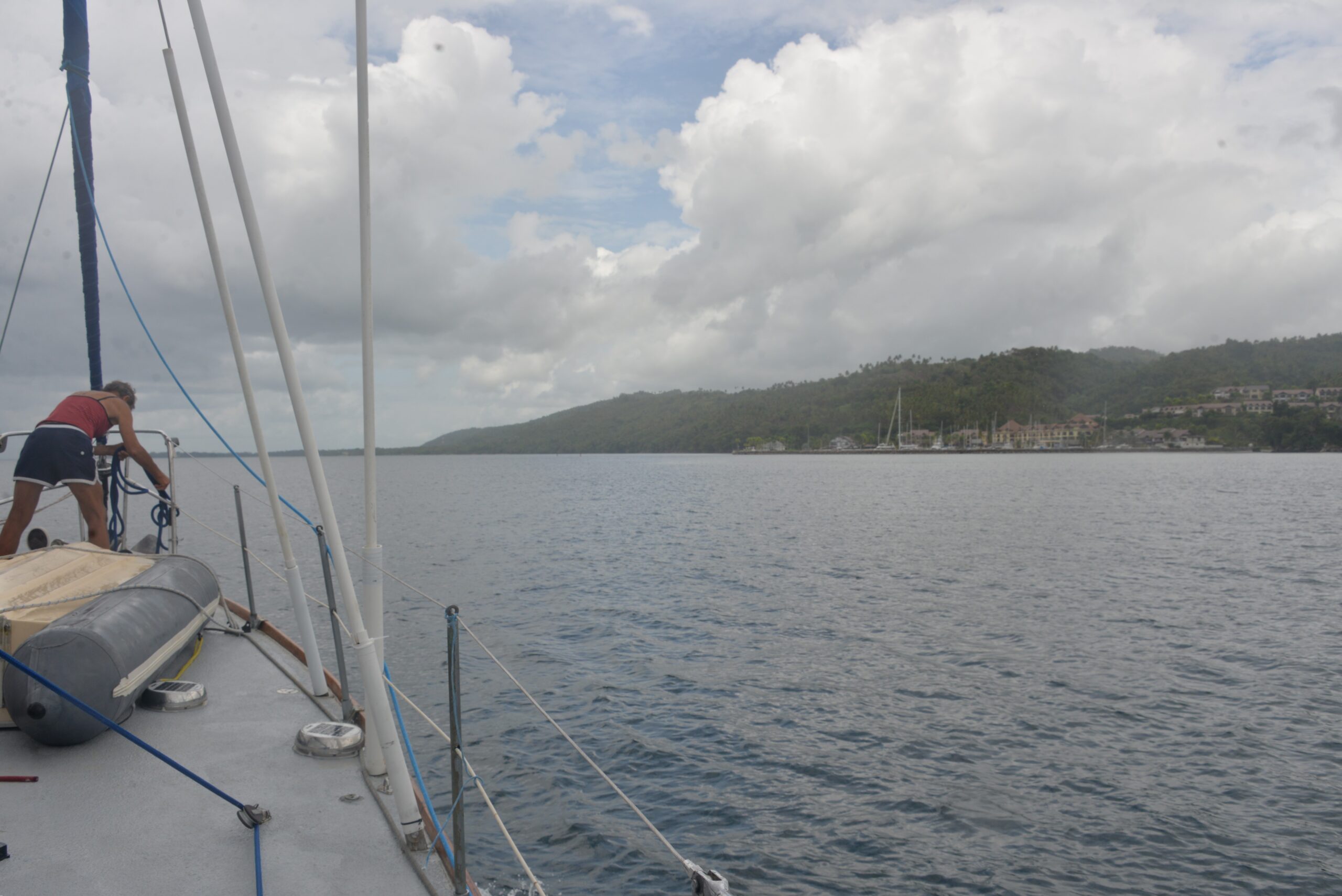
Approaching anchorage in Luperon
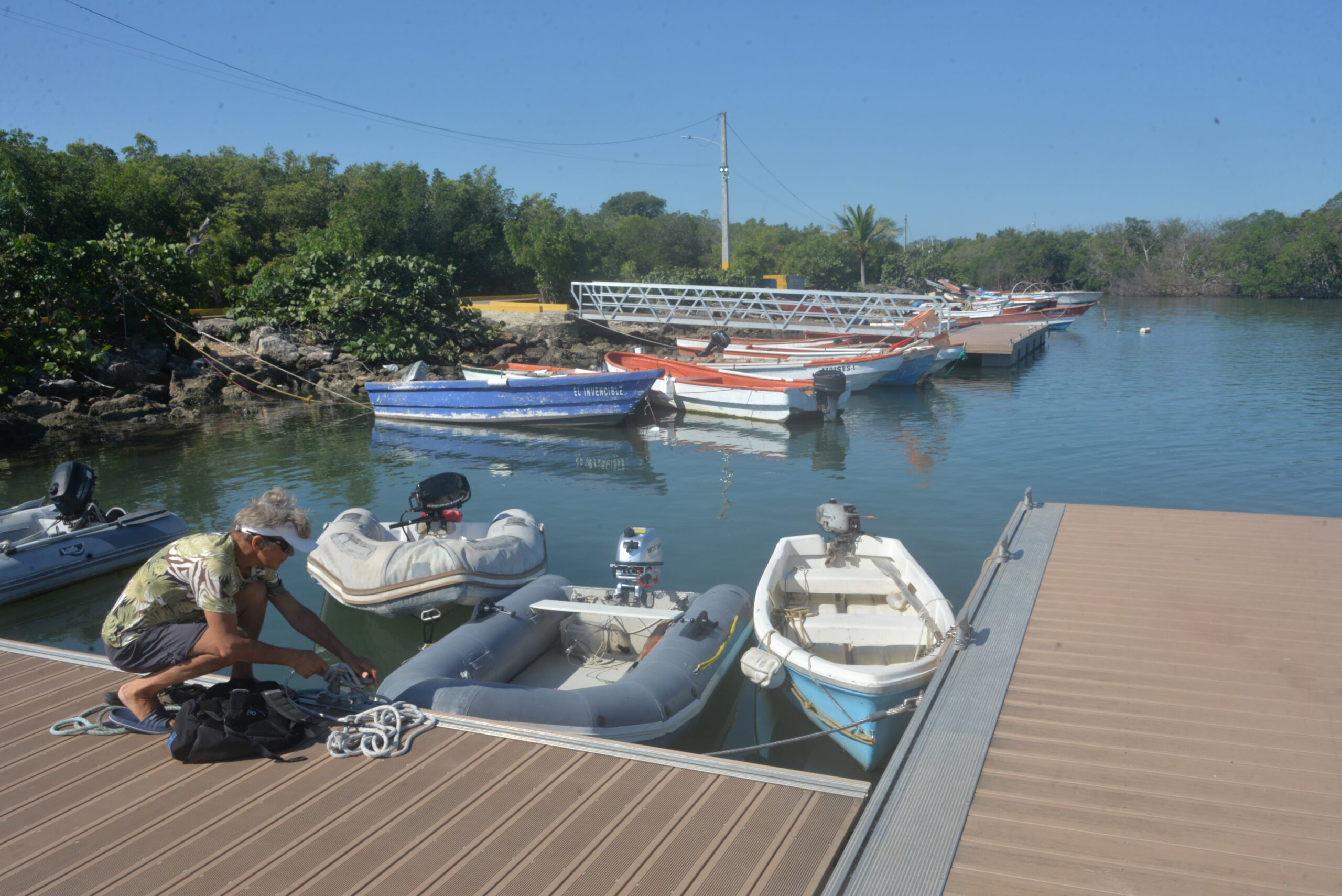
Coming on shore for the immigration check-in
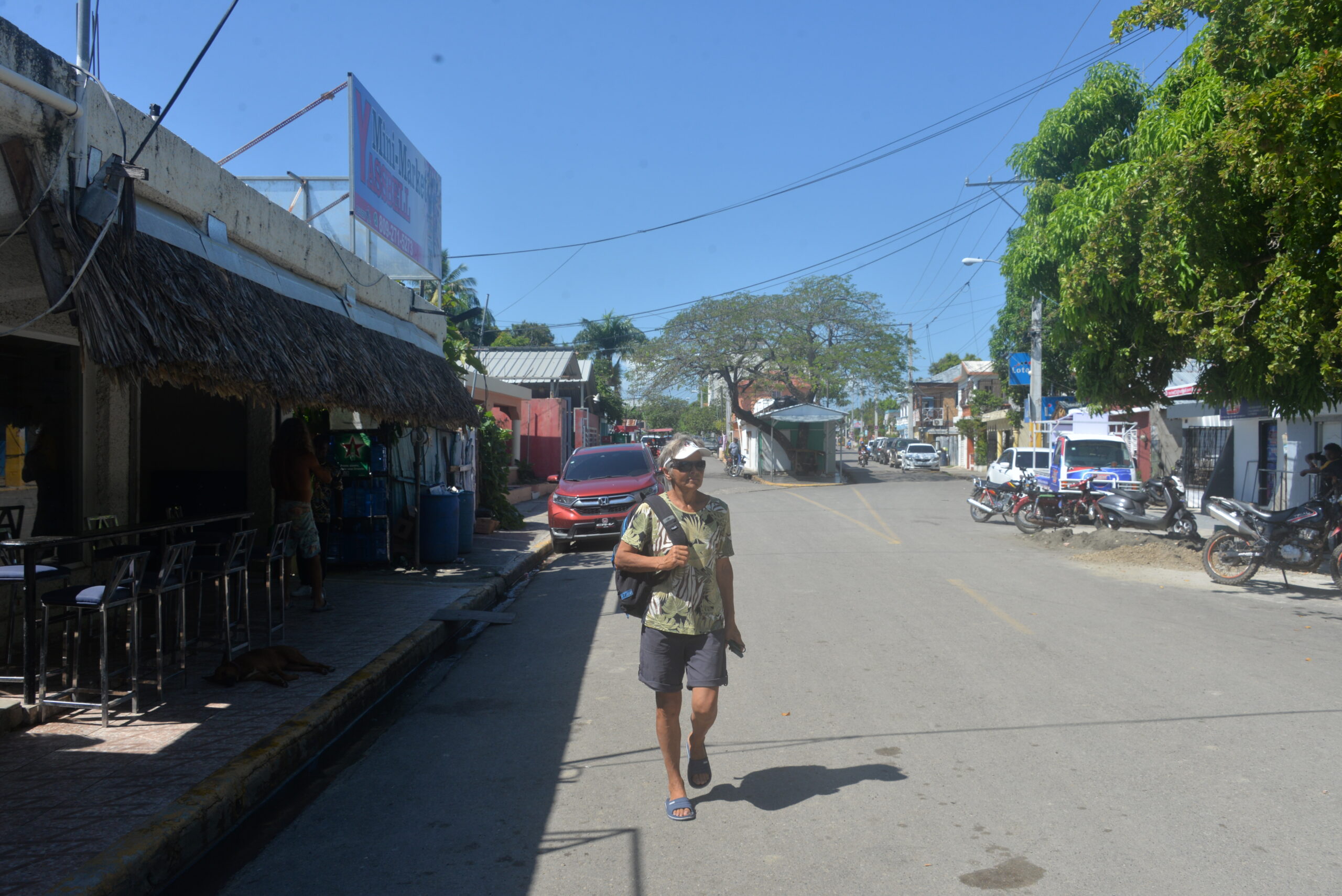
Main street
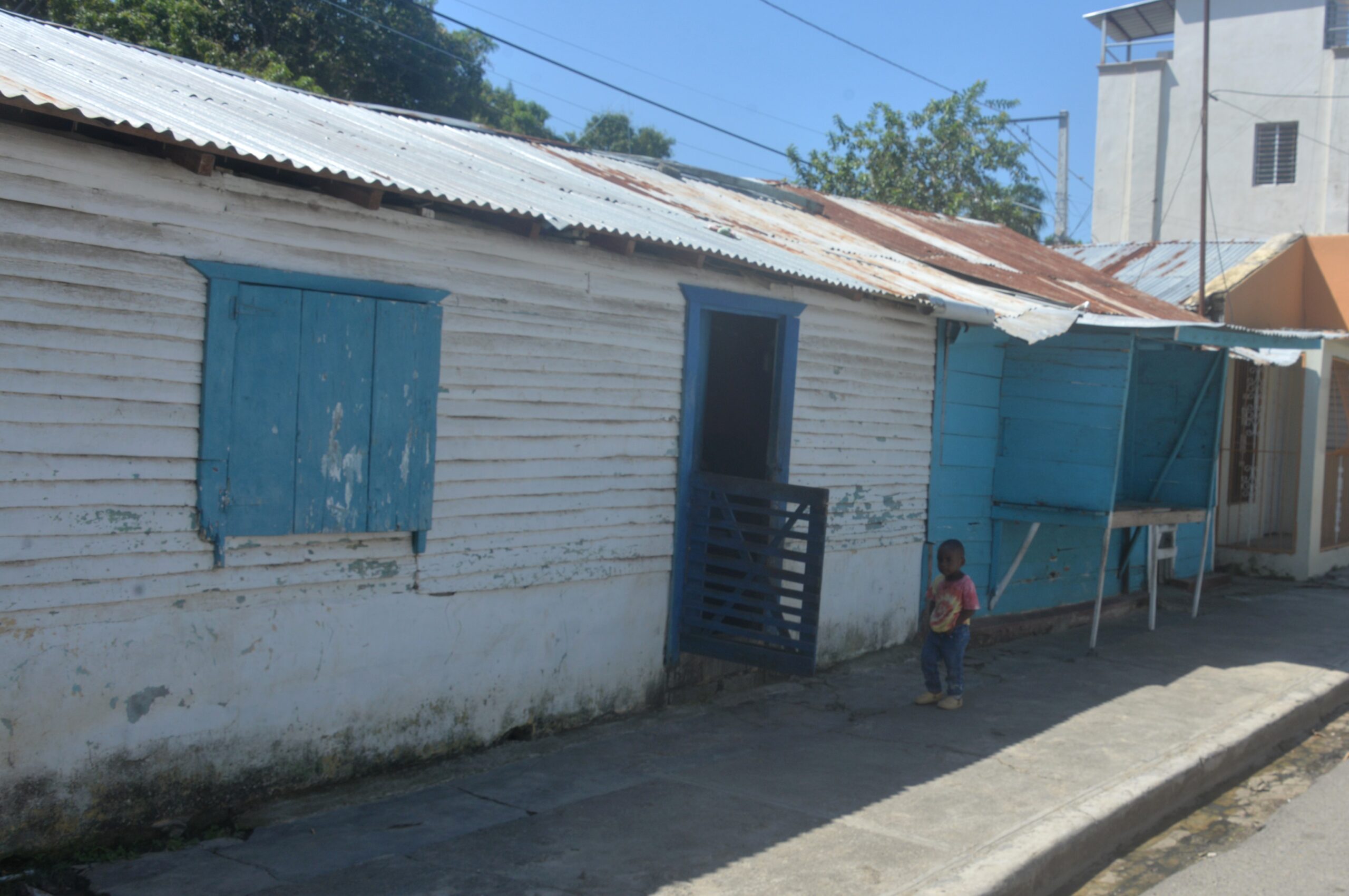
There are still some traces of poverty, but not much.
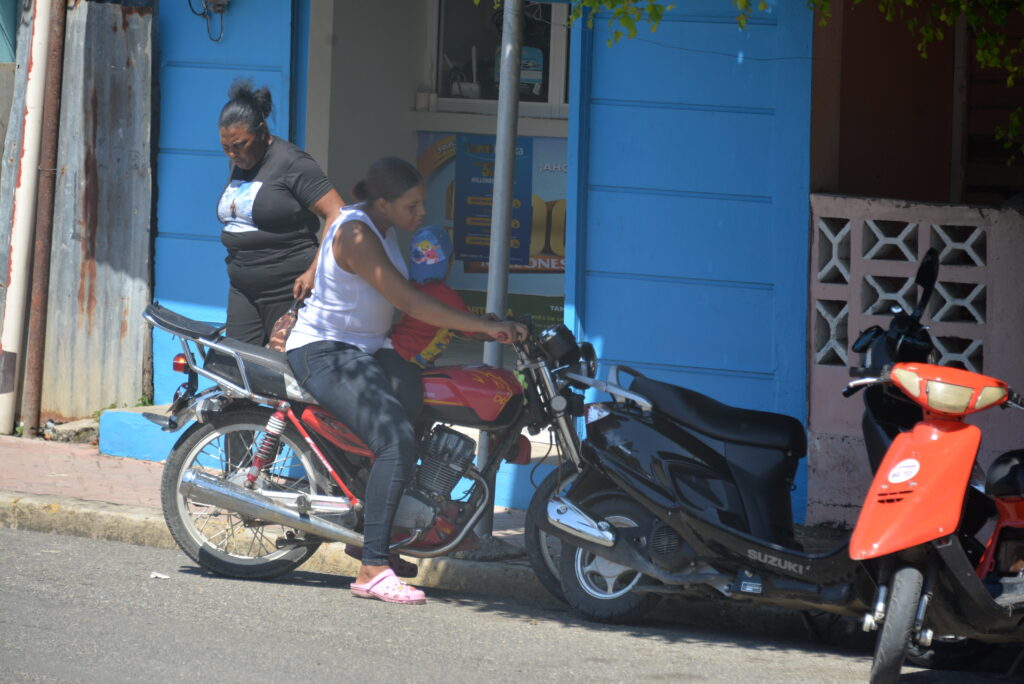
Motorbikes are main transportation there
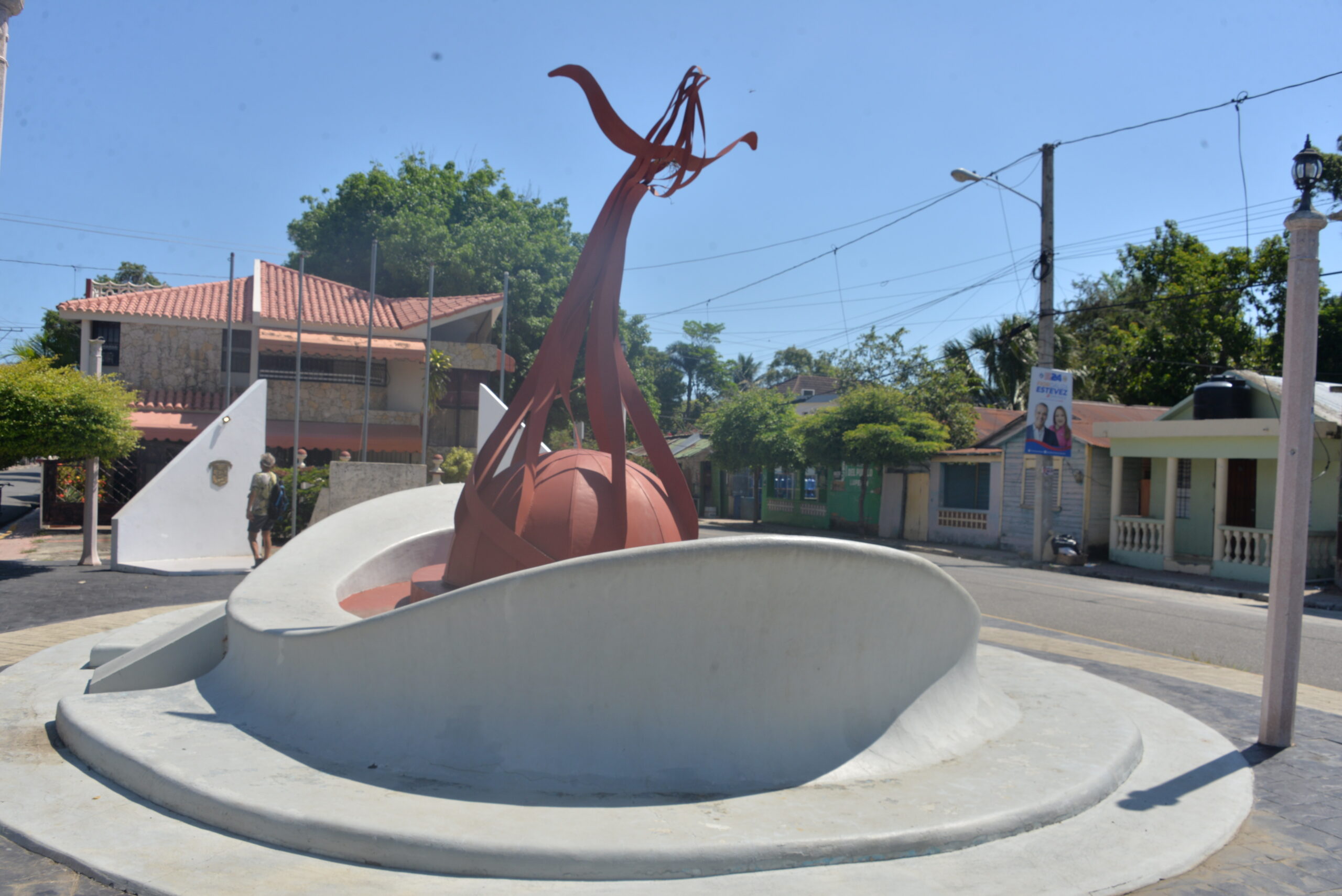
Monument with Bird, where bird’s nest we’ve found
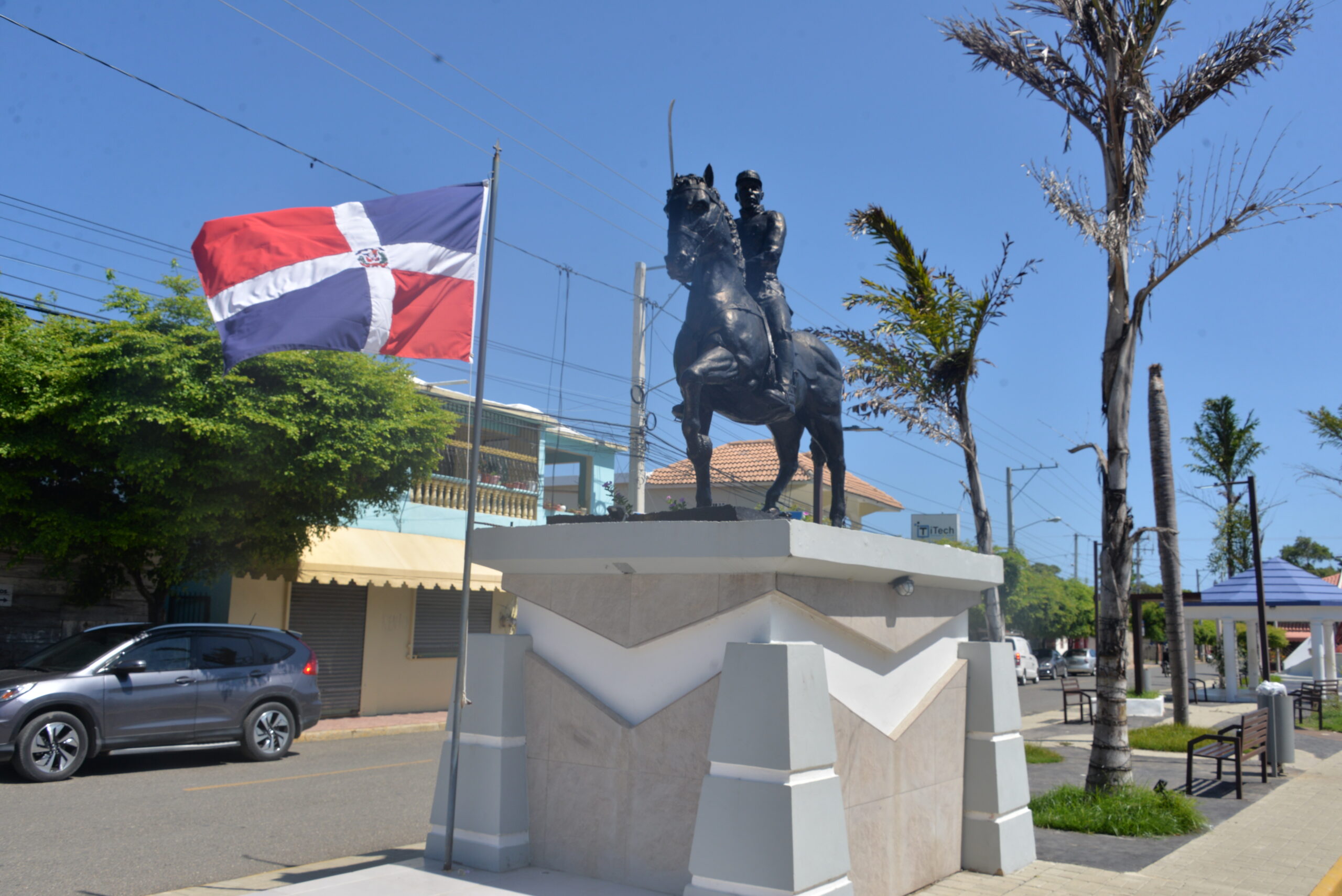
General Gregorio Luperón
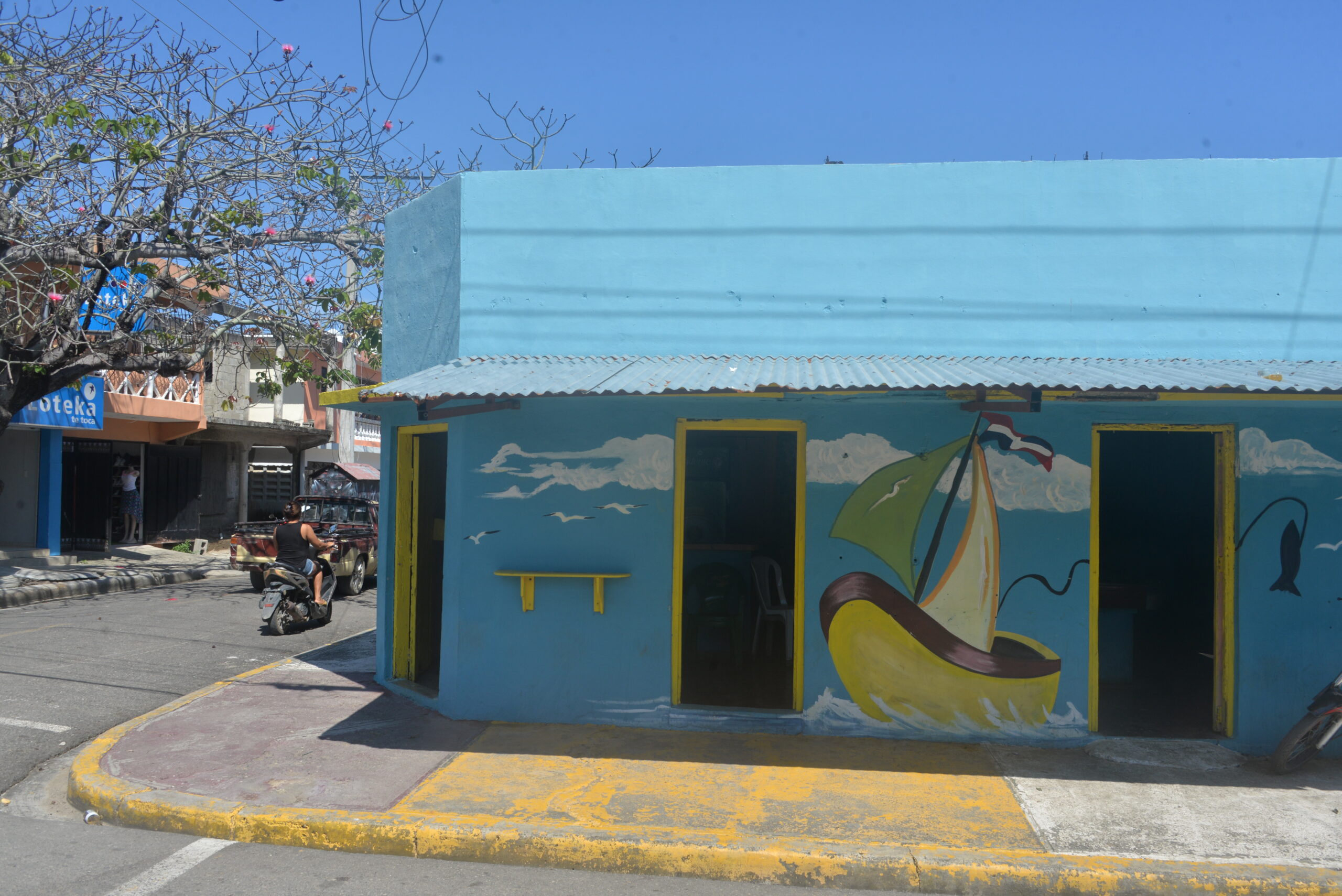
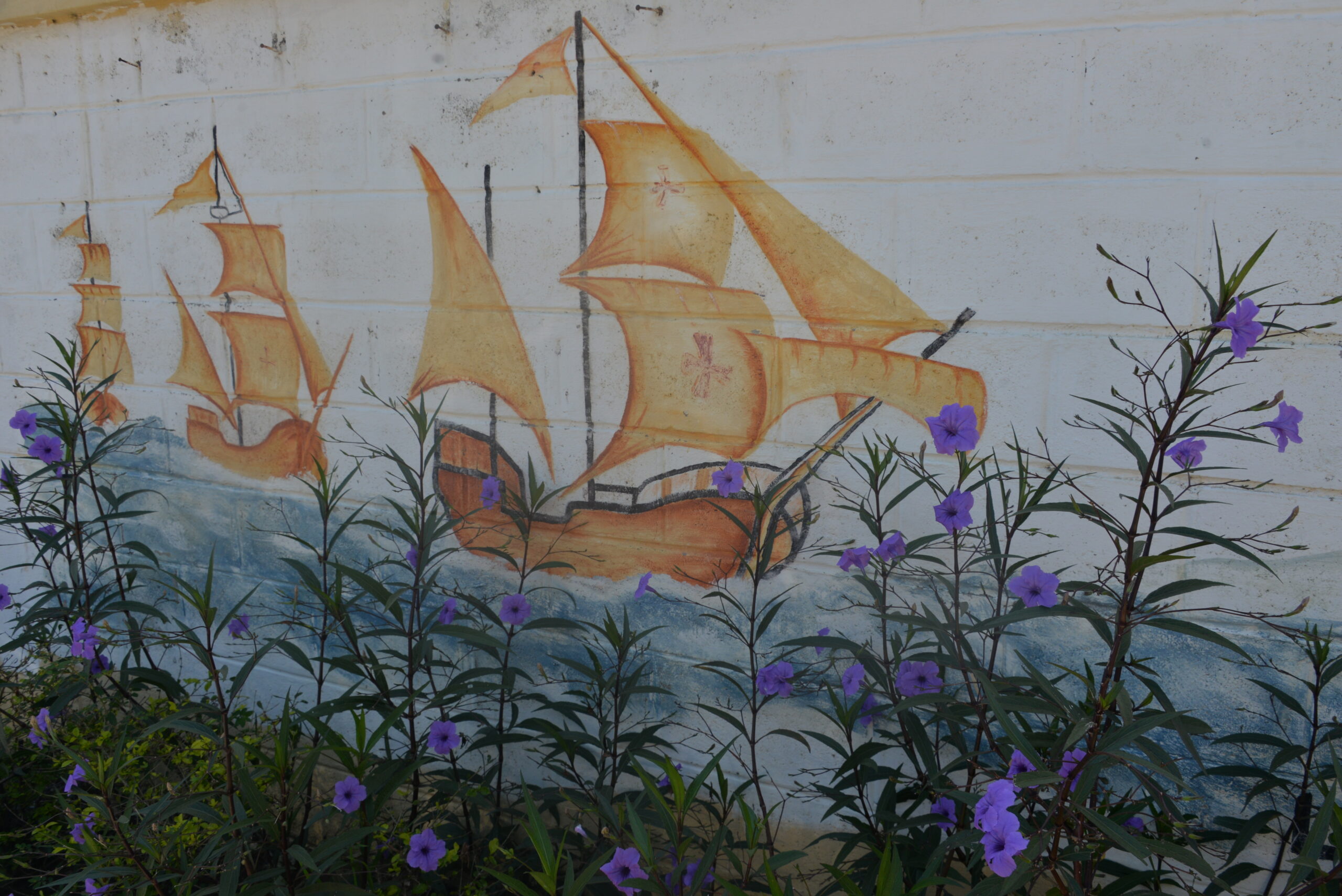
Mural with Columbus ships.
Main square
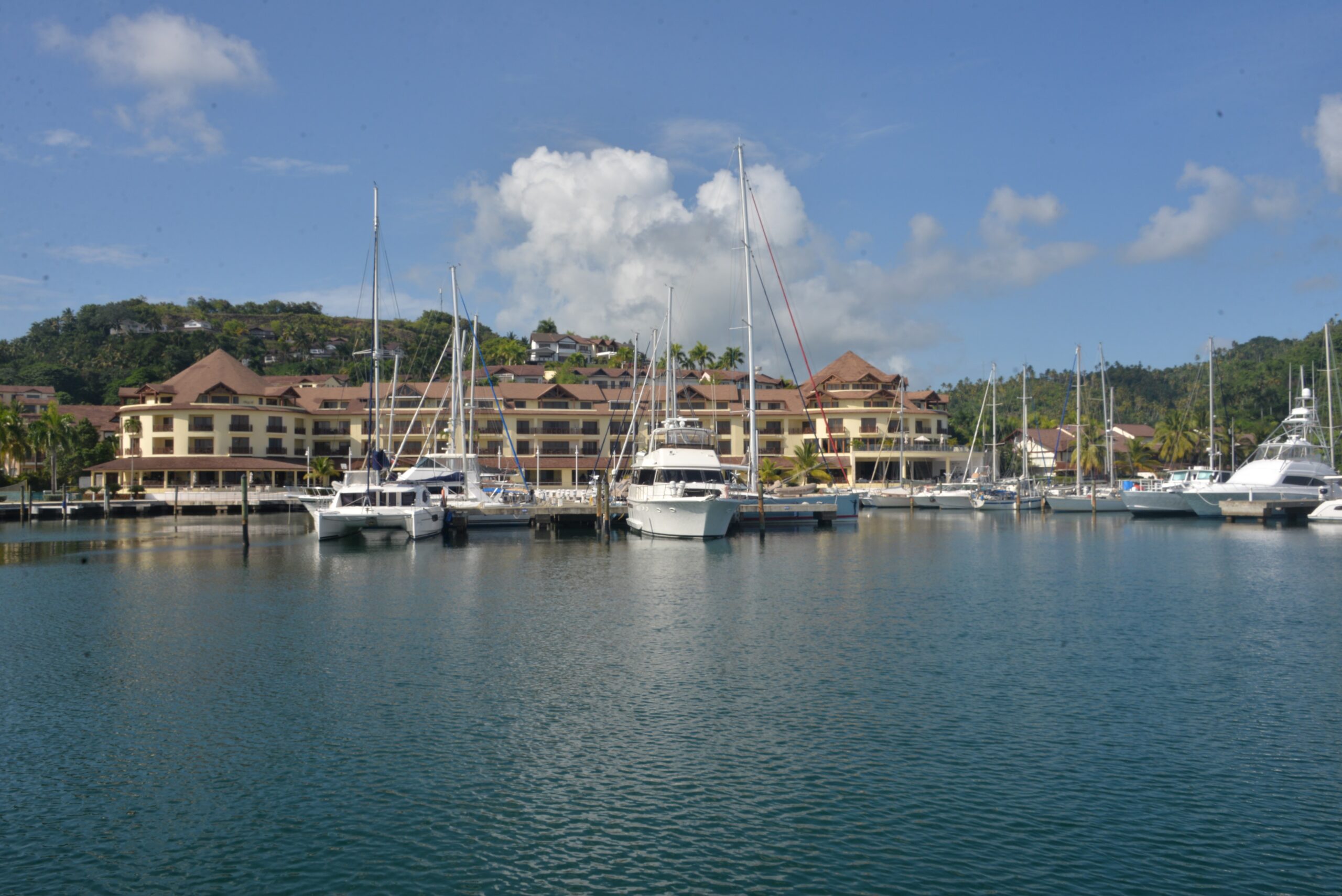
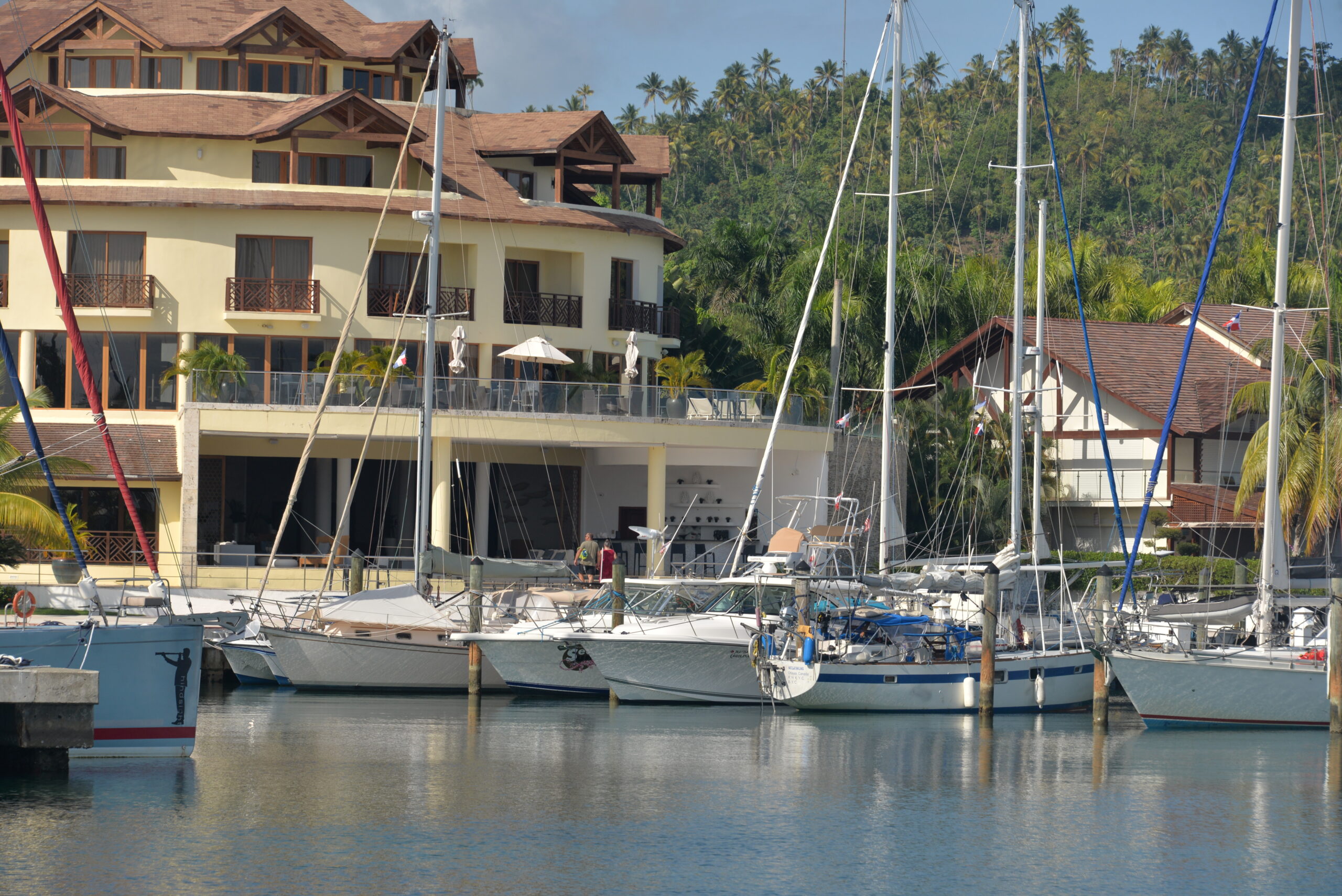
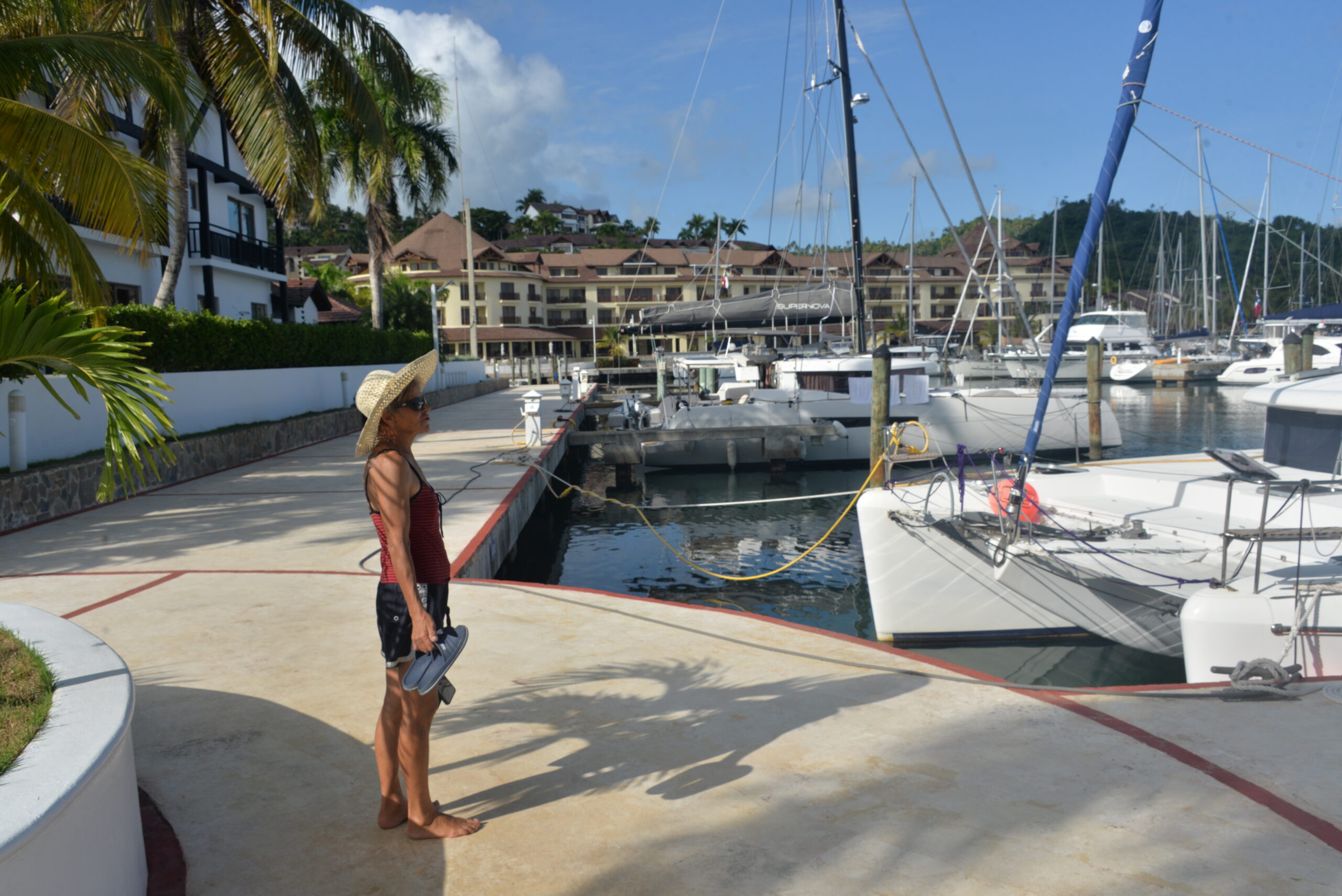
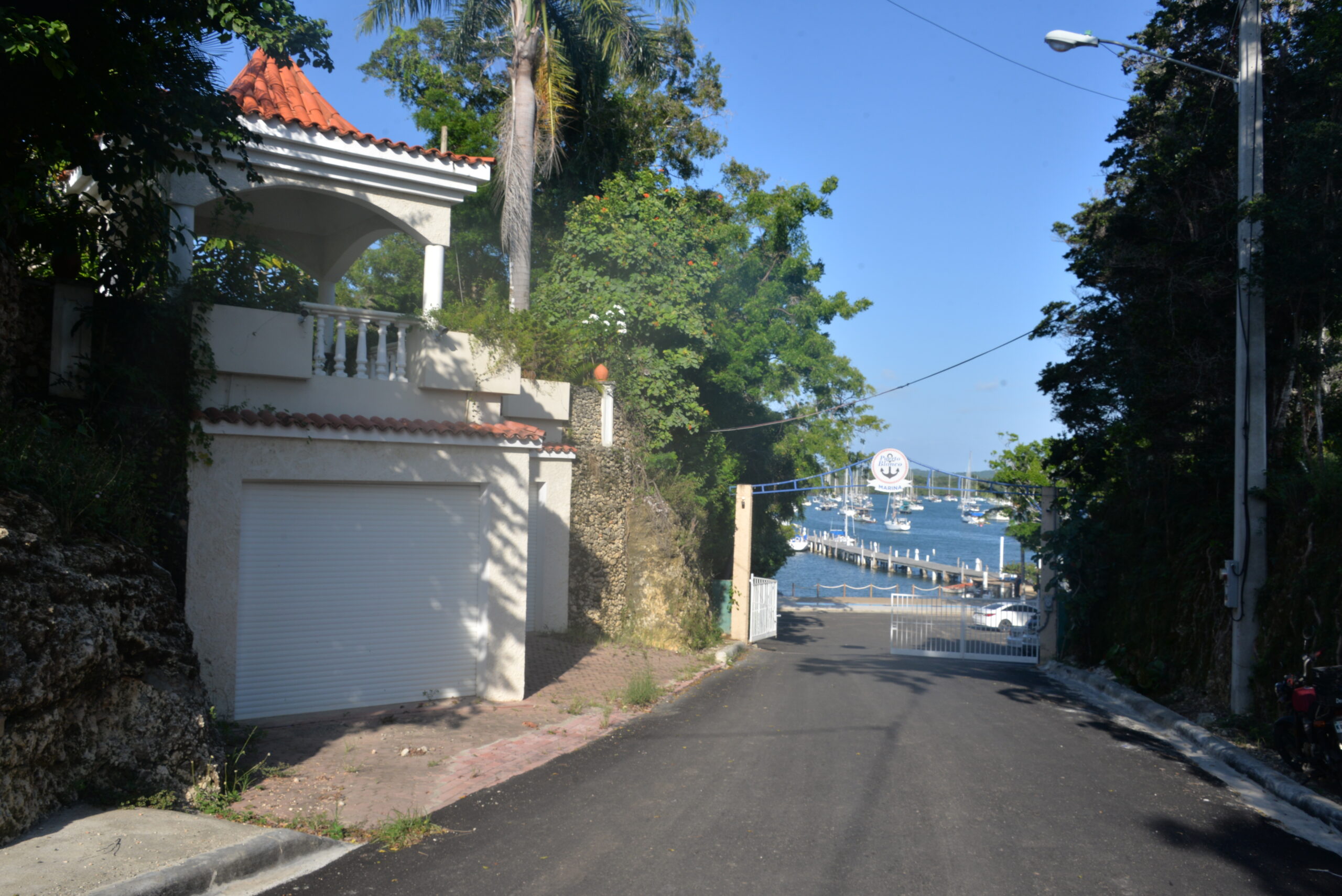
Marina Puerto Blanco
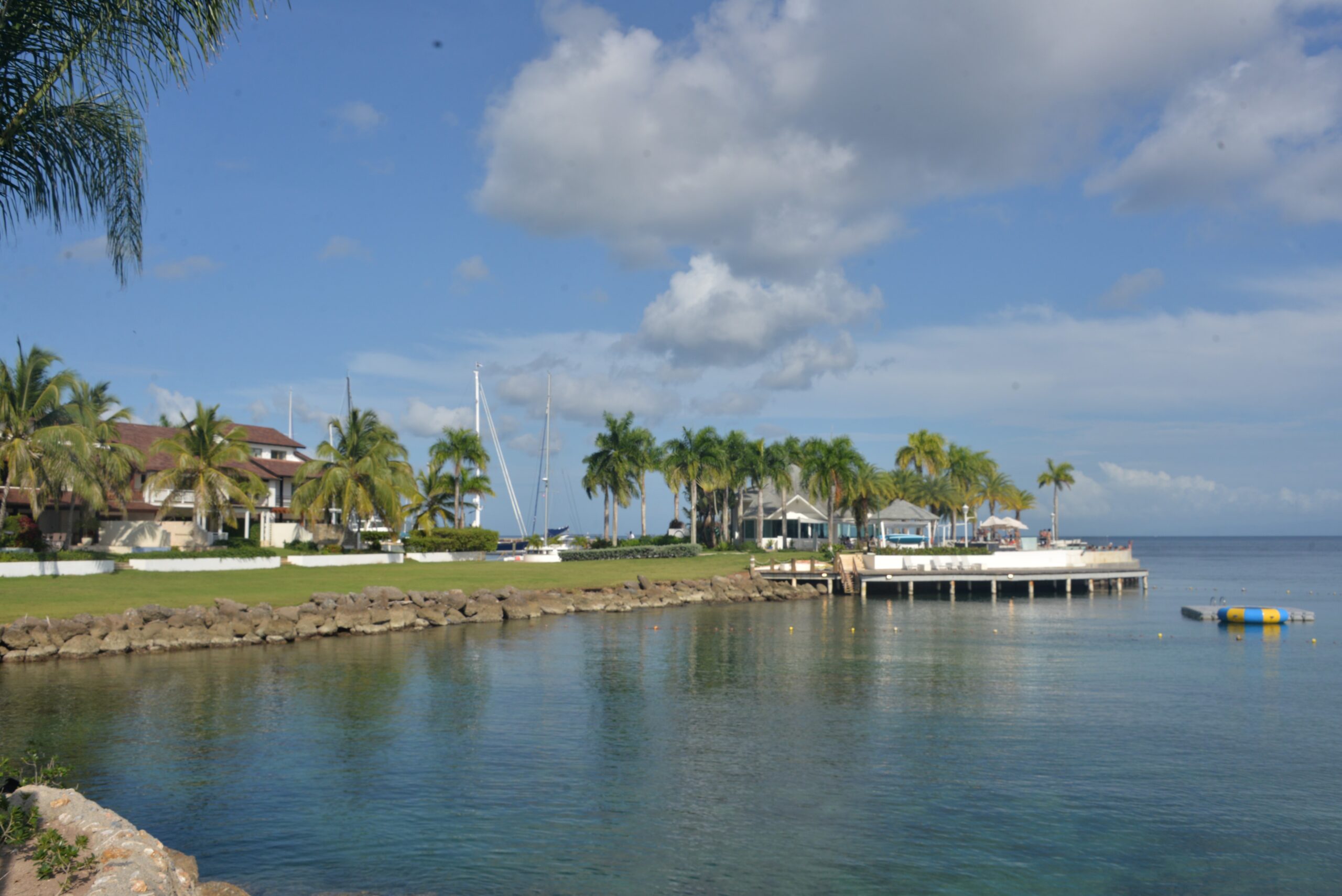
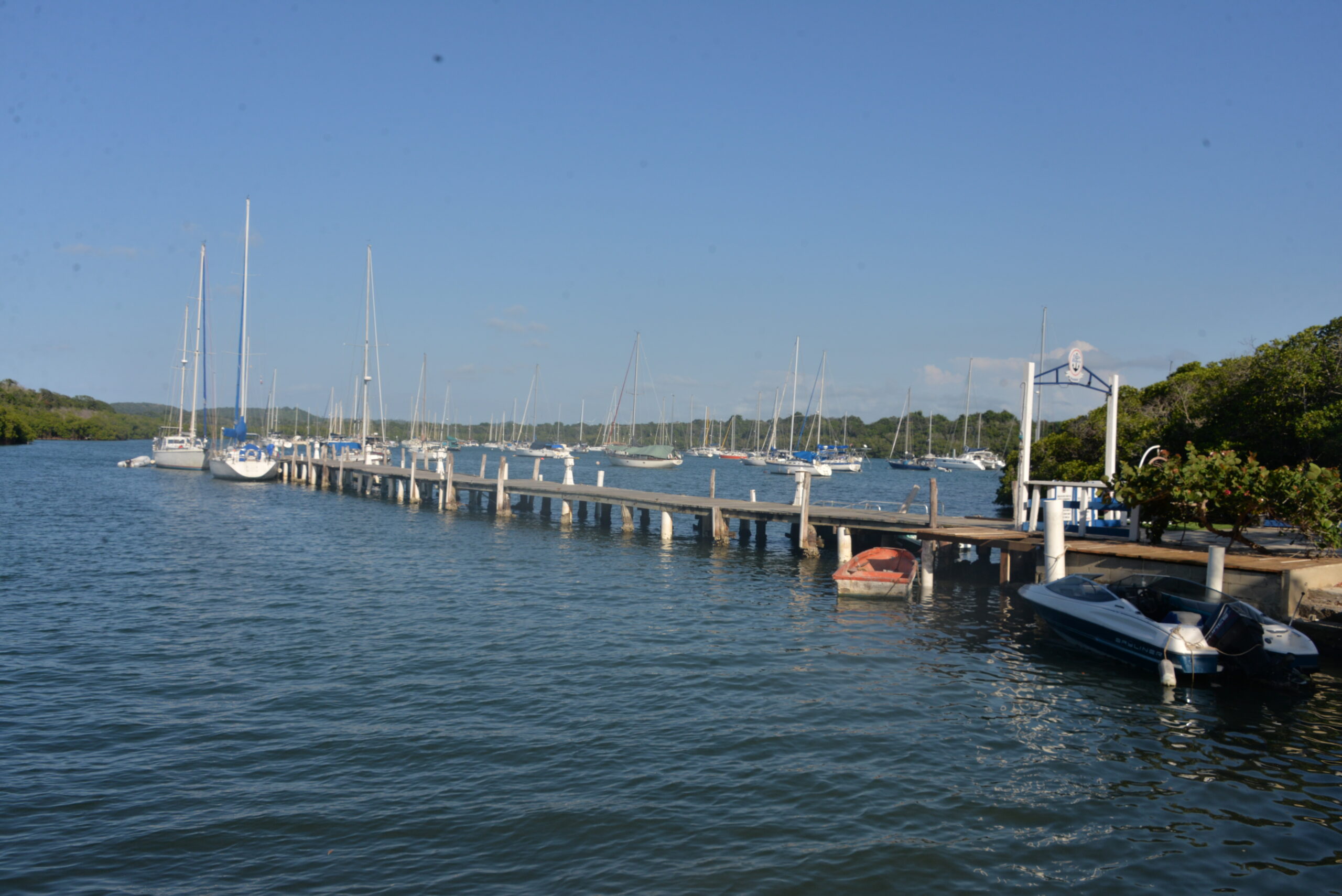
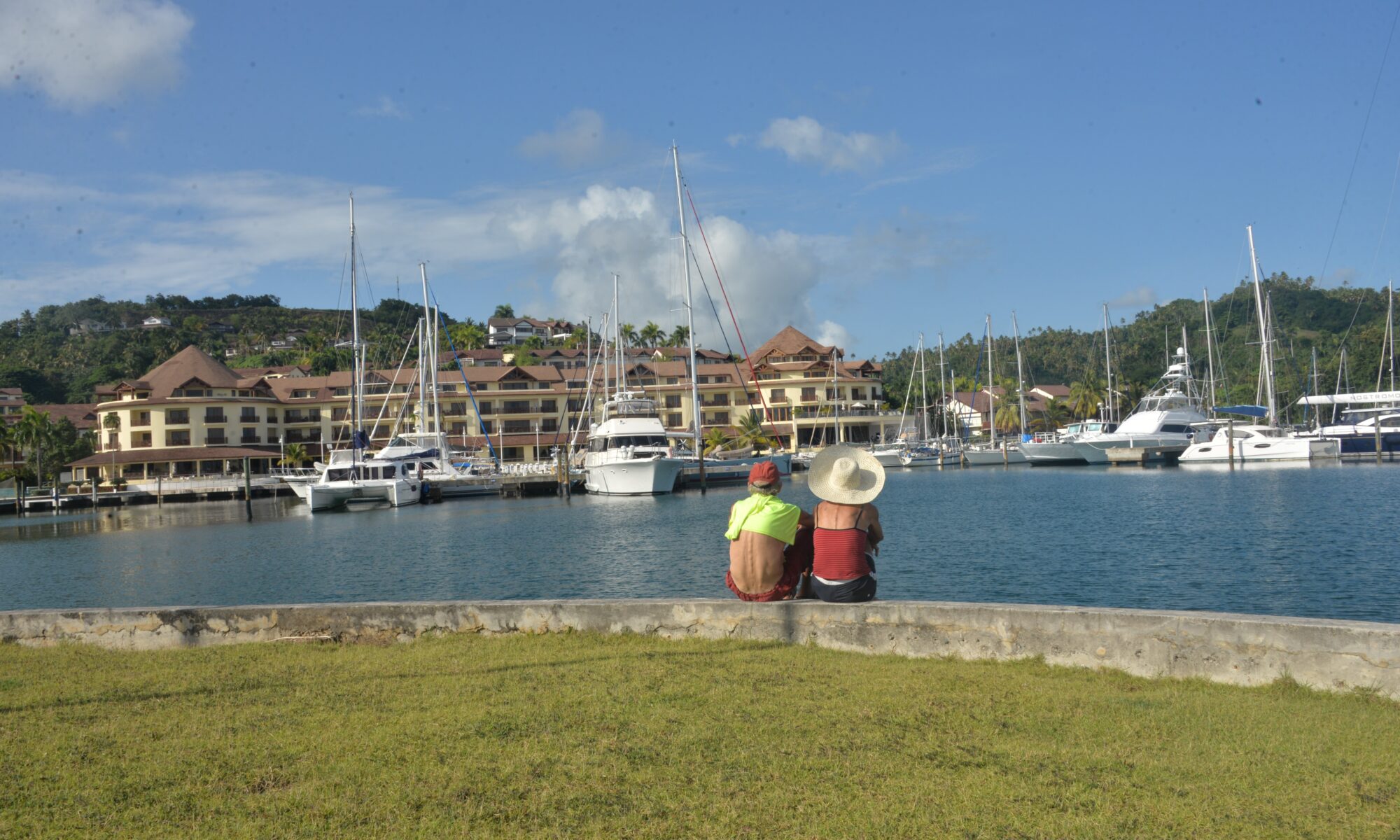
View of Luperon harbor
Monument of marine aviation
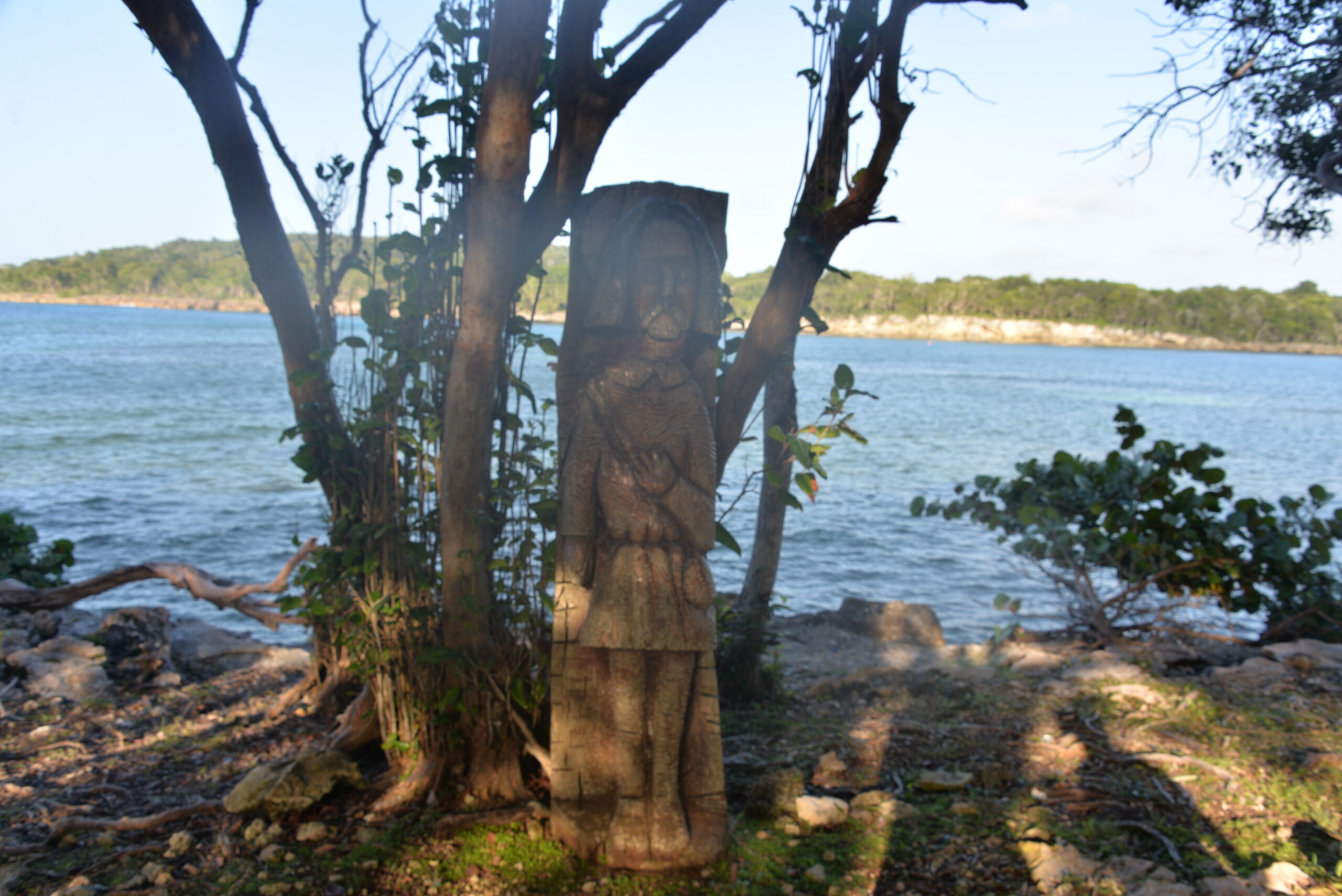
Wood carvings on the Luperon’s shore
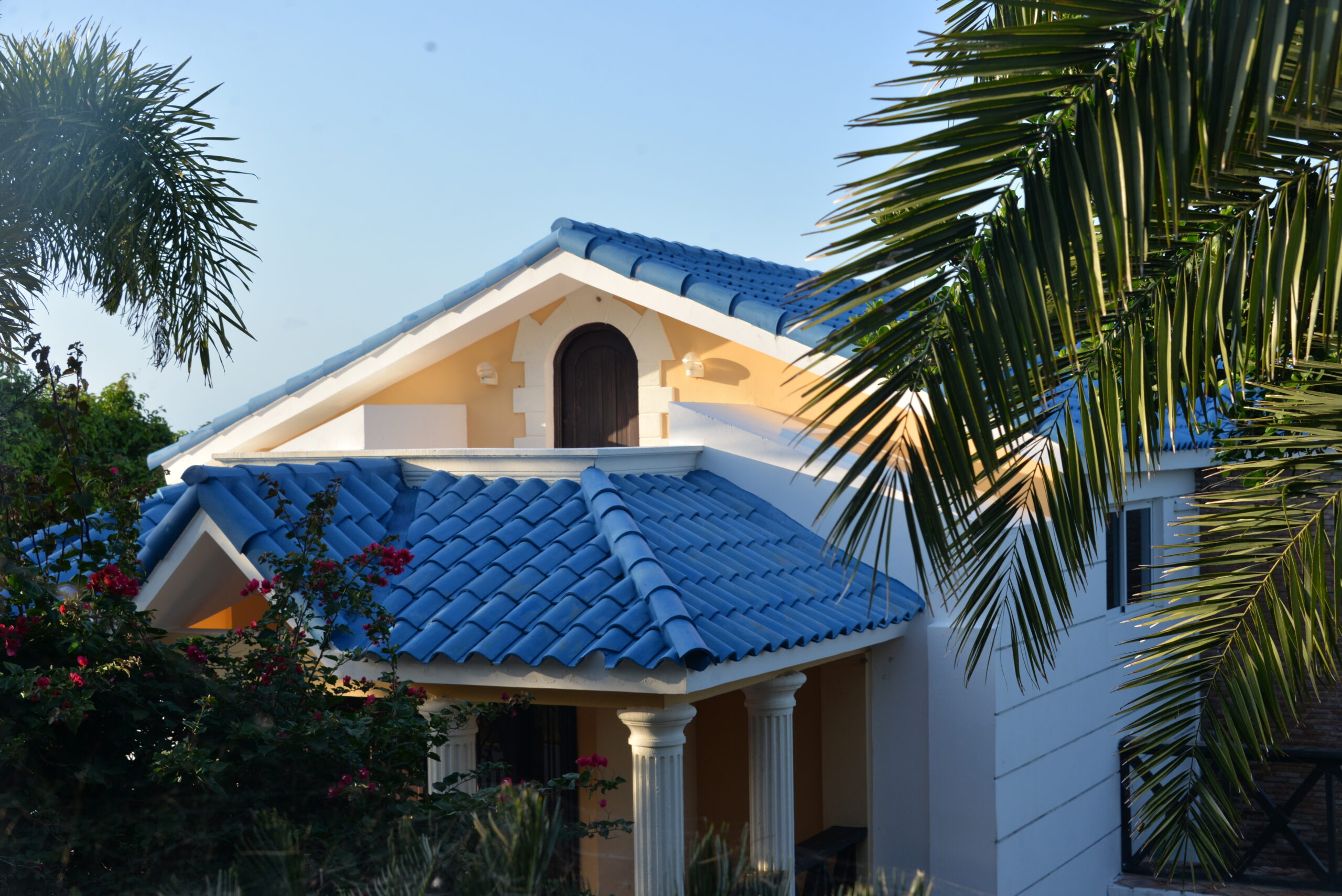
A farmer’s house on the shore
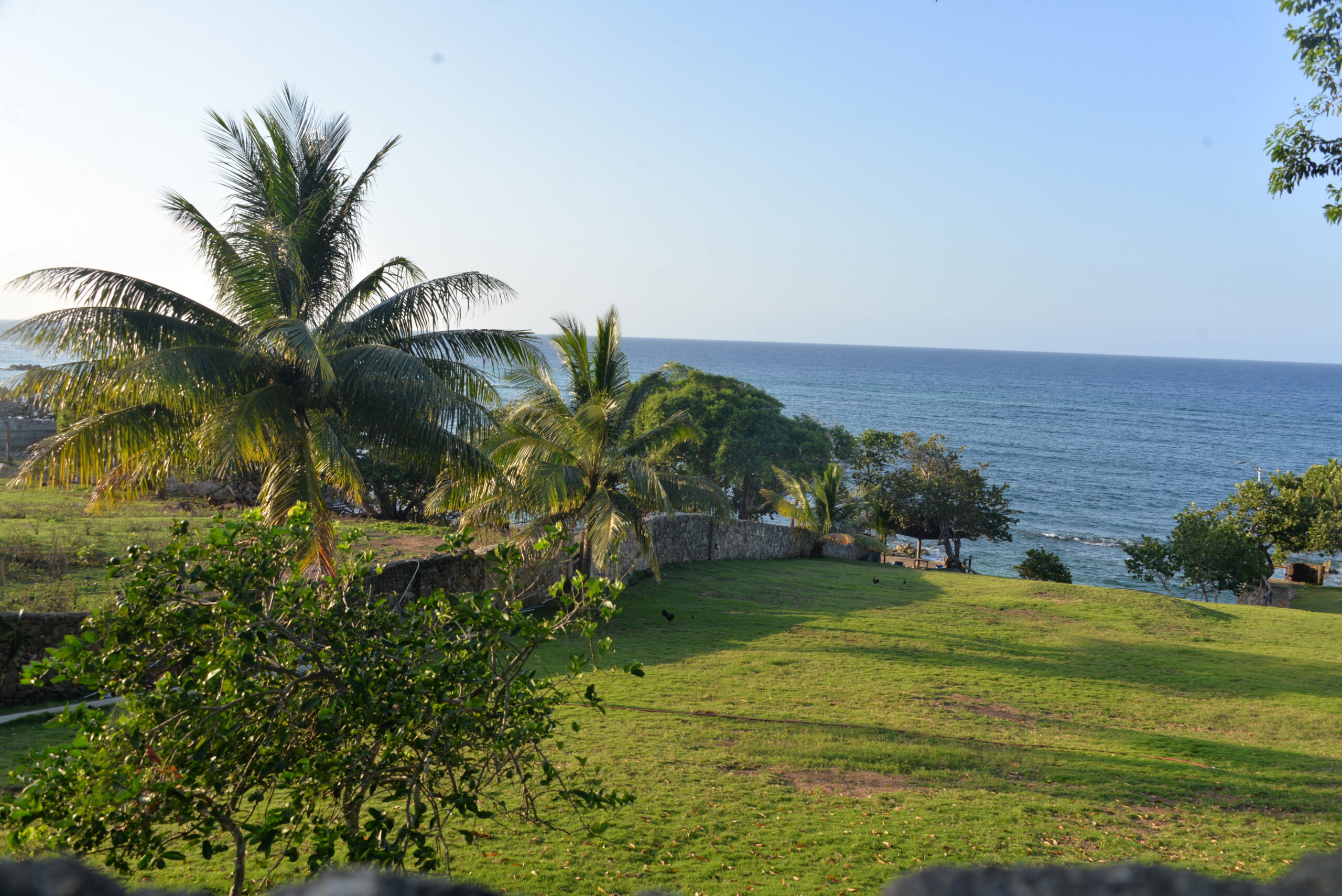
Farmland with an oceanview
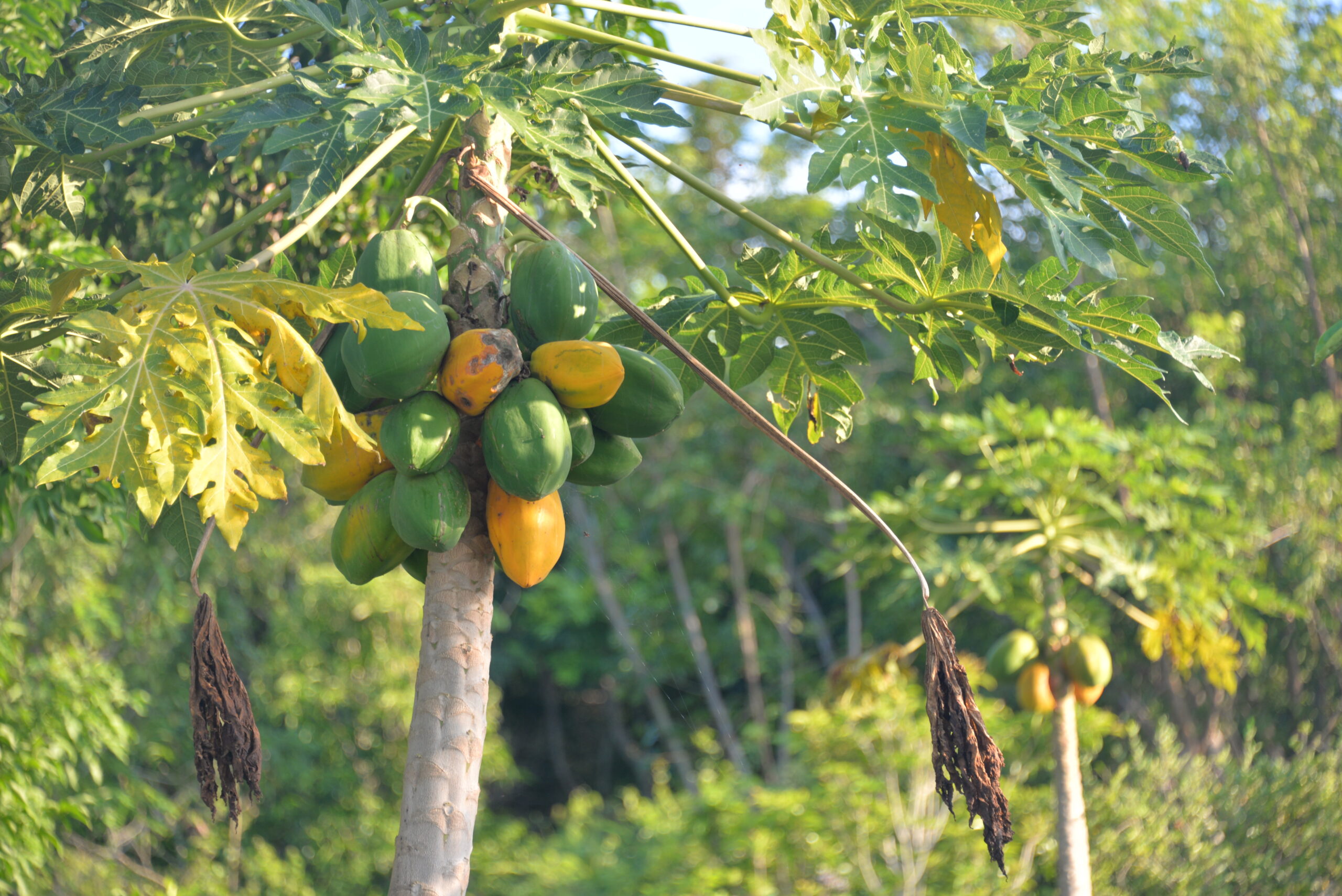
Papaya
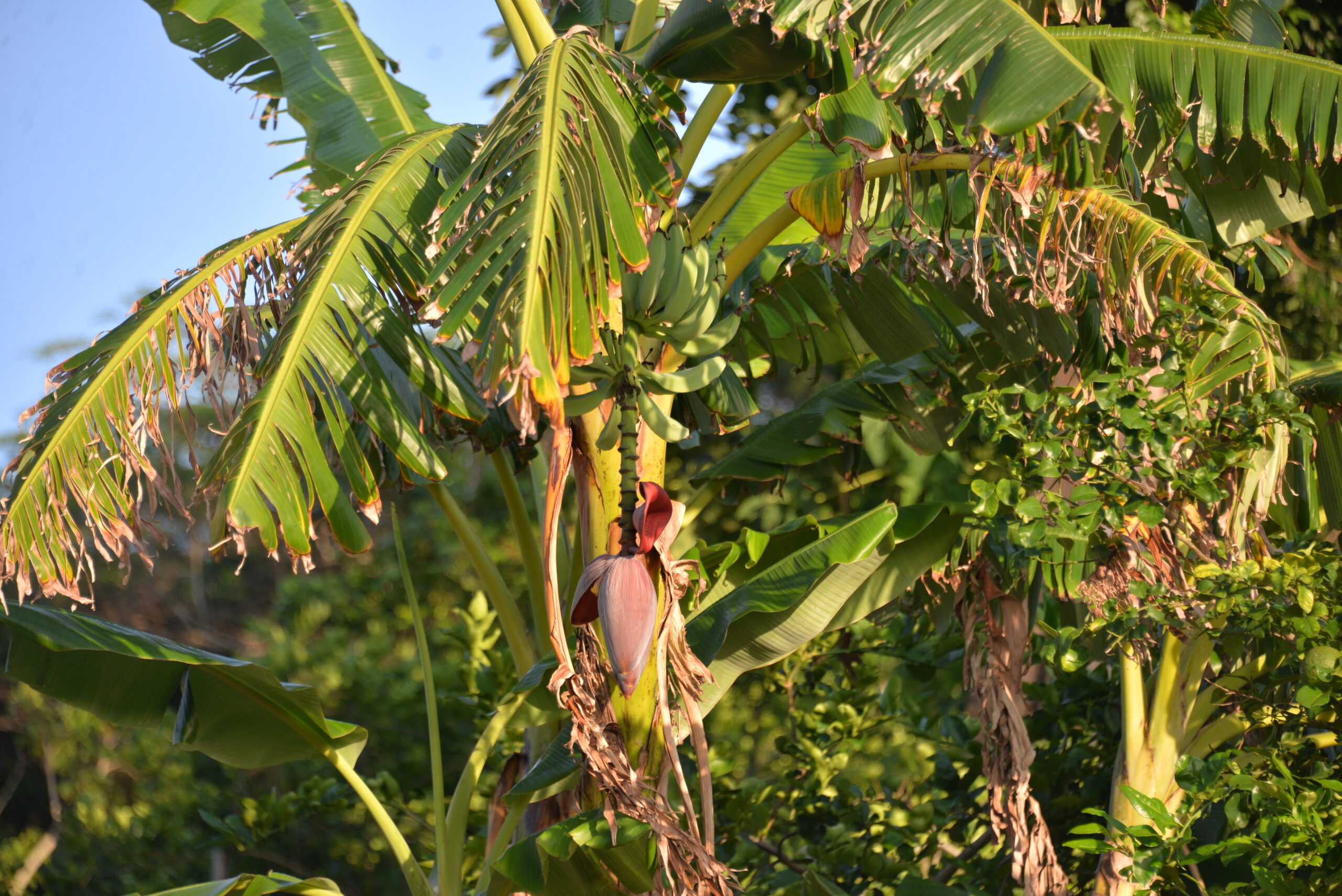
Bananas
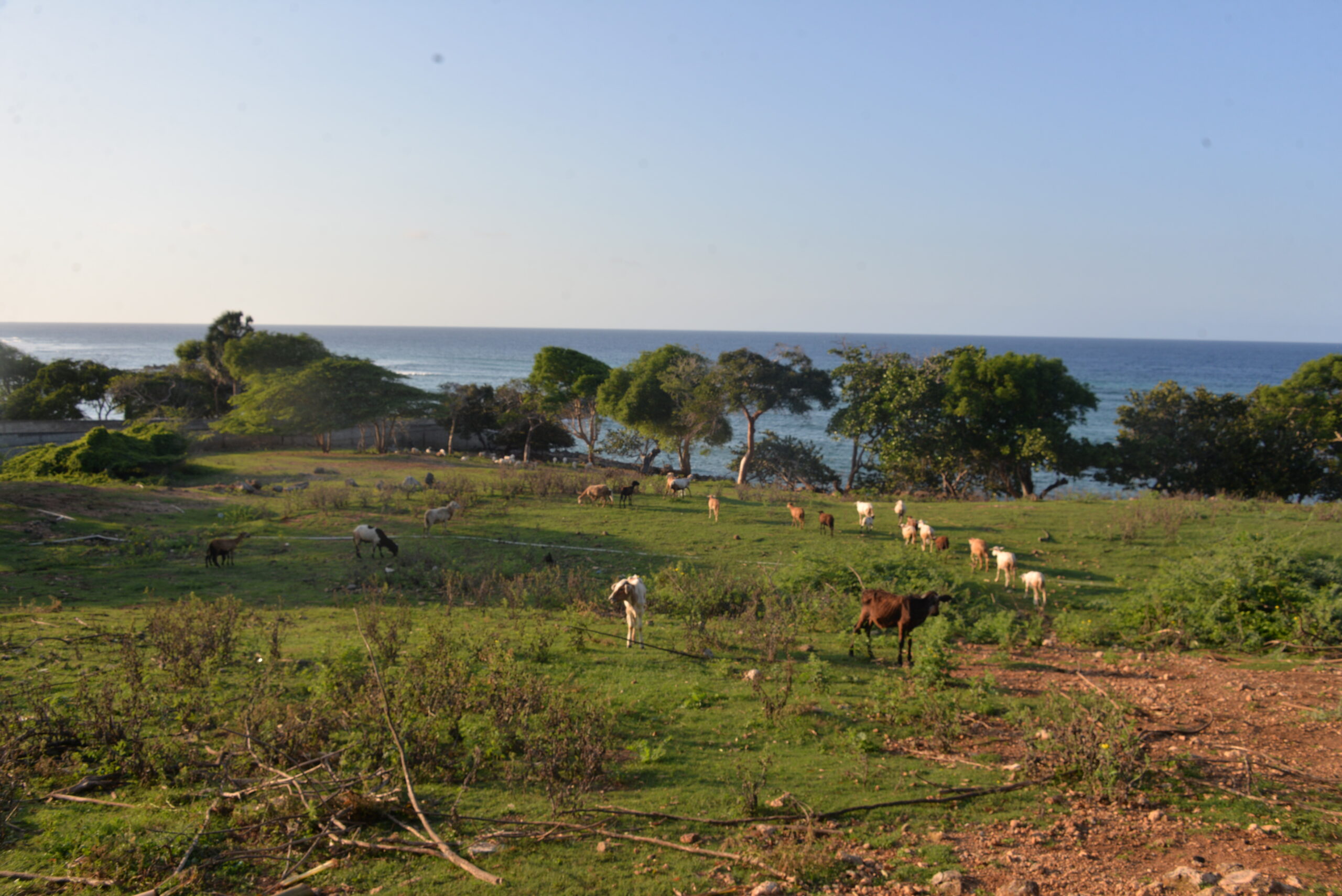
Gots and cows on the shore pasture
Hammerbird

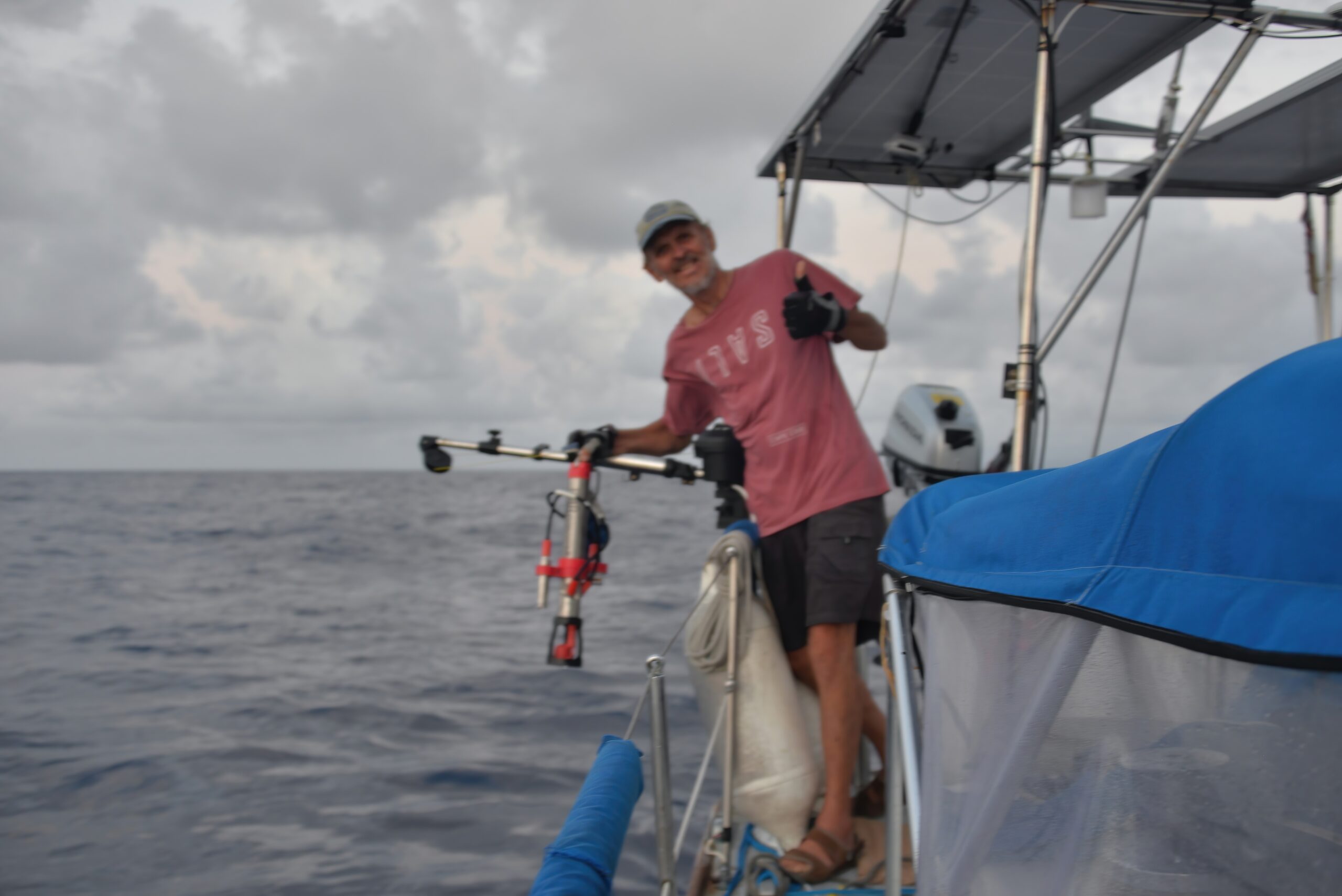
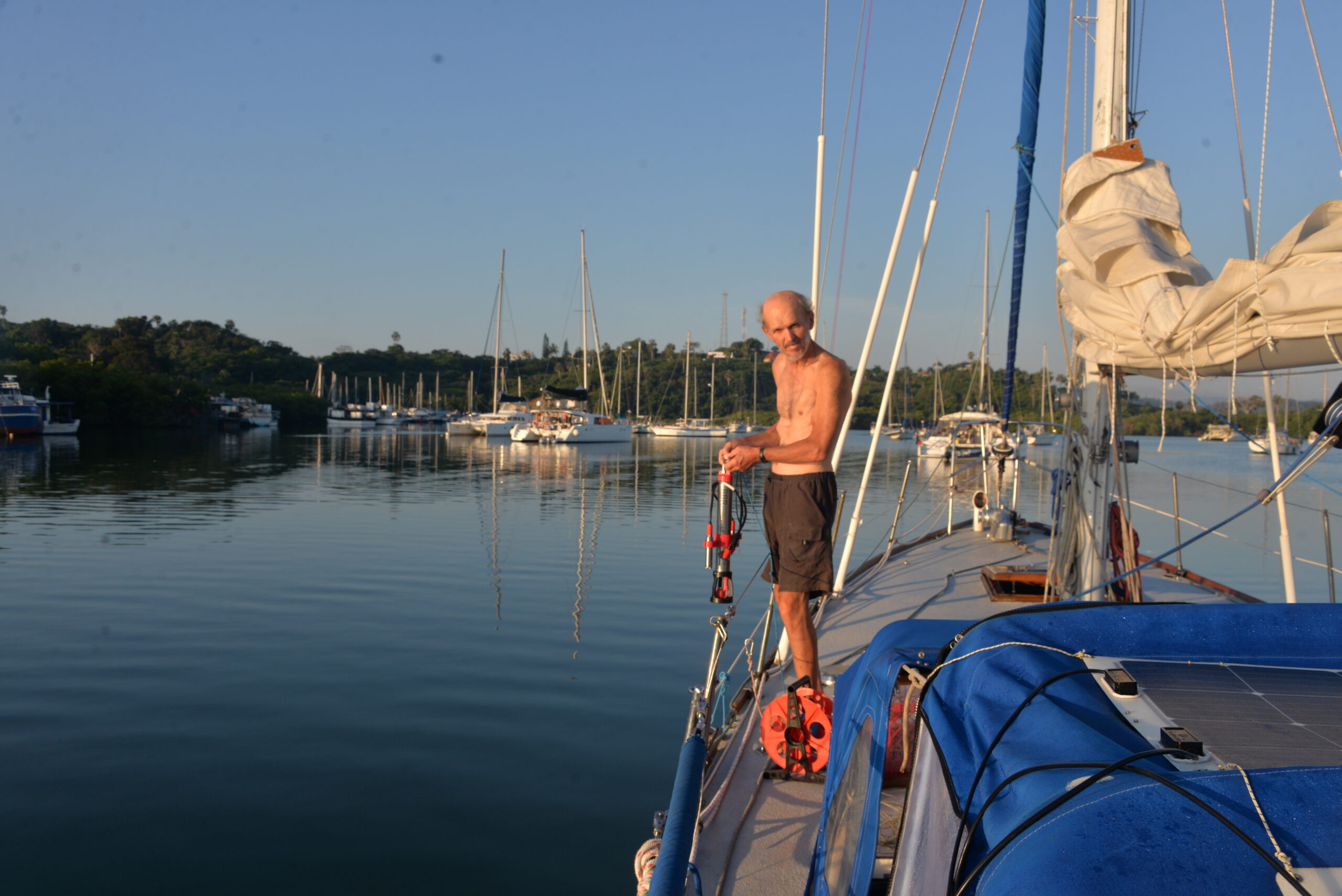
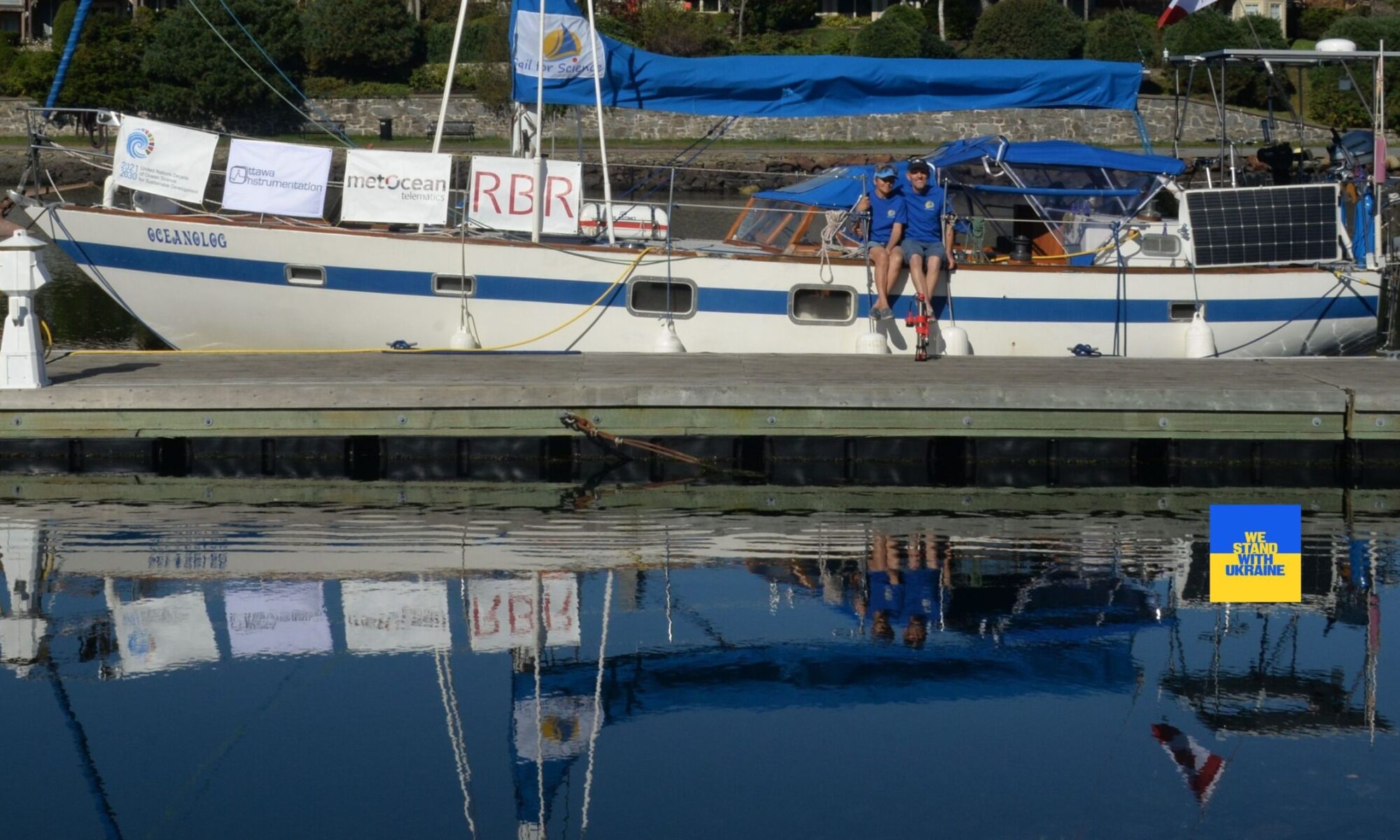
Oceanolog is here!
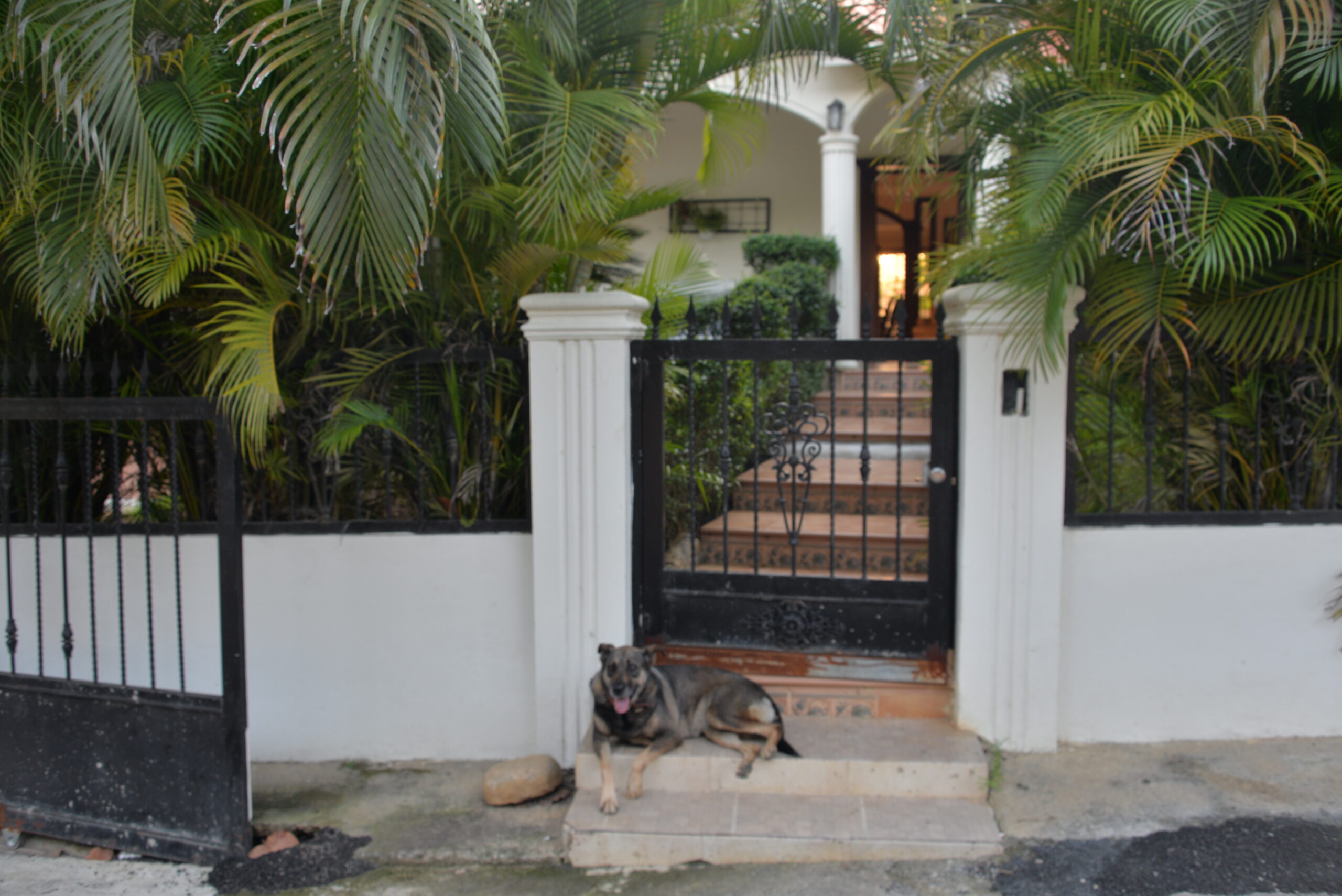
Our friend salty dog followed us all the way around and afterward showed us his fazenda.
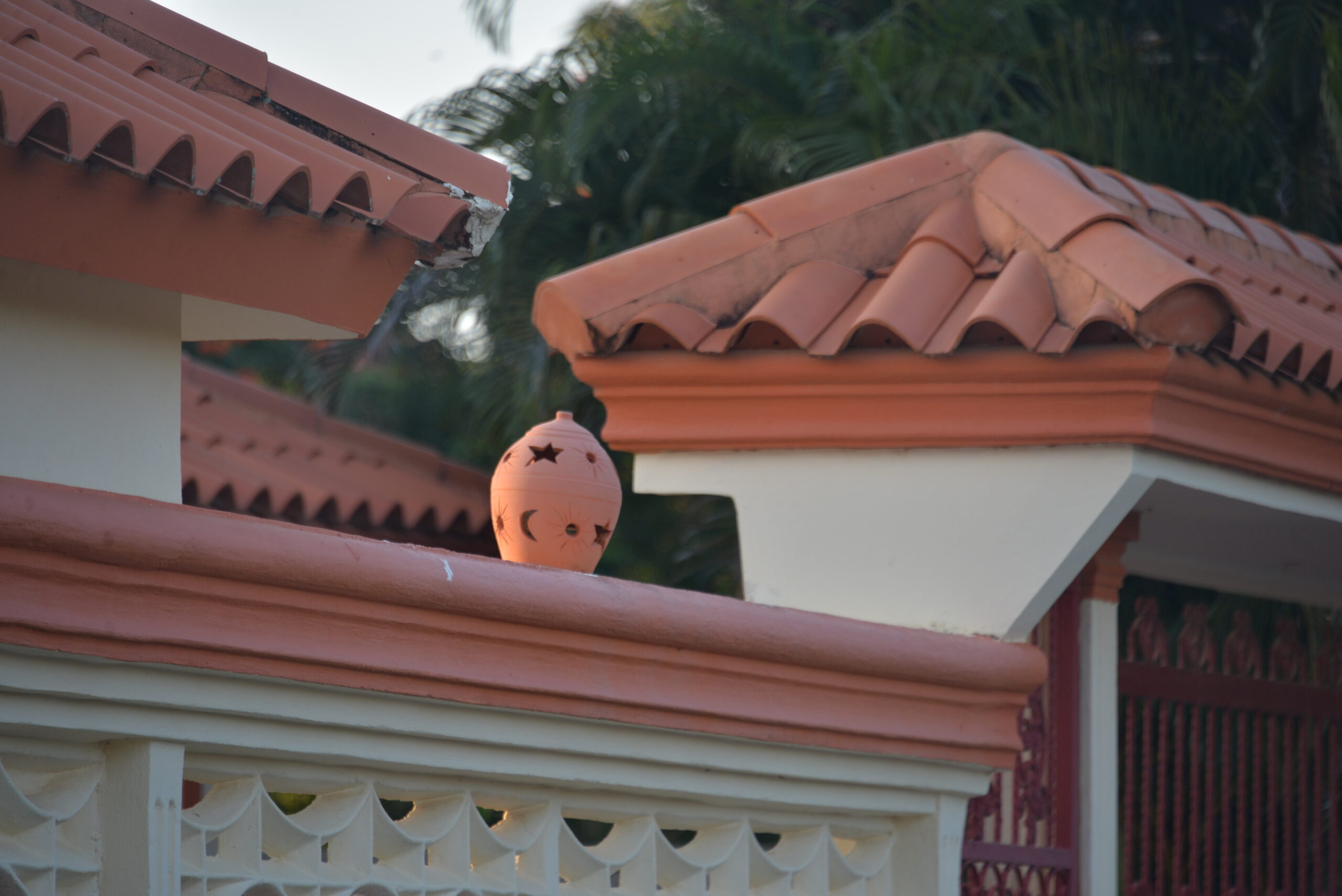
Traditional ceramic lantern
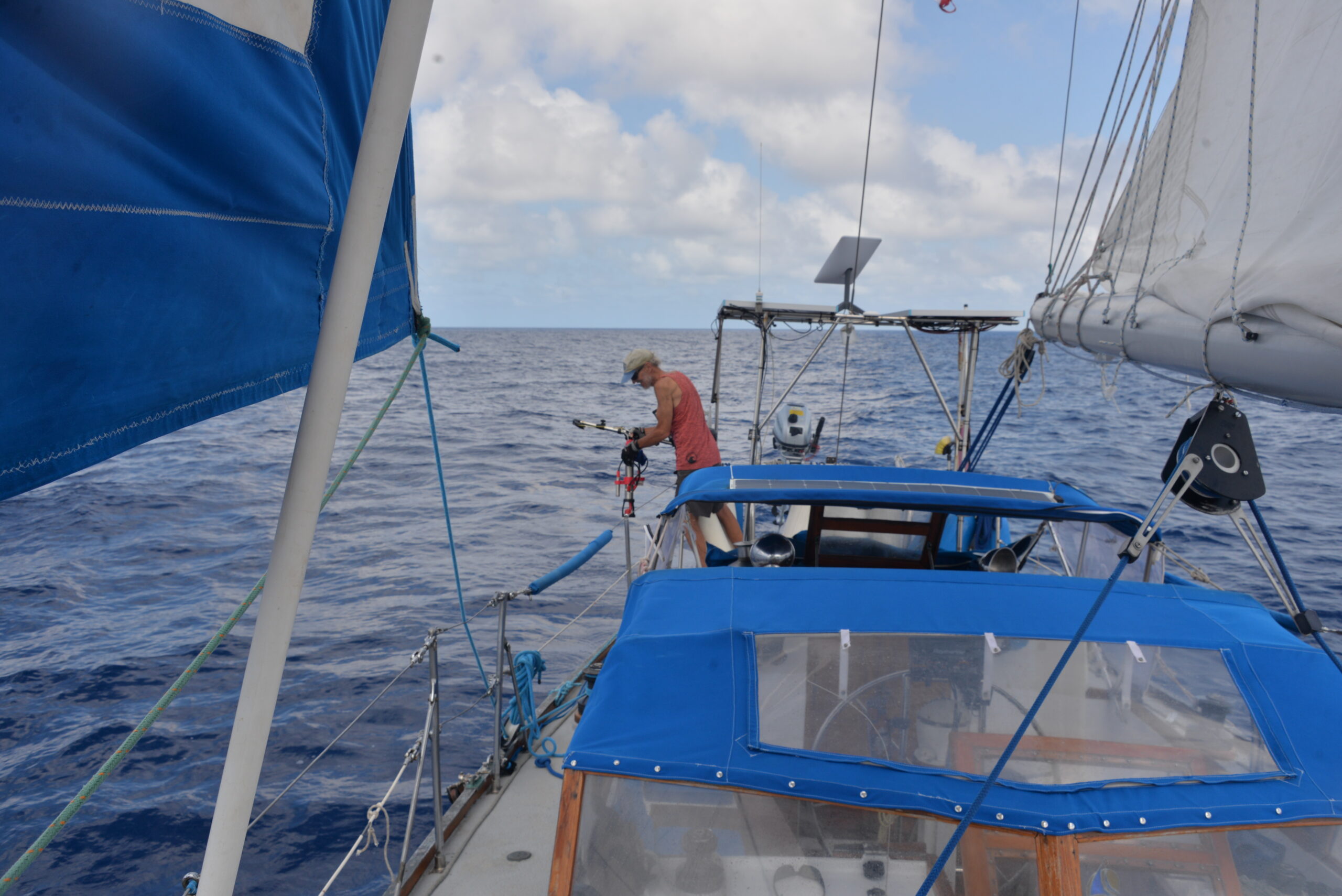
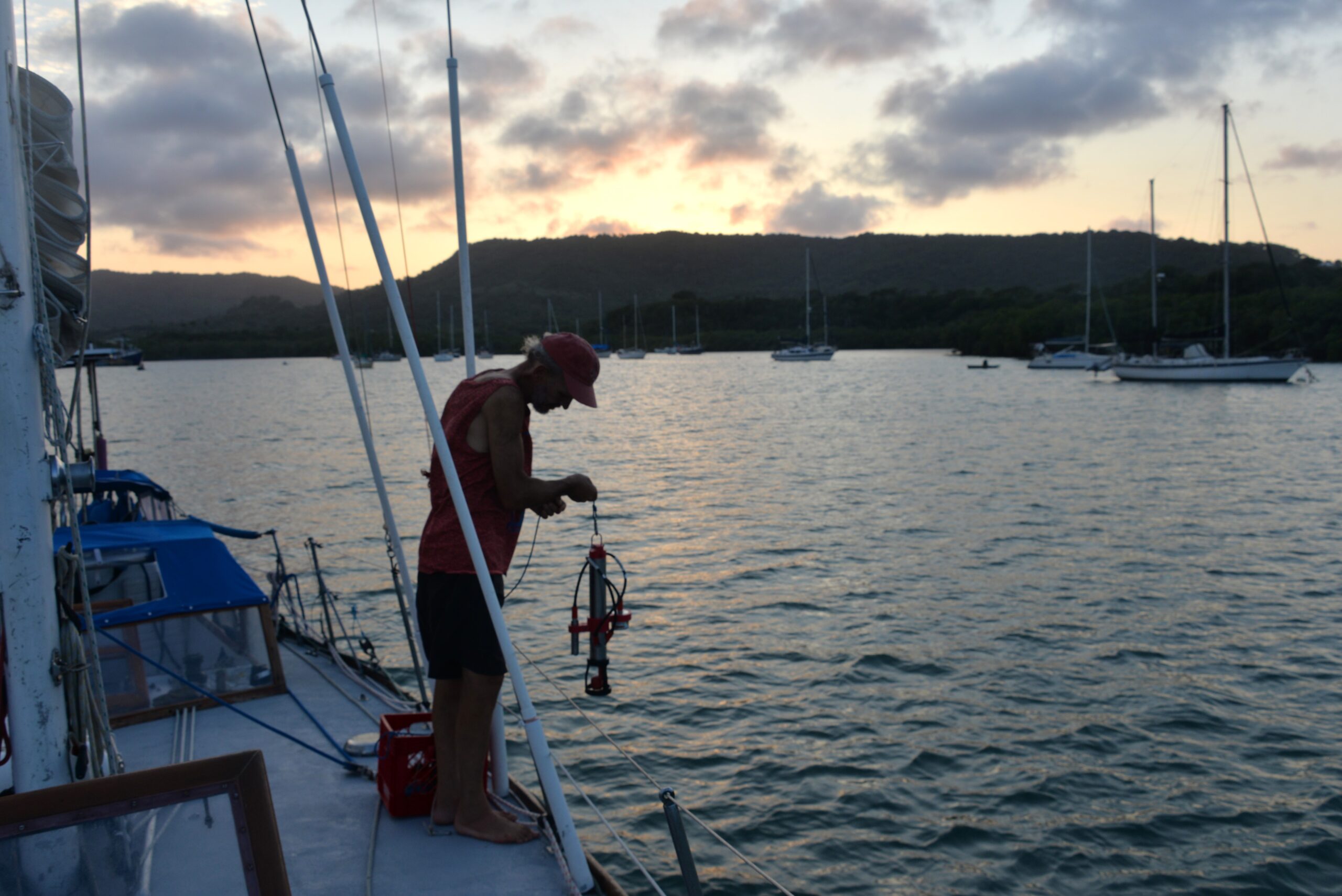
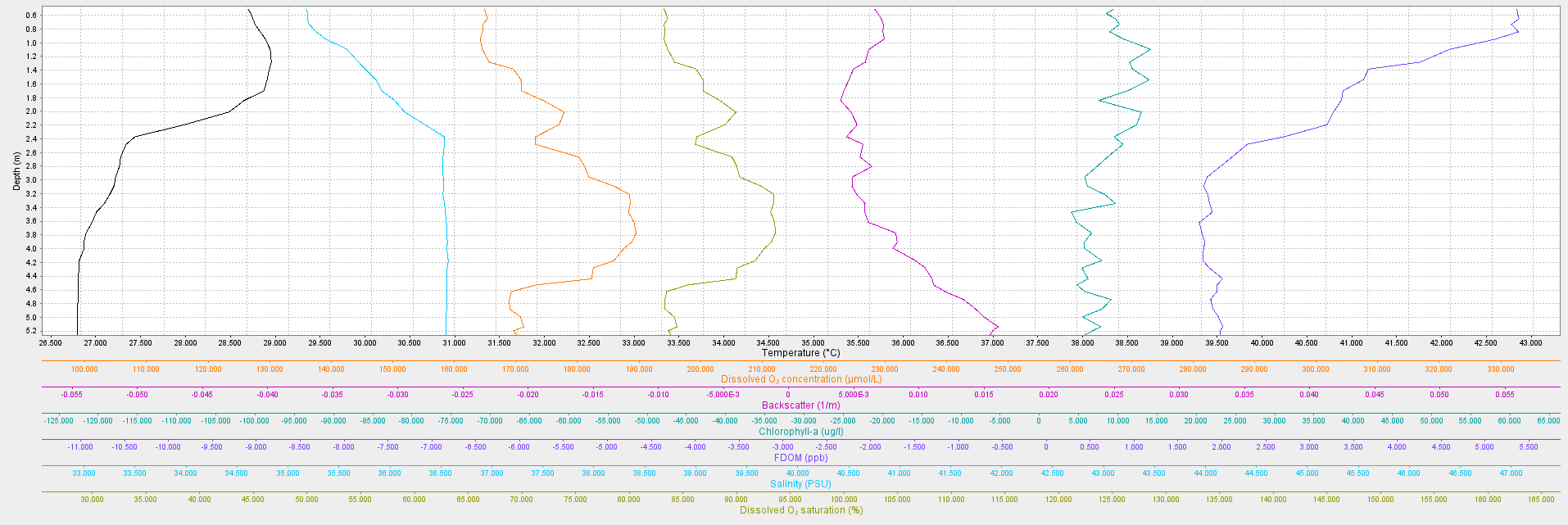
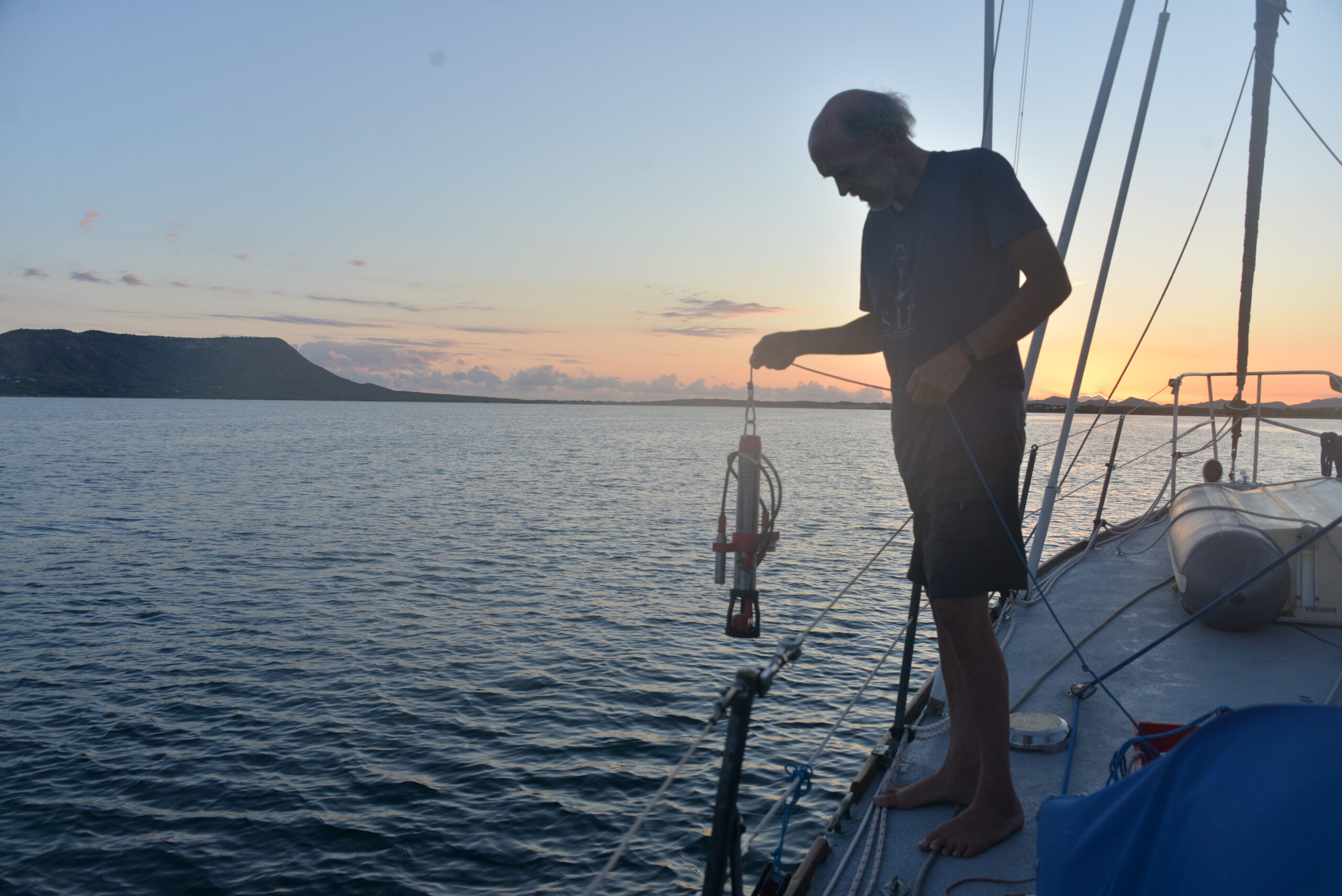
Evening CTD-cast
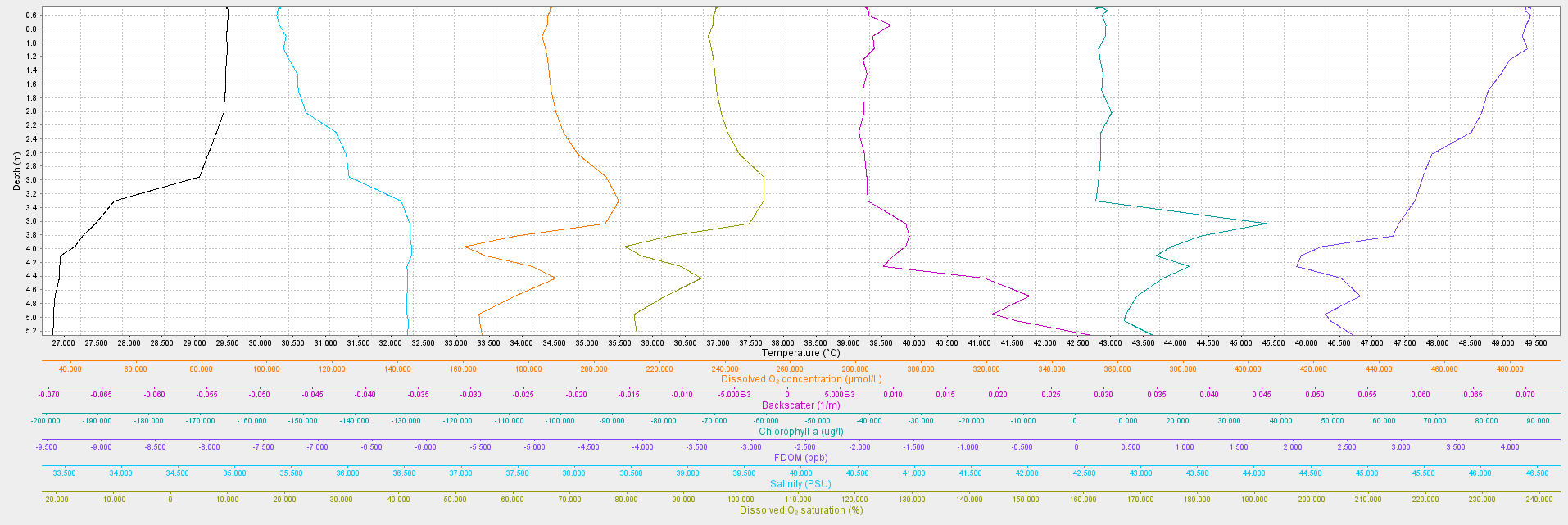
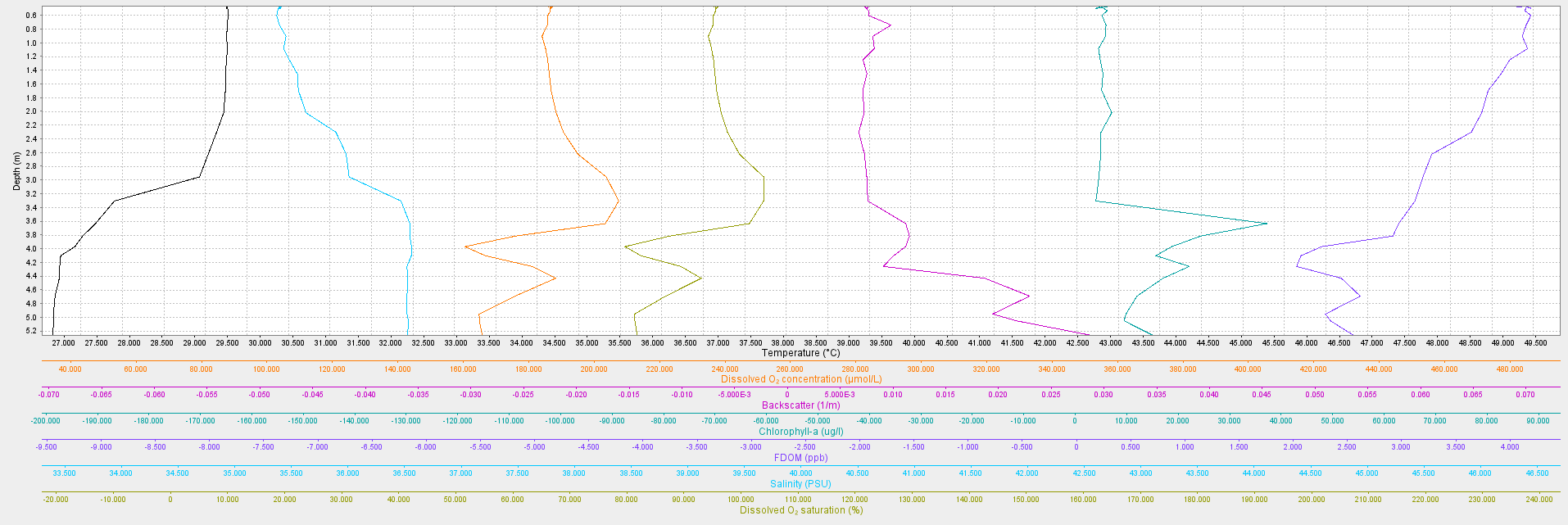
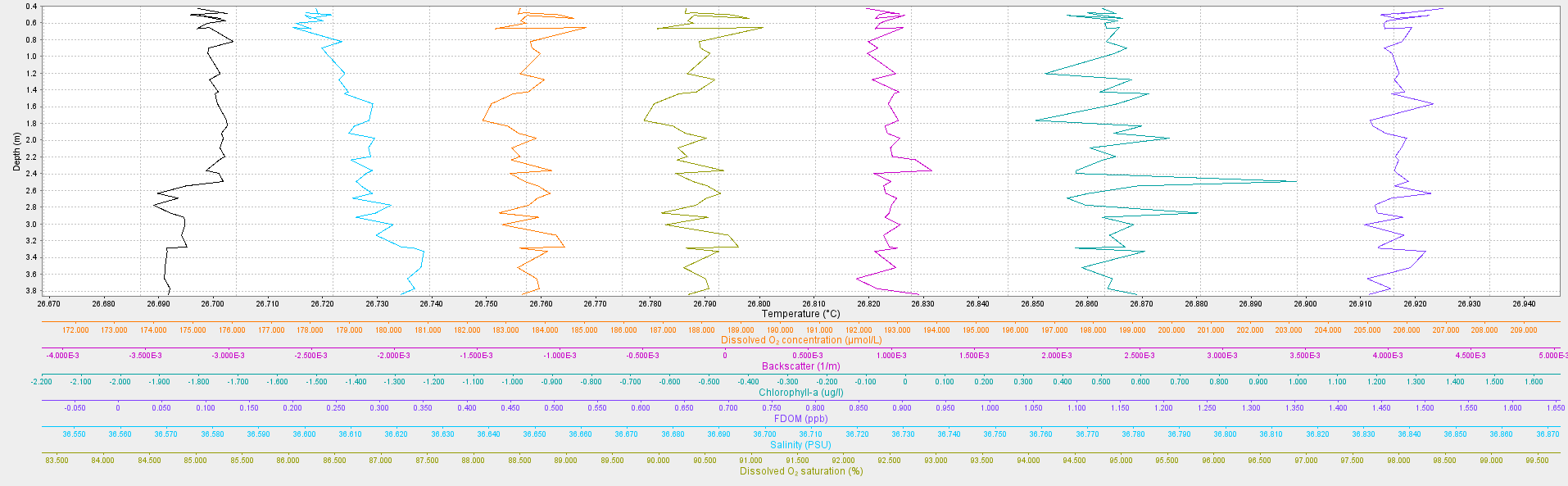
Plot of data of the evening CTD-cast

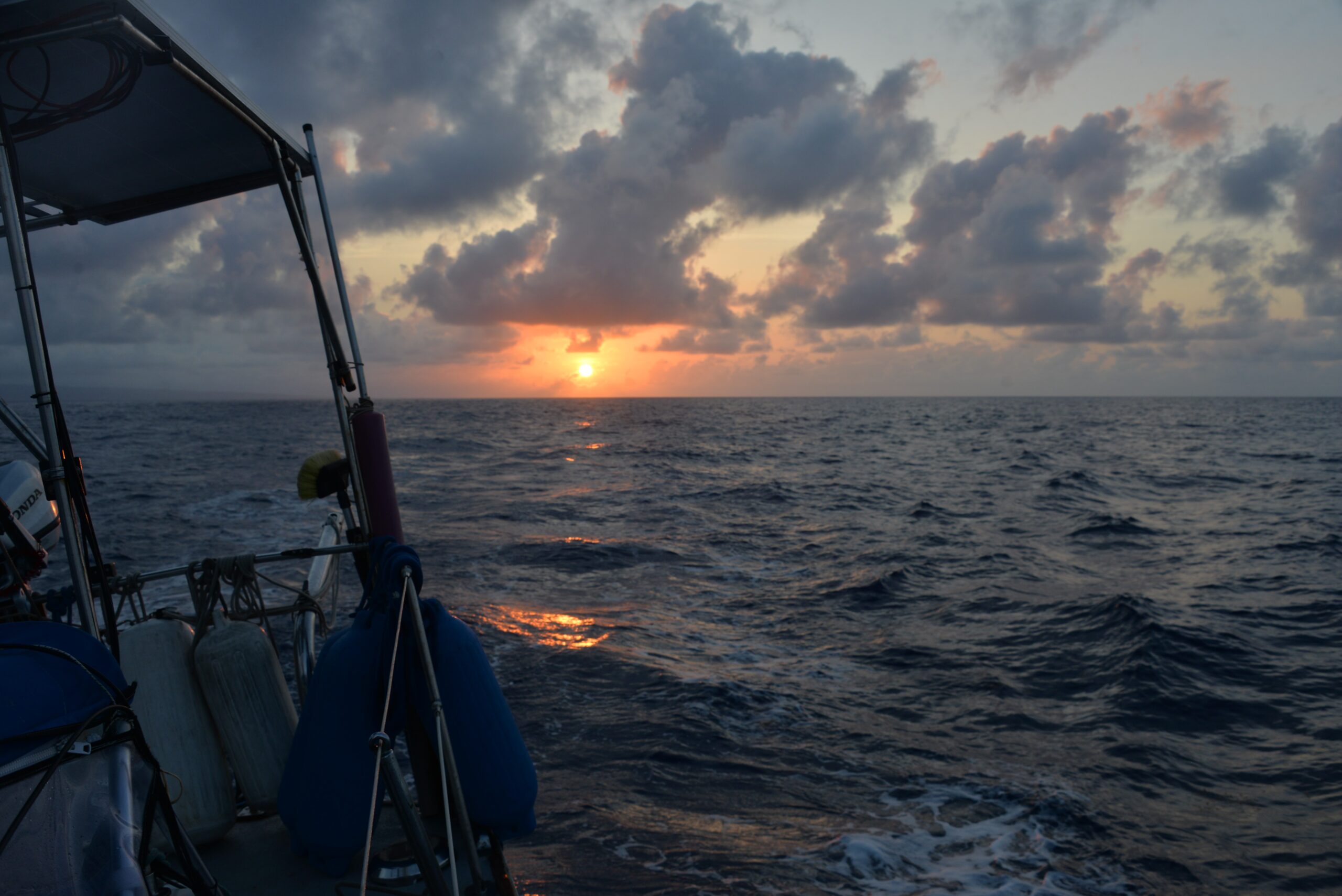
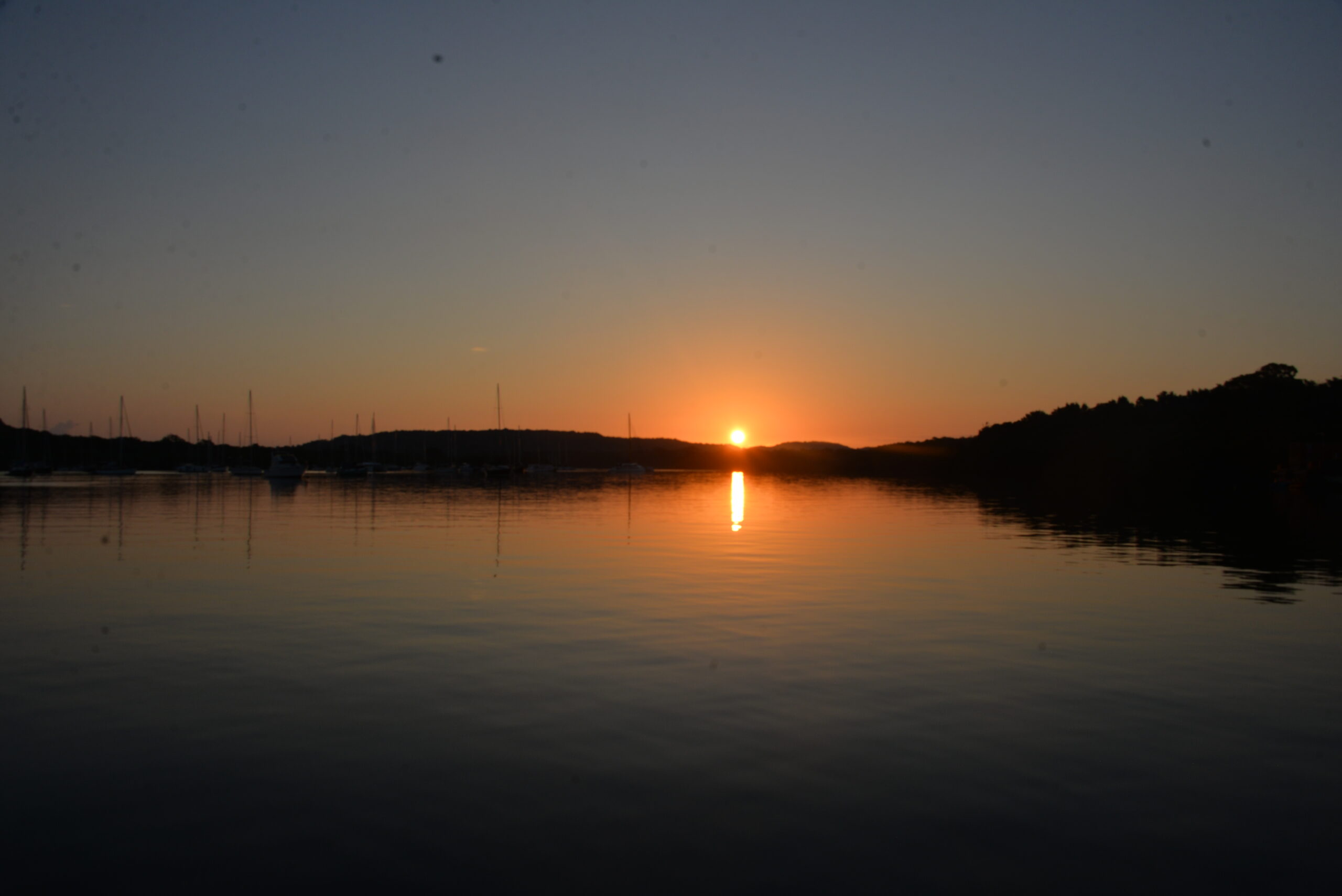
Sunrise
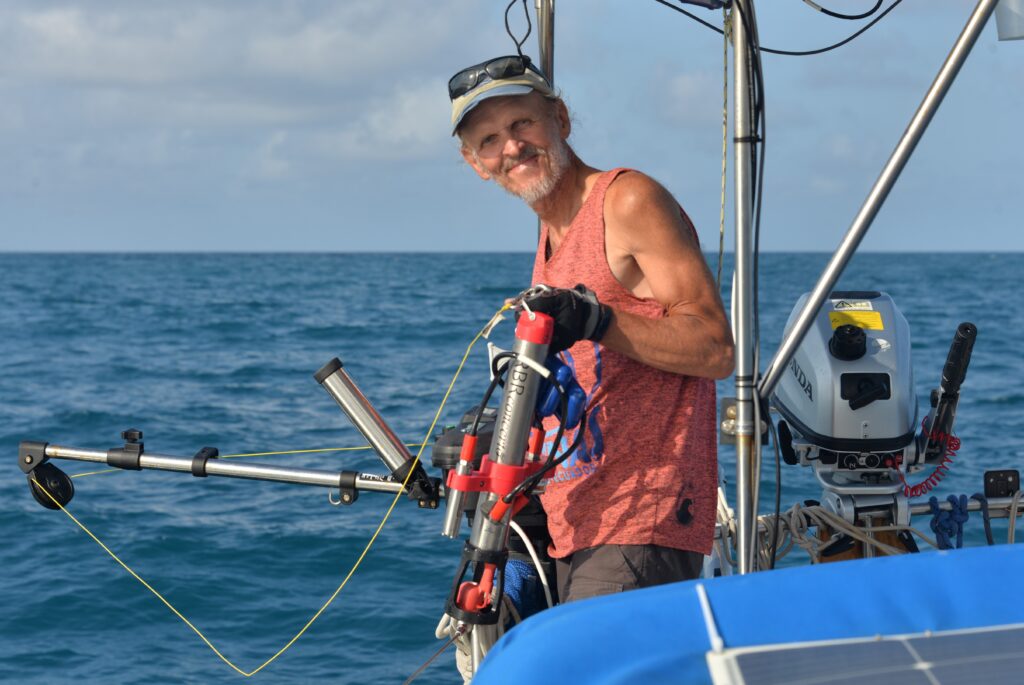
Morning CTD-cast
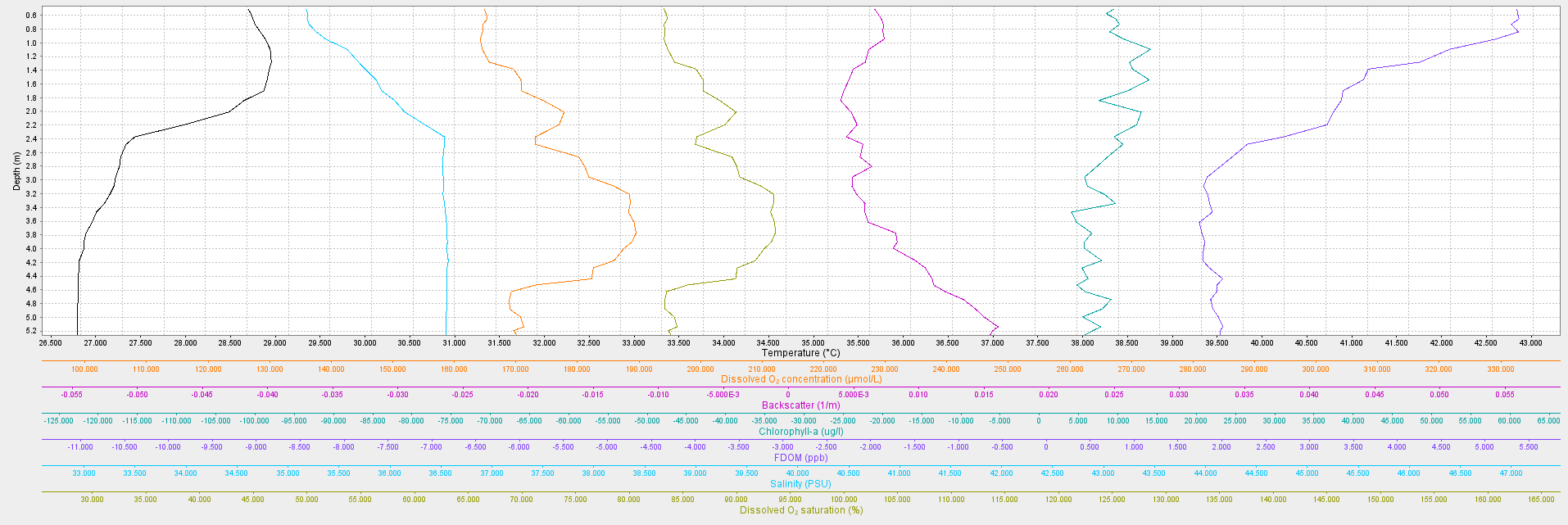
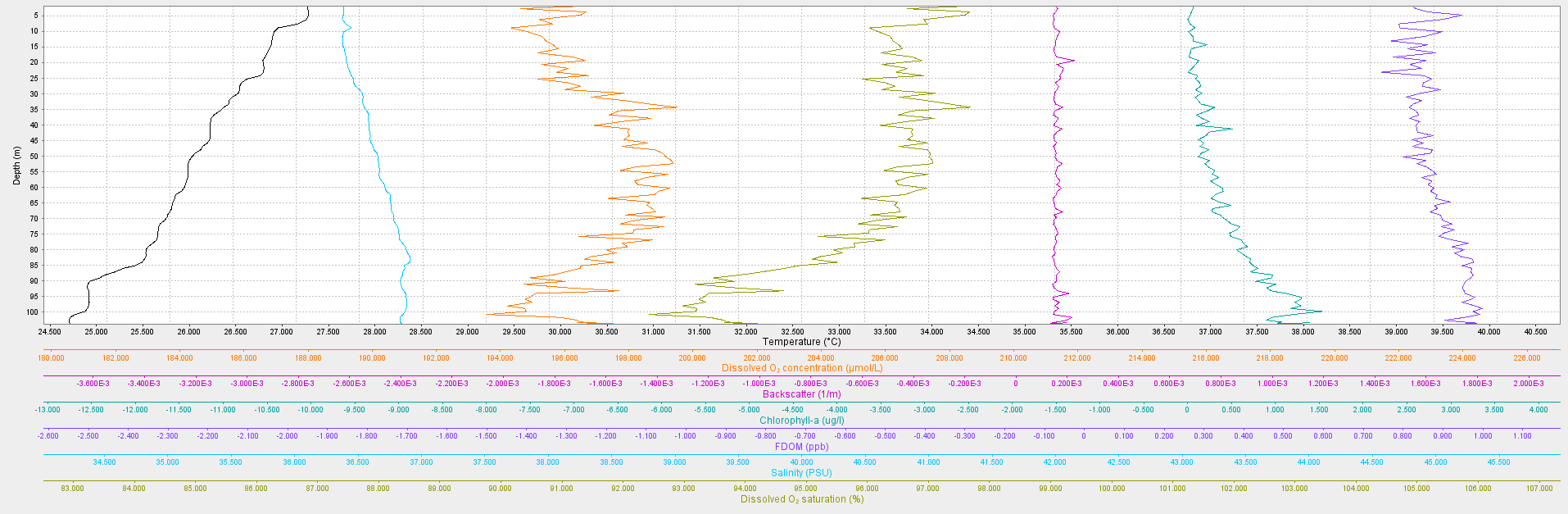
Plot of data of the morning CTD-cast
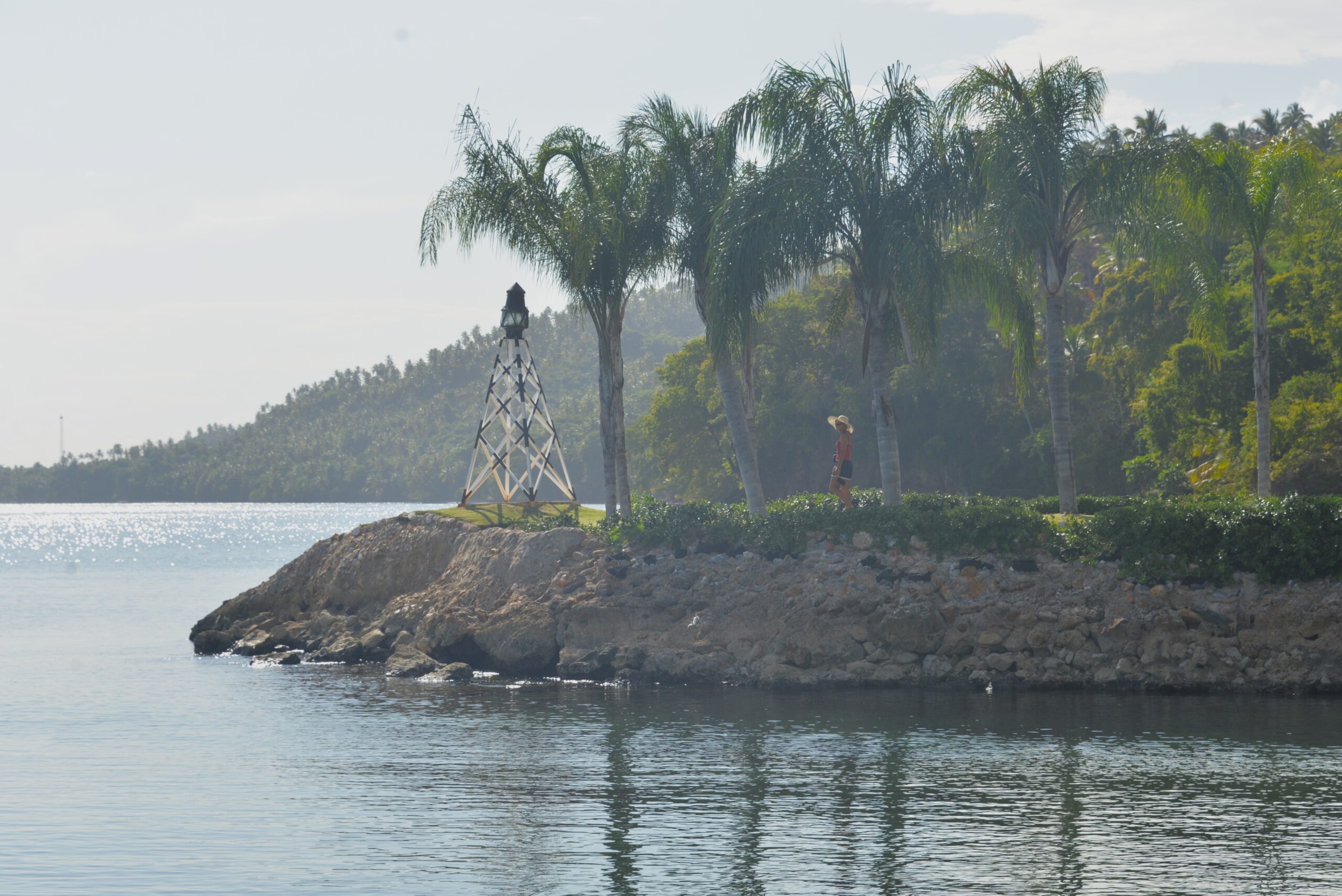
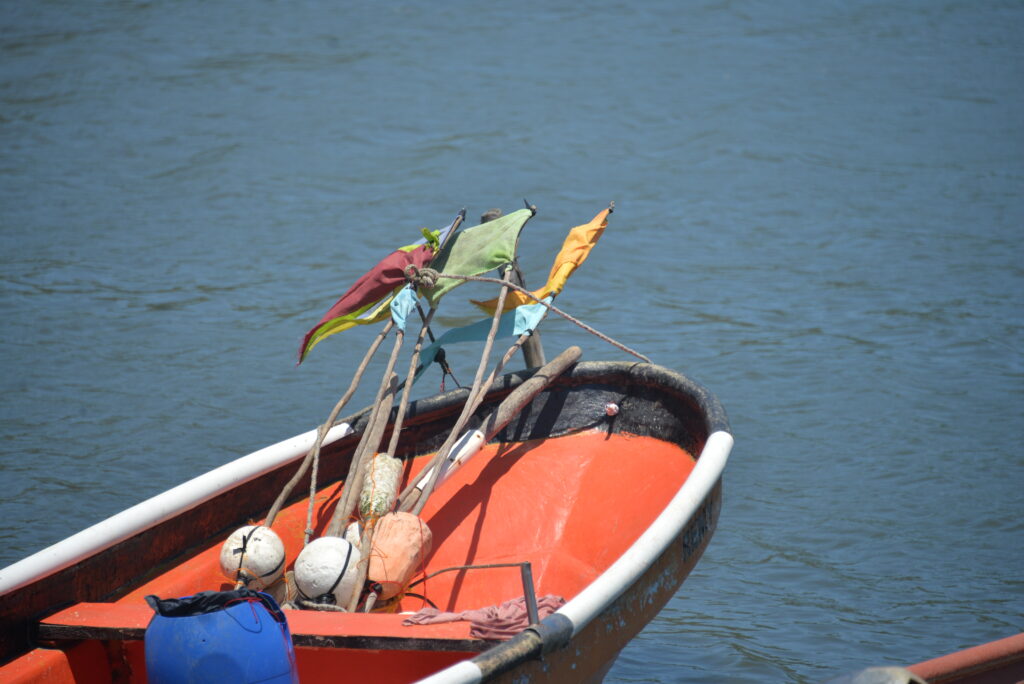
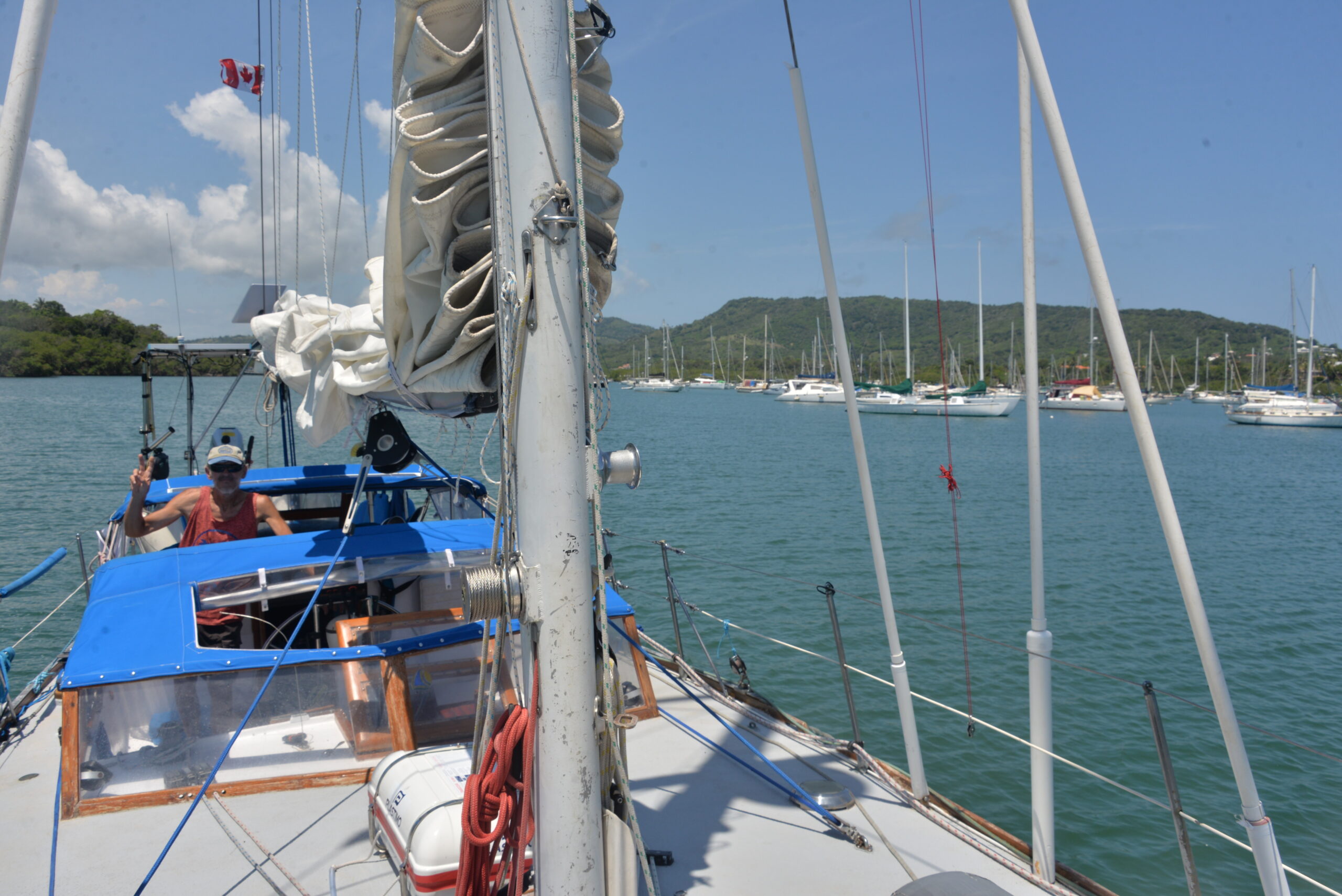
Leaving Luperon

Arriving to the Dominican Republic

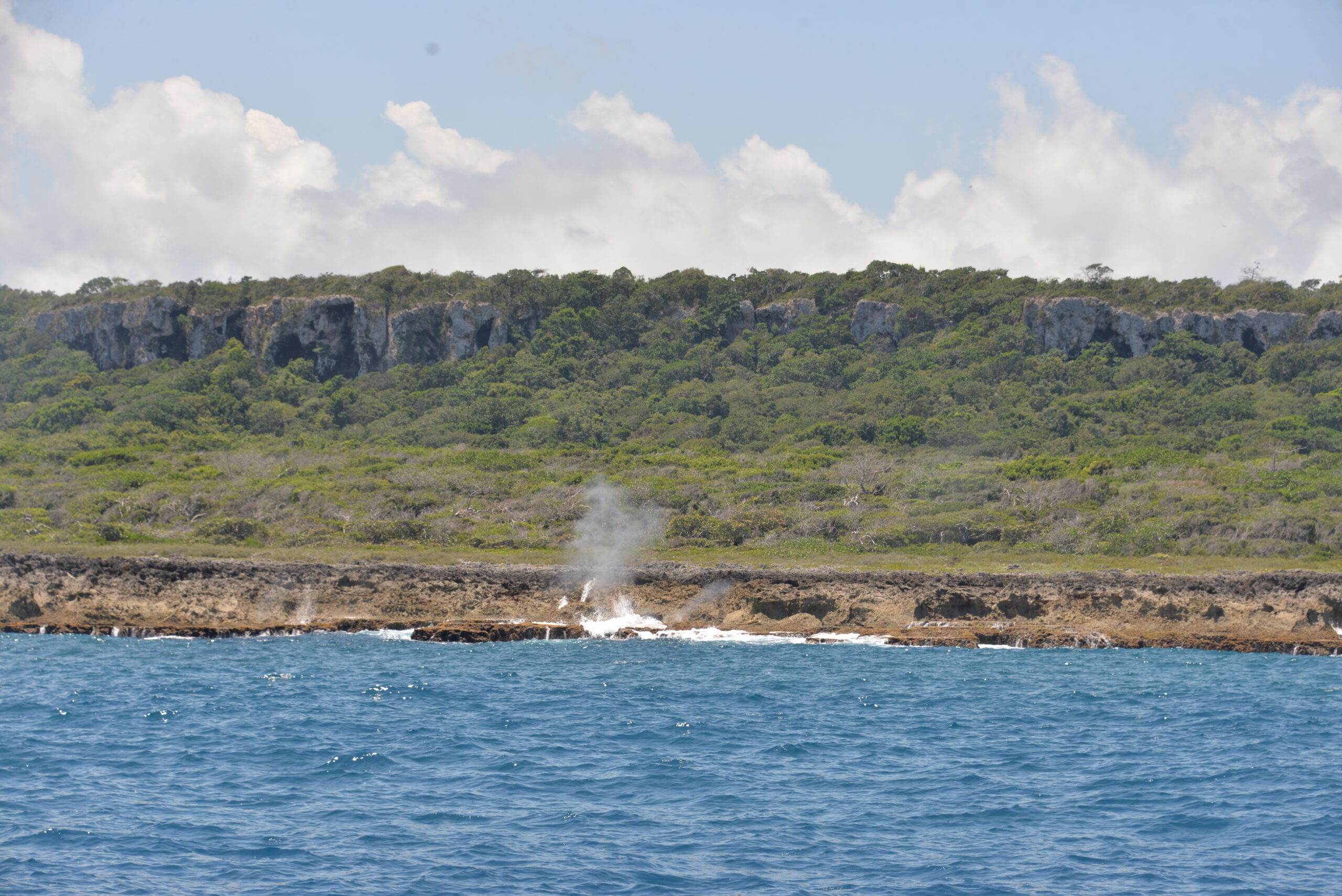
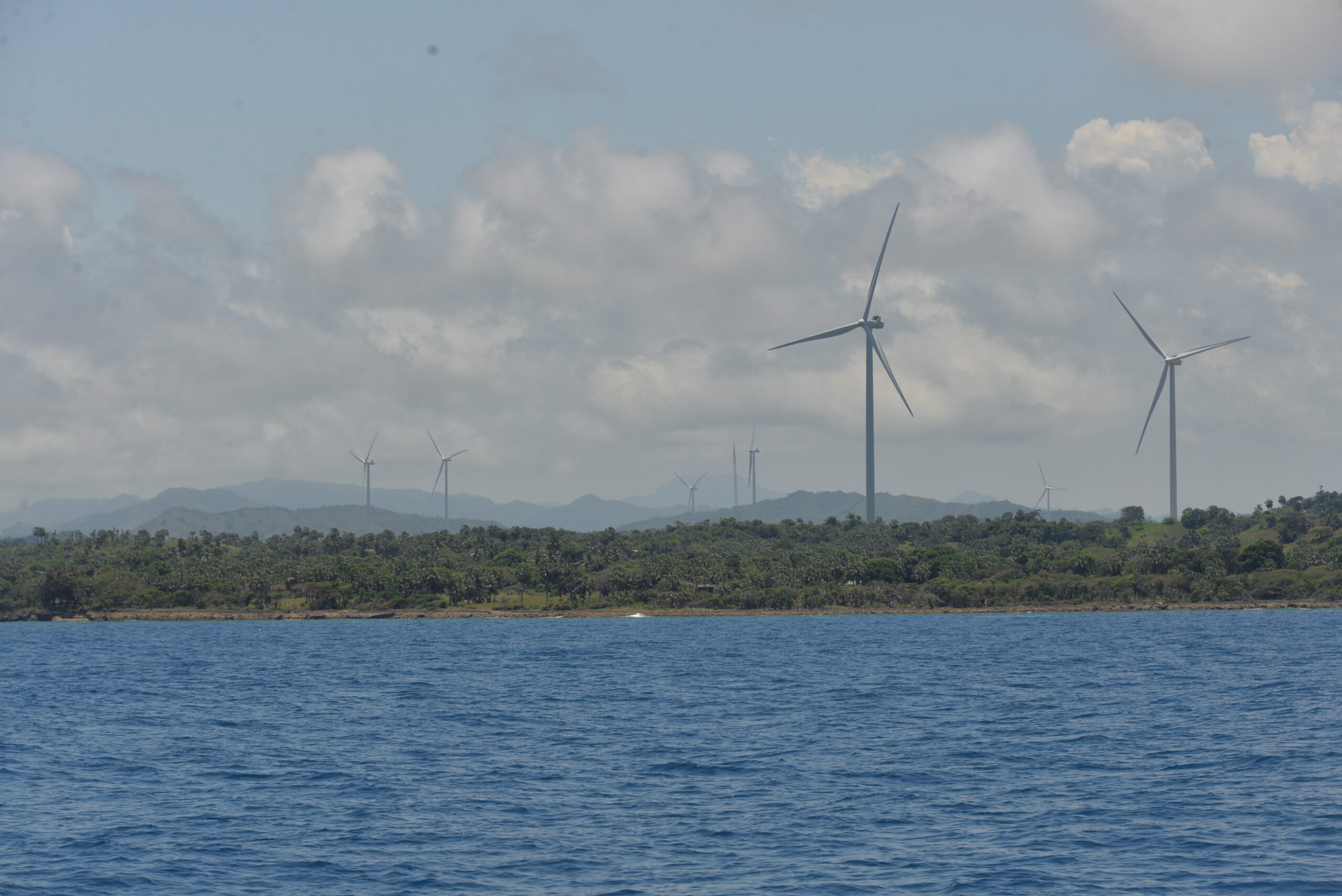
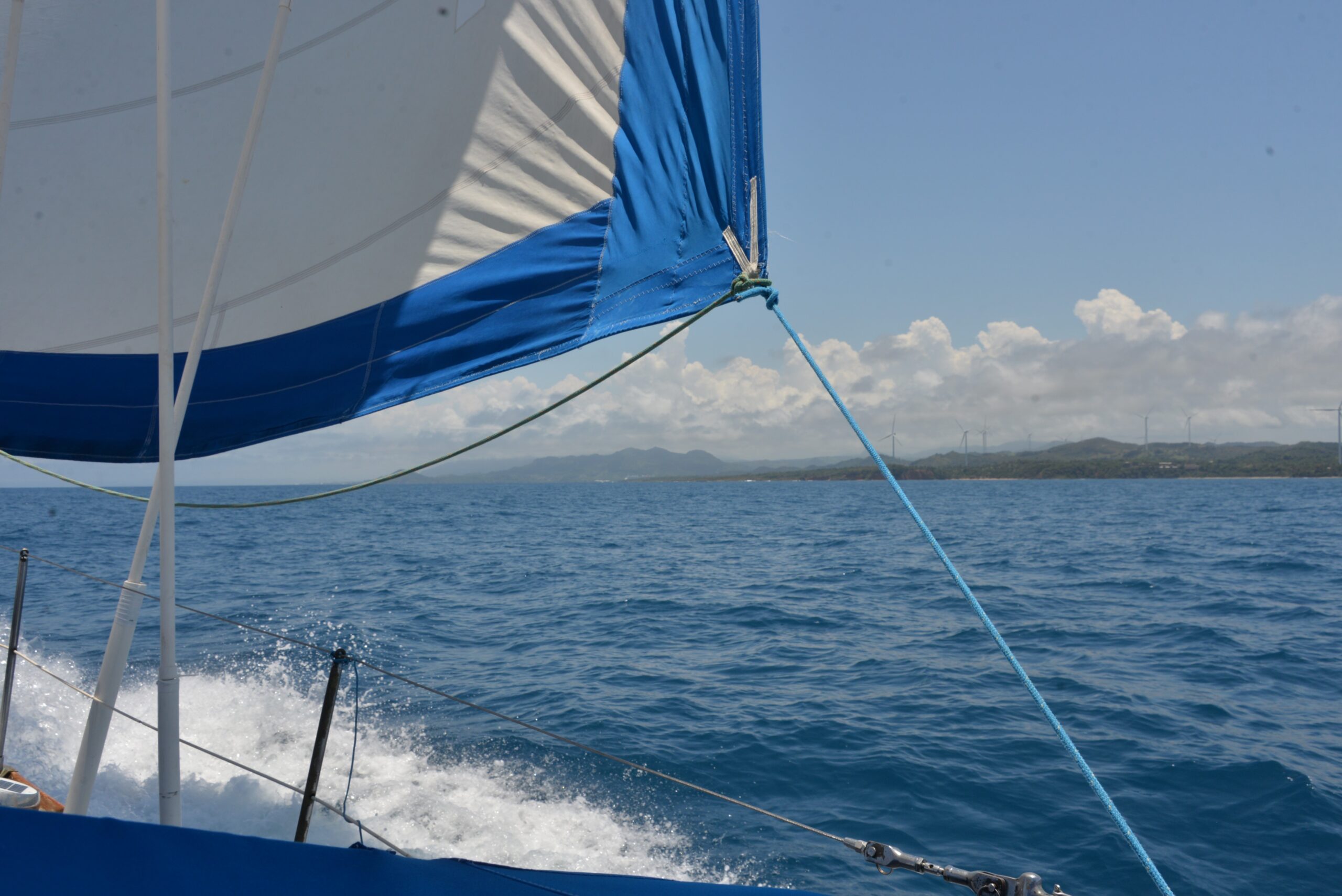
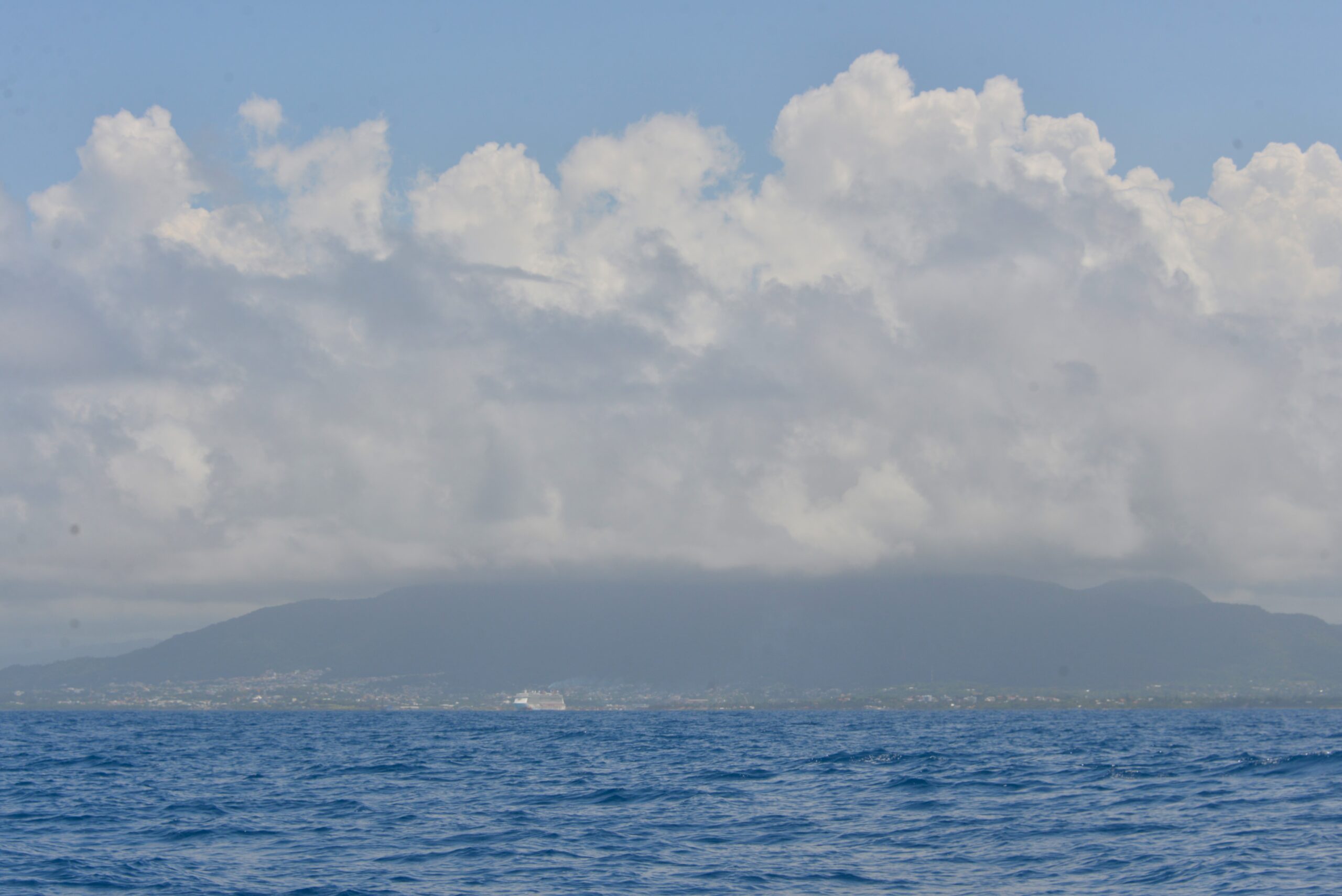
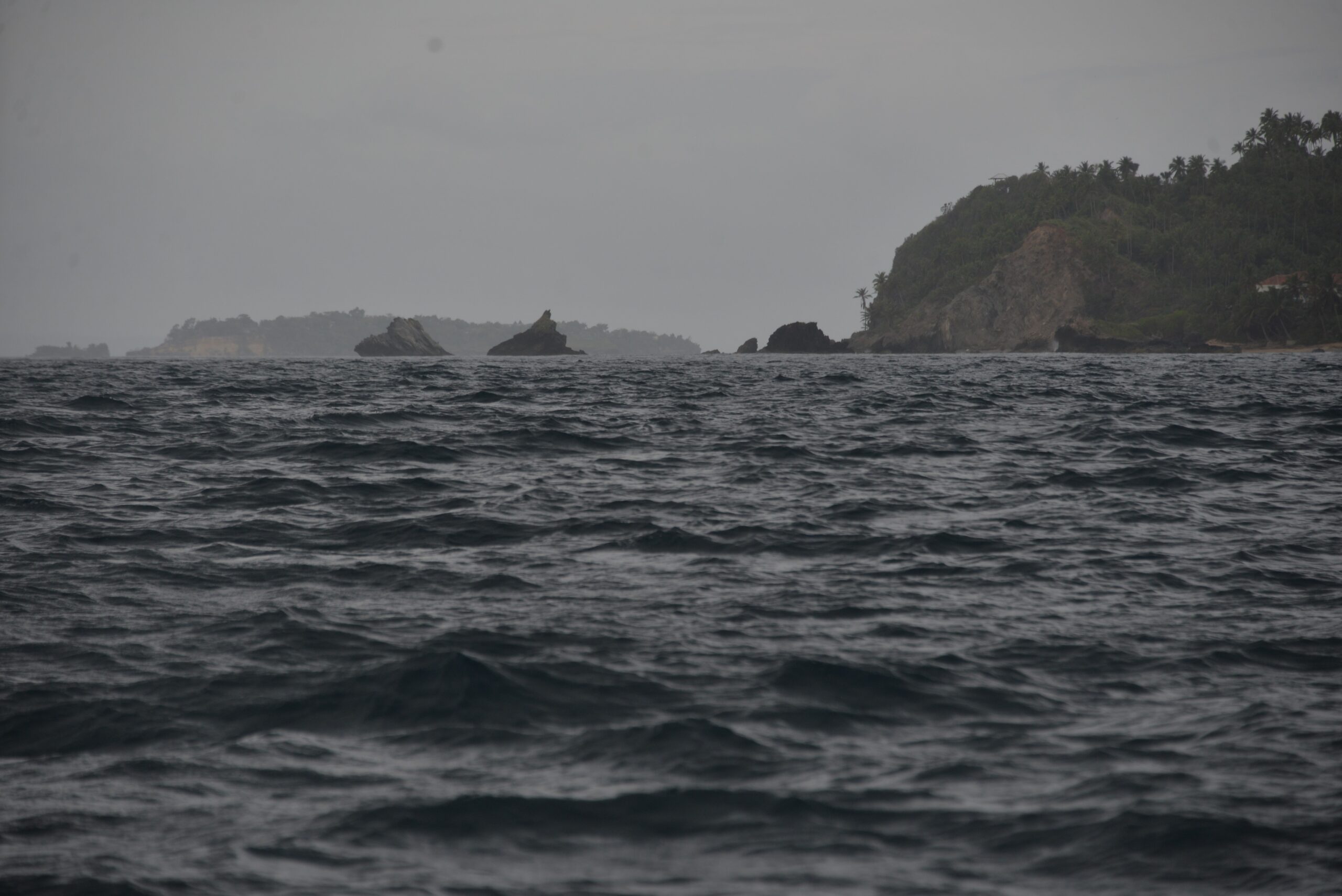
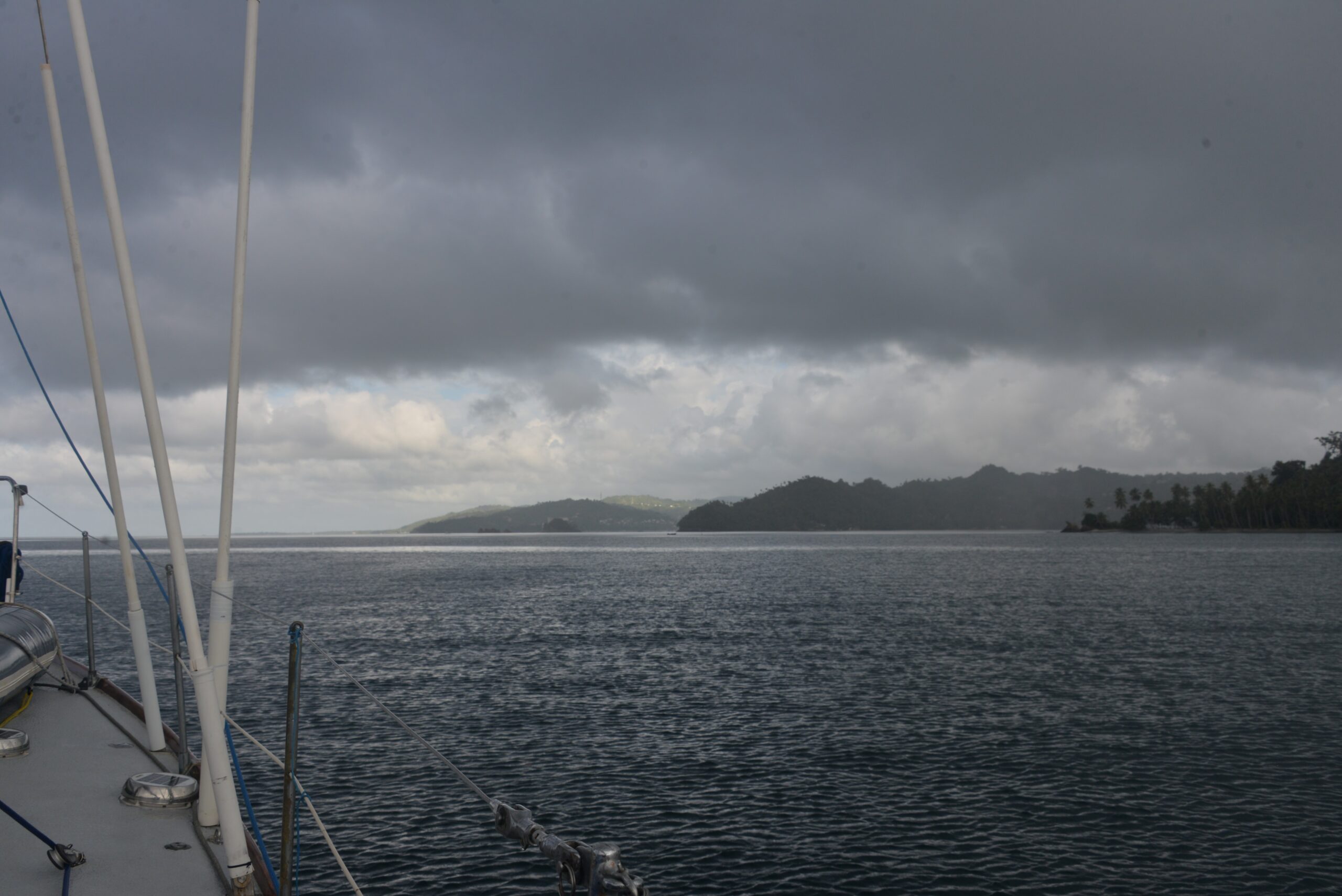
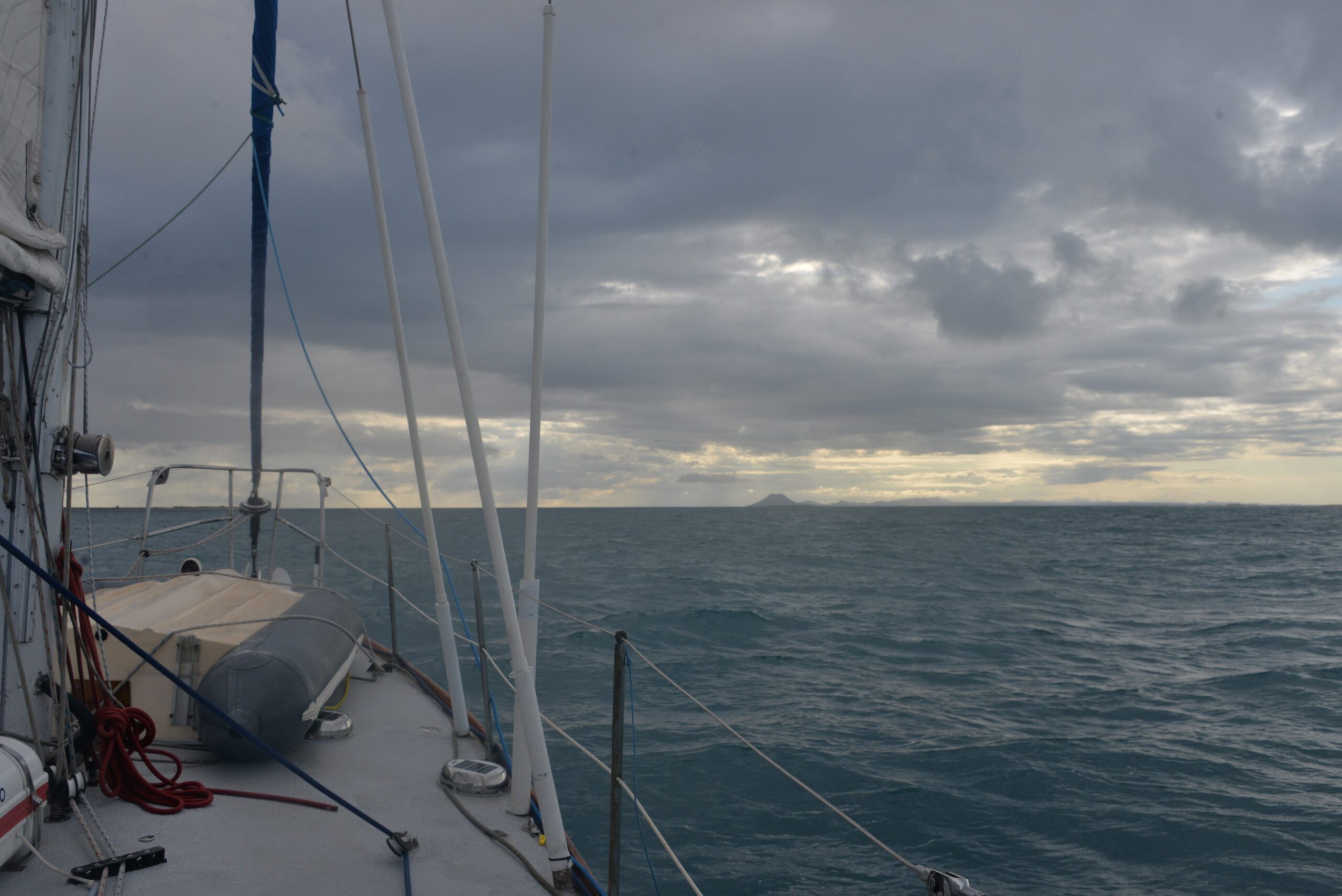
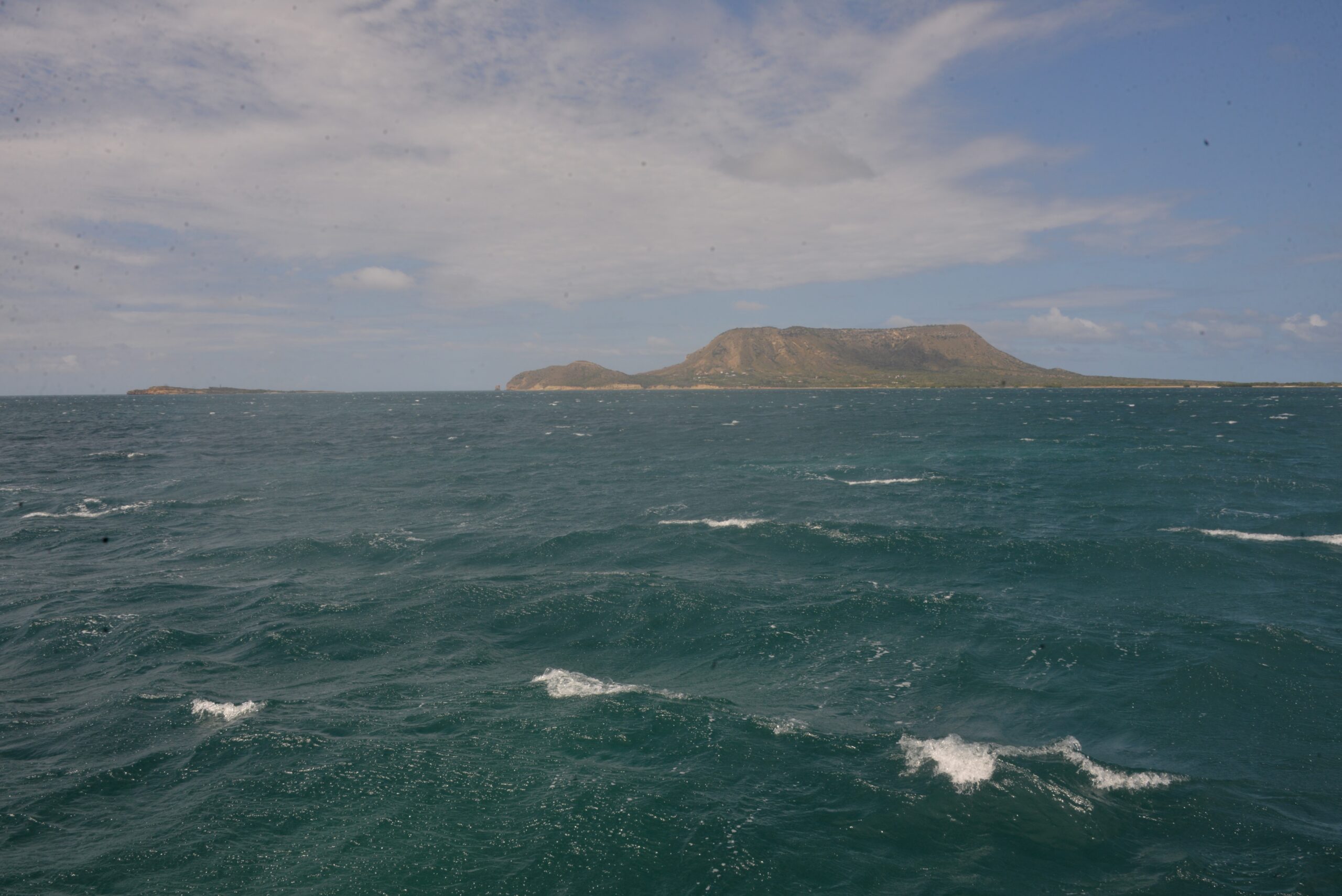
After an all-night crossing of the ocean between the Great Iguana and the Dominican Republic under the Eastern Trade winds and the waves driven by them, we reached a coast so different from our trip through Florida and the Bahamas – mountains, we saw for the first time mountain peaks covered with clouds and forests creating their tropical rain forest climate. We dropped anchor in the first suitable Bahia Monte Christi, under the cover of a beautiful mountain that seemed to be of volcanic origin. Having raised the yellow quarantine flag, we decided to rest before the next leg to Luperon, but it seems that the local Dominican residents decided to entertain us with an all-night celebration on the shore – Spanish songs, amplified to a loud sound, reached our boat, confirming that we had finally arrived to the Dominican Republic. Hola! In the morning, having done the traditional oatmeal porridge breakfast and CTD cast, we set off further along the coast, contemplating not only the beauty of the mountain coasts but also the simple way of life of fishermen rowing out into the open ocean for morning fishing -literally by noon the wind had become so strong that it was hardly possible for them to be at sea. The northern coast of the Dominican Republic is famous for its constant Eastern Tradewinds, which make even sailing in an easterly direction very problematic (the day before our departure, our new friend Dave could not go against the strong wind and waves and turned back on the first approach, we met him in the morning after a night battle with the elements). There is a certain tactic for the coastal passage of these winds at night, when the cooled mountains smooth out the wind effect, bringing it almost to a calm state close to the coast – this effect is called Night lee and it usually lasts until noon, when the sun begins to warm up air. Nevertheless, we preferred day crossings to night crossings, using wind power to help the engine whenever possible. The engine and sails worked reliably, giving us hope for a successful passage along the north coast of the Dominican Republic. Ahead of us was the port of call Luperon – the place where we had to go through immigration clearance.

Land Ho!!!
Monte Christo
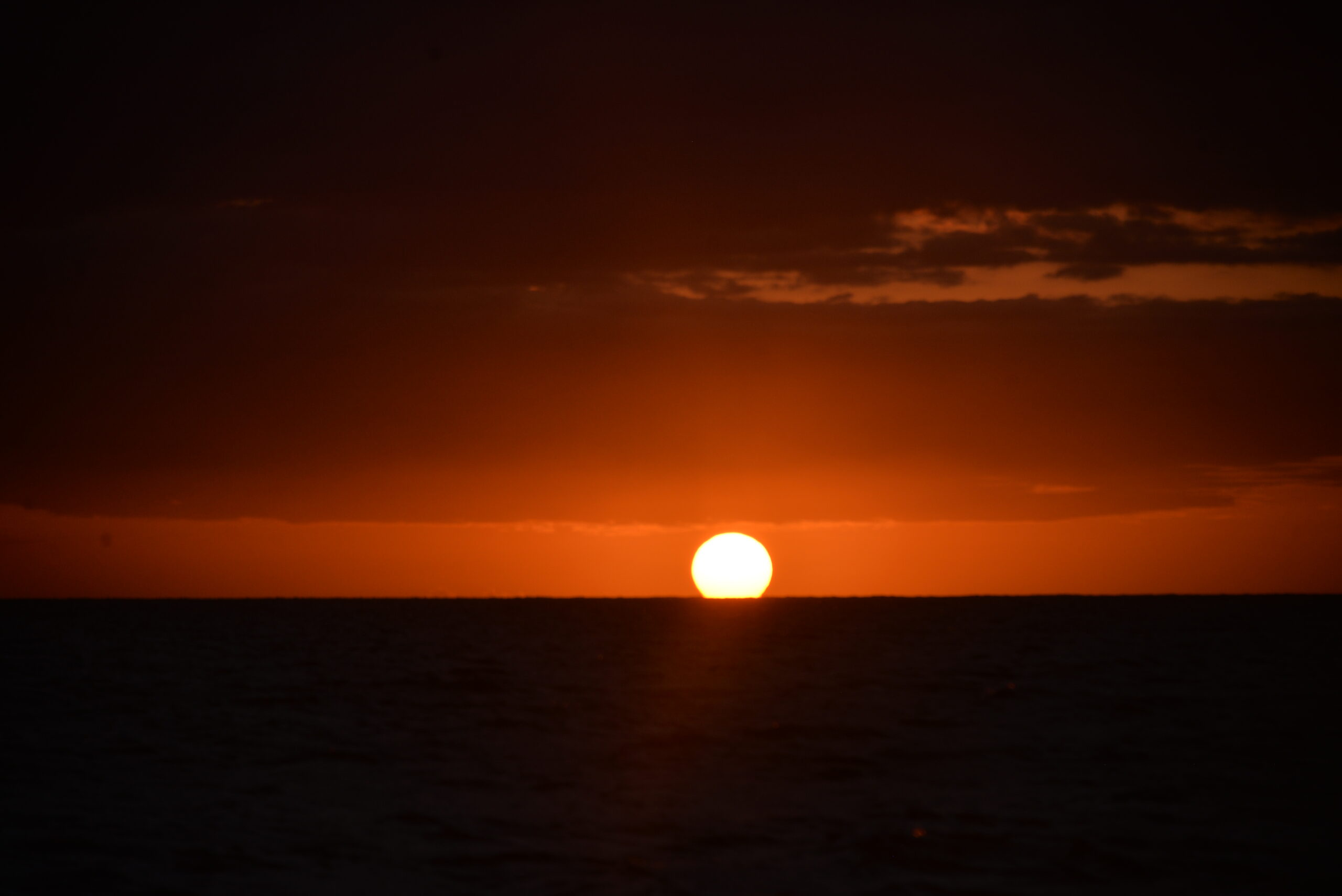
Sunset in Ocean
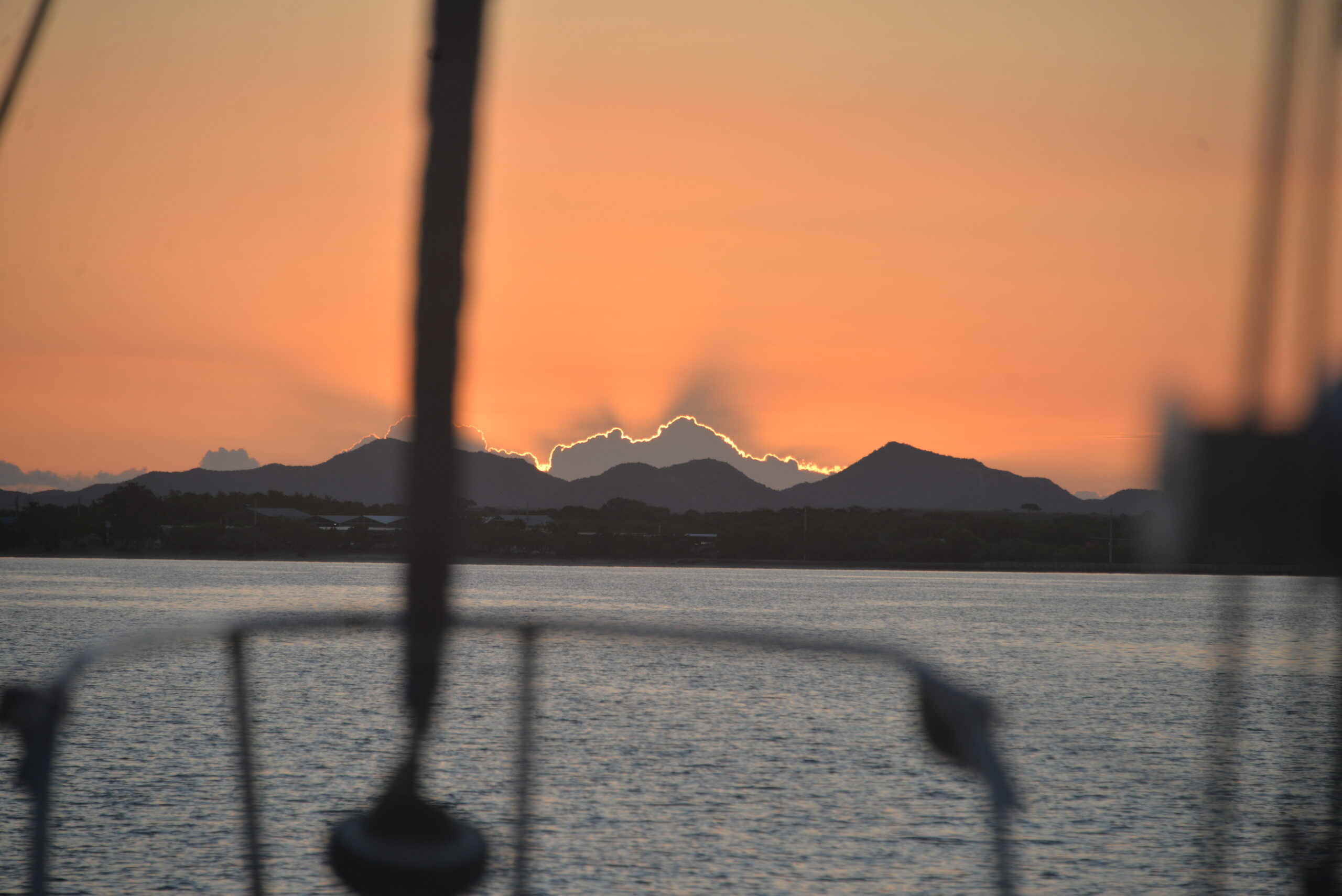
Sunrise in the mountains
Morning CTD-cast
Plot of CTD cast data
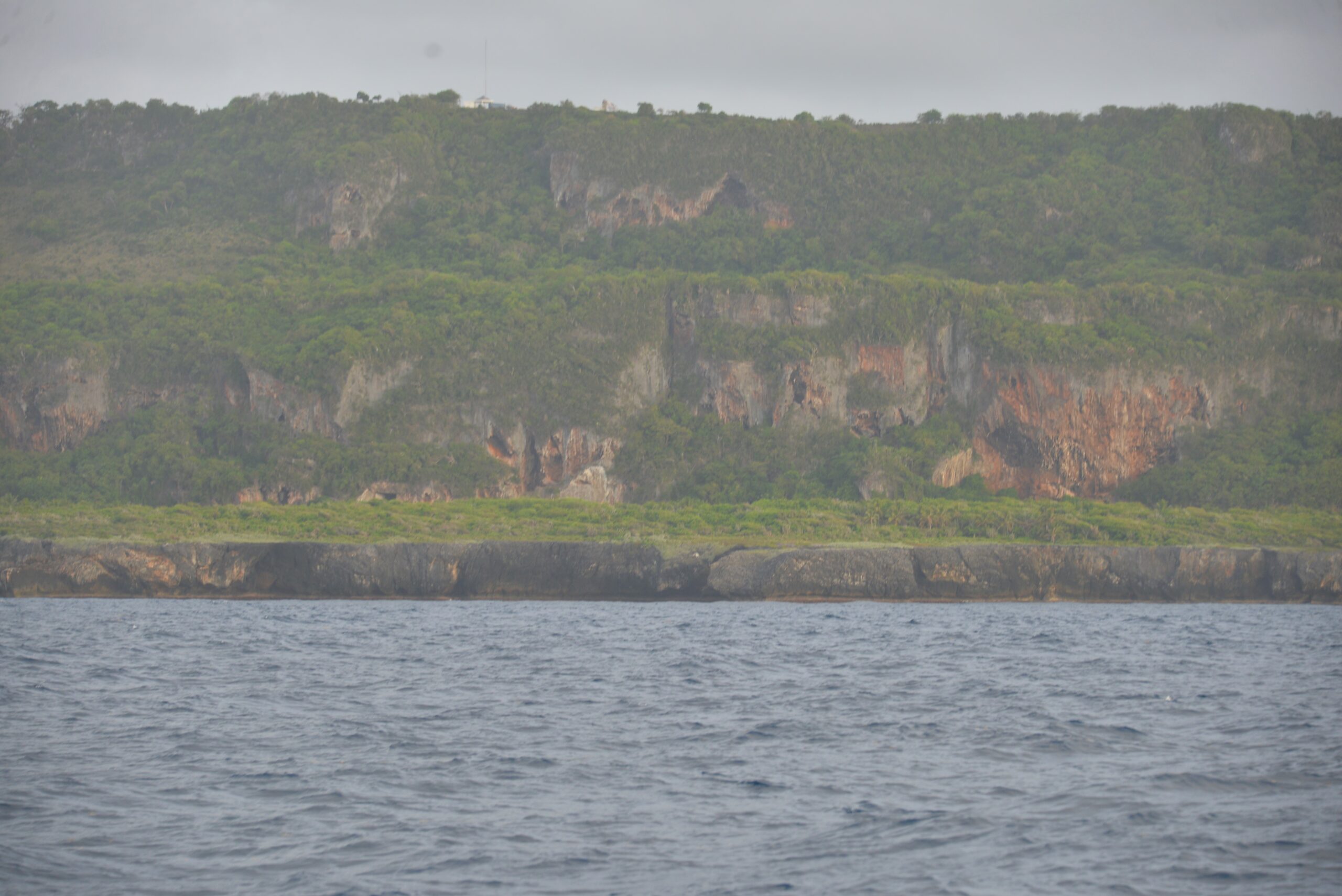
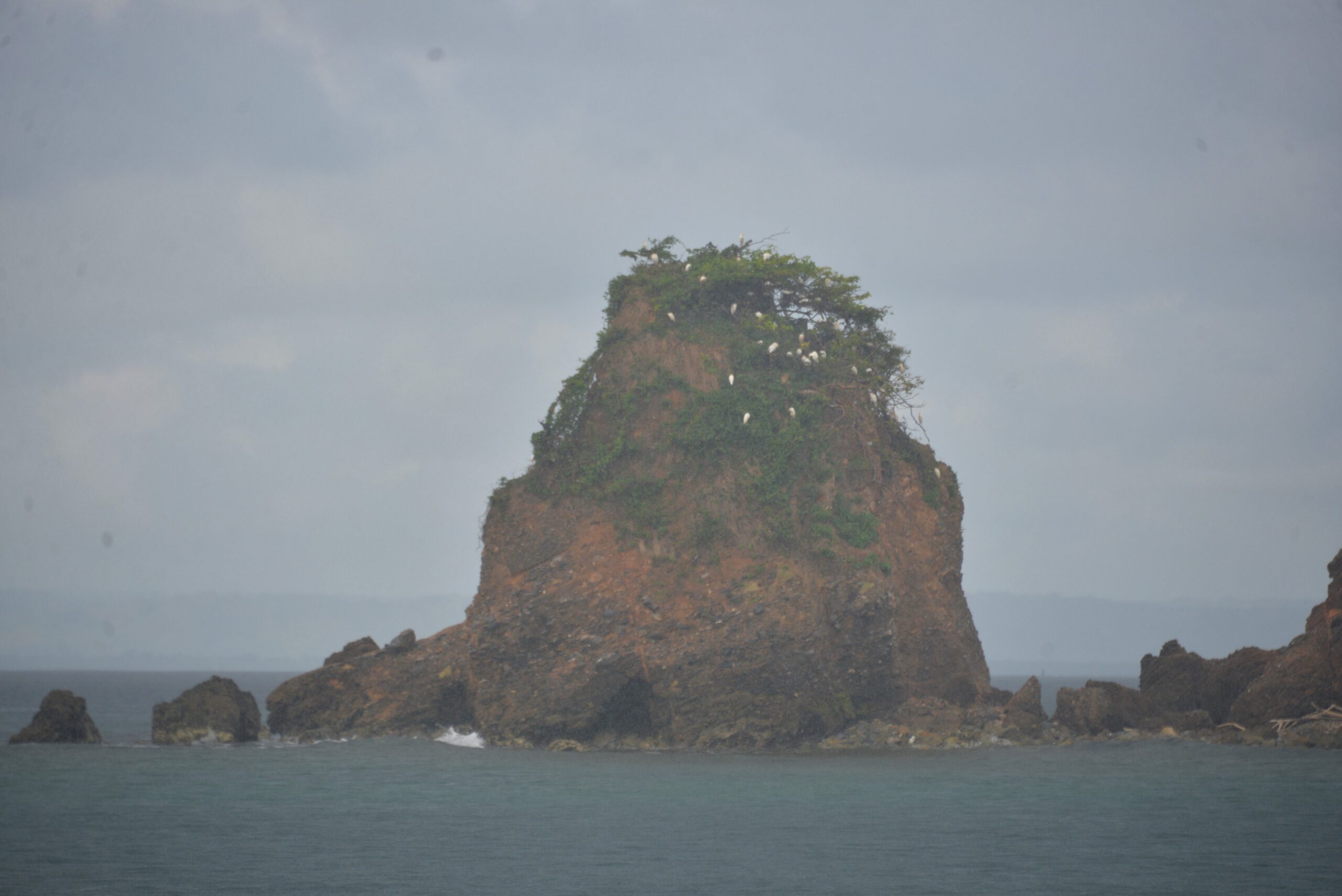
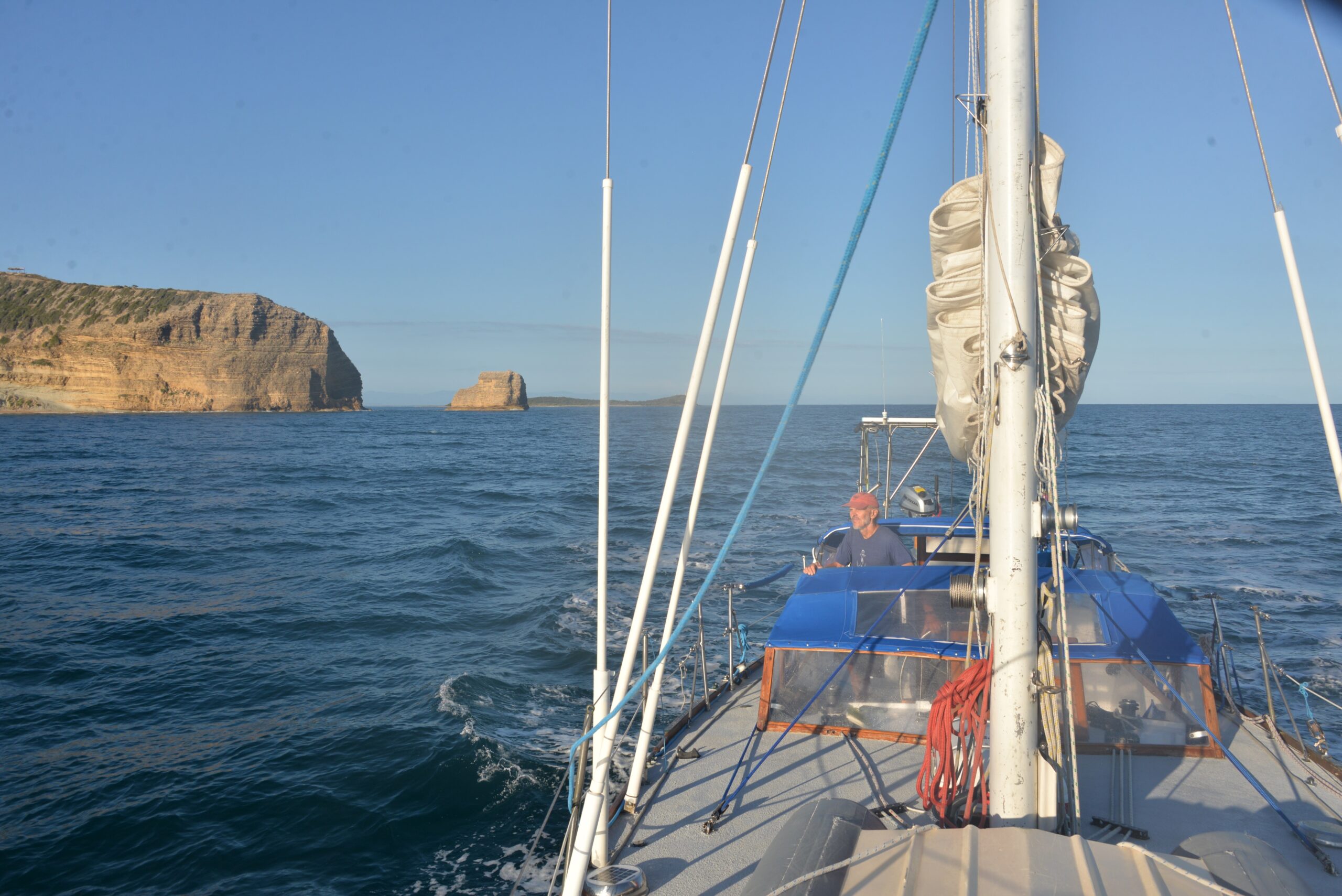
Islote El Fraile
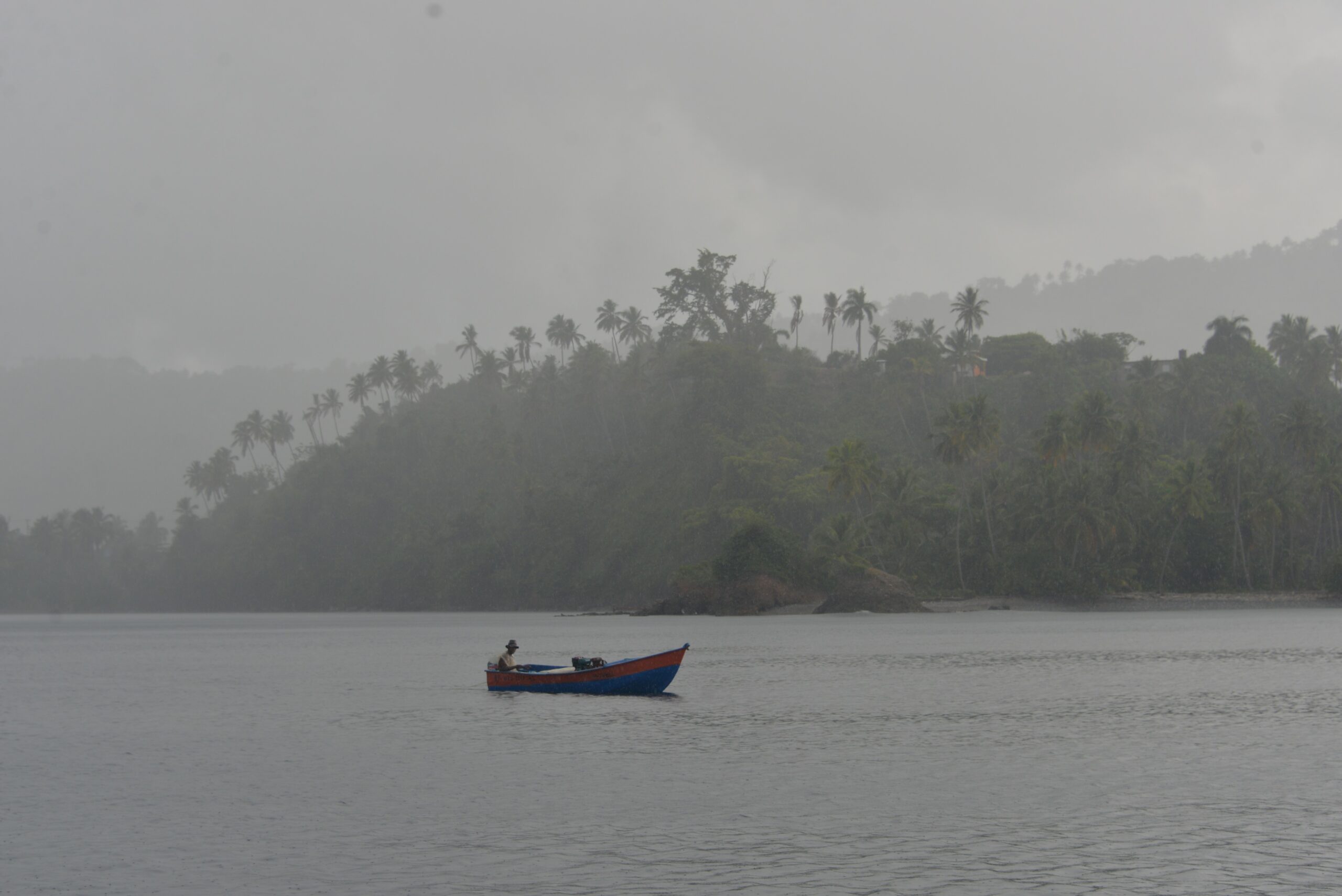
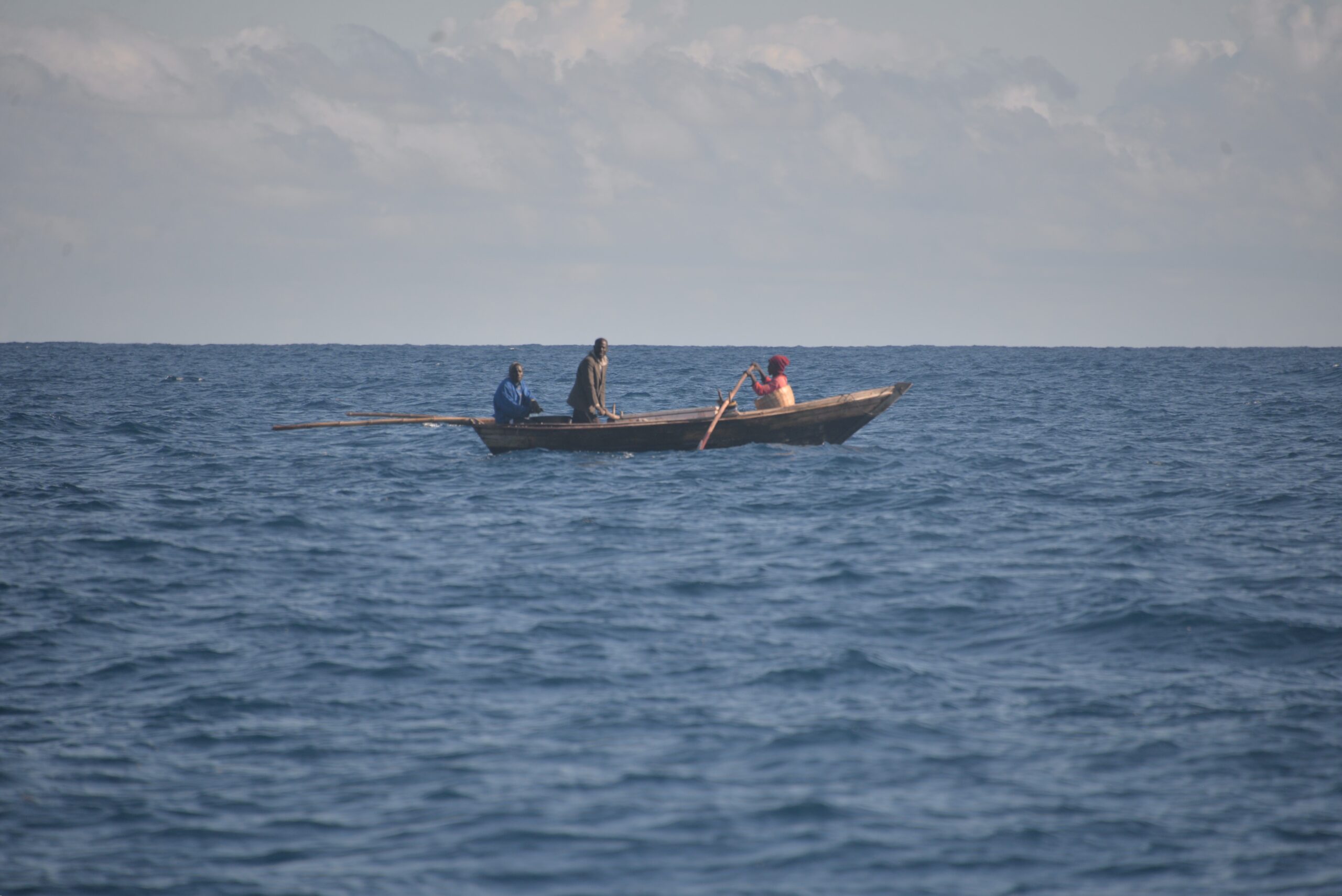
Fishermen rowing their boat far from shore – safe fishing!

Great Inagua Island

We decided to venture further south, taking an unconventional route through the island of Grand Inagua, the second-largest island in the Bahamas and home to a significant population of flamingos. The island is renowned for its salt extraction, a process where seawater is pumped into special salt ponds and evaporated by the sun. Salt production has been ongoing since the 16th century, and today it is overseen by Morton Salt, making it the second-largest producer in North America, churning out 1 million tons of salt annually. Witnessing the evaporation and collection of salt was truly fascinating, taking into account my professional interest in measurements of seawater salinity (www.salinometry.com). Although flamingos also inhabit the salt ponds, we were unfortunate not to catch a glimpse of them—our guide informed us that the absence of these majestic birds, symbols of the Bahamas, was unusual, possibly due to strong winds which they typically avoid.

The island’s capital and the sole harbor is Matthew Town, named after George Matthew, a 19th-century Governor of the Bahamas. We docked there to repair our torn jib halyard, damaged during our passage to the island. The harbor was bustling with ships from the Bahamas Navy, along with a state dock offering docking for a steep fee of 16 dollars (!!!) per day. In Matthew Town, we discovered a functioning lighthouse that we could ascend—an unexpected stroke of luck! From the lighthouse lantern’s vantage point, we spotted a flock of White-tailed Tropicbirds and a solitary dolphin gracefully swimming by, creating a mesmerizing sight against the backdrop of turquoise waters!

Although we managed to repair the jib halyard ourselves, it was heartening to receive assistance from our dock neighbors Dave (S/V Shelagh), James (S/V Blue Argos), and the versatile local Jak of all trades, Emmanuel. A heartfelt thanks to everyone for their help!

Leaving Castle Island
After 10 miles of smooth sailing our jib halyard (1/4″ sst wire) get broken
Matthew Town is the only place in Great Inagua Island where we can dock to fix the jib halyard
The main street of Matthew Town with an old salt packhouse
Post office
Three colors of Bahamas – blue, yellow, and black
Blossoming cactuses near the Church
Working lighthouse!!!
We allowed even go up!
Nice view from the top of the lighthouse!
Shadow
Rose Lake
White-tailed Tropicbird
Dolphin
Brine ponds
Sea salt
Harvesting salt
Cactuses only survive in this environment.
Formation of salt deposits
Crystals of salt everywhere
Salty birds
Pink salt water
Morton Bahamas Ltd owns this saltwork
Mountains of salt ready for shipping
Salt is transported to docked ships
Colors of salt

The only flamingos we’ve seen:(
Leaving Matthew Town for the Dominican Republic
The last point of the Bahamas