Visiting the Bedford Institute of Oceanography

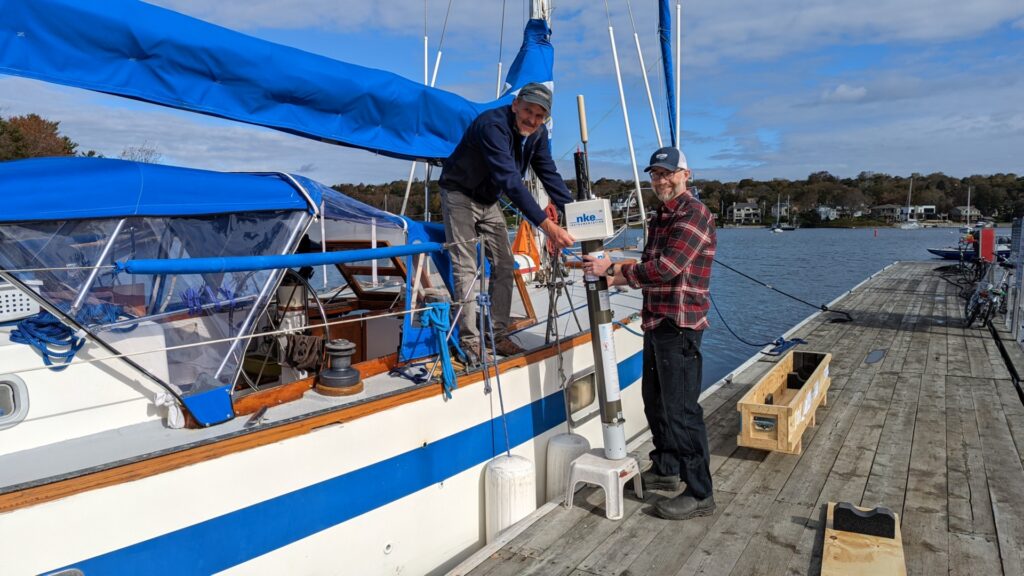
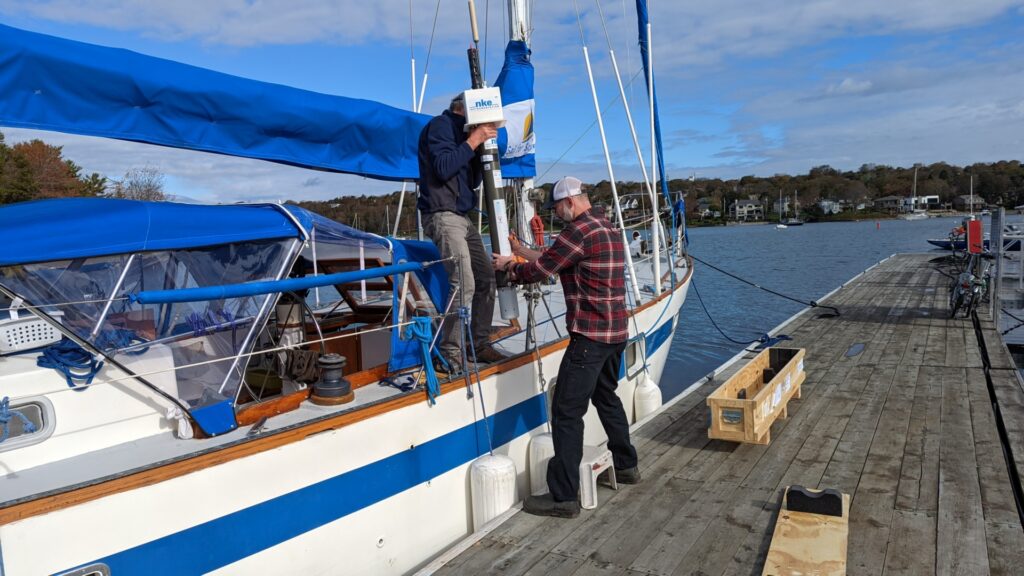
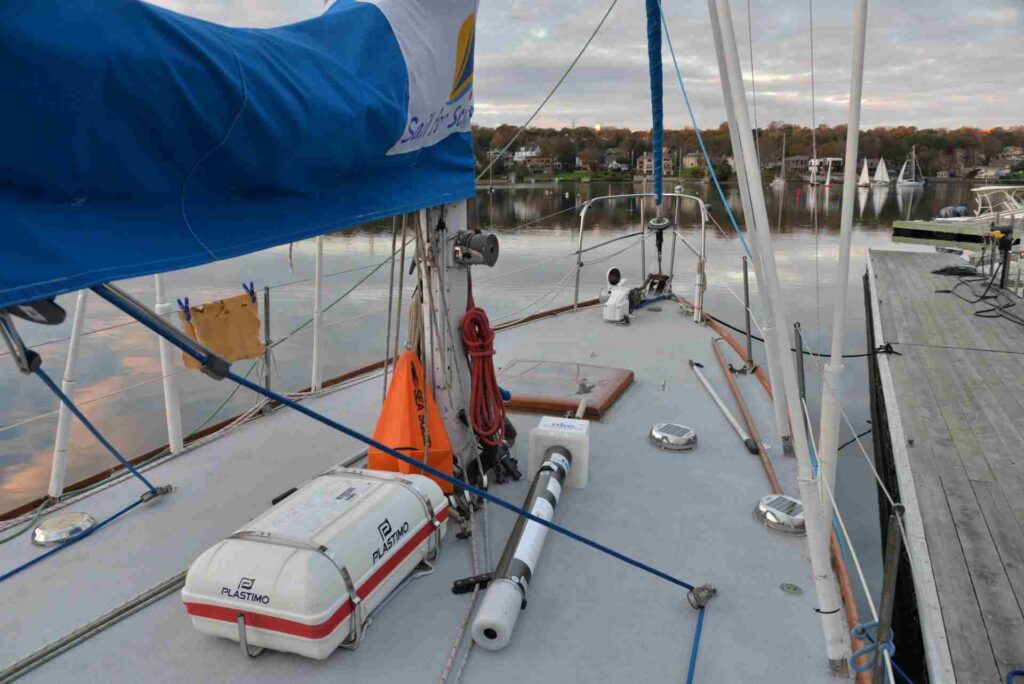
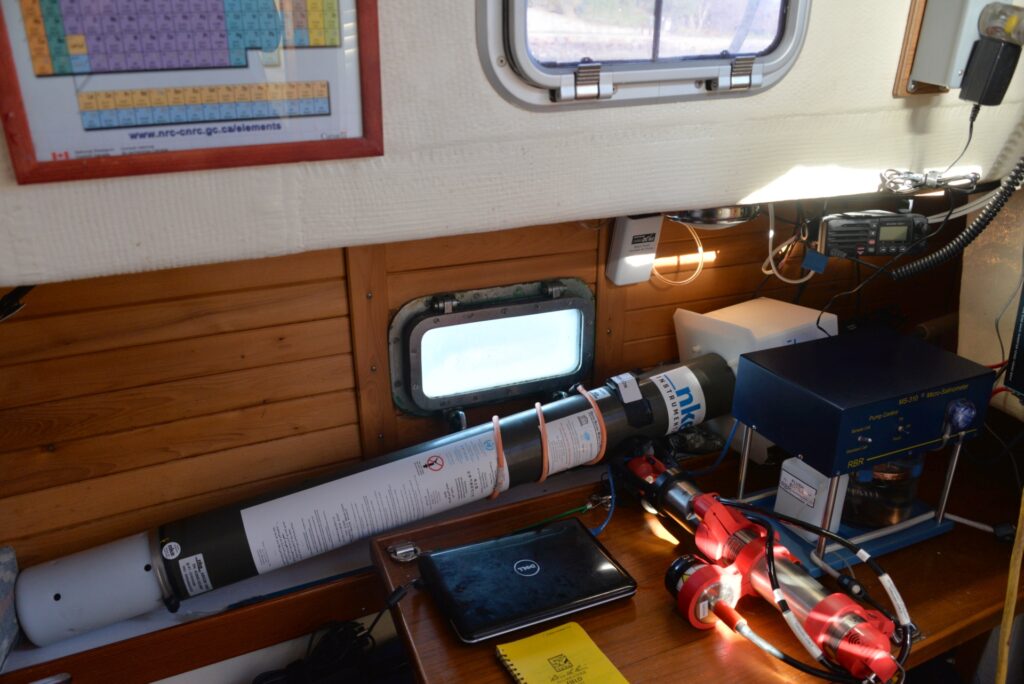
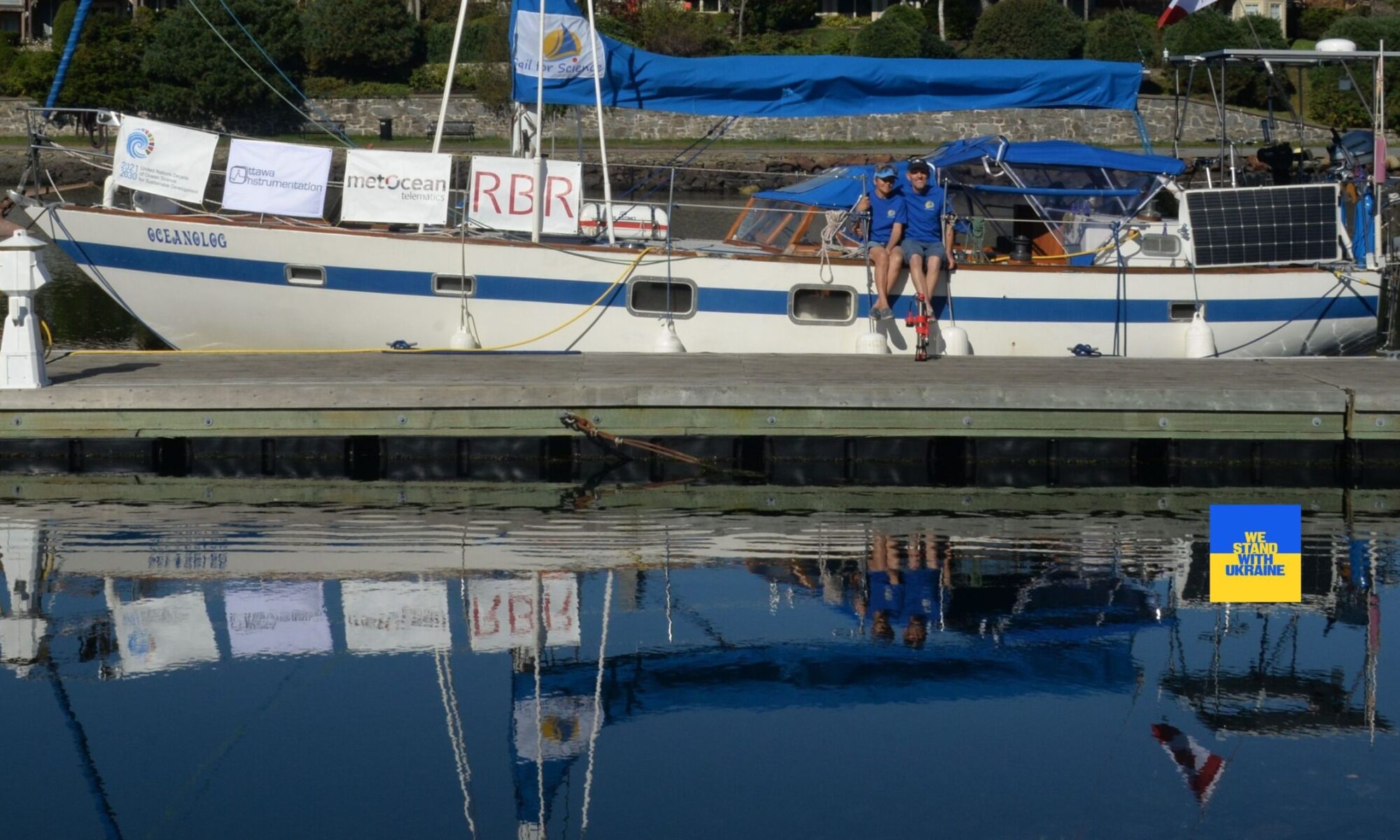
Our day set sail with a warm welcome for my former RBR colleague, Clark Richards, aboard our sailboat ‘Oceanolog’. It was a momentous occasion when I introduced him to my RBR concertoCTD measuring system, which now boasted state-of-the-art optical sensors. As we sat in the cabin, savouring cups of freshly brewed coffee, the stories flowed, and knowledge was exchanged, strengthening the profound bonds that unite oceanographers across the vast seas.

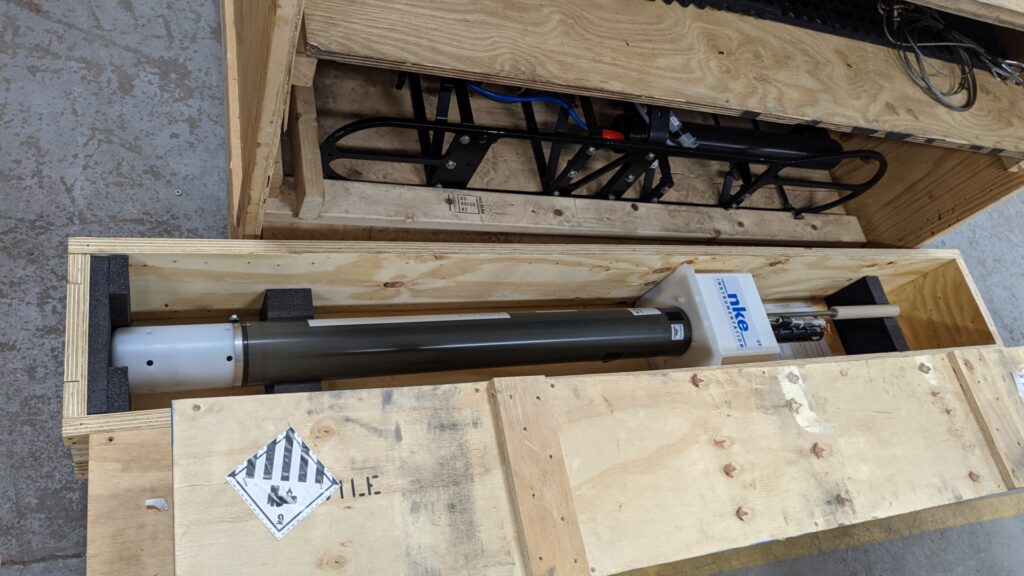
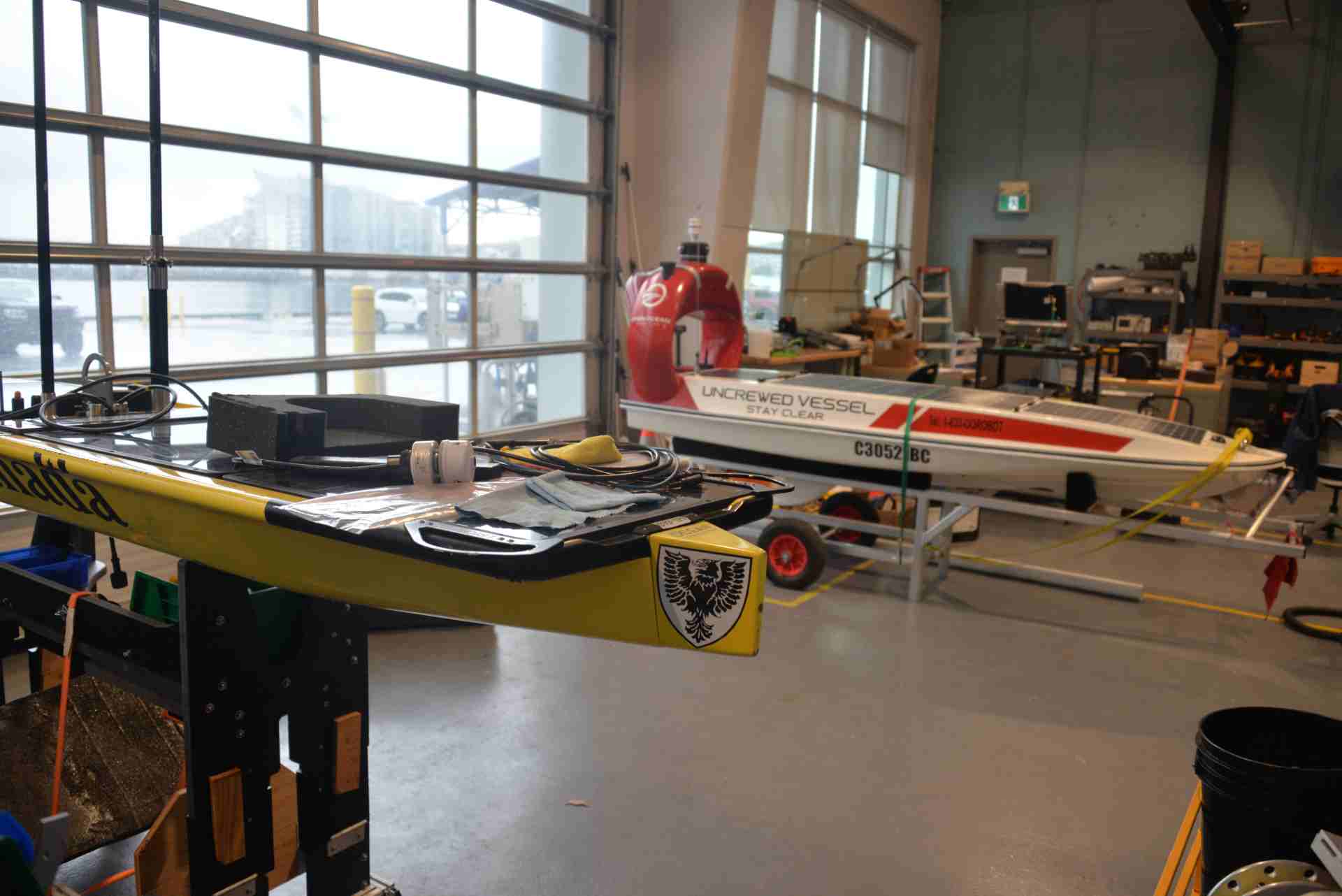
The day’s adventures took us to the Bedford Institute of Oceanography (BIO), a visit made possible by Clark, who now calls this place his professional home. It was here that I had the privilege of witnessing a Teledyne Slocum Glider equipped with RBR legatoCTD for the very first time. The sight of this glider transported me back to the countless hours I dedicated to calibrating and testing these devices back at RBR.

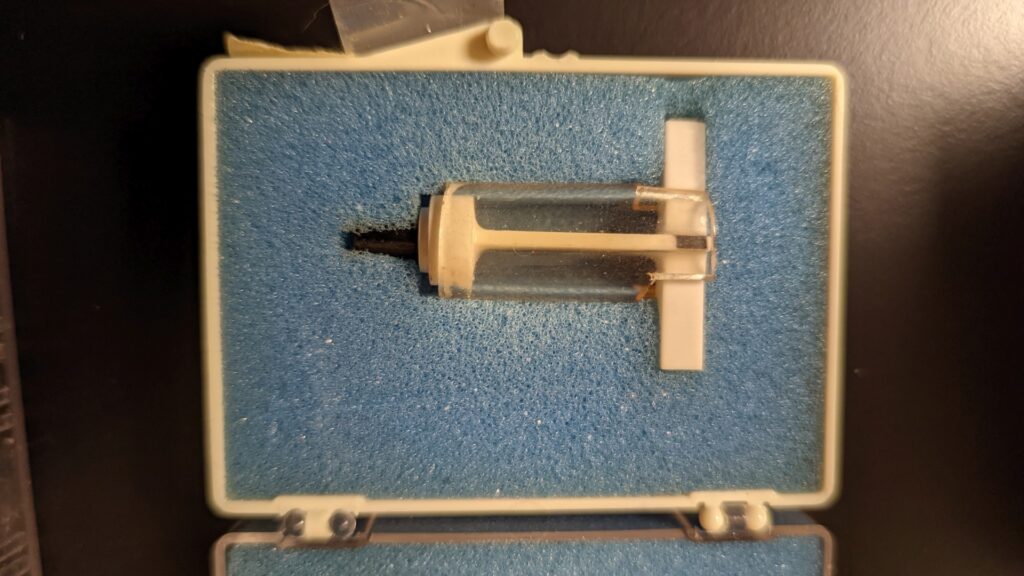
Inside the BIO museum, I stumbled upon a captivating exhibit, a treasure trove of historical oceanographic instruments and tools. Among the relics, a tiny ampoule held Japanese standard seawater, a testament to the meticulous metrology science that underpins oceanography, and in my case, my particular fascination with salinometry. And amid this rich tapestry of exhibits, I uncovered an Oceanographic Slide Rule, a relic from days gone by. This ingenious tool once guided oceanographers in calculating salinity and navigating the intricate depths of the ocean.

The day was a harmonious blend of past and future, where history met innovation, and camaraderie bridged the gaps of time and distance. It was a testament to the enduring spirit of exploration and discovery that fuels our passion for the seas.

A nice coffee chat with Clark Richards
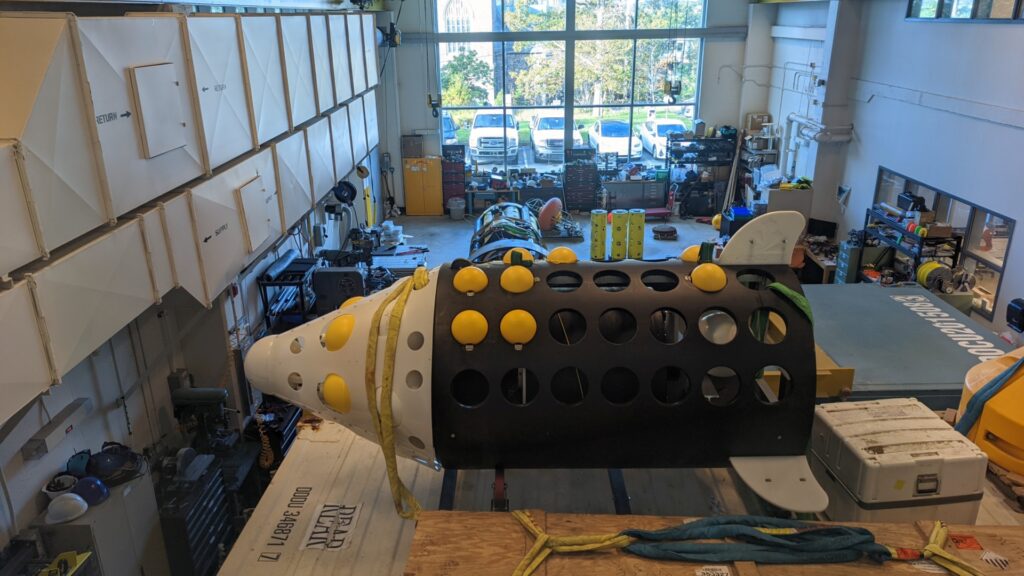
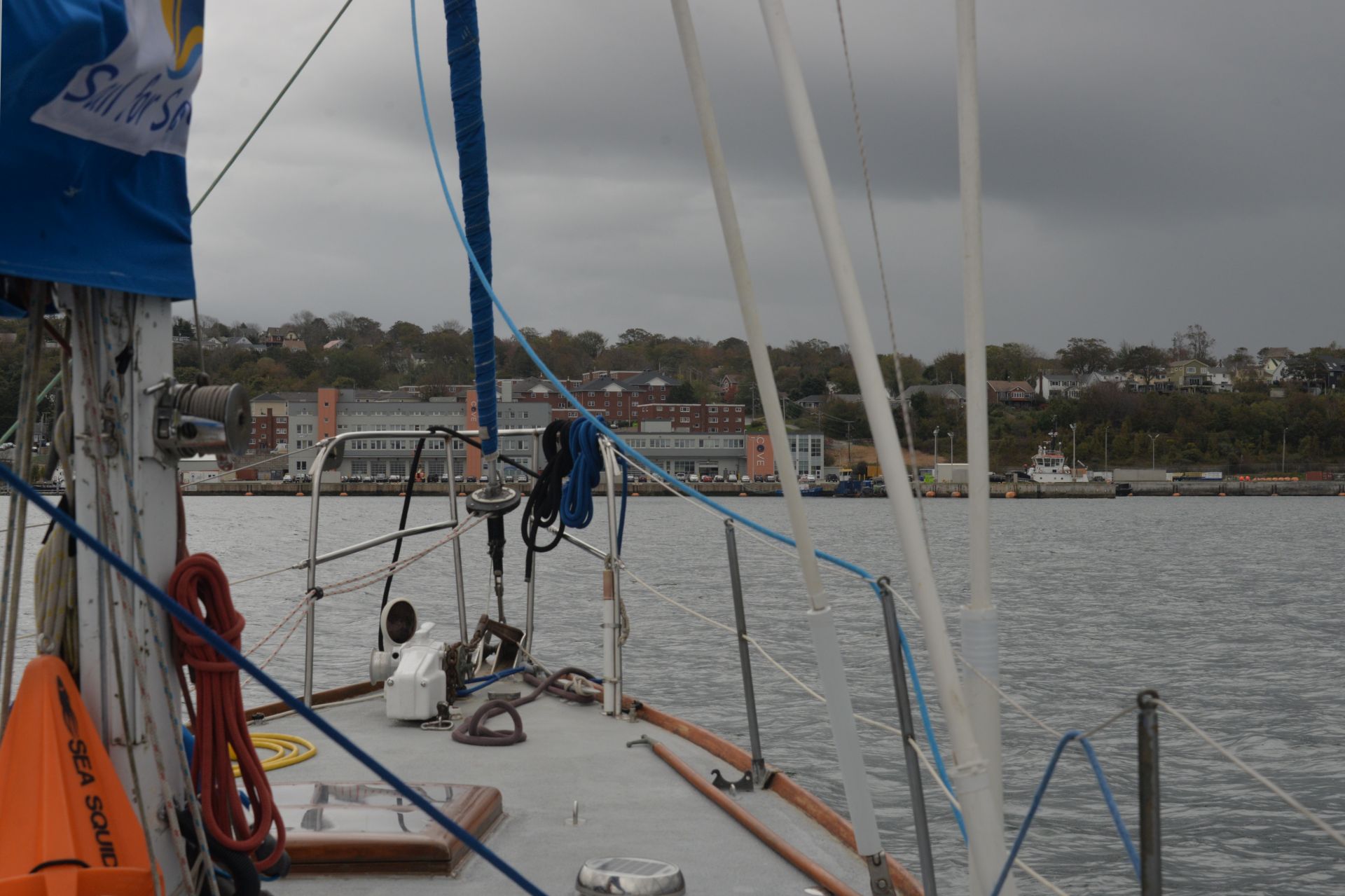
View on the BIO dock from the second floor.
Japan Standard seawater ca.1975 – used to calibrate bench salinometers. Nowadays the only IAPSO Standard Seawater, manufactured by OSIL company (UK) is acceptable worldwide standard for salinometry.
Oceanographic Slide Rule – mechanical calculator of salinity from conductivity, temperature and depth.
Reversing Thermometer – a reminder of my student times, we had to use them a lot!
Knudsen water bottle with messenger and reversible thermometers (two for temperature, one for pressure) frame – a workhorse of old days oceanographers: oceanographic station consisted of a couple of dozen such samplers, set at different depths (standard horizons) and closed by sent down messengers.
A modern Niskin water bottle attached to the CTD frame (this one is designed in the BIO) – altogether 24 10L bottles can be set and fired at specific depths.
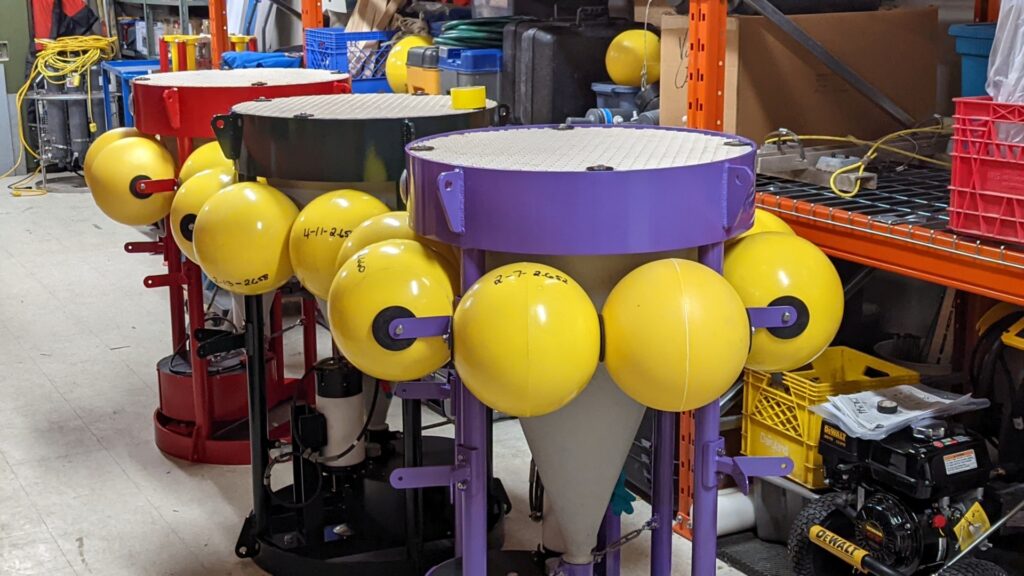
A lander with yellow buoyancy floats – the instrumental platform for long-term deployment. On the left, there are boxes with ARGO floats – hope we’ll get one onboard!
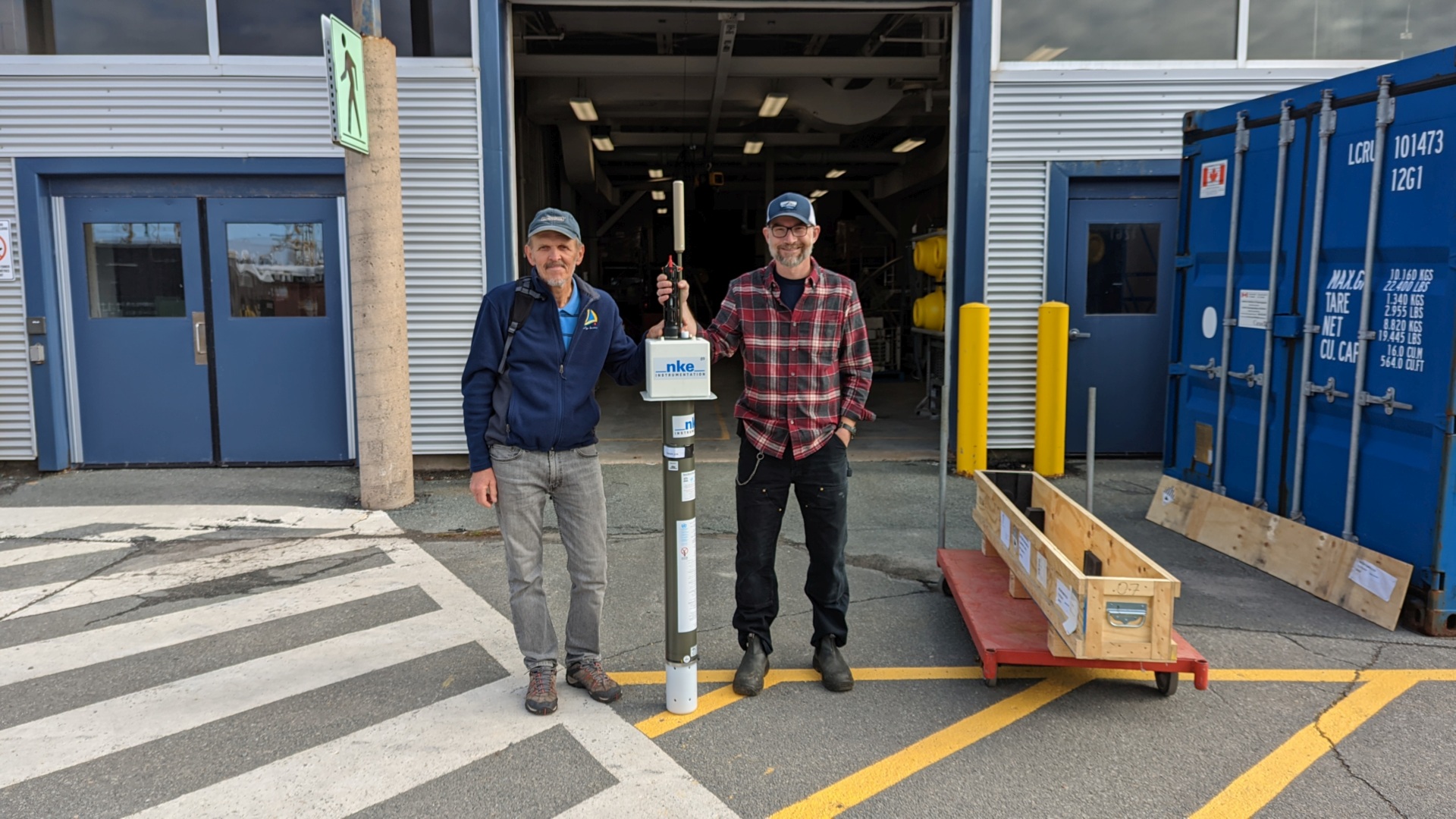
Clark with RBR concertoCTD (similar to mine, but in a plastic body, rated to 750m depth)
With Teledyne Slocum Glider, pointing at the “red nose” of RBRlegatoCTD

Thanksgiving

On this Thanksgiving Day, we want to extend our heartfelt gratitude to the Mi’kmaq First Nation of Nova Scotia, as well as to all those who played a pivotal role in making our journey a reality – our wonderful friends, supportive family, and generous sponsors. Thank you from the bottom of our hearts!

The beating heart of Nova Scotia

We’re not exactly city slickers, and the hustle and bustle of big metropolises, bustling harbours, and the chaotic dance of massive cargo ships and cruise liners isn’t exactly our usual scene. The last time we found ourselves in such a maritime maze was a couple of months ago in Montreal. But, when we sailed into Halifax Harbor, it felt like we’d crashed the biggest maritime party of the year!

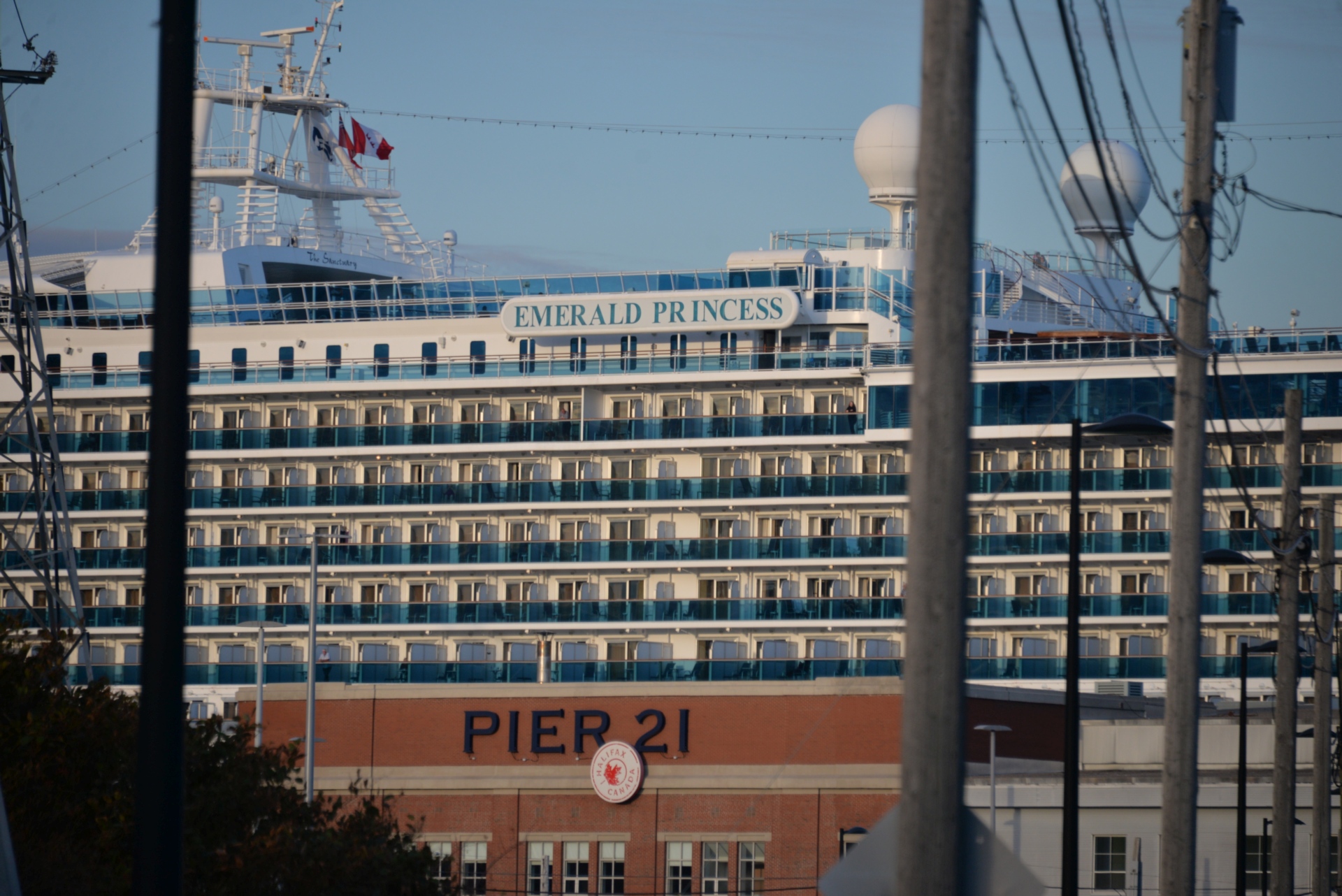
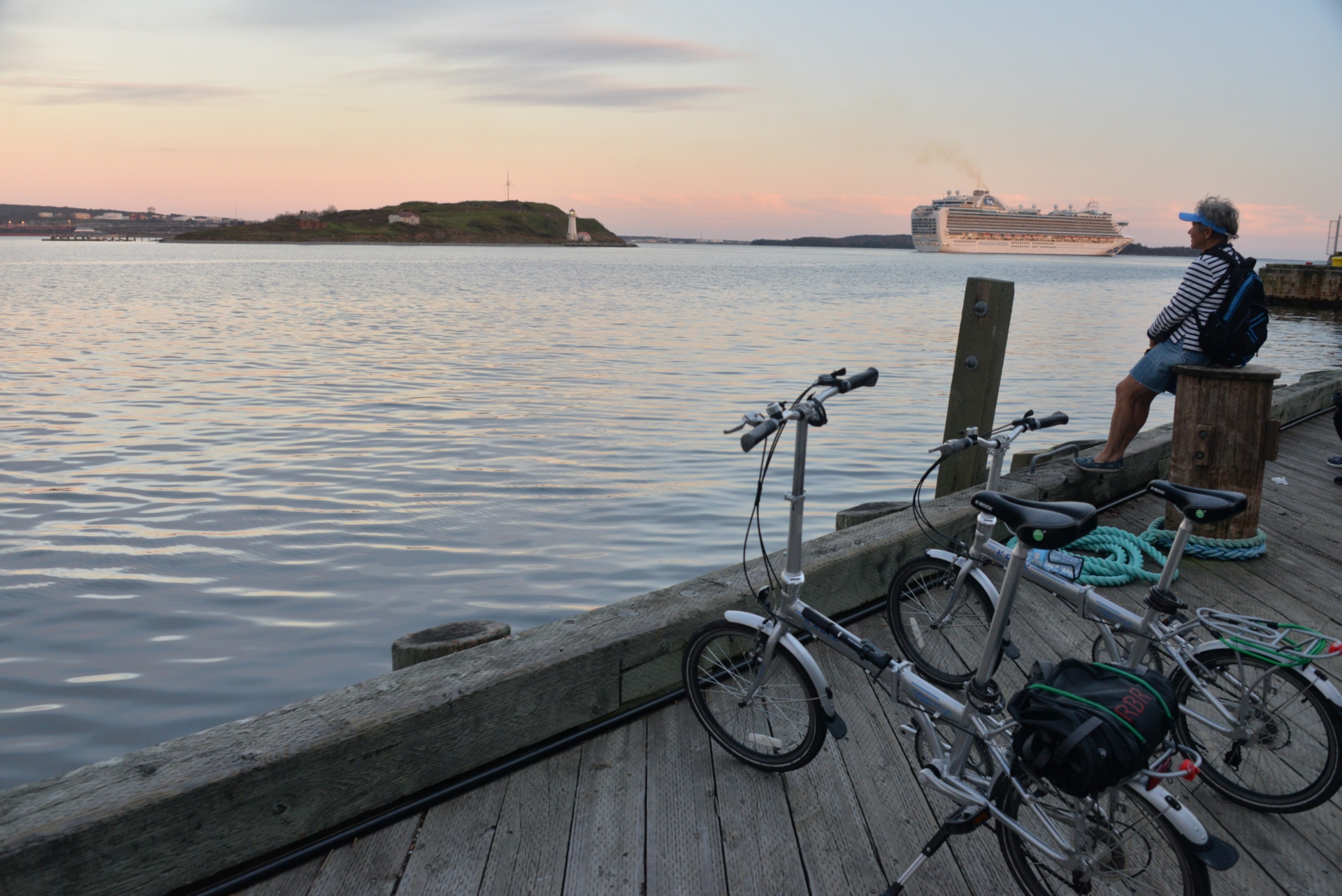
Picture this: a couple of cruise ships bidding us farewell with a grand wave, and a colossal container ship towering over us, busy unloading its cargo. It was a clear sign that both the touristy and businessy parts of this harbour were buzzing like a beehive on a summer day.

Our nautical adventure around the bay only revealed more of Halifax’s maritime magnificence. We’re talking stunning docks housing the military fleet, all lined up like soldiers on parade, and the impressive buildings of the Irving shipbuilding company, where not one, not two, but five Arctic offshore patrol ships had taken their maiden voyages, and another was eagerly waiting its turn on the stocks. It was like a naval enthusiast’s dream come true.

But wait, there’s more! The berths of the Bedford Institute of Oceanography were brimming with activity, giving us the unmistakable vibe that we’d landed in a place that was all about industry, tourism, and defence – the beating heart of Nova Scotia.

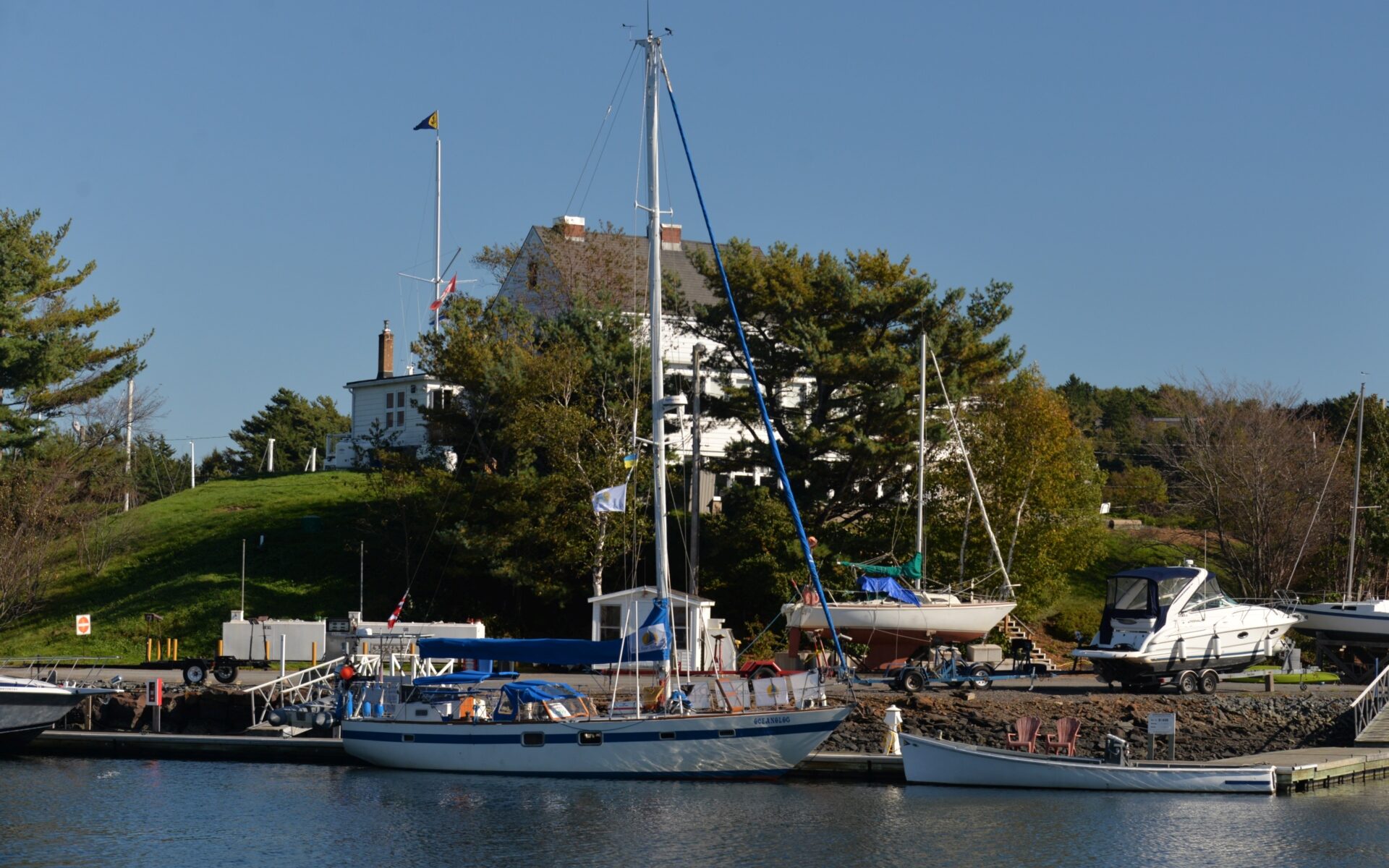
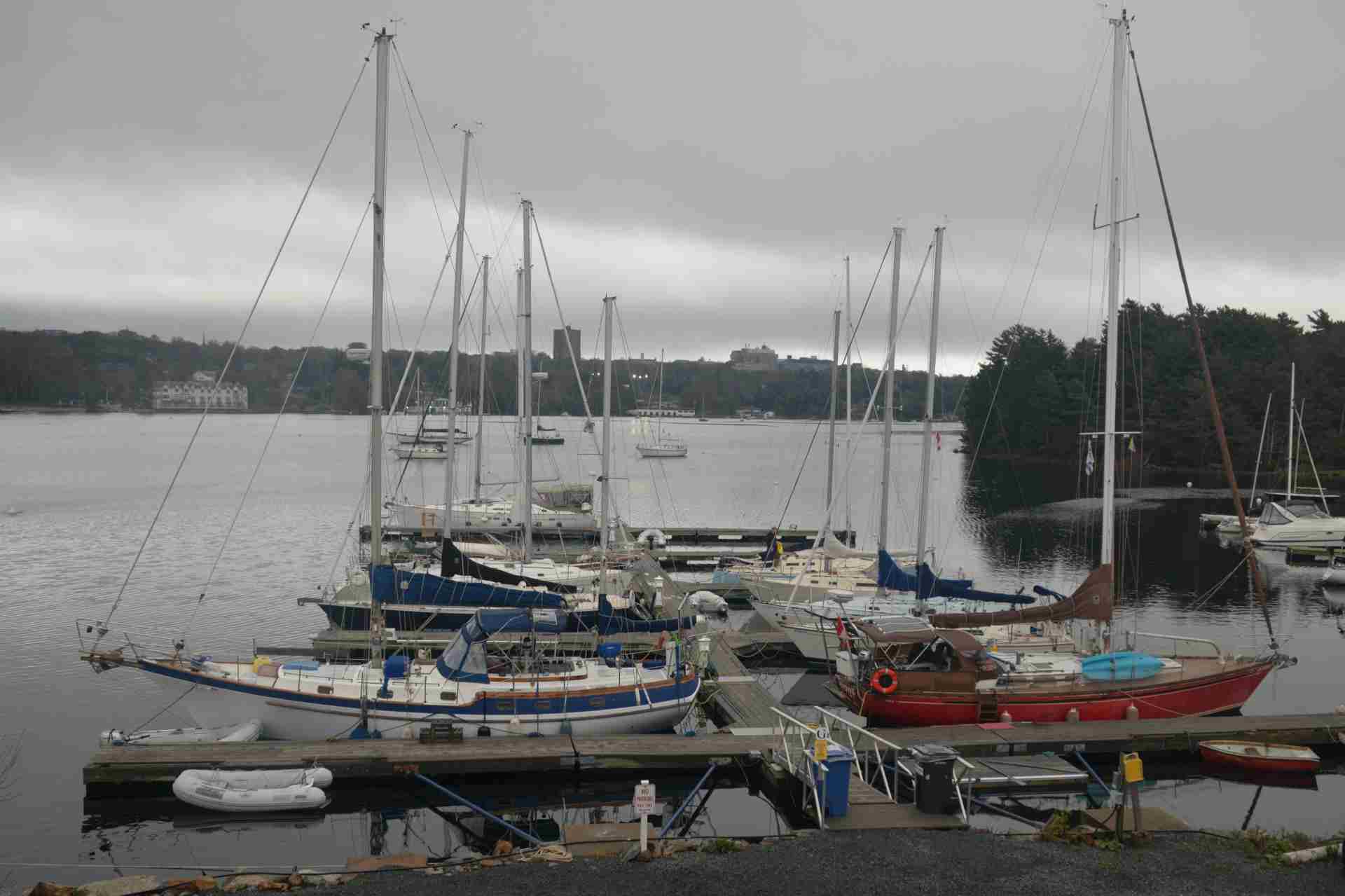
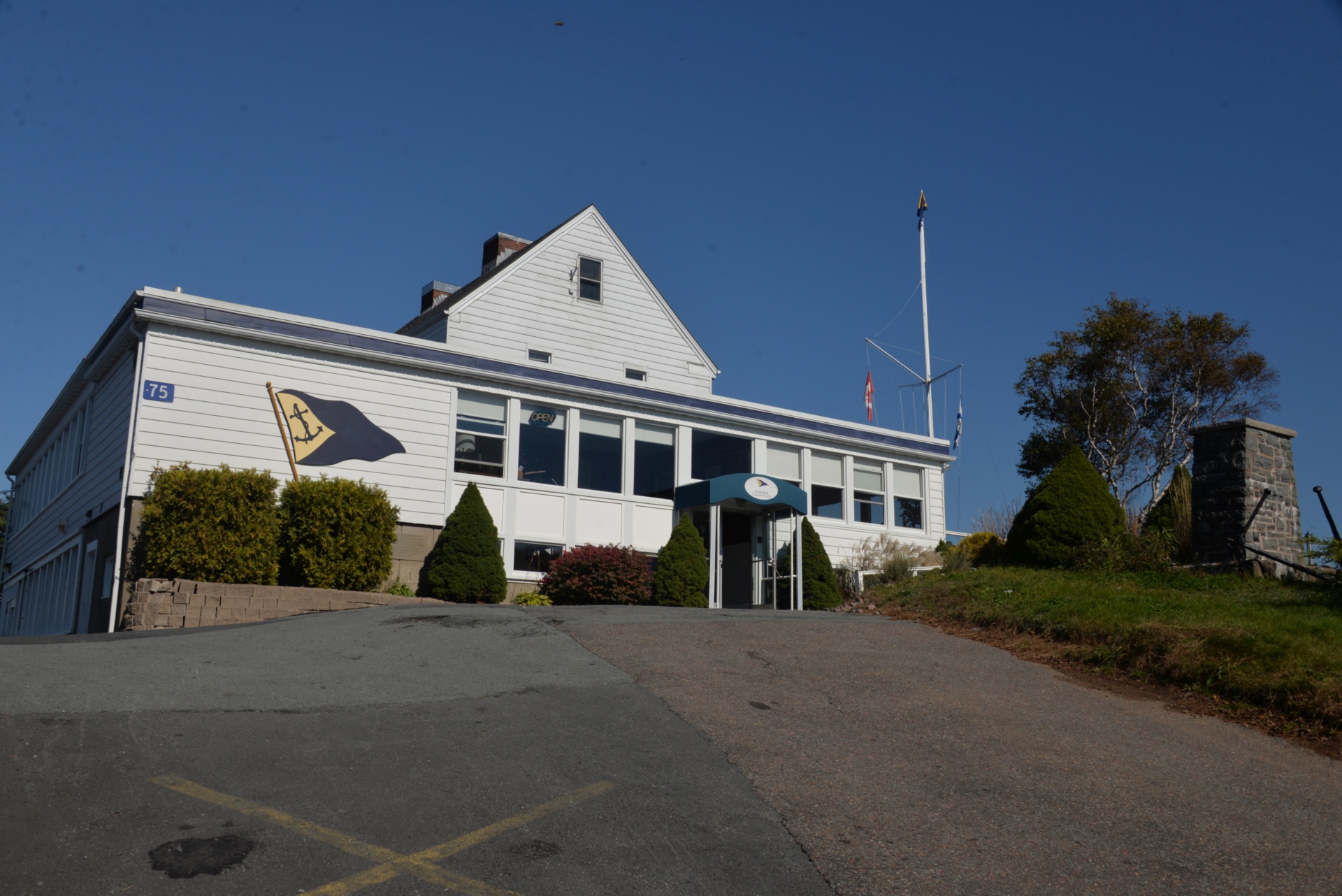
As twilight began to cast its enchanting spell, we finally arrived at the Dartmouth Yacht Club, where a young harbormaster’s assistant greeted us with all the enthusiasm of someone who’d just discovered pirate treasure. And let’s not forget the pièce de résistance: a long-awaited hot shower awaited us in the yacht club building. Ahoy to cleanliness!

The next day brought an expected reunion with our old friend and classmate from the Odesa Hydrometeorological Institute, the one and only Yuri Geshelin, who now is a scientist at the Bedford Institute of Oceanography. With Yuri’s guidance, we stocked up on provisions that would make any seafarer’s mouth water, and we made memories that would last a lifetime. It was a reunion worth sailing all this way for!

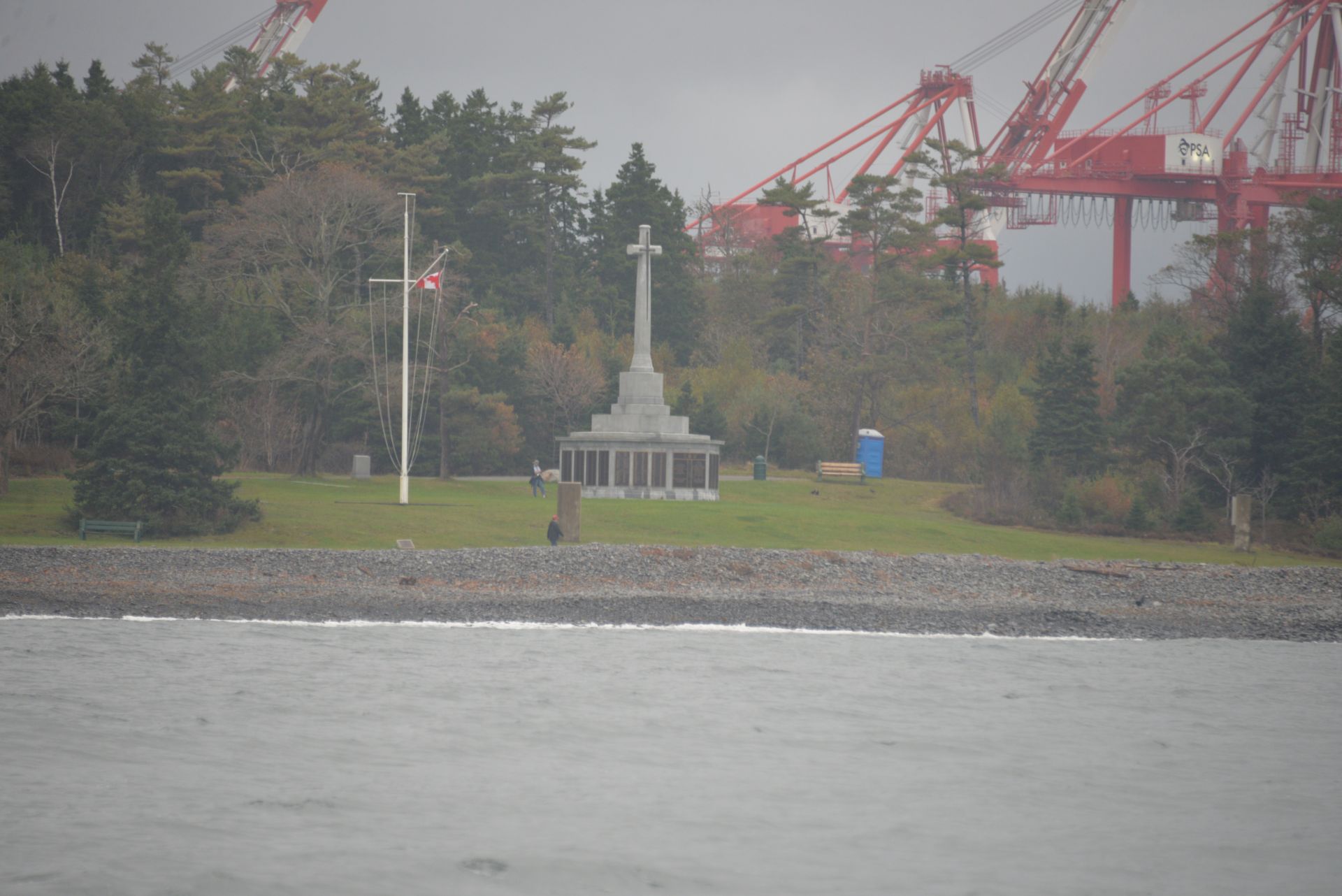
Passing entry to Halifax Harbour
North-West Arm
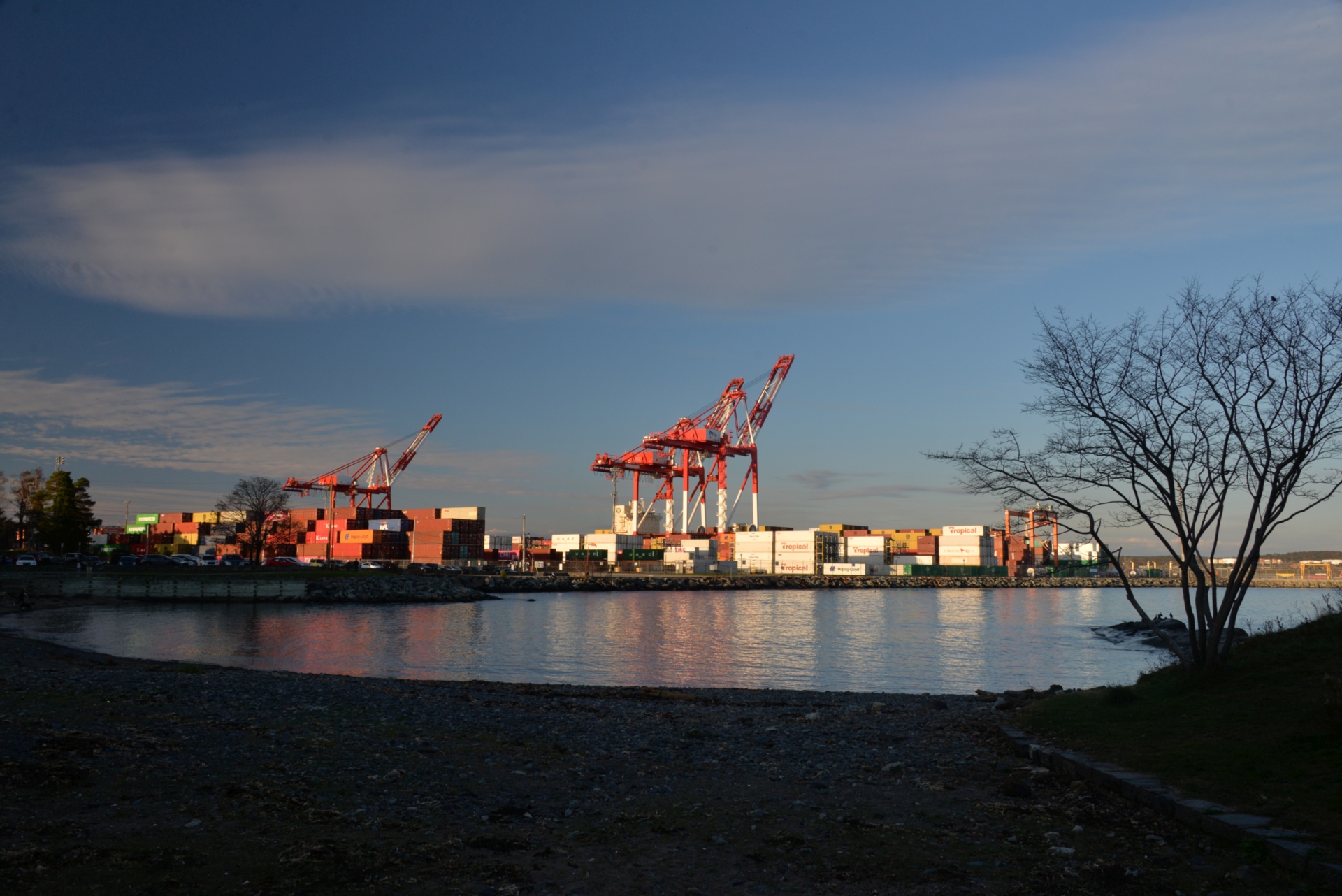
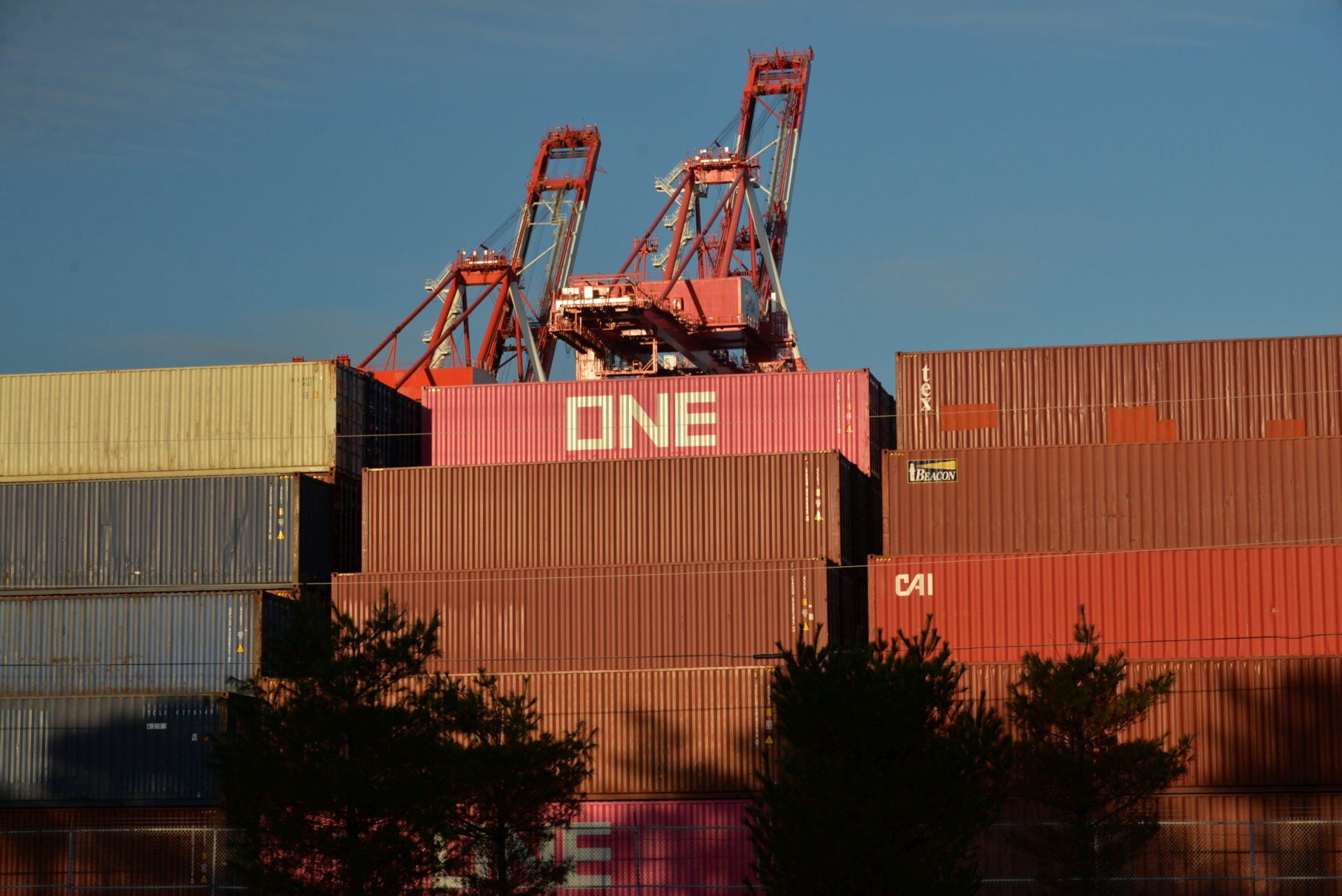
South-End Container Terminal
Georges Island National Historic Site
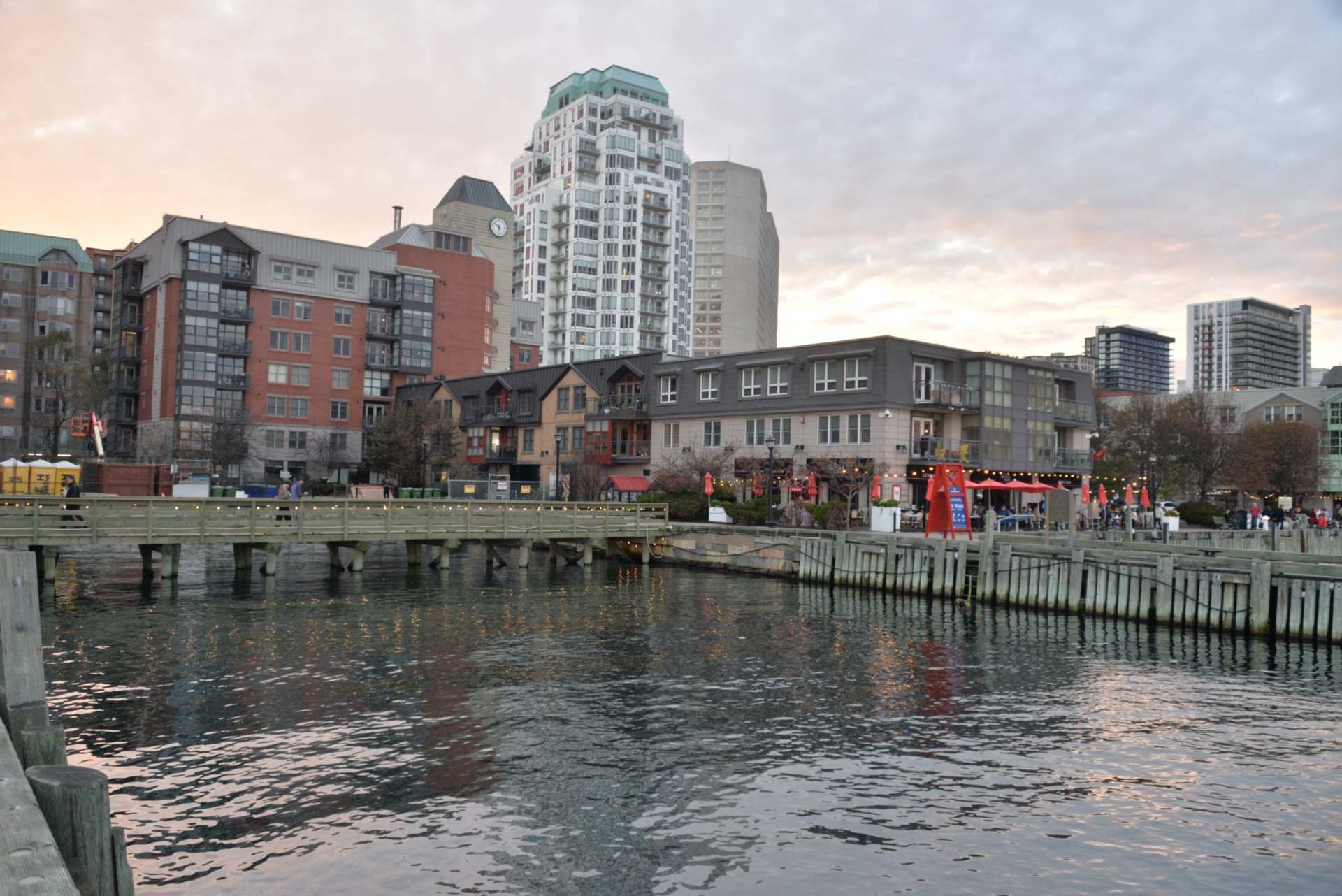
Halifax Downtown
Queens Wharves
Sailing through the Halifax Harbour
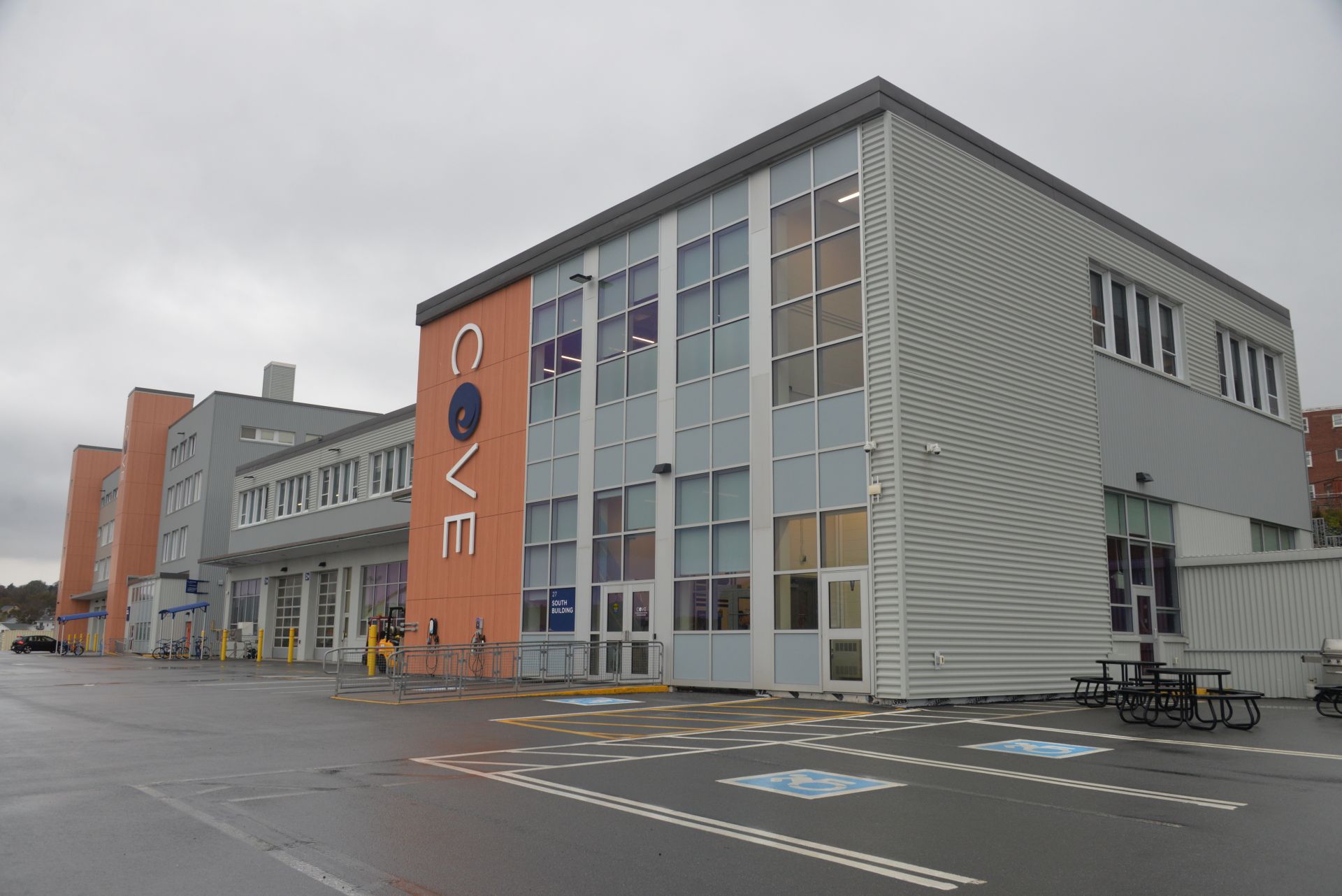
The Centre for Ocean Ventures and Entrepreneurship (COVE)
Passing under the Macdonald Bridge
Canada’s Atlantic Fleet Dockyard
New built  Arctic Offshore Patrol Ships
Irving Shipyard facilities provide the largest undercover shipbuilding operation in North America.
Bedford Institute of Oceanography
Meeting with Yuri