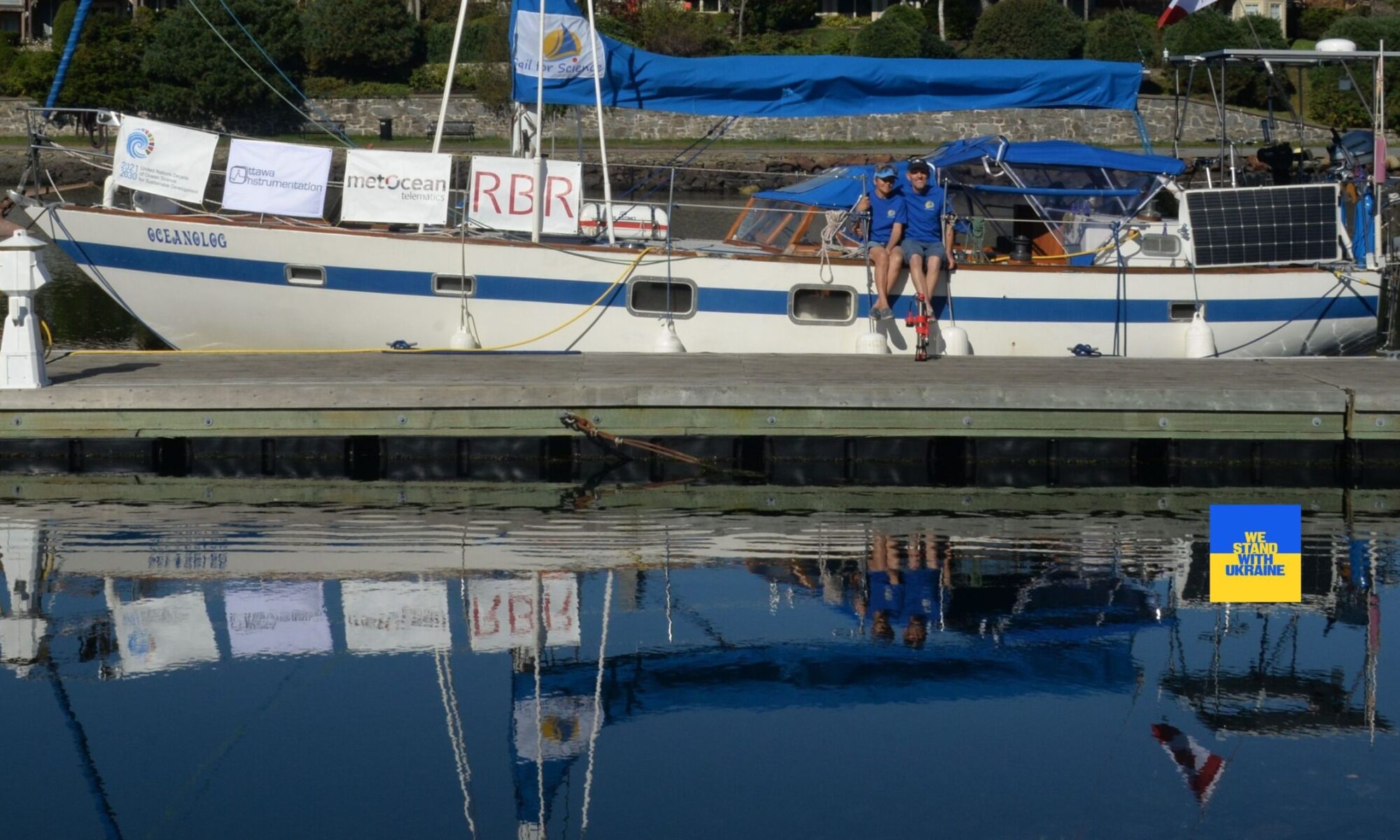
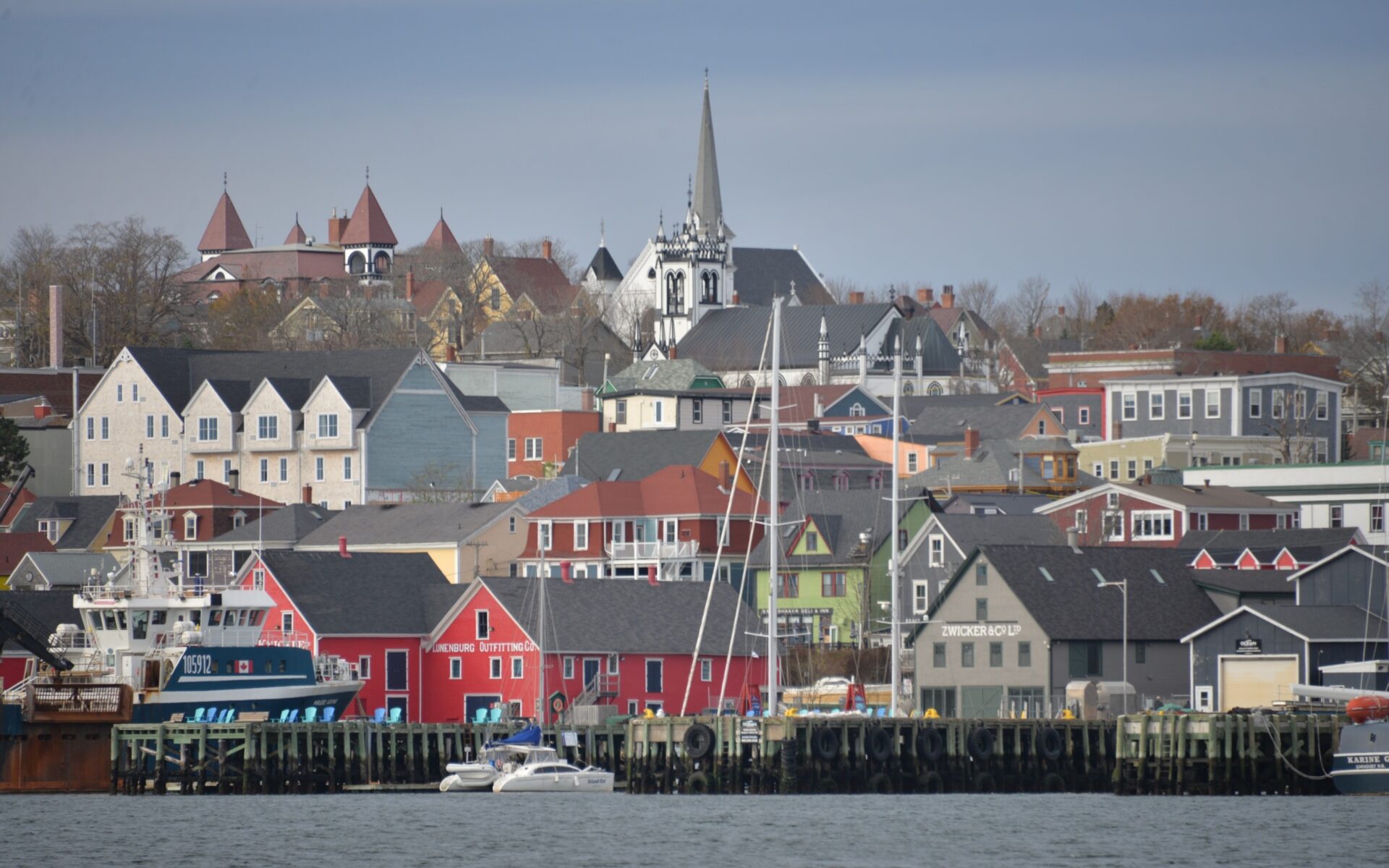
A Float for Science!
Today was a significant day in the world of Sail for science! In the morning, Clark and I paid a visit to Dalhousie University, more specifically, the Steele Ocean Science Building, home to the Department of Oceanography. Our first stop was the Aquatron laboratory, boasting the largest aquatic research circular pool in Canada, with an impressive 50-foot diameter, filled with seawater from a nearby Northwest Arm. We also had the opportunity to explore a deep-sea pool, plunging to a depth of 10 meters. However, the real highlight was witnessing a flume, where we tested the dynamic characteristics of RBR CTD measuring systems. Clark also showed me some of the sensors from his collection, including one of Neil Brown’s early conductivity cells. In a spacious hall, we were observing a new model of the SeaCycle, an underwater multi-purpose oceanographic platform. The university is truly at the forefront of showcasing cutting-edge technologies for ocean science.
After our enlightening visit to Dalhousie University, we made our way back to the Bedford Institute of Oceanography, where a long-anticipated surprise awaited me. It was the Argo float that we had agreed to take with us and launch into the Caribbean Sea. Following a brief instruction on how to launch the float, we loaded it into a minivan, and Clark and I returned to the sailboat. Once back on board, we carefully positioned the buoy in our oceanographic laboratory, where it surprisingly fit seamlessly into the available space. Now, we have a special mission ahead of us – launching this float! It’s worth mentioning that our pre-retirenment company, RBR, manufactures CTD measuring systems for such floats. Unfortunately, the BIO warehouse only had floats with CTD from our competitor in the oceanographic instruments market, the SBE company. Nevertheless, the goal remains the same – to collect valuable oceanographic information. Our relationship with RBR is an essential part of our history, and there’s still much more stories to come! Let it Float for Science, whoever has made it!

Steel Ocean Science Building
Aquatron foue
50ft diameter round pool
10m deep Water tower
A flume
One of the first Neil Brown’s 4-electrodes conductivity cell
A new model of SeaCycle
Organic matter collectors
NKE Argo float in a box
Loading NKE Argo float on the SV Oceanolog’
Taken on board!
Resting on the deck before moving into the Oceanography lab
Set in the laboratory

Biking to Point Pleasant

Once again, our bikes are unfolded, and it’s time to hit the road, pedal, and explore the surroundings! Today, we ventured to the extreme cape that separates the Northwest Arm and Halifax Harbour – Point Pleasant. Along the way, we made a stop at Dalhousie University, the largest university in Nova Scotia, known for its Oceanography department, where we had a planned visit with Clark. After biking along a scenic bike path in Point Pleasant Park, we continued towards the cape. This is the same cape we had recently sailed past on our sailboat, where the vast expanse of the Atlantic Ocean opened up before us.

On the cape itself, we encountered the concrete remnants of coastal fortifications and the Halifax Memorial, which commemorates 3130 Canadian servicemen and servicewomen from the Navy and Army who died or were buried at sea or who have no known grave in Canada. Our route led us past the container terminal, with towering pyramids of containers that resembled wooden bricks left behind by a giant child. These colossal structures accompanied us until we reached the famous Pier 21, known in immigrant circles. This time, the giant cruise ship Emerald Princess was docked there. After passing the cruise terminal, we followed a beautiful promenade that guided us towards the city center.

Unfortunately, dusk was setting in, and we began our journey back, making our way to our yacht in just half an hour. It was a fantastic bike ride, enriching our Halifax experience with new sights, exercise, and adventures.

Unfolding bikes
AYC from the shore path
Passing docked SV ‘Oceanolog’
Entry to Dalhousie University
King’s Colledge
Main buil;ding of Dalhousie University
Steele Ocean Science Building
Point Pleasure Park
Atlantic Ocean ahead!
Halifax Memorial
Navy bas-relief
Ruins of WWII fortification
Bonaventure Anchor – Canadian Peacetime Sailors’ Memorial-
Container Terminal
Bricks of trade
Pier 21, new visitors
Monument of Samuel Cunard, founder of Cunard Line
Monument commemorating volunteers
Monument “Immigrant”
On the Waterfront
Goodbye, Emerald Princess!
Downtown harbour
The Bicycle Thief Restaurant
Ecology movement’s right whale sculpture, made from the lobster trap and other ocean debris
Under the Wave
Maritime Museum
Wired sculpture with a sailboat
Citadel’s tower

Armdale Yacht Club

After spending a week at the Dartmouth Yacht Club, we decided it was time for a change. Regrettably, the surroundings near DYC were predominantly industrial, far from the serene setting we sought. Following a visit to Yura’s house and a stopover at the Bedford Institute of Oceanography (BIO), we set sail from DYC, heading towards the North-West Arm, located within Halifax, with our destination being the Armdale Yacht Club. Along the way, we made a brief stop at COVE, hoping to connect with our ex-colleagues, but they weren’t available at the time.

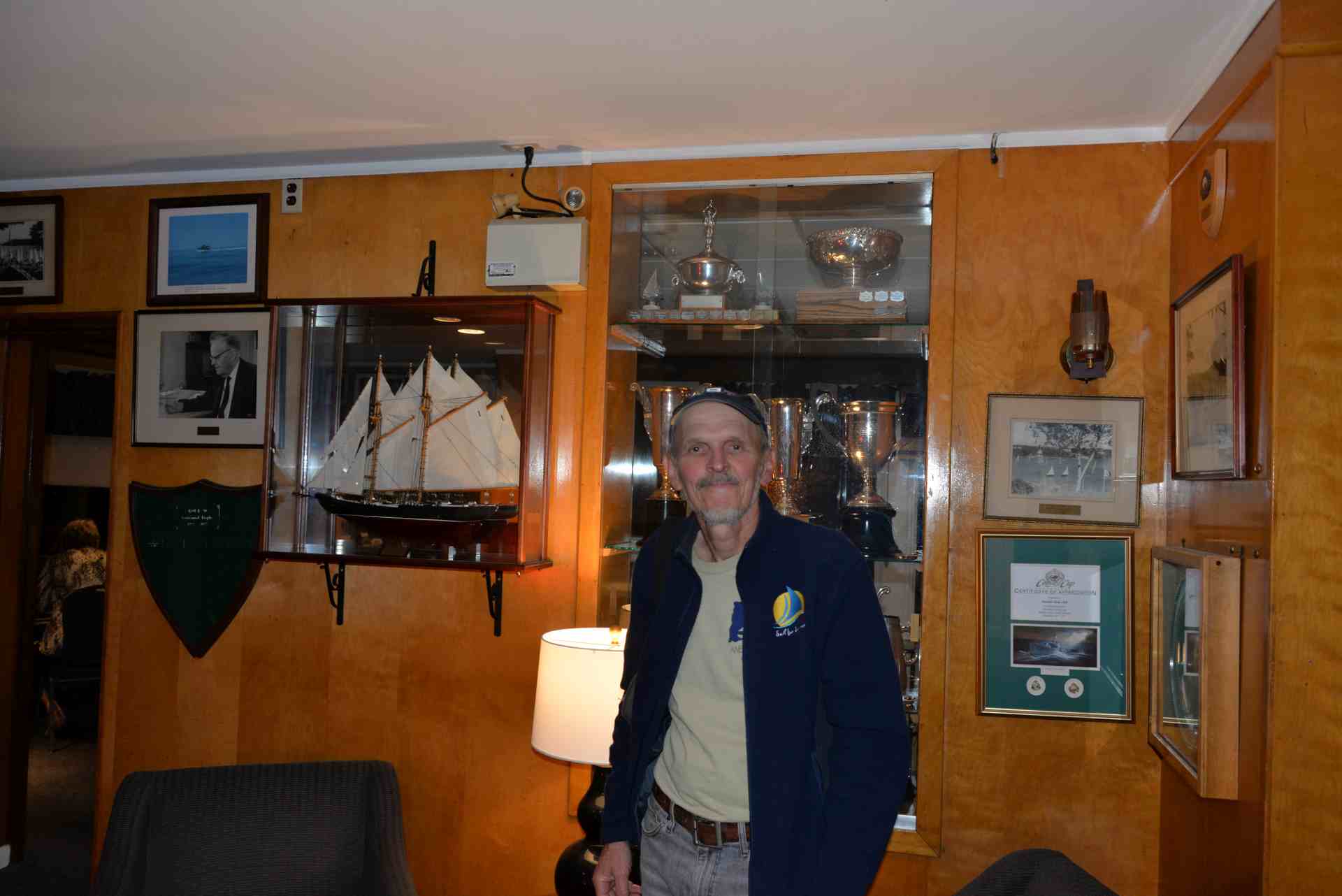
The Armdale Yacht Club possesses its unique charm. Situated on what is essentially an island, it boasts a yacht club office perched on a commanding hill, with its docks encircling the island. A bit of historical context adds intrigue to the place—this island, from the early 19th century, once housed a prison for prisoners of war, initially housing the French and later the Americans. In addition to the prison, there were facilities such as a hospital, officer quarters, and guard accommodations. In proximity, on Dead Man’s Island, lay a cemetery where deceased prisoners of war found their final resting place. In 1949, the municipality transformed the former prison into a yacht club, becoming a gathering point for yachtsmen from all corners of Halifax.

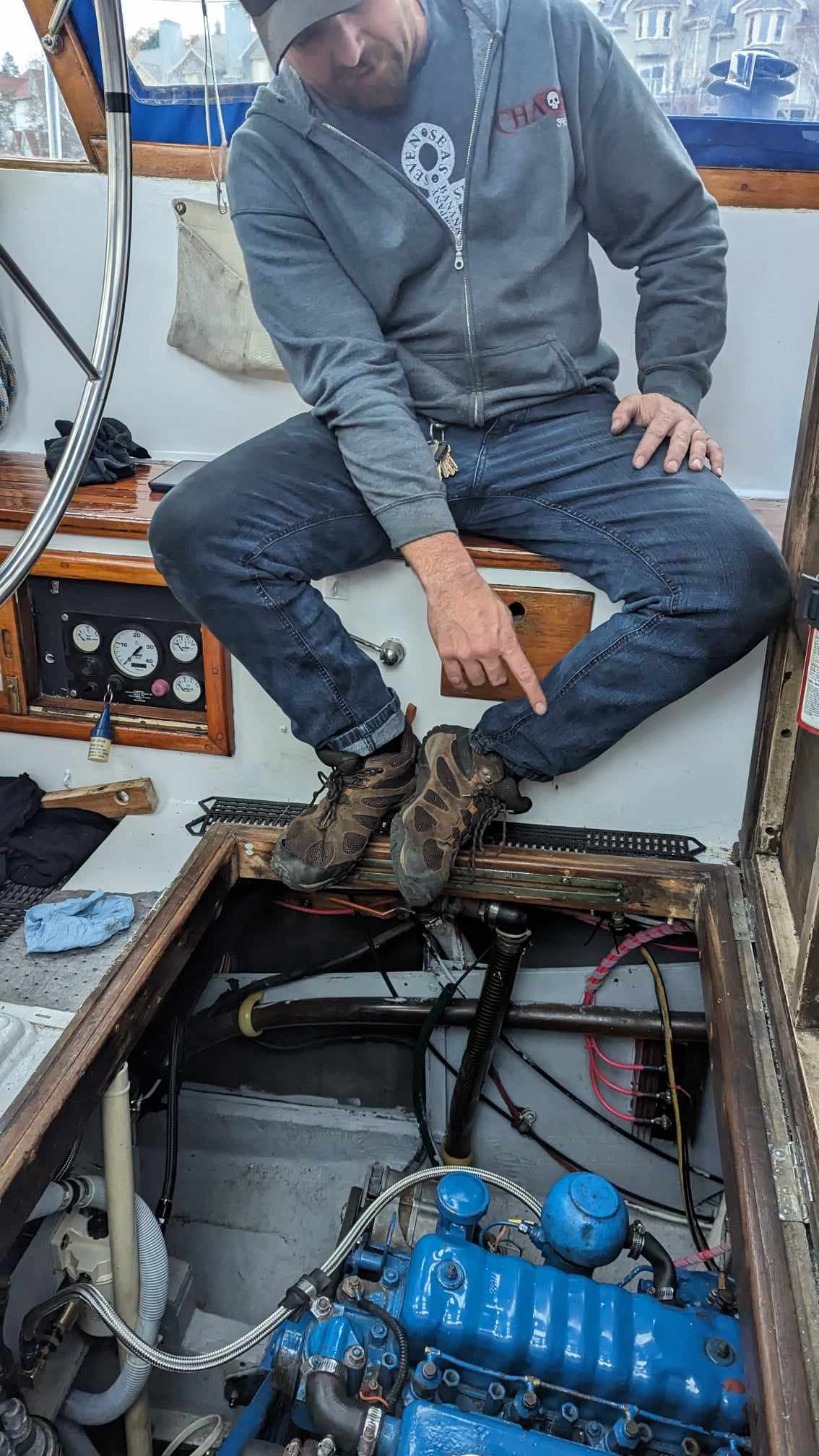
But most importantly, at this yacht club, we found a mechanic who agreed to attempt repairing our engine. The high-pressure compressor had been removed and sent for repairs, but it turned out that there were no spare parts available, leading us to endure a week-long wait for their arrival. During this time, we occupied ourselves with various other tasks on the yacht, including the use of our trusty folding bikes for exploring the surrounding area.

Approaching the COVE
Centre for Ocean Ventures and Entrepreneurship

Some of the Unmanned Surface Vehicles (USV):-on left Wave Glider (Liquid Robotics) and far DataXplorer (Open Ocean Robotics)
Passing Point Pleasant with the Halifax Memorial
Passing Dingle Tower
The Northwest Arm
Docking in the Armdale Yacht Club
Late-night racing (three Bluenoses here!) with our ex-co-worker Mat Dever on one
AYC marina with one of the radial docks
Armdale Yacht Club’s main building, located on the top of the hill
Photo of the Melville Island ca.1949, when AYC was established
The old prison
Now it provides good storage rooms for AYC members
Here for the first time we’ve seen the traditional way to haul-out
The wooden ramp is pulled out of the water by a winch with a boat sits in its own cradles
On the hard!