Hydrofoil Mystery

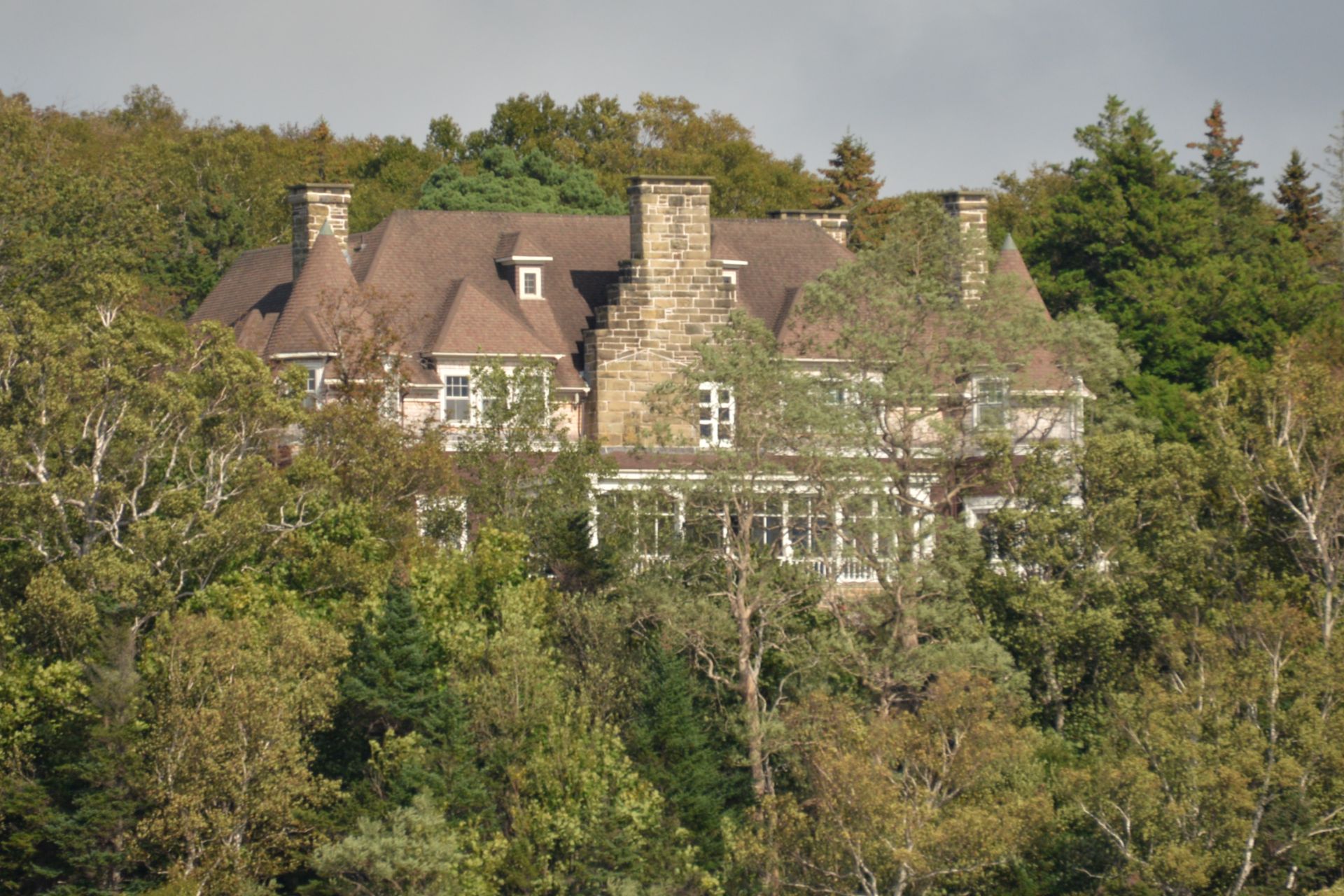
Alexander Graham Bell – the distinguished polymath, renowned for his multifaceted contributions to science and innovation. He dedicated a substantial portion of his later years to scholarly endeavours at Beinn Bhreagh, his esteemed estate and research center located in Baddeck.
Our stop in Baddeck would have been incomplete without a pilgrimage to the Alexander Bell Museum, a hallowed ground in the realm of knowledge. Remarkably constructed and brimming with historical treasures, it stands as a beacon of intellectual curiosity. I wholeheartedly recommend a visit to this institution, where an assortment of artifacts and exhibitions awaits.

For us, practitioners of the marine sciences and sailors, the museum offered a captivating exploration into the realm of marine engineering. Among the intriguing exhibits, hydrofoils took center stage. A hydrofoil, for the uninitiated, assumes the form of a wing affixed to a watercraft. These foils, reminiscent of the wings of an aircraft, are engineered to facilitate the swift flow of water over their surfaces. At higher velocities, this hydrodynamic phenomenon begets lift, causing the vessel to transcend the aquatic medium and effectively levitate, encountering significantly reduced hydrodynamic resistance and enabling enhanced speeds.

Commencing their hydrofoil odyssey in 1911, Bell and his collaborator Casey Baldwin embarked upon a remarkable journey marked by the design, fabrication, and rigorous testing of no less than four hydrofoil prototypes over an eight-year span. Their collective endeavours bore a resemblance to the epic sagas of exploration, albeit on the aqueous stage. Simultaneously, they pursued ancillary endeavours, including the incorporation of hydrofoil technology into sailboats, truly pushing the boundaries of maritime engineering.

Their pinnacle achievement, Hydrodrome #4, colloquially known as HD-4, etched its name in the annals of aquatic velocity. On September 9, 1919, it astoundingly traversed Baddeck Bay at an astonishing 70.86 mph, effectively establishing a world speed record for waterborne craft. This record, akin to a scientific lodestar, remained unbroken for the better part of a decade, underscoring the pioneering spirit and mastery of Bell and his associates. In the domain of aquatic locomotion, HD-4 reigned supreme, shattering hydrodynamic barriers and making profound contributions to the science of hydrofoils.

Unfortunately, by that time the First World War had ended and the demand for high-speed boats capable of catching German submarines had subsided. On 2 August 1922, Alexander Graham Bell died. Cassey Baldwin continued some experiments with hydrofoils at Beinn Bhreagh, but without commercial success, they were probably made before their technological time. This success passed late into the hands of Soviet shipbuilders – my entire childhood in Ukraine was next to flotillas of hydrofoils – Meteor. Voskhod, Raketa, Volga, which were widely used for high-speed transportation along rivers and seas.

But in the world of sailing, there are now a variety of hydrofoils onboard – from foil kitesurfing to IMOCA-60 and American Cup catamarans!

Alexander Graham Bell National Historic Site
Bell’s kites
Silver Dart – made the first aircraft flight in Canada on 23 February 1909
Bell’s “Water Ears” – underwater sound transmitters and receivers
Experimenting with different propellers and biological engineering
Let’s try it!
Replica of HD-4
Foils of HD-4
Future models of hydrodromes
Original body of HD-4
Bow of HD-4
Piece of the external covering material on HD-4 wooden body
A.Bell watching HD-4 in action – he never tried it himself (but his wife Mabel did it!)
The beauty of flying at 70 knots in 1919!
HD-4 in flying mode during trials of the British Admiralty Commission
Despite of success of HD-4, there were no future developments, the WWI was over… these words A.Bell said regarding the HD-4 development.
Experiments of C.Baldwin with using hydrofoil on sailboats

Model of Canadian Navy hydrofoil target
Models of Hydrofoil train and torpedo
Model of Comox Torpedo
The Bells of Baddeck
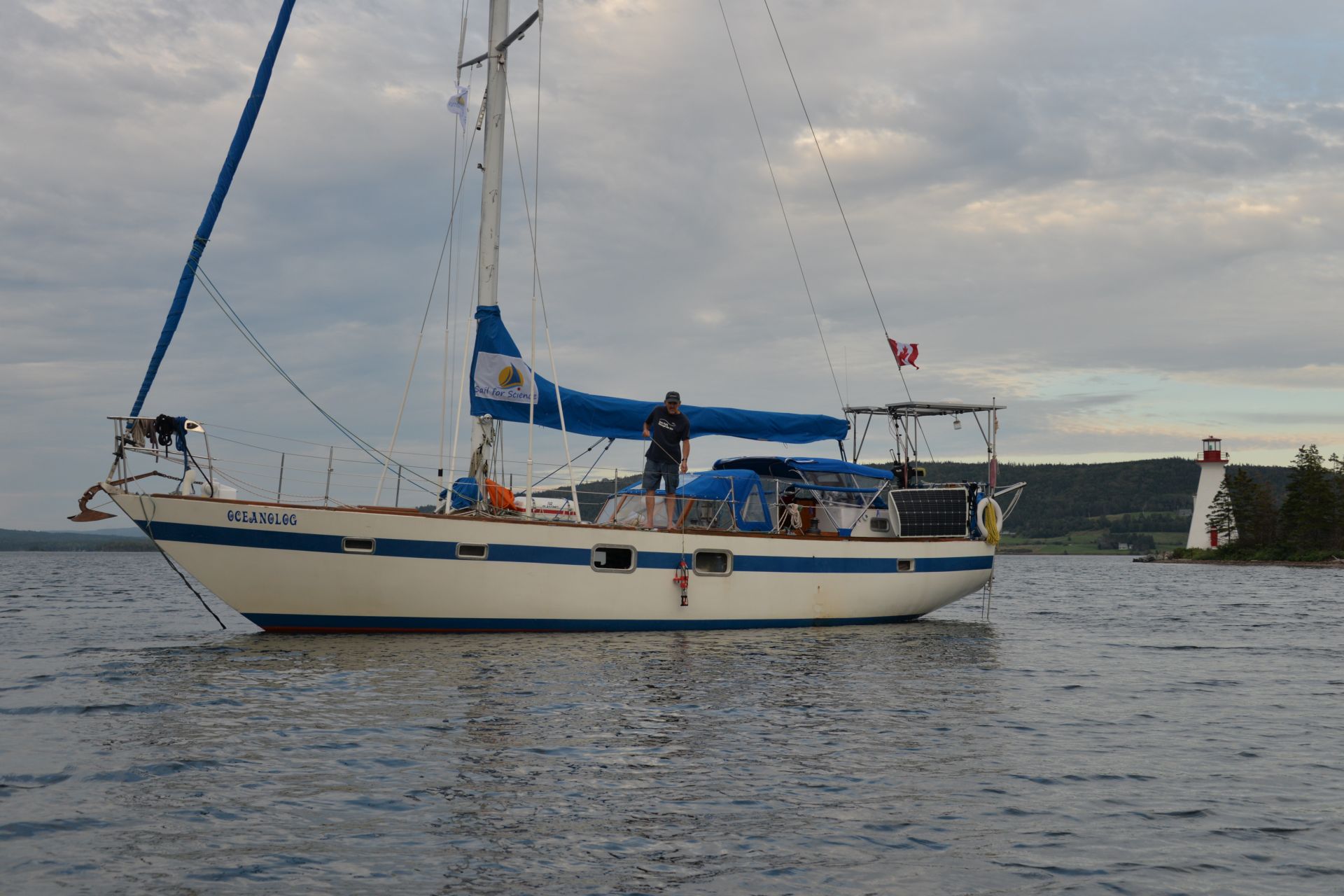
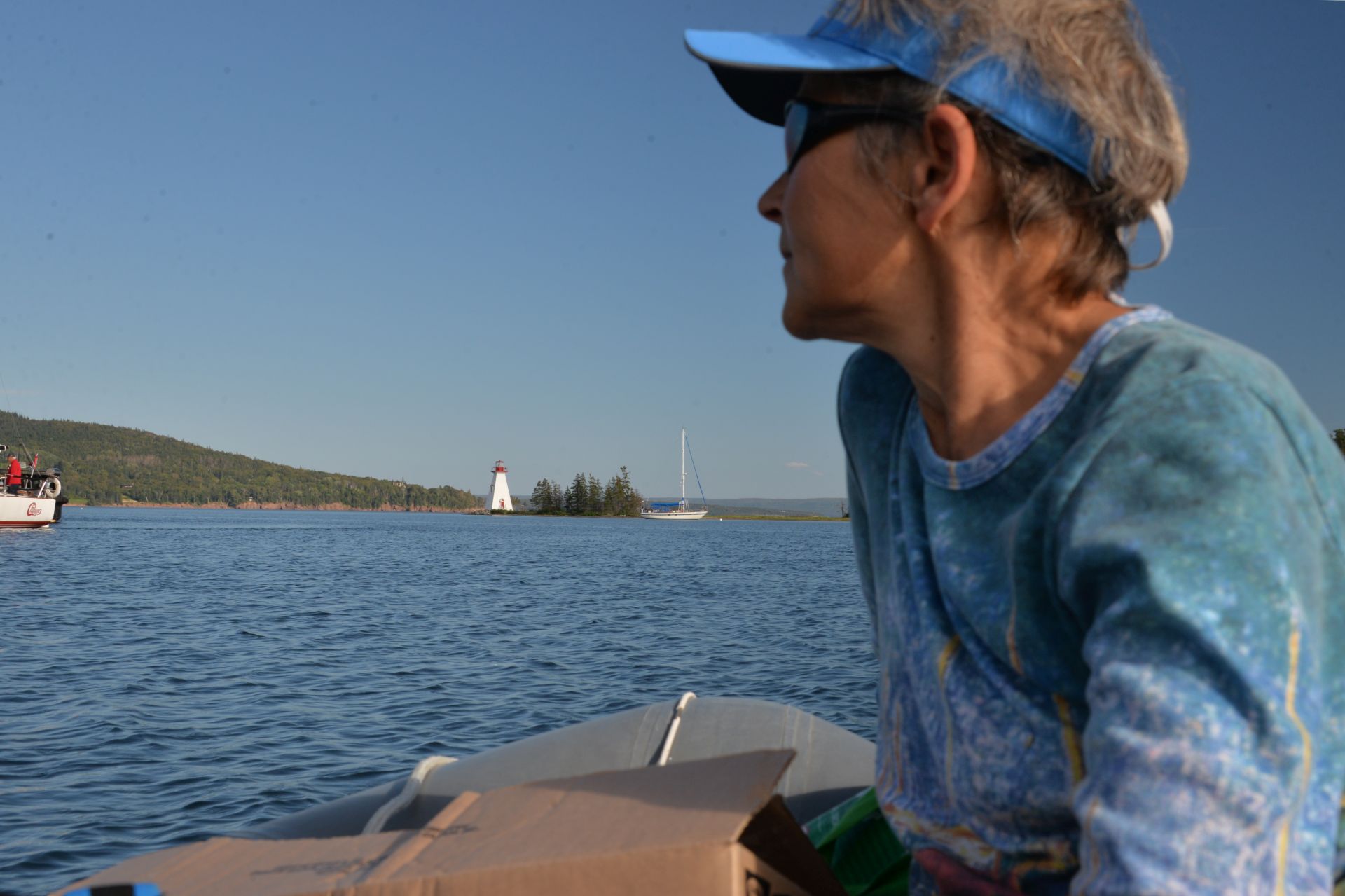
We, Museum, Lighthouse and Oceanolog

Tropical Storm Lee

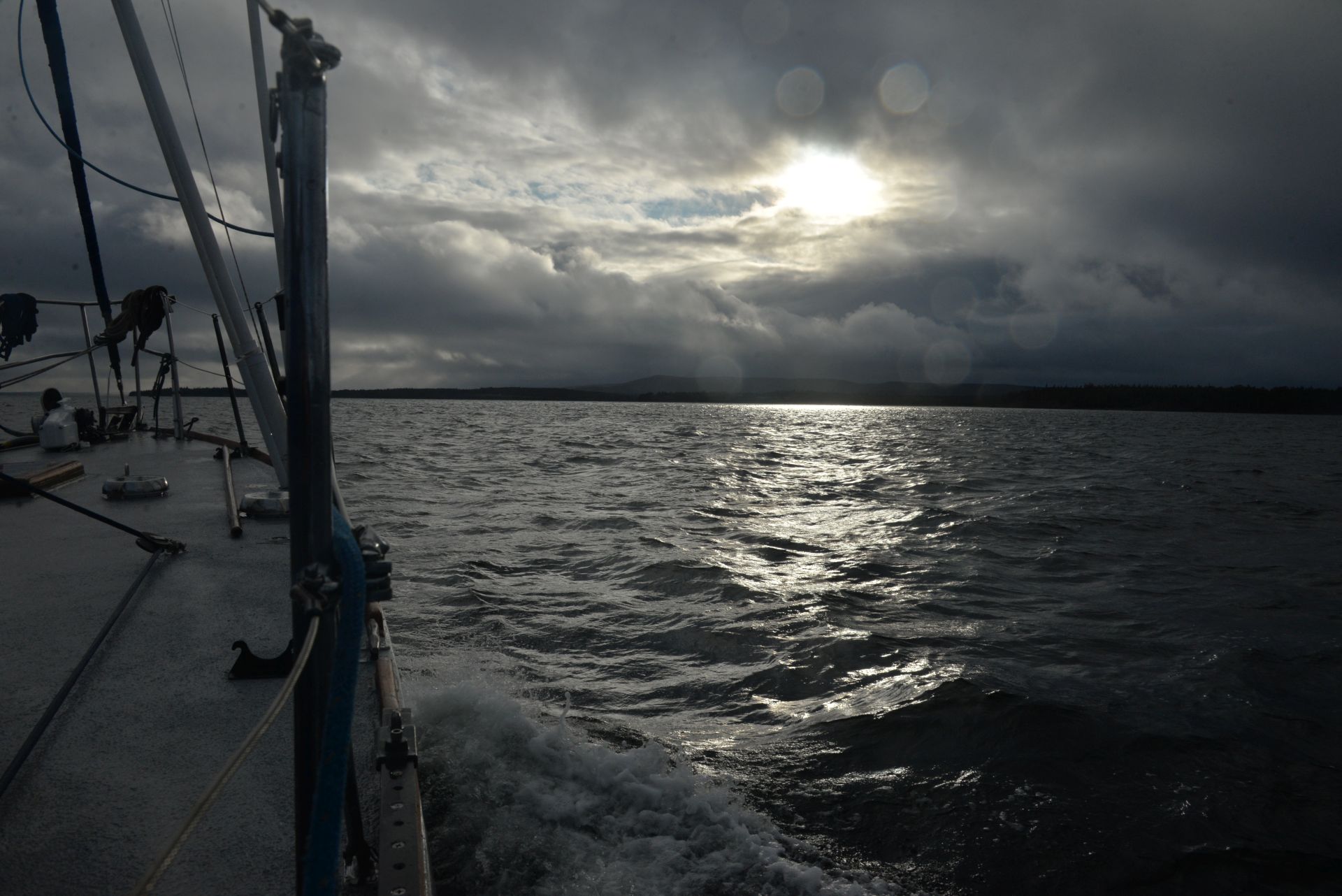
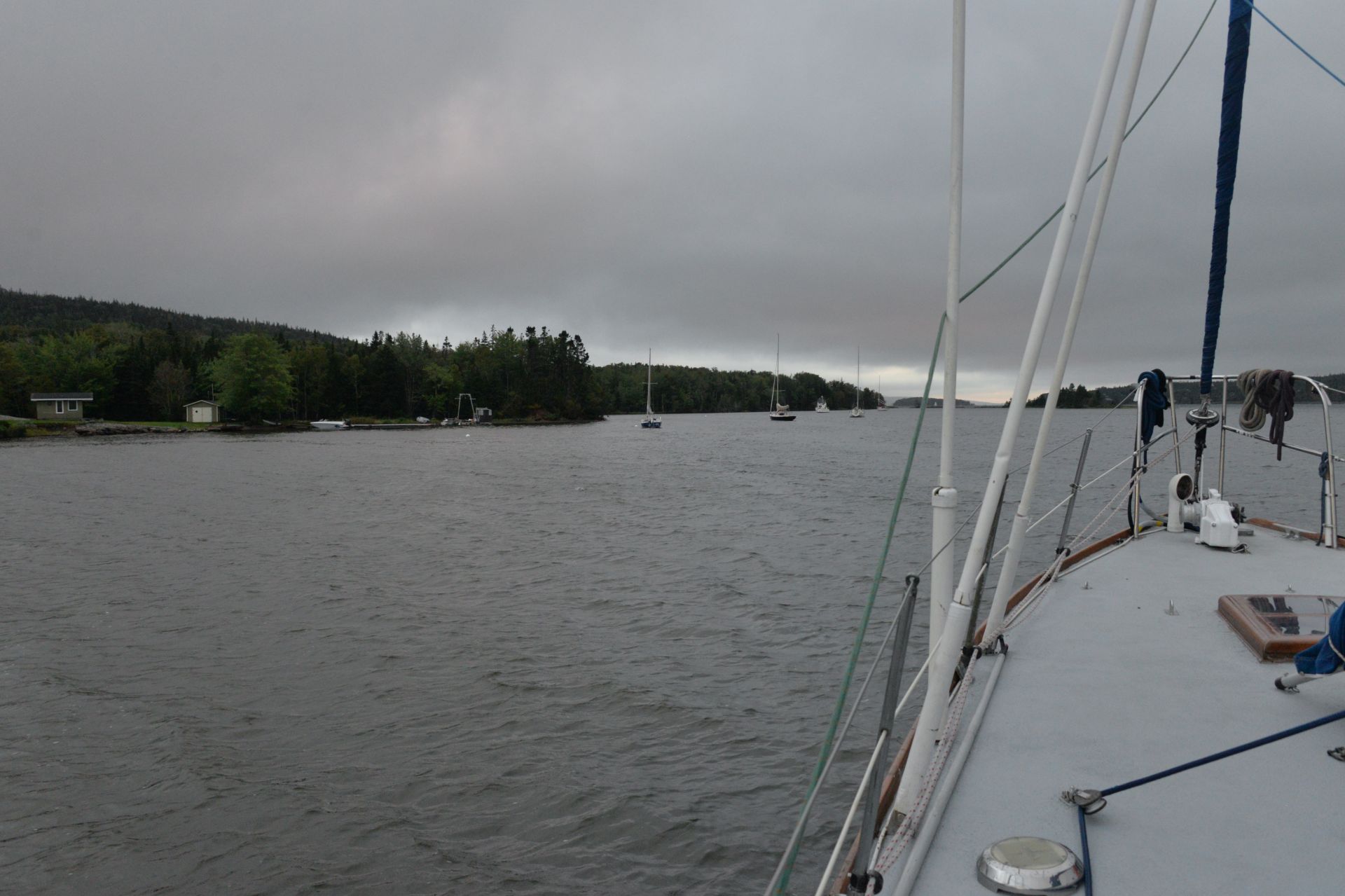
The first night after Tropical Storm Lee made landfall in Nova Scotia was filled with a sense of apprehension, expecting the worst. Fortunately, we made the wise decision to leave the dock and seek refuge at the mooring buoy. The wind shifted from SE to SW as the boat began to sway with the wind and jostle on the waves. Strong gusts of wind rattled and groaned through the rigging.

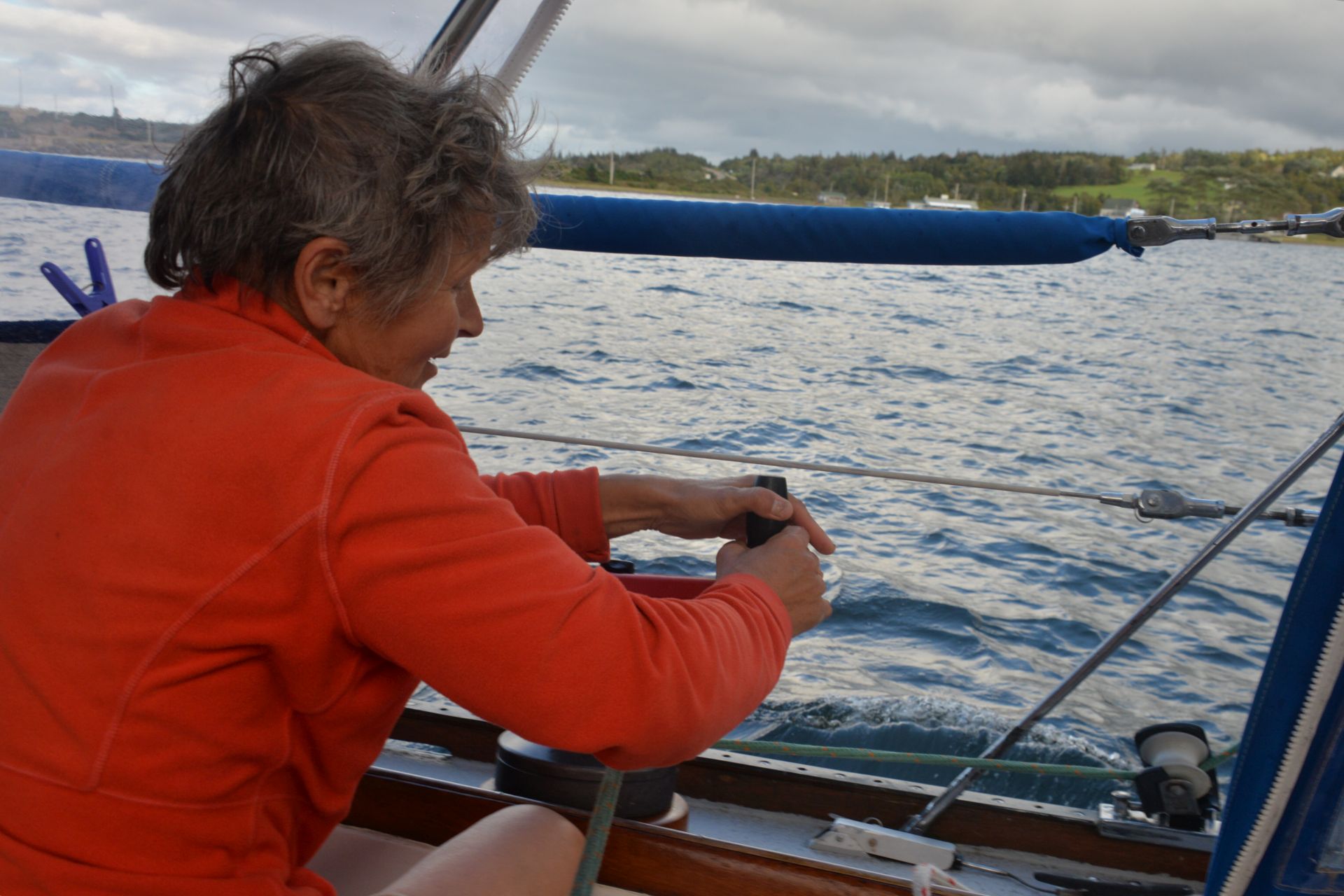
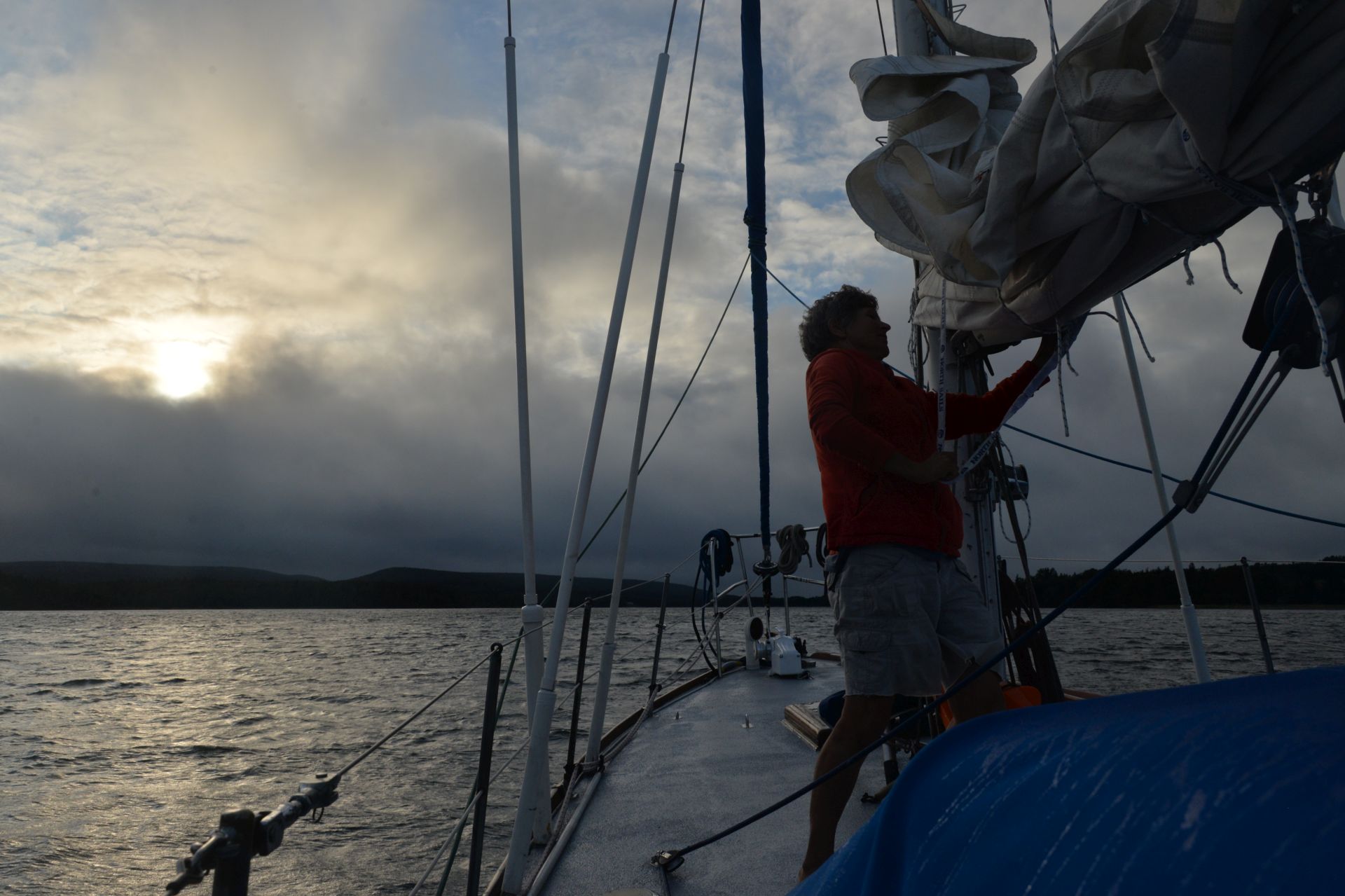
The remaining impact of the storm was manageable; nothing was seriously damaged, just a few bolts had come loose, and our bimini’s clear film was slightly torn. I took care of tightening the bolts, while Iryna skillfully repaired the torn screen. Both of us emerged from this storm with a mild sense of trepidation, but ultimately unharmed. 🙂

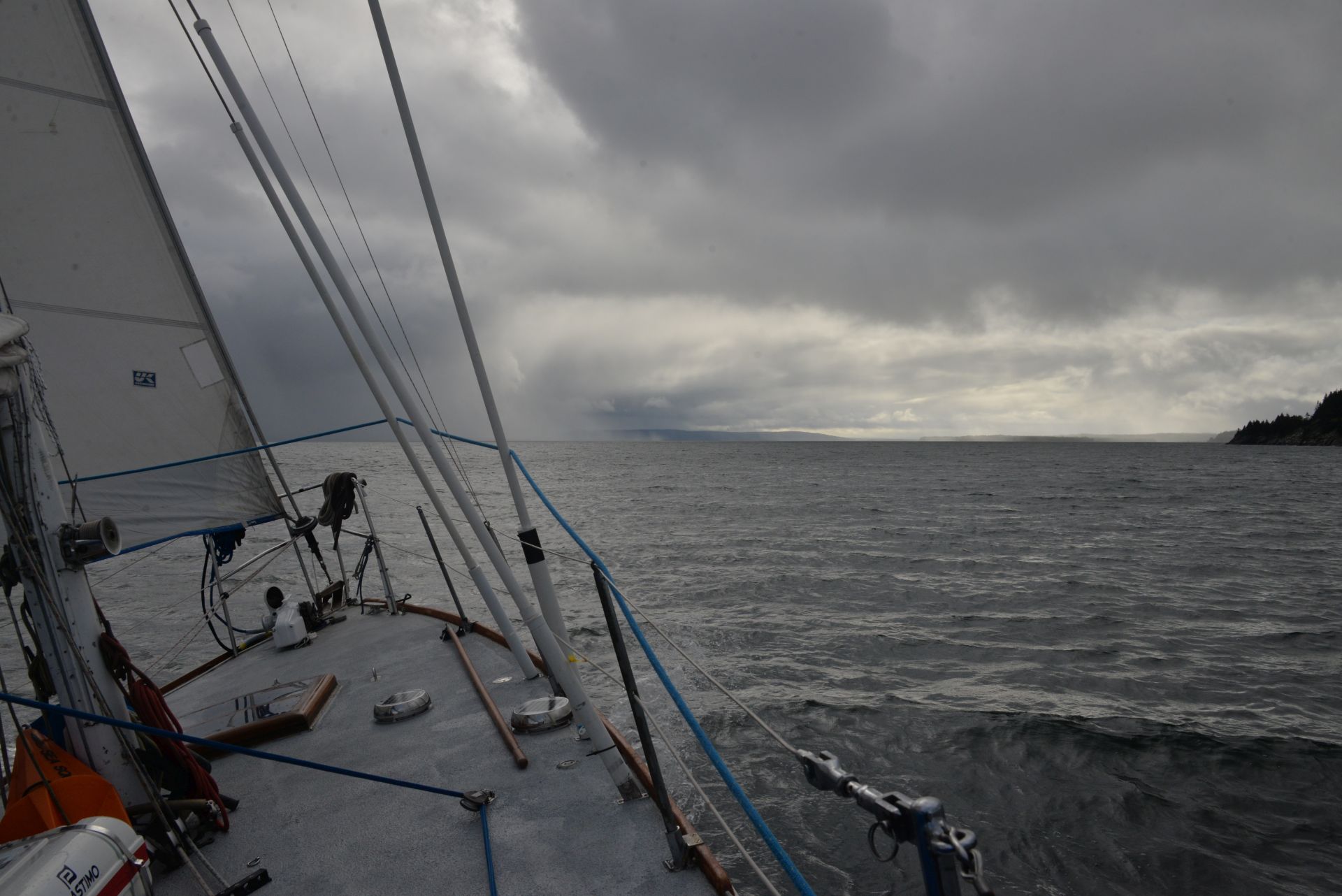
SW wind with waves coming to the harbour
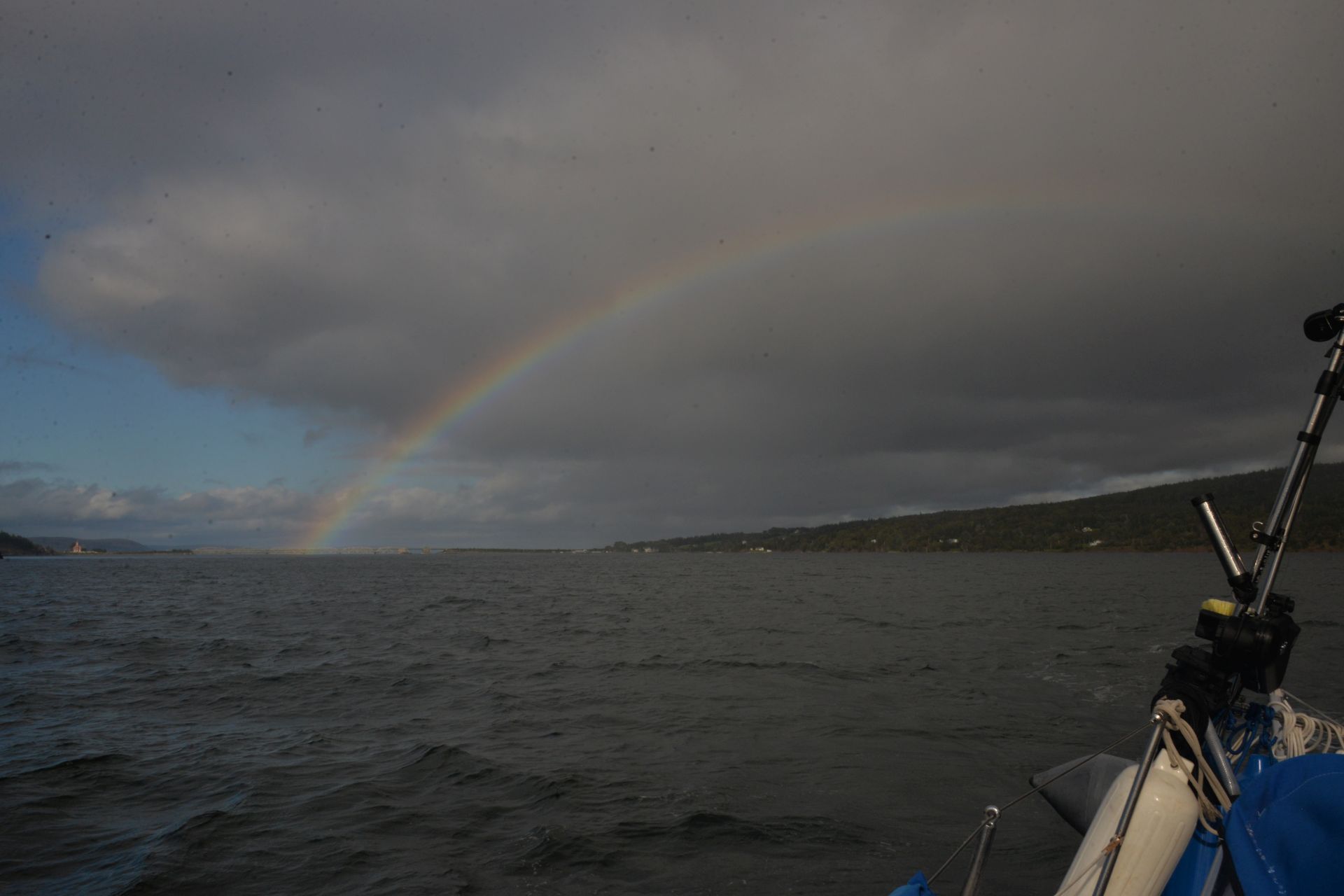
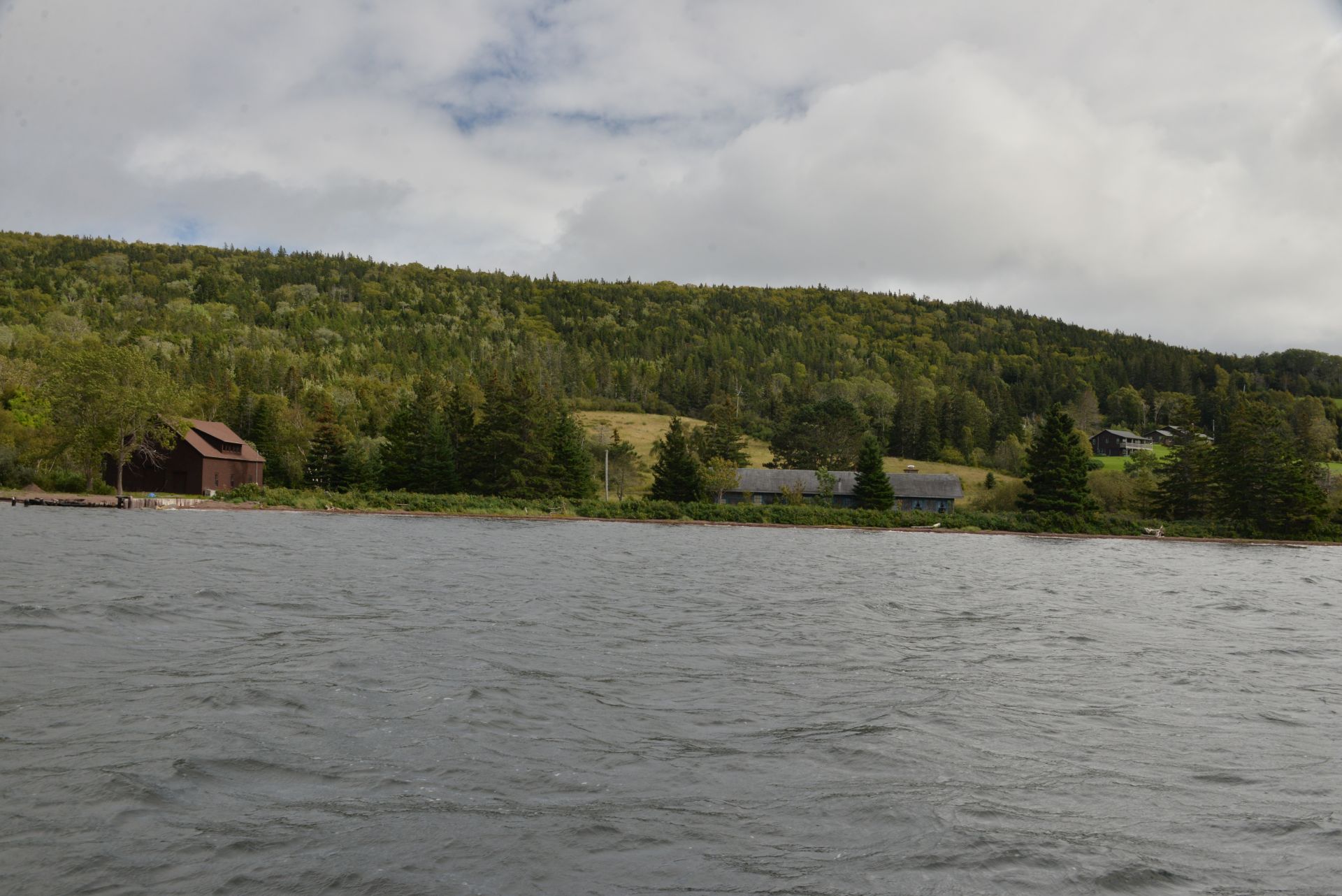
Stormy Bras d’Or Lake behind the Kidston Island, we are in a safe zone
Signs of coming better weather
Fixing the impact of the storm.

Bad docking in Baddeck

We spent the rest of our day in Baddeck, strolling around the town and visiting the theatre, located in a former Masonic lodge. The play was called “The Hydrofoil Mystery,” and it revolved around (you guessed it!) Alexander Graham Bell and his attempt to conquer the high seas with a hydrofoil hydroplane during the First World War. The production was so good that even the seagulls took a break from their squawking to watch. We highly recommend it, especially if you’re a fan of Canadiana with a splash of drama.

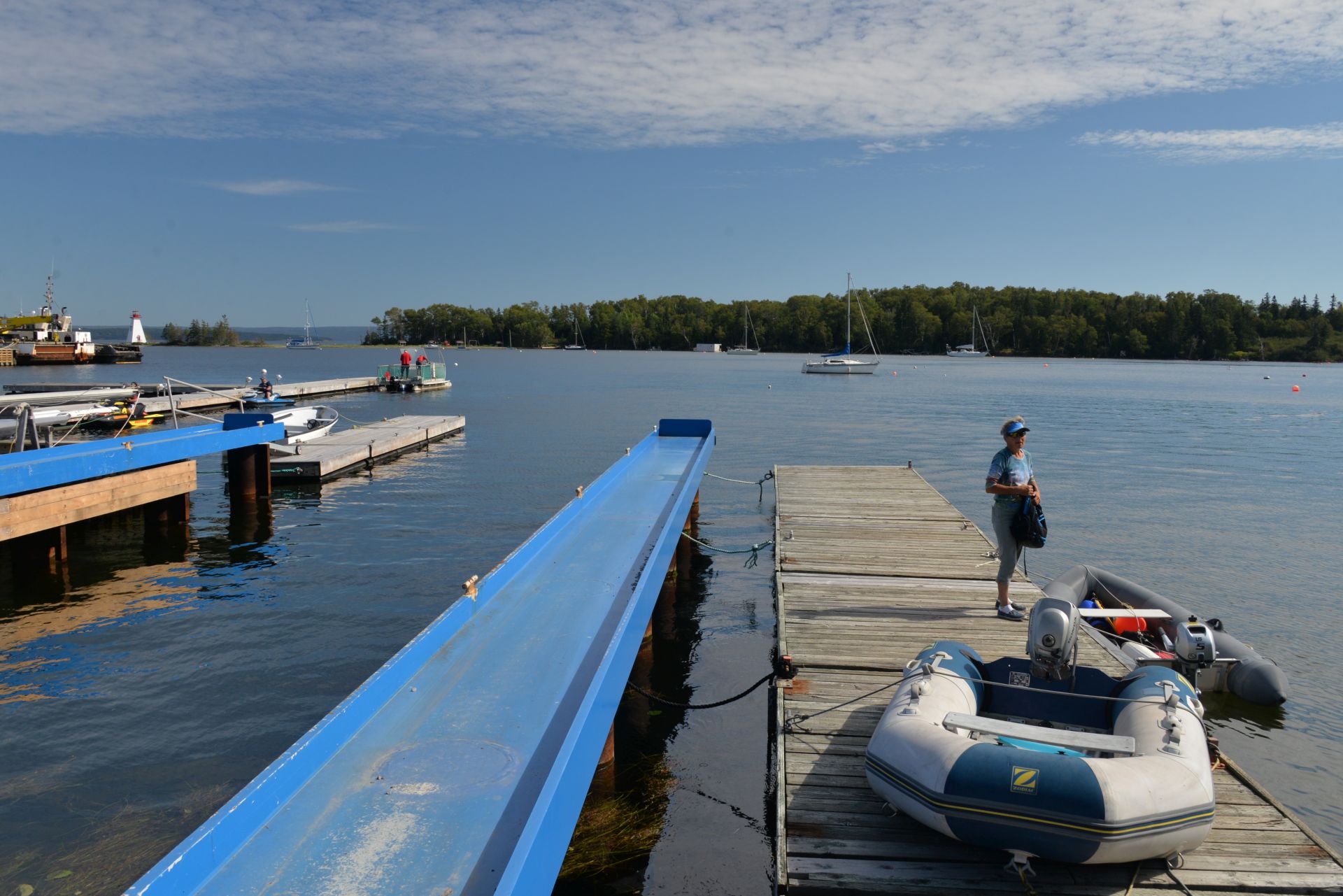
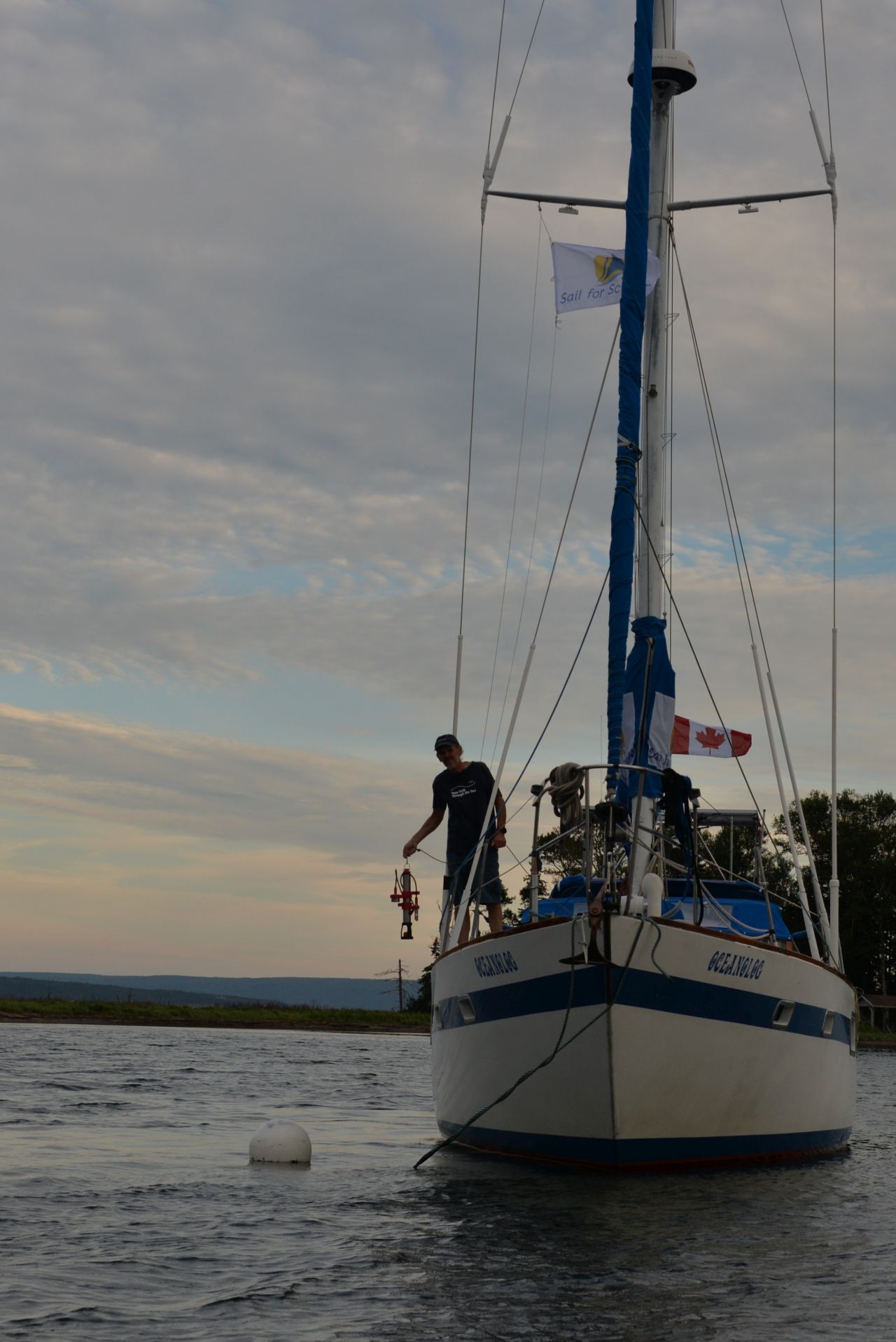
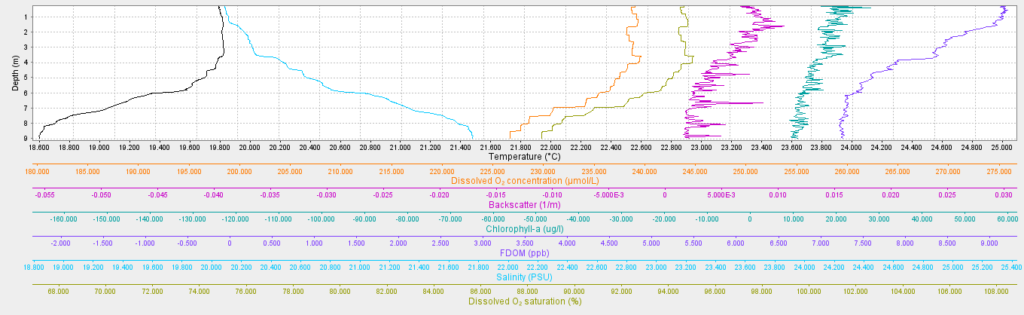
The night turned into a hilarious game of bumper boats as we predictably bumped into the dock repeatedly. It was like a nautical version of a ping-pong! In the morning, we decided it was time to give the dock a break and moved our sailboat to the opposite side of the dock, where it was sheltered from the wind. I also performed a CTD-cast, which is basically a deep-sea dance move, and we finally treated ourselves to a much-needed shower (trust me, our fellow sailors appreciated it) and washed our clothes. Who knew that laundry could be an adventure at sea?

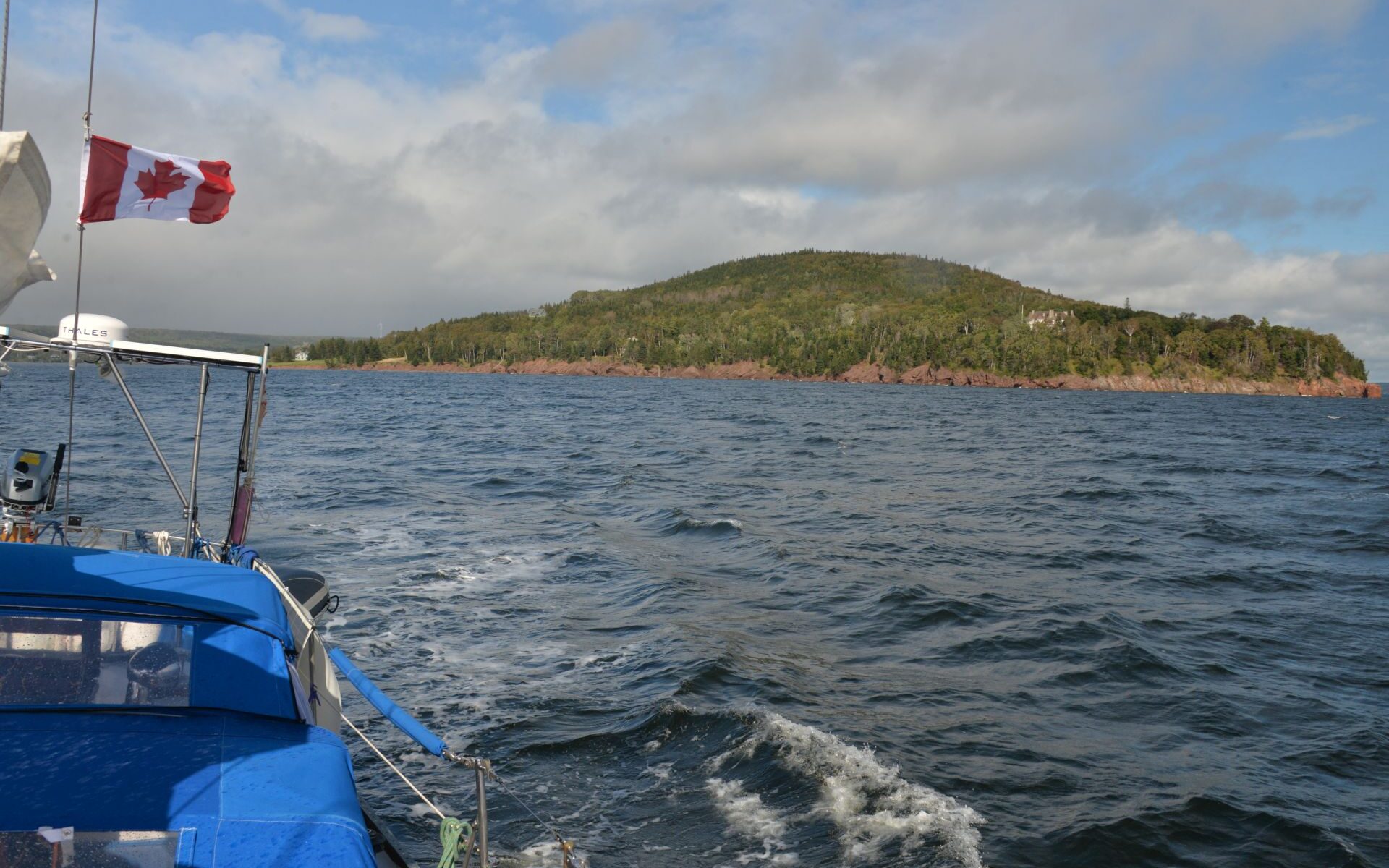
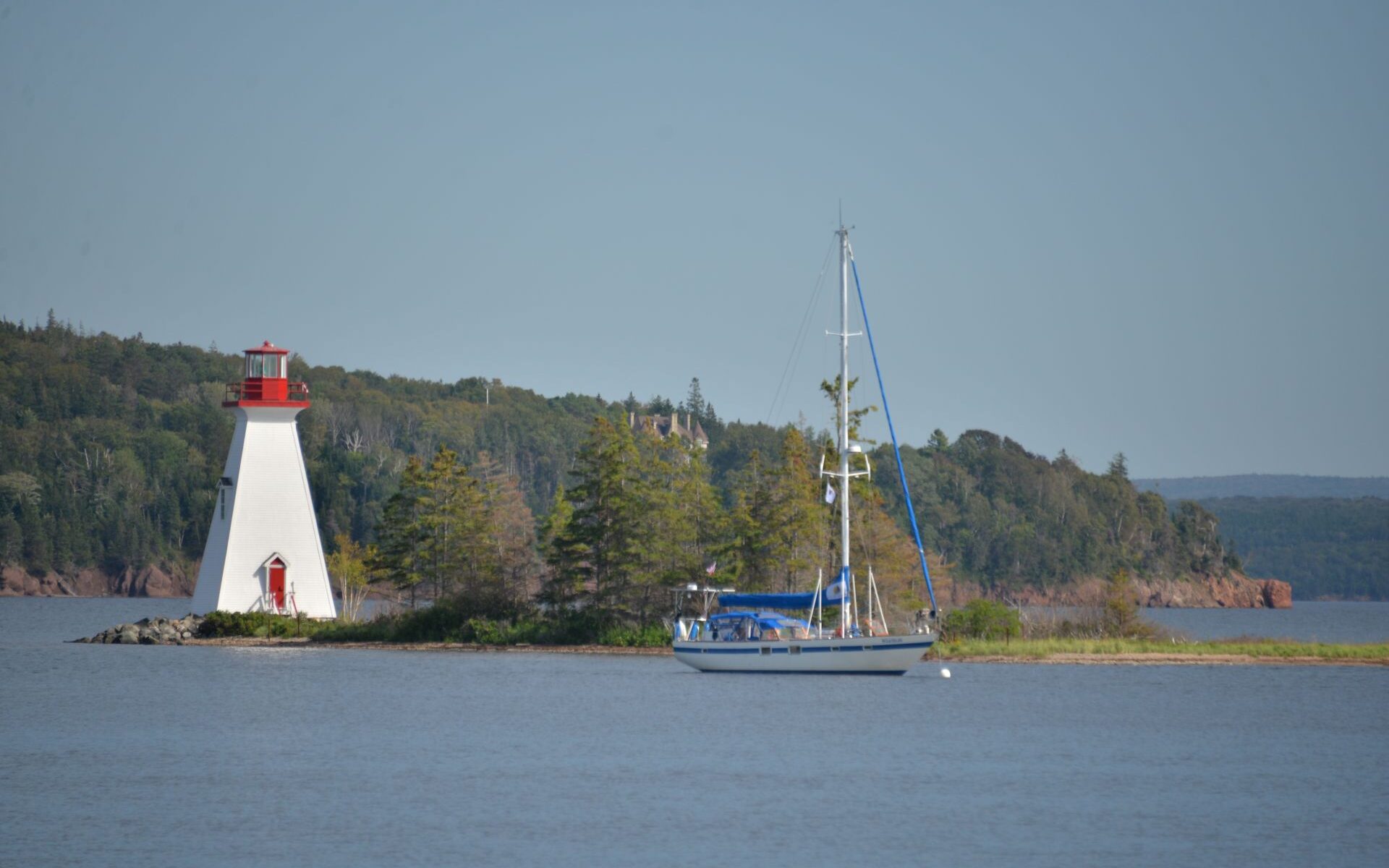
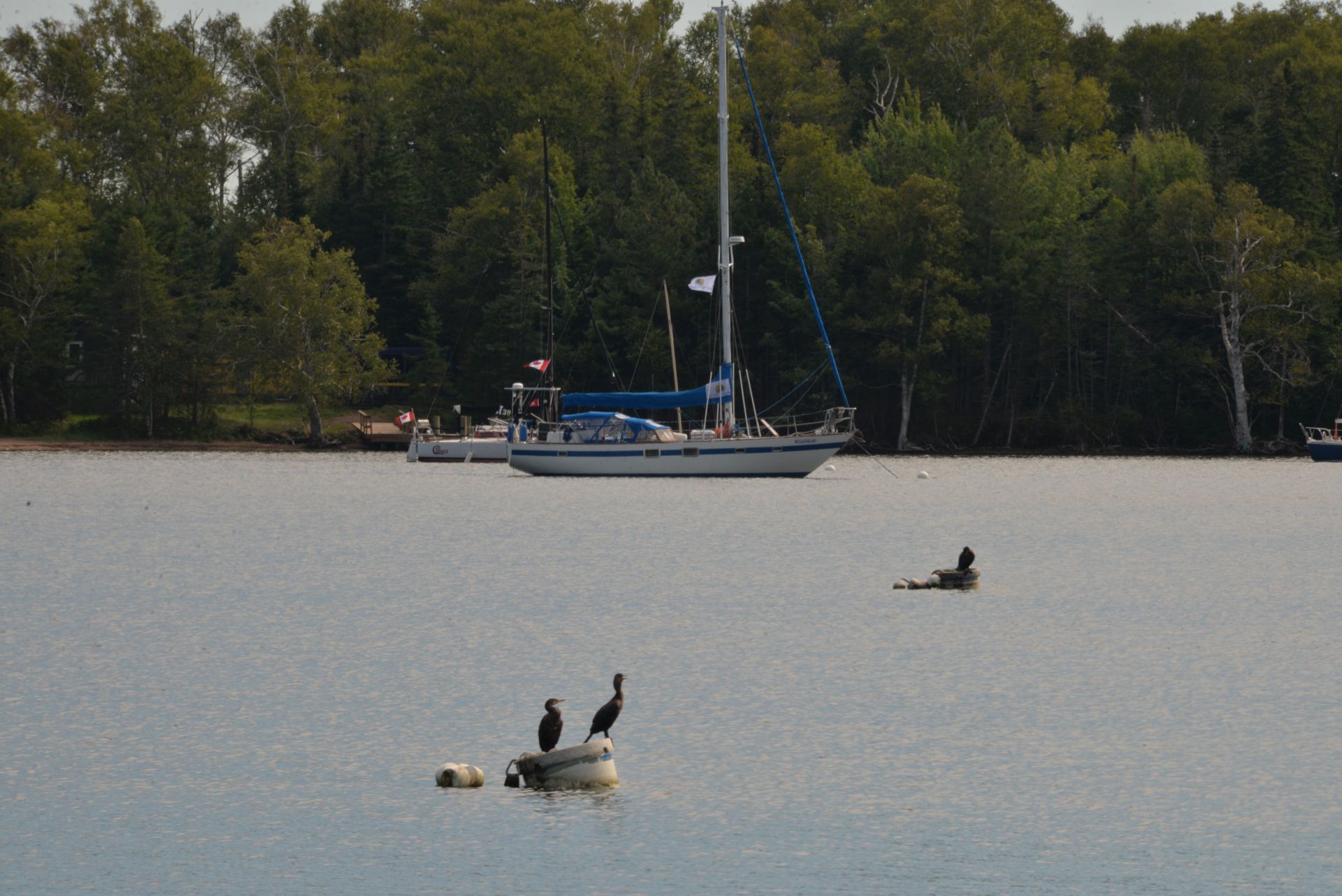
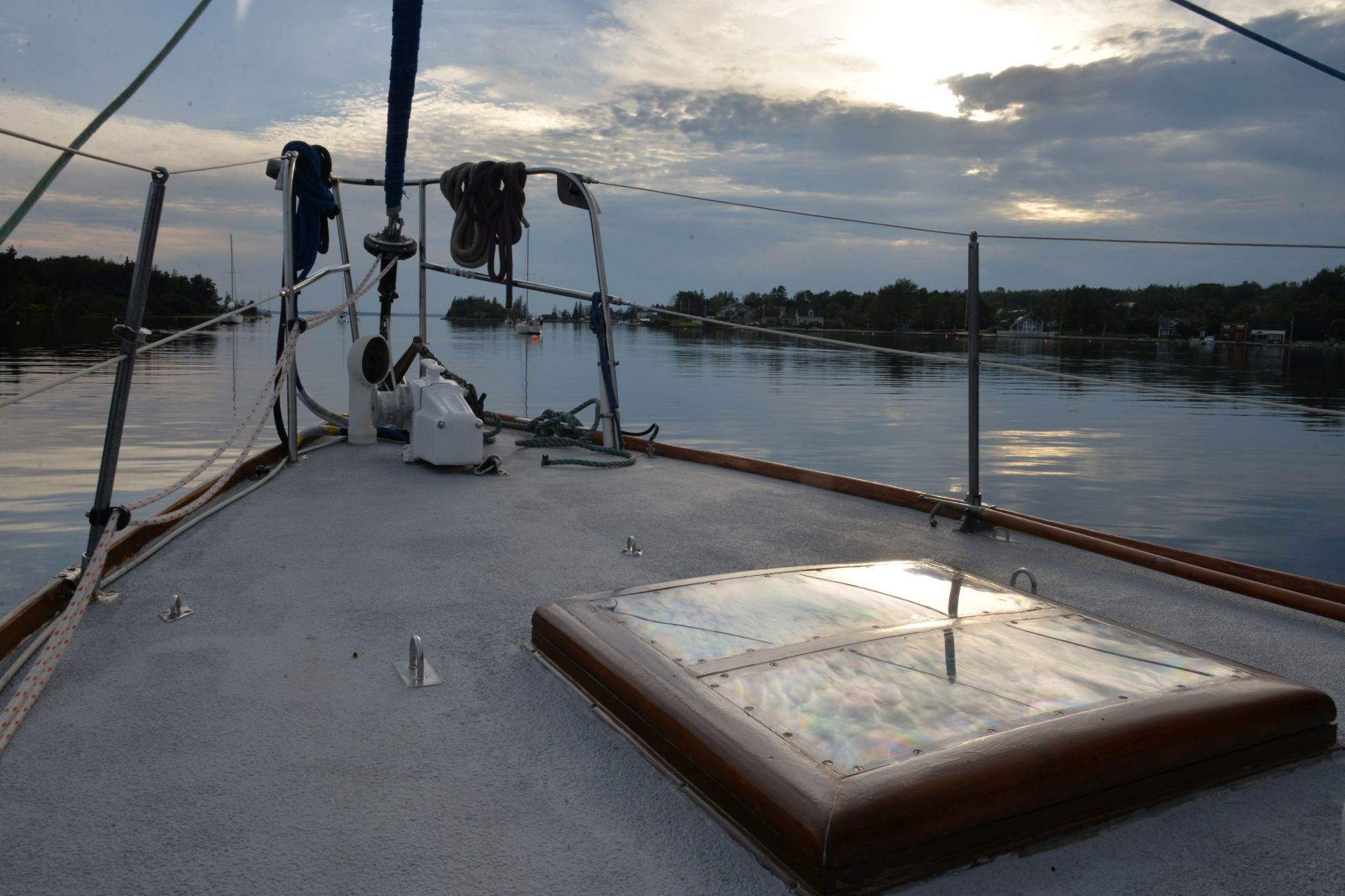
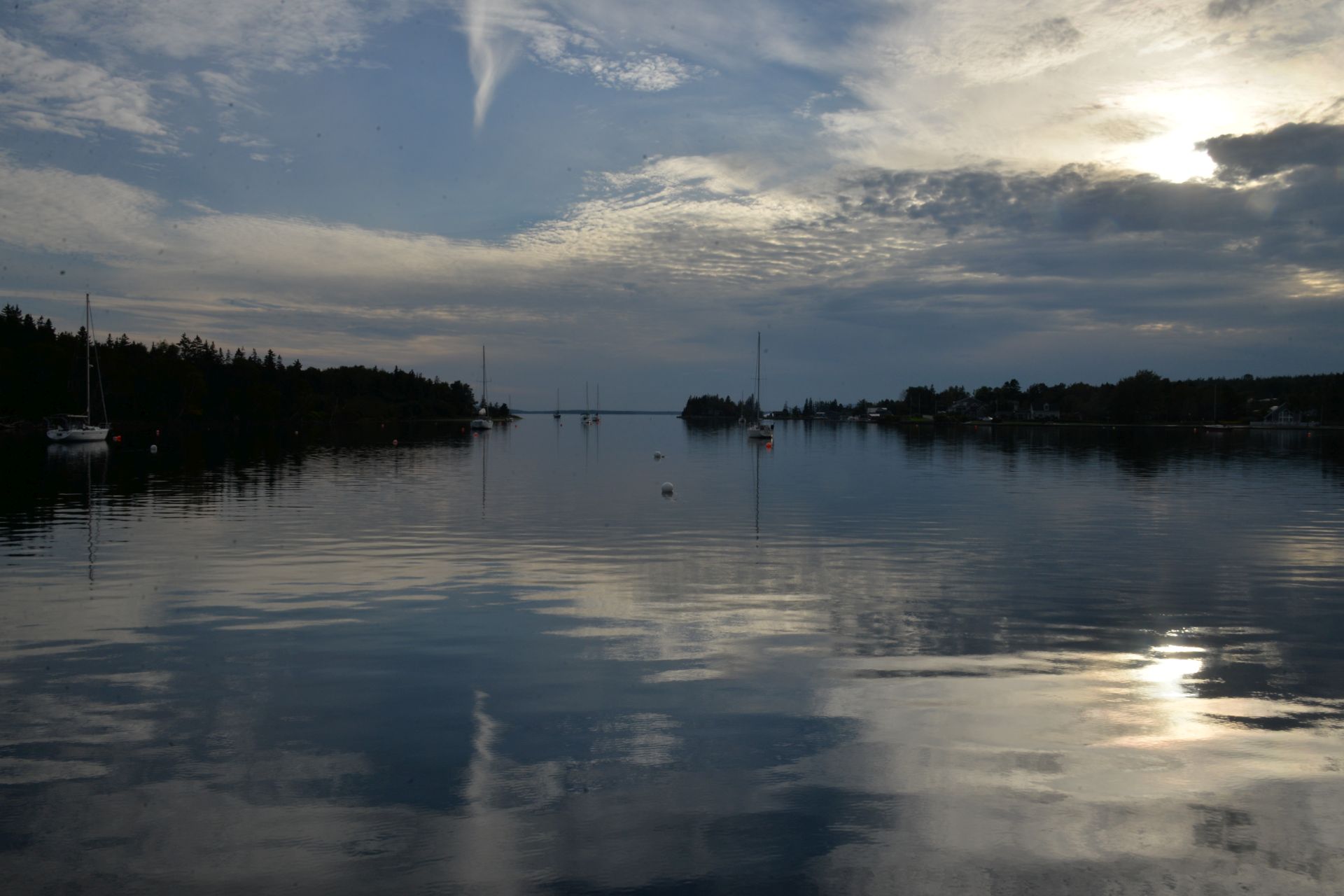
After a hearty lunch, the weather forecast delivered the news that standing at the dock would be about as wise as trying to juggle jellyfish. So, with a sense of adventure and a touch of panic, we decided to set sail and move across the harbour to a mooring buoy near the lighthouse, where we’d be protected from the southern winds. Arriving in the evening, we prepared dinner and celebrated the second month of our journey. It’s amazing how long two months can feel when you’re navigating the high seas, but every day brings new surprises – like discovering that we’re actually quite talented at unintentional dock ping-pong!

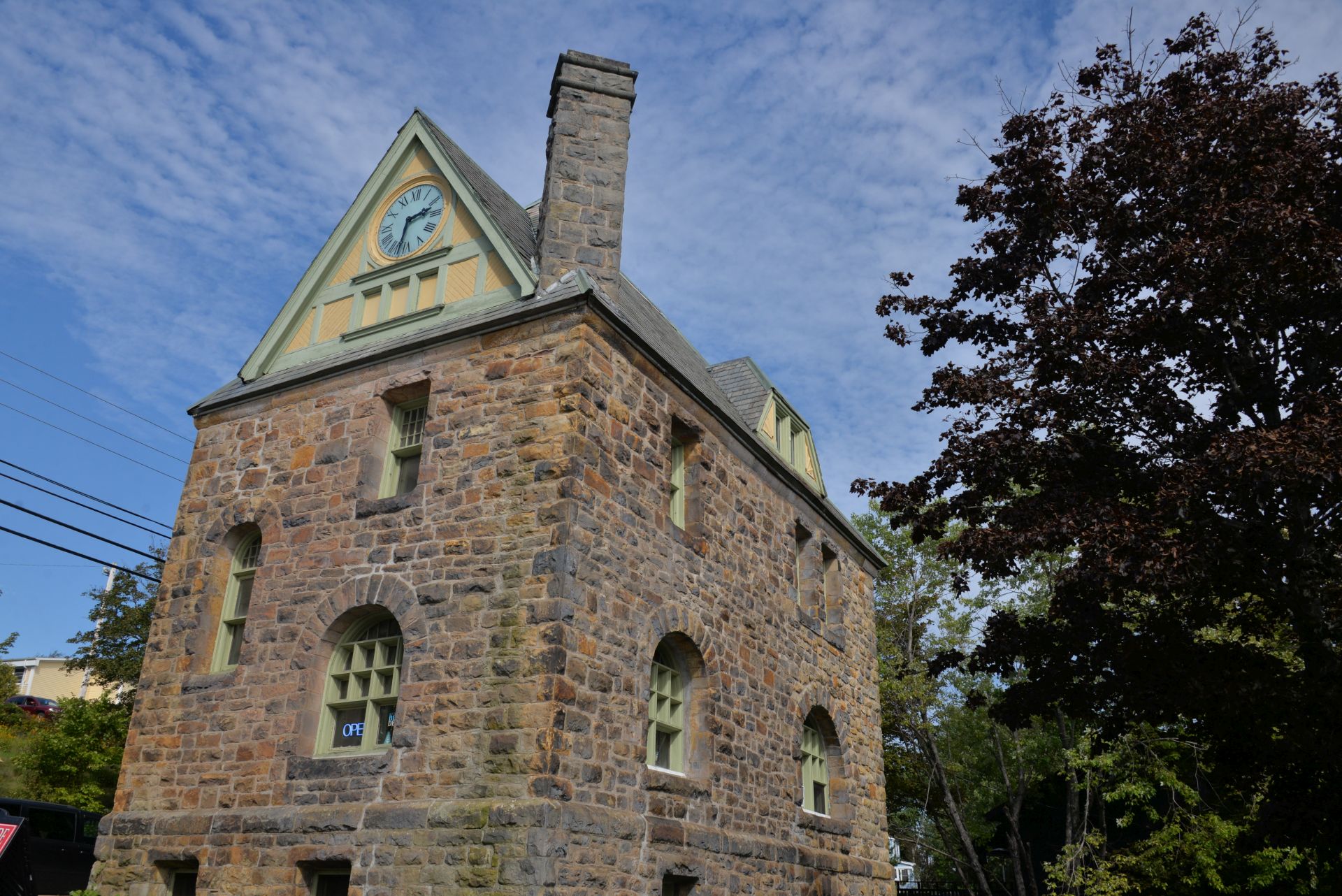
Near Victoria County government office
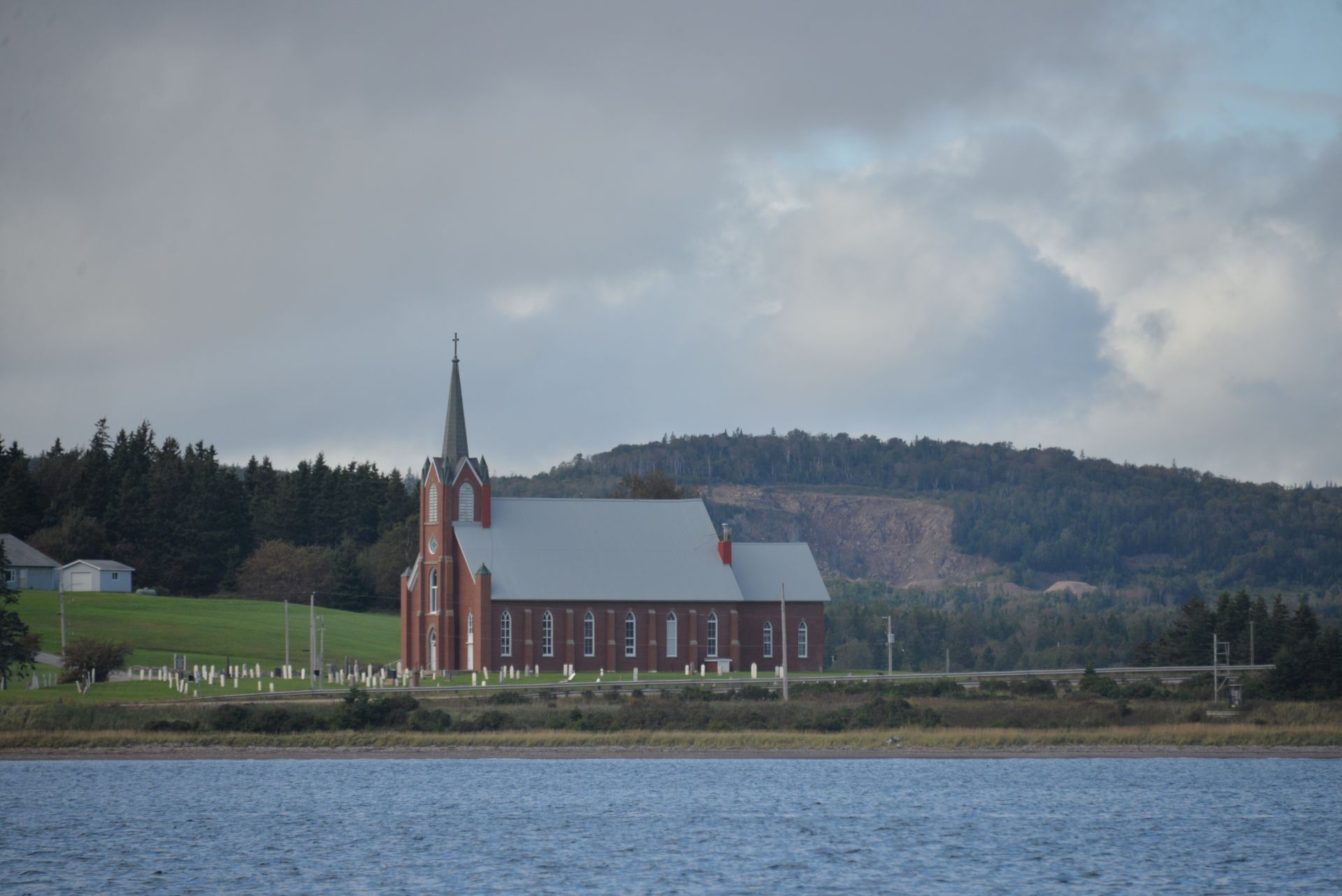
St.Michael Catholic Church
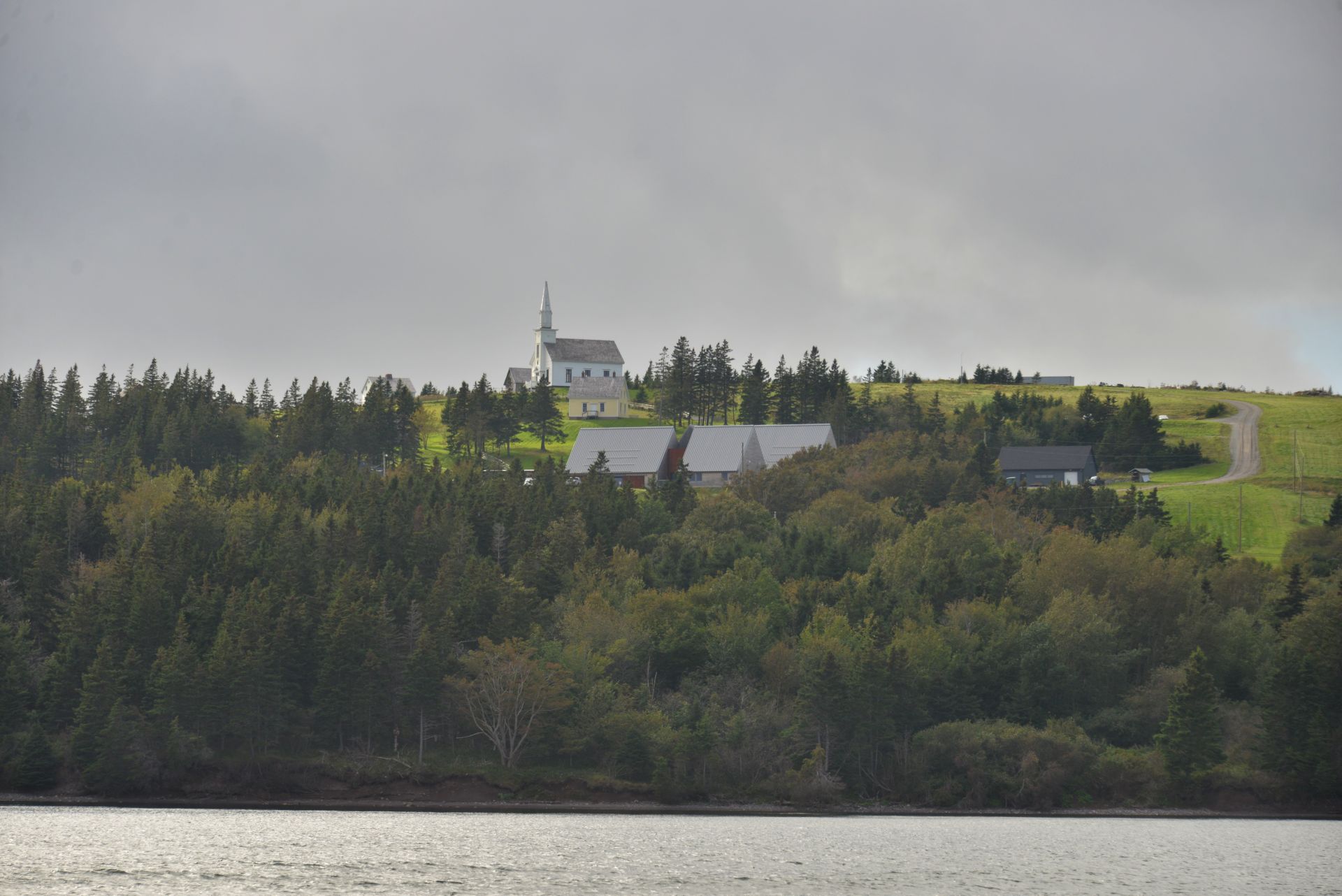
Another church
The Monument, commemorating the First Aeroplane Flight in the British Empire in 1909
Maritime gifts
Greenwood United Church
Baddeck Theatre (ex Masonic Lodge)
The Hydrofoil Mystery
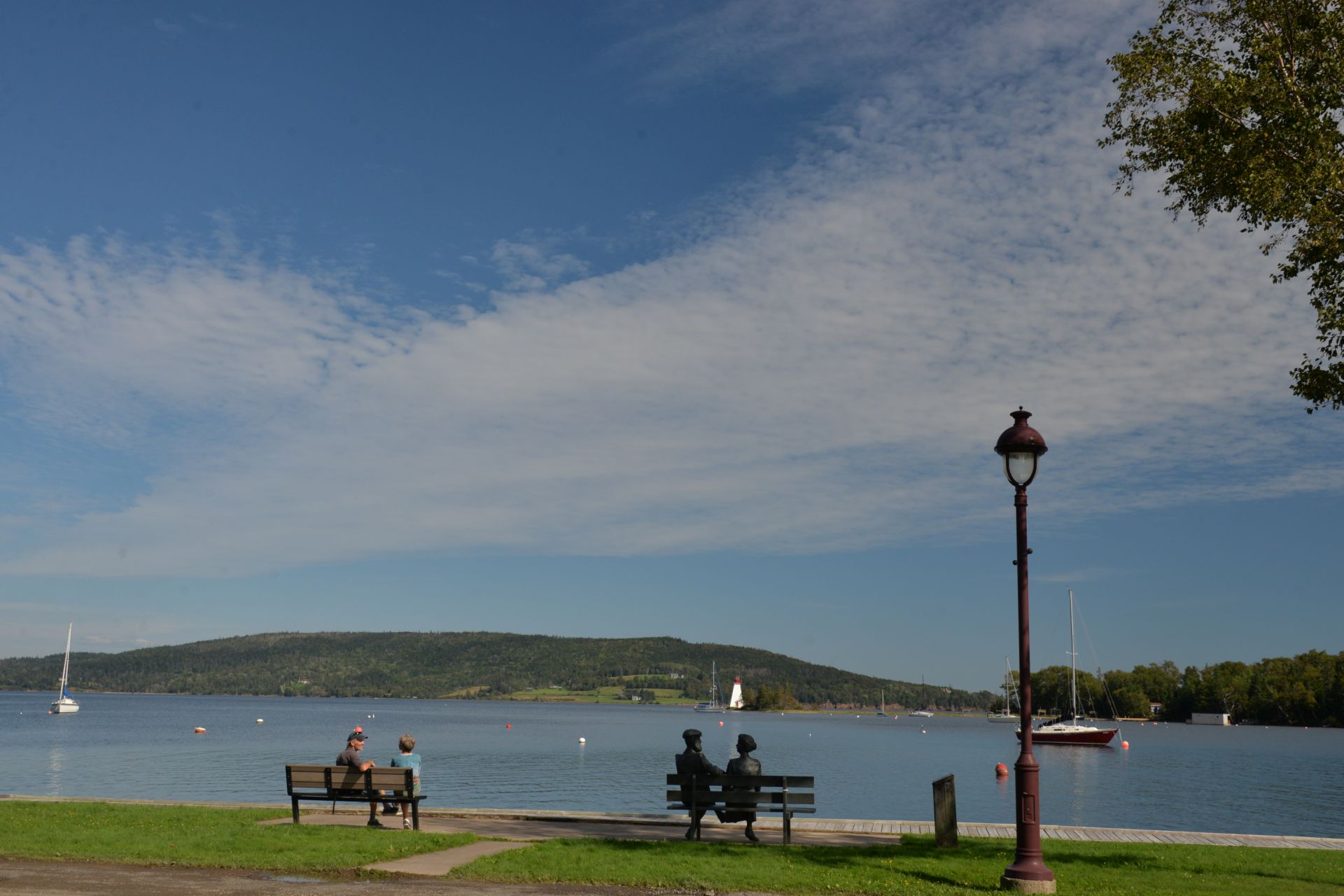
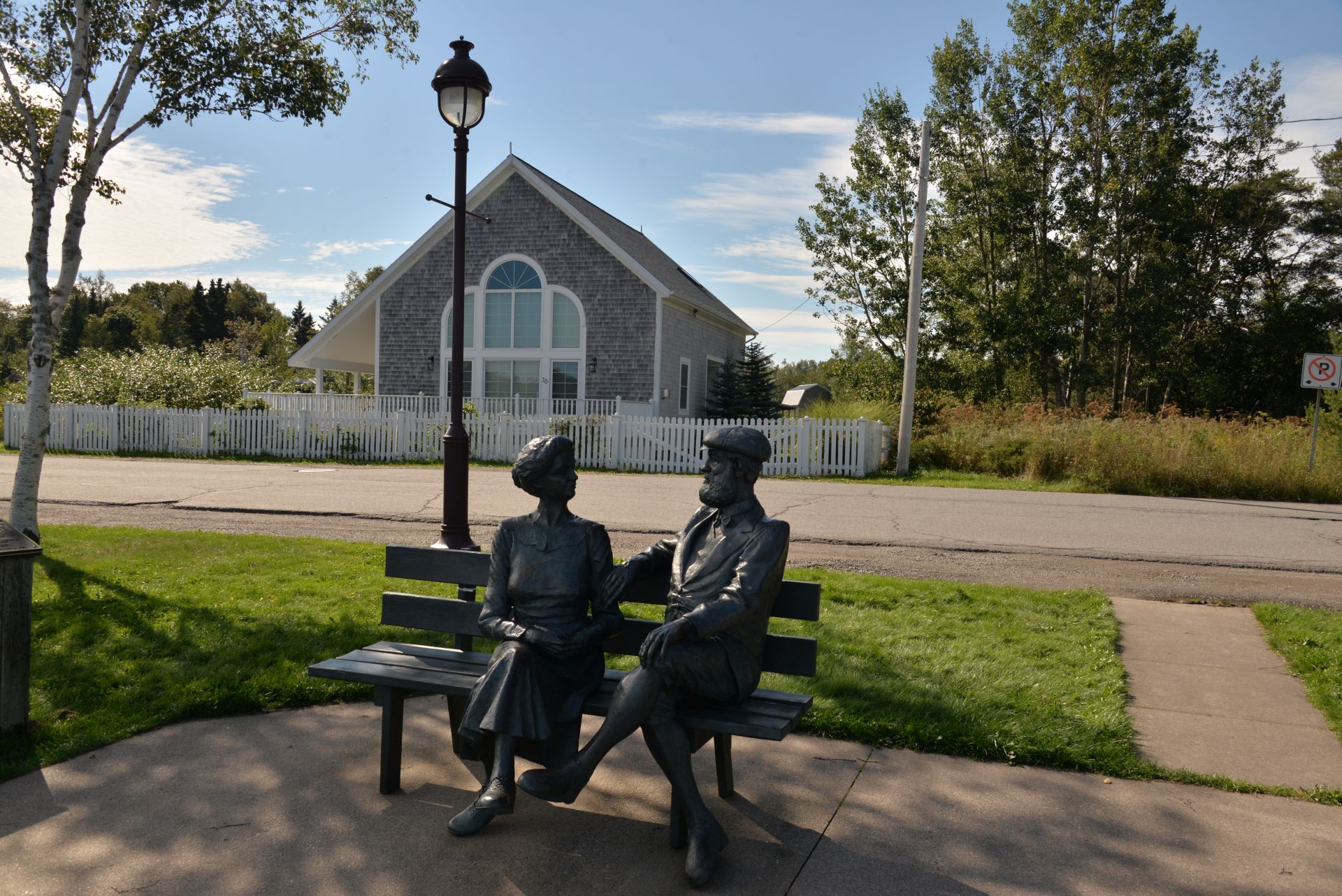
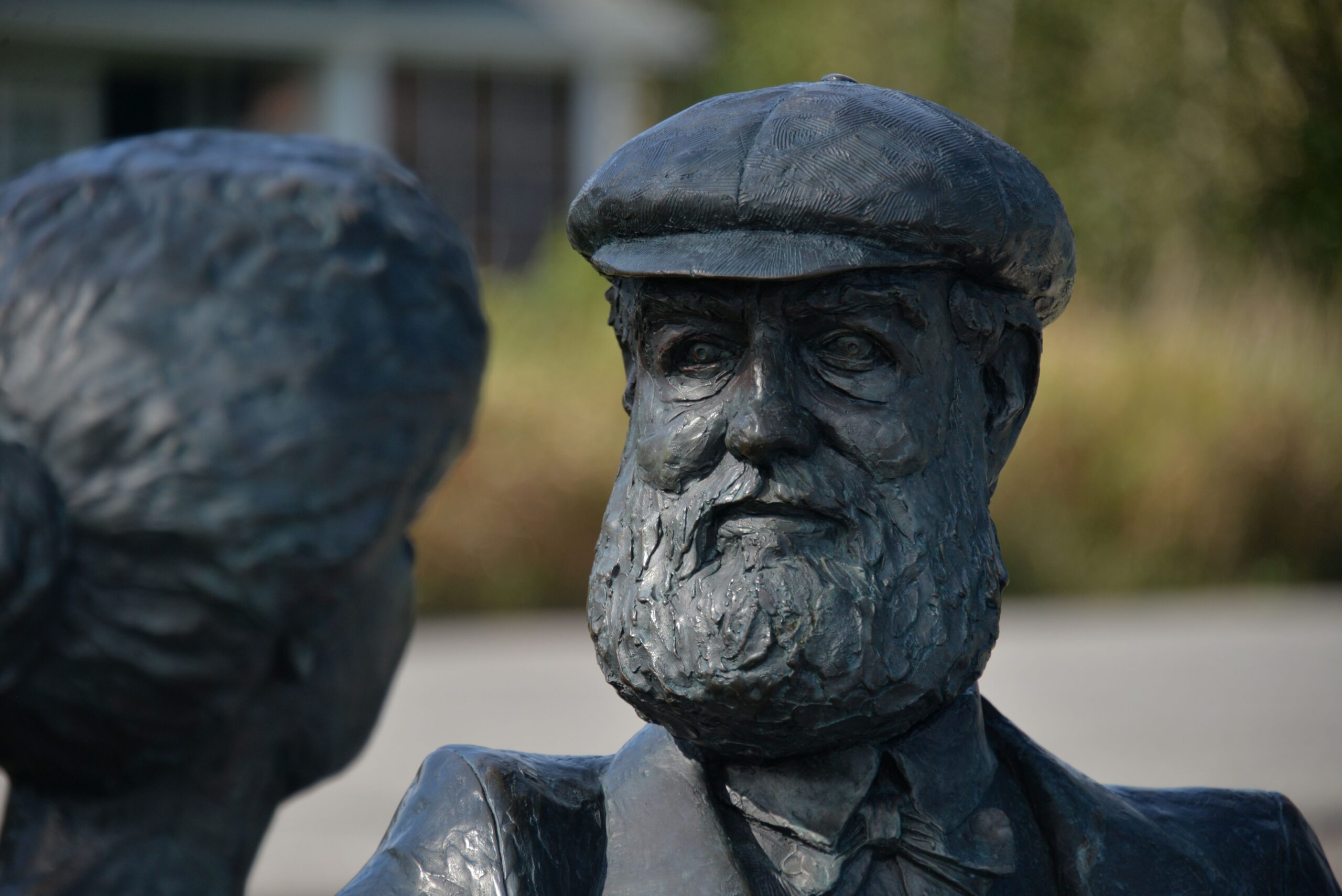
Alexander and Mabel Bells
Redocked
Pirates of the Caribbean are waiting for us
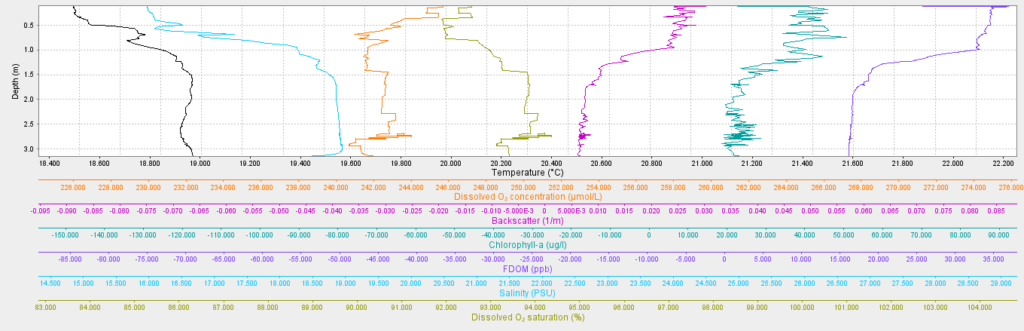
CTD cast in the Baddeck Publick Wharf
The plot of CTD cast data shows the halocline advancing thermocline at 4.5m with increasing of oxygen concentration with depth and decreasing of transparency and fDOM
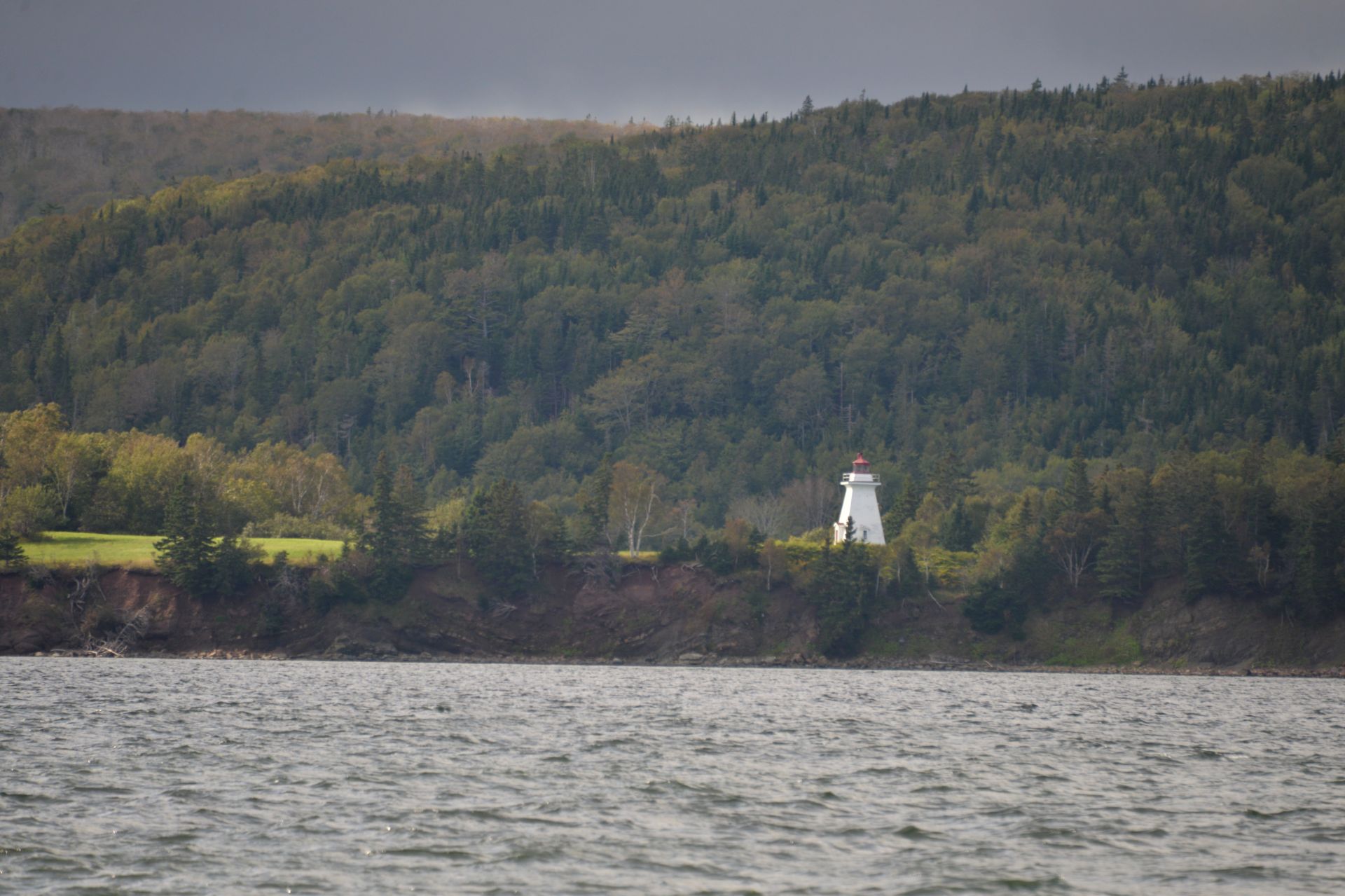
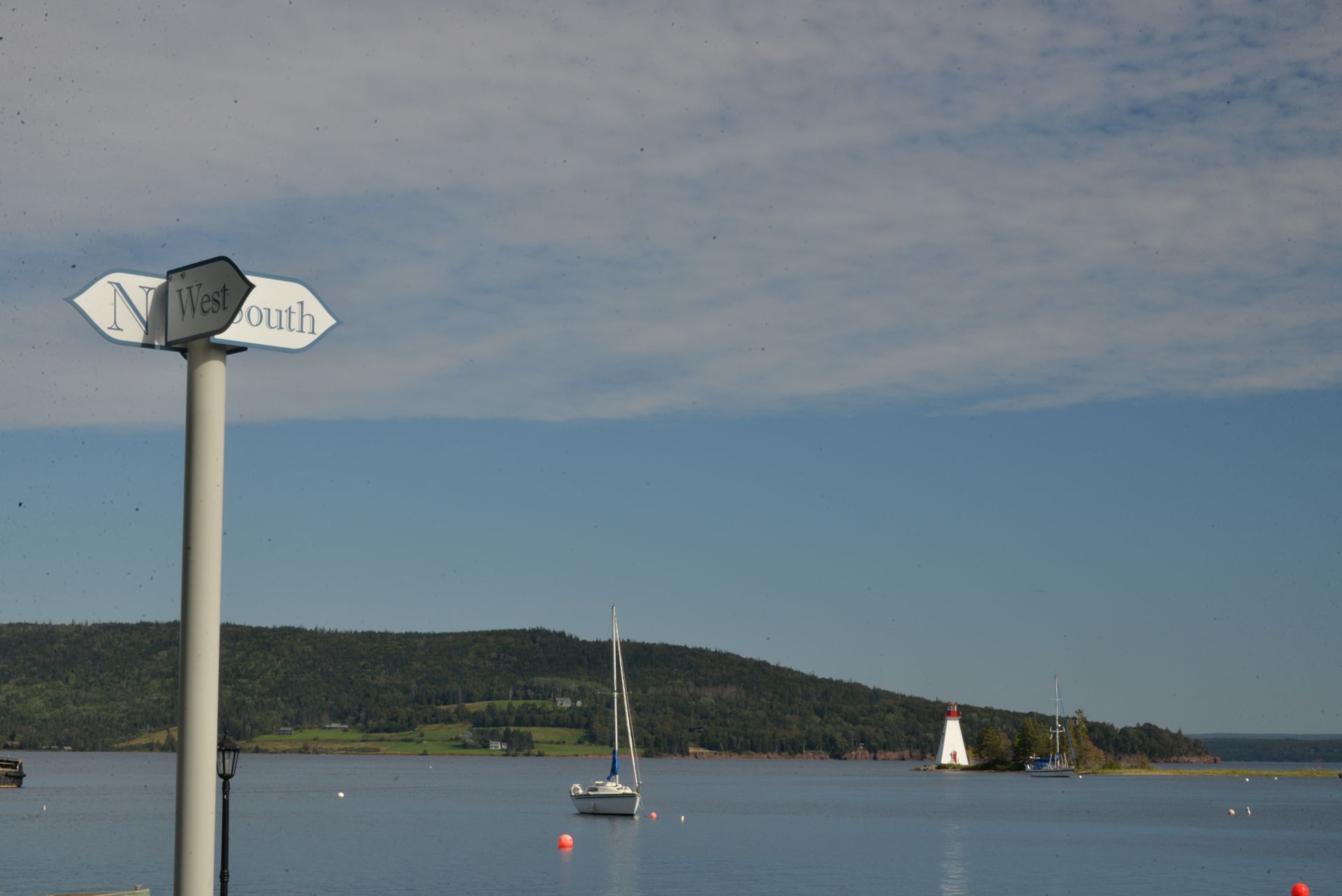
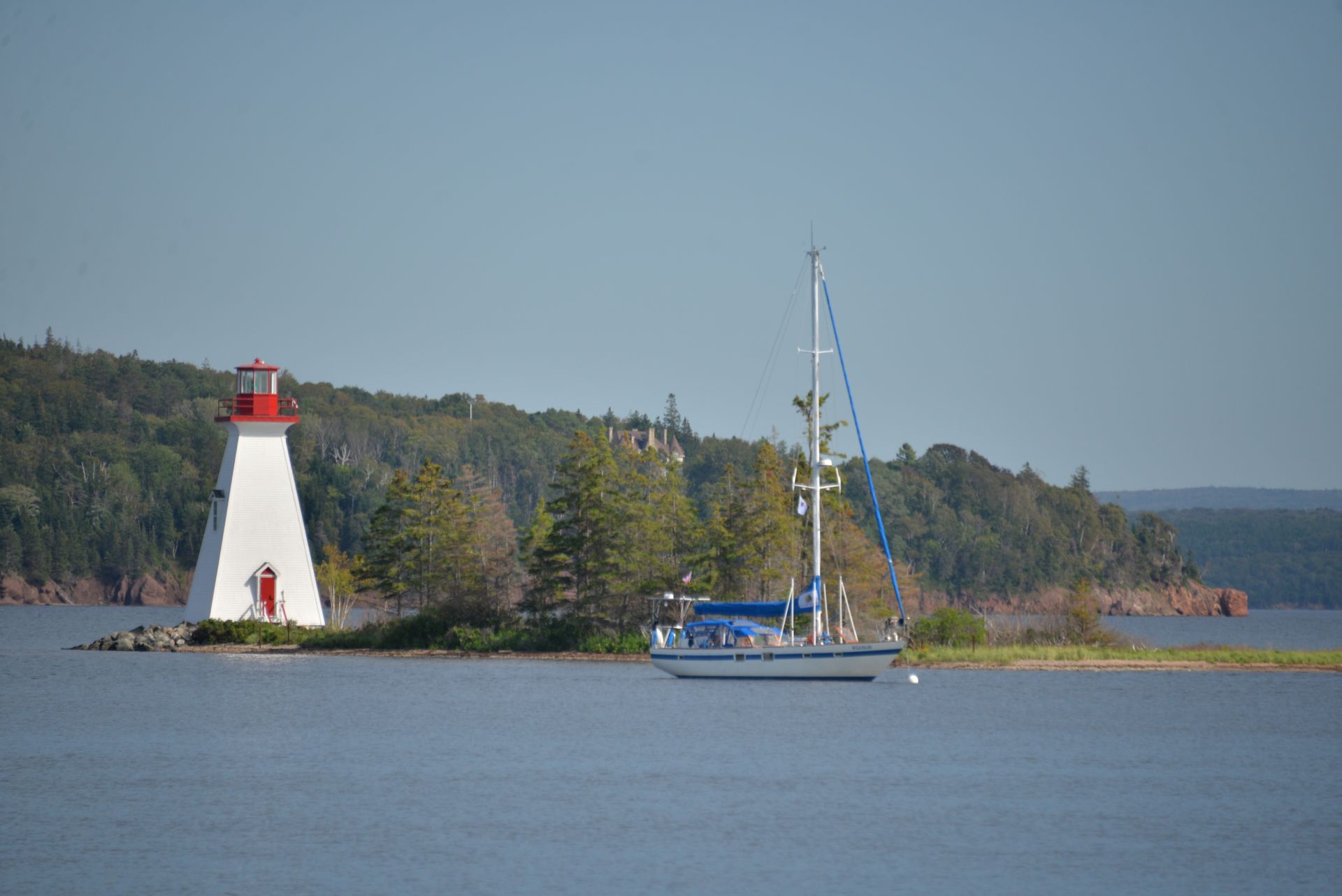
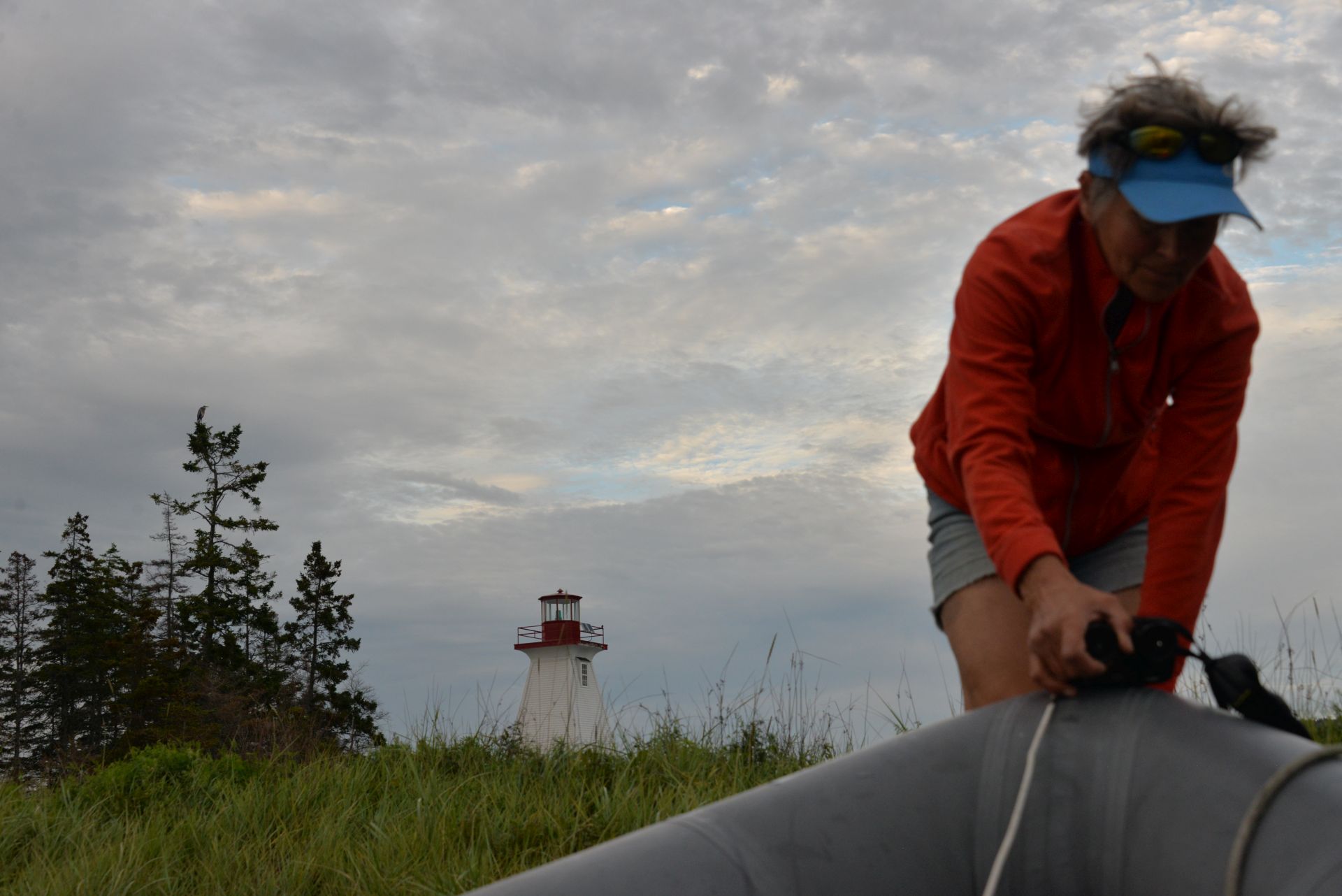
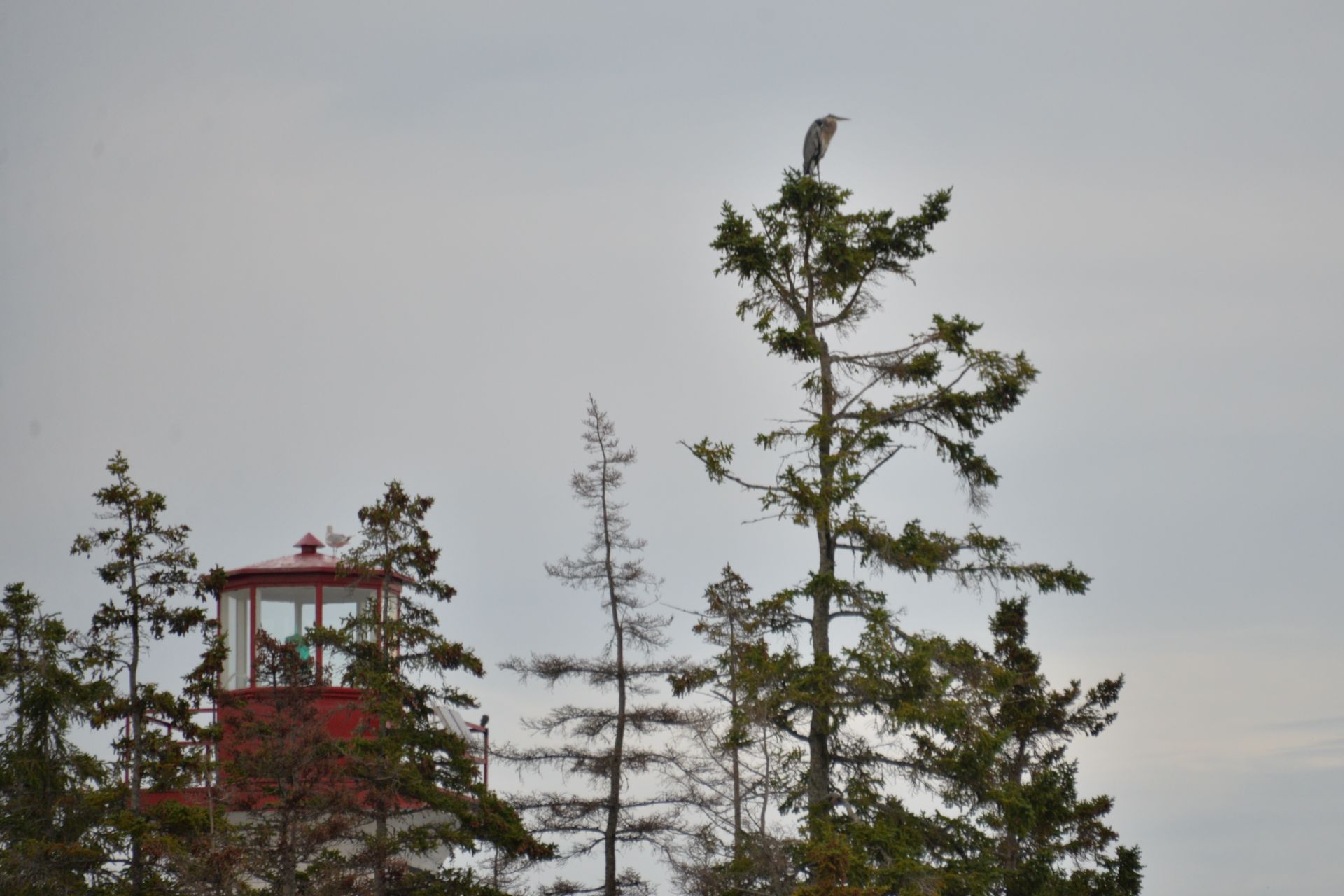
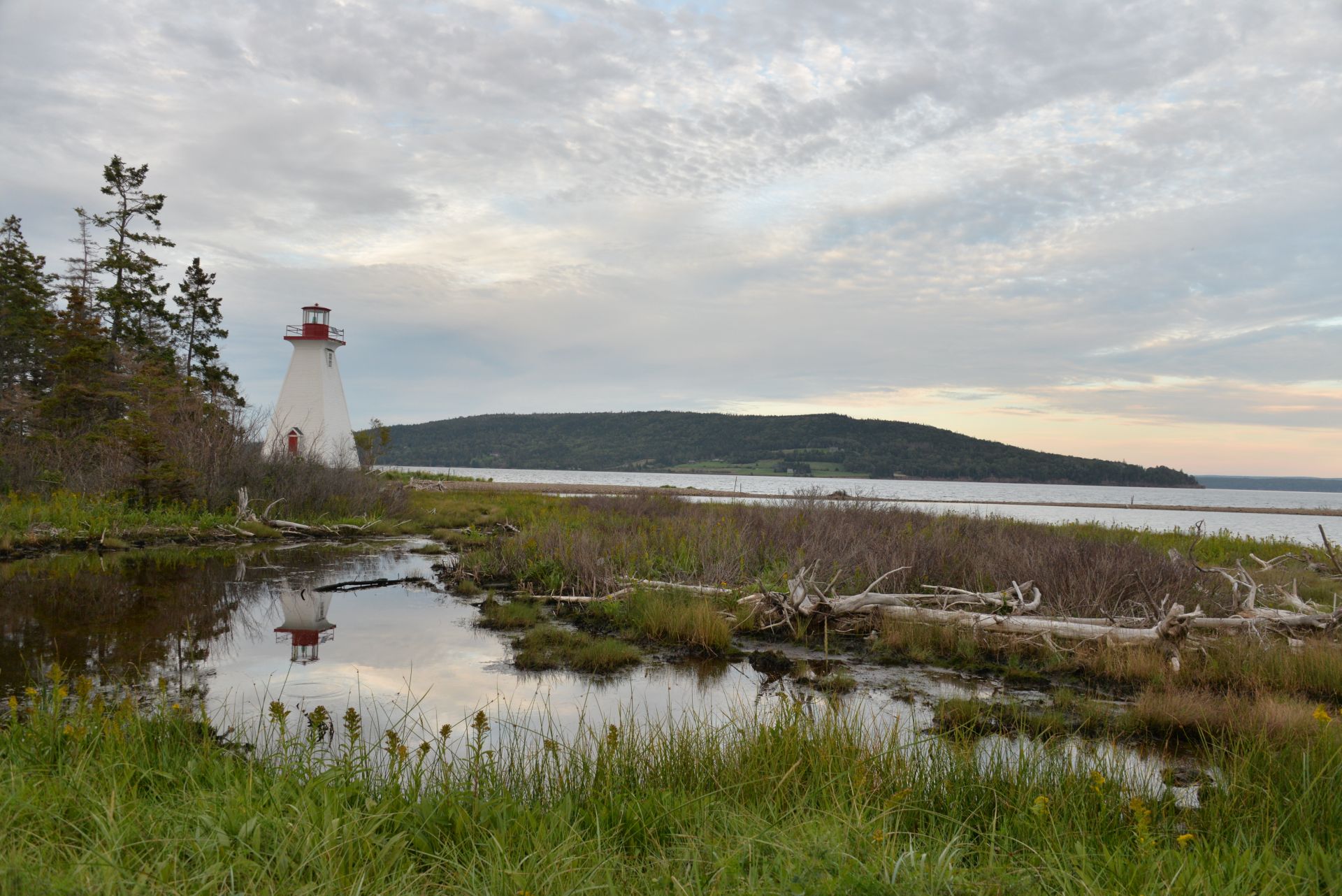
We and the lighthouse
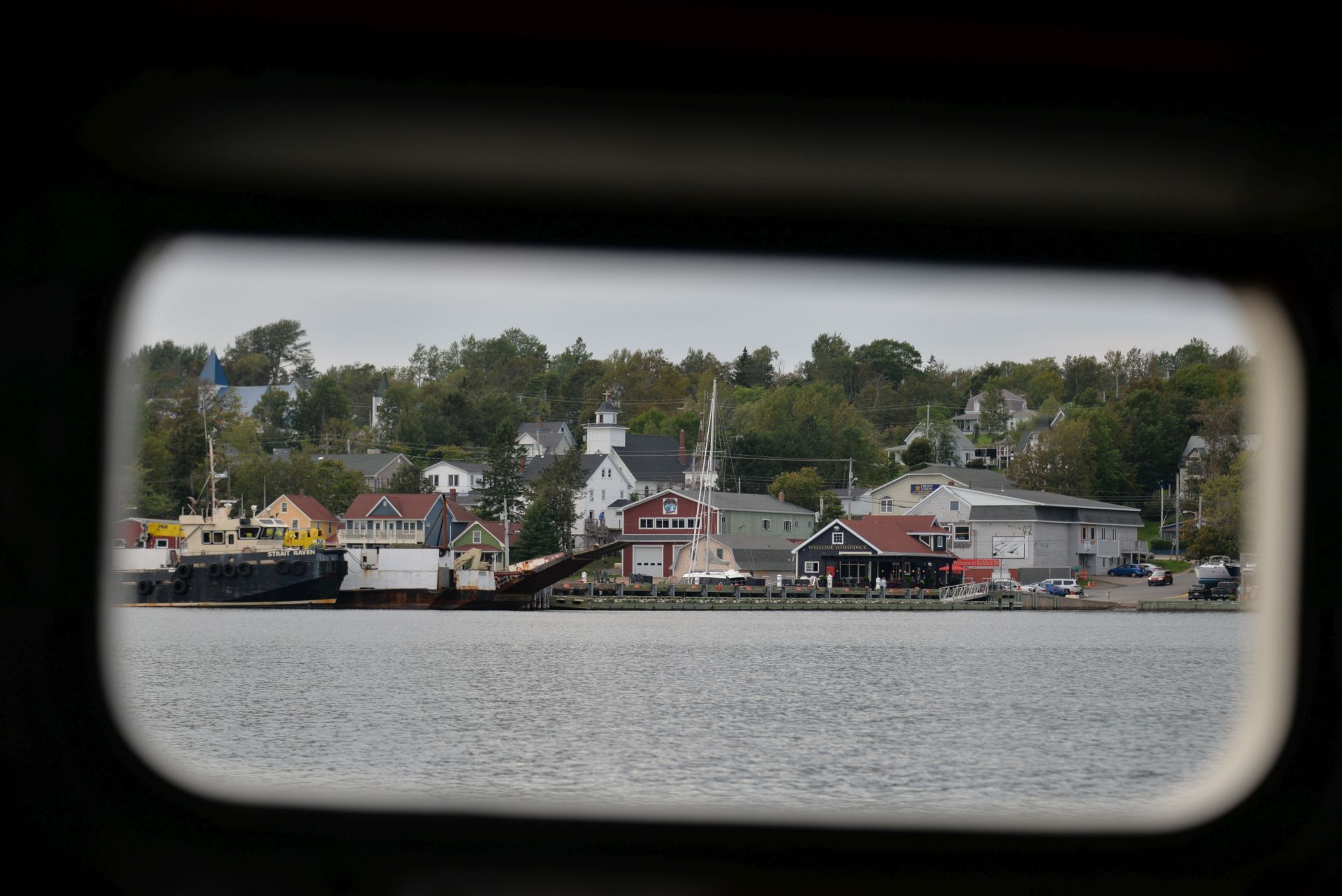
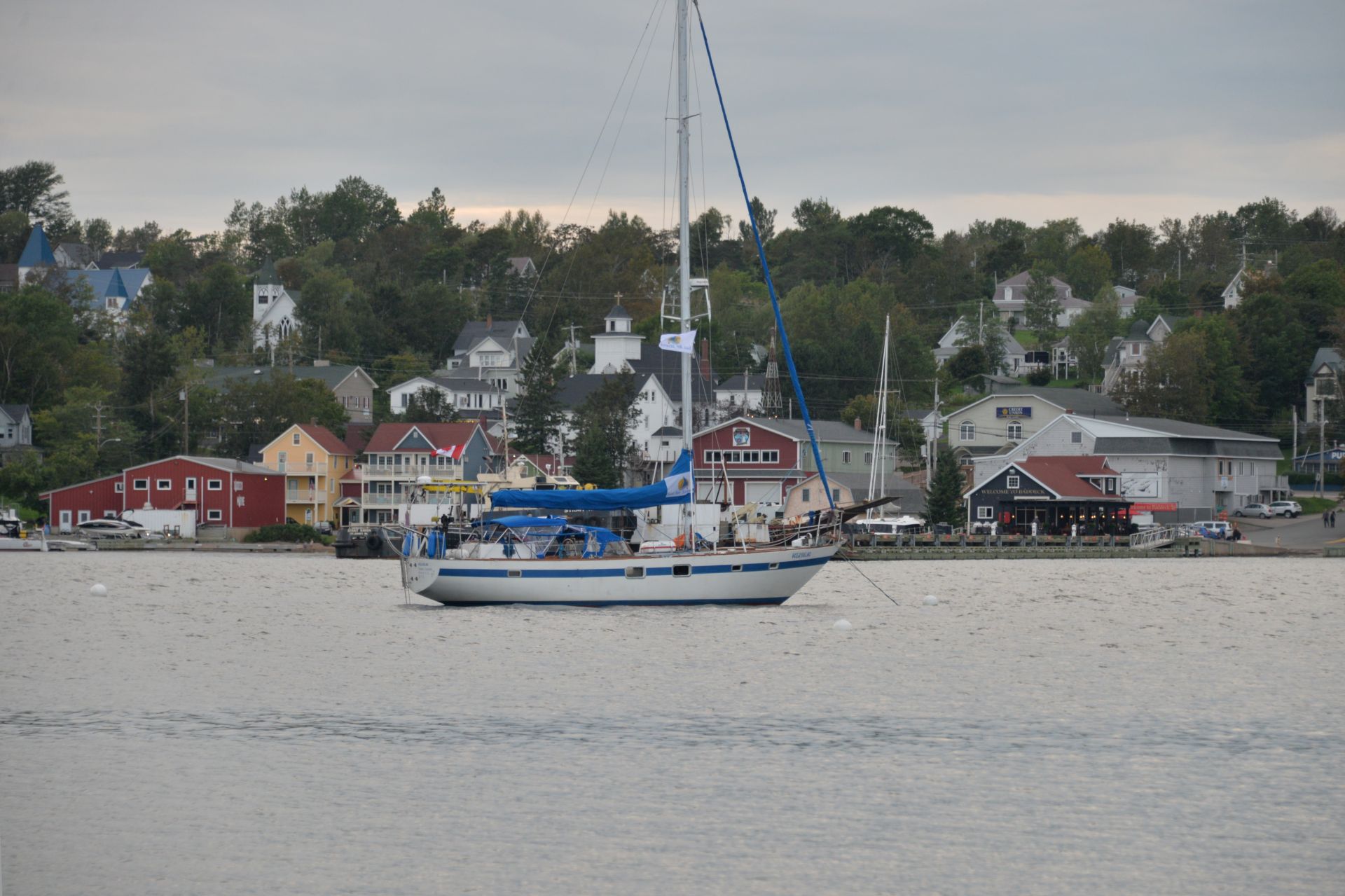
Boats
Alexander Bell’s Museum
Moored near the Lighthouse. A stormy night ahead….